
Michael Matthews's Blog, page 123
May 9, 2014
Cool Stuff of the Week: Goldbely, OnePlus One, Monopoly: Walking Dead Edition, and More…
I’m not ashamed to admit that I’m kind of a sucker for cool stuff. I like nifty gadgets, quirky decoration pieces, nice clothes (and shoes!), good books, and fun games.
In this series of weekly posts, I share whatever currently has my fancy. Maybe some of it will catch yours as well! (Oh and in case you’re wondering, while I do participate in Amazon’s affiliate program, I’m not paid to promote anything.)
VIDEO OF THE WEEK:
BEST OF THE WEB 5
Such great editing in these “Best of Web” videos. Enjoy!
GOLDBELY

You’re gonna love and hate me for telling you about Goldbely.
Goldbely’s team call themselves “explorers of food” and they’re on a mission to discover all things delicious. Specifically, they seek out legendary dishes from local restaurants and renowned food artisans and then set it up so you can get them shipped directly to your door.
So, what do you want for your next cheat meal? The best Chicago deep-dish pizza? The best bagels in New York? Heavenly brownies from Ohio? Goldbely is your ticket.
MONOPOLY: THE WALKING DEAD SURVIVAL EDITION

Like Monopoly and The Walking Dead? Well, here you go. 
This game delivers a classic Monopoly experience of wheeling and dealing, but adds a “survival” element: you must fortify the real estate and resources you own against zombie invasion and out-last the rest of the players.
The artwork on the game is great, the customized game pieces are unique and fun, and I liked the “short-game” mode.
All in all a great spin on Monopoly!
Buy Now
Amazon
Amazon UK
OUTDOOR TECHNOLOGY BUCKSHOT WIRELESS SPEAKER

If you want a small, versatile speaker that you can use on bike rides, hikes, or other outdoors activities, I think you’ll really like the Buckshot.
The sound is clear and it gets loud enough to enjoy on a bike ride, it’s really easy to attach to various things, and the battery life gives you a solid 4-5 hours of listening.
Buy Now
Amazon
Amazon UK
ONEPLUS ONE

I like my S4, but damn, this thing is a monster.
The OnePlusOne starts at a very affordable $299 (for 16 GB) and the tech specs are very impressive:
2.5 ghz Snapdragon Quad-Core processor
3 GB of ram
13 MP Sony camera sensor with a 6-layered lens for unparalleled picture quality
5 MP front-facing camera
Stereo recording and tri-microphone noise cancelling technology
And much more…
It also runs on a beautifully customized version of Cyanogenmod (Android).
When I’m ready for a new phone, this will be my next.
Buy Now
ONEPLUS
BOOK OF THE WEEK:
THE OBSTACLE IS THE WAY

The Obstacle is the Way is a Stoical meditation on how to turn adversity into triumph.
Holiday (the author) is extremely well-read–in fact he has done research for


May 8, 2014
7 Healthy Slow Cooker Recipes That’ll Make You Love Your Crock Pot
If you’re like me, you like to eat a variety of tasty foods but just don’t have the time or inclination to prepare a big, fancy meal every day. And that’s why slow cooker recipes are our saviors.
I’ve been all about this “one-pot” style of cooking for about 6 months now, and I’m loving it so much that my next cookbook is going to be dedicated to it. If you haven’t done a lot of one-pot cooking, you might be surprised how many different awesome dishes you can make with minimal prep (20 minutes or less) and clean-up (one pot, a plate or two, and your silverware).
In this article I’m going to share with you 7 healthy slow cooker recipes that demonstrate some of the versatility and deliciousness of this style of cooking. Enjoy!
Crock Pot Roast with Veggies
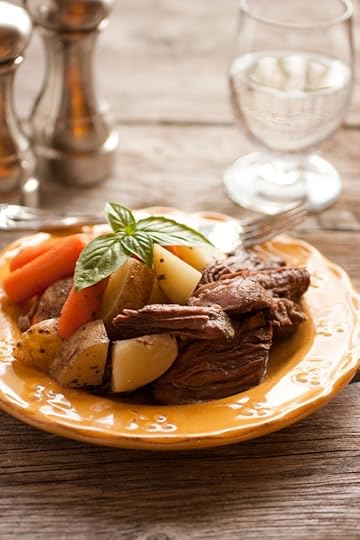
Picture courtesy of Classy Cooking
Sometimes it’s best not to mess with a good thing, and a simple pot roast and veggies is a classic that just doesn’t need to be messed with.
While the simple flavors we all know and love are in this recipe, the method of preparing the ingredients makes it easier than ever to enjoy a comforting meal of meat and potatoes after a long, hard day.
Serves 6
Ingredients
2 lb. chuck roast
2 Yukon gold potatoes, cubed
1 cup carrots, sliced
Salt, pepper and other seasoning to taste
Instructions
1. Chop the carrots and potatoes, along with any other veggies you like. Sprinkle with a little salt, and wrap in aluminum foil.
2. Add the roast to the slow cooker, and season generously.
3. Place the foil packet of vegetables on top of the roast, and set to low for about 8 hours.
4. Unwrap the veggies, and remove the roast to slice. Home-cooked dinner doesn’t get any easier!
Nutrition Facts (Per Serving)
Calories: 377
Protein: 51 grams
Carbs: 12 grams
Fat: 13 grams
Poached Salmon Stew
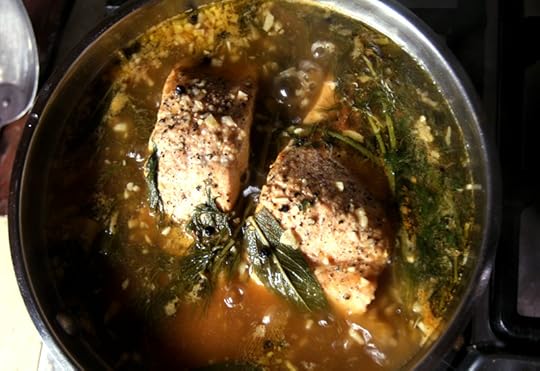
Picture courtesy of Herbie Likes Spaghetti
Too afraid of ruining a beautiful (and expensive) filet of wild-caught salmon to actually try cooking it? Turn to your slow cooker to set your worries at ease.
This’ll take just 10 minutes to put together, and once you see how easy it is to make perfectly flaky and tender fish, you’ll be eating salmon for breakfast, lunch, and dinner.
Serves 4
Ingredients
4 salmon steaks (about 4 oz. each)
1 cup water
Juice of one lemon (2 Tbsp.)
1/2 tsp. salt
1/8 tsp. white pepper
4 cloves garlic, minced
1 onion, sliced
2 Tbsp. unsalted butter
1/2 tsp. dried dill
Instructions
1. Begin by greasing the bottom of the slow cooker with about 1/2 Tbsp. butter, and then add the salmon.
2. In a heavy saucepan over high heat, mix together the water, lemon juice, garlic, onion, butter and all seasonings. Bring to a boil, stir thoroughly, and then coat the salmon with the sauce.
2. Set the slow cooker to low, and cook covered for about 3 1/2 hours, or until the salmon steaks easily flake apart with a fork.
Nutrition Facts (Per Serving)
Calories: 219
Protein: 23 grams
Carbs: 4 grams
Fat: 13 grams
Minestrone Soup
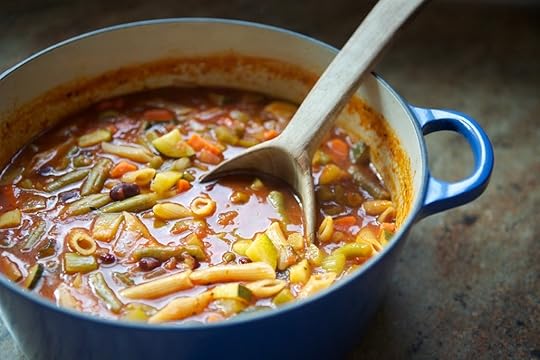
Picture courtesy of Cucina Fresca
Don’t be scared off by this long list of ingredients; this classic soup will only take about 15 to 20 minutes to prep. Plus, all of the ingredients are pantry and produce staples.
This recipe is vegan as written, but if you prefer to add meaty protein, substitute chicken broth and add Italian chicken or turkey sausage.
Serves 8
Ingredients
6 cups vegetable broth
1 can diced tomatoes
1 cup fresh green beans
2 carrots, chopped
1 celery stalk, chopped
1/2 onion, diced
1 zucchini, chopped
2 Tbsp. tomato paste
1 Tbsp. lemon juice
1 bay leaf
1 tsp. dried rosemary
1 tsp. dried oregano
1/2 tsp. salt
1/4 tsp. black pepper
1 can cannellini beans
1 can kidney beans
2 cups fresh baby spinach
1 cup small whole-wheat pasta
Instructions
1. In the slow cooker, add all ingredients except beans, spinach, and pasta. Cover, and leave to cook on low for 8 hours, or on high for 4.
2. A half hour before serving, stir in the beans, spinach, and pasta. Once the pasta is done, your soup is ready!
Nutrition Facts (Per Serving)
Calories: 472
Protein: 32 grams
Carbs: 83 grams
Fat: 3 grams
Overnight Oatmeal
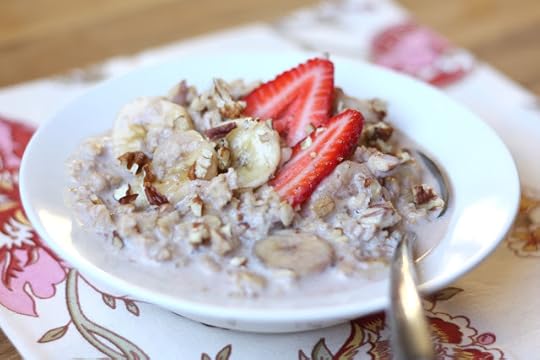
Picture courtesy of Bare Feet in the Kitchen
Hearty soups and juicy meats aren’t the only thing you can cook up in a Crock Pot. They’re also a great way to prepare grains, and since they heat the mixture slowly, you’ll be able to easily add protein powder without it curdling.
This oatmeal is easy to prepare, and it’ll be ready and waiting for you first thing in the morning.
Serves 6
Ingredients
6–8 cups water, adjusting for desired consistency
2 cups steel cut oats
1/4 cup pure maple syrup
1/4 cup coconut sugar
1/2 tsp. salt
1 tsp. cinnamon
2 scoops vanilla whey protein powder
Instructions
1. Lightly grease or spray the inside of a slow cooker with coconut oil.
2. Add all ingredients, and stir thoroughly.
3. Set the slow cooker to low heat, and cook overnight for about 8 hours.
4. In the morning, give the oatmeal a big stir, and unplug the slow cooker. Let sit for 5 minutes.
5. Serve breakfast, topping the oatmeal with fresh fruit, almond butter, chopped nuts, grated ginger, coconut chips, or whatever ingredient you think sounds delicious.
Nutrition Facts (Per Serving)
Calories: 207
Protein: 11 grams
Carbs: 36 grams
Fat: 3 grams
Doro Wat (Ethiopian Chicken Stew)
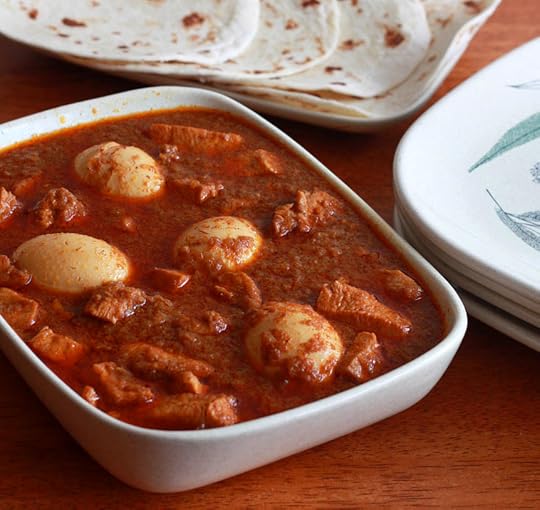
Picture courtesy of The Daring Gourmet
If you’re tired of eating baked chicken breast and canned tuna, this is an easy way to keep your diet interesting as well as global.
If you’ve been to an Ethiopian restaurant, chances are you’ve had this staple dish. It’s spicy, but if you don’t mind heat, it’s a great way to get in a lot of protein.
Serves 10
Ingredients
3 lbs. chicken thighs, cut into one-inch pieces
Juice of one lemon (2 Tbsp.)
2 Tbsp. butter
2 Tbsp. extra-virgin olive oil
3 yellow onions
1 Tbsp. crushed garlic
1 Tbsp. fresh ginger, finely minced
1/2 cup white wine
1 tsp. honey
1 cup chicken stock
2 Tbsp. berbere (Ethiopian spice blend)
1 1/2 tsp. salt
4 hard-boiled eggs, pierced just slightly all over with a fork
Instructions
1. To prep, roughly chop the onions, and mince fine in the food processor. In a small bowl, mix together the white wine and honey.
2. Marinate the chicken thighs in lemon juice for at least a half hour.
3. Place the butter, olive oil, onions, garlic, ginger, chicken stock, honey-wine, berbere and salt in a large slow cooker, and stir well. Add chicken pieces, and cover.
4. Cook on low for 5–6 hours. Serve with injera (Ethiopian flatbread) or over rice.
Nutrition Facts (Per Serving)
Calories: 364
Protein: 42 grams
Carbs: 5 grams
Fat: 17 grams
Pulled Pork

There are endless uses for pulled pork so everyone should keep a go-to recipe like this one in their kitchen.
Tape it to the fridge, if you have to, as a reminder to make a big batch on your day off to last throughout the week for sandwiches, salads, pizzas, quesadillas, savory pies, and so much more.
Serves 12
Ingredients
3 lbs. pork shoulder, trimmed lean
Juice of one orange (1/2 cup)
3 Tbsp. tomato paste
2 Tbsp. coconut sugar
1 Tbsp. smoked paprika
1 tsp. garlic, minced
1 tsp. chili powder
1 tsp. cumin
2 tsp. oregano
2 tsp. sea salt
1 tsp. black pepper
Instructions
1. In an extra-large bowl, mix together orange juice, tomato paste, coconut sugar, smoked paprika, chili powder, cumin, oregano, sea salt, and black pepper.
2. Place the pork roast in the bowl, and coat with the mixture. Move the roast to the slow cooker, and pour the spice liquid on top.
3. Set the heat to low, and cook for 6–8 hours, until the roast is tender enough to pull apart with a fork. When it’s ready, shred the meat, and stir the sauce into the pulled pork.
Nutrition Facts (Per Serving)
Calories: 279
Protein: 29 grams
Carbs: 4 grams
Fat: 16 grams
Thai Mango Sticky Farro
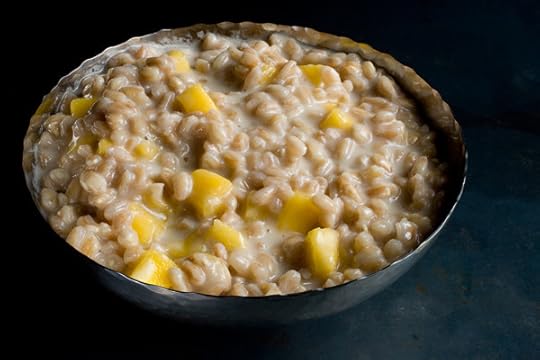
Picture courtesy of Chow
You’ve got breakfast, lunch, and dinner out of your slow cooker – why not dessert too?
Rice pudding has long been praised as a dessert for dieters. But believe it or not, it gets better. Farro beats out rice nutritionally, containing more fiber than brown rice, more protein than quinoa, and tons of minerals like magnesium and iron.
Serves 8
Ingredients
9 oz. (1 1/2 cups) farro perlato
1 can (14.5 oz.) organic coconut milk
1 cup low-fat milk
2 cups water
1/4 cup palm or coconut sugar
1/2 tsp. salt
1 ripe mango, cubed or sliced
Instructions
1. Gently stir farro, coconut milk, low-fat milk, water, sugar, and salt together in the slow cooker. Cover.
2. Set to low heat, and cook for 6 to 8 hours.
3. Serve the sticky farro warm, and top with ripe mango or other fresh fruit. Store leftovers in an airtight container for up to a week.
Nutrition Facts (Per Serving)
Calories: 271
Protein: 7 grams
Carbs: 36 grams
Fat: 13 grams
What did you think of these healthy slow cooker recipes? Have anything else you’d like to share? Let me know in the comments below!
Want more delicious, easy-to-make recipes like these?If you like these recipes, then you’ll love my bestselling cookbook The Shredded Chef!
In this book you’ll find 120 healthy, flavorful recipes specifically designed for athletes that want to build muscle or lose fat. Regardless of your fitness goals, this book has got you covered.
Buy this book now to forever escape the dreadful experience of “dieting” and learn how to cook nutritious, delicious meals that make building muscle and burning fat easy and enjoyable!
Buy Now
Amazon
Amazon UK
Amazon AU
Amazon CA
BN
iBooks
Kobo
Google Play
Vegan and vegetarian dishes are great sources of micronutrients, and even if you’re a meat eater, they’re great for changing things up in your meal plan.
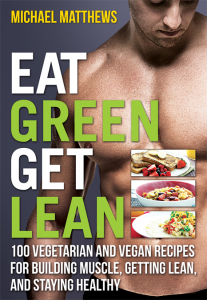
And in my cookbook, Eat Green Get Lean, you’ll find 100 of my favorite vegetarian and vegan dishes, carefully balanced for our high-protein, healthy needs!
Buy this book now to forever escape the dreadful experience of “dieting” and learn how to cook nutritious, delicious vegetarian and vegan meals that make building muscle and burning fat easy and enjoyable!
Buy Now
Amazon
Amazon UK
Amazon AU
Amazon CA
BN
iBooks
Kobo
Google Play

May 7, 2014
Everyone “Knows” Targeted Fat Loss is Impossible…But Is It?
Targeted fat loss, or “spot reduction,” has long been–and still is–a hot button pushed to sell fitness books, magazines, DVDs, supplements, and more.
One workout is for “slimming” your thighs and another is for “sculpting” your midsection. This food is supposed to reduce belly fat and that food can somehow make your hips leaner.
Is any of this actually possible, though? Are we actually able to influence where our bodies pull fat from?
Well, the answer is no…and yes. Let me explain…
You Can’t Directly Exercise Fat Off Certain Body Parts
Pick up just about any fitness magazine and you’ll find workouts for getting a six pack, slimming the thighs, getting rid of love handles, and the like.
I wish it were that simple.
While research has actually shown that training a muscle results in increased levels of blood flow and lipolysis in the area (the breakdown of fat cells into usable energy), it’s not in a large enough quantity to matter.
The reality is training the muscles of a certain area of your body burns calories and can result in muscle growth, both of which certainly can aid in fat loss, but it doesn’t directly burn the fat covering them to any significant degree.
You see, fat loss occurs in a whole-body fashion. You create the proper internal weight loss environment (a calorie deficit) and your body reduces fat stores all over the body, with certain areas reducing faster than others (more on why in a moment).
You can do all the crunches you want–you’ll never have a six pack until you’ve adequately reduced your overall body fat percentage, and that’s more a function of proper dieting than anything else.
Ironically, if you want an area of your body to be leaner, training the muscles without also ensuring you’re reducing your body fat percentage will only aggravate the problem. The muscles will grow and the layer of fat will remain, which will only result in the area looking bigger.
I run into this fairly often with women that get into weightlifting without also addressing their body fat percentage. This is why many women believe weightlifting makes them “bulky.”
You see, when you start out with your body fat percentage too high, lifting weights without also dieting properly only makes you look a little bigger. Some guys welcome this as it’s better than just being skinny fat, but most women hate it. They got into weightlifting to look lean, toned, and athletic, not to have even more trouble fitting into their clothes.
This is why I often repeat a simple rule of thumb: the more muscle you build, the leaner you have to be to avoid looking big and bulky. (Click here to tweet this!)
A woman that has built an appreciable amount of muscle (1+ years of weightlifting) will want to stay under 20% body fat to maintain the type of look most women want (toned arms, tight stomach, shapely legs, big butt, etc.). For us guys, we need to stay under 10% for the look we’re usually after (abs, small waist, vascularity, “dense”-looking muscle, etc.).
You Can Accelerate the Loss of “Stubborn” Fat
And now we come to why I added the “or is it?” question to the title of this article.
While you can’t do a bunch of squats to get leaner thighs or crunches to get a six pack, you can utilize some training and supplemental strategies to help those areas get leaner faster.
How is that possible?
Well, if you’ve ever tried to get below 20% (women) or 10% (men) body fat, you’ve probably noticed that a few areas of your body lost fat a lot slower than others. If you’re a woman, your hips, thighs, and butt were probably the last to really tighten up. If you’re a guy, it was almost certainly your lower abs, obliques, and lower back.
This isn’t a genetic curse–it’s simply a physiological mechanism.
You see, your body uses chemicals known as “catecholamines” to break fat cells down into usable energy. Catecholamines travel through your blood and “attach” to receptors on fat cells, which then trigger the release of the energy stored within the cells so it can be burned off.
Fat cells have two types of receptors for catecholamines, however: alpha-2 and beta-2 receptors. To keep this simple, beta-2 receptors speed up fat mobilization, whereas alpha-2 receptors hinder it.
The more alpha-2 receptors a fat cell has, the more “resistant” it is to being mobilized by catecholamines. On the other hand, the more beta-2 receptors a fat cell has, the more “receptive” it is to the fat-mobilizing molecules.
As you’ve probably guessed, the areas that get lean quickly have a lot of fat cells with more beta-2 receptors than alpha-2, and the areas that don’t have a large amount of fat cells with more alpha-2 than beta-2.
Another problem with these “stubborn fat” areas relates to blood flow. You may have noticed that fat in areas like the lower back and thighs are slightly colder to the touch than fat in other areas of your body like the arms or chest. This is simply because there’s less blood flowing through the areas.
Less blood flow = fewer catecholamines reach the fat cells = even slower fat loss.
So we have a double-whammy of fat loss hindrance here: large amounts of fat cells that don’t respond well to catecholamines and reduced blood flow to keep the catecholamines away.
Fortunately, there are a few things we can do to overcome these barriers and noticeably speed up the loss of fat in these “stubborn” areas of our bodies.
Fasted Training
Your body is in a “fasted” state when insulin is at a baseline level, and your body is relying on its energy stores. If you eat a moderate-sized meal, it takes 4 – 5 hours for your body to finish processing the food and enter this state.
Exercise done in this state accelerates fat mobilization and weightlifting in a fasted state is particularly effective.
In addition, blood flow in the abdominal region is increased when you’re in a fasted state, which means the catecholamines can reach this stubborn fat easier, resulting in more mobilization of it.
Fasted training first thing in the morning has an added benefit, as fasting for longer than 6 hours increases your body’s ability to burn fat.
There is a downside to fasted training, however.
When you exercise in a fasted state, muscle breakdown is dramatically increased. Preventing this is simple, though. All you have to do is take 10 grams of BCAAs, or 3-5 grams of leucine (warning: it tastes really bad) 10 – 15 minutes before training, This suppresses muscle breakdown during your workout.
High-Intensity Interval Cardio
In case you’re not familiar with “high-intensity interval training” or “HIIT,” it’s very simple: you start your workout with a warm-up, and then alternate between bouts of all-out exertion and low-intensity “cooldown.”
For example, you might warm up and then do 30 seconds of sprinting on a bicycle, followed by 45 – 60 seconds of slower pedaling, and you would repeat these intervals for 20 – 25 minutes.
Now, why do this form of cardio instead of the traditional steady-state type?
Well, studies such as those conducted by Laval University, East Tennessee State University, Baylor College of Medicine, and the University of New South Wales have conclusively proven that shorter sessions of high-intensity cardio result in greater fat loss over time than longer, low-intensity sessions.
In fact, a study conducted by The University of Western Ontario showed that doing just 4 – 6 30-second sprints burns more fat over time than 60 minutes of incline treadmill walking (one of the staples of “bodybuilding cardio”).
Furthermore, keeping your cardio sessions shorter means you better preserve your muscle and strength, which is vitally important when it comes to building a physique.
My Favorite Type of HIIT Cardio
I do all of my HIIT cardio on the recumbent bike for several reasons.
I like the stable position, which allows me to bring my iPad and read or watch a movie or show, but cycling also has particular benefits to usweightlifters.
You see, a study conducted by Stephen F Austin State University showed that different types of cardio affect your ability to build muscle and strength differently. The study subjects that ran and walked gained significantly less strength and size than those that cycled.
Why is this?
Well, the researchers believed that the main benefit of cycling was that the movement itself imitates weightlifting exercises that grow your legs, like squats and lunges. So if you can, hop on the bike for your HIIT cardio sessions.
Will HIIT Cardio Place Too Much Stress on the Body?
The idea that doing HIIT while dieting for weight loss is a bad idea because it places too much stress on the body has been kicking around for years. But it’s completely anecdotal–I’ve yet to see any clinical research that supports such a position.
I’ve worked with hundreds and hundreds of people of all ages and fitness levels, and I can’t actually think of one person that burned out on 3 – 5 weightlifting sesions and 3 – 4 HIIT sessions per week (which is what I recommend in my books).
That said, if you do start to feel overtrained, start replacing HIIT cardio sessions with LISS (low-intensity steady-state) and see if that helps.
Start by replacing one HIIT session with LISS and see how you feel that week. If you’re still having issues, replace another and see if that does it. Continue this until you’re feeling better or all HIIT sessions are now LISS.
Caffeine
Ingesting caffeine before exercise increases catecholamine production, resulting in greater fat mobilization.
The amount you should take depends on your tolerance. If you’re not a regular caffeine user, 150 – 200 mg will get you pretty pumped. If you are, it might take upwards of 400 – 500 mg to feel anything.
you can get your caffeine from a beverage like coffee, but interestingly enough, research has shown that the pure form you find in most pills and powders (caffeine anhydrous) is actually more effective for improving performance.
Thus, I recommend you take caffeine pills.
Click Here to Learn More About caffeine Pills
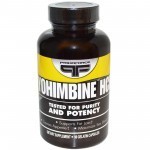
Yohimbine
Yohimbine is a substance found in the Pausinystalia yohimbe plant, and it acts as an alpha-2 antagonist (opponent) in the body, meaning it interferes with the function of alpha-2 receptors in the fat cells. As alpha-2 receptors block fat loss, blocking their activity speeds up fat loss.
Research has shown that .2 mg per kg of body weight is sufficient for these purposes. You should also know that post-meal insulin spikes completely negate the weight loss benefits of yohimbine, so it should only be used in a fasted state.
NOTE: As with anything, excess doses can have negative side effects. Don’t go crazy with this. Furthermore, research has shown that yohimbine can raise blood pressure. If you have high blood pressure, I don’t recommend you use it.
Click Here to Learn More About Yohimbine
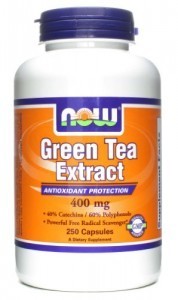
Green Tea Extract
Green tea extract is an herbal product derived from green tea leaves. It contains a large amount of a substance known as a “catechin,” which is responsible for many of tea’s health benefits.
One of these benefits relates to weight loss. Research has shown that supplementation with GTE accelerates exercise-induced fat loss, and can help reduce abdominal fat, in particular.
Based on the studies cited above, you want to take 600 – 900 mg of catechins per day to realize their weight loss benefits. The average GTE product contains about 300 mg of catechins per pill.
Click Here to Learn More About GTE
What do you think about targeted fat loss? Have anything else to share? Let me know in the comments below!
How to get lean and build serious muscle and strength, faster than you ever thought possible…
Depending on how you eat, train, and rest, building muscle and losing fat can be incredibly easy or incredibly hard. Unfortunately, most people make many different mistakes that leave them stuck in a rut.
And that’s why I wrote Bigger Leaner Stronger for men, and Thinner Leaner Stronger for women: they lay out EVERYTHING you need to know about diet and training to build muscle and lose fat effectively…
Buy Now
Amazon
Amazon UK
Amazon AU
Amazon CA
Audible Audiobook
BN
iBooks
iBooks Audiobook
Kobo
Google Play
Buy Now
Amazon
Amazon UK
Amazon AU
Amazon CA
Audible Audiobook
BN
iBooks
iBooks Audiobook
Kobo
Google Play
May 6, 2014
What Can 5 Epically Viral Videos Teach Us About Marketing?
If you’ve ever made a video to promote your business, you’ve probably had dreams of it going viral.
Some people say it’s a completely random occurrence, while others say that you can proactively work to make it happen. While that debate still rages, below you’ll find 5 awesome videos that went crazy viral, receiving millions upon millions of views.
Let’s check ‘em out and see what we can learn about making our own content more viral!
(As a note, each of these videos had many millions of views before being reposted, which reset the view counters.)
Open Happiness: The OFW Project by Coca Cola
Coca Cola’s motto is “Open Happiness,” and I think we can both agree that they did a dang good job.
Like blog posts, a video’s “share rate” has a lot to do with the emotional impact created in the viewer. When a person’s thinking or feelings have been changed or stirred, the urge to share kicks in, which is what underlies the viral explosion of any piece of Web content.
When creating content, remember the following rules:
1. Positive content is more viral than negative content.
2. Content that evoked high arousal emotions—positive or negative—is more viral than content without emotion.
3. Practically useful content get’s shared.
The T-Mobile Royal Wedding by T-Mobile
Here is a fun, hilarious version of the “Royal Wedding” done with actor look-alikes, and it got a TON of exposure.
Tying mainstream, trending topics, movies, TV shows, books, and music into your content is a surefire way to make it more likely to be shared. If a movie like The Avengers is blowing up in the theaters, for example, you could get creative and write an article like, “What the Avengers Can Teach Us About…(insert your topic here)” or “How the Avengers Would Go About…(insert your topic here).
Social media makes it amazingly easy to get a snapshot of what’s currently popular. For example, Hashtags.org is a great website for finding out what’s currently popular on Twitter in various genres, such as business, celebs, education, environment, and more.
Our Blades are F***king Great by DollarShaveClub.com
This is one of the best business-related viral videos I’ve seen. It explains the company’s product while making you crack up. I use an electric shaver and this made me want to switch.
Injecting humor and personality into your content is extremely important in getting your content shared.
The worst sin you commit in creating content, whether strictly marketing or educational, is being boring. So don’t be shy–write your articles and shoot your videos the way you want to, and don’t be afraid to be a little controversial or “weird”…it gets shares!
The Inside Experience by Intel and Toshiba
This project blew me away. How ingeniously creative is that?
I think the big takeaway here is the importance of inviting and stimulating engagement. By getting people involved with your business and content, you immediately make them more likely to share it. How do you do that?
You ask for their comments at the end of blog posts and videos, and you reply to each and every one.
You run contests and giveaways that involve sharing content socially.
You ask them questions on Facebook and Twitter, and join into the ongoing conversation.
The more people interact with you and your business, the closer they’ll feel to you and it, and the more likely they’ll be to share your content.
MFCEO by K-Swiss
LOL. This is just awesome.
That’s what we can learn from this. Be awesome and the rest takes care of itself.
What did you think of these viral marketing videos? Have anything else to share? Let me know in the comments below!
May 5, 2014
How to Take Workout Supplements for Maximum Results
If you’re familiar with my work, you know where I stand on workout supplements: most are a complete waste of money. They either do absolutely nothing or do so little that you don’t even notice a difference.
That said, some do have good scientific evidence of effectiveness and do noticeably impact your ability to lift, run, build muscle, and lose fat.
These are the workout supplements I use and recommend, and in this article, I’m going to discuss the ones I feel are most useful and why, as well as how to take them for maximum effectiveness.
Whey Protein
Whey protein is a staple in most athletes’ diets for a good reason: it’s digested quickly, absorbed efficiently, and easy on the taste buds.
It’s also especially popular with us fitness folk because of its amino profile, which is high in leucine (leucine is an essential amino acid that plays a key role in initiating protein synthesis).
How to Take Whey Protein
You can take whey protein whenever you’d like. There’s no “wrong” way to take it, really, but you should keep two things in mind:
I like to get the majority of my protein from whole food.
70-75% of my daily protein is from food, mainly because food is much more satiating and satisfying. (I don’t know of any research that indicates protein powder is less effective for building muscle or burning fat.)
Protein powder can’t help you lose fat.
I often get asked which protein powder is best for losing weight and my answer is those things aren’t connected at all. Weight loss requires compliance to a proper meal plan, which can include a lot or a little protein powder.
Now, thanks to its rapid digestion and abundance of leucine, whey protein is a particularly effective form of pre-workout and post-workout protein. (The faster protein is digested and the more leucine it has, the more muscle growth it stimulates.)
You’re probably wondering how much you should take at once, so let’s talk about that.
According to one study, 20 grams of whey protein eaten as a post-workout meal stimulates maximum muscle protein synthesis. That is, eating more than 20 grams of whey protein after a workout will not increase muscle growth.
While that sounds neat and simple, it doesn’t apply to everyone equally. Protein metabolism and needs are affected by several things:
How much muscle you have.
The more muscular you are, the more protein your body needs to maintain its lean mass, and the larger the “reservoir” it has for storing surplus amino acids.
How physically active you are.
The more you exercise, the more protein your body needs.
Your age.
As our bodies age, they need more protein to maintain lean mass. For example, research has shown that, in the elderly, 35 – 40 grams of post-workout protein stimulates more protein synthesis than 20 grams.
Your hormonal profile.
Anabolic hormones like testosterone, growth hormone, and insulin-like growth factor 1 (IGF-1) stimulate muscle protein synthesis. If your body has high levels of these anabolic hormones, it will be able to make good use of higher amounts of protein than someone with lower levels.
On the other hand, elevated levels of cortisol reduces protein synthesis and accelerates the process whereby the body breaks down amino acids into glucose (gluconeogenesis), thereby reducing the amount available for tissue generation and repair. Some people have chronically elevated cortisol levels, and this impairs protein metabolism.
So, while 20 grams of protein might be enough to stimulate maximum protein synthesis under certain conditions, this won’t hold true for everyone.
Personally, I include between 30 and 50 grams of whey protein in both my pre- and post-workout meas, which is likely to stimulate maximum protein synthesis for the meals. (In case you’re wondering if the body can use that much protein all at once, check out my article on protein absorption.)
Which Type of Whey Protein is Best?
The three forms of whey protein sold are whey concentrate, isolate, and hydrolysate.
Whey concentrate is the least processed form and cheapest to manufacture, and it contains some fat and lactose. Whey concentrates range from 35 – 80% protein by weight, depending on quality.
Whey isolate is a form of whey protein processed to remove the fat and lactose. Isolates are 90%+ protein by weight, and as they’re more expensive to manufacture than whey concentrate, they’re more expensive for consumers too.
Whey hydrolysate is a predigested form of whey protein that’s very easily absorbed by the body and free of allergenic substances found in milk products. Research also indicates that the hydrolysis process improves solubility and digestibility. Whey hydrolysate is the most expensive of the three options.
So which should you buy
Well, I’ve always used 100% pure whey protein isolate products because concentrates can bother my stomach (research has shown that approximately 70% of the world’s population can’t properly digest lactose, and I guess I’m one of them).
If dairy bothers your stomach at all or gives you any symptoms of indigestion, I recommend you stick with 100% whey protein isolate too. I also like that a good whey isolate product has very little carbs and fat, which means more calories we can “spend” on yummier foods.
If, however, you do fine with lactose and you don’t mind the extra carbs and fats that come with a whey concentrate, you can save a bit of money going that way.
Creatine
Creatine is one of the best workout supplements you can take. Period.
It’s probably the most studied molecule in all of sports nutrition, and decades of research has conclusively proven it can help you build muscle and improve strength, improve anaerobic endurance, and reduce muscle damage and soreness from exercise.
You may have heard that it’s bad for your kidneys, but these claims have been categorically and repeatedly disproven. People with kidney disease are not advised to supplement with creatine, but in healthy subjects, creatine supplementation has been shown to have no harmful side effects, in both short- or long-term usage.
How to Take Creatine
The most common method of creatine supplementation found in the literature is a “loading” period of 20 grams per day for 5 to 7 days, followed by a maintenance dosage of 5 grams per day.
You don’t have to load creatine if you’re just starting with supplementation (you can just start with 5 grams per day), but loading does cause the creatine to accumulate faster in the muscles and thus causes the benefits to “kick in” faster.
Now, the whole point of taking creatine is to increase the amount stored in the muscles, and we’ve known for quite some time that co-ingesting creatine with carbohydrates increases creatine accumulation in the muscles (mainly due to the elevation in insulin levels, which acts to drive more nutrients into the muscle cells).
As this effect is mainly a result of elevated insulin levels, the same effects can be achieved with less carbohydrates but protein as well. In fact, this study demonstrated that 50 grams of protein and carbohydrates was equally effective as 100 grams of carbohydrates in augmenting muscular creatine accumulation.
So, based on this research, you should take creatine with a good sized meal to maximize its effects.
Furthermore, there’s research that indicates that creatine taken after a workout is more effective than creatine taken before one, which is why I take my creatine with my post-workout meal consisting of about 50 grams of protein and 75 to 125 grams of carbs.
Do You Have to Cycle Creatine?
No, there’s no scientific evidence that long-term creatine usage is harmful, so no, there’s no reason to cycle on and off it. It’s not a steroid.
Does Caffeine Interfere with Creatine’s Effects?
Maybe.
One study demonstrated evidence that ingesting caffeine with creatine monohydrate decreases muscular force production when compared to ingesting just creatine monohydrate alone, but this isn’t enough evidence to close the case.
Especially considering the fact that this study demonstrated that caffeine and creatine monohydrate taken together were more effective than just creatine monohydrate in improving the performance of high-intensity interval cardio. These results were seen in this study as well.
Considering the evidence, I like to “play it safe” and take my creatine and caffeine separately, not together like what you find in most pre-workout drinks.
Does Creatine Make You Bloated?
This used to be a problem but in the last decade or so, processing has improved greatly and it’s really a non-issue now.
It’s unlikely that you’ll notice any difference in subcutaneous water retention when you take creatine, even if you’re quite lean.
Should You Take Creatine While Dieting For Fat Loss?
Yes.
Creatine works equally well when you’re in a calorie deficit, which means you’ll retain more strength and thus lean mass.
Which Form of Creatine is Best?
There are many forms of creatine available, and monohydrate is the best. I explain why here.
Casein Protein
Casein is one of the two forms of protein found in dairy (whey being the other).
It’s a popular type of supplement in the world of bodybuilding because it’s digested slower than whey (it causes a smaller spike in amino acids in the blood, but a steadier release over the course of several hours).
There’s an ongoing debate about whether supplementing with whey is better than casein for building muscle or vice versa, but here’s what we’re pretty certain about:
Due to its rapid digestion and abundance of leucine, a 30-40 gram serving of whey is probably your best choice for post-workout protein.
Due to its slow release of amino acids, casein is a great all-around protein supplement.
While it may or may not be as optimal as whey for post-workout protein (the jury is still out on this), there is a growing body of evidence indicating that, when supplementing with powders, a slow-burning protein is the best overall choice for building muscle.
Casein is a good protein to have before you go to bed, which can help with muscle recovery.
If you’re like me and your stomach can only take so much dairy and dairy derivatives like whey and casein, you can use egg protein instead of casein because it’s also digested slowly (even slower than casein, actually).
Branched-Chain Amino Acids (BCAAs)
Branched-chain amino acids, or BCAAs for short, are a group of three essential amino acids (amino acids that your body must get from your diet):
Leucine
Isoleucine
Valine
Leucine is the star of the trio, as it directly stimulates protein synthesis via the activation of an enzyme responsible for cell growth known as the mammalian target of rapamycin, ormTOR.
Isoleucine is number two on the list, as it improves glucose metabolism and increases muscular uptake.
Valine is a distant third as it doesn’t seem to do much of anything when compared to leucine and isoleucine.
You find high amounts of these amino acids in quality proteins such as meat, eggs and dairy products, with whey protein isolate being particularly high.
How to Take BCAAs
For the reasons I discuss here, BCAAs are one of the most overrated supplements you can buy. So long as you eat enough protein every day, and have some before a workout, you don’t need to supplement with BCAAs.
That said, BCAAs do have a good use, and that’s for mitigating the increased muscle breakdown that occurs with fasted training.
Fasted training is an effective way to speed up fat loss–and the loss of stubborn fat, in particular–but it does come with that “price” of accelerated breakdown of the muscles. Well, the leucine in BCAAs counter-acts that.
10 grams of BCAAs, which provides 3 to 5 grams of leucine, is enough to achieve this effect without raising dramatically increasing insulin levels, which would effectively “break” the fasted state.
Green Tea Extract
Green tea extract is a weight loss supplement made from green tea leaves.
It’s rich in antioxidants known as catechins, which are responsible for many of tea’s health benefits, and which have been proven to help with weight loss. Research has also shown that catechins can help reduce abdominal fat, in particular.
Catechins accelerate fat loss by blocking an enzyme that degrades catecholamines, which are chemicals the body produces that trigger the use of fat for energy.
How to Take Green Tea Extract
If you look at the dosages proven effective in clinical studies, you’ll see that 400 – 600 mg of catechins per day is the normal range.
Each pill of the product I recommend contains about 150 mg of catechins so I take 4 per day both when I’m cutting and maintaining. (I take green tea extract when I’m maintaining simply because it helps prevent fat storage and promotes a generally leaner physique.)
When you take green tea extract doesn’t really matter. Research has shown that absorption is faster when pills are taken in a fasted state, but plasma catechin levels remain elevated for several hours after ingestion, whether fed or fasted.
Personally, I train fasted when cutting, and I have 300 mg of catechins (2 pills) about 15 minutes before training, and another 300 mg a couple hours before I do cardio later in the day.
You should also know that nausea is common if you take green tea extract on an empty stomach. If I take more than 200 – 300 mg catechins on an empty stomach, I get quite nauseous.
Caffeine
Caffeine helps you lose fat by simply increasing your body’s daily energy expenditure.
As weight loss boils down to energy consumed vs. energy expended, caffeine helps you maintain a calorie deficit.
Caffeine has other benefits for us fitness folk, though. It improves strength, muscle endurance, and anaerobic performance, and also reverses the “morning weakness” experienced by many weightlifters.
How to Take Caffeine
If you want to reap its workout-related benefits, you want to take caffeine before your workout. I take mine about 15 minutes before and it kicks in by the time I’m into my first warm-up set or two.
You can get your caffeine from a beverage like coffee, but interestingly enough, research has shown that the pure form you find in most pills and powders (caffeine anhydrous) is actually more effective for improving performance.
That’s why I recommend get your pre-workout caffeine from caffeine pills, pre-workout drink, or a fat burner.
In terms of amount, research shows that 3 to 6 mg per kg of body weight is optimal for maximizing performance benefits while also minimizing side effects.
Furthermore, in order to maximize caffeine’s effectiveness, you want to prevent your body from building up too much of a tolerance. The best way to do this is to limit intake, of course. Here’s what I recommend:
Before training, supplement with 3 – 6 mg caffeine per kg of body weight.
If you’re not sure of your caffeine sensitivity, start with 3 mg/kg and work up from there.
Keep your daily intake at or below 6 mg per kg of body weight.
Don’t have 6 mg/kg before training and then drink a couple of coffees throughout the day.
Do 1 – 2 low-caffeine days per week, and 1 no-caffeine day per week. A low day should be half your normal intake, and a no day means less than 50 mg of caffeine (you can have a cup or two of tea, but no coffee, caffeine pills, etc.).
What did you think of this guide on how to take workout supplements? Have anything else you’d like to share? Let me know in the comments below!
How to get lean and build serious muscle and strength, faster than you ever thought possible…
Depending on how you eat, train, and rest, building muscle and losing fat can be incredibly easy or incredibly hard. Unfortunately, most people make many different mistakes that leave them stuck in a rut.
And that’s why I wrote Bigger Leaner Stronger for men, and Thinner Leaner Stronger for women: they lay out EVERYTHING you need to know about diet and training to build muscle and lose fat effectively…
Buy Now
Amazon
Amazon UK
Amazon AU
Amazon CA
Audible Audiobook
BN
iBooks
iBooks Audiobook
Kobo
Google Play
Buy Now
Amazon
Amazon UK
Amazon AU
Amazon CA
Audible Audiobook
BN
iBooks
iBooks Audiobook
Kobo
Google Play
May 3, 2014
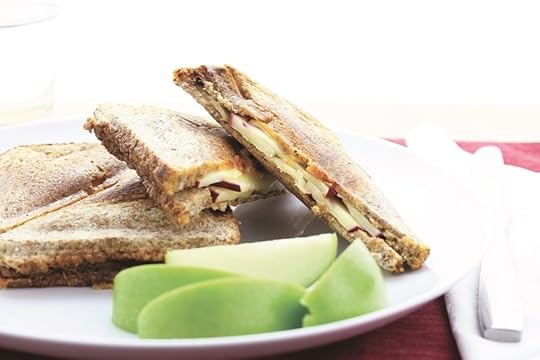
Recipe of the Week: Apple Cheddar Panini
This simple, fast, and really tasty recipe is perfect for when you’re lounging around the house and want some food, but don’t want to have to whip up a whole meal.
Ezekiel bread makes this simple meal especially tasty, and if you can get them, try honeycrisp apples.
Servings
4
Calories Per Serving
344
Protein Per Serving
23 grams
Carbohydrates Per Serving
48 grams
Fat Per Serving
7 grams
Ingredients
8 slices whole grain bread
4 tablespoons low-fat honey mustard
2 apples, thinly sliced
8 ounces low-fat cheddar cheese, thinly sliced
Instructions
If you have a panini press or countertop grill, preheat on medium heat. If not, coat a skillet in cooking spray and place over medium heat.
Spread 1 tablespoon of the honey mustard evenly over each slice of bread, then evenly divide the apple slices and cheese to make 4 sandwiches.
Place on the skillet and top with a lid or something to press down on sandwich. Cook for 2 – 3 minutes and flip, apply a fresh coat of cooking spray when flipping.
What You Get to Eat
What did you think of this week’s recipe? Let me know in the comments below!
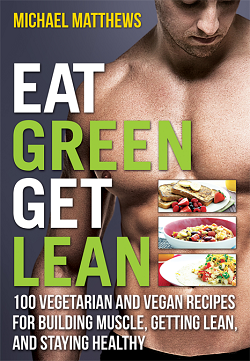
Want more delicious, easy-to-make recipes like this?If you like this recipe, then you’ll love the bestselling cookbook it came from: my own Eat Green Get Lean! It contains 100 vegetarian and vegan recipes specifically designed for high-protein, healthy dieting.
And even if you’re not a vegetarian or vegan eater, you will find plenty of delicious “add-on” dishes, as well as breakfast, lunch, and dinner recipes that you can easily add meat or other forms of protein to.
Buy this book now to forever escape the dreadful experience of “dieting” and learn how to cook nutritious, delicious vegetarian and vegan meals that make building muscle and burning fat easy and enjoyable!
Buy Now
Amazon
Amazon UK
Amazon AU
Amazon CA
BN
iBooks
Kobo
Google Play
You might also like my other bestselling cookbook, The Shredded Chef.
In this book you’ll find 120 healthy, flavorful recipes specifically designed for athletes that want to build muscle or lose fat. Regardless of your fitness goals, this book has got you covered.
Buy Now
Amazon
Amazon UK
Amazon AU
Amazon CA
BN
iBooks
Kobo
Google Play
May 2, 2014
Cool Stuff of the Week: Nod, Robinhood (not the story), Beyond Training, and More…
I’m not ashamed to admit that I’m kind of a sucker for cool stuff. I like nifty gadgets, quirky decoration pieces, nice clothes (and shoes!), good books, and fun games.
In this series of weekly posts, I share whatever currently has my fancy. Maybe some of it will catch yours as well! (Oh and in case you’re wondering, while I do participate in Amazon’s affiliate program, I’m not paid to promote anything.)
VIDEO OF THE WEEK:
FIRST WORLD PROBLEMS ANTHEM
It’s easy to forget how nice and easy most of us have it. This is a much-needed reminder.
NOD
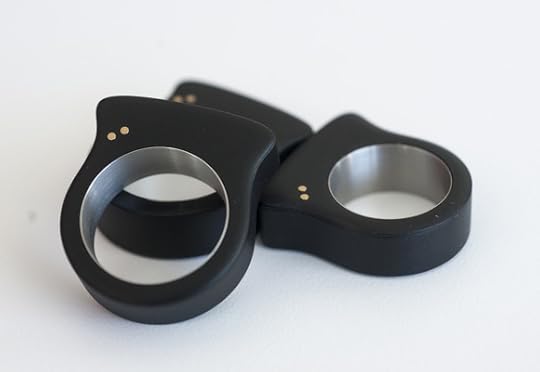
We’re used to gesture control on our phones, tablets, and laptops, but gesture control in a ring? Yup, that’s Nod.
With Nod, you control devices by simply moving your hands in the air. Check it out:
ROBINHOOD
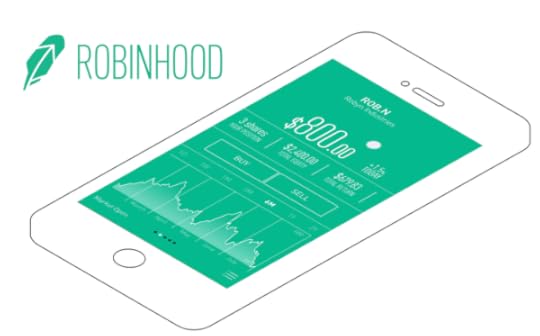
We’ve been conditioned to believe that it’s normal to pay a per-transaction fee when making stock trades, but Robinhood is turning that “tradition” on its head. With this slick, FREE app, you can trade stocks with zero fees.
No catches. No BS. (Here’s how they can do this, in case you’re wondering.)
CHEF’N PALM PEELER

Here’s yet another nifty little gadget from Chef’n (I found this company through their VeggiChop utensil, which I now use every day).
The Palm Peeler slides onto your finger, tucks into your palm, and peels anything you can get your hand on. It makes peeling way faster.
Buy Now
Amazon
Amazon UK
SLATE MOBILE AIRDESK

If you spend a lot of time on a laptop and want to be able to lounge and still work/play comfortably, get the Slate Mobile Airdesk. It promotes proper posture, the mousepad and phone/tablet dock are great touches, and it keeps your laptop cool (no more frying your lap!).
Buy Now
Amazon
BOOK OF THE WEEK:
BEYOND TRAINING

In Beyond Training, personal trainer, holistic nutritionist, health expert, and all-around cool guy Ben Greenfield, shows you how to overcome common health-related training issues while optimizing your workouts so you can look, feel, and perform like a champion.
This book is like a buffet of “biohacks.” Greenfield covers a wide variety of subjects like…
Improving endurance, mental performance, and workout recovery
The 25 most important blood and saliva biomarkers and how to test them
How to strengthen the immune system
9 ways to fix a broken gut, create toxin-free life, and detox your body
Proven ways to enhance sleep, eliminate insomnia, and conquer jetlag
And more…
Whether you’re an exercise enthusiast or just looking to shed a few pounds, you’ll find plenty of helpful advice in Beyond Training.
TV SHOW OF THE WEEK:
STAR WARS: THE CLONE WARS

I’m a big fan of the original Star Wars movies and of the universe itself, but after the new trilogy, I thought Lucas had completely lost his touch for storytelling or simply didn’t care about the franchise anymore. Thus, when I heard about the Clone Wars series, I assumed the worst: a cartoon, meant primarily for children, with Lucas at the helm? No thanks.
But I was wrong. Completely wrong. Clone Wars is fantastically done. It’s far better than the New Trilogy, and actually makes me hopeful for Episode VII.
Yes, it’s a children’s show, but it has a lot going for it:
The episodic plots are quite entertaining–they’re varied, well designed, and perfectly paced
The over-arching plot advances steadily (you don’t have to trudge through long stretches where nothing of any greater importance happens)
The characters are simplistic yet developed enough for you to actually care what happens (this is no Game of Thrones, but the cast gets the job done)
It’s surprisingly adult in many ways: dark themes, character deaths, realistic consequences, and the slow-mounting tension that, as we know, will result in the complete collapse of the Republic
Regardless of your age, if you like the world of Star Wars at all, give Clone Wars a go. I think you’ll be pleasantly surprised.
Buy Now
Amazon
Amazon UK
Watch now
Amazon US Instant VideoAmazon UK Instant Video
What do you think of this week’s picks? Have anything you’d like to share? Let me know in the comments below!
May 1, 2014
7 Healthy Salad Dressings For Making Outstanding Salads
A fantastic salad is one of my favorite types of meals.
It’s a great way to enjoy leafy greens loaded with iron, chlorophyll, vitamins, fiber, antioxidants, and other nutrients, and it can be topped with protein, veggies, seeds, nuts, and a bunch of other nutrient-dense foods.
But what really makes or break a salad is the dressing. A great dressing makes even a bowl of iceberg lettuce delicious, whereas a bad dressing will ruin even the most creative ensemble of ingredients.
Many store-bought dressings are loaded with calories, preservatives, and other chemicals, which is why I prefer to make my own. These seven healthy salad dressings will help you enjoy more salad without getting bored and – more importantly – without pouring on hundreds of calories.
Keep in mind that the serving size is (on average) only 2 Tbsp. per cup of salad. That’s a ratio of only 1:8 so by no means should you wind up with soggy spinach leaves or a puddle on the bottom of the plate.
Another good tip for limiting dressing use is to have the dressing on the side and dip your fork in it before going for a stab of lettuce. You’ll eat quite a bit less dressing this way and still enjoy every bite.
Triple Peppercorn Vinaigrette Dressing
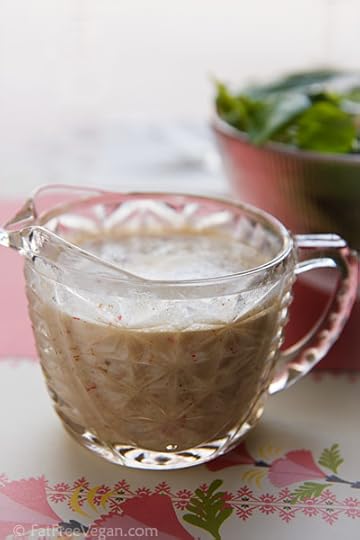
Picture courtesy of Fat-Free Vegan
This low-fat dressing has little for picky eaters to complain about, but packs in plenty of flavor with three types of ground pepper – plus balsamic, onion, garlic and flax.
It’s the perfect match for a simple garden salad with cherry tomatoes, cucumber slices and shredded carrot.
Serves 7
Ingredients
1/2 cup unsweetened soy milk
1/3 cup white balsamic vinegar (or rice vinegar)
1 clove garlic
1/2 tsp. pink peppercorns
1/4 tsp. black pepper, freshly ground
1/8 tsp. white pepper, freshly ground
1/2 tsp. onion powder
1/2 tsp. salt
1/2 tsp. ground flaxseed
Instructions
1. Combine all ingredients in a blender. Once smooth, transfer to a bowl.
2. Allow to thicken in the refrigerator for at least a half hour. Stir, and serve.
Nutrition Facts (Per Serving)
Calories: 20
Protein: 0 grams
Carbs: 3 grams
Fat: Less than 1 grams
Jamie Oliver’s Low-Fat Caesar Dressing

Picture courtesy of Design + Life + Kids
When ordering a salad as a lighter, healthier lunch option, too many people make the mistake of going with Caesar. Well, even “healthy” brands like Newman’s Own have 18 grams of fat per serving!
Indulge your taste buds without wrecking your diet by choosing this homemade alternative.
Serves 4
Ingredients
1/3 cup nonfat Greek yogurt
2 anchovy filets, mashed
1 clove garlic, minced
Juice of one lemon
2 tsp. Worcestershire sauce
2 Tbsp. extra-virgin olive oil
2 Tbsp. Parmigiano-Reggiano cheese, freshly grated
Instructions
1. Use a whisk to mix together the Greek yogurt, anchovies, garlic, lemon juice and Worcestershire sauce.
2. Whisk in the oil, and add the cheese.
Nutrition Facts (Per Serving)
Calories: 124
Protein: 8 grams
Carbs: 4 grams
Fat: 9 grams
Low-Fat Ranch Dressing

Picture courtesy of The Honour System
Every now and then nothing satisfies quite like an old favorite, especially one like this from childhood. Instead of ranch dressing from a bottle or seasoning pouch, make it from scratch with a few standby herbs and spices.
Serves 16
Ingredients
Ranch Mix:
1/2 Tbsp. black pepper, freshly ground
3/4 tsp. salt
2 1/2 Tbsp. parsley flakes
1 Tbsp. garlic salt
1/2 Tbsp. garlic powder
1 1/2 Tbsp. onion powder
3/4 tsp. dill
Dressing:
1 1/2 cup plain nonfat Greek yogurt
1/2 cup low-fat buttermilk
Instructions
1. Mix together all herbs and spices to make homemade ranch seasoning.
2. Combine the Greek yogurt and buttermilk, and stir in 2 Tbsp. of ranch seasoning.
Nutrition Facts (Per Serving)
Calories: 18
Protein: 3 grams
Carbs: 2 grams
Fat: 0 grams
Orange Chia Seed Vinaigrette Dressing

Picture courtesy of The Organic Dietitian
This salad dressing will perk up a simple mix of lettuce, almonds, and cranberries, but you can also use it to finish other vegetables like Brussels sprouts, carrots and sweet potatoes.
Because the chia seeds absorb nearly ten times their size in water, turning into a gel, they are a great way to thicken salad dressing while boosting nutrition.
Serves 4
Ingredients
2 tsp. chia seeds
1/4 cup water
1/2 tsp. orange zest
1 Tbsp. orange juice, freshly squeezed
1 tsp. extra-virgin olive oil
1 Tbsp. agave nectar
1 Tbsp. apple cider vinegar, unfiltered
1/4 tsp. sea salt
Instructions
1. In a small bowl, mix the chia seeds and water, and let sit for about a half hour, stirring occasionally until all liquid is absorbed.
2. Mix together all ingredients until well blended.
3. Use immediately, or store in the refrigerator.
Nutrition Facts (Per Serving)
Calories: 33
Protein: Less than 1 gram
Carbs: 5 grams
Fat: 2 grams
Buttermilk-Goat Cheese Dressing

Picture courtesy of Jenn’s Food Journey
Craving a creamy, cheesy salad? Instead of blue cheese or cheddar, enjoy a goat cheese dressing to get all the benefits of this alternative dairy.
Goat milk is easier to digest, in part because it’s lactose-free, and your body will get a greater dose of iron, calcium, phosphorous, magnesium and vitamins A, B6 and D.
Serves 4
Ingredients
1 1/2 oz. goat cheese, softened
1/3 cup low-fat buttermilk
1 Tbsp. white wine vinegar
1/2 Tbsp. extra-virgin olive oil
1 tsp. horseradish
1/4 tsp. dill
Instructions
1. Place all ingredients in the bowl of a blender or food processor, and pulse until well combined.
2. Cover, and refrigerate for up to two weeks.
Nutrition Facts (Per Serving)
Calories: 53
Protein: 3 grams
Carbs: 1 gram
Fat: 4 grams
Ginger-Almond Dressing

Picture courtesy of Raw Food Recipes
Almond butter addicts (like me) can now enjoy it on their favorite leafy greens too.
This dressing packs in a little healthy fat and protein from hemp seeds, vitamin C from fresh orange juice, along with the many medicinal properties of ginger. Plus, if you choose raw unfiltered apple cider vinegar, you’ll be reaping various health benefits from this as well.
Serves 4
Ingredients
2 Tbsp. creamy almond butter, unsalted
2 Tbsp. hemp seeds
1 Tbsp. agave nectar
1/4 cup orange juice, freshly squeezed
1 Tbsp. unfiltered apple cider vinegar
2 tsp. fresh ginger, minced
1/4 tsp. salt
Fresh black pepper to taste
Instructions
1. Place all ingredients in the bowl of a blender or food processor, and pulse until well combined.
2. If not using hemp seeds, you can simply whisk all together until smooth.
3. Store any extra dressing in the fridge.
Nutrition Facts (Per Serving)
Calories: 94
Protein: 3 grams
Carbs: 8 grams
Fat: 6 grams
Simple Balsamic Vinaigrette

Picture courtesy of Simply Scratch
Have everything but the salad except a bottle of dressing? Don’t worry; your fresh produce won’t go to waste.
Chances are you have these four simple ingredients in your pantry. And for a little zing, you can add some spicy mustard to the mix. The final result is delicious and works with all veggies (and some fruits too).
Serves 1
Ingredients
2 tsp. olive oil
1 tsp. balsamic vinegar
1/2 tsp. honey
Dash of salt
Instructions
1. Measure all ingredients into a small bowl, and emulsify with a fork.
Nutrition Facts
Calories: 92
Protein: 0 gram
Carbs: 3 grams
Fat: 9 grams
What did you think of these healthy salad dressings? Have anything else to share? Let me know in the comments below!
Want more delicious, easy-to-make recipes like these?If you like these recipes, then you’ll love my bestselling cookbook The Shredded Chef!
In this book you’ll find 120 healthy, flavorful recipes specifically designed for athletes that want to build muscle or lose fat. Regardless of your fitness goals, this book has got you covered.
Buy this book now to forever escape the dreadful experience of “dieting” and learn how to cook nutritious, delicious meals that make building muscle and burning fat easy and enjoyable!
Buy Now
Amazon
Amazon UK
Amazon AU
Amazon CA
BN
iBooks
Kobo
Google Play
Vegan and vegetarian dishes are great sources of micronutrients, and even if you’re a meat eater, they’re great for changing things up in your meal plan.
And in my cookbook, Eat Green Get Lean, you’ll find 100 of my favorite vegetarian and vegan dishes, carefully balanced for our high-protein, healthy needs!
Buy this book now to forever escape the dreadful experience of “dieting” and learn how to cook nutritious, delicious vegetarian and vegan meals that make building muscle and burning fat easy and enjoyable!
Buy Now
Amazon
Amazon UK
Amazon AU
Amazon CA
BN
iBooks
Kobo
Google Play
April 30, 2014
Why Not You?
Any good biography humanizes the legend. No matter who its written about, be it Napoleon or Theodore Roosevelt or Alexander the Great, a good biographer will highlight both the strengths and the weaknesses of the man that history sees in an almost mythical light. He’ll bring him down to our level, first, before explaining how and why he rose to heights that, even in our wildest dreams we don’t dare climb.
When you read a book about a legend that’s written by a great writer and an even better researcher you begin to see the humanity in the man, you begin to see that, with a few exceptions, he’s no different than you or I.
Napoleon Bonaparte, for example, is possibly the greatest success story of all time. Here’s a man born not into wealth or prestige in a time when family name determined your place in the world and yet who rose to the highest of heights as the emperor of one of the most powerful nations on the planet.
In The Rise of Napoleon Bonaparte, Robert Asprey writes about the environment in which Bonaparte was born; one of turmoil, in a place recently conquered by the French, where Italian was the native language and an identity was something they lacked, but power something he longed for. Being born on Corsica when they were conquered by the French gave Napoleon a massive chip on his shoulder.
Some would call it an inferiority complex, as Napoleon’s hunger for power would eventually be labeled, but as Asprey brings you into Napoleon’s world through his personal letters and letters about him, you see it as something more, as a young man’s desire for justice and for the power that his family and his homeland had taken from them.
As Napoleon grows into a man you see his distaste for the rich, but not just the rich, that is, anyone given a position based on wealth or family name and not merit because he had to work for everything he earned. While others were partying and spending their family’s money, he was reading. Books were to him, what young, supple, beautiful women were to the other cadets in his military school.
You see the work, the obsession, the passion for war and for power and for knowledge that the young Bonaparte had and you think, “If this guy started where he did, yet rose to the heights he eventually rose to in a time when rising above the place in society that you were born in to was almost unfathomable, why can’t I?“
There has never been a time in our history when the reigns of our life and our destiny are so firmly placed in our own hands. It’s never been more possible to rise above, yet excuses and weakness still stand in our way.
In The Rise of Theodore Roosevelt, the Pulitzer Prize-winning author, Edmund Morris, tells you in painstakingly precise detail not of a man who rose from nothing, but a man who started with money and even title, but accomplished more with that name and title than any man before him and any man since.
A rancher, a war hero, a police commissioner, a boxer, an author, and finally a President, Theodore Roosevelt’s life story inspires any man to do more, but also shames us into realizing how little we actually do with our time.
We spend more time asking Why me? Rather than asking the far more powerful and pertinent question: Why NOT me? (Click here to tweet this!)
Have You Excused Yourself from Greatness?
Study any success story and you’ll find not birthright, but passion and persistence and a work ethic that could not be slowed or stopped as the reason for their success.
Ironically, you usually won’t find some innate extraordinary ability or talent given by God beyond discipline and focus and an unwillingness to quit or listen to those who say that what they’re aiming to accomplish is impossible simply because it has yet to be done.
You can look at the richest men in the world or the “greatest men in history” in a few lights.
You can look at them with envy, thinking that “If only I had what they had my life would be better.” This, of course, is the view that most people take. They think success is something we’re given, not something we take. They ignore the self-made billionaire’s that make up 70% of the lot, instead focusing on the 30% who had their money given to them. Even if 5% of the world’s billionaire’s were self-made, the strong and the ambitious will see that 5% as motivation, while the weak will quit because the odds are stacked far too high.
They’d fail to see the odds, no matter which way the pendulum swings, as motivation, but rather as a deterrent.
You can also see the greatest people in history as they actually were: people who worked hard, who made their own breaks, who fought for a cause greater than themselves, and who did what all others weren’t willing to do: persist. There are many others who had the stuff of greatness flowing through their veins but lacked the toughness to see it realized.
There’s something inspiring about this: It’s possibility.
If you want something so bad that you’re willing to do as Theodore did, or as Napoleon did, or as Alexander did, then the only thing standing in your way is your own self-doubt, your own limitations; your own weakness.
The beauty lies in the fact that you have control over ALL off the above.
You can control the hours you work, the adventures you embark on, the faith you have in yourself and in your mission. If you choose to take the reigns, as the aforementioned fellas did, you can live the life you want to live. If you have that glorious thing called ambition flowing through your veins, you can rise to whatever heights you dare climb. Just be sure to dare mighty things, don’t dare to do the known, but the unknown.
The only question you have to answer is, “Why not me?”
Chad is a former 9-5er turned entrepreneur, a former scrawny amateur boxer turned muscular published fitness author. He’ll give you the kick in the ass needed to help you live the big, ambitious life you should be living, and you can find him on Facebook and Twitter.
As a gift, check out this free report on how to naturally enhance your testosterone levels.Click Here for the Free Report.
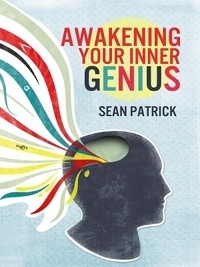
If you liked this article, then you’ll love this book…If you’d like to know what some of history’s greatest thinkers and achievers can teach you about awakening your inner genius, and how to find, follow, and fulfill your journey to greatness, then you want to read this book today.
(I wrote this book under a pen name simply because I want to keep it, and future books of mine that will have nothing to do with health and fitness, completely separate from my main line of work. But I can still promote it! )
Read this book today and discover what it really takes to find and follow your bliss, and how to use the lessons passed down to us by some of history’s greatest geniuses to systematically rise to top of your fields, activities, and endeavors.
Buy Now
Amazon
Amazon UK
Amazon AU
Amazon CA
Audible Audiobook
BN
iBooks
iBooks Audiobook
Kobo
Google Play
April 29, 2014
5 Simple Marketing “Hacks” That Will Win You More Customers
Marketing is a fascinating subject because sometimes the simplest changes have incredibly powerful effects.
Famous advertisers have spoken of changing one word to their ads and increasing response rates by double-digits.
Restaurants have learned that after a customer makes a reservation, if the hostess simply asks him to call if he can’t make it, he’s much likelier to show up, and on time.
By starting a customer on a loyalty program with his current purchase counting toward it, he’s much more likely to return and use it again. Start him with a bonus “stamp”–putting him even one step closer to a reward–and you improve his chances of participation even further.
There are a ton of these powerful little “hacks” out there, and I want to share five of the simplest and most effective ones I know with you here in this article. Regardless of your type of business, you can put these hacks to work quickly and easily.
1. Customers Want “Good” Service More Than They Want “Fast” Service
If you want to give customers a powerful reason to abandon your brand, provide them with rude, incompetent, or rushed service.
Studies have shown that competent, knowledgeable, and thorough services are most memorable in the minds of customers, and stimulate the most word of mouth.
Look to how you can optimize your customer’s experience by improving the quality of your service, not just the speed.
2. The Little Things Matter-A Lot
In one experiment I read about, researchers were able to increase waiters’ average tips by over 23% by making one tiny change: they had the waiters follow up with a second set of mints after bringing the customers their checks. One set of mints increased tips by 16%.
The takeaway here is how little things can matter a lot. Surprise gifts, upgrades, coupons, and even thank you emails or cards go a long way in creating that lovely “WOW” effect with your customers. Look at Zappos!
3. Nothing Sells Better Than Your Story
A well-told story is one of the most persuasive forms of writing or speaking.
A good story bypasses our critical filters, opening our minds to ideas and possibilities that we would otherwise discount. It transports us to another world and gives us the opportunity to view life through another set of eyes, and connect with others (whether fictional or real) on the deepest level.
So, what’s your business’ story? How did you come to start it, and why? What is your personal mission, and what does your business stand for? How are you helping others?
Turn your answers into a story, display it prominently, and you’ll immediately stand out from the crowd.
4. Customers Are Often Your Best Source of Innovation
Through a study of over 1,000 commercially successful innovations across 9 industries, MIT’s Eric von Hippel discovered that nearly 60% came from customers.
Constant innovation is a vital necessity for any business, and the easiest way to come up with feasible, valuable improvements and additions is turning to your customers. Ask them how they would improve what you currently offer, or what they would add, look for common responses, and voila, you’ve just compiled invaluable market research data.
5. Sell the Experience Over the Savings
Research from Stanford University revealed that people are more favorable toward brands they associate with “time well spent.” Memories of good times are more memorable than great savings.
There’s a reason why cheap beer companies promote having a good time, not saving money on beer (“It’s Miller Time!”). While savings certainly motivate purchases, selling the experience is a more powerful emotional driver, and results in more brand loyalty.
What kind of experience can you deliver to your customers? What will they do? Who will they do it with? How will they feel? Weave the answers into a compelling experience and feature it prominently in your advertising, and you’ll draw more people in.
What did you think of these marketing hacks? Have anything else to share? Let me know in the comments below!


