
Michael Matthews's Blog, page 125
April 16, 2014
Me on the Art of Charm Podcast: Habit Mastery, BS Supplements, Low-T Nonsense, and More…
If you’re a guy and listen to podcasts, chances are you’ve heard of the super-popular Art of Charm podcast.
Well, I was interviewed on it! Check it out:
http://media.blubrry.com/theartofcharm/itunes.pickuppodcast.com/246MikeMatthews.mp3
In this interview we talk about…
Why the “low T” trend in fitness knowledge is bullcrap
How bodybuilders and the supplement industry build insecurity to sell you stuff, even though it doesn’t actually do anything and can actually HURT you.
The power of habit and systematizing your fitness and nutrition
How to get past the ‘habit dip’ and stick with new things instead of giving up
How building positive habits builds trust in yourself and in-turn, self-confidence
Why habit building is ALWAYS happening (you’re either building GOOD habits, or BAD habits, ALL of the time)
And more…
I also highly recommend you check out this “best of” list of Art of Charm podcasts. There are a ton of really interesting people sharing all kinds of great insights related to business and social skills, attracting women, living a better life, and more.
Hope you enjoy the interview!


April 15, 2014
The Secret of “One-Sentence Persuasion”
Is it possible to capture and communicate anything of value about persuasion in a single sentence? It is and I’m about to prove it. But before, let me explain why it’s important.
All marketing efforts hinge on effective persuasion. No subject is more fascinating, empowering and profitable, and unfortunately, confusing. It doesn’t have to be though.
Persuasion doesn’t require good looks, a silver tongue or infallible logic. It doesn’t require charisma or a magnetic personality. It’s actually a pretty simple matter when you cut through all the smoke. That, of course, is the hard part.
I read the 27 words I’m about to share a long time ago and found them so true and useful that I’ve grounded any and all marketing efforts in some part of them.
The Sentence
The fundamentals behind persuasion require a fundamental understanding of human nature. Even the most extreme examples of persuasion–suicide cults and mass movements–are often based on the most basic of human desires.
The sentence that can guide your persuasion efforts, the “one-sentence persuasion course” is this:
People will do anything for those who encourage their dreams, justify their failures, allay their fears, confirm their suspicions and help them throw rocks at their enemies.
Read that again. (To allay, by the way, means to reduce or end fear, concern or difficulty.)
People will do anything for those who encourage their dreams, justify their failures, allay their fears, confirm their suspicions and help them throw rocks at their enemies.
That single 27-word sentence contains five of the most important insights I’ve seen in studying persuasion.
1. Encourage their dreams.
2. Justify their failures.
3. Allay their fears.
4. Confirm their suspicions.
5. Help them throw rocks at their enemies.
The Explanation
If you don’t believe me, try and find a truly successful ad campaign that doesn’t use one or more of these five insights. Really, try to find one.
Then, when you give up on that, try to find a deep, satisfying relationship that isn’t built upon one or more of them. Just try to find people who have a remarkable chemistry yet fail to encourage each other’s dreams. Or who demand that the other is to blame. Or who fail to address each other’s concerns. Or who treat each other as paranoid. Or who leave each other to fight their own battles.
You may be able to find one if you looked hard enough, but you’d probably find 100 of the opposites to counter that.
On encouraging dreams…
Parents sometimes discourage their children’s dreams “for their own good” and attempt to steer them toward more “reasonable” goals. And children often accept this as normal until someone comes along and believes in them and encourages their dreams.
When this happens, who do you think has more power? Parents or strangers?
On justifying failures…
While millions cheer on Dr. Phil as he tells people to accept responsibility for their mistakes, millions are looking for someone to take responsibility off their shoulders–to tell them that they aren’t responsible for their lot in life. And while accepting responsibility is essential for gaining control of one’s own life, it sometimes takes assuring another that he isn’t responsible to get him moving in the right direction.
One need look no further than politics to see how powerfully this game is played.
On allaying fears…
When we are afraid, it’s almost impossible to concentrate on anything else. And while everyone knows this, what do we do when someone else is afraid and we need to get their attention?
That’s right. We tell them not to be afraid and expect that to do the trick. Does it work? Hardly. And yet we don’t seem to notice. We go on as if we’d solved the problem and the person before us fades further away.
But there are those who do realize this and pay special attention to our fears. They do not tell us not to be afraid. They work with us until our fear subsides. They present evidence. They offer support. They tell us stories. But they do not tell us how to feel and expect us to feel that way.
When you are afraid, which type of person do you prefer to be with?
On confirming suspicions…
One of the favorite sayings of us humans is “I knew it.” There is just nothing quite like having our suspicions confirmed.
When another person confirms something we suspect, we not only feel a surge of superiority, we feel attracted to the one who helped us make that surge come about.
And finally, on helping throw rocks at enemies…
Nothing bonds us quite like having a common enemy. I know it sounds ugly, but it’s true nonetheless. Those who understand this can utilize it. Those who don’t or won’t use it are abandoning a powerful way to connect with others.
No matter what you may think of this, rest assured that everyone has enemies. All of us.
It has been said that everyone you meet is engaged in a great struggle. The thing they are struggling with is their enemy. Whether it is another individual, a group, an illness, a setback, a rival philosophy or religion, or what have you, when you are engaged in a struggle, you are looking for others to join your side.
Those who do become more than friends; they become trusted partners.
Persuasion Principles are Amoral
If you’re turned off by this article on the grounds of it being unethical, remember that persuasion principles like these are amoral. That is, they carry no connotation of right or wrong–they can be used to deceive or to help, and that choice is on you.
The fact that they’re often used to deceive is, in my opinion, a strong reason why us looking to help need to use them just as effectively. We have to out-persuade the deceivers.
So give some thought as to how you can encourage people’s dreams, justify their failures, allay their fears, and throw rocks at their enemies, and thus help them take action that’s in their best interests.
What did you think of this persuasion technique? Have anything else to share? Let me know in the comments below!
April 14, 2014
Debunking the Myth of Weightlifting and Joint Problems
When I started lifting, I was pretty concerned with my joint health. I definitely didn’t want to become one of those old guys always complaining about his back, knees, shoulders, and elbows, warning the young’uns to take it easy in the weight room lest they become like me.
On the other hand, I also knew plenty of middle-aged guys who never seemed to have joint pain and who had been lifting their entire lives.
What gives? Luck? Genetics? Is weightlifting inherently bad for our joints and we just have to hope for the best?
Let’s find out.
The Myth of Weightlifting and Joint Problems
At first glance, it would seem to make sense that weightlifting would, over time, give us joint problems.
I mean how good can it possibly be for our joints to squat, push, and pull hundreds of pounds over and over? Wouldn’t it speed up the “wear and tear” on the joint and thus the onset of osteoarthritis (the degradation of the joints)?
Interestingly enough, research doesn’t support these assumptions.
For example, this study was conducted with 25 competitive weightlifters–people that spend a lot more time training and lift a lot more weight than you or I do–and researchers found that on the whole, the subjects’ joints were as healthy, or healthier, than other people their age. (Researchers found the Olympic lifters had the most joint problems out of the group, however, which isn’t surprising considering the nature of these movements and the sheet amount of weight competitive lifters throw around.)
Furthermore, about half of the subjects admitted they were using anabolic steroids regularly, which means their joints were under even more strain than usual from the excessive weights lifted.
One other point worth noting is researchers found that previously injured joints were more susceptible to joint degeneration than healthy joints. So if you’ve sustained joint injuries in the past, lifting heavy weights week after week may aggravate them.
These findings are in line with other research conducted specifically on the Squat and Deadlift–two of the most maligned, and–ironically–effective, exercises you can do.
Even in extreme cases of squatting, such as powerlifters lifting 2.5 times bodyweight, the compressive forces placed on the knee and its tendons are well within its ranges of ultimate strength.
Stress placed on the ACL is negligible considering its ultimate strength (in one study, the highest ACL force recorded when squatting was a mere 6% of its ultimate strength).Highest recorded PCL forces were well within natural strength limits as well.
There’s plenty of research demonstrating that strength training, and squatting in particular, is an effective treatment for osteoarthritis, both in terms of reducing pain and improve function.
Research conducted by scientists at the University of Waterloo used real-time x-ray imaging (called fluoroscopy) to watch the spines of elite powerlifters while they fully flexed their spines with no weights, and while they deadlifted over 400 pounds. With the exception of one trial of one subject, all men completed their deadlifts within the normal range of motion they displayed during full flexion. Ligament lengths were unaffected, indicating that they don’t help support the load, but instead limit range of motion.
A study conducted by researchers at the University of Valencia found that the deadlift is an extremely effective way to train the paraspinal muscles, which run down both sides of your spine and play a major role in the prevention of back injuries.
So then, if weightlifting isn’t inherently bad for your joints, why do so many weightlifters seem to have shoulder, knees, and lower back problems?
When Weightlifting Can Lead to Joint Problems
First, you should know that weightlifting just isn’t a very dangerous activity. You’re far more likely to get injured playing just about any sport than you are lifting weights.
That said, like with any physical activity, the occasional ache or strain is inevitable, but if you do certain things wrong, you can get hurt. And with weightlifting, the common ways to get hurt involve injuring a joint like the shoulder or knee or the lower back.
What gives?
Well, in most cases of joint injury that I’ve come across, the person was…
1. Attempting to lift too much weight; and…
2. Doing it with poor form
These are the cardinal sins of weightlifting, and are what give certain exercises like the Squat, Deadlift, and Bench Press a bad reputation.
Simply put, weightlifting is not a forgiving sport if you don’t “respect” it. That is, if you get sloppy with heavy weights, bad things can happen. And ironically, this doesn’t just apply to free weights–machines are just as “dangerous” when used improperly.
So, take the time to learn proper form, especially on your big compound lifts and leave your ego at the door when you lift, and you’ll dramatically decrease your chance of getting hurt.
Pushing yourself in the gym is good, so long as you always maintain proper form as well. Go for that extra rep on your Squat or Deadlift…so long as you don’t have to hunch over to do it or turn the exercise into a . Try to hit that PR on your Bench Press…so long as you don’t flare your elbows out or roll your shoulders in the process.
There’s also the matter of ignoring signs that it’s time to back off. “No pain, no gain,” right? Not really. Pain means something is wrong, and if you ignore it and try to push through, you can get hurt. As I said earlier, if you lift weights regularly, you’re going to strain muscles now and then. Maybe it’ll affect your shoulder or knee, maybe your back, or even something random like your wrist or brachialis.
The key to dealing with pain is treating it like an injury until it’s better. Avoid exercises that aggravate it, ice it and apply heat accordingly, and let it heal. If that means no deadlifting or squatting for a few weeks, so be it. Find alternative exercises that you can do. Annoying, yes, but an injury that sets you back several months is much more frustrating.
6 Proven Ways to Reduce Joint Pain and Maintain Joint Health
While you don’t have to worry about joint injuries or degradation when you lift properly, you’ll probably run into some joint pains at some point. The culprit here is usually general inflammation of the areas, and there are several ways to fight this.
Ice and Compression
These form the I and C of the well-known “RICE” protocol, and while you can try to jerry-rig something using a wrap and ice pack, it’s pretty impractical.
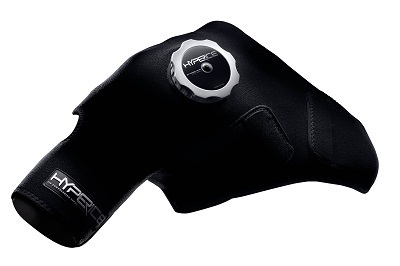
I much prefer HyperIce’s products. You fill a bladder with crushed ice, wrap it around the affected body part (they make models for both shoulders, the knees, lower back, elbows, and more), and use an air release valve to compress it all against your body.
I’ve been using both the shoulder and knee models recently and it’s helped tremendously with post-workout joint aches.
Buy now
AmazonAmazon UK
Tiger Balm
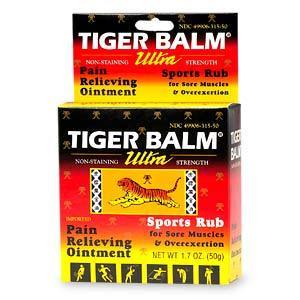
Tiger Balm is a popular topical analgesic commonly used for muscle and joint pain. Its main ingredients are camphor and menthol, and its other ingredients include cajaput oil, cassia oil, clove oil, and dementholized mint oil.
Research shows that Tiger Balm is effective for increasing blood flow to the applied area and for treating headaches, and I’ve found it quit helpful in reducing joint pain.
Buy now
AmazonAmazon UK
Arnica Gel
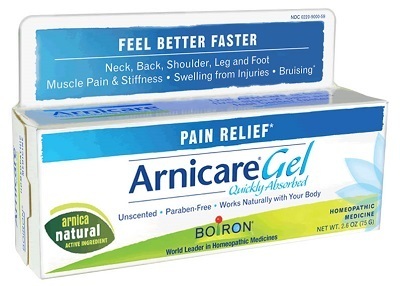
Arnica gel, produced from the Arnica Montana plant, has long been used to treat pains, including muscle soreness and strains and joint pain and inflammation.
Research has proven arnica gel to be an effective way to reduce joint pain, and equally as effective as ibuprofen in treating arthritis.
When I have joint or muscle pains, I apply both arnica gel and Tiger Balm several times per day and notice a significant improvement within a few days.
Buy now
AmazonAmazon UK
Spirulina
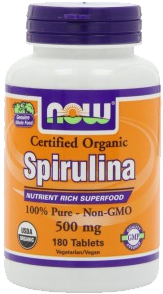
Spirulina is a non-toxic blue-green algae that is very similar to fish oil in its health benefits.
Research has shown that supplementation with spirulina can…
Reduce muscle damage caused by exercise
Improve exercise performance
Increase strength
Improve cholesterol and triglyceride levels
Reduce blood pressure
Improve blood sugar control
Reduce systemic inflammation
Improve allergy symptoms
Improve insulin sensitivity
The anti-inflammatory effects are what help with reducing joint pain, and animal research has shown that spirulina supplementation improves joint health.
Buy now
AmazonAmazon UK
Fish Oil
The next type of general health supplement that I highly recommend is fish oil, because it’s a great source of “omega-3 fatty acids.”
Omega-3 fatty acids (eicosapentaenoic acid–EPA–and docosahexaenoic acid–DHA) are an essential type of fat, meaning they can’t be synthesized by the body and must be obtained from the diet.
Research has shown that supplementation with fish oil can…
Increase muscle protein synthesis
Reduce muscle soreness, inflammation, and anxiety
Reduce blood pressure, depression, the negative effects of stress, and the risk forkidney and cardiovascular disease, as well as stroke and metabolic syndrome
Improve glucose uptake and insulin sensitivity in people with impaired insulin response and metabolism, and preserve it in the metabolically healthy
Improve memory and cognitive performance
Help prevent weight gain
Speed up fat loss
Quite an impressive roster of benefits, no?
Now, not all fish oils are made the same. There are two important things to consider when choosing one:
You want to know how the oil has been processed.
There are two forms of fish oil on the market today: the triglyceride form, and the ethyl ester form.
The triglyceride form is fish oil in its natural state, and the ethyl ester form is a processed version of the triglyceride form that includes a molecule of ethanol (alcohol).
While plenty of studies have proven the benefits of supplementation with fatty acid ethyl esters (FAEEs), research has shown that the triglyceride form is better absorbed by the body.
One of the reasons for this is the ethyl ester form is much more resistant to the enzymatic process by which the body breaks the oil down for use.
Another downside to the ethyl ester form is during the digestive process, your body converts it back to the triglyceride form, which results in the release of the ethanol molecule.
Although the dose is small, those with alcohol sensitivity or addiction can be negatively affected. Furthermore, research has provided evidence of cellular and organic toxicity and injury resulting from the ingestion of FAEEs
You want to know the EPA/DHA content of each serving.
Because of the varying quality of fish oils on the market, it’s important that you look at how many milligrams of EPa and DHA (omega-3 fatty acids) are actually in each serving.
Lower quality supplements might have as little as 150 – 200 milligrams per 1 gram of fat, which makes them nearly worthless as you have to take far too much every day to get enough omega-3s (you want a minimum of 2 – 3 grams of omega-3s per day).
A high-quality fish oil can be quite a bit more money than a low-quality one, but when you look at how much you’re getting for that money in terms of omega-3 fatty acids, the price makes more sense.
For example, here’s the label from a cheap, low-quality (ethyl ester) fish oil product:
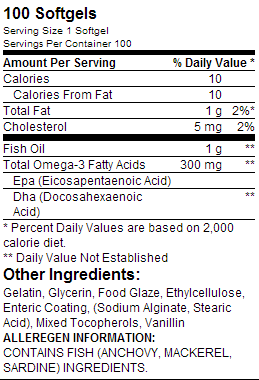
This product costs about $11, and comes with 100 pills containing 300 mg of omega-3 fatty acids each. This means you’re getting 30 grams of omega-3 fatty acids per bottle, and paying about 37 cents per gram.
Now, here’s the label from a high-quality triglyceride fish oil product that I use, Nordic Naturals’ Ultimate Omega:
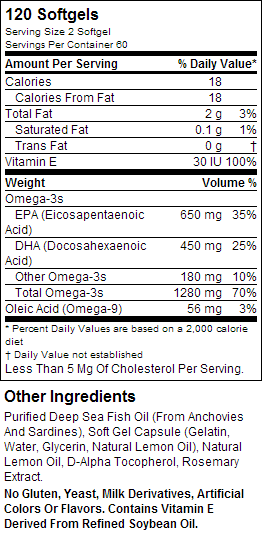
This product costs about $40, and comes with 120 pills containing 640 mg of omega-3 fatty acids each.
This means you’re getting about 77 grams of omega-3 fatty acids per bottle, and paying about 52 cents per gram.
So, as you can see, the initial price difference of $11 vs. $40 isn’t as drastic when you look at what you’re getting:
37 cents per gram of low-quality oil that isn’t likely to deliver all of the benefits you’re looking for vs. 52 cents per gram for the highest quality oil on the market that will.
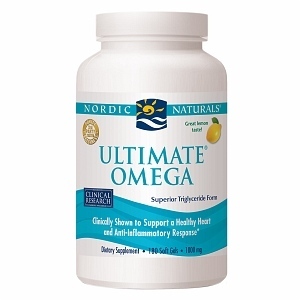
Thus, I recommend you go with the high-quality product whose nutrition facts label I showed above:
Buy now
AmazonAmazon UKBodybuilding.com
Glucosamine
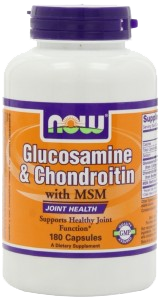
Glucosamine is a natural substance present in shellfish, and it’s commonly sold as a joint health supplement.
Research has shown that glucosamine can help reduce the rate of collagen degeneration and the symptoms of osteoarthritis. Studies have also shown that it can protect cartilage in healthy athletes as well (one study was done with cyclists, and another with soccer players).
If you’re regularly engaging in activities that wear down cartilage like weightlifting or cardiovascular exercise, then I recommend taking this product to help protect your joints.
(Oh and in case you’re wondering, chondroitin is a substance found in cartilage that is also often sold as a supplement for joint health. Research is conflicting on whether it works or not, though.)
What do you think about weightlifting and joint problems and pains? Have anything else to share?
April 12, 2014
Recipe of the Week: Aussie Chicken
If you’re like me, you can’t have enough chicken recipes. And you like anything involving cheese and bacon.
Well, this delicious recipe comes from my bestselling cookbook The Shredded Chef, and it’s one I come back to over and over. It’s easy to prep and cook, the macros aren’t bad when paired with some veggies, and the combination of flavors will have you savoring every bite.
Enjoy!
Servings
4
Calories Per Serving
437
Protein Per Serving
48 grams
Carbohydrates Per Serving
20 grams
Fat Per Serving
19 grams
Ingredients
4 boneless, skinless chicken breasts (6 ounces each), rinsed, dried, trimmed of fat and pounded to 1/2-inch thickness
2 teaspoons seasoning salt
6 slices bacon, cut in half
1/4 cup yellow mustard
1/4 cup honey
1/8 cup mayonnaise
1 tablespoon dried onion flakes
1 tablespoon vegetable oil
1 cup fresh mushrooms, sliced
1/2 cup reduced fat Monterey Jack cheese,
shredded 2 tablespoons fresh parsley, chopped

Instructions
After prepping your chicken breasts, rub with the seasoning salt, cover and refrigerate for 30 minutes.
Preheat the oven to 350°F.
Cook the bacon in a large skillet over medium-high heat until crisp, set aside.
In a medium-sized mixing bowl, mix together the mustard, honey, mayonnaise, and dried onion flakes.
Heat the oil in a large skillet over medium heat. Add the chicken to the skillet and cook for 3 – 5 minutes per side, or until browned. Transfer the chicken to a 9 x 13 inch baking dish. Top with the honey mustard sauce, then a layer of mushrooms and bacon. Sprinkle the shredded cheese on top.
Bake for 15 minutes, or until cheese is melted and chicken juices run clear. Top with the parsley
What You Get to Eat
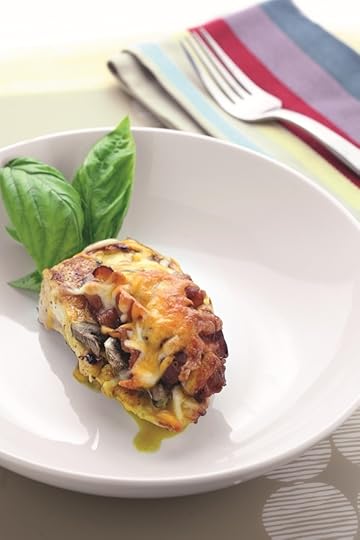
What did you think of this week’s recipe? Let me know in the comments below!
Want more delicious, easy-to-make recipes like this?If you like this recipe, then you’ll love the bestselling cookbook it came from! My own The Shredded Chef!
In this book you’ll find 120 healthy, flavorful recipes specifically designed for athletes that want to build muscle or lose fat. Regardless of your fitness goals, this book has got you covered.
Buy this book now to forever escape the dreadful experience of “dieting” and learn how to cook nutritious, delicious meals that make building muscle and burning fat easy and enjoyable!
Buy now
AmazonAmazon UKAmazon AUAmazon CABNiBooksKoboGoogle Play
Vegan and vegetarian dishes are great sources of micronutrients, and even if you’re a meat eater, they’re great for changing things up in your meal plan.
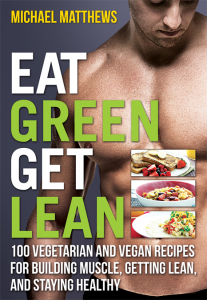
And in my cookbook, Eat Green Get Lean, you’ll find 100 of my favorite vegetarian and vegan dishes, carefully balanced for our high-protein, healthy needs!
Buy this book now to forever escape the dreadful experience of “dieting” and learn how to cook nutritious, delicious vegetarian and vegan meals that make building muscle and burning fat easy and enjoyable!
Buy now
AmazonAmazon UKAmazon AUAmazon CABNiBooksKoboGoogle Play

April 11, 2014
Cool Stuff of the Week: Amazon Fire TV, HyperIce, Land Yacht, and More…
I’m not ashamed to admit that I’m kind of a sucker for cool stuff. I like nifty gadgets, quirky decoration pieces, nice clothes (and shoes!), good books, and fun games.
In this series of weekly posts, I share whatever currently has my fancy. Maybe some of it will catch yours as well!
VIDEO OF THE WEEK:
TRUE FACTS ABOUT THE OCTOPUS
The octopus is one of the strangest creatures I can think of, and this video gives a hilarious breakdown of its bizarre body, abilities, and habits.
ELEMMENT PALAZZO LAND YACHT

If you want to tour the country in style and have $3 million to blow on toys, then look no further than the Austrian luxury vehicle manufacturer Marchi Mobile’s eleMMent Palazzo, a “land yacht” fit for a king.
The Palazzo has two full floors of recreation and relaxation, including interior and exterior lounges, a deluxe master bedroom and bathroom, and–of course–multiple on-board bars. The cockpit is as equally impressive, complete with a touchscreen that lets the driver control all of the key features.
AMAZON FIRE TV

Amazon’s Fire TV is Apple TV with voice search and gaming.
It comes packed with a quad-core processor and 2 GB of memory and gives you access to the standard streaming services (Netflix, Hulu, ESPN, Crackle, Pandora, etc., and of course Prime Instant Video), but what’s new is the gaming controller (sold separately) and voice search capability.
The games are Android games sold in the App Store (not my kind of thing, but many people love these casual types of games), but the voice search is a nice touch (not that on-screen keyboard are that big of a deal, but…) and the Dolby Digital Plus 7.1 surround sound support is an upgrade over Apple TV as well.
If you’ve been holding out on a streaming device like Roku or Apple TV, Amazon’s Fire TV is currently ahead of the pack.
Buy now
Amazon
HYPERICE

Everyone knows that ice and compression help with recovering from injuries, but if you’ve tried jerry-rigging some ice packs and wraps, you know how impractical it is.
Well, HyperIce makes it easy. You fill a bladder with crushed ice, wrap it around the affected body part (they make models for both shoulders, the knees, lower back, elbows, and more), and use an air release valve to compress it all against your body.
I’ve been using both the shoulder and knee models recently, not because I’m injured but because they will ache sometimes after heavy workouts, and it’s helped tremendously. I wish I’d had known about HyperIce earlier!
Buy now
AmazonAmazon UK
EASYBREATH SNORKEL MASK

What a great idea this is. The Easybreath Snorkeling Mask fits over your entire face, allowing you to breathe normally underwater without having to deal with fogged up goggles, and its clever dry-top system plugs the air intake when immersed, preventing water from entering.
Buy now
Tribord
BOOK OF THE WEEK:
KILLING FLOOR

I know I’m a little late to the Jack Reacher party (okay, way late), but after seeing the movie, I figured I would check out the books. And I’m glad I did.
At first I was turned off by the short, choppy sentences, but the more I read, the more it grew on me as a point of characterization. I realized the Child is a damn good writer that chose to use this as an unconventional literary device, and to good effect: it not only keeps the pages turning quickly, it makes you like Reacher’s straightforward style more and more.
Reacher is a modern knight-errant of sorts, and Killing Floor isn’t asking you to meditate on the finer points of life–it’s telling you to strap in and get ready for a heart-pounding, bloody, violent ride involving murder, beautiful women, and a conspiracy that starts in the small town of Margrave, Georgia, and stretches far beyond.
Great fun, and I’m moving onto the next in the series.
MOVIE OF THE WEEK:
WATCHMEN

The graphic novel is outstanding-one of my all-time favorites–and I think the movie did it justice.
The story is set in an alternate world where American superheroes changed history as we know it: the US won the Vietnam War, Nixon is still president, and the cold war is in full effect. WATCHMEN begins as a murder-mystery, but soon unfolds into a planet-altering conspiracy. As the resolution comes to a head, the unlikely group of reunited heroes–Rorschach, Nite Owl, Silk Spectre, Dr. Manhattan and Ozymandias–have to test the limits of their convictions and ask themselves where the true line is between good and evil.
While The Watchmen has gritty action, gore, and sex to make it fun, what really sets it apart are the themes of the story (which, I admit, are a bit heavy-handed at points), and the depth of the characters and their subplots. By the end of this story, you feel like you’ve truly come to know an extraordinarily diverse cast of people and enjoyed a surreal, intellectual and emotional roller coaster together.
Buy now
AmazonAmazon UK
Watch now
Amazon US Instant VideoAmazon UK Instant Video
What do you think of this week’s picks? Have anything you’d like to share? Let me know in the comments below!
April 10, 2014
7 Quick & Easy Dinner Ideas That Take 30 Minutes or Less
My favorite type of recipe is the perfect quick and easy dinner – something that takes only a few steps and a few ingredients and will be ready in 30 minutes or less.
You can find all kinds of recipes on the Net, but in most cases they won’t have the macronutritional profile I want or will simply have way too many calories. And that’s why I love to create posts like this!
These 7 quick dinner ideas are perfect for when you’re low on time but still want to eat something tasty. If you find one you really like and want to eat regularly, use an app like Out of Milk or Grocery IQ to keep the grocery lists on hand.
Lemon-Herb Pan-Seared Chicken Breast with Piselli al Prosciutto

Picture courtesy of Simply Scratch
This sounds gourmet and you’ll feel like you’re eating at a fancy restaurant, but you can easily make it in your own kitchen with simple ingredients.
It can take a bit to chop everything you need for this dinner, which is why I love my VeggiChop. If you don’t have one and definitely need the cook time to be a half hour or less, prep your herbs, onion, etc., ahead of time. Get all your ingredients in a row on Sunday, and you’ll have an easy and delicious weeknight dish for Monday or Tuesday.
Serves 4
Ingredients
Chicken
1/3 cup fresh parsley, chopped
1 Tbsp. fresh thyme, chopped
1 Tbsp. fresh lemon peel, thinly sliced
2 garlic cloves, minced or crushed
2 Tbsp. butter
4 boneless, skinless chicken breast halves (approx. 4 ounces each)
1/4 – 1/2 cup chicken stock
Piselli al Prosciutto
1/4 cup extra-virgin olive oil
2 oz. prosciutto, roughly chopped
1 small onion, minced
1 lb. green peas
Salt and pepper to taste
Instructions
Mix together all herbs with lemon peel. Season chicken with salt and pepper to taste.
Heat butter in a large skillet over medium-high heat, and cook chicken breasts until they begin to brown, about 6 – 8 minutes. Remove chicken from pan, and set aside.
With the skillet off the stove, add the stock, and scrape the bottom. Stir in 3/4 of the lemon-herb mixture, and return to heat. Stirring often, bring the liquid to a simmer. Add chicken back to pan, and turn to coat. When finished cooking, approximately 6 – 8 minutes, remove from heat.
As the chicken simmers, heat olive oil in a separate pan. Add prosciutto and onions, and stir occasionally. Once the prosciutto crisps, likely right after the chicken breast is finished cooking, stir in the peas and a spoonful of water. Cook, tossing, for several minutes until hot. Lightly season with salt and pepper.
Dish up the peas and the chicken breast on four individual plates, and serve.
Nutrition Facts (Per Serving)
Calories: 472
Protein: 46 grams
Carbs: 20 grams
Fat: 24 grams
Paleo Egg Foo Young
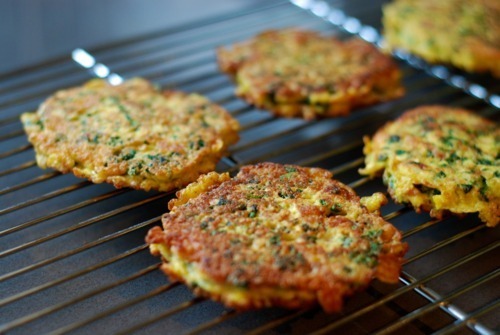
Picture courtesy of Nom Nom Paleo
If you you’ve already eaten most of your carbs for the day come dinner, you’ll love this updated version of the Chinese classic. These eggy pancakes are usually smothered in gravy, but you can use low-fat sour cream, fresh salsa, or guacamole instead.
Serves 2
Ingredients
4 large eggs
1 Tbsp. minced chives
Kosher salt to taste
1/4 cup coconut flour
1/2 tsp. baking soda
1 cup frozen spinach, thawed and squeezed
2/3 cup diced ham
1/2 tsp. apple cider vinegar
1 Tbsp. coconut oil
Instructions
Whisk together eggs, chives, and salt until smooth. Mix in coconut flour and baking soda, followed by spinach, ham, and apple cider vinegar.
Heat coconut oil in a skillet over medium heat. Scoop a scant 1/4 cup of batter at a time into the pa, and flatten with the back of a spoon.
Fry for two minutes, flip, and finish cooking for another minute. Cool slightly, and serve.
Nutrition Facts (Per Serving)
Calories: 341
Protein: 23 grams
Carbs: 11 grams
Fat: 22 grams
Chorizo Chicken Quinoa Paella

Picture courtesy of Grill Interrupted
This recipe is from Whole Grains for Busy People by Lorna Sass, a knockout cookbook that everyone should keep on hand. It also has quick dishes with farro, barley, and bulgar.
Serves 4
Ingredients
1 lb. boneless chicken thighs (or breasts), cut into 1-inch pieces
Salt and pepper to taste
1 Tbsp. olive oil
1 tsp. smoked Spanish paprika
1/2 tsp. granulated garlic
Crushed red pepper flakes to taste
3 1/2 cups low-sodium chicken broth (more if needed)
1 Tbsp. tomato paste
2 cups quinoa
1/2 cup dry-cured chorizo (about 3 oz.), finely chopped
1 cup frozen peas
1/2 cup roasted red bell pepper, thinly sliced
3 Tbsp. fresh parsley, roughly chopped
Instructions
Season chicken lightly with salt and freshly ground pepper.
Heat olive oil in a heavy 3-quart Dutch oven, and brown chicken pieces for about two minutes on each side. Remove meat, and set aside. Turn off heat, and after the oil in the pan cools for a couple minutes, stir in spices.
Add chicken broth to the Dutch oven, and scrape the bottom. Stir in tomato paste, and bring to a boil. Stir in quinoa and chorizo, cover, and simmer for 12 minutes over medium heat.
Add salt to taste, and place chicken back in the pan. Cover again, and continue cooking until the quinoa and chicken are done, about 2 – 3 minutes. If it looks like it needs more time, pour in a little more broth, stir, and cook for several more minutes.
Stir in veggies, and cover for one minute. Add chopped parsley, and serve.
Nutrition Facts (Per Serving)
Calories: 559 calories
Protein: 42 grams
Carbs: 60 grams
Fat: 15 grams
Miso Soup with Poached Egg
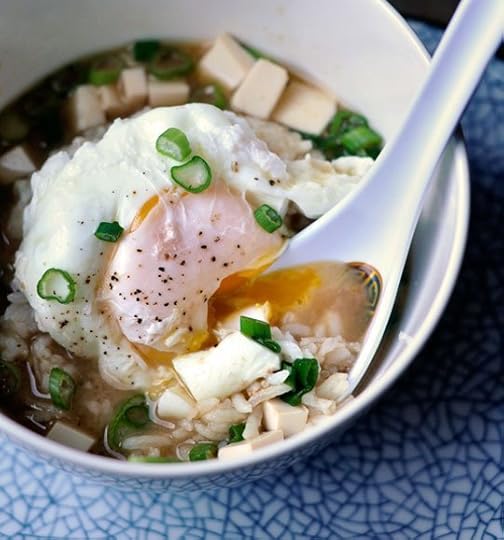
Picture courtesy of The Kitchn
If you make a large pot of miso soup ahead of time, you’ll be able to enjoy this comforting soup at the drop of a hat.
The dashi can be refrigerated for four days and the soup for two, but it can be kept frozen for several months and warmed on the stove before adding the finishing touches.
Serves 8
Ingredients
Dashi
2 quarts water
One 3-inch square kombu (sea kelp)
3/4 cup bonito flakes
Miso Soup
2 quarts dashi
1/2 cup miso paste
One 12-ounce block silken tofu, cut into 1/4-inch cubes
1 small bunch scallions, green tops sliced thin
Per Bowl
1/2 cup cooked brown rice
1 large egg
Soy sauce
Chili garlic sauce
Sesame oil
Instructions
Before making dashi, have a medium-sized bowl or 2-quart container at the ready with a fine mesh strainer or cheesecloth. Combine 2 quarts of water with the kombu. Heat until just boiling, turn off stove, and remove kombu. Now add the bonito flakes, stir, and let steep for 5 minutes. Strain.
Add miso paste to a small bowl, and boil the dashi before pouring one cup of it over the paste. Pour the bowl contents into the pot, and whisk over low heat until all miso is combined with the broth. Stir in tofu and scallions.
Turn the miso soup into a hearty dinner by ladling the simmering broth into a bowl. Carefully crack one large egg into the soup, cover the bowl, and allow it to poach for several minutes. Add brown rice and any desired condiments.
Nutrition Facts (Per Serving)
Calories: 480
Protein: 19 grams
Carbs: 79 grams
Fat: 10 grams
Ginger-Yogurt-Mint Chicken Skewers
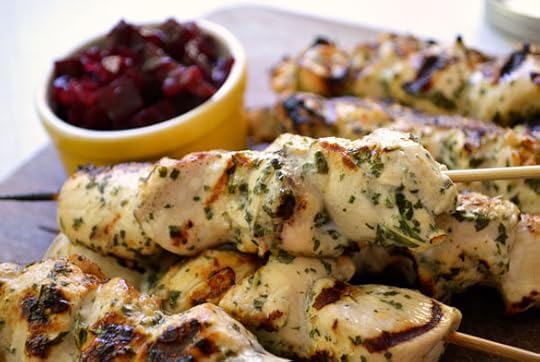
Picture courtesy of Dinner With Julie
There’s nothing as satisfyingly simple as sticking big hunks of meat on a stick and grilling it. But these skewers get an upgrade with a flavorful yogurt sauce, which the chicken marinades in all day or overnight.
The chicken is good enough to eat plain or only with a chutney, but it’s also delicious filling for a wrap with cucumbers, bell peppers, and a dollop of hummus or yogurt.
Serves 4
Ingredients
1/2 cup nonfat plain Greek yogurt
1/2 cup torn fresh mint
Juice of one lemon
1 Tbsp. fresh ginger, grated
1 Tbsp. garam masala
1 Tbsp. brown sugar
1/4 tsp. salt
1 lb. boneless skinless chicken thighs
8 bamboo skewers
Instructions
Pulse together yogurt, mint, lemon juice, ginger, garam masala, brown sugar, and salt in a food processor or high-powered blender. Or, mix all but mint together in a large bowl, and then stir in the finely chopped mint leaves.
Add the chicken, and stir to coat. Refrigerate for a couple hours or overnight.
When you’re ready to cook, soak the bamboo skewers for 10 minutes as the grill preheats to medium-high.
Stack chicken on skewers, and grill for about 5 minutes, or until cooked through. Turn them every minute or so to sear all sides.
Nutrition Facts (Per Serving)
Calories: 246
Protein: 35 grams
Carbs: 6 grams
Fat: 9 grams
Roasted Broccoli Grilled Cheese
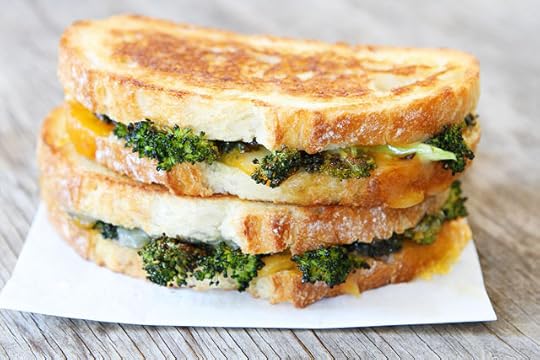
Picture courtesy of Two Peas and Their Pod
This sandwich is a common choice of busy bachelors, parents, and college students. But there are ways to upgrade it to something far better than a home-cooked version of fast food. With broccoli and sprouted wheat bread, both the flavor and nutritional content become about more than the melted cheese.
Serves 3
Ingredients
Florets from 1 medium head broccoli (about 1/2 pound), chopped small
1 1/2 Tbsp. olive oil
1/2 tsp. salt
1/4 tsp. black pepper
1 Tbsp. unsalted butter, softened
6 slices sprouted wheat bread
1 cup cheddar cheese, shredded or thinly sliced
Instructions
Preheat the oven to 400°F.
Lay out the broccoli florets on a baking sheet, and toss with olive oil, salt, and pepper. Roast in the oven for 8 – 10 minutes.
As you heat a skillet over medium-low heat, spread butter on each slice of sprouted wheat bread. Place four of the slices buttered side down, and top with half the cheese, then roasted broccoli, and the remaining cheese. Top with bread slices, buttered side up.
Carefully move sandwiches to the skillet, and fry for a couple minutes on each side. The bread will be nicely browned and crispy, and the cheese will be melted.
Nutrition Facts (Per Serving)
Calories: 452
Protein: 22 grams
Carbs: 36 grams
Fat: 25 grams
Tamarind-Honey Salmon with Holy Basil
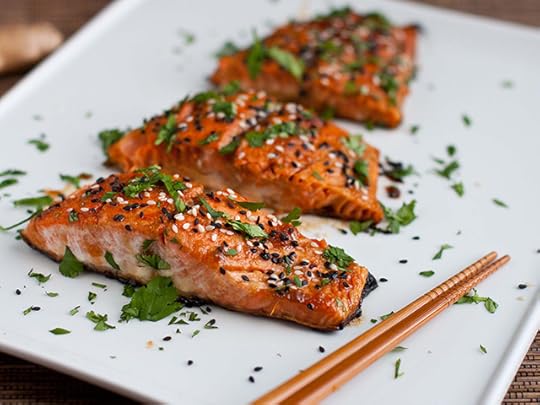
Picture courtesy of Paleo Magazine
Salmon is one of the healthiest types of fish you can eat. It’s very high in omega-3 fatty acids, which play an important role in maintaining overall health and reducing the risk of disease, and it’s quite dense in vitamins and minerals like magnesium, potassium, selenium, and B vitamins.
It’s also great for cooking because it doesn’t need much to taste great! If you want to add some carbs to this recipe, serve it with 3/4 cup cooked brown rice or quinoa (not included in macros).
Serves 4
Ingredients
1 tsp. fish sauce
1 tsp. sesame oil
1 tsp. soy sauce
1 tsp. honey
1/4 cup tamarind water
4 salmon fillets (approx. 5 ounces each), skin removed
1 Tbsp. sesame seeds
1/2 cup fresh holy basil (or any kind of basil), finely chopped
Lime wedges
Instructions
A day ahead, make the marinade by mixing together fish sauce, sesame oil, soy sauce, honey, and tamarind water in a large bowl.
Rinse the salmon fillets, and pat dry. Add to the marinade bowl, and leave overnight in the fridge (or for at least two hours).
Cook the fillets by pan-searing. Place a pan over high heat, and add the salmon, shaking off as much of the sauce as possible before laying them down to sear.
Flip salmon fillets when they begin to brown. Reduce heat, pour the tamarind-honey marinade in the pan, and top with sesame seeds. Simmer for 5 – 8 minutes, until the sauce has thickened and salmon is fully cooked.
Transfer fish to a serving platter or individual plates. Stir basil into sauce, and spoon it over the salmon fillets. Serve.
Nutrition Facts (Per Serving)
Calories: 253
Protein: 31 grams
Carbs: 12 grams
Fat: 10 grams
What did you think of these quick dinner ideas? Have anything else to share? Let me know in the comments below!
Want more delicious, easy-to-make recipes like these?If you like these recipes, then you’ll love my bestselling cookbook The Shredded Chef!
In this book you’ll find 120 healthy, flavorful recipes specifically designed for athletes that want to build muscle or lose fat. Regardless of your fitness goals, this book has got you covered.
Buy this book now to forever escape the dreadful experience of “dieting” and learn how to cook nutritious, delicious meals that make building muscle and burning fat easy and enjoyable!
Buy now
AmazonAmazon UKAmazon AUAmazon CABNiBooksKoboGoogle Play
Vegan and vegetarian dishes are great sources of micronutrients, and even if you’re a meat eater, they’re great for changing things up in your meal plan.
And in my cookbook, Eat Green Get Lean, you’ll find 100 of my favorite vegetarian and vegan dishes, carefully balanced for our high-protein, healthy needs!
Buy this book now to forever escape the dreadful experience of “dieting” and learn how to cook nutritious, delicious vegetarian and vegan meals that make building muscle and burning fat easy and enjoyable!
Buy now
AmazonAmazon UKAmazon AUAmazon CABNiBooksKoboGoogle Play
April 9, 2014
6 Scientifically Proven Health Benefits of Coffee
Drinking coffee has long been demonized as an unhealthy habit, but research shows this is unjustified. In fact, a couple cups of coffee per day provides a variety of powerful health benefits.
In this article, we’ll look at 6 of these benefits as well as how much coffee is too much.
1. Coffee is a great source of antioxidants.
Antioxidants are molecules that prevent cellular damage that can, over time, lead to the development of many types of disease and disfunction.
While we’ve all heard eating fruits and veggies is a good way to get our antioxidants, most of us haven’t heard that drinking coffee isn’t just another way…it can be a better way.
Research shows that coffee is actually a major source of antioxidants in the Western diet.
2. Coffee may help you live longer.
A rather massive study was published in 2012 wherein researchers analyzed the coffee consumption of over 400,000 people and, after adjusting for smoking and other potential confounders, found a significant association between coffee consumption and longevity.
That is, that those who drank the most coffee generally lived longer than those that drank less or none, and the more they drank, the longer they lived.
To be specific, coffee drinkers had a significantly lower risk of dying from many different causes including heart disease, respiratory disease, stroke, diabetes, and even infections and injuries and accidents.
4 to 5 cups per day was associated with a 12% reduction in risk of death by those causes in men and 16% in women , but drinking 6 or more cups per day provided no additional benefits. Just 1 cup per day was associated with a 5 to 6% reduction.
These associations were seen in both caffeinated and decaffeinated coffee, so caffeine alone doesn’t account for the benefits.
It’s worth noting that this type of observational research can’t establish causation (we can’t definitively say it was the coffee causing these reductions in mortality), but it does bode well, and adds to the existing literature demonstrating similar effects.
3. Coffee makes you happier and fights off depression.
Any regular coffee drinker could have told you this, but it’s actually been scientifically validated.
Research conducted by scientists at Harvard found that regular coffee consumption reduced the risk of depression in women by 20% and suicide by 53%.
4. Coffee improves physical performance.
Caffeine, the world’s most popular drug, has more value to us fitness folk than the energy high.
It can improve strength, muscle endurance, and anaerobic performance, as well as reverse the “morning weakness” experienced by many weightlifters and, last but not least, speed up fat loss.
The mechanism by which it aids weight loss is quite simple: it speeds up your body’s metabolic rate by increasing the amount of catecholamines in the blood, which are chemicals that mobilize fat stores to be burned for energy.
Given the effects of caffeine, it’s not surprising that coffee consumption as also been shown to improve exercise performance.
5. Coffee may reduce the risk of Type 2 diabetes.
Type 2 diabetes is a veritable epidemic these days, afflicting about 300 million people worldwide. It’s characterized by insulin resistance, high blood sugar levels, and impaired insulin production.
Well, research shows strong associations between coffee drinking and a reduced risk of developing this disease.
This study found that subjects reporting 4+ cups of coffee per day were 30% less likely to develop Type 2 diabetes.
This study found that daily consumption of at least 3 cups of coffee reduces the risk of Type 2 diabetes by 42%.
This study found that those that drank 12 (!) cups or more per day were 67% less likely to develop Typer 2 diabetes than non-drinkers.
The likely reasons for these findings are numerous substances contained in coffee that have been shown to affect carbohydrate metabolism, such as caffeine, chlorogenic acid, quinides, and magnesium.
6. Coffee may reduce the risk of certain types of cancer.
Research shows that coffee may protect against liver and colorectal cancer, two of the most common types of fatal cancers.
This meta-analysis of 9 cancer studies involving over 240,000 subjects found strong associations between coffee consumption and a reduced risk of liver cancer. Just 2 cups per day was associated with a 43% reduction in risk of developing the diseases.
This study , which involved the analysis of the diets and lifestyles of nearly 490,000 individuals and found that coffee drinkers were 15% less likely to develop colon and rectal cancers.
Too Much Coffee May Be Harmful
Despite all its benefits, drinking too much coffee can be harmful to your health.
This study, which tracked more than 43,000 people for an average of 17 years, found an increase in all-cause mortality in heavy coffee drinkers (32+ ounces per day). As it’s observational research, the actual mechanisms of why this could be were not explored, but here are two sensible rules of thumb for healthy coffee consumption:
1. Drink your coffee early in the day so it doesn’t interfere with your sleep. Too little sleep can cause a host of health issues including impaired endocrine and metabolic function and inflammatory responses.
2. Keep your coffee intake below 4 8-ounce cups per day. Remember that many places sell 16, 20, 24 or even 28-ounce “cups” of coffee.
What do you think about these benefits of coffee? Have anything else to share? Let me know in the comments below!
April 8, 2014
How to Improve Your Marketing with an Irresistible Offer
Tick.
Tick.
Tick.
That’s about all you get to capture the mind of your prospects.
They’re bombarded by messages day in and day out and thus are forced to make quick evaluations.
The success or failure of businesses everywhere boils down to those three little seconds. And the most effective way to use them is to present an Irresistible Offer.
Your Prospects’ Big Four Questions
During any sales process, an inner dialogue takes place in your prospects’ minds. The process of making a buying decision requires that four questions are satisfactorily answered:
1. What are you trying to sell me?
2. What’s in it for me?
3. How much?
4. Why should I believe you?
Your offer must address these four questions and must do it quickly. In order to do it most effectively, you don’t want just any offer…you want an Irresistible Offer.
What is that and how do you create one?
Read on.
Creating Your Irresistible Offer
In order to really succeed, you business will need an Irresistible Offer. An Irresistible Offer is composed of three elements:
1. A High ROI Offer
2. A Touchstone
3. Believability
Let’s look at each of these components separately.
A High ROI Offer
The core imperative of business is make an offer. Quid pro quo. I give you this, you give me that. Simple yet many businesses stray from this and fail to create a real offer that stands on its own.
“ROI” refers to “return on investment.” Every purchase we make is essentially an investment–an expenditure of money with the expectations of profits, whether that profit is in terms of money, enjoyment or whatever.
We must feel that we are getting something that we perceive is at least equal in value to what we are investing, but we prefer to receive something back that we feel is greater in value than our investment. When a business provides a product or service that is a negative investment, it won’t be doing business for very long.
When you simply offer an honest-to-goodness great deal, marketing becomes a hell of a lot easier. Businesses that stray from this have to use all kinds of marketing and sales trickery to make up for it.
If you can’t just snap your fingers and turn your product into a great one, then add something that makes it great. Add an experience, service, feature, or benefit that will make it truly a great deal for the customer.
And don’t think lowering your prices is the best way to create a High ROI Offer. The business graveyards are full of companies that priced themselves out of existence. You should always look to how you can add value without sacrificing profit margins.
The Touchstone
As every marketing book tells us, we are constantly bombarded with advertisements and marketing messages–TV ads, radio ads, direct mail, billboards, Internet ads, e-mail…the list goes on and on.
What makes certain companies stand out in our minds amongst the rest? How do we cut through all the static?
We create a good Touchstone.
No, I’m not talking about the black stone used to test the quality of gold or a silver..a touchstone in marketing terms is a statement that addresses as many of the following points as possible:
Here’s what we are selling.
Here’s how much it will cost.
Here’s what’s in it for you.
Here’s why you should trust us.
And last but not least, the Touchstone must say: Here’s a great offer. Here’s a deal for you so great that you’d be a fool to pass it up.
Now, before you run off and write a Touchstone based on those things, realize that just communicating them bluntly is not, in itself, enough. It’s not a grocery list. You must communicate them in a particular way for them to have the desired effect on your customers.
Consider the following points when writing your touchstone:
Clarity
Don’t make your customers have to try to interpret what you’re saying. They won’t bother.
Simplicity
There’s enough complexity in the world. Your customers aren’t looking for more, and especially not from someone who’s trying to sell them something.
Brevity
Everyone is in a hurry. Respect that and keep it short. A single, crisp eyeful at most.
Immediacy
Your Touchstone needs to cut right to the chase. You’re not ”selling” your product; you’re simply laying out the facts and letting the customer see the value for himself. If your offer is strong enough, you don’t have to “pitch” it. The customer will either want it or he won’t.
One of the greatest Touchstones in history is the old Domino’s Pizza line: “Pizza hot and fresh to your door in 30 minutes…or less…or it’s free.”
1. Here’s what we’re selling: fast pizza.
2. Here’s what’s in it for you: pizza rushed to you when you’re hungry or it’s free.
3. Here’s why you should trust us: if we don’t keep our promise, you get a free dinner.
4. Here’s the price: $10 (or whatever it was back then)
Now, Domino’s didn’t quite have a High ROI Offer because their pizza was terrible in the beginning, but that didn’t matter. Their Touchstone was the spark that got the fire started. They eventually improved their pizza and that fanned the flames.
The classic Columbia House Touchstone of “10 CDs for 1 Cent” is pretty good too. It’s been copied many times over by other CD and book clubs and is still used today.
1. Here’s what we’re selling: cheap CDs.
2. Here’s what it will cost: one penny.
3. Here’s what’s in it for you: cheap music.
4. Here’s why you should trust us: what do you have to lose? (This leaves prospects skeptical, but many take the leap of faith anyways.)
Of course there’s a catch as everyone expects–you have to agree to buy more CDs at higher prices, but in the end, you actually do end up getting a pretty good deal.
Believability
The bigger and bolder your Touchstone, the harder you have to work to sell your believability and credibility.
There are ways to do this though.
Proof
You can offer social proof that shows how other people are benefiting from it. This is usually testimonials and generally speaking, video is best, then audio, then written with picture, then written with name. Anyone can make up written material and prospects are justifiably skeptical of anyone trying to sell them something.
You can offer technical proof if your product has been scientifically validated in some way. If your product or service has been proven in tests, share them but do so in a believable way so it helps, not harms, your believability.
And sometimes there’s just factual proof. Do you have any research that shows how the value or popularity of comparable products have increased over time?
Credibility
This is all about you.
Can you be trusted? What makes you an expert, an authority? Why should people listen to you over your competitors?
High Profile Customers
If you can say that IBM or Microsoft uses your products, this goes far in establishing believability.
When you land someone who has achieved an “opinion leader” status with your prospects, use it to build credibility.
Qualifications
Almost every profession or career field has some association or organization that certifies the quality of its member’s work.
Look into that and don’t forget to cite any relevant degrees or credits that speak to your expertise and knowledge.
Awards and Recognition
Has your work been given any kind of awards or has it been given any special notice? If not, what awards could you work toward getting?
People tend to gravitate toward winning products and services.
Logic
Don’t underestimate the power of appealing to your prospect’s logical thinking.
As you make your offer, their mind is already running. How, they’re asking themselves, can you make such a great offer? If you can give them a logical answer, you’ll move them closer to a buying decision.
Summary
Don’t underestimate the power of an Irresistible Offer. If you look at the leading businesses in any field or industry, you’ll often find that their power over consumers comes from Irresistible Offers.
If you feel your current offers can be improved, put your thinking cap on, go back through this article, and give it a go!
April 7, 2014
Why the BCAA Supplement is Overrated
You know that gallon of pink liquid all the hardcore bodybuilders lug around at the gym? Chances are it’s a cocktail of branched-chain amino acids (BCAAs), and that they’ll swear by its muscle-building powers.
If you listen to the hype, the BCAA supplement is as fundamentally useful as whey protein and as powerful as creatine in its ability to help you build muscle and strength (or even moreso if you listen to some companies).
But, as is the case with many supplements, you’re not being told the whole story. Simply put, while BCAAs do have a valid use (which we’ll talk about), they’re not nearly as effective as they’re sold to be.
In this article, we’ll break down why. But let’s start at the beginning: what exactly are BCAAs, anyway?
What Are BCAAs?
Branched-chain amino acids, or BCAAs for short, are a group of three essential amino acids (amino acids that your body must get from your diet):
Leucine
Isoleucine
Valine
Leucine is the star of the trio, as it directly stimulates protein synthesis via the activation of an enzyme responsible for cell growth known as the mammalian target of rapamycin, or mTOR.
Isoleucine is number two on the list, as it improves glucose metabolism and increases muscular uptake.
Valine is a distant third as it doesn’t seem to do much of anything when compared to leucine and isoleucine.
You find high amounts of these amino acids in quality proteins such as meat, eggs and dairy products, with whey protein isolate being particularly high.
If that’s the case, then, are there benefits to using BCAA supplements in addition to eating such high-quality proteins? Is it worth the extra expense?
The BCAA Supplement’s (Supposed) Benefits
If I wanted to sell you a BCAA supplement, it wouldn’t be too hard. I could cite a variety of scientifically validated benefits, such as…
Improved immune function
Reduced fatigue
Reduced levels of exercise-induced muscle damage
Increased levels of post-exercise muscle growth
And more…
Basically, I could just tell the same story that just about every supplement company selling BCAAs tells, and it would be hard to refute at first glance.
But there are two very important points you’re not told about BCAA research:
1. Research commonly cited that demonstrates muscle-related benefits of BCAA supplementation was done with subjects that didn’t eat enough protein.
For example, this study is one of the poster boys for selling BCAAs. It examined the effects of BCAA supplementation on a group of wrestlers in a calorie deficit. After three weeks, the supplement group, who ingested an additional 52 grams of BCAAs per day preserved more muscle and lost a bit more fat than the control group (who didn’t supplement at all).
Sounds pretty cool, right? Well, what you won’t hear is that subjects, whose average weight was about 150 pounds, were eating a paltry ~80 grams of protein per day. If we look at research on the protein needs of athletes in a calorie restriction, we learn that they should have been eating double that amount of protein to preserve lean mass.
So all that study really tells us is if we feel like eating half the amount of protein we should be eating, a BCAA supplement can help mitigate the damage. Not too exciting.
Other studies that demonstrate various muscle-related benefits of BCAA supplementation have promising abstracts, but are almost always hampered by lack of dietary control and/or low protein intake, and in almost all cases, subjects are training fasted, which is a very important point we’ll talk more about in a minute.
2. You can simply get your BCAAs from food instead, and this is cheaper and far more satisfying.
Research that demonstrates the anabolic effects of BCAA supplementation before, during, and after exercise is often used to sell the powders. But this misses the forest for the trees.
What such research tells us is that acutely raising BCAA levels (and leucine in particular) before and after exercise helps us build more muscle. There is no evidence that doing it through the ingestion of a BCAA supplement is more effective than food, however.
In fact, there’s research to the contrary: food, and whey protein specifically, may be even more effective than amino acid drinks.
This is why I recommend you eat 30 to 40 grams of protein before and after working out, and why I use whey protein for these meals. It’s cheaper than BCAA powders, tastes better, and is more effective.
So that’s how things currently look when we strip away the hype and marketing angles. But before I move onto one legitimate use for BCAAs, I want to address a question that may have occurred to you:
Isn’t there a study that has resistance-trained subjects lift weights and supplement with BCAAs while also on a high-protein diet? I wish, because that would lend great insight into the controversy.
All we currently have is an unpublished study paid for by Scivation–the creator of the popular Xtend BCAA supplement–and headed up by Jim Stoppani, that…cough..demonstrated?…some remarkable results:
Daily intra-workout BCAA supplementation was twice as effective as intra-workout whey protein supplementation, and resulted in a whopping 9 lbs of muscle growth and 2% reduction in body fat in just 8 weeks…in strength-trained men with at least two years of weightlifting experience…who were eating 2.2 – 2.4 grams of protein per kg of body weight…and were in a calorie surplus according to Harris Benedict…
Wait…what? If I take BCAAs–no sorry, not just any BCAAs but Xtend–while I work out I can be in a calorie surplus and achieve steroid-level muscle growth and get leaner? Wow! Sign me up for that!
Not. Color me skeptical here. To quote Alan Aragon in his monthly research review:
“The skeptic in me is tempted to chalk up some of the results to not just funding source (Scivation), but also the longstanding friendship [my link] between Jim Stoppani and the Scivation staff. The fact is, there’s no way to quantify the degree of commercial bias inherent in this trial – or any other for that matter.”
Okay then, so BCAAs don’t look to be nearly as exciting as the supplement companies say. They do, however, have one scientifically validated, legitimate use…
When You Should Consider Using a BCAA Supplement
If you were on the fence about buying a BCAA supplement for general use, you’re probably off it now. It turns out, however, that this supplement does one scientifically supported use, and it relates to fasted training.
People usually think “fasted training” means “training on an empty stomach,” but it’s a bit different.
Fasted training means training in a “fasted state,” and this has to do with insulin levels in your blood. You see, when you eat food, it gets broken down into various molecules that your cells can use, and these molecules are released into your blood. Insulin is released as well, and its job is to shuttle these molecules into cells.
Now, depending on how much you eat, your plasma (blood) insulin levels can remain elevated for several hours (anywhere from 3 – 6+). Why is this important? Because insulin blocks lipolysis (the breakdown of fat cells in the body).
When your body is in this “fed” state–when its insulin levels are elevated and its absorbing nutrients you’ve eaten–little-to-no fat burning occurs.
Your body enters a “fasted” state when it has finished absorbing all nutrients from the food you’ve eaten and insulin levels return to their normal, low “baseline” levels. When you exercise your body in this state, fat loss is accelerated (and weighlifting in a fasted state is particularly effective).
So, as you can see, just feeling like you have an “empty stomach” doesn’t necessarily mean your insulin levels have returned to baseline.
The easiest way to work fasted training into your routine is to work out first thing in the morning, before you eat breakfast. This has an added benefit, as well: fasting for longer than 6 hours increases your body’s ability to burn fat.
There is a downside to fasted training, however, and this is where we get to BCAAs: when you exercise in a fasted state, muscle breakdown is dramatically increased. This is bad simply because too much muscle breakdown impairs total muscle growth over time. Preventing this is simple, though.
All you have to do is take 10 grams of BCAAs, or 3-5 grams of leucine (warning: it tastes really bad) 10 – 15 minutes before training. This suppresses muscle breakdown during your workout with a minimal impact on insulin levels (much lower than whey protein, which is more insulinogenic than white bread).
In terms of actual products, here’s what I use and like. I like that it’s naturally sweetened and flavored, and while you sacrifice some taste, I prefer that over the artificial junk found in most BCAAs.
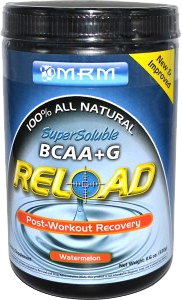
Buy now
AmazonAmazon UKBodybuilding.com
If you don’t mind its rather awful taste and unmixability, pure leucine is the more cost-effective way to go. 250 grams runs about $24, and all you need is 5 grams before your fasted training sessions.

If you opt for the leucine, there’s also evidence that additional leucine in your post-workout meal can further stimulate muscle growth, so you can take another 5 grams after training. (This is why my protein powder contains added leucine.)
What do you think about BCAAs? Have anything else to add? Let me know in the comments below!
April 5, 2014
Recipe of the Week: Lemon Rosemary Salmon Steaks
Salmon is one of my favorite types of fish. It’s mild, full of healthy fats, and pairs very nicely with salty and tangy foods and spices like lemon and rosemary.
I like this recipe because it’s simple, fast, and tasty, and it can be paired with a yummy side like this baked potato to make a well-rounded, nutritious meal.
Enjoy!
Servings
4
Calories Per Serving
273
Protein Per Serving
34 grams
Carbohydrates Per Serving
0 grams
Fat Per Serving
14 grams
Ingredients
4 wild Atlantic salmon fillets (6 ounces each)
1 tablespoon lemon juice
1/2 teaspoon dried rosemary
1 tablespoon extra-virgin olive oil
salt and ground black pepper, to taste
Instructions
Preheat the oven to 350°F. Combine lemon juice, rosemary, and olive oil in a medium-sized baking dish.
Season the salmon filets with salt and pepper. Add them to the baking dish and turn to coat. Allow to marinate for 10-15 minutes.
Cover with foil and bake for about 20 minutes, or until fish flakes easily with a fork.
What You Get to Eat

What did you think of this week’s recipe? Let me know in the comments below!
Want more delicious, easy-to-make recipes like this?If you like this recipe, then you’ll love the bestselling cookbook it came from! My own The Shredded Chef!
In this book you’ll find 120 healthy, flavorful recipes specifically designed for athletes that want to build muscle or lose fat. Regardless of your fitness goals, this book has got you covered.
Buy this book now to forever escape the dreadful experience of “dieting” and learn how to cook nutritious, delicious meals that make building muscle and burning fat easy and enjoyable!
Buy now
AmazonAmazon UKAmazon AUAmazon CABNiBooksKoboGoogle Play
Vegan and vegetarian dishes are great sources of micronutrients, and even if you’re a meat eater, they’re great for changing things up in your meal plan.
And in my cookbook, Eat Green Get Lean, you’ll find 100 of my favorite vegetarian and vegan dishes, carefully balanced for our high-protein, healthy needs!
Buy this book now to forever escape the dreadful experience of “dieting” and learn how to cook nutritious, delicious vegetarian and vegan meals that make building muscle and burning fat easy and enjoyable!
Buy now
AmazonAmazon UKAmazon AUAmazon CABNiBooksKoboGoogle Play


