Annie Cardi's Blog, page 121
January 25, 2012
Punctuation Fans, Unite!
I'm a punctuation nut. When others argue against the Oxford comma or the semicolon, I get personally offended. So I love this list of 14 punctuation marks you might not have heard of. (If you're in the writing/editing world, I bet you can pick out at least a couple.)
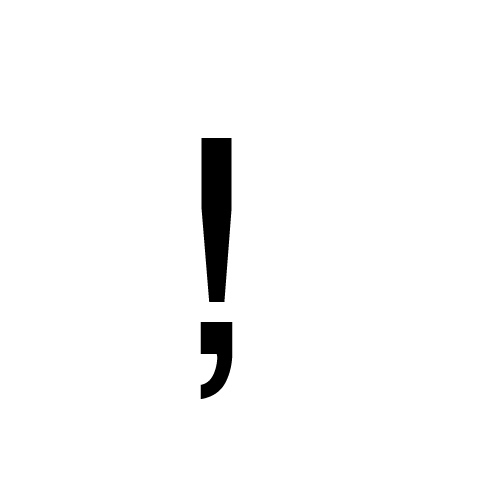 The Exclamation Comma. Finally, a way for me to express excitement without ending a sentence! The Snark is also wickedly delightful, but I think I'd end up using it too often.
Which punctuation mark is your favorite?





I Really Need a Hammock
A little old, but still fun: a glimpse inside famous writer houses. Truman Capote's might be cool to hang out in, but I like Norman Mailer's layout the best.
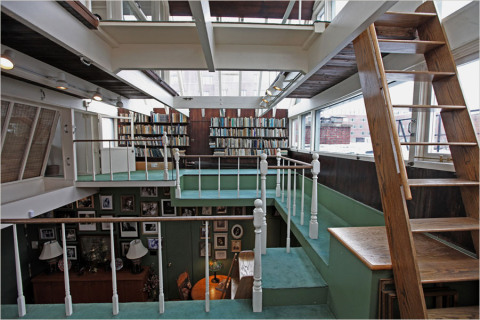
Apparently he used to have a trapeze swing, a rope ladder, and hammock strung between the rafters. I'm not sure I'd ever get any writing done with that kind of potential around me. Check out the full list of writer's rooms here. What's your ideal writing space like?





January 24, 2012
Links Galore
A few more links for Tuesday:
It's –a great opportunity to stand up to and recognize bullying around us. (Even "small" situations can really hurt.) Check out the available.
I always knew The Snowy Day was a lovely book, but I didn't know it was the first full-color picture book to feature an African-American protagonist. Where have I been? (But I do like that it seems like the norm now.) Way to go, Keats!
Lucas Klauss offers some, ahem, helpful advice for writers. One gem: "Writing isn't something you can get better at. Like a third nipple, a talent for writing is something you're just born with, and I am lucky enough to have both."
Tempted to forward this to my editorial friends so we can all laugh through our tears.
I was obsessed with Weetzie in high school, so a prequel can only make me want to wear fabulous sparkly dresses and combat boots in celebration.
Should we stop embracing geekdom?





The Truth in Fiction
Over at #engchat, author Jo Knowles has a fantastic guest post about what's real in fiction. It's very common for readers to wonder if the events/characters in a book are at all connected to real events/people in the writer's life. People have certainly asked me that. And a lot of writers do base their fiction on real people and places. But I'd argue that more often, novels aren't thinly veiled versions of our real lives. They're fiction for a reason. We might take inspiration from our lives, but we also get to create new characters and new experiences. Knowles says:
"Fragments of my own truths can be found in all of my books. Feelings. Emotions. Deceits. Joys. Confusions. My wink or nod wouldn't really mean "Yes, it did happen to me." It would simply (but honestly) mean: "I understand what you're going through." But I think the asker already suspects this by asking the question in the first place.
Realistic fiction requires us to write as honestly as we can. The honesty isn't literal. It's deeper than that. It's universal. I think that many teens who are drawn to realistic fiction are looking for connection. They are looking for entertainment, too, of course. But there is something comforting in recognizing something familiar, even–or maybe especially–when that familiar thing is something they've never talked about with anyone. Often, because they've been too afraid or ashamed."
Perhaps even more so than listening to someone's factual account of their life, fiction allows us to connect with real emotions. A biography or book of essays can do that too, but fiction allows the author the freedom to explore emotions and experiences without worry about what the facts were.
This doesn't mean that fiction is any less valuable because it's not as concerned with "the facts." The emotions are still genuine, and can help expand a reader's sense of awareness about himself and the world.
Make sure to check out the rest of Knowles's post, and feel free to share your thoughts about what is the truth in fiction in the comments.