
Matador Network's Blog, page 2108
May 29, 2015
12 things everyone from Mexico City has to explain to out-of-towners
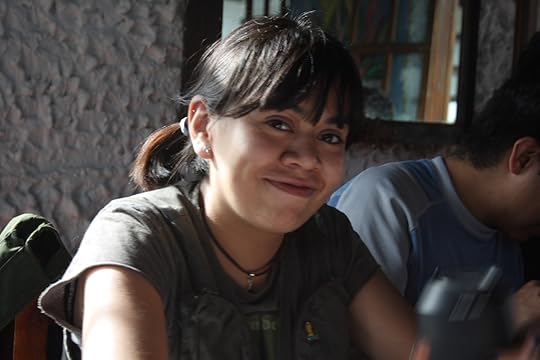
Photo: Esparta
1. Do you want cheese with those quesadillas?
Yes, you have to order them like that and neither we nor the quesadillas lady care if this is some sort of etymological nonsense. If you insist on cheese and are reluctant to pay extra for it… you’ll just have to prepare your own quesadillas.
2. What’s the deal with those water bottles in gardens?
Not so long ago, a Mexico City entrepreneur decided there was no better way to keep unwanted dogs away from gardens than to scare the shit out of them with the thing they hate the most: bottled water. Logic and science failed to explain any kind of relation between canines and bottles, but the strange solution was already trending throughout the whole city… let’s give it a shot, they said, maybe it really works, they said. It obviously doesn’t work; however, there are still people out there who believe in the power of the bottle.
3. Why do we have so many streets named after rivers that don’t even exist?
Well they do exist! They run through a big tube below their corresponding streets.
4. What the hell is chito?
The legend tells us that this strange looking snack — common to street food stalls around Chapultepec — is made of dried horse or donkey meat. Most of us consider this to be a myth; however, most people I know have never tried it precisely because of that myth. What the hell is chito made of? Maybe that should remain a mystery.
5. Where did “the most transparent region of the air” go to?
It didn’t go anywhere, it’s still here! We just have to get rid of the extra suspended particles with a gale or a stormy night. The name used by Alexander von Humboldt to describe the Mexico Valley lies beneath a hundred and something IMECA points.
6. Why are chilaquiles always served with bread rolls?
Because we just love gigantic breakfasts. The more carbohydrates the better!
7. What does “under the clock” really mean?
“I’ll meet you under the clock” is a phrase any Metro connoisseur uses quite frequently. The phrase is completely understandable to locals, but disaster strikes every time a foreigner has to confront such directions. “Under the clock” is a simple reference to the middle part of the train platform, where there is a small signal indicating the train’s direction and an even smaller screen that’s always off or showing some inscrutable characters. That little black screen, when working properly, serves as a clock. Don’t tell me you couldn’t figure that out on your own!
8. Why do we fill buckets with cement and stick a metal rod in the middle?
Easy: to save our parking spaces! We needed to come up with something heavy, bulky, and useless enough so nobody would want to steal it… and it worked!
9. Why are you feeling lightheaded?
Mexico City is located at an altitude of 2,250 meters (around 7,500 feet). It might be a good idea to let your body acclimatize for a couple of days before starting with your usual morning workout session.
10. Why do we put chicken legs inside esquites ?
To put some extra protein in your evening snack of course!
11. Why doesn’t anybody have change?
The bus driver doesn’t give change, taxi drivers feel insulted if you wanna pay them with a hundred pesos bill, and the Oxxo attendants will usually try to give you chocolates instead of coins. A piece of advice: Never leave your place without a pocket full of morralla.
12. Is Mexico City really sinking?
Yep, and the consequences are everywhere, especially in the older buildings around Centro Histórico. But if you really wanna grasp the magnitude of the problem, you have to pay a visit to the Independence Monument. Our beloved Angel was strengthened with such dedication that it has maintained its position while the rest of the city has continued its downward trajectory. The result? Every few years, new steps are added to reach the base of the monument. I wonder if an elevator’s part of the long-term plans… 


17 reasons NOT to visit Spain
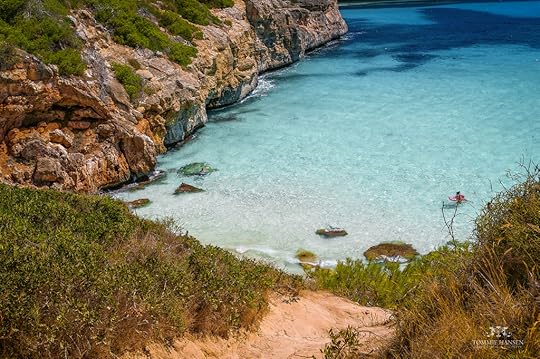
Photo: Tommie Hansen
2 . Mountains? Not really your thing, either. You have to walk (and you get tired), it’s always cold, and those lakes you come across are too freezing to swim in.
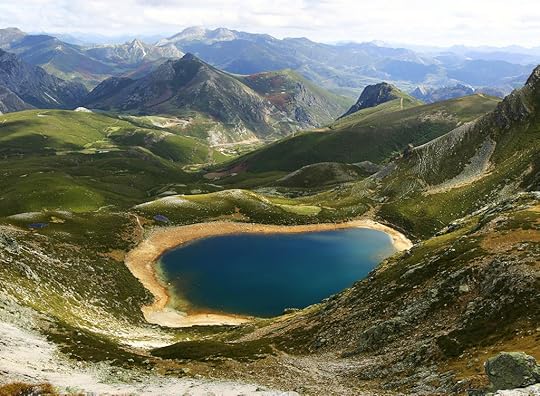
Photo: lugarzen
3. You’re not at all interested in a country with so many architectural wonders from a Muslim past. So what if they’re World Heritage Sites? UNESCO won’t change your mind.
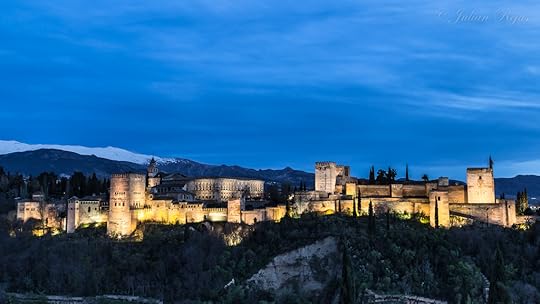
Photo: julianrdc
4. You don’t understand why everyone is so fascinated with Gaudí. Is his style really so original? Parc Güell is simply overrated.
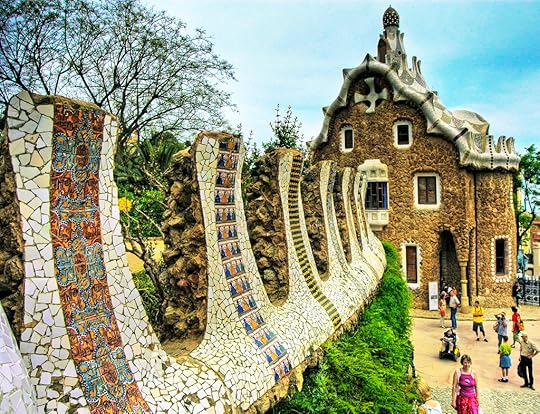
Photo: Wolfgang Staudt
5. You don’t trust a country whose streets and squares are crowded with people even at night.
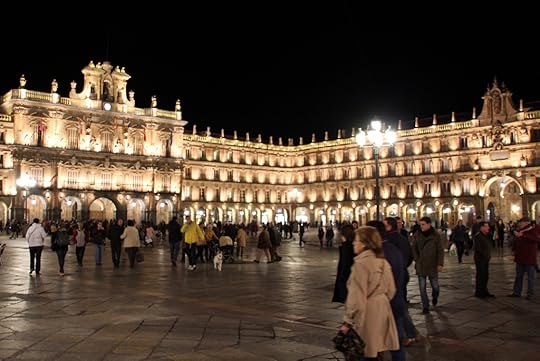
Photo: M.artin Vicente
6. Why would you want to drive all the way to a coastal road full of tiny fishing villages? They’re not that beautiful…
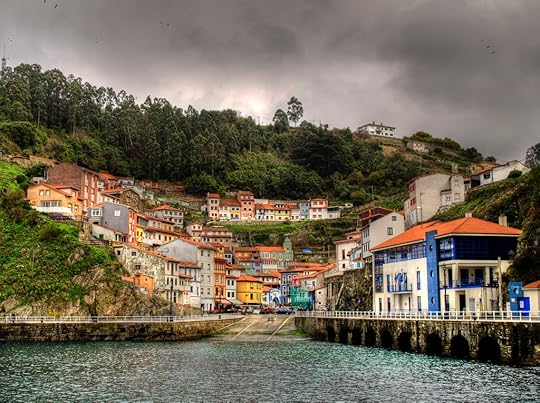
Photo: Javier Losa
7. Besides, they pride themselves on being a modern country, but once a year they allow sheep to walk through the streets in Madrid. Really?
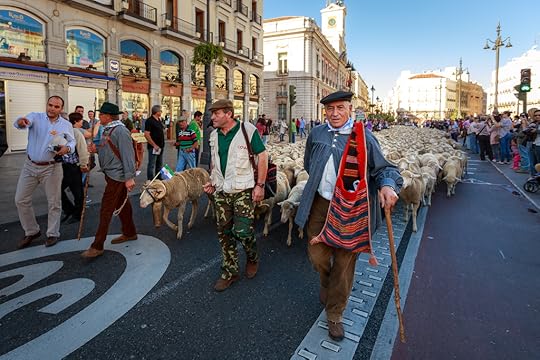
Photo: Barcex
8. Why would you visit a cave whose walls are covered in Prehistoric paintings and carvings?
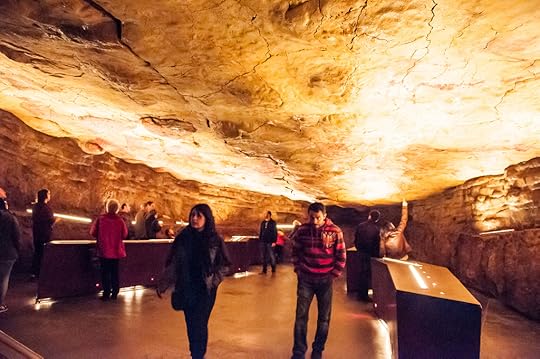
Photo: GOC53
9. You think the same about attending a play in the remains of a Roman theater… it’s all ruins and you don’t even have a ceiling over your head!

Photo: GOC53
10. Being offered some free food whenever you order a drink makes you feel uncomfortable. You’re pretty sure you’re getting leftovers or expired tapas.
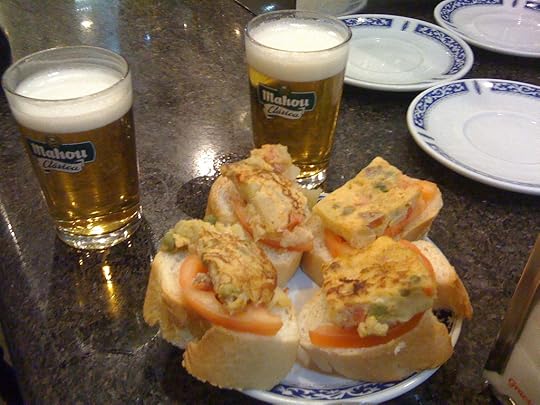
Photo: robertorodriguex
11. No, you don’t want to walk around a volcanic crater. Are we crazy?
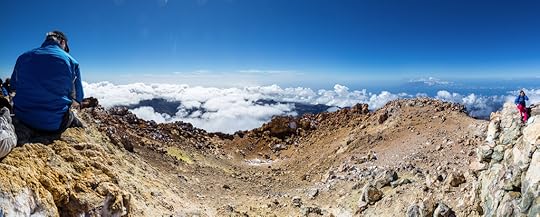
Photo: cfaobam
12. Surf is too dangerous, and walking on the beach too boring. Not to mention sand. So annoying.
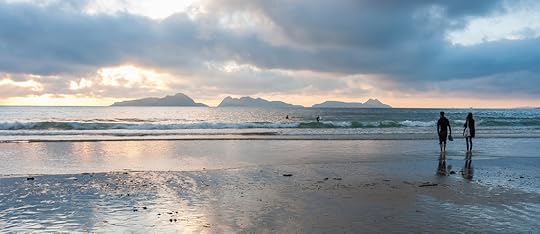
Photo: grodal
13. Why would you want to see real dinosaur footprints? If you cared about them you’d watch Jurassic Park… at least there you’d get a bit more action.
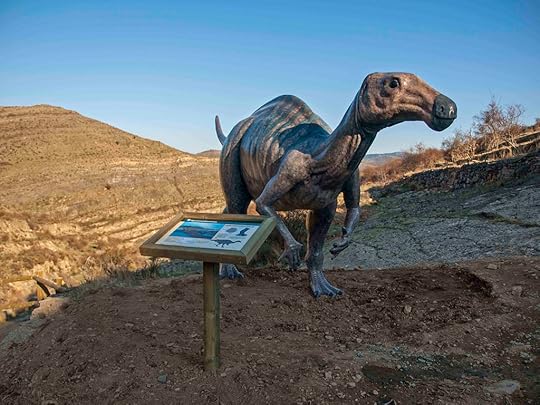
Photo: Paleoymas
14. Oh, great, people who just start singing and dancing in the middle of the street. You’d rather keep your distance.
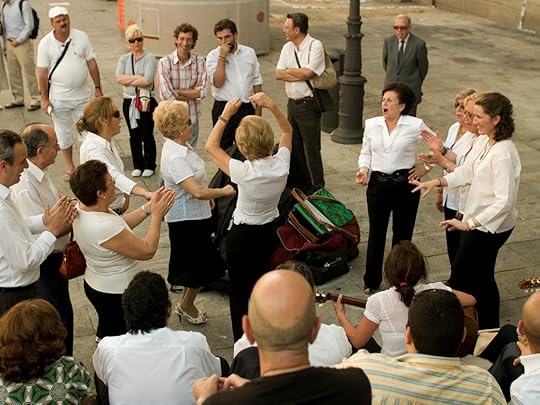
Photo: Rui Ornelas
15. Why would you want to visit the windmills Cervantes wrote about in Don Quixote? The landscape is not that special and you don’t understand how they can be mistaken for giants.
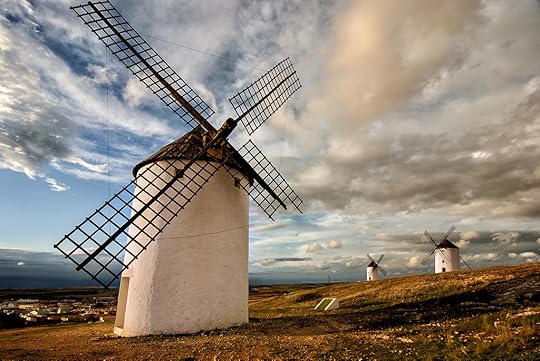
Photo: Jaime_C
16. Having a drink in a terrace at night? Do these people ever sleep?
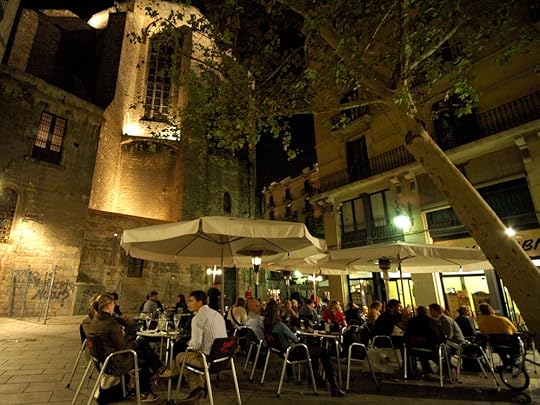
Photo: andy_C
17. Why would you want to visit a country where summer solstice is celebrated by lighting –and sometimes jumping over — bonfires? It sounds a bit primitive, doesn’t it?
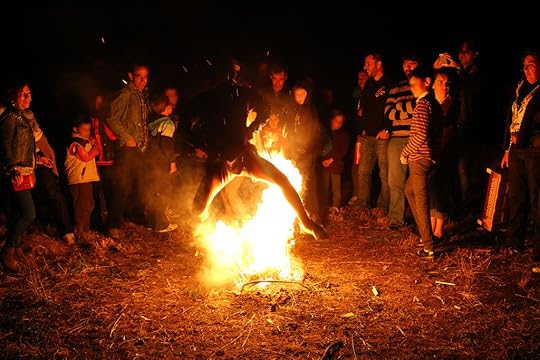
Photo: Contando Estrelas

The human toll of Qatar's World Cup
FIFA FINALLY GOT HIT IN A SERIOUS WAY this week for their past misconduct when they were hit with a federal indictment in the United States for fraud, bribery, and racketeering. No one who is familiar with FIFA is surprised: allegations of corruption against FIFA are not remotely new.
Allegations of corruption have especially centered around the 2022 World Cup in Qatar, a country that is notorious for being both way too hot in the summertime to play soccer in, and for having an absolutely appalling human rights record. There have been reports of slavery-like conditions among the migrant workers, and an absolutely huge number of deaths among them.
The human toll of FIFA’s corruption, a chart (via @washingtonpost http://t.co/WHrDl5pOqR): pic.twitter.com/muQjWiPAMT
— Aurélie Poelhekke (@apoelhekke) May 28, 2015
The number of deaths isn’t certain — estimates range between 964 and 1,200 (the latter shown in this chart) but it’s hard to know how many are directly related to World Cup construction. But the International Trade Union Confederation estimates that there could be up to 4,000 migrant worker deaths by the time the Qatar World Cup takes place in 2022.
With any luck, this string of arrests against FIFA means that action will be taken against the Qatar World Cup. Corruption is not a victimless crime, even when it’s within a seemingly benign sporting organization.
Via Mic and Washington Post.

13 images show Oregon is the best
MOST OF US make plans to hit the road during the summer, but there are plenty of reasons to consider the off seasons. Oregon is no exception. Head over in June and you’ll just precede the crush of tourists looking to kick off the summer in early July. There’s more reasons to hit up Oregon in June than we can count, but here’s our top 13!
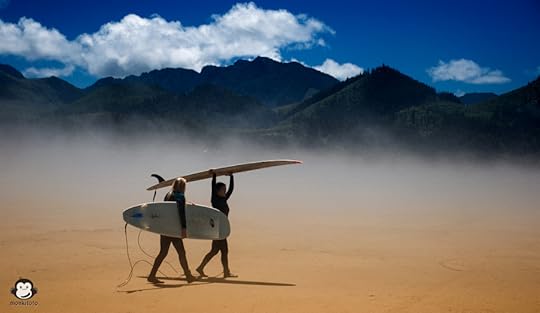
1. The surf’s still up with a few final spring storms, but many breaks are calming down enough for beginners.
2. There’s still some snow on the peaks, despite the increasingly mild-to-warm weather June brings.

Three Sisters Sunset Aerial by shuttereye1 on 500px
3. Which can help make the epic views (such as this one of Mount Hood) just that little bit more epic.
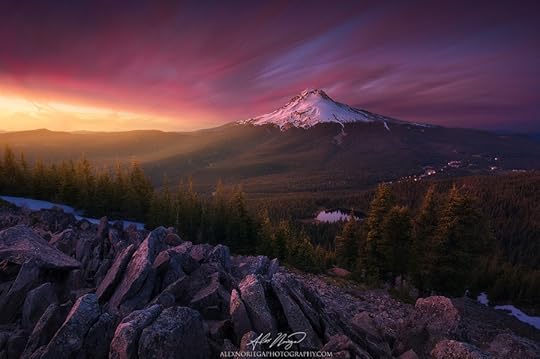
4. Speaking of Mount Hood, you may have the trails and views to yourself (or at least, you and the locals).

Edge of the Earth (rework) by Zack Schnepf on 500px
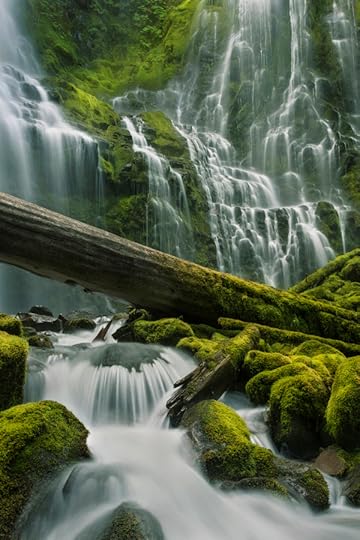
5. The snow that has melted through the spring ensures the waterfalls (like Proxy Falls) are thundering along.
There's a Giant by Kristina Wilson on 500px
6. The farmers’ markets are in full swing, making gorging on fresh food easier than ever.
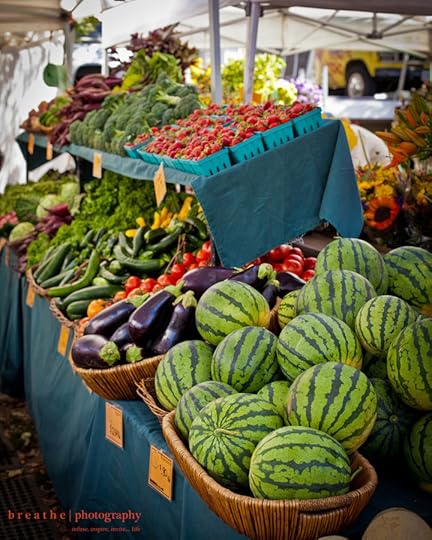
Eugene Farmer's Market by Quentin Furrow on 500px
7. As the weather lightens up, barbecue season arrives with guns blazing.

Summer Time by Kieran Henthorn on 500px
8. It’s the perfect temperature for a bike ride, especially if you plan to partake in the annual Portland Naked Bike Ride (this year: June 27th). Go “as bare as you dare!”
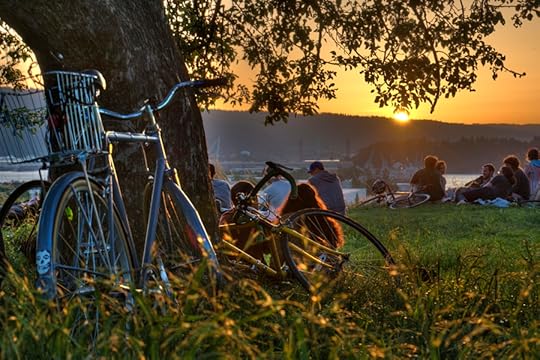
9. It’s also great weather for a stroll… such as marching in the annual Pride Parade (this year: June 14th)

Portland Pride Festival by Raed Shomali on 500px
10. Take in the famous Grand Floral Parade, part of the Portland Rose Festival, an annual two week-long party celebrating the “City of Roses.” Known to include various parades, dragon boat races, art shows, bands and live music, various competitions, and some years, a zombie walk. (Late May to mid June)

Portland Grand Floral Parade 2014 by Peng Ge on 500px
11. Bandon Beach is still relatively free of the summer tourists.
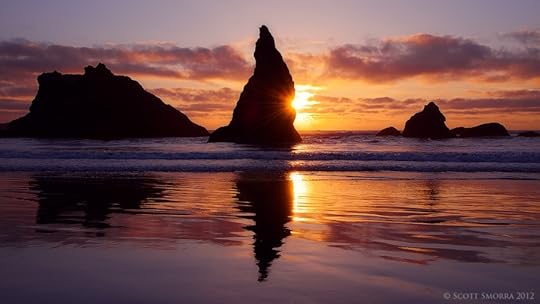
Bandon Reflections by Scott Smorra on 500px
12. The days are warm but the nights are perfect for gathering around a fire.
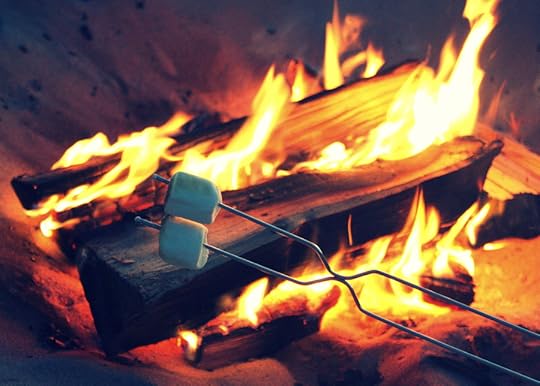
Makin' S'mores by Chloe Veltkamp on 500px
13. And the sunsets — like this one in Samuel Boardman State Park — are known to deliver, night after night.
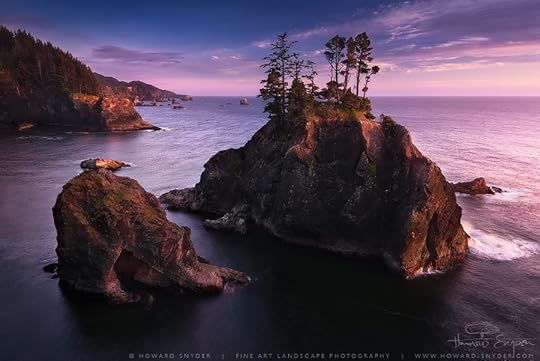
Silent Witness by Howard Snyder on 500px

18 things everyone from Galicia has to explain to out-of-towners

Photo: juantiagues
Haz clic para leer este artículo en español. También puedes darnos un “me gusta” en Facebook!
1. How should I eat this?
In front of you, on the plate, goose barnacles. Once you accept those weird sea hooves are actually eatable, the shyer ones will discreetly look around to see what locals do and try to imitate them as well as they can. The rest will look at the plate, and then look up and ask the question. This might also happen with oysters, small crabs, and other marine delicatessen.
2. The night is warm, why don’t we sleep on the beach?
What time is it? If it’s already 3 am, you’re on the beach, and the temperature is higher than 20ºC, two things could be happening. First, and most likely, you are not in Galicia. If you have checked and are sure that’s where you are, then go sleep on the beach. It’s the only day in the year when you’ll be able to do it. If it’s only 11 pm and your local friend keeps smiling and encouraging you to do it, while saying he would love to but can’t, abort the mission. At 1 you’ll be freezing.
3. Are those two women on TV Azúcar Moreno? Is it a rerun?
No, it’s not. What you are watching is Luar, a TV-programme trapped in an alternate time dimension. Don’t try to understand.
4. I’m going to try this coffee liquor. My friend’s granny made it, and she claimed it was really soft.
Galician grannies have a different concept of what a soft liquor is. You’ll find out when you open the bottle and feel you’re getting drunk only from the smell. You have to drink it, sure, but don’t make plans for tomorrow.
5. Why is the wine in a ceramic bowl?
That’s a cunca, a small Galician work of art you can drink any liquid from. Wine, soup, milk… why use different objects when this one is perfect for everything?
6. Why is there a bathtub in the middle of the forest?
We don’t know either. It might be a water trough for cattle (we are all about recycling in Galicia), but not necessarily. Do what we do -shrug your shoulders and keep walking. You could talk about feísmo (“uglism”), but it’s a sensitive topic and we prefer to discuss it among ourselves.
7. Why is it day if it’s already 11 pm?
It might be related to the fact that in Portugal, where you could get to by driving south a few km, it’s still 10 pm. And to the sun setting in the west, to Spain’s wrong time zone, etc. Check a map and you’ll understand.
8. This Padrón pepper is ok, not hot at all…
That’s part of the excitement! Some are hot, and some are not, that’s how Padrón peppers works. Just in case, try not to declare victory before the second bite. Some peppers take their time before making your tongue burn.
9. But if I want to go to Vigo from Lugo, I just take a train and will be there in an hour, right?
Oh, where to start. This could happen if, for starters, Galicia was a flat land and there were other things like, I don’t know, maybe a direct train from one city to the other. Traveling from Lugo to Vigo will take much longer than an hour, and you’ll probably use a different means of transportation (or you could go by train with one or two changes! so fun!). On the bright side, you’ll have plenty of time to think and enjoy our beautiful landscapes.
10. Isn’t the sea too cold to swim?
Really? How can you say that today with a water temperature of 19ºC? It’s really warm!
11. What’s that stain on my old-but-charming apartment wall?
Her name is Humidity and she will be your flatmate for the months or years you decide to live here. You could try to fight her with a dehumidifier, act as if she didn’t exist by painting the wall (you’ll see how she slowly reappears), or accept her presence and spend hours analysing her growth. Or you could move to a less charming apartment.
12. Why are you carrying a jacket? It’s 30ºC!
Never trust summer in Galicia. Never! Those 30ºC will disappear as the sun sets, and you’ll be thankful of having a jacket when the temperature drops to 17ºC.
13. Do you think I should wear sunscreen for my day in Cíes Islands? It’s not really sunny…
Cíes Islands are gorgeous, but also ruthless and dangerous. As if the islands were located just under an ozone hole, sunbeams will pierce your skin, leaving it red and sunburnt (even on cloudy days!). Unless you feel like changing your skin or, I don’t know, risk cancer, wear sunscreen. SPF 30 at least.
14. What are those square things over the sea?
Those are bateas, the place where those delicious mussels and oysters you have just eaten grow. No, not on the surface, they grow on ropes that you can’t see because they are underwater… do you know there are guided visits to see and understand them?
15. Where is my towel? Where is the beach? I was away only for a few hours…
Welcome to the world of tides! They go up and down several meters, eating up the beach or making it really big, perfect for a paddle ball match! An unwritten safety rule: don’t leave your towel on the wet sand area if you plan to be away. If you do it anyway, at least check a tide chart first!
16. How can I feel cold if the temperature is 20ºC?
That’s Humidity again, your flatmate, remember? She’s not only on your wall, she loves your bones too.
17. I’ve been told I’m “riquiño”. That’s a good thing, right?
Well… it depends. Let’s say it’s not necessarily bad, and it could even be good. But keep this in mind as well: people in Galicia are not ugly. They’re “riquiños”.
18. Will I really see Cervantes’ feet if I look down into the fountain?
Of course! Just do it…
How my NYC apartment helped me travel the world
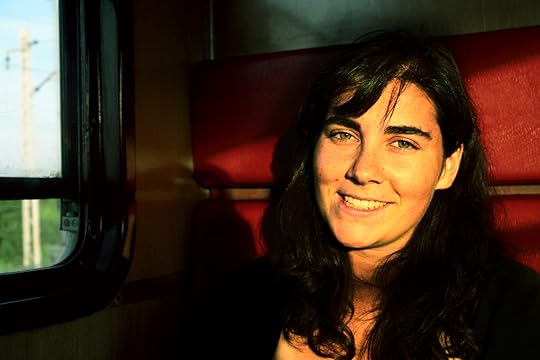
Photo: jac o p o
By Annie Daly
On Sunday, I am officially moving in with my boyfriend. We are sharing a one-bedroom apartment in Brooklyn Heights, on one of those cute, tree-lined brownstone blocks that people think of when they think of Brooklyn. I’ll be leaving my third-floor studio apartment on the Upper West Side of Manhattan, where I have lived by myself for the past three years. And while I am, of course, excited to move in with my boyfriend and share keys and lives and the responsibility of picking up dirty towels off the floor, I am also very sad to go.
My apartment wasn’t just my apartment. It was my sanctuary. When I first saw it three years ago, I told the owner right then and there that I wanted it, and I quickly ran outside to call my parents and my friends and also sprint to the bank to take out a $500 cash deposit before the guy looking at it after me claimed dibs. (Good thing I did, too, because when I came back panting, filled with excitement and nerves, he said that he would have taken it if I had passed.)
I loved the apartment because it checked all the boxes I’d wanted checked — near Central Park, affordable, convenient, and full of natural light — but mostly because it had this window. A big window, almost floor to ceiling, that was surrounded by trees, which made me feel safe, like nothing could ever be that bad because I lived in a treehouse refuge and all of the busyness of New York City life was so far away, hidden beneath a green safety net.
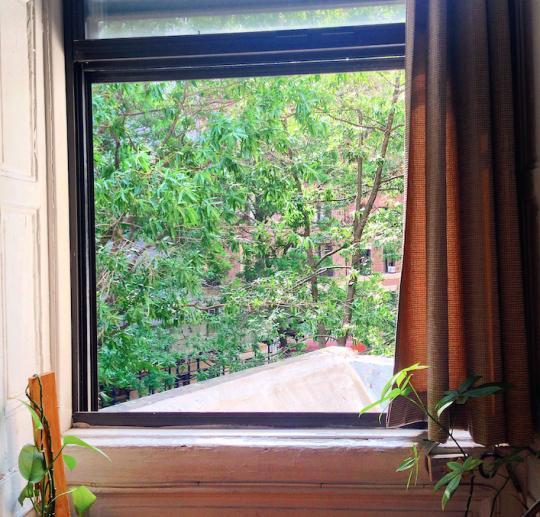
My window, as seen from my couch. (Photo: Annie Daly)
They say in New York that you are always searching for three things: a relationship, a job, and an apartment. I’m not sure I agree with that sentiment wholeheartedly, because I am also in constant search of the next best coffee shop and a place where I can order a decent glass of red wine — and maybe even olives as well — without having to rationalize my spending. But for the most part, I agree that the search is real.
Related: 8 Tips on How to Quit Your Job and Travel the World
And that’s why I am so sad to leave this place. When I was 28 years old, I was fired from a job that I’d started just three weeks earlier. It was simply a bad fit — even my old bosses will tell you that — and they wanted to be sure I knew it wasn’t me. I did, but the situation still shook me. Anyone who has ever been fired or laid off knows that it rocks you to your core. I was single at the time, without any prospects minus this one creeper who preferred to communicate over text than in real life, and so all of the sudden, I had no job, and no real dating life. Of the ubiquitous New York “big three,” I had one: my apartment.
I had my wonderful friends and family and my values and myself, of course, but losing a job creates this hole in your mind that even your core can’t fill, at least not right away. I went to bed each night staring at the ceiling, knowing that when I woke up, it would be just me and the ceiling again.
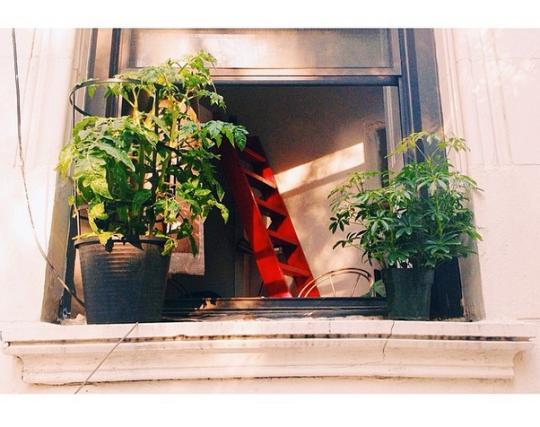
My window, as seen from my “outdoor space,” i.e. the very small, mini rooftop outside my window. (Photo: Annie Daly)
To say my apartment saved me would be overly dramatic, because I always knew, rationally, that this was just a bump in the road and that I would someday joke with my friends over wine about “that time I got fired from that job I cannot even believe I was hired to do.” Which I did, by the way. But still, my apartment made me feel grounded, like even though I didn’t have a place to go in the morning, I was still home and at least I had that, and everything would somehow work out in the end because it always does. And when I decided to freelance rather than look for a new staff job, my apartment also became my office, my place where I picked up the pieces and decided how exactly to go about creating this new, desk-free existence for myself.
Related: I Beat Career Burnout by Quitting My Corporate Job to Travel
Turns out, I created something wonderful. One freelance assignment led to another, and before I knew it, I found myself traveling the world, writing from various beaches and exotic cafés, needing nothing more than a laptop and decent Wi-Fi to earn my living. I spent a month in Costa Rica, a month in Australia, and a week in India, and I also hopped all around the U.S., from Hawaii to Florida to California to Utah. What started out as a plan to freelance while traveling soon organically morphed into a position at Yahoo Travel and a new future as a travel writer.
And amid all of this, I also happened to meet my current boyfriend on a camping trip in upstate New York, someone who came in at the perfect time and quickly gave my new, untethered life even more meaning. It seems counterintuitive to say that an apartment, which by nature does not move, helped me travel the world and figure out my new plan, but it’s true. Knowing that I had this apartment to come home to made it easier to get up and go.
Related: Escape from New York: Jersey City and Other Hidden Treasures Outside of NYC
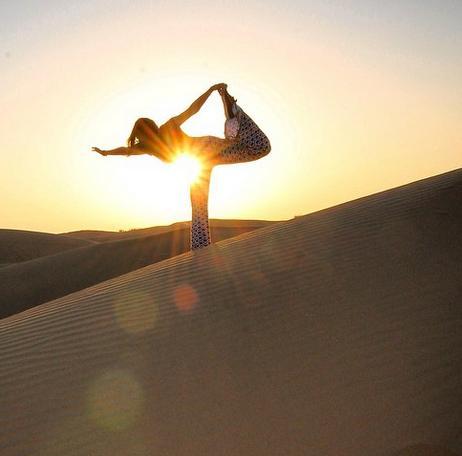
Appreciating my newfound freedom in the Thar Desert in India. (Photo: Rahul Khosla)
One of the best parts about traveling when you live in New York is that when you say you’re from New York, there is never a bad reaction. People give you that knowing nod of approval, like, “Oh, you’ve got it all figured out, don’t you, to be able to live there and yet be here.” And the funny thing is, most of us don’t have it all figured out. At all. But chances are, we all have some version of my window, a little slice of New York that makes it feel like ours, something that makes us feel at home enough to look our fellow globetrotters in the eye and say, “Yeah. It really is pretty great.”
What’s even more comforting is the simple truth that even though your window may not last forever, there will always be new windows in your future. Our new apartment has three of them, and they are all surrounded by trees.
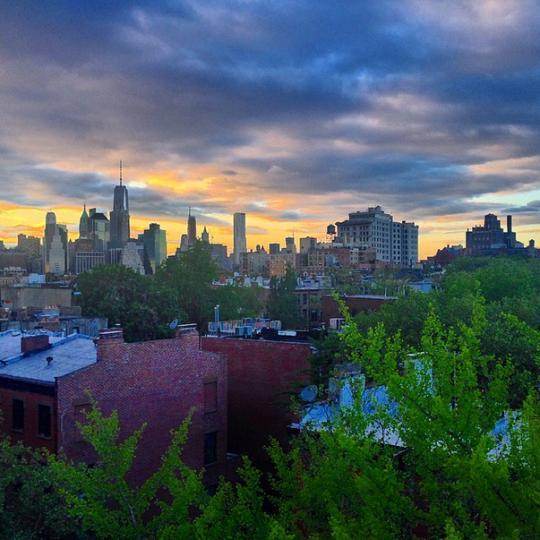
My new rooftop view in Brooklyn Heights. Look at all those trees! (Photo: Annie Daly)
This article was originally published on Yahoo Travel and is reprinted here with permission. Let Yahoo Travel inspire you every day. Hang out with us on Facebook, Twitter, Instagram, and Pinterest. Check out our original adventure travel series A Broad Abroad.

What happens when someone from Portugal moves to the UK

Photo: Pedro Ribeiro Simões
1. As you walk around High Street you feel strangely excited. Then, you realise it’s because it has been 10 days since the last time the sun come out, and you feel it might happen today.
2. You wonder what the hell happened to meal times. Lunch is now inexplicably gone and dinner was for some reason rescheduled to 5:30pm.
3. You look around the bar slightly confused the first time your new “mate” tells you the next round is on you.
4. You have replaced the words chuva (rain), chuva miudinha (light rain) andchuva molha tolos (rain that only gets silly people wet) by drizzle, mizzle, trickle, dribble, sprinkle, light showers, spells, and spit, not to mention all the new words for rain when it’s ‘chucking it down’.
5. You were once asked to fill out a form, and you checked the ‘white’ box. You tried to explain you were told you are white. The secretary lifted her t-shirt and said: “This is white!”
6. You quickly learn that you have to say you have “olive skin”.
7. After making lots of strangers uncomfortable by hugging and kissing them on the cheeks when you first meet them, you realise the trick is to buy them a drink first and greet them later.
8. Your tea consumption goes from a cup of an herbal tea per month to 5 cups of PG tips per day. But you still are keeping the faith that you will someday find that Portuguese coffee shop…
9. You realise you do not talk about the weather to break the ice anymore. It is serious bus stop talk during the day, and a great way to make new friends outside a bar at night.
10. You walk over to the tin section in the supermarket only to check if the canned sardines are from Portugal. And you don’t even like sardines.
11. You arrive to a new city and instead of looking at the local attractions, the first thing you do is start frantically looking for a Portuguese coffee shop that sells Delta.
12. During the winter, as you walk in friend’s warm and cosy apartment you always say a personal prayer to the ‘Gods of Central Heating’ and take ¾ of your clothes off.

This story was produced through the travel journalism programs at MatadorU. Learn More
13. You start organising more house parties and going out less – that way the price of the rounds goes down considerably.
14. You start using the money you saved on drinks to organise your own Portuguese party buffet with all kinds of finger food: rissóis de camarão, croquetes de carne, chamuças, and you of course don’t forget to include pastéis de bacalhau.
15. In August, you swap the sun block cream you had previously packet by the least protective sun tan lotion you can find at Boots and consider hopping in a sun bed to finally gain some colour again. 
The 9 most overlooked road trips in the United States
#wedge-0 { background-image: url('http://cdn1.matadornetwork.com/blogs/...') }@media(min-width:560px){ #wedge-0 { background-image: url('http://cdn1.matadornetwork.com/blogs/...') } }@media(min-width:1200px){ #wedge-0 { background-image: url('http://cdn1.matadornetwork.com/blogs/...') } }
The roads less traveled by
ONE THING AMERICA HAS NEVER LACKED is open road. Yet with so many options, we often tend to stick to the tried and true: Jack Kerouac’s Route 66, the Pacific Coast Highway up California’s coast, roads that take us to Yellowstone and the Grand Canyon and Niagara Falls.
But the US is so much more than its classic attractions. It’s the country that birthed BBQ and the Blues. It’s the country with both the obvious beauty of the Sierras and the subtle magic of the Iowa hills. And it’s a country where early settlers on their journey towards Oregon made the American road trip a historical act.
What parts of America have we been missing? Take a look below.
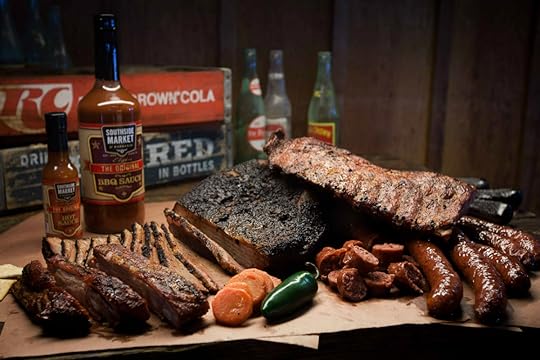
1. The Texas BBQ Trail
What to expect
In addition to the post-BBQ stomach ache, you can also look forward to drives through small, historic towns with 19th century architecture, and miles of green, rolling hills in between.
Start and end point
Austin to San Antonio Texas (approx. 245 miles, driving time around 4 hours).
Route and special stops
Austin: Iron Works BBQ for seasonings and spice rubs along with their famous barbecued meats. There’s also Franklins BBQ which Bon Appetit Magazine ranked among the best BBQ in the country.
Taylor: Louie Mueller Barbecue has been serving their famous beef brisket since 1949.
Elgin: This town is located on Highway 290 and considered “the Sausage Capital of Texas”. Stop at Southside Market, the oldest barbecue restaurant in Texas. The restaurant started as one man selling meat from the back of his wagon over a century ago to now a full-on restaurant and market. Order the Original Elgin Hot Sausage which they have served for 130 years. There’s also Meyer’s Elgin Smokehouse where recipes are over four generations old.
Driftwood: The Family-owned favorite The Salt Lick is known for cooking its BBQ on an open flame.
Lockhart: In 2003, the Texas Senate passed a resolution declaring this town the “barbecue capital of Texas”. Black’s Barbeque is one of the few Texas BBQ restaurants in Texas that uses Certified Angus beef for their brisket.
Luling: Stop at City Market serving the “Texas Trinity” of sausage, brisket, and ribs with white bread.
San Antonio: End the trip with a visit to the Alamo.
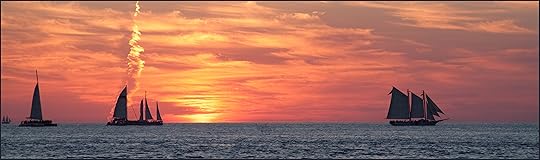
2. The Overseas Highway Through the Florida Keys
What to expect
Seafood, beautiful ocean drives, and access to the only living coral barrier reef in the United States.
Start and end point
Highway 1 from Key Largo to Key West (approx 127 miles).
Route and special stops
Key Largo: Visit John Pennekamp Coral Reef State Park. Dive in the Florida Keys National Marine Sanctuary to visit the wreck of the Spiegel Grove, a Navy ship that rests 130 feet underwater. Eat at Caribbean Club where Lauren Bacall and Humphrey Bogart filmed the movie Key Largo.
Tavernier: Access the Conch Reef for great drift driving. The town is also a great spot to go paddle boarding.
Islamorada: Eat generous portions at Harriette’s (try their biscuits), and eat dinner at the celebrity-adored Snapper’s Waterfront Restaurant.
Duck Key: In all the areas past Tavernier, less commercial dive operators means quieter diving and more sea life. Expect to see goatfish, sea turtles, and spotted eagle rays.
Looe Key: Loee Key is home of the Underwater Music Festival and popular for its stunning topography and marine life. Snorkelers and divers both have a lot to see: lobsters, moray eels, underwater mounds of coral and more. Check out Looe Key Reef Resort & Dive Center.
Key West: Take the boat trip to Dry Tortugas National Park, almost 70 miles west of Key West but home to a historic fort, and a superb spot for snorkeling and diving. Visit Bahia Honda State Park for sunbathing on long stretches of sand. Visit the Ernest Hemingway Home and Museum for your literary fix and the Mel Fisher Maritime Museum for recovered treasures from the bottom of the sea. Eat at Turtle Kraals Restaurant and grab drinks at the popular (and Playboy-approved) Green Parrot Bar. At sunset, attend the Sunset Celebration in Mallory square, a tradition that has carried on since the 1960’s (Mark Twain and Tennessee Williams used to attend).
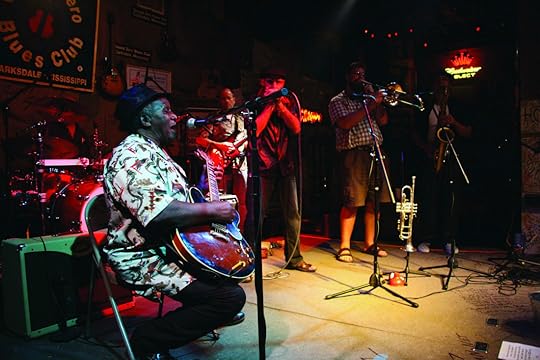
3. The Highway 61 Blues Trail
What to expect
The ghost trail of Muddy Waters, John Lee Hooker, Sam Cooke, Bessie Smith, B.B. King. and Elvis. All of them came down this highway on their way to Memphis, singin’ the blues.
Start and end point
Vicksburg up to Memphis (3 hours and 40 minutes and approx 246 miles).
Route and special stops
Vicksburg: Visit the murals painted along the Vicksburg flood walls depicting Native American life, African American history, Mississippi river travel in the 1800’s, and more.
Indianola: Visit the B.B. King Museum which uses the life of the performer to tell the history of the black struggle in America. Take in a Sunday show at Club Ebony where B.B. King, Ray Charles, and other legendary musicians have performed.
Leland: Though a slight detour to the east of Indianola, you can visit the Highway 61 Museum to learn about all the performers who grew up in the town.
Cleveland: Right outside in a town called Merigold, you can visit the last authentic rural juke house: Po’ Monkey’s Lounge (only open on Thursday nights, though). Admission is normally $5. A DJ plays blues and R&B, and customers can bring their own liquor if they buy mixers.
Clarksdale: The Hopson Plantation attracts an eclectic crowd of artists. Sleep at the Shack Up Inn in its restored boutique rooms. Check out live music at actor Morgan Freeman’s nightclub Ground Zero Blues Club.
Memphis: Visit the Stax Museum of American Soul Music to pay tribute to singers like Otis Redding, and Isaac Hayes. And of course, stop by Graceland.
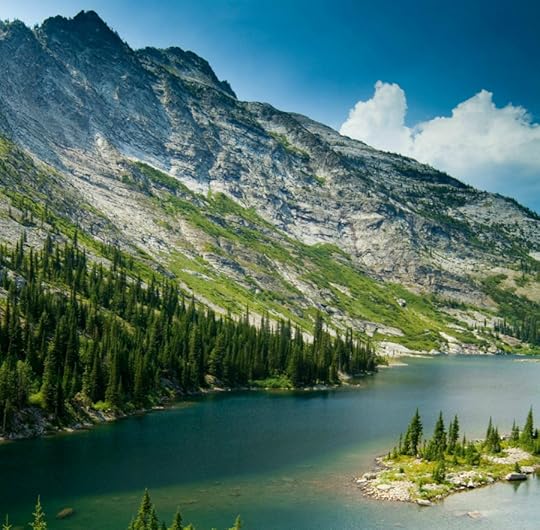
4. The Selkirk Loop
What to expect
An international circle around the Selkirk Mountains in eastern Washington, northern Idaho and southeastern British Columbia. It passes through rivers, lakes, mountains, and some of the artsiest towns in North America.
Start and end point
Newport circling back again (approx. 280 miles).
Route and special stops
Newport: The southernmost town on the loop, take Upper and Lower Wolf Trails for scenic viewpoints over the Pend Oreille River. After, the U.S. Route 2 splits off and transfers to Washington State Route 20, going northwest.
Cusick: Visit Gardner Cave, the third-longest limestone cave in Washington.
Ione: Take a 20-mile round trip on the Lions Club Excursion Train along the Pend Oreille River to Metaline Falls. After, transfer to Washington State Route 31 to enter Colville National Forest with several lakes and campgrounds. After, cross the U.S. and Canada national border and transfer onto British Columbia Highway 6.
Salmo: Try the local cuisine of “Russian borscht.” Hike, ski, and see big-horned sheep at Stagleap Provincial Park just east of Salmo on Highway 3.
Nelson: Take a guided walking tour of this town, often called the “Heritage Capital of the Kootenays” because of its 350 preserved heritage buildings. Stroll Baker Street for some bohemian sports (Nelson has been voted the #1 small arts town in North America in the past). Outside of town, visit Valhalla and Kokanee Glacier Provincial Parks. After, transfer to British Columbia Highway 3A.
Kootenay Lake: Take the Kootenay Lake Ferry at the intersection of BC 3A and BC 31 which connects the loop to the eastern shore of the lake.
Creston: Famous for its abundant fruit fields (cherries are the main crop), check out the town’s orchards and many fruit stands along highway 3. See the downtown murals initiated by a local artist in the late 1980’s. After, transfer to British Columbia Highway 21, cross the border again and transfer to Idaho State Highway 1 after entering the States.
Sandpoint: Another famous art town with over twenty galleries in downtown. Have a wine-tasting at the Pend D’Oreille Winery (Idaho’s Winery of the Year in 2003). Visit the three National Forests nearby: Idaho Panhandle, Colville and Kootenai National Forests.Take a side trip down the Pend Oreille National Scenic Byway. The loop circles back when you reach the Washington-Idaho state line, where the Loop begins again
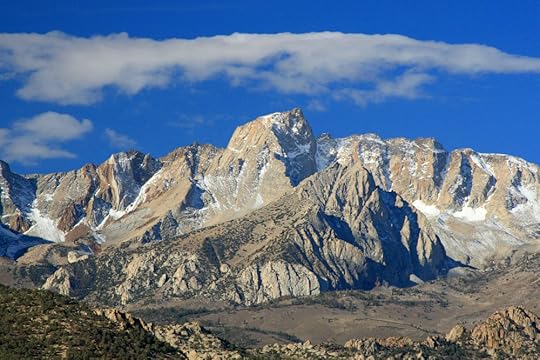
5. Highway 395 Through the Sierras
What to expect
A highway far less populated than the touristy Pacific Highway 1, yet with equally beautiful landscape and history.
Start and end point
Lee Vining to Lone Pine (approx. 155 miles and around 2 hours).
Route and special stops
Mono Lake: See the famous “tufas”, the name for the limestone formations that look like towers growing from the middle of the lake. Hike the South Tufa Trail for a closer look.
Tioga Pass Road (also known as Rt. 120 west): Backtrack a bit to take this scenic road and eat at the Whoa Nellie Deli serving Lobster Taquitos and Wild Buffalo Meatloaf.
June Lake Loop- Camp/stay the night at the historic Silver Lake Resort.
Mammoth Lakes: Visit Devil’s Postpile National Monument.Go fishing, zip-lining, or bounce at the super bungee trampoline at Mammoth Mountain (or just take a scenic gondola ride). Then, relax in one of the area’s free natural hot springs.
Bishop: Go bouldering in this popular spot for rock-climbing enthusiasts. Eat at the famous Erik Schat’s Bakery. Visit the Laws Railroad Museum and the town’s recreated historical village.
Lone Pine:The Museum of Lone Pine Film History gives a guide to the TV shows, silent films, and westerns shot here in the 20’s-50’s. Then, hike the 5.5 mile round trip trail to Lone Pine Lake. Camp at Tuttle Creek Campground.
Extensions/alternative routes
Continue south of Lone Pine to visit Manzamar, a former Japanese Internment site, between Lone Pine and Independence. Or, start north of Lee Vining in Reno and pass through the ghost town of Bodie, a former 19th-century mining settlement in California, and now a state historic park.
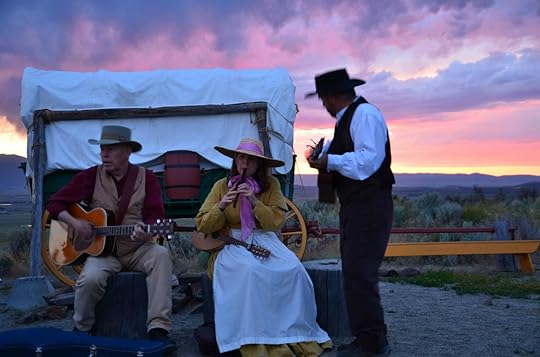
6. The Oregon Trail
What to expect
Every millennial has played the game; now tackle the journey yourself. The modern-day trail goes through five states and covers a ton of ground before you land in historic Baker City, Oregon.
Start and end point
Independence, Missouri to Baker City, Oregon (approx. 1,700 miles, driving time around 27 hours).
Route and special stops
Independence: Visit the small National Frontier Trails Museum.
Bridgeport, Nebraska: Stop at Chimney Rock and Scotts Bluff just after Bridgeport in Bayard. These were historic spots that let pioneers on the trail know they were on the right track. Go down Interstate 25 to see the Courthouse and Jail Rock landmarks.
Guernsey: Head up Highway 26 to this town to visit Register Cliff, where pioneers carved their names into a wall of rock. Go down 1-25 to stop at Independence Rock.
Fort Laramie, Wyoming: Take I-80 to pass through this spot which was considered the gateway to the Rocky Mountains. During the summer, there are often historic reenactments and shows. The bakery still makes bread for visitors to taste. Stay on I-80 to visit Devil’s Gate, Split Rock and “Three Crossings.”
South Pass City: Take Highway 789 until you can turn south on Highway 28 toward this town. Try one of 70 single malt whiskeys available at the Two-bit Cowboy Saloon (every second Saturday they have a Scotch Sipping at Six). Stay the night at Miner’s Delight Inn.
Soda Springs, Idaho: Here you can see the hourly eruption of a naturally spraying geyser of carbonated water, which settlers once used for medicinal purposes.
Hagerman Fossil Beds : See over two hundred different species of fossil plants and animals, including a sabertooth cat and and a mastodon.
Baker City, Oregon: Visit the National Historic Oregon Trail Interpretive Center (complete with a simulated wagon train).
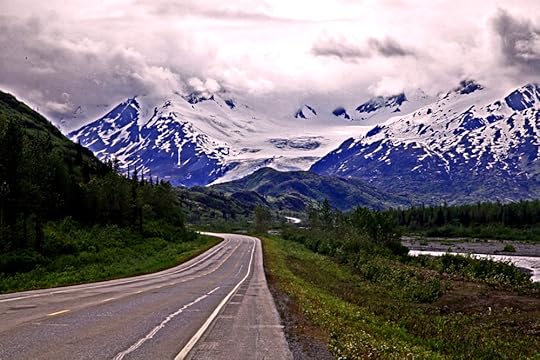
7. Anchorage to Valdez via the Glenn and Richardson Highways
What to expect
Glaciers, waterfalls, and desolate Alaskan landscape.
Start and end point
Anchorage to Valdez (approx. 280 miles).
Route and special stops
Eagle River Nature Center: Located forty minutes from downtown Anchorage, this spot is the gateway to Chugach State Park and a glacial river valley.
Thunderbird Falls Trail: Hike around the canyon to eventually reach the falls. Camp at King Mountain Campground.
Matanuska Glacier Scenic Turnout: The closest viewpoint of the Matanuska Glacier from the highway but visit Matanuska Glacier State Recreation Site for more views. Or, for the more adventurous, scramble Lion’s Head Trail for a panoramic view of the glacier, the Matanuska River, Caribou Creek and the Talkeetna Mountain Range.
Glen Allen: Stop for gas here since it’s the only gas station on the road to Valdez. Then, take the Richardson Highway down, stopping at the Worthington Glacier State Recreation Site where visitors can easily walk on the glacier. Drive through Thompson Pass and then visit both Horsetail Falls and Bridal Veil Falls Trail.
Valdez: Sometimes called Alaska’s “Little Switzerland” because of its fantastic mountains, this town was the port of entry for gold seekers headed towards Klondike. Their sled trail eventually became Richardson Highway- the first automobile road in the state. Take the boat tour to Colombia Glacier, the second largest tidewater glacier in North America. Visit the Valdez Historical Museum to learn more about the gold rush, the 1964 earthquake that virtually destroyed the town, the trans-Alaska oil pipeline and the 1989 Exxon Valdez oil spill.
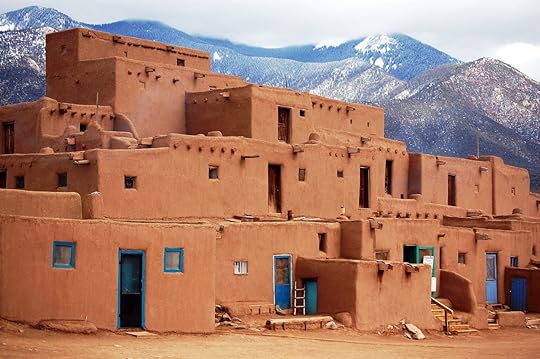
8. The High Road to Taos
What to expect
Churches, art, adobe, tequila- the southwest package.
Start and end point
Nambe (on the N.M.503) to Taos (approximately 56 miles).
Route and special stops
Chimayó: Byway turns north on NM 520 to pass through this town. Visit El Santuario de Chimayó and take a bit of earth from El Posito, a hole in the floor of a side chapel that has become a pilgrimage spot for its alleged healing properties. Stop at Rancho de Chimayó to try meals recommended by the Boston Globe. On the way to Truchas, stop at one of the areas many apple orchards.
Truchas: The road here runs alongside a canyon with buildings built on the edge of the rim. Look west to the Truchas Peaks rising 5,600 feet above the village. The tin-roofed adobe houses make the village look almost exactly as it did a century ago.
Las Trampas: Visit San Jose de Gracia, built in 1760 and still almost completely intact (all of its original paintings have survived). Only open Friday, Saturday, and Sunday.
Penasco: Go south on N.M. 75 through Penasco to N.M. 518. Turn north here to see pullouts that overlook the valley around Placita and stunning views of the Carson Forest and the Taos Mountains.
Rancho de Taos: Visit the Saint Francis Plaza, the Martinez Adobe, the Millicent Rogers Museum,
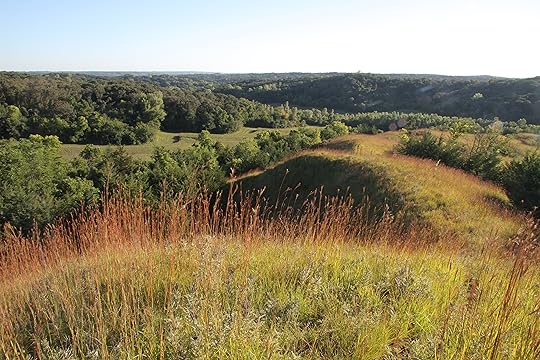
9. The Loess Scenic Byway
What to expect
Nowhere but China are deposits of “loess”– a type of hilly land formations made of windblown silt — higher than the ones on this route in Iowa.
Start and end point
Sioux City to Omaha (approx. 220 miles, around 2 hours).
Route and special stops
Sioux City: Visit the Nature Conservancy’s Broken Kettle Grasslands preserve to see bison and take in beautiful views of the hills. Visit Stone State Park, the Lewis & Clark Interpretive Center, the Dorothy Pecaut Nature Center, and the Sergeant Floyd Monument. Eat at Minerva’s in Sioux City for fine dining or McCarthy’s & Bailey’s Irish Pub for the best bang for your buck.
Onawa: Visit Lewis & Clark State Park.
Pisgah: Visit Preparation Canyon State Park and Loess Hills State Forest.
Honey Creek: Visit Hitchcock Nature Center for hiking, hawk-watching (only during the Fall) and a small museum explaining the history and ecology of the Loess Hills. You can camp here as well or stay nearby at Crescent View Bnb.
Council Bluffs: Visit the Lewis & Clark Monument and eat at Boxer BBQ.
Omaha: End your trip with dinner at The Kitchen Table or The French Bulldog.
Extension
Check out the Mile Hill Lake Scenic Overlook on the way to Glenwood.
Related Article: The 10 coolest summer road trips for families
Credits
Author
Amanda Machado
Layout and design
Matador Team

The 15 funniest Australian expressions

Photo: David Salafia
1. Budgie smugglers – Skimpy male beachwear emblazoned with the speedo logo. The bulge in the lycra briefs forward facing extremity resembles that of an incarcerated avian creature. This attire is synonymous with the current Prime Minister Tony Abbot.
Tony Abbot is on the front page of the newspaper strutting around in his budgie smugglers, not a pretty sight.
2. Spit the dummy – Expressing extreme dislike to a particular situation in the form of an immature tantrum rivaling that of an infant spitting out their pacifier and bursting into a hysterical crying fit.
I appreciate that you’re upset that your brother recently made love to your girlfriend, however there is no need to spit the dummy.
3. Acting like a wanker – Masturbatory behaviour. Lack of humility, displaying extroverted self-love with little cause for worthiness.
Nick Kyrgios, another Australian tennis player acting like a wanker.
4. How ‘r’ ya going? – A casually inquisitive greeting on the state of ones affairs. More of a pleasantry than a genuine question regarding how you’re actually feeling. Expect nonchalance, if not an immediate dismissal if responding with a long drawn out diatribe.
Q – Hi, How ‘r’ ya going?
A – ‘Good’, alternatively ‘not bad.’
5. Fair Dinkum – An old fashioned saying highlighting an extreme reassurance of the subject matter. Seldom used, heard most often in irony laden sound bites by struggling politicians attempting to connect with the common Australian.
Politician at Press Conference – Yes, I am fair dinkum when I tell you, I did not use Union funds to support my prostitution addiction.
6. Built like a brick shithouse – An expansive individual showing all size comparisons of an externally located brick bathroom structure.
That gentleman is a monster; he’s built like a brick shithouse.
7. Bogan – Australian lower class (mostly) white trash. Rough and ready individuals with an affinity for the mullet hairstyle, touring car races, Victoria Bitter beer and generally uncouth behavior.
Stay away from Rundle Street during the Clipsal 500 car race; you may well end up in a fistfight with a pissed bogan.
8. CUB (Cashed Up Bogan) – New money bogan complete with fat bank balance, most likely from a high paying job in the mines. Recklessly spending their newly acquired fortune on boats and loud cars while leveraging themselves to the eyeballs with all sorts of unnecessary consumer debt.
My leafy and once quiet suburb is no longer civilized now that the CUB’s have moved in.
9. Having a whinge – A variant on bitch, moan, whine or complain. To complain for the sake of complaining. Should not be acknowledged with much regard.
Jim is having a whinge about his girlfriend, boss or something or other. I stopped listening after he opened his mouth
10. Tall Poppy Syndrome – A throwback saying for when being humble reigned supreme. Distaste for any kind of success. Obvious outward envy towards a certain person holding a superior level of hierarchal status.
Jenny suffers from severe tall poppy syndrome. She is constantly berating her best friend ever since she got that (impressive) boob job, diamond engagement ring and promotion at work.
11. Top Bloke – High status, role model male citizen. Held in the highest regard and deserving of immediate commendation for their integrity and continuing acts of selflessness.
Jonno is such a top bloke, he gave me free tickets to the footy, bought a case of beer and set me up with his smoking hot cousin.
12. Pull your head in – Behaving in an idiotic fashion requiring of an imminent reprimand.
Stop being a dickhead and pull your head in.<
13. Dud root – Brutally honest report on a lacklustre performance in satisfying carnal desires.
Total starfish, she really was a dud root.
14. G’day mate – The classic Aussie greeting where good and day compress to form the hybrid word of g’day. Friendship or mateship is abbreviated to the preferred styling of mate.
G’day mate, let’s go to the pub and get shitfaced.
15. Chuck a sickie – Entrenched Australian tradition, as old as the day is long. Strategically fabricating an illness in order to avoid work for matters of personal self-indulgence.
With such beautiful weather on Friday, I decided to chuck a sickie and enjoy a three-day weekend. 
20 reasons why you should never visit the Canary Islands
1. Why would you want to visit a bunch of islands called “the islands of eternal spring”? Nah, you prefer to roast in sweltering temperatures or freeze your butt off.

Photo: veroyal
2. Seven islands, four National Parks and the highest peak in Spain – that’s way too many mountains, to be honest.

Photo: veroyal
3. Lava fields, craters, underground caves, rock formations, cliffs… All part of your daily commute.

Photo: veroal
4. Having miles and miles of sandy beach to yourself is a bit awkward – where’s the neighbour’s flying umbrella that stabs your sunburnt back?

Photo: A_Peach
5.You’ve been to Biosphere Reserves where native trees have survived centuries of strong winds hundreds of times.

Photo: Víctor R. Ruiz
6. Apparently, visibility conditions are so amazing here that one of the islands boasts the largest astronomical observatory in the Northern Hemisphere. Why look at the stars, though? You’ll end up with a stiff neck.

Photo: Mardeviajes.com
7. Why would you taste local wine right by the volcano where the vines grow? A Frappuccino from Starbucks would do.

Photo: veroyal
8. You have no interest whatsoever in getting lost in the streets of Vegueta, the colonial neighbourhood where Chistopher Columbus would stop between adventures (the man was no fool…).

Photo: veroyal
9. Archaeological sites and cave paintings that speak of the lives of ancient Canarians in pre-colonial times – really, what’s this obsession with the past? Move on, you people!

Foto: Canary Islands Photos
10. Sitting on a beach under a joyous sun and witnessing some unbelievable pirouettes during the Windsurf World Cup in Pozo Izquierdo? That’s not something you fancy – all that wind, and all that sand on your towel… Terrible for your hair.

Photo: El Coleccionista de Instantes
11. Why would you even want to take part in one of Europe’s biggest Carnivals? Live music, parades, a Drag Queen Gala, fancy dress competitions, bonfires, fireworks, people dancing and singing in the street until the wee hours… Torture!

Photo: epSos .De
12. Watching a music concert in an auditorium like this leaves you indifferent.

Photo: veroyal
13. You would much rather float belly up in your gym pool than swim in a natural pool.

Photo: Thomas Tolkien
14. You have no interest in discovering the silbo gomero, the world’s only whistled language, practised by more than 20,000 people and considered Intangible Cultural Heritage of Humanity by UNESCO (why don’t they just use Whatsapp?).

Photo: Akalvin
15. A cliff of ancient volcanic rock that resembles a pipe organ? Whatever. Nature is overrated.

Foto: Ingo Ronner
16. International Music Festival, International Jazz Festival, International Cinema Festival, International Contemporary Dance Festival – way too many options, let’s stay home!

Photo: El Coleccionista de Instantes
17. Outdoor sports and activities all year round sounds absolutely normal. I said all year round.

Photo: El Coleccionista de Instantes
18. Who needs a relaxing treatment with local, natural aloe vera?

Photo: Secret Tenerife
19. Tiny bananas which actually taste of banana and are grown round the corner don’t appeal to you. You prefer those massive and perfectly formed ones at the chain supermarket, you know what I’m talking about? The ones that have traveled thousands of miles and resemble inflatable pool toys.

Photo: Secret Tenerife
20. Laid-back, ridiculously friendly people who enjoy life and being outside, who love their land and will talk to anyone who will listen – it sounds a bit suspicious… What do they want from me?

Photo: Canary Islands Photos

Matador Network's Blog

- Matador Network's profile
- 6 followers


