
Matador Network's Blog, page 2105
June 4, 2015
How my husband’s death taught me to kick the shit out of Option B
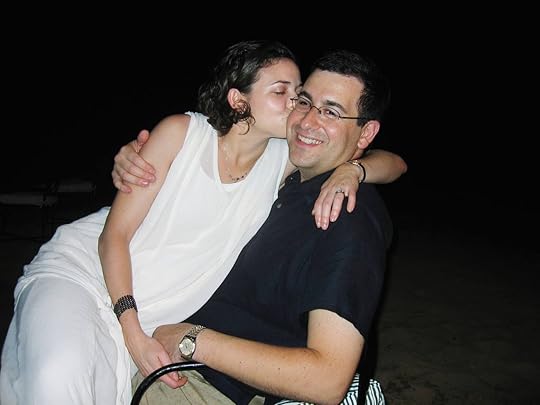
A MONTH SINCE THE DEATH OF HER HUSBAND, Facebook COO and author of Lean In, Sheryl Sandberg, has posted a letter reflecting on her grief and what she’s learned since her husband died. It’s a heartbreaking, powerful read; the essay’s in full below:
“Today is the end of sheloshim for my beloved husband—the first thirty days. Judaism calls for a period of intense mourning known as shiva that lasts seven days after a loved one is buried. After shiva, most normal activities can be resumed, but it is the end of sheloshim that marks the completion of religious mourning for a spouse.
A childhood friend of mine who is now a rabbi recently told me that the most powerful one-line prayer he has ever read is: “Let me not die while I am still alive.” I would have never understood that prayer before losing Dave. Now I do.
I think when tragedy occurs, it presents a choice. You can give in to the void, the emptiness that fills your heart, your lungs, constricts your ability to think or even breathe. Or you can try to find meaning. These past thirty days, I have spent many of my moments lost in that void. And I know that many future moments will be consumed by the vast emptiness as well.
But when I can, I want to choose life and meaning.
And this is why I am writing: to mark the end of sheloshim and to give back some of what others have given to me. While the experience of grief is profoundly personal, the bravery of those who have shared their own experiences has helped pull me through. Some who opened their hearts were my closest friends. Others were total strangers who have shared wisdom and advice publicly. So I am sharing what I have learned in the hope that it helps someone else. In the hope that there can be some meaning from this tragedy.
I have lived thirty years in these thirty days. I am thirty years sadder. I feel like I am thirty years wiser.
I have gained a more profound understanding of what it is to be a mother, both through the depth of the agony I feel when my children scream and cry and from the connection my mother has to my pain. She has tried to fill the empty space in my bed, holding me each night until I cry myself to sleep. She has fought to hold back her own tears to make room for mine. She has explained to me that the anguish I am feeling is both my own and my children’s, and I understood that she was right as I saw the pain in her own eyes.
I have learned that I never really knew what to say to others in need. I think I got this all wrong before; I tried to assure people that it would be okay, thinking that hope was the most comforting thing I could offer. A friend of mine with late-stage cancer told me that the worst thing people could say to him was “It is going to be okay.” That voice in his head would scream, How do you know it is going to be okay? Do you not understand that I might die? I learned this past month what he was trying to teach me. Real empathy is sometimes not insisting that it will be okay but acknowledging that it is not. When people say to me, “You and your children will find happiness again,” my heart tells me, Yes, I believe that, but I know I will never feel pure joy again. Those who have said, “You will find a new normal, but it will never be as good” comfort me more because they know and speak the truth. Even a simple “How are you?”—almost always asked with the best of intentions—is better replaced with “How are you today?” When I am asked “How are you?” I stop myself from shouting, My husband died a month ago, how do you think I am? When I hear “How are you today?” I realize the person knows that the best I can do right now is to get through each day.
I have learned some practical stuff that matters. Although we now know that Dave died immediately, I didn’t know that in the ambulance. The trip to the hospital was unbearably slow. I still hate every car that did not move to the side, every person who cared more about arriving at their destination a few minutes earlier than making room for us to pass. I have noticed this while driving in many countries and cities. Let’s all move out of the way. Someone’s parent or partner or child might depend on it.
I have learned how ephemeral everything can feel—and maybe everything is. That whatever rug you are standing on can be pulled right out from under you with absolutely no warning. In the last thirty days, I have heard from too many women who lost a spouse and then had multiple rugs pulled out from under them. Some lack support networks and struggle alone as they face emotional distress and financial insecurity. It seems so wrong to me that we abandon these women and their families when they are in greatest need.
I have learned to ask for help—and I have learned how much help I need. Until now, I have been the older sister, the COO, the doer and the planner. I did not plan this, and when it happened, I was not capable of doing much of anything. Those closest to me took over. They planned. They arranged. They told me where to sit and reminded me to eat. They are still doing so much to support me and my children.
I have learned that resilience can be learned. Adam M. Grant taught me that three things are critical to resilience and that I can work on all three. Personalization—realizing it is not my fault. He told me to ban the word “sorry.” To tell myself over and over, This is not my fault. Permanence—remembering that I won’t feel like this forever. This will get better. Pervasiveness—this does not have to affect every area of my life; the ability to compartmentalize is healthy.
For me, starting the transition back to work has been a savior, a chance to feel useful and connected. But I quickly discovered that even those connections had changed. Many of my co-workers had a look of fear in their eyes as I approached. I knew why—they wanted to help but weren’t sure how. Should I mention it? Should I not mention it? If I mention it, what the hell do I say? I realized that to restore that closeness with my colleagues that has always been so important to me, I needed to let them in. And that meant being more open and vulnerable than I ever wanted to be. I told those I work with most closely that they could ask me their honest questions and I would answer. I also said it was okay for them to talk about how they felt. One colleague admitted she’d been driving by my house frequently, not sure if she should come in. Another said he was paralyzed when I was around, worried he might say the wrong thing. Speaking openly replaced the fear of doing and saying the wrong thing. One of my favorite cartoons of all time has an elephant in a room answering the phone, saying, “It’s the elephant.” Once I addressed the elephant, we were able to kick him out of the room.
At the same time, there are moments when I can’t let people in. I went to Portfolio Night at school where kids show their parents around the classroom to look at their work hung on the walls. So many of the parents—all of whom have been so kind—tried to make eye contact or say something they thought would be comforting. I looked down the entire time so no one could catch my eye for fear of breaking down. I hope they understood.
I have learned gratitude. Real gratitude for the things I took for granted before—like life. As heartbroken as I am, I look at my children each day and rejoice that they are alive. I appreciate every smile, every hug. I no longer take each day for granted. When a friend told me that he hates birthdays and so he was not celebrating his, I looked at him and said through tears, “Celebrate your birthday, goddammit. You are lucky to have each one.” My next birthday will be depressing as hell, but I am determined to celebrate it in my heart more than I have ever celebrated a birthday before.
I am truly grateful to the many who have offered their sympathy. A colleague told me that his wife, whom I have never met, decided to show her support by going back to school to get her degree—something she had been putting off for years. Yes! When the circumstances allow, I believe as much as ever in leaning in. And so many men—from those I know well to those I will likely never know—are honoring Dave’s life by spending more time with their families.
I can’t even express the gratitude I feel to my family and friends who have done so much and reassured me that they will continue to be there. In the brutal moments when I am overtaken by the void, when the months and years stretch out in front of me endless and empty, only their faces pull me out of the isolation and fear. My appreciation for them knows no bounds.
I was talking to one of these friends about a father-child activity that Dave is not here to do. We came up with a plan to fill in for Dave. I cried to him, “But I want Dave. I want option A.” He put his arm around me and said, “Option A is not available. So let’s just kick the shit out of option B.”
Dave, to honor your memory and raise your children as they deserve to be raised, I promise to do all I can to kick the shit out of option B. And even though sheloshim has ended, I still mourn for option A. I will always mourn for option A. As Bono sang, “There is no end to grief . . . and there is no end to love.” I love you, Dave. 


June 3, 2015
Get on the water in Fort Myers, FL
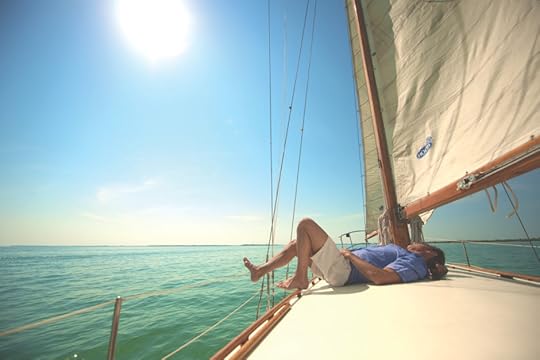
Photo courtesy of The Beaches of Fort Myers & Sanibel
1. Jump on in, the water’s (always) fine.
Regardless of what’s going on weather-wise in your neck of the woods, water temperatures in the Gulf of Mexico are always totally swimmable. The Gulf’s average is 76.8 degrees, and even in December and January it never dips below the mid-to-upper 60s.
Beyond temperature, The Beaches of Fort Myers & Sanibel are practically made for swimming. Because the Gulf of Mexico is bordered on two sides by peninsulas — Florida on the east and the Yucatán on the west — it’s essentially a gigantic bathtub of a bay. The scarcity of powerful waves means there’s no better place to soak, float, or sunbathe, and you never have to worry about safety for the kids. When you’re done in the water, you can relax on the pure sugar sand or get after some of the best shelling in the world.
2. The wildlife spotting at Estero Bay is world class.
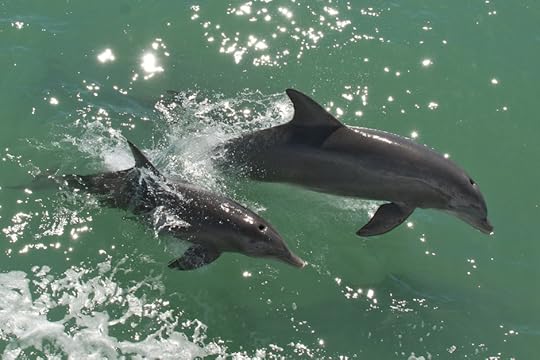
Photo: Pete Markham
Five decades ago, fishermen noticed that “plenty of fish in the sea” no longer applied to Estero Bay, and what was once one of Florida’s premier fishing spots was in danger of becoming anything but. The local anglers appealed to the state and were successful — in 1966, Estero Bay became Florida’s first aquatic preserve. Nearly 50 years later, the wildlife is as abundant as it ever was.
Estuaries — those salty-sweet waterways where freshwater rivers kiss the sea — are known for being mega-biologically diverse. And Estero Bay, with its half century of protection, is a prime example. A whole range of species come to breed and raise their young here, so if you want to spot a mama and baby dolphin jumping and playing together in your boat’s wake, you’re in the right place. It’s also a great spot for seeing blue herons, nesting eagles, ospreys, and manatees.
3. You need to experience the slow pace of life on a kayak or SUP board.
Unless you’ve got shoulders like Thor, your speed in a kayak is going to top out at a whopping 3mph. While that may sound slow, you’ll soon realize that’s the point. When you take a tour with an operator like Gulf Coast Kayak, it’s as if the rotation of the earth slows. There’s no rush to be anywhere or do anything. Leave your watch on land and let the lapping of the waves against your boat keep time.
Surrounded by Matlacha Pass National Wildlife Refuge, you’ll put in from the shores of Pine Island and paddle into a human-free (and therefore stress-free) zone. Explore uninhabited islands via the 190-mile Great Calusa Blueway; coast through the mangrove tunnels of the J.N. “Ding” Darling National Wildlife Refuge. As you slip silently through the water, you’ll see and hear more than you’d ever experience at a faster clip.
4. Everyone’s a VIP on a private island.
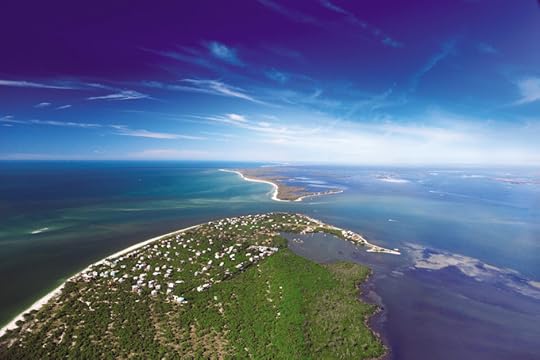
Photo courtesy of The Beaches of Fort Myers & Sanibel
Sanibel and Captiva make the perfect headquarters for a Southwest Florida beach vacation. The two islands feel remote, but are only a causeway away from the mainland and Fort Myers. (Plus, the islands have access to the bare vacation necessities, things like good coffee and key lime pancakes.)
To get truly remote, you’ll need a boat. There’s a confetti network of private islands scattered from Pine Island all the way down to the southernmost tip of the state. Some are tiny mangrove clusters that have been ruled by nature for thousands of years. Others have been conquered by man and now offer luxury dining and mansions for gawking.
Useppa Island is in the latter category, and though you’d need to be in the One Percent to buy a home here, you can visit and have lunch without a notable net worth. Captiva Cruises will drop you at the highbrow Collier Inn. After lunch, head to the island’s small-but-informative museum, which chronicles Useppa’s history from Paleolithic times through its use as a CIA training spot during the Bay of Pigs.
If hobnobbing with billionaires isn’t your scene, head to the next island over: funky Cabbage Key. Owned by a local family, the place is as laid back as Useppa is ritzy. And it’s rumored that Jimmy Buffett wrote “Cheeseburger in Paradise” after dining at Cabbage Key’s restaurant. Buffett’s people won’t confirm, but sitting on the restaurant’s porch, looking out at the water with a burger in one hand and a beer in the other, it’s easy to see how such a thing could happen.
5. All those shells…
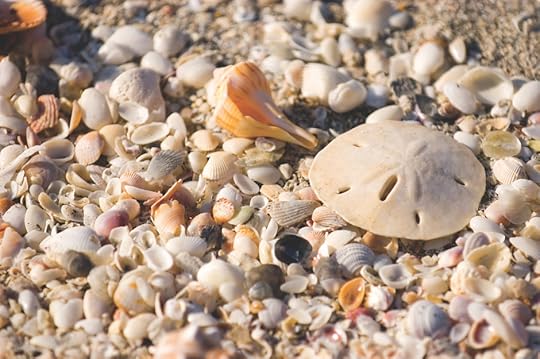
Photo courtesy of The Beaches of Fort Myers & Sanibel
You can thank geology for that perfect coquina shell you just found. There’s a large sand shelf jutting out from many of Southwest Florida’s islands that helps waves expectorate shells caught up in the tumble as they crash onshore. The result is that local beaches — especially on islands like Sanibel and Captiva — are littered with perfect finds.
Sanibel Island has been repeatedly voted as the #1 shelling beach in the nation by Travel + Leisure, and many smaller, uninhabited islands have equally good shelling beaches, but with less human competition for the good stuff. Book a shelling trip and get first pick at these deserted spots. By the end of the day you’ll have pocketed a seemingly endless array of former mollusk and gastropod real estate.
6. There are game fish galore.
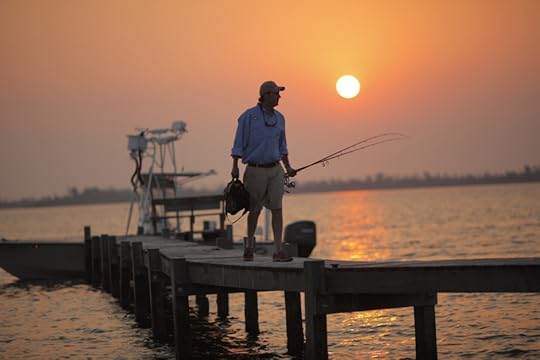
Photo courtesy of The Beaches of Fort Myers & Sanibel
There are very few spots in the world where an angler can go after both saltwater and freshwater fish in the same day. Head west on a deep-sea charter if you want to catch grouper, snapper, and tarpon. Head east — into the Everglades — if you’re after shad, bluegill, and bass. Your fishing options are practically limitless.
Also of note: All of Southwest Florida is now open for spearfishing, and the invasive lionfish is a prime target. If you want to go fishing and help protect the environment, grab your gear and go nuts on these non-native creatures. Currently no fishing permit is required for lionfish, and there are no limits on how many you bag. As a bonus, they’re delicious…just watch out for the stinging barbs.
7. You have access to brand-new dive spots.
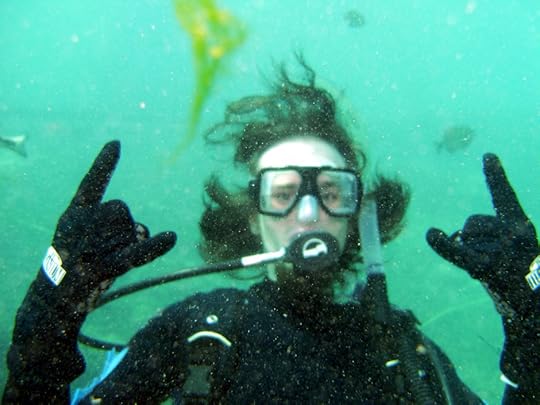
Photo: Greg Grimes
In 2012, the USS Mohawk slowly sank to the bottom of the Gulf. People cheered — not because we’re a bunch of sickos who love a good maritime disaster, but because we knew the USS Mohawk would make an awesome submarine playground, and it’s just one of dozens of artificial reefs along our coastline.
Lee County has actively placed reefs for several decades. Some of these are shipwrecks; others are old utility poles and concrete. All of them attract a technicolor rainbow of sea life. So while the Keys get a ton of play as a diving destination, locals know that Southwest Florida has plenty of great dive spots, with more on the way.
8. We’ve created our own adrenaline sports.
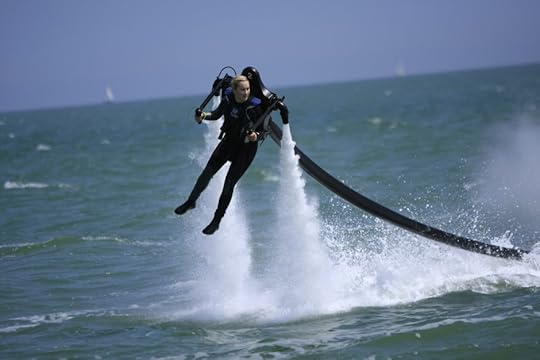
Photo: Andrew Campbell
Most gravity-assisted sports require, uh, gravity. And in a place like Florida, where there isn’t much in the way of elevation change, getting a rush takes a bit of creative thinking. Good news: Floridians are creative.
You’ve probably heard of parasailing and kiteboarding, and Southwest Florida is a prime destination for both. But you might be less familiar with water-propelled jetpacks and flyboards. These two futuristic activities use retrofitted jet-ski motors to send people free-flying above the water.
The water-propelled jetpack is the easier-to-master activity, but the water-propelled flyboard has serious cool cred. Show up ready to take a few belly flops before nabbing that perfect, totally airborne profile pic.
9. You can check out thousands of years of Gulf history.
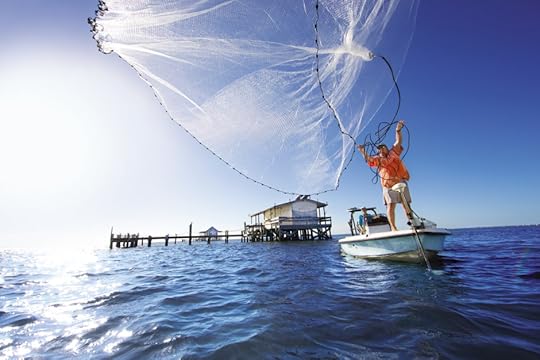
Photo courtesy of The Beaches of Fort Myers & Sanibel
Ancient shell mounds, or middens, can be found all over the world, but Southwest Florida’s are unique. While most were created as garbage heaps left behind by seafood-eating populations, it seems that the middens in Southwest Florida were designed with purpose — built cisterns and ridges show up in the same places on different mounds. Archeologists are still examining the middens to learn more about these features, but visitors are welcome to check them out and give their theories too. One of the largest, Mound Key, is easily accessible by kayak. It’s a designated archaeological state park, and visitors can hike a trail that crisscrosses the ridges created long ago by the Calusa people.
If you’re looking for more modern examples of human history in the Gulf, check out the Edison and Ford Winter Estates in Fort Myers. The adjacent sites, winter homes of Thomas Edison and Henry Ford, now house a museum and botanical garden.
Also make sure to look for the historic fishing shacks in Pine Island Sound. Once upon a time, these shacks-on-stilts served as homes away from home for commercial fishermen. In the 1980s, the state tried to remove the shacks but locals intervened. Now some of the houses are even listed on the National Register of Historic Places. You can’t enter these privately owned structures, but cruise by to get a glimpse of a bygone way of life.

This post is proudly produced in partnership with our friends at the Beaches of Fort Myers and Sanibel.


June 2, 2015
Where the Cornish eat and drink
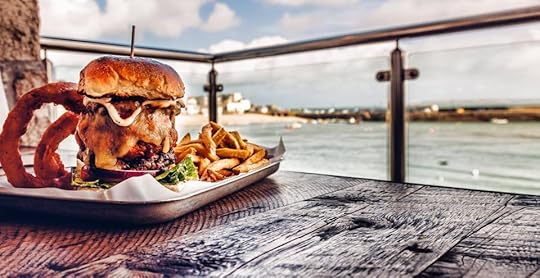
Photo: Hub
The old favourite of almost the whole Cornish population, The Hub sits just opposite the lifeboat station in St Ives harbour and has a menu stacked with BBQd goodies. From brisket to pulled pork, sliders to burgers — my mouth is just watering thinking about it. There’s local beer on tap and the most idyllic view Cornwall has to offer from the upstairs balcony. Be prepared to fight for a seat.
2. The Ship Inn, Porthleven
If a party is what you’re after, look no further than the Ship Inn, perched precariously on the harbour wall of Porthleven. Its regulars and bar staff consist of the creators of Love Riot and the Masked Ball — be prepared for plenty of sparkly speedos, nipples, and things to get really fucking weird.
3. The Stable, Newquay
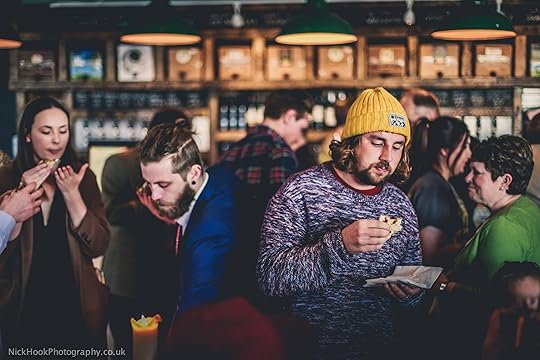
Photo: The Stable
Relatively new to Cornwall, The Stable is some sort of holy grail for both pizza and cider lovers. Wall-to-ceiling glass overlooks Fistral beach and pizzas made from local produce are so perfectly made with love that you can’t help but scoff them in seconds.
4. Sandbar, Praa Sands
Cosy in the winter and a sun trap when summer decides to show its face, Sandbar is a family friendly affair all year round. On Sundays they deliver a carvery bigger than your face — best served with a traditional Cornish storm battering the coast outside.
5. SAM’s on the Beach, Polkerris
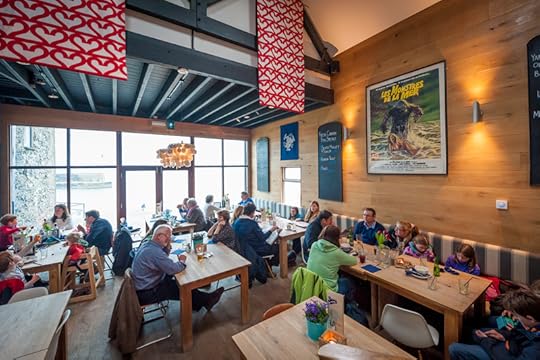
Photo: Sam’s on the Beach
On Cornwall’s south coast near Fowey hides a little beach with one of the county’s finest restaurants. To get a table at SAM’s on the Beach, you’re going to have to book in advance, but there are three other branches in Fowey, Truro, and at Crinnis Bay if you can’t wait for a table to free up.
6. The Vault, Penzance
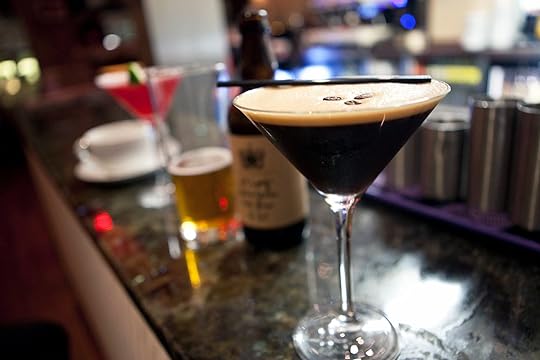
Photo: The Vault
A cocktail bar-come-bistro in an old bank at the top of Penzance’s most historic street, The Vault goes from sophisticated beer garden to knickers-round-your-ankles as quickly as it takes to down a Dark and Stormy. The sun deck is great for slurping a jug of Pimm’s in the summer, and the DJ booth lives behind an old piano in the middle of an Alice in Wonderland-themed dancefloor. If you’re brave enough to return to the scene of the crime, they serve breakfast all day on Sunday: Kiwi Stacks highly recommended.
7. Blue Bar, Porthtowan
A personal favourite of mine, Blue Bar is my go-to for dates, catch ups, and good food on the beach. Tucked into a pocket of no 3G or phone signal, Blue has an intimate atmosphere with just a lick of surfer-hipster about it. When the sun is shining, grab yourself a buddy, a pint of something cold, and pop yourself on the steps with your face to the sea.
8. Blue Anchor, Helston
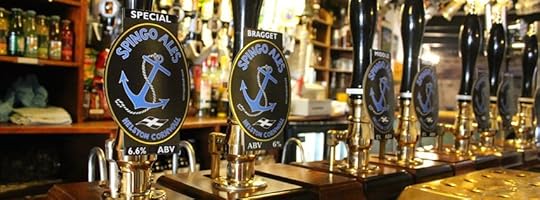
Photo: Blue Anchor Inn
Home of the mighty Spingo. ‘Nuff said.
9. Royal Standard, Gwinear
I don’t even know where Gwinear is and I never know how I find myself in the Royal Standard, but I know that every time I do, there’s always a rocking punk band soaking the dated carpet with sweat and a mosh pit full of naked chicks. The beer is cheap and the bar staff are more than tolerant — anything, and I mean anything, goes in the middle of who-the-hell-knows in Cornwall.
10. The Rock Pool, Mousehole
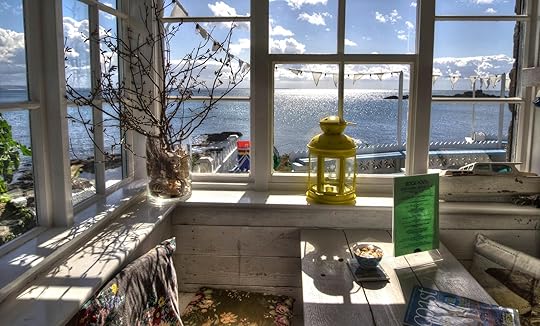
Photo: Rock Pool
Tucked behind Mousehole’s most famous hotel, The Old Coastguard, hides a little café in an oversized beach hut that looks out across the whole of Mounts Bay. Not one piece of crockery matches the other and the kitchen is so tiny it’s a wonder they can fit five members of staff back there. Food is home-cooked and full of everything bad for you — just how I like it.
11. Clipper Bar, Camborne
Part of me is disgusted with myself for bringing Clipper into this, the other part would be mad if I didn’t. Clipper, oh Clipper; the location where I’ve lost my dignity so many times. It’s a bar that attracts Cornwall’s grimiest EDM fans to drop more class As than the whole of Tomorrowland in the deepest, darkest hovel in Camborne whenever a DJ comes to town. Saturday nights are a whole other ballgame however — think Vengaboys and ‘90s pop, boobs for shots, and Andrew WK arms. Choose your night wisely.
12. Driftwood Spars, St Agnes
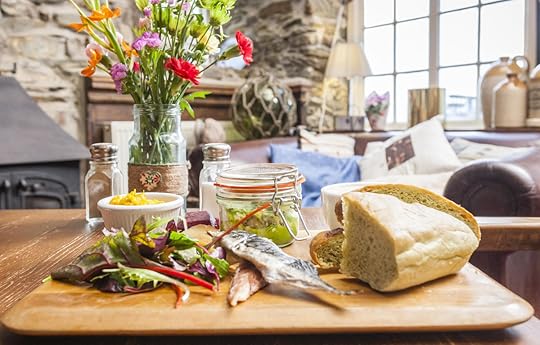
Photo: Driftwood
Reasons to love the Driftwood: 1 — It’s right on Trevaunance Cove, meaning you can go straight to the surf to the bar. 2 — it has a quirky layout that you will get lost in. 3 — The food is so. Fucking. Good. 4 — it has it’s own microbrewery. ‘Nuff said.
13. Random Arms, Maker
In a part of Cornwall I didn’t even know existed until very recently, the Random Arms in Maker Heights has it all. Open mic nights bi-weekly, camping, and an adjoining venue that hosts bands on a regular basis. I also have on good authority that Natty played a secret gig there not so long ago. Must mean it’s cool, right?
14. Gylly Beach Café, Falmouth
Gylly Beach Café is always, always busy. And for good reason. The atmosphere is chill, the food is delish, and the view even better. Sat on top of Gyllyngvase Beach with a sweeping view of the ocean, it’s the perfect place to cosy up under the heaters and wrap yourself in a blanket, bottle of wine in front of you, and your beau next to you. Free live music regularly.
15. Trevaskis Farm, Connor Downs
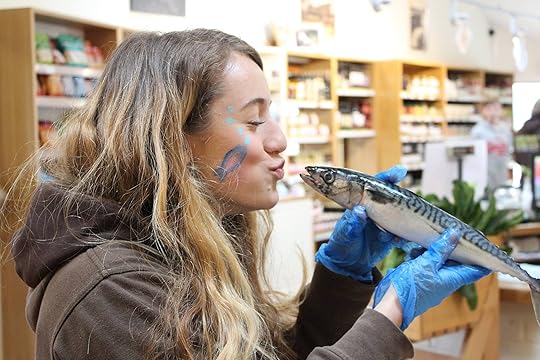
Photo: Trevaskis Farm
Desserts bigger than a tractor wheel and steaks thicker than your arm — Trevaskis is famous all over Cornwall for putting whole families into food comas on a Sunday afternoon. Bailey’s cheesecake FTW.
16. Becks Fish and Chips, Carbis Bay
People come from all over the Duchy to get a Becks. Be prepared to queue out the door for some time before taking your paper-wrapped Cornish cuisine to a car park on the beach and tucking into the wonderful, salt and vinegar-drenched goodness.
17. Kathmandu, Truro
Hidden behind Truro Cathedral, Kathmandu is a Nepalese restaurant that has the feeling of stepping into the family living room, your granddad offering you a beer whilst your sister cooks and hums to the radio in the kitchen. There is no place in Cornwall that even comes near the greatness of the curry at Kathmandu. Fact.
18. Beerwolf, Falmouth
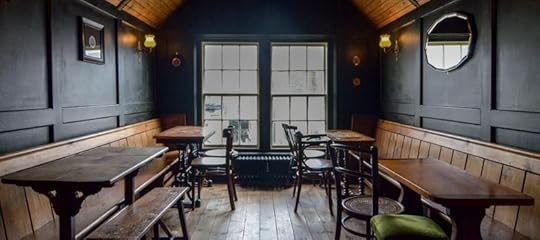
Photo: Beerwolf
Beerwolf not only has the greatest pun known to man, but it’s a literary snob and beer lover’s haven. Direct quote: “Decent beer, loads of rum, foosball AND a bookshop. Plus you can negotiate with the bar staff on what tunes to play of an evening!” Win.
19. The Beached Lamb, Newquay
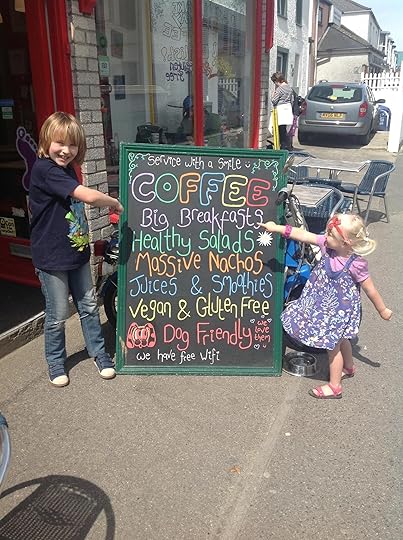
Photo: Beached Lamb
Cutsie little café with perhaps the friendliest hippy vibe on the planet. Breakfast at The Beached Lamb is to die for and has a healthy mix of fruit, waffles, and a big fat fry up. They have cake and smoothies and fresh fruit juices and beautiful people and I just love it.
20. Sunset Surf, Gwithian Towans

Photo: Sunset Surf
Sunset Surf has recently had one hell of a refurb and has decking outside and an even friendlier atmosphere than it did before. Come straight off the beach and grab yourself a pint of Korev while the sun goes down in front of you. Heaven on earth, maybe?
21. Dolphin Penzance
The Dolphin is probably my favourite pub in the whole world. Dark and cosy for winter nights, the menu is stuffed with sticky toffee puddings and sizzling chicken, greasy lasagne, and chutney and stilton sandwiches. Good old-fashioned pub grub. If you happen upon it at Christmas, be sure to take part in the annual Carolaoke.
22. The rest of St. Ives
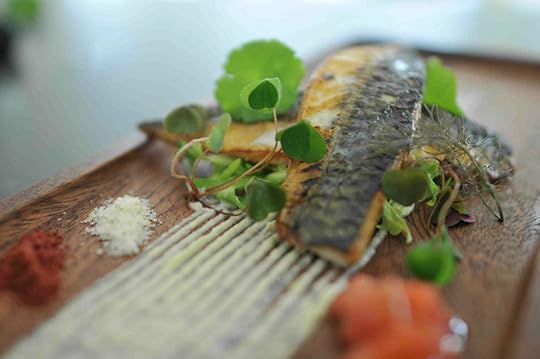
Photo: Portminster Cafe
I just spent 20 minutes arguing with myself over which St. Ives restaurant or bar to put next, and, hell, I just couldn’t decide. They’re all great. Special shout out to: Rum & Crab Shack, Blas Burgers, Porthminster Cafe, Seafood Café, Peppers, The Firehouse, Ocean Grill, The Mermaid, Balcony. 
9 reasons Kansas City is the most underrated city in the US

Photo: David Dennis
1. We are too much city for just one state.
Straddling the border of Missouri and Kansas — we’ve got twice the amount of stuff to do. For vibrant nightlife, we have the Power & Light District with its great open container laws. For hipster bars and eclectic shops, we can pop into Westport and hunt for vintage treasures at Boomerang then make our whiskey dreams come true at Julep Cocktail Club. We’ve got First Fridays in the Crossroads, where local and national artists and musicians can have a cultural rendezvous. And if you time it right, you can stuff yourself with free cheese and crackers as you walk through the galleries and street parties in our historic arts district.
Plus, our museums range from the famous Nelson-Atkins Museum to the less-well-known Negro Leagues Baseball Museum. For the performing arts, we’ve got the architecturally beautiful Kauffman Center and the outdoor Starlight Theatre that looks like the entrance to a castle. In a city like this, you can never be bored.
2. We can BBQ with the best of them.
A photo posted by

Instagrams of crazy colorful Syndey
SYDNEY IS CURRENTLY entering into its fourth year of festivities celebrating light, music, and ideas. Vivid Sydney (the largest annual winter festival in the Southern Hemisphere) lasts for 18 days, during which 50 monumental light installations transform the city into a psychedelic wonderland. Here are 12 Instagram shots that prove that right now Sydney is the most colorful city in the world.
1. The Sydney Opera House in lights
A photo posted by Daniel Tran Photography (@_danieltran_) on May 22, 2015 at 2:31am PDT
<
2. Electric blue light origami on Alfred St
A photo posted by @vividsydney on May 23, 2015 at 6:22am PDT
3. Fireworks over Circular Quay
A photo posted by !!⠀Steve !! (@shirty_i_am) on May 25, 2015 at 5:10am PDT
4. A projection of BBC Life Story
A photo posted by Gary Hayes (@garyphayes) on May 28, 2015 at 4:28pm PDT
5. Sydney Harbor Bridge in full glory
A photo posted by Daniel Tran Photography (@_danieltran_) on May 12, 2015 at 1:03am PDT
6. Internal Galaxy, The Rocks
A photo posted by @vividsydney on May 29, 2015 at 6:26am PDT
7. The Opera Bar — one of the best views for the Opera House installation
A photo posted by PureLight Photography (@purelightphotos) on May 26, 2015 at 6:11am PDT
8. Luna Park
A photo posted by PureLight Photography (@purelightphotos) on May 19, 2015 at 4:53am PDT
9. The Quad at The University of Sydney
A photo posted by The Electric Canvas (@the_electric_canvas) on May 18, 2015 at 10:46pm PDT
10. Perfect rooftop view from The Star
A photo posted by The Star Sydney (@thestarsydney) on May 28, 2015 at 10:44pm PDT
11. Psychedelic Opera House
A photo posted by Hirsty Photography (@hirstyphotos) on May 21, 2015 at 4:25am PDT
12. Nightlife on Circular Quay
A photo posted by Follow Me On Link Below! (@satishphotography) on May 24, 2015 at 2:21pm PDT

5 Reasons It’s Impossible to Defend the Death Penalty in the US
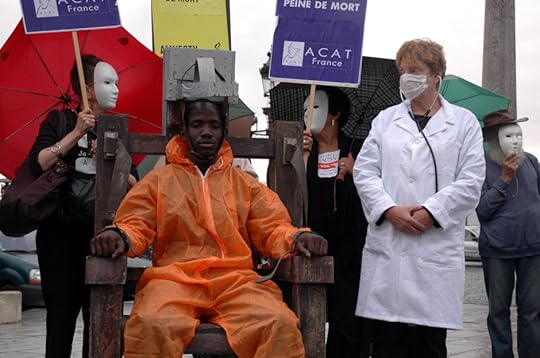
4. The racial identity of the murder victim and defendant are some of the leading factors in determining who receives a death sentence in America.
A few disturbing facts:
In North Carolina, the ACLU reported that defendants were 3.5 more likely to receive the death sentence if the victim was white. In Alabama, though 65% of murders involve black victims, 80% of death sentences involve white victims.
According to the New York Times, though Texas is responsible for more than a third of the nation’s executions, out of the 470 total executions carried out by the state, only ONE involved a white murderer and a black a victim.
According to an article in Think Progress, in Florida, “though the state has executed 84 people since 1976, no white person has ever been executed for killing an African American in the state. In Louisiana, a death sentence is 97 percent more likely in murder cases where the victim is white.” Across the nation, “only 20 white people have been executed since 1976 for killing a black person. By contrast, 269 black defendants were executed for killing someone who is white.”
5. By continuing the practice, the United States is in the minority around the world.
Only 58 countries across the globe still enact the death penalty, while over 130 have abolished it. Countries more progressive than the States in this area? Mexico, Rwanda, Venezuela, Honduras, Cambodia, South Africa, even Uzbekistan. The company we keep by executing criminals? Saudia Arabia, Iran, North Korea, Egypt, Pakistan, and Sudan, to name a few.

Mexico City smog getting worse
MEXICO CITY, Mexico — On a sweaty May morning in this sprawling mountain capital, residents heard a painfully familiar warning on the radio and TV.
Air pollution was at dangerous levels, environmental authorities said. People were advised to stay indoors as much as possible and avoid exercise. Asthma sufferers should take particular care.
On the city streets, this pollution could be seen in dirty clouds hanging amid grid-locked traffic.
The “environmental pre-contingency” on May 9 was the fourth so far this year, compared to three in all of 2014. The warnings are a reminder of the long uphill battle against dirty air in North America’s largest city — which has been a laboratory for pollution in megacities around the planet.
This rise comes after years in which Mexico City air has been getting cleaner, thanks to concerted campaigns. But while some problems have been resolved, others appear.
One issue is that Mexico is getting steadily hotter, apparently due to global warming. Last year was the hottest in Mexico since records began, with average temperatures of 71.78 degrees Fahrenheit.
Higher temperatures mean that pollutants release faster into the air.
“The rate of emission of certain types of pollutants goes up. … Secondly, chemical reactions tend to be faster,” says Christopher Cappa at the Air Quality Research Center in Davis, California. “This makes existing problems more challenging.”
Last year, Stanford scientists published a paper predicting that global warming will increase air pollution levels in cities around the world. It highlighted Mexico, along with India, as places of particular concern.
Poster child
Back in 1992, the United Nations declared the Mexican capital the world’s most polluted city. Birds dropped dead in mid flight, visibility was low, respiratory problems rampant.
However, a titanic effort reduced pollution drastically. Factories and a gas refinery were relocated, dirty old buses were replaced by an electric Metrobus system, leaded gas banned.
By 2010, when Mexico City hosted a UN climate change conference, it was hailed as a poster child for anti-pollution measures. Lead in the air had dropped by 90 percent over two decades, environmental authorities reported.
Yet despite the giant steps, pollution persists and is exacerbated by new problems, including the rising temperatures.
“The hottest times of the year are often when the pollution levels are most dangerous,” says Jose Agustin Garcia of Mexico’s Center for Atmosphere Science.
But Garcia cautions that other factors are also in the mix.
While cars have gotten cleaner they have also gotten more numerous. There are now 275 cars per 1,000 people in Mexico, according to the World Bank. In the Mexico City urban sprawl with 20 million residents, this would mean about 5.5 million automobiles
.
Mexico’s geography is also problematic. It is in a valley, which can trap pollution, and is more than 7,000 feet above sea level, so the sun hits with dangerous rays.
The chemical mix in the air not only includes ozone, carbon monoxide and nitrogen dioxide, but also anything from solvents released by house paints to perchlorates from fireworks.
Pollution also blows in from nearby cities like Toluca and Pachuca, where there are still many factories.
“Air is very democratic,” Garcia says. “The same air goes into rich and poor neighborhoods alike.”
Clouds of death
Clouds of dirty gases not only look horrible. They can also mean death.
A 2013 study by Mexico Competitiveness Institute found about 1,700 deaths in Mexico City were likely related to pollution in one year. It also caused 4,200 hospitalizations and 234,000 doctor’s appointments. Together, this cost the economy about 1.3 billion pesos or $850 million.
“While Mexico has made some progress, it still has a long way to go on cleaning up its air,” author Fatima Masse says.
The city needs to improve public transportation much more and clamp down on diesel-spitting transport trucks, she adds.
“The issue of clean air and issue of global warming are mixing together,” Masse says. “They are going have to be at the center of public policy in the years ahead.”
Mexico’s federal government recognizes this challenge — or at least it claims to.
In March, Mexico became the first developing nation to formally pledge to cut global warming pollution. It promised to cut greenhouse gas emissions by 22 percent by 2030.
Environment Minister Juan Jose Guerra said it would achieve this by shifting to produce a third of Mexico’s energy from renewable resources — up from just 3 percent now.
“It’s obvious that global warming is already a reality,” Guerra said. “It’s without a doubt the principal challenge for humanity in the 21st century.”
By Ioan Grillo, GlobalPost
This article is syndicated from GlobalPost.

Matador Network's Blog

- Matador Network's profile
- 6 followers

