
Matador Network's Blog, page 2106
June 2, 2015
5 steps to becoming conversationally fluent in Spanish
Photo: Jiuck
Spanish is the language that started off my lifelong obsession with language learning, so it holds a special place in my heart. Thanks to Spanish I was able to discover what what holding me back from becoming fluent in any language.
My road to fluency in Spanish was messy, full of false starts and bad methods. But I learned from that, and can share what I learned with you. In this post, I share five steps to take you from beginner to conversationally fluent in Spanish. This post is for beginners, or anyone who has been thinking of getting started in a new language, but hasn’t yet pulled that trigger. It’s time to get moving!
Of course a single blog post can’t provide a full Spanish language course. There are plenty of Spanish courses out there anyway. Instead, here are the strategies and mindsets you can use to become a Spanish speaker sooner rather than later.
WHY CONVERSATIONAL FLUENCY IS WHAT REALLY MATTERS
You’ll notice that I said “conversational” fluency, and not just “fluency”. Here’s why:
You have to speak. Speaking is by far the most important part of developing your language skills. Most of us learn a language to connect with others. If you can’t say anything, you miss that connection.
You won’t get stuck on perfectionism. Getting caught up with the idea of being able to read, write, listen and speak perfectly will overwhelm you and cause inaction. Aiming for conversational fluency gives you a stepping stone on the path to full fluency (including reading/writing) and then mastery.
With that in mind, here are five essential steps that will take you to conversational fluency in Spanish.
Ready…?
¡Vamos! Let’s go!
STEP 1: FIND YOUR REAL PASSION FOR SPEAKING FLUENT SPANISH
Learning to speak fluent Spanish can be way easier than a Spanish teacher will ever admit.
Even so, there will still be times when it’s a struggle. You’ll only push through this if you have a good reason for learning Spanish. I like to call this your passion.
Everyone’s reason for learning Spanish is different. For me, I was committed to proving that I wasn’t “destined” to be bad at learning languages. I was passionate about proving a point and showing what perseverance and hard work could accomplish.
For you it might be different. Maybe you have a love interest who is a native speaker, or perhaps you want to pursue a career that involves the Spanish language. Literature, travel, adventure, hobbies — they can all fuel the motivation you need to keep you pushing forward with your studies and practice.
By exploring your real reason for learning Spanish, you have a better chance of keeping your motivation high as you progress. Whenever you feel stuck at Spanish, go back to the reason you picked it up in the first place. That’s what will keep you strong.
Bonus Tip: Don’t limit yourself to just one passion. Learning because your grandparents speak Spanish? That doesn’t mean you can’t also pick up a Spanish-related hobby, learn songs in Spanish, or start reading Spanish literature.
STEP 2: CREATE YOUR OWN SPANISH LANGUAGE PHRASEBOOK
Most Spanish phrasebooks will provide you with hundreds or thousands of words and phrases. Chances are, at least 70% of them will be useless to you.
You can get around this by creating your personalized Spanish phrase book and vocabulary list. These are the words and expressions you will use all the time. Focusing on these is the fastest path to conversational fluency.
When starting off, make sure to come up with a list of words and expressions that deal with your life. Here are some topics to get you started (and some examples of what I might say):
Your life and experiences (“I have been traveling non-stop for 12 years.”)
Your family and relations (“I just got engaged!”)
Your hometown and country (“I’m from a small town in Ireland.”)
Your hobbies and interests (“I’m a vegetarian.”)
Your school and studies (“I studied engineering.”)
Your job or profession (“blogger”, “polyglot” or “online business”)
As you try to speak with others in Spanish you’ll naturally encounter other words or phrases that you will want to add to this list. You’ll also be able to check your initial attempts at translating it, to getting it right.
Bonus Tip: Frequency word lists are a great resource, but rather than take the list as it is, go through and select those words that you know you will use on a consistent basis. Usually after the top 100 words (the, to, yes etc.) you need to focus on words more relevant to you.
Think of it like a “you filter”, where you’re filtering the list to narrow down those which are most relevant to you and your life.
STEP 3: LEARN SPANISH CONVERSATIONAL CONNECTORS
Fluent Spanish speakers don’t talk like a book. If you try to talk the same way people write, you’ll wind up sounding like a robot.
Spoken Spanish has elements that allow you to bridge ideas and phrases, or add space to the conversation where your mouth can catch up with your brain (or vice versa). I call these “conversational connectors” (hat tip to Anthony Lauder who introduced them to me) and they are one of the keys to creating a more “fluent” sound in Spanish.
There are 10 main categories of connectors that I focus on:
Apologising — (“don’t be upset, but …”)
(Dis)Agreeing — (“most certainly”)
Closing — (“to sum up …”)
Filler — (“well, as a matter of fact …”)
Elaborating — (“to be more precise …”)
Opening — (“that is a good question …”)
Passing — (“and what do you think?”)
Qualifying — (“to tell the truth …”)
Quoting — (“recently, I heard that …”)
Switching — (“by the way …”)
Conversational connectors bridge the gap between written and spoken Spanish, so they’re a big help in developing conversational fluency.
Bonus Tip: Don’t try to memorize all the Conversational Connectors at once! Pick a few and use them as quickly as you can. This is the fastest way to ingrain them into your memory. You only need one or two to start, and then you can add to your repertoire as you gain more experience and confidence.
STEP 4: CHAT WITH NATIVE SPANISH SPEAKERS
This is where you truly hit the ground running! To reach conversational fluency, it’s best to speak Spanish on a daily basis. Your goal is to use as much of the language as you can, as often as you can, wherever you can.
Location is no excuse. I’ve talked at great length about how learning online is better than in-person, and even shared methods for finding the right teachers on italki and how to use Skype to learn languages.
So, finding opportunities to speak shouldn’t be an issue.
Even if you are one of those rare people with no Internet, no native speakers in your city, and no resources, there is still a way to speak Spanish all the time:
Speak to yourself!
All the normal self-talk that you do in your head during the day can be done in Spanish! For example, instead of thinking “Boy, I’d really like to go for a walk”, think it to yourself in Spanish instead.
This might sound silly, but this type of “internal” training can do wonders to increase your fluency in Spanish by helping you to at least get used to thinking in Spanish.
You’ll also need to listen to spoken Spanish. So be sure to check out my list of Spanish language resources, including podcasts, videos, online services, and more.
Bonus Tip: When using listening materials, don’t just listen passively, but actively study what you hear. Listen and then listen again. Work for comprehension and try to duplicate the sounds you hear. This sort of active study of what you hear will increase your ability to speak like a native.
STEP 5: FOCUS ON THE EASY PARTS OF SPANISH
In any language learning project, you can easily get overwhelmed with all the things about the language which are challenging. In fact, it seems this is the first thing many beginners do.
So, why not try a different approach? Mindset and your approach to learning a language can be one of the greatest determiners of success. That’s why I recommend looking at all the ways Spanish is actually easy.
I’ve written previously about how understanding spoken Spanish can be easy. In my guide, “Why Spanish is Easy,” I go in depth with methods for simplifying your approach to Spanish.
I share over 60 pages of techniques in the guide, but here are a few specific things to keep in mind to understand why conversational fluency in Spanish is certainly achievable.
SPANISH IS PHONETIC
Reading Spanish is MUCH easier than reading English (mainly because English is so weird). Once you learn the pronunciation rules (which take very little time at all) you will be able to say anything you can read! That makes pulling out a dictionary to find the right word a breeze!
THERE ARE NO CASES IN SPANISH
Did you know there are fourteen ways of saying pretty much every word in Czech? Many Slavic and Germanic languages have noun cases which can make learning a word like “house” a chore. In Spanish “casa” is always “casa” no matter if you are in the house, going to the house, talking about the house etc. You learn a word and it’s that way for good.
THERE ARE NO TONES IN SPANISH
If you’re learning Chinese, Punjab or Thai, a word with the same consonants and vowels can mean something completely different depending on if the tone is high, low, rising or falling. While Spanish has a different accent and musicality to English, the intonations are very similar (for example, when you ask a question). It’s a lot more familiar than you think!
COGNATES: THERE ARE THOUSANDS OF SPANISH WORDS YOU ALREADY KNOW
Thanks to the occupation of England by the Norman French, we ended up with many French words in the English language. Fortunately many of these are very similar to the same words in Spanish!
Changing just the ending of words can give you dozens if not hundreds of words in Spanish.
For example, changing the “-tion” ending to “-cion” gives you words like “asociación” or “instrucción”. Learning these “cognate” rules instantly gives you an expanded vocabulary you never knew you had!
REMEMBER, IT’S ALL ABOUT YOUR MINDSET
Your ability to become conversationally fluent in Spanish has nothing to do with whether or not you are “gifted” or the specific rules of Spanish itself. It is really all about your mindset and approach to learning the language.
Back when I started learning Spanish I stumbled across a totally new philosophy which has fueled my study of languages from that day forward: I could only learn to speak Spanish if I spoke Spanish.
These five steps are a road map to help you move forward on your path with Spanish. But regardless of the course materials you use or the method you employ, if you want to be conversant in Spanish, then you need to actually converse.
It essentially boils down to getting out there, opening your mouth, and making some friends. So, what are you waiting for? 
This article originally appeared on Fluent in 3 Months and is republished here with permission.


June 1, 2015
Edible flowers and plants you can find in Mexico and how to prepare them
Nopales

Nopales are everywhere around Mexico: on the side of the roads, growing wild on the back of your garden, on veggie stalls in your local market, and even in our coat of arms. They’re an icon, not just of Mexican culture, but also of our cuisine. They’re the perfect garnish if prepared as a fresh salad with coriander, onion, tomato and chile; you can also have them grilled to accompany a good taquiza; you can prepare nopales stew, add them to your veggie soup, mix them with eggs or even drink them combined with celery and orange in a strong anti cold juice. It’s a highly nutritious, high-fiber plant, that also helps to keep cholesterol and blood glucose levels in check. A little slimy, but really delicious.
Huauzontles
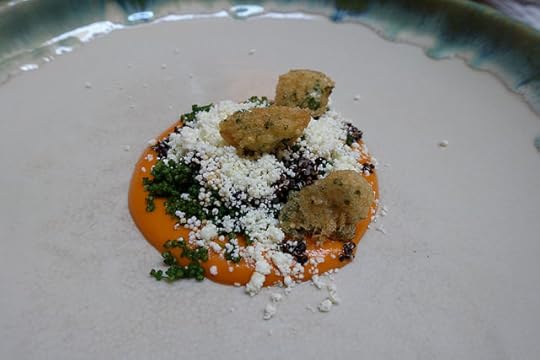
Huauzontles are common looking herbs that doesn’t make a strong first impression, but once you try them, you’re gonna be looking for all kinds of recipes and practicing how to say their damn name. Huauzontles are eaten whole, including branches, leaves and flowers. They can be found in some broths (mole’s one of them), but the traditional way to try them is in croquettes stuffed with Oaxaca cheese. The traditional sauce used for this dish is made of pasilla chiles, but if you can’t find them, serrano or green chiles will do as well.
Huauzontles are among a group of edible herbs referred by Mexicans as quelites. Quelites are wild, non-cultivated veggies that are found as sub products of other crops, mainly cornfields. The use of quelites is a pre Hispanic tradition, centered on the things that nature gives us without asking anything in return.
Tetechas

Who would have thought that those small flowers growing at the top of a giant cactus would be so delicious! Tetechas are super tasty, highly nutritious and versatile. You can prepare them any way you like: as a soup, dressed with a chicatanas (winged ants) sauce, with your favorite mole or you can just throw some of them into any stew for the extra flavor. However, the easiest and best way to enjoy a typical dish including tetechas, is to visit central Mexico, specifically the town of Zapotitlán Salinas in Puebla, between April and June (when the cactus flowers and tetechas appear on every menu). Among the restaurants offering this delicacies, I strongly recommend you to visit Itandehui, a small joint that prepares gourmet dishes based exclusively on local ingredients. Since you’re already there, pay a visit to the Helia Bravo Hollis Botanical Garden and enjoy the unique view of a cactus forest.
Jamaica

Almost every mexican household has some jamaica (hibiscus flowers) in the pantry, but not many people take advantage of these flowers beyond the preparation of the traditional agua de jamaica. Fortunately, jamaica has been recently incorporated into the Mexican cuisine as a strong component of savoury and sweet dishes, hot salsas and even in bakery. One of the recipes that has become very popular is a variation of one of our classics: jamaica enchiladas. A piece of advice, when preparing anything with jamaica, you can recycle some of the flowers you previously used to prepare water; the flavor will still be intense and delicious.
Colorines

Colorines or gasparitos are part of the traditional cuisine of Veracruz (in the Gulf of Mexico), but most people don’t know how to prepare them and it’s common to find these flowers scattered around the streets of Mexico, where the tree is quite common. Colorines are bright-red colored flowers, growing in clusters, that appear almost synchronous with the violet explosion of the jacaranda tree. The seeds and other parts of the plant are toxic, but the flowers are perfectly edible when cooked; they have a strong flavor -people use to say they taste like beef- and they’re very appreciated among the people that knows how to prepare them. Here’s a recipe to prepare the traditional gasparitos croquettes (it’s in Spanish, but it’s worth every second you’re gonna invest in the translation), a Veracruz delicacy that you should try whenever you have the opportunity.
Flor de calabaza
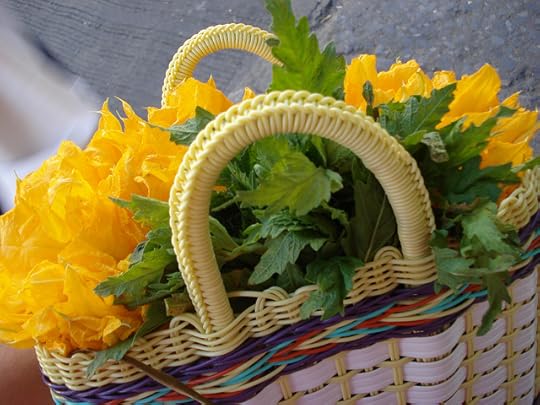
A quesadillas stall in Mexico will never be complete without including quesadillas de flor (squash blossoms) in the menu. These bright yellow flowers can be deep fried, steamed, cooked in soups, used in salad dressings or even serve as the main ingredient for an original Mexican pizza. Here are some ideas to prepare flor de calabaza. Enjoy!
Chaya
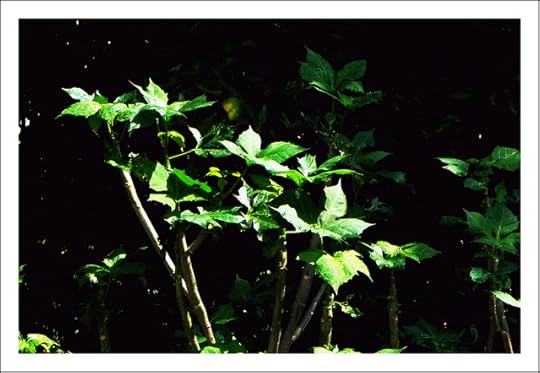
A very famous herb from the Mexican Southeast, especially in the state of Yucatan. This plant is one of those superfoods that have every possible vitamin and mineral your body needs and just the right amount of proteins you’re seeking to maintain that active lifestyle. However, it’s important to consider that fresh chaya is toxic, so you better boil it before consumption. Once cooked, you can do whatever you want with it: juices, fruit shakes, tamales, salads or stews. Keep the name in mind for the next time you’re around the Mexican Caribbean.
<>Acitrón

Acitrón is a traditional Mexican candy extracted from big round cactus plants distributed in the central part of the country. The cactus pulp is crystallized, forming a yellow soft candy that can be usually find in Mexican markets. This product is traditionally used to decorate Roscas de Reyes and it’s one of the central elements in the preparation of chiles en nogada. However, acitrón has a dark side: the extraction of the cactus pulp has caused a significant decrease in the cactus populations and the species is currently under special protection. The extraction of the plant is illegal, but merchants and producers have found ways to keep their product in the market (the processed parts of the plant, including acitrón, are not currently regulated). Given the circumstances, consumers have a great responsibility in this matter. Are we gonna promote the the commerce of an endangered species just to maintain a tradition on our tables?
Huitlacoche

Ok, so this is not even a plant, it’s a mushroom that infects corn crops, but it certainly deserves a honorable mention. Anyone who has ever seen an corncob infected with huitlacoche might have doubted that eating it was actually the wise thing to do. Huitlacoche isn’t the prettiest thing in the market -it’s not even pretty when compared to other mushrooms-, its characteristic black color could dissuade some foodies, but the story changes once it’s mixed with epazote, garlic and you put it inside a blue tortilla… you’ll be immediately hooked. Every year, during the rainy season, huitlacoche fever rises and most people will enjoy buying a little bit of the fresh mushroom, even if it’s the most expensive thing in the shopping list. 
12 things we love in Mexico City
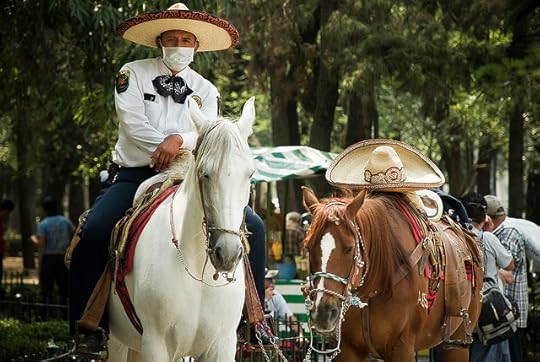
Photo: Eneas De Troya
Hacé clic para leer este artículo en Español. Tambien podés darnos un “me gusta” en Facebook!
1. After-party tacos
A hundred taco varieties, chicken broths, giant tortas, and many other delicacies show their true potential during the wee hours. This is not exclusive to Mexico City, but I’m quite convinced that Mexico deserves the gold medal in recognition of its variety of after party and hangover foods. It doesn’t matter how awesome the food is in your country… Mexican food is better!
2. The store around the corner
It doesn’t matter where you live or where are you staying in Mexico City, a couple of blocks away from you there is a little joint famous for having the best whatever-they-sell in the whole city. Once you’re acquainted with their tacos, juices, tamales, ceviche, fruit salads or whatever their business is, you’ll have a hard time leaving it behind.
3. The museum around the corner
Mexico City holds the title of the city with the most museums in the world, having around a hundred and fifty venues dedicated to all kind of themes, mainstream and bizarre. Just stepping outside of the Bellas Artes metro station gets you within reach of at least ten important museums. We’re not only showing off in terms of quantity here, we have some of the most original exhibitions around town with museums dedicated to light (Museo de la Luz), old traditional toys (Museo del Juguete Antiguo) or our best known liquors (Museo del Tequila y el Mezcal). If you were looking for variety, it doesn’t get much better than this.
4. Biking around the city
The EcoBici bike rental program has been operating in the central and most touristy neighborhoods of the city for a few years now. It’s not only the best option for daily commutes, but also a different way to explore the city for tourists and locals alike. With EcoBici, you can also join the monthly massive bike tours, celebrated every last Sunday of the month. Subscribing to the service is cheap and easy… check out their page.
5. Gorditas de nata
Made from authentic cacahuazintle corn! This traditional cornbread has one of those smells you’ll typically find yourself following while walking through the city’s many parks and public plazas. They taste really good, but the smell is just something else! Gorditas were one of the first street foods to conquer the evening-traffic-jam market. Everyone in the city has desperately looked for ten pesos in their pockets when hunger strikes and a neon green cardboard appears in the distance announcing: “Gorditas de nata diez pesos. Prepare your toll.”
6. Visiting tianguis and bazaars on a regular basis
You’ll never want to return to a regular supermarket after being immersed in the multicolored canvas universe of a tianguis market. You’ll find everything you need here: from a sack of oranges, medicinal herbs, mineral water cocktails (the always present Tehuacán preparado) and carnitas tacos, to the mask El Santo used in his movie “El Santo contra Capulina”, military paraphernalia or action figures that were discontinued long before you were born. How surreal you want your regular shopping to be, depends entirely on you.
7. The volcanoes
Popocatépetl and Iztaccíhuatl are the two volcanoes that watch over the city from the east. During winter they show up completely white, some other times el Popo looks all menacing with glowing lava and its perpetual ash cloud spreading towards the city, but every single time you catch a sight of them, you’ll get lost in their magnificence for a few moments. Most days they’re hidden by the cloud of suspended particles that floats above our heads, but that makes them even more impressive when they show up in their full glory after a stormy night or during those days in October when the air looks more transparent than usual.
8. The architecture of Centro Histórico
Palaces from colonial times are mixed with modern buildings in the busiest streets in the all of Mexico. Take out the camera, shoot in any direction and you’ll see how every pic you take has a building worth paying a visit to. Most of these buildings are home to different kinds of businesses, from the traditional cantinas, to cafes, restaurants, galleries and museums. The ones that doesn’t function as businesses are probably churches, so one way or another, you’ll be free to explore their architecture both from the outside and from the inside.
9. El metro
El metro is one of the biggest icons of the city and even when we love to hate it -it’s not perfect, and we’re way too many people here- our elegant orange limousine is one of the most efficient transport systems in the whole country. You’ll enjoy it better if you stay away from rush hours and remember that sometimes -sometimes like every two or three stations- it suddenly brakes, like, just because.
10. Sunday strolls in the plazas and neighborhoods
Coyoacán, San Ángel, Centro de Tlalpan, Santa María la Ribera, the parks in la Condesa, la Roma, Chapultepec, el Centro and many other places are just ideal for one of our favorite activities: go out and take an evening stroll. Try it, get comfortable and become addicted to the public spaces.
11. Chilaquiles tortas
When talking about tortas (sandwiches) for breakfast, we can distinguish two kinds of people: the ones that support the guajolota (torta with a tamal inside) and the ones who heavily bet for the chilaquiles torta. Here I’m gonna favor the less popular example which, in my humble opinion, is the most underestimated breakfast in Mexico. Why? Chilaquiles are already awesome, even better if you transform them in a take away food, and the fact that it comes with extra bread guarantees your munchies will surrender before its power… You gotta love it!
12. To the best damn weather in the world!
We love to hate on the climate, but once you realize the difference between qué pinche frío (too fucking cold) and qué pinche calor (hot as hell) are just fifteen degrees Celsius, you’ll understand the obvious: we complain about the weather every time it’s not plain perfect! Mexico City is never too cold, nor too hot, it’s never that windy, dry or super damp. It doesn’t matter which time of the year it is, we can always go out with the same kind of clothes without suffering severe problems… an umbrella’s never a bad idea though. 
Paris cuts down love locks

Photo: Marc Lagneau
1,000,000 RELATIONSHIPS PRESUMABLY SUFFERED an irreparable blow today, when Paris’s government cut down the 1,000,000 “love locks” that had been affixed to the Pont des Arts bridge over the Seine. The tradition, which has picked up considerably in the past few years, had already caused serious issues, with the weight of the locks causing portions of the bridge’s chainlink fence to collapse, and the Parisian government has been asking tourists not to put their locks on the bridge for some time now.
The idea is that you write the name of you and your beloved on a lock, you attach the lock to the bridge, and then you dramatically toss your key into the Seine, creating a permanent memento of your love. The love locks tradition did not originate in Paris — it actually began around 100 years ago at the Most Ljubavi bridge in Vrnjačka Banja, Serbia, and it has since spread to bridges around the rest of Europe and the world. But Paris has had the most difficulty with the superstition, with residents believing them to be somewhat tacky and also an incredibly ugly blight on an otherwise beautiful bridge, and with the sheer weight of tens of thousands of locks causing serious structural problems for the old bridges.
In order to prevent the further addition of love locks, Parisian authorities are replacing the chainlink fences with plexiglass, which will give pedestrians views of the Seine. But the Pont des Arts isn’t the only bridge in Paris with love locks: take a stroll up the Seine and you’ll see them practically anywhere with a chainlink fence, particularly Pont Neuf.
So Paris’ commitment to its reputation as the “City of Love” has finally been tested. Bruno Julliard, the deputy mayor in charge of culture who oversaw the lock removals, said, the locks “could be seen as rather pleasant, but as years passed they took on such proportions that they were no longer acceptable for the cultural heritage.”
Let the record show: in the battle between love and culture, Paris will side with culture. So if you want to create a memento for your undying love in Paris, paint a picture. It will last longer. 
5 spots in Edinburgh that will fascinate writers
A photo posted by @ttacottac on Apr 13, 2015 at 5:44am PDT
As the world’s first UNESCO City of Literature, Edinburgh has a Writers’ Museum showcasing musty manuscripts by Robert Louis Stevenson, Robert Burns, and Sir Walter Scott. It’s also home to Stevenson’s silver tortoiseshell ring, Burns’ writing desk, and the printing press that produced Scott’s Waverley novels.
A newer addition is a book sculpture carved from Ian Rankin’s Hide and Seek, showing a moon and clouds overlooking a silver street. Its creator has been anonymously gifting these sculptures to cultural organizations “in support of Libraries, Books, Words, [and] Ideas.” Outside, quotes by James Boswell, Robert Fergusson, and Muriel Spark are inscribed on the cobbled stones of Makars’ Court. To the north, The Mound overlooks the Scott Monument and Waverly Station, their names befitting this literary city.
Where: 3 Lady Stair’s Close 477 Lawnmarket
2. Go plaque-hunting in old town
A photo posted by Miss_Shenanigan (@miss_shenanigan) on Feb 6, 2014 at 12:19am PST
Leave Makars’ Court and head for the Royal Mile, where you can find the Heart of Midlothian mosaic, made famous by the novel of the same name. It marks the site of the demolished Old Tolbooth, a former administration centre and execution site, and locals like to spit on it for good luck.
In the Grassmarket, a sign outside White Hart Inn pays tribute to former patrons Robert Burns and William and Dorothy Wordsworth.
At the Writer’s Corner where Nicolson St. and Drummond St. intersect, plaques commemorate the work of J.K. Rowling, Robert Louis Stevenson, Hugh MacDiarmid, and others.
A few steps away, Surgeons Hall displays a book bound by Burke’s skin; after he and Hare committed horrific murders in 1828 and sold the corpses to Edinburgh Medical School for dissection, he himself was publically hanged and dissected.
3. Browse books at Looking Glass Books
A photo posted by Looking Glass Books (@lookingglassbooks) on Jun 1, 2015 at 11:10am PDT
Looking Glass Books is across the street from the University of Edinburgh’s George Square campus, where Arthur Conan Doyle once lived. You can savor a cup of white hot chocolate, peruse classics like Peter Pan and The Prime of Jean Brodie, and eavesdrop on university students discussing readings from their Edinburgh in Fiction seminar.
Where: 36 Simpson Loan
4. Search for wizards and magic
A photo posted by @silviasilvia87 on May 24, 2015 at 2:08am PDT
J.K. Rowling famously worked on the first Harry Potter novel in the backroom of The Elephant House, which offers a window view of the towering Edinburgh Castle.
Now, hundreds of want-to-be wizards flock to this café, crowded with tiny elephant figurines and black-and-white newspaper clippings about Rowling. “Thank you for Harry Potter” messages cover the bathroom stalls, where you can also leave your own graffiti.
A block away in Greyfriars Kirkyard, a weathered plaque marks the grave of the real-life Thomas Riddell. The nearby George Heriot’s School has four houses, just like the wizarding school.
And take a walk past Balmoral Hotel, where Rowling penned the series’ final words; the suite she stayed at has been renamed after her, displays her signed marble bust of Hermes, and costs around £1,000/night.
Where: 21 George IV Bridge
5. Savor drinks in literary pubs
A photo posted by Emily Willing (@emily.willing) on Feb 3, 2015 at 3:33am PST
The Wash Bar hosts a Literary Salon on the last Tuesday of each month, where you can sip wine and mingle with local literati, Master of Publishing students, Dundee Literary Festival organizers, and Giller Prize judges.
Once frequented by Scottish Renaissance writers, The Oxford Bar is a favourite haunt of Ian Rankin’s Inspector Rebus and the over-30s crowd. For a hipper Gothic pub with skulls, books, and potion bottles, head to Jekyll & Hyde for the deadly Seven Sins cocktail. 

Incredible free world experiences
THE WORLD CAN BE AN EXPENSIVE PLACE. And between paying for flights, hotels, and just feeding yourself on a daily basis, traveling the world can get incredibly expensive. The internet has certainly done its best to help you save money while traveling, but frequently this means making some less exciting sacrifices — like sharing a dorm-style hostel room with 24 drunk Australian teenagers on gap year rather than getting your own hotel suite, or taking a rickety, dangerous bus through the mountains instead of a luxurious sleeper car on a high-speed train.
But not all affordable experiences are cut-rate. Here are some of the coolest totally free experiences you can have from around the globe.
Go to the British Museum.
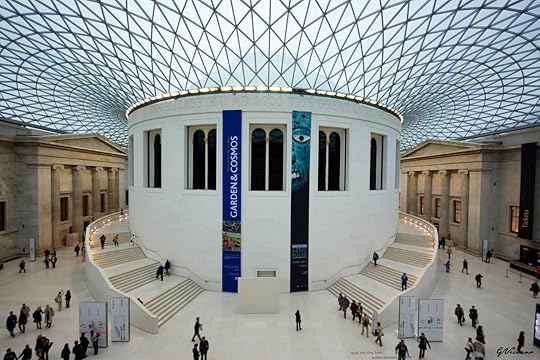
Photo: Guillermo Viciano
Situated in Central London, the British Museum is, like so many of London’s best museums, totally free. But the British Museum is probably the best: here you can see the famous Rosetta Stone, the infamous Elgin Marbles, an Easter Island statue, and thousands of other priceless historical artifacts. You could spend your entire trip to London in the British Museum, and you would not come close to seeing everything.
Take the Staten Island Ferry.

Photo: Mobilus in Mobili
Some of the best views of New York’s skyline and the Statue of Liberty can be seen from the lowly Staten Island Ferry, which travels five miles from NYC’s most forgotten Borough, Staten Island, to Manhattan. The ferry runs around the clock and is totally free, and the view of the Statue of Liberty is literally the best view you’re going to get.
Visit St. Peter’s Basilica.

Photo: Dennis Jarvis
It’ll cost you a bit to get into the famous Sistine Chapel, but St. Peter’s Basilica itself is one of the world’s most beautiful churches in the world. It’s also literally the biggest church, and it features work by some of the world’s great artists, including Michelangelo. One of his most famous works, the Pieta, is right by the entrance.
Visit Istanbul’s Grand Bazaar.
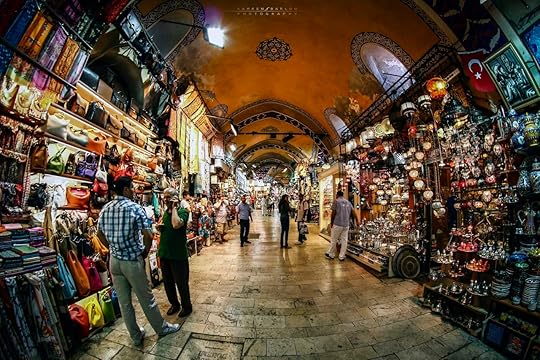
Photo: KamrenB Photography
It’s only free if you can keep yourself from buying something, but it costs nothing to walk through one of the world’s most famous markets. It is literally the world’s most visited tourist destination, with nearly 92 million visitors per year, and it is a thrill to walk through: it has over 3000 shops around the 61 covered streets, and it has been operating for nearly 600 years.
Watch the Hong Kong skyline light show.

Photo: Prachanart Viriyaraks
Every night like clockwork at 8 p.m., on both sides of Hong Kong’s Victoria Harbor, 47 buildings take part in a 14-minutes light and sound show called the “Symphony of Lights.” The view is truly spectacular, and one of the world’s most dazzling skylines becomes even crazier. You can watch it from wherever you like.
Go to the Full Moon Rave.

Photo: Wikimedia
The legendary Full Moon Party in Ko Pha Ngan, Thailand, has free entry. Mostly intended for partying tourists, the monthly party, held on the night of the full moon, is infamous for it’s drugs, dancing, booze, and general debauchery.
Do a Table Mountain hike.

Photo: John Hickey-Fry
Cape Town, South Africa, is without a doubt, one of the most beautiful cities in the world. The view of the city from Table Mountain is second to none. And while you can pay to take a gondola to the top, you might as well get the exercise by walking up all by yourself. Once you’re at the top, you’ll be able to see the city and the ocean spread out beneath you.
Surf in Sydney.

Photo: Avilasal
It’s one of the world’s best-known surfing cities, and the beaches are free. Sure, you may not own a surfboard, but borrow one from a friend or just body surf and you’ll be able to enjoy one of the best beaches in the world without spending a dime. Honorable mention to the Copacabana in Rio, which is also free.
See the Vienna State Opera on a jumbotron.
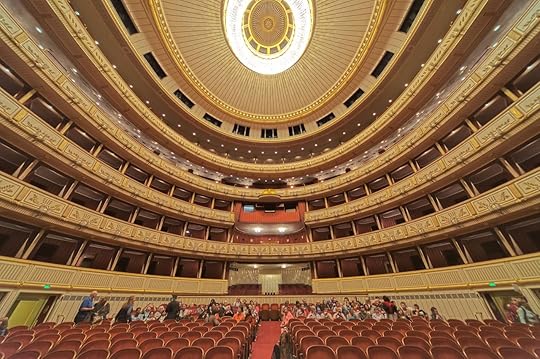
Photo: Steve Collis
Go at the right time of year (April to June and again in September), and the world-famous, very expensive Vienna State Opera projects performances for free to the public on a 50-foot jumbotron.
See the Northern Lights.

The Northern Lights in Lapland, Finland. Photo: Chris
In the wintertime, resist the snowbird impulse and head north. Find a place that’s dark, away from the city lights, and wait through the long nights with a cup of hot chocolate. Then see the world’s greatest light show, totally for free. Probably the coolest (not free) place to see it is in a glass igloo at Finland’s Kakslauttanen Resort, but you can also catch beautiful, no-pay shows in Iceland, Canada, Alaska, Russia, Scotland, and pretty much any other country close to the Arctic Circle. 
11 things to do in Dallas if you want to feel like you’re in France
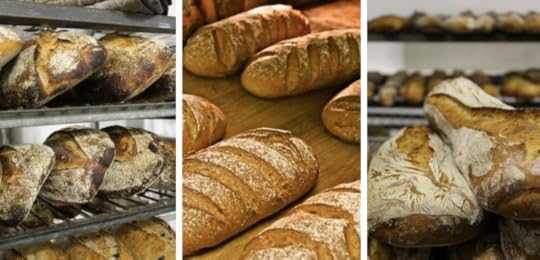
Photo: Village Baking
Their bread and viennoiseries are among the best I have ever eaten, even in France! Let yourself be tempted: take a few croissants (I strongly recommend their ham & cheese croissant!) to eat right away and buy a baguette.
Then buy President butter and “real” ham at Whole Foods, make yourself a Jambon-beurre, take a blanket and go for a picnic in your local park.
2. Eat a soufflé at Rise n1
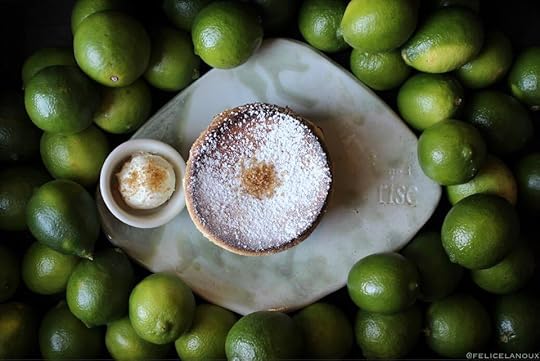
Photo: Rise Dallas
Just one bite of one of their delicious soufflés and you will travel back directly to your childhood’s kitchen and remember the good old days, when your mother used to call “A table, vite, le soufflé va retomber”! The decoration of the room, too, will make you feel like you are in a cute little French restaurant. Even the trip to the bathroom is worth it: they have the old-fashioned toilet flush and doors and even the soap dispenser looks like what you found in your school’s bathrooms when you were a kid!
3. Enjoy diner at Toulouse or the Mercat Bistro
A photo posted by Mercat Bistro (@mercatbistro) on May 25, 2015 at 9:10am PDT
At the Mercat Bistro, you and your friends will go back to your childhood when you used to read the number at the bottom of your water glass to figure out which of you is the oldest…just like we all did at our school cantine!
4. Watch a French movie at the Magnolia Theatre
Very often, this independent theatre in West Village screens French movies, so just check their program regularly and enjoy watching your favorite French actors instead of the latest American blockbuster.
The Alliance Française of Dallas also offers screenings of French movies a few times a year, make sure to visit their website once in a while.
5. Play pétanque at Klyde Warren Park
Yes, they have all you need there to play pétanque! So, tu tires ou tu pointes?
6. Admire French artists at the DMA
A photo posted by Dallas Museum Of Art (@dallasmuseumart) on Apr 16, 2015 at 3:37pm PDT
The Eiffel Tower is in Dallas…at least Delaunay’s bright and colorful version of it! When you feel homesick, just go to the museum and enjoy the beauty of French paintings: Renoir, Monet, Manet, Cézanne, Toulouse-Lautrec, Braque, they’re all there. The sculpture garden is worth a little balade as well!
7. Celebrate Bastille Day in Bishop Arts District
On July 14th, Oak Cliff celebrates the French National Day with a street festival offering crêpes, mussels, accordion music, pétanque competitions, French dance, and much more. Grab your bérêt and go have fun in bleu-blanc-rouge!
8. Attend the Beaujolais Festival
A photo posted by SambucaUptown (@sambucauptown) on Nov 21, 2014 at 10:25pm PST
French food, French wine, French music, and French people everywhere! A total immersion in French culture… perfect to virtually take you back to your country. It’s just once a year, so don’t miss it!
9. Stop at La Madeleine
This nationwide French country café is famous among French expats in Dallas for…the French lesson in the restrooms! That’s actually the funniest part. For the rest, grab a quiche Lorraine and enjoy your meal with a background of popular French music.
10. Take a weekend road trip to Paris, Texas
Ok, there might not be much to do there, but you will get to see the Eiffel Tower with a cowboy hat, and that alone is worth the trip!
11. Go hunting for French products at your local supermarkets
A photo posted by 이종경 Hazel (@hazel_jklee) on Jun 1, 2015 at 8:20am PDT
Almost all supermarkets offer a variety of French products those days, from brie to mousse de canard. But you will have to keep looking and try several stores to find everything you need for your French menu. A few good locations to try: World Market, Kuby’s, Sprouts, Trader Joe’s… Then invite your friends over for a French themed dîner! 
Incredible timelapse video uses 86 million mined tourist photos
Follow Matador on Vimeo
Follow Matador on YouTube
TIMELAPSES ARE AWESOME, BUT THEY ARE unfortunately pretty difficult to put together, especially over long periods of time. The photographer must set the camera up and remain by it for the duration to make sure everything is going well. So it’s pretty much impossible for a single person to do a timelapse over a period of years.
Fortunately for us, Google and the University of Washington got together and built an automated program that catalogues 86 million internet photos, categorizes them by location, warps them into a single viewpoint, and sorts them by date. The result? A massive, crowdsourced timelapse of some of the world’s great landmarks over time. You can get a full explanation of the process here.

8 reasons you should never move to Germany
You seem perfect to me. #pretzel #dachau #vscocam
A photo posted by Francesca Marra (@pistachio_peach) on May 30, 2015 at 9:46am PDT
2. And you can’t man up to finish a liter of beer.
A photo posted by Sabrina.Maree.Dickenson (@26breeny) on Oct 1, 2013 at 2:04pm PDT
3. You don’t have the energy for a bike ride on a summer day.
A photo posted by Brad Wilson (@rocketmanfw) on Jan 21, 2015 at 6:23am PST
4. You’re way too old for world-famous fests.
Matador Network's Blog

- Matador Network's profile
- 6 followers


