
Matador Network's Blog, page 2080
July 28, 2015
30 things you will never hear someone from Colorado say

Photo: Greg Willis
1. You need a ride from DIA? Pick me! Pick me!
2. I welcome Texans with open arms.
3. CU should have no problem with the Ducks this year.
4. The Rockies are looking stellar so far.
5. Road trip this weekend? Kansas, here we come!
6. I have no opinion on retail marijuana.
7. Green chili? No thanks.
8. I don’t really get the hiking thing.
9. You won’t believe the deal I got on this place in Aspen.
10. Mountains? Meh.
11. I had the most pleasant driving experience on I-25 today.
12. Do you have Bud Light on tap?
13. I’m having the hardest time selling my house in Wash Park.
14. They just never have any good shows at Red Rocks.
15. This humidity is killing me.
16. No, I don’t think I know anyone with a beard.
17. Obviously, the Nuggets ditched Carmelo because his defense was too good.
18. No, I don’t need anything at REI.
19. I don’t remember the last time I saw lightning.
20. Go Raiders!
21. Boulder is getting a bit too conservative for my tastes.
22. There’s just no good coffee around here.
23. It’s awesome when people water their lawn while it’s raining…there’s plenty to go around.
24. I just bought my dream home in Pueblo!
25. This lift ticket at Vail is quite reasonably priced.

This story was produced through the travel journalism programs at MatadorU. Learn More
26. All of this sunshine is making me depressed.
27. I’m sorry, I’m not familiar with this Elway dude?
28. Man, have I been craving some Casa Bonita.
29. I forgot where we parked…just look for the only Subaru in the lot.
30. Sorry, no dogs on the patio.


What Americans are missing in Iran
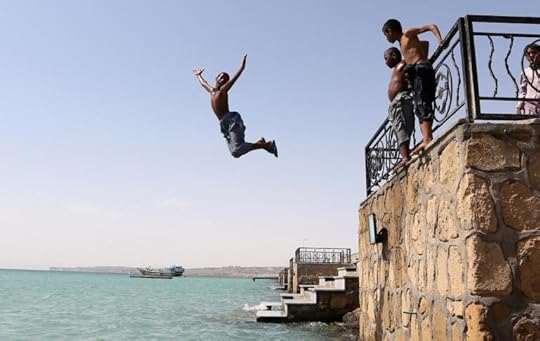
Not too long ago, mentions of “Iran” conjured in the minds of many Americans images of burning US flags and chants of “death to America.”
That’s still the case for a number of people, including some in Congress dead-set on rejecting a deal between Iran and six world powers, including the US, agreed on July 14. A thaw in the freeze between Iran and the US would mean many things — including a new destination for intrepid travelers.
Iran’s opening to the West is making it all the more tempting to visit the country formerly known as part of the “Axis of Evil.” It’s already possible to visit Iran as an American, but it isn’t easy. There’s hope a deal will change that, as the renewal of diplomatic ties did for travel between the US and Cuba.
Since the election of President Hassan Rouhani in 2013, American tourism to Iran has grown, with the help of tour agencies, private guides and connecting flights from cities like Dubai and Istanbul.
Iran is now expecting a major tourism boost, estimating the number of total annual visitors to grow from five million to 20 million by 2025. Economic sanctions have made it impossible to make transactions with Iran, and even to use foreign credit cards there. Removing them will make it easier to book online for travel, transportation, hotels, and to make cash withdrawals inside Iran.
Contrary to popular belief, Iran is not a scary place for Americans. In fact, it’s one of the most pro-American countries in the Middle East.
So, what have you been missing in Iran all this time? Quite a bit. Here are some of the highlights visitors can expect.
Lots of history
Naghshe Jahan Square — Esfahan, Iran
A photo posted by Holly Dagres (@hdagres) on Aug 17, 2012 at 6:51am PDT
It may come as a surprise to some people, but Iran’s history goes a little further back than the 1979 Islamic Revolution and Iran hostage crisis. In fact, the country has a culture and history that dates back to an ancient civilization. Pretty much every Iranian will proudly tell you about it, whether or not you ask.
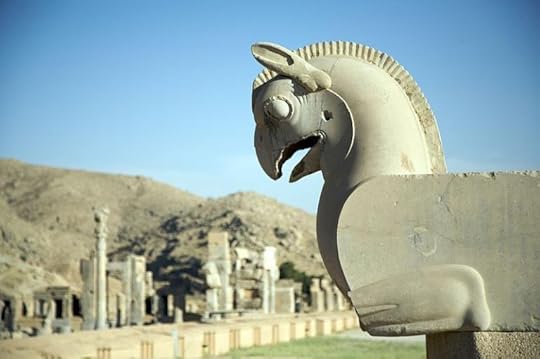
Photo: Wikimedia Commons
But best to start with what’s already familiar: Visitors can pay a visit to the former US Embassy in Tehran — the historical setting in “Argo” — also known as the “den of spies.”
Once that’s out of the way, you can get down to some truly far-back history.
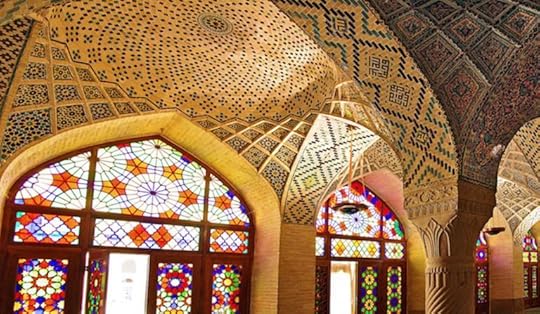
Photo: Wikimedia Commons
Iran is home to 19 UNESCO World Heritage Sites, including the ancient ruins of Persepolis, near Shiraz, and Imam Square in Esfahan. The mosques that house the mullahs are wondrous. Make sure to visit the stunning Imam Reza Shrine in Mashhad, which draws in pilgrims from around the world. It’s also one of the world’s largest mosques, and its banquet halls will serve you a free meal and give you a tour of the premises.
There’s also the colorful “Pink Mosque” (Nasir ol Molk Mosque) in Shiraz, which looks like the inside of kaleidoscope.
Recommendations: Every nook and cranny, but personal favorites are Esfahan, Hamadan, and Shiraz
Incredible food
A photo posted by Holly Dagres (@hdagres) on Oct 27, 2013 at 12:51pm PDT
So what’s Iranian food like? It’s a shock to Iranians when visitors assume their national cuisine is spicy. There are different types of Iranian food in every province — various kabobs, soups, stews, rice dishes and desserts.
Some of the most popular dishes are gormeh sabzi (green herb stew), fessenjoon (walnut pomegranate stew), zereshk polo ba morgh (barberry rice with chicken), tahdig (crunchy rice, a side dish for stew), and of course kabobs. Don’t forget to wash your meal down with doogh, a yogurt drink. The best stews are homemade — and those shouldn’t be hard to come by, as Iranians are hospitable and you’re bound to get several dinner invitations.
Saffron Rice Pudding — Tehran, Iran
A photo posted by Holly Dagres (@hdagres) on Aug 10, 2012 at 4:59am PDT
You can’t travel to Iran and not try Persian pizza. Some might be disturbed that Iranians drizzle ketchup on it, but it tastes surprisingly good. Homesick Americans can look for knock-off fast food joints like Super Star (also known as Carl’s Jr. or Hardees), KFC, or Iranian franchises like Boof and Avachi.
Iranian Pizza pic.twitter.com/RZJk2SUtll
— Homayoun Jamei (@Homayoun_jamei) July 30, 2014
Recommendations: Alborz Restaurant (highlight: meter long kabobs on skewers), Shandiz Restaurant (go to the real deal outside of Mashhad, not in Tehran), Haida Sandwich
A thriving art scene
A photo posted by Holly Dagres (@hdagres) on Aug 10, 2013 at 8:07am PDT
Murals of Khomeini’s visage and American flags with skulls aren’t Iran’s only artwork. The country’s art scene is thriving, with galleries where you can find everything from old Islamic art to modern works. At Tehran’s Museum of Contemporary Art you’ll find Jackson Pollack, Picasso, Andy Warhol, Marc Chagall, Henry Moore, and other Western artists on display in a collection estimated to be worth $2.5 billion.
Fantastic printmaking exhibition at #Tehran Museum of Modern Art. Picasso, Hockney, Warhol, Degas, Munch … #Iran pic.twitter.com/dzN5Zr3e6z
— Golnar Motevalli (@golnarM) May 15, 2014
Bonus: Pay close attention to public spaces. You may catch the work of Iran’s prominent underground graffiti artists, like Black Hand and A1one.
Tehran graffiti artist Blackhand made a fantastic work on walls of Tanavoli's studio in Tehran. #HeechIsEverything pic.twitter.com/wqhXaa4UZr
— Shiva Balaghi (@SBalaghi) May 27, 2015
Recommendations: TMOCA, Carpet Museum (highlight: Persian carpet with the faces of US presidents), Treasury of National Jewels (highlight: houses the largest pink diamond in the world)
Ski resorts with breathtaking views
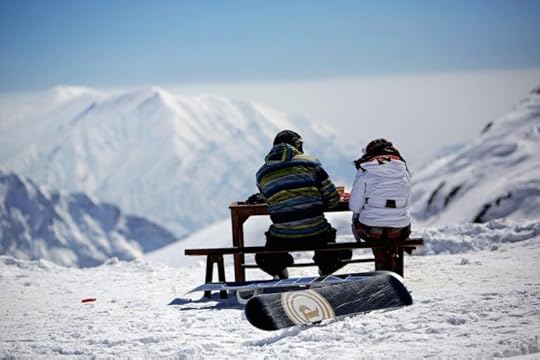
If you believe films like “Aladdin” or “Lawrence of Arabia,” the Middle East is pretty much a vast stretch of sand — but there’s snow here too. If you happen to be in Tehran during winter, make sure you visit one of the ski resorts in the grand Alborz mountain range, only about an hour away from the capital. Vogue recently claimed the mountains could be the next Aspen. Why not? Everyone is dressed to impress, even though the resorts are affordable by Western standards, and the scenery could be mistaken for the Swiss Alps more so than Colorado.
Recommendations: Shemshak resort, Dizin resort
Gorgeous beaches. Yes, beaches
A photo posted by Holly Dagres (@hdagres) on Aug 18, 2013 at 4:33am PDT
What, you think Iranians don’t wear swimsuits? They’re big on going to the beach during the summer, whether it’s hitting the Persian Gulf or Caspian Sea (be warned: it’s HUMID). Once you’re there, you can catch a sunset, ride a jet ski, scuba dive, or go parasailing.
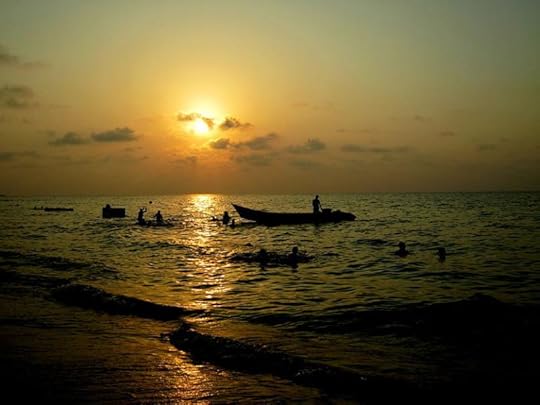
Photo: Wikimedia Commons
If you’re willing to part with family or friends of the opposite sex, you can hang out on the beaches, which are gender-segregated. On the women’s side, it’s like tanning in the South of France — depending on the beach. Perfect hair, makeup; it’s all about what you’re wearing. Try not to show your surprise at the sight of high heels or topless Iranian women, they will think you’re weird.
Recommendations: Kish Island, Shahrak-e Darya Kenar or Motel Ghoo at the Caspian Sea
A pretty amazing party scene
Elahieh-Fereshte View — Tehran, Iran
A photo posted by Holly Dagres (@hdagres) on Aug 7, 2013 at 12:11pm PDT
If Bravo’s Shahs of Sunset is your point of reference for party-going Iranians, then you haven’t see how people get down in the motherland. Just watch this video from 1991 dubbed with Lil’ Jon’s “Turn Down For What.”
Even though nightclubs are illegal, the underground parties held in a basements, living rooms, or villas on the outskirts of the city will feel like one — complete with disco balls, fog machines, and DJs. Alcohol will be there, too (either bootleg or black-market). If you’re not drinking aragh sagi (home-distilled alcohol) or homemade wine, expect to find Johnny Walker, Heineken, and Patron. Don’t believe it? Check out Rich Kids of Tehran.
How to become an Atlantan in 25 steps

Photo: Lauren Nelson
1. Make awkward eye contact with Andre 3000 while deciding between Asian peanut pesto or coconut curry at Chow Baby.
2. Question your life’s direction after a pair of 55-year-old tits crush your beer can at the Clermont Lounge. Deem your life’s direction totally on track.
3. Learn how to drive like an asshole when tossed in the bowl of spaghetti junction during rush hour. Remember that letting people over is a sign of weakness and turn signals are a government conspiracy.
4. Actively participate in the debauched sci-fi and fantasy orgy of Dragon Con.
5. Drink a bottle of wine at the Starlight Drive-In while applying OFF! like it’s holy water.
6. Never, under any circumstance, say “Hotlanta.” Immediately judge those who do.
7. Ride the MARTA. Ignore the fact that the conductor has probably been convicted of multiple DUIs.
8. Have a firm opinion on whether or not you would let Tyler Perry use your house in a scene for one of his movies.
9. Know what a “Grady Baby” is.
10. Be able to choke back carbonated vomit after tasting Beverly from World of Coke.
11. Pretend that you’ve never heard of Michael Vick.
12. Crave Chick-fil-A. Then cry inwardly because it’s Sunday.
13. Force your friend to ride in the car with you so you can cruise in the HOV Lane. Realize in defeat that it’s just as clogged as the rest of the highway.
14. Burn a bigger hole in your wallet from quarter fed Mortal Kombat than from liquor at Joystick.
15. Get the ever-living shit scared out of you by those human trash piles while urban exploring the abandoned Atlanta Prison Farm.
16. Die a little on the inside when someone tells you to meet them on the corner of Peachtree and Peachtree.
17. Watch the sky erupt at Lenox Square for 4th of July.
18. If you’re an OTPer, think you’re too cool for inside the perimeter. If you’re an ITPer, think you’re too cool for everything.
19. Always listen to your drunken cravings for hash browns, smothered, covered, and chunked from Waffle House at 4 AM.
20. Accept the fact that you’re never going to find free parking. And if you find any parking at all, religiously feed the meter to avoid the wrath of PARKAtlanta hiding in bushes by your car.
21. Buy out the allergy medicine aisle at CVS.
22. Know at least four people who were extras in the “Welcome to Atlanta” music video.
23. “Please move to the center of the vehicle and away from the doors.”
24. Forgive those from out of town who make it seem like Atlanta is off the map. Ask them if they’ve ever heard of Cartoon Network, CNN, the CDC, Coca-Cola, Tyler Perry, The Walking Dead, and Pinewood Studios in addition to influential rap and hip-hop artists including Outkast, Gucci Mane, and Ludacris. Remind them of where they all hail from.
25. And don’t forget — this is where the players play. 
18 signs you’ve been away from Buffalo too long
Photo: Steven Guzzardi
1. You miss the smell of baking Cheerios.
Without the General Mills cereal plant close by, the breeze doesn’t carry that kind-of-weird/kind-of-pleasant scent of toasted oats to your nose.
2. It actually keeps you awake at night wondering why all supermarkets can’t be like Wegmans.
On trips home you actually schedule time to wander the aisles. Seeing family and friends? Meh. “Wait, we’re out of Bison Dip? I’ll go!”
3. You’ve considered shipping a box of dry-ice packed Sahlen’s hot dogs across the country.
While you’re at it, add a case of Chiavetta’s or Weber’s mustard to your online cart.
4. None of your new friends have heard of a lawn fete.
“Wait, you guys didn’t get drunk at a beer tent in a church parking lot next to carnival rides, a dunk tank and temporarily legalized gambling? These gold mines of religious fundraising and parish-endorsed debauchery didn’t exist where you grew up?”
5. Speaking of fundraising, apparently there’s these new things called meat raffles.
And they are exactly what they sound like.
6. You haven’t seen a Bills game in forever.
The entire Western New York region may shut down on game day as rabid fans fill up bars and living rooms, but two decades of mediocrity make it almost unheard of to catch a game on national TV. Last time it happened: “hmm…is this a new expansion team? Holy shit, the Bills are on!”
7. Your pants fit better.
Breakfast is a Greek diner. Lunch is beef on weck at Anderson’s, a trip to Ted’s or a chicken finger sub at Jim’s SteakOut. Then maybe some wings (obviously), Mighty Taco and a box of sponge candy, all washed down with a loganberry or a few Blue Lights. Sounds like a glorious day of gastronomic magic, but Buffalo’s greatest bites are far – so far – from health food.
8. Can you explain icing again?
Turns out the rest of the country (Minnesota excluded) doesn’t seem to care much about hockey.
9. Your local car dealership just isn’t that “Huuuuuuge.”
And you’ve almost forgotten who your injury attorneys were.
10. It’s been years since you shoveled a roof.
Standard procedure after those lake-effect snowpocalypses that hit a few times a year.
11. You haven’t had a good pizza argument in a while.
With a pizza joint on every corner, it’s no wonder everyone had their favorite, and they’d be more than willing to defend their crust, sauce and tiny circles of pepperoni until things got physical.
12. Friday night is no longer fish fry night.
You mean my current city doesn’t have more Catholics than the Vatican and it’s no longer written in the city charter that crispy beer-battered haddock be served on every corner?
13. You’ve seen the sun in winter.
For half the year, I’m sure it’s confusing to see a strange yellow orb in the sky over your new city.
14. 2am seems like an appropriate last call.
With Buffalo bars open until four, maybe you’d head to Elmwood or Allentown (or god forbid, Chippewa) at one, when most of the country is ready to call a cab. After some time away, that schedule seems quite ridiculous. Or maybe you’re just getting old.
15. You forgot the words to “Shout!”
And then you’re back for a wedding and the DJ invariably cranks it out just between “We Are Family” and “No Diggity”. Meanwhile all of the natives are freaking out and belting out an endless line of “little bit louder nows” while the out-of-towners are wondering what the hell is going on. Whether or not you join in is directly impacted by how many drinks deep you are.
16. It’s been ages since you were drunk at a free outdoor concert.
How many Thursday’s did you spend swilling Labatt Blue on the steps of a statue as the Mighty Mighty Bosstones ripped through a free set for an audience of office workers and college students? Meanwhile you just shelled out $75 for a band you barely like and can’t help but think, “that was pretty awesome.”
17. You’ve discovered proper coffee.
Guys, seriously…we need to talk. Tim Horton’s is terrible. Unless Jim Kelly is working the drive-through, you don’t have to line up every morning and block traffic. There are better ways to caffeinate yourself.
18. You think the waterfront still sucks.
When you lived here, there were more waterfront revitalization proposals than Rob Ray career penalties. You assumed they’d be filed alongside Tom Brady getting a key to the city as a “never-gonna-happen” — until you came home for Christmas and stumbled onto Canalside and HARBORCENTER. Is that an outdoor ice rink for skating and curling? There are free concerts, paddleboats and lawn games in the summer? I can rent a kayak then come back and grab a beer at one of the swankiest sports bars I’ve ever seen? Progress is possible! 
July 27, 2015
Vang Vieng was the craziest party
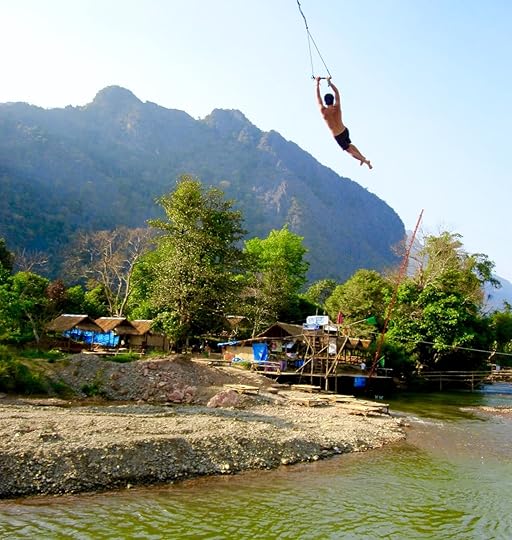
All photos by the author unless otherwise noted.
“YOU SEE THAT GIANT SLIDE OVER THERE?” A guy asks us, pointing down river with a wrist full of dripping bracelets. “It’s called the ‘Slide of Death’, some chick drowned there last week.” His right hand makes a launching motion then lands flat on his left. “Whack!”
Tales of people dying or drowning followed my brother and I everywhere as we floated down the Nam Song River in Central Laos, ‘tubing’ from bar to bar, drinking Tiger Whiskey Red Bulls out of sand buckets, but it didn’t really change anything. They were horror stories followed by a few moments of sympathetic commiseration until the next person offered us a free shot.
Legend has it the river was named Xong (bed) of Phra Nha Phao — or Nam Song — in 1356 AD, after the body of the deceased King was seen floating down the river. Nearly 700 years later, the bodies kept coming. This was Vang Vieng, the town ruled by twenty-somethings that never aged. It was Neverland, 2011. The same year some sources say 27 backpackers or more died on the river, causing a backlash that threatened to end one of the most controversial eras of the Southeast Asian backpacker circuit.
The birth of a backpacker’s paradise
Vang Vieng is a bumpy eight hour van ride South of Luang Prabang and four hours North of Vientiane, the two connecting dots of the “Banana Pancake Trail” — so named for the ubiquitous banana pancake stands that can be found almost everywhere on the Southeast Asia backpacker circuit.
For decades it was a sleepy farming and fishing village popular with hippies and rock climbers drawn to its towering karst limestone cliffs, its caves, its idyllic farmland, its lagoons, and its peaceful location on the Nam Song River.
Its bizarre evolution into one of the world’s top party spots began in 1999, when Thanongsi Sorangkoun, a Vang Vieng native and organic farm owner that lived just north of town, aired up a few tractor-tire tubes so his volunteers would have a relaxing way to wind down after a long day.
“After a month, every guesthouse and tour company [was] bringing tubes and starting from here.” Sorangkoun said.
Locals were quick to capitalize on the influx of interest, creating a 10 village cooperative of over 1500 households that rotated renting inner-tubes every 10 days. The construction of bars along the river took off to lure in thirsty tubers. Music began to blare out across the rice farms and into the caves of the surrounding Karst cliffs as giant swings, slides, and ziplines popped up and signs advertising “Free Joint with Bucket” littered the docks of bars downriver.
“They don’t respect any law [or] regulations. There’s no inspections, no control,” Sorangkoun said. “Two years ago it was paradise.”
The lack of government regulation (or perhaps their involvement) allowed the scene to explode as a place where anything was possible — and the backpackers came in droves.
The party’s on
My brother Sam and I arrived in Vang Vieng at the beginning of 2011 after hearing outrageous stories from other travelers. We crammed into a minivan with twelve other mostly white Western backpackers from Vientiane to Vang Vieng and arrived at the former Air America airfield — a remnant of the USA’s “Secret War” in Laos — just outside of town a couple hours after sunset.
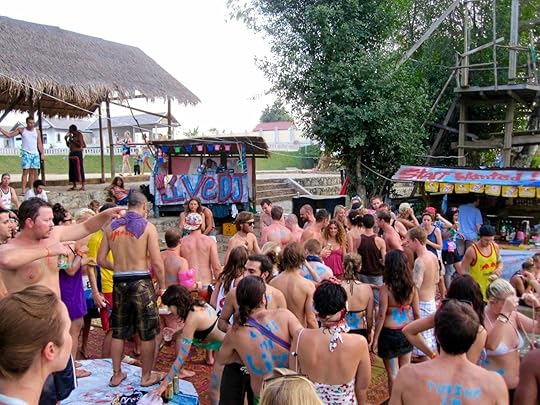
The dusty potholed streets were filled with smoke from the food carts that dotted the road, with little pools of light advertising twenty different combinations of sandwich or pancake. Drunk kids in bathing suits fluttered around like moths drawn to the fluorescent light, ordering chicken bacon cheese sandwiches with egg — their skin, now lit, revealing blue finger-painted penises and various iterations of “Why Not?” covering their torsos.
“Where are we?” I asked.
“It’s like any other backpacker town,” Sam said. “There’s a bunch of drunk backpackers stumbling around.”
As we made our way to our 5-story concrete hotel overlooking the two-street town jammed with bars, restaurants, tourist shops, and food carts, the laugh-track of Friends and Family Guy poured out of the open-air “TV bars” while westerners lounged on raised wooden benches, occasionally lifting their heads from the piles of limp, sagging pillows to take a sip of their banana-nutella-coffee-milo shakes.
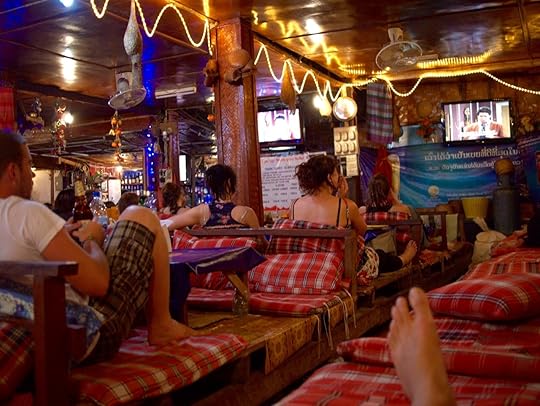
A TV bar.
Unbeknownst to us, we had arrived during the resting hours, the few hours in the evening when most were recovering from a day on the river and preparing for the night ahead.
Our plan was to stay four nights but that quickly turned into seven, then eleven, as one day of exploring caves and verdant countryside turned into the next day of tubing, drinking, and lounging with groups of backpackers trading stories as we passed around a joint. After a few days on the river, we stopped renting tubes and just took a tuk-tuk up to the bars. We were stuck, like so many others we talked to, in extended adolescence.
Trouble in paradise
Though the town was sprouting new hotels, bars and restaurants by the week, not everyone was a fan of the growth at all costs, thanks to the juvenile behavior and disrespectful lack of modesty now running rampant around town. According to an interview with guesthouse owner Sengkeo “Bob” Frichitthavong, tubing was wreaking havoc.
“It’s just destroying the town and we are losing our culture,” said Frichitthavong. “The noise, the people naked, alcohol, people vomiting all over the place, sex.”
This type of cultural genocide is a common theme throughout the world, but especially in places like Laos or Thailand that are attractive to young westerners as an inexpensive place to party — a pastime not very conducive to respecting cultural sensitivities. Once word of mouth spreads about a place (now at unprecedented rates online), it is only a matter of time before it becomes something else, something other than what it was popular for in the first place. It becomes another tourist engine, serving up comfort and good times for all.
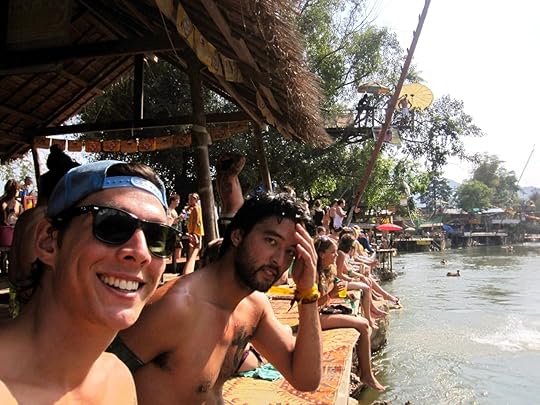
The author and his brother at a river bar.
But Vang Vieng, in it’s hedonistic heyday, was popular because it had changed into the backpacker paradise. Most didn’t go there for culture. They went there to party.
“Lao people are very peaceful and tolerant; we don’t complain,” said Frichitthavong, “Backpackers think we don’t care how they behave because we’re making money from tourism, but there are many dark sides to what is happening.”
Throughout the summer of 2011, depending on who you ask, there were at least 27 fatalities on the river from drownings due to the use of drugs and alcohol combined with slides, swings and ziplines over shallow water.
Devastated parents like Jan Meadows, mother of Lee Hudswell, a 26-year-old Australian backpacker who died using a zipline on the Nam Song, began to pressure authorities to do something about the blatant lack of regulations.
“It was totally and utterly unregulated tourism,” Meadows said.
Embassies began to ask the local authorities why their citizens had died and the Laos government responded by assembling a task force made up of senior tourism, health, and public security officials who were sent to Vang Vieng.
The response was swift. Within three months, twenty-four riverside venues were shuttered and some torn down after finding they were “being operated in contravention of regulations, including the provision of unsafe drinks to customers, while some also had no business licenses,” the Vientiane Times reported. According to the report, many of the bars were serving tourists alcoholic drinks laced with opium and hallucinogenic mushrooms, known as “Magic Shakes.”
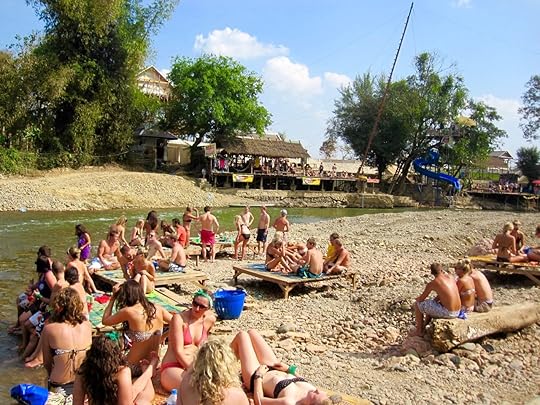
“We have set ourselves the target to bring a new face to Vang Vieng district by October,” said Boualy Milattanapheng, the leader of the task force. That “face” being ecotourism. Measures were then put in place to limit accidental tubing deaths.
“In an effort to enjoy the river safely, the committee has stipulated that those wanting to use kayaks and tubing services must wear life jackets and these facilities are allowed to operate only between 6 a.m. and 6 p.m.,” Milattanapheng said.
Vang Vieng had finally been visited by adults.
A new era
By the end of 2012 almost everything was demolished and the town took a hit. Tourism was down and business was slowing to a crawl as rumors got out that tubing was done for, and that there was now no point in going to Vang Vieng as a backpacker. Both of which were untrue, as the tubing continued, though more regulated, and the natural beauty of the area was rife with potential for adventure eco-tourists interested in caving, mountain biking, hiking, climbing, kayaking or ballooning over the saw-tooth Karsts.
However, ecotourism in the area was in its infancy and many local businesses began to close their doors or reinvent themselves in an effort to stay afloat. According to an interview with Touy Sisouat, a member of the tubing cooperative, the number of tourists renting tubes was at an all time low.
“[In November 2011], we would have maybe 800 people every day. This November [2012], it is about 130 people,” Sisouat said. “There is [sic] no drinks on the river. It is bad for business — and there is less money for the children.”
But many residents approved of the new regulations.
“It’s good because it is more peaceful,” one resident said in an interview with Radio Free Asia. “Tourism has become more eco-friendly and the environment has improved. Speaking for myself, I would like it to stay this way.”
Paradise revisited
In 2015, I returned to Vang Vieng with my girlfriend and a couple of other friends. It was not the same town I had been to just four years earlier.
Billboards were scattered throughout town featuring a cartoon version of a dreadlocked man smoking a doobie and a girl in a bathing suit with the caption “Do not wear bikinis, bathing suits, swimming trunks, be shirtless or expose body paint on town streets.” Streets that seemed strangely sedate for the late afternoon as we walked through town.
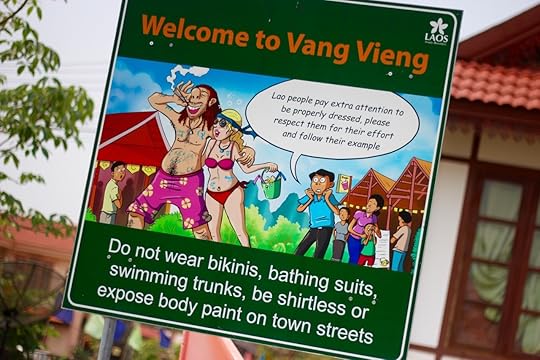
Photo: Marko Mikkonen
Only a few TV bars remained. Some had turned into more upscale restaurants to cater to the influx of wealthier tourists, mostly newly-rich Chinese and Koreans, who traveled around in groups and frequented the river with kayaks, waving at cheering tubers who still made it a point to visit the few riverside bars that remained. The Koreans seemed to be the only ones wearing life-jackets. Not a single tower, swing, zipline or ‘death slide’ still stood. Things were calmer, but the scene was still there — and so were the young backpackers who didn’t seem to give a damn what they had missed four years earlier.
At night, loud music continued to bellow from bars like Sakura and the Kangaroo Sunset Bar. Secret drug menus selling bags of weed, opium, and mushrooms still existed, though they were no longer openly displayed. Nitrous oxide wheezed out of tanks and into balloons for those up for some laughing gas. And after talking to a local barkeep we learned that the reason not all the bars were destroyed on the river was that the remaining ones were owned, at least by proxy, by the local chief of police.
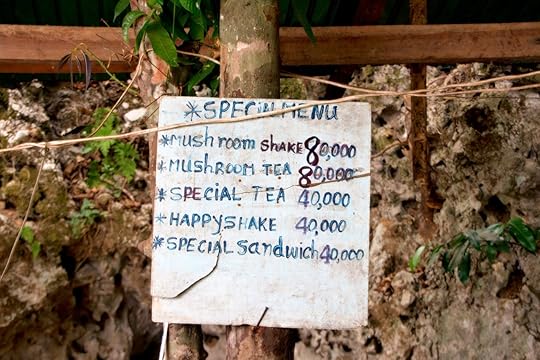
One of the publicly displayed drug menus, prior to the crackdown. Photo: Christian Haugen
It seemed the money was too good for the city to give up tubing entirely. The remaining river bars, four of which were open at the time of our visit, rotated every other day to accommodate fewer visitors, and continued to employ travel-weary Westerners who get free room, board, and drinks for handing out welcome shots of watered down whiskey.
We stayed for seven days at Sengkeo “Bob” Fricchitthavong’s quiet guest house a few kilometers out of the busy town, enjoying the peace, this time, of not being in the middle of it all. But some things don’t change. We were startled awake the last night of our stay by a loud bang and a series of footsteps running past our door.
Apparently, one of the guests had eaten a “happy pizza” laced with marijuana and had washed it down with a “magic shake” laced with mushrooms and opium. Now he was having a waking nightmare that compelled him to kick his door down and rip the showerhead out of his bathroom wall. His girlfriend was running back and forth trying to calm him and keep him from hurting himself or anyone who was hovering around the porch. Frichitthavong was outside the door with a flashlight looking torn as to what to do.
“Are you going to call the police?” My girlfriend, Hebah asked him.
“I don’t want to call the police because I don’t want him to get in trouble,” he said. “It’s a hard situation because if the police get involved it will probably get worse.”
Eventually the guest calmed down and a blanket was pinned above their door frame in lieu of a door. No one was hurt or arrested, and the tattered remnants of the door were gone by morning.
These incidents, all too common, are the inadvertent consequences of the struggle between keeping one’s culture and promoting an unsustainable, unregulated tourism. In 2011, we were a part of it, acting without responsibility and lacking the proper respect for our hosts. We bought into the prevailing ethos of having a good time, though we knew at the back of our minds this kind of place probably shouldn’t exist.
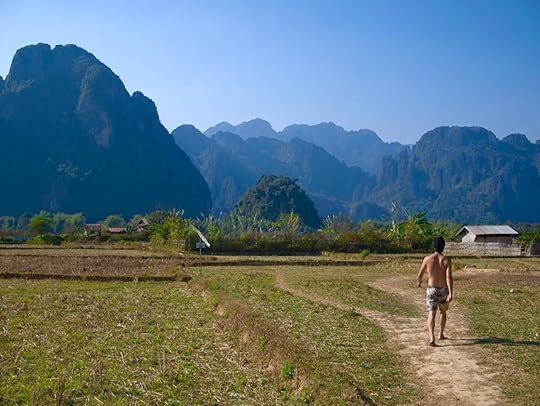
“It was a little paradise for burned out backpackers and a place to escape,” my brother said, “[but] I hated it for its hedonism. And like any drug, whether you want to or not, coming off of it always sucks.”
Vang Vieng’s apparent success at rebranding itself as an ecotourist destination, rather than party capital of Southeast Asia, is beginning to show signs of promise even though the transition hasn’t come easy. Locals do their best to find the balance between earning a living and maintaining their culture.
“It’s a complicated dynamic,” Frichitthavong said. “Rural life is hard. Everyone wants the economic benefits of tourism — of course we do. But we shouldn’t sell our souls to get it.” 
July 26, 2015
How to become an Ohioan in 16 steps

Photo: Dan Cox
1. Introduce yourself to someone new and proudly claim you’re from the city when in reality you are just from one of its many indistinguishable suburbs.
2. Develop some sort of complex relationship with Detroit.
Cleveland and Cincinnati thank the powers that be that no matter how hard they’ve fallen, Detroit is on another realm. Columbus tries to convince people it’s not just a suburb of Detroit, and Toledo blames its woes due to regional proximity.
3. Prepare your accent.
Are you in the nasally north? Pronounce your a’s like the Aflac duck. As you move south, especially into Appalachia of the southeast, start morphing into something of a southern accent.
4. Base your regional pride on things that don’t actually impact everyday life, like the orchestra or football team.
5. Wear a T-shirt that shows how much you love your city, so you can spot others doing the same and give approving nods.
6. Brush up on your craft beer knowledge.
Great Lakes Brewing, Columbus Brewing, Maumee Bay Brewing, Christian Moerlein — the state has craft breweries sprinkled throughout. Ordering piss-in-a-can from one of the national juggernauts is frowned upon.
7. Know your local foods.
In Cleveland? Your only condiment is Stadium Mustard. Down in Cincinnati you’re telling everyone that Skyline Chili is not, despite popular belief, a constipation reliever. And in Columbus, the only dessert is Jeni’s Ice Cream.
8. If the sun is out, worship it as a devout Christian monk would Christ.
Given Ohio weather, you might not see it again for a couple of millenia and counting.
9. Grab your phone often to confirm the latest sports scores.
Even if you don’t care about sports, you find yourself taking a glimpse in order to gauge what the city’s mood will be for that day.
10. If the day is going well, ruin it with a strong political disagreement, preferably between city and suburban-living relatives.
Topics can include the disparity in suburban-friendly highways versus public transportation or more broadly how President Obama has ruined or saved everything.
11. Speaking of that last note, have a general fear of public transportation. 12. Be prepared to spout off your rolodex of Ohio facts to prove the state’s worth to out-of-towners.
We have the most astronauts, we produced a number presidents (never mind three died while in office), and we invented flying via the Wright Brothers.
This story was produced through the travel journalism programs at MatadorU. Learn More
13. Have a basic background in baseball, basketball and football — preferably from playing in high school.
If you lack personal experience, come out with a believable excuse, such as “I went to a big school where you really had to focus on one or two sports.”
14. After those glory days of high school sports, continue the party at a Division 1 university near you.
For instance, Bowling Green and Kent State are really just western and southern districts of the greater Cleveland school system.
15. Have some kind of a relationship with the outdoors.
This could mean spending your free time cycling and hiking through Cuyahoga Valley National Park or Wayne National Forest, or merely driving to Brandywine Falls for an overlook view and counting that as time spent outdoors.
16. Harbor hatred of Michigan (the state up North) and Pittsburgh based solely on sports.
For those who don’t enjoy sports, mock your neighbors via social media posts boldly letting others know just how little you care and how stupid you think it is.

Conquistadors no more: Spaniards are flocking to Latin America because they need jobs

Photo: Serious Cat
LIMA, Peru — “WHEN WE TOLD FRIENDS AND FAMILY WE WERE MOVING TO PERU, NO ONE WAS SURPRISED,” says Ana Bustinduy. “There is just no work in Spain.”
“People have already seen so many others leave. We lost our jobs and it was obvious we had to go. We came because of the crisis.”
After two years struggling to establish themselves in Lima, Bustinduy, 36, a human rights lawyer, and her husband, Carlos Lorenzo Amigo, 33, an agronomist, seem to have found their niche.
Last September they sank all their savings into establishing La Libre, a bookshop in the touristy Barranco district of the Peruvian capital.
The bookshop is still not quite breaking even. But it’s close, and Bustinduy feels optimistic about the business.
More from GlobalPost: There are now more refugees around the world than at any other time in the last 50 years
“The bookshop is going well but we are living in uncertainty. Do we stay here five years, or 10 years, or are we never going back?” she says.
“Right now we don’t have children but that could change things. We have no family here, no grandparents to help with the kids. We could sell the bookshop to go home, but it wouldn’t be enough to start from zero again in Spain.”
The couple is a perfect example of a new trend: young people, above all professionals, emigrating from struggling European Union countries to Latin America in search of work.
That’s a reversal of a long-established trend: migrants from poor Latin American nations seeking a life in Western Europe’s bustling, advanced economies.
In 2010, for the first time in nearly two decades, the number of Europeans heading west outnumbered Latin Americans heading to the “old world,” says a May report by the European Union and the International Organization for Migration.
It may come as no surprise that the overwhelming majority of them come from Spain, perhaps the only EU country that has suffered nearly as much economic hardship as Greece.
Throw in the common language, and a long historical relationship, and most of Latin America is an obvious escape route for Spaniards.
In 2012, the most recent year for which statistics are available, Spaniards made up some 85 percent of all European immigrants to Latin America and the Caribbean, according to the EU/IOM report.
Unemployment in Spain has hovered around a mind-boggling 25 percent in recent years. But that may be the least of it. Youth unemployment has been double that, at around 50 percent.
Behind those numbers are stories of millions of shattered dreams and the day-to-day battles just to put food on the table.
And for many, that struggle continues when they arrive in Latin America, especially in the early days.
“It’s not what I love but it is regular work,” says Alba Garcia, a 28-year-old actress from Avila, near Madrid, of her current job in Lima teaching drama and dance at a private school.
On top of that she gets theater gigs. But they don’t pay enough to live off of, as she would like. Life has been a challenge ever since she arrived in Peru in 2010. And that’s despite arriving with her Peruvian boyfriend, now her husband.
“Having a Peruvian partner helps a lot, but it’s still been a struggle,” she says. “It’s very tough to break into work here. The circles are very closed.”
“One of the issues is my accent. I’ve been told to lose it or I’ll keep being labeled as the ‘conquistadora.’ But it’s my natural accent. It would feel odd to get rid of it.”
Yet she has no regrets. Her father, an architect, has been out of work in Spain since 2008, and her parents encouraged her to leave just to get on with her life.
With its booming economy, Peru is an obvious destination. But enterprising Spaniards are heading all over the region, including less obvious countries such as Bolivia and Ecuador.
And in doing so, they are also helping to boost their own country’s economy. In 2012, Spaniards in Latin America and the Caribbean sent $2.4 billion of remittances home, making up a whopping 53 percent of the EU total, according to the recent report.
That makes Spain comparable to many Latin American nations, such as El Salvador, Honduras, Guatemala, and Brazil, which receive similar orders of remittances from millions of citizens abroad, including in the United States.
Interestingly, Spain’s remittances are way ahead of Argentina’s. The South American country received $526 million in 2012, despite a wave of emigrants heading everywhere from Mexico to Australia in the early 2000s after enduring an economic crisis about as bad as the one Greece has been suffering through.
Yet despite the shared language, adjusting can be hard for Spanish transplants. In most of Latin America, the quality public healthcare and education systems that most Europeans take for granted don’t exist.
Plus Latin America is statistically the world’s most violent region, while Europe is its safest.
“There is a cultural shock,” says Bustinduy. “Peru has incredible food, and such diversity in its landscapes. But the traffic is just disastrous.
“For a European, it takes some getting used to that the cars don’t stop when you are crossing the street. It makes you despair. The extreme classism is also tough. In Spain, of course you have rich and poor, but not like here.”
But there are positives too. Garcia, for example, admires how Peruvians still value family and respect the elderly in a way that, she feels, is being lost in Spain.
“Living in a different country teaches you so much,” says Garcia. “It opens your mind and you realize that things that you always thought were normal, or common sense, can be done a different way.”
by Simeon Tegel, GlobalPost
This article is syndicated from Global Post.

July 25, 2015
27 things you’ll never hear a Chicagoan say

Photo: Andy
1. “Let’s party in the ‘burbs tonight!”
2. “Don’t dip my Italian beef.”
3. “I can’t believe there’s no north and south side rivalry.”
4. “Jay Cutler? Give the guy a break.”
5. “You wouldn’t believe the shopping deals I found in the Gold Coast!”
6. “You know, I wish they poured my drink a little weaker.”
7. “Urgh. I hate listening to live blues.”
8. “I really trust our elected public officials.”
9. “I was a Blackhawks fan before they started winning.”
10. “Nope. Never had a fun night out in Boystown.”
11. “The lakefront path? Oh it’s never crowded.”
12. “Rush hour traffic wasn’t that bad.”
13. “Tom Skilling seems to always predict the weather spot on.”
14. “I’m going to take my friends sightseeing at Willis Tower.”
15. “There’s just not enough bearded hipsters in Wicker Park for me.”
16. “Cubs fans just don’t know how to let loose.”
17. “St. Patty’s Day in the city is totally lame.”
18. “I love the modern meets traditional remodel of Soldier Field.”
19. “If you think summer’s great, you should come visit in the winter!”
20. “Jordan? Overrated.”
21. “I always look forward to the lake effect weather patterns.”
22. “Hold the mustard. I like ketchup on my dog.”
23. “The south side after dark? Totally safe.”
24. “Now that the weather’s nice, the crime rate will definitely go down.”
25. “All the CTA workers are so friendly!”
26. “Thanks for the invite, but I’m spending the weekend in Indy.”
27. “The Packers aren’t half bad…” 
This man is bringing surfing to Gaza’s dangerous seas
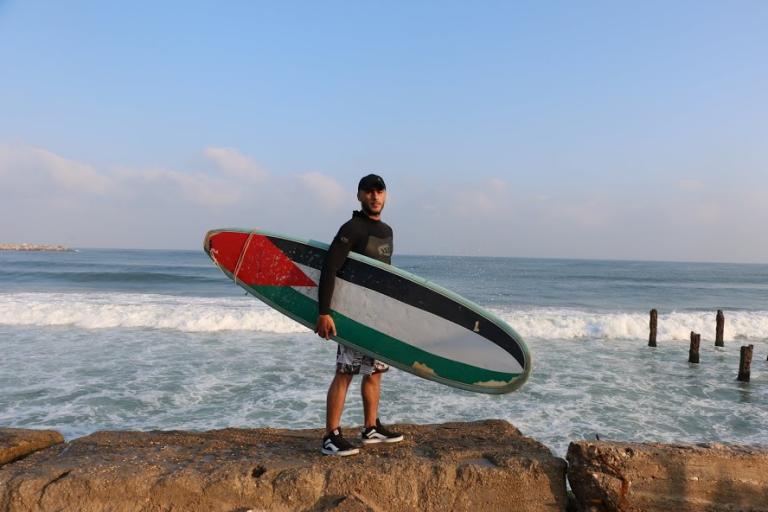
Photo: Taha Baker stands with his surfboard on a beach in Gaza. Laura Dean/Global Post
GAZA CITY, GAZA — THE SEA OFF THE GAZAN COAST IS AN INHOSPITABLE PLACE. Long stretches of the beach smell like sewage since the wastewater system was damaged by Israeli bombs during the war in 2014. Ninety million liters of raw or partially treated waste gush into the Mediterranean every day.
A little further out the water is even more perilous. Gazan fishermen are only allowed to go up to six nautical miles offshore, and are routinely shot or detained by the Israeli Navy as they go about their work.
All of that might deter others from spending too much time in the water when they don’t have to. But not Taha Baker, part of a small but growing group of surfers who brave the waves off the Gaza coast.
Just five years ago Taha’s cousin was killed next to him while the two were out fishing. He was killed by three shots fired from an Israeli boat.
“The navy boat came and without saying, for example, ‘go south’ or ‘this area if forbidden,’ they didn’t say anything. They just shot immediately,” says Taha.
Taha’s father and his two grandfathers and all of his uncles are fishermen. But on that day he decided to become a journalist focusing on documenting the perils of life on the sea in Gaza.
That is when he’s not surfing. Taha got his first glimpse of a surfboard on a TV series known in Arabic as “Coastal Village,” known in the rest of the world as “Baywatch,” that aired on an Israeli TV channel.
“The hero of the series was named Mitch. I followed that series episode by episode to watch him surf. I dreamed of one day being able to do the same.” Soon after he set about trying.
One day Taha took a broken closet door off its hinges and tried to use it as a surfboard. It sank. He was nine years old. Next he tried the door of the fridge. He took off the steel parts and put it in the water. Better than the first attempt Taha could stand on it but the board didn’t move forward.
“I asked my father more than once for a surfboard but he couldn’t get me one because there weren’t any in the Gaza Strip.”
When Taha was 11 a friend of his sold him an old windsurfing board. His father helped him with the money and he took it to be repaired by a man who fixed the fiberglass of fishing boats.
“From then on I would spend all day in the water without getting out. I had wanted to do this for a very long time.”
Outside Help
One morning when Taha was 17, an American named Alex came down to the beach where Taha was riding the waves. Alex was a skateboarder and a journalist from Los Angeles. He had come to write about war and he was surprised to discover that there was surfing in Gaza. He wrote a story about Taha and told him he needed to get a wetsuit (It was November in the Mediterranean and Taha was swimming without one). He said he wanted to help him.
“I didn’t pay much attention because many people at that time said ‘we want to bring you this,’ ‘we want to do that for you.’” But a month later a man named Matthew Olson came to the Strip. He said he had read Alex’s article and wanted to help.
He collected donations from supporters of the Palestinian cause to buy him a surfboard and a wetsuit. He asked for his weight and height to make a custom board.
“I told him there are others aside from me, 4 or 5 people, that also do this sport and also don’t have any resources.” Olson took their names and the measurements and got them boards and wetsuits too.
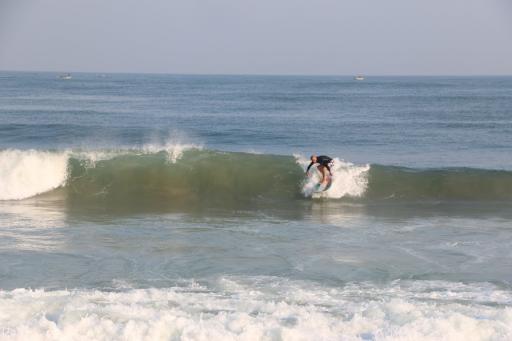
Photo: Taha rides the waves in Gaza. Laura Dean/Global Post
The Blockade
After the equipment made it across the Atlantic though, it would take another five years for Taha and his friends to get them. The Israeli authorities kept them impounded at the border crossing until, with help from political figures and the media they were finally allowed in. By that time the fiberglass had started to break in the sun.
The four others who received boards have taught their siblings and cousins and now the number of Gazan surfers is up to about 33. They even have a Facebook group.
Taha painted the Palestinian flag on his board.
“My dream is to represent my country in foreign countries and prove to the whole world that we are people who love life and there is no difference between us and America or the UK or Israel in education or potential, but we have a lack of capacity because of the Israeli occupation.”
Taha is studying journalism at Palestine University. During the last war he worked as a photographer, taking pictures and filming the violence.
Few families escaped tragedy in the summer of 2014 and Taha’s was no exception. The four boys that were killed on the beach last summer during Operation Protective Edge were relatives from another branch of the family.
Yet despite the difficulties and violence he has witnessed, and unlike many Gazan young people, Tahta doesn’t want to leave.
“I don’t want to travel to work. If I travel it will be to send a message that there is surfing in Gaza, to represent my country in sports or to represent my country by showing violations of Israel against the fishermen maybe through short films.
“Other than that I don’t want to go out don’t want to immigrate and live elsewhere and forget my country and marry someone from outside. I want to continue like anyone else from this country.”
by Laura Dean, GlobalPost
This article is syndicated from Global Post.

America’s 20 best places to be during summertime
by Amanda Machado
#wedge-0 { background-image: url('http://cdn1.matadornetwork.com/blogs/...') }@media(min-width:560px){ #wedge-0 { background-image: url('http://cdn1.matadornetwork.com/blogs/...') } }@media(min-width:1200px){ #wedge-0 { background-image: url('http://cdn1.matadornetwork.com/blogs/...') } }
From June to August across the United States, school’s out, temperatures are up, and the parties are on. The hard part is deciding which place does summer best. Where should you spend these lazy, hazy, crazy days of summer? We picked our twenty favorites based on the following criteria:
1. Includes cool towns that come alive with the heat
2. Has immediate access to water activities
3. Provides plenty of ‘escape routes’ from crowds
4. Hosts at least one key summertime festival
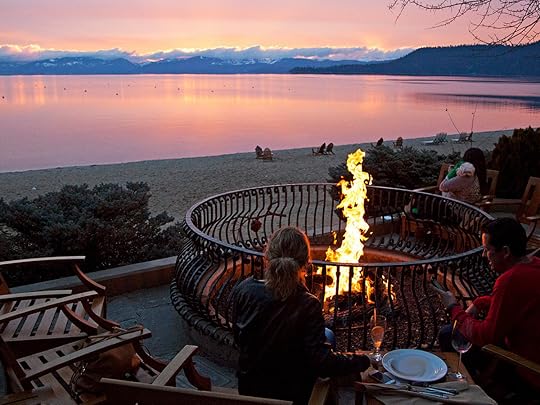
Lake Tahoe Area, California/Nevada
Key Towns/Areas: South Lake Tahoe, Tahoe City, Truckee, Carson City
Festival: Lake Tahoe Summerfest
The sun seems to always be shining here (some estimate the rate at 3 out of 4 days a year) which allows residents to take their pick at water sports in the lake. Locals also enjoy tubing down the Truckee river which used to be known for its whitewater rapids. With the recent lack of snow-melt, the calm waters are now perfect for a day of drinks and relaxation on a slow-moving raft.
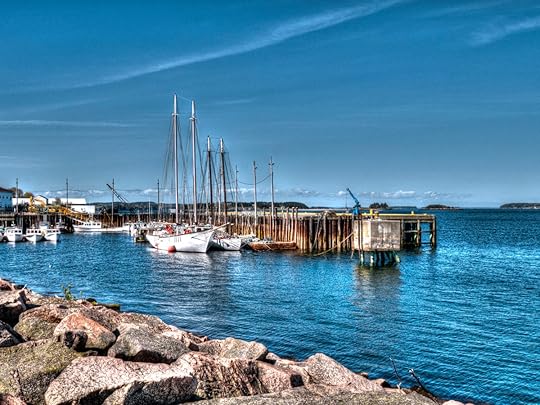
Washington County, Maine
Key Towns/Areas: Eastport and Lubec are both very small artist communities on the water with tons of live music.
Festival: The Blackfly Ball, hosted by anti-copyright anarchist group Beehive Collective
This may be Maine’s most rural county, but that doesn’t mean it’s short on things to do. Lakes, mountains, and ATV trails are everywhere and odds are you’ll have the whole place to yourself. Be sure to visit the super wacky bar in Dennysville housed in one of Lincoln’s old family’s houses, a posh place made more romantic by its location in the middle of nowhere.
Special thanks: Emma Thieme
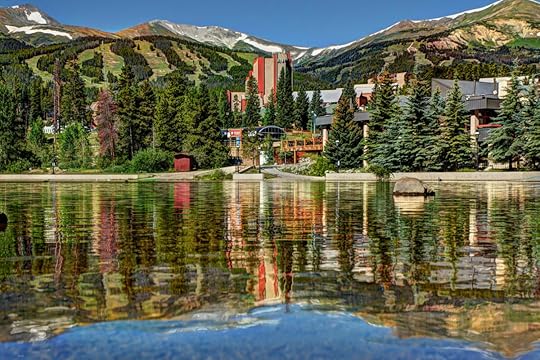
Summit County, Colorado
Key Towns/Areas: Breckenridge, Keystone, Frisco, Silverthorne
Festival: The Keystone Bluegrass and Beer Festival serves more than 100 Colorado brews.
Dillon Reservoir is perfect for sailing and boating while gold-medal trout fishing awaits downstream on the Lower Blue River. Meanwhile, hundreds of miles of singletrack/hiking trails (including the famous Colorado Trail), the bike races (the Firecracker50, Breck Epic and USA Pro Challenge), and concerts at the Dillon Amphitheater pack summer nights here with plenty to do.
Special thanks: Ryan Wondercheck
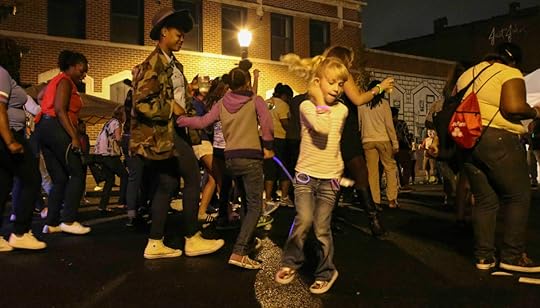
St. Louis Area, Missouri
Key Towns/Areas: St. Louis, Johnson’s Shut-Ins State Park
Festival: The Festival of Nations features food from dozens of countries around the world.
When summer hits, locals will be seen dancing in the streets and parks to free concerts held around town, playing “washers” (what the rest of the country calls “bags” or “corn hole”) on their lawn with beer in hand, or renting paddle boats at Forest Park. The Circus Flora also sets up in midtown for summer and even allows spectators to meet the performers after the show. Just two hours from St. Louis, the “shut-ins” –areas where volcanic stone blocks the river to create small pools — are sometimes called Missouri’s unofficial state waterpark.
Los Angeles County, California
Key Towns/Areas: Los Angeles, Burbank, Long Beach, Glendale, Pasadena
Festival: FYF Festival brings two days of of concerts under the California sun
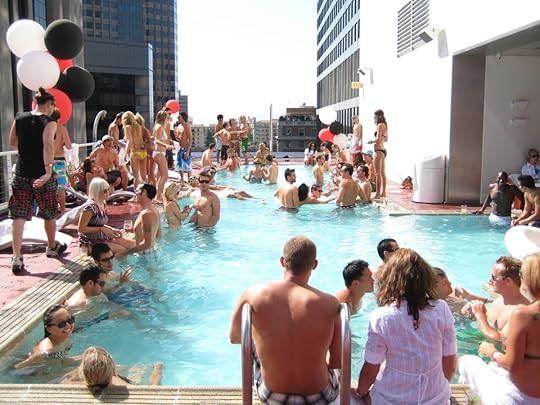
Summertime brings out everything Los Angeles is famous for. Movies: outdoor screenings are held every weekend all over the city. Parties: LA’s best ones are held on the rooftops with a perfect summer city view and often complete with a pool (you know the summer season has kicked off in LA when the pool parties begin…). And beaches: Santa Monica, Venice, and nearby El Matador State Beach are all at their best during this time of year.
Teton County, Wyoming
Key Towns/Areas: Jackson, Alta, Teton Village, Grand Teton National Park, Yellowstone National Park
Festival: The Targhee Bluegrass Festival in August has been called the “grandfather of Bluegrass Festivals in the northern Rockies.”
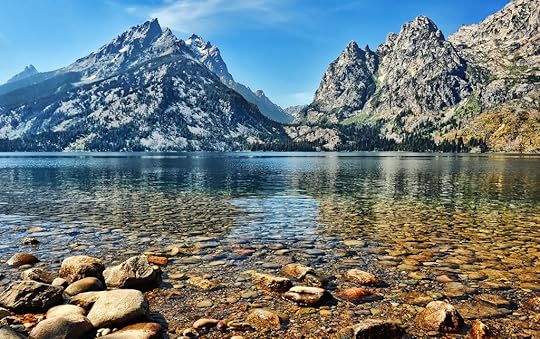
The area around Yellowstone and Grand Teton National Park provides endless trails for backpacking, camping, and even horseback riding. The Snake River also provides world-class blue-ribbon trout fishing, calm water for scenic floating, and also whitewater sections through dramatic canyons. Alpine lakes around the area allow you to swim with a view of the mountain peaks above. Jenny Lake in Grand Teton National Park is also said to have one of the clearest waters in the world.
Chittenden County, Vermont
Key Towns/Areas: Shelbourne, Burlington, Winooski
Festival: Cheesemakers festival in mid-July. Vermont proudly holds the title of highest number of cheesemakers per capita than any other state. Celebrate with cooking demos, and way too many samples of artisan cheese and wines.
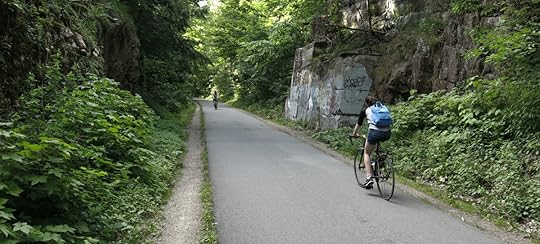
Vermont summers provide, at long last, the right weather for exploring Burlington’s famous bike path along the water, passing through Waterfront Park. Hang out there for a stroll along the edge of the water, the mountains picture-perfectly placed in the background. Or, venture just a few miles out of town to hike beautiful sections of the Appalachian trail.
Cook County, Minnesota
Key Towns/Areas: Grand Marais, Lake Superior, Eagle Mountain
Festival: Grand Marais Art Colony sets up local artists on the shore of Lake Superior
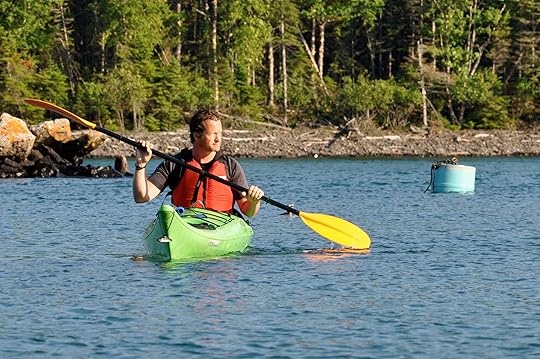
When the snow finally clears and the cold subsides, this area of Minnesota has its moment. Locals have over a thousand inland lakes to choose from, including Lake Superior where folks kayak, paddle-board, or simply lounge. Cook County also holds the Minnesota state record for a variety of fish, including Chinook Salmon, Rainbow/Steelhead Trout, and Whitefish. And when it’s not too hot, the area has access to the Superior Hiking Trail, which has often been called “the Appalachian Trail of the Midwest.”
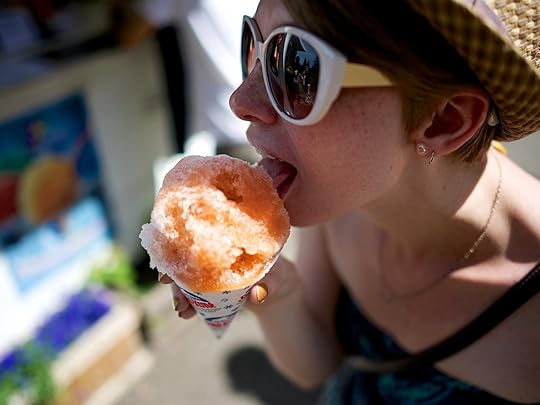
Portland Area, Oregon
Key Towns/Areas: Portland, Mount Hood National Forest, Multnomah Falls, Oxbow Regional Park, Fairview Gresham, Lake Oswego, Maywood Park
Festival: The September Feast Portland festival is as foodie as you’d expect a Portland food festival to be. All proceeds also benefit the non-profit organizations No Kid Hungry and Partners for a Hunger-Free Oregon.
Portland summers bring a lot of eating and a lot of drinking, and all of it outdoors. Outside of the Feast Portland Festival, Portland’s Big Float festival invites thousands of inner-tubers to hang by the river complete with music, food carts, and (of course) a beer garden. But Portlanders don’t need a festival to flock to “The Willamette” to kayak, fish for Chinook salmon, or swim near the banks. And with Hood River commonly known as the windsurfing capital of the world, many head to that area to spend the summer learning. The area is also home Willamette Falls, the second-largest waterfall by volume in the U.S.
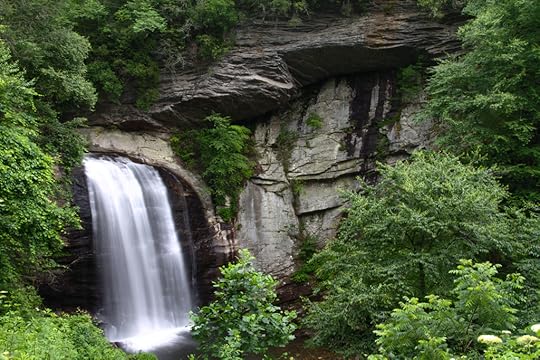
Transylvania County, North Carolina
Key Towns/Areas: Brevard, Gorges State Park, Lake Jocasse
Festival: Mountain Song Festival in September
There’s a reason they call this the “land of waterfalls”: the area has 250 within a few miles of each other. Visit the plunge pool at Looking Glass Falls, or see the 400 foot drop at Whitewater Falls, the highest falls east of the Rockies. Go fishing for wild trout in any of the streams in Gorges State Park. Visit any area of the Pisgah National Forest for more waterfalls, along with hiking, mountain biking and horseback riding.
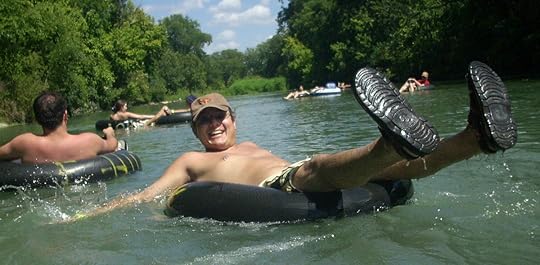
Austin and San Marcos Area, Texas
Key Towns/Areas: Wimberley, Austin, San Marcos
Festival: Austin Ice Cream Festival
The town of San Marcos is one of the hardest partying college towns in the country, and in the summertime, the action centers on the San Marcos River. Water temperature stays in the 70’s and you can bring all the Lone Star beer you can drink. The Blue Hole swimming hole in Wimberley is also popular with Austin-ites. Lazy around on an inner tube, or picnic under the cypress trees in the shade.
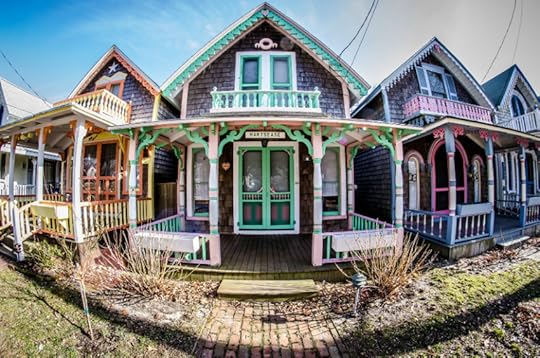
Martha's Vineyard, Massachusetts
Key Towns/Areas: Menemsha, Oak Bluffs, Edgartown, Chilmark, Aquinnah
Festival: Grand Illumination Night in Oak Bluffs, a 150 year-old tradition where tourists light up thousands of Japanese and Chinese lanterns
Few places symbolize summer in America better than Martha’s Vineyard. It’s the perfect place for water sports, fresh summer seafood dinners, and vibrant walks around town. Check out the gingerbread cottages in Oak Bluffs and the shops on Circuit Avenue. Many also say the summer sunset at Menemsha Beach is the best in New England.
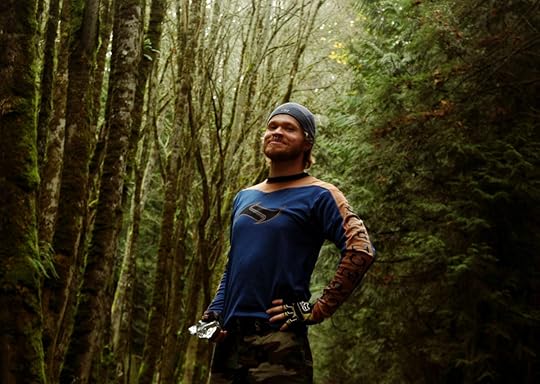
Whatcom County, Washington
Key Towns/Areas: Bellingham, Fairhaven, Lyndon, Ferndale, Everson
Festival: Bellingham Festival of Music
A typical summer day can include mountain biking Galbraith then heading towards Lake Padden and taking a dip. Or, take a scenic drive down Chuckanut road, and hike any of the various trails leading to views of the bay. Or, join the tourists who come to sail the San Juan Islands. And with Vancouver and Squamish just over an hour away, Whatcom County is close enough to other areas with more outdoor adventure to explore.
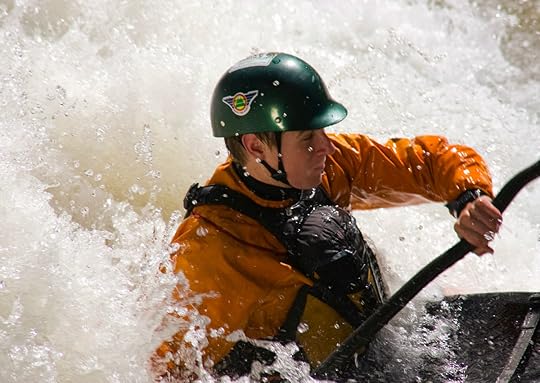
La Plata and San Juan Counties, Colorado
La Plata and San Juan Counties, Colorado
Key Towns/Areas: Durango, Silverton, San Juan National Forest, Vallecito Creek
Festival: Animas River Days
These neighboring counties encompass the spectacular backcountry of the San Juans and plenty of high alpine creeks to stay cool in–as well as two great hubs for basing adventures–Durango and Silverton, with the most spectacular train ride in the country running between them, along the Animas River.
Special thanks: David Miller
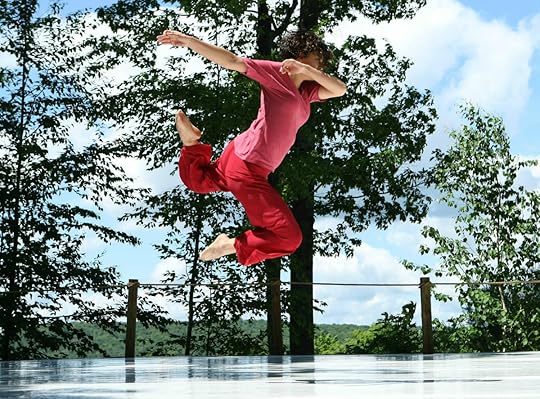
Berkshire County, Massachusetts
Key Towns/Areas: Lenox, Lee, Stockbridge, Great Barrington, Williamstown
Festival: Tanglewood, summer home of the Boston Symphony Orchestra
The Berkshires provide the best New England summers have to offer: miles of nature trails combined with cultural events and festivals that celebrate the season. In addition to the famous Tanglewood concerts, the area hosts the Williamstown Theatre Festival along with the Berkshires Art Festival, and plenty others. The many nearby trails in the area include the popular short hike to Monument Mountain to enjoy the near-panoramic view at the top, and the Ashuwillticook bike trail passing rivers, woods, and great views of the mountains. If that’s not enough, whitewater rafting is also a popular activity during this time of year.
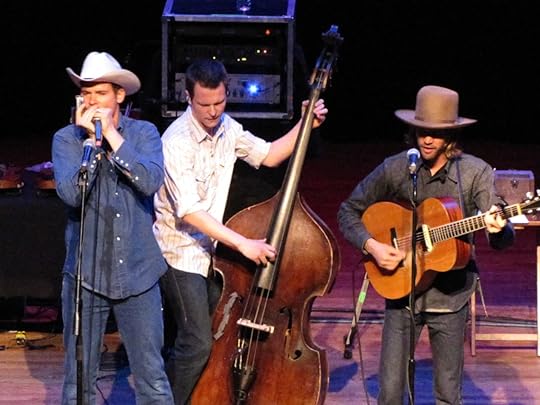
Hamilton County, Tennessee
Key Towns/Areas: Chattanooga, Lookout Mountain, Signal Mountain, East Ridge
Festival: The Riverbend Festival brings eight nights of performances on a barge that has been converted into a full concert stage. The barge floats a bit off-shore while attendees sit in the amphitheater at the water’s edge.
Summertime here means everything outdoor activity imaginable: mountain biking, bouldering, rock-climbing, canyoneering, kayaking, whitewater rafting — all easily accessible and within a short distance from the town of Chattanooga. You can also explore the many caves in the area- Raccoon Mountain Caverns, Ruby Falls Cave, and Crystal Caverns to name a few.

Wake County, North Carolina
Key Towns/Areas: Durham, Raleigh, Cary, Falls Lake State Recreation Area, William B. Umstead State Park, and the Jordan Lake State Recreation Area
Festival: The Beer, Bourbon and Barbecue Festival features forty bourbons and sixty beers to taste and pair with all the barbecue you can eat.
This area contains over 150 public parks, swimming and tennis facilities. Hang out in Jordan lake to boat, fish, canoe, or swim. Or, take a few hours drive and head towards the Atlantic coast for some of the country’s best beaches.
Milwaukee Area, Wisconsin
Key Towns/Areas: Milwaukee, Lakeshore State Park, Harrington Beach State Park, Kettle Moraine State Forest
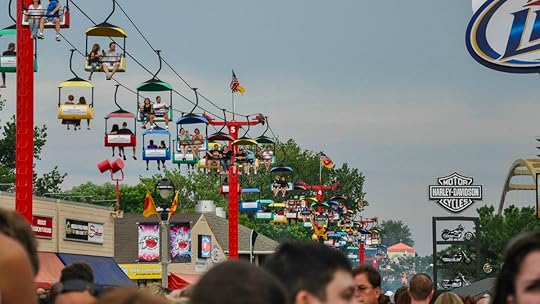
Festival: Summerfest is the world’s largest music festival (certified by the Guiness Book of World Records since 1999). 800 acts, 1,000 performances, 11 stages, and — in typical Midwest fashion — a general admission day ticket of just $19.
Summer is Milwaukee’s time to shine. Locals celebrate the sun by picnicking at Bradford Beach, paddle-boating in the Veterans Park Lagoon, strolling down the Milwaukee Riverwalk, or spending the day at the nearby state parks. City parks also join the fun by hosting dozens of free concerts all summer long.
King County, Washington
Key Towns/Areas: Seattle, North Bend, Bellevue, Mount Baker-Snoqualmie National Forest
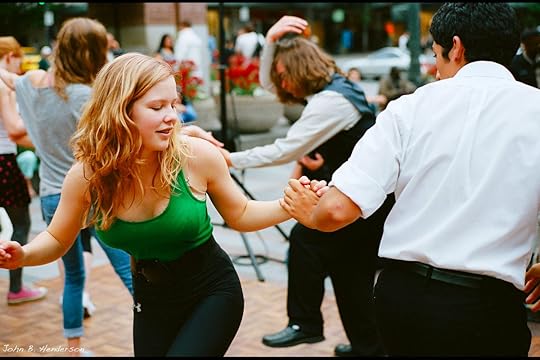
Festival: The Olympic Music Festival lasts all summer and presents fantastic performances in the middle of nature, in a restored barn turned into a performance hall.
The Pacific Northwest will argue till death that they have the best summer in the country. King County provides the evidence to back it up: the hike through Snoqualmie pass, Marymoor Park concerts, spray parks and beaches, even yurt-camping. Or, just spend a day floating down the Snoqualmie River near North Bend to see some of the most quintessential Pacific Northwest summer scenery and know what everyone’s been talking about.
Gallatin County, Montana
Key Towns/Areas: Bozeman, Big Sky, Three Forks, Gallatin National Forest
Festival: The Sweet Pea Festival brings several days of art shows, outdoor concerts, races, food exhibitions (“Bite of Bozemen”), and more. Chalk artists also decorate the sidewalks leading up the festival.
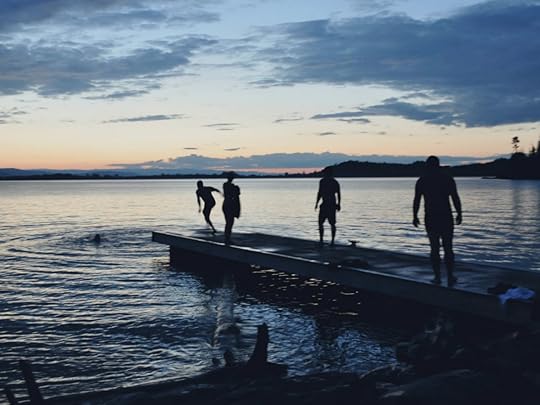
This area catches just a small sliver of the border of Yellowstone National Park, meaning beautiful scenery without the crowds. Fly-fish on the Gallatin, Madison or Missouri Rivers, or take it easy floating down the Yellowstone River through Paradise Valley. Otherwise, locals just enjoy sitting in the shade, looking up and realizing why they call Montana “Big Sky Country”.

Matador Network's Blog

- Matador Network's profile
- 6 followers

