Matador Network's Blog, page 1348
May 9, 2018
United updates pet policy
The past few months have been rough for the PR department at United Airlines. The in-flight death of a flyer’s dog after being placed in an overhead storage bin, among other incidents, prompted the airline to bring much-needed change its pet policy. The updates appear to demonstrate a commitment by United to prevent future mishaps before they happen. But the airline is now much more stringent about exactly which breeds of dogs and cats are able to fly.
The bulk of the new policy focuses on dogs, with a particular focus on which breeds will be allowed to fly. According to United’s website, restrictions have been placed on strong-jawed dog breeds as well as dogs and cats with short or snub noses and others, “out of concern for higher adverse health risks.” The airline will ban other “household pets” from its planes including rats, snakes, and others deemed not fit for flight.
The following dog breeds are now banned from flying:
Affenpinscher
American Bully
American Pit Bull Terrier/Pit Bull
American Staffordshire Terrier/”Amstaff”
Belgian Malinois
Boston Terrier
Boxer
Brussels Griffon
Bulldog
American Bulldog
English Bulldog
French Bulldog
Old English Bulldogges
Shorty Bulldogs
Spanish Alano/Spanish Bulldog/Alano Espanol
Cavalier King Charles Spaniel
Chow Chow
English Toy Spaniel/Prince Charles Spaniel
Japanese Chin/Japanese Spaniel
Lhasa Apso
Mastiff
American Mastiff
Boerboel/South African Mastiff
Bullmastiff
Ca de Bou/Mallorquin Mastiff
Cane Corso/Italian Mastiff
Dogo Argentino/Argentinian Mastiff
Dogue de Bordeaux/French Mastiff
English Mastiff
Fila Brasileiro/Brazilian Mastiff/Cao de Fila
Indian Mastiff/Alangu
Kangal/Turkish Kangal
Neapolitan Mastiff/Mastino Napoletano
Pakistani Mastiff/Bully Kutta
Pyrenean Mastiff
Presa Canario/Perro de Presa Canario/Dogo Canario/Canary Mastiff
Spanish Mastiff / Mastin Espanol
Tibetan Mastiff
Tosa/Tosa Ken/Tosa Inu/Japanese Mastiff/Japanese Tosa
Pekingese
Pug
Dutch Pug
Japanese Pug
Shar-Pei/Chinese Shar-Pei
Shih-Tzu
Staffordshire Bull Terrier/”Staffys”
Tibetan Spaniel
Additionally, the following cat breeds are now banned:
Burmese
Exotic Shorthair
Himalayan
Persian
Animal rights advocacy group American Humane worked with United to craft this policy, which takes effect on June 18 for pets traveling with a human companion and July 16 for animals traveling alone. Reservations for pets must be made no earlier than 30 days in advance and no later than 5 days in advance of a trip, and the airline will more freely change course due to weather fluctuations when pets are on board.
Additionally, you’ll no longer be able to fly your pets into airports that the airline deems too hot for animal safety, namely Phoenix, Tucson, Palm Springs, and Las Vegas, and you’ll be required to bring a number of documents including veterinary records, photos, and crate information.
The policy strikes at two clear goals for the airline: avoiding future mishaps and ensuring their flights are “humane.” United will also shift a bit more responsibility to pet owners, as you’ll now have to bring your own crate; the airline will stop selling animal crates at check-in. 

More like this: Everything you need to know about your rights for flying with pets
The post New United Airlines pet policy bans 21 dog breeds from flight appeared first on Matador Network.


Finnish untranslatable words
If you have ever> heard any Finnish, you are most likely familiar with words like sauna, Nokia, and muumi. The real beauty of the language is that many of the words are untranslatable into other languages, making them truly unique to the Finnish culture. Here are just 15 examples of untranslatable Finnish words you can use to pepper into sentences and impress Finns, or start working into your English vocabulary and hope it catches on.
1. Vahingonilo
Neighbors fancy car got scratched? A-list Miss Perfect farted on live TV show? Your worst rival had to cancel their job interview due to family issues? And it made you smile? That is vahingonilo. It’s to (secretly) enjoy someone else’s misfortune.
2. Sisu
Dictionary translates sisu as “stick-with-it-ness”, and that is exactly what it is. It means to be stubborn, determined and sometimes stupidly brave, an expression used to describe the national character of a Finn. It means we will run head first to the brick wall until the wall gives in if we really believe there is something worth the trouble on the other side.
3. Kyykkyviini
In Finland, alcohol stronger than 5.5% is sold only in government-run bottle shops called Alko. Every Alko is organized the same way and looks the same. The wine on the top shelf is for the rich folk and bottom shelf is more suitable for a student budget. Kyykkyviini is the low-income-choice. It literally means “squat wine” — the cheaper and often not that great quality wine. You need to kneel down to get this from the bottom shelf.
4. Tosikko
A person who takes life a bit too seriously and is often considered to completely lack a sense of humor.
5. Kaamos
Kaamos is officially translated as “polar nights”, the period of time between November and February when the sun sets for three months. It is a word with huge emotional power: it is used to describe a range of feelings from longing (for sunshine) to lack of enthusiasm to depression. It means long dark days and bad weather, hibernation of social life and inspirations. It is the period when the whole country goes to power saving mode just to return with more energy and ideas in spring.
6. Löyly
The steam you get in sauna when you throw water on sauna stove is called löyly. It is believed there is löylynhenki, the spirit of steam living in each sauna providing a decent heat for its users. But you should be careful not to piss off löylynhenki, as it can easily burn off your ears!
7. Vihta/vasta
There is an eternal debate in Finland as to which of these words is the correct one to use. Folks living in the east of Finland use vasta while the western Finns go to sauna with vihta. Both mean the same thing, vihta/vasta is a birch whisk used for whipping oneself or each other in a sauna. It is a lot more relaxing than it sounds. Birch leaves release essential oils that can heal inflammations and clean the skin, while whipping does wonders to your blood circulation. Despite it sounding like a rough way to show intimacy, vihtominen is considered an expression of approval.
8. Lintukoto
Literally translated, lintukoto means “bird’s home”. Finland is often described as being one; a safe and wealthy place where people are protected from — and sometimes ignorant of — the issues of the world outside its borders.
9. Peräkammarin poika
A special kind of man, usually found in countryside taking care of his folk’s farm. He never found a partner amenable enough to move into the remote farm to live with him and the prospective in-laws and thus was forced to live alone with (online) porn as his only form of comfort. That is peräkammarin poika, literally translated as the boy who lives in the room at the back of the house.
10. Hankiainen
Around February, when the sun returns to make short visits above the horizon again, it melts the top of the snow just enough to make it hard. When it is solid enough to walk on top of a meter of snow without falling in, it is hankiainen.
11. Kalsarikänni
Surprisingly well-known — and loved — outside Finnish borders, kalsarikänni literally means to get drunk (alone) at home in your underwear with no intention of going out.
12. Myötähäpeä
Myötähäpeä is a shared sense of shame. It can refer to someone who knows they screwed up or is yet to understand they did. Look at any parent watching their kid on reality show making a fool out of themselves and you know what myötähäpeä means.
13. Pilkunnussija
A person whose only purpose in life is to make sure you understand how bad your grammar skills are. That is pilkunnussija, literally translated as “comma fucker”.
14. Tuliainen
When visiting someone’s house, it is not expected but considered polite to bring something for the host: ground coffee, baked goods, candy for the kids. That little something is called tuliainen. It can also refer to a souvenir, preferably as kitschy as possible.
15. Talkoot
A concept rooted in Finnish culture, talkoot is a bit tricky to explain. It means volunteering (often involuntary), wanting or having to do something for the common good. For example, most of the housing complexes hold pihatalkoot twice a year to clean up the common outdoor areas. As a resident, you are invited to volunteer to help and expected not to decline. Recently talkoohenki, “the spirit of volunteering” has made it to national media big time as the President Sauli Niinistö invited the whole nation to join vauvantekotalkoot, “a baby making bee,” to stop the descending population growth.
More like this: 12 dead giveaways you're from Finland
The post 15 fascinating untranslatable Finnish words we need in English appeared first on Matador Network.

13 ultimate Florida adventures
Face it. Most tourists come to Florida for the wild adventure of lying on a beach and breaking from their comfort zones with a daring mango margarita. That’s a shame, because there’s way, way more adventure to be found in Florida than most realize. Some of it happens beachside, sure, but a lot more is tucked away in the creases and wrinkles that give the state its true character. There are at least 13 you should have on your list…celebratory mango margarita optional.
1. Swimming with manatees
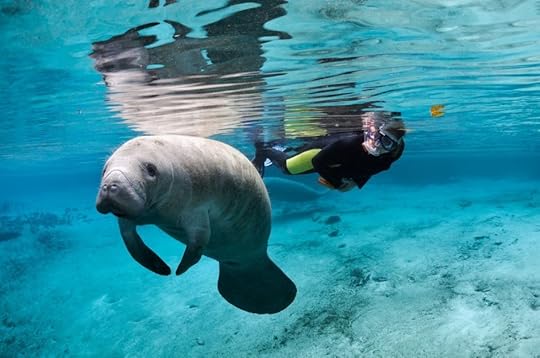
Photo: Visit Citrus
Here’s one thing that happened to me when I did the manatee snorkel in Crystal Springs. After being nuzzled and mesmerized by the curious, blimpy creatures, one baby approached me. As schooled, I scratched its head using only one hand. It went vertical in front of my mask as I continued to scratch its neck. Then it took my hand between its two fins and folded it to its chest. It hugged me!
In my estimation, no wildlife experience in the world compares to interacting underwater with manatees. Crystal Springs National Wildlife Refuge is known around the world for its huge population of the creatures, which can grow to be 3,500 pounds and look something like stuffed gunny sacks. At first their size intimidates, until you get used to their gentle nature and the way they nudge your mask and nibble at your wetsuit.
Bird’s Underwater Dive Center can set you up with equipment and all the pointers you need to interact with the protected creatures. It’s super important to practice your Manatee Manners at all times, and you won’t be going anywhere until you know them all. This is the only place in North America where you can legally swim with manatees, so treat the activity like the privilege it is.
2. Kayaking in bioluminescent waters
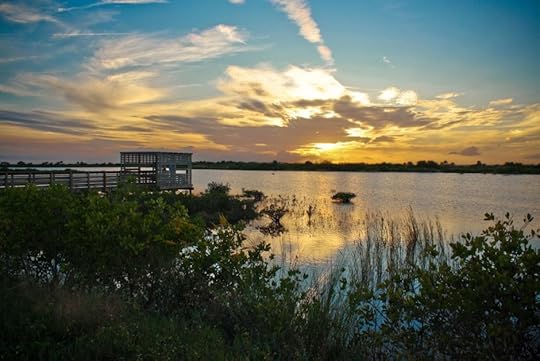
Photo: Lauren Mitchell
In summer, the waters of Merritt Island National Wildlife Refuge near Kennedy Space Center visually explode with the magic of microscopic bioluminescent organisms called dinoflagellates. That is, if you paddle among them, breaking the water’s surface to trigger the phenomenon.
After-dark trips into the mangroves with A Day Away Kayak Tours will get you stirring up the bioluminescence effect. It’s trippy and at times disorienting when the waters start looking like shooting stars in the night sky. Each stroke flips a switch. Flitting fish and skimming dolphins spark underwater fireworks as you paddle above and alongside them, the eerie beat of the drum fish sounding from below.
3. Following the climbable lighthouse trail
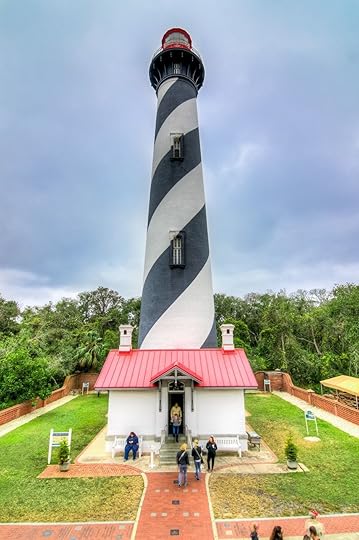
Photo: Rain0975
Florida, with its highest land at 345 feet above sea level, affords scarce opportunity to climb. Its trail of open-to-the-public lighthouses, however, offers you just that. Not only will you get a good cardio workout, but it’ll take you to some of the best coastal views around. The 219-step climb up the spiral-striped St. Augustine Lighthouse, for instance, ends with views of Anastasia Island. Its monthly Sunset Moonrise Tour is the ultimate experience (and the haunted tours are pretty great, too).
Ponce de Leon Inlet near Daytona Beach, Jupiter Inlet near Palm Beach, Cape Florida in Miami, Key West, Port Boca Grande, Anclote Key near Tarpon Springs — as you loop the state, you’ll find that each lighthouse has its own character and stories. However you decide to go about it, try to end at Pensacola Lighthouse and its 177-step tower for an overlook of the Gulf of Mexico. If you can, time your visit during a practice session of the Blue Angels flying team.
Note: Check the lighthouses’ websites before you visit. Some, like Boca Grande and Anclote Key, are open for climbs only on specific dates.
4. Snorkeling for scallops
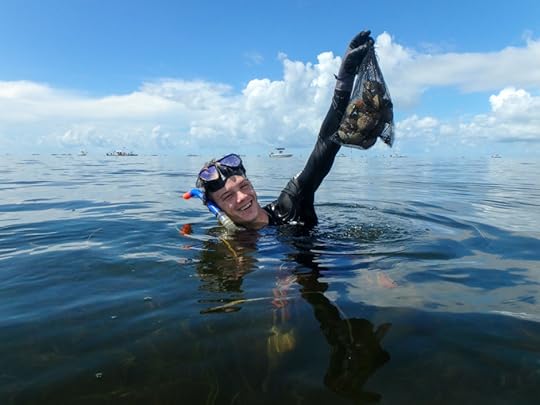
Photo: Carol Lyn Parrish / Florida Fish and Wildlife
Don’t be fooled by those beautiful blue eyes. When you reach down towards one, the scallop will snap shut, and you don’t want your fingers anywhere near. It happens to everyone at least once…or so I tell myself. And it startles more than hurts.
Scalloping around Florida’s “Big Bend” (the region that connects Northwest Florida to the rest of the state) reaps enough rewards to offset the clampdown. Steinhatchee and Port St. Joe are the main areas for recreational summer scallop harvesting by snorkel and fin, and any number of charters will take you to scalloping grounds by boat with gear provided. I recommend Capt. Jim in quiet, lovely Steinhatchee.
5. Joining a sea turtle patrol
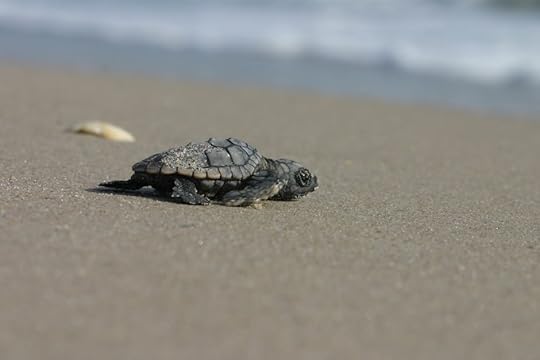
Photo: Florida Fish and Wildlife
I will never forget the deliberate, labored movements of the mother loggerhead turtle as she dug a hollow in the sand using her front flippers. My own memories came back in a flood as I and my then-teenage son watched, by the light of the moon, soft eggs the size of ping pong balls drop into the nest. By the time she finished, covered the nest, and trundled back down the beach, we had spent a couple hours witnessing a ritual and miracle as old as the sea.
We booked our sea turtle patrol with the Sea Turtle Preservation Society based near Melbourne. The tours run several nights a week and include a classroom briefing. Reserve as far in advance as possible for the May through July walks, as you won’t be the only one wanting to witness the magic.
6. Slogging through a real Florida swamp
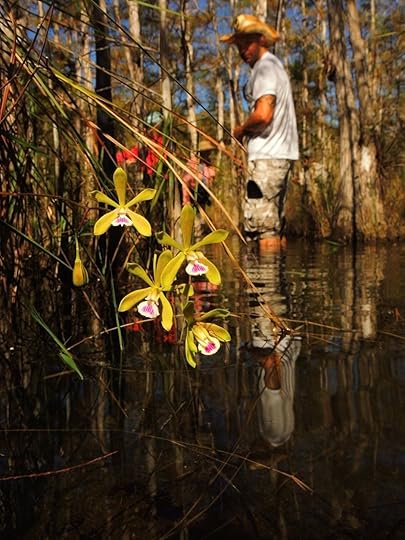
Photo: Big Cypress Gallery
Waist-deep in Fakahatchee Strand Preserve State Park, you can stalk wild orchids. Your guide will point out a number of varieties, but hopefully you’ll be luckier than I was — no famous ghost orchid blooms for me. The striped yellow rat snake coiled on a stump, brilliantly hued bromeliads, and riotous greenery made the hunt worth it, though.
A number of parks and organizations lead tours through swamps and sloughs during the summer, when rains fill water stores. Most famously, nature-art photographer Clyde Butcher and staff lead swamp walks year-round, departing from his gallery in Big Cypress National Preserve.
7. Piloting a houseboat on the Suwannee River
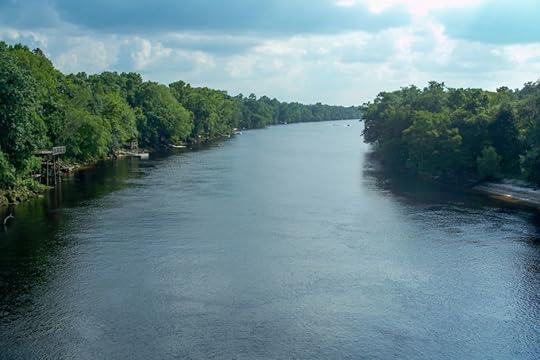
Photo: Ebyabe
The last time I houseboated the Suwannee, prehistoric gulf sturgeon leapt in the waters around us. Osprey shrieks seemed to herald our passing. It was cumbersome steering our boat along the waters, but the pure wilderness, crystal springs, and old Florida river towns on the legendary Suwannee were enough of a distraction to make it worth the elbow grease.
We sang “Old Folks at Home” at the top of our lungs — it felt like we were living a Stephen Foster song on this houseboat venture. Two- to seven-day (or more) voyages depart from Gateway Marina in the coastal village of Suwannee, and I would highly recommend going for more than two.
8. Surfing Sebastian Inlet
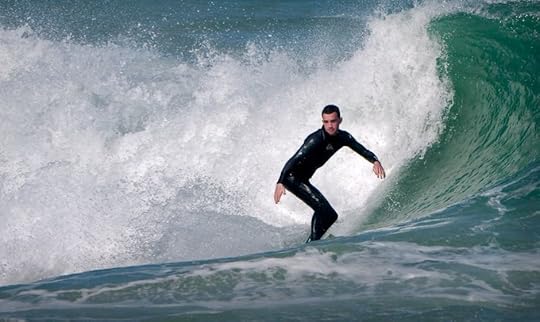
Photo: Court Roberts
Full disclosure: I’ve stood up on a surfboard for approximately 30 seconds, despite a lifetime of trying. But I do consider myself a fully qualified surf mom — capable, to my son’s chagrin, of coaching from the beach.
Florida’s coastline, particularly the Atlantic side, has plenty of fine surf spots. And although Cocoa Beach gets all the flap, shredding the waves (see, I even know the lingo) at Sebastian Inlet State Park is the ultimate. You’ve made the big-time when you surf here, so if you’re a beginner, check into lessons around the Vero Beach area instead.
9. Experiencing the Everglades’ roadside attractions
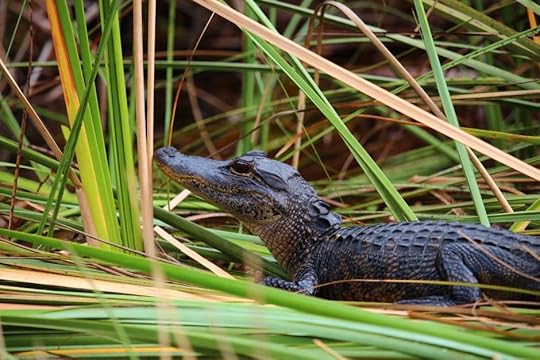
Photo: Linda72
You could choose to paddle the 99-mile Wilderness Trail or tent camp in Everglades National Park. But if you’re looking for a soft adventure introduction, follow my favorite way to explore: along Tamiami Trail’s funky attractions.
Riding an airboat, going on a swamp buggy tour, watching alligator wrestling, scouting for the Skunk Ape, and eating frog legs and gator tail — that’s true Everglades adventure in my book. Just west of Miami, the trail of roadside attractions begins with the Shark Valley entrance to the park, where you can bike a 15-mile loop past gators lounging right alongside the road. It lies adjacent to the Miccosukee Indian Village.
Continue west to just shy of Naples and stop along the way at places like Ochopee for Skunk-Ape Headquarters (which defies rational description), Coopertown for ‘Glades chow and airboating, and Wooten’s Airboats for more gators than most people see in a lifetime.
10. Diving the Keys
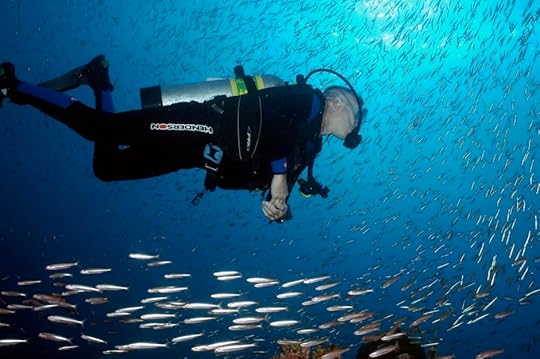
Photo: G.P. Schmahl/NOAA
It’s kind of touristy, but my favorite dive in the Florida Keys took us to the submerged, eight-foot Christ of the Abyss statue off the shores of Key Largo. It wasn’t just the statue — it was the burst of small fish flushing from Technicolor coral, the barracuda, angelfish, and, well, I could go on and on.
Diving anywhere in the Keys rocks, but another bucket-list spot is Looe Key Sanctuary Preservation Area. An annual underwater music festival takes place in July, making it a two-fer.
11. Playing with dolphins
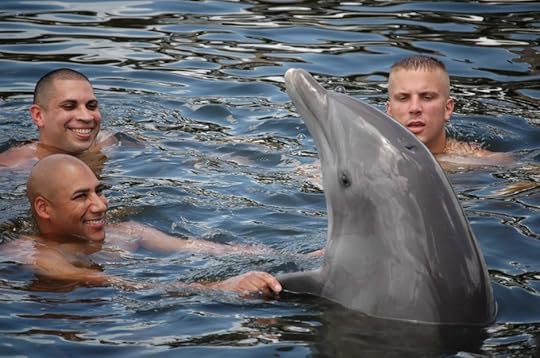
Photo: James Brooks
This one might leave you conflicted, but most of the dolphin encounter attractions around the state offset the notion of interacting with captive wildlife by educating the public and assisting in research (and even organizing therapy programs for returning veterans). You’ll find the greatest concentration in the Florida Keys, where you can do everything from swim with a dolphin to paint with one at Dolphin Research Center in Marathon.
Orlando, too, has its share of dolphin experiences, most notably Discovery Cove, an all-inclusive day resort. Wherever you go, you’ll likely remember your time with these unique creatures forever.
12. Fishing for tarpon
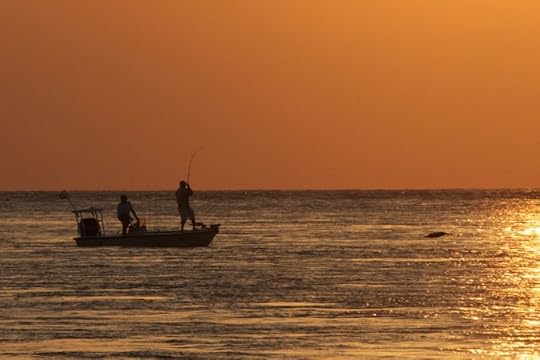
Photo: Pete Markham
If you’re going to set your sights on fishing in Florida, you may as well set them high and go for the “silver king,” the reigning sovereign of all game fish. Southwest Florida is known as the Tarpon Capital of the World, especially at Boca Grande, where the “World’s Richest Tarpon Tournament” takes place each May.
Chartering a captain for tarpon fishing can run into four figures in Boca Grande, but the catching is good all along both coasts. Try the Fort Myers Beach area, which hosts its own, more affordable “Ding” Darling & Doc Ford’s Tarpon Tournament in May.
13. Camping and biking Withlacoochee
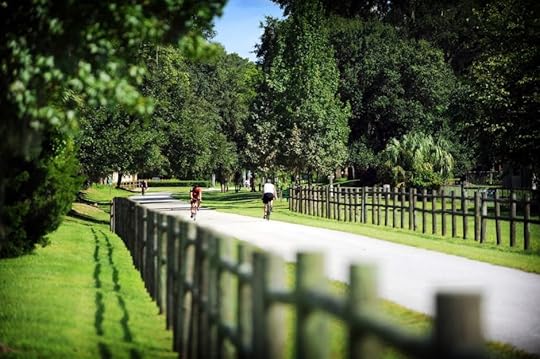
Photo: Visit Citrus
Vast Withlacoochee State Forest north of Tampa finds that perfect camping middle ground between primitive wilderness and commercial campground. It offers camping in a number of different locations within its 157,000+ acres, so there are options to suit all levels.
Then there’s its 46-mile Withlacoochee State Trail. The rail-to-trail paved pathway travels through forest wilderness and into charming small towns such as Inverness and Floral City. You wanted true, authentic Florida adventure? You got it.
The post 13 ultimate Florida adventures you’ll remember for a lifetime appeared first on Matador Network.

May 8, 2018
Kangaroos attack selfie-ing tourists
Kangaroos don’t want to be in your selfies. These furry animals are an iconic image of Australia forever ingrained in the minds of tourists, but like most wildlife, shouldn’t be lured in for photos. And yet, many people are attempting to snap a pic with these kangaroos anyway, with seriously dangerous consequences.
Morisset Hospital, a mental health facility in Lake Macquarie, New South Wales, has become a hotspot for tourists hoping to get a photo with a kangaroo, since they abound on the grounds.
Many bring edible items like carrots, cereal, and fast food in hopes of luring them closer, and the kangaroos are starting to take the constant abundance of snacks for granted. Some have become aggressive with tourists, with reports of one having his stomach gashed in and others with severely scraped arms, backs, and legs.
According to local politician Greg Piper, the kangaroos around the hospital have become addicted to the food given to them by tourists and are beginning to show the violent and aggressive behaviors. Daily trains and bus tours from Sydney have begun taking visitors to the area, putting an increasing number of people into the kangaroo’s habitat. The situation has become a large enough issue that his office issued a statement on the matter.
“The kangaroos have become so desensitised to human contact that they will freely approach human visitors to obtain food, which leads to many of the kangaroos becoming aggressive,” Piper said in the statement. While the area understands that seeing the kangaroos is an important part of the vacation for many tourists, they advise all visitors to stop giving food to the animals.
The next time you’re in the land down under, think twice about getting closer to wildlife than necessary. Consider using the zoom option on your camera and stepping back a few feet — you might not have a photo of yourself smiling next to the marsupial, but snagging an Instagram post isn’t worth being part of the problem.
H/T Business Insider
More like this: Selfie deaths are now more common than shark attacks
The post Kangaroos are attacking selfie-hungry tourists in Australia and it’s getting out of hand appeared first on Matador Network.

Heat wave hit Arctic melting point
Last February, in the dead of what is supposed to be the harshest winter on the planet, the Arctic was much warmer than usual. According to Vox, temperatures recorded at the northernmost weather station in the world were above freezing for 24 hours and peaked a week later at 6.1 degrees Celsius (45 degrees Fahrenheit), before going back to normal. Today, for the second time this year, the temperature in the Arctic climbed to 17-19 degrees Celsius (30-35 Fahrenheit) above normal and at melting point, i.e. 2 degrees Celsius. These so-called “rare” heat waves are actually becoming routine in the Arctic, creating an environment where the sea ice can melt rapidly and steadily.
It was the third hottest April on record (after 2016 and 2017), says @CopernicusECMWF. Average temperature for 12-month period from May 2017 to April 2018 was most above average in Arctic and, globally, was 0.47°C warmer than 1981-2010 baseline. #climatechange pic.twitter.com/REFIU6k3pw
— WMO | OMM (@WMO) May 7, 2018
Polar ocean expert Peter Wadhams explained to YaleEnvironment360 that the sea ice works as an air conditioner for the whole planet, so when it disappears, global warming will only be more intense and threaten life on Earth as we know it by creating extreme weather events, making the sea level rise, and by killing marine life on which we depend on for oxygen.
The only way to curb the current melting of the sea ice is to tackle and considerably reduce our greenhouse gas emissions. Without that, we may witness an ice-free Arctic summer by 2020, as some scientists believe, and the rest will be history.
H/T: Washington Post
More like this: Arctic Change
The post An extreme heat wave just made the Arctic hit melting point appeared first on Matador Network.

Depression makes me want to travel
Traveling won’t cure your depression. After living in three countries and traveling around four continents, I am still depressed. I may always be. There are peaks and valleys with travel just as there are with depression. But despite being inflicted with low energy, mood swings, anxiety, and insomnia, wanderlust exists as a constant throughout my life. And when I travel, my perspective shifts. Distracted by my surroundings, I’m able to let go of any negativity floating around in my mind.
Then again, there are times when I can’t kick it. I’ve spent days in a hostel, too depressed to leave for anything other than food. On my first day in rural France this past year, I was so anxious that I frantically left a restaurant before I even got the meal I had ordered. As I ran back to the rental car blocks away to calm down and take my medication, I was struck by the thought that no matter where I went, I couldn’t leave my mind. Your thoughts travel with you, good or bad.
I’m not going to tell you how to manage depression while abroad, but rather why you shouldn’t let your depression hold you back from traveling. While it isn’t a cure-all, traveling can be a valuable tool for coping with depression. Here are five ways traveling helps me with my depression, and in turn, why having depression actually makes me want to travel.
1. Planning takes my mind off of negative thoughts.
Trip planning is mentally consuming. The act of booking flights, hotels, and activities is refreshing rather than tedious for me. Suddenly, the once far-fetched idea is reality and I’m engaged with research on my destination during my free time instead of unproductive habits such as napping or watching television. Distraction is a popular coping mechanism because it’s effective. But be careful — avoid letting distraction shift to unhealthy avoidance.
2. The anticipation is almost as rewarding as the trip itself.
Counting down the days until a trip fills me with excitement. The eagerness builds as the trip approaches. Once I’ve booked my flight, my elusive positive attitude emerges and sticks around until my departure. Even if the time abroad was lousy, I probably had a solid couple of weeks or months looking forward to it. Trip anticipation can pull me out of almost any depressive slump.
3. I actively push the limits of my comfort zone.
None of the valleys will stop me from traveling because the peaks are worth the emotional discomfort. I would be more depressed if I thought that my mental illness was holding me back from going abroad. The same night I rushed out of that restaurant in France, I shared a bottle of wine with my incredible host family in their charming, traditional townhome. I woke up the next morning and went climbing in an area that I’d been fantasizing about for years. The trip was one of my most memorable. I didn’t let my depression take over, I pushed myself to enjoy every moment.
4. It’s easier to ignore social media.
Back home, scrolling through Instagram’s endless feed for hours or opening Facebook periodically throughout the day sends me into a wormhole of envy. I get caught up in the lives of others while mine passively goes by, fixated on my all-too-convenient smartphone. But when I’m traveling, I almost never invest in international phone coverage. When I step off of the plane in a new country, my phone is no more than a glorified clock. I become present and able to fully embrace my experiences without the constant distraction of a glowing screen.
5. I learn to laugh at the disasters and cherish the good moments.
Before I started my freshman year of college, I traveled to the Irish countryside to volunteer on a farm. The entirety of the time on the farm was so terrible that all I could do was laugh (after I returned home safely, that is). I told the story of this farming nightmare to my senior international studies class a few years back and everyone was simultaneously horrified and engaged in my comedic anecdote. These stories shaped my identity, my interests, and my character.
Of course, all of my experiences have not been unpleasant. There were countless occasions of life-affirming wonderment: swimming with bioluminescent algae under a full moon in Hong Kong, bouldering in Fontainebleau, eating a bowl of hot ramen on top of a snowy mountain in the Japanese Alps, snorkeling in the Red Sea… to name a few. In the end, the good overshadows the bad, always.
More like this: What to do when you have a mental breakdown overseas
The post Why having depression makes me want to travel appeared first on Matador Network.

420-friendly hotels in Denver, CO
The legalization of recreational marijuana in Colorado has brought with it an influx of cannabis tourism. There are certainly no shortage of places to shop and things to do for any looking to partake — as of early 2018, the city of Denver has 169 recreational marijuana stores, known throughout the state as dispensaries. A number of tour operators have cropped up offering indulgent experiences including sushi and joint rolling classes, grow house visits, and nights on the town in a smoke-friendly party bus.
Out of state visitors can buy a quarter oz at a time, along with all kinds of edibles, tinctures, lotions, and just about anything else that can be infused. The biggest issue many tourists face comes after the purchase: unless they sign up for a cannabis-specific tour or activity, it’s near impossible to find a place where a visitor can legally consume their pot. You can’t smoke in cars unless they are parked on private property, and lighting up at parks or cigarette smoking areas is definitely illegal. You can hang out at a bar and try to befriend a local in hopes of being invited to partake back at their place, but there’s certainly no guarantee of that happening.
The one place of refuge for visitors looking to get high is cannabis-friendly hotels. There are a growing number of them throughout the state, primarily in the Denver metro area, and many of them are actually in major hotel chains. Booking these green-friendly hotel rooms is about as straightforward as booking any other hotel room, with one key exception: you won’t know the name of your hotel until you book it.
Booking your hotel room
Cannabis tour operators such as My420Tours list the available options and make the booking process a breeze, but omit the actual names of the hotels. Instead, you’ll find a list of hotels vaguely named after their neighborhood in the city. Many of the hotels which allow in-room vaping are large national chains and (perhaps wisely) don’t want their name or logo listed on the booking pages. We can’t even tell you which chains are on the list (thanks, NDAs) but a quick Google search of the locations though should give you a pretty good idea. As a customer, you can pick out a room and browse on-site amenities, and you’ll learn the brand name after your booking is confirmed.
This is among the more interesting developments of customer-facing legal cannabis. Major hotel brands want to dip into the money pool that cannabis tourism has brought to Colorado but they don’t want their digital image associated with pot smoking, should a customer who doesn’t favor recreational use search the hotel’s name online.
Can I bring my own smoking accessories?
The simple answer is no. With very few exceptions, you’re not allowed to smoke anything indoors in public places in Colorado, and most hotels throughout the state have enacted non-smoking policies in their rooms. Your best bet is to leave your pipe or bong at home unless you have a place to smoke, like someone’s house, or are going on a cannabis tour. During my stay in a green hotel in Denver I was informed by a staff member that if I wanted to smoke a joint, I could go outside to the designated smoking area.
All smoking in the rooms is done by a process called vaping. Upon check-in, you’ll receive a sealed case containing a vaporizer, which allows you to “vaporize” the cannabis before inhaling it. The weed is turned into a vapor which you then inhale through a setup similar to that of a hookah. This way, you’re not technically smoking anything and not breaking any laws. This allows the hotels to skirt around Colorado’s indoor smoking ban. Once in your room, plug in the vaporizer, add your weed, and go to town.
A quick note: hotels themselves don’t provide the cannabis. You’ll have to visit a dispensary and pick up what you need (here’s a map of what’s around you based on your GPS location). If you haven’t shopped at one before, be ready to feel like you’re back in grade school. The clerks behind the counter, appropriately known as Bud Tenders, seemingly have a knowledge of pot that rivals Newton’s knowledge of physics. You’ll likely hear a lot of language you don’t understand, but the one key thing to grasp is whether you want your pot to be Indica or Sativa dominant. Indica is known to be the heavier of the two, causing more of a sedating full body high, while Sativa is the more active and has been said to cause more of a buzzed head high.
Checking out and leaving the hotel
For final check-out, put the vaporizer back in its case and return it to the front desk along with your room key. Make sure you hand the case to an employee and don’t just set it on the counter and take off. If someone were to take it, you’d be liable for the cost of the vaporizer. Leaving your pot behind is also recommended unless you’re heading to a sanctioned cannabis-centric activity. The attitude towards being high in Colorado is similar to what you’ll find towards drinking alcohol — the vast majority of people are open-minded about it. Keep your act together and you’ll be fine.
More like this: 5 cannabis tours you’ll love even if you don’t like smoking pot
The post Many major hotels in Denver are secretly 420-friendly. Here’s how to find and book one. appeared first on Matador Network.

Coolest rooftop bars in world
Rooftop bars are all the rage in hip neighborhoods and nightlife districts around the world, but these nine have taken it up a notch and added a bit of fright into the great summer past time of drinking outside. Around the world, many skyscrapers boast high-up drinking establishments, but to make this list, the bar must be open air — that is, it can’t be fully enclosed. Visitors must be able to look out over the city, drink in hand, without staring through a glass window. So if you have a stomach for heights, you need to add these nine insanely high rooftop bars to your bucket list.
1. Heli Lounge Bar — Kuala Lumpur, Malaysia
A post shared by Piet (@pietgrymonprez) on May 3, 2018 at 9:13am PDT
It’s all about aeronautics at Kuala Lumpur’s coolest hangout. The rooftop of this high-rise in the trendy Bukit Bintang neighborhood is an actual heli-pad which offers unencumbered 360-degree views of the surrounding city. You can literally see for miles in any direction, and enjoy a stiff drink while you’re at it. The downstairs lounge hosts live DJs and dance parties, but the best action happens upstairs underneath the moonlight. The Petronas Twin Towers look completely different way up here.
2. Ozone at The Ritz Carlton, Hong Kong — Hong Kong
A post shared by Ozone (@ozonehongkong) on May 2, 2018 at 4:11am PDT
Drink at 1,575 feet above street level at Ozone at The Ritz Carlton, the highest rooftop bar in a city known for its skyscrapers. Ozone hosts many lavish parties as well as the most jaw-dropping weekend brunch buffet in town, so check their website before heading up to make sure the bar will be open to the public, and be sure to dress for the occasion.
3. Flair at the Ritz Carlton, Shanghai — Shanghai, China
A post shared by Best Rooftop Bars (@the_rooftopguide) on Nov 4, 2015 at 1:56pm PST
The Ritz-Carlton brand seems to be on a mission when it comes to top-level drinking. Flair at the Ritz Carlton Shanghai offers pristine views of one of the world’s most effervescent cities. Sip on a glass of fine whiskey while taking in the surroundings, for a perfect, relaxing evening high above the chaotic city.
4. Bar 54 — New York City
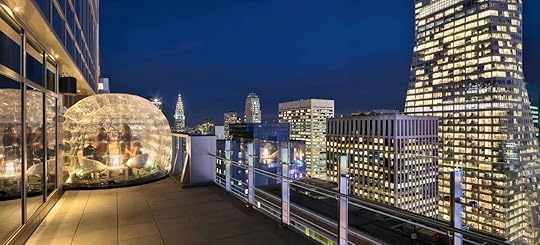
Photo: Hyatt Centric Time Square
Rooftop bars are a religion in New York City, and Bar 54 has one of the most sweeping views of all of them (and there are many). The bar opened in early 2014 on the roof of the Hyatt Centric Times Square and provides a jaw-dropping vantage point of the madness happening 54 stories below. Looking outward, you can take in the Hudson River over Insta-worthy views of the city’s legendary skyline.
5. Alfresco 64 – A Chivas Bar — Bangkok, Thailand
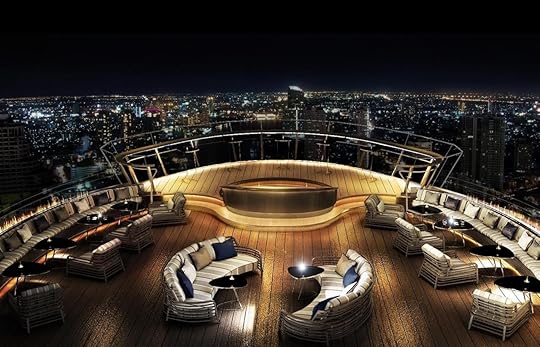
Photo: Alfresco 64 – A Chivas Bar
Not to out-do Bar 54 in NYC, but Alfresco 64 – A Chivas Bar is located — you guessed it — on the 64th floor of Bangkok’s Tower Club at Lebua hotel. It’s hard to stop staring up when you’re at street level in Bangkok; the skyline goes on seemingly forever. Alfresco 64 is the key to both taking it all in at once and giving your neck a break in the process.
6. 1-Altitude Gallery and Bar — Singapore
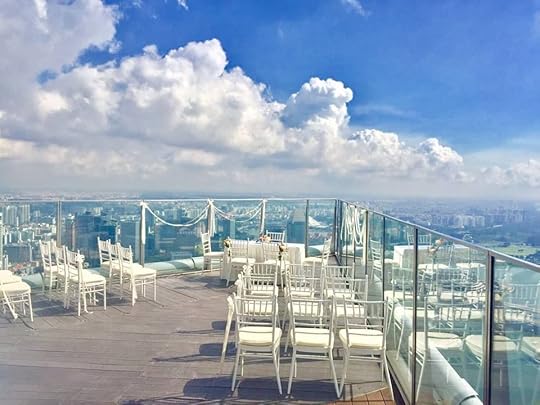
Photo: Stellar at 1-Altitude
Singapore’s skyline is worth a trip in itself, but add 1 Altitude Gallery and Bar’s carefully curated selections of seafood, noodles, art, and creative cocktails to the equation, and you’ll have an unforgettable evening. This spot is a can’t miss, and both tourists and locals alike have figured that out. Be sure to make reservations if you plan to visit on a weekend.
7. Vertigo and Moon Bar — Bangkok, Thailand
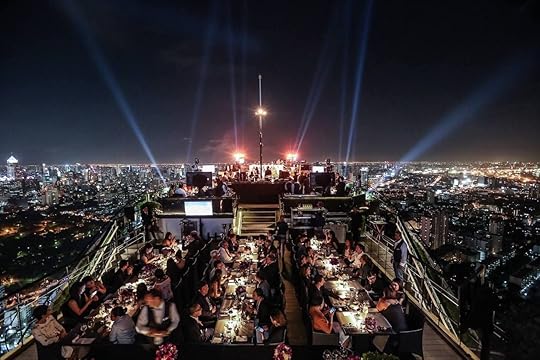
Photo: Banyan Tree Bangkok
Leave the flip-flops in the hotel room when visiting Vertigo and Moon Bar on top of Bangkok’s Banyan Tree Hotel. The views are stellar but the dress code is strictly enforced before you even enter the building. The scene at the top of the elevator is the perfect intersection of hip and formal, and while the price tag is higher than most in this Southeast Asian city, it’s a small price to pay for a fine dining and cocktail experience up in the air.
8. Sky Bar — Bangkok, Thailand
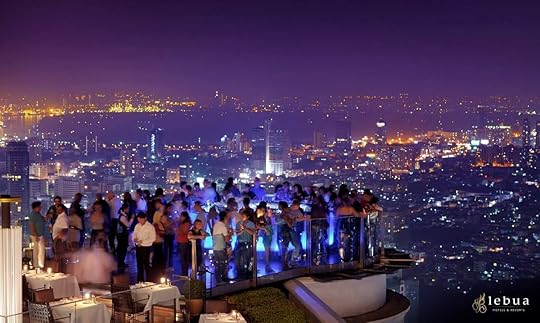
Photo: lebua at State Tower
If this photo looks familiar, think back to your favorite Zach Galifianakis movies: Sky Bar played host to the notorious helicopter scene in The Hangover 2, and the views are even more striking in person. This is the world’s highest open-air bar, located on the 64th floor of the State Tower. Located in the same complex as Alfresco 64, you can easily visit both in the same evening without having to navigate Bangkok’s infamously gridlocked traffic.
9. Spire 73 — Los Angeles, California
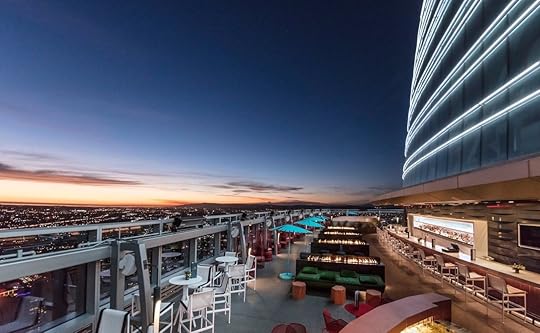
Photo: InterContinental Los Angeles Downtown
In a city known more for its sprawl than its skyscrapers, Los Angeles is an unlikely player in the rooftop views game, but it’s actually home to the highest open-air bar in the Americas. Spire 73 sits atop the InterContinental Los Angeles Downtown hotel and capitalizes on the city-to-ocean views for the ultimate, luxury SoCal experience.
More like this: The tallest hotels around the world with jaw-dropping city views
The post The 9 coolest rooftop bars in the world with epic views appeared first on Matador Network.

Creepiest places in Europe
Europe’s grand palaces and museums are a thrill, but they don’t inspire that spine-tingling sensation so many of us haunted-house goers chase. That isn’t to say there aren’t spooky sites in Europe. After all, the roughly 50 countries that make up the continent have had more than enough time to breed scary stories around their eeriest locales, most of which are open to anyone who dares enter. Here are 7 places in Europe so creepy they’ll have you reuniting with your childhood nightlight.
1. Capuchin Catacombs of Palermo, Italy

Photo: BLITZ MC/Shutterstock
All catacombs are creepy, but not all catacombs are quite as unsettling as the ones at the Capuchin Monastery in Palermo, Sicily. Thousands of fully-dressed, naturally-mummified corpses dating as far back as the 17th century fill the monastery’s catacombs. There are corridors dedicated to public servants still in uniform and religious figures donning clerical dress, as well as spaces reserved for women, men, virgins, and infants. Walking through the musty catacombs, visitors are surrounded by mummies posed upright against walls and sat on benches, making them way too lifelike for any sane person’s comfort.
2. Hoia Baciu Forest, Romania
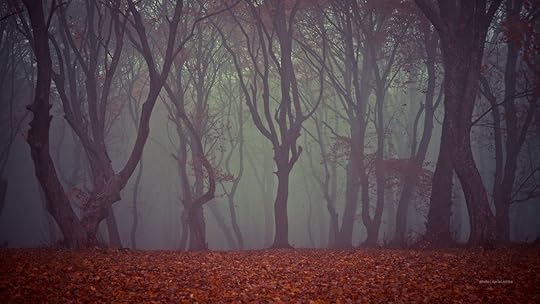
Photo: Daniel Mirlea/Shutterstock
Almost a million people visited Dracula’s Castle last year, but the haunted Hoia Baciu Forest in northwestern Romania makes Vlad the Impaler’s former residence look like a Disney World attraction. Some say it’s the scariest forest in the world, in no small part because of the unusual activity reported there. Ghostly apparitions and UFO sightings are old news in the forest, where visitors have also claimed to hear giggling voices and see glowing orbs between mist-shrouded trees. If being abducted by aliens or possessed by spirits sounds like a good time to you, head west of Cluj-Napoca and take a walk in the sinister Hoia Baciu Forest.
3. St. George’s Church, Czech Republic

Photo: CharlitoCZ/Shutterstock
The only thing more terrifying than an abandoned building is an abandoned building that isn’t actually empty. St. George’s Church in Luková was built in the 14th century and used until the 1960s, when the roof collapsed during a funeral ceremony. Congregants took the collapse as a bad omen and opted to hold al fresco services from then on while the church fell into disrepair. In 2014, artist Jakub Hadrava was commissioned to create an installation that would draw more tourism to the area. Capitalizing on local lore, Hadrava decided to haunt the church once and for all, creating around 30 white-robed plaster ghosts and posing them on the church pews. The campaign was a big success, and today, tourists come from near and far to check out the ghostly infestation of St. George’s Church.
4. Borgvattnet Vicarage, Sweden

Photo: Jojoo64/Shutterstock
Any country that spends entire months cloaked in darkness is bound to house some spooky sites. Take the Borgvattnet Vicarage in northern Sweden, which is believed to be one of the most-cursed places in all of Scandinavia. Paranormal activity is the talk of the town in Borgvattnet, whose late 19th-century vicarage has been associated with supernatural events since the early 20th century. Rumors of flying furniture, ghastly shrieks, and other episodes became so extreme that an exorcism was performed to rid the vicarage of evil spirits in the 1980s. Much to the delight of horror fans and chagrin of everyone else, the exorcism did not take. The ultimate challenge for visitors these days is to make it through the night; the hair-raising Borgvattnet Vicarage has been turned into a guest house where brave souls can bunk with lingering ones.
5. Chapel of Bones, Portugal

Photo: S-F/Shutterstock
How much parents spend on kids
If you’ve ever had a Ladybird moment and wanted to pay your parents back for raising you, this new map from Opploans might make the task a lot easier. Opploans, an online installment loans website, shows the average amount of money parents from each state spend each year per child. As any parent will tell you, having kids isn’t cheap these days. With everything from food to medical care getting more expensive by the year, many parents might not even want to know how much money their children actually necessitate, especially if they live in the Northeastern United States.
The differences in costs between the states are striking. Parents in Washington, D.C. ($17,921 per year) and North Carolina ($17,666 per year) spend the most, while Montanans and Kansans ($2,000 per year) were far lower than any other state, followed closely by Oklahoma ($2,019 per year), Idaho ($2,383 per year) and Louisiana ($2,868).
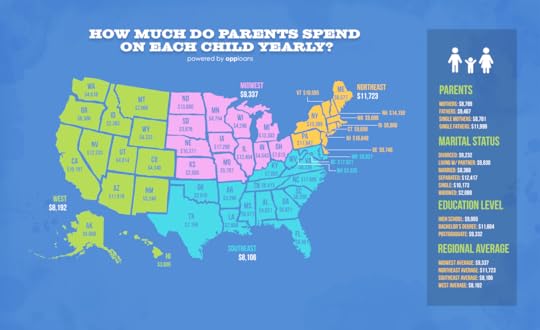
Photo: Opp Loans
The map also broke the United States down into four sections — West, Midwest, Southeast, and Northeast, and averaged the dollar amounts from the states in each section to create a section average. With an average spend of $11,723, the Northeast spends significantly more money per child each year than anywhere else in the country. The Southeastern states brought up the rear at just $8,106 spent per child. If it weren’t for the loose-walleted parents in North Carolina and Washington, D.C., this number would have been significantly lower, as no other state even topped the $9,000 mark.
Economic status and education levels certainly play a role, as the map demonstrates. Parents who are separated are likely to spend the most money on their children, averaging $12,417, versus widowed parents who spend only $2,088 per year. Fathers tend to spend slightly more than mothers, particularly if they are single, according to the study.
More like this: What you need to know about traveling with kids in 2018
The post This map shows how much parents spend on their kids in every state appeared first on Matador Network.

Matador Network's Blog

- Matador Network's profile
- 6 followers