
Matador Network's Blog, page 1350
May 7, 2018
Culturally New Mexican
So, you’ve moved to New Mexico. The Land of Enchantment, home of green chile, beautiful sunsets, and endless questions about Breaking Bad. Yes, it’ll probably take a while to get used to living here, as there’s no place quite like New Mexico, but pretty soon you’ll get into the swing of things, especially when you notice that you’ve started to do these 33 things that mean that you’re becoming a true, bonafide New Mexican.
1. You have a distinct chile preference and are completely loyal to it.
2. You know what “Christmas” means.
3. Spring is now your least-favorite season.
4. You freak out about 2 inches of snow, either because it’s too much or too little.
5. You never use your turn signal anymore.
6. You’ve forgotten how a 4-way stop works.
7. You never go outside during summer without shoes because of the goatheads.
8. Your interior decor now includes chile ristras, Navajo rugs, cacti plants, and at least one Kokopelli sculpture.
9. You can make a killer Margarita.
10. You’ve been to Zozobra.
11. Your Christmas decorating now includes farolitos.
12. Snow in May totally doesn’t surprise you.
13. If the weather is bad, you wait because you know it’ll be over in like 5 minutes.
14. If you didn’t ski before, you do now.
15. You’ve been abducted by aliens.
16. You have a favorite breakfast burrito spot.
17. The sound of coyotes howling at night doesn’t freak you out anymore.
18. You will never like Colorado green chile.
19. You’ve had to buy a second fridge for all your roasted chile.
20. Every other picture on your Instagram feed is now either a sunset or a picture of the last meal you had out.
21. You can’t imagine ever eating a burger or pizza again without green chile as a topping.
22. You’re used to your nights out ending at 1 AM and having to head home to drink more.
23. You would do anything to avoid the summer crowds at the art markets in Santa Fe.
24. You’ve become spoiled by how easy rush hour traffic is.
25. Your new favorite fast food joint is Blake’s.
26. You’ve gotten a Zia symbol tattoo.
27. You’ve been asked about Breaking Bad by out-of-towners.
28. You now call it the Land of Entrapment.
29. You’ve resigned yourself to endless road work.
30. You’ve had to explain to someone that you do not, in fact, live in Mexico.
31. You’ve also had to explain that New Mexican food is different from Tex-Mex.
32. You’re always running late and don’t care.
33. You never want to leave or move anywhere else. 

More like this: 15 phrases you heard growing up in New Mexico
The post 33 signs you’ve culturally become a New Mexican appeared first on Matador Network.


Hong Kong street food
Street food has been an essential part of Hong Kong’s history long before it became Asia’s financial capital. Early in the 19th century, small food stalls began to appear and quickly gained popularity for serving affordable meals to low-income workers. Around 1945, the government began issuing licenses an attempt to regulate the street food scene in the city. The street food stalls came to be known as “Dai Pai Dong” or big license stalls.
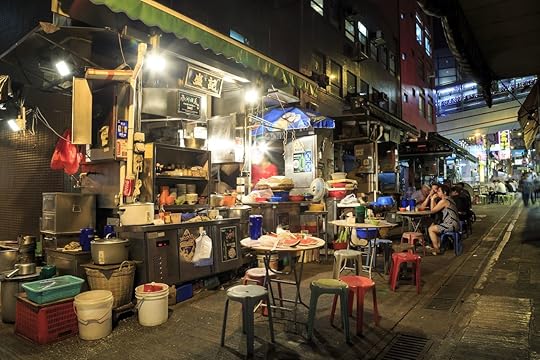
Photo: Kenneth Ip/Shutterstock
Dai Pai Dongs continued to grow in popularity and eventually, many street vendors gathered together in local markets instead of selling food individually. Over the years, Dai Pai Dongs faced the wrath of government regulations, and a recent food truck scheme by the government threatens to replace them completely. And yet, Dai Pai Dongs persist, thanks to the special place they hold in the heart of locals. It is, therefore, no surprise that to truly experience Hong Kong, you must explore the one thing that defines Hong Kong: its street food.
While identifying individual Dai Pai Dongs is a daunting task, there are some areas which feature a collection of local stalls. Graham street in Central, Fa Yuen Street, and Sai Yeung Choi Street South in Mong Kok, Temple Street in Yau Ma Tei, Fuk Wa Street Market at Sham Shui Po, Hai Fook Street and Haiphong Street in Tsim Sha Tsui are some of the famous ones.
When you are there, here are 9 awesome street foods you absolutely have to try.
1. Siu Mai
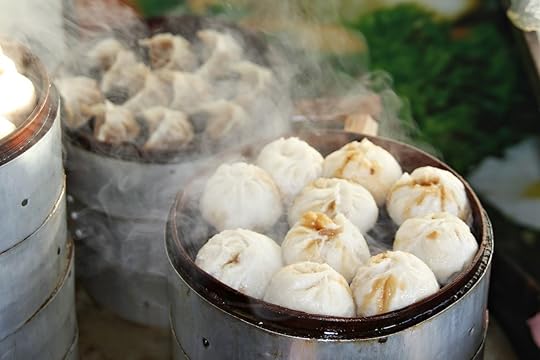
Photo: Pixeljoy/Shutterstock
Without a doubt, Siu Mai, steamed dumplings, is one of the most popular street foods in Hong Kong. Almost at every corner of the city, you can find a stall that sells these savory steamed dumplings with a splash of chili oil and soy sauce.
While there are countless variations of this dish, the traditional Cantonese version of Hong Kong is made of fish/meat paste, ground pork, black mushroom, scallion, and ginger. Wrapped in a thin yellow wheat dough, Siu Mai is arguably Hong Kong’s favorite dim sum and an essential part of the street food journey.
Where to find it:
G/F, 172 Fa Yuen Street, Mong Kok
Tung Tat Food Shop, 48 Pitt Street, Yau Ma Tei
2. Gaa Lei Yu Dan
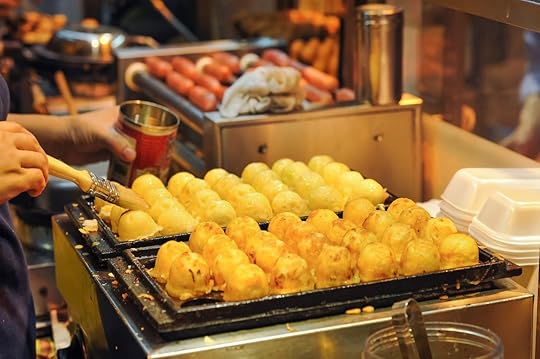
Photo: Stripped Pixel/Shutterstock
Originally from Chiu Chow and Fujian provinces, Gaa Lei Yu Dan (fishballs) have been a popular dish in Southern China since the Qing dynasty. At first, fishballs in Hong Kong closely resembled the Chiu Chow style (white and boiled). The people of Hong Kong then added their own method by frying the fishballs until they become golden.
Made from freshly ground fish paste, the best fishballs are hand-beaten, rather than being machine-molded to ensure the perfectly smooth and bouncy texture. A spicy and tangy curry sauce adds the final touch before it gets served on a stick. If there is one food that defines Hong Kong, it would be curry fishball.
Where to find it:
48 Pitt Street, Yau Ma Tei
G/F, 106 San Hing Street, Cheung Chau
Brother Ja-Shop B, G/F, Jardine’s Bazaar, Causeway Bay
3. Bo Lo Bao
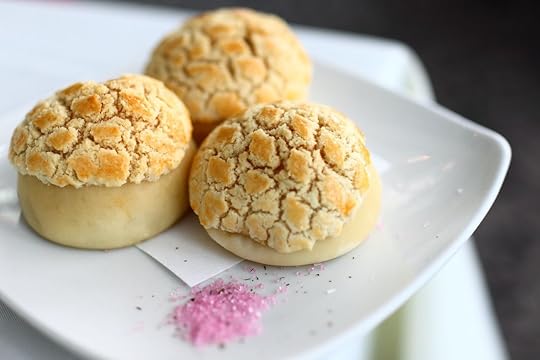
Photo: Angcat/Shutterstock
An iconic snack of Hong Kong, the Bo Lo Bao, pineapple bun, is a soft bread with a crunchy, flaky, and sugary crust. Ironically, there is no pineapple in the bun; it is called so due to its visual resemblance to a pineapple. Commonly served with a thick slice of butter sandwiched right in the middle, the pineapple bun is the perfect guilty pleasure snack.
Where to find it:
Kam Fung Café, G/F, Spring Garden Mansion, 41 Spring Garden Lane, Wan Chai
Kam Wah Café, 47 Bute Street, Mong Kok
Tsui Wah Restaurant, 15 Wellington Street, Central
Honolulu Café, G/F & 1/F, 176-178 Hennessy Rd, Wan Chai
4. Dan Tat

Photo: MosayMay/Shutterstock
Personally, for me, there is nothing like the joy of walking past a bakery and smelling the aroma of a freshly baked Dan Tat, egg tart. While there is a lot of debate about the origins of egg tart, a popular opinion states that it was brought over during the 1940s from Macau, which used to be a Portuguese colony.
Over time, they were popularised by local cha chaan tengs (Hong Kong’s version of all-day diners) and eventually traditional bakeries like the famous Tai Cheong Bakery. Today, egg tarts have become the perfect company for afternoon tea but they are also pretty much consumed throughout the day. Needless to say, the famous ones sell out within hours as most people buy these by the box.
Where to find it:
Tai Cheong Bakery, 35 Lyndhurst Terrace, Central
Hoover Cake Shop, 136 Nga Tsin Wai Road, Kowloon City
Happy Cake Shop: 106 Queen’s Rd E, Wan Chai
Honolulu Café, G/F & 1/F, 176-178 Hennessy Rd, Wan Chai
5. Gai Dan Jai
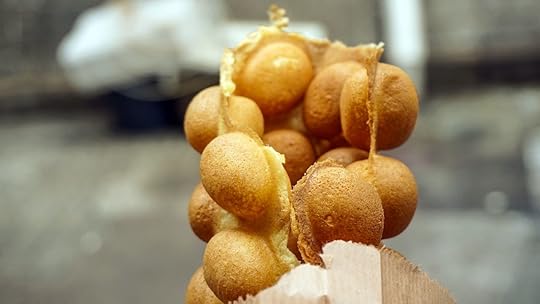
Photo: Glowonconcept/Shutterstock
Eggettes, egg waffles or egg puffs are an indispensable part of childhood in Hong Kong. Made from eggs, sugar, and flour, these chewy golden yellow pancakes closely resemble the western style waffles but they are covered with fluffy bubbles. The bubbles should ideally be crunchy on the outside and soft on the inside.
Behind the honeycomb-like structure lies an interesting hearsay story. A grocery store in the 1950s received a broken and unsellable shipment of eggs but the owner decided to experiment with it rather than throwing it away. He put the eggs into a mixture of sugar, flour, and evaporated milk and poured them into an iron cast mold which was shaped like honeycomb. And the legendary egg puff was born. Nowadays, the egg puffs come with a choice of spreads like chocolate, strawberry, matcha, and coconut.
Where to find it:
Lee Keung Kee North Point Egg Waffles, 492 King’s Road, North Point
Mammy Pancake, G/F, Carnarvon Mansion, 8–12 Carnarvon Road, Tsim Sha Tsui
Tai O Charcoal Grilled Egg Waffles, 59 Kat Hing Street, Tai O
6. Cau Dou Fu
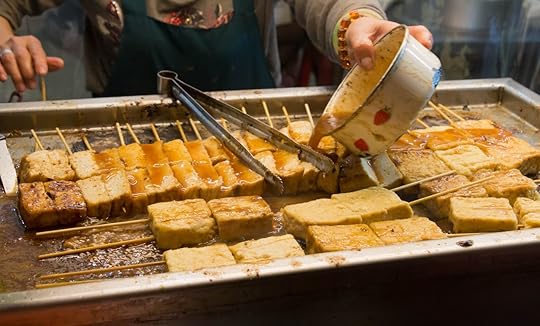
Photo: Pepperer85/Shutterstock
True to its name, Cau Dou Fu, stinky tofu, does have an overpowering pungent smell that may drive away many first-timers but these chunks of crispy fried tofu actually have a mild and pleasant taste. The rancid smell is actually a result of a mixture of fermented milk, fish, and meat. Served with sweet chili sauce, trying stinky tofu is an adventure that you are not likely to forget.
Where to find it:
Delicious Food: Shop 10, G/F, 30-32 Nullah Road, Prince Edward
41 Dundas Street, Yau Ma Tei
Any of the food stalls at Temple Street, Yau Ma Tei
7. Hong Kong style French toast
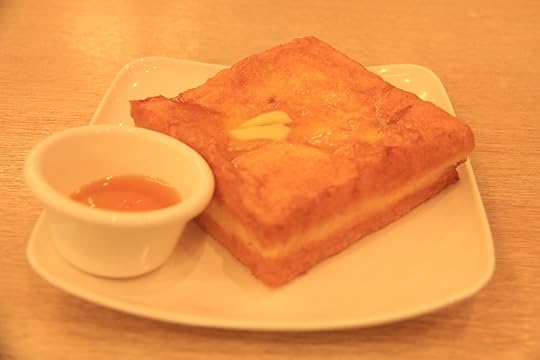
Photo: Simon Poon/Shutterstock
Here is a classic example of international food modified to suit local flavors. Hong Kong style French toast is different because it is deep-fried rather than pan-fried. Popularly found in cha chaan tengs (Hong Kong style local cafes), this unique dish features two slices of thick bread coated with egg. In between the two slices of crispy fried bread is usually a generous spread of peanut butter. To kick it up a notch, this combination is topped with butter and served with maple syrup on the side or spread on top. Creative and delicious, the Hong Kong style French toast is a perfect product of the cultural amalgamation this city has witnessed over the years.
Where to find it:
China cafe, G/F. 1077A Canton Road, Mong Kok
Si Yik, 2 Stanley Market St, Stanley
Man Wah Restaurant, 153-159 Tung Choi Street, Mong Kok
8. Ja Zu Da Cheung
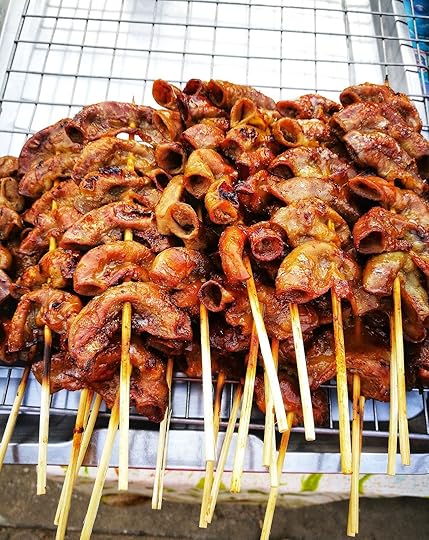
Photo: OmeniOo/Shutterstock
Crispy and deep fried on the outside and juicy and chewy on the inside, Ja Zu Da Cheung (pig intestines) is a surprisingly flavorful snack. For those worried about hygiene, it is worth knowing that the intestines are rigorously cleaned, soaked in hot water and then stewed or fried with spring onions before served on the stick. Topped with some mustard and sweet sauce, Ja Zu Da Cheung may just become the favorite part of your street food journey in Hong Kong.
Where to find it:
Ying Heong Yuen, 7 Cannon Street, Causeway Bay
Delicious food shop, Shop 10, G/F, 30-32 Nullah Road, Prince Edward
Dor Bo Snacks, Shop B, 98 Woosung Street, Jordan
9. Wun Jai Ci
A post shared by Lelly Killaziv (@killaziv) on Dec 10, 2017 at 10:20pm PST
Wun Jai Ci, faux shark’s fin soup, is a shark-friendly alternative to the traditional shark fin soup. The imitation version is made of vermicelli, mushrooms, eggs, and sliced pork loin and started out as an affordable version of the original. Today, it continues to remain the classic winter comfort food of Hong Kong, without violating any ethical boundaries.
Where to find it:
Ming Fat, 261 Ki Lung Street, Sham Shui Po
Bon Bon Cafe, 92 Ivy Street, Tai Kok Tsui
Tung Tat Food Shop, G/F, 172 Fa Yuen Street, Mong Kok
More like this: 15 ways to save money on your trip to Hong Kong
The post 9 mouth-watering street foods you need to try in Hong Kong appeared first on Matador Network.

7 only-in-Nevada moments
From the oldest recorded instance of humans in North America to potential technology from another planet, Nevada is home to some awe-inspiring moments in the history of our world. And, of course, we celebrate each and every one of them — maybe even some of the ones we shouldn’t.
Either way, the Battle Born State has helped shape that history with these seven only-in-Nevada moments, and you definitely haven’t read about them in any stodgy textbook (otherwise, you’d be celebrating them already).
1. That time when Virginia City residents raged against indoor plumbing…
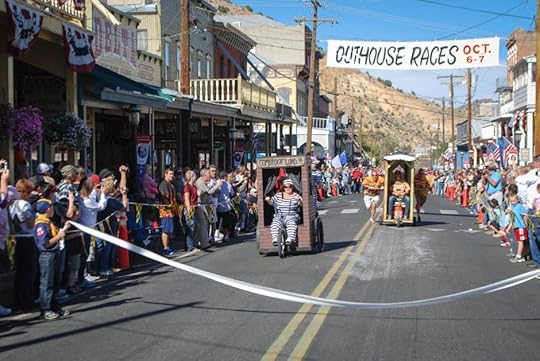
Photo: Virginia City Tourism Commission
Henry Comstock discovered one of the largest silver ore deposits in the West in 1859, sparking a silver rush that turned Virginia City into a boomtown seemingly overnight. The city’s exploding population and newfound wealth turned the Western frontier town into a modern industrial center. For 1859, at least.
However, when the city banned outdoor latrines in favor of newfangled indoor plumbing, local residents scoffed. In an effort to stall the pending change, they dragged their outhouses to the middle of town, blocking the entrance to City Hall… Don’t worry, they eventually came around.
Experience it: Every first week of October, Nevadans pay homage to the legacy of outdoor plumbing during Virginia City’s World Championship Outhouse Races. Teams of three people with basic crafting skills — and a penchant for potty humor — propel decorated outhouses through town, fighting to be the first to cross the toilet-paper finish line.
2. That time when tourists flocked to watch nuclear bomb testing…
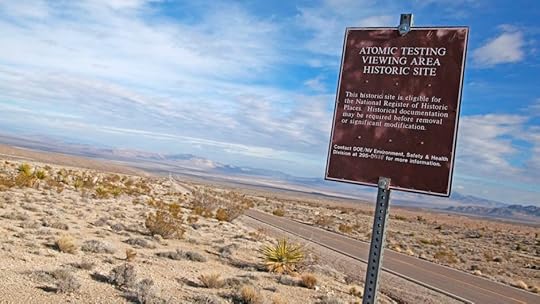
Photo: Sydney Martinez/TravelNevada
Ah, the Las Vegas Strip. A treat for all the senses: lively music, dazzling lights, mushroom clouds looming on the horizon. Wait, what?
In 1951, the first in a series of nuclear test explosions was set off in the desert just outside of Las Vegas, putting on a show in the sky over the city. The events were a boom for local businesses that capitalized on the spectacle. Viewing parties, nuclear-themed cocktails, and even a Miss Atomic Energy pageant became a regular part of the Vegas scene until the 1963 Limited Test Ban Treaty put an end to the fun of open-air nuclear testing. Yeah, the ’50s and ’60s were a time to be alive.
Experience it: The National Atomic Testing Museum in Las Vegas recently unveiled new exhibits, including artwork from United States Navy Artist Arthur Beaumont. Then there’s Atomic Liquors, Vegas’s oldest freestanding bar — liquor license #00001. They’ve got awesome spacey decor, themed cocktails (the “F Bomb” being one of the more notorious), parties and events on the regular, and a time capsule.
For an even deeper experience, head northwest of the city on US-95 to the Nevada National Security Site, the area that saw those nuclear blasts up close. And, in a turn of events you might not have seen coming, it’s open for tours. They happen monthly but fill up for the year almost immediately when dates are released each June. Ready, set, click!
3. That time when counterculture artists founded a temporary city in the desert…
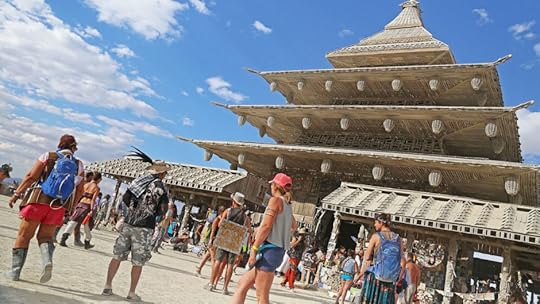
Photo: Sydney Martinez/TravelNevada
Okay, so this one technically got its start in the San Francisco Bay Area, but Burning Man has long since called the Black Rock Desert of Nevada its true home. Festival organizers relocated the event in 1990 after outgrowing the Baker Beach scene, and Black Rock City was born.
The City is an intersection of functionality and artistry using a traditional city-planning framework (yes, it has its very own police force and medical teams), all the while incorporating the varied interests of its residents. Each year, thousands of people take up habitation in Black Rock City for a week of radical self-expression, and each year the city is dismantled with the help of volunteers who work to leave no trace of the temporary metropolis.
Experience it: Burning Man takes place annually during the week before Labor Day. Can’t make the actual festival? The art and spirit of Burning Man are alive and well in Reno. Check out the Reno Playa Art Park to discover some of the sculptures and pieces that were once part of Black Rock City.
4. That time when prehistoric marine reptiles roamed the land…
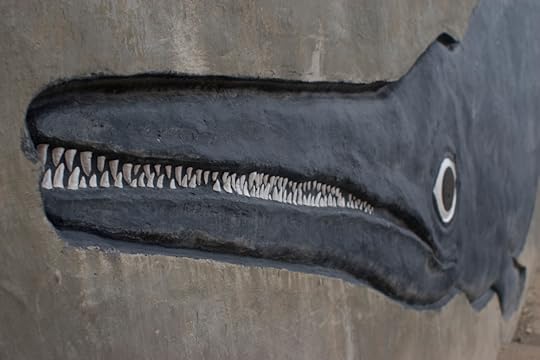
Photo: TravelNevada
It’s hard to imagine that the desert of Nevada was once part of the ocean floor, but 225-million-year-old ichthyosaur fossils tell the truth. Berlin-Ichthyosaur State Park is home to the fossilized remains of what amounts to the largest concentration of ichythosaurs in the world.
History buffs are treated to a double feature when they visit the state park as the Berlin ghost town houses the remnants of a long-abandoned mining town. You can also explore the Diana Mine, regularly patrolled by rangers and considered safe to enter — there are tours, too.
Experience it: Berlin-Ichthyosaur State Park is located not too far from Austin, Nevada, just off the famed Loneliest Road in America (US-50). The park is open seven days a week, year-round.
5. That time when Nevada was visited by extraterrestrial beings…maybe
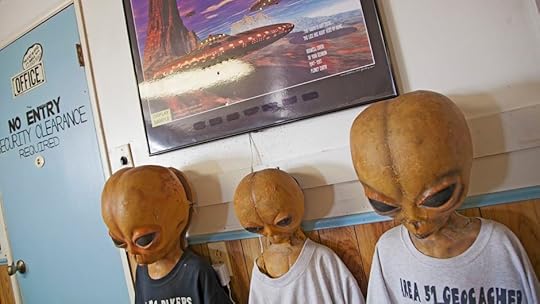
Photo: Sydney Martinez/TravelNevada
For decades, Americans were told that Area 51 didn’t exist, but the secrecy only made the conspiracy theories wilder. Most versions speculate that the facility is used to research UFO reports and test extraterrestrial technology. Some even believe it’s where the government stored wreckage and bodies from the mysterious Roswell incident, which supposedly involved a craft from another world. Take it all for what it’s worth, but folks in the area report an unusually high number of sightings of strange lights and flying craft to this day.
While the exact purpose of Area 51 remains a secret, the Pentagon recently confirmed the existence of a $22 million program to research “anomalous aerospace threats,” — but the program “ended” in 2012.
Experience it: You, the casual visitor, are still definitely not welcome in Area 51, but Nevada State Route 375 gives those looking for life from beyond our world plenty to explore. Dubbed the Extraterrestrial Highway, this 98-mile stretch of road leads to some of Nevada’s famed “UFO hotspots,” including ET Fresh Jerky, the Alien Research Center, and the very much alien-themed town of Rachel (aka, the “UFO Capital of the World”). From Las Vegas, head north on US-93 toward Alamo. Fuel up before getting to SR-375.
6. That time when Lake Tahoe was a vacation destination for the mafia…
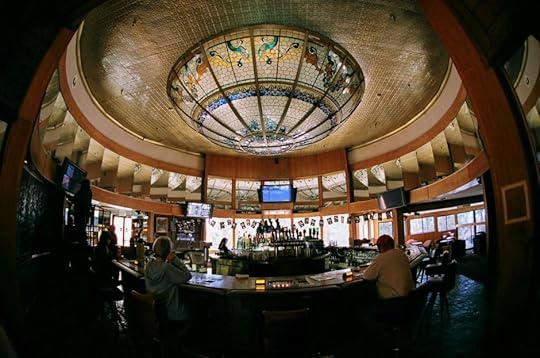
Photo: Douglas LeMoine
When the state of Nevada legalized gambling in 1931, the Cal-Neva Lodge became one of the country’s first legal casinos and a destination for some of the nation’s richest and most influential characters. While under the ownership of legendary crooner Frank Sinatra, the Cal-Neva also apparently became a frequent stop for the notorious Chicago crime boss Sam Giancana — or so thought the FBI, at least.
It’s alleged that Giancana had a hand in tipping the 1960 presidential election in favor of John F. Kennedy. Maybe it’s only coincidence that Sinatra took ownership of the Cal-Neva just a day before Kennedy was nominated by the Democratic Party, but some believe the election was one of several mafia deals that took place behind closed doors at the Cal-Neva Lodge.
Experience it: The lodge has faced some hard times in recent years. After changing hands several times, the property closed for renovations. Oracle chief Larry Ellison recently purchased it; however, plans for the future are unclear.
7. That time when some of the oldest-known human remains in North America were found here…
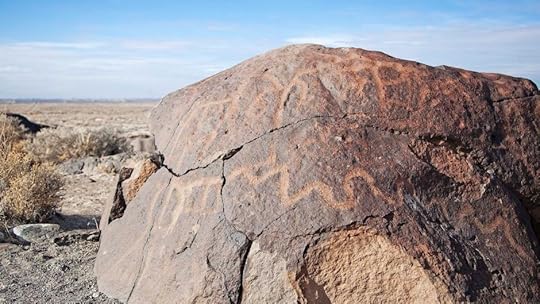
Photo: Sydney Martinez/TravelNevada
One of the oldest-known mummies found in North America was discovered in a cave just outside of Fallon, Nevada. Referred to as the Spirit Cave Mummy, the remains are over 10,000 years old — for some comparison, the Egyptian Pyramids (and associated tombs) were built around 5,000 years ago. Yeah, the Spirit Cave Mummy is really old.
The discovery of the Spirit Cave Mummy launched a decades-long court battle over whether it had any relation to local indigenous tribes. In 2016, genome sequencing proved once and for all that the Spirit Cave Mummy was, in fact, most likely related to the Fallon Paiute-Shoshone Tribe, and the remains were returned for a proper burial.
Experience it: Get a taste of Fallon’s native history by visiting Grimes Point Archaeological Area, about 10 miles southwest of downtown Fallon, just off the Loneliest Road. Within the archaeological area are various examples of rock art, and you can also tour Hidden Cave, home to artifacts that are thousands of years old. Just another awesome history lesson in Nevada.


The post 7 only-in-Nevada moments in history (and where to celebrate them) appeared first on Matador Network.

May 4, 2018
This man has been living rent-free in his own sand castle for 22 years
Marcio Mizael Matolias does not need much to live. Some blankets, a few books, a couple of golf clubs, and fishing poles are enough for him to have a happy, content life in his castle. Oh, and sand. Like, a ridiculous amount of sand.
A post shared by The Pink Gin (@thepinkgin_) on May 4, 2018 at 9:02am PDT
Marcio Mizael Matolias, also known as “The Sand King” or “King Marcio” built his own tiny castle out of sand on Barra da Tijuca beach in Rio de Janeiro 22 years ago. Marcio explained to NowThis that, at first, he did not plan to live in his 10-square-foot creation, but he quickly realized that he was spending more time in his sand castle than his apartment, so he moved in it permanently and saved on rent.
Marcio’s lifestyle also allows him to save on property maintenance. Keeping the sand castle damp prevents it from collapsing, so armed with a bucket, he douses his home regularly. But when a dungeon crumbles to the ground or a door needs some work, it usually an easy fix — if not, he can always build another castle and have a brand new home for free. Marcio embraces this ephemeral lifestyle to the fullest.
His home is far from being palatial, but Marcio makes do. When he needs to cook, he uses the stove that sits outside his castle and he uses the facilities at the nearby fire station for a dollar. And when it gets too hot in his home, he lies by the water or heads to a friend’s house for the night.
With his crown, his scepter, and his throne, Marcio has become a celebrity to the locals and the tourists who enjoy having their pictures taken with this tiny-home pioneer. Some give him donations while other support his unusual style of living by purchasing books from the small second-hand book sale he runs beside his home.
H/T: NowThis
More like this: This startup plans to 3D print affordable tiny houses to combat homelessness around the world
The post This man has been living rent-free in his own sand castle for 22 years appeared first on Matador Network.

Get paid $60k to adventure outdoors
Think about what you would do if you didn’t have to work for a living. If the answer is something that has to do with getting outside and being active, this is an opportunity you might want to look at. Beverage brand White Claw Hard Seltzer is looking for two ambitious and adventurous dreamers to “live their best life” for six months, and get paid $60,000 to do it.
A $10,000 per month salary is an enticing offer on its own, but White Claw is making the deal even sweeter. If chosen, you’ll spend six months on an adventure quest built around an active lifestyle that is good for the mind, body, and soul (well, apart from drinking their booze). Maybe that’s trekking the Pacific Crest Trail or biking across America’s back roads to check out overlooked small towns. Whatever your adventure, the idea is to highlight how you choose to pursue outdoor adventure.
One man and one woman will be selected for the journey, but they don’t have to adventure together. The idea is that you are the driver of your destiny, and White Claw is merely a vehicle for the ride. Travel must be done domestically but can include nearly anywhere in the United States. You must be 25 years old or older to qualify, and your photo submission should be of you doing something awesome (holding a can of White Claw in the photo probably isn’t going to hurt your chances, either). Entries must include a captioned photo telling the brand how you live your best life. Check out the contest website to get started.
There’s no shortage of reasons to celebrate if you win, starting with the fact that after your “work” is done for the day you’ll have plenty of White Claw Hard Seltzer to raise a toast with.
More like this: Hawaii is giving free trips to stressed-out workers to work from their beaches
The post This booze brand will pay you $60,000 to spend 6 months adventuring outdoors appeared first on Matador Network.

NY pizza delivered by plane to West
When you’re stuck on the West coast and craving a big, thin slice of cheesy epicness, your options can be quite limited. Up until recently, your only solutions were to either fly across the country to satisfy your craving or stop by a local shop and settle for what’s likely nothing more than an imitation. New York airline JetBlue is about to revolutionize the situation with their new “Pie in the Sky” promotion.
The airline has partnered with the legendary Patsy’s Pizzeria of East Harlem, one of the city’s long-standing classics of the pizzeria circuit, to fly New York pizza to California and deliver it to customers on the same day they order it. Patsy’s is famous for its super thin crust, coal oven-fired pizza, and you can choose between plain cheese and pepperoni.
Customers place their orders on JetBlue’s website beginning each day at 12:00 AM. A set number of pies can be delivered each day, and orders will stop being taken once the limit is reached. The talented pizza chefs at Patsy’s prep the pies in their restaurant kitchen. They then pack the pizzas for flight and hand them off to JetBlue to fly across the country. Once in Los Angeles, the pies are heated and delivered right to your home.
You can track your order on the website. If you order right at midnight the night before, you might be eating New York pizza for dinner the following evening. Delivery costs have yet to be released, but one thing’s for sure: when you have the itch that only real New York pizza can scratch, there’s no price too high.
If you’ve never been to New York and feel insecure about your pizza handling skills, check out this handy video from JetBlue starring Spike Lee, where he walks you through the basics of stuffing your face with the world’s best pie, the most cardinal rule being: put the knife and fork away and learn how to fold.
Video embed:
More like this: https://matadornetwork.com/read/robot-pizza-truck-can-bake-120-pizzas-driving/
The post JetBlue will deliver authentic New York pizza to you in LA on the same day you order it appeared first on Matador Network.

Underrated islands in US
Hawaii is a dream getaway. But part of what makes Hawaii such a great destination is the fact that it sits in the middle of the Pacific Ocean, 25,000 miles away from the closest continental US state, which also makes it pretty inconvenient and expensive to visit. Fortunately, there are a ton of US islands that are much closer and more affordable, but just as dreamy. Next time you’re craving an island escape and Maui is out of the question, get on a boat to check out one of these wildly underrated US islands instead.
1. Ocracoke Island, North Carolina
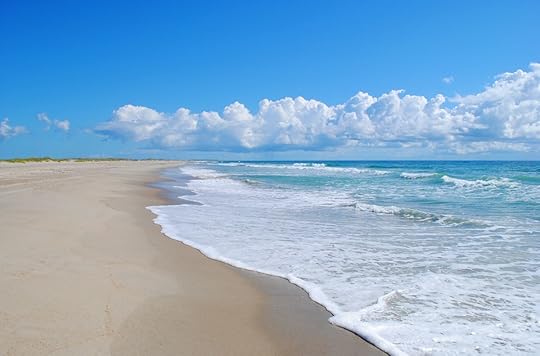
Photo: Visit Oracoke NC
Most people think of Hatteras Island when they think of North Carolina’s Outer Banks, but neighboring Ocracoke Island is an awesome alternative, and relatively undiscovered. It’s a great spot for water sports like kayaking and kite surfing, and the seashore is perfect for tanning, shelling, surf fishing, and beach walks. You can also wander through the wooded Springer’s Point nature preserve and gaze out at Teach’s Hole, a spot offshore where the infamous pirate Blackbeard (born Edward Teach) used to anchor his boat. Ocracoke Island is easy to reach from Hatteras Island. It’s a little under an hour away by ferry, and tickets are totally free. Like anywhere in North Carolina, it can get chilly during the winter, so plan a summer trip if you want highs of 75°F and lots of sunshine.
2. Cumberland Island, Georgia
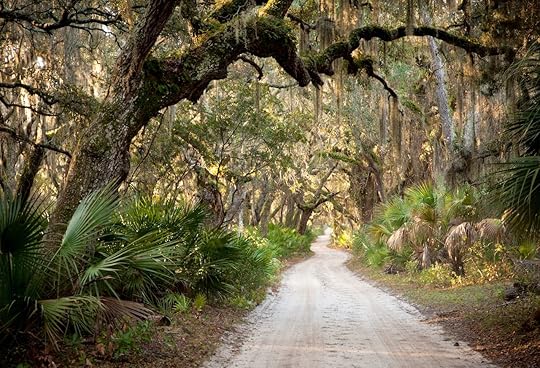
Photo: Stacy Funderburke/Shutterstock
The largest and southernmost barrier island in Georgia’s Sea Island chain, Cumberland Island stretches 18 miles of white-sand beach. You can get there by boat from St Marys, a city roughly 40 miles north of Jacksonville, Florida across the border. Round-trip ferry tickets cost about $28 plus tax for adults and $18 plus tax for anyone under 15. Once on the island, outdoor activities include kayaking through salt marshes, getting a good dose of vitamin D on secluded beaches, swimming in the Atlantic, and hiking through Spanish moss-covered forests.
Cumberland Island isn’t what you’d call a luxury destination, but it has a surprisingly glamorous past. In the 1880s, Thomas Carnegie bought land on the island, and his family eventually built several estates there. Visitors can tour the Plum Orchard mansion or explore the ruins of the Dungeness estate, which was destroyed in a fire in 1959. Overnight guests can stay at the Greyfield Inn, another Carnegie-built property and the only commercial establishment on the island, or come prepared with a camping permit in tow.
3. Block Island, Rhode Island
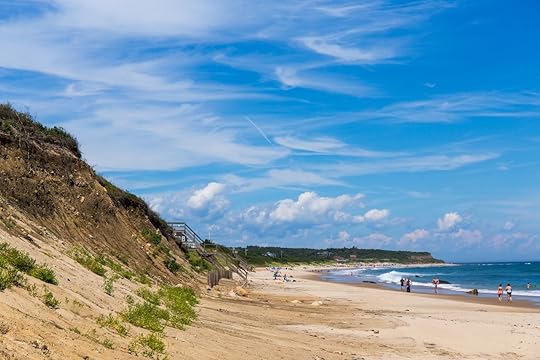
Photo: Justin Starr Photography/Shutterstock
Block Island is just a hop, skip, and ferry away from mainland Rhode Island. The total sailing time for the Hi-Speed ferry from Point Judith is 30 minutes, and regular tickets are only $7 each way. Ballard’s Beach is one of the most popular beaches on the island and a must-visit if you want to try your hand at beach volleyball. There’s also a special little beach at the base of the island’s 200-foot Mohegan Bluffs, which you can access via a roughly 150-step wooden staircase, assuming you’re up for the return climb. For something a little easier on the knees, consider wandering over to the nearby Southeast Lighthouse instead, or plan an outing at the Saturday morning farmers’ market. Like anywhere in New England, Block Island is particularly lovely during fall and spring, so keep it in mind for Labor Day or Memorial Day weekend.
4. Santa Cruz Island, California
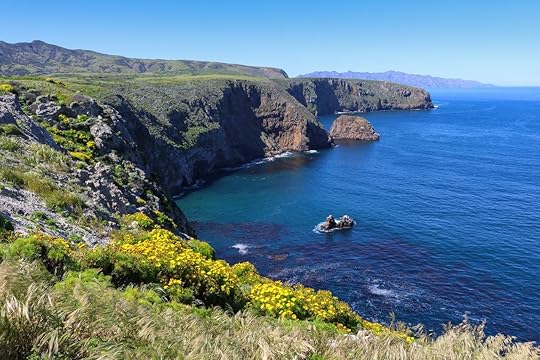
Photo: Bram Reusen/Shutterstock
Santa Cruz Island is the largest of the eight Channel Islands, which is where you’ll find some of California’s most beautiful landscapes. The archipelago is full of cliffs, secluded coves, and wildflower fields, and the surrounding waters are filled with cool marine wildlife. Santa Cruz Island is an obvious choice for outdoorsy types, whether they prefer aquatic activities like snorkeling and scuba diving or land-based excursions like hiking and caving. While there are no accommodations on the island due to its protected status, guests are welcome to pitch a tent at the Scorpion Canyon campground. Daytrippers can expect to pay about $60 round trip for a visit while overnighters can expect to shell out closer to $80 for transport and another $15 per night for the campsite.
5. Lummi Island, Washington
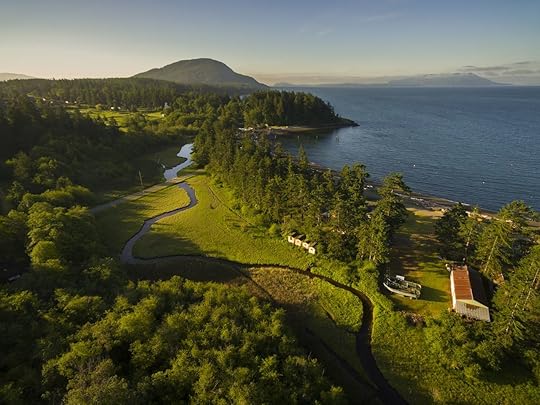
Photo: Edmund Lowe Photography/Shutterstock
Lummi Island is the perfect setting for a weekend trip. It’s calm and quiet, but there’s also plenty of island activities to keep you busy for a couple days. Whale-watching excursions are popular between April and October, sea kayak rentals are easy to organize, and the beach is prime for petroglyph hunting. The water is chilly, but you can still splash around or start your day with a polar bear swim. After working up an appetite exploring the island, chow down on fresh seafood or sample gourmet creations from celebrated chef Blaine Wetzel at the Willows Inn. To reach Lummi Island, just hop on the five-minute ferry from Bellingham, Washington. Standard fare is $7 or $13 if you want to bring your car onboard.
6. Anna Maria Island, Florida
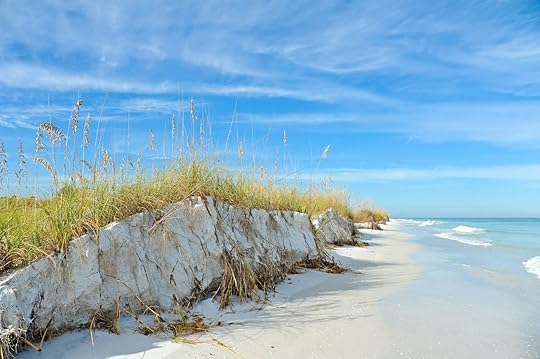
Photo: Mark Winfrey/Shutterstock
Anna Maria Island is an excellent vacation alternative to the Hawaiian Islands and The Keys. The 7- by 2-mile barrier island is located about 50 miles south of Tampa where Tampa Bay meets the Gulf of Mexico. Its white-sand beaches are perfect for swimming during the day and stargazing at night. Island-goers can also go fishing, tour wildlife preserves, and enjoy cultural attractions like a small museum and historical society. Anna Maria Island is an easy one-hour drive from both Tampa and Sarasota. Just be prepared to pump the brakes when you pull up as the local speed limit is only 35 mph.
7. Daufuskie Island, South Carolina
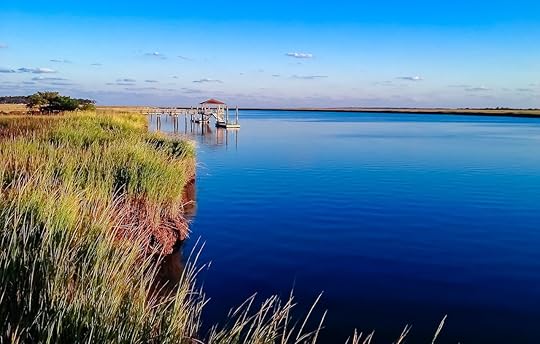
Photo: Adam Colick/Shutterstock
If you asked the average American to name an Island off the coast of South Carolina, they would immediately say Hilton Head. Daufuskie Island is fewer than ten miles away from its sister island but doesn’t draw nearly the same crowds, making it all the more appealing. The ferry from Hilton Head is $35 round trip, and the ride is about an hour each way.
There’s only a handful of paved roads and around 400 permanent residents on the island, so pretty much everyone gets around on golf carts. Half the fun of visiting is getting to rent one of your own, but on the off chance you appreciate more about golf than its signature carts, you’ll love the island’s championship courses. Otherwise, you can spend your days paddle boarding or riding horseback on the beach, then taking in historic landmarks on the Rob Kennedy Trail. The easiest way to stay on Daufuskie Island is to rent a vacation home. June through December is the busy season, but the island has seen temperatures as high as 80℉ in February and March, so it’s a solid place to visit year round.
More like this: The 24 coolest towns in the USA
The post The 7 most underrated islands in the US if you can’t make it to Hawaii appeared first on Matador Network.

Rent private island on Airbnb
If you’ve ever wanted to buy your own private island but can’t quite squeeze the funds out of your budget just yet, there’s no reason to let your isolationist dreams go by the wayside. There is now an alternative option: rent that island, instead. For $975 per night on AirBnb, Little Peter Oasis, in the heart of the Caribbean of the coast of Belize, gives guests the chance to say sayonara to the rest of the world.
The price tag isn’t cheap, but it covers nearly everything but your flights. Each stay includes boat transfer to the island from Dangriga, Belize, a quick twenty-minute puddle jumper from Belize City, and the host works with you in advance to make sure you have everything you need for the stay.

Photo: Airbnb
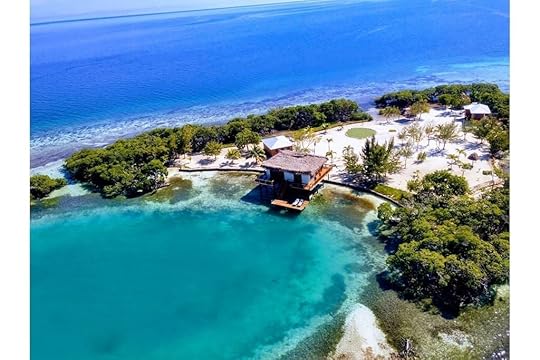
Photo: Airbnb
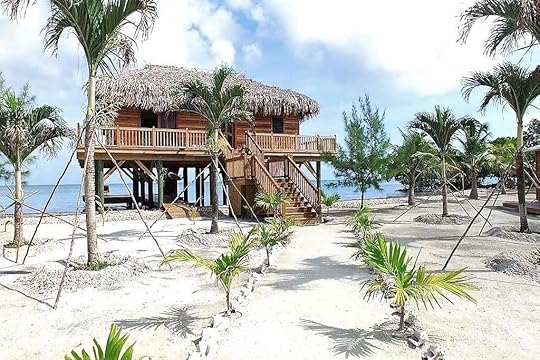
Photo: Airbnb
The sweetest part of the deal is that other than a couple staff members, there’s absolutely no one else around but you and your crew — no tourists, no screaming children, no one to get in the way. Even the staff spend most of their time way on the other side of the island. Get yourself settled and take a load off, because you’re looking at all the privacy in the world.

Photo: Airbnb

Photo: Airbnb
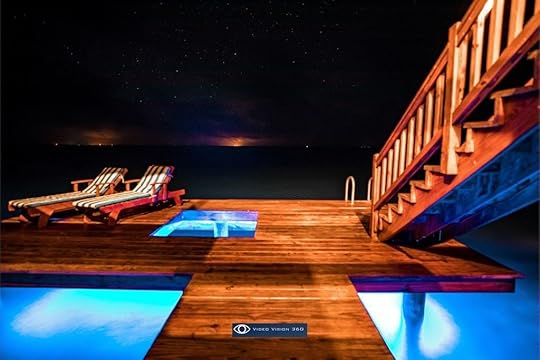
Photo: Airbnb
The accommodation can sleep up to five people in two bedrooms and on a futon. Breakfast is included; as is WiFi, but odds are you’ll never use it. The recreational activities commonly associated with chilling by the beach are all here too. You can snorkel with marine life near a major barrier reef, lay in the sun and soak up the rays, or stretch out on the deck over a fruity cocktail, gazing out at the Mayan Mountains in the distance. Maybe even rope a fish and grill it in the kitchen for dinner. In the evenings, after you’ve had your fun swimming with the fish, head into the secluded blue lagoon just of the reef and toast to your unbridled mastery of vacationing.
More like this: You can own your own private island in Scotland for $350k
The post You can actually rent this private island in Belize on AirBnB appeared first on Matador Network.

10 lessons from Crystal River, FL
Trace a map of Florida’s Gulf Coast and your finger might skip right over Citrus County, home to the communities of Floral City, Inverness, Homosassa, and Crystal River. This place flies under the radar — and that should be your first hint to look closer.
Here, roads you may think lead to nowhere end at hidden beaches. And all of a sudden, your plans for the day (and your small-town assumptions) are thrown right out the window. That’s the charm. After a day or two, you’ll start rethinking a few assumptions, because there’s more than one thing we could all learn from the Crystal River region. And take note: Manatees, margaritas, and mermaids are only the beginning.
1. Your mother taught you manners for a reason.
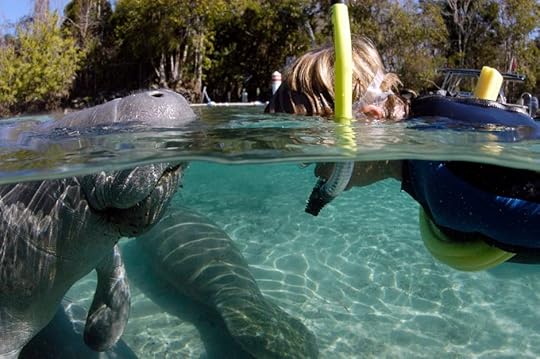
Photo: Discover Crystal River, FL
Well, “manatee manners” to be exact. The Crystal River area is the Manatee Capital of the World, thanks to its prime real estate on the Gulf and abundance of natural springs — the ideal shelter for these marine mammals. And while the manatees are technically here all year long, the winter months are best for seeing them, as they huddle into the springs for warmth.
Head to Three Sisters Springs on a clear, cool winter morning for a good chance at catching these gentle giants wiling away the hours. From here, there are two ways to experience the magic: safe and sound on the Three Sisters Springs boardwalk, or right in the water. You can’t enter the spring from the boardwalk, though — if you want to swim, you’re best off going in with the pros.
Kings Bay, home of the Crystal River National Wildlife Refuge, is the only place in the USA where you can legally swim with manatees. Hit up one of the local outfitters, brush up on your “manatee manners”, and you’re good to go.
2. Sometimes life’s better on the fly.
The coastline here is lined by mangroves, and that makes for one awesome fly-fishing scene. Tarpon, snook, redfish, speckled sea trout, and tons of other species are hauled in on the daily.
Getting to the “secret” flats of Crystal River and Homosassa requires good knowledge of the area, but local guides like those with the venerable Homosassa Guides Association will hook you up with that (as well as the appropriate gear). No, you don’t have to know how to cast a line, and yes, watching old-school Brad Pitt in A River Runs Through It qualifies as studying up.
3. Life can be a walk on the beach.
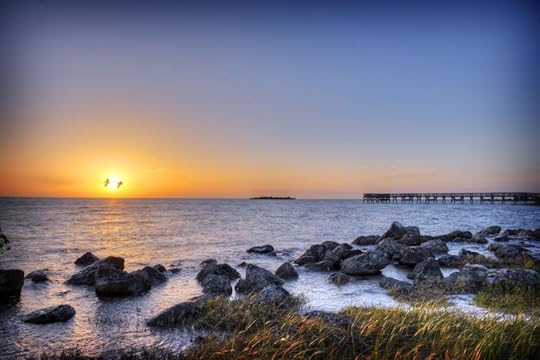
Photo: Discover Crystal River, FL
Down a stretch of road known as the Fort Island Trail — yes, one of those roads that seem to go nowhere — the marshland on either side slowly transforms into Fort Island Gulf Beach. This is where the waters of Crystal Bay feed into the Gulf of Mexico…if you’re looking for something off the beaten path, you’ve found it.
The beach isn’t huge, but since so many flock to larger beaches on Florida’s Gulf Coast, this local oasis feels much, much bigger. It has roped-off swimming, pavilions, food vendors (mainly in summer), a fishing pier, picnic tables, and the occasional friendly dolphin causing a stir.
4. Music sounds better in a canyon.
If you head into town and the fire-lit patios over the Gulf are looking sparse, you didn’t happen upon a dead weekend — you’re just in the wrong place. Everyone else is in the canyon.
Rock Crusher Canyon, to be exact. It’s played host to music legends like Joan Jett, Trace Adkins, and the Charlie Daniels Band, and local groups with not-so-local followings get their share of the stage, too. It’s technically a pavilion and amphitheater, and most shows have both reserved seating and bring-your-own-chair sections (so pack that picnic!).
5. The well-traveled path can still pay off.
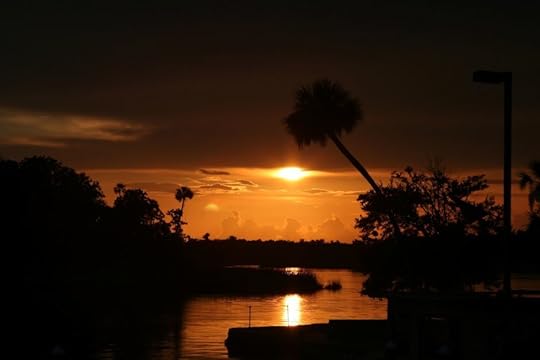
Photo: Amy Venables for the Florida Department of Environmental Protection
The Crystal River region is one of those places where the lines between city and nature are totally blurred. You can go from shops and outdoor malls to state parks, quiet biking trails, and eco walks in a matter of minutes.
What’s an “eco walk?” Glad you asked. The only one you need to know about begins in Crystal River Preserve State Park — it’s a two-mile path that takes you through meadows, pine forests, oak savanna, and to a freshwater marsh. The park itself borders 20 miles of the Gulf Coast, and there’s four other awesome trails that take you along its islands, inlets, and backwaters. Stick to these, and you can’t go wrong.
6. You don’t have to be home for a home-cooked meal.
There’s dinner, and then there’s dining. The McLeod House Bistro in Inverness is one of those places where you can just sit back, enjoy the local ingredients, and head-bob to live music between bites. And, yes, it’s actually in a house — one that was built in 1915 — so “home-cooking” and “plenty of charm” are on the menu, too.
Pro tip: They’re only open for dinner, and you should definitely make a reservation in advance.
7. Fresh seafood is the only seafood.
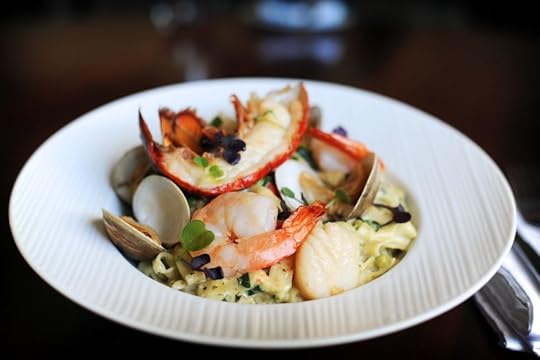
Photo: Discover Crystal River Florida
Finding locally caught seafood isn’t a challenge here — finding a place without seafood on the menu might be.
But just eating it isn’t enough. Head over to Charlie’s Fish House — one of a few seafood markets in town — and they’ll show you how to fake some serious seafood-cooking chops once you get back home. If you decide to grab a bite here (which would be a good choice), traditionalists can try the Seafood Gumbo, while risk-takers should nab the frog legs, calamari rings, or conch fritters.
8. Traditions are the spice (and the sweetness?) of life.
The Floral City Strawberry Festival, held annually in the first weekend of March, is a celebration of local agriculture. Check it out for just $5 per adult (kids 12 and under are free), and put away as many strawberries and helpings of strawberry shortcake as you can handle.
Keep the calendar as open as you can when it comes to local events, though. You’ll also want to hit up Fort Cooper Days, The Taste Festival in Inverness, and — the money-maker — the Mermaids & Margaritas Festival. That last one takes place in April each year, and apart from the homemade ice cream and super-fresh margs, you’ll come back with the ultimate souvenir: a swimmable mermaid tail. Here, mermaids are real, and you can be one.
9. Life’s always better in the fast lane.
Speed limits need not apply. Citrus County Motor Speedway may not have all of the pomp and circumstance of Daytona, but with street stock car races and a good ol’-fashioned demolition derby, no one needs “pomp” anyway. Besides, general admission is $10, kids up to 18 are $5, and six and under are free — try to beat that for a fast-paced evening.
10. And the rest is history.
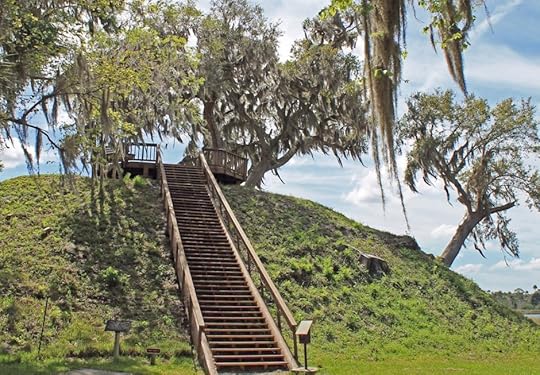
Photo: Meredith Burns for the Florida Department of Environmental Protection
It won’t look like it heading down the main drag, but just past Crystal River’s historic downtown shops is a site that makes most out-of-towners do a double-take. The jump from modern, urban, and contemporary to ancient, historic, and natural happens in a matter of blocks.
All of a sudden, you’re transported 1,600 years into the past, faced with six preserved Native American temple mounds rising out of the otherwise flat terrain. Crystal River Archaeological State Park is also a US National Historic Landmark, protected as one of the longest continually occupied sites in Florida.
Once you take a walk around the interior plaza of the site, you have the option to head into the museum, grab a seat, and watch a film on the area’s history, or head out past the largest temple mound and take in a picnic lunch overlooking the nearby coastal marsh…though why not both? Bonus lesson: When you can, always choose both.
The post 10 things you’ll learn when you visit Crystal River, FL appeared first on Matador Network.

May 3, 2018
Cat escapes in JFK airport
Cats are independent creatures; this is well-known by anyone who’s ever owned one. These adventurous felines often don’t mind a good adventure, but a cat named Pepper in New York City took her feisty spirit a bit too far — she escaped and spent a week roaming around John F. Kennedy Airport.
The journey started in Terminal 4 at JFK, where Pepper escaped from her owners as they checked in for a flight to China. Pepper took off unspotted, making his way through the terminal and eventually into a series of small, confined hiding spaces that only a cat could weasel its way into.
The owners missed their flight as they searched for the missing feline, but eventually had to turn the search over to The Port Authority Police Department. The PAPD pounced on the case, working alongside a friend of the owner to lure Pepper from hiding by setting humane traps throughout the terminal. It would be eight days before they had success.
Pepper still remains elusive in JFK Airport's Terminal 4 but, Pepper appears healthy. #PAPD police officers are continuing their efforts to rescue Pepper and return to her owner. Officers have been leaving food for Pepper in the areas of her sightings. #PAPDPROTECTSNYNJ pic.twitter.com/owuBgCLq3b
— Port Authority PBA (@PAPD911) April 27, 2018
In that time, Pepper made numerous appearances on airport security cameras and became a social media star in the process. The PAPD regularly posted video and photos of the cat at various points throughout the terminal, bringing #Pepper to near trending status throughout the week.
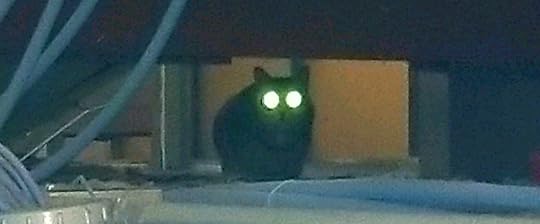
Photo: Port Authority Police Department
Police officers left Pepper food throughout the week. After finally deciding to come back to society, Pepper was collected by the owners’ friends (pictured below with the officers who caught the cat) and will be reunited with its owners once they return from China. Let’s hope they keep an extra close watch on her this time around. 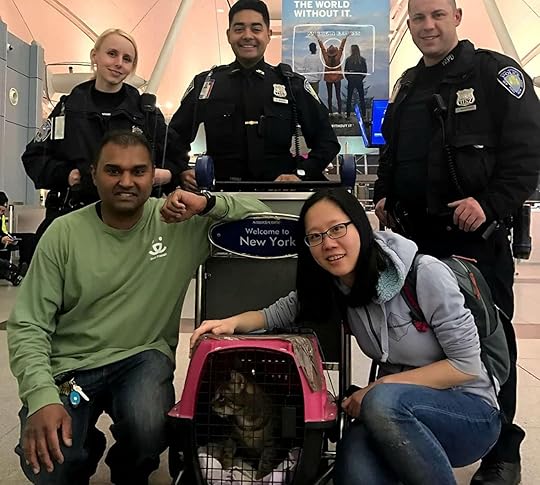
Photo: Port Authority Police Department
Credit: Port Authority Police Department
More like this: Travelers beware: You can't bring your pet peacock on the plane
The post This adventurous cat escaped its crate and ran free at JFK airport for a week appeared first on Matador Network.

Matador Network's Blog

- Matador Network's profile
- 6 followers


