
Matador Network's Blog, page 1344
May 15, 2018
Most beautiful train stations
Traveling by train is a time-tested method to enjoy seeing parts of countries we may not otherwise experience. Whether commuting or taking a long-distance journey, architecture, history, and artful aesthetics can make that wait for the next train pass in no time at all.
Here are some of the most beautiful, inside and out, train stations around the world.
1. Estação de São Bento, Porto, Portugal
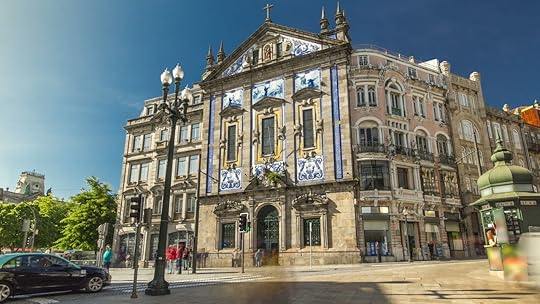
Photo: Kirill Neiezhmakov/Shutterstock
The first train pulled into the station in São Bento in 1896. Architect Marques da Silva drew inspiration from Parisian architecture for its exterior and, inside, artist Jorge Colaço spent 14 years crafting a massive azulejo tile mural.

Photo: eldeiv/Shutterstock
Even those in a hurry slow down to gaze upon its 20,000 hand-painted, tin-glazed, blue and white tiles. This is a busy destination for trains heading to the suburbs of Porto, as well as to and from Portugal’s capital city of Lisbon.
2. Antwerp Centraal Station, Antwerp, Belgium
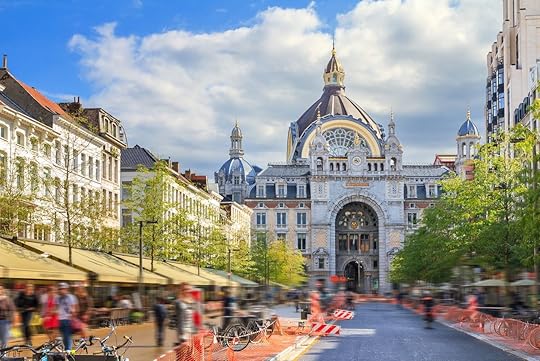
Photo: Dennis van de Water/Shutterstock
Officially noted by the media as one of the world’s most beautiful railway station, this stone-clad terminal was originally constructed between 1895-1905.
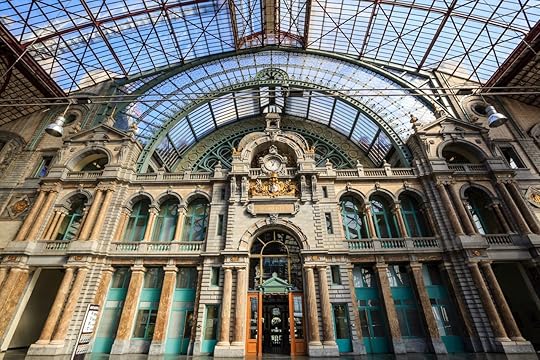
Photo: Piith Hant/Shutterstock
Designer Louis Delacenserie designed the building using over 20 types of marble and stone. The impressive multi-level glass and iron vaulted ceiling survived the V-2 bombs of World War II. Delacenserie definitely used his imagination in the creation of this space: it can be assigned no particular architectural style other than just being simply stunning.
3. Grand Central Terminal, New York City, New York
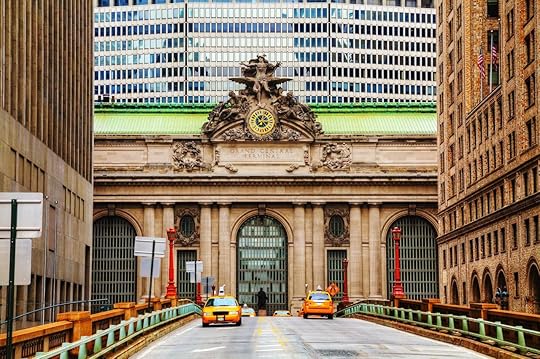
Photo: Photo.ua/Shutterstock
The world’s largest train station welcomes travelers beneath the ticking face of the world’s largest Tiffany clock. Over the rush of the workday crowds, an aquamarine ceiling bends with six gold-leafed signs of the zodiac, famously painted in reverse order.

Photo: Paper Cat/Shutterstock
Built by Cornelius Vanderbilt in 1871, customers can still purchase tickets through the original gold barred ticket windows and entertain themselves during layovers with whispering galleries, secret bars, and a stop at its ever-popular Oyster Bar.
4. Estación de Madrid Atocha, Madrid, Spain
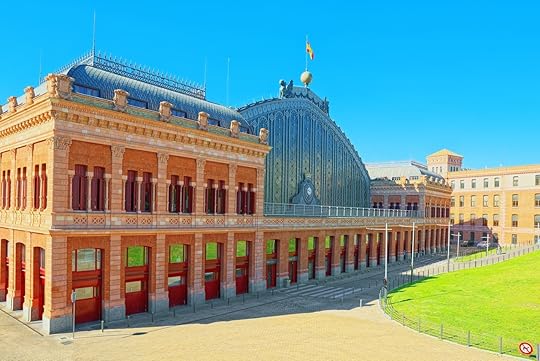
Photo: Brian Kinney/Shutterstock
This station’s most striking feature is the lush greenery of the tropical garden growing in its main concourse. It was Madrid‘s first and largest train station when built in 1851, but a 1992 fire forced the building of a more modern structure adjacent to the historical one.
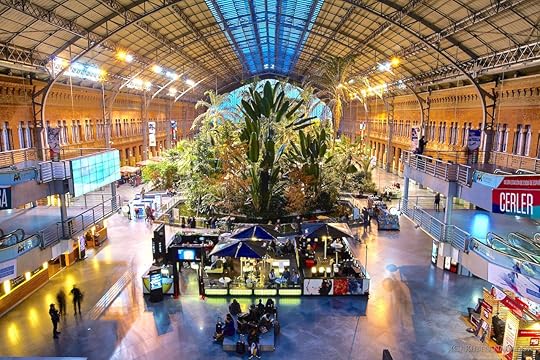
Photo: Ruben Nadador/Shutterstock
Though trains now leave from the new building, the original Atocha station structure is alive with shops, cafes, and even a nightclub.
5. St. Pancras International, London, England
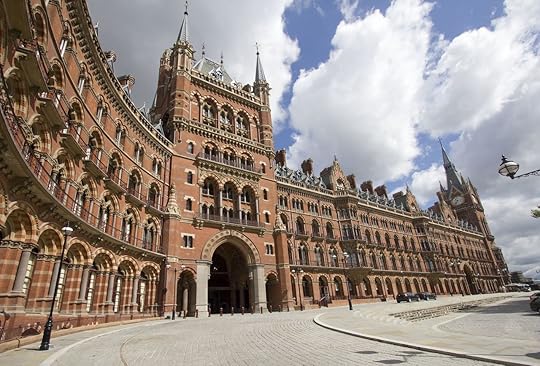
Photo: Jan Kranendonk/Shutterstock
The imposing Victorian structure has a red-brick, Gothic facade that is unyielding. But the station softens inside, where one can grab a seat at Europe’s longest champagne bar.
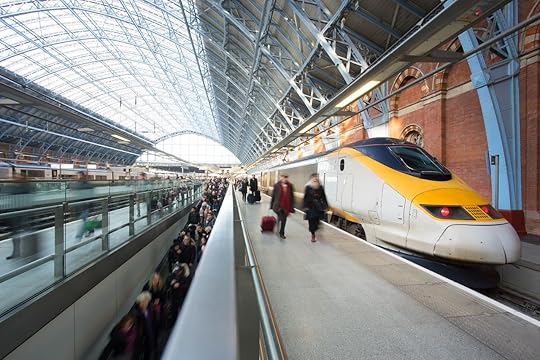
Photo: Alice-photo/Shutterstock
The massive station took 20 years to build and, upon its completion in 1868, it was for some time the largest enclosed space in the world. Seemingly untouched by the battering of bombs in World War II, St. Pancras is a gateway to Britain’s National Rail network.
6. Gare de Lyon, Paris, France
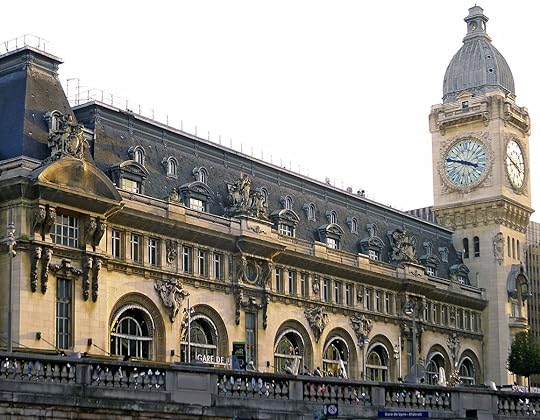
Photo: Mbzt/Shutterstock
Commissioned for the 1900 World Exposition, this station is an exemplary standard of period architecture with fine Beaux-Arts details. Trains head to destinations in the south of France, as well as Switzerland, Italy, Spain, and Germany. Over the decades, its famous clock tower has overseen the regular comings and goings of millions, including Jean Cocteau, Salvador Dali, and Brigitte Bardot.
7. Chhatrapati Shivaji Terminus, Mumbai, India
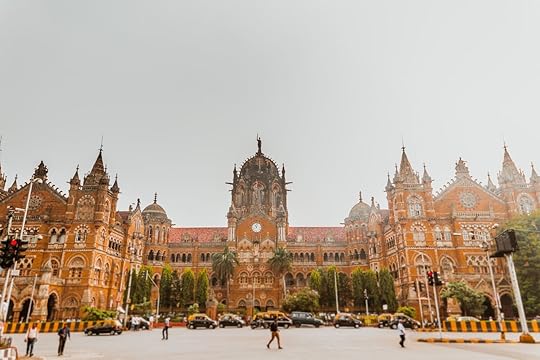
Photo: Arts Vector/Shutterstock
Built to honor Queen Victoria, construction of this massive station was completed in 1888. A fusion of Western and Eastern styles, the palace-like exterior served as a symbol of Bombay’s prestige within the British Empire and has earned it a spot on the list of UNESCO World Heritage Sites. The terminal now connects Mumbai and its suburbs with an impressive 3 million commuters passing through it each day.
8. Dunedin Railway Station, Dunedin, New Zealand
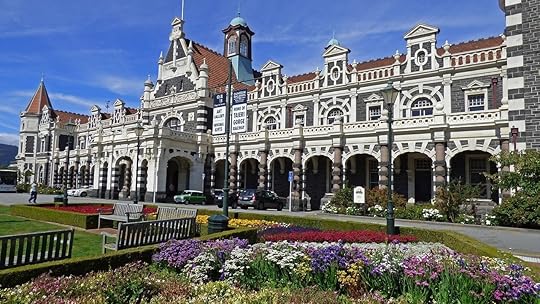
Photo: ArvidO
Architect George Troup became known as “Gingerbread George” after the completion of this ornate, Flemish Renaissance-style station in 1906.
Constructed of basalt from the small town of Kokonga and white Oamaru stone, it has become a regular stop for tourists looking for photo opportunities and a jump-off point for scenic trips on the local Dunedin line.
9. Kanazawa Station, Kanazawa, Japan
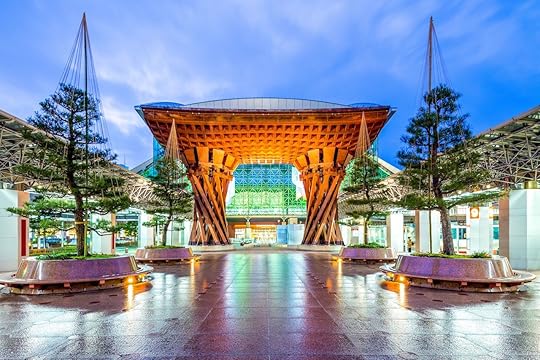
Photo: richie Chan/Shutterstock
Originally opened in 1898, this station became internationally known when the modern tsuzumi (drum) entrance to the station was unveiled in 2005. A dome of aluminum and glass shelters travelers from the weather while also filtering light into the shops and restaurants inside.
The introduction of such large-scale modern architecture to this traditional town was not particularly well-received at the time but has since attracted its fair share of admirers.
10. Helsinki Central Station, Helsinki, Finland
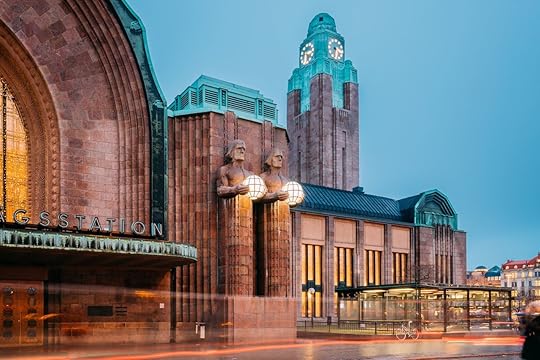
Photo: Grisha Bruev/Shutterstock
Originally built in 1862, this station proved to be too small for its needs, so in 1904, a contest was opened for a new design. Of the 21 entries, a design of National Romanticism was chosen, sparking a debate over public building design, many calling for a more modern, practical look. Luckily, the winning architect, Eliel Saarinen, was happy to oblige. Clad mostly in Finnish granite, this station opened in 1919 and is emblematic of Saarinen’s signature Art Nouveau style. Four massive sentry statues holding spherical lights oversee coming and goings of hundreds of thousands of commuters each day.
11. Liège-Guillemins Station, Liège, Belgium

Photo: Marcus Pink
Just outside of Brussels lies Liège, Belgium‘s third-largest city, and its gateway for high-speed trains across Europe. The first railway station of Liège-Guillemins was inaugurated in May 1842 but this most current inception was introduced in 2009.

Photo: Michiel Verbeek
The design of glass, steel, and white concrete by Santiago Calatrava has earned accolades in contemporary architecture, and the light that permeates the structure makes a long, commute much kinder. 

More like this: 7 of the world's fastest trains and where they can take you
The post The 11 most beautiful train stations around the world appeared first on Matador Network.


At-risk tourist hotspot alternative
You have saved up for months, maybe even years, to visit one of your bucket-list destinations. You wait patiently for the big day to come. When you arrive, you can hardly contain your excitement, but it turns out that you aren’t the only one who has been waiting to visit Venice, or Dubrovnik, or the Great Wall of China. Pushing your way through a seething mass of people, you make the most of your time at your long-awaited destination, but it just isn’t quite what you imagined.
Welcome to the world of mass tourism.
As access to affordable travel becomes a reality for more people across the globe, many tourist hotspots are at risk of being severely overrun. Some have already reached capacity, with local authorities introducing daily restrictions on visitor numbers, while others are bursting at the seams with tourists while struggling to cope.
The good news is that the world is a pretty big place. You might have had your heart set on visiting Barcelona, but how about popping over to the underrated European capital of Lisbon, Portugal? The Cinque Terre would look amazing in your Instagram feed, but Tropea would look just as drool-worthy. If you are looking for some more sustainable alternatives to the biggest destinations worldwide, read on to see where we suggest you visit instead.
1. Skip Dubrovnik, Croatia, and visit Kotor, Montenegro
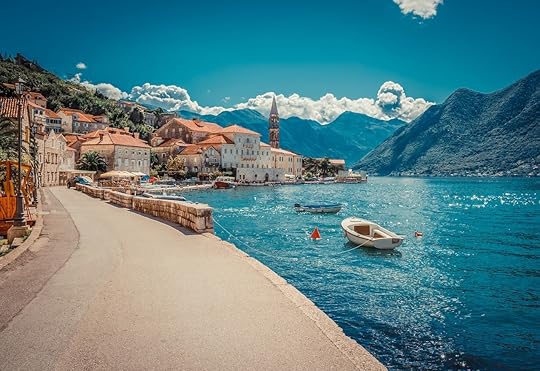
Photo: Oleg P/Shutterstock
So many people watch Game of Thrones, which was partially filmed in Dubrovnik, Croatia, that the TV series has catapulted the Croatian capital into the spotlight, showing the way to an inevitable throng of tourists. In an effort to reduce overcrowding in the walled city, Croatian officials have announced that they will drop the daily visit limit from 8000 to 4000 over the next year. The good news? Just a three-hour drive away is Kotor, with its very own walled city. Visiting Kotor, Montenegro is like visiting Dubrovnik before it was taken over by Game of Thrones souvenir shops.
2. Skip Venice, Italy, and visit Annecy, France
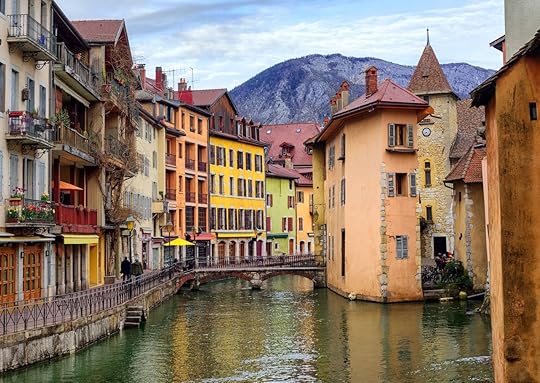
Photo: Boris Stroujko/Shutterstock
Venice has long surpassed its tourist capacity, and it shows not only in the sagging infrastructure but in the attitudes of many locals. And who could blame them? With up to 60,000 tourists a day swamping the local population of 55,000, it certainly would make living in this beautiful city rather uncomfortable. If you are looking for a beautiful canal city alternative, try Annecy, France. Located close to Geneva, this alpine city offers a colorful alternative to Venice, and the pedestrian walkways between the canals are guaranteed to be a lot less crowded. The temperature is a little cooler than Venice, but the beautiful views from Lake Annecy (and the lack of crowds taking selfies) are worth it.
3. Skip Barcelona, Spain, and visit Lisbon, Portugal
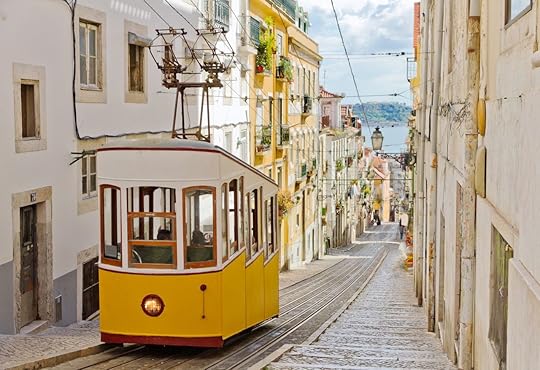
Photo: Martin Lehmen/Shutterstock
Let’s be honest: nothing will ever compare to seeing the Sagrada Familia. Unfortunately, seeing it at the same time as 2000 other people, shoulder to shoulder, shuffling through its interior, makes the experience a little less special. Barcelona has long suffered from severe tourism overcrowding, and the locals are less than thrilled. With beautiful beaches, stunning architecture and a fascinating history, Lisbon is a great alternative to Barcelona that is often overlooked. If you really want to make the most of your visit, swap out a trip to Ibiza with one to the Azores — you won’t be disappointed.
4. Skip Santorini, and visit Hydra, Greece
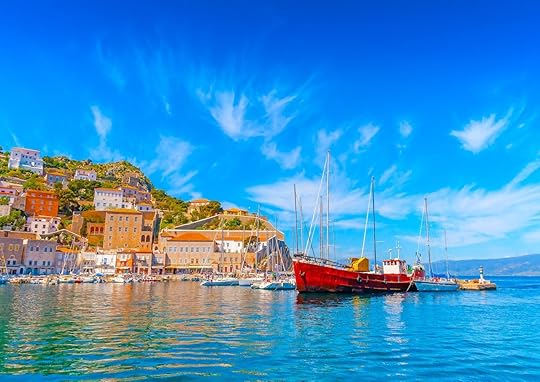
Photo: ImagIn.gr photography/Shutterstock
Officials from Santorini, the most visited of all the Greek islands, limited the number of tourists visiting by cruise ship to 8,000 in 2016. While no one will deny the beauty of its white and blue architecture and volcanic vistas, there are plenty of other Greek island destinations that you can explore that offer equally stunning architecture and culture. Instead, check out Hydra, where most vehicles are banned. Well known for its art and culture, you’ll be able to enjoy a glass of mastiha liqueur — without having to share the experience with 200 others.
5. Skip Machu Picchu, and visit Kuélap, Peru
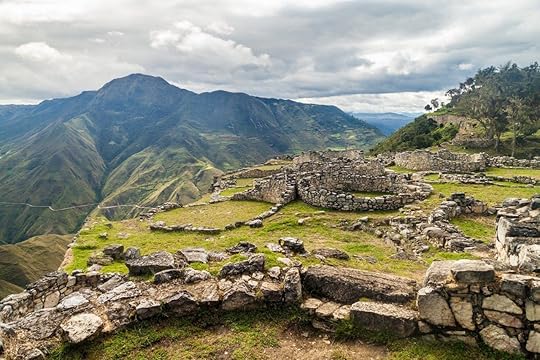
Photo: Matyas Rehak/Shutterstock
Visitor numbers at the ancient Mayan ruins of Machu Picchu have long exceeded the recommended 2,500 per day set by UNESCO. Never built to establish the huge numbers of people that descend on it daily, an attempt to limit visitors has been made by introducing a booking and guide system to gain access. An ancient settlement featuring over 400 stone houses, Kuélap is over 600 years older than Machu Picchu, and its partial accessibility by cable car makes it a great option for any on a quick trip — though it still offers a reasonable hike for those looking for a challenge.
6. Skip the Cinque Terre, Italy, and visit Tropea, Italy
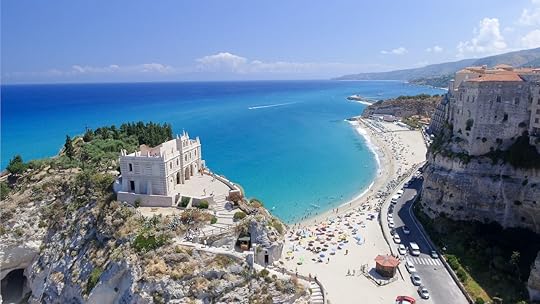
Photo: GagliardiImages/Shutterstock
The thing that people often forget about visiting the Cinque Terre is that some of the paths are pretty narrow, and quite steep. Navigating these paths when they are full to the brim with walkers is not fun, particularly when they have been damaged by heavy rain. The Southern Italian town of Tropea is another cliffside destination, one far less overrun with tourists in walking sandals. With narrow, winding streets; beautiful cathedrals and religious buildings; and a range of restaurants and cafes to keep you content, it’s a fantastic alternative to Cinque Terre.
7. Skip Iceland, and visit Trondheim, Norway
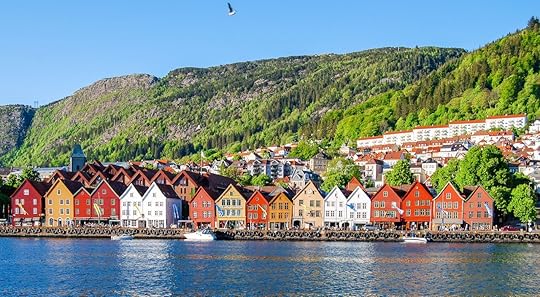
Photo: Zarnell/Shutterstock
Iceland is gorgeous, but the sheer number of people visiting popular destinations on the Golden Circle and Ring Road is appalling. The environmental impact of so many tourists on beautiful sites such as Gulfoss and Skógafoss is shocking, and limits are being put in place to ensure their preservation. If you are looking for a secluded Nordic getaway, Trondheim has rows of colorfully-painted houses, beautiful hikes and scenery, great museums, and lots of quirky culinary offerings.
8. Skip Angkor Wat, Cambodia, and visit Banteay Chhmar, Cambodia
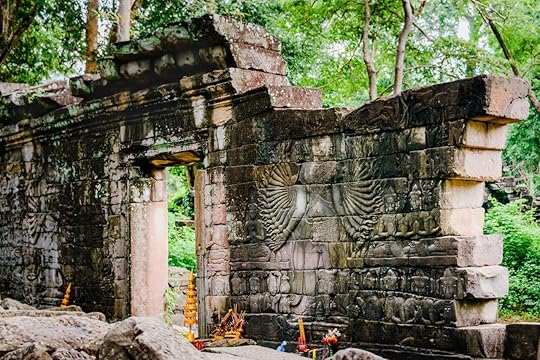
Photo: Anthony Tong Lee
While seeing the sunset from Phnom Bakheng in Angkor Wat is a must-do for many tourists, a daily limit of around 300 people has made this a lot harder — and for good reason. Hordes of tourists scrambling in the dark don’t do wonders for ancient ruins. Even older than Angkor Wat, the ruins at Banteay Chhmar were reopened in 2014 following minesweeping exercises, and remain secluded and unspoilt. As mass tourism hasn’t taken hold, the lodgings nearby are fairly rustic, but they are worth it to experience ancient ruins in a peaceful setting.
9. Skip Amsterdam, Netherlands, and visit Hamburg, Germany
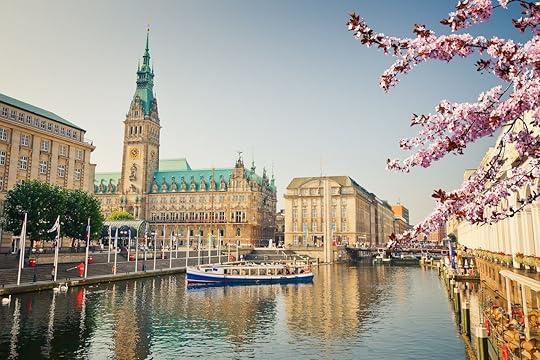
Photo: S. Borisov/Shutterstock
Ever tried to get a ticket to the Anne Frank House at the last minute? Don’t. With queues stretching down the road, the attraction — like many others in Amsterdam — is stretched to its limit. Though city officials have tried redirecting tourists to avoid congestion, there is a long way to go. If you’re looking for a canal destination with hip cafes, a trendy art scene, outdoor activities, and a red light district even bigger than Amsterdam, Hamburg is the way to go. Long overlooked for its trendier cousins Munich and Berlin, Hamburg is fast becoming a city of cool.
More like this: I came to Iceland for the solitude and all I saw were tourists
The post The 9 most at-risk tourist hotspots and where to go instead appeared first on Matador Network.

Most delicious Italian desserts
You don’t mess with desserts in Italy. Many of them are connected with religious festivities such as Easter, Carnival, or saints’ days, which means there is a legitimate cultural reason to be scoffing them. Some have become so important that they are given geographically-protected status, which means that they must be produced in a certain area of Italy to regulated standards. So, while in Italy, expand your dessert horizons from gelato, and look out for melt-in-the-mouth chocolate cake and a whole lot of deep-fried treats.
1. Cannoli Siciliani

Photo: Brent Hofacker/Shutterstock
Cannoli are made from fried pastry dough rolled up into a tube and filled with a sweet ricotta cream. The ends are then coated in pistachio crumbs, chocolate chips, or studded with candied fruit. This Sicilian dessert has become so popular that it can be found all across Italy, though the best place to eat them is, of course, Sicily. Cannoli can be found in bakeries and cafes throughout Sicily costing around 2-3 EUR a piece.
2. Sfogliatelle
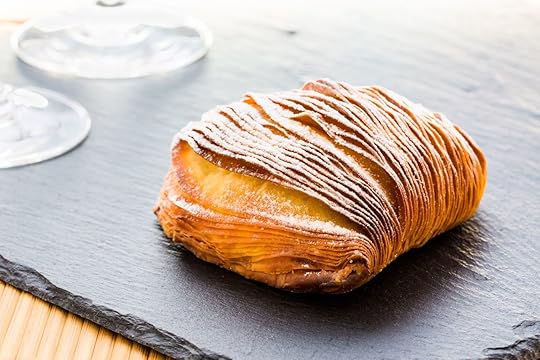
Photo: Valentino Cazzanti/Shutterstock
Walking around the streets of Naples city center, you’ll see many tiny shops selling sfogliatelle. About the size of the palm of your hand, these pastries have the form of a shell, or a ‘lobster tail’ as they are sometimes called in America. Although they can be made using shortcrust pastry, it is the flaky pastry that gives them the characteristic appearance of being built up from several layers of wafer-thin leaves (sfogliatella means thin leaf or layer). They are usually filled with ricotta, candied citrus peel, and semolina, and at one 1-2 EUR a piece, they make for the perfect breakfast treat, especially if just out of the oven.
3. Chiacchiere

Photo: NoiChocolate/Shutterstock
Carnival time in Italy is traditionally a period of indulgence and festivity before the dark days of fasting over Lent. As such, dessert production booms in this period and the whole of Venice seems to smell of icing sugar. One of the most widespread desserts produced during Carnival are chiacchiere. These are made with boozy dough that is rolled out thinly, cut into squares, deep-fried, and dusted with a generous dose of icing sugar. Chiacchiere are crunchy, light as air, and very addictive, but luckily they are generally sold in big trayfuls and by the kilo. They have different names throughout Italy, so if you are in Venice for Carnival you need to look out for “crostoli” instead. Rather incredibly, these can range from 15 to 30 EUR a kilo, sometimes more, though if you make friends with a Venetian family, you will almost certainly be plied with free trays of their home-made ones.
4. Cantucci and Vin Santo

Photo: YRABOTA/Shutterstock
No Tuscan meal is complete without crunchy cantucci biscuits and a glass of sweet Vin Santo. These biscuits normally have pieces of almond inside, though there is a myriad of flavor variations from mint chocolate to orange or cardamom. They are intentionally very dry so that you can dip them into the sweet Vin Santo until they become soft and steeped in wine. In a restaurant, you pay the average dessert price of 5-6 EUR for a plate of several cantucci and a glass of wine. Alternatively, you can find them in bakeries and supermarkets ranging from 2 to 5 EUR per 200g packet depending on the quality, and have them dipped in your morning cappuccino.
5. Zeppole

Photo: Rocco d’errico/Shutterstock
In many regions of Italy, zeppole are traditionally produced to celebrate St Joseph’s Day (also Fathers’ Day in Italy), and so are called zeppole di San Giuseppe. The dough is shaped into balls and fried or baked, and then topped with a swirl of crème patissiere and a cherry glacé. This is definitely a guilt-free dessert — you gotta celebrate St Joseph after all! Found throughout Naples in pasticcerie (pastry shops), it costs around 2-3 EUR for one.
6. Frittelle di mele

Photo: Nelea33/Shutterstock
Christmas markets are a big attraction in the north of Italy, particularly in the region of Trentino Alto-Adige. Here, the crisp winter air is usually filled with the scent of sweet, fried things, such as frittelle di mele. The recipe is simple, thin circular slices of apple coated in batter, and deep-fried. To warm numb hands and feet while visiting Christmas markets, there’s nothing better than a steaming mug of mulled wine and a paper cone of frittelle di mele, fried to order so you can eat them while they’re hot. Prices in the markets do vary considerably from around 15 to 30 EUR a kilo.
7. Torta della nonna

Photo: Francesca2011 and Elena Demyanko, Shutterstock
Any self-respecting Italian restaurant will have torta della nonna on the dessert menu. “Torta della nonna” translates as “grandma’s cake,” so you can be sure that it’s real comfort food. It has an exterior of shortcrust pastry which is filled with crème patissiere and covered with pine nuts and icing sugar. Originally from Tuscany, it can now be found throughout Italy. A large slice, perhaps with a dollop of cream or ice cream, normally costs around 5 EUR in a restaurant.
8. Tenerina

Photo: Ckp1001/Shutterstock
La tenerina, a dessert originating from the city of Ferrara, is somewhere between a cake and a mousse, with a soft, squidgy center and a crispy exterior. The recipe is gratifyingly simple — dark chocolate, butter, eggs, sugar, and a little flour. It’s usually found as a dessert in restaurants where, to be extra luxurious, it’s eaten warm with cream or vanilla ice cream. You’ll find it for around 5 EUR on a dessert menu.
9. Crema fritta
A post shared by Alessandra Di Martino (@alessandra_di_martino) on Oct 11, 2017 at 12:57pm PDT
If ever anyone starts to smugly extol the virtues of the Mediterranean diet to you, remind them of crema fritta, AKA fried cream. Unsurprisingly, crema fritta is another Carnival calorie hit, originating in the Veneto. It consists of crème patissiere that is allowed to solidify, cut into squares, coated in breadcrumbs, and then fried. While in the Veneto it is eaten as a dessert, in other areas of Italy it is, rather unusually, eaten with savory, fried snacks like olive ascolane, vegetables, and meat. Bought from a street stall vendor it usually costs around 5 EUR for 8-10 pieces.
More like this: 7 delicious pastries worth traveling to France for
The post The 9 desserts you need to try in Italy that aren’t gelato appeared first on Matador Network.

Strangest beaches in the world
Forget pale, yellow sand opposite clear, blue sea — there’s more to beaches than what you’ve seen a thousand times in movies. Like anything else, coasts around the world come in all shapes, sizes, and even colors. From pink sand to penguin colonies, these eleven strange-looking beaches are some of the coolest on Earth.
1. Glass Beach, Fort Bragg, California
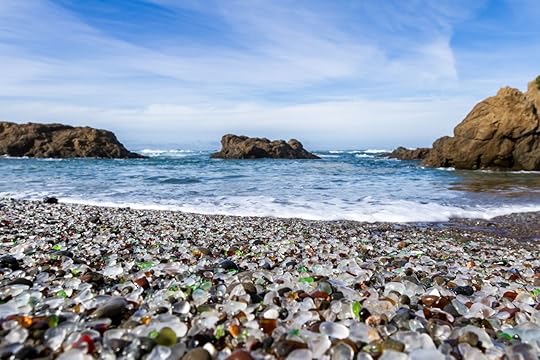
Photo: Wolletz/Shutterstock
Man’s trash is Mother Nature’s treasure at Glass Beach in MacKerricher State Park. For years, Fort Bragg residents used this and two nearby beaches as garbage dumps, disposing of everything from empty bottles and used appliances to entire cars. Cleanup efforts were made after the site closed in 1967, but considerable broken glass remained. We can thank the tides for turning our disgusting litter into works of art; over time, the ebb and flow of the Pacific smoothed the glass remnants, creating the pretty sea glass that covers the beach today. Visitors are welcome to hunt for colorful treasures while at Glass Beach but they are asked not to take any with them.
2. Hidden Beach, Marieta Islands, Mexico
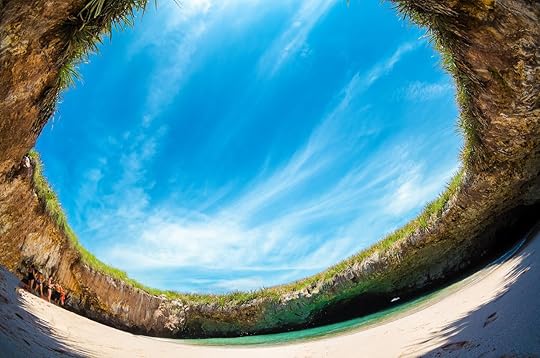
Photo: Miguelnaranjo/Shutterstock
Hidden Beach, also known as Love Beach or Playa del Amor, defies everything you thought you knew about beaches. Sure, it has sand and water, but they sit beneath the island’s surface, enclosed by a grassy field like a Hobbit-made resort in The Shire. Part of the Marieta Islands chain west of Puerto Vallarta, Hidden Beach’s moniker comes from the fact that it’s almost impossible to see from the outside and only accessible by way of a water tunnel. You can swim or kayak in and, if you’re lucky, get the cozy beach all to yourself.
3. Xi Beach, Kefalonia, Greece
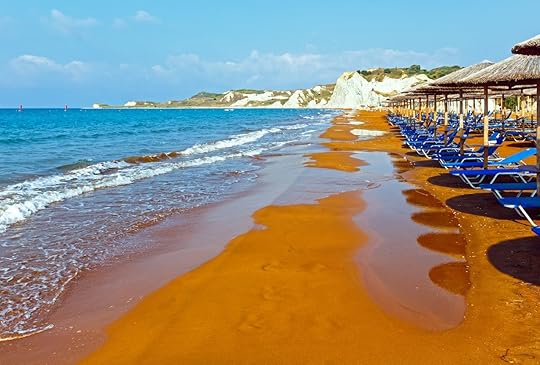
Photo: Landscape Nature Photo/Shutterstock
It looks like someone Photoshopped water and beach chairs onto the Australian Outback at Xi Beach. The red-orange sand is famous across Greece and a tourist magnet for Kefalonia, the largest Ionian Island. Better yet, the white clay cliffs that surround the shore create a stark contrast to the fiery sand, making Xi Beach one of the most photogenic beaches on the planet.
4. Papakōlea Beach, Hawai’i, Hawaii
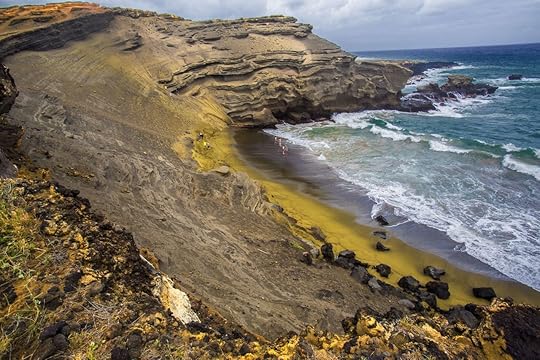
Photo: Suzi Pratt/Shutterstock
That isn’t freshly-mown grass skirting the Pacific on Papakōlea Beach — it’s green sand. The matcha-colored seashore gets its hue from a mineral called olivine, which is abundant in the lava of the nearby Mauna Loa volcano. You can’t access the beach by car, but there’s a moderate five-mile, round-trip hike that will take you there. Papakōlea Beach is located a stone’s throw from Ka Lae, the southernmost point of the US, so you can easily see both landmarks at once while exploring the Big Island.
5. Zlatni Rat Beach, Brac Island, Croatia
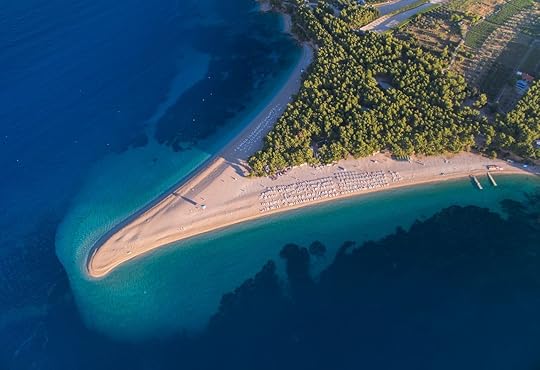
Photo: hrmiro/Shutterstock
Treasured for its long, pebbled shore and excellent windsurfing conditions, Zlatni Rat Beach has made several top-ten lists of the best beaches in Europe, but it earns its spot in this lineup for one reason alone: its unusual wishbone shape. While the beach’s exact outline is subject to change depending on wind and sea conditions, the iconic v-shaped shoreline is always identifiable. Zlatni Rat Beach is easy to reach via catamaran ferry from Split, so there’s no excuse not to go if you’re traveling through Croatia.
6. Bowling Ball Beach, Mendocino, California
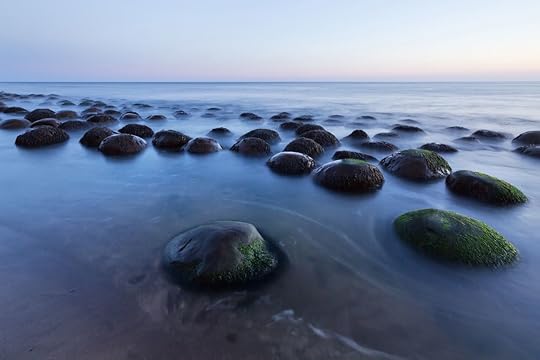
Photo: sumikophoto/Shutterstock
Mysteriously spherical sandstone boulders cover this stretch of shore at Schooner Gulch State Beach in Mendocino County. The bizarre rock formations were created by millennia of concretion and erosion, during which mineral cements glued sand and other small particles together. Waves shaped the resulting masses over time, creating the rows of “bowling balls” we see today. Drop by the beach at low tide to see them in all their glory.
7. Diamond Beach, Jökulsárlón, Iceland
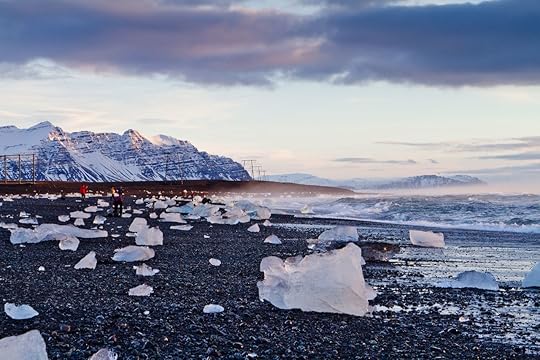
Photo: Oleg Tostskyi/Shutterstock
When chunks of ice from the Jökulsárlón glacier lagoon break off and wash ashore, they glisten like gemstones on the jet-black shores of Diamond Beach, hence the name. Scenes from not one but two Bond movies were filmed in the area, as well as blockbusters like Laura Croft: Tomb Raider. It makes perfect sense: between the icy lagoon and the inky shores, Jökulsárlón has to have one of the most cinematic landscapes of all time. Aerial photos of Diamond Beach could easily pass for satellite images of an alien planet, so it’s a pretty sweet deal that you only have to travel as far as southeast Iceland to see it.
8. Hyams Beach, New South Wales, Australia
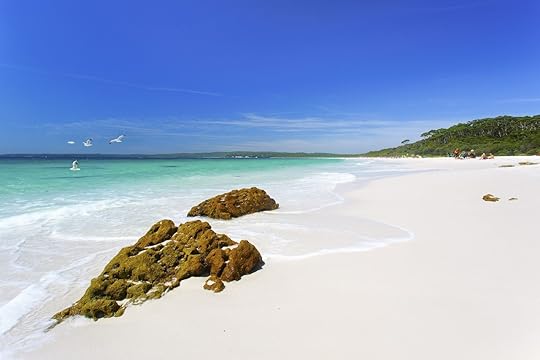
Photo: Visual Collective/Shutterstock
There are white-sand beaches all over the world, but the snow-white sands at Hyams Beach are the fairest of them all, at least according to the Guinness Book of World Records. There’s nothing unusual about the sand composition, which contains mostly finely ground quartz, other than the fact that it has remarkably few impurities. Hyams Beach practically glows on the southern shores of Jervis Bay, setting the bar impossibly high for off-white beaches everywhere.
9. Tangsi Beach, Lombok, Indonesia

Photo: Raditya/Shutterstock
Bubblegum-pink sand meets bright blue water at Tangsi Beach, one of only a handful of pink beaches in the world. The sand gets its pretty pastel color from tiny bits of red coral that mix with the beach’s naturally white sand. Many people visit Tangsi Beach on Lombok, an island near Bali, specifically to see the shoreline, but it’s also popular for swimming, sunbathing, and snorkeling.
10. Boulders Beach, Simon’s Town, South Africa
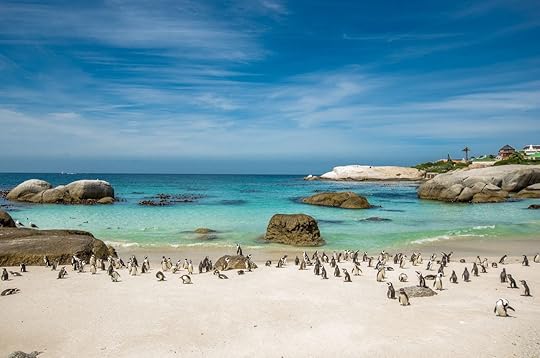
Photo: Amanda Nicholls/Shutterstock
There are some animals we’d never expect to encounter while lounging at the beach. The idea of penguins waddling through the sand is as incongruous as the thought of seeing flamingos perched on an iceberg, which is precisely what makes Boulders Beach so special. The resident African penguin colony settled on the beach in 1982 and is now protected as part of the Table Mountain National Marine Protected Area. There’s only a handful of places in the world where you can see penguins up close in the wild, so getting to splash around with them at Boulders Beach is a pretty big deal.
11. Mosquito Bay, Vieques, Puerto Rico
Bioluminescence is a phenomenon that occurs in certain species when chemical reactions convert energy into bright, radiating light. It’s a trait shared by a number of marine creatures, such as the Pyrodimium bahamense in Mosquito Bay off the coast of Puerto Rico. The microscopic organisms glow highlighter blue when agitated, collectively illuminating the water around them. Mosquito Bay is an excellent place for stargazing, though the neon bay gives the celestial bodies a serious run for their money.
The post The 11 strangest-looking beaches around the world appeared first on Matador Network.

Dating a German woman
The woman of your dreams is probably German. Chances are she’ll not wear a dirndl, but she sure can drink a truckload more beer than you. But, beware, dating culture here can be a bit different than you are perhaps used to — we even wrote a song about it. Here are 10 commandments you should follow when you date a fräulein.
1. Thou shalt keep your word.
If you said you’d call, we expect you to call. Sticking to your word and building trust means a great deal to us. The same goes for all elements of dating, so please don’t exaggerate or overpromise.
2. Thou shalt always be honest.
German women also hold honesty in very high regard. Being very straightforward is hugely important. If there is something you don’t like, we expect you to say it, even if it makes you uncomfortable. This is a cornerstone of culture in Germany and you won’t find any German (male or female) who doesn’t value the attributes of an honest person with admiration.
3. Thou shalt not despair.
We are known for being a bit difficult to figure out at first and this certainly is a stereotype that holds true for most Germans. When we first meet you, we might seem a bit more reserved than women from other cultures. Don’t mistake that for disinterest! Once you break the ice, you’ve earned our trust for the long run.
4. Thou shalt make a plan.
We can be spontaneous, but we usually like to know what we’re getting into. So don’t leave your plans to the last minute or let us down.
5. Thou shalt not be macho.
In most regards, German women are used to being treated equally to men. We’ll gladly split the restaurant bill and we like to pull our weight when it comes to household responsibilities and earning money. That doesn’t mean that we don’t enjoy acts of chivalry. If you want to pay for dinner every once in a while or open the door for us, go for it! The next round of drinks is on us.
6. Thou shalt be punctual.
Tardiness is considered impolite and shows that we’re not important to you (unless you have a good reason for being late). If you agreed to go for dinner at 7 PM you better show up at that time, or even better, 5 minutes early!
7. Thou shalt not just make small talk.
Even if we are only on our first date, we like to engage in real conversations. We don’t think too highly of superficial small talk and would rather get to know you and your ethics, values, and worldviews from the get-go.
8. Thou shalt not make distasteful jokes on the first date.
For real. We do have a good (dry) sense of humor, but our history is a rather dark subject and most of us do not find Nazi jokes particularly funny. So stay on the safe side and don’t try to brighten the mood with a Hitler parody.
9. Thou shalt not be afraid of fresh air.
Germans have a habit of airing out their place frequently, even if it’s freezing cold outside, and German women are no different! Don’t think she’s crazy when she opens the windows and turns down the heater every hour. We like some clean air in our room, no matter the weather.
10. Thou shalt appreciate differences.
Dating is deeply personal, no matter where you’re from and this list should be taken with a grain of salt. Thankfully, Germany is a very diverse place in many aspects, and differences and individuality are appreciated and embraced. You might date a woman who loves jumping into the unknown, someone who doesn’t open her windows when it’s snowing outside, or a woman who loves small talk. The best thing you can do when dating any woman is to listen, learn, and communicate.
More like this: 7 easy steps for talking like a German
The post 10 commandments of dating a German woman appeared first on Matador Network.

Obsessed with monkeys? Go here.
Monkeys are smart, cute, and irresistibly entertaining. They are also an incredibly diverse group of mammals — there are more than 260 different types of monkeys in the world.
All monkeys belong to the order Primates. Within the order, the monkeys are divided into two groups: New World monkeys who live in South and Central Americas, and Old World monkeys who live in Asia and Africa.
Apes, the human’s closest relatives, are a sister group of Old World monkeys, but while they can be considered monkeys, they differ from them in many ways. Unlike monkeys who spend most of their lives in the trees, apes spend some of their time on the ground. Apes also do not have tails and are generally much larger than monkeys.
Regardless of their differences, most primates like to live in the warm tropical forests, with the highest diversity of species found in Brazil. But because they are forest-dependent, primates are the most endangered major group of mammals, with a third of the species listed as Critically Endangered and Endangered on the International Union for Conservation of Nature’s Red List.
If you are crazy about monkeys and want to see them in the wild and in the most ethical way possible, here are 11 places you should travel to.
1. Pousada Rio Roosevelt, Brazil

Caption: Dwarf marmoset
Photo: Edwin Butter/Shutterstock
There are so many monkeys in the Amazon rainforest that the scientists are still discovering new species. But despite this abundance, the monkeys are not always easy to see, unless you know where to look. The Pousada Rio Roosevelt lodge in the Brazil’s state of Amazonas is one of the best place to spot them.
Lying deep inside the Amazon jungle and surrounded by virgin forest, the lodge is home to 12 species of primates. It is a great spot to see the endangered Peruvian spider monkeys and the equally endangered, but mis-named white-nosed bearded saki (the nose of the bearded saki is actually bright pink).
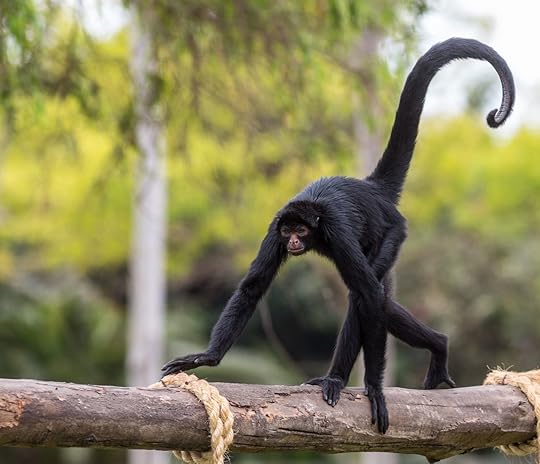
Peruvian spider monkeys
Photo: Christian Vinces/Shutterstock
Both species are threatened by the clearing of the Amazon Rainforest and difficult to see in less pristine areas. The lodge is also good for seeing more common species: brown and white-faced capuchins, brown woolly monkeys, Prince Bernhard’s titi monkeys, the endemic bare-eared squirrel monkeys, and dwarf marmosets — the smallest monkeys on Earth.
Visiting Pousada Rio Roosevelt lodge
As there are no roads in the surrounding forest, the lodge can only be reached by a small plane from Porto Velho (1.15 hours) or Manaus (2.20 hours). The lodge offers customizable stay options and the cost of the air transfer is included in the packages.
2. Kinabatangan River, Borneo

Borneo Orangutan mother and baby
Photo: Sergey Uryadnakov/Shutterstock
Kinabatangan River in Borneo is a great spot to see two unique and endangered primates that are found only in Borneo: proboscis monkey and Borneo orangutan.
The orangutan is Asia’s only great ape. It is found only on the islands of Borneo and Sumatra and it faces extinction on both islands, caused primarily by the clearing of forest for oil palm plantations. The charismatic Borneo orangutan is one of the 25 most critically endangered primates in the world.
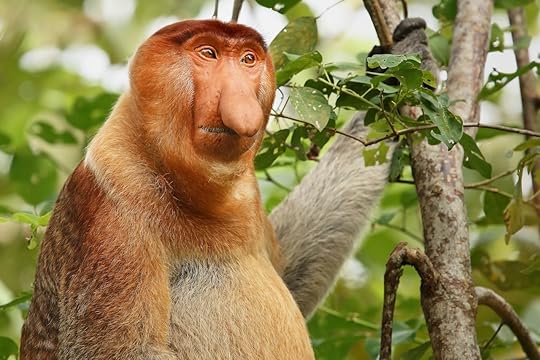
Proboscis monkey
Photo: Ryan M. Bolton/Shutterstock
The endangered proboscis monkeys are easier to see on the river. In fact, it is almost impossible not to see them. With their ridiculously oversized noses, the proboscis monkeys are possibly the oddest-looking monkeys on the planet. And if their noses are not odd enough, the males of the species have their bottoms covered in thick white fur which makes them look as if they are wearing tighty-whities.
Visiting Kinabatangan River
To see the orangutan and the proboscis monkeys, stay at the award-winning Sukau Rainforest Lodge and take boat cruises on the river in the early morning and the late afternoon. The lodge will arrange transfers from Sandakan airport.
3. Danum Valley, Borneo

Red leaf monkey mother and baby
Photo: Ryan M. Bolton/Shutterstock
Danum Valley is another good spot for primate-watching in Borneo. The handsome maroon langurs, also known as red leaf monkeys, often visit the Field Centre, allowing for very close viewing. The nickname leaf monkey comes from langurs’ dietary preference for green leaves of tropical trees.
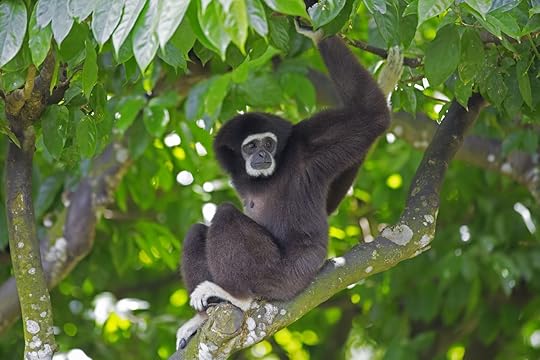
Borneo gibbon
Photo: Kjersti Joergensen.Shutterstock
Another endemic primate that you might encounter in Danum Valley is the endangered Borneo gibbon. Despite their relatively small size, gibbons are apes, just not great apes, but lesser apes. The main giveaway is the lack of tail.
Visiting Danum Valley
It is best to visit Danum Valley with a local tour operator that would make all the necessary arrangements for your trip. Sticky Rice Travel and Adventure Alternative Borneo offer a range of tours to Danum Valley. Transfers from Lahad Datu airport are included in the tours.
4. Khao Yai National Park, Thailand
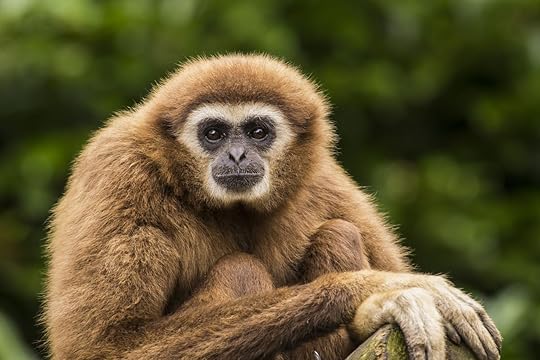
White-handed gibbon
Photo: SandarMeetinsPhotography/Shutterstock
Located 137 km east from Bangkok, Khao Yai National Park is the most-easily accessible National Park in Thailand. It also happens to be one of the best places in the country to see the endangered white-handed gibbon.
If you visit the park in the morning, you are likely to hear the gibbons before you see them — they produce the most complex songs of all the land mammals.
While the white-handed gibbons are safe in the park, they face the risk of extinction outside of the protected areas, mainly due to habitat loss.
The gibbons are not the only primate in the park and you will have no trouble finding the other one — the pig-tailed macaque. Chances are, you will spot them sitting on the road as soon as you drive through the park’s gate.
Visiting Khao Yai
You can join an organized tour from Bangkok, but for the best experience, catch a minivan taxi to the park and stay at the Green Leaf guesthouse. Mr 9 at Green Leaf is considered the best nature guide in Khao Yai. The tours in Khao Yai consist of safari drives and short walks in the jungle.
5. Khao Sam Roy Yot National Park, Thailand
Dusky langur
Photo: Jamikorn Sooktaramom/Shutterstock
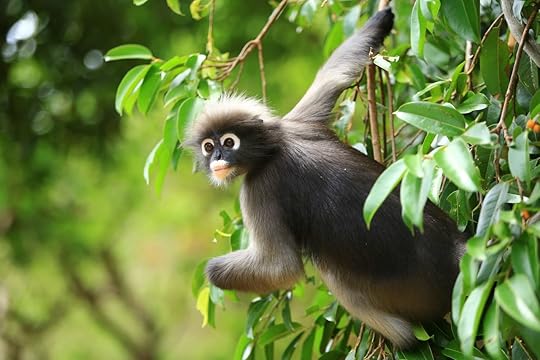
Most people visit Khao Sam Roy Yot National Park near Hua Hin to see the Phraya Nakhon Cave — a dramatic limestone cave with light streaming in via a natural sinkhole in the roof. But the park is also the best place in the world to see the dusky langur.
Also known as a spectacled langur or a spectacled leaf monkey, it is one of the cutest monkeys in Asia. The large white colored circles around the dusky langur’s eyes give it the appearance of wearing glasses and looking surprised.
Crab-eating macaque
Photo: Jakkrit Orasri/Shutterstock
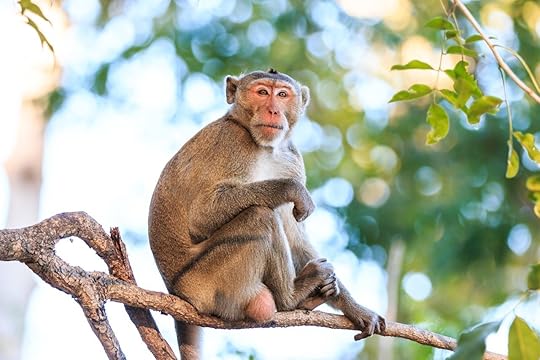
Another monkey you will see in the park is the crab-eating macaque, also known as the long-tailed macaque. Like most macaques, it is a brazen and occasionally aggressive animal so it is best to avoid any interactions with them.
Visiting Khao Sam Roy Yot
Khao Sam Roy Yot is an easy 66-km drive from the seaside town of Hua Hin in Phetchaburi Province. You can rent a car at Hua Hin airport or if you are staying in town, you might like to hire a scooter at your hotel. Alternatively, you can opt for a minivan taxi to collect you at your hotel in Hua Hin, take you to the selected destinations in the park, and bring you back to the hotel.
6. Kanha National Park, India
Gray langur
Photo: CHAINPHOTO24/Shutterstock
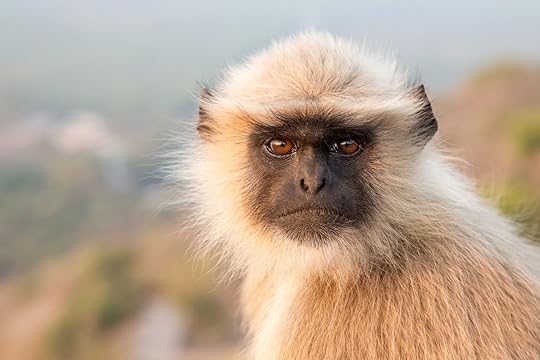
Kanha Tiger Reserve in the Indian state of Madhya Pradesh is a great spot to watch the gray langurs. Also known as Hanuman langurs, they are considered sacred animals in many parts of India.
The most interesting thing about the gray langurs is the unusual partnership they formed with the spotted deer, known as chital in India.
When langurs feed in the trees they discard fruit and leaves that fall on the ground and attract the deer. Tall trees also give langurs a good vantage point to watch for predators and their alarm calls warn the deer of any approaching danger.
But when langurs come to feed on the ground, and they do that frequently, it is the deers’ acute sense of hearing that keeps both species safe from predators.
Both the langurs and the deer are common in the reserve and once you see the langurs you will most likely spot the deer nearby.
Visiting Kanha
Kanha-National-Park.com offers a range of tours starting from New Delhi, Jabalpur, or Nagpur. The eco-friendly Kanha Village Eco Resort also offers jeep safaris in the park and transfers from Jabalpur.
7. Corcovado National Park, Costa Rica

Central American squirrel monkey
Photo: Ludmila Ruzickova/Shutterstock
Located on the remote Osa Peninsula, Corcovado National Park is home to all four species of Costa Rica’s monkeys including the endangered Geoffroy’s spider monkey, Central American squirrel monkey, mantled howler, and white-faced capuchin.
The Geoffroy’s spider monkey, also known as the Black-handed spider monkey, has been included in the current list of the world’s 25 most endangered primates by the IUCN. The spider monkeys’ preference for large areas of primary forest makes them particularly sensitive to habitat loss.
The Central American squirrel monkeys are the most adorable primates in the Costa Rican jungle. These social monkeys prefer to live in large groups and can often be heard as they move through the forest squeaking and chirping along the way.
While safe in Corcovado, squirrel monkeys are vulnerable to extinction outside of the protected areas. The main causes of their decline are habitat loss and capture of individuals for the exotic pet trade.
Visiting Corcovado National Park
It is compulsory to have a nature guide with you for visiting the remote wilderness of Corcovado. The access point for Corcovado is the small laid-back town of Drake Bay. Corcovado Expeditions, based in town, offer a range of options for visiting the park. Be prepared to rough it a little — the accommodation in the park is very basic.
8. Palo Verde National Park, Costa Rica
White-faced capuchin
Photo: Sekar B/Shutterstock
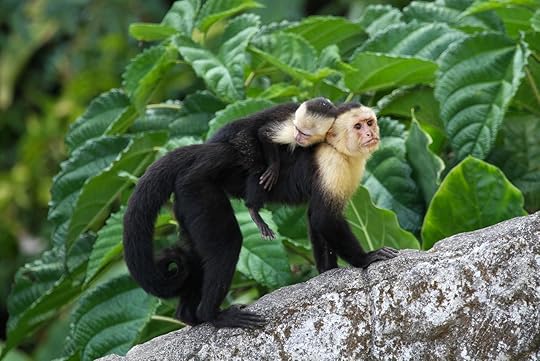
If you are looking for the more up-close and personal encounters with monkeys in Costa Rica, head to Palo Verde National Park in Costa Rica’s Guanacaste Province and take a boat cruise.
The white-faced capuchins in the park have no fear of people, so don’t be surprised if they jump into your boat and climb on top of your head. If this does happen, it is best to let the monkeys leave of their own accord. Interacting with them can cause all sorts of misunderstandings and one look at their sharp teeth should be enough to discourage any misplaced affections.
Speaking of teeth, it can be difficult not to laugh at these adorable creatures but be warned that showing of one’s teeth is considered a sign of aggression in the capuchin world. Your heartfelt smiles will likely be met with loud vocalizations and threat posturing by the monkeys.
Visiting Palo Verde National Park
Palo Verde can be visited on a day tour from the nearby city of Liberia. You can hire a taxi in town to take you to the park’s entrance and back. Once in the park, it is the local family-owned Palo Verde boat tours that run the cruises on the Tempisque River. Alternatively, you can take an organized tour from Liberia.
9. Cape of Good Hope, South Africa
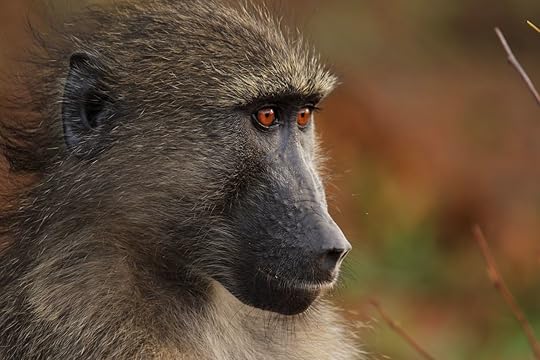
Chacma baboon
Photo: Toye/Shutterstock
An easy 70-km drive from the center of Cape Town, Cape of Good Hope Nature Reserve is a good place to see chacma baboons. This baboon is one of the largest monkeys in the world and also considered to be the most dangerous. The troops of chacma baboons have been recorded to rip leopards apart with their strong teeth.
Generally, the chacma baboon is widespread and not considered a threatened species. However, the population in Cape of Good Hope and the rest of the Southern Cape Peninsula has suffered from habitat loss and became isolated. Lacking the natural habitat, the baboons have dispersed into suburban areas, where they cause significant damage by entering people’s homes in search of food. As a result, they are persecuted by the local residents.
The population on the Southern Cape Peninsula is now endangered and may disappear within the next 10 years.
Visiting Cape of Good Hope
The Cape is an easy drive from Cape Town. There are a number of rental car agencies in town. If you prefer an organized tour, Cape of Good Hope Tours offers a range of private, custom tours from Cape Town.
10. Kruger National Park, South Africa

Vervet monkey
Photo: Faer Out/Shutterstock
Kruger National Park is also a good place to see chacma baboons, but there is another interesting monkey that can be found here.
Vervet monkeys are medium-sized, social monkeys that live in troops of 10 to 70 individuals. They are one of the best-studied monkeys, probably because they have been found to display some human-like behaviors, such as anxiety, hypertension, and acting out of spite.
Yet the most interesting thing about vervet monkeys is the color of their testicles. They are bright blue! It is thought that the blue color attracts potential female suitors and the brighter the male’s family jewels are the more popular he’s going to be with the ladies.
Visiting Kruger
The park is easy to visit on a self-drive safari. Alternatively, the park offers guided tours ranging from a day trip to the four-day stay. Viva Safari offers options for budget-conscious travellers. Their tours include a fun option to stay in a treehouse at Marc’s treehouse lodge.
11. Bwindi Impenetrable National Park, Uganda

Mountain gorilla
Photo: LMSpencer/Shutterstock
Watching mountain gorillas in the ancient rainforest of Bwindi Impenetrable National Park is perhaps the most iconic primate-watching experience. The mountain gorillas are critically endangered, with about 880 individuals left in the wild in Uganda, Congo, and Rwanda. The main threats that gorillas face are: poaching, habitat loss, disease, and war and unrest in the region.
To minimize disturbance to gorillas, the number of visitors to their habitat in Bwindi is restricted to no more than 56 people a day. And an official permit must be obtained prior to visiting the park.
Watching mountain gorillas is different from most other primate-watching experienced in that you can spend an extended period of time with them. Once your guide locates a family, you are allowed to spend up to an hour with it, watching the animals interact with each other as they go about their day.
Visiting Bwindi
Considering the fragile state of the mountain gorilla population, you should make sure that you book your gorilla trek with a credible tour company and preferably a local one. The list of reputable tour operators in Uganda can be found on Bwindi National Park website. The tours start and end in Entebbe.
More like this: 7 adorable animals that are actually super dangerous
The post The 11 best places to travel to if you’re obsessed with monkeys appeared first on Matador Network.

May 14, 2018
Map of global population
There are almost eight billion people in the world (7.6 to be exact). Over half live in Asia, with more than 2 billion people in China and India alone. The map below, posted to Reddit by user AppleBiryani, divides the globe into ten sections, each containing 10% of the world’s population.
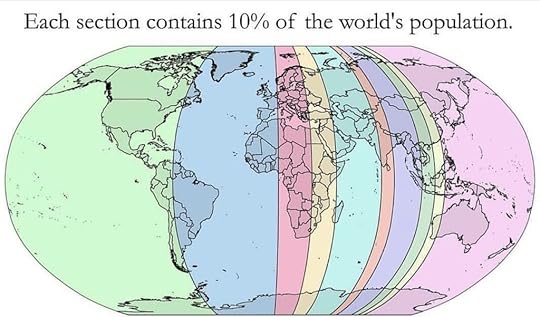
Photo: Reddit
After looking at this map closely, here are some surprising facts we found:
Nearly all of North America and about half of South America fit into one section.
If you’re in the Western Hemisphere, no matter how cramped or busy your city might feel, you actually have far more breathing room than those in the Eastern Hemisphere.
North America, including Central America, has a population of 544 million and South America has 400 million inhabitants, bringing the total population of the Americas to less than one billion people. Asia has more 4.5 billion inhabitants (the two largest cities in the world are in Asia: 30 million people live in Tokyo, and 22 million residents living in New Delhi).
China makes up at least a small part of six of the ten total slices while Africa’s one billion residents are part of four.
Redditors took to the comments to propose a number of potential variations to this map. ”I’d be interested to see the horizontal compliment, since that would be tied closer to temperature,” said Redditor Fergy80.
Crucial_Contributor brought up a valid point, noting that, “Many of the worlds more sparsely populated places end up in the narrow stripes since population density is largely spread horizontally. Horizontal stripes would be interesting to see too.” A good point, since the vast majority of the world’s population lives above the equator.
More like this: This map shows the world from an Antarctic point of view
The post This map of the global population will make you rethink what you knew about the world appeared first on Matador Network.

Trekking in Japan
Many head to Japan for the food. Some come for the ultimate big-city cultural experience in Tokyo. Others make the journey north to Hokkaido each winter for some of the best powder skiing on the planet. But, this island nation is also an ideal destination for trekking, offering a variety of multi-day hikes for everyone, from summit seekers to wildlife explorer to wannabe-poets. Here are seven of the most beautiful trekking routes in the country.
1. Kumano Kodo Pilgrimage Routes, Kii Hanto
Length: Up to 191 miles, broken into segments
Time: Four to five days to see thee full Kumano Sanzan
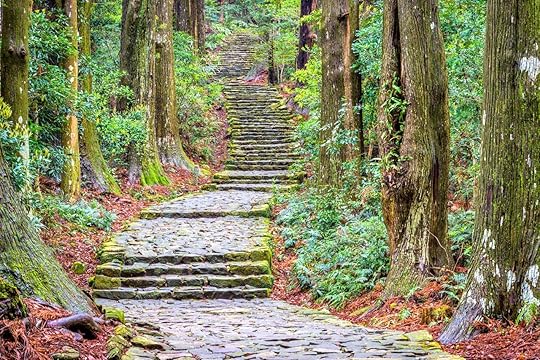
Photo: Sean Pavone/Shutterstock
Kumano Kodo, located southwest of the Kyoto Prefecture, is actually a series of routes covering 191 miles across the Kii Hanto Peninsula. A designated UNESCO World Heritage Site, the pilgrimage routes originated over a thousand years ago as a way to reach Hongu Taisha, Hayatama Taisha, and Nachi Taisha, collectively known as Kumano Sanzan, the Grand Shrines of Komono. Base yourself in the city of Tanabe and bus to trailheads throughout the region. You’ll stay overnight in traditional Japanese inns called ryokans. Hosshinmon-oji is the place to kick off your trekking with a five-mile hike on the main Nakahechi Route. During your trek, you’ll typically hike between three to twenty miles per day, depending on group size, and can visit all three of the Grand Shrines of Komono if you have the time. As a warning, the hikes are often quite steep and involve a lot of straight ascents and stair climbing.
2. Shiretoko, Hokkaido
Length: 15.5 miles
Time: Two days
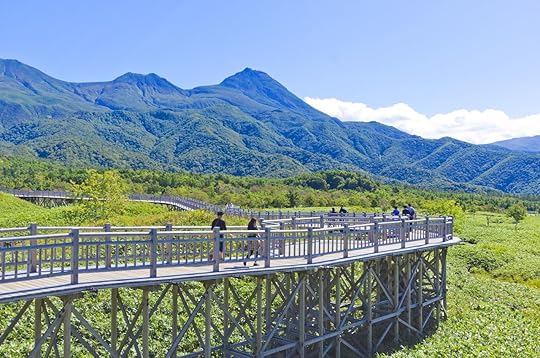
Photo: Thanya Jones/Shutterstock
The northernmost of Japan’s main islands receives a lot of attention for its deep powder and epic skiing conditions, but there’s just as much adventure to be had there during the summer months. This UNESCO World Heritage Site is one of Japan’s final frontiers when it comes to pristine wilderness. Guided tours are available, often taking two to three days, but you can also explore the peninsula on your own. The Shiretoko trek highlights the natural beauty of the island and offers a hefty dose of isolation in the process, something you’ll appreciate if you spend time in Tokyo before coming up north. The trail is popular but by no means overrun. Fly into Sapporo or take a 19-hour ferry from Tokyo (about ¥1,000, the third of the price of a flight) and make your way to the eastern part of the island for the trek. The journeys starts at Iwaobetsu Onsen and ends the next day at Kamuiwakka Yu-no-taki, with one night of camping at altitude in between. Ambitious summit seekers can spend one additional day summiting Mt. Rausu at 5,448 feet.
3. Shikoku Henro Pilgrimage, Shikoku Island
Length: Up to 685 miles
Time: Up to six weeks
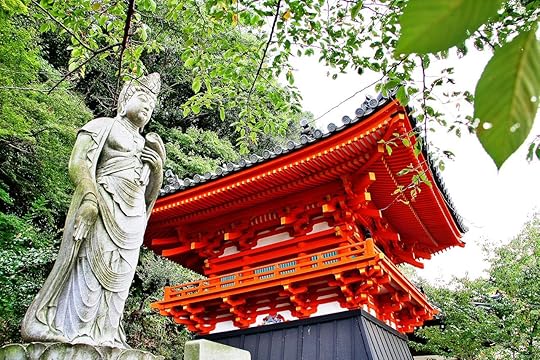
Photo: B-hide the scene/Shutterstock
This one’s for the temple fanatics who aren’t afraid of hitting the trail. You’ll pass 88 temples if you make the entire trek, which requires that you dedicate about a month and a half of your time to this pilgrimage. Shorter treks are more common and can often be done as day hikes with bus and taxi rides in between, cutting the trip down to less than two weeks or less if you skip some of the less popular temples. However you choose to do the trek, plan on making a giant loop; tradition holds that you conclude your journey where you started, at one of the temples.
4. Summit Hotaka-dake (10,466 feet), Japanese Alps, Main Island
Length: Varies
Time: One to two days
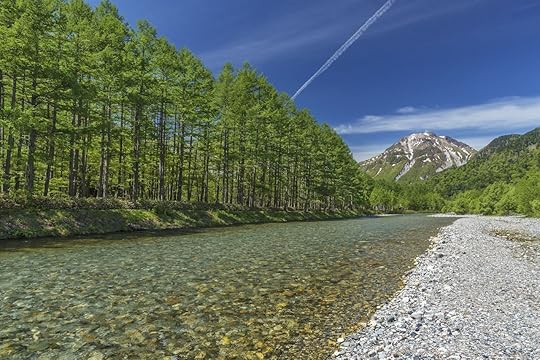
Photo: Lee Yiu Tung/Shutterstock
For the serious summit seeker, trekking the most stunning collection of peaks in the Japanese Alps is a must do. There are multiple peaks in Hotaka-dake, and each generally has its own route to the top. Beginning at Dakesawa Hut and ascending to Kimi Kodaira is the steepest route and among the most challenging. The hike up to Mount Oku Hotaka and Mount Mae Hotaka is also popular. Be sure to bring a water filter and your backcountry supplies, as you’ll truly be out in the wilderness. Access is possible from Tokyo, but you’ll have better luck coming in from Nagano.
5. Summit Yarigatake (10,433 ft), Japanese Alps, Nagano
Length: Varies
Time: Two days
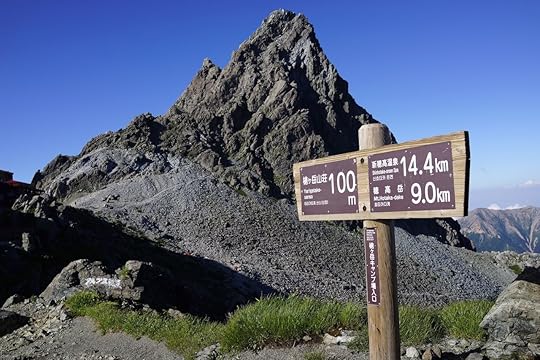
Photo: YukoF/Shutterstock
Another stunning summit hike in the Japanese Alps, Yarigatake offers an overnight stay at one of the many huts along the way prior to reaching the summit; however, you can also camp if that’s more your style. Huts are typically open from April to November and aren’t free to stay in. They also tend to get quite crowded during summer months — you may find yourself sleeping alongside a bunch of strangers. The beginning parts of the hike are pleasant, passing through open fields filled with lush plant life, but the summit push is rugged at points. This is particularly true as you traverse the ridge before the final ascent, which requires a bit of mountaineering prowess to complete. There are multiple routes available to the summit. The route from Yarisawa valley to Kamikochi is heavily packed with tourists, so if you want a more peaceful hike, start from Tsubakuro-dake and walk the ridge over to Yarigatake.
6. Basho Tour, Hokkaido
Length: 100 miles
Time: Nine to ten days
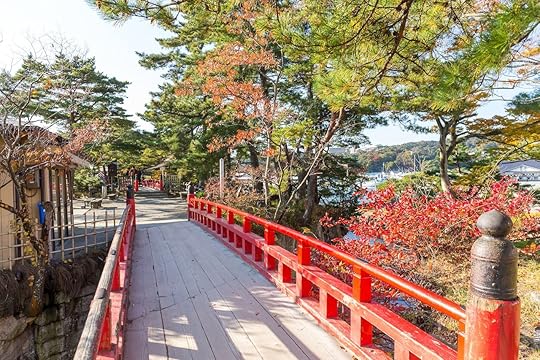
Photo: leungchopan/Shutterstock
Literary nerds, there’s finally a trek for you. Follow the footsteps of 17th-century haiku master Basho on his legendary Narrow Road to the North. This trek is guided, meaning that even if you aren’t already a Basho fanatic you’ll come away with a slew of knowledge on his work and travels, as well as an epic trek under your belt. The actual trekking is on the easier side, passing through country roads, forests, and mountain trails that are accessible on their own to residents and visitors not on the guided tour. Along the way you’ll take in Matsushima, which is known as one of the Three Views of Japan, along with beautiful gardens and pristine views from the mountains.
7. Summit Mount Fuji (12,388 ft), Shizuoka, Main Island
Length: Varies
Time: One to two days
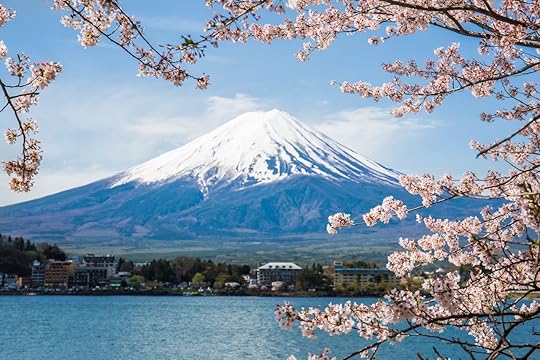
Photo: Aeypix/Shutterstock
Mount Fuji is an iconic Japanese landmark, easily accessible from Tokyo and among the country’s most famous backdrops. Mount Fuji is an active volcano, with a limited hiking season running from July 1st through early September, or whenever the snow takes hold. There are four trailheads to access to the summit, each only about a two-hour drive from the city. You can take a bus to any of them. The hike is doable in one day if you start early — it takes six to seven hours to climb. Camping is an option also, and there are mountain huts available just off the trail. If you stay the night, wake up before dawn and watch the sunrise from the summit — it’s an absolutely unforgettable experience.
More like this: The ultimate guide to hiking Italy's most breathtaking trails
The post 7 beautiful trekking routes in Japan you should do this year appeared first on Matador Network.

Maine explain to out-of-towners
For whatever reason, Maine is one of those places that confuses people. Those from certain big cities south of us, just don’t quite get the way life works up here. They’re always asking questions, and while we’re constantly trying to think of new ways to answer them, here are the stand-bys.
1. We don’t eat lobster every day.
Lobster is more affordable in Maine, but that doesn’t mean that we eat it every day.
2. Yes, it does snow a lot.
Many school districts build five snow days into the school year. It isn’t uncommon for school to go until mid or late June to make up for all of the snow days in the winter.
3. No, we don’t know every single Mainer.
We understand that Maine’s population is small, but that doesn’t mean that we know everyone.
4. But yeah, we know most folks in our hometown.
Many towns in Maine have less than 10,000 residents, which means that we do know just about everyone in our neck of the woods.
5. It’s super safe.
It’s pretty common for us to leave our doors unlocked. Growing up, my family never locked the door to the house, and my siblings and I never even had keys.
6. You’ll have a hard time finding an Applebee’s.
We don’t have many chain restaurants. In fact, most Maine towns don’t have any at all. You might need to actually check out that local coffee shop.
7. We have been shopping local and eating farm-to-table forever.
Without chain restaurants, we didn’t have much of an option, and since we tend to know the people in our communities, we want to support them.
8. Yes, we have an accent.
A Maine accent is like a more intense version of a Boston accent.
9. You can’t get there from here.
Maine is very rural, and sometimes the roads just don’t take you where you want to go. Usually when Mainers say “you can’t get there from here” they don’t mean it literally, they are trying to say that it might not be easy and it will take longer than you might expect.
10. Mainers love Maine, and they love sharing facts about Maine.
It’s just a Maine thing. Did you know that Maine has more coastline than the rest of the Eastern seaboard combined? Now you do.
11. Supper and dinner are not the same thing in Maine.
Dinner is at noon. Supper is in the evening.
12. The Bush family summers in Maine, not the Kennedys.
It’s surprising how many people get that wrong.
13. We know how to hit a moose without dying.
Hitting a moose is extremely dangerous — they are so tall that they can fall on top of the driver and crush them to death, but it’s totally possible to improve your odds and Mainers know how.
14. We probably don’t know Stephen King.
But we might have seen him around. You can drive up to his home in Bangor which looks just like you would expect Stephen King’s house to look like, i.e. it’s got an iron gate with a spider web and bat motif.
15. Canada is still a long drive away.
Most Mainers live in Southern Maine or along the coast, so Canada isn’t that close. So, no, we didn’t drive to Canada to buy beer when we were underage.
16. We lack diversity.
Over 96% of Maine is white.
17. Our governor is nuts, and we are sorry about that.
Governor LePage has been named America’s Craziest Governor by Politico, and we’re not proud of it.
More like this: How to do summer right in Maine
The post 17 things Mainers always have to explain to out-of-towners appeared first on Matador Network.

Superfoods you've never heard of
In nutrition lingo, foods that are densely-packed with health benefits earn the term “superfoods.” Some of these foods are well-known and commonplace in our grocery stores, such as blueberries, kale, broccoli, avocadoes, etc. However, cultures around the world have their own health food that you’re probably not familiar with. Here are seven unique, global superfoods and what to make with them at home.
1. Mangosteen
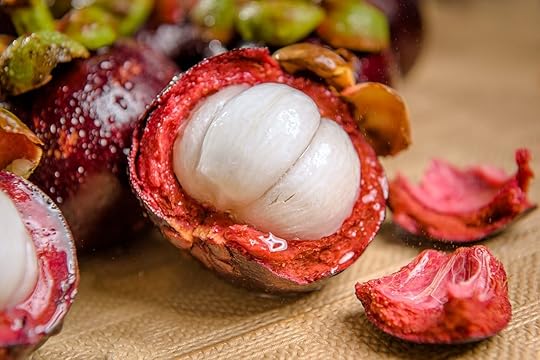
Photo: 4537668
The mangosteen is covered in a purple rind that is peeled and removed. The interior of the fruit is white in color and separated into sections similar to a citrus. It grows on a tree that requires a tropical climate and is found mainly in Southeast Asia. But, it can also be found in Indonesia where it is called “manggis”. The fruit has been known to the Western world since the mid-1700’s; however, it has not grown in popularity outside of specialty-food stores.
In Southeast Asia, the fruit is sought after for its desirable taste, as well as its health benefits. Nutrients such as manganese, zinc, iron, potassium, calcium, and magnesium are found in that tasty fruit. It also packs vitamins A, C, B12, and B6 in its edible interior. These components are often linked to anti-inflammatory, antifungal, and antioxidant benefits in nutrition research.
It can be enjoyed raw, similar to an orange, made into a jam or jelly, or blended into a juice. It is most commonly served as a dessert because of its sweet taste and makes an excellent sorbet.
2. Maca root

Photo: Ildi Papp/Shutterstock
If you are planning a trip high above sea level, maca root may help you avoid altitude sickness. This unique food originates in the Andes region and can be cultivated at higher elevations than other plants. It grows underneath the soil (as roots often do) and looks like a bulb of garlic with a rounded base, thin roots, and a tuft of greenery that grows above ground. The root is dried and ground into a fine powder which can be taken directly as a supplement or mixed into teas and foods.
The root is high in iodine, iron, calcium, and vitamin C. These components have been linked to improving energy, mood, memory, and sex drive.
If you are traveling to altitudes higher than you are accustomed to, health food specialists recommend ingesting the root for several weeks prior to your travels to gain the benefits. It is thought that maca helps the body adapt to the stressors of a low oxygen climate, though exactly how is unknown.
The maca root has been ingested by the people of the Andes for thousands of years and is a significant part of the local diet. You can find maca powder in your local health food store, but you’ll be hard pushed to find the root form for sale outside the San Pedro Markets of Cusco, Peru.
3. Rambutan
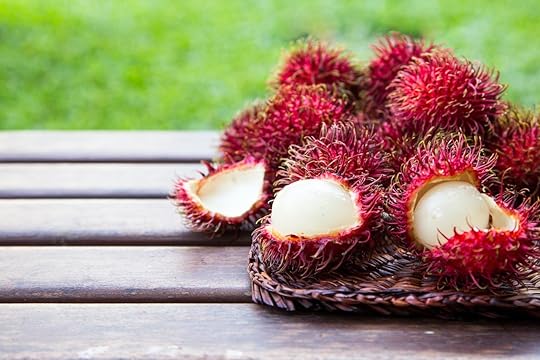
Photo: Ivana Grigorova/Shutterstock
The rambutan, a relative of the lychee, is a plum-sized fruit covered in a hairy exterior reminiscent of a Dr. Seuss character. The name reflects its appearance as “rambut” means “hair” in Malay languages.
When the strange exterior is peeled away, it reveals a soft fruit inside. The moist fruit is white in color and has a sweet taste, it contains an interior seed which is thrown out.
The fruit is a native of Malaysia and Indonesia and is found in abundance there. The most common place to buy them are roadside vendors and fruit stalls.
As a health food, the fruit contains vitamin C, copper, iron, and fiber. These essentials aid the body in immune support, blood cell production, and digestive health.
You can blend rambutan with vodka, lime, and fresh ginger to create a rambutan martini or recover from a wild night with a rambutan smoothie.
4. Jackfruit
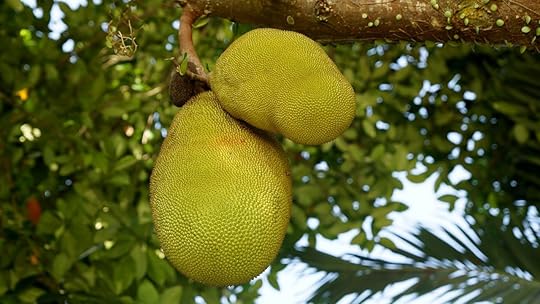
Photo: lilimey
The jackfruit is the national fruit of Sri Lanka.
It is strange in appearance, resembling a giant kickball, with a bumpy green exterior. The fruit can grow enormous — they can range in weight from ten pounds all the way to eighty. Once cut into, the interior of the fruit is yellow and stringy.
The fruits are high in protein, making them popular as a meat alternative. The fruit texture is described as similar to pulled pork and looks almost the same when cooked.
Jackfruit is also high in vitamin B, vitamin C, potassium, and manganese. The health benefits of these components are linked to immune support, eye health, muscle functioning, and metabolism.
The fruit is most commonly used in curries or blended into a custard. The seeds are also edible after roasting them and have a flavor comparable to Brazil nuts or chestnuts. Try jackfruit tacos as a hearty, vegetarian friendly meal.
5. Kiwano
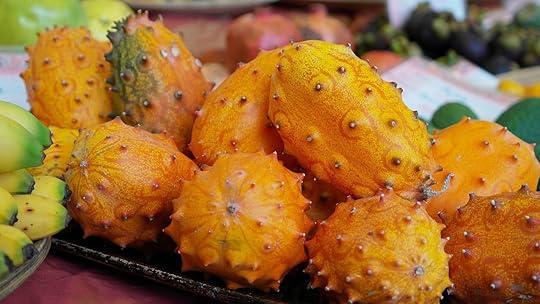
Photo: Rita E
The kiwano, also known as the Cucumis metuliferus or horned melon, is found in the sub-Saharan region of Africa. The exterior of the fruit is yellow and rough with horned bumps covering it. Once broken open, the interior is a wet, jello-textured, green fruit.
The plant has the ability to grow during drought times and retain its moisture. Kiwano is consumed often in the Saharan region as a source of hydration when water is scarce. The fruit is also high in vitamin A, vitamin E, calcium, iron, zinc, and magnesium. These components have been linked to antioxidant benefits, eye health, cognitive function, and boosting metabolism.
The fruit can be eaten for dietary, weight-loss purposes. Due to its high water content, the fruit is filling, but low in calories.
It also makes a mean fresh salsa.
6. Oca

Photo: Enlightened Media/Shutterstock
Oca is a starchy vegetable similar to a yam that is found in New Zealand. The taste of oca closely resembles a lemon’s.
The oca can be eaten raw, shredded over foods to provide a zesty lemon flavor. It can also be eaten cooked in dishes such as soups where it takes on a heavier flavor and consistency.
The vegetable is high in carbohydrates, amino acids, and iron. The health benefits of these components are linked to energy, muscle building, and blood cell production.
Try oca is a tasty kale salad.
7. Lucuma
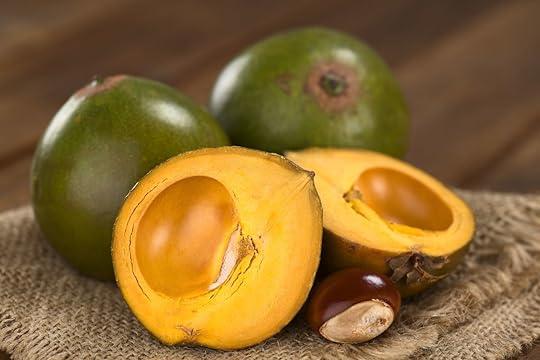
Photo: Ildi Papp/Shutterstock
In South American countries, the lucuma fruit is used as a healthier alternative to sugar. It is a natural sweetener with a creamy citrus flavor. The fruit resembles a papaya and is orange in color. It is usually peeled, dried, and then powdered to be added to desserts.
Lucuma contains many beneficial nutrients, such as beta-carotene, iron, zinc, vitamin B3, and protein. The fruit is also low on the glycemic index, making it a responsible choice for anyone watching their blood sugar levels. It also contains a high amount of calcium.
In Peru, the fruit is very popular as an ice cream flavor.
More like this: The 9 weirdest fruits in the world and where to try them
The post 7 superfoods from around the world you’ve never heard of (and what to do with them) appeared first on Matador Network.

Matador Network's Blog

- Matador Network's profile
- 6 followers


