
Matador Network's Blog, page 1340
May 21, 2018
Sightseeing for deaf-blind woman
It almost sounds like a bad Helen Keller joke: “How does Helen Keller sightsee?” “You tell her that she’s standing in front of the Eiffel Tower.” Hardy har har.
It’s hard to escape the visual when we talk about sightseeing. The entire word is just a combination of two words that have to do with vision. Not only is sightseeing redundantly visual, but it is so entwined with travel that the two are nearly always conflated. Guidebooks are filled with phrases like “Must-See Sights!” “Don’t Miss This Sight!” Sightseeing adventures comprise a majority of travel suggestions and blogs. It’s almost as if to travel is simply to look at things.
But what happens if you’re blind or deaf-blind? I was born profoundly deaf and retinitis pigmentosa, a degenerative eye condition that causes progressive blindness. This condition is called Usher syndrome, a relatively rare genetic disorder. I got my first cochlear implant in 1991 when I was 6 and my second in 2004 at 20, but I am far from “cured.” About 5 years ago, my vision suddenly deteriorated into legal blindness and I began my new life as a deaf-blind person.
As someone who sees the world in spotty, unfocused pastel colors, I wasn’t sure how I would feel about this viscerally visual aspect of travel. What would I do as everyone trooped to the must-see sights of the world-famous Venetian canals and the grand Angkor Wat? Would I go along and dwell on my bygone sight as everyone around me clicked their cameras? Or would I simply abstain altogether, spending most of my travels in restaurants stuffing myself? I didn’t even have the luxury of listening to the local music. My hearing is a crude and auto-tuned version of natural hearing. (I remain largely indifferent to music for a variety of reasons I will not get into here.)
So, how would I sightsee?
As my boyfriend and I made our way through Europe during our 4-month trip around the world, I came to realize that sightseeing is such a misnomer. It has more to do with how you understand your surroundings, not what you see or hear.
This lesson had the most profound impact on me at Auschwitz-Birkenau, the infamous Nazi concentration camp near Krakow, Poland. Not typically grouped with the Eiffel Tower and the Coliseum as sightseeing, the camp is still a point of interest and therefore a sightseeing spot. Funny how the word sightseeing seems too trivial for some sites.
When we arrived in Krakow, Poland’s cultural capital, I knew I wanted to go to Auschwitz. I became fixated on the Holocaust as a preteen. My favorite book was Number the Stars, a children’s book about a girl in the Danish Resistance that smuggles Jewish children out of Nazi-occupied Copenhagen. I would go on to read many more books on the subject and take courses on the subject in college. I, of course, watched “Schindler’s List” among others when I could still see well. I wanted to understand how such a thing happened and what it was like. No matter how many books I read and movies I watched, I couldn’t quite … imagine it. I only understood it in an abstract way. I conjured up flashes of vague imageries of Stars of David on lapels, soldiers pushing people into railroad cars, and soldiers pulling lovers apart. I had read about all of that, but something eluded me. I wanted the full picture.
I went to Auschwitz-Birkenau to get that picture, even if it was a fuzzy and unfocused one.
Deciding how to visit the camps was a difficult decision. I didn’t want to go with a tour group as I couldn’t follow the whispered information on headphones. (I can’t listen intently for that long and most headphones don’t fit well over my cochlear implants.) It is also not a place you can simply show up and buy a ticket: admission is free but a reservation is required. We also had to arrange our own transport from Krakow, which is more than an hour away, since we weren’t going with a tour group. We ponied up the cash for a private driver to have a more flexible schedule. We also had to rely on a guidebook to take us through the camp since it wasn’t possible to hire a private tour guide.
I felt dizzy and off-kilter as soon as we walked under the notorious Arbeit Macht Frei sign. Several hordes of tour groups swarmed around us. Everyone silently shuffled along as they listened to the tour guide whispering into a microphones connected to their headsets. English, Spanish, French, and Hebrew were being whispered all around me. (This I learned later when I asked my boyfriend what languages they were speaking.)
We were the only ones not attached to a tour group. My boyfriend fretted about relaying what he saw and read (our usual approach). “I feel a bit weird talking too much here … disrespectful,” he said. I couldn’t blame him. It was a place of silent remembrance, not chatter. It was also against the rules to talk too loudly. This sign of respect, however, put us into a bit of a quandary. My boyfriend usually told me what we were witnessing as we walked around and I would ask various questions to get more context. This approach wouldn’t work here.
It took some misfires where I kept tapping him and mouthing, “Where are we? What is this?” and having him just shake his head at me. (It turns out that he didn’t know either as there’s not much in the way of written explanation at the museum). We eventually figured out a way for me to follow along with the guidebook. When we stood outside a barrack, my boyfriend would read to me what the specific bunker contained. Some covered the deplorable living conditions of the prisoners where they had to sleep nearly atop one another. Some focused on the slow and deliberate manner in which people were separated from their loved ones, from their worldly possessions, from their hair, and finally, their lives. Some held individual cells where POWs were kept before being shot en masse. This ensured I knew what lay ahead before entering.
I didn’t see things in sharp clarity as others did. The mountain of hair simply looked like a blob of brown that could’ve been wool or a pile of dirt. The roomful of pans was just flashes of silver, but I understood what they meant. They were the earthly possessions of people cruelly discarded and disposed of simply because the Nazis deemed them unworthy of life. I couldn’t help the tears that came to my eyes as I felt the impact of that hard reality all around me.
The most profound portion of the camps was in Birkenau, the relatively barren camp where the Nazis had burnt down nearly everything before the Allied forces arrived. Beside the infamous sorting wall that everyone stops by, there is a long footpath that those chosen for immediate extermination (rather than labor) had to walk to reach the crematorium. As all of the tour groups returned to their buses, we decided to walk down that path.
I stumbled quite often as it was full of rocks and potholes. I asked my boyfriend, “What do you think they were thinking as they walked? Do you think they knew they were going to die?” He replied after a moment, “I think they still had hope. I’m sure they had heard the rumors … but you know how people are. They hope none of it is not true.” It was then that I could picture the scene perfectly: masses of women helping their children navigate the uneven terrain, the elderly stumbling over the potholes, and a few even whispering to each other as they shuffled toward their deaths. I didn’t have to see that with my eyes or hear it with my ears, I could imagine it with full detail. A sense of profound sadness swept over me along with gratitude. Gratitude that I had been born in 1984 rather than 1930s Europe. Even though I’m not Jewish, I would’ve likely died here alongside many others since people with disabilities were the guinea pigs for the gas chambers.
We stopped at the end after 15 minutes of walking. The crematorium was now a muddy field enclosed by sticks. My shoes were full of pebbles that dug into my feet. There was nobody else around as nearly nobody ever went to this part of the camp. It was a good place to remember the dead.
We walked back to the parking lot along the roadside, not wanting to revisit the long path that led to so many deaths. As I saw some shadowy figures emerge from the camps and heard some distorted sounds, my boyfriend told me that it was some Israeli school children singing. I thought, “That’s a good way to leave a place so weighed down by death and cruelty. It’s a celebration of survival and the fact that we won’t let that happen again.” We chatted with the driver all the way to Krakow. There seems to be an irrepressible impulse to be merry and thankful after visiting such a profoundly horrifying place.
It turns out that seeing is the least of the sightseeing experience. It’s more about recognizing the significance of what you’re witnessing. The understanding of the blurs that I saw made me feel like I was getting an experience just as — if not more — rich as someone with 20/20 vision and perfect hearing. That’s a good feeling.
I went on to appreciate all sorts of things. I squinted at a replica of Michelangelo’s David as it was lit up at night in wonder of the man’s talent. (The thing is big.) I marveled at how cheerful and colorful the Alcázar of Seville was — the palace built by the Moorish rulers of Andalusia was so much more lively than the depressing Gothic churches of the Christian West. I smiled up at the Sleeping Buddha in Bangkok, wondering how much gold paint covered that thing. And so on.
Perhaps that is the punchline to the Helen Keller joke. You tell her that she’s in front of the Eiffel Tower and she — the smart cookie that she was — will appreciate the architectural wonder.
This article was originally published on Medium and republished with permission.

More like this: 8 things people don't know about traveling with a disability
The post How visiting Auschwitz taught me, a deaf-blind woman, how to sightsee appeared first on Matador Network.


Airplane exercises
There you are again, standing in the middle of the aisle on halfway through a trans-Atlantic flight, stretched out to maximum capacity, arms reaching up to the baggage bins, breathing in and out just like your yoga teacher instructed. Maybe you notice that the flight attendants are glaring while trying to maneuver their cart around you, a stranger is silently strategizing how to scoot past you on their way to the bathroom, and your own travel partner is staring out the window like there is something interesting to see at 35,000 feet above the ocean when we all know that there really isn’t. Don’t be that person. Be this person — the one who has all of the stealth skills required to keep your blood moving during a long haul flight without looking like a complete weirdo.
While it’s easy to sit down, turn on a movie (or five), and check out until you land, medical experts have explained that it’s important to stay active during a long haul flight. Unless you are fortunate enough to be traveling first class, the limited legroom in coach can lead to stiff, sore, and cramped legs and even more serious issues such as blood clots also known as deep vein thrombosis (DVT). The more severe consequences only affect a fraction of the population and those at risk should consult a doctor before flying.
Here are our top strategies for exercising during a long flight while maintaining a shred of dignity and anonymity.
1. The exaggerated neck roll
When you’re sitting in one position for a long time, your neck and shoulders tend to become stiff from lack of movement. To combat sore muscles, practice the exaggerated neck roll. First, relax your shoulders and drop them down your back so your spine is elongated. Next, tilt your head to the right and roll it back and to the left. Continue this motion for five repetitions, then roll to the other side five times as well. This is a great way to stay loose, just try not to headbutt your neighbor in the process.
2. High knees from your seat
High knees are a great way to stretch out and get your blood flowing. You can replicate this same movement without getting up out of your seat. Bend forward slightly and put your hands around one of your knees. Then slowly pull that knee towards your chest. You should feel a slight stretch in your glutes. Hold for 10 seconds and then alternate knees. Do five repetitions on each side and then go back to watching that rom-com.
3. Upper body twist from a seated position
Pretend that this is a dance move for your upper body. Sit straight up in your seat and rest your forearms on the armrest. Then twist your torso so you’re facing the left side of the plane without actually moving your head. Keep your feet planted on the floor and hold this position for five seconds while practicing deep breaths. Then slowly twist to the opposite side for five more breaths.
4. Calf raises
Blood-clots commonly form in the lower extremities. It very important to increase the flow of blood by flexing your calf muscles. Hold onto a seat back or another sturdy object for support. Stand with your feet hip-distance apart and slowly rise up onto your toes. Hold for a second or two, then slowly lower down. Repeat 10 to 20 times.
5. A leisurely stroll down the aisle
This is a simple reminder to stand up every once in awhile. Sure, you might need to ask your aisle mates to move and let you go by, but this one is a no-brainer. You’ve got an entire walkway at your disposal so use it. Do a full lap to the other end of the plane and then back to your seat. While you’re up, shake out your arms and legs a bit as well. But don’t get too wild with this one otherwise you’ll be bordering on weirdo status.
6. Walking lunges
Talking about weirdo status, you might need to up the ante from a leisurely stroll to full on walking lunges. There is no subtle way to perform this exercise, but we are adding it here because if a saunter did not do the trick, you might need to listen to your body and crank it up a notch. If you are feeling uncomfortable you might not care how you look. And luckily, most people recognize this exercise and understand the concept of what you’re trying to accomplish. Wait until the aisle is clear and the fasten seatbelt sign is off. Then stand up, count to ten, and start with both feet together. Take one step forward and lower your body towards the ground by bending your front leg. Move up by bringing the back leg forward to meet your front foot. Repeat on the other side until you’re too tired to continue or people start pointing, we’re not sure what will come first.
7. Take a nap and let your apparel do the work for you
Compression socks are a hotly debated item on the travel circuit. These super-tight socks are marketed towards people who travel frequently for long stretches of time. They are designed to help increase blood flow and reduce swelling on long-haul flights. The big question is — do they work? Generally speaking, the consensus is that unless you have predetermined skin issues, they certainly don’t hurt. Speaking from a fashion perspective? Well, that’s another matter…
Remember that part of staying comfortable on a long haul flight means staying hydrated and getting out of your seat to move around once an hour or so. We’re not suggesting that you lead a plane-wide jazzercise class, but creating a streamlined and subtle exercise routine that allows you to stretch out with minimal attention during a long haul flight will serve you well and help to keep you limber enough to walk off that plane with ease once it lands at your final destination.
More like this: 9 ways you're sabotaging your health while traveling (and how to fix it)
The post Exercises you can do during a long haul flight without looking like a weirdo appeared first on Matador Network.

Budget volunteer in Malawi
Earlier this year I spent a month living in a village in Malawi, volunteering with a local organization, fundraising several thousand dollars to contribute to the community, and gaining a lot of clarity on my responsibility as a globe-trotting nomad to give back. I also spent less than $500 (including my international airfare!) for a month in Africa — one of the most expensive continents for tourists to travel to. Here, I’ve outlined my intense budget (as well as some clever hacks I used) to achieve this. So if you’re looking to plan a volunteering trip abroad but think the costs of doing so are prohibitive, here’s how to get it done on a budget.
1. Airfare
The biggest expense for this trip was my one-way ticket from San Francisco to Lilongwe, normally $700+, which I got for $0. I have a Chase Sapphire credit card, which I use for as many expenses as I can throughout the year and pay it off in full every month (smart financial habits 101). With the points I accumulate, I average two free international one-way trips every year. I am NOT a points fanatic and I only have one credit card. In my opinion, this just happens to be the best one for travelers. Just by being financially savvy throughout the year on the purchases I was already making, I was able to get a flight to Africa for free.
COST: $0
2. Volunteer placement
I found my volunteer placement online through Workaway, after speaking with both the leader of the organization and former volunteers before agreeing to fly around the world to volunteer there. I made sure their mission was in alignment with my values and that my skills would be useful there. I wanted to support a 100-percent Malawian organization that was well-situated and well-received by the local community.
In the end, I was blown away by the integrity of the organization and was able to raise over $2,000 from friends and family back home to help support their activities. I also built the organization a new website, developed a strategic plan, wrote grant templates, and assisted with visits to the courts, prisons, schools, and villages to watch the local team in action. It was truly a mutually beneficial arrangement.
COST: $0
3. Housing
I lived with a local Malawian family for the majority of my stay. They charged $5 per day to provide a place to sleep and 2-3 basic meals per day. The living conditions were, in my opinion, challenging; the house was extremely hot and crowded, and the food was definitely not as nourishing or plentiful as I’m accustomed to (we were mostly fed bread, plain rice, and some local vegetables and eggs on occasion). But this homestay experience allowed me to see how the locals really live and eat in this part of the world, and give me a more nuanced understanding of local life than I would if I were camped out in a hotel, passing through their communities like a tourist.
COST: $150/month
4. Extra food
I wound up having to supplement the food provided by my family. The village marketplace was sparse, but I managed to buy peanuts, carrots, tomatoes, yogurt, peanut butter, coffee, and apples for about $5/day — enough for myself and to share. Once a week, there were papayas in the market. I am very aware of my privilege to buy additional food and was very grateful to contribute some extras to the family.
COST: $150/month
5. In-country exploration
I spent about a week exploring Lake Malawi, staying at a lodge meant for tourists, after a month spent living with the locals in the village. The lodge cost $50 per night, but I was able to stay for $20/night for the entire week because it was low season. Then, I found out the lodge needed updated photos of the lodge for Tripadvisor, so I offered to take professional photos with my DSLR in exchange for free food and lodging, saving me at least $200.
COST: $0
6. Transportation
I paid for a taxi to and from Lilongwe airport ($30 each way), a few local bus rides to and from my volunteer placement ($20), as well as bicycle taxis within the village itself (approx. $20 over the course of the month).
COST: $100
One of the other things I did before leaving the US was fundraise a few hundred dollars to bring an extra suitcase filled with basic medical supplies with me: bandages, antiseptic creams and sprays, thermometers, painkillers, prenatal vitamins, and other first aid items. My host family helped me figure out where these would be most useful, which turned out to be splitting the items between the local village clinic and the clinic inside the district prison, which had almost nothing to care for the inmates. This is a small gesture anyone can do before visiting a country where you may encounter village clinics that could benefit from basic supplies. 
More like this: 5 ways to save money on your trip to Chile
The post How I spent a month in Africa for just $400 appeared first on Matador Network.

Dating a Swedish guy
Before I ever moved to Sweden, I used to work for a Swedish company. One day on a business trip, the Swedes told us a startling piece of information: Swedes don’t date. They somehow just hang around in the same social groups for their whole lives until a relationship spontaneously forms — and then they have a bunch of children. But if you’re not Swedish, you can still figure out how to find your very own Swede to take home… if you follow these simple guidelines.
1. You have to make the first move.
Swedes are almost pathologically resistant to interrupting other people. They’d rather bleed to death from a severed limb than ask someone for help (because what if that person was doing something important?), and even if they think you’re the cutest, they would never be so rude as to mention it to you. So it’s up to you to ask them out. Sweden is also a nation where gender equality is very important — there are no unspoken rules about men having to make the first move, so if you’re a woman who is interested in men, the same rules apply: you ask first.
2. Don’t expect anyone to flirt with you without liquid confidence.
We like to joke that Sweden is a nation of people with social anxiety — most Swedes find it very difficult to loosen up and express attraction until they have a few drinks in them. It’s pretty common for people to “pregame” at home before going out, also, since alcohol in bars is exorbitantly expensive. If you like a Swede, offer them a drink for some liquid confidence. Set up a night to go dancing or have a picnic with a bottle of wine, since drinking in public places is legal. Buying drinks for someone is a nice offer, and they will probably buy you a drink back.
3. Start with fika.
Fika, the Swedish all-purpose snack break that is usually coffee and pastry, is usually the first outing you’ll end up pursuing with your potential partner. The problem here is that Swedes go for fika at the drop of a hat, so it might be hard for your Swede to figure out whether or not your fika is romantic or just a friendly meetup. Try to drop a few hints and let them know your intentions, so you don’t end up with a mismatch of expectations.
4. Hang around outside.
Swedes love being outdoorsy. They like to say “Där finns ingen dålig väder, bara dålig kläder”, which means “there is no bad weather, only bad clothing”. It’s usually a fun weekend trip to go to the local bokskogen (birch forest) or wander by the beach collecting seashells. Invite your Swede to an outdoor barbecue at one of the numerous parks with free fire pits or barbecues — bring your own charcoal — or ask them to meet you for a fika and a walk. Going out to dinner or a movie is usually activities reserved for after you’ve been dating for awhile.
5. You always split the bill.
There is never any expectation of one person paying for the entire cost of a meal or date. If you’re going out on a date, you should expect to pay for yourself. All restaurants will split bills very easily, without an extra surcharge, and you will get some funny looks if you try to slam down your credit card before your new friend.
6. It’s exclusive.
Swedes don’t date more than one person at the same time; there’s no such thing as “dating around”. Once you start meeting someone for fika and outdoor walks, you’re assumed to be in a monogamous relationship with each other, even if you never stated it outright.
7. Sex can happen before dinner.
In Swedish culture, you usually have dinner with people you know very well. Your best friends will come over for dinner parties, but not your mere acquaintances; those people, you meet for fika. So you might find yourself progressing to having sex with someone long before you go to their house for a dinner date — the most serious of all steps.
8. Don’t expect to get married.
Most Swedes live together happily and even have multiple children without feeling the need to get married. If you’re desperate for a ring on the finger, you might be better served by searching elsewhere; many Swedes think marriage is old-fashioned and pointless. If you do decide to get married and you’re living in Sweden, be aware you are legally not allowed to change your name to your partner’s. This doesn’t mean that long-term relationships don’t happen. I know lots of people who have been with their Swedish partner for their whole lives without feeling the need to get married.
More like this: 6 things you definitely need to know if you want to date a Swedish girl
The post 9 commandments for dating a guy from Sweden appeared first on Matador Network.

Maine friend versus normal friend
You can tell us Mainers in the bunch. We stick out — but not quite like a sore thumb. We’re more like that trusty kid up at camp that always has the right tool and didn’t forget to bring matches. We earned that title because our garages are so full of gear that we’ve never parked the car in there a single time. We’re different from normal friends in a bunch of other ways too.
1.
A normal friend responds to a question by saying “yes”.
A Maine friend says “ayuh”.
2.
A normal friend uses the word “very”.
A Maine friend will replace “very” with “wicked” and will find a way to squeeze it into every sentence.
3.
A normal friend will stay home from work during a blizzard.
A Maine friend will say “Blizzard?’ and then go to work as normal.
4.
A normal friend will drink Coca-Cola.
A Maine friend will send the Coke right back and order a Moxie.
5.
A normal friend will order lobster outside of Maine.
A Maine friend won’t eat lobster when they are outside of Maine; it’s way too expensive and definitely isn’t fresh enough.
6.
A normal friend will wear a jacket when it is colder than 50 degrees outside.
A Maine friend won’t start wearing a jacket until it is snowing, and it better be a wicked snow.
7.
A normal friend turns on the air conditioning when it gets hot.
A Maine friend doesn’t have AC and sleeps with the windows open instead.
8.
A normal friend turns up the heat when it is cold outside.
A Maine friend fires up the wood stove or pellet stove.
9.
A normal friend might buy new winter boots.
A Maine friend rocks the same L.L.Bean boots they’ve had for years.
10.
A normal friend will give their entire phone number including area code.
A Maine friend won’t say their area code since the entire state is 207.
11.
A normal friend will dip their toe into the 62-degree ocean and decide not to go swimming.
A Maine friend will dive right in, excited that the water is warm.
12.
A normal friend will grill hot dogs.
A Maine friend will grill red snapper hot dogs and warn you to watch out for the “snap“ sound when you bite into them.
13.
A normal friend says “Portland”.
A Maine friend needs you to specify Oregon or Maine every time.
14.
A normal friend will go to a lake house.
A Maine friend will go “upta camp.”
15.
A normal friend buys their produce at the grocery store.
A Maine friend forages for berries, fiddleheads, and ramps.
More like this: 10 things a Maine girl is better at than you
The post 15 differences between a normal friend and a Maine friend appeared first on Matador Network.

Signs you've become Alaskan
It’s no secret not all Alaskans are born in Alaska. Many find themselves in Alaska for university, work, military assignments, or the call of the wild. In such cases, there’s a process one goes through in becoming Alaskan that largely begins with tenure and proximity to the bred and born “Alaska Grown” tribe. After a year or two, it should be no big surprise when you find yourself exhibiting several (if not all) eleven of these signs that you’ve become Alaskan. In fact, you should feel a surge of pride — few in the world (approximately .0097% of 7.6 billion) can lay claim to 907 Tribe membership.
1. You buy a car or truck based on moose proof-ness.
You’ve seen one too many vehicular collisions with an Alces alces gigas and decided you’d rather not become the next casualty with four skinny, fur-clad legs protruding from your windshield. Aside from the fact that Alaska has the space, rugged landscape, and lifestyle to justify owning the largest non-commercial, consumer-friendly vehicles manufacturers like Ford, GMC, Jeep and Toyota produce, you’ve come to understand the other reason Alaskan drivers go for beast mobiles. Namely, they prefer staying alive. And when it comes to the hazards of driving Alaskan roads, the larger and stouter the set of wheels, the higher the chances of survival when creatures (such as moose) make an ill-timed road crossing.
2. You talk about Alaska bears like a bonafide tour guide.
You’ve developed your own spiel for inquiring minds about Alaska’s bruin population. It goes something like this, “Alaska has polar bears, grizzlies, brown bears, and black bears across the state. Polar bears are white and live in the north up above the Arctic Circle. All grizzlies are brown bears while not all brown bears are grizzlies. Grizzlies are smaller than brown bears and generally live more inland. Black bears are the smallest and can climb trees… Kodiak Brown bears are one of Alaska’s most famous bear species…”
3. You can employ duct tape and zip-ties to fix anything.
In fact, you have a difficult time understanding how you survived as long as you did without them. You have a roll of duct tape and a handful of zip ties tucked into a special place in your car, your garage, your kitchen, and at least one or two other strategic locations. You smile with pride in Alaskan ingenuity when you see someone who’s used the zip ties, duct tape, or both, especially in a creative way. You occasionally find yourself dreaming up broken things just so you can deploy your handy fix-it tools of the Alaskan trade.
4. Your collection of flannel shirts, hoodies, and layering clothing has quadrupled.
And you couldn’t be prouder. You keep them divided in your closet according to season and function: lightweight flannel, heavyweight flannel, “good family outing” flannel, “only for work and grungy stuff” flannel, lightweight hoodies, heavyweight hoodies, pullover hoodies, zip-up hoodies, and finally, down vests, zip-up fleece jackets, pullover fleece jackets, and the “survive anything” assortment of wool sweaters. This doesn’t even touch on the flannel or fleece lined denim or drawers full of long-johns.
5. You talk about driving the Alcan.
As if it’s something you’ve done regularly your whole life. The truth is, one is simply not Alaskan if they cannot talk about how many hours it took them to drive the Alcan and all the mishaps and miscellaneous adventures they had along the way.
6. You defend the existence of ice worms.
And give anyone a serious dressing down if they suggest there’s no such thing. Every Alaskan knows where the ice worms live and which city plays host to the annual Ice Worm Festival. Which, by the way, is well worth checking out if you can get there.
7. You don’t bother washing your car.
And you’ve also begun scoffing at those who still make a regular ritual of washing theirs. You’ve learned the hard way, there’s just no point — at least, not till after breakup. You’ve also learned Alaskans don’t necessarily enjoy driving dirty vehicles all the time. They’ve just learned how to pick their battles and this one is legitimately unwinnable.
8. Your coat closet is larger than your actual closet.
Because in Alaska, having the correct coat for the occasion is as vital as the correct footwear. The coats for fishing, the coats for skiing, the coats for snowboarding, the coats for work, the coats for hunting, the raincoats, the one “good” coat for special occasions, the coats for working outside, etc…etc… Multiply the coat collection by the number of family members and well — there’s a reason Alaskan homes allocate valuable real-estate to the humble coat closet.
9. You become a chief evangelist for a lamp.
Not just any lamp mind you, but a special lamp that’s been designed to simulate the sun and stave off the seasonal blues that come with Alaska’s long dark winters. You tell everyone you know about this miracle product and insist they come try yours and see the mystical, miraculous illumination device for themselves.
10. You use an ulu.
In fact, you’ve begun to reject other sharps edge cutting tools and insist on making all your kitchen and meal preparations with it. You also discover cutting pizza (and grilled cheese sandwiches) with an ulu is far more efficient and easier to clean than an actual pizza cutter. The only thing that annoys you about the legendary half-moon shaped slicer and dicer is that there’s not a serrated edge option for bread.
11. You sneer at people who claim the Iditarod is animal cruelty.
Your neighbors own dogs and a dog sled. You’ve seen the dogs in person, seen how well they are loved and cared for, and taken a turn or two mushing them yourself (a valuable form of healthy exercise for the active breeds). You’ve become firmly convinced by reason of experience that people who make such claims have no idea what they’re talking about. You have no reservations about expressing your ire at the mention of such a preposterous offense to Alaskans past and present, the dogs and the mushers who raise them, love them, and care for them like their own children.
More like this: 8 signs you were raised by an Alaskan mom
The post 11 signs you’ve become Alaskan appeared first on Matador Network.

New Mexico summer
Summer in the southwest is a glorious time. The sun is shining, skies are clear, and everyone is out and about enjoying the good weather. Until it becomes just too darn hot and people start looking for things to do to get out of the heat. Lucky for you, New Mexico has plenty to keep you entertained and occupied during the summer months, from music festivals to nature retreats. Whatever you enjoy, whether it’s hiking, trying new things, lazing around, eating different food, or shopping, New Mexican summer has all the answers. Here’s how you do summer in New Mexico right.
DO:
Pull on a ball gown and grab those opera glasses for an evening at the world-famous Santa Fe Opera. This yearly festival — which is held during the summer because of the theater’s gorgeous open-air design — puts on five shows a season, usually featuring classics like “The Marriage of Figaro” or “Carmen” as well as new or lesser-known works. And the fun starts before the curtain even rises with tailgating, a local tradition where attendees have mini-soirees in the parking lot, dining on champagne and fancy hor ‘d’oeuvres. Many people even go all out setting up banquet tables or party tents with all the trappings. From start to finish, taking in a show at SFO is a real treat.
DRINK:
Embark on the Margarita Trail. Don’t worry, you won’t get dysentery on this kind of trail, but you will get more than your fill of salt and tequila. Santa Fe bars shake up some of the best margaritas this side of the border, so follow the Margarita Trail around Santa Fe’s bars and restaurants like the Bell Tower at La Fonda or Del Charro to try all 31 varieties of margarita, including the Prickly Pear or the Santa Fe Margarita which uses chile-infused tequila (orale!). For each margarita, you get a stamp in your Margarita Passport and can collect rewards (although just going around drinking margaritas is a reward in itself).
EAT:
You have not had a good cheeseburger until you’ve had a green chile cheeseburger, which is fixed up with all the standard fixings but with the addition of a heap of diced, roasted, melt-your-face-off-it’s-so-good green chile. Every city has its go-to GCCB joint, like Santa Fe Bite, a successor of the legendary Bobcat Bite, but to go back where it all began, head to San Antonio, a small town about an hour from Albuquerque and find a small greasy spoon diner called The Owl Bar and Cafe. This is ground zero for green chile cheeseburgers, which were invented here in the 1940s and a favorite of scientists working in Los Alamos.
DO:
Stall shop at the Art Markets. One of Santa Fe’s main draws is the eclectic variety of art that highlights New Mexico’s blend of Native and Hispanic cultures. Expressed through sculpture, paintings, jewelry, and other mediums, the many talents of New Mexican artisans are on full display at the annual Native America, International Folk Art, and Spanish Folk Art markets held on the Santa Fe Plaza and Museum Hill. Collectors and art lovers come from all over the world for these markets, so if you do buy something, you can be sure it’s a one-of-a-kind treasure.
DO:
Explore the Jemez wilderness. Located a short drive from Albuquerque and Santa Fe, the Jemez wilderness area is filled with some of the state’s most beautiful landscapes and fascinating history. Starting from Santa Fe you’ll pass through Los Alamos, where you can learn about the Manhattan Project, before entering a pure mountain wilderness of pine forests, grassy plains, and clear streams. Keep an eye out for elk on the Valles Caldera, hike to natural hot springs hidden on a mountainside, go for a splash at Soda Dam, spend a weekend camping in the woods, and finally, walk through a slot canyon to a forest of conical rock formations that look like something out of a Dr. Seuss book at Kasha-Katuwe Tent Rocks.
EAT:
Have a Frito Pie from the Five and Dime on the Plaza in Santa Fe. The jury is still out on whether it was New Mexico or Texas who invented the Frito Pie (we say it was us), but even so, you can still enjoy our classic recipe from the Five and Dime in Santa Fe. Grab a bag filled with crunchy Fritos topped with chili, cheese, and sour cream, and then go sit on the Plaza and people watch. There you have one of the quintessential Santa Fe experiences.
DRINK:
Crack open a New Mexico craft beer. Wash down those green chile cheeseburgers and Frito pies with a brew from one of New Mexico’s many fine craft breweries. The Santa Fe Brewing Company started it all in 1988 and their IPA and Pale Ale are now staples in many a New Mexican’s fridge (if you’re going camping, it’s not a real trip unless you brought along bottles of the Santa Fe Pale Ale). Marble Brewing and La Cumbre produce excellent IPAs and stouts as well, and when hanging out in a beer garden be sure to try the offerings from other smaller operations around the state, like Bosque Brewing Co.
DO:
Escape the heat in Carlsbad Caverns National Park. The summer heat in New Mexico is no joke, so what better way to take a break from being roasted than by going underground? Carlsbad Caverns, which is located about an hour and forty-five minutes from Roswell in the southern half of the state, is a huge network of more than a hundred limestone caves that began forming millions of years ago when the area was an inland sea. The main attraction is the titular Carlsbad Caverns with its Big Room, which houses towering stalagmites, stalactites, columns, draperies, and a colony of Mexican freetail bats, and is accessed via a natural entrance, a gaping hole in the earth with a path that winds its way down. At night, you can sit outside the entrance and watch as the colony of bats fly out of the cave in a giant swarm.
DO:
Go dune-sledding at White Sands. No, that’s not snow you’re seeing, it’s a huge field of white gypsum sand dunes, aptly named White Sands. Visitors are encouraged to go on nature walks through the dunes to try and see local flora and fauna, but the main draw is that, although the dunes are a protected monument, you can still monkey around and have fun. People bring sleds and sandboards to surf these literal white waves, and the sunset views are phenomenal.
DRINK:
Try New Mexican wine. Betcha didn’t know that New Mexico is actually a great wine state! Vines were first brought over by the Spaniards to make wine for religious ceremonies and the concept has (thankfully) expanded to include pleasure drinking. Visit the tasting rooms for Gruet, one of NM’s finest vineyards, to try the specialty, Methode Champenoise sparkling wines. But winemakers here use the arid climate to produce all sorts of wine, which you can taste-test at the Santa Fe Wine Festival. And if you’re really adventurous, try the famous Green Chile wine: white wine flavored with New Mexico’s favorite chile.
DO:
Spend a day exploring downtown Santa Fe. If you’re in New Mexico, you have to spend at least a day in the Fe. The downtown area is where all the action is, with the prettiest historic adobe buildings, the Plaza and Cathedral, renovated urban centers like the Railyard Park, many of the best restaurants and cafes, and Canyon Road, a half-mile of galleries and stores where you are guaranteed to spend way too much money on beautiful artisan goods. Give yourself a day to wander the narrow streets of downtown, learning about the rich history of the area, stopping in museums and stores, and recharging with meals and margaritas from any number of topnotch eateries.
DO:
Treat yo’self at Ojo Caliente Spa. You’ve probably been hitting the art markets, stores, and trails pretty hard, so now it’s time for a little R&R. Back in ye olden times, people with ailments would come to these isolated geothermal hot springs to use their naturally-occurring minerals like lithium, arsenic, iron, and soda to cure afflictions ranging from digestive problems to skin conditions. Whether you believe in healing waters or not, Ojo Caliente is now a great place for a day of rest, with six different hot springs, a mud bath, spa treatments, massages, and more.
EAT:
Gorge on as much classic New Mexican food as possible. Trust us, when you leave, you’ll miss starting the day with a heaping plate of huevos rancheros or a breakfast burrito, having enchiladas or tamales for lunch, and then finishing the day with whatever you didn’t eat early. And even though it’s summer, go hard on the green chile. Green chile stew, enchiladas, tamales, burritos, everything. Get it while the getting is good.
More like this: You're not a real New Mexican until you've eaten at these 15 food spots
The post How to properly do summer in New Mexico appeared first on Matador Network.

Small towns in the South to visit
The American South is home to incredible cities like New Orleans, Atlanta, Charleston, and Nashville. But some of the greatest gems can be found in charming small towns throughout the region, where the heritage, music, food, architecture, and famous southern hospitality of this beautiful, complicated, and often misunderstood region of the United States can truly be experienced.
In these towns and small cities, visitors will find accents and sometimes languages that have faded from larger cities, incredible and unexpected histories, and some of the best food in the world.
1. Abita Springs, Louisiana
A post shared by Gino Cafarelli (@ginocafarelli) on May 15, 2018 at 8:22pm PDT
Population: 2,365
An hour’s drive across the world’s longest overwater bridge from New Orleans is the quirky, artsy, tiny town of Abita Springs. Best known for its eponymous beer, a stop at the Abita Brewing Company is a must. While many tourists from New Orleans make a day trip to Abita, the newly opened Abita Springs Hotel makes an overnight possible, and there is plenty to do. The Abita Mystery House is perhaps America’s weirdest museum (it’s been featured on American Pickers, Roadside America, and is frequented by celebrities filming in the area) and just around the corner is the historic Abita Cafe and its sister snowball stand selling New Orleans’ favorite dessert. Abita is also a gateway to the Tammany Trace, one of America’s first rails to trails path which winds for 31 miles through St. Tammany Parish.
2. Natchez, Mississippi
A post shared by i pee outside (@ipeeoutside_) on Mar 30, 2018 at 7:03am PDT
Population: 15,109
The southernmost stop of the Natchez Trace, Natchez was settled by French colonists in 1716 and is one of the oldest communities in the South. Situated high on a bluff over the Mississippi River, Natchez is known for its Antebellum-era Greek Revival architecture and is home to numerous plantations and mansions, including Longwood, Melrose, Rosalie Mansion, and Stanton Hall. Natchez is also home to St. Mary’s Basilica, constructed in the mid-1800s as the only Catholic Cathedral in Mississippi and widely considered an architectural masterpiece among Southern Catholic churches.
3. Breaux Bridge, Louisiana
A post shared by Jeanne B. Garrison (@jeannegarrison) on May 10, 2018 at 6:37am PDT
Population: 8,407
The crawfish capital of the world is situated between Lake Martin and the Atchafalaya Basin, and is a wonderful base for experiencing authentic Cajun culture and swamp tours. Breaux Bridge is just a few miles outside of Lafayette, but has a charming small town vibe and lots of great restaurants and unique lodging options. Don’t miss La Poussiere, an authentic Cajun Dancehall that opened in 1955, and be sure to strike up a conversation with the locals, some of whom still speak Cajun French.
4. Muscle Shoals, Alabama
15 things to know about Louisiana
Louisiana is a culture all its own. The cities and streets have unique names — some in French, others derived from Native American languages. The adventures are so much more diverse than you’d expect. And the cuisine…well, to use a local expression, it’ll make you “slap ya’ mama!” Trust us, that’s a good thing. There’s a lot you need to know before visiting the Bayou State — read on for a solid primer that will leave you wanting more.
1. Sucking heads and pinching tails is a legitimate pastime.

Photo: Todd Crusham
In Louisiana, first you learn to walk, and then you learn to suck heads and pinch tails. It’s the authentic — and only — way to eat crawfish. You’ll catch on quickly.
You can practice your skills throughout the state, but the Crawfish Capital of the World is Breaux Bridge, and the Breaux Bridge Crawfish Festival is the place to suck heads and pinch tails along with live bands, crawfish races, crawfish-eating contests, and crawfish dishes prepared in almost every conceivable way — all delicious.
2. You’ll never set foot in a “county” here.
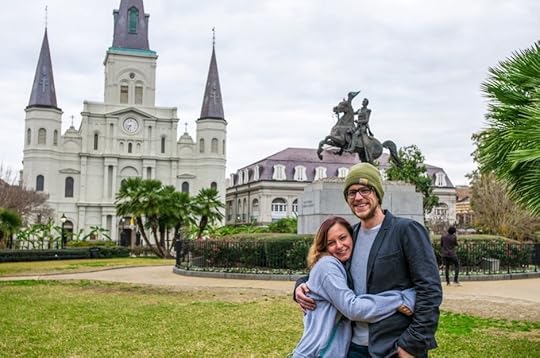
Photo: Brian Lauer
Louisiana has parishes, not counties. The Bayou State’s Catholic roots run deep, dating back to the early 1700s. The first Catholic parish was formed in 1720, and plans were soon underway for the first grand church, the St. Louis Cathedral. Today, it’s the oldest cathedral in the U.S. and the centerpiece of New Orleans’ French Quarter. We’d complain about the confusing semantics of parish vs. county, but the architecture is definitely worth it.
3. Sweet tea actually is all it’s cracked up to be.

Photo: Pexels
Pretty much every restaurant with iced tea serves sweet tea, and we’d strongly recommend opting for the latter. Heck, if we could figure out how to make it come out of faucets like water, we would. We’re working on it.
In the Baton Rouge area, sweet-tea lovers are raving over Sammy’s Grill; and in Bossier City, Notini’s is said to be the go-to for Louisiana’s favorite beverage. No, not all sweet tea is created equal.
4. It’s okay to be confused by the football culture.

Photo: Sean Davis
Who dat say dey gonna beat dem Saints? The confusing rallying call of New Orleans’ NFL team, the Saints, can be heard all over NOLA and across Louisiana, but no place better than inside the Mercedes-Benz Superdome, as tens of thousands of fans chant in unison for their 2010 Super Bowl champs. You’ll also hear “WHO DAT!” shouted in moments of excitement. You’ll probably pick it up by the time the game’s over, even if you never really figure out what it means.
5. King cake isn’t a once-a-year thing, and there’s no single version.

Photo: Emily Carlin
The combinations of the oval-shaped cake, popular during carnival season, are endless. Traditionally, a king cake is brioche-like in texture, with thick white icing and bright purple, green, and gold sugar crystals.
Not here for Mardi Gras? Not to worry, you can find king cakes year-round at bakeries throughout the state — and in flavors that boggle the mind. Cajun Market Donut Company in Lafayette makes a boudin (Cajun sausage)-stuffed version; for a more traditional take, check out Joe Gambino’s Bakery or Manny Randazzo King Cakes, both in Metairie.
6. Forget Mardi Gras. The party literally never stops in this state.
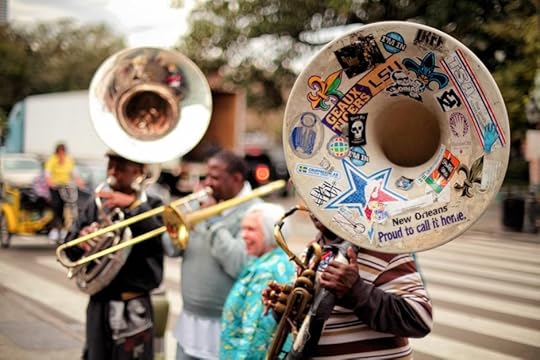
Photo: Strolic Furlan – Davide Gabino
This is Louisiana. There’s always something going on, with more festivals per year than days in the year. Here’s three of the approximately 400:
The Louisiana Pirate Festival in Lake Charles celebrates the legend of pirate Jean Lafitte with games, food, and fun (the mayor is made to walk the plank!) for pirates of all ages.
The Louisiana Peach Festival in downtown Ruston has pretty much everything you could want out of a festival celebrating fruit: a Peach Parade, an exhibition of peach-themed art, a Peach Hunt scavenger hunt with a cash prize, and a Cobbler Gobbler eating contest. Get in on the fun this June 22-23.
The Natchitoches Christmas Festival — held every year from November to early January — features more than 300,000 lights and 100 set pieces to get you in the spirit of the holiday season.
Visit literally whenever, and you’re bound to run into a festival (or two!) in the streets.
7. You want your po’boy “dressed.”

Photo: Kae71463
The po’boy sandwich apparently dates back to 1929, when striking streetcar workers were referred to as “poor boys” and given free sandwiches by a local business. We’re very glad they went on strike.
No matter what kind of po’boy you order, you’ll be asked if you want it dressed — that’s lettuce, tomato, pickles, and mayo. The debris po’boy (shaved roast beef) at Mother’s in New Orleans is a must. And yes, you want it dressed.
8. You really can dance to Cajun music.

Photo: Artisphere
Anyone who says you can’t dance to Cajun music has never been to a fais-do-do (fay DOUGH DOUGH), or Cajun dance party. Check out Angelle’s Whiskey River Landing in Henderson, about 17 miles northeast of Lafayette, pretty much the place to be on Sunday afternoons. Whiskey River promises “one of the best live Cajun and Zydeco musical experiences of your life.” Tourists and non-dancers are welcomed with open arms.
9. Floating down the river is a rite of watery passage.
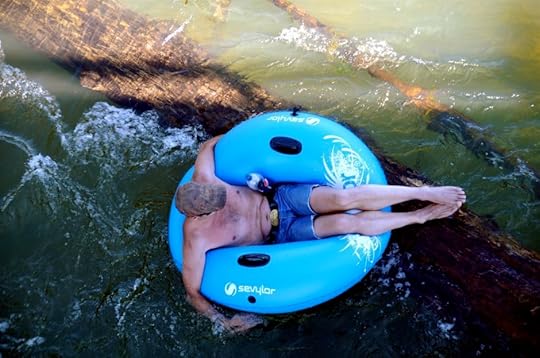
Photo: Don Hankins
You haven’t lived until you’ve gone tubing on a Louisiana river, and Bogue Chitto State Park near Franklinton is considered among the top spots. The park has some of the most dynamic and scenic river systems you’ll find anywhere in the state, including the Bogue Chitto River. And when we say scenic, we’re not talking marshes and swamps — we’re talking canyons and pebbly beaches. Though the iconic cypress swamps and bayous are pretty great, too.
10. When they said “everything is fried” in Louisiana, they weren’t kidding.
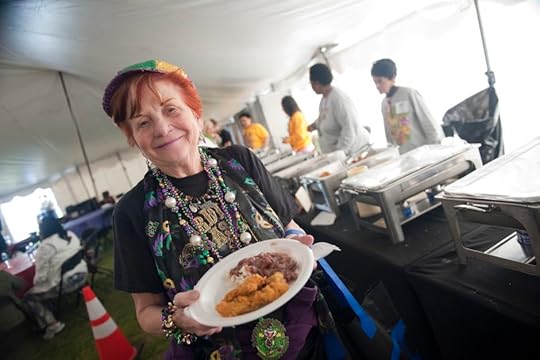
Photo: Shreveport-Bossier Convention and Tourist Bureau
No matter where you go in this state, you can be assured something on the menu will be fried. Shrimp, catfish, oysters, and crab are popular, but so are alligator, okra, beignets, cracklins (pork rinds), and boudin balls (rice and pork balled up and fried).
Oh, and don’t forget chicken. Ball’s Fried Chicken in Lake Charles, Southern Classic Chicken in Monroe, and Willie Mae’s Scotch House in New Orleans are just a few that should not be missed.
11. If you only visit New Orleans, you’re missing out.
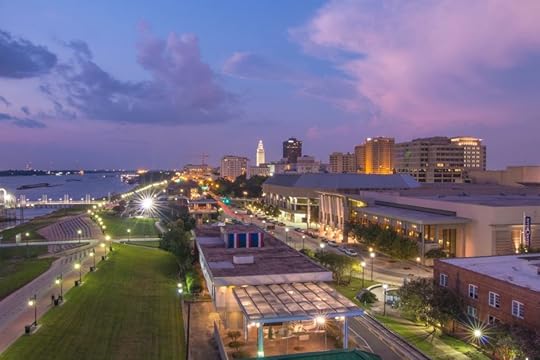
Photo: Antrell Williams
While New Orleans may be the most famous city in the state, you’ll want to explore the rest to get a true sense of Louisiana. Head to the Lafayette and Lake Charles areas for Cajun culture. Hit up (or even camp on) the Gulf of Mexico beaches of Grand Isle. Try your hand at the world-class bass fishing and other water activities in Toledo Bend Lake Country. Check out scenic parks in the Shreveport-Bossier City area. Hike the forested hills of the Monroe-Ruston area. Do it all.
What’s more, no visit to Louisiana is complete without seeing the state capitol building in Baton Rouge and taking a walking tour of Louisiana State University, arguably one of the most beautiful college campuses in the country.
12. Ghosts love Louisiana as much as tourists do.

Photo: Ilambrano
In the Old State Capitol in Baton Rouge, people have reported hearing footsteps down empty hallways and doors slamming shut. Louisiana became a state in 1812, and its storied history includes its fair share of scandals — that makes for a lot of once-upon-a-time occupants who’ve potentially chosen to stick around.
Historic tours of the Shreveport Municipal Auditorium are great fun as well. People say strange voices can often be heard, and some even report seeing the ghost of a young girl in blue running around the auditorium. In Lake Charles, at the Calcasieu Courthouse, the ghost of the only woman ever to die in Louisiana’s electric chair is said to haunt the place.
13. You don’t have to go far to see alligators.
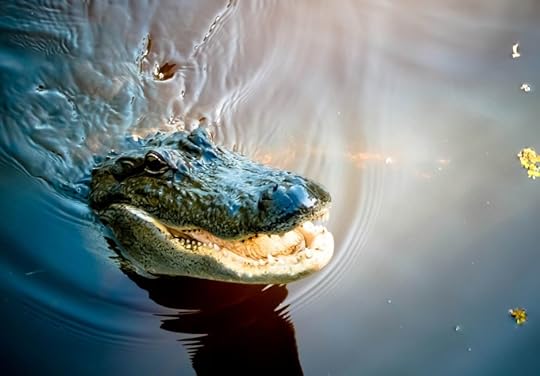
Photo: Corey Harmon
Swamp tours are awesome, but to see one of Louisiana’s most popular reptiles, you have plenty of options that don’t require a boat ride. Kliebert’s Turtle & Alligator Tours in Hammond has been around since 1957 and is home to more than 300 alligators — some as large as 19 feet.
Apart from the tours, be sure to watch when the alligators are hand-fed by the staff. If you want to get really close, at Alligator Park in Natchitoches you can feed, touch, and even pose with these ancient almost-dinos.
14. Yes, you should pack your hiking boots.
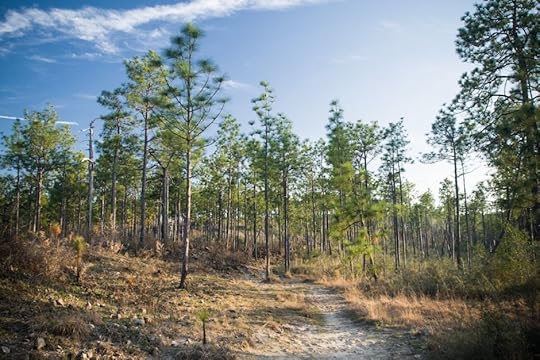
Photo: Justin Meissen
The Tunica Hills Wildlife Management Area has some of the most beautiful terrain in the state (more than 5,000 acres of it!), with rugged hikes, bluffs, and ravines nearly everywhere you look. At just under five miles, Trail A is the most challenging of the three — but there are steep ravines, sand-filled bayous, Cooper’s hawks, and even the occasional black bear print to distract you.
Kisatchie National Forest, Louisiana’s only national forest, has plenty of trails — varying from a half mile to nearly 30 miles — with no shortage of rolling hills and photo-worthy spots throughout.
15. You really do need to learn some French.

Photo: Mobilus in Mobili
“Let the good times roll” — the state’s most popular expression — just isn’t as sexy as Laissez les bon temps rouler (lay-ZEH leh BAWN taw ROO-leh). You really want to impress a Louisianian? Get this one right!
The post 15 things you need to know before visiting Louisiana appeared first on Matador Network.

May 19, 2018
Pilot sucked out of airplane
It seems someone has it out for airplane windows these days. Just last month, a passenger on board a Southwest Airlines flight got partially sucked out of an airplane broken window and died. A few days ago, on May 14th, a Sichuan Airlines plane en route from Chongqing, China to the Tibetan capital of Lhasa was forced to make an emergency landing in the southern Chinese city of Chengdu after the plane’s windshield blew out, which resulted in one of the pilots being partially sucked out of the aircraft. The pilot survived, rightfully shaken up.
Captain Liu Chuanjian told the media that he heard a loud noise in the flightdeck after reaching the cruise altitude of 32,000 feet. “When I looked over to my side, half of my co-pilot’s body was hanging out of the window,” Mr. Chuanjian was quoted saying.
He added, “Fortunately, he was wearing a seatbelt.”
Despite the airplane’s malfunctioning and the sudden drop in pressure, the pilots handled this scary situation perfectly and landed the aircraft manually, without radio and gauges, preventing casualties.
The First Officer who had been partly sucked out of the plane was scratched up but suffered no serious injury. One additional member of the cabin crew staff was treated for a waist injury. According to the airline, one hundred and nineteen passengers were on board the flight when the incident took place. twenty-nine of the passengers were taken to the hospital but quickly released after it was determined that none had sustained an injury.
Many Chinese took to the social media platform Weibo to share their thoughts and reactions to the incident. Sichuan Airlines appears to be enjoying a steady stream of positive PR and press, mostly directed towards the pilots themselves. Many called for the pilots to be given a raise or be rewarded for their heroic efforts. A few, however, questioned why the incident happened in the first place and wondered if the airline should have prevented it from ever taking place.
H/T: The New York Times
More like this: 5 of history's most mysterious airplane disappearances and crashes
The post A pilot got partially sucked out of plane after the windshield shattered appeared first on Matador Network.

Matador Network's Blog

- Matador Network's profile
- 6 followers

