
Matador Network's Blog, page 1339
May 22, 2018
Virunga National Park to reopen after tourist kidnapping
Virunga National Park has fallen on hard times recently, and its tourism industry is taking a big hit as a result. Last month, two British tourists were kidnapped, their guide killed, and driver injured, leading the park to close itself to all tourism indefinitely (the tourists were safely released). Earlier in the month, six park rangers were killed in an ambush by a rebel militia. Now that the incidents have been thoroughly investigated, Virunga National Park will reopen to visitors on June 4.
Travelers visit this nature reserve in the eastern Democratic Republic of the Congo for its mountainous hikes and abundance of wildlife, including the rare mountain gorillas, lowland gorillas, and elephants. It is the largest national park in the DRC, covering 3000 square miles. Prior to the recent incidents, tourism has been steadily increasing, leaving many travelers with canceled plans following the closure.
If you’ve booked a trip to the Congo before June 4 and were planning to visit Virunga, don’t let the closure ruin your trip. There are several tour operators offering safaris, hikes, and other trips in the Congo and neighboring countries like Rwanda and Uganda.
Though the park will reopen in June, the U.S. State Department has urged Americans to “reconsider travel” to the DRC due to “crime and civil unrest.” While warnings alone shouldn’t spoil your itinerary, they should certainly be taken into consideration. It’s easy to view national parks and other attractions as “safe zones” in volatile areas, but it’s important to remember that tourism isn’t immune to cultural and political hazards. Always exercise caution. 
H/T: Conde Nast Traveler

More like this: Two tourists have been kidnapped inside Virunga National Park
The post Virunga National Park to reopen after tourist kidnapping appeared first on Matador Network.


7 books to inspire your summer travels
Summer beckons us out of doors and towards new experiences more so than any other season. It has also inspired more books than you could ever hope to read over the course of three months, even if you stayed home. But after reading these seven books, you’ll want to do anything but sit around. We suggest reading them on the plane to somewhere awesome. If you don’t finish, they’ll be equally appropriate as you lounge poolside.
1. Zen and the Art of Motorcycle Maintenance by Robert Pirsig

Photo: Amazon.com
A cross-country motorcycle trip and Zen Buddhism might not appear to have much in common, but in Zen and the Art of Motorcycle Maintenance Robert Pirsig eloquently describes not only their meeting point but how one inextricably benefits from the other. Heavy on philosophical insight, this book documents the father-son road trip in a completely new way.
2. Rice, Noodle, Fish: Deep Travels Through Japan’s Food Culture by Matt Goulding

Photo: Amazon.com
Even if you’re not a foodie, Matt Goulding’s descriptions of the emotion and passion behind Japanese cuisine, its personalities, and the cultural phenomena are so vivid that you’ll look far beyond the reaches of Tokyo when booking a trip. Goulding is the most prolific food writer in the modern travel sector, and Rice, Noodle, Fish will leave you yearning for your next bowl of noodles.
3. Let My People Go Surfing by Yvon Chouinard
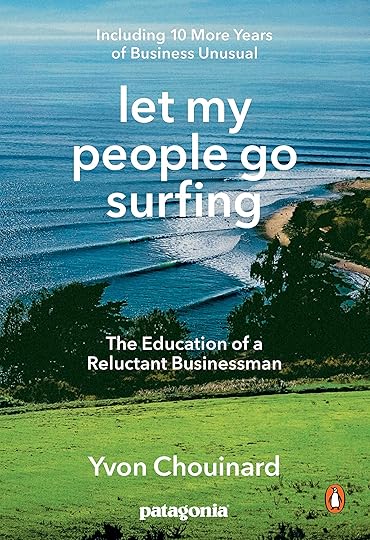
Photo: Amazon.com
You might not have heard of Yvon Chouinard but you’re probably familiar with his outdoors brand Patagonia. In addition to developing some of the world’s most trusted outdoor gear, Yvon is a long-time activist working towards environmental conservation efforts. Let My People Go Surfing is the story of Patagonia, told from the perspective of a number of incredible trips in the field and the people who made them happen.
4. How Not to Travel the World by Lauren Juliff
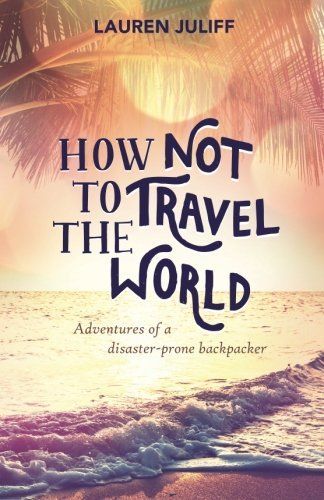
Photo: Amazon.com
If you’re traveling solo this summer, this should be the first book on your list. Lauren Juliff confronts and dismantles the fears of a first-time solo traveler in way that will actually resonate with anyone who has yet to undertake the journey – especially if you need a push to make the final decision. How Not to Travel the World is a thorough manual on how to pack your bags and hit the road without waiting for anyone else, with an in-depth guide to conquering any fear that crops up along the way.
5. Turn Right at Machu Picchu by Mark Adams

Photo: Amazon.com
Mark Adams is a self-described ‘unadventurous adventure writer’ who details a hilarious account of what happens when a traveler decides to visit one of the world’s most celebrated attractions – and dives deeper than the average tourist in hopes of learning more about what it meant to the Incas. In Turn Right at Machu Picchu, you’ll learn a bit of survival tactics and travel hacking along the way, too.
6. Barbarian Days: A Surfing Life by William Finnegan

Photo: Amazon.com
William Finnegan takes you around the planet on the epic surfing journey that has been his life, a momentous feat considering he is a war reporter by trade. The Pulitzer-winning autobiography is the author’s recounting of his adventures, populated by a rotating cast of simple-minded surf bums, foreign flings, and longtime friends. The storyline of Barbarian Days: A Surfing Life is an aside to the author’s day job as a reporter for The New Yorker, and is nothing short of pure motivation to get out and see the world.
7. Travel As Transformation: Conquer the Limits of Culture to Discover Your Own Identity by Gregory Diehl

Photo: Amazon.com
If a look within yourself and the places you travel will help optimize your experience, this introspective dive from Gregory Diehl is a must-read. Diehl has lived in over 45 countries and become an expert at making each a part of himself. Travel As Transformation is a deep but uplifting read – perfect for passing time on a long-haul international flight.
11 books we want to read in 2018
The post 7 books to inspire your summer travels appeared first on Matador Network.

The definitive guide to the best street food in Thailand (and where to find it)
Thailand is synonymous with street food for good reason: it’s everywhere. From outdoor markets to roadside carts, there’s no escaping street food no matter where you go, especially in major cities like Bangkok and Chiang Mai. Too many tourists skip out on street food for fear of food poisoning, but you’d be a fool to follow their paranoid lead. Street food is an integral part of Thai culture, and if it’s good enough for millions of locals, it’s good enough for you. Just be smart in your decision making:
Always choose stalls that prepare the food fresh in front of you. This ensures it hasn’t been sitting around for a long time and is safer to eat.
Look for vendors with long lines and a variety of customers (women, children, and men). This shows that the food is vetted to be safe (and delicious) for everyone.
Go to morning markets — they are set up to feed hungry shoppers so the food turnover is quicker.
Look at the color of the oil the vendors cook with — the darker the oil, the older it is.
Finding a good vendor is only half the battle, though. The amount of options even at one stand can be overwhelming, especially for someone who’s only experience with Thai food is delivery. Below are our picks for the must-eat dishes in Thailand, and our favorite spots to try them in Bangkok and Chiang Mai. Just promise us you won’t fall into the habit of only ordering one dish over and over again — there’s a whole vibrant, diverse cuisine you need to work your way through.
Noodles
Pad See Eiw (Soy-Sauce Noodles)
Literally translating to “soy sauce noodles”, pad see eiw draws heavily from Chinese cooking for ingredients. The thick, flat rice noodles are fried with two different types of soy sauce to create the salty, bold taste that is quintessential to pad see eiw. Add your choice of chicken, pork or beef along with Chinese broccoli or cabbage. Top with dried chili flakes or vinegar for an extra kick.
Vietnam's Ba Ho waterall
If jumping into secluded waterfall ponds is your thing (isn’t it everyone’s?), you’re going to want to check out Ba Ho Falls, just 45 minutes north of Nha Trang on Vietnam’s South Central coast. While the beaches of Nha Trang can get a bit hectic, this out-of-the-way treasure makes for a welcome, adventurous escape away from the crowds.
The Ba Ho waterfalls have three tiers and swimming pools at the bottom of each (Ba Ho means three pools). One of the pools even has a 37-foot jump for the daredevils. The rocks surrounding the pools are famous for jumping, but if hurling yourself off of stones isn’t your idea of a good time, there are other routes into the swimming pools.
While the waterfalls are idyllic, and certainly the main attraction, the adventure of getting there is also a big part of the fun. The most popular way to reach the falls entrance is by motorbiking up the scenic coast, passing cliffs and fishing villages. Once you’ve reached the falls entrance, though, you’d better be in fair fighting shape to make the climb.
The first 20 minutes isn’t bad — just a rough dirt path that requires some focus — but once that track disappears, you’re in for an offroad adventure. To get to the first pool, it’s a challenging 15 minute boulder scramble that requires strength and dexterity; the cold water is a worthy and refreshing reward. The second and third pools are even trickier to get to, but, if you’re fit and adventurous, they’re definitely worth the effort and you’ll find fewer people there too.
The trail is marked with red spray painted arrows, and you’ll likely encounter enterprising locals willing to guide you to the top, carry your things and boost you over rocks if necessary. At about 30 meters, the top waterfall is the big payoff, and, for the thrill seeker, a check off the ol’ bucket list.
How to get there
Ba Ho Falls is just a 45-minute motorbike ride north of Nha Trang. You can drive either via the national highway 1 (QL1A) or go the more scenic coastal route along Phạm Văn Đồng (recommended) which takes you through the coastal fishing villages.
After about 30 minutes you’ll see a blue sign that says “BA HO Tourist”, turn left (west). You’ll follow the road until you see the gate that says Ba Ho Tourism Area. Check out the Google Maps location here.
Once you’re through the gate, you’ll walk 20 minutes up a dirt path until the path disappears and boulders take its place. Climb another 15 minutes over the boulders (follow the red arrows painted on the rocks), and you’ve arrived at the first pool.
What to consider
Parking is free, but entry to the waterfalls is around 47,000 dong (about $2 USD)
Motorbikes are easy to rent in Nha Trang for an afternoon; it’ll cost you about $5 USD.
The bouldering to the waterfall is challenging and isn’t suitable for people with mobility issues.
Bring plenty of drinking water, more than you think you’ll need. There are places to purchase it before the climb.
Good shoes or strap on sandals are a must, as the climbing is tricky.
The post Vietnam’s Ba Ho Waterfalls are worth every drop of sweat to get to appeared first on Matador Network.

10 hard truths Arizonans learn to accept
More than most states, people from Arizona are a tough breed. We wrestle with heat, venomous creatures, and a diverse way of life. It’s a hard-earned toughness, and the only way to prevail is to accept some of the realities of living in the state.
Here are 10 hard truths we Arizonans learn to accept:
1. Keep your hopes high and expectations low.
We live in hope there won’t be a severe wildfire season, and that the monsoons will be plentiful to dampen any dry tinder. But Arizonans are sadly accustomed to getting let down – some would go as far as saying punished – by Mother Nature. We have learned to brace ourselves and prepare for any situation.
2. You must always be prepared.
We spend hours clearing the brush from around our homes, because as per Smokey, only we can prevent our house from burning down in the case of said wildfire.
3. You need a thick skin.
We’re used to being the butt of the nation’s jokes and sometimes even scorn. We have earned a thick skin, and not just from the ceaseless sun or running into countless prickly pears.
4. If you can’t accept it, change it.
We’ve come in last place on some of the US’ most shameful lists, and first on other embarrassing tallies. But Arizonans don’t sit idly by. When we’re pissed, we act to make positive change.
5. We will outlive our beloved fur children.
Arizonans are very invested in their pets, livestock, and wild fauna. We’ve had to learn the hard way that we will likely send each one of them off over the rainbow before we ourselves go.
6. Even our most iconic desert animals bite like hell.
Javelinas and coyotes will devour your cat in a hot minute. Raptors will swoop down to make brunch of your chihuahua. And rattlers don’t always rattle.
7. Food is better when you grow it yourself.
Arizona features microclimates suitable for growing agriculture, ranging from wine grapes to lettuce to citrus to mesquite. The cornucopia of delicious crops keeps many farmers markets open year-round.
8. Vehicles need to be prepped for seasonal extremes.
Those cars pulled over on the hills by Sunset Point would not be holding up the entire state’s northbound/southbound traffic if they had just added coolant to their radiators. And we never forget summer driving gloves to prevent first-degree burns from the steering wheel.
9. Art keeps our soul healthy.
For literally thousands of years, people have scratched symbols onto Arizona rocks. Maybe they, like the artists who have succeeded them, were inspired by the red rock landscapes and cotton candy sunsets.
10. If you work hard, you deserve to play hard.
We grind away at low-paying jobs too long to not enjoy the reason we live here. To Netflix a weekend away is to ignore the giant outdoor playground that is our state.
More like this: 11 things Arizona does better than the rest of the nation
The post 10 hard truths Arizonans learn to accept appeared first on Matador Network.

You can now give a radioactive puppy from Chernobyl a forever home
Everyone needs a helping hand sometimes, and a US-based non-profit group is betting that they can find families who want to help a puppy who has spent an entire life roaming the radioactive fields of Chernobyl, the location of the infamous April 26, 1986 nuclear meltdown.
In 2017, a non-profit group called the Clean Futures Fund launched a project called The Dogs of Chernobyl, raising awareness of their plight and seeking to evacuate them from the hazardous area. Infected with radioactivity, the dogs were abandoned following the meltdown and left to their own devices. In the ensuing 22 years, cleanup efforts and came and went but now more than 3,500 employees currently work in and around the site on a daily basis. The area’s dogs live in and around human activity but without assistance or shelter.
According to the Clean Futures Fund, which focuses specifically on areas impacted by industrial waste, packs of wolves have prevented the dogs from roaming beyond the exclusion zone, and in many cases may have interbred with the dogs. There are currently over 250 dogs in the area, all living as strays.
A Ukrainian state agency in charge of the Chernobyl Nuclear Power Plant released a report last week stating that a dozen rescued puppies from the will be sent to the United States after a 45-day quarantine period in Slavutych, a Ukrainian town near the site. This 1,000-square-mile area is known as the Chernobyl Exclusion Zone (CEZ) and has seen little human activity since the disaster, though dogs, wolves, and other wildlife have moved into the area.
The 12 pups being quarantined and moved overseas will need a new home once they arrive, and are counting on a warm embrace from US dog lovers — after they receive treatment for their radioactive poisoning, of course. If all goes well, hundreds more Chernobyl dogs could see brighter futures in the United States. If you want to help, shoot an email to adoptions@cleanfutures.org. The first batch of pups arrive to the US in July.
H/T Motherboard
More like this: Meet Sprout, the cutest Children’s Hospital therapy dog
The post You can now give a radioactive puppy from Chernobyl a forever home appeared first on Matador Network.

Why you should think twice before hiking Colorado’s deadly Knife Edge
Backpacking season is officially here in North America, the time of year when the Instagram feeds of outdoors-inclined trail hounds migrate from deep powder days to river trips, summit hikes, and craft beer sessions. For hiking novices, the photos are tempting. If some random couple on Instagram can summit that peak, so can I, right?
Unfortunately, the social media age is drawing people to trailheads they are wholly unprepared for. Colorado’s 14ers are a huge draw, and rightfully so. They’re beautiful. They’re challenging. The feeling of accomplishment when you summit your first massive peak can rival that of landing a great new job. Photos of hikers holding cardboard signs emblazoned with the summit elevation of their hike look so tempting — but typically fail to touch on the trip planning it took to get there. Like anything worth celebrating, these challenging peaks take proper preparation and gear. Buying a Patagonia fleece at REI doesn’t prepare you for a scramble with 2,000-ft drops on both sides.
Is social media luring hikers beyond their limits?
In The Atlantic, writer Sarah Tory brought up the issue of social media luring aspiring summit seekers beyond their limits. The piece focuses on Colorado’s Capitol Peak, a 14,000-ft behemoth notorious for being the most challenging of the state’s 58 ‘14ers.’ “The internet has opened up a world of free online guidebooks filled with detailed route descriptions, like 14ers.com, while social media has helped fuel a new appetite for outdoor excitement, broadcast through electrifying GoPro videos and Instagram selfies,” she said in the piece.
While the article documents in detail one fateful journey on Capitol Peak, the biggest takeaway for aspiring summit seekers lies in Tory’s statement that, “The mountains are more accessible than ever, and to our wired selves, they often appear less dangerous, too, their risks obscured by an expanding digital universe of information and its strange mix of security and adventure.”
Last summer, it seemed Colorado couldn’t go more than a few days without a headline in The Denver Post detailing another fallen hiker on Capitol Peak. We lost five hikers in less than two months, largely a result of what has become known as Death Gulley. It’s important for users to realize that planning a trip based on an Instagram post is about as productive as living in constant jealousy of a friend’s Facebook timeline. There’s always more to the story.
What is Death Gully?
The area that has spelled doom for multiple hikers on Capitol Peak is an offshoot of the normal trail that from the ridgeline of the peak, known as the Knife Edge, appears to jut down through one side of the the loose-rock scramble field towards Capitol Lake and the campsites used as a base by many summit hikers. Unlike most 14ers, where sticking to a well-defined trail for long enough will bring you to the summit, Capitol Peak requires a long scramble across a field of loose rocks with death or serious injury a certain should you fall. Instagram photos do no justice to the intensity of this section of the trek.
Death Gully looks like a shortcut, a roughly cut path likely carved as much by mountain goats as hikers, that will take you down to Capitol Lake without having to traverse the entire way across the Knife Edge. What hikers can’t see from the top is the cliffline that separates the path from the destination. So many hikers have fallen victim to the deception that the area earned a permanent name, of sorts.
Due to weather, exhaustion, injury, or a combination of the three, some hikers become trapped atop the cliffs, often unable to trek back up to the scramble on the loose rock. Without technical rock climbing gear, it is impossible to make it down to the valley below the cliffs.
Back up on the Knife Edge, the way up towards the summit can be panic-inducing even when staying on the trail, but even here your troubles are far from over once you make it through. This legs-over-the-edge scramble is as two-faced as the Devil himself. It’s often on the return down the mountain, after the celebration of reaching the summit, that the real problems ensue. Much of Colorado, including the high country, is prone to afternoon rain storms in the summer, which can be perilous for those not reaching the summit well before noon. The rock faces, already giving way to a no-mercy 2,000-foot tumble on both sides, become slick with rain and thus are often harder to cross on the way back down. Many hikers also succumb to overconfidence after having made it across once. The rocks are loose and can give without warning.
Here is a video documenting the Knife Edge:
How to stay safe when hiking a 14’er
14ers.com is a great resource for advice and for having your questions answered for specific hikes, trails, and routes. This thread on Capitol Peak offers an informative perspective on Death Gully and the Knife Edge, detailing exactly what to avoid.
Always pay attention to weather reports, and in general, aim to summit the peak and be on your way back down by noon at the latest. This often requires hitting the trail near sunrise, but that’s actually a good thing. The crowds are much thinner the earlier you go, making the hike itself more enjoyable, and your odds of actually reaching the summit are much higher. Once you hit the trail, the ‘trip plan’ includes sticking to the route in dangerous situations. Shortcuts should never be prioritized, nor should photos.
If you don’t have a clear answer to each of the following points, do more research:
How long is the hike, and how defined is the trail?
What gear do I need?
What is the best time of year to go, and what hazards are likely to present themselves when I hope to go?
What is the elevation gain?
Are there alternative routes?
It all comes down to trip planning. Know the route before you go, and ensure that each person in your crew is on the same page. Any who aren’t prepared or can’t come to an agreement on the trip plans are not welcome in your party.
More like this: Views from the Colorado 14ers. Failure and success in Mount Lindsay
The post Why you should think twice before hiking Colorado’s deadly Knife Edge appeared first on Matador Network.

Meaningful Finnish expressions
The Finnish language loves random idioms. The real beauty of the language is that many of the words are untranslatable into other languages, making them truly unique to the Finnish culture. Here are 9 examples of Finnish expressions with multiple meanings that the English dictionary is sorely missing.
1. No niin
Finnish comedian Ismo Leikola nailed it when he introduced the most useful Finnish word to the world. This word, or expression, sums up humorously the dynamics of the Finnish language and culture where less is more in communication. The word “no niin” itself doesn’t really mean anything, but can be used to express anything from “alright”, “I’ve screwed up”, to “calm down, no need to panic”.
2. Ala vetää
“Ala vetää” means to command someone to start pulling an object. For example, “ala vetää verkkoja vedestä” is a commonly heard phrase and means to start pulling fishing nets out of the water. But “ala vetää!” is also an everyday way to tell someone to go away or get gone.
3. Poika on käymässä
Literally, this translates to “a boy is visiting”, referring to a son visiting home. But the verb “käydä” also means fermenting and the traditional Finnish homebrew kilju is often called “the boy”. So, whenever you hear someone saying “son’s visiting home” it can also mean there’s a bucket of homebrew fermenting.
4. Moi
The Finnish for “hi”, “moi” can be used as a variety of conversation starters from “hello, how are you?” to “it’s really good to see you again”. It is also used to close out a conversation and when you are done with your little chat you can say goodbye by saying “moi moi”.
5. Kuusi palaa
Kuusi palaa is one of the ways you can say “easy” in Finnish, but the phrase has altogether nine different meanings. “Kuusi” can translate as “spruce tree”, the number six or “moon”. Palaa means “to be on fire”, “to return” or pieces of something. With that in mind this simple sentence can mean anything from “the spruce is on fire” or “your moon returns to six pieces”.
6. Olla mustasukkainen
Mustasukkainen means “to be jealous”. But it literally translates as “to have black socks”. Olen mustasukkainen can thus be understood as “I am jealous” or “I am wearing black socks.”
7. Mennä metsään
When something goes wrong, it “goes to the forest” (mennä metsään). For example hän meni metsään means “he/she went to the forest”, but työhaastattelu meni metsään means “the job interview went horribly wrong”.
8. Olla koira haudattuna
When you sense there is something odd or suspicious going on, you can say “luulen, että tässä on koira haudattuna”. It means you suspect there is something hidden behind the scenes you can’t quite work out. But literally translated the sentence means, “I think there is a dog buried in here.”
9. Vetää herne nenään
When someone gets offended or angry over something others don’t consider very relevant, they “vetää herne nenään”, which translates to “put a pea up their nose” in Finnish. This expression might also be familiar in the literal sense especially to parents of toddlers who are testing their physical limitations.
More like this: 15 fascinating untranslatable Finnish words we need in English
The post 9 meaningful Finnish expressions that don’t exist in English appeared first on Matador Network.

Idaho's Sawtooth Range
The Sawtooth Range runs its jagged course across Central Idaho, beginning in a canyon not far from Boise and slicing across the middle of the state with many peaks over 10,000 feet. And yet, many people have never heard of this range or visited it. I was about to find out that the Sawtooths contained so much rich nature, wild backcountry, and chances for adventure that one visit simply isn’t enough — I am already heading back this summer. These epic photos of the Sawtooths are just a few reasons why.
1
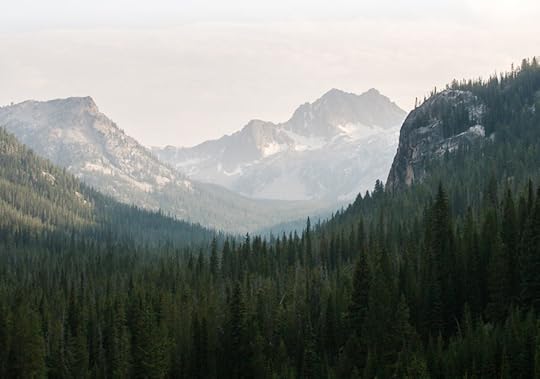
Razorback mountains
The Sawtooths have that particular look like they are sharp enough to cut the sky open. The range has 57 peaks - the highest being Mount Thompson - that are over 10,000 feet high, and more that are over 9,000 feet high.
2
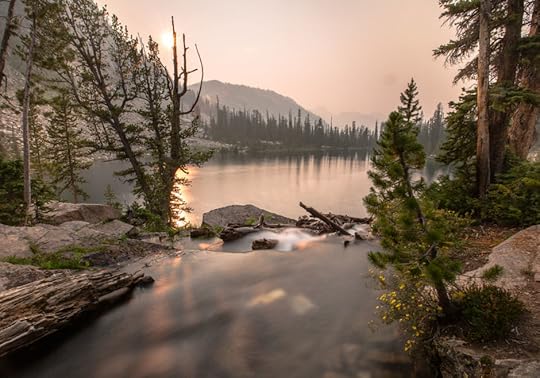
Brilliant sunsets
This is the view from the top of a waterfall connecting Upper and Middle Cramer lakes - and just a thirty second walk from several established backcountry campsites in the area. Not only is it a great spot to refill your water supply, but why not plunk down on a rock, dangle your feet in the stream, and watch the sun set?
3
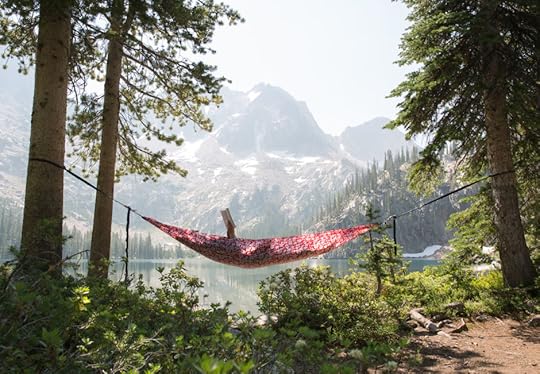
Hammock-worthy views
The Sawtooth National Forest offers hundreds of backcountry campsites, complete with perfect views. Taking a full day off from hiking to relax by any number of the alpine lakes in the area is something you should allot time for. You didn’t come this far to not soak it all in.
Intermission
Pop Culture
You can now visit an entire museum dedicated to weiner dogs
Katie Scott Aiton
Apr 5, 2018
Sponsored
10 underground things to do in Boise before they go mainstream
Hailey Hirst
May 10, 2018
Sponsored
18 gorgeous images of Virginia we can’t stop looking at
Jacqueline Kehoe
Apr 25, 2018
4
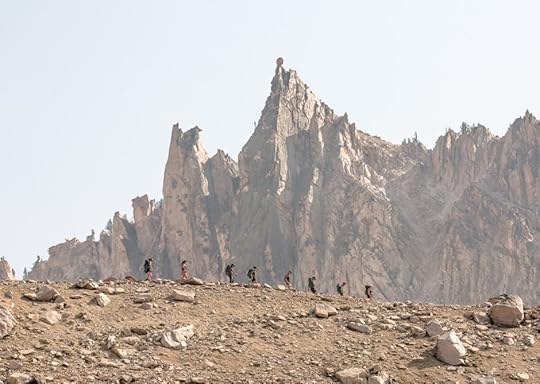
Peaks for days
If craggy mountains are your jam, the trails in the Sawtooth National Forest is for you. As you make your way in, you’ll be stopping every ten minutes to snap a photo of the ever-changing scenery, with some peaks bending in ways that feel like another planet.
5
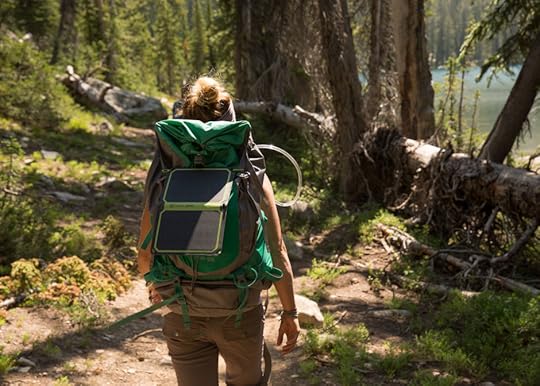
Adventure in every direction
Whatever you are into, there are options for you in this range. Swim the lakes, hike up to peaks or through old forests, fish the rivers and streams, sway in a hammock, climb the sheer cliff faces. You name it, you can probably do it here.
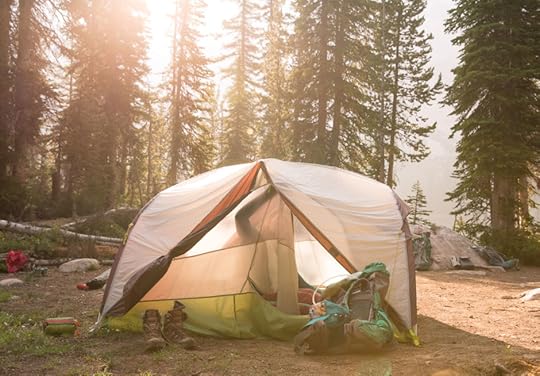
6
Wake up, for real
Fall asleep and wake up to the sound of crashing waterfalls or running rivers. The mountains cut the morning light into a haze, so you get to wake up with dew and golden light, like some kind of hiking fairy tale. Just remember to obtain a permit, stick to LNT principles (always pack our your trash!), and be aware of fire regulations and potential burn bans in this area as well. In this particular part of the national forest, fires are only permitted if you have a metal container or a fire blanket, and it’s always best to check with rangers if you’re in doubt. Fires can get out of control fast here in the summer, so don’t be a jerk about it.
7
Find your heart
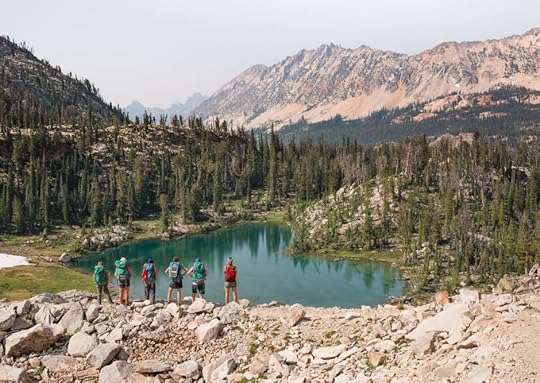
The Sawtooths were carved out in part by long-gone glaciers, but the swaths of ice left behind many lakes - more than 400 lakes are found in the range. This heart-shaped lake was one of the coolest spots I stumbled across during my four days in the Sawtooths, and I still don’t know the name of it. We stumbled upon it while hiking to Upper Cramer.
8
Soak your weary bones
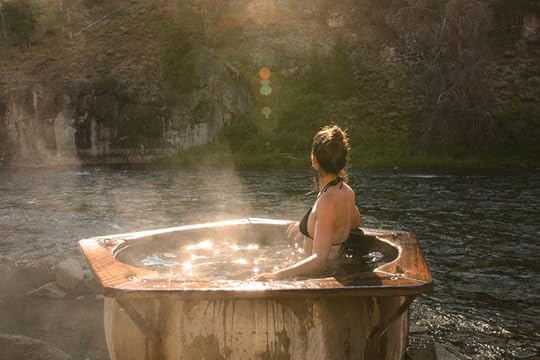
One of my favorite things about Idaho is the abundance of hot springs, and this is an especially awesome way to soothe your aching muscles after a backpacking trip. Many of the hot springs have had some help from humans over the years to help regulate their temperature, but when they come with a view like this, I’m the last person to complain about it.
9
Watch the mountains wake up
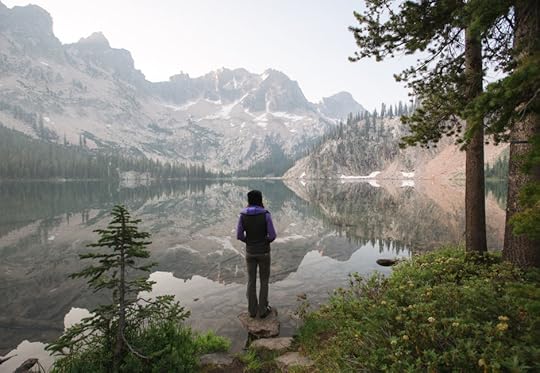
If you are badass, you’ll get up at dawn to watch the first light come in on the peaks. And you’ll probably be completely alone as well. Bring a blanket, there are often mosquitos.
10
And watch them go back to sleep
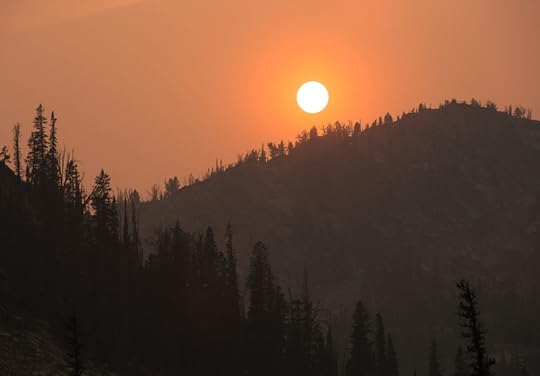
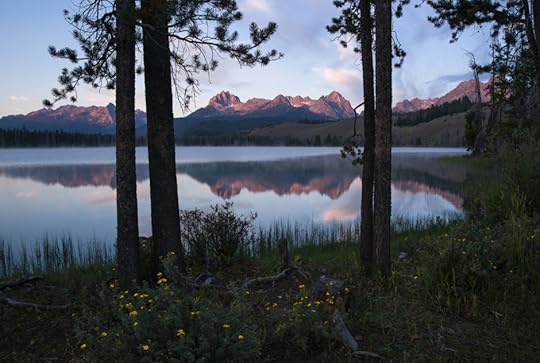
Depending on how far you hiked, you might be alone for sunset too. Watching it dip down and turn the hills all different shades of orange, then blue, is worth the wait.
11
Car camping is legit, too
When I’m done with a multi-day backpacking trip, I’m usually on the hunt for the closest motel so I can shower and rest my bones on a real bed, and there are quite a few rustic lodging options in the charming town of Stanley. However, if you’re interested in sticking around for a bit and want an epic place to car camp, look no further than the Redfish Lake area, which has numerous campgrounds with flush toilets, picnic tables, and this view, among other perks. However you go and see these mountains, just go.
More like this: 19+ spots that prove Idaho is the most underrated state in the US
The post 11 images that prove Idaho’s Sawtooth Range is as badass and beautiful as it sounds appeared first on Matador Network.

6 common fears that keep us at home
“It’s a dangerous business, Frodo, going out your door,” J.R.R. Tolkien’s famous hobbit Bilbo Baggins tells his nephew. But that fact didn’t stop either of them from roaming all over Middle Earth — and it shouldn’t stop you, either. There’s a great big wide world out there, and lots of last-minute, can’t-miss airline fares that will take you and your passport almost anywhere you want to go.
Of course, travel can come with anxieties — you don’t speak the language, you don’t understand the metric system — but people have been globetrotting since the days of horses and buggies (and dragons?). And now, with cellphones, wifi, and GPS keeping you a click away from your route info and your emergency contact, you can travel more fearlessly than ever. Don’t let these common concerns — and yes, even the most veteran of travelers experiences them at some point — make you settle for a staycation.
Fear #1: The food will make me sick.
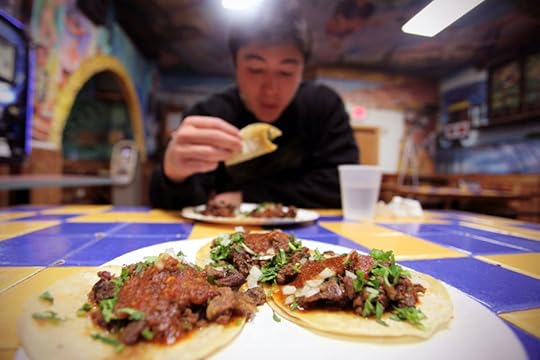
Photo: Evan Blaser
There’s no denying that Delhi Belly and Montezuma’s Revenge are real — introducing unfamiliar organisms into the florid microbiotic environment that is your digestive system can sometimes result in international gut skirmishes. But most of the time the only condition you’ll end up with when you experiment with unfamiliar foreign foods is an addiction to some divine fruit or sauce you’d never heard of before. The symptoms? You’ll find yourself desperate to find said goodies in international grocery stores when you get home.
Case in point: Anthony Bourdain has made an entire career of eating anything and everything he finds being sold out of street carts with menus written in a languages he can’t read, and he’s still bouncing merrily along. When eating abroad, use the same common sense you’d use picking a restaurant back home, and keep in mind that the street food fare you’re contemplating is probably just as clean as the hotdog cart you frequent for lunch at your 9-5.
Always check to see if you can drink the water where you’re going, and if not, rely on bottled water or use an approved water filter; peel your fruit; and don’t eat anything that doesn’t smell right or appeal to you. Simple as that.
Fear #2: Crime is higher in other countries.
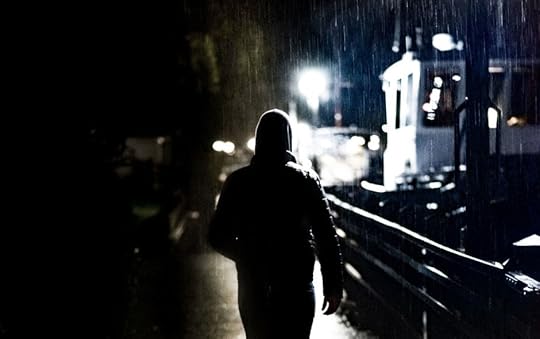
Photo: Skitterphoto
This may or may not be true depending on where you’re going, but remember: Many travelers from elsewhere feel this way about America, too. The violent crime rate in some US cities is enough to deter foreigners from coming stateside, so if you think nothing of hopping on a plane to Chicago, South Africa should give you no more pause.
Of course, you’ll be in a bit of an unfamiliar environment, so take the kind of precautions that, really, you should be taking anytime. Keep an eye on your surroundings when you’re out instead of staring at your phone, and consider packing some basic self-defense items, like a money belt, whistle, and a compact pepper spray.
You can take that last one to the next level with Sabre’s industry-leading pepper gel — it shoots farther and more accurately, and eliminates the potential for blowback that comes from aerosol sprays. Plus, you can fly with it in a checked bag, and then at your destination clip it right onto your keychain, meaning it’ll always be at hand. Will you need it? Probably (and hopefully) not. Think of it as a smart complement to that travel insurance policy (more on that below).
Fear #3: People in other countries don’t like Americans.
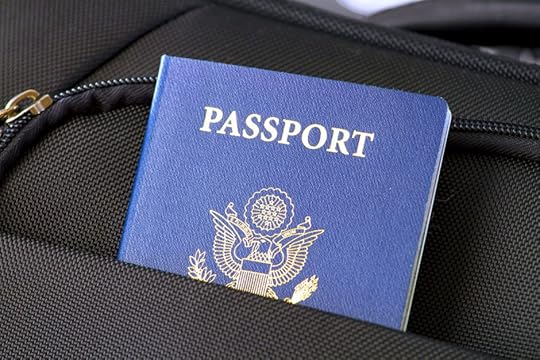
Photo: cytis
It’s true that, in some places, there’s strong anti-American sentiment when it comes to international politics. But just because two countries are at odds on the global stage doesn’t mean their respective citizens can’t get along at ground level. You’ll find that if you’re courteous and friendly — even with that eagle on your passport — people will generally respond in kind.
Nobody expects you, gentle tourist, to have control over your country’s foreign policy decisions, and the widespread popularity of American culture and entertainment will give you some common ground for discussions with just about anybody. Plus, in a lot of places, tourism dollars drive the local economy, so people want you to enjoy yourself, spend money, come back, and bring friends.
Fear #4: I won’t be able to get necessary treatment in an emergency.
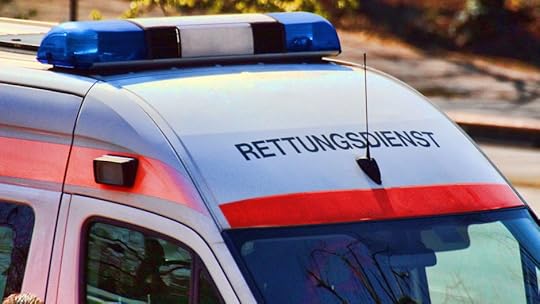
Photo: TechLine
Getting hurt is scary enough at home — the idea of suffering a broken bone in a foreign country can be the stuff of nightmares. But while medical services in some remote spots might not match what you’re used to, in most countries you’ll be in hands just as competent as those back home.
Whatever happens, keep a cool head and make sure you have your emergency contact info easily accessible to emergency personnel in your bag (or on your phone). People are people all over the world — whatever language they speak, their doctors still speak “human body.”
If you want extra peace of mind, buy yourself some travel insurance with medical coverage for a few dollars on top of your airline ticket, which you can often get through your credit card or the site where you purchased the ticket itself. Some services will even airlift you to the nearest high-quality hospital, if necessary.
Fear #5: Tourists are easy marks for scammers.
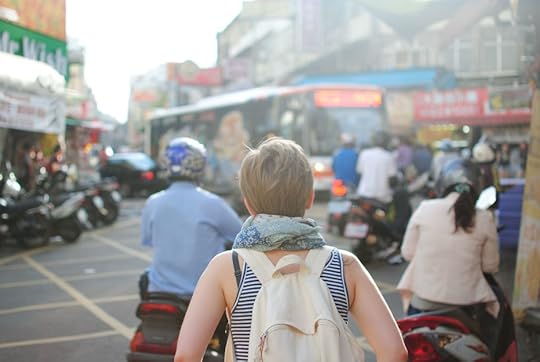
Photo: Free-Photos
Walking around with a sunhat and a fanny pack on will, in some places, make you look like an easy target. But wherever you are, there will be people who want to take advantage of your willingness to spend dollars to look at buildings and statues they take for granted.
The key to avoiding tourist traps is the same whether you’re in New York or New Delhi — do a little preliminary research about where you want to go and how much things should cost, whether it’s via guidebooks or the internet. Then, when flagging down transport, be absolutely clear where you want to go. If you can, ask friends or the concierge at your hotel to find you a trustworthy guide or driver, and use common sense — if something seems absurdly expensive, don’t buy it.
But remember: An item or an experience is only worth what you’re willing to pay for it. It may be worth $500 to you, but only $50 to someone else. In that sense, you can’t get scammed. If it’s worth it, it’s worth it.
Fear #6: My chances of being involved in a disaster are pretty high.

Photo: Free-Photos
It seems like the news is full of transportation disasters, with planes making emergency landings in rivers or ferries going down with all lives lost. But keep in mind that, statistically, it’s extremely unlikely the vehicle you’ve chosen to travel in will do anything except get where it’s going. Millions of people make millions of trips every day, moving like ants all over the globe, and safe trips are the rule rather than the exception. (Hate to say it, but you’re probably at more risk on your daily commute than when you’re on vacation.)
Use your best judgment when climbing aboard a boat or a bus, and if you don’t feel comfortable, find an alternative. And know that if you don’t feel comfortable, that’s allowed! You’re getting out there and doing it anyway. Conquering your fear — no matter how or where you slice it — is something to be proud of.
The post 6 common fears that keep you from traveling the world (and why they shouldn’t) appeared first on Matador Network.

Matador Network's Blog

- Matador Network's profile
- 6 followers

