Michelle Nelson-Schmidt's Blog, page 7
November 20, 2025
The Kraken of Coventry: Mythical Attack on an English City
The legend of the Kraken of Coventry tells of a mythical sea monster that supposedly attacked the city, blending maritime folklore and local myths. Though Coventry isn’t near the sea, stories emerged of a colossal tentacled creature lurking beneath nearby waters, threatening ships and even the city itself. This myth has persisted through generations, symbolizing humanity’s fascination with the unknown. If you continue exploring, you’ll discover how this intriguing legend developed and what it reveals about local culture.
Key TakeawaysThe Kraken of Coventry is a legendary sea creature myth believed to have attacked or threatened the city through its waters.Legends depict the creature emerging from rivers or lakes near Coventry, causing fear and fascination among locals.The myth evolved from maritime folklore, symbolizing nature’s unknown and uncontrollable power close to Coventry.Tales include tentacled monsters pulling ships underwater, reflecting fears of the mysterious waters surrounding the city.Today, the legend persists as part of local folklore, blending myth, history, and cultural identity.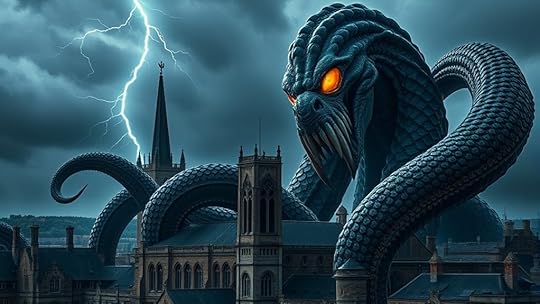
The Kraken of Coventry has long captured the imagination of locals and visitors alike, fueling tales of a mysterious sea creature lurking beneath the city’s waters. While Coventry isn’t situated on the coast, the legend persists through maritime folklore and mythical sightings that have been passed down for generations. These stories suggest that, centuries ago, a colossal creature—resembling the legendary Kraken—slithered into the nearby rivers or hidden lakes, emerging unexpectedly to strike fear into those who dared to venture near. Such tales are woven into local legend, blending fact and myth into a tapestry of maritime mystery that continues to fascinate.
The legend of Coventry’s Kraken: mythical waters and maritime mysteries beneath the city’s surface.
You might wonder how a sea monster from distant oceans became part of Coventry’s lore. The answer lies in the power of storytelling, where sailors, fishermen, and villagers spun accounts of strange, giant tentacled beasts seen beneath the water’s surface. These sightings, whether exaggerated or real, contributed to a rich tradition of mythical sightings that persisted through the ages. The legend of the Kraken grew with each retelling, transforming from mere curiosity into an ominous symbol of nature’s unknown power. Over time, these stories fueled fears and curiosity, convincing some that the creature had once threatened the city itself or lurked in hidden depths nearby.
In maritime folklore, creatures like the Kraken symbolize the vast, uncharted domains of the sea—mysterious, dangerous, and awe-inspiring. In Coventry’s case, the myth takes on a local twist. Though no concrete evidence exists, stories tell of massive tentacles writhing beneath the water, grabbing ships or even pulling boats under. These tales have been reinforced by eerie sightings, strange sounds, and unexplained phenomena recorded over the centuries. Many believe that the legend is a reflection of humanity’s fascination with the unknown, a way to explain the unpredictable nature of water and the fears rooted in ancient seafarers’ minds.
Today, the myth persists, and some enthusiasts claim that the Kraken’s spirit still haunts the city’s lakes and rivers. Whether you believe in these mythical sightings or see them as mere stories, they undeniably form an intriguing part of Coventry’s folklore. The legend reminds us of the enduring human fascination with mysterious creatures lurking beneath the surface, waiting to be discovered—or simply imagined. As you explore Coventry’s history, these tales serve as a reminder that sometimes, the most enthralling stories are the ones that blur the line between myth and reality.
Frequently Asked QuestionsWhat Evidence Supports the Existence of the Coventry Kraken?You won’t find concrete evidence for the Coventry kraken, but cryptid sightings and folklore origins fuel curiosity. Locals tell stories of strange sea-like creatures seen near the city’s waterways, and these tales have been passed down for generations. While no scientific proof exists, the persistent legends and eyewitness accounts keep the myth alive, suggesting that the Coventry kraken remains a fascinating part of local folklore, even if it’s not proven to exist.
How Did the Legend Originate Historically?You can trace the mythical origins of the Coventry kraken to early sailors and storytellers who exaggerated sea monster encounters, blending myth and reality. The legend development likely arose from maritime folklore, where mysterious sea creature sightings inspired tales of monstrous attacks. Over time, these stories evolved, gaining local significance and transforming into the legendary Coventry kraken, symbolizing the city’s mythical connection to the ocean’s mysteries.
Are There Similar Legends in Other English Cities?Like a sailor whispering tales at sea, you’ll find similar legends in other English cities rooted in nautical folklore. Sea monster sightings have sparked stories of giant creatures attacking coastal towns, such as the Loch Ness Monster in Scotland and the Bristol Sea Serpent. These legends serve as myths that echo the mysterious allure of the ocean, giving communities a shared sense of wonder and fear in their maritime history.
What Was the Public’s Reaction at the Time of the Attack?You’d find that the public’s reaction was one of widespread panic, fueled by media sensationalism. Rumors spread quickly, and many believed it was a real attack, causing chaos in the city. People flocked to gather information, some even fleeing their homes out of fear. The media exaggerated the event, intensifying the fear, and it took days for authorities to calm the public and dispel the myth.
Has the Coventry Kraken Influenced Local Culture or Art?You’ll find that the Coventry kraken has inspired local culture and art by blending maritime folklore with city history. Artists depict this sea monster in murals and sculptures, celebrating its mythical presence. The story influences local festivals and storytelling, creating a unique maritime folklore tradition. This connection helps keep the legend alive, making the kraken a symbol of Coventry’s mysterious and adventurous spirit, inspiring community pride and creative expression.
ConclusionAs you imagine this mythical attack, it’s clear the legend of the Coventry Kraken captures our fears of the unknown. Just like the rumored creature once terrorized sailors, your own city could face unseen threats lurking beneath the surface. Remember the case of the lost ship, which vanished without a trace—reminding us that sometimes, what we don’t see is the most dangerous. Stay vigilant, for legends often echo truths waiting to be uncovered.


Tarasque and Other Saintly Monster Battles
In stories of the Tarasque and other saintly monster battles, you see divine power overcoming chaos and evil through vivid symbolism. Artists and storytellers depict saints fighting fierce creatures like the Tarasque, emphasizing faith’s strength to tame primal forces. These legends serve as moral lessons, showing how divine intervention restores order. If you explore further, you’ll uncover how these legendary encounters shaped cultural beliefs, inspiring hope and highlighting the ongoing struggle between good and evil.
Key TakeawaysThe Tarasque symbolizes divine victory over chaos, exemplifying saintly battles against fearsome monsters in medieval legend.Medieval iconography depicts saints taming monsters through divine symbols, emphasizing moral and spiritual triumphs.These stories serve as allegories for spiritual struggles, illustrating faith’s power to conquer primal and societal chaos.Legend of the Tarasque and similar tales inspire hope by portraying divine authority overcoming darkness and evil.Artistic representations transform terrifying beasts into symbols of divine protection, reinforcing moral lessons about faith and virtue.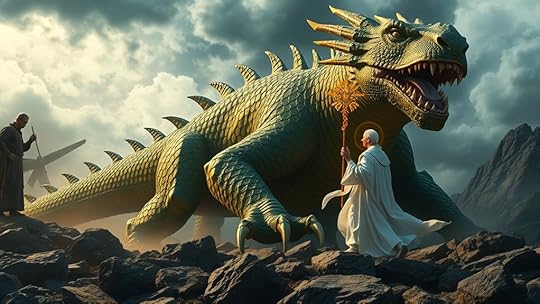
In the world of myth and legend, saints and monsters often clash in epic battles that blur the lines between divine power and primal chaos. These stories have shaped how we view heroism, faith, and the supernatural. When you explore tales like that of the Tarasque, you see how medieval iconography plays a crucial role in conveying these legendary conflicts. Artists and storytellers used symbolic imagery to depict the creature’s ferocity and divine intervention, transforming it into a visual narrative of good versus evil. The Tarasque, for example, is often shown with a formidable, almost invincible appearance, emphasizing its role as a legendary creature symbolizing chaos and destruction. Yet, through the saint’s intervention, this chaos is tamed, illustrating the triumph of divine authority over primal forces.
Your understanding of these battles deepens when you recognize how medieval iconography captures the essence of these stories. Saints are frequently depicted with halos and other divine symbols, standing boldly against monstrous beings that are often portrayed with exaggerated, fearsome features. These visual cues aren’t accidental; they encode layers of meaning. The monster’s symbolism often points to the chaos or evil that threaten the community, while the saint embodies divine virtue, courage, and faith. When you see these images, you realize they serve as moral lessons, illustrating that faith can conquer even the most terrifying of creatures. The legendary creature symbolism in this context isn’t just about monsters; it reflects human fears, societal upheavals, and the hope for divine protection.
As you explore these stories, you notice how the battles between saints and monsters are more than mere fights—they are allegories for spiritual struggles. Medieval iconography vividly captures these moments, making the divine victory palpable to the viewers. The saint’s bravery, often accompanied by miraculous acts, demonstrates that faith and righteousness are stronger than chaos and evil. The legendary creature symbolism, hence, becomes a powerful reminder of the ongoing battle between good and evil within societies and individuals alike. These narratives, etched into art and legend, reinforce the idea that divine intervention can restore order from chaos, transforming fearsome beasts into symbols of divine power. In this way, saintly monster battles continue to inspire, reminding us that even in the darkest chaos, faith can bring about victory.
Frequently Asked QuestionsAre There Other Legendary Monsters Like Tarasque in Different Cultures?Yes, there are many mythical beasts like Tarasque in different cultures. You’ll find legendary monsters such as the Chinese dragon, Japanese kirin, and the Greek chimera, each woven into cultural legends. These mythical beasts often symbolize power, protection, or chaos, and their stories reveal unique cultural values. Exploring these creatures helps you understand how different societies interpret their world through legendary monsters, much like the Tarasque.
How Are Saintly Monster Battles Depicted in Modern Media?You see saintly monster battles in modern media adaptations like movies and video games, where mythical creature symbolism is vividly portrayed. These scenes often feature heroes fighting legendary beings, blending ancient legends with contemporary storytelling. Remarkably, even in a world dominated by technology, these battles retain their mythic essence, emphasizing good versus evil. It’s like stepping into a modern myth, where heroic characters confront monsters with both faith and strength.
What Symbolism Do These Battles Represent in Religious Contexts?In religious contexts, saintly monster battles symbolize divine victory over evil, representing the triumph of faith and moral righteousness. You see this as spiritual symbolism, illustrating how divine power can conquer chaos and darkness. These battles remind you of the ongoing spiritual struggle, emphasizing that faith and virtue lead to victory over evil forces. They serve as powerful allegories for overcoming evil through divine intervention and moral strength.
Are There Historical Records Documenting Actual Monster Sightings?There are few reliable historical eyewitness accounts or archaeological evidence confirming actual monster sightings. Most stories come from folklore, legends, and religious texts, which often blend myth with history. While some ancient cultures described strange creatures, these accounts rarely have conclusive archaeological support. Instead, they reflect cultural fears, symbolism, and storytelling traditions, making it unlikely that documented true monster sightings exist beyond mythological and religious narratives.
How Do These Stories Influence Local Festivals and Traditions?You’ll find that these stories greatly influence local festivals and traditions. During celebrations, you might see dragon dances that symbolize the legendary monsters, and festival processions that reenact heroic battles or saintly victories. These events foster community spirit and preserve cultural heritage, making the stories come alive. By participating in these festivities, you help keep the legends vibrant, connecting past and present through lively, symbolic displays.
ConclusionAs you explore these saintly monster battles, you realize they’re more than just stories—they’re legends carved into time like stars in the night sky. These tales remind you that even the fiercest monsters can be challenged by faith and courage, turning chaos into a dance of divine victory. So, next time you face your own monsters, remember that with a brave heart, you too can turn darkness into dawn, shining brighter than ever before.
The Old Hag: Sleep Paralysis and Witch Legends
Across cultures, the “Old Hag” legend links sleep paralysis to witches and supernatural beings. Many believe that a witch or sinister spirit sits on your chest, causing paralysis and vivid hallucinations. These stories reflect centuries of fear and societal beliefs, even as science now explains sleep paralysis through neurological factors. If you want to explore how these legends shaped fears and what they reveal about human history, there’s more to discover.
Key Takeaways“The Old Hag” is a traditional term for the sleep paralysis phenomenon, often linked to witch legends across cultures.Historically, sleep paralysis was attributed to witches or spirits sitting on victims’ chests, causing paralysis and hallucinations.Legends of the “Old Hag” reflect societal fears of witches, demons, and supernatural influence during times of social unrest.Despite scientific advances, cultural beliefs persist, framing sleep paralysis as a witch-related or supernatural encounter.Modern explanations attribute the “Old Hag” experience to neurological factors, but folklore continues to symbolize fear and mystery.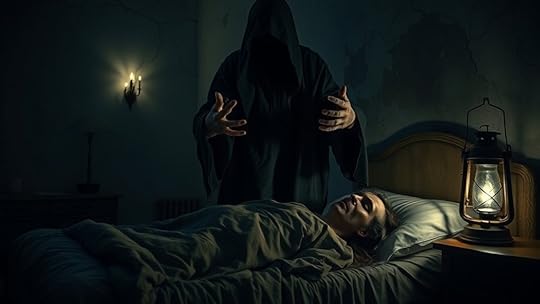
Many cultures have long associated sleep paralysis with supernatural entities, particularly witches and spirits. Throughout history, people have interpreted these eerie episodes through the lens of their superstitions surrounding sleep, often linking them to malevolent forces or supernatural beings. The superstitions surrounding sleep have deep roots, with many believing that during these episodes, a sinister presence, often a witch or a spirit, sits on their chest, preventing movement and causing terrifying visions. These beliefs persisted across centuries, shaping how societies understood and responded to sleep paralysis. In many historical accounts of witches, sleep paralysis was seen as evidence of witchcraft or demonic influence. During times when fear of witches was widespread, unexplained phenomena like paralysis or hallucinations were often attributed to their malicious work. People believed that witches could visit their victims during sleep, casting spells or causing harm through supernatural means. This led to a culture of suspicion, where unexplained sleep disturbances were seen as signs of witchcraft or demonic possession. These stories often reinforced the idea that witches had a dark power to manipulate the unseen world, and that their influence extended into people’s sleep, making them vulnerable to evil spirits or curses. Many of these accounts were fueled by religious and societal fears, with accusations of witchcraft serving as explanations for otherwise mysterious or frightening experiences. The superstitions surrounding sleep, especially during times of social upheaval or religious persecution, became intertwined with tales of witches and spirits lurking in the night. As a result, sleep paralysis was not merely seen as a physiological event but as a sinister encounter with supernatural evil. These legends persisted even as scientific understanding of sleep advanced, with many still believing that these experiences were caused by malevolent witches or spirits. Today, while we understand the neurological basis of sleep paralysis, the stories of witches sitting on people’s chests remain a powerful symbol of fear rooted in history. The link between superstitions surrounding sleep and historical accounts of witches highlights how human societies have long sought explanations for the unknown, often turning to supernatural figures. Modern research into sleep disorders has provided scientific explanations for these phenomena, but cultural narratives continue to shape perceptions and fears. Whether seen as a haunted night by witches or a natural phenomenon, sleep paralysis remains a fascinating intersection of folklore, fear, and science that reflects our enduring struggle to comprehend the mysteries of sleep.
Frequently Asked QuestionsAre There Any Proven Medical Causes for Sleep Paralysis?Yes, there are proven medical causes for sleep paralysis. Neurological factors, such as disruptions in the brain’s sleep regulation, often contribute. Sleep cycle irregularities, like staying up late or experiencing sleep deprivation, can trigger episodes. Stress, anxiety, and certain medications also play a role. These factors interfere with the shift between sleep stages, causing the paralysis. Maintaining a regular sleep schedule and managing stress can help reduce the likelihood of sleep paralysis episodes.
How Do Different Cultures Interpret the Old Hag Phenomenon?Nearly 50% of people worldwide report experiencing sleep paralysis, often linked to the old hag phenomenon. Different cultures interpret this as a visit from spirits, demons, or witches, reflecting their unique mythological origins. For example, in Scandinavian folklore, it’s a troll or night monster, while in Japan, it’s a vengeful spirit. These cultural interpretations reveal how societies shape understanding of sleep paralysis through their mythologies and beliefs.
Can Sleep Paralysis Be a Sign of Underlying Mental Health Issues?Yes, sleep paralysis can be a sign of underlying mental health issues or sleep disorders. If you experience frequent episodes, it might indicate anxiety, depression, or other conditions affecting your mental health. Pay attention to your sleep patterns and seek professional help if needed. Addressing these issues can reduce sleep paralysis episodes and improve your overall well-being. Don’t ignore persistent symptoms—they could be linked to deeper health concerns.
Are There Effective Treatments for Sleep Paralysis Related to the Hag Legend?Yes, there are effective treatments for sleep paralysis related to the hag legend. You can improve sleep hygiene by establishing a regular sleep schedule and reducing stress before bed. Cognitive therapy helps address any anxiety or fears associated with your episodes. Combining these approaches can markedly reduce the frequency and intensity of sleep paralysis, making it easier for you to sleep peacefully and diminish the influence of legends like the hag.
How Has the Old Hag Myth Influenced Modern Horror Stories?You see the Old Hag myth woven into modern horror stories, blending witchcraft folklore with chilling nightmare imagery. This legend fuels scenes of shadowy figures and sinister witches lurking in darkness, creating a haunting atmosphere. It influences films, books, and games by tapping into primal fears of unseen forces and trapped spirits. The myth’s eerie aura persists, transforming age-old tales into terrifying narratives that evoke dread and fascination in contemporary horror.
ConclusionAs you drift between dreams and waking, remember that these legends are shadows dancing on the edge of reality. Sleep paralysis, like an ancient witch’s spell, whispers of fears we can’t quite grasp. But just as dawn chases away darkness, understanding can dispel the shadows of myth. Embrace the mystery, knowing that beneath the legends lies a truth waiting to be uncovered—an awakening from the spell of fear into the light of knowledge.
November 19, 2025
The Curse of the Billy Goat: Sports Folklore and Superstition
The Curse of the Billy Goat is a famous sports superstition rooted in a 1945 incident where Billy Sianis, a Greek immigrant and Cubs supporter, was asked to leave Wrigley Field because of his pet goat’s smell. Legend says he cursed the team, saying they wouldn’t win anymore. This myth became a symbol of Cubs’ heartbreak and resilience, shaping fan beliefs and rituals. If you want to uncover more about this intriguing legend, keep exploring its fascinating origins and impact.
Key TakeawaysThe curse originated in 1945 when Billy Sianis was asked to remove his goat from Wrigley Field, allegedly declaring the Cubs would never win again.It is rooted in animal superstition, turning the goat’s rejection into a symbol of the team’s long-standing misfortunes.The legend has shaped fan beliefs, rituals, and superstitions, reinforcing the idea of supernatural influence over the Cubs’ luck.The Curse of the Billy Goat symbolizes resilience and the emotional rollercoaster of supporting the team through decades of near-misses.Despite the 2016 World Series victory, the myth persists as a powerful element of Cubs folklore and sports culture.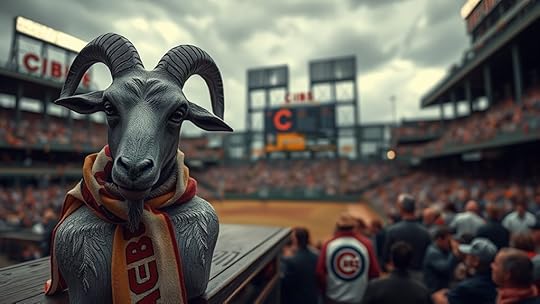
The Curse of the Billy Goat is one of baseball’s most enduring legends, casting a shadow over the Chicago Cubs and their fans for more than a century. This story is deeply rooted in animal superstition, a common theme in sports mythology where animals are believed to influence outcomes beyond logic or reason. In this case, a simple act—refusing entry to a goat—became the catalyst for a long-lasting belief that the Cubs’ luck was cursed. You might see this as just a quirky piece of sports folklore, but for many, it’s a symbol of the team’s struggles and resilience. The legend begins in 1945 when Billy Sianis, a Greek immigrant and avid Cubs supporter, brought his pet goat to Wrigley Field. He was asked to leave because the smell was bothering other fans, and in response, Sianis supposedly declared, “Them Cubs, they ain’t gonna win no more.” From that moment, the story took on a life of its own, transforming into a powerful piece of sports mythology that explains decades of near-misses and heartbreaks for the Cubs. You can see how this animal superstition became a rallying point, fueling fans’ beliefs that the curse was real and that breaking it would require a supernatural act. Over the years, many have pointed to the goat incident as the cause behind the team’s unlucky streaks, tying in the idea that an animal—particularly a goat—could possess some mystical power over their fortunes. The legend persists, influencing fan rituals and superstitions, as fans often avoid mentioning the curse or the goat’s name, fearing it might reinforce the curse’s grip. Sports mythology like this isn’t unique; many teams and fans create stories that embody hope or despair, and the Billy Goat curse is a prime example. It encapsulates the emotional rollercoaster of supporting a team, where superstition and tradition intertwine with the reality of wins and losses. Despite the Cubs’ eventual World Series victory in 2016, the mythology still lingers, reminding everyone of the power of belief and the role that folklore plays in sports culture. Additionally, modern sports superstitions often draw on similar stories, illustrating how deeply ingrained these beliefs are in fan communities. Whether you buy into the curse or see it as a fun story, it’s a reminder of how animals, superstition, and mythology become woven into the fabric of sports history, creating lasting legends that go beyond the game itself. The Curse of the Billy Goat isn’t just about baseball; it’s about how stories, no matter how strange, can shape a community’s identity and keep the spirit of hope alive through generations.
Frequently Asked QuestionsHas the Curse Ever Been Officially Lifted or Broken?The curse has never been officially lifted or broken, despite many Superstitions debunked over the years. You might think the Cubs broke it with their 2016 World Series win, but fans still consider the Curse of the Billy Goat a part of team folklore. The Curse continuity remains, as many believe it’s more about tradition and superstition than actual supernatural influence.
Are There Similar Curses in Other Sports or Teams?You’ll find many superstition parallels across sports, with legends like the Boston Red Sox and their “Curse of the Bambino” or the New York Jets’ “Curse of 1969.” These superstitions shape team narratives and fan culture. Like the Billy Goat curse, they become part of sports folklore, fueling belief in luck and superstition, even when teams break these curses or skeptics dismiss them as mere legends.
What Was the Exact Event That Triggered the Curse?Imagine a dark cloud settling over a beloved team, sparked by a single moment. The superstition origins trace back to 1945 when Billy Goat Sailor, upset over his pet goat’s exclusion, was asked to leave Wrigley Field during a playoff game. This event details the superstition’s beginning, fueling a belief that his departure cursed the team, casting a shadow over their future victories.
How Do Fans Historically React to the Curse’s Claims?You often see fans react with a mix of superstitious rituals and skepticism to the curse’s claims. Many engage in rituals like avoiding certain numbers or wearing lucky gear, hoping to break the curse. Others dismiss it as superstition, focusing instead on team skills. Overall, fan reactions are passionate—some embrace the superstition, while others see it as part of the team’s colorful history, fueling both hope and humor.
Has the Curse Affected the Team’s Long-Term Performance?The curse has definitely impacted the team’s long-term performance by fueling superstitious rituals and doubts among players. You might notice players adhering to superstitions or avoiding certain behaviors before games, which can influence team morale. While some see this as psychological, it often leads to increased pressure and distraction, ultimately hindering consistent success. The curse’s presence keeps the team and fans perpetually cautious, affecting performance over many seasons.
ConclusionSo, the Curse of the Billy Goat lingers like a shadow over the Cubs’ history, a reminder that superstition can sometimes feel more powerful than logic. Whether real or just stories spun from hope and heartbreak, it’s a tale that keeps fans clutching their traditions and believing in the impossible. Like a ghost haunting the ballpark, the curse whispers that in baseball, faith and folklore are just as essential as the game itself.
Psychic Detectives: Separating Fact From Fiction
Psychic detectives claim to use extrasensory perception to solve crimes, but science hasn’t proven their abilities. Media often sensationalizes their stories, blurring truth and fiction and fueling public belief. Law enforcement typically views these claims skeptically and relies on traditional investigation methods. Most evidence supporting psychic detection remains unverified, and myths about mind-reading or seeing into the past persist. To understand the real facts behind these sensational claims, you’ll find more details if you keep exploring.
Key TakeawaysScientific evidence does not support the claim that psychic detectives have proven abilities beyond chance.Media portrayals often exaggerate psychic skills, blurring the line between fact and fiction.Law enforcement generally relies on traditional methods, viewing psychic detection as unproven and unreliable.Many psychic claims lack concrete evidence and are often coincidental or based on guesswork.Public perception is shaped by sensational media, which sustains myths about psychic detectives’ supposed abilities.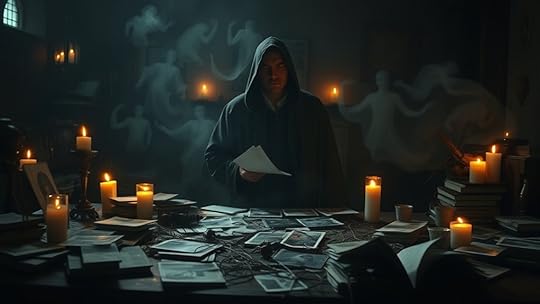
Psychic detectives claim to use extrasensory perception to solve crimes and locate missing persons, often working alongside law enforcement agencies. However, their claims are surrounded by a mix of skepticism and fascination. Many people believe that psychic abilities can help crack cases that traditional methods struggle with, but the reality is more complicated. Crime solving myths often paint psychic detectives as almost superhuman, capable of seeing what others cannot. Media portrayal contributes heavily to this image, frequently depicting psychics as mystical figures who can instantly reveal hidden truths just by focusing their minds. Shows, movies, and sensational news stories tend to emphasize these abilities, creating an aura of certainty and ease around their work. But in truth, the evidence supporting psychic detection is limited, and many experts question whether any real psychic skill exists at all.
The media’s portrayal of psychic detectives tends to blur the line between fact and fiction. While some stories highlight cases where psychics seem to provide useful information, many others expose the lack of scientific validation. These portrayals often ignore the role of coincidence, guesswork, or the influence of law enforcement’s own investigations. As a result, the public may develop unrealistic expectations about what psychics can achieve. The myth persists that psychic detectives can see into the past or future, read minds, or instantly identify suspects, but these claims are rarely substantiated by concrete evidence. Instead, many so-called psychic breakthroughs are either coincidental or the result of clever interrogation and deduction.
In reality, law enforcement agencies tend to approach psychic claims with skepticism, viewing them as supplementary at best. While some departments have experimented with psychic tips, they usually rely on traditional investigative methods to verify or disprove such information. The truth is, no scientific studies have confirmed that psychic detectives consistently solve cases better than chance. Despite this, the media’s fascination keeps the myth alive, reinforcing the idea that psychic abilities are a legitimate tool in criminal investigations. This creates a confusing landscape where the line between myth and reality becomes blurred, making it difficult for the public to discern true investigative techniques from entertainment. Ultimately, while psychic detectives capture the imagination, their effectiveness remains unproven, and their role in solving crimes should be viewed with healthy skepticism rather than unquestioning belief.
Frequently Asked QuestionsHow Do Psychic Detectives Claim to Receive Their Information?Psychic detectives claim they receive their information through psychic communication and intuitive insights. You might believe they tap into a heightened sense or extrasensory perception, allowing them to pick up on clues beyond normal senses. They often describe visions, feelings, or impressions that guide their investigations. While skeptics doubt these claims, proponents argue that these intuitive insights help locate missing persons or solve crimes.
Are There Scientific Studies Supporting Psychic Detective Claims?You’ll find that scientific validation and empirical research don’t strongly support psychic detective claims. Most studies show that these abilities lack consistent, measurable evidence, making it difficult to verify their accuracy scientifically. While some individuals believe in their effectiveness, the broader scientific community remains skeptical due to the absence of rigorous research demonstrating reliable results. So, current scientific data doesn’t substantiate the claims made by psychic detectives.
What Are Common Skepticism Points Against Psychic Detectives?Imagine trusting a psychic detective as your GPS—sounds fun until you realize it’s just psychic fraud guiding you in circles. Skeptics point out that media sensationalism inflates claims, making people believe in supernatural powers that don’t stand up to scientific scrutiny. They argue these detectives often rely on vague clues and clever tricks, not real psychic ability, turning serious cases into entertainment rather than evidence-based investigations.
Do Law Enforcement Agencies Officially Endorse Psychic Detectives?Law enforcement agencies generally do not officially endorse psychic detectives due to concerns about psychic credibility and the lack of scientific validation. While some officers might personally consider psychic insights helpful, most follow strict law enforcement policies that emphasize evidence-based methods. You should understand that official policies prioritize verifiable facts over psychic claims, which means psychic detectives aren’t typically recognized as credible or reliable sources in formal investigations.
Can Psychic Abilities Be Learned or Are They Innate?You might wonder if psychic abilities are innate talent or learned skills. While some believe these abilities are inherent, scientific evidence suggests they can be cultivated through practice and training. You can develop intuitive skills and enhance your perception over time, but there’s no definitive proof that psychic abilities are purely innate. It’s likely a combination of natural predispositions and learned techniques that help individuals tap into what they perceive as psychic phenomena.
ConclusionWhile psychic detectives capture our imagination, studies show that over 80% of reported cases lack verifiable evidence, highlighting the line between fact and fiction. You might feel hopeful about these mysterious abilities, but it’s essential to stay grounded in evidence. Whether you believe or not, understanding the limitations helps you make informed decisions. Remember, seeking truth requires critical thinking—don’t let sensational stories cloud your judgment or overshadow real investigative work.
Babylonian Sky Beasts: Were They Comets, Dragons, or Both?
Babylonian sky beasts are believed to represent both comets and dragons, reflecting their rich mythological and astronomical symbolism. They are depicted as divine creatures in ancient texts and artifacts, often symbolizing chaos, divine power, and cosmic events like comets or planetary movements. These mythological beings merged celestial phenomena with spiritual beliefs, making them complex symbols. To uncover how these sky beasts embody both natural and mythic worlds, you’ll discover more about their fascinating history.
Key TakeawaysBabylonian sky beasts often symbolize celestial phenomena like comets, eclipses, and planetary alignments, blending myth and astronomy.Artifacts and texts depict creatures resembling both dragons and bright streaks, suggesting they represent a range of sky phenomena.Comets were seen as divine signs embodied by mythic creatures, sometimes depicted as dragons or serpents in Babylonian iconography.Many sky beasts combine features of dragons and celestial objects, indicating they symbolize both mythological and astronomical entities.The dual representation reflects ancient efforts to interpret complex sky events as mythic creatures, encompassing both comets and dragon-like beings.Babylonian Cosmology and Mythology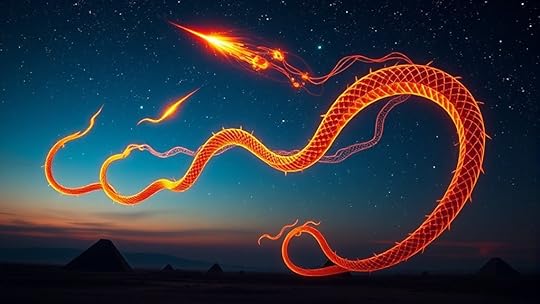
Babylonian cosmology and mythology reveal a fascinating view of the universe, where gods and cosmic forces shape the world. You see this clearly through celestial symbolism, which depicts stars, planets, and constellations as divine entities influencing human fate. Mythological creatures play a crucial role, representing both chaos and order in the cosmos. These beings often symbolize powerful forces—dragons, serpents, and winged monsters—embodying the unpredictable nature of the universe. As you explore their stories, you realize that these mythological creatures aren’t just fantastical animals; they embody cosmic principles and divine authority. The Babylonians saw the sky as a sacred domain, filled with symbols and creatures that reflected the intricate relationship between gods, celestial events, and human destiny.
Descriptions of Sky Beasts in Ancient Texts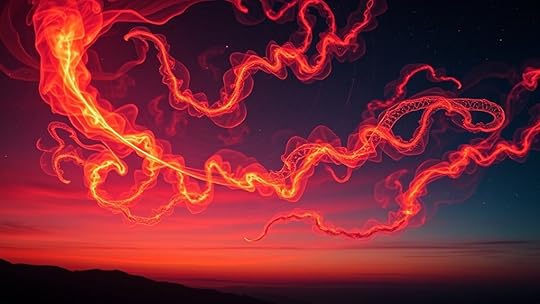
Ancient texts vividly describe sky beasts as powerful and awe-inspiring entities that embody the forces of the cosmos. These mythological creatures often symbolize celestial symbolism, representing chaos, divine power, or cosmic order. You might encounter descriptions that depict them as:
Fiery dragons with multiple heads, symbolizing chaos and protection.Bright streaks or “stars” that move unpredictably, interpreted as celestial omens.Serpent-like beings intertwined with constellations, embodying divine forces.Giant bird-like creatures soaring across the heavens, signifying celestial messengers.Ancient legends depict sky beasts as majestic symbols of chaos, divine power, and cosmic harmony across the heavens.
These vivid descriptions illustrate how ancient civilizations, like the Babylonians, perceived sky beasts—either as literal celestial phenomena or mythological creatures embodying cosmic forces.
Artistic Depictions and Artifacts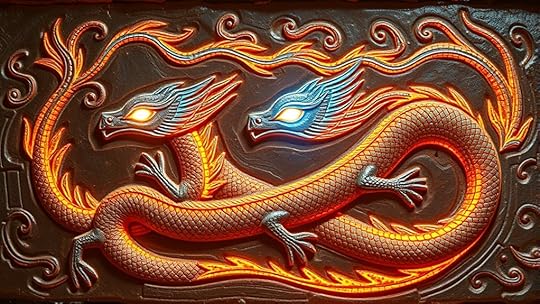
Artistic depictions of sky beasts vividly bring to life the mythological figures described in ancient texts, offering a tangible connection to the cosmos as perceived by early civilizations. Through intricate carvings, reliefs, and artifacts, you can observe celestial symbolism that highlights their divine or cosmic significance. These artworks often interpret mythical creatures as celestial signs or omens, blending symbolism with artistic expression. You might notice how the creatures are portrayed with exaggerated features, emphasizing their supernatural power and otherworldliness. Such artifacts serve as visual interpretations of mythological stories, helping you understand how ancient Babylonians visualized sky beasts—whether as dragons, comets, or hybrids—embodying their beliefs about the universe’s mysteries. These representations bridge myth and cosmos, offering insight into ancient celestial symbolism.
Astronomical Records and Phenomena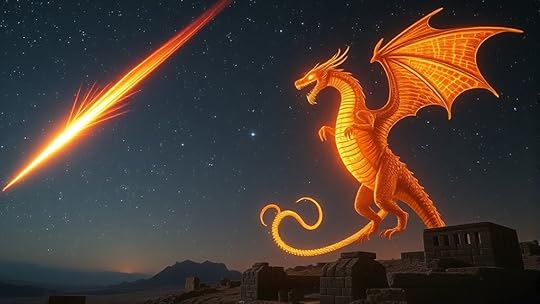
You can explore how Babylonian cuneiform texts record sky events like eclipses and planetary movements. These ancient writings reveal how they interpreted phenomena that seemed mysterious or powerful. Understanding these records helps us see how they made sense of the universe around them.
Cuneiform Astronomical TextsCuneiform astronomical texts serve as a vital window into how early Babylonians observed and recorded celestial phenomena. These clay tablets reveal their understanding of the sky, often linking celestial events to mythological creatures and celestial symbolism. You can find detailed descriptions of unusual lights, planets, and comets, sometimes interpreted as signs from gods or mythic beasts. Notable aspects include:
Records of planetary movements linked to mythological creatures like dragons and lions.Descriptions of bright objects seen as celestial symbols representing gods or monsters.Accounts of unusual phenomena, possibly comets, associated with mythic symbolism.Use of celestial symbolism to interpret the significance of astronomical events.These texts reflect the Babylonians’ attempt to understand the sky’s mythic language and its connection to their mythological creatures.
Interpreting Ancient Sky EventsThe detailed descriptions found in Babylonian astronomical texts provide more than just records; they reveal how ancient observers made sense of the sky’s mysterious events. They often used celestial symbolism, interpreting unusual phenomena as signs from gods or mythological creatures. Bright streaks or fiery objects could represent dragons or celestial beasts, embodying chaos or divine messages. These interpretations helped people connect cosmic events with their mythology, giving symbolic meaning to comets, meteors, or unusual lights. By understanding these records, you see how sky events weren’t just natural phenomena but stories woven into their worldview. The Babylonians believed these sightings conveyed messages from the heavens, often linked to mythological creatures, shaping their understanding of celestial symbolism and reinforcing their cultural beliefs.
Symbolism and Cultural Significance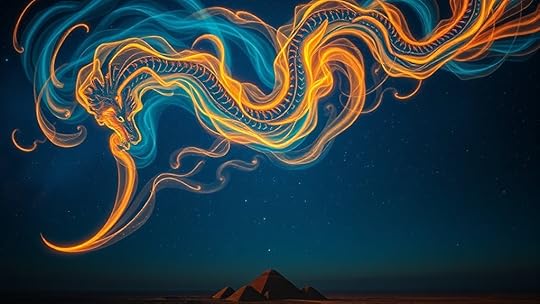
Have you ever wondered what the sky beasts represented to the ancient Babylonians? They played a crucial role in shaping astrological symbolism and cultural narratives. These creatures symbolized divine power, cosmic forces, and celestial warnings. To understand their significance, consider:
They embodied gods’ authority, reinforcing divine rule.They served as celestial omens, guiding decisions and rituals.They reflected fears and hopes about cosmic stability or chaos.They connected humans to the universe’s mysteries through stories passed down generations.Comparing Sky Beasts to Known Celestial Events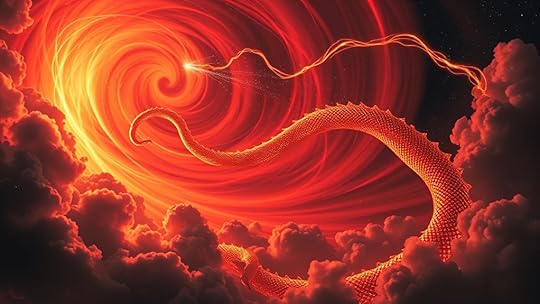
Many sky beasts depicted by the Babylonians can be compared to the spectacular celestial events we observe today, such as comets, eclipses, and planetary alignments. These creatures often symbolize celestial symbolism, representing powerful natural phenomena that inspired awe and fear. For example, a mythological creature might resemble a bright comet streaking across the sky, embodying chaos or divine intervention. Eclipses could be seen as mythological creatures swallowing the sun or moon, signifying upheaval or transformation. Planetary alignments might be interpreted as mythological beasts marking significant cosmic moments. By comparing these sky beasts to known celestial events, you can better understand how the Babylonians viewed the heavens—imbued with mythological creatures that personified the grandeur and mystery of the cosmos.
The Mythical Dragons of Babylonian Lore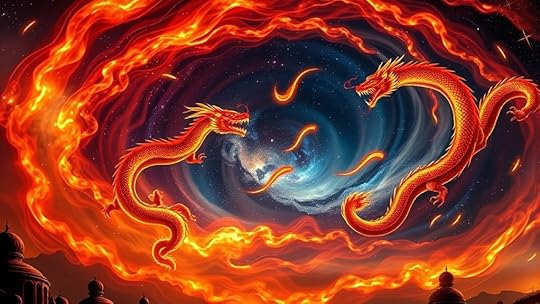
In Babylonian lore, mythical dragons embody the powerful forces of chaos and divine authority. These creatures symbolize the cosmic struggle between order and disorder, often appearing in divine narratives to represent chaos that gods must control. Their mythical symbolism includes:
Guardians of sacred spaces and divine secretsEmbodiments of chaos threatening cosmic stabilitySymbols of divine power and authorityMessengers connecting heaven and earthYou see, these dragons aren’t just fierce beasts; they carry deep spiritual meaning. They illustrate how gods maintain cosmic balance, asserting divine dominance over chaos. Their presence in myths reinforces the idea that divine authority involves taming chaos, ensuring order in the universe. As such, Babylonian dragons are central to understanding their divine narratives and mythic worldview.
Modern Interpretations and Scientific Perspectives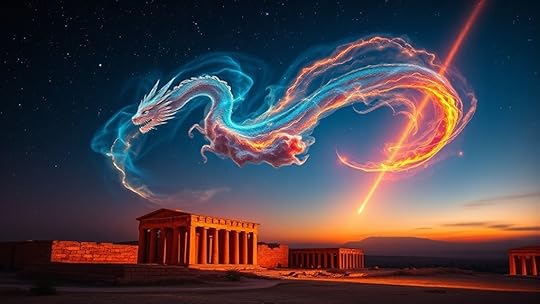
Modern interpretations of Babylonian sky beasts blend ancient symbolism with contemporary scientific understanding, offering new insights into their origins and significance. Some researchers view these mythological creatures as representations of alien symbolism, reflecting early human attempts to interpret extraordinary celestial phenomena. Others propose that these sky beasts symbolize mythological creatures inspired by observed astronomical events like comets or meteors, which were seen as divine signs. Scientific perspectives suggest that ancient Babylonians may have encoded their observations of bright, unusual objects in the sky as mythological creatures or dragons, blending cultural stories with real celestial activity. This approach helps us appreciate how ancient civilizations integrated their understanding of the cosmos into myth, creating a rich tapestry of symbolism that continues to intrigue us today.
Connecting Ancient Stories With Contemporary Astronomy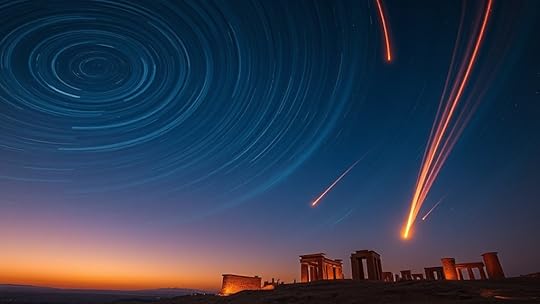
Connecting ancient stories with contemporary astronomy reveals how early civilizations encoded their observations of the night sky into myth and legend. You can see this in how they interpreted planetary alignments, which often signaled important events or seasons. By studying ancient texts, you learn that:
Celestial navigation helped sailors find their way using star patterns.Mythical creatures represented real astronomical phenomena like comets or meteor showers.Constellations served as guides for agricultural or ceremonial timing.Stories of sky beasts reflect observations of planetary movements and alignments.These stories weren’t just myths—they encoded essential knowledge about the cosmos. Today, astronomers decode ancient texts to understand how early cultures perceived planetary movements and celestial navigation, bridging myth with scientific insight.
Frequently Asked QuestionsHow Did Babylonian Sky Beasts Influence Later Mythologies Worldwide?You see, sky beasts shaped the mythical symbolism in many cultures, inspiring legends of dragons and celestial creatures. They fueled cultural exchange by spreading stories across regions, influencing mythologies worldwide. These celestial symbols became universal symbols of power, chaos, or protection. Their impact endures today, reminding you how ancient beliefs connected different societies through shared imagery, enriching global mythologies and deepening our understanding of humanity’s relationship with the cosmos.
Are There Any Existing Ancient Artifacts Definitively Depicting Sky Beasts?Imagine discovering ancient carvings that seem to breathe life into mythological creatures. Yes, some artifacts, like intricate ancient carvings and mythological figurines, definitively depict sky beasts. These artifacts serve as snapshots of early beliefs, capturing dragons or celestial beings in stone or clay. Such relics let us glimpse how ancient civilizations visualized the skies, offering tangible links to their mythologies and cosmic understanding.
What Specific Celestial Events Might Have Inspired Sky Beast Legends?You might notice that celestial alignment and meteor shower patterns often inspired sky beast legends. When planets line up, or shooting stars streak across the sky, ancient people could interpret these events as signs of mighty creatures or dragons. These spectacular phenomena, visible during specific celestial alignments or intense meteor showers, likely fueled stories that depicted sky beasts, blending awe-inspiring natural events with mythic imagination.
Could Sky Beasts Symbolize Natural Disasters or Cosmic Phenomena?You might see sky beasts as symbols of natural disasters or cosmic phenomena through celestial symbolism and mythological interpretations. These legends often represent powerful forces beyond human control, like storms or celestial events, embodying fears and awe. By interpreting sky beasts mythologically, you understand they reflect humanity’s attempt to explain and personify cosmic chaos, linking natural disasters with divine or supernatural forces in ancient cultures’ stories.
How Do Modern Astronomers Interpret Ancient Sky Beast Descriptions Today?Like explorers decoding star maps, modern astronomers interpret ancient sky beast descriptions through celestial symbolism and astronomical reinterpretations. You see, these descriptions often reflect real phenomena, such as comets or meteor storms, but are shaped by cultural stories. Today, scientists analyze historical texts, linking myth to science, revealing how ancient sky watchers understood cosmic events. Your curiosity bridges past and present, showing how celestial symbols continue to inspire scientific discovery.
ConclusionImagine gazing up at the night sky, where fiery beasts and dragons dance among stars—both myth and reality intertwined. While ancient texts depict sky beasts as divine symbols, modern science reveals comets and meteors flashing like celestial dragons. You see, whether myth or science, these stories paint a vivid picture of humanity’s awe, blending the mystical with the observable. In the end, the sky’s mysteries both inspire and remind us of our timeless quest to understand the universe.
The Batibat: Ilocano Nightmare Spirit
The Batibat is an Ilocano nightmare spirit believed to haunt abandoned, decaying trees. It appears as a large, grotesque woman and is known to cause terrifying dreams, sleep paralysis, and sudden death for those near its domain. Legend warns that disturbing its resting place invites its wrath, which manifests through nightmares and physical discomfort. To understand more about this vengeful spirit and how to protect yourself, exploring its origins and cultural significance can provide deeper insights.
Key TakeawaysThe Batibat is a vengeful, shape-shifting spirit from Ilocano folklore, inhabiting old, abandoned trees.It manifests as a large, grotesque woman, often associated with decaying or hollowed trees.Legends warn that disturbing its resting place can provoke nightmares, sleep paralysis, or sudden death.The spirit symbolizes the importance of respecting nature and traditional boundaries, serving as a moral lesson.Rituals and prayers are used to ward off the Batibat’s wrath and honor spiritual and natural respect.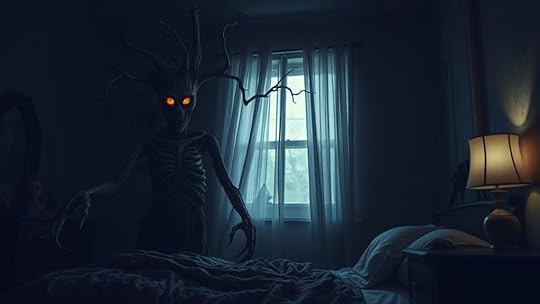
The Batibat Nightmare Spirit is a terrifying entity rooted in Filipino folklore that preys on sleep and peace. Its legend origins trace back to the Ilocano people, where it’s believed to be a vengeful, shape-shifting spirit that inhabits old, abandoned trees or rests in secluded places. According to local stories, the Batibat manifests as a large, grotesque woman with a menacing presence. The legend warns that if you sleep near a decaying or hollowed tree, you risk awakening this restless spirit. Its story has been passed down through generations, serving as a cautionary tale to respect the natural environment and avoid unnecessary risks in remote areas. This folklore underscores the importance of respecting natural environments and understanding the spiritual significance attributed to them.
Culturally, the Batibat holds a significant place in Ilocano tradition as both a supernatural threat and a moral lesson. It symbolizes the consequences of neglecting respect for nature, reminding people to be mindful of their surroundings. In many stories, the Batibat is associated with wrath and punishment, punishing those who disrespect or disturb its resting place. Its presence in folklore underscores the importance of reverence for ancestral lands and the natural world, emphasizing that spirits are closely linked to the environment. Over time, the legend has evolved to serve as a warning against greed, careless behavior, or venturing into forbidden areas, especially at night.
You should understand that the fear surrounding the Batibat isn’t just about the supernatural; it’s intertwined with cultural values. The spirit is believed to cause nightmares, sleep paralysis, or even sudden death when disturbed. People have shared stories of waking up unable to move, feeling an overwhelming weight pressing down on them—an experience attributed to the Batibat’s wrath. These tales are often reinforced by rituals and traditional practices to ward off evil spirits, like placing protective objects near beds or offering prayers before sleep.
In essence, the legend origins and cultural significance of the Batibat reinforce its role as a cautionary figure in Ilocano folklore. It embodies the community’s respect for nature and the spiritual sphere, warning against arrogance or carelessness. Its stories serve as a reminder that unseen forces can influence everyday life, especially when you ignore the boundaries set by tradition and the environment. By understanding the Batibat’s roots and its cultural meaning, you gain insight into how folklore shapes values and behaviors, helping preserve respect for the natural and spiritual worlds in Filipino culture.
Frequently Asked QuestionsHow Do You Ward off a Batibat Attack?To ward off a Batibat attack, you should perform incantation rituals and spiritual cleansing. Start by reciting protective spells or prayers to invoke positive energy and banish negative spirits. Use sacred herbs or holy water during your spiritual cleansing to purify your space and mind. Maintain a calm, focused mindset, and avoid fear, as it can attract the spirit. Consistently practicing these rituals helps keep the Batibat away.
Are There Any Cultural Rituals to Prevent Batibat Possession?You can prevent batibat possession through traditional cleansing rituals and ritual offerings. For example, a community might perform a cleansing ceremony using sacred herbs and offer food or incense to appease spirits. These practices help purify the space and ward off malevolent entities. By actively engaging in such rituals, you reinforce spiritual protection and demonstrate respect for local traditions, reducing the likelihood of a batibat attack during vulnerable times.
Can Batibat Spirits Be Considered Protectors?You might see batibat spirits as protectors, especially when considering batibat symbolism, which can represent both danger and guardianship. In spirit interactions, some believe these spirits can offer protection if approached with respect, acting as guardians rather than threats. However, it’s essential to understand cultural nuances, as batibat can also symbolize warnings or cautionary tales, reminding you to honor traditions and avoid provoking these powerful spirits.
What Are the Signs of a Batibat Haunting?You might notice a Batibat haunting through sudden, intense nightmares and a feeling of overwhelming dread, especially upon waking. These signs align with Batibat symbolism rooted in Ilocano folklore origins, where the spirit embodies sleep paralysis and terror. You could also experience unexplained noises or sensations of being held down, which are common indicators that a Batibat spirit is present and influencing your dreams and sleep.
Are Batibat Stories Unique to Ilocano Folklore?Yes, batibat stories are unique to Ilocano folklore, though variations of similar spirits appear in other Southeast Asian cultures. You’ll find that the batibat origins are deeply rooted in local beliefs about spirits inhabiting trees and causing nightmares. These folklore variations often emphasize the spirit’s connection to sleep paralysis and night terrors, making the batibat a distinctive part of Ilocano cultural identity and mythology.
ConclusionAs you gently drift into sleep, remember the Batibat’s quiet presence reminds us to cherish peaceful nights. Though she’s a whisper of old stories, she encourages you to nurture restful dreams and embrace the calm that comes with each new dawn. By honoring these gentle tales, you invite harmony into your nights, turning shadows into soft whispers of tradition. Rest easy, knowing that every night holds the promise of serenity and sweet slumber.
The Microcosmic Monster: Germs and Invisible Fears
Invisible germs are tiny enemies that hide on surfaces, in the air, and on your skin, causing fears about their impact on health. These fears influence your daily choices, from washing hands to avoiding social situations, especially if you’re anxious. While good hygiene helps, overdoing it can increase anxiety and lead to social withdrawal. Recognizing how your fears shape your behaviors reveals ways to stay safe without letting invisible threats take over—if you want to learn more, keep exploring.
Key TakeawaysGerms are microscopic organisms that can cause illness but are often harmless or easily managed by the immune system.Invisible fears of germs can lead to compulsive hygiene behaviors and social avoidance.Good hygiene practices like handwashing help reduce germ-related anxiety and prevent illness.Overemphasis on cleanliness may reinforce social anxiety and create a cycle of fear and avoidance.Understanding the ubiquity of germs and the body’s defenses can help balance caution and reduce invisible fears.
Have you ever wondered what invisible threats are lurking around us every day? It’s easy to overlook the tiny enemies that hide on surfaces, in the air, or even on your own hands. These microscopic germs can cause illnesses, but what’s even more pervasive are the fears they generate—fears that can influence your daily choices and interactions. One of the most effective ways to combat these invisible threats is by practicing good hygiene. Regularly washing your hands, using hand sanitizer, and cleaning surfaces help eliminate germs before they have a chance to invade your body. Yet, these hygiene practices can sometimes become compulsive, especially if you’re prone to social anxiety. When you’re worried about catching germs from others, you might avoid social situations altogether or become overly cautious, which only feeds into your anxiety. It’s a delicate balance—you want to stay safe, but you also don’t want your fear of germs to control your life.
In social settings, the presence of germs can amplify your anxiety. You might fixate on the cleanliness of your environment, scrutinizing every surface for invisible threats. This heightened vigilance stems from a natural instinct to protect yourself, but it can quickly spiral into obsessive behavior. For example, if you’re at a gathering and see someone coughing, you might become hyper-aware, imagining all sorts of diseases you could catch. This worry isn’t just about health; it’s intertwined with your social fears. You dread being judged or seen as unclean, which makes you withdraw or avoid close contact altogether. These behaviors reinforce your social anxiety, creating a cycle where fear of germs fuels isolation, and isolation heightens your focus on potential threats.
Understanding that germs are everywhere but not always harmful can help ease some of this anxiety. Not every surface is a breeding ground for illness, and your immune system is designed to handle many of these invisible invaders. Still, maintaining good hygiene practices remains essential—not just for physical health but also for your peace of mind. When you stick to consistent routines like washing your hands after touching public surfaces or before eating, you’re actively reducing your worry. Recognizing that these habits are a proactive way to manage your fears can empower you rather than make you feel trapped by them. Remember, managing social anxiety related to germs isn’t about eliminating all risk but about finding a healthy balance that keeps you safe and comfortable without letting invisible threats dominate your thoughts and interactions.
Frequently Asked QuestionsHow Do Germs Evolve to Resist Antibiotics?Germs evolve to resist antibiotics through microbial adaptation, where they develop genetic changes that make antibiotics less effective. When you use antibiotics, sensitive bacteria die, but resistant ones survive and multiply. Over time, this resistance spreads, making infections harder to treat. This process highlights the importance of completing prescribed courses and avoiding unnecessary antibiotic use to slow down antibiotic resistance and protect your health.
Can Everyday Objects Harbor Dangerous Microbes?Yes, everyday objects can harbor dangerous microbes through surface contamination. Items like keys, phone screens, and doorknobs often collect germs that could cause illness. To reduce risk, you should regularly clean and sterilize these objects. Proper object sterilization helps eliminate harmful microbes, preventing their spread. Be mindful of surfaces you touch frequently, and practice good hygiene to stay protected from potential infections lurking on everyday objects.
What Are the Earliest Signs of Infection?Imagine your body is a fortress under attack by invisible invaders. The earliest signs of infection include subtle microbe detection signals like fever, fatigue, or swelling. You might notice a sore throat or unusual aches—these are your body’s alarm bells, alerting you to infection symptoms. Pay attention to these early clues, as catching them quickly helps your immune system fight off the invasion before it spreads.
How Effective Are Natural Remedies Against Germs?Natural remedies like herbal solutions and holistic healing can support your immune system, but they aren’t foolproof against germs. While some herbs, such as echinacea or garlic, may boost immunity and help your body fight infections, they shouldn’t replace medical treatment for serious illnesses. Use these remedies as complementary approaches to maintain overall health, but always consult a healthcare professional for effective infection management.
Are There Invisible Germs in the Air We Breathe?Yes, airborne pathogens exist as invisible microbes floating around you. While they’re unseen, they can cause illness and spread easily. You can’t see these tiny germs, but they’re present in the air you breathe, especially in crowded or enclosed spaces. To protect yourself, you should practice good hygiene, wear masks when necessary, and guarantee proper ventilation. Staying aware of these invisible threats helps you stay healthier every day.
ConclusionAs you face these invisible monsters, remember they’re like shadows cast by your own fears—always present, yet easily dispelled with awareness and care. Germs symbolize the unseen battles you fight daily, reminding you that strength lies in your actions, not in fear. By tending to your health, you hold the power to illuminate the darkness. Embrace this invisible foe as a symbol of resilience—your shield against the unseen threats that lurk in every corner.
November 18, 2025
The Stronsay Beast: Sea Serpent Carcass of Orkney
In 1808, a mysterious carcass washed ashore on the coasts of Orkney, sparking intrigue about a possible sea monster. Its elongated body, strange features, and enormous size captured imaginations, fueling rumors of sea serpents and cryptids. Some believed it was a decomposed whale, while others thought it was an unknown creature. Its story blends science, folklore, and myth, and if you explore further, you’ll uncover the enduring legacy of the Stronsay Beast.
Key TakeawaysThe Stronsay Beast was a mysterious carcass washed ashore in Orkney in 1808, sparking curiosity and myth.Its unusual elongated body and features resembled sea serpents from maritime folklore.Scientists debated whether it was a decomposed whale, giant squid, or an unknown creature.The carcass influenced local legends, cryptid sightings, and ongoing fascination with oceanic mysteries.Its true identity remains unknown, symbolizing the ocean’s hidden secrets and inspiring curiosity.
In 1808, a mysterious carcass washed ashore on the coasts of Orkney, igniting widespread curiosity and speculation. News spread quickly among locals and sailors, who had never seen anything quite like it. The creature’s size, strange features, and unfamiliar appearance sparked intense debate about its origins. Some believed it was a rare marine animal, while others considered it a cryptid—a creature from marine folklore that defies scientific explanation. As the carcass was examined, it became a symbol of the unknown, fueling rumors of sea serpents and legendary monsters lurking beneath the waves.
A mysterious carcass in Orkney fueled legends of sea monsters and cryptids in 1808.
This event marked a turning point in local storytelling, blending fact and myth into a *fascinating* narrative about the mysterious creature. Over the years, the Stronsay Beast became a fixture in cryptid sightings, with many enthusiasts and skeptics alike pondering whether it was a bizarre animal or a product of superstition. The creature’s elongated body, with a long neck and a tail, resembled descriptions of sea serpents found in maritime folklore around the world. Such stories often feature enormous, serpentine beings seen swimming in the depths, and the Stronsay carcass seemed to fit perfectly into this tradition. Its strange, leathery skin and unusual proportions only heightened the curiosity, prompting many to think it might be a previously unknown species or a cryptid hiding in the depths of the ocean.
Despite the fascination, scientists at the time struggled to identify the carcass. Some believed it was a decomposed whale or a giant squid, while others insisted it was an entirely different creature. The ambiguity fueled rumors of sea monsters that had long haunted sailors’ tales, becoming a tangible connection to marine folklore that persisted through generations. Interestingly, the case also exemplifies how cultural symbols can influence interpretations of mysterious events, blending scientific inquiry with mythology. The story of the Stronsay Beast exemplifies how cryptid sightings often reflect humanity’s desire to understand the mysterious and the unknown. It invites you to *ponder* how stories evolve over time, blending observations with imagination, creating legends that endure long after the carcass was gone.
Today, the carcass’s true identity remains a mystery, but its impact on local culture and marine folklore is undeniable. The story reminds you of how the ocean’s depths still hold secrets, and how tales of sea serpents continue to *fascinate* your imagination. Whether it was a misunderstood animal or a legendary beast, the Stronsay Beast remains a compelling chapter in the history of cryptid sightings, inspiring curiosity and wonder about what might still be lurking beneath the waves.
Frequently Asked QuestionsHas the Stronsay Beast Ever Been Officially Identified?The Stronsay Beast has never been officially identified by scientific classification. Experts have examined the carcass and reached a consensus that it’s most likely a decomposed whale or basking shark, but no definitive identification exists. You should know that, despite curiosity and speculation, the expert consensus remains that the creature remains a mystery, with no formal scientific classification assigned to it.
Are There Modern Sightings Similar to the Original Carcass?You might have heard recent reports of marine cryptids resembling the original carcass, sparking ocean mysteries debates. While no definitive sightings match the Stronsay Beast’s size or shape, locals and explorers occasionally report strange, unexplainable creatures, fueling speculation. These stories keep the intrigue alive, and modern sightings continue to contribute to the ongoing fascination with ocean mysteries, but concrete evidence remains elusive, leaving the true nature of these marine cryptids uncertain.
What Theories Exist About the Creature’s True Nature?You might think the creature’s true nature is a cryptid originating from marine mystery, with theories suggesting it’s a giant squid, a whale, or even a misidentified marine animal. Some believe it’s a hoax or a natural carcass misinterpreted as a sea serpent. Theories vary widely, but many experts consider it a fascinating example of cryptid origins rooted in marine mystery, sparking ongoing debates among enthusiasts and scientists alike.
How Did Local Folklore Evolve Around the Carcass?You might think the folklore around the carcass evolved from simple marine legends, but investigations suggest it was shaped by local communities seeking explanations for strange sightings. Over time, stories grew more elaborate, blending fear and fascination, which fueled the folklore evolution. This process transformed a mysterious carcass into a legendary sea serpent, reflecting cultural beliefs and the community’s desire to make sense of the unknown waters surrounding Orkney.
Could the Carcass Have Been a Hoax or Misidentification?You might consider that the carcass was a hoax or misidentification, as some hoax theories suggest it was deliberately faked, while misidentification claims propose it was a known marine animal mistaken for a sea serpent. Given the limited evidence and the mysterious nature of the find, it’s plausible that the whole event was either staged or a natural creature wrongly identified, fueling ongoing debates and curiosity.
ConclusionAs you ponder the mysterious carcass of the Stronsay beast, you realize how myth and reality intertwine in the depths of the sea. Just like the legend defies scientific explanation, the ocean’s secrets remain elusive, blending wonder with skepticism. You stand at the edge of certainty and doubt, gazing at the horizon where the unknown beckons. In this dance of mystery, both truth and folklore find their place, forever shaping the stories we tell.
Earthquake Lights and Monster Sightings
During seismic events, you might notice mysterious flashes of light called earthquake lights and strange creature sightings near fault lines. Scientists believe these luminous phenomena result from electrical discharges caused by crust stress, often coinciding with the strongest quakes. Along with flickering lights, reports of cryptids or shadowy figures emerging from the chaos circulate in seismic zones. Keep exploring to uncover intriguing theories behind these eerie connections and what they could reveal about hidden worlds beneath the surface.
Key TakeawaysEarthquake lights are luminous phenomena linked to electrical discharges during seismic activity.Reports often include sightings of mysterious creatures emerging during or after earthquakes.Seismic events may expose hidden habitats, leading to cryptid sightings like glowing-eyed animals or shadowy figures.Theories suggest earthquake lights could serve as portals revealing otherworldly beings beneath the Earth’s surface.These phenomena intertwine natural seismic activity with folklore, fueling investigations into potential connections.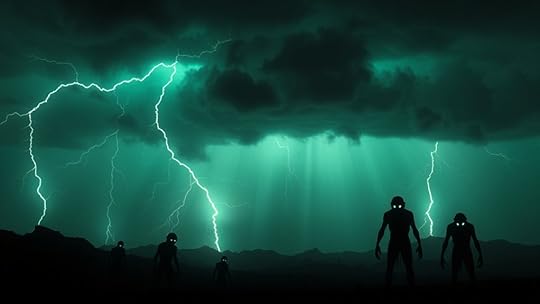
Throughout history, people have reported strange phenomena during earthquakes, including mysterious lights in the sky and bizarre creature sightings. These seismic phenomena often leave witnesses bewildered, sparking curiosity and fear alike. When the ground trembles and rumbles, it seems as if the natural world and the supernatural collide, creating a vivid canvas of unexplained events. Some reports describe luminous flashes that appear without warning, flickering in the sky or along fault lines, often coinciding with the strongest seismic activity. These earthquake lights have puzzled scientists for decades, and many believe they could be related to electrical discharges caused by stress and friction within the Earth’s crust. Intriguingly, some theories suggest that these lights may be connected to electrical discharges triggered by tectonic stress.
As the ground shifts and rumbles, sightings of cryptids—mysterious creatures not recognized by science—become more frequent in earthquake zones. You might hear stories of strange animals emerging from the chaos, eyes glowing in the darkness, or creatures that resemble known animals but with unsettling differences. These cryptid encounters often occur in remote or less-explored regions where the terrain becomes more accessible after seismic events. Some witnesses claim to have seen large, shadowy figures moving swiftly through the rubble, while others report hearing strange calls or guttural sounds during aftershocks. The chaos of an earthquake seems to create a perfect storm for cryptid encounters, whether because these creatures are drawn to seismic activity or because the upheaval exposes hidden habitats or pathways.
While some skeptics argue these sightings are merely products of fear, hallucination, or misidentification, others believe they point to something deeper—an undiscovered aspect of our world that becomes visible only during seismic upheaval. The connection between seismic phenomena and cryptid sightings fuels a mixture of scientific investigation and folklore, as researchers attempt to understand whether these creatures are real or simply mythic constructs that surface during times of crisis. The flickering earthquake lights might serve as a portal, revealing hidden creatures or energies that usually remain concealed beneath the Earth’s surface. Whether these phenomena are caused by electrical charges, atmospheric effects, or something more mysterious, they continue to fascinate and mystify those who witness them.
In the end, seismic phenomena and cryptid encounters during earthquakes remind us how little we truly understand about the Earth’s depths and the creatures that might dwell within. Every tremor could be more than just a geological event—it might be a gateway to the unknown, revealing strange lights and creatures that challenge our perception of reality.
Frequently Asked QuestionsAre Earthquake Lights Scientifically Proven Phenomena?You might wonder if earthquake lights are scientifically proven phenomena. While some seismic anomalies have been documented, their causes remain uncertain. Many experts believe these luminous events are related to electrical discharges caused by stress in rocks. However, others interpret them as paranormal phenomena. Currently, there’s no definitive scientific proof confirming earthquake lights as a consistent or proven phenomenon, leaving room for ongoing research and debate.
What Regions Report the Most Monster Sightings?You can’t judge a book by its cover, but certain regions report more mythic creature sightings. North America, particularly the Pacific Northwest, and parts of Europe, like the UK, are hotspots for monster sightings rooted in cultural folklore. These areas often have rich stories passed down through generations. Your curiosity reflects that these sightings are influenced by local legends, making them fascinating yet elusive pieces of regional mythology.
How Do Earthquake Lights Affect Local Ecosystems?You might notice earthquake lights impacting local ecosystems by disturbing bioluminescent organisms. These luminous creatures rely on seismic influence to trigger their glow, and sudden seismic activity can alter their behavior or habitat. As a result, the ecosystem’s balance shifts, affecting predator-prey relationships and nutrient cycles. Earthquake lights, thus, indirectly influence biodiversity and ecological stability, highlighting how seismic events can ripple through the environment far beyond immediate physical damage.
Are There Any Documented Cases Linking Monsters to Seismic Activity?There are no documented cases linking mythical creatures or folklore legends directly to seismic activity. While many legends describe monsters appearing during earthquakes, scientific evidence doesn’t support these stories. You might hear tales where mythical beings are connected to natural phenomena, but these are rooted in folklore rather than fact. So, you can be confident that current research doesn’t establish any real link between monsters and seismic events.
Can Earthquake Lights Be Used to Predict Earthquakes?You can’t rely on earthquake lights for early warning, as their predictive capabilities remain unproven. While they add a mysterious glow to seismic events, scientists haven’t established a consistent link that can forecast earthquakes reliably. Instead, focus on established seismic monitoring systems for early warning. Earthquake lights may fascinate and mystify, but they shouldn’t be mistaken for a practical tool to predict when the ground will shake next.
ConclusionAs you explore these mysteries, remember that nature’s whispers and shadows often hide more than they reveal. Earthquake lights and creature sightings gently remind us that some secrets are best left in the quiet, flickering moments of the unknown. Embrace the curiosity, but also respect the delicate balance between what’s seen and what’s softly kept behind the veil. Sometimes, it’s in the gentle mystery that life’s true wonder quietly resides.