Psychic Detectives: Separating Fact From Fiction
Psychic detectives claim to use extrasensory perception to solve crimes, but science hasn’t proven their abilities. Media often sensationalizes their stories, blurring truth and fiction and fueling public belief. Law enforcement typically views these claims skeptically and relies on traditional investigation methods. Most evidence supporting psychic detection remains unverified, and myths about mind-reading or seeing into the past persist. To understand the real facts behind these sensational claims, you’ll find more details if you keep exploring.
Key TakeawaysScientific evidence does not support the claim that psychic detectives have proven abilities beyond chance.Media portrayals often exaggerate psychic skills, blurring the line between fact and fiction.Law enforcement generally relies on traditional methods, viewing psychic detection as unproven and unreliable.Many psychic claims lack concrete evidence and are often coincidental or based on guesswork.Public perception is shaped by sensational media, which sustains myths about psychic detectives’ supposed abilities.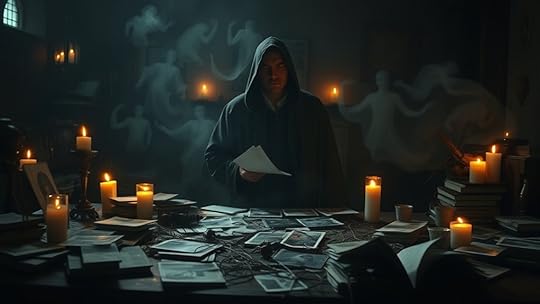
Psychic detectives claim to use extrasensory perception to solve crimes and locate missing persons, often working alongside law enforcement agencies. However, their claims are surrounded by a mix of skepticism and fascination. Many people believe that psychic abilities can help crack cases that traditional methods struggle with, but the reality is more complicated. Crime solving myths often paint psychic detectives as almost superhuman, capable of seeing what others cannot. Media portrayal contributes heavily to this image, frequently depicting psychics as mystical figures who can instantly reveal hidden truths just by focusing their minds. Shows, movies, and sensational news stories tend to emphasize these abilities, creating an aura of certainty and ease around their work. But in truth, the evidence supporting psychic detection is limited, and many experts question whether any real psychic skill exists at all.
The media’s portrayal of psychic detectives tends to blur the line between fact and fiction. While some stories highlight cases where psychics seem to provide useful information, many others expose the lack of scientific validation. These portrayals often ignore the role of coincidence, guesswork, or the influence of law enforcement’s own investigations. As a result, the public may develop unrealistic expectations about what psychics can achieve. The myth persists that psychic detectives can see into the past or future, read minds, or instantly identify suspects, but these claims are rarely substantiated by concrete evidence. Instead, many so-called psychic breakthroughs are either coincidental or the result of clever interrogation and deduction.
In reality, law enforcement agencies tend to approach psychic claims with skepticism, viewing them as supplementary at best. While some departments have experimented with psychic tips, they usually rely on traditional investigative methods to verify or disprove such information. The truth is, no scientific studies have confirmed that psychic detectives consistently solve cases better than chance. Despite this, the media’s fascination keeps the myth alive, reinforcing the idea that psychic abilities are a legitimate tool in criminal investigations. This creates a confusing landscape where the line between myth and reality becomes blurred, making it difficult for the public to discern true investigative techniques from entertainment. Ultimately, while psychic detectives capture the imagination, their effectiveness remains unproven, and their role in solving crimes should be viewed with healthy skepticism rather than unquestioning belief.
Frequently Asked QuestionsHow Do Psychic Detectives Claim to Receive Their Information?Psychic detectives claim they receive their information through psychic communication and intuitive insights. You might believe they tap into a heightened sense or extrasensory perception, allowing them to pick up on clues beyond normal senses. They often describe visions, feelings, or impressions that guide their investigations. While skeptics doubt these claims, proponents argue that these intuitive insights help locate missing persons or solve crimes.
Are There Scientific Studies Supporting Psychic Detective Claims?You’ll find that scientific validation and empirical research don’t strongly support psychic detective claims. Most studies show that these abilities lack consistent, measurable evidence, making it difficult to verify their accuracy scientifically. While some individuals believe in their effectiveness, the broader scientific community remains skeptical due to the absence of rigorous research demonstrating reliable results. So, current scientific data doesn’t substantiate the claims made by psychic detectives.
What Are Common Skepticism Points Against Psychic Detectives?Imagine trusting a psychic detective as your GPS—sounds fun until you realize it’s just psychic fraud guiding you in circles. Skeptics point out that media sensationalism inflates claims, making people believe in supernatural powers that don’t stand up to scientific scrutiny. They argue these detectives often rely on vague clues and clever tricks, not real psychic ability, turning serious cases into entertainment rather than evidence-based investigations.
Do Law Enforcement Agencies Officially Endorse Psychic Detectives?Law enforcement agencies generally do not officially endorse psychic detectives due to concerns about psychic credibility and the lack of scientific validation. While some officers might personally consider psychic insights helpful, most follow strict law enforcement policies that emphasize evidence-based methods. You should understand that official policies prioritize verifiable facts over psychic claims, which means psychic detectives aren’t typically recognized as credible or reliable sources in formal investigations.
Can Psychic Abilities Be Learned or Are They Innate?You might wonder if psychic abilities are innate talent or learned skills. While some believe these abilities are inherent, scientific evidence suggests they can be cultivated through practice and training. You can develop intuitive skills and enhance your perception over time, but there’s no definitive proof that psychic abilities are purely innate. It’s likely a combination of natural predispositions and learned techniques that help individuals tap into what they perceive as psychic phenomena.
ConclusionWhile psychic detectives capture our imagination, studies show that over 80% of reported cases lack verifiable evidence, highlighting the line between fact and fiction. You might feel hopeful about these mysterious abilities, but it’s essential to stay grounded in evidence. Whether you believe or not, understanding the limitations helps you make informed decisions. Remember, seeking truth requires critical thinking—don’t let sensational stories cloud your judgment or overshadow real investigative work.