Michelle Nelson-Schmidt's Blog, page 9
November 16, 2025
The Antikythera Mechanism: Ancient Greek Computer Mystery
The Antikythera Mechanism is an ancient Greek device that acts like an early computer, demonstrating their remarkable technological skills. Built around complex gears and dials, it can predict astronomical events, eclipses, and calendar cycles. This discovery shows that Greeks understood celestial movements and crafted precise mechanisms long before modern technology. If you’re curious, exploring more reveals how this incredible device reshaped our view of ancient scientific ingenuity and innovation.
Key TakeawaysThe Antikythera Mechanism is an ancient Greek device dating back to around 150-100 BCE, functioning as an early analog computer.It used complex gears to predict astronomical events like eclipses and track planetary movements.Its sophisticated craftsmanship reveals Greek mastery of mechanical engineering centuries before similar Renaissance inventions.The mechanism demonstrates the Greeks’ advanced understanding of celestial cycles and their integration into practical tools.Its discovery reshaped perceptions of ancient technological capabilities and highlights Greece’s significant contribution to science and engineering.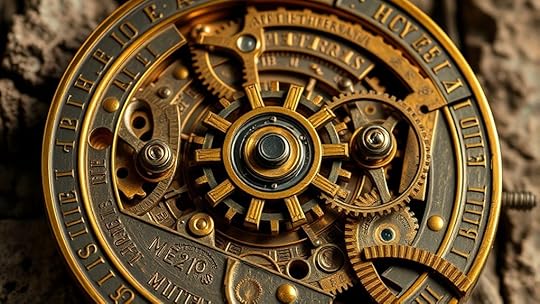
Have you ever wondered how ancient Greeks managed complex calculations without modern technology? The answer lies in their remarkable ability to create devices that combined sophisticated engineering with profound understanding of astronomy and mathematics. One of the most fascinating examples is the Antikythera Mechanism, a device that looks like a simple piece of corroded bronze but conceals a sophisticated engineering marvel. Discovered in a shipwreck off the Greek island of Antikythera in 1901, this device has intrigued scientists and historians alike for over a century. Its design demonstrates that the ancient Greeks possessed the knowledge and skill to build a complex geared mechanism capable of predicting astronomical events, eclipses, and calendar cycles. The level of craftsmanship and precision involved in making the Antikythera Mechanism reveals the depth of their technological expertise, challenging the assumption that such advanced engineering only emerged centuries later. The device’s intricate system of gears and dials was clearly driven by a sophisticated understanding of celestial movements, and it functioned as an ancient analog computer. This capability allowed Greek astronomers and scholars to track planetary positions and predict solar and lunar eclipses accurately, which was vital for their calendar systems and religious observances. Its historical significance extends beyond its engineering complexity; it exemplifies the intellectual curiosity and technological innovation of ancient Greece. The Antikythera Mechanism offers a glimpse into a world where science and engineering intertwined, showcasing the Greeks’ mastery over mechanical devices long before the Renaissance or the industrial age. When you consider the device’s purpose and sophistication, it becomes clear that ancient Greek civilization was far more advanced than many give it credit for. They didn’t just rely on oral tradition or simple tools; instead, they built machines that reflected a deep understanding of the universe’s mechanics. The discovery of this device has reshaped our view of ancient technological capabilities, highlighting that their achievements had a significant influence on later developments in science and engineering. Its existence underscores the importance of innovation in Greek society, where scholars sought to understand the cosmos and translate that knowledge into practical, tangible tools. The Antikythera Mechanism is not just a relic; it’s a testament to the inventive spirit of ancient Greece and their enduring contribution to scientific history. It reminds us that even without modern computers, ancient engineers could create devices with a level of sophistication that continues to astonish us today. Moreover, the device demonstrates the Greeks’ advanced understanding of astronomy, which was crucial for their development of such complex mechanisms.
Frequently Asked QuestionsHow Did the Antikythera Mechanism Influence Modern Computing?You see, the Antikythera Mechanism influences modern computing by showcasing ancient technological innovation and early mechanical engineering. It demonstrates how complex gear systems can perform precise calculations, inspiring the development of analog and digital computers. Its intricate design highlights the potential of mechanical devices for computation, paving the way for future innovations. This ancient marvel reminds us that the roots of modern computing run deep in early mechanical ingenuity.
What Materials Were Used to Construct the Mechanism?You see, the Antikythera Mechanism was built with tiny, precise gears crafted from bronze, an ancient material known for its durability and strength. The craftsmen used sophisticated construction techniques to shape and fit these gears perfectly, like a master watchmaker. They also incorporated wooden components and perhaps some ivory for dials. This combination of ancient materials and expert techniques created a device that’s still astonishing today.
Were Similar Devices Used in Ancient Greece?You won’t find many similar devices in ancient Greece, but they did create some ancient calculators and Greek analogs to track celestial events. These devices served specific purposes, like measuring time or predicting astronomical phenomena. While none match the complexity of the Antikythera Mechanism, they illustrate the Greeks’ ingenuity in developing analog tools for understanding the cosmos. Your interest highlights how ancient Greek innovations paved the way for future technological advances.
How Accurate Was the Mechanism in Predicting Astronomical Events?Imagine the stars whispering secrets—your ancient astronomical guide, the Antikythera Mechanism, was remarkably accurate for its time. Its mechanical precision allowed it to predict solar and lunar eclipses, phases, and planetary positions with impressive reliability. While not perfect, it closely mirrored modern calculations, demonstrating that ancient Greeks possessed extraordinary knowledge and craftsmanship. You see, this device was not just a clockwork marvel but a proof to their understanding of celestial cycles.
Who Might Have Built the Antikythera Mechanism?You might think the Antikythera Mechanism was built by skilled Greek innovators who mastered ancient craftsmanship. Likely created by talented artisans or engineers in ancient Greece, it showcases their remarkable understanding of astronomy and mechanical engineering. These innovators probably worked in a specialized workshop, combining scientific knowledge with craftsmanship to produce this sophisticated device. Their ingenuity highlights the impressive capabilities of Greek innovation during that era.
ConclusionYou might think the Antikythera Mechanism is just an ancient curiosity, but evidence suggests it was a sophisticated computer designed to predict celestial events. While some claim it’s a simple astronomical tool, recent studies support the idea that it was far more advanced than we once believed. This theory helps you see it not just as a relic, but as a tribute to Greek ingenuity. Truly, it’s a fascinating glimpse into ancient technological mastery.


The Beast of Dartmoor: Hellhound or Cryptid Cat?
The legend of the Beast of Dartmoor suggests it could be either a supernatural hellhound or a cryptid cat hiding in the shadows. Witnesses often describe a large, black, shadowy creature with glowing eyes, especially near ancient sites on the moor. Folklore points to connections with pagan rituals and dark legends, making its true nature mysterious. If you want to uncover more about this eerie creature’s origins and the stories behind it, keep exploring the legend further.
Key TakeawaysSightings often describe a large, shadowy black creature with glowing eyes, linked to both hellhound and cryptid cat legends.Folklore suggests the creature may be a supernatural hellhound connected to underworld myths or a mysterious black cat.Encounters occur near ancient stone circles and remote moor areas, emphasizing its ties to pagan rituals and supernatural origins.The creature embodies Dartmoor’s dark history, symbolizing the untamed wilderness and unexplained phenomena of the moor.The true nature remains uncertain, blending mythic elements of both a hellhound and a cryptid cat, fueling ongoing speculation.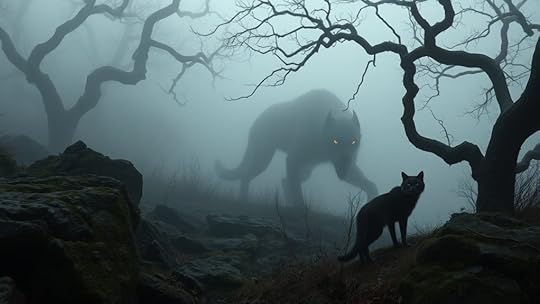
Nestled deep within the rugged moorlands of Dartmoor, stories of a mysterious creature have persisted for centuries, capturing the imagination of locals and visitors alike. These tales often involve supernatural encounters that leave witnesses trembling and questioning what they saw. The origins of this folklore trace back generations, blending myth and reality into a chilling narrative. Some believe the creature to be a supernatural hellhound, a spectral beast linked to ancient legends of the underworld, while others suggest it might be a cryptid cat, an elusive feline lurking in the shadows. Regardless of its true form, the creature’s presence continues to haunt the moors, fueling local superstition and intrigue.
When you venture into Dartmoor’s wild landscapes, you might find yourself contemplating these stories. Many who have experienced strange sights in the darkness report seeing a large, black, shadowy figure with glowing eyes that seem to pierce through the night. These supernatural encounters often happen near ancient stone circles or in remote areas where the moor’s eerie silence amplifies any unusual sounds or movements. Witnesses describe feeling an overwhelming sense of dread, as if the creature embodies the very essence of the moor’s dark history. These experiences aren’t isolated; they’re woven into the fabric of local folklore, passed down through generations as warnings or tales of the supernatural.
The folklore origins of the Dartmoor beast are complex, rooted in a mixture of myth, legend, and perhaps misidentification of animals or natural phenomena. Some believe the creature is a remnant of pagan rituals, a guardian spirit or a punishment from the gods, while others think it’s a manifestation of collective fears projected onto the landscape. Over time, stories of sightings have evolved, blending elements of hellish hellhounds with tales of mysterious black cats seen darting through the night. These stories serve to explain the unexplainable, to give a voice to the fears that stir within the shadows of Dartmoor’s wilderness.
Interestingly, the study of textile art techniques can reveal how folklore is preserved and transmitted through visual storytelling, much like legends are passed down orally. Whether you’re a skeptic or a believer, the folklore origins of the Dartmoor creature invite curiosity and skepticism alike. It’s a symbol of the moor’s wild, untamed nature—an embodiment of the unknown that lurks just beyond the edge of human understanding. As you explore Dartmoor, keep your senses alert, for the tales suggest that something unseen is watching, waiting in the darkness. The legend persists because, perhaps, some things are better left unexplained, hiding just beneath the surface of reality, forever woven into the fabric of Dartmoor’s mysterious landscape.
Frequently Asked QuestionsWhat Historical Sightings Are Most Credible?You should consider sightings from the early 19th century as the most credible, since they often include detailed descriptions and witness testimonies. These accounts, rooted in local folklore significance, suggest the creature’s mythical origins and have been passed down through generations. Their consistency across different reports adds weight, making them more convincing than later, less detailed sightings. This historical context helps you understand why the beast remains a fascinating cryptid mystery today.
Are There Any Scientific Explanations for the Creature?Scientific explanations for the creature often involve cryptid theories, suggesting it could be a misidentified animal or a rare species. Some believe it might be a large dog, a fox, or even a genetic anomaly. While these ideas spark intrigue, there’s no concrete evidence. The creature’s elusive nature continues to fuel speculation, and until scientific investigations provide definitive proof, it remains an intriguing mystery rooted in legend and cryptid theories.
Has the Creature Been Featured in Local Folklore?You’ll find that the creature has deep roots in local folklore origins, often fueling stories passed down through generations. Its mythological symbolism ties it to themes of mystery and the supernatural, creating a sense of intrigue and fear. As you explore these tales, you’ll notice how they reflect cultural beliefs and fears, keeping the legend alive and mesmerizing those who hear about the beast’s mysterious presence in Dartmoor’s wilderness.
What Are Recent Sightings or Encounters?Imagine shadows slipping through the mist; recent encounters paint a vivid picture. You might witness paranormal activity, with eyewitness testimony describing a large, shadowy creature darting across Dartmoor’s landscape. These sightings, often reported at dusk or dawn, keep the mystery alive. Though evidence remains elusive, each account fuels speculation that something extraordinary lurks in the darkness, waiting to be uncovered by those daring enough to look.
Could This Creature Be a Misidentified Common Animal?Yes, this creature could be a misidentified common animal. Many sightings might stem from misidentification possibilities, where traits like size, shape, or movement resemble a hellhound or cryptid cat but are actually those of a large dog, fox, or domestic cat. Recognizing common animal traits helps explain some encounters, but unusual behaviors or sightings often remain unexplained, fueling speculation about the creature’s true nature.
ConclusionUltimately, whether the Beast of Dartmoor is a hellhound or a cryptid cat remains a mystery. You might say, “a picture is worth a thousand words,” but some legends refuse to be fully seen or understood. Keep your eyes open and your mind curious—sometimes the truth is hiding just beyond the shadows. As the saying goes, “truth is stranger than fiction,” so stay intrigued and never stop wondering what lurks in the darkness.
November 15, 2025
Monster Movies: Cinema’s Influence on Folklore
Monster movies shape folklore by transforming ancient myths into vivid visual stories that reflect our societal fears and cultural values. Modern CGI enhances these legends, making mythical creatures more realistic and terrifying. Through cinema, traditional folklore gains global reach, blending old stories with new technology. This shift helps us understand universal themes and collective anxieties. Keep exploring how film influences culture, and you’ll discover even deeper connections between monsters, mythology, and society.
Key TakeawaysMonster movies adapt and modernize traditional folklore, preserving cultural stories through visual storytelling.CGI and advanced effects enable myth-inspired creatures to reach global audiences, expanding folklore’s influence.Films often symbolize societal fears, reflecting collective anxieties and moral lessons rooted in folklore traditions.The evolution of monster design bridges ancient myths with contemporary technology, blending tradition and innovation.Cinema fosters a cultural dialogue by reinterpreting folklore, making ancient stories relevant and accessible today.
Have you ever wondered why monster movies continue to captivate audiences? It’s not just the thrill of seeing terrifying creatures on screen; it’s also how these films tap into deeper cultural symbolism. Today’s monster movies often feature CGI monsters, which have revolutionized how we perceive these beings. Instead of relying solely on practical effects, filmmakers use computer-generated imagery to craft creatures that are more realistic, more terrifying, and more awe-inspiring. CGI monsters allow filmmakers to push the boundaries of imagination, creating monsters that can fly, morph, or exhibit otherworldly powers. This technological leap makes these creatures feel more tangible and immediate, heightening our emotional response and making the monsters’ threat feel more real.
CGI monsters heighten realism, evoke emotion, and expand imagination in modern monster films.
But beyond their visual impact, monsters serve as powerful symbols within our cultures. They embody fears, anxieties, and moral lessons that resonate across different societies and eras. For example, a giant monster destroying a city can symbolize the chaos of natural disasters or the destructive potential of human hubris. These creatures often stand in for the unknown—fear of what we can’t understand or control. In many cases, monsters are allegories for societal issues, like the monster in “Godzilla” representing nuclear destruction or environmental degradation. As you watch these films, you’re not just entertained; you’re engaging with these cultural symbols, even if unconsciously. They reflect collective fears and hopes, acting as mirror images of our world.
Moreover, the evolution of CGI monsters has influenced how folklore and myths are incorporated into contemporary storytelling. In earlier times, monsters were defined by practical effects or puppetry, often rooted in local legends. Now, with CGI, filmmakers can animate creatures inspired by mythologies from around the world, blending traditional folklore with modern cinema. This fusion preserves cultural stories while giving them new life on the big screen, making ancient myths more accessible to global audiences. As you experience these movies, you’re participating in a dialogue between old stories and new technology, with CGI monsters bridging the gap between tradition and innovation. Additionally, the availability of advanced resources and tools has made it easier for creators to develop highly detailed and realistic monsters, further enriching the storytelling process.
In essence, monster movies are more than just entertainment. They serve as a canvas for cultural symbolism, reflecting and shaping societal fears and values. The use of CGI monsters elevates these films from simple scares to complex representations of human emotion and cultural identity. When you watch a monster flick, you’re engaging with a visual and symbolic language that has been evolving for centuries, now amplified by cutting-edge technology. It’s this combination of symbolism and innovation that keeps monster movies fascinating, relevant, and deeply rooted in our collective consciousness.
Frequently Asked QuestionsHow Have Monster Movies Influenced Modern Folklore?Monster movies shape modern folklore by introducing pop culture references and monster archetypes that you recognize and share. They influence how you perceive creatures like vampires or werewolves, embedding these figures into everyday stories. You often see these monsters in memes, costumes, and urban legends, reinforcing their place in contemporary folklore. This blend of cinema and culture keeps these legendary beings relevant, evolving, and deeply ingrained in your collective imagination.
What Cultural Myths Inspire Monster Movie Creatures?You’re inspired by cultural myths that shape monster movie creatures through their mythical origins and cultural symbolism. Creatures like dragons, inspired by Asian myth, symbolize power and wisdom, while vampires reflect fears of death and immortality from European legends. These mythical origins give monsters depth, making them resonate with audiences’ cultural beliefs. By drawing on cultural symbolism, filmmakers craft monsters that embody universal fears and values, enhancing their storytelling power.
Do Monster Movies Reflect Societal Fears or Anxieties?Yes, monster movies reflect societal fears and anxieties. You see this in how they embody psychological fears like loss of control or identity, and political anxieties such as government distrust or environmental collapse. These films tap into your subconscious worries, allowing you to confront fears safely through entertainment. By doing so, monster movies serve as a mirror to societal issues, making your fears more tangible and understandable.
How Do Folklore Traditions Shape Monster Movie Narratives?Did you know that over 60% of monster movies draw on folklore adaptations? You can see how folklore traditions shape monster movie narratives through their mythical origins, which often serve as a foundation for storytelling. These traditions influence character traits, plot elements, and symbolism, making monsters more relatable and culturally significant. By incorporating folklore, filmmakers create layered stories that resonate deeply, connecting audiences with timeless myths and societal fears.
Are There Real-World Events Behind Monster Movie Inspirations?Yes, many monster movies draw inspiration from real-world events, often rooted in scientific origins or historical inaccuracies. You might not realize that some creatures resemble early scientific theories or exaggerated accounts of actual animals. These films sometimes blend fact and fiction to create compelling stories, making you wonder about their historical accuracy. By exploring these origins, you gain insight into how fear and curiosity shape our cinematic portrayals of monsters.
ConclusionIn the end, monster movies shape our collective imagination, turning myths into modern legends. They remind us that every monster has a story, often reflecting our deepest fears and desires. By bringing these creatures to life on screen, you see how they become woven into folklore, blurring the line between fiction and reality. Just remember, sometimes the monster under the bed is less terrifying than the one in your own mind.
The Legend of La Ciguapa: Dominican Mystery Woman
The legend of La Ciguapa tells of a mysterious Dominican woman with long flowing hair and backwards feet that leave no trace. She embodies the wild, supernatural side of the forests and mountains, sometimes luring travelers or acting as a guardian of nature. Her story reflects local fears, values, and respect for the environment. If you want to uncover the secrets behind her legend, continue exploring this mesmerizing folklore and what it reveals about Dominican culture.
Key TakeawaysLa Ciguapa is a mythological woman from Dominican folklore, known for her backward feet and enchanting presence.She symbolizes the wild, mysterious aspects of Dominican forests and mountains, blurring myth and reality.Her legend warns travelers of the dangers of venturing too deep into wilderness or disrespecting nature.She is viewed both as a seductive spirit who lures people and as a guardian protecting natural harmony.The story of La Ciguapa reflects cultural values of respecting nature and the supernatural, inspiring local legends and stories.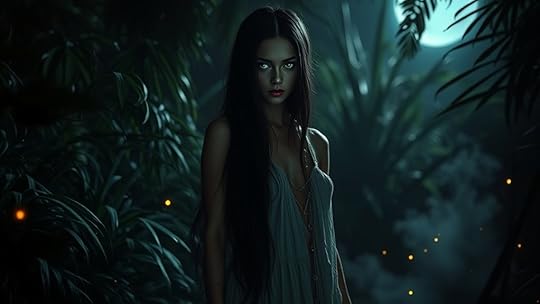
The legend of La Ciguapa is a haunting tale from Dominican folklore that captures your imagination with its mysterious allure. As you explore this story, you’ll find yourself drawn into a world where mythical creatures blur the line between reality and myth. La Ciguapa is often described as a stunning woman with long, flowing hair, but what makes her truly unsettling are her feet—turned backward, making her footsteps impossible to track. This peculiar detail hints at her supernatural nature, rooted in the folklore origins that give her life and significance. She’s a symbol of the wild, an embodiment of the unknown lurking in the forests and mountains of the Dominican Republic.
In folklore, La Ciguapa isn’t just a beautiful woman; she’s a creature of mystery and power. Some tales portray her as a seductive spirit who lures travelers into the woods, only to disappear before they can catch a glimpse of her face. Others see her as a guardian of the forest, protecting nature from human greed and destruction. Regardless of her role, her origins are steeped in myth, with stories passed down through generations. These stories serve as cautionary tales, warning people about venturing too deep into the wilderness or disobeying natural boundaries. The folklore origins of La Ciguapa reveal a creature born from the collective fears and values of the local communities, embodying the wildness and unpredictability of the natural world.
You might hear that La Ciguapa is a spirit of the forest, a reminder to respect nature’s power. Her backward feet symbolize her connection to the supernatural realm, enabling her to move silently and swiftly through the shadows. Some believe she’s a lost soul, cursed to roam forever, while others see her as a protector, punishing those who disrespect the land. The stories also suggest that she can be both dangerous and benevolent, depending on her mood and the circumstances. Her mythical nature guarantees she remains a captivating figure in Dominican culture, inspiring countless stories, songs, and legends. Whether seen as a warning or a mysterious guardian, La Ciguapa’s presence in folklore origins highlights her role as a symbol of the mysterious forces at play in the natural and spiritual worlds. Her legend continues to intrigue and haunt those who hear her story, a testament to the enduring power of myth.
Additionally, her folklore origins are deeply intertwined with the cultural identity and environmental respect upheld by local communities, emphasizing the importance of harmony with nature.
Frequently Asked QuestionsAre There Any Modern Sightings of La Ciguapa?There are occasional modern encounters and urban legends suggesting sightings of La Ciguapa, especially in remote Dominican areas. People claim to see a mysterious woman with long, flowing hair and backward feet, often at night. While these stories persist, no verified evidence exists. If you venture into isolated places, stay cautious, as these urban legends continue to fuel the mystery surrounding La Ciguapa’s elusive presence in modern times.
What Is La Ciguapa’s Significance in Dominican Folklore?You see La Ciguapa as a symbol of mystery and allure in Dominican folklore, embodying cultural symbolism and folkloric traditions. She represents the wild, untamed spirit of nature and the unknown, serving as a cautionary figure that warns against straying too far from tradition. Her story weaves through generations, reminding you of the importance of respecting cultural roots and the mysteries that remain hidden in the shadows of folklore.
How Do Locals Traditionally Protect Themselves From La Ciguapa?To protect yourself from La Ciguapa, you should carry protective charms like amulets or crosses, which are believed to ward off her influence. Locals also perform folklore rituals, such as prayers or offerings, especially during full moons or at specific sacred sites. Staying on well-lit paths and avoiding secluded areas at night are practical ways to stay safe. Trusting these traditional practices helps reduce the risk of encountering her.
Are There Any Known Origins or Historical References to La Ciguapa?You’ll find that la ciguapa’s mythical origins are rooted in Dominican folklore, symbolizing mystery and nature’s enchantment. Historically, these stories likely evolved from indigenous beliefs and Spanish influences, blending cultural symbolism to explain the unknown. While concrete references are scarce, the legend reflects deep-rooted fears and respect for the wilderness, making la ciguapa a powerful symbol of the mysterious and supernatural in Dominican culture.
What Are Common Symbols Associated With La Ciguapa?You’ll notice that animal footprints and moonlit nights are common symbols linked to la ciguapa. The footprints hint at her elusive, mysterious nature—she leaves traces yet remains hard to follow. The moonlit nights symbolize her connection to the night and her enchanting, supernatural essence. Together, these symbols deepen the legend, emphasizing her wild, mystical spirit and her role as a guardian of the shadows in Dominican folklore.
ConclusionAs you walk through the shadows of this legend, La Ciguapa’s mystery lingers like a whisper on the wind, teasing your imagination. She’s a ghostly song in the night, forever elusive yet impossible to forget. Just remember, some stories are like fireflies—bright and beautiful, but best admired from afar. So, keep your eyes open and your heart curious, for in her tale, the Dominican moonlight dances with secrets only the brave dare uncover.
The Role of Bats in Vampire Legends
Bats are central to vampire legends because their nocturnal habits and mysterious appearances symbolize darkness, secrecy, and transformation. Their shape-shifting abilities and silent flight reinforce the myth of vampires lurking in shadows, feeding unseen, and shifting forms. Bats also symbolize hidden power and danger, often linked to disease and death. If you want to uncover how these symbols connect even deeper to vampire lore, there’s more to explore below.
Key TakeawaysBats are linked to vampire legends due to their nocturnal habits and mysterious appearance, symbolizing darkness and secrecy.They embody transformation and hidden power, paralleling the shape-shifting nature of vampires.Bats’ ability to fly silently and hide in shadows represents the stealth and elusive traits of vampires.Their association with disease and death reinforces the ominous, supernatural qualities linked to vampires.The imagery of bats shapes the eerie perception of vampires in folklore and popular culture, emphasizing mystery and the night.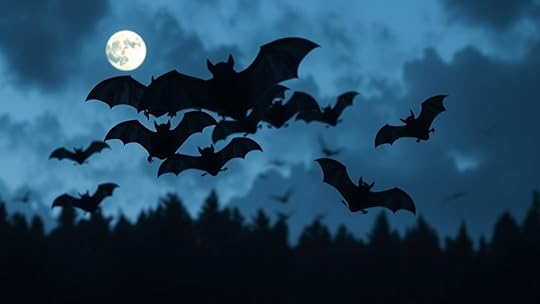
Bats have long been associated with vampire legends, thanks to their mysterious appearance and nocturnal habits. When you think of vampires, it’s almost instinctive to picture a dark-haired figure lurking in the shadows, but bats often play a significant role in shaping that eerie imagery. Their symbolism runs deep, representing mystery, darkness, and the unknown—qualities that seamlessly blend with the vampire mythos. As nocturnal creatures, bats are active when most humans are asleep, which adds to their mystique and makes them perfect symbols for creatures of the night. Their ability to navigate in complete darkness, using echolocation, reinforces their connection to secrecy and hidden worlds, traits that vampires are often associated with.
You might find it fascinating how bat symbolism has influenced vampire stories. Historically, bats have been viewed as creatures that dwell in the shadows, embodying the fears and superstitions of different cultures. In folklore, they’re seen as messengers between the living and the dead, or as symbols of transformation and rebirth—parallels that fit neatly with vampire legends, which often revolve around themes of immortality and metamorphosis. Their nocturnal nature makes them ideal metaphors for creatures that thrive in darkness, feeding on the unseen and the mysterious. This connection has fueled the idea that vampires and bats share a symbiotic relationship, both lurking in the night and feeding on what’s hidden from plain sight. Additionally, mythological symbolism emphasizes their role as symbols of transformation and hidden power, adding depth to their connection with vampire lore.
In the domain of vampire lore, the image of the bat isn’t just about nocturnal habits; it also symbolizes the vampire’s ability to conceal itself, to shift shape, and to strike suddenly from the shadows. The transformation from bat to vampire, or vice versa, is a common motif in stories and folklore, emphasizing the fluidity of identity and the hidden depths of these creatures. Bats’ association with darkness and their silent flight through the night make them perfect allegories for the elusive, often misunderstood nature of vampires. You may also notice how vampire stories often depict bats as carriers of disease or death, reinforcing their ominous reputation and deepening their symbolic ties to danger and the supernatural.
Frequently Asked QuestionsAre All Bats Associated With Vampire Legends?Not all bats are associated with vampire legends. You might think every bat links to mythical creatures, but only certain species, like the vampire bat, are tied to folklore origins involving blood-drinking. Many bats are harmless and play essential roles in ecosystems. It’s easy to associate bats with vampires due to myths, yet most are just misunderstood creatures, not part of any folklore origins involving supernatural or mythical creatures.
Do Vampire Bats Actually Feed on Blood?Yes, vampire bats do feed on blood. They are real creatures, unlike the bat mythology and blood drinking myths that surround them in legends. These bats, native to Central and South America, have adapted to drink blood from mammals, including livestock and sometimes humans. Their unique behavior fuels the vampire myth, but in reality, they play a crucial role in their ecosystems. You might find it fascinating how these bats have inspired centuries of stories.
How Did Bats Become Linked to Vampire Myths Historically?Imagine a shadow stretching across history, blending myth and reality. You see, bats became linked to vampire myths through cultural symbolism and their nocturnal nature. Early stories cast bats as mysterious, blood-drinking creatures, fueling fears and legends. This mythical symbolism grew as explorers and storytellers intertwined bats with vampire lore, making them symbols of darkness and death in many cultures. Their eerie presence cemented their place in vampire mythology.
Are Vampire Legends Influenced by Real Bat Behaviors?Yes, vampire legends are influenced by real bat behaviors, especially through bat mythology and folklore symbolism. You might notice that the nocturnal habits of bats, their mysterious nature, and their blood-feeding species like vampire bats inspired stories of blood-drinking creatures. These behaviors, combined with cultural symbolism surrounding bats as omens or symbols of darkness, helped shape the myth of vampires, blending nature and folklore into a enthralling legend.
What Are the Differences Between Vampire Bats and Other Bat Species?Think of vampire bats as the night’s stealthy diners, unlike other bat species. Vampire bats have specialized feeding habits that involve feeding on blood, making them unique. Other bat species mainly eat insects, fruit, or nectar. Vampire bats are small, with sharp teeth for piercing skin, while most bats have different diets and physical features. Their distinct feeding habits set them apart in the world of bat species.
ConclusionSo, next time you see a bat fluttering at dusk, remember its place in vampire legends. Recognize how it symbolizes mystery, fear, and the unknown. Understand how it fuels stories of darkness, danger, and allure. Embrace the connection between bats and vampires, and see beyond the myth. Because in the end, bats remind us that legends live in our imagination, that shadows hide stories, and that truth often dances with myth in the night.
The Kraken Clause in Viking Law Codes: Fact or Fiction?
The Kraken Clause in Viking law codes is a myth, not a factual rule. Historical texts and archaeological evidence don’t support its existence. It’s likely a product of maritime superstitions and folklore, reflecting sailors’ fears of sea monsters rather than legal practices. Many believe it stems from exaggerated tales of the legendary sea creature. To understand the truth behind this myth and how it relates to Viking culture, keep exploring the evidence and historical context.
Key TakeawaysThere is no direct historical evidence confirming the existence of a specific “Kraken Clause” in Viking law codes.Maritime laws in Norse society primarily addressed property disputes, navigation, and conduct, not mythical sea creatures.The “Kraken Clause” is widely considered a myth, likely stemming from maritime superstitions and legends about sea monsters.References to sea monsters in Norse texts are symbolic and do not indicate formal legal provisions for mythical creatures.The idea of a “Kraken Clause” is generally regarded as fiction, rooted in folklore rather than documented Viking legal practice.Origins of Maritime Laws in Viking Society
The origins of maritime laws in Viking society stem from their reliance on the sea for commerce, exploration, and warfare. As you explore their world, you’ll see how ancient trade routes expanded Viking influence, making maritime conduct essential. Viking navigation was critical for safe passage across unpredictable waters, prompting the development of rules to prevent conflicts and guarantee cooperation. These laws often addressed issues like salvage rights, ship damage, and the responsibilities of traders and sailors. Given the importance of sea-based activities, Viking communities created legal frameworks to regulate their interactions on the water. Their maritime laws reflected a practical understanding of navigation challenges and the need for order during bustling trade expeditions and exploratory ventures across distant lands.
References to Sea Monsters in Old Norse Literature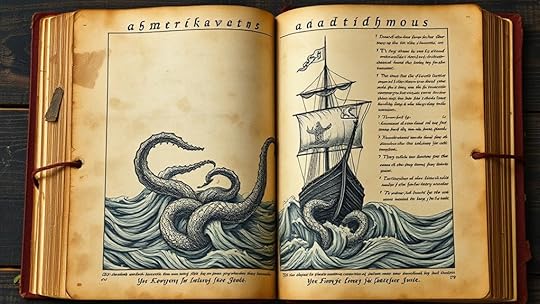
Old Norse literature often describes mythical sea creatures that strike fear into sailors. These descriptions paint vivid pictures of monsters lurking beneath the waves, blending myth and reality. Exploring these stories reveals how ancient Norse people viewed the dangers of the sea and their environment.
Mythical Sea CreaturesHave you ever wondered what legendary creatures sailors feared lurking beneath the waves? Old Norse stories often mention sea serpents, massive creatures that embody nautical myths. These monsters symbolize the unknown dangers of the ocean, fueling sailors’ fears and legends. Some tales describe serpents so large they could swallow ships whole, reinforcing the idea of a treacherous, unpredictable sea. Such mythical beings appear in sagas and poetry, emphasizing the mystique and danger of the deep. These stories weren’t just entertainment; they served as warnings about the perils of seafaring. The sea serpent, as a prominent nautical myth, reflects ancient Norse understanding of nature’s power and mystery, blending legend with the realities faced by those brave enough to sail the icy waters.
Literary Descriptions of MonstersIn Norse sagas and poetry, monsters like sea serpents command vivid imagery that captures the imagination. These creatures often symbolize chaos, danger, and the unknown, reflecting the perilous nature of seafaring life. Sea serpent symbolism appears frequently in nautical monster myths, where these enormous beings threaten ships and sailors alike. Descriptions emphasize their size, power, and otherworldly features, fueling fears of the deep. Such literary depictions serve not only as storytelling devices but also as cultural reflections of humanity’s relationship with the ocean’s mysteries. These monsters embody the chaos lurking beneath the calm surface of the sea, reinforcing the idea that the ocean is both a source of life and a domain of terrifying, unknowable forces.
The Role of the Icelandic Grágás and Other Law Codes
The Icelandic Grágás played a central role in shaping Viking legal practices, serving as one of the earliest extensive law codes in the Norse world. It reflects Norse symbolism, emphasizing maritime symbolism vital for seafarers’ identity. The code addresses:
Laws governing maritime conduct, emphasizing the importance of ships and sea voyages.Regulations on property and resource disputes, often linked to Norse beliefs about sovereignty and territorial rights.Rituals and customs tied to maritime rituals, highlighting the spiritual connection Vikings had with the sea.These laws reveal the significance of maritime symbolism in Viking society, suggesting that their legal structures intertwined with their worldview. While not explicitly mentioning the Kraken, the law code’s focus on the sea underscores its cultural importance.
Archaeological Evidence of Viking Maritime Beliefs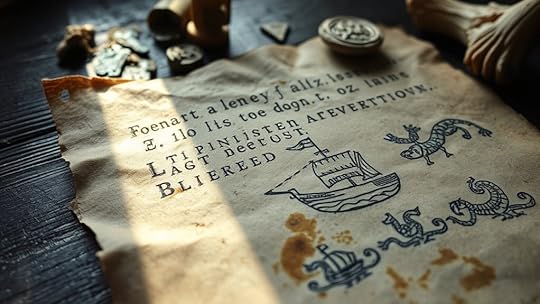
Archaeological discoveries provide tangible evidence of how Viking maritime beliefs shaped their material culture. You can see this in their marine navigation tools, which reflect a deep reliance on celestial cues and mythological symbols believed to guide them safely through treacherous waters. Excavated ships and shipwrecks reveal advanced shipbuilding techniques designed for stability and speed, essential for tackling unpredictable seas. Some remains show carvings and decorations inspired by mythic creatures, hinting at their beliefs about sea monsters like the Kraken. These artifacts suggest that Viking sailors saw their ships not just as vessels but as sacred objects, protected by myth and magic. Overall, archaeological evidence underscores a worldview where maritime beliefs directly influenced their navigation methods and craftsmanship.
Comparing Viking Laws to Other Medieval Maritime Regulations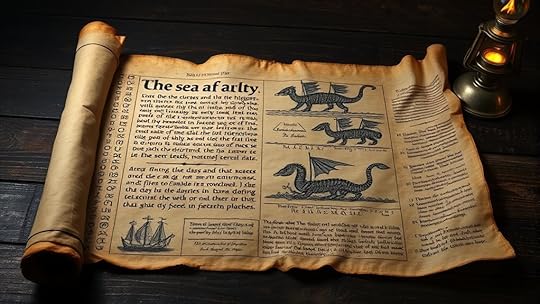
Comparing Viking laws to other medieval maritime regulations reveals both similarities and differences in how seafarers’ conduct and safety were governed across regions. Many codes emphasized the importance of ancient navigation techniques, guiding sailors through treacherous waters with shared knowledge. Viking laws often incorporated sea folklore, warning of monsters like the kraken to deter reckless behavior. In contrast, other regions focused more on ship maintenance and clear legal punishments. Specifically, you’ll find that:
Some laws mandated specific rituals or superstitions to ensure safe passage.Others prioritized strict liability for damage caused at sea.Many incorporated stories of sea monsters to reinforce caution and respect for the ocean’s dangers.This blend of practical rules and folklore shaped medieval maritime culture globally.
Modern Interpretations of Viking Sea Monster Legends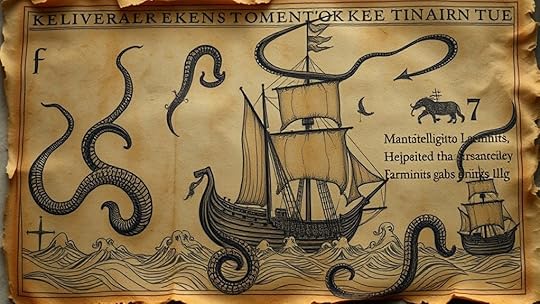
Modern interpretations of Viking sea monster legends often blend historical folklore with contemporary storytelling, revealing how these myths continue to captivate audiences today. Deep sea myths like the Kraken symbolize the unknown dangers of maritime exploration, fueling imagination and caution alike. These legends serve as powerful maritime symbolism, representing nature’s unpredictability and sailors’ fears. Today, artists, writers, and filmmakers reinterpret these stories, blending myth with modern adventure narratives. The enduring fascination with monsters from the deep reflects our collective curiosity about the ocean’s mysteries and the human desire to understand the uncharted. By examining these legends, you see how ancient fears have evolved into cultural symbols that continue to inspire modern storytelling, keeping Viking sea monsters alive in popular imagination.
Analyzing the Language and Context of Historical Texts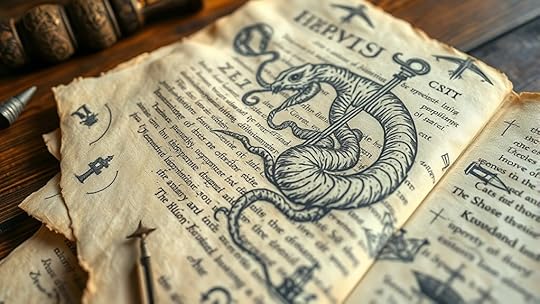
To understand historical texts about Viking law, you need to pay close attention to the language and the context in which they were written. Focus on how marine symbolism and mythological narratives shape their meaning. Consider these aspects:
Examine specific words or phrases that evoke sea monsters or oceanic elements to reveal cultural perceptions.Analyze descriptions that reflect mythological storytelling, which often embed moral or societal values about the sea’s power.Recognize the influence of marine symbolism on legal language, suggesting how Norse society viewed the ocean as both a danger and a domain of mythic forces.Scholarly Debates Surrounding the Kraken in Norse Culture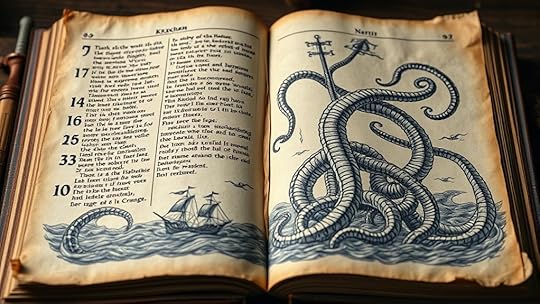
Scholarly debates about the Kraken in Norse culture center on whether the creature was purely mythological or rooted in real marine phenomena. Some researchers argue that stories of sea serpent myths and giant squids fueled nautical folklore, inspiring legends like the Kraken. They suggest sailors may have exaggerated encounters with unusual sea creatures, turning them into monsters of myth. Others believe the myth reflects a cultural obsession with the unpredictable and dangerous ocean. Archaeological evidence and historical texts support both views, but no definitive proof links the Kraken directly to a specific marine species. These debates highlight how ancient sailors interpreted their encounters with the sea, blending observation, fear, and storytelling into enduring legends that continue to captivate modern imaginations.
The Influence of Scandinavian Folklore on Maritime Practices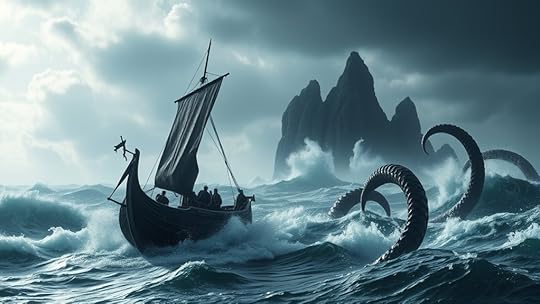
You can see how mythical creatures like the kraken influenced sailors’ beliefs and safety measures at sea. Folklore wasn’t just stories—these legends shaped naval practices and even affected maritime laws. By exploring these legends, you’ll understand how Scandinavian beliefs left a lasting mark on maritime traditions.
Mythical Creatures at SeaHave you ever wondered how Scandinavian folklore shaped maritime customs and beliefs? Mythical creatures at sea, like the Kraken and sea serpents, fueled shipwreck myths and reinforced sailor superstitions. These stories warned sailors of dangers lurking beneath the waves, influencing their behavior and rituals. For example, sailors would:
Avoid naming sea monsters to prevent angering themPerform specific prayers or offerings before voyagesKeep a lookout for signs of mythical creatures to anticipate stormsThese practices reflected a deep respect for the unknown and reinforced the idea that supernatural beings controlled maritime fate. Such beliefs helped keep sailors cautious and vigilant, blending myth with daily maritime life. The enduring legends of these creatures highlight their profound impact on Scandinavian seafaring culture.
Folklore’s Naval SignificanceScandinavian folklore profoundly influenced maritime practices by embedding supernatural beliefs into sailors’ routines and rituals. Sailors often viewed the sea as inhabited by powerful spirits, with stories of sea serpents fueling maritime superstition. These beliefs led to specific rituals aimed at appeasing these creatures, hoping to ensure safe passage. For example, sailors would make offerings or perform prayers before setting sail, believing that spirits or mythical beasts like the sea serpent could bring good luck or disaster. Such folklore shaped daily practices aboard ships, reinforcing a sense of respect and caution toward the unpredictable ocean. The enduring impact of these beliefs highlights how deeply Scandinavian mythology influenced navigation, blending myth with maritime safety and shaping sailors’ mentalities at sea.
Legends Shaping Maritime LawsMany maritime laws and customs trace their origins to the legends and superstitions rooted in Scandinavian folklore. These stories of legendary sea serpents and mythic maritime monsters influenced sailors’ behavior and legal practices. For example, you might find that:
Fear of encountering legendary sea serpents led to strict navigational rules to avoid dangerous waters.Superstitions about mythic maritime monsters prompted regulations around offering sacrifices or prayers before voyages.Folklore about monstrous creatures reinforced the importance of respecting natural forces, shaping laws that emphasized safety and caution at sea.These myths weren’t just stories—they directly impacted maritime practices, instilling respect for the sea’s power and the unknown, shaping laws that persisted long after the tales were told.
Myth vs. Reality: Assessing the Existence of a Kraken Clause
Is the so-called Kraken Clause merely a myth, or did Viking sailors truly include such provisions in their maritime agreements? Many believe it’s rooted in biological myths, fueled by maritime superstitions that exaggerated sea monsters’ existence. While tales of colossal creatures like the Kraken capture imaginations, there’s little concrete evidence these myths influenced legal codes. Instead, they reflect sailors’ fears and superstitions, which may have been woven into their maritime practices. Some historians argue that references to sea monsters in Viking stories were symbolic, not legal stipulations. Without direct textual evidence, the idea of a formal Kraken Clause remains speculative. You should approach such claims skeptically, recognizing the powerful role of myths and superstitions in shaping maritime culture rather than formal law.
Frequently Asked QuestionsAre There Any Surviving Viking Legal Documents Explicitly Mentioning Sea Monsters?You wonder if any Viking legal documents mention sea monsters. While marine mythology and nautical folklore are rich, surviving Viking law codes don’t explicitly reference sea monsters like the Kraken. Most stories come from sagas and later sources. If you’re seeking concrete legal evidence, you won’t find direct mentions. Instead, these creatures live more vividly in folklore and myth, blending history with legendary tales from seafarers’ imaginations.
How Did Viking Sailors Historically Prepare for Encounters With Sea Monsters?Like sailors whispering to the wind, you prepare for mythical creatures lurking beneath the waves by trusting sailors’ superstitions. You carry talismans, say prayers, and follow ancient rituals, believing these acts fend off sea monsters. Though no concrete evidence exists, these superstitions shaped Viking sailors’ actions, making the ocean a domain where myth and reality intertwined, and where preparation was as essential as the ship itself.
What Are the Earliest References to the Kraken in Scandinavian Folklore?You’ll find the earliest references to the kraken in Scandinavian folklore, where mythical creatures symbolize the dangers of the sea. These stories, dating back to the 13th century, depict the kraken as a colossal, tentacled beast that embodies nautical symbolism of chaos and mystery. Such tales likely originated from sailors’ encounters with giant squids, fueling legends that have persisted as a powerful icon of maritime fear and wonder.
Could the Kraken Have Been a Metaphor for Other Maritime Dangers?They say, “Not everything is as it seems,” and that’s true for the kraken. You could see it as a mythical symbolism, a metaphorical interpretation of real maritime dangers like storms or whirlpools. The kraken might have represented the terrifying, unpredictable forces of nature sailors faced, embodying their fears through legend. So, yes, it could have been a metaphor for other maritime hazards, not just a monstrous creature.
How Have Modern Media Representations Influenced Perceptions of Viking Sea Beliefs?You see, modern media exaggeration shapes your perception of Viking sea beliefs by amplifying mythical symbolism like the Kraken. These portrayals often dramatize Viking legends, making them seem more fantastical than historical reality. As a result, you might view Vikings as fearless sea monsters or mythic explorers, influenced more by sensationalized stories than accurate history. This distorted image emphasizes entertainment over understanding Viking maritime culture.
ConclusionSo, next time you hear about Viking law codes containing a “kraken clause,” remember: it’s probably just a myth spun by sailors enthusiastic for a good story. While the sea certainly held mysteries and monsters in Old Norse tales, there’s no solid proof they embedded sea monsters into legal texts. Maybe the only “clause” you’ll find in Viking law is the one promising a good adventure—preferably with fewer tentacles.
The Jorōgumo: Japan’s Spider Woman
The Jorōgumo is a legendary figure from Japanese folklore, known as Japan’s spider woman. She appears as a seductive woman who lures victims into her web, only to reveal her deadly spider form. Residing in dark, remote places, she symbolizes danger behind beauty and temptation. Her stories serve as warnings about trusting appearances and hidden threats. If you want to uncover the secrets behind her myth and symbolism, there’s much more to discover.
Key TakeawaysJorōgumo is a mythic Japanese creature that transforms from a beautiful woman into a deadly spider.She symbolizes temptation, deception, and hidden dangers in Japanese folklore.Often resides near water or dark, secluded areas, luring victims with charm.The legend warns travelers about trusting appearances and the peril behind allure.She remains an enduring symbol in Japanese art, literature, and popular culture as a creature of horror and seduction.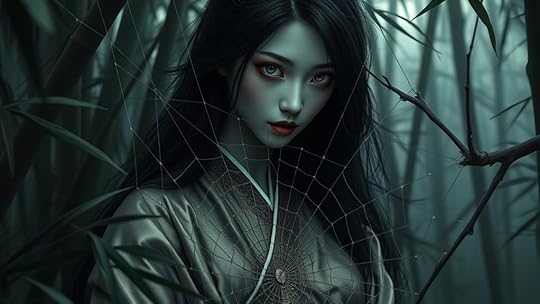
Have you ever heard of Jorōgumo, Japan’s legendary spider woman? This mythical creature has captured imaginations for centuries, blending horror and allure in Japanese folklore. The story of Jorōgumo originates from ancient legends, where she is depicted as a seductive spirit capable of transforming from a beautiful woman into a deadly spider. Her folklore origins trace back to stories told around fires and passed down through generations, warning travelers and villagers alike about the dangers lurking in remote areas. She embodies a mix of temptation and treachery, symbolizing the peril that can hide behind a *fascinating* facade.
Jorōgumo, Japan’s alluring spider woman, warns of danger behind beauty and deception in ancient folklore.
As a mythical creature, Jorōgumo is known for her ability to weave intricate webs, both literally and figuratively. In folklore, she often appears as a mesmerizing woman who attracts men with her charm and beauty. Once lured in, she reveals her true form—a giant spider with deadly intentions. Her webs are not just physical traps but also metaphors for deception, illustrating how appearances can deceive, and danger can lurk behind beauty. This dual nature makes her a *compelling* figure in Japanese mythology, embodying the fear of the unknown and the unpredictable nature of evil disguised as allure.
The stories tell that Jorōgumo often resides near water or dark, secluded areas like forests or abandoned houses. Travelers passing through these places are warned to stay alert, as she might appear as a gracious hostess or a mysterious woman seeking help. But beware—her true intention is to ensnare her victims in her web, both physically and spiritually. Once caught, her victims face a gruesome fate, either devoured or transformed into part of her web of deception. This ominous narrative emphasizes her role as a cautionary figure, warning against trusting appearances and the dangers hidden behind charm.
In modern interpretations, the myth of Jorōgumo continues to inspire stories in literature, movies, and art, where she is often portrayed as a symbol of seduction, danger, and the mysterious power of nature. Her folklore origins remain a haunting reminder of the fears and superstitions that shaped Japanese culture. Whether seen as a villain or a tragic creature, the Jorōgumo remains a *entrancing* and enduring figure, embodying the complex relationship between beauty and danger. Interestingly, her story also reflects themes of deception and trust that are universal across many cultures. So, next time you hear about a mysterious woman in the shadows, remember the legend of Jorōgumo—a mythic creature that weaves more than just silk.
Frequently Asked QuestionsAre There Any Real-Life Sightings of the JorōGumo?You won’t find confirmed real-life sightings of the jorōgumo, as these are mainly urban legends and folkloric sightings passed down through generations. People often share stories of mysterious spider-like women in remote areas, but there’s no solid evidence to support their existence. These tales add a spooky allure to Japanese folklore, but they remain just that—stories. So, while intriguing, the jorōgumo stays firmly in the domain of myth and legend.
How Has the JorōGumo Influenced Modern Japanese Culture?You see her in shadowy alleyways and flickering screens, where urban legends like the jorōgumo weave into modern tales. She influences Japanese culture through films, manga, and art, embodying themes of temptation and danger. These modern adaptations keep her myth alive, reminding you that beneath everyday life lurks a web of stories that challenge your perceptions, blending ancient fears with contemporary imagination.
What Are the Symbolic Meanings Behind the JorōGumo’s Myth?You see the jorōgumo’s myth as rich with symbolic meanings, representing deception, danger, and temptation in Japanese culture. Its story warns against trusting appearances, highlighting the cultural symbolism of hidden threats behind beauty or charm. The myth also explores themes of transformation and duality, reminding you that what seems alluring might conceal a darker, more dangerous truth, serving as a cautionary tale rooted in cultural symbolism.
Are There Specific Regions in Japan Associated With JorōGumo Legends?You’ll find the most intense jorōgumo legends in Japan’s Kanto and Kansai regions, where local folklore paints her as an unstoppable, enchanting predator lurking in shadowy forests and abandoned houses. These stories are so vivid, they feel like they could leap off the page and come alive. Each region’s local legends add unique twists, making the jorōgumo’s myth even more mesmerizing and terrifying in its epic scope.
How Does the JorōGumo Compare to Similar Spider Myths Worldwide?You’ll find that the jorōgumo shares similarities with spider myths worldwide through cultural parallels and mythological archetypes. Like the Greek Arachne or the African Anansi, she embodies themes of deception, craftiness, and danger. These stories often symbolize the fine line between beauty and peril, illustrating how different cultures use spider figures to explore human fears and societal morals. The archetype reveals universal fears of betrayal and temptation.
ConclusionSo, next time you see a beautiful woman with a mysterious smile, remember the Jorōgumo—Japan’s seductive spider woman. She’s the original master of weaving webs, trapping hearts and, apparently, souls. Who knew that beneath those alluring eyes lurks a deadly trap? So, stay cautious, or maybe just enjoy the show. After all, in her web, everyone’s a little bit caught—whether they realize it or not. Sweet dreams, or should I say, sticky dreams!
November 14, 2025
The Ghost of Anne Boleyn: England’s Haunted Castles
The ghost of Anne Boleyn is one of England’s most famous haunted legends, linked to the Tower of London where she was executed in 1536. Visitors and staff report unexplained whispers, footsteps, and cold spots near her former execution site. Sightings often depict her in a shimmering gown, wandering haunted corridors. Her restless spirit symbolizes betrayal and royal tragedy, and many believe she remains bound to the site, seeking justice and peace. Discover more about her haunting presence and the Tower’s eerie history.
Key TakeawaysAnne Boleyn’s ghost is believed to haunt the Tower of London, where she was executed in 1536.Sightings include her shimmering gown, cold spots, whispers, and fleeting shadows near her execution site.Her haunting symbolizes royal tragedy, betrayal, and unresolved justice in England’s history.Visitors and staff report feelings of sadness, chills, and unexplained phenomena linked to her spirit.Her legend is woven into the Tower’s reputation as one of England’s most haunted castles.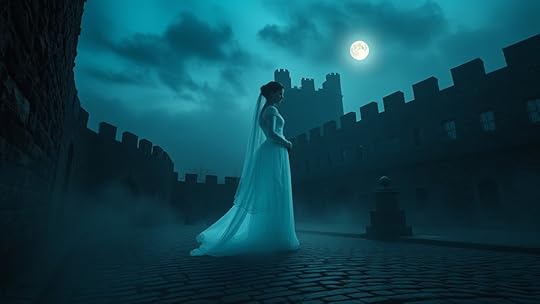
Many believe that the ghost of Anne Boleyn still lingers at the Tower of London, where she was executed in 1536. Her tragic end has fueled countless royal legends, making her one of the most famous figures in England’s historical hauntings. As you walk through these ancient walls, it’s easy to imagine the ghostly presence that many claim still roams, whispering stories of betrayal and heartbreak. The Tower’s reputation as a haunted site isn’t just folklore; it’s rooted in centuries of eyewitness accounts and eerie sightings. Visitors and staff alike have reported unexplained noises—whispers, footsteps, and sudden chills—that seem to echo from the past. These ghostly encounters have cemented Anne Boleyn’s story as a cornerstone of England’s haunted history.
The legend of Anne’s restless spirit is intertwined with royal lore, making her story more than just a tragic tale. Over the years, numerous sightings have depicted her wandering the corridors, sometimes dressed in a shimmering gown, her presence felt but unseen. Many believe her ghost appears near the site of her execution, perhaps seeking justice or closure. This enduring image fuels the fascination surrounding her, turning her death into a symbol of royal tragedy and betrayal. Her spirit is often described as a sorrowful figure, her eyes filled with longing and regret, a reflection of the turbulent times that led to her downfall. These accounts have been passed down through generations, contributing to the Tower’s reputation as one of England’s most haunted castles.
If you explore the grounds, you might encounter subtle signs of her presence—an icy breeze, a sudden sense of sadness, or fleeting shadows that vanish when you look directly at them. Such experiences are part of what makes these historic hauntings so compelling; they blur the line between history and the supernatural. Many believe that Anne’s ghost is bound to the place where her life ended, forever seeking acknowledgment and peace. Her story has become a symbol of royal legends, embodying the tragic fall from grace that marked her life. As you stand in the shadow of these ancient stones, you become part of the ongoing history—an unwitting witness to the ghostly echoes of a queen who continues to haunt the imagination.
A deeper understanding of historical hauntings can provide insight into how legends are shaped by centuries of storytelling and eyewitness accounts, adding layers of mystery to these haunted sites.
Frequently Asked QuestionsAre There Any Recent Sightings of Anne Boleyn’s Ghost?Recent sightings of Anne Boleyn’s ghost are rare, but some modern rumors persist. Visitors and staff at historic sites like Hampton Court Palace claim to have experienced unexplained phenomena, fueling speculation about her lingering presence. While these modern sightings aren’t widely confirmed, they continue to intrigue history enthusiasts and paranormal believers alike, keeping the legend alive. If you’re interested, pay close attention to the stories shared during nighttime tours.
What Specific Locations Within the Castle Are Haunted?You might find yourself wandering the haunted dungeons or discovering secret passages, as these are the most haunted spots within the castle. Anne Boleyn’s ghost is said to linger in these shadowy areas, where her presence is often felt most strongly. As the saying goes, “where there’s smoke, there’s fire,” and these eerie locations keep her spirit alive, haunting visitors who dare to explore her tragic history.
Have Any Paranormal Investigations Confirmed Ghostly Activity?Paranormal investigations have documented ghostly activity at these sites, though concrete historical evidence remains elusive. You’ll find that many reports stem from personal accounts and cultural impact rather than scientific proof. These stories add to the mystique, shaping the castles’ haunted reputation. While skeptics question these claims, the cultural significance endures, making the ghostly presence a fascinating part of England’s haunted history that continues to intrigue visitors and investigators alike.
How Do Visitors Typically Experience Anne Boleyn’s Apparition?You often feel Anne Boleyn’s apparition as a sudden chill or a fleeting shadow within historic settings. Visitors report seeing a regal figure dressed in Tudor attire, sometimes near medieval architecture like castles and chapels. These experiences evoke the historical context of her tragic fate, blending ghostly sightings with the ambiance of medieval architecture, creating a haunting connection to her story and the castle’s past.
Are There Any Legends About Anne Boleyn’s Curse?You hear tales of Anne Boleyn’s curse, linked to her tragic end and royal legends. Many believe her wrongful execution cursed her lineage, bringing misfortune to her descendants. These historical curses are woven into stories about haunted castles and royal intrigues. Visitors often feel a chilling presence or an eerie sense of doom, fueling the legend that Anne’s spirit and curse still linger, warning those who disturb her restless soul.
ConclusionAs you stand in these ancient, haunted castles, you can’t shake the feeling that Anne Boleyn’s ghost is watching. Her restless spirit lingers, whispering secrets from the past, waiting for someone to uncover her story. Will you be the one to finally uncover what she’s been trying to tell? Or will her ghost remain forever trapped, a haunting reminder of love, betrayal, and the mysterious shadows of history? The answer’s waiting just beyond your reach.
Women in Cryptozoology: Overlooked Explorers
Women in cryptozoology have made significant contributions despite being often overlooked. They explore legends, analyze sightings, and challenge biases in a male-dominated field. Pioneers like Linda Godfrey and Karen Stollznow have shaped our understanding of mythical creatures while breaking societal barriers. Their efforts highlight the importance of diverse perspectives and cultural stories in cryptids’ myths. Keep exploring to uncover more about these remarkable women and their lasting impact on the mysteries we seek to understand.
Key TakeawaysWomen have significantly contributed to cryptozoology, researching legends and sightings of mythical creatures like the Loch Ness Monster and Chupacabra.Pioneering female explorers such as Linda Godfrey and Karen Stollznow challenged gender biases and advanced understanding in the field.Despite facing skepticism and societal barriers, women persisted, breaking into a male-dominated area and enriching the discipline.Their work highlights the cultural and mythological importance of cryptid stories, emphasizing folklore’s role in understanding human history.Recognizing these overlooked explorers helps diversify the narrative of cryptozoology and honors their vital contributions.
Have you ever wondered about the women who have shaped the field of cryptozoology? Their stories often go unnoticed, yet their contributions are essential to understanding the mysteries that fascinate us. These women have dedicated themselves to mythical creature research, exploring legends, folklore, and unverified sightings with passion and rigor. Their work challenges the notion that cryptozoology is a male-dominated pursuit, highlighting a rich history of female explorers who have pushed boundaries and uncovered new perspectives.
Many of these women are considered historical female explorers, breaking ground in a field traditionally overshadowed by men. They’ve traveled remote jungles, studied ancient texts, and analyzed eyewitness accounts in their quest to validate or debunk cryptid sightings. Their research often involves meticulous documentation, critical analysis, and a deep respect for local cultures and stories. For example, some have focused on legendary creatures like the Loch Ness Monster or the Chupacabra, blending scientific inquiry with folklore to better understand the cultural significance behind these myths.
Despite their significant contributions, their stories are frequently underrepresented. You might be surprised to learn that women like Linda Godfrey, who investigated dogman sightings in the United States, or Karen Stollznow, a linguist and researcher specializing in the folklore of cryptids, have played pivotal roles in advancing the field. Their work spans decades, and their insights help shape ongoing debates about the existence of these mysterious creatures. They often face skepticism and gender bias but persist because of their genuine curiosity and commitment to uncovering the truth.
Their research isn’t just about finding monsters; it’s about understanding how myths evolve and reflect human fears, hopes, and cultural identities. These women use their skills to analyze the stories, footprints, and sightings, often leading to new theories or uncovering overlooked evidence. Their work reminds us that cryptozoology isn’t just about monsters—it’s about storytelling, cultural history, and the human desire to explore the unknown.
In recognizing these historical female explorers, you gain a deeper appreciation for the diversity of perspectives that shape cryptozoology today. Their pioneering efforts continue to inspire new generations of women and men who seek to explore the mysteries of our world with curiosity and integrity. By shedding light on their achievements, you help guarantee that their contributions are acknowledged and celebrated, enriching the narrative of women’s roles in the pursuit of mythic creature research.
Frequently Asked QuestionsWhat Are the Main Challenges Women Face in Cryptozoology?You face challenges like gender bias, which can make it harder to be taken seriously in cryptozoology. Funding disparities also limit your resources, making research and exploration more difficult. These obstacles often push women to work harder to prove their credibility and gain support. Despite these barriers, your passion and determination can help break down stereotypes and pave the way for more diverse contributions in the field.
How Have Women Contributed to Cryptozoology Discoveries Historically?Women have made groundbreaking strides in cryptozoology, carving paths as fearless explorers whose contributions often went unnoticed. Their historical contributions include discovering elusive creatures, documenting evidence, and challenging misconceptions. As female explorers, they’ve added essential perspectives and insights, proving that curiosity and determination know no gender. Think of them as hidden gems in the treasure chest of cryptozoology, shining brightly through perseverance and passion.
Are There Any Prominent Women-Led Cryptozoology Organizations?You’ll find that female-led research and women’s organizations play a crucial role in cryptozoology today. Groups like the Women’s Cryptozoology Society actively promote female participation and leadership in the field. These organizations empower women to pursue discoveries and share their findings confidently. By supporting female-led research, you’re helping to diversify and enrich cryptozoology, ensuring that women’s perspectives and contributions continue to shape the exploration of hidden creatures worldwide.
What Obstacles Hinder Women’s Recognition in Cryptozoology?Think of cryptozoology as a vast ocean where women often navigate against fierce tides. Gender bias and funding disparities act like hidden currents, making it harder for women to be recognized. These obstacles limit opportunities, skew research visibility, and hinder progress. Despite their passion and skills, women face an uphill battle to gain equal acknowledgment, but persistence can help break through these barriers and reveal the mysteries lurking beneath the surface.
How Can More Women Be Encouraged to Join Cryptozoology Fields?You can encourage more women to join cryptozoology by challenging gender stereotypes and showcasing female explorers’ successes. Offer mentorship opportunities that connect aspiring women with experienced cryptozoologists, creating supportive networks. Highlight diverse role models and promote inclusive events to inspire confidence. When you break down barriers and provide guidance, you make it easier for women to see themselves thriving in this exciting field.
ConclusionYou now see how women in cryptozoology are like hidden gems, often overlooked yet shining brightly with curiosity and courage. Their contributions, like quiet ripples in a vast pond, remind us that exploration isn’t just about discovery but about breaking barriers. As you move forward, remember that these women’s stories are the currents that shape our understanding, proving that even in shadows, their light can illuminate the path for others to follow.
The History of Krampus in Austrian Folklore
Krampus has deep roots in Austrian and Alpine folklore, serving as a dark counterpart to Saint Nicholas. He dates back centuries and originated from pre-Christian pagan rituals meant to ward off evil spirits during winter. Over time, customs blended with Christian traditions, shaping Krampus as a mischievous, sometimes menacing figure who punishes naughty children. Today, his story reflects both historical customs and modern celebrations, revealing how folklore evolves while maintaining its cultural significance. Keep exploring to discover more about his fascinating history.
Key TakeawaysKrampus originates from Alpine folklore as a dark counterpart to Saint Nicholas, symbolizing winter chaos and punishing naughty children.Its roots trace back to pre-Christian pagan rituals aimed at warding off evil spirits during the winter solstice.Over centuries, Krampus became integrated into Christian traditions, evolving into a mischievous or menacing figure in local customs.Celebrated on December 5th during Krampusnacht, communities hold parades with elaborate costumes and masks representing the creature.Modern festivities and costumes reflect historical origins, maintaining cultural significance and community cohesion in Austrian folklore.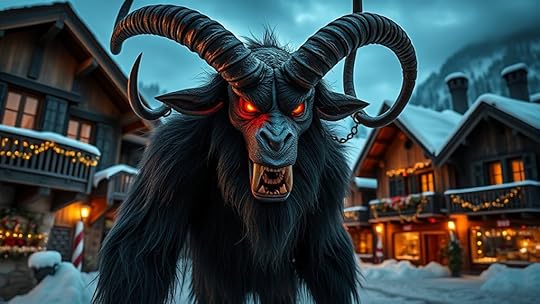
Krampus, a horned creature with a frightening appearance, has long been a part of Austrian folklore, serving as a counterpart to Saint Nicholas. You might already know about Saint Nicholas bringing gifts, but Krampus’s role is quite different. He embodies the darker side of the holiday season, acting as a kind of enforcer for naughty children. This duality is rooted in centuries-old traditions that have been passed down through generations. The origins of Krampus traditions trace back to Alpine folklore, where tales of wild, horned beings have been part of local culture for centuries. These stories likely stem from pre-Christian pagan rituals designed to ward off evil spirits during winter solstice celebrations. Over time, these customs merged with Christian practices, giving rise to the figure of Krampus as a mischievous or even menacing creature who punishes misbehaving children. Additionally, the use of symbolic figures like Krampus helps reinforce social cohesion within communities.
In Alpine folklore origins, Krampus is often depicted with a terrifying appearance—cloven hooves, a long tongue, and chains or bells that jingle as he moves. You’d see him stalking the streets during Krampusnacht, or Krampus Night, typically celebrated on December 5th, the night before Saint Nicholas visits. During this event, townsfolk participate in parades, where people dress as Krampus, donning elaborate masks and costumes. These Krampus traditions aren’t just about scaring children—they serve to reinforce social cohesion and cultural identity. The spectacle of Krampus running wild through towns, sometimes playfully chasing spectators, is rooted in ancient Alpine folklore origins, where such figures symbolized the chaos and disorder of winter, which needed to be kept in check.
The tradition has persisted for centuries, evolving from local customs into a broader cultural phenomenon. Today, Krampus costumes are more elaborate than ever, often handcrafted with intricate details that reflect their sinister origins. You’ll find regional variations, but the core themes remain consistent: Krampus as the dark counterpart to Saint Nicholas. Celebrations continue to be lively, blending historical traditions with modern festivities, making Krampus a symbol of Alpine folklore’s enduring power. As you observe or participate in Krampus traditions, you’re engaging in a centuries-old practice that connects you to the rich history of Alpine folklore origins and the cultural tapestry of Austria. These customs serve as a reminder of the complex ways in which folklore, history, and communal identity intertwine during the holiday season.
Frequently Asked QuestionsHow Did Krampus Become Part of Modern Christmas Celebrations?Krampus became part of modern Christmas celebrations through a mix of cultural influences and evolving traditions. You might see him in parades and festivities, where modern adaptations highlight his role as a foil to Santa Claus. These celebrations, inspired by European folklore, have spread internationally, making Krampus a popular symbol of holiday mischief. His inclusion reflects how cultural influences shape contemporary festivities, blending old legends with new traditions to create a unique holiday experience.
Are There Regional Variations of Krampus in Austria?Yes, there are regional variations of Krampus in Austria. You’ll notice differences in regional customs, especially during Krampusnacht celebrations. Costume differences stand out, with some areas favoring more elaborate, horned masks, while others opt for simpler designs. These variations reflect local traditions and folklore, making each region’s Krampus unique. Exploring these differences gives you a richer understanding of Austrian culture and how they celebrate this intriguing holiday figure.
What Materials Are Traditionally Used to Craft Krampus Masks?You’ll find that traditional Krampus masks are crafted from materials like carved wood, papier-mâché, and sometimes leather. These crafting materials help create the mask’s striking features, emphasizing its fierce, devilish look. The mask symbolism is vital, as it embodies the wild, primal spirit of Krampus, meant to scare and remind people of the festive season’s darker side. Handcrafted details give each mask a unique and authentic feel.
How Do Austrian Communities Celebrate Krampusnacht Today?You join lively Krampusnacht celebrations, where community parades swirl like a festive storm. You see masks crafted through age-old traditions, each a work of art that transforms locals into fearsome yet playful creatures. As drums beat and bells ring, you walk alongside these masked figures, reveling in the shared spirit of mischief and tradition. It’s a night where history and community intertwine, creating memories as vivid as the masks themselves.
Is There Any Connection Between Krampus and Other European Folklore Creatures?You’ll find that Krampus shares folklore parallels with other European mythical hybrids like Black Peter or Perchten, who also serve as spooky figures during winter celebrations. These creatures often combine human and animal traits, symbolizing chaos or winter’s darkness. While each has unique traits, their common role as fearsome guides or enforcers during seasonal festivities links them across cultures, highlighting shared themes in European folklore.
ConclusionAs you step into the enchanting world of Austrian folklore, Krampus stands as a wild, shadowy guardian of tradition. He’s the dark heartbeat of Christmas, weaving fear and joy into a vibrant tapestry of history. Embrace his story like a fiery lantern in winter’s night, illuminating centuries of cultural magic. In every clawed step and clattering chain, you hear the echoes of ancestors celebrating their legends—alive, fierce, and unforgettable.