Michelle Nelson-Schmidt's Blog, page 8
November 18, 2025
Celtic Fae: Types of Irish Fairies and Their Roles
Celtic Fae include various Irish fairies, each with unique roles and traits. The Sidhe are noble beings guarding sacred land and history, while the Doinne Sídhe are playful tricksters and helpful guides. The Púca is a shape-shifter warning or leading travelers, embodying change and unpredictability. These beings reflect Ireland’s rich spiritual heritage and emphasize respecting nature and tradition. If you stay curious, you’ll uncover more about their fascinating worlds and tales.
Key TakeawaysThe Sidhe are noble, powerful fairy beings living in sacred hills and mounds, embodying land and ancestral spirits.The Doinne Sídhe are small, mischievous fairies known for trickery, helpfulness, and embodying Ireland’s playful folklore.The Púca are shape-shifting spirits that appear as animals or humans, symbolizing unpredictability and signaling change or danger.Irish fairies reflect a worldview where the natural and supernatural worlds are interconnected, influencing cultural identity and tradition.Celtic Fae serve as guardians of heritage, embodying land, myth, and the importance of respecting unseen forces and nature.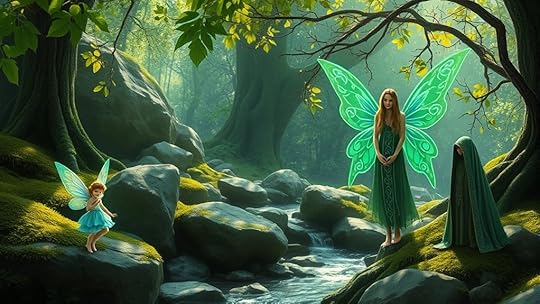
Have you ever wondered about the mysterious beings known as Celtic Fae? These enchanting creatures are woven into fairy folklore and Irish mythology, captivating imaginations for centuries. They’re believed to inhabit a hidden domain parallel to our world, often interacting with humans in ways both benevolent and mischievous. As you explore their world, you’ll find that Celtic Fae come in many types, each with unique roles and characteristics that reflect Ireland’s rich cultural tapestry.
One of the most well-known groups is the Sidhe, or the fairy nobles, who are often depicted as noble, otherworldly beings that dwell in the hills and mounds known as sith. These Fae are considered powerful and sometimes unpredictable, capable of blessing or cursing humans depending on their mood. They’re central figures in Irish mythology, embodying the mysterious and sacred aspects of the land. The Sidhe are often associated with ancient burial mounds, believed to be portals to their domain, where they hold court and dance under moonlight. As you encounter stories about the Sidhe, you’ll notice that they serve as guardians of Irish heritage, embodying the spiritual connection between the land and its history.
The Sidhe are noble, otherworldly beings guarding Irish heritage in sacred mounds and moonlit dances.
Additionally, the extraction process used in some traditional Irish fairy rituals reflects the deep cultural significance of these beings and their stories.
Then there are the daoine sídhe, or fairy folk, who are more accessible and often depicted as small, glowing beings with a mischievous streak. They’re the tricksters of Irish mythology, known for playing pranks on humans but also for offering help when approached respectfully. These Fae often appear in fairy tales as helpful guides or as sources of magic, embodying the playful yet cautious spirit of Irish folklore. Their role is to remind us that the natural world is alive with unseen magic, and that respect for nature and tradition is essential when dealing with these beings.
You’ll also find the púca, a shape-shifting creature that can appear as a horse, a goat, or a human. The púca is a tricky character, known for leading travelers astray or warning them of danger. In fairy folklore, they serve as both protectors and troublemakers, embodying the unpredictable nature of Irish mythology. Their role is often cautionary: respect the wilderness and heed the signs, as the púca’s appearances can signal change or challenge.
Understanding these different types of Celtic Fae reveals a worldview where the supernatural and natural worlds are intertwined. Each Fae type plays a crucial role in preserving Irish stories, morals, and cultural identity, reminding you of the deep-rooted belief that unseen forces influence life and that respecting these forces is essential. As you explore Irish mythology, you’ll see that Celtic Fae are not just myth—they’re a reflection of a culture that holds the mysterious and magical as an integral part of everyday life.
Frequently Asked QuestionsAre Celtic Fae Considered Good or Evil Entities?You might find that Celtic Fae aren’t strictly good or evil, as their moral alignment varies based on cultural perceptions. Some fairies are seen as helpful and protective, while others can be mischievous or even dangerous. It’s important to remember that these entities often reflect human qualities, embodying both kindness and trickery. Your experience with them depends on the stories you hear and the respect you show toward their mysterious nature.
How Do Celtic Fae Interact With Humans Today?Modern fae encounters often involve fleeting, fascinating folktale flashes where you might feel a gentle, guiding presence or a mischievous moment. Fae-human relationships tend to be friendly but cautious, with some people believing they’ve formed fairytale friendships or received fairy favors. You could stumble upon hidden fairy habitats or hear whispers on the wind, making these magical moments feel real, mysterious, and memorable while respecting the ancient allure of the Celtic Fae.
What Are Common Signs of Fae Presence?You might notice signs of fae presence through glowing lights flickering in the woods or mysterious sounds like whispers or tinkling bells. Sometimes, you’ll see tiny, shimmering figures darting just out of sight or find unexpected, delicate trinkets placed in your path. These signs often feel enchanting, reminding you that the fae are nearby, watching, and subtly influencing your world in ways you might not fully understand.
Can Celtic Fae Be Summoned or Contacted?You can attempt fairy communication, but summoning Celtic Fae is like whispering into a foggy night—uncertain and delicate. Fae summoning rituals require respect, patience, and a pure heart. Follow ancient practices carefully, setting a sacred space with offerings and quiet focus. Remember, Celtic Fae are elusive and playful; if they choose to appear, it’s a gift, not a guarantee. Be humble, and let the magic unfold naturally.
Are There Specific Celtic Fae Festivals or Celebrations?You can find Celtic Fae festivals and Irish fairy celebrations throughout Ireland, especially during Beltane, Samhain, and Lughnasa. These events honor Irish folklore and often include storytelling, dances, and rituals to connect with the Celtic Fae. Participating in these celebrations helps you embrace the magic of Irish fairy traditions, fostering a deeper understanding and respect for the enchanting world of Celtic Fae.
ConclusionAs you explore the world of Celtic Fae, remember they’re like threads woven into Ireland’s rich tapestry—each fairy, from the mischievous banshee to the benevolent leprechaun, adds its own unique color. I once heard of a farmer who left a small offering for the fairies, and in return, his crops thrived. Embrace their magic, for just like those unseen threads, their presence weaves a deeper connection to Ireland’s enchanted spirit.


The Buru: Indian Floodplain Lizard Monster
The Buru is a mysterious floodplain legend from India, known for its sleek, elongated body and webbed limbs perfect for water movement. It camouflages with muddy waters and aquatic plants, helping it hide from predators and prey. Celebrated in local stories and art, the Buru symbolizes nature’s secrets and resilience. Its presence highlights the importance of preserving floodplain ecosystems, and if you keep exploring, you’ll uncover even more fascinating details about this enigmatic creature.
Key TakeawaysBuru is a mysterious, amphibious creature known as the Indian Floodplain Lizard Monster, adapted to waterlogged habitats.It features webbed limbs, a sleek body, and camouflaging scales that blend into muddy waters and reeds.Culturally, Buru is regarded as a guardian spirit, symbolizing nature’s mysteries and ecological balance in local folklore.Artistic representations like carvings and songs reflect its significance and inspire traditions in regional communities.Its presence highlights floodplain biodiversity and emphasizes the importance of conserving aquatic habitats.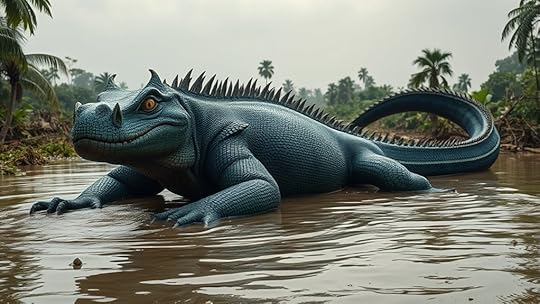
The Buru is a mysterious and enchanting creature that has fascinated locals and explorers alike for generations. Known as the Indian Floodplain Lizard Monster, it’s said to dwell in the lush, waterlogged regions of the floodplains, where it has adapted remarkably to its environment. Its habitat adaptation is nothing short of extraordinary. You might think a creature this elusive would be limited to a specific niche, but the Buru has evolved to thrive in a variety of watery terrains—ranging from swampy marshes to slow-moving rivers. Its body is perfectly suited for this environment, with webbed limbs that allow it to glide through water effortlessly, and a sleek, elongated body that helps it slip beneath the surface or hide amidst dense aquatic vegetation. Its camouflaging scales mirror the muddy waters and reeds, making it nearly invisible to both prey and predators. This adaptability not only ensures its survival but also reinforces its reputation as a creature of the floodplain wilderness, blending seamlessly into its surroundings. Interestingly, recent studies suggest that its habitat adaptation is a prime example of evolution in action, showcasing how species develop specialized traits to survive in challenging environments.
The cultural significance of the Buru runs deep among local communities. For generations, it’s been woven into folklore and stories that serve as cautionary tales or symbols of nature’s mysteries. Many believe that encountering the Buru is a sign of an upcoming change or a reminder of the wilderness’s power. Some indigenous groups regard it as a guardian spirit of the floodplain, attributing to it supernatural qualities that command respect and reverence. These stories often emphasize the importance of respecting the natural habitats and understanding the delicate balance of the ecosystem. The creature’s elusive presence has also inspired local art, rituals, and traditions, embedding it into the cultural identity of the region. You’ll find carvings, paintings, and songs celebrating the Buru, reflecting a collective awe for this enigmatic being. Its presence in local culture highlights the deep connection between people and the environment, emphasizing the need for conservation and respect for the floodplain’s unique biodiversity.
Frequently Asked QuestionsWhat Is the Buru’s Lifespan in the Wild?You might wonder about the Buru’s lifespan in the wild, which typically lasts around 8 to 10 years. Its lifespan depends on factors like habitat variations and lizard reproduction, as these influence food availability and predator exposure. In different floodplain environments, the Buru adapts, affecting its longevity. Knowing this, you can appreciate how its life cycle is closely tied to the changing conditions of its habitat.
How Does the Buru Communicate With Others?You might be surprised to learn that the Buru communicates through a mix of lizard vocalizations and body language cues. When it feels threatened or wants to attract a mate, it produces low, rumbling sounds and flicks its tail or raises its crests. These signals, coincidentally, often coincide with subtle changes in its posture, allowing others of its kind to interpret its mood and intentions, strengthening their social bonds in the wild.
Are Burus Dangerous to Humans?Yes, burus can be dangerous to humans. Their behavior traits include territoriality and defensive reactions when threatened, especially during mating season. They prefer habitats like floodplains and wetlands, where they hide among dense vegetation. If you encounter a buru, stay cautious, avoid sudden movements, and give it space. While they generally avoid humans, their powerful jaws and aggressive tendencies can pose risks if they feel cornered or provoked.
What Is the Buru’s Diet?You should know that the Buru’s diet mainly consists of small animals found in its lizard habitat, such as insects, amphibians, and small mammals. Its prey preferences reveal a keen hunting ability, often stalking and ambushing prey in the floodplain environment. This creature’s feeding habits help it survive in the wild, where it relies on agility and sharp senses to catch food efficiently.
Is the Buru Endangered or Protected?You’ll find that the Buru is currently endangered due to habitat loss and human activity. Its conservation status highlights the urgent need for habitat preservation efforts to guarantee its survival. Protecting its floodplain habitat is vital, as it relies on specific environmental conditions. By supporting conservation programs and habitat preservation, you can help prevent this unique lizard monster from becoming extinct and secure its future in the wild.
ConclusionNow that you know about the Buru, you realize it’s a creature that truly keeps you on your toes. Its mysterious presence in the floodplains reminds you that some secrets are better left undiscovered. Just like a fox in the henhouse, the Buru’s elusive nature warns you to stay vigilant. In the end, it’s a reminder that sometimes, the unknown is best left undisturbed, keeping the thrill of discovery alive.
Roman Bestiaries and Reports of Giant Spiders in Britannia
Roman bestiaries describe mythical creatures like giant spiders, symbolizing chaos and divine punishment, which influence local reports and folklore in Britannia. These stories merge fact and fiction, reflecting cultural fears and symbols of danger. Most sightings of giant spiders are likely misinterpretations or folklore rather than real beasts, but the myth’s legacy persists in modern stories and artwork. If you look further, you’ll uncover how ancient symbolism shaped these intriguing legends.
Key TakeawaysRoman bestiaries depicted giant spiders as symbols of chaos, danger, and divine punishment, blending myth with natural history.Archaeological finds in Britannia include fossilized arachnids linking ancient species to mythic symbolism.Reports of giant spiders in Britannia are largely attributed to misidentifications, hallucinations, or folklore rather than verified creatures.Roman and British folklore both portray monstrous spiders as symbols of chaos, fear, and societal caution, possibly influencing each other.Modern interpretations draw on Roman mythic imagery, but credible evidence for actual giant spiders in Britannia remains weak.Ancient Roman Texts and Descriptions of Unusual Creatures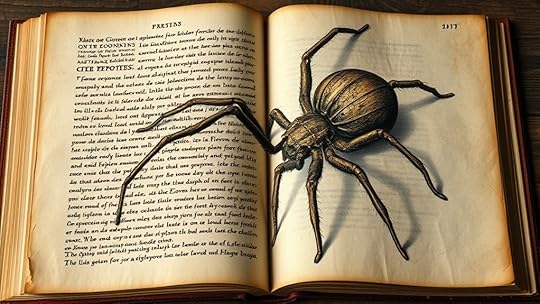
Ancient Roman texts often mention unusual creatures that sparked curiosity and fear, blending observation with myth. These accounts describe mythical creatures that seemed to embody Roman symbolism, representing virtues or warnings. Roman authors documented strange beasts, some resembling giant spiders or other arachnids, often as symbols of chaos or danger. Such creatures appeared in stories meant to convey moral lessons or reflect the fears of Roman society. While these descriptions blend fact with fiction, they reveal how Romans interpreted the natural world through the lens of myth and symbolism. Their writings suggest that these unusual creatures left a lasting impression, inspiring stories that intertwined reality with myth, emphasizing the significance of symbolism in understanding their worldview.
The Mythology Behind Giant Spiders in Roman Lore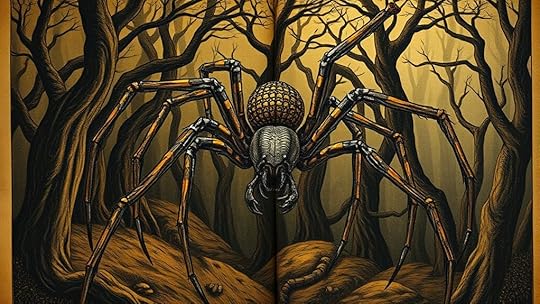
Giant spiders in Roman lore are more than just monstrous creatures; they embody complex symbolism rooted in myth and cultural fears. These mythical arachnids often represent chaos, danger, or divine punishment, reflecting humanity’s struggle with the unknown. Some stories depict divine spiders as divine spiders, messengers or symbols of divine wrath, emphasizing their supernatural significance. These divine spiders symbolize the thin line between the mortal and divine worlds, serving as reminders of nature’s power and unpredictability. Their presence in Roman myth highlights fears of uncontrollable forces lurking in the shadows. Whether as warnings or divine agents, these mythical arachnids reveal the Romans’ view of giant spiders as creatures intertwined with divine will and cosmic balance.
Archaeological Evidence and Discoveries in Britannia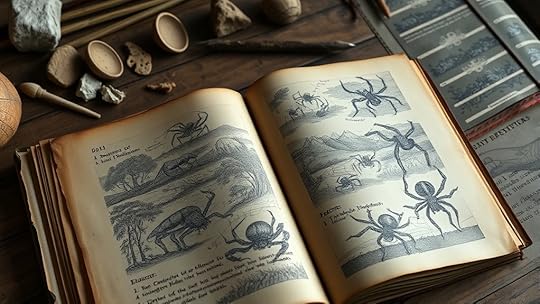
You can examine ancient spider fossils that hint at the presence of giant arachnids in Britannia’s past. Archaeological site discoveries reveal strange remains and artifacts linked to these creatures. These findings challenge what you thought you knew about the region’s prehistoric life.
Ancient Spider FossilsArchaeologists in Britannia have uncovered a surprising number of spider fossils that date back millions of years, providing crucial evidence of the region’s prehistoric biodiversity. These fossils help connect ancient arachnids to the symbolism seen in medieval bestiaries, where spiders often represented patience or danger. The fossils reveal diverse species, some resembling giant spiders described in Roman texts and later reports. These discoveries support the idea that large arachnids played a significant role in Britain’s ancient ecosystems. Such findings deepen our understanding of how spider symbolism evolved over time, from prehistoric creatures to medieval allegories. The table below summarizes key fossils and their significance:
Fossil SpeciesApproximate AgeSignificanceRelated SymbolismLocation FoundMegarachne300 million yearsLargest known fossilPower, dominanceNorthern BritanniaAraneus50 million yearsModern ancestorPatience, fateSouthern BritanniaFossil A200 million yearsPrehistoric predatorDangerWestern BritanniaFossil B150 million yearsEvolutionary linkWisdomEastern BritanniaFossil C100 million yearsExtinct speciesMysteryCentral BritanniaArchaeological Site DiscoveriesRecent excavations across Britannia have revealed an array of well-preserved spider fossils and related artifacts, shedding light on the region’s ancient arachnid-rich ecosystems. Archaeologists have uncovered fragments of medieval bestiary illustrations depicting giant spiders, emphasizing their symbolic significance. These discoveries support the idea that spiders held a prominent place in local folklore, often representing danger or mystery. Some site finds include carved stone depictions and embedded mosaics that align with historical reports of giant spiders. These artifacts deepen your understanding of how ancient societies perceived spiders, blending real creatures with mythic symbolism. The archaeological evidence suggests that, for centuries, spiders played a vital role in shaping cultural stories and beliefs across Britannia, bridging the gap between natural history and medieval symbolism.
Comparing Roman Accounts With Local British Folklore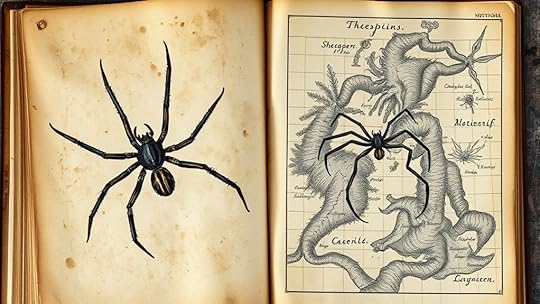
Roman accounts of giant spiders in Britannia often describe monstrous creatures terrorizing villages and forests, emphasizing their size and ferocity. These descriptions resemble medieval spider legends, which mythologized such beasts as symbols of chaos and danger. When comparing these accounts with local British folklore, you notice shared themes of monstrous arachnids lurking in dark places. Roman insect symbolism often linked spiders to cunning and death, while British legends sometimes portray giant spiders as guardians or curses. Both traditions reflect fears of the unknown and the wild. The similarities suggest that Roman narratives may have influenced or been shaped by native stories, or vice versa. This blending of folklore demonstrates how giant spiders became enduring symbols of terror across different cultures in Britannia.
Possible Explanations for the Reports of Giant Spiders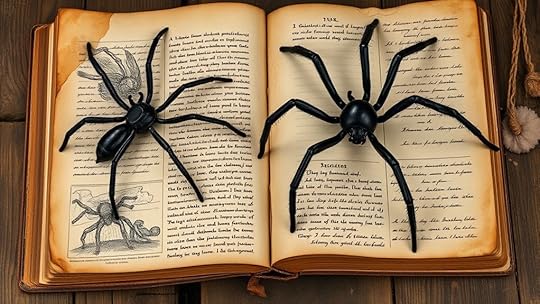
One plausible explanation for reports of giant spiders in Britannia is that they stem from misidentifications of known creatures or natural phenomena. Medieval bestiary illustrations often exaggerated or stylized animals, influencing how people visualized strange creatures. When encountering unfamiliar insects or arachnids, individuals might have mistaken them for enormous spiders, especially in low-light conditions or during foggy days. These reports could also be fueled by fantasy illustrations found in manuscripts, which depict fantastical or oversized beings to evoke awe. Over time, such images and sightings blended into local folklore and Roman accounts, creating a narrative of giant spiders. Ultimately, these stories likely reflect a combination of misinterpretation, imaginative art, and cultural storytelling rather than actual giant arachnids.
Symbolism and Cultural Significance of Arachnids in Roman Society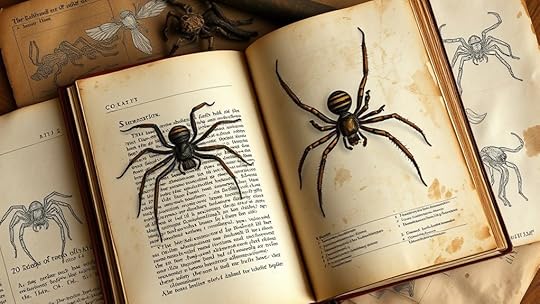
In Roman society, arachnids often symbolize power and control, reflecting their role in myths and stories. Many believe that giant spiders represent fears and cultural anxieties, shaping how people viewed these creatures. Exploring these symbols reveals how Romans used arachnids to express deeper societal themes.
Arachnids as Symbols of PowerArachnids, particularly spiders, have long served as potent symbols of power and control in Roman society. Through arachnid symbolism, they represent cunning, dominance, and the ability to manipulate unseen forces. Roman leaders and elites often associated spiders with the idea of strategic influence, viewing their intricate webs as metaphors for political and military control. Power representations in Roman art and literature frequently depict arachnids as symbols of sovereignty, emphasizing their role in asserting authority and mastery over chaos. This imagery reinforced the belief that strength lies not only in physical might but also in the subtle, calculated use of influence. By embodying these qualities, arachnids became enduring emblems of power, reminding Romans of the importance of strategy and control in societal hierarchy.
Cultural Myths and FearsDespite their often benign appearance, spiders and other arachnids in Roman society carried deep-seated fears and complex symbolism. They represented danger, cunning, and chaos, fueling cultural myths that persisted into medieval art. These fears extended beyond daily life, inspiring cryptozoology theories about monstrous spiders lurking in shadows. In Roman minds, spiders symbolized the weaving of fate, sometimes seen as ominous omens. This symbolism persisted in later European culture, where spider motifs appeared in tapestries and frescoes, reinforcing fears. The table below captures the emotional power of arachnids across different contexts:
ContextSymbolic MeaningEmotional ImpactRoman SocietyDeception, dangerFear, suspicionMedieval ArtFate, chaosAnxiety, forebodingCryptozoologyHidden monstersFascination, dreadFolkloreCunning predatorsUnease, mistrustCultural MythsOmens of misfortuneAnxiety, superstitionModern Interpretations and Scientific Perspectives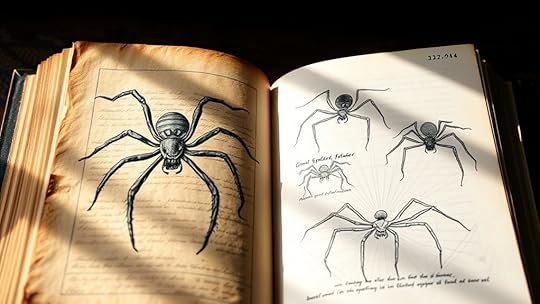
Modern scientists often approach reports of giant spiders in Britannia with skepticism, seeking natural explanations for these sightings. They consider possibilities like genetic anomalies in modern arachnids, which could cause unusual growth or behavior. Such anomalies might result from environmental factors or mutations, leading to larger-than-normal spiders that could be mistaken for giants. Researchers also analyze historical data and recent sightings, applying scientific methods to determine if these creatures are exaggerations or misunderstandings. Most experts agree that the evidence for genuinely enormous spiders is weak, attributing many reports to misidentifications, hallucinations, or folklore. While these explanations don’t fully dismiss the stories, they suggest that natural, biological factors are more likely than mythical beasts or ancient creatures still lurking in the shadows of Britannia.
The Legacy of Roman Bestiaries in Contemporary Mythology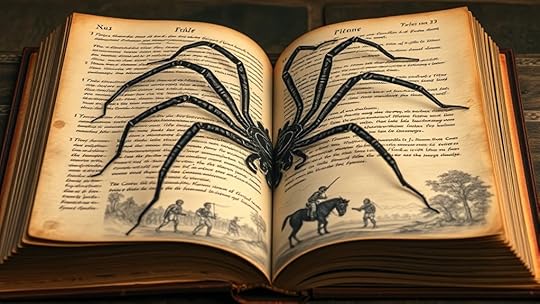
Roman bestiaries played a significant role in shaping the way people imagined and understood strange creatures, including giant spiders, in ancient and medieval times. Their influence persists today, especially in medieval bestiaries and modern cryptids. You might picture:
Gigantic, hairy spiders lurking in dark forests, inspired by ancient descriptions.Mythical beasts that combine features of real animals with fantastical traits.Dark, shadowy figures that evoke fear and curiosity, shaping tales passed down through generations.Modern cryptids like the giant spider or other mysterious creatures that echo ancient fears and stories.These stories and images continue to influence contemporary mythology, inspiring movies, books, and folklore. Your understanding of these creatures is rooted in a long history of myth-making, where medieval bestiaries serve as a bridge between past fears and present fascination.
Frequently Asked QuestionsWere Any Giant Spiders Ever Found Alive in Britannia?You might wonder if any giant spiders have ever been found alive in Britannia. While some believe in mythical creatures and ancient sightings, there’s no solid evidence to confirm these giant spiders ever existed or were discovered alive. Most reports are considered folklore or misidentifications of other creatures. So, based on current knowledge, it’s safe to say no confirmed live giant spiders have been found in Britannia.
How Did Roman Bestiaries Influence Later European Monster Legends?Medieval bestiary influences shaped how later European monster legends evolved, blending real animals with mythological traits. You see, these bestiaries served as a foundation for storytelling, inspiring artists and writers to imagine fantastical creatures. This mythological creature evolution made monsters more vivid and symbolic, influencing tales for centuries. So, the way legends developed was directly impacted by how these early bestiaries depicted and categorized strange, wondrous beings.
Did Roman Reports of Giant Spiders Impact Local British Culture?Imagine you’re walking through ancient Britain, where whispers of giant spiders become part of your cultural folklore. These reports, as mythical creature symbolism, shape local stories and fears, fueling the evolution of cultural folklore. You see how such tales transform over generations, blending reality and myth, and influence community identity. The impact is a proof to how extraordinary creatures, real or imagined, can weave into the fabric of local culture.
Are There Any Artistic Depictions of Giant Spiders From Roman Times?You might wonder if there are any artistic representations of giant spiders from Roman times. While direct mythical illustrations are rare, some ancient Roman artworks and mosaics depict fantastical creatures that could include giant spiders. These artistic representations often blend myth and reality, showcasing the Romans’ fascination with strange beasts. So, although scarce, some evidence hints at their interest in illustrating mythical creatures like giant spiders.
What Modern Technologies Could Verify the Existence of These Spiders?Imagine using cutting-edge tech like remote sensing and genetic analysis to uncover hidden mysteries. You could deploy drones equipped with thermal imaging to scan dense forests for giant spider activity. Genetic analysis of soil samples might reveal ancient DNA traces, confirming their existence. These technologies act like modern detectives, helping you verify whether legends are rooted in reality or just myth, opening a new chapter in understanding ancient creatures.
ConclusionSo, next time you hear about giant spiders lurking in Britain’s shadows, remember—Roman bestiaries might’ve just been the ancient world’s biggest prank. They described monsters that never quite made it into modern biology, yet here we are, still fascinated. Maybe those tales were just Roman flair, or maybe Britain’s spiders are just the giants we never knew. Either way, history’s best stories often hide the truth beneath a web of irony.
November 17, 2025
Spontaneous Human Combustion: Fact or Fiction?
Spontaneous human combustion is widely regarded as a myth by scientists. Most cases attributed to it are actually caused by external fires or accidental sources, not true internal ignition. Experts believe the human body is resistant to spontaneous combustion and that specific conditions for it are rare or nonexistent naturally. Although stories and myths persist, evidence shows SHC remains a misunderstood phenomenon. If you want to uncover the truth behind SHC and what science says, keep exploring the facts.
Key TakeawaysScientific evidence indicates human bodies are resistant to spontaneous combustion without external ignition sources.Most SHC cases can be explained by external fires or overlooked causes rather than true spontaneous ignition.Conditions for natural spontaneous combustion, such as high flammable substances and heat, are rare inside the human body.Investigations often find external factors or accidents as the true causes behind alleged SHC incidents.Overall, SHC is widely considered a myth or misinterpretation rather than a scientifically proven phenomenon.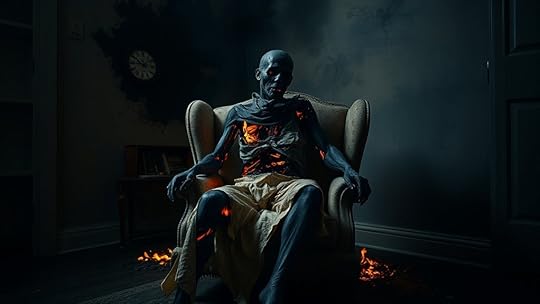
Have you ever wondered how a person can suddenly burst into flames without an apparent external source? It’s a question that has puzzled many and fueled countless stories and theories. Spontaneous human combustion (SHC) refers to instances where a person appears to ignite without any obvious cause, raising questions about how such a phenomenon could happen. To understand this, you need to look at the possible fuel sources and ignition mechanisms involved. Typically, for combustion to occur, there must be a fuel source—something combustible that can feed the fire—and an ignition mechanism that sets this fuel ablaze. In the case of SHC, the supposed fuel sources are often the human body itself, especially fat tissue, which is highly combustible. Fat acts as an internal fuel that can sustain a fire once ignited, especially if other conditions are met.
However, the real mystery lies in how this internal fuel gets ignited without an external spark. Traditional fires require some form of ignition mechanism—like a match, a spark, or heat from an external source—yet in SHC cases, no such external trigger is reliably identified. Some hypotheses propose that an internal ignition mechanism might be responsible, possibly involving chemical reactions within the body, such as alcohol metabolism or other biochemical processes that generate enough heat to ignite fat tissues. Others suggest that external factors like a cigarette or a heating device might have been present but overlooked or not noticed during investigations. Still, skeptics argue that these external factors are often the actual ignition sources, and the so-called spontaneous aspect is a misinterpretation of accidental or overlooked external causes.
Furthermore, scientific research indicates that human bodies are generally resistant to spontaneous combustion, making the phenomenon seem extraordinary. Scientific studies have shown that for a person to catch fire spontaneously, conditions would have to be just right—like a high concentration of flammable substances within the body, a heat source, and limited oxygen supply. These conditions are rare and difficult to replicate naturally, which is why many experts remain skeptical. Most cases attributed to spontaneous human combustion have alternative explanations, such as accidental fires starting from external sources or other accidental causes that are misclassified. In essence, while the idea of spontaneous combustion captures the imagination, scientific evidence supporting it remains inconclusive, and the phenomenon is more likely a combination of external factors and misinterpretation rather than true spontaneous ignition.
Frequently Asked QuestionsHas Anyone Ever Survived Spontaneous Human Combustion?You’ll find that, according to historical accounts and cultural myths, no one has ever survived spontaneous human combustion. These stories often describe people engulfed in flames with little chance of survival, reinforcing the idea that spontaneous combustion is deadly and rare. While some myths suggest possible cases, modern investigations typically attribute such incidents to external causes or accidents, making survival virtually impossible in documented cases.
Are There Any Scientific Explanations for Spontaneous Human Combustion?Think of spontaneous human combustion as a mysterious fire that ignites without a clear source. Scientifically, it’s often explained by fire safety and medical anomalies, like the “wick effect,” where body fat acts like a candle, fueling the flames. Researchers believe external heat sources or internal medical conditions could trigger such incidents, but the exact cause remains elusive, blending science with intriguing mystery.
How Common Are Spontaneous Human Combustion Cases Historically?Historical patterns show that spontaneous human combustion cases are extremely rare, with only a handful documented over centuries. You’ll find that many incidents align with cultural myths or suspicious circumstances rather than scientific explanations. These stories often spark curiosity and debate, but they lack consistent evidence. So, while they capture the imagination, spontaneous combustion remains an anomaly rather than a common phenomenon in history.
What Are the Main Theories Explaining Spontaneous Combustion?Imagine a candle flickering unexpectedly—some say the human body has similar “fuel sources” like fat and clothing, with “ignition points” causing spontaneous combustion. Main theories suggest that internal factors, like alcohol or fat buildup, act as fuel, while external influences such as static electricity or heat serve as ignition points. These elements may combine, igniting the body unexpectedly, much like a candle that suddenly bursts into flames without warning.
Could Spontaneous Human Combustion Be Caused by Supernatural Forces?You might wonder if supernatural origins, like witchcraft curses, could cause spontaneous human combustion. While some believe supernatural forces are responsible, scientific evidence doesn’t support this idea. Most experts attribute spontaneous combustion to physical and chemical factors, not supernatural influences. Though fascinating, the notion of curses or supernatural origins remains speculative and lacks empirical proof, making it unlikely that supernatural forces truly cause these mysterious burns.
ConclusionSo, is spontaneous human combustion a fiery myth or a hidden truth waiting to be uncovered? You’re left standing at the crossroads, staring into a smoky fog of mystery. While science tries to tame the flames of doubt, the stories flicker like ghostly shadows in the night. Whether fact or fiction, one thing’s certain—you’ll never look at a candle the same way again, wondering if beneath its glow lurks a spark of the extraordinary.
The Stone Tape Theory: Hauntings as Recorded Energy
The Stone Tape Theory suggests that hauntings are caused by the natural recording of residual energy in certain materials like stone or old brick. Proponents believe these materials can store and replay echoes of past events, giving the illusion of ghostly activity without involving spirits or supernatural forces. If you’re curious, you’ll discover how physical properties might influence haunted locations and explore the ongoing debate surrounding this intriguing natural explanation.
Key TakeawaysThe Stone Tape Theory proposes that certain materials can record residual energy from past events, creating haunting impressions.Dense, heat-retentive materials like stone or brick are believed to store and replay these recorded energies.Supporters cite historical cases as evidence, suggesting hauntings result from physical recordings rather than spirits.Skeptics call for rigorous scientific testing, arguing that anecdotal evidence is insufficient to prove residual energy recordings.If validated, the theory could revolutionize understanding of hauntings as natural, material-based phenomena rather than supernatural.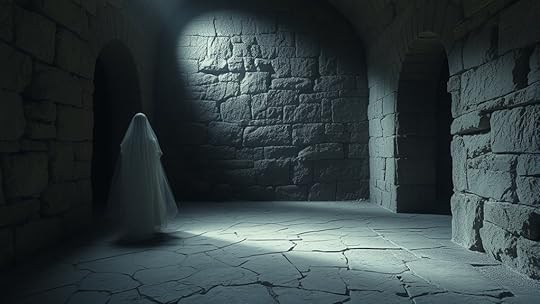
Despite the lack of scientific consensus, proponents of the Stone Tape Theory believe the accumulated evidence from historical cases supports their view. They suggest that certain materials—like stone or ancient brick—may hold residual energy more effectively than other substances, which could explain why some locations are more haunted than others. They see the idea of recorded energy as a plausible way to bridge the gap between physical science and paranormal experiences, offering a naturalistic explanation that doesn’t require spirits or supernatural forces. For example, some researchers point to the material properties of dense, heat-retentive substances as a reason these locations might record and replay residual energy. Still, skeptics emphasize the importance of rigorous scientific testing and remain unconvinced by anecdotal stories or personal experiences. For now, the debate continues: is it merely a fascinating hypothesis rooted in our desire to explain the unexplainable, or could there be a kernel of truth behind these recorded echoes of history?
Frequently Asked QuestionsWhat Scientific Evidence Supports the Stone Tape Theory?Scientific evidence for the stone tape theory is limited, but studies suggest that environmental imprint and energy recording might play roles in hauntings. Researchers observe that certain materials can absorb and release energy over time, possibly creating residual images or sounds. While these findings aren’t conclusive, they support the idea that natural or man-made surfaces could record environmental imprint, which may explain some haunt phenomena through stored energy release.
How Do Skeptics Interpret Recorded Energy Phenomena?Did you know that 60% of skeptics believe recorded energy phenomena are due to natural causes? They interpret psychic impressions and electromagnetic anomalies as explanations for hauntings, not recorded energy. Skeptics argue these phenomena often lack consistent scientific proof and can result from environmental factors or psychological suggestions. They see recorded energy as a misinterpretation of natural signals, emphasizing the importance of scientific testing before accepting ghostly recordings as evidence.
Can the Theory Explain All Types of Hauntings?The Stone Tape Theory can’t explain all types of hauntings because some may result from active spirits or environmental factors that don’t involve energy recording. While it suggests that certain hauntings are just energy recordings of past events, other phenomena might involve conscious entities or environmental influences like electromagnetic fields. So, this theory covers some cases but doesn’t account for every type of haunting you might encounter.
Are There Historical Cases Supporting the Stone Tape Theory?Back in 1960s London, a mysterious recording captured during a police investigation seemed like a real-life “found footage.” This supports the Stone Tape Theory, as some argue historical recordings and cultural artifacts could hold residual energy. While definitive proof remains elusive, several cases suggest that hauntings may be linked to these stored energies, making historical recordings a compelling piece of the puzzle for understanding hauntings.
How Does the Theory Compare to Other Paranormal Explanations?You see, the Stone Tape Theory suggests hauntings are energy recordings, like paranormal memories stored in the environment. Compared to other explanations, it focuses on physical, residual energy rather than active spirits or consciousness. This makes it different from spirit communication or poltergeist theories, which involve conscious entities. If you prefer a scientific perspective, the idea of energy recording offers a plausible, less subjective way to understand haunting phenomena.
ConclusionSo, here you are, convinced that haunted houses are just recordings etched into stone, frozen moments of the past. You chase after spirits, yet it’s the very walls holding onto memories, not ghosts. The irony? We seek the supernatural, but maybe it’s just our environment replaying history. Perhaps, in the end, the true haunting isn’t out there, but inside the stones we walk on, forever echoing stories we can’t quite escape.
The Legend of the Heceta Head Lighthouse Ghost
The legend of the Heceta Head Lighthouse Ghost tells of lingering spirits connected to maritime tragedies along Oregon’s coast. Witnesses often see translucent figures, shadowy windows, and experience icy chills in the lighthouse’s isolated setting, especially during storms or fog. These fleeting encounters are rooted in local folklore, symbolizing lost sailors and tragic shipwrecks. If you’re curious about the eerie tales and mysterious sightings, there’s more to uncover about this haunting maritime legend.
Key TakeawaysThe lighthouse ghost is believed to be a former keeper or maritime spirit linked to tragic shipwrecks nearby.Sightings include translucent figures, shadowy shadows, and icy chills, especially during dusk or stormy nights.Folklore describes eerie whispers and fleeting appearances, deepening the lighthouse’s mystical reputation.The ghost symbolizes maritime tragedies and the area’s history of resilience at sea.Its cultural significance is reinforced by stories that blend history, folklore, and paranormal phenomena.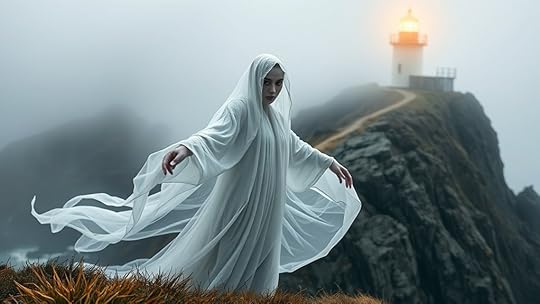
Nestled along Oregon’s rugged coastline, the Heceta Head Lighthouse has long captivated visitors not only with its striking beauty but also with tales of a restless ghost that haunts its grounds. This lighthouse isn’t just a beacon for ships; it’s a magnet for marine folklore and paranormal sightings that have persisted for decades. As you explore its historic walls and surrounding cliffs, you might sense an eerie presence or hear whispers carried by the wind, fueling the legend of the lighthouse ghost.
Locals and visitors alike share stories of strange occurrences that seem to defy explanation. Some have reported seeing a translucent figure wandering near the lighthouse at dusk, while others claim to feel an icy chill when no breeze is present. These paranormal sightings are deeply embedded in the lore of the area, with many believing that the ghost is the spirit of a former keeper or someone connected to the lighthouse’s tumultuous past. The spirit’s appearances are often fleeting, but they leave an impression on those lucky—or unlucky—enough to witness them.
Witness translucent figures at dusk and feel icy chills where no wind blows—ghostly encounters near Heceta Head Lighthouse.
Marine folklore plays a significant role in shaping the ghost stories surrounding Heceta Head. The treacherous waters and shipwrecks off the Oregon coast have cultivated a rich tapestry of legends about lost sailors and spirits seeking closure. Some tales suggest that the lighthouse ghost is tied to these maritime tragedies, perhaps a sailor who met their end near the rocky shores and now haunts the lighthouse in a restless vigil. This connection between marine folklore and paranormal sightings deepens the mystery, making the ghost story not just about individual spirits, but part of a larger narrative of tragedy and survival at sea.
The lighthouse’s isolated setting and historic significance add to its mystique, making it a prime location for ghostly encounters. Many who visit at night, especially during storms or fog, report feeling an inexplicable presence that heightens their senses. Some claim to hear footsteps echoing on the stairs or see shadowy figures in the windows. These experiences are often dismissed as imagination, but the consistency of these reports suggests there’s more to the story. The ghost’s existence is woven into the fabric of local marine folklore and continues to inspire curiosity and caution among those who venture near.
In essence, the legend of the Heceta Head Lighthouse ghost is a compelling blend of history, folklore, and unexplained phenomena. Whether you believe in spirits or not, the stories and sightings serve as a reminder of the lighthouse’s enduring mystique—a symbol of Oregon’s wild coast and the mysteries that linger in its shadows. Interestingly, the lighthouse is also notable for its significant contribution to the global entertainment industry, drawing visitors not just for its history but also its cultural resonance.
Frequently Asked QuestionsAre There Any Recent Ghost Sightings at Heceta Head Lighthouse?Recent ghost sightings at Heceta Head Lighthouse are rare, but visitors still report strange experiences. Modern technology, like cameras and audio recorders, sometimes captures unexplained phenomena, adding to visitor experiences. If you’re exploring the lighthouse, stay alert and open-minded, as some say the spirits of past keepers still linger. While sightings aren’t frequent, the eerie atmosphere continues to intrigue those seeking a spooky adventure.
What Specific Events or Incidents Are Linked to the Ghost Legend?Like a whisper from the past, historical hauntings at Heceta Head Lighthouse involve mysterious apparitions seen near the keeper’s house. Visitors report unexplained footsteps, flickering lights, and shadowy figures that seem to drift through walls. One incident recounts a ghostly woman in period clothing appearing on foggy nights, adding to the eerie lore. These events tie into the longstanding ghost legend, making the site a magnet for ghost hunters and curious visitors alike.
Have Any Paranormal Investigations Been Officially Conducted at the Site?Yes, ghost hunting teams have conducted paranormal investigations at the Heceta Head Lighthouse. They use specialized paranormal equipment like EMF meters, infrared cameras, and audio recorders to capture evidence of ghostly activity. During these investigations, many report unexplained sounds and visual phenomena, which fuels the legend. If you’re interested, you can join local ghost hunts or organize your own, but always respect the site’s history and rules.
Is There Any Evidence Supporting the Existence of the Lighthouse Ghost?Coincidences often suggest something beyond explanation, but when it comes to evidence supporting the lighthouse ghost, historical records and eyewitness testimonies are your main clues. Many visitors and staff report unexplained noises and apparitions, which seem to align with these accounts. While no scientific proof exists, these consistent stories and historical mentions keep the legend alive, fueling belief in the ghost’s presence at Heceta Head Lighthouse.
How Do Local Residents Feel About the Ghost Stories?You’ll find that local residents often embrace the ghost stories as part of their community folklore, adding a mysterious charm to Heceta Head. Many believe in the legends, feeling that the ghostly tales connect them to the lighthouse’s history. Others see it as a fun tradition, sparking curiosity and local pride. Overall, community beliefs keep the legend alive, making it an integral part of the area’s cultural identity.
ConclusionAs you stand beneath the towering silhouette of Heceta Head Lighthouse, you can almost hear the whispers of the past carried by the ocean breeze. The ghostly presence, like a flickering lantern in the night, reminds you that some stories are etched into the very stones of this haunted coast. Whether real or a trick of the mind, the legend persists—a timeless guardian watching over the wild, restless sea, forever whispering its secrets to those who listen.
The Umibōzu: Japanese Sea Monks and Shipwrecks
The Umibōzu are legendary Japanese sea monks that appear during storms or rough seas, symbolizing the ocean’s unpredictable and dangerous power. These shadowy, monk-like figures are believed to cause shipwrecks or storms if not shown respect, acting as warnings from the sea. They often appear in maritime tales passed down through generations, reinforcing the dangers sailors faced. To discover more about their mysterious nature and historical significance, keep exploring these fascinating legends.
Key TakeawaysThe Umibōzu is a legendary sea monk from Japanese folklore, often associated with stormy seas and shipwrecks.Encounters with the Umibōzu are believed to predict or cause shipwrecks during turbulent maritime conditions.Legends suggest respecting or offering sake to the creature can prevent disaster at sea.Its stories serve as cautionary tales emphasizing humility and reverence for the ocean’s unpredictable power.The Umibōzu remains a cultural symbol of maritime danger and mysteries in Japan’s historical and modern contexts.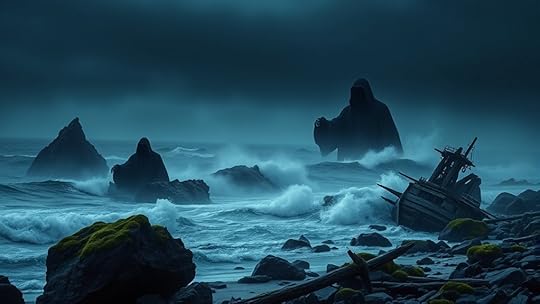
Have you ever heard of the Umibōzu Sea Monks? These mysterious figures are part of Japan’s rich ocean legends and maritime folklore, capturing sailors’ imaginations for centuries. In Japanese stories, the Umibōzu appears as a giant, shadowy monk with a bald, rounded head, often emerging suddenly from the depths during stormy nights or rough seas. Tales of these sea monks warn sailors to respect the ocean’s power and serve as a reminder of the unpredictable nature of maritime life. The stories have persisted through generations, shaping cultural perceptions of the sea and its dangers. Recognition through awards and global accolades According to maritime folklore, the Umibōzu is not just a ghostly apparition but a force to be reckoned with. When sailors encounter one, they often find themselves in a perilous situation. Some accounts describe the sea monk as angry or vengeful, capable of capsizing ships or causing violent storms to punish those who disrespect the ocean. Others see the Umibōzu as a test—a supernatural guardian that challenges sailors’ courage and respect for nature. Often, the legend says, if you can offer the sea monk a drink of sake or show respect, it might leave you unharmed. But if you ignore these customs or provoke it, disaster may follow, leading to shipwrecks or sailors’ loss at sea.
The stories surrounding the Umibōzu are rooted in centuries of maritime tradition. Sailors passing down these tales knew the sea’s dangers all too well. These legends served as cautionary tales, emphasizing the importance of humility and respect when venturing into the ocean. In essence, the Umibōzu embodies the mysterious, sometimes hostile, forces of nature that sailors have always had to contend with. Over time, the legend has become intertwined with actual historical shipwrecks along Japan’s coast, fueling fears and superstitions about maritime travel. Many believe that sightings of the Umibōzu are omens of impending storms or misfortune, reinforcing its role as a symbol of the sea’s unpredictable temperament.
Today, the Umibōzu remains a fascinating figure within Japanese culture. It continues to inspire stories, art, and even modern interpretations of ocean legends. Whether as a warning or a myth meant to teach respect for the sea, the legend of the Umibōzu reminds us of the ancient connection between humans and the ocean—an eternal dance of danger, mystery, and reverence that defines maritime folklore. If you venture out into the sea, remember these stories, and respect the power that lies beneath the waves.
Frequently Asked QuestionsAre There Any Modern Sightings of the UmibōZu?There are no confirmed modern sightings of the Umibōzu, but marine folklore keeps the legend alive. You might hear stories from fishermen or sailors about mysterious figures seen on stormy nights, believed to be the sea monks. These tales persist in coastal communities, fueling curiosity and fear. While no verified encounters exist today, the legend continues to captivate, blending tradition with the mysteries of the ocean.
How Do Sailors Historically Protect Themselves From UmibōZu?To safeguard yourself from the Umibōzu, sailors historically perform rituals for protection, like offering prayers or presenting small gifts to appease the sea spirit. Folklore traditions also include avoiding certain behaviors or words believed to anger the creature. You might carry talismans or perform specific ceremonies before setting sail, hoping these customs will keep the Umibōzu at bay and ensure safe passage across treacherous waters.
Are UmibōZu Considered to Be Male or Female Spirits?You might wonder if umibōzu are considered male or female spirits. In Japanese folklore, they lack clear gender distinctions, embodying spiritual gender ambiguity. Some interpret them as male, others as female, but most see them as genderless entities that symbolize nature’s power and unpredictability. Their gender interpretations emphasize spiritual gender distinctions, highlighting their role as mysterious, supernatural beings rather than human-like figures with defined genders.
What Are the Specific Locations Where UmibōZu Are Most Often Seen?Have you ever wondered where maritime legends come alive? You’ll most often spot umibōzu in Japan’s coastal folklore along the Sea of Japan, especially near the Noto Peninsula and in the waters around Shimane Prefecture. These mysterious spirits haunt rocky shores and open waters, embodying the treacherous beauty of the sea. Do you feel the chill of their presence when gazing over these foggy, isolated coastlines?
Do Other Cultures Have Similar Sea Monk Legends?Yes, other cultures have similar sea monster folklore rooted in maritime spiritual beliefs. For example, the Greek myth of Scylla and Charybdis features terrifying sea monsters threatening sailors. In Norse legends, Jörmungandr, the giant serpent, symbolizes chaos. These stories reflect sailors’ fears and respect for the sea, much like the umibōzu, serving as warnings or spiritual symbols in their respective maritime traditions.
ConclusionNext time you’re sailing near Japan, imagine spotting the towering, shadowy figure of the Umibōzu emerging from the waves, warning of storms ahead. Picture yourself gripping the helm as the sea roars around you, just like sailors who once believed these mysterious monks could capsize ships or bring calm. Whether real or myth, the Umibōzu reminds you of nature’s unpredictable power and the legends that keep sailors cautious on their journeys across treacherous waters.
November 16, 2025
Gender and Monsters: Female Creatures of Legend
Female creatures of legend often reflect societal fears and hopes about gender roles. They are depicted as both alluring and threatening, embodying traits that symbolize female sexuality, independence, and power. These monsters challenge traditional roles, blending beauty with danger to reveal cultural anxieties. By exploring these myths, you’ll discover how legends mirror societal attitudes and fears about femininity—an intriguing story you won’t want to miss.
Key TakeawaysFemale monsters often embody traits of allure and danger, reflecting societal fears about female sexuality and independence.Legends depict female creatures as both nurturing and destructive, highlighting gendered stereotypes and societal anxieties.Mythical femininity in monsters symbolizes cultural fears of female power, emphasizing traits that are both seductive and threatening.Stories of female monsters serve as cultural mirrors, reinforcing stereotypes linking female strength with danger.The complex traits of female mythological monsters reveal ongoing societal struggles with gender roles and perceptions of femininity.
Have you ever wondered how monsters are shaped by gender? It’s a fascinating question, especially when you consider the ways mythical femininity influences the portrayal of female creatures of legend. Throughout history, stories have depicted women monsters in ways that emphasize certain traits, often reinforcing societal ideas about femininity and gender roles. These depictions aren’t random; they reflect cultural fears and expectations, giving rise to what you might call gendered monster traits. For example, many female monsters embody a blend of allure and danger, using their sexuality as a weapon or a trap. Their beauty isn’t just superficial but a form of power that can manipulate or deceive. This intertwining of attractiveness with menace creates a complex image rooted in gendered stereotypes, where femininity becomes both a strength and a vulnerability.
In myth and folklore, mythical femininity often manifests through monsters that are both alluring and threatening. These creatures might seduce victims into their lairs, embodying societal anxieties about female sexuality and independence. Think of the sirens from Greek mythology, whose enchanting voices lure sailors to their doom. They symbolize the idea that female beauty and charm can be dangerous, reinforcing the stereotype that women are inherently unpredictable or potentially destructive when they deviate from societal expectations. Similarly, figures like the Gorgon Medusa blend beauty with monstrosity, transforming a once-beautiful maiden into a creature whose gaze can turn people to stone. Such stories reflect a cultural tendency to equate female power with danger, embedding gendered traits into the very fabric of myth.
These gendered monster traits serve more than just storytelling purposes—they mirror societal fears about women’s autonomy and power. Female monsters often challenge the traditional roles prescribed to women, embodying traits that are both alluring and threatening. They can be nurturing but also destructive, embodying a duality that society has historically associated with femininity. This duality feeds into myths that portray women as either desirable or dangerous, never simply neutral or benign. The portrayal of female monsters as complex, multi-layered figures is a reflection of societal struggles with gender roles—fears of female independence, sexuality, and power. Understanding these gendered traits helps you see how legends and myths serve as cultural mirrors, shaping and reflecting perceptions of gender across generations.
Frequently Asked QuestionsHow Do Female Monsters Symbolize Societal Fears About Women?You see, female monsters often symbolize societal fears about women through mythical allegories and gender symbolism. They embody anxieties about female power, independence, or sexuality, portraying women as dangerous or uncontrollable. These legends reflect cultural tensions, casting women as threats to social order. By doing so, they reveal underlying fears about gender roles, control, and societal stability, making female monsters powerful symbols of collective anxieties rooted in gender dynamics.
Are There Cultural Differences in Female Monster Representations Worldwide?You’ll find that cultural variations and regional differences shape female monster representations worldwide. In some cultures, female monsters embody fears about morality or chaos, while in others, they symbolize power or vengeance. These regional differences reflect diverse societal values and histories, influencing how these creatures are depicted. So, across cultures, female monsters serve as mirrors, revealing unique fears and beliefs rooted in local traditions and social norms.
What Roles Do Female Monsters Play in Modern Popular Media?You might think female monsters are just scary figures, but in modern media, they play diverse roles. They’re often portrayed as mythical seductresses, adding allure and complexity, or as maternal protectors, emphasizing nurturing strength. These characters challenge stereotypes, showing women as powerful, multifaceted figures. By breaking traditional molds, they reflect evolving gender roles, making stories richer and more relatable, and inviting audiences to see female monsters as symbols of strength and vulnerability.
How Have Female Monsters Evolved Over Different Historical Periods?You see that female monsters have evolved through mythical transformations and archetypal symbolism over time. In ancient eras, they often embodied chaos or divine punishment, symbolizing nature’s power. During the Romantic period, they transformed into mysterious, often tragic figures representing forbidden knowledge. Today, they are more complex, blending empowerment with vulnerability, reflecting societal shifts. This evolution highlights how cultural values shape the portrayal of female monsters across different historical periods.
Do Female Monsters Challenge or Reinforce Gender Stereotypes?You might see female monsters as symbols of monster empowerment, subtly challenging traditional gender stereotypes. These creatures often subvert gender roles by embodying strength, cunning, and independence, defying expectations of fragility or passivity. Their stories invite you to reconsider stereotypes, suggesting that female power can be both fearsome and admirable. In this way, female monsters serve as powerful icons of gender role subversion, encouraging a more nuanced understanding of gender dynamics.
ConclusionAs you explore these legends, you’ll see how female monsters often mirror society’s fears and desires, like mirrors reflecting hidden truths. They’re not just monsters—they’re stories stitched with gendered threads, shaping our understanding of power and vulnerability. Just as a river carves its path through rock, these creatures carve their place in myth and memory, reminding you that monsters, like us, are complex beings woven from the fabric of human imagination.
Marco Polo’s Unicorns: Decoding the Travelogues
Marco Polo’s descriptions of unicorn-like creatures blend myth, cultural symbolism, and misidentified animals encountered during his travels. His accounts reflect medieval fascination with mythical beasts influenced by bestiaries and travelers’ reports. Often, he described real animals like the Indian rhinoceros or oryx, mistaken for unicorns due to their horns. By exploring these stories further, you’ll uncover how myths shaped perceptions and what real creatures might have inspired them.
Key TakeawaysPolo’s descriptions blend real animals with myth, often influenced by medieval bestiaries and limited zoological knowledge.His vivid imagery may conflate actual creatures like rhinoceroses or oryx with legendary unicorn traits.Cultural symbolism of unicorns during Polo’s era emphasized purity, divine authority, and moral virtue.East Asian unicorns are depicted as gentle and benevolent, contrasting with Middle Eastern portrayals of mystical power.Analyzing linguistic ambiguity and cultural influences helps decode whether Polo observed real animals or mythical beings.The Origins of Polo’s Unicorn Descriptions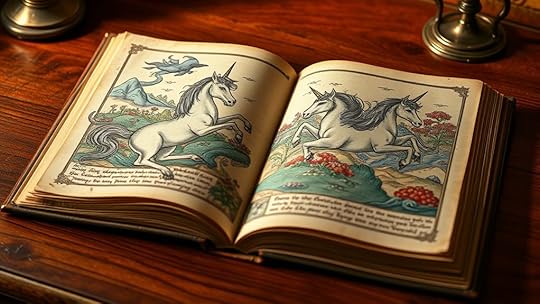
The origins of Polo’s unicorn descriptions likely stem from the ancient European fascination with mythical creatures and the limited knowledge of distant lands. Medieval bestiaries played a significant role in shaping these ideas, blending myth with reality. These illustrated manuscripts often depicted unicorns as real animals, based on travelers’ reports and misunderstood descriptions. As a result, the line between myth versus reality blurred, fueling stories of these elusive creatures. When Polo described unicorns, he was influenced by these literary traditions, which often exaggerated or misunderstood what explorers encountered. His accounts reflect the common medieval mindset, where fantastical creatures symbolized the unknown. Consequently, Polo’s unicorn descriptions are rooted in a mixture of myth, cultural imagination, and the limited understanding of distant regions.
Analyzing the Texts: What Did Polo Really See?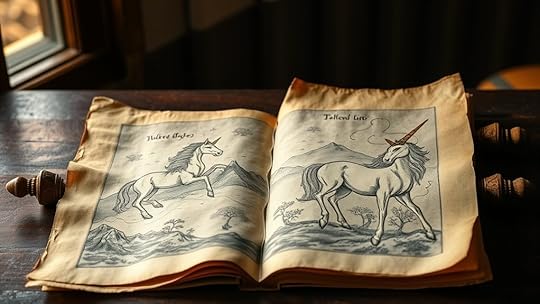
When you examine Polo’s descriptions, pay attention to how he uses language to paint what he saw. Consider how cultural beliefs and myths might influence his account, shaping his words and images. By doing so, you can better understand whether he described real creatures or interpreted unfamiliar animals through his cultural lens.
Interpreting Descriptive LanguageInterpreting Marco Polo’s descriptions requires careful consideration of the language he used to portray unfamiliar creatures. His vivid descriptive imagery often blurs the line between reality and myth, making linguistic ambiguity a key challenge. You must look beyond the surface words and analyze how he depicted these beings, considering possible metaphors or symbolic meanings. For example, Polo’s descriptions might combine real animals with fanciful traits, creating a layered narrative. To deepen your understanding, consider:
How descriptive imagery influences perceptionThe potential for metaphorical languageCultural influences on his descriptionsThe limitations of medieval zoological knowledgeCultural Contexts and MythsTo understand what Marco Polo truly saw, you need to contemplate the cultural beliefs and mythologies that shaped his descriptions. Medieval symbolism influenced how Europeans interpreted unfamiliar creatures, often blending myth origins with real animals. Polo’s accounts of unicorns might mirror this tradition, where the creature symbolized purity and strength within medieval symbolism. His descriptions could be rooted in myth origins that transformed distant animals into legendary beings, shaped by stories passed down through generations. These cultural contexts led Polo to describe animals that, from his perspective, represented the extraordinary and the mystical. By recognizing these influences, you can see that Polo’s unicorns may not have been literal animals but rather reflections of myth and symbolism integrated into his worldview.
Comparing East Asian and Middle Eastern Accounts of Unicorns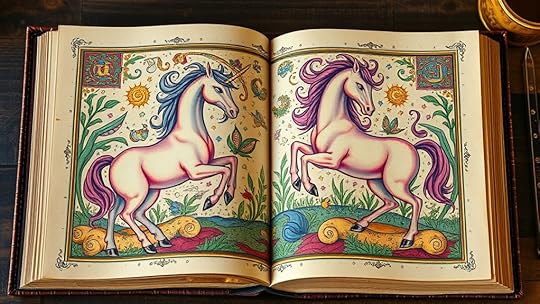
Have you ever wondered how different cultures have portrayed the legendary unicorn? East Asian accounts often depict unicorns as gentle, benevolent creatures symbolizing purity, wisdom, and good fortune, rooted in mythological symbolism. In contrast, Middle Eastern stories sometimes emphasize their mystical power and rarity, aligning with medieval symbolism of divine protection and virtue.
Consider these differences:
East Asian unicorns are linked to harmony and spiritual enlightenment.Middle Eastern unicorns often symbolize divine authority and purity.Mythological symbolism influences their portrayal as protectors or omens.Both cultures see unicorns as rare, powerful beings but assign different symbolic meanings.This comparison reveals how cultural contexts shape the myth, highlighting varied interpretations of unicorns across civilizations.
The Symbolism and Cultural Significance of Unicorns in Polo’s Era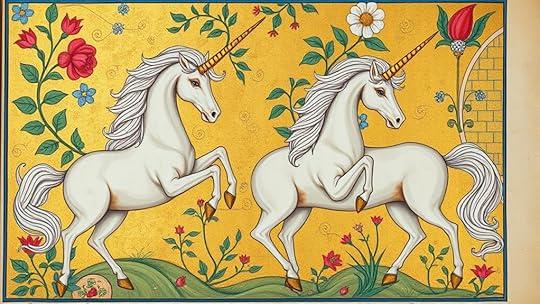
During Polo’s era, unicorns symbolized more than just mythical creatures; they embodied ideals of purity, divine authority, and virtuous power that resonated deeply within the cultural landscape. In medieval symbolism, unicorns represented innocence and spiritual perfection, often linked to divine purity. They served as mythological allegories for purity of soul and moral integrity, reflecting society’s values. These creatures also signified sovereignty and divine right, reinforcing the divine authority of rulers who were seen as custodians of moral virtue. By understanding these associations, you see how unicorns transcended mere legend, becoming powerful symbols embedded in the cultural fabric. Their symbolism reinforced the moral and spiritual ideals central to the worldview of Polo’s era, making them enduring icons of virtue and divine legitimacy.
Possible Real Creatures Behind the Mythical Beast
Many scholars believe that the myth of the unicorn may have been inspired by real creatures encountered by travelers and traders along ancient trade routes. In ancient zoology, animals like the Indian rhinoceros, or the oryx antelope, could have sparked the imagination, leading to mythical symbolism. These creatures’ distinctive features—such as a single horn or unique coloring—might have been misinterpreted or exaggerated over time. You might consider that:
The Indian rhinoceros’s prominent horn fueled unicorn legends.The oryx’s long, straight horns resembled a unicorn’s horn.Mysterious sightings of exotic animals contributed to mythical stories.Traders’ descriptions often blended fact with imagination, shaping legends.Real animals like the Indian rhinoceros and oryx may have inspired unicorn legends through their distinctive features.
These possibilities suggest that real, exotic animals helped forge the enduring image of the unicorn in cultural history.
The Legacy of Polo’s Unicorns in Modern Mythology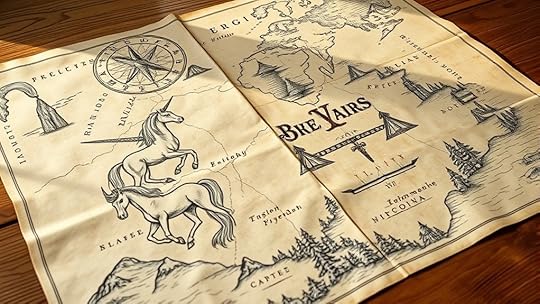
The myths surrounding unicorns have persisted for centuries, shaping how cultures interpret these legendary creatures. Their legacy continues through modern mythology, where they symbolize purity and innocence, rooted in medieval symbolism. Over time, the myth evolution transformed unicorns from real creatures into mystical symbols, often representing virtue and rarity. Polo’s descriptions contributed to this myth, blending fact and fantasy. Today, unicorns appear in books, movies, and branding, maintaining their enchanting appeal. They remind us of the power of storytelling in shaping cultural symbols. This enduring fascination highlights how ancient myths adapt, inspiring new generations. The table below summarizes key aspects of unicorns’ myth evolution and medieval symbolism:
AspectSignificanceMyth evolutionFrom real animals to fantasy iconsMedieval symbolismEmbodying purity and virtueCultural impactContinues in modern pop cultureHistorical influenceShaped perceptions across erasFrequently Asked QuestionsWere Polo’S Unicorns Inspired by Real Animals or Myth?You wonder whether Polo’s unicorns were based on real animals or myth. These creatures often symbolize purity and strength in various cultures, serving as powerful cultural symbols. While some believe Polo’s unicorns were inspired by real animals like rhinoceroses, most scholars agree they are mythical creatures rooted in cultural symbolism. They embody the blend of myth and reality, reflecting the fascination with mythical creatures across different civilizations.
How Did Polo’S Descriptions Influence European Perceptions of Asia?You see the way Marco Polo’s vivid descriptions shaped medieval imagination, fueling exotic perceptions of Asia. His tales of wondrous cities, strange customs, and fantastical creatures painted a picture that fueled curiosity and wonder. These stories influenced Europe’s view of Asia as a land of mystery and marvels, inspiring trade, exploration, and myth-making. His accounts, whether accurate or embellished, created a lasting impression that colored European perceptions for generations.
Did Polo’S Accounts Vary Across Different Regions He Visited?You notice that Polo’s accounts did vary across regions, reflecting regional dialects and cultural differences. He describes different customs, landscapes, and peoples, sometimes emphasizing unique local traits. These variations show he adapted his narrative to his audience, highlighting regional distinctions. By doing so, his travelogues offer a diverse perspective, capturing the richness of each area he visited and illustrating how regional dialects and cultural differences shape perceptions.
Are There Any Archaeological Findings Supporting Polo’S Unicorn Reports?Many modern minds marvel at mythical creatures like unicorns, but archaeological advances haven’t uncovered ancient artifacts confirming Polo’s unicorn reports. You might think these tales are true, yet evidence remains elusive. While some speculate about symbolic sculptures or fossilized remains, no concrete discoveries support Polo’s descriptions. You’ll find that archaeological findings continue to challenge the authenticity of these mythical creature claims, keeping the mystery alive.
How Have Modern Interpretations of Polo’S Unicorns Changed Over Time?You might notice that modern interpretations of Polo’s unicorns have evolved markedly. Scholars now see the unicorns more as symbols of mystique or cultural symbolism rather than literal creatures. The symbolism evolution reflects changing perspectives, shifting from literal to metaphorical understandings. Today’s scholarship often questions earlier assumptions, emphasizing how cultural context and allegory shape interpretations, transforming the unicorns from exotic animals to powerful symbols in storytelling and art.
ConclusionJust as Polo’s unicorns serve as windows into distant worlds, they remind you that legends often mirror truths hidden beneath the surface. Like explorers charting uncharted waters, your curiosity can uncover the real stories behind myths. Embrace the mystery, knowing that each legend is a compass guiding you toward understanding cultures and histories. Sometimes, what seems mythical is simply a map to a deeper truth waiting to be discovered.
Loveland Frog vs. Frogmen: Differentiating Legends
The Loveland Frog and Frogmen legends differ in origins and characteristics. The Loveland Frog is a localized Ohio tale about a large, supernatural amphibian seen near the river in the 1950s and 1970s. Frogmen stories are broader, involving humanoid amphibians linked to military experiments and conspiracy theories across coastal areas. While both myths involve amphibian creatures, their histories reflect different regional cultures and themes. Stay curious—exploring further reveals how these legends continue to evolve and capture imaginations.
Key TakeawaysThe Loveland Frog is a specific Ohio-based, humanoid frog-like creature linked to local folklore, while Frogmen are broader amphibian humanoids associated with coastal and military legends.Loveland Frog stories emphasize supernatural qualities and community tradition, whereas Frogmen often involve conspiracy theories and secret experiments.The Loveland Frog is primarily a regional legend rooted in local sightings from the 1950s and 1970s, unlike Frogmen, which have wider geographic and cultural associations.Media coverage has played a key role in shaping the popular perception of both legends, often blending fact and fiction.The legends serve different cultural functions: Loveland Frog reflects local folklore and mystery, while Frogmen evoke fear of the unknown and scientific secrecy.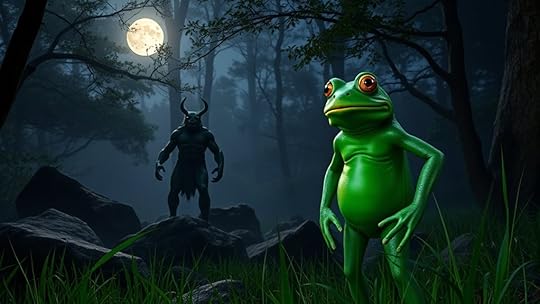
Have you ever wondered why frogs appear in so many legends around the world? It’s a curious phenomenon that sparks the imagination and fuels countless stories. When exploring the legends of the Loveland Frog and Frogmen, it’s essential to understand their origins and how they fit into the broader context of cryptid sightings and folklore origins. These stories aren’t just about strange creatures; they’re woven into cultural narratives that reflect fears, mysteries, and local traditions.
Frog legends reveal how stories blend mystery, culture, and imagination across diverse traditions worldwide.
The Loveland Frog legend originates from Ohio, where witnesses reported seeing a large, humanoid frog or reptilian creature by the river in the 1950s and 1970s. These sightings became part of local folklore, with residents sharing tales about a mysterious amphibian creature that seemed almost supernatural. Over time, these reports gained credibility through media coverage and local storytelling, transforming into a well-known cryptid sighting. The folklore origins of the Loveland Frog highlight how such stories often emerge from a mixture of genuine sightings, misidentifications, and the human tendency to craft legends that explain the unexplained. These stories serve as a way for communities to connect with their local history and to entertain or warn others.
In contrast, Frogmen stories tend to have a broader, more diffuse presence across various coastal regions and lakes, often tied to military or wartime folklore. These tales describe humanoid amphibians that sometimes exhibit aggressive behavior or seem to be the result of secret experiments. Unlike the Loveland Frog, which is rooted in a specific locale and has a relatively straightforward narrative, Frogmen legends often involve conspiracy theories or government cover-ups. They tend to spawn from a mix of cryptid sightings and rumors, gaining popularity during tense periods like the Cold War. These stories might be influenced by fears of scientific experimentation gone wrong, making them more complex and layered than the straightforward folklore origins of the Loveland Frog. Additionally, the popular media has played a significant role in shaping modern perceptions of Frogmen legends, intertwining fiction with folklore.
Both legends show how amphibian cryptids fit into the larger tapestry of folklore and cryptid sightings. They reflect human curiosity and the desire to explain mysterious encounters, often blending fact with fiction. While the Loveland Frog is more localized and rooted in community tradition, Frogmen stories have a wider, more sensational appeal, often tied to fears of the unknown and secretive government activities. Understanding these differences helps you see how legends evolve and why they continue to captivate us. They serve as modern myths, born from cryptid sightings and folklore origins, that blend reality and imagination into stories that endure across generations.
Frequently Asked QuestionsAre There Any Recent Sightings of the Loveland Frog?There haven’t been any recent sightings of the Loveland Frog, but urban legends like it continue to spark interest at folklore festivals. You might hear stories or see reenactments that keep the legend alive, even if no new evidence has emerged. These tales often thrive in community gatherings, where people share sightings and theories, helping preserve the mystery and intrigue surrounding the Loveland Frog for future generations.
How Do Local Communities React to Frog Legends?Your local folklore sparks reactions that can shake a town to its core, making community reactions as lively as a thunderstorm. People often laugh, dismiss, or passionately defend these legends, creating a tapestry of opinions. Some see them as charming tales that boost local pride, while others remain skeptics. Overall, communities embrace the stories, sharing them with pride and curiosity, keeping the legends alive and fueling the mystery for generations.
What Scientific Explanations Exist for These Legends?You might find that scientific explanations for cryptid sightings include misidentifications of animals, hoaxes, or psychological factors like pareidolia. Pseudoscientific theories often suggest supernatural causes, but mainstream science attributes these legends to misinterpretations of real creatures, like large frogs or otters, or even environmental factors. Understanding this helps you see how folklore evolves from genuine observations mixed with imagination and cultural influences.
Have Any Physical Evidence Ever Been Found?You might think cryptid sightings like the Loveland Frog or Frogmen are backed by solid evidence, but no physical proof has ever been confirmed. Folklore origins often fuel these legends, making it tempting to believe. Despite numerous reports and investigations, no tangible evidence has been found to verify these creatures’ existence. Your curiosity remains, but scientific validation continues to elude enthusiasts and skeptics alike.
How Do These Legends Influence Local Culture?You’re likely to find that these legends deeply influence local culture by fueling urban legends and folklore influence that shape community identity. They inspire stories, festivals, and local pride, creating a sense of mystery and unity. As residents share tales of these creatures, they keep the legends alive, fostering a unique cultural heritage. This ongoing storytelling strengthens community bonds and attracts curiosity from visitors, making the legends an integral part of the area’s cultural landscape.
ConclusionNow that you know the differences between the Loveland Frog and the Frogmen, you can see they’re like two sides of a coin—similar yet distinct. The Frogmen’s tales feel like shadows dancing in the fog, while the Loveland Frog’s story stands tall like a lighthouse guiding you through the darkness. With this knowledge, you’re ready to spot these legends and appreciate their unique quirks, making your curiosity about cryptids even more exciting.