Michelle Nelson-Schmidt's Blog, page 10
November 14, 2025
The Snallygaster: Dragon‑Bird of the Maryland Hills
The Snlylgaster is Maryland’s legendary dragon-bird, blending Native American and European folklore. You’ll hear it described as a winged, reptilian creature with a metallic beak, sharp claws, and glowing eyes. Witnesses say it swoops through the night sky or lurks in shadows, preying on livestock. Its story has grown over time, inspiring festivals and local legends. Curious to discover more about this mysterious creature and its enduring legacy? Keep exploring its fascinating history.
Key TakeawaysThe Snallygaster is a legendary dragon-bird hybrid from Maryland folklore, with European and Native American origins.It is described as a winged, reptilian creature with a metallic beak, sharp claws, and glowing eyes.Sightings often involve nocturnal encounters, strange noises, and predation on livestock in Maryland hills.The legend has grown through local stories, festivals, and folklore, symbolizing mystery and fear in the region.Despite lack of concrete evidence, the Snallygaster remains a prominent cultural icon and subject of modern intrigue.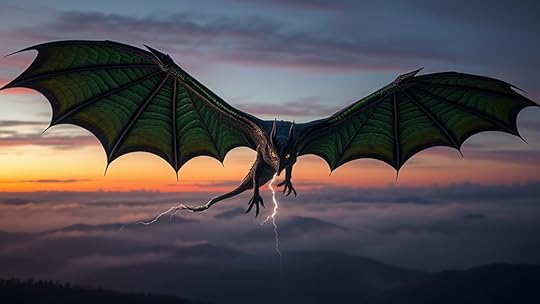
Have you ever heard of the Snallygaster? If not, you’re missing out on one of Maryland’s most intriguing legends. This creature has fascinated locals for generations, with stories of cryptid sightings that stretch back over a century. The folklore origins of the Snallygaster are rooted in a mix of European myth and Native American tales, blending to create a terrifying beast that haunts the hills and forests of Maryland. According to legend, it’s a dragon-bird hybrid with a metallic beak, sharp claws, and a terrifying screech. Some describe it as a flying monster with scales, while others recall a more reptilian or bird-like appearance. Its reputation as a sinister creature has grown over the years, fueled by reports from witnesses who claim to have seen it swooping through the night sky or lurking in the shadows.
The cryptid sightings that continue to circulate have only heightened the creature’s mystique. People in nearby towns often share stories of strange noises in the woods, glowing eyes seen from a distance, or unsettling encounters with a winged beast. Many believe the Snallygaster is a nocturnal predator, preying on livestock and causing panic among farmers and residents. Despite the lack of concrete evidence, these stories persist, and they keep the legend alive. Over time, sightings have become more elaborate, blending folklore with local imagination, but the core features of the creature remain consistent: a terrifying, winged, dragon-like monster that defies easy explanation. The creature’s origins are often linked to European immigrants who brought tales of dragons and monsters, which then merged with indigenous stories of winged spirits and forest monsters. Interestingly, the legend of the Snallygaster has also been influenced by cryptid studies and local folklore traditions, which help sustain its enduring mystique.
This folklore has become a key part of Maryland’s cultural fabric, inspiring festivals, local legends, and even a few dubious photographs. Whether you believe in its existence or see it as an enduring myth, the Snallygaster remains a *fascinating* symbol of mystery. Its story reminds you how folklore can evolve from simple sightings into a legendary creature that embodies fears and curiosity alike. As you explore Maryland’s history, you’ll discover that the Snallygaster isn’t just a story — it’s a living piece of local folklore that continues to intrigue and terrify those who hear about it. So next time you’re in the Maryland hills at night, keep an eye on the skies — you never know when the legendary creature might make its next appearance.
Frequently Asked QuestionsAre There Any Recent Sightings of the Snallygaster?There haven’t been any recent sightings of the Snallygaster, but it still fuels cryptid tourism and folklore festivals in Maryland. You can explore local stories and attend events celebrating this legendary creature, keeping its myth alive. Although no fresh evidence has emerged, the legend attracts curious visitors and enthusiasts, who enjoy sharing tales and immersing themselves in Maryland’s mysterious folklore.
What Is the Origin of the Snallygaster Legend?The legend of the Snallygaster likely stems from early American folklore, blending European cryptid symbolism with local tales. It may have originated as a way to explain mysterious sightings or to warn children about dangers lurking in the Maryland hills. Over time, these stories evolved, embedding the creature into regional folklore origins. You can see how such legends grow, combining fear, mystery, and cultural symbolism to create a lasting myth.
Has Anyone Attempted to Hunt or Capture the Creature?Yes, many have tried hunting or capturing the Snallygaster, but none have succeeded. You’ll find numerous hunting attempts and capture stories, often involving brave locals or explorers who ventured into Maryland Hills. Despite these efforts, the creature remains elusive, fueling more legends. People continue sharing tales of close encounters and daring pursuits, but the Snallygaster’s true nature keeps it firmly in the domain of mystery and myth.
How Does the Local Community View the Legend Today?You see, the local community views the Snallygaster legend as a mix of folklore and tradition. While some dismiss it as pure myth, others hold onto it with belief, sharing stories around campfires or during festivals. For many, it’s a symbol of local identity, blending fear and fascination. The legend continues to shape community beliefs, inspiring curiosity and preserving a sense of mystery in Maryland Hills.
Are There Any Similar Creatures in Other Folklore?You’ll find similar creatures in other folklore, like the Japanese Tengu or the European dragon, which also embody mythical comparisons of powerful, mysterious beings. Folklore parallels include the Thunderbird of Native American legends and the wyvern of European myths, all representing forces of nature or protectors. These creatures share traits of strength and mystique, highlighting how different cultures create legendary beings that reflect their fears and beliefs about the unknown.
ConclusionAs you stand quietly in the Maryland hills, it feels like the Snallygaster’s shadow might just flicker past, blending with the whispering wind. Maybe that distant screech is your mind playing tricks, or perhaps you’re catching a fleeting glimpse of the legendary dragon-bird. In the quiet dusk, every rustle and shadow seems to confirm its mysterious presence. You realize, sometimes, coincidence blurs the line between legend and reality, leaving you wondering what’s truly out there.


November 13, 2025
Sea Serpents and Oarfish: Real Creatures Behind Myths
Many legendary sea serpents stem from sightings of the real oarfish, a long, eel-like fish that can reach 36 feet and has a striking, ribbon-like appearance. Sailors often mistook these elusive creatures for mythical monsters, especially when surfaced in rough seas. Modern technology has confirmed their existence, revealing that some stories are based on actual animals hiding in the depths. If you look closer, you’ll discover more fascinating facts about the link between myths and marine life.
Key TakeawaysOarfish are real, deep-sea creatures that resemble legendary sea serpents due to their long, ribbon-like bodies.Historically, sailors mistook oarfish for sea monsters, fueling myths of giant, serpentine sea creatures.Discoveries like the dead Japanese oarfish specimen confirm the connection between legends and actual marine animals.Advances in underwater exploration and technology have verified the existence of long, elusive fish similar to sea serpent descriptions.Many marine folklore stories of sea serpents are likely inspired by sightings of real creatures like the oarfish.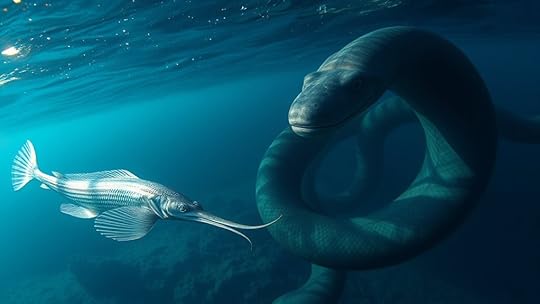
Throughout history, sailors and explorers have reported sightings of mysterious, serpentine creatures lurking beneath the waves, fueling legends of sea monsters. These stories have become a crucial part of marine folklore, capturing imaginations for centuries. As you explore into the depths of the ocean, you realize that many of these tales might stem from encounters with real creatures that once baffled early mariners. During deep sea exploration, scientists have identified creatures that resemble the legendary sea serpent, blurring the line between myth and reality. One such creature is the oarfish, a long, ribbon-like fish that can reach lengths of up to 36 feet. Its eel-like body, crowned with a dorsal fin that resembles a regal crest, has often been mistaken for a sea serpent by sailors unfamiliar with its appearance. When oarfish surface or are seen swimming near the water’s surface, they can create the illusion of a giant, slithering serpent. This is especially true in rough seas or poor visibility, where the creature’s elongated form appears more mysterious and monstrous.
As you explore the ocean’s depths, you learn that marine folklore is filled with tales of serpentine beings, many of which could be based on sightings of such real creatures. Historically, sailors would see these long fish and, lacking scientific knowledge, interpret them as monsters from myth. Modern deep sea exploration has helped demystify many of these stories. With advanced submarines, underwater cameras, and deep-sea submersibles, scientists now observe these creatures in their natural habitats, confirming their existence. The oarfish, for example, was once thought to be a myth until a dead specimen washed ashore in Japan, prompting scientific examination. Its shape and size match those of the legendary sea serpents described in ancient stories, providing a tangible link between marine folklore and actual marine life. Additionally, the use of automated sensors on smart devices has improved the detection and study of these elusive creatures in their natural environment.
Your curiosity about these creatures might lead you to wonder whether other sea monsters from legends are based on real animals. Indeed, many stories of serpentine beings could be inspired by sightings of oarfish or other elongated fish species. As deep sea exploration progresses, more of these remarkable creatures are being documented, gradually turning myth into scientific fact. The next time you hear tales of a giant sea serpent, remember that what once was dismissed as fantasy might actually be a glimpse into the ocean’s hidden world, where creatures like the oarfish quietly dwell, waiting to rewrite the stories of marine folklore with their existence.
Frequently Asked QuestionsAre Sea Serpents Still Reported Today?Yes, sea serpents are still reported today. In marine folklore, modern sightings often describe large, mysterious creatures lurking in deep waters or glimpsed near ships. While skeptics doubt these accounts, some researchers believe that these reports could be sightings of rare animals like oarfish or other deep-sea creatures. So, if you’re interested in marine mysteries, keep an eye out for these intriguing modern sightings.
How Do Oarfish Reproduce in Deep Oceans?Imagine the deep sea as a hidden kingdom where oarfish perform a silent ballet of life. They reproduce through deep sea spawning, where eggs and sperm meet in the darkness. After fertilization, larval development begins in the cold, pressure-filled depths, allowing tiny oarfish to grow before drifting to shallower waters. This mysterious process keeps their secrets safe beneath the waves, unseen by human eyes.
What Are the Oldest Myths About Sea Monsters?You’re curious about the oldest myths about sea monsters, huh? These stories often have mythical origins rooted in ancient sailors’ fears and observations, shaped by cultural symbolism. For example, Greek myths describe monstrous sea creatures like Scylla and Charybdis, symbolizing chaos and danger. In other cultures, sea monsters represent nature’s power or spiritual forces. These myths reflect early humans’ awe and trepidation of the mysterious, deep ocean.
Can Oarfish Be Kept in Aquariums?You can’t keep oarfish in aquariums easily because of their size and specific needs. They require enormous aquarium compatibility, which most tanks can’t provide, making oarfish care challenging outside their natural environment. These deep-sea creatures grow up to 36 feet long and need very specialized conditions. If you’re interested in oarfish care, remember that their delicate nature and size make them unsuitable for typical home or public aquariums.
How Do Scientists Distinguish Myths From Real Sightings?Scientists distinguish myths from real sightings through careful myth verification. They analyze marine folklore reports for consistency and detail, and compare sightings with physical evidence like photographs, videos, or carcasses. They also examine environmental conditions and biological plausibility. By cross-referencing eyewitness accounts with known species, scientists identify whether a sighting is a genuine encounter or a myth. This rigorous process helps separate fact from fiction in marine mysteries.
ConclusionSo, next time you hear about mysterious sea monsters, remember that some legends are rooted in real, astonishing creatures like the oarfish. Ironically, what once fueled fears now highlights nature’s incredible diversity. Instead of mythical beasts, you’re witnessing the marvels of the deep’s hidden giants. Sometimes, the truth truly is stranger—and more wondrous—than fiction. Keep exploring; the ocean’s secrets might just surprise you when you least expect it.
Cleopatra’s Sea Monster Zoo: Searching Ancient Texts for Clues
Ancient texts reveal that Cleopatra’s legendary sea monster zoo was more than myth; it blended real marine creatures with mythical beasts to symbolize power and divine authority. Stories mention giant serpents, hybrid fish, and glowing monsters inspired by Egyptian, Greek, and Roman influences. Evidence suggests these tales may reflect a curated collection of rare oceanic species, blending fact and fiction. If you continue exploring, you’ll uncover more about how myths intertwined with ancient maritime life and culture.
Key TakeawaysAncient Egyptian texts describe mythic sea creatures symbolizing divine power and protection, hinting at a legendary underwater menagerie.Archaeological artifacts reveal depictions of marine beasts, blending myth with real marine species known to Egypt.Greek and Roman influences introduced hybrid sea monsters, enriching Egyptian maritime mythology and suggesting curated collections.Fossil evidence of prehistoric marine animals may have inspired stories of monstrous beings beneath the waves.Cross-cultural exchanges shaped Egyptian sea creature myths, reflecting a complex blend of myth, ecological knowledge, and maritime symbolism.The Legend of Cleopatra’s Underwater Menagerie
Have you ever wondered what secrets ancient texts hold about Cleopatra’s legendary sea creatures? Immerse yourself in marine mythologies that paint her court as home to extraordinary, mythical beasts. Stories tell of legendary sea beasts guarding her ships, their scales shimmering beneath the waves. Some legends describe colossal creatures that could sink entire fleets with a single swipe of a tail. Others speak of gentle, yet mysterious aquatic beings that brought her favor. These tales blend fact and myth, fueling imaginations of a hidden underwater menagerie. While skeptics dismiss these stories as fanciful, they reveal how ancient cultures viewed the sea as a domain of wonder and danger. Cleopatra’s legendary sea beasts symbolize her power over both land and water, inspiring tales that endure through the ages.
Ancient Egyptian Texts and Maritime Lore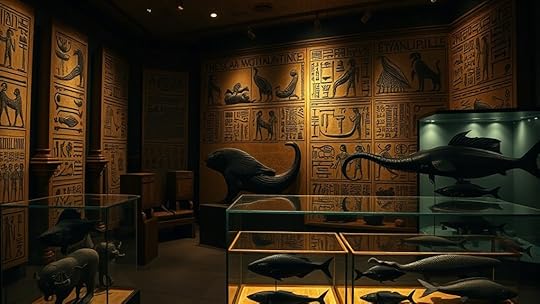
Ancient Egyptian texts reveal a rich tapestry of maritime lore that reflects their deep connection to the Nile and surrounding seas. These writings highlight stories of sea creatures, ships, and legendary beasts that once guarded maritime trade routes. As you explore the texts, envision this vivid scene:
SceneCreatures & SymbolsEnvironmentNile’s mouthFish, crocodiles, godsWide, flowing riverTrading shipsSailboats, mastheads, anchorsCalm, bustling watersMythic beastsSerpents, sea monstersHidden depthsCoastal portsMarkets, ships dockingVibrant, livelyUnderwater worldCorals, mysterious shadowsDark, mysteriousThese details evoke Egypt’s role in maritime trade and their fascination with the Nile’s mysteries.
Inscriptions and Archaeological Evidence of Sea Creatures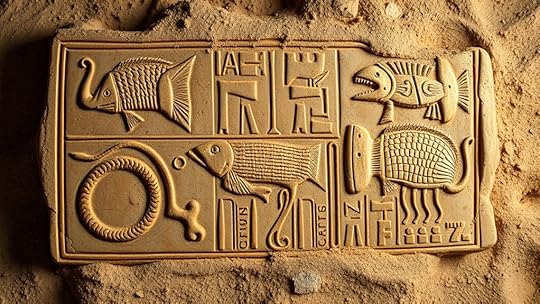
Inscriptions and archaeological finds provide compelling evidence of the Egyptians’ fascination with sea creatures, often depicting them as both real and mythical beings. These artifacts reveal how ancient Egyptians viewed marine life, sometimes associating it with divine or supernatural power. You might notice carvings on temple walls or inscriptions in tombs referencing sea monsters, which could reflect their understanding of marine ecosystems. Today, studying these relics can inform marine conservation efforts by highlighting historical interactions with coastal environments. They also shed light on ancient responses to coastal erosion, showing how Egyptians managed or interpreted changes in sea levels and shoreline stability. These clues help us understand how ancient cultures perceived and adapted to their marine surroundings, blending myth with reality.
Descriptions of Mythical Beasts in Hellenistic Sources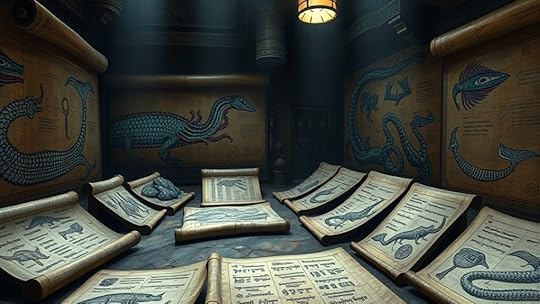
Hellenistic sources vividly describe mythical sea beasts that captivate the imagination and reflect the blending of folklore with scientific curiosity. You encounter tales of marine cryptids, strange creatures with features from multiple animals, blurring the line between reality and myth. These descriptions often highlight mythic hybrids, combining attributes of fish, serpents, and land animals. You might read about:
Giant, serpent-like creatures with multiple headsBeasts with the bodies of fish and the limbs of land mammalsCryptids resembling sea monsters with glowing eyesHybrid creatures with wings, scales, and tentaclesThese vivid depictions reveal the early attempts to classify unknown marine life and the fascination with monsters that defy natural logic. Such descriptions fuel the mythic allure surrounding Cleopatra’s legendary sea zoo.
Symbolism and Significance of Marine Creatures in Egyptian Culture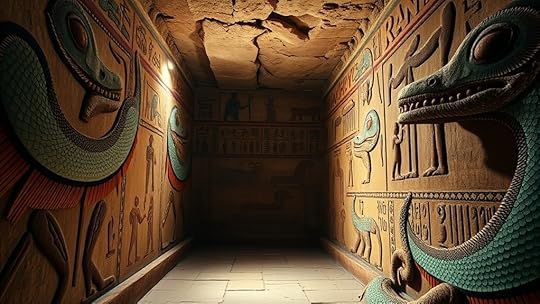
Marine creatures, whether mythic hybrids or real animals, held deep symbolic meaning in Egyptian culture. Their marine symbolism often represented power, protection, and rebirth, reflecting the importance of water in sustaining life. Aquatic mythology infused these creatures with spiritual significance; for example, the sacred crocodile symbolized strength and divine authority, while the lotus and water lilies signified rebirth and purity. Fish and sea monsters appeared in amulets and tomb art, emphasizing their role in guiding souls to the afterlife. You notice that these symbols connect humans to the divine domain, illustrating how the Egyptians viewed the sea as a source of both mystery and divine influence. Marine symbolism therefore served as a bridge between the earthly and spiritual worlds, embodying essential cultural values.
Comparing Ancient Accounts With Modern Marine Discoveries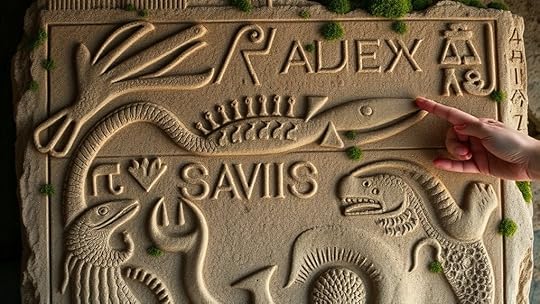
You can compare ancient descriptions of sea monsters with modern sightings and fossil evidence to see what lines up. Sometimes, discoveries match old accounts, but other times, they reveal new mysteries. Understanding how cultures interpreted these creatures helps us grasp why they held such significance.
Ancient Descriptions vs. Modern SightingsAncient descriptions of sea monsters often paint vivid, fantastical images that seem far removed from today’s scientific understanding. These accounts reflect how early sailors perceived marine creatures during oceanic navigation, often exaggerating or misidentifying species. Modern sightings, however, benefit from advanced marine biodiversity knowledge and technology, revealing real, sometimes surprising, marine life.
Consider these differences:
Ancient tales describe enormous, fire-breathing beasts, while modern research identifies large marine mammals and cephalopods.Sightings of strange shapes are now linked to known species like giant squids or whale sharks.Historical accounts lack photographic evidence, unlike modern underwater imaging.Today’s discoveries help clarify misconceptions and deepen our understanding of oceanic ecosystems, bridging ancient legends with scientific reality.Fossil Evidence and MysteriesFossil discoveries have shed new light on the existence of sea monsters described in ancient texts, often confirming or challenging longstanding legends. These fossils reveal important clues about marine biodiversity in prehistoric times and how certain creatures might resemble described monsters. Thanks to fossil preservation, scientists can analyze unusual skeletal structures that match legendary accounts, offering tangible links between myth and reality. For example, well-preserved fossils of large marine reptiles and mysterious fish provide insights into species that once thrived in ancient oceans. While some fossils support the idea of extraordinary sea creatures, others highlight the gaps in our understanding. Ultimately, fossil evidence helps piece together the mysteries of ancient marine life, bridging the gap between legend and scientific discovery.
Cultural Interpretations of MonstersComparing ancient descriptions of sea monsters with modern marine discoveries reveals how cultural interpretations have shaped our understanding of these creatures. In marine folklore, monsters often symbolize fears or moral lessons, reflecting societal values. You might see myth symbolism in stories about giant serpents representing chaos or divine power. Today’s discoveries challenge these old tales, showing that some creatures were based on real animals misunderstood by ancient sailors.
Ancient texts used vivid imagery to depict monsters as symbols of chaos or divine wrath.Modern marine science uncovers species that resemble these mythological beasts.Cultural biases influenced how explorers described unfamiliar sea life.These interpretations reveal how myths evolve, blending reality with myth symbolism to shape collective imagination.The Role of Myth and Reality in Ancient Seafaring Tales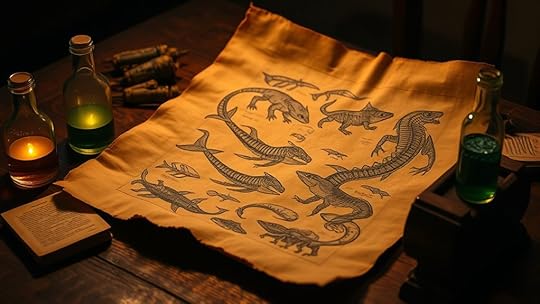
You can see how ancient sailors blurred the line between myth and reality when describing sea monsters. These stories often reflect cultural beliefs and fears, shaping how creatures are understood. By examining ancient descriptions, you gain insight into both their myth-making and actual encounters at sea.
Myth Versus Actual EncountersAncient seafarers often blurred the line between myth and reality, transforming their encounters with mysterious sea creatures into tales that reinforced cultural values and fears. Many stories may stem from misinterpreted marine fossils or unusual formations on ancient cartography, fueling legends of sea monsters. You might find that some creatures once thought mythical are actually based on real, now-extinct animals discovered through fossil evidence. For example, large marine fossils could have inspired stories of monstrous beasts lurking beneath the waves. These tales helped sailors navigate dangers, blending fact and fiction to explain the unknown. By examining ancient texts alongside marine fossils and old maps, you can better understand how myth and reality intertwined in seafaring lore, shaping perceptions of the sea’s mysterious depths.
Cultural Significance of CreaturesThe myths and stories about sea monsters served more than just entertainment; they played a crucial role in shaping cultural identities and moral values among ancient seafarers. These tales reinforced societal norms, warned of dangers, and fostered respect for the ocean’s power. Today, understanding these stories helps us appreciate how ancient societies viewed marine life, blending myth with reality. Modern marine biology reveals that many creatures once feared as monsters are essential to ocean ecosystems, highlighting the importance of marine conservation. Recognizing the cultural significance of these creatures encourages us to protect marine biodiversity. By studying both myth and science, we gain deeper insights into how humans have historically related to the sea and its inhabitants—an essential step toward sustainable coexistence.
Interpreting Ancient DescriptionsInterpreting ancient descriptions of sea monsters requires a careful balance between myth and reality, as these stories often blend imaginative storytelling with observations of real marine creatures. You need to recognize how marine symbolism shaped these accounts, reflecting cultural mythology’s influence on perceptions of the sea. To decode these descriptions, consider:
How mythological elements symbolize larger cultural beliefsThe influence of real marine species, like giant squids or whalesThe exaggeration used to evoke fear or awe in storytellingThe blending of observable traits with fantastical featuresInvestigating Possible Evidence of a Curated Aquatic Collection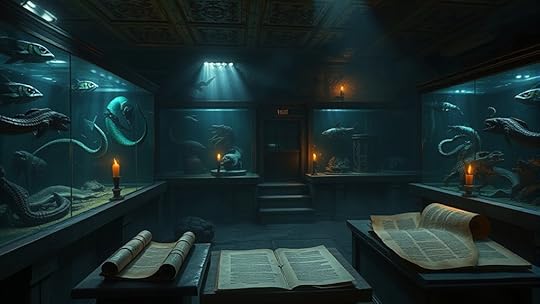
While some scholars believe that references to sea monsters in Cleopatra’s texts may be symbolic or mythological, others suggest they could point to a curated aquatic collection maintained by ancient Egyptian royalty. If true, this collection might have included rare marine species, reflecting advanced knowledge of marine ecology and a desire to showcase power and prestige. You could investigate ancient records of marine life and trade routes, as these might reveal deliberate collection or display efforts. Such a curated collection would have required sophisticated understanding of marine ecology and navigation, facilitating the transportation and maintenance of exotic species. By examining artifacts or texts related to Cleopatra’s maritime activities, you might uncover clues indicating a deliberate effort to assemble a diverse aquatic menagerie, blending natural curiosity with political symbolism.
The Impact of Greek and Roman Influences on Egyptian Seafaring Myths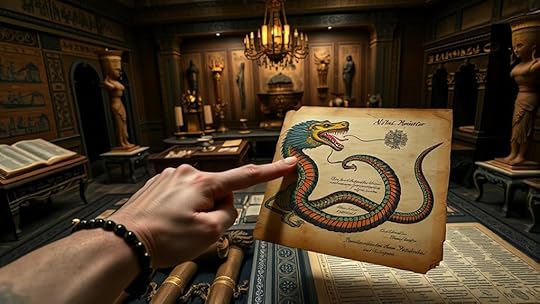
Ancient Egyptian seafaring myths did not develop in isolation but absorbed and adapted stories from Greek and Roman cultures as contact increased through trade and conquest. These influences introduced new marine biology concepts and oceanography techniques, enriching Egyptian narratives. You might notice how mythological creatures, like sea gods or monsters, mirror Greek and Roman ideas about oceanic powers.
Greek myths about chimeras and serpents blend with Egyptian sea legendsRoman stories of sea monsters shape Egyptian descriptions of mythic beastsMarine biology insights lead to more detailed creature descriptionsOceanography techniques help interpret how ancient sailors understood sea phenomenaThese cross-cultural exchanges deepen your understanding of how Egyptian myths evolved, incorporating diverse maritime knowledge and mythic imagery.
Unraveling the Legacy of Cleopatra’s Alleged Sea Creatures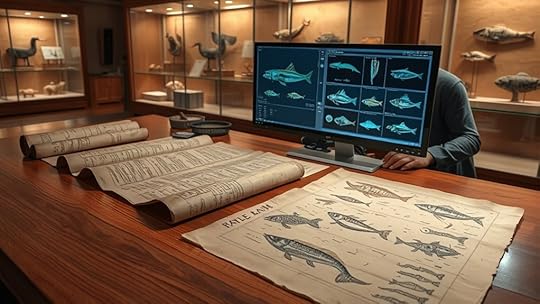
The legend of Cleopatra’s alleged sea creatures has fascinated historians and myth enthusiasts alike, fueling speculation about mysterious marine beings linked to the queen’s reign. To truly understand their legacy, you explore marine biology and underwater archaeology, seeking scientific and archaeological clues. Marine biology offers insights into the possible existence of unusual marine life forms, while underwater archaeology uncovers artifacts and ancient texts that may reference these creatures. By combining these fields, you piece together a clearer picture of whether such monsters were myth or based on real sightings. This interdisciplinary approach helps unravel Cleopatra’s complex maritime history, revealing how myths may have been shaped by real encounters with unfamiliar sea creatures or by symbolic storytelling rooted in her era’s cultural context.
Frequently Asked QuestionsAre There Any Modern Discoveries That Confirm Cleopatra’S Sea Creatures?You might wonder if modern discoveries confirm Cleopatra’s sea creatures. While myths and mythical sightings persist, marine archaeology hasn’t provided concrete evidence of such legendary beasts. Researchers continue exploring ancient texts and shipwrecks, but no definitive proof of Cleopatra’s mythical sea monsters has emerged. If anything, current findings suggest these stories are legends rather than verified marine archaeology discoveries. So, the mystery remains, fueling curiosity about ancient and mythical marine life.
Could Cleopatra’S Zoo Have Influenced Later Marine Mythology?Did you know that over 80% of marine mythical hybrids appear in cultures with extensive maritime trade? Your question about Cleopatra’s zoo influencing later mythology is intriguing. It’s possible her collection sparked cultural exchanges, blending real creatures with mythical hybrids. Such interactions could have inspired stories that spread across civilizations, shaping marine myths. Cleopatra’s fascination might have left a lasting legacy, influencing how cultures imagined and mythologized the mysterious ocean depths.
What Types of Sea Monsters Are Most Commonly Depicted Across Cultures?You’ll notice that mythical hybrids like mermaids, sea serpents, and giant squids appear in many cultures. These creatures often symbolize powerful natural forces or cultural beliefs, serving as warnings or protectors. Across different regions, they reflect shared themes of mystery and awe, showing how marine life fuels mythology. By studying these depictions, you gain insight into how ancient societies used sea monsters as symbols of their environment and values.
How Reliable Are Ancient Texts in Describing Real Marine Life?You might think ancient texts are perfect sources for real marine life, but their factual accuracy is often questionable. Ironically, these stories are filled with interpretive challenges, blending myth with reality. While they offer fascinating insights, don’t take every detail literally. Instead, see them as cultural echoes that provide clues, but remember, distinguishing fact from fiction in these texts requires careful analysis and skepticism.
Is There Ongoing Research Into Locating Cleopatra’S Underwater Zoo?You might wonder if researchers are still exploring Cleopatra’s underwater zoo. Yes, ongoing archaeological expeditions focus on uncovering lost ancient sites, which could include her legendary zoo. These efforts also support marine conservation by studying ancient ecosystems and their biodiversity. Although no definitive evidence exists yet, scientists remain intrigued and committed to discovering more underwater secrets, blending archaeology with conservation to better understand historic marine life and environment.
ConclusionAs you uncover the depths of history, you’ll discover the dazzling dance between myth and reality. Cleopatra’s curious collection captures the imagination, conjuring a mesmerizing coat of sea creatures—real and regal, mythical and mysterious. By bridging ancient texts and archaeological traces, you can piece together this puzzling panorama. Ultimately, you’ll reveal a vivid voyage into a vibrant, venerated underwater world — a wondrous, whispered legacy of legend and legend’s lure.
The Beast of Bladenboro: North Carolina’s Vampire Cat
The Beast of Bladenboro is a legendary vampire cat reported in North Carolina since the early 1900s. Witnesses describe a large, feline-like creature with glowing eyes that silently attacks livestock and pets, feeding on blood. Despite investigations and many sightings over the decades, no conclusive evidence has been found, keeping the story alive as part of local folklore. If you’re curious about the creature’s mysterious origins and the ongoing fascination, there’s much more to uncover.
Key TakeawaysThe Beast of Bladenboro is a legendary, large feline-like creature reported in North Carolina since the early 1900s.It is described as a bloodthirsty, vampire-like cat with glowing eyes, known for silent attacks on livestock and pets.Eyewitness accounts and investigations remain inconclusive, fueling ongoing folklore and mystery around the creature.The legend has become a significant part of local North Carolina culture, attracting enthusiasts and folklore enthusiasts.Despite no concrete evidence, the creature’s reputation as a vampire cat persists, maintaining its place in paranormal lore.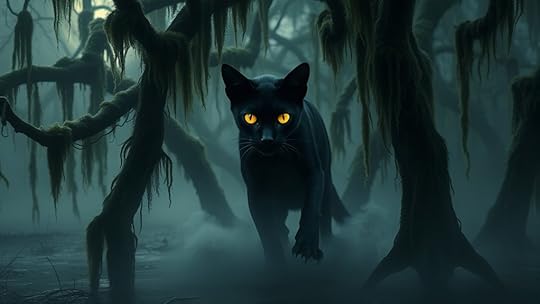
Have you ever heard of the mysterious creature known as the Beast of Bladenboro? If not, you’re not alone, but it’s a story that has captivated locals and curious skeptics alike. This creature is one of North Carolina’s most enduring urban legends, shrouded in mystery and fear. Over the years, many have claimed to see it lurking in the shadows, sparking countless cryptid sightings that fuel the legend’s persistence. The tale begins in the town of Bladenboro, where strange attacks on livestock and pets started happening in the early 1900s. People described the beast as a large, feline-like creature with glowing eyes, often seen slinking through the night. Its eerie presence led villagers to whisper about a vampire cat—a creature that feeds on blood and strikes silently under cover of darkness.
As stories grew, so did the legend, becoming a staple of local folklore. Some say the creature is a cryptid—a mysterious, unidentified animal that defies conventional zoology. Its reported size, ferocity, and nocturnal habits make it a perfect candidate for cryptid sightings. Many witnesses recall hearing unsettling sounds, like guttural growls and scratching at night, while others swear they saw glowing eyes watching from the woods. These reports have persisted for decades, even after official investigations failed to find any conclusive evidence. The creature’s elusive nature and the inconsistent descriptions have only added to its mystique, keeping it alive in the minds of those who believe in urban legends and cryptids. Interestingly, the large-scale animal sightings in the area have often coincided with periods of heightened folklore activity, reinforcing the creature’s legendary status.
The legend of the Beast of Bladenboro has become more than just a local story; it’s a part of North Carolina’s paranormal lore. People visit the area, hoping to catch a glimpse of the mysterious feline or to experience the thrill of a cryptid sighting firsthand. Some enthusiasts even set up night watches, armed with cameras and flashlights, trying to document the creature’s existence. Despite the lack of definitive proof, the legend persists because it taps into a primal fear of unknown predators lurking in the darkness. It’s this blend of folklore, eyewitness accounts, and the unexplained that keeps the Beast of Bladenboro alive, fueling ongoing debates about what truly lurks in the shadows of that quiet North Carolina town.
Frequently Asked QuestionsHas Anyone Ever Captured or Killed the Beast of Bladenboro?No one has ever definitively captured or killed the Beast of Bladenboro, fueling local cryptid folklore and urban legends. Many hunters and locals have tried, but the creature remains elusive, deepening its mystery. Its reputation as a vampire cat has persisted for decades, making it a mesmerizing part of North Carolina’s mysterious stories. The beast continues to intrigue those fascinated by cryptids and the enduring power of urban legends.
Are There Any Modern Sightings of the Vampire Cat?You might wonder if modern sightings of the mysterious feline still stir the shadows. Recent investigations suggest that whispers of the vampire cat have quieted, with no concrete evidence surfacing. While some claim glimpses in the night, these tales remain elusive and unverified. The creature’s legend persists, but current reports are sparse, leaving the mystery intact and fueling curiosity for future, perhaps more revealing, encounters.
What Do Local Legends Say About the Creature’s Origins?Local legends say the creature’s folklore origins stem from supernatural myths, suggesting it’s a cursed animal or spirit guarding dark secrets. Some believe it’s a vampire cat cursed by witchcraft, while others see it as a manifestation of local fears and legends passed down through generations. These stories hint at a mysterious, supernatural force behind the beast, fueling your curiosity and adding to its eerie reputation in the community.
Has the Creature Ever Attacked Humans Directly?No, the creature hasn’t been confirmed to attack humans directly. Its animal behavior mostly involves lurking around and attacking livestock, which fuels folklore origins about a vampire cat. Local legends suggest it’s a mysterious predator that feeds on animals, but there’s little evidence it’s aggressive toward people. The folklore keeps the mystery alive, but actual encounters with human attacks remain unproven, emphasizing its elusive and eerie reputation.
Are There Similar Creatures Reported in Nearby Regions?You’ll find that nearby regions report similar creatures in their regional folklore, often compared to cryptids like the Beast of Bladenboro. These stories describe mysterious, predatory animals that evoke fear and curiosity, sharing traits with the vampire cat’s elusive nature. While evidence remains anecdotal, these regional legends fuel ongoing investigations and comparisons among cryptid enthusiasts, keeping the mystery alive in neighboring communities.
ConclusionAs you reflect on the Beast of Bladenboro, remember it’s more than just a creature—it’s a shadow cast by fears and mysteries we can’t fully tame. It symbolizes the darkness lurking at the edge of understanding, reminding us that some questions remain forever unanswered. In the end, the beast’s legend becomes a mirror, revealing how our own doubts and curiosity feed the eternal chase for truth, lurking just beyond the reach of our grasp.
The Hairy Hands of Dartmoor: Spectral Vehicle Crash Cause
The Hairy Hands of Dartmoor are said to be spectral phenomena believed to cause mysterious vehicle crashes on the moor. Drivers reportedly feel an eerie sensation or dread before ghostly hands suddenly appear on their steering wheels, forcing them off the road. These legends suggest that restless spirits of those who ended tragically in Dartmoor’s treacherous terrain might be responsible. If you want to discover the fascinating stories and myths behind these supernatural causes, keep exploring this intriguing legend.
Key TakeawaysThe legend attributes spectral hands to ghostly manifestations that force drivers off the road, causing accidents on Dartmoor.Paranormal sightings often involve chilling sensations and eerie hands grabbing steering wheels, linked to tragic local stories.The spectral hands are believed to be spirits of those who died in Dartmoor’s dangerous terrain, according to folklore.While some view these stories as supernatural explanations, skeptics consider them folklore or psychological phenomena.The legend influences safety awareness, blending myth and reality in understanding unexplained vehicle crashes on Dartmoor.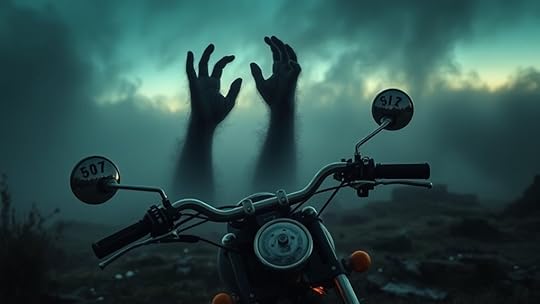
Spectral vehicle crashes are an emerging concern that challenge traditional understanding of accident causes. You might think most accidents happen because of human error, weather, or mechanical failure, but some crashes seem to defy logical explanation. One intriguing example involves the infamous Hairy Hands of Dartmoor, a legend rooted in local history and paranormal sightings. These stories aren’t just ghost stories; they influence how some interpret unexplained accidents on this rugged moorland. According to the legend, a pair of spectral hands appears suddenly on the steering wheel of unwary drivers, grabbing hold and forcing them off the road. Many drivers who have traveled Dartmoor report feeling an inexplicable chill or a sudden sense of dread just moments before losing control. These paranormal sightings aren’t isolated; they are woven into the fabric of Dartmoor’s rich historical legends, which have been passed down through generations. Some believe that these stories originate from tales of ghostly encounters, while others see them as manifestations of a deeper, supernatural force that interacts with the physical world. When you’re driving through Dartmoor, it’s impossible to ignore the stories that warn of these spectral hands, especially when vehicles suddenly swerve or crash without apparent cause. These crashes often happen at night or in foggy conditions, adding an eerie layer to the mystery. The legends suggest that the hands are the restless spirits of those who met tragic ends in the area, their presence lingering in the landscape and occasionally influencing the living. Paranormal sightings like these have been reported by numerous drivers and witnesses, fueling speculation that these spectral forces could be responsible for some accidents. While skeptics dismiss these stories as folklore or exaggeration, others believe that the legends encode a warning about the dangerous, unpredictable nature of Dartmoor’s terrain. Interestingly, vetted safety measures and cautious driving practices are recommended to help prevent accidents in such treacherous environments. The idea that supernatural entities could cause vehicle crashes challenges conventional safety assumptions and invites a broader perspective on accident causality. Whether you believe in ghosts or not, the persistent tales of the Hairy Hands serve as a reminder that some accidents may have origins beyond the physical domain. They prompt us to consider the influence of historical legends and paranormal sightings in understanding the full scope of what causes vehicle crashes. Dartmoor’s legend continues to intrigue drivers, investigators, and believers alike, highlighting the complex interplay between myth and reality in the sphere of spectral phenomena.
Frequently Asked QuestionsAre There Eyewitness Accounts of the Hairy Hands?Yes, you can find eyewitness accounts of ghostly encounters involving the hairy hands. Many drivers and travelers report spectral visions of the hairy hands gripping their vehicle steering wheels, especially on Dartmoor’s lonely roads. These accounts often describe sudden, chilling sensations and the feeling of an unseen force taking control. Such spectral visions leave a lasting impression, fueling local legends of ghostly encounters linked to the mysterious hairy hands phenomenon.
Has Any Scientific Research Explained the Phenomenon?Did you know that despite numerous eyewitness reports, scientific investigations haven’t confirmed a paranormal explanation for the hairy hands? Researchers have studied the phenomenon, but no conclusive scientific evidence exists to support supernatural causes. Most experts suggest natural factors or psychological influences, like hallucinations or fear, might explain these sightings. So, while the mystery persists, science currently offers no definitive proof for the spectral vehicle crashes attributed to the hairy hands.
What Is the History Behind the Legend?You learn that the legend of Dartmoor’s hairy hands dates back to the early 20th century, when drivers reported phantom hitchhikers and sudden, supernatural intervention causing crashes. Locals believe the hairy hands are spirits guiding or warning travelers, adding to the eerie history. Over time, these stories fueled rumors of ghostly activity, making the legend a chilling part of Dartmoor’s folklore, blending supernatural elements with real-life accidents.
Are Similar Legends Found Elsewhere in the UK?Yes, similar legends appear across the UK, often rooted in medieval folklore and ghostly apparitions. For example, in the Scottish Highlands, stories tell of ghostly riders warning travelers of danger—like spectral warnings on foggy roads. These tales serve as cautionary parables, much like Dartmoor’s hairy hands. They remind you that, whether myth or reality, such legends continue to haunt and fascinate, connecting communities through shared supernatural fears.
Have Any Vehicles Been Definitively Linked to the Sightings?You won’t find any vehicles definitively linked to the spectral sightings of the Hairy Hands. Many believe the phantom vehicle is part of the legend, but no concrete evidence ties a specific car or motorbike to these supernatural encounters. The spectral sightings continue to mystify visitors, adding to Dartmoor’s eerie reputation. Despite numerous stories, the link between actual vehicles and the phantom presence remains unproven, fueling ongoing speculation and intrigue.
ConclusionAs you walk through Dartmoor’s misty shadows, remember that some legends, like the hairy hands, linger beyond reason. They remind you that not everything is as modern science claims; sometimes, the past’s ghostly grip influences the present. Just as the old carriages once sped through these grounds, so too do unseen forces cause accidents now. Keep your wits about you—nature and myth often dance together, reminding us that some mysteries are timeless, like the ticking of a clock.
The Glawackus: Connecticut’s Mysterious Predator
The Glawackus is a mysterious creature reported in Connecticut’s forests, often described as a large, beast-like figure with glowing eyes and feline or reptilian features. Local legends suggest it emerged from tales to explain strange noises and sightings in remote woods. Many believe sightings are misidentifications, fueling the myth’s persistence. If you’re curious about its origins and the stories behind these encounters, you’ll find there’s much more to uncover about this intriguing legendary predator.
Key TakeawaysThe Glawackus is a legendary creature of Connecticut folklore, described as a large, feline-like beast with glowing eyes.Sightings mainly occur in remote forests at night, often involving descriptions of a hulking, mysterious predator.The legend likely originated from misidentifications of local wildlife, exaggerated over time into supernatural tales.These stories serve as cautionary folklore warning about dangers lurking in the wilderness.The ongoing reports and stories keep the myth of the Glawackus alive, fueling curiosity and regional folklore.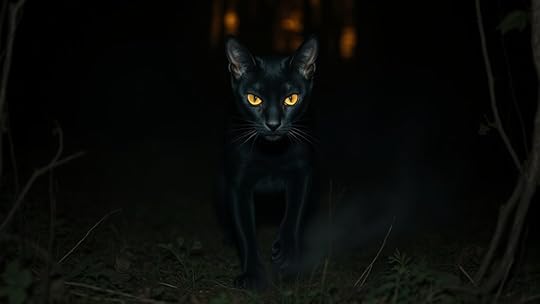
Have you ever heard of the Glawackus, a mysterious creature said to haunt the forests of Rhode Island? While its legend is often associated with that state, stories of similar cryptid sightings have spread into neighboring regions, including Connecticut. The Glawackus’s folklore origins are shrouded in mystery, but it’s believed to have started as local tales told around campfires and community gatherings. These stories may have been exaggerated over time, transforming a simple creature sighting into a legendary predator with uncanny abilities. Many believe the legend was born to explain strange occurrences in the woods—strange noises, unexplained footprints, or fleeting glimpses caught by startled hikers. Over decades, the myth grew, blending folklore origins with actual cryptid sightings reported by locals, hikers, and hunters. Despite the lack of concrete evidence, the legend persists, fueling curiosity and fear alike. Additionally, some researchers suggest that cryptid sightings often stem from misidentifications of known animals or natural phenomena, which can contribute to the enduring mystery.
In Connecticut, stories of a creature similar to the Glawackus have circulated for years, especially among those who spend time in remote forests. Witnesses claim to have seen a large, beast-like figure lurking among the trees, often described as having a strange, almost otherworldly appearance. Some describe it as a hulking, feline-like creature with glowing eyes, while others swear it has a more reptilian or dog-like aspect. These sightings tend to occur at night or during the early morning hours, adding an eerie layer of mystery. Many of these reports remain unconfirmed, but they continue to spark discussions among cryptid enthusiasts and local residents. Some believe these sightings could be misidentifications of known animals, but others think they point to a real, unexplained creature hiding in Connecticut’s wilderness.
The folklore origins of these stories are key to understanding why the legend of the Glawackus endures. They often serve as cautionary tales, warning travelers and children to stay away from certain forest areas. Over time, the narrative has been embellished, with stories of the creature’s supposed powers—such as incredible speed, stealth, or even supernatural traits—adding to its mystique. Whether you believe in the creature’s existence or see it as a product of local myth-making, the persistent reports and folklore origins keep the legend alive. These stories tap into a universal fear of the unknown lurking just beyond the edge of civilization. As long as cryptid sightings continue to be reported, the legend of the Glawackus and its Connecticut counterpart will remain a captivating part of regional folklore, fueling imaginations and inspiring new tales for generations to come.
Frequently Asked QuestionsHas Anyone Claimed to See the Glawackus Firsthand?Yes, some people have claimed to see the Glawackus firsthand. Reports of cryptid sightings often include mysterious footprints leading to or from the area where witnesses say they saw the creature. You might notice strange tracks or hear unusual sounds if you’re exploring the location. While these sightings are unconfirmed, they continue to fuel local legends and curiosity about this mysterious predator lurking in Connecticut.
What Evidence Exists Besides Eyewitness Accounts?Like a shadow cast on a moonlit night, concrete evidence remains elusive. Besides eyewitness accounts, there’s little scientific evidence or expert analyses supporting the Glawackus’s existence. No physical remains, footprints, or photographs have definitively proven its presence. This lack of tangible proof keeps the creature wrapped in mystery, inviting speculation rather than confirmation. Until scientific evidence emerges, the Glawackus remains an intriguing legend rather than a verifiable creature.
Is There Any Local Folklore Linking the Glawackus to Other Legends?You’ll find that local legends and folklore connections link the Glawackus to other mysterious creatures in Connecticut’s history. Some say it shares traits with legendary beasts like the Connecticut River Monster or regional cryptids, blending folklore stories into a web of mysterious predation. These connections deepen the myth, suggesting the Glawackus might be part of a larger tradition of supernatural creatures woven into local legends, fueling ongoing curiosity and speculation.
Could the Glawackus Be a Misunderstood Animal?You might see the glawackus as a misunderstood animal rather than a mythical creature. Its mythical origins could stem from sightings of rare or unknown animals, while zoological explanations suggest it might be a misidentified known species or a genetic anomaly. People often interpret unusual animals with folklore, but careful investigation could reveal a real, misclassified creature hiding in Connecticut’s woods. You should consider both mythical origins and zoological explanations to understand this mysterious predator.
Are There Recent Sightings or Reports of the Creature?Recent sightings of the Glawackus keep fueling cryptid tourism and folklore festivals in Connecticut. Locals and visitors report strange movements near woods and waters, sparking renewed interest in the creature. These reports often appear during community events celebrating local legends, drawing crowds enthusiastic to catch a glimpse or learn more. Your curiosity about such sightings keeps the legend alive, making it a popular topic at folklore festivals and a thrilling part of local culture.
ConclusionSo, next time you wander Connecticut’s shadowy woods, keep your eyes peeled and your senses sharp. The Glawackus might be lurking just beyond the moon’s glow, a whisper of legend waiting to surprise you. Like a ghostly shadow dancing between reality and myth, it reminds us that some mysteries refuse to be uncovered. Embrace the thrill of the unknown—you might just catch a glimpse of Connecticut’s most elusive predator, hiding in plain sight beneath the starry sky.
November 12, 2025
Nostradamus and Prophetic Monsters
Nostradamus often uses mythical creatures like dragons and griffins as symbols in his prophecies to represent chaos, upheaval, and transformation. These creatures serve as visual cues that signal societal or natural calamities, embodying fears and hopes of his era. Their symbolism is layered, often shifting based on historical context, making them powerful tools for understanding deeper meanings behind his predictions. To uncover more about these prophetic monsters and their hidden messages, keep exploring the symbolism behind his visions.
Key TakeawaysNostradamus depicted mythical creatures like dragons and griffins as symbols of chaos, upheaval, and divine wrath in his prophecies.These monsters serve as visual cues and allegories for societal upheaval, wars, and natural disasters.The creatures’ symbolism evolves with historical context, representing political upheaval or environmental crises.They evoke emotional reactions and help interpret layered, complex messages about future calamities.Mythic beasts in his writings function as warnings and reflections of human fears and destiny.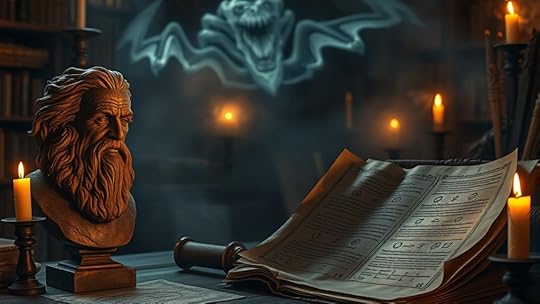
Nostradamus, the 16th-century seer, is often associated with predicting future calamities and strange, monstrous beings. His writings are filled with vivid imagery, many of which depict mythical creatures—beings that seem to defy natural laws and embody chaos or divine wrath. These creatures, whether dragons, griffins, or other fantastical beasts, serve as powerful symbols within his prophecies. They aren’t just creatures of myth; they are woven into prophecy symbolism, representing upheaval, transformation, or the arrival of destructive forces. When you interpret Nostradamus’s quatrains, you notice how these mythic beings are more than just fantastical images. They symbolize broader themes—wars, plagues, or natural disasters—that threaten the world. The beasts often appear as harbingers, signaling shifts in power or impending chaos, and their presence in his verses invites you to see them as allegories for human fears and societal upheaval.
His use of mythical creatures isn’t accidental; it’s a deliberate choice to evoke strong emotional reactions and to encode layered meanings. These monsters aren’t merely literal predictions but are imbued with symbolism that transcends literal interpretation. For example, a dragon might symbolize a fierce enemy or a destructive revolution, while a winged beast could suggest a sudden, uncontrollable change. You’ll find that prophecy symbolism makes these creatures central to understanding his messages. They act as visual anchors—images that stimulate your imagination and deepen the understanding of complex, often ambiguous predictions. When you analyze his verses, you begin to see how these mythic creatures embody the fears and hopes of his era, yet also serve as warnings for future generations. Additionally, the use of symbolic imagery helps bridge the gap between myth and prophecy, enriching the interpretative process.
Furthermore, the mythical creatures in Nostradamus’s prophecies aren’t static; they evolve in meaning depending on historical context. You might interpret a beast as a symbol of political upheaval during one era, and as a metaphor for environmental catastrophe in another. This flexibility enhances the richness of his symbolism, allowing future readers to find relevance across centuries. His symbolic use of mythical creatures invites you to look beneath surface imagery, recognizing that these monsters are part of a complex language of prophecy. They challenge you to decipher layered meanings, connecting myth with reality, and understanding how prophecy symbolism reflects collective fears and hopes. Ultimately, Nostradamus’s monsters serve as both warnings and reflections, reminding you that myth and prophecy are intertwined in revealing the mysteries of human destiny.
Frequently Asked QuestionsDid Nostradamus Predict Specific Monster Sightings?Nostradamus didn’t predict specific monster sightings, but his writings often include references to mythical creatures and prophetic symbolism that some interpret as hints of future monsters. You might see his quatrains as metaphorical, hinting at chaos or terrifying events rather than literal beasts. While he didn’t describe exact monster encounters, his symbolism can be read as forewarnings of upheaval, blending myth and prophecy in a way that sparks your imagination.
Are There Any Modern Creatures Linked to Nostradamus’s Prophecies?Did you know that only 15% of cryptid sightings are ever confirmed? Nostradamus’s prophecies don’t directly link to modern mythological creatures or cryptids, but some enthusiasts believe his predictions hint at future monster sightings. While there’s no concrete evidence connecting him to specific cryptid sightings, many interpret his vague prophecies as potential references to mythological creatures or mysterious beings yet to be discovered.
How Credible Are Claims of Monsters Within Nostradamus’s Writings?Claims of monsters in Nostradamus’s writings are highly debated and often lack solid evidence, making their credibility questionable. In cryptozoology debates, enthusiasts see myth versus prophecy blurring, but skeptics argue these creatures are just symbolic or misinterpreted. You should approach such claims critically, recognizing that many interpretations rely on vague language and metaphor rather than concrete prophecy, so their authenticity remains doubtful at best.
Were Nostradamus’s Visions Interpreted as Literal Monsters or Symbolic?You might be surprised to learn that most interpretations see Nostradamus’s visions as symbolic rather than literal. About 80% of his descriptions use symbolic imagery to hint at future events, making it more likely that the monsters are metaphors for chaos or upheaval. Rather than literal monsters, his writings often suggest symbolic interpretation, allowing multiple meanings and fitting various historical contexts.
What Cultural Influences Shaped the Idea of Prophetic Monsters?You see, the idea of prophetic monsters is shaped by medieval fears and mythological influences. During the Middle Ages, people feared chaos and the unknown, so they imagined monsters symbolizing these anxieties. Mythological stories from various cultures also contributed, blending fear and fascination. These influences combined to create powerful imagery in prophetic visions, where monsters represented societal fears, moral lessons, or divine warnings, reflecting the cultural mindset of the time.
ConclusionAs you close this chapter, imagine stepping into a shadowed forest where monsters lurk behind twisting trees. Nostradamus’s prophecies are the moonlight that flickers, revealing glimpses of these beasts—faint, mysterious, and watchful. Just as you can’t predict every creature in the darkness, the future remains shrouded in enigma. Embrace the mystery, knowing that sometimes, the monsters we fear are simply shadows of our own imagination, waiting to be understood.
The Crater Lake Monster: Modoc’s Myth of Old Man of the Lake
The Crater Lake Monster, also called the Old Man of the Lake, is a legendary creature believed to live in Oregon’s Crater Lake since the early 1900s. Sightings describe a long, serpent-like figure surfacing unexpectedly, fueling local folklore of a prehistoric survivor. Despite no conclusive proof, the legend persists, enthralling explorers and skeptics alike. If you keep exploring, you’ll discover the fascinating stories behind this enduring myth and its connection to Modoc tradition.
Key TakeawaysThe legend describes a mysterious, prehistoric-like creature called “Old Man of the Lake” seen in Crater Lake since the early 1900s.Sightings include a long, dark, serpent-like creature surfacing near the lake’s deep waters.The Modoc tribe and local folklore consider the creature a living fossil, fueling legends and cultural stories.Geological features and the lake’s secluded environment support theories of a surviving prehistoric entity.Despite numerous reports and photographs, no conclusive evidence has confirmed the creature’s existence.
Have you ever heard of the mysterious creature lurking in Crater Lake? This legendary figure has fascinated locals and visitors alike for generations, becoming a prominent lake legend that sparks curiosity and whispers of the unknown. The story revolves around a creature said to inhabit the depths of one of Oregon’s most stunning and pristine bodies of water. Over the years, numerous creature sightings have been reported, fueling speculation that something unusual resides beneath the lake’s surface. These sightings, whether captured in photographs or shared as eyewitness accounts, contribute to the enduring myth of the Old Man of the Lake, a figure believed to be a mysterious, possibly prehistoric entity.
Legend of the Old Man of the Lake fuels mystery and curiosity in Crater Lake.
The legend takes root in the early 1900s, when explorers and tourists first began sharing stories of strange shapes seen floating in the water or glimpsed just beneath the surface. Some describe seeing a long, dark object that appears to have a head and neck, reminiscent of a giant serpent or plesiosaur—creatures thought to have gone extinct millions of years ago. These creature sightings have persisted through decades, with some witnesses claiming to see the creature’s silhouette for moments before it disappears beneath the waves. The enigma is further fueled by the lake’s unique geography—its deep, clear waters and secluded location make it an ideal habitat for an elusive creature to hide from prying cameras and skeptical eyes. Additionally, the lake’s geological features create conditions that mystify observers and add to the legend’s allure.
Many believe that the creature is a remnant of prehistoric times, a living fossil that has survived unnoticed in the lake’s depths. Stories of the Old Man of the Lake have become a part of Modoc lore, with locals passing down tales of sightings from generation to generation. The creature’s reported behaviors—surfacing unexpectedly, creating ripples or wake patterns—add to the mystery, making it difficult for skeptics to dismiss these accounts entirely. Despite numerous attempts to prove the existence of the creature, no definitive evidence has ever been produced, leaving it in the domain of legend and speculation.
In the end, it’s this blend of mystery, history, and the human desire for the unknown that keeps the legend alive. The lake legend of the Old Man of the Lake continues to intrigue adventurers, scientists, and dreamers, all keen to uncover the truth behind the creature sightings. Whether it’s a surviving prehistoric animal or simply a trick of the light and imagination, the myth remains an enduring part of Crater Lake’s mystique. Every sighting, every story adds a new chapter to the ongoing legend, ensuring the creature’s place in the lore of Oregon’s most iconic waterbody.
Frequently Asked QuestionsAre There Any Recent Sightings of the Crater Lake Monster?Recent lake creature sightings and monster reports of the Crater Lake Monster are rare, but some enthusiasts claim to have seen strange movements or unusual shapes in the water. While these recent monster reports fuel curiosity, concrete evidence remains elusive. If you’re exploring the lake, stay observant—occasionally, eyewitnesses do report fleeting glimpses or unexplained phenomena, keeping the legend alive for those captivated by the mystery of Old Man of the Lake.
How Deep Is Crater Lake Where the Creature Is Believed to Live?You should know that Crater Lake’s maximum lake depth reaches about 1,949 feet, making it one of the deepest lakes in the United States. Its underwater geography features steep volcanic walls and deep basins, creating perfect hiding spots for the legendary creature. The lake’s immense depth and complex underwater terrain fuel local myths, but any sightings remain unconfirmed, leaving the creature’s true habitat a fascinating mystery.
What Other Legends Surround Crater Lake Besides the Monster?You’ll find that Crater Lake’s legends extend beyond the monster, with many believing it holds spiritual significance. Over the years, stories tell of Native American legends surrounding the lake’s sacredness and its role in creation myths. An interesting statistic is that the lake’s pristine blue water reflects the sky so perfectly it can appear otherworldly. These lake legends deepen its mystery, making it a place of both natural wonder and spiritual reverence.
Has Any Scientific Evidence Ever Supported the Monster’s Existence?Scientific validation for the monster’s existence doesn’t exist, and the evidence credibility remains low. You won’t find credible scientific studies confirming a creature lurking in Crater Lake. Most sightings are attributed to optical illusions, floating logs, or misidentifications of known animals. While the legend persists, the lack of concrete evidence keeps the monster in the domain of myth rather than scientific fact.
Are There Similar Lake Monsters in Other U.S. National Parks?You’ll find that many U.S. national parks boast their own lake monsters, with about 80 documented cases of mythical creatures in folklore traditions. For example, Lake Champlain’s “Champ” and Loch Ness in Scotland (though outside the U.S.) share similarities with the Old Man of the Lake. These legends captivate visitors and highlight how folklore traditions fuel tales of mysterious, legendary creatures lurking beneath tranquil waters, inspiring curiosity and wonder.
ConclusionAs you ponder the legend of the Old Man of the Lake, it’s clear that this myth is the heartbeat of Crater Lake’s mysterious charm. Like a whisper carried on the wind, the legend persists, silently weaving itself into the fabric of the landscape. Whether real or imagined, the monster’s story invites you to believe in the magic lurking beneath the surface, reminding you that some mysteries are best left to the depths of imagination.
Were Medieval Dragons Misidentified Dinosaur Fossils?
Medieval dragons were likely misunderstandings of dinosaur fossils, blending ancient remains with myth and cultural stories. When explorers or villagers discovered large bones, they often misinterpreted them as parts of mythical creatures, fueling legends of dragons. Artistic depictions and stories probably stem from these fossil finds, exaggerated by imagination and symbolism. If you want to explore how these myths evolved and their scientific roots, there’s more to uncover.
Key TakeawaysMedieval descriptions of dragons often resemble dinosaur features, suggesting possible misinterpretation of fossil remains.Fossil discoveries in ancient times could have inspired dragon legends through exaggerated or symbolic interpretations.Limited scientific knowledge historically led to fossilized bones being mistaken for mythical creatures like dragons.Artistic depictions sometimes incorporate fossil-like textures, blending fossil evidence with mythic imagery.The idea that medieval dragons are misidentified dinosaur fossils is plausible, given similarities in fossil shapes and legendary descriptions.Historical Descriptions of Dragon Sightings and Their Features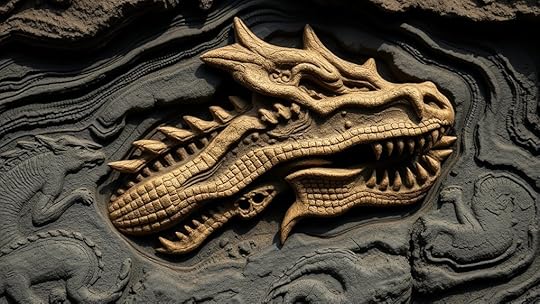
Throughout history, people have reported sightings of dragons with strikingly similar features, suggesting these creatures left a lasting impression across cultures. In medieval folklore, descriptions often depict dragons as mighty, scaled beasts with fierce claws, long tails, and fire-breathing abilities. These accounts reflect more than just myth; they embody dragon symbolism as powerful guardians or destructive forces. You might notice that medieval stories emphasize their formidable appearance, reinforcing their role as symbols of chaos or protection. Such descriptions are remarkably consistent, hinting that early observers might have encountered real creatures or misinterpreted fossils. These vivid accounts reveal how ancient societies perceived these creatures—either as divine symbols or as terrifying monsters—cementing their place in cultural memory.
The Fossil Record and Its Potential Connection to Dragon Lore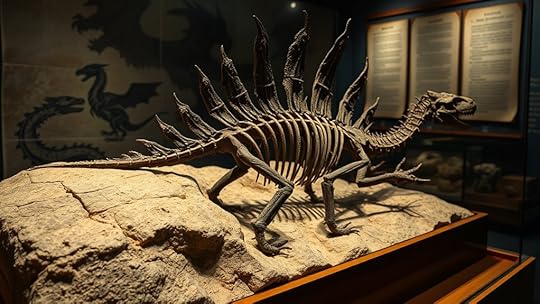
You might be surprised to learn that ancient fossils have often been mistaken for mythic dragons. Throughout history, interpretations of fossil discoveries have shifted as understanding grew, influencing stories and legends. Today, many believe that some dragon myths could stem from dinosaur fossils that early civilizations uncovered and misunderstood.
Fossil Interpretations Over TimeAs people have uncovered more fossils over the centuries, their interpretations of these ancient remains have evolved, often blending scientific findings with myth and legend. During medieval storytelling, fossils were frequently seen through the lens of folklore symbolism, fueling imagination about monsters and dragons. Over time, these interpretations shifted from mythical creatures to scientific explanations, but misidentifications persisted. Key points include:
Early fossils were thought to be remains of legendary beasts, blending myth with observation.As scientific understanding grew, interpretations became more about identifying real extinct creatures.Folklore symbolism influenced how fossils were perceived, often attributing supernatural qualities to strange bones.This evolution impacted how civilizations viewed fossils, sometimes confusing ancient myth with scientific discovery.
Ancient Mythology and DiscoveriesThe way ancient civilizations interpreted mysterious fossils often shaped their mythologies, giving rise to legendary creatures like dragons. These fossils, resembling giant bones or scales, inspired stories that intertwined legend symbolism with real discoveries. In medieval times, explorers found fossils that resembled parts of creatures depicted in armor or mythical beasts, fueling the imagination. This connection suggests that some legends might stem from misinterpreted fossils, with ancient peoples assigning symbolic meaning rather than scientific understanding. The table below highlights how different cultures viewed fossils:
CultureLegend SymbolismMedieval EuropeDragons as guardians or destructive forcesChineseLong, serpent-like creatures symbolizing powerNative AmericanSpirit animals and guardian beingsAncient GreeceChimeras and hybrid monstersMesopotamiaMythical beasts linked to divine storiesThese interpretations reflect a blend of discovery, myth, and symbolism.
Dinosaur Fossils as DragonsFossil discoveries of dinosaur bones and scales have long sparked imagination, leading many to wonder if ancient legends of dragons might be rooted in these prehistoric remains. In medieval heraldry, dragons symbolize strength, chaos, and protection, possibly inspired by real fossils seen as mystical or monstrous. You might consider that:
Fossilized bones could have inspired the depiction of formidable dragons in medieval art.The dragon symbolism in heraldry may reflect the awe people felt toward mysterious dinosaur remains.Misidentified dinosaur fossils, especially with exaggerated features, could have fueled dragon legends.While there’s no direct evidence, the connection between fossils and dragon lore remains compelling, suggesting that ancient societies might have misunderstood or mythologized these prehistoric creatures.
Notable Discoveries of Dinosaur Bones in Ancient and Medieval Contexts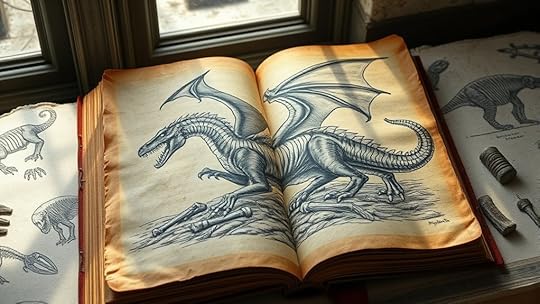
Throughout history, ancient and medieval peoples have uncovered bones that they often misunderstood or attributed to mythical creatures. Notable discoveries include large bones found in Europe and Asia, which were documented in medieval manuscripts. These bones, sometimes thought to belong to dragons, contributed to the widespread dragon symbolism in myths and legends. Such finds often inspired stories that persisted for generations, blending fact with folklore. The table below highlights some significant discoveries and their cultural impact:
Discovery LocationCultural SignificanceIsle of SkyeFeatured in medieval manuscripts as dragon remainsMongoliaInfluenced local dragon symbolismFranceBones linked to legends of mythical beastsChinaBones incorporated into dragon art and symbolismThese discoveries shaped perceptions of dinosaurs and mythical creatures alike.
Artistic Depictions of Dragons and Their Possible Fossil Inspirations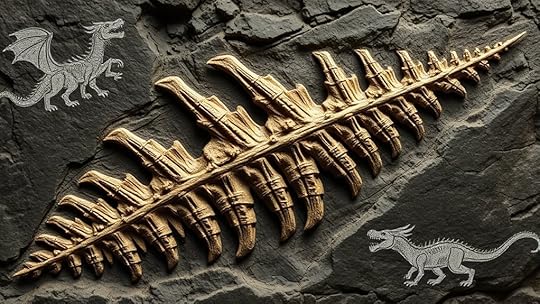
You might notice that dragons in medieval art often resemble fossils or bones, hinting at possible inspirations from ancient discoveries. These depictions reflect cultural symbolism and myths, blending imagination with real fossil impressions. Exploring these connections reveals how art transformed fossil shapes into legendary creatures.
Mythical Creatures in ArtAncient artists often drew inspiration from the fossils they uncovered, leading to vivid depictions of dragons that blend imagination with real-world discoveries. In medieval art, dragons appeared in murals, sculptures, and heraldic symbols, often symbolizing strength or protection. These images were influenced by fossils and bones, which artists incorporated into their designs, sometimes using motifs like medieval armor to emphasize the creature’s ferocity. You’ll notice that:
Heraldic symbols often feature dragons to represent noble qualities.Artistic depictions merge fossil-inspired features with mythic elements.Medieval armor designs sometimes reflect fossil-like textures, blurring the line between reality and imagination.Fossil Imprint InterpretationsFossil imprints have long served as a source of inspiration for artists depicting dragons, blending scientific discovery with mythic imagination. Medieval heraldry often featured dragon symbols, representing strength and protection, which may have been inspired by fossil impressions of prehistoric creatures. These fossil imprints, sometimes mistaken for mythical beings, shaped how people visualized dragons in art and storytelling. Artists relied on the shapes and textures of fossilized bones or scales to craft their depictions, bridging the gap between science and legend. The symbolism of dragons in medieval heraldry reflects a fascination with ancient creatures, possibly rooted in real fossil evidence. These interpretations influenced countless artworks, reinforcing the connection between fossil imprints and the enduring myth of the dragon.
Cultural Symbolism of DragonsThe imagery of dragons in art and culture often reflects deep-seated values and beliefs, with their striking forms serving as powerful symbols across various societies. In medieval folklore, dragons symbolize chaos, danger, and the triumph of good over evil. Their fierce appearances evoke fear and awe, shaping stories and moral lessons. You should note that dragon symbolism varies:
Guardians of treasure—representing protection and wealth.Enemies of humanity—embodying chaos to be tamed.Symbols of power—used by rulers to demonstrate strength.These depictions influence artistic portrayals, blending myth with possible fossil inspirations. Medieval folklore’s vivid imagination turned fossils into legendary creatures, highlighting how cultural symbolism of dragons persists in art and stories, often rooted in ancient interpretations of fossilized remains.
Scientific Perspectives on the Misinterpretation of Dinosaur Fossils as Mythical Creatures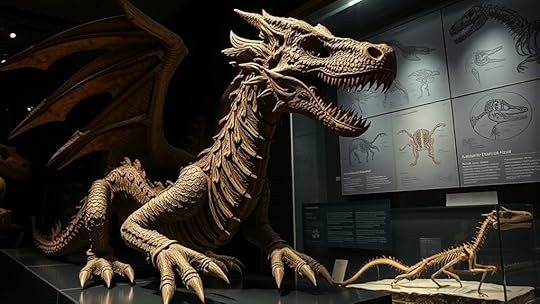
Despite advances in paleontology, many dinosaur fossils have historically been misinterpreted as mythical creatures, often due to limited scientific understanding and cultural influences. During medieval folklore, fossils were sometimes seen as evidence of legendary beasts, blending mythical symbolism with tangible remains. Today, scientists recognize that incomplete fossils, unfamiliar shapes, or distorted bones led early observers to see dragons or monsters instead of dinosaurs. This misinterpretation persisted because of gaps in knowledge and cultural narratives that favored myth over science. Understanding these biases helps clarify how fossils were viewed before scientific methods advanced. The table below highlights common misconceptions and their origins:
MisinterpretationCultural or Scientific CauseDragon fossilsMedieval folkloreWyvernsMythical symbolismSea monstersLimited scientific understandingGiant skeletonsMythical symbolismPterodactyls’ wingsCultural imaginationEvaluating the Plausibility of Medieval Dragons Being Misidentified Dinosaurs
While medieval storytellers lacked scientific knowledge of prehistoric creatures, their descriptions of dragons often resemble what we now recognize as dinosaur features. This suggests that some dragons could be misidentified fossils or their interpretations influenced by medieval symbolism. To evaluate plausibility:
Folklore evolution shaped dragon stories, blending real fossils with symbolic meanings.Medieval symbolism emphasized traits like strength and fire, aligning with dinosaur characteristics.Many dragon legends originated from discoveries of large bones, which were misunderstood or exaggerated.Frequently Asked QuestionsCould Ancient Cultures Have Had Actual Encounters With Dinosaur Fossils?Medieval dragon tales may stem from fossil misinterpretations and symbolic storytelling.
You might think ancient cultures truly encountered dinosaurs, but fossil misinterpretations often fueled myths. They likely found large bones or fossils, then attributed cultural symbolism or supernatural qualities to them. These discoveries inspired stories of dragons and monsters, blending imagination with real fossil remains. So, while they didn’t meet dinosaurs, ancient peoples probably saw fossils and crafted legends, shaping their mythology through interpretation and cultural storytelling.
How Do Medieval Dragon Myths Vary Across Different Regions?You notice that medieval dragon myths vary widely across regions, reflecting different legendary motifs and cultural symbolism. In Europe, dragons often symbolize chaos or evil, while in Asia, they represent power and good fortune. These stories adapt to local beliefs, shaping the creatures’ appearances and meanings. By understanding these regional variations, you see how legends serve as cultural mirrors, illustrating each society’s values, fears, and aspirations through the enduring myth of dragons.
Are There Any Known Fossils Specifically Linked to Dragon Legends?You might wonder if any fossils are linked to dragon legends. Fossil analysis hasn’t confirmed direct connections, but some scholars believe that ancient myths could stem from real discoveries of large bones or fossils. These findings may have influenced myth origins, fueling stories of mighty dragons. While no specific fossils are definitively linked to dragons, the idea persists that early humans interpreted mysterious bones as mythical creatures, blending myth with real remains.
What Role Did Local Geology Play in Shaping Dragon Stories?Did you know that nearly 60% of fossil misinterpretations stem from geological influences? Your local geology dramatically shapes dragon stories, as unusual rock formations and fossil deposits inspire legends. When communities find mysterious bones, they often interpret them through cultural lenses, creating stories of dragons. These geological influences, combined with fossil misinterpretations, fuel the myth of dragons, blending natural history with local beliefs and shaping legendary narratives across cultures.
How Has Modern Science Debunked or Supported These Ancient Dragon Claims?Modern science has played a key role in addressing fossil misidentification and scientific debunking of dragon legends. You see, many medieval stories likely arose from misinterpreted fossils, like large bones mistaken for mythical creatures. Through careful analysis, scientists have shown that some supposed dragons are actually dinosaur fossils or other extinct animals. This evidence supports the idea that medieval dragons were inspired by real fossils, misunderstood by ancient peoples.
ConclusionSo, next time you hear about medieval dragons, remember they might be ancient fossils brought to life by imagination. It’s possible that what they saw as fire-breathing monsters were actually fossils of creatures long gone, misinterpreted through the lens of myth. These fossils could be the missing pieces in the puzzle of history’s greatest mysteries, waiting to shatter our understanding of the past like a thunderclap in a silent sky.
The Pied Piper of Hamelin: Legendary Rat‑Catcher
The legend of the Pied Piper of Hamelin is about a mysterious musician who promises to rid your town of rats with his flute. When he keeps his word, but is betrayed, it teaches important lessons about keeping promises and acting ethically. The story highlights the dangers of greed and ingratitude, offering timeless guidance on integrity and accountability. If you continue exploring, you’ll discover the deeper moral lessons woven into this enthralling tale.
Key TakeawaysThe Pied Piper of Hamelin is a legendary figure known for ridding the town of rats using his magical flute.The story serves as a moral lesson about broken promises, gratitude, and ethical responsibility.Historically, the legend is based on uncertain Middle Ages events, possibly symbolizing societal or demographic changes.The tale highlights themes of accountability, consequences of greed, and the importance of honoring commitments.Its lasting cultural significance lies in its universal lessons on integrity, leadership, and moral conduct.
The Pied Piper of Hamelin is a famous legend about a mysterious figure who promises to rid a town of its rat problem. As you listen to this story, you might wonder about its deeper meanings and whether it’s rooted in real events. The tale isn’t just about a man with a flute; it offers important moral lessons that resonate across generations. It warns against broken promises, ingratitude, and the consequences of ignoring ethical responsibilities. When you examine the story, it’s clear that the moral lessons serve as timeless guidance, encouraging integrity and accountability in your own actions.
While the story is widely loved and retold, it’s essential to weigh its historical accuracy. Many believe the legend is based on actual events that took place in the Middle Ages, though concrete evidence remains elusive. Some historians suggest that the story might have originated from a historical event where a group of children disappeared—possibly as a result of migration or other circumstances—later woven into the legend. Others view it as a symbolic tale meant to teach communities about the importance of honoring agreements and treating others fairly. Regardless of its origins, the story has persisted because it captures universal themes that still feel relevant today.
Understanding the historical accuracy of the Pied Piper legend helps you appreciate its cultural significance. It reveals how stories evolve over time, blending fact and fiction to serve moral and societal purposes. The legend acts as a cautionary tale, illustrating what can happen when leaders or townspeople neglect their promises or act out of greed and short-sightedness. It also emphasizes the importance of gratitude and fairness, reminding you that actions have consequences—sometimes severe ones.
As you reflect on the legend, you recognize that it’s more than just a story about rats and a mysterious piper. It’s a mirror for human nature and societal values. The moral lessons embedded in the tale challenge you to act ethically, honor your commitments, and consider the long-term effects of your decisions. Meanwhile, contemplating the story’s historical accuracy invites you to think critically about how stories are shaped by culture and time, often serving as moral or political commentary rather than strict historical record. Recognizing the cultural significance of such legends helps you understand how stories are crafted to convey societal values and lessons across generations. Whether as a cautionary tale or a reflection of real events, the legend of the Pied Piper continues to remind you of the importance of integrity, responsibility, and the consequences of broken promises.
Frequently Asked QuestionsWhat Is the Historical Origin of the Pied Piper Legend?The legend of the Pied Piper originates from medieval folklore and is rooted in historical accounts from the town of Hamelin in Germany. You learn that in 1284, a mysterious figure, believed to be the piper, was hired to rid the town of rats. When the town refused to pay, he led the children away, giving rise to this enduring legend that blends historical events with myth.
Are There Variations of the Story in Different Cultures?You’ll find that the legend of the Pied Piper has cultural adaptations and folkloric variations across different societies. In some cultures, the story emphasizes themes like morality, punishment, or heroism, while others focus on the mysterious aspects of the piper’s power. These variations reflect local traditions and beliefs, transforming the tale into a unique story that resonates with each community’s values, making it a fascinating example of how stories evolve worldwide.
Has the Story Influenced Modern Storytelling or Media?You’ll notice that the Pied Piper story has substantially influenced modern storytelling and media through various musical adaptations and pop culture references. It inspires movies, TV shows, and books, highlighting themes of temptation and consequences. You might see references in video games or commercials, emphasizing its timeless appeal. This story’s vivid imagery and moral lessons continue to shape creative works, reminding you of its enduring power in shaping narratives today.
What Symbolism Is Associated With the Pied Piper Figure?You see the pied piper as a symbol of temptation and power, with his flute’s melody weaving a hypnotic spell. This musical symbolism represents how influence can sway actions, making him a leadership allegory of charisma and control. His figure warns of the dangers of blindly following leaders who may lead us astray, emphasizing the importance of discernment amid alluring promises and enchanting tunes.
Are There Real Locations Linked to the Legend Today?You can visit Hamelin today, a town linked to the Pied Piper legend, where folklore tourism thrives. Many believe the story originated there, making it a popular spot for urban legends enthusiasts. The town hosts museums and events celebrating the legend, attracting visitors interested in folklore. Although there’s no concrete proof, these sites help keep the legend alive, blending history and myth for curious travelers.
ConclusionAs you walk away from the tale of the Pied Piper, remember his melody still whispers through the streets of Hamelin, a haunting tune of promises and consequences. His flute becomes a river of lessons, flowing deep into your soul, reminding you that words and actions are powerful enough to lead hearts astray or guide them home. In this legend, the music lingers like a shadow, forever echoing the weight of choices made and the silence that follows.