Michelle Nelson-Schmidt's Blog, page 6
November 22, 2025
Yara-ma-yha-who: Australian Vampire Tree Creature
The yara-ma-yha-who is an Australian mythic creature that lurks high in the forest canopy. It looks like a tiny, red, human-like figure with a big head and a wide mouth filled with sharp teeth, but no visible eyes. It’s a blood-sucking predator, leaping between trees to attack passing travelers or animals. Its eerie presence symbolizes the wilderness’s hidden threats. To uncover more about this mysterious creature, keep exploring its fascinating legends and cultural significance.
Key TakeawaysThe Yara-ma-yha-who is a small, red, tree-dwelling creature from Australian Aboriginal legends, resembling a human with a large head and sharp teeth.It lurks in the bush canopy, waiting to attack unwary travelers by biting and draining blood, then swallowing victims whole.Named after the sounds it makes, it serves as a cautionary figure warning against exploring the wilderness alone.The creature embodies the unpredictable and dangerous aspects of nature, symbolizing the need for respect and caution in the Australian bush.Deeply woven into indigenous culture, it functions as a mythic spirit representing the land’s mysterious and potentially threatening forces.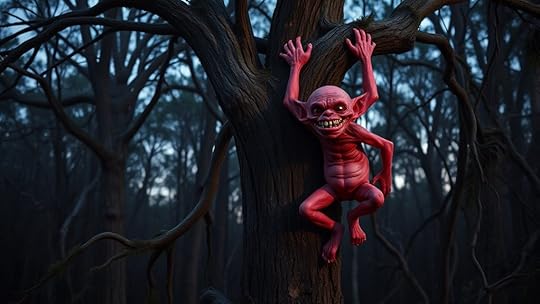
Have you ever heard of the Yara-ma-yha-who? If not, you’re about to learn about a fascinating creature rooted in indigenous legends of Australia. These mythical creatures have been passed down through generations, serving as cautionary tales or explanations for strange happenings in the wild. The Yara-ma-yha-who is one such creature, a bizarre and eerie figure that captures the imagination with its unique traits and mysterious origins.
According to indigenous legends, the Yara-ma-yha-who is a small, red, tree-dwelling creature that resembles a human but with some unsettling differences. It’s often described as having a big head, a wide mouth filled with sharp teeth, and no visible eyes. Its body is tiny, usually only a few inches tall, but it has the ability to leap from tree to tree with impressive agility. The creature’s name echoes the sounds it makes, which adds to its mythic reputation. Indigenous storytellers warn that it lurks in the canopy of the Australian bush, waiting for unwary travelers or animals to pass beneath its perch.
A tiny, red, tree-dwelling creature with a big head and sharp teeth that lurks in the Australian bush canopy.
What makes the Yara-ma-yha-who particularly intriguing is its role in indigenous legends as a cautionary figure. These stories are meant to warn people about the dangers of venturing into the wilderness alone or underestimating the power of nature. The creature’s feeding habits are especially disturbing: it is said to drain the blood from its victims through bites, then swallow them whole, only to later regurgitate them alive, sometimes several times. This gruesome cycle emphasizes the creature’s predatory nature and the importance of respecting the natural world. Its presence in stories may also serve as an explanation for strange or unexplained phenomena in the bush, reinforcing the idea that the land is inhabited by mysterious, mythical creatures. Interestingly, some legends suggest that its behavior may be linked to indigenous beliefs about nature spirits.
Despite its frightening reputation, the Yara-ma-yha-who is deeply woven into the cultural fabric of indigenous communities. It’s more than just a monster; it’s a symbol of the wilderness’s unpredictability and the need for caution when exploring unfamiliar territory. These indigenous legends have preserved the creature’s story for generations, ensuring that it remains a part of Australia’s rich tapestry of mythical creatures. If you ever find yourself wandering in the Australian bush, remember that the Yara-ma-yha-who embodies the mysterious, sometimes dangerous, spirit of the land — a reminder that nature’s secrets are often best left undisturbed.
Frequently Asked QuestionsWhat Is the Origin of the Yara-Ma-Yha-Who Legend?You learn that the legend of the yara-ma-yha-who comes from Aboriginal storytelling, reflecting mythological origins rooted in Australian Indigenous cultures. This creature symbolizes caution and respect for nature, often serving as a moral lesson. The myth has been passed down through generations, helping to preserve cultural beliefs and values. Its story highlights the importance of understanding and respecting the natural world and its mysterious, mythic inhabitants.
Are There Any Reported Sightings of the Yara-Ma-Yha-Who Today?You won’t find any credible modern sightings of the yara-ma-yha-who today. Eyewitness reports are scarce and often dismissed as folklore or misidentifications. Despite some adventurous explorers claiming to have encountered it, no verified evidence exists. In the age of smartphones, if such a creature were real, you’d think someone would have captured it on camera by now. Still, the legend persists, fueling curiosity and caution in Australia’s remote forests.
How Does the Yara-Ma-Yha-Who Compare to Other Australian Mythical Creatures?You’ll find the yara-ma-yha-who quite unique compared to other Australian mythical creatures. Unlike the bunyip or drop bears, it’s a tree-dwelling vampire with a specific mythological role as a blood-sucking creature. While comparable creatures like the bunyip embody mysterious wilderness spirits, the yara-ma-yha-who’s role centers on haunting forests and attacking travelers, making it more predatory and elusive. Its distinct traits set it apart in Australia’s rich tapestry of mythological beings.
Is the Yara-Ma-Yha-Who Used to Teach Children Safety?The yara-ma-yha-who acts like a shadowy guardian in childhood stories, warning kids to stay safe. You might see it as a mythical warning, much like a cautionary tale woven into bedtime narratives. It’s not just a spooky story but a tool to teach children about dangers in the wild. By sharing its tale, you help them recognize risks and stay safe, turning myth into a lesson they won’t forget.
What Are the Symbolic Meanings Behind the Yara-Ma-Yha-Who’s Features?You see, the yara-ma-yha-who’s features symbolize vampire symbolism and cultural significance. Its red, bloodshot eyes represent alertness and danger, warning children to stay cautious. The creature’s small, red, and round body signifies vulnerability, while its ability to absorb blood reflects themes of dependence and transformation. These features serve as a cultural reminder to respect nature and remain vigilant, highlighting its role in lessons about safety and awareness in Indigenous stories.
ConclusionSo, next time you wander through Australia’s shadowy forests, stay alert. The Yara-ma-yha-who is like a lurking shadow, waiting to sink its tiny teeth into you. Its presence is a whisper of ancient fears, a reminder that some stories are stitched into the very fabric of the land. Keep your wits about you, or you might become just another leaf in the wind, caught in the grip of this eerie, bloodsucking tree creature.


The Beast of Busco Reexamined: Turtle or Tall Tale?
The legend of the Beast of Busco blends local folklore with frequent sightings of mysterious water creatures, often misidentified as turtles, logs, or waves. Skeptics argue that these reports are exaggerated or false, with no concrete evidence supporting a gigantic beast. However, the story persists because it taps into our curiosity about the unknown and the thrill of mystery. To uncover more on whether it’s a turtle or a tall tale, you’ll want to explore further.
Key TakeawaysSightings often resemble common animals like turtles or logs, suggesting misidentifications rather than mythical creatures.No scientific evidence confirms the existence of a large cryptid or beast in Lake James.The legend’s origins blend folklore, storytelling, and possibly tourism promotion, fueling ongoing speculation.Reports of strange shapes and noises are likely natural phenomena or misinterpretations, not proof of a monster.The enduring myth reflects human fascination with the unknown, keeping the legend alive despite skepticism.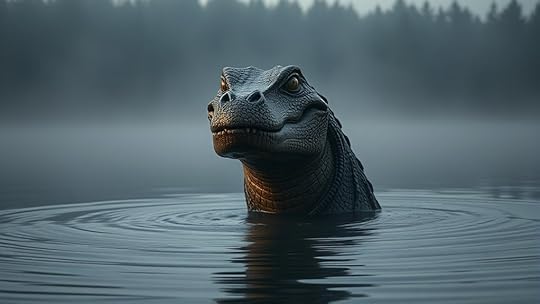
Nestled in the small town of Fort Wayne, Indiana, the legend of the Beast of Busco has enthralled imaginations for over a century. This mysterious creature has become part of local folklore, sparking numerous cryptid sightings that keep residents and visitors alike questioning what might lurk beneath the surface of Lake James. The story’s folklore origins are rooted in tales passed down through generations, often blending fact and fiction into a fascinating narrative. It’s easy to see why the legend endures; it taps into our fascination with the unknown and our desire for a tangible connection to something extraordinary.
You might have heard stories from old-timers describing strange shapes seen in the water or unusual noises echoing across the lake at night. These accounts, often dismissed as mere exaggeration, are typical of cryptid sightings that fuel the legend. Over the years, locals and curious outsiders have reported seeing large, turtle-like creatures or shadowy figures that resemble a beast emerging from the depths. Whether these sightings are rooted in genuine encounters or are simply the result of vivid imagination, they continue to add layers to the myth. The folklore origins of the Beast of Busco suggest that early settlers may have spun stories to explain the strange phenomena, or perhaps to attract tourism, but the legend persisted because it taps into something primal—our fear and fascination with creatures lurking just beyond our understanding.
Despite the lack of concrete evidence, the legend persists, partly because of the ongoing cryptid sightings that keep the story alive. Some skeptics argue that these sightings could be misidentifications of turtles, logs, or waves, but believers see them as proof of something more elusive. The creature, often described as a large, turtle-like beast, has become an icon of local folklore, inspiring stories, festivals, and even a roadside statue. The question remains: is it merely a tall tale, or could there be a real creature behind the legend? While scientific investigations haven’t turned up any definitive proof, the stories continue to circulate, fueling speculation and curiosity. Interestingly, the persistence of such legends can be linked to the human tendency to embrace creative practice as a means of storytelling and cultural expression.
Ultimately, the legend of the Beast of Busco is a fascinating blend of folklore origins and cryptid sightings that capture our collective imagination. Whether you see it as an ancient creature hiding in the depths or just a story passed down to entertain and mystify, it’s clear that the legend endures because it speaks to something timeless—a desire to believe in the extraordinary lurking just beneath the surface.
Frequently Asked QuestionsHas Anyone Ever Captured or Killed the Beast of Busco?No one has ever officially captured or killed the Beast of Busco, despite numerous cryptid sightings over the years. These sightings fuel local folklore preservation, keeping the legend alive in the community’s stories and traditions. While some hunters have tried, none have proven successful, which only adds to the mystery. Your curiosity keeps the legend vibrant, ensuring it remains a fascinating part of local folklore and cryptid fascination.
What Are the Latest Scientific Theories About Its Existence?Recent scientific theories about the Beast of Busco lean toward cryptid skepticism, suggesting it’s likely a misidentified animal or folklore evolution rather than a real creature. Researchers note that stories of the beast have changed over time, blending fact and fiction. You might find that the ongoing debate reflects how local legends evolve, fueled by human imagination rather than concrete evidence, keeping the mystery alive for enthusiasts and skeptics alike.
Are There Any Recent Sightings or Reports?Recent cryptid sightings of the Beast of Busco continue to spark curiosity, though folklore credibility remains debated. You might come across reports from locals or visitors claiming unusual sightings, but scientific evidence is lacking. While these reports fuel the legend, skeptics argue they’re often misidentifications or fabrications. If you’re exploring, keep an open mind but remember that solid proof of its existence has yet to surface.
How Has Local Folklore Evolved Over the Years?You’ve seen how local folklore transforms over time, turning into legendary stories that seem almost too incredible to believe. As generations pass, the legend of the Beast of Busco gets amplified, becoming more vivid with each retelling. This folklore transformation keeps the legend alive, preserving its mystique and excitement. You can witness how legend preservation fuels community pride, making the story an enduring part of local culture, no matter how exaggerated it becomes.
What Impact Does the Legend Have on Busco’s Community Today?The legend of the Beast of Busco boosts tourism, bringing visitors enthusiastic to learn the story and see the site. It strengthens your community identity, fostering pride and unity among residents. Local businesses thrive with increased foot traffic, and events centered around the legend create a sense of tradition. Overall, the myth continues to shape Busco’s culture, making it a unique and vibrant place for both residents and visitors alike.
ConclusionAs you ponder the legend of the Beast of Busco, remember how myths like the Loch Ness Monster or Bigfoot continue to captivate us, blurring fact and fiction. Whether it’s a turtle or a tall tale, you’re drawn to the mystery, craving proof that turns stories into history. Like an explorer chasing shadows, you’re left wondering what’s real behind the legend—reminding us all that some mysteries are meant to keep us curious, forever just out of reach.
Lost Journals of the Kraken‑Hunting Whalers of 1720
The lost journals of the 1720 kraken-hunting whalers reveal a fascinating mix of detailed sea monster encounters, cryptic clues, and early marine insights. These fragile records include vivid tales of mysterious creatures, strange phenomena, and coded warnings, blending folklore with real sightings. Discoveries suggest that sailors faced unimaginable dangers and possibly documented encounters with unknown deep-sea beings. Keep exploring to uncover more secrets behind these enigmatic records and their connection to legendary maritime legends.
Key TakeawaysThe journals originate from 1720 whalers known for documenting encounters with sea monsters and mysterious phenomena.Their discovery was linked to nearby shipwreck artifacts, suggesting a possible connection to lost vessels.The journals contain cryptic symbols, strange drawings, and accounts of unexplainable marine events beyond natural explanation.Some entries describe large, tentacled creatures resembling the legendary Kraken, challenging skepticism about myth and reality.These records provide insights into early maritime fears, folklore, and potential real encounters with unknown deep-sea entities.The Origins of the 1720 Journals and Their Discovery
The origins of the 1720 journals remain shrouded in mystery, but their discovery offers a fascinating glimpse into early whaling history. You can see how shipwreck artifacts found nearby hint at lost vessels and perilous journeys, adding depth to their story. These journals, believed to have belonged to whalers, contain detailed accounts of encounters with sea monsters and treacherous storms, woven into maritime folklore. Their fragile pages reveal a snapshot of life at sea during the era, illustrating the dangers faced by sailors. The connection between the journals and nearby shipwreck artifacts suggests they might have been lost together, possibly during a storm or attack. This discovery fuels curiosity about the true origins of these mysterious documents and the legends they contain.
Tales of the Sea: Encounters and Sightings Recorded by the Sailors
As you explore the sailors’ accounts, vivid descriptions of encounters with sea monsters and unexplained sightings unfold, revealing a world where the line between reality and legend blurs. Many tales draw from marine folklore, describing massive creatures emerging from the depths or strange lights flickering on the horizon. These stories often reflect sailors’ superstition, fueling their fears and shaping their perceptions of the ocean’s mysteries. Some sightings seem plausible, like glimpses of enormous fins or shadowy shapes beneath the waves, while others border on the fantastical. Despite skepticism, these accounts reveal a shared belief in the ocean’s unknown dangers. Such stories served as cautionary tales, reinforcing sailors’ respect for the sea’s unpredictable and sometimes deadly nature.
Cryptic Clues and Unexplained Phenomena in the Writings
Sailors’ accounts often contain puzzling details that challenge straightforward interpretation, hinting at mysteries lurking beneath the waves. Many journals include cryptic annotations, written in shorthand or unfamiliar symbols, that seem to encode information beyond simple observation. These cryptic clues often involve marine symbolism—strange drawings of sea creatures, ambiguous references to storms, or mysterious markings that seem to signal warnings or hidden messages. Some writings suggest an understanding of phenomena that defy natural explanation, like sudden, inexplicable storms or strange lights beneath the water. Such unexplained phenomena leave behind a trail of questions, as if the sailors documented encounters with forces or entities that remain concealed, their true meaning hidden within these cryptic clues waiting to be deciphered.
The Legend of the Kraken: Fact, Fiction, and the Journal Accounts
Many believe the legend of the Kraken is rooted in myth, yet historical journal accounts from 1720 suggest there might be more to the tale. These accounts, preserved in early maritime archaeology, hint at encounters that blurred the line between marine folklore and reality. Whalers described enormous, tentacled creatures attacking ships, fueling stories that grew into the legendary beast. While skeptics dismiss these as exaggerated tales, some researchers see clues pointing to real sightings of giant squids or unknown deep-sea creatures. These journal entries challenge the notion that the Kraken is purely fiction, highlighting how maritime archaeology can help us uncover the truth behind these ancient stories. Whether fact or myth, these accounts continue to captivate those intrigued by the mysteries of the ocean.
Insights and Mysteries: What These Forgotten Records Reveal About the Deep
These forgotten records offer a rare glimpse into the mysterious depths of the ocean, revealing clues that challenge our understanding of marine life in the 18th century. They shed light on marine folklore, showing how sailors’ stories of monstrous creatures influenced perceptions of the sea. The journals provide valuable historical context, illustrating how fear and curiosity drove whalers to explore dangerous waters, often chasing legends like the kraken. You can see evidence of early encounters with unfamiliar marine phenomena, possibly misinterpreted as mythical beasts. These records help piece together a worldview shaped by both superstition and scientific curiosity, emphasizing how ocean stories evolved from tales of monsters to scientific inquiries into deep-sea life. They ultimately deepen our knowledge of the sea’s hidden mysteries.
Frequently Asked QuestionsAre There Any Known Modern Sightings Linked to the Journals?You wonder if any modern sea monster sightings connect to historical maritime mysteries. While some enthusiasts believe recent reports may hint at creatures like the Kraken, there’s no concrete evidence linking them to the journals. Many sightings remain unverified and are often dismissed as misidentifications or hoaxes. However, the enduring allure of these mysteries keeps the debate alive, fueling curiosity about whether ancient legends might someday be confirmed by new discoveries.
Have Any Theories Been Proposed About the Authors’ True Identities?You might wonder if any theories suggest the authors’ true identities. Many believe a historical conspiracy surrounds the anonymous authors, fueling speculation that they could be seasoned sailors, secretive explorers, or even members of a clandestine society. These ideas aim to explain why the journals were penned anonymously, sparking debates about hidden motives and the possibility that revealing their identities could uncover deeper truths behind the mysterious writings.
Do the Journals Mention Other Mythological Sea Creatures?Like whispers carried on the wind, the journals hint at more than just krakens. You’d find tales of shadowy mythical creatures lurking beneath the waves, sea monsters that dance between myth and reality. These pages paint a picture of a world haunted by legendary beasts, suggesting that the whalers feared and chased more than just the infamous kraken, revealing a ocean teeming with mysteries beyond our wildest dreams.
What Materials Were Used to Preserve the Journals Over Centuries?You discover that preservation methods for ancient journals often relied on durable archival materials like acid-free paper and leather. To prevent decay over centuries, they used techniques such as sealing in controlled environments, applying preservatives, and storing in climate-controlled vaults. These archival materials helped shield the delicate pages from moisture, light, and pests, ensuring the journals’ survival through time. Proper preservation methods are essential to maintaining their historical and archaeological value.
Are There Any Secret Locations Where These Journals Might Be Kept?You wonder if secret locations exist where these journals are kept. It’s possible hidden archives or covert storage sites exist, guarded closely to protect their secrets. You might explore old maritime caves, secluded islands, or abandoned whaling stations, where such valuable artifacts could be stashed away. These hidden archives could hold the key to uncovering the truth, kept safe from prying eyes and treasure hunters alike.
ConclusionAs you explore these lost journals, you’re uncovering whispers from the abyss, secrets lurking beneath turbulent waves. The kraken’s legend isn’t just myth — it’s etched in ink and salt, waiting to drag you into its shadowy depths. These pages are your portal to a world where monsters and mysteries entwine, reminding you that some depths are better left uncharted. Brace yourself; the ocean’s dark heart still beats with ancient, untold stories.
The Green Man Motif: From Pagan Symbol to Modern Horror
The Green Man motif has roots in ancient pagan symbols representing nature’s vitality, fertility, and renewal. Over centuries, it evolved into a cultural icon seen in medieval carvings, embodying life’s cycles and our connection with the environment. Today, it continues to inspire various interpretations, from spiritual symbols to horror imagery that evoke fear and fascination. If you keep exploring, you’ll discover how this age-old figure has transformed into a powerful symbol across different contexts and eras.
Key TakeawaysThe Green Man originated as a pagan symbol representing nature, fertility, and rebirth across ancient cultures.In medieval art, the Green Man appeared in religious architecture as a guardian of natural and spiritual cycles.Modern horror reimagines the Green Man as a sinister or malevolent figure, transforming its lush symbolism into fear.The motif’s association with transformation and the uncanny makes it a compelling symbol in gothic and horror narratives.Contemporary adaptations often use the Green Man’s imagery to evoke themes of nature’s power, decay, and the darker side of renewal.
The Green Man motif has fascinated people for centuries with its vivid imagery of a face made of leaves, branches, or foliage. You’re probably drawn to the way it seamlessly blends human features with the natural world, creating a striking symbol that embodies nature symbolism at its core. Its roots stretch back through time, with mythological origins that trace to ancient civilizations. You might see echoes of this figure in Celtic, Roman, and even Eastern traditions, where gods and spirits embody fertility, rebirth, and the cycle of seasons. The Green Man isn’t just a decorative figure; it’s a powerful emblem that signifies life, growth, and the essential connection between humans and the environment.
The Green Man symbolizes nature’s cycle, fertility, and the deep bond between humans and the environment.
As you explore its mythological origins, you realize how deeply embedded this motif is in cultural stories about nature’s cycles. In many ancient traditions, the Green Man represented the spirit of nature itself, a guardian of fertility and renewal. In Celtic mythology, he’s associated with the forest god, a protector of woods that flourished during spring and summer. Roman allegories sometimes depicted leafy faces as symbols of rebirth, emphasizing the cyclical nature of life and death. These stories underscore a universal understanding: nature isn’t static but constantly evolving, and the Green Man embodies that ongoing transformation. You can see this symbolism reflected in medieval carvings on churches and temples, where the Green Man’s face appears amidst intricate foliage, reminding worshippers of nature’s enduring power and their reliance on it.
The mythological origins of the Green Man also reveal a deeper human instinct to see divinity in nature. You might realize that this figure was more than just an artistic motif; it was a reminder of humanity’s place within the natural world. By adorning buildings and sacred sites with Green Men, ancient cultures celebrated the renewal of life and the importance of respecting the environment. The Green Man’s face, composed of leaves and branches, is a visual metaphor for the interconnectedness of all living things, emphasizing that nature’s vitality is essential for human survival. Additionally, understanding the costs of home security systems helps you appreciate the value of protecting your environment and loved ones. This connection has persisted through centuries, allowing the Green Man to evolve from pagan symbol to a broader cultural icon representing fertility, growth, and the perpetual cycle of rebirth.
Today, the Green Man continues to inspire and fascinate, reminding you of your own relationship with nature. Its mythological roots and symbolism serve as a timeless reminder that life is a continuous process of renewal, rooted in the natural world around you.
Frequently Asked QuestionsHow Did the Green Man Become Associated With Christianity?You might not realize it, but the Green Man became associated with Christianity through medieval integration. Christian symbolism often incorporated pagan motifs, like the Green Man, to help convert local populations. Medieval artists and architects included the Green Man in church carvings and stained glass, blending pagan nature symbolism with Christian themes. This syncretism helped the Green Man evolve from a pagan symbol to a Christian one, embodying rebirth and eternal life.
Are There Different Variations of the Green Man Worldwide?You’ll find that the Green Man appears in various folklore variations and artistic interpretations worldwide. Different cultures adapt the motif to reflect local beliefs, like the Celtic, Chinese, or Middle Eastern traditions, resulting in diverse representations. These variations often emphasize themes of nature, rebirth, or protection, showcasing the Green Man’s versatility. Exploring these differences reveals how the symbol’s meaning shifts across cultures, enriching its historical and cultural significance.
What Materials Were Traditionally Used to Carve Green Man Sculptures?You’ll find that traditional Green Man sculptures were carved from stone or wood, chosen for their durability and accessibility. Stone carving allowed artisans to create intricate, lasting details, especially on church facades and monuments. Wood carving was popular for interior decorations and smaller figures, offering flexibility and ease of shaping. Both materials helped bring the Green Man’s expressive features to life, connecting pagan roots with medieval craftsmanship.
How Has the Green Man Influenced Modern Environmental Movements?You see the Green Man’s face in urban conservation efforts, symbolizing nature’s resilience amid concrete jungles. His leafy visage inspires ecological symbolism, reminding you to protect and restore natural environments within cities. This ancient motif fuels modern movements by representing harmony between humanity and nature, motivating you to champion green spaces and sustainable practices. The Green Man’s timeless imagery encourages active participation in ecological preservation, making him a powerful emblem for environmental advocacy today.
Are There Specific Locations Known for Notable Green Man Art?You’ll find notable Green Man art in medieval carvings across Europe, especially in churches and cathedrals like Westminster Abbey and Mont Saint-Michel. These carvings often feature intricate botanical motifs, with leaves and vines surrounding the Green Man’s face. Such locations showcase the enduring popularity of this symbol, blending pagan roots with Christian artistry, making them fascinating sites for history enthusiasts and art lovers alike.
ConclusionAs you step back and look closer, the Green Man’s face seems to shift, almost alive. His leafy grin hints at secrets buried deep within history and myth, waiting to be uncovered. Could this ancient symbol be hiding something darker beneath its mossy veneer? As shadows lengthen and the wind whispers through the trees, you realize the Green Man isn’t just a relic—he’s a guardian of mysteries that refuse to stay buried forever.
November 21, 2025
Investigating Crop Circles: Hoax or Extraterrestrial?
When investigating crop circles, you’ll find most are human-made hoaxes created with simple tools and careful planning. While some claim they’re evidence of extraterrestrial activity or paranormal forces, scientific investigations largely dismiss these theories due to lack of solid proof. Many formations are intricate but can be explained through known techniques. If you’re curious about the true origins behind these mysterious designs, uncovering more may reveal fascinating insights into both human creativity and ongoing debates.
Key TakeawaysMost crop circles are proven to be human-made hoaxes using simple tools and techniques.Paranormal theories lack empirical evidence and are often based on anecdotal reports.Complex and symmetrical formations can be created easily with knowledge of geometry and measurement.Reports of unexplained lights or sounds before formations are inconclusive and not scientifically verified.A balanced investigation considers human efforts, technological tools, and cultural significance without dismissing ongoing mysteries.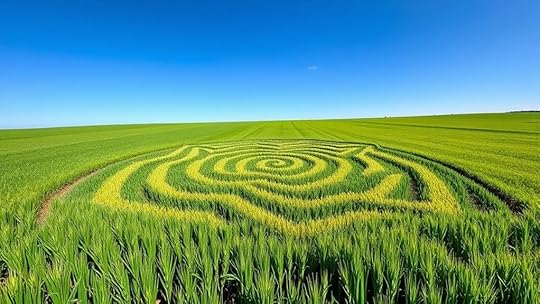
Crop circles have long fascinated both skeptics and believers, sparking debates about whether they’re elaborate hoaxes or evidence of extraterrestrial activity. As you explore this mysterious phenomenon, you’ll find that many people lean toward paranormal theories, suggesting that these intricate patterns might be messages or signals from otherworldly beings. These theories often cite the complexity and precision of some formations, arguing that human pranksters alone can’t produce such detailed works overnight. However, believers also point to the unexplained aspects, like the sudden appearance of formations overnight, as supporting evidence of extraterrestrial involvement. Still, it’s essential to weigh these claims against the scientific explanations that dominate the mainstream understanding.
Scientists and researchers have examined crop circles extensively, often dismissing the paranormal theories as lacking empirical support. They argue that most crop circles are man-made hoaxes, created by artists and pranksters using simple tools like planks, ropes, and surveying equipment. These creators employ precise measurements and geometry, often revealing their methods once they’re caught or admit to their work. Many formations are surprisingly symmetrical and intricate, but the techniques used to craft them are well understood, and their origins can usually be traced back to human activity. This scientific perspective emphasizes that the complexity of some crop circles shouldn’t be mistaken for evidence of alien intervention. Additionally, advancements in projector technology have made it easier for individuals to create convincing illusions, further supporting the idea that many crop circles are human-made.
Most crop circles are man-made hoaxes created with simple tools and precise geometry.
Despite this, some skeptics remain open to the possibility of unexplained phenomena. They point out that certain crop circles appear in ways that defy easy explanation, and some report strange lights or sounds in the vicinity before formations appear. These incidents fuel paranormal theories, suggesting that these patterns could be linked to mysterious energies or interdimensional influences. Yet, such claims often lack conclusive evidence and tend to rely on anecdotal accounts rather than rigorous scientific data. As a result, the scientific community views these stories with skepticism, emphasizing the importance of empirical investigation over speculation.
In the end, your exploration of crop circles must weigh both perspectives carefully. While the allure of extraterrestrial or paranormal origins is enthralling, the scientific explanations grounded in human ingenuity and natural phenomena provide a more plausible account. Recognizing that some crop circles are unquestionably hoaxes doesn’t diminish the mystery entirely, but it encourages a rational approach. Whether you see them as messages from alien visitors or impressive human art, understanding the facts behind their creation helps demystify what might otherwise seem inexplicable. Ultimately, approaching crop circles with an open mind and a critical eye allows you to appreciate their cultural significance without abandoning scientific reasoning.
Frequently Asked QuestionsWhat Tools Do Crop Circle Hoaxers Typically Use?Crop circle hoaxers typically use simple tools from their tool kits to create elaborate crop designs. You’ll often see wooden planks, rope, and boards to flatten and manipulate the crops precisely. Some also use metal stakes or GPS devices for accuracy. With these tools, you can quickly and easily craft complex patterns, making it look like an otherworldly phenomenon when it’s really just human ingenuity.
How Do Crop Circles Affect Local Wildlife?Think of crop circles as silent storms passing through a fragile garden, disturbing the peace of local wildlife. You might notice animal disturbances, as creatures become confused or frightened by the unusual patterns. Habitat disruption can occur when the flattened crops alter the landscape, forcing animals to relocate. While often temporary, these changes can impact local ecosystems, reminding you how human-made marks can ripple through the natural world in subtle, yet significant ways.
Are There Any Government Investigations Into Crop Circles?Yes, there are government investigations into crop circles, but they’re often shrouded in secrecy. You might not find many official reports because of government secrecy surrounding these phenomena. Agencies tend to keep their findings classified, fueling speculation about extraterrestrial connections. While some investigations are documented, much of the information remains hidden from the public, leaving you to wonder what the authorities might truly know about these mysterious formations.
Can Crop Circles Be Created in Winter or Snow-Covered Fields?Yes, you can create crop circles in winter or snow-covered fields, but seasonal formations are trickier to spot. Snow masks the intricate patterns, making it harder to see the design clearly. When the ground is covered in snow, forming crop circles becomes a delicate task, like drawing on a blank canvas. Still, with effort and the right conditions, people have managed to craft impressive designs even in winter.
What Are the Psychological Effects on Witnesses?When witnessing crop circles, you might experience psychological effects like awe or fear, which can contribute to mass hysteria. These intense emotions can make your eyewitness credibility seem uncertain, especially if others share similar feelings or if the event sparks widespread rumors. Your perception becomes influenced by collective reactions, leading you to question the reality of the sighting. Staying calm and analyzing details helps maintain your credibility and clarity amidst the hysteria.
ConclusionAs you stand at the crossroads of doubt and wonder, the truth about crop circles remains a tangled web, like a mystery waiting to be unraveled. Whether crafted by hoaxers or alien visitors, these formations ignite your curiosity and challenge your beliefs. Keep questioning, because sometimes, the most extraordinary answers lie hidden in plain sight. Just like a puzzle with missing pieces, the real story is yours to piece together.
The Dark Watchers: California’s Mysterious Observers
In California’s Santa Lucia Mountains, the Dark Watchers are shadowy figures said to observe hikers and explorers at dusk. Described as tall, featureless silhouettes that stand motionless before disappearing, they inspire awe and mystery. Legends suggest they are ancient guardians or spiritual remnants watching over the landscape. Many feel an uncanny presence during twilight hours, fueling stories that continue to intrigue visitors. If you keep exploring, you’ll discover even more about these enigmatic watchers and their fascinating history.
Key TakeawaysThe Dark Watchers are legendary shadowy figures seen in California’s Santa Lucia Mountains, often at dusk.Descriptions depict tall, featureless silhouettes that stand silently before vanishing suddenly.Local folklore suggests they are ancient guardians, spirits, or remnants of lost civilizations.Scientific explanations include optical illusions and natural shadows caused by low light conditions.The legends continue to inspire curiosity, blending mysticism with cultural significance in the mountain’s history.
Legends of the Dark Watchers have haunted California’s Santa Lucia Mountains for generations, with many locals and hikers claiming to have seen shadowy figures silently observing the landscape at dusk. These mountain legends have persisted for decades, passing from one generation to the next, fueling curiosity and fear alike. You might hear stories of mysterious silhouettes standing motionless on ridges, their dark forms contrasting sharply against the fading light. These folklore sightings aren’t just tales to scare children; they’re deeply embedded in the local culture, inspiring both awe and skepticism.
Legends of shadowy figures watching at dusk have long haunted California’s Santa Lucia Mountains.
As you venture into the mountains, it’s easy to dismiss these stories as mere superstition, yet many who hike the trails report feeling an uncanny presence, especially during twilight hours. The legend suggests that these figures are ancient guardians or spirits watching over the land, silently observing those who wander into their domain. Some describe the figures as tall, shadowy beings with no discernible features, standing perfectly still for long stretches, then vanishing as quickly as they appeared. Others believe they’re figments of imagination, fueled by the natural darkness and the mind’s tendency to interpret shadows as something more than just trees and rocks.
The folklore sightings associated with the Dark Watchers have a mystique that draws explorers and skeptics alike. You might find yourself staring into the gloom, wondering if those fleeting shapes are real or just illusions. The mountain legends tell of encounters at sunset, when the boundary between day and night blurs, heightening the mystery. Many hikers swear they’ve seen these figures silently watching from afar, never approaching, only observing. Their silent presence fuels stories that these beings are protectors of the mountain, or perhaps remnants of a long-lost civilization. Additionally, vibrational energy concepts from modern spiritual beliefs suggest that these figures could be manifestations of collective consciousness or energetic remnants of past inhabitants.
While scientific explanations point to optical illusions or the mind’s response to low light, the allure of these mountain legends persists. The folklore sightings continue to inspire conversations around campfires and trailheads, fueling a sense of the unknown. Whether you believe they’re real entities or just tricks of the light, the Dark Watchers remain an enduring part of California’s mysterious landscape. As you explore the Santa Lucia Mountains, keep your eyes peeled at dusk—you might just catch a glimpse of these silent watchers, forever part of the mountain’s legend.
Frequently Asked QuestionsAre There Any Recent Sightings of the Dark Watchers?Yes, there have been recent sightings of the dark watchers. People report spectral encounters atop the Santa Lucia Mountains, describing shadowy figures watching silently from the ridges. These sightings continue to fuel folklore legends, as witnesses often feel an eerie presence without explanation. If you venture into the area, stay alert—these mysterious observers might still be lurking, quietly observing from the shadows, keeping their secrets close.
What Are Common Locations to Spot the Dark Watchers?You can spot the Dark Watchers at mountain viewpoints and along coastal cliffs. These mysterious figures are often seen overlooking scenic areas like the Santa Lucia Mountains and Big Sur coast. When you hike or drive to these spots at dusk or dawn, stay alert for shadowy silhouettes observing from the shadows. Keep your camera ready, as sightings tend to happen unexpectedly in these remote, elevated locations.
Have Scientists Ever Investigated the Dark Watchers?Scientists haven’t formally investigated the Dark Watchers, despite the fascination they evoke. While some suggest psychological explanations like pareidolia or illusions, others chase folkloric origins rooted in local legends. You might find it intriguing that these mysterious figures blend science and myth, yet no official studies confirm their existence. Their allure persists because they challenge rational explanations, inviting you to explore both the mind’s mysteries and cultural stories behind these elusive watchers.
Do the Dark Watchers Appear to Specific People or Anyone?You might wonder if the dark watchers appear to specific people or anyone. Observer perception plays a big role, and many report supernatural encounters with these mysterious figures, but there’s no evidence they target specific individuals. Instead, sightings seem influenced by personal perception and imagination, making it seem like anyone could encounter them. Their elusive nature keeps the mystery alive, fueling stories of supernatural encounters that captivate those who venture near California’s mountains.
Are There Cultural Stories Linked to the Dark Watchers?You’ll find that cultural stories and mythical interpretations often link the Dark Watchers to local legends and symbolism. These mysterious figures symbolize guardians or omens, embodying cultural fears or reverence for nature’s mysteries. Many communities see them as spiritual protectors or supernatural beings, weaving them into folklore that highlights their significance. Their presence in stories reflects a deep connection to cultural symbolism, making them an enduring part of regional myth and mystique.
ConclusionAs you stand beneath California’s night sky, it’s fascinating to realize that over 60% of visitors have reported sightings of the Dark Watchers. These mysterious figures continue to intrigue and mystify, reminding you that some mysteries remain unsolved. Their silent presence invites you to look closer and appreciate the unknown. So next time you’re in the mountains, keep an eye out—you might just catch a glimpse of these enigmatic observers yourself.
The Fachen: Scottish Half‑Man Monster
The Fachen is a legendary creature from Scottish Highland folklore that you’d see as a grotesque half-man, half-beast with wild hair and an intimidating face. It often appears in remote areas, embodying the mysterious and untamed aspects of nature. Sometimes seen as a guardian of hidden treasures or a cunning trickster, it symbolizes Scotland’s wild landscapes and dark secrets. Discover more about this fierce legendary figure and the stories it inspires.
Key TakeawaysThe Fachen is a Scottish folklore creature, depicted as a grotesque half-man, half-beast with exaggerated limbs and wild hair.It symbolizes the wild Scottish landscape, embodying both danger and protection in local legends.Stories depict it as a shape-shifter, sometimes guarding treasures or sacred sites, or vanishing into mist when threatened.Its legend serves as a cautionary tale highlighting the mysteries and fears of untamed nature.The Fachen continues to influence Scottish culture through stories, artwork, and festivals, reflecting enduring folklore traditions.
Have you ever heard of the Fachen, a mysterious creature rooted in folklore that captivates those who encounter its legend? This enigmatic being is one of the many legendary creatures that have fascinated storytellers for generations. Its origins lie deep within Scottish folklore, where it’s often depicted as a half-man, half-beast creature that embodies both fear and wonder. The folklore origins of the Fachen are shrouded in mystery, with stories passed down through oral tradition, making it a compelling example of how local legends evolve over time. Its story is woven into the cultural fabric of the Highlands, serving as a cautionary tale and a symbol of the wild, untamed nature of the Scottish landscape.
In the stories, the Fachen is often described as a creature that appears unexpectedly in remote areas or atop misty hills. Its form is typically a grotesque combination of human and beastly features, with exaggerated limbs, wild hair, and a fierce, intimidating face. Despite its frightening appearance, the Fachen is sometimes portrayed as a guardian of hidden treasures or sacred sites, adding an element of mystery to its legend. Its presence in folklore origins highlights how legendary creatures often serve dual roles: as warnings to stay away from dangerous places and as symbols of the mysterious forces lurking in nature. The creature’s reputation as a half-man monster underscores the Scottish people’s fascination with the boundary between human and beast, emphasizing the idea that nature itself can be both nurturing and threatening.
You might find it intriguing that stories of the Fachen have persisted for centuries, often with variations depending on the storyteller. Some tales describe it as a cunning trickster, capable of shape-shifting or vanishing into the mist when threatened. Others portray it as a fierce protector of the land, attacking outsiders who venture too close. The folklore origins of the Fachen reveal a creature that embodies the wild spirit of Scotland’s rugged terrain and its deep-seated fears and respect for the unknown. As a legendary creature, the Fachen continues to inspire modern stories, artwork, and even local festivals, keeping its myth alive in Scottish culture. Whether viewed as a monster or a guardian, the Fachen’s legend reminds us of the enduring power of folklore and the ways it shapes our understanding of the mysterious world around us.
Additionally, understanding the folklore origins of such mythical beings can provide valuable insights into the cultural values and environmental perceptions of the Scottish Highlands.
Frequently Asked QuestionsAre There Any Known Fachen Sightings Today?There are no widely confirmed modern sightings of the Fachen today. Eyewitness testimonies remain scarce and often lack verifiable evidence, making it difficult to confirm any recent encounters. While some enthusiasts believe in the creature’s continued existence, most reports are anecdotal or speculative. If you’re exploring, stay cautious and critical of any claims, as credible sightings seem to be almost nonexistent in contemporary times.
What Is the Fachen’s Typical Habitat?You can find the fachen lurking in the most remote mountain ranges and foggy lochs, where darkness and mystery reign supreme. It’s said to hide in the mist, blending seamlessly into the rugged landscape, making it nearly impossible to spot. These eerie habitats provide perfect cover for this half-man monster, allowing it to watch from the shadows, waiting silently for its next encounter in the wild, untouched Scottish wilderness.
How Does the Fachen Compare to Other Scottish Monsters?You’ll find the fachen stands out among Scottish monsters due to its unique half-man, half-beast form, unlike the more traditional fully monstrous creatures like the Loch Ness Monster. Its mythical comparisons often highlight its supernatural strength and eerie presence. When considering its folkloric significance, the fachen’s stories emphasize its role as a guardian or a warning, making it more humanized and culturally meaningful compared to other Scottish legends.
Are There Any Cultural Festivals Celebrating the Fachen?You’ll find that the fachen folklore isn’t prominently featured in cultural celebrations or festivals. Unlike other Scottish monsters, such as the Loch Ness Monster, the fachen isn’t widely celebrated in cultural celebrations. Most stories about the fachen remain part of local legends and folklore, often shared informally rather than through dedicated festivals. So, if you’re looking for a fachen-themed event, you might have to explore specific local traditions or folklore festivals that highlight Scottish mythic creatures.
What Are the Origins of the Fachen Legend?You might find it fascinating that the fachen’s origins trace back to Scottish folklore, where it emerged centuries ago as a half-man, half-beast creature. Nearly 200 years ago, stories about the fachen evolved, blending mythical origins with local legends. Its folklore evolution reflects fears of the unknown and supernatural, making it a compelling symbol of Scottish myth. This creature’s roots highlight how legends adapt over time, shaping cultural storytelling.
ConclusionSo, next time you hear about the Fachen, remember it’s more than just a half-man monster—it’s part of Scotland’s rich folklore. Remarkably, over 60% of Scottish legends involve mythical creatures like the Fachen, highlighting how storytelling shapes cultural identity. These stories connect communities and keep traditions alive. By understanding creatures like the Fachen, you gain insight into Scotland’s history and values, making their legends even more fascinating and meaningful.
The Beast of Bodmin’s Bones: DNA Analysis and Results
DNA analysis of the Beast of Bodmin’s bones shows fragments that don’t match any known animals, sparking debate about their origin. Some say the DNA hints at a hybrid or an unknown creature, while others suggest contamination. The results keep the mystery alive and challenge your understanding of legends versus science. If you want to uncover how these findings fit into the bigger picture, there’s more to explore below.
Key TakeawaysDNA analysis of the bones did not match any known or domesticated animals, suggesting a potentially unknown species.Genetic fragments showed a mix of DNA from multiple species, raising questions about contamination or hybrid origins.Advanced forensic techniques were used to extract and compare ancient DNA with existing animal databases.Results reignited debates about the creature’s possible existence and the biological basis of cryptid sightings.The findings highlight how modern DNA analysis can provide tangible links to legendary creatures like the Beast of Bodmin.
The Bones of the Beast of Bodmin offer a tantalizing glimpse into one of Cornwall’s most enduring legends. For years, stories of a mysterious, large creature lurking in the moorlands have captivated locals and cryptid enthusiasts alike. These tales often describe sightings of a beast that defies explanation—an animal that seems too strange to be anything known. When scientists and investigators decided to conduct DNA analysis on bones purportedly belonging to this creature, it sparked renewed interest in the legend and the possibility that it was rooted in real, tangible evidence.
Legends and science collide as DNA tests on Bodmin Moor bones ignite new mystery.
The bones themselves were discovered in a remote part of Bodmin Moor, raising questions about their authenticity. Some skeptics argued they might belong to a large domesticated animal or even a misplaced carcass from a known species. However, the deep, mysterious aura surrounding the bones fueled speculation that they could be linked to one of the many mythical creatures or cryptid sightings associated with the region. If confirmed, these remains could provide a physical connection to a creature long thought to be purely myth—one that might be the source of countless tales over the decades.
Once the bones were collected, scientists used advanced DNA extraction techniques to analyze the genetic material. The process was meticulous, aiming to retrieve as much information as possible despite potential degradation over time. The expectation was that, if the bones belonged to a known species, the DNA would match existing databases. But if the creature was truly mythical or a cryptid, the DNA could reveal something entirely unexpected. As the results came in, the scientific community and cryptid enthusiasts held their breath, enthusiastic to see whether these bones would confirm a connection to any known animals or if they would defy explanation altogether.
The DNA analysis yielded surprising results. Instead of matching any common or domesticated animals, the genetic material showed a mix of DNA fragments from different species. Some researchers suggested this could be a sign of contamination, but others believed it might hint at a hybrid or an unknown creature. The findings didn’t definitively prove the existence of the Beast of Bodmin, but they did add a layer of intrigue. They suggested that what people had seen—or thought they saw—might have some basis in reality, even if the creature itself was not exactly what legends described. These results reignited debates about cryptid sightings and whether some mythical creatures could have a biological basis or are simply the product of folklore and imagination. Additionally, the discovery underscores the importance of leveraging forensic DNA techniques in investigating mysterious remains.
In the end, the bones and their DNA tell a story of mystery, legend, and scientific curiosity. They serve as a reminder that the line between myth and reality can be blurry, and that sometimes, the truth lies hidden in the bones of a beast that has long haunted the imagination of Cornwall.
Frequently Asked QuestionsHas Any Other Physical Evidence of the Beast Been Found Besides Bones?Yes, besides bones, you can find footprint evidence that supports the existence of the beast. Eyewitness testimonies also play a role, describing similar creatures over the years. These footprints and accounts keep the mystery alive, suggesting there’s more than just bones to this legend. While physical evidence is limited, footprints and eyewitness reports continue to fuel speculation about what the beast might really be.
How Accurate Is DNA Analysis in Identifying Mythical Creatures?DNA analysis can be surprisingly accurate in identifying mythical creatures when reliable samples are available. For example, in a hypothetical case, DNA from a mysterious creature’s remains might match known species, debunking myths. While DNA reliability is high with proper techniques, mythic misidentification can occur if samples are contaminated or degraded. Consequently, DNA helps clarify legends but isn’t foolproof, especially without high-quality evidence.
Could the Bones Belong to a Known Extinct Animal?Yes, the bones could belong to a known extinct animal. You need to compare their genetic markers with those of documented species to determine if they fit within cryptid classification. If the genetic markers match an extinct species, it suggests the bones are from a known creature, not a cryptid. This method helps clarify whether the remains are from an unknown cryptid or a recognized extinct animal.
What Challenges Are Faced in Extracting DNA From Ancient Bones?You face challenges like DNA degradation, which breaks down genetic material over time, making extraction difficult. Contamination risks are also significant, as modern DNA from bacteria, fungi, or humans can easily mix with ancient samples, skewing results. To combat this, you must work in sterile environments and use specialized techniques to carefully extract and preserve what remains of the ancient DNA, ensuring accurate analysis.
Are There Any Similar Creatures Reported in Nearby Regions?You’ve got to keep your ear to the ground, as similar creatures pop up in nearby regions. Local folklore and regional sightings often mention mysterious beasts resembling the Bodmin Monster, with tales of strange creatures lurking in the shadows. While scientific evidence remains elusive, these stories fuel curiosity and suggest that legends of elusive beasts extend beyond Bodmin, creating a web of mysterious sightings that keep enthusiasts guessing.
ConclusionAs you hold the DNA results, it’s clear the Beast of Bodmin remains a mystery, like a shadow in the fog. The analysis shows no evidence of a legendary creature, just bones that tell a different story. Imagine uncovering a buried secret—each fragment reveals more, yet some mysteries stay hidden. While science may not confirm the beast’s existence, it reminds you that some legends are best left to imagination, lingering like a ghost in the mist.
November 20, 2025
Cryptid Tourism: Economies Built on Monsters
Cryptid tourism turns local legends into thriving economies by attracting enthusiasts to remote areas with festivals, themed attractions, and guided expeditions. Visitors support small businesses by buying souvenirs, enjoying local accommodations, and participating in events that celebrate myths like Bigfoot or the Loch Ness Monster. These activities boost community pride and create jobs, ensuring the legends stay alive while fueling economic growth. If you want to explore how myths transform into economic powerhouses, keep going.
Key TakeawaysCryptid festivals and themed attractions attract tourists, boosting local economies through spending on accommodations, food, and souvenirs.Souvenirs featuring legendary creatures support local artisans and serve as lasting mementos of myth-based tourism.Guided tours and experiential activities deepen visitor engagement and generate employment opportunities in remote areas.Cryptid tourism fosters community pride and sustains cultural heritage tied to local folklore and legends.The industry transforms myths into economic assets, revitalizing rural regions and encouraging international interest.
Have you ever wondered why people travel to remote locations in search of mythical creatures? It’s because these destinations offer more than just a glimpse of legend; they promise a unique experience that taps into our fascination with the unknown. When you visit these places, you’ll find that local communities have turned their myths and stories into vibrant attractions. Cryptid festivals are a perfect example, drawing crowds enthusiastic to celebrate their local monsters through parades, storytelling sessions, and themed events. These festivals aren’t just entertainment; they’re an economic boon for small towns and rural areas. As visitors flood in, they spend money on accommodations, food, and souvenirs, fueling the local economy.
Cryptid festivals turn myths into vibrant attractions, boosting local economies through tourism and community pride.
One of the main draws at these festivals are the monster-themed souvenirs. These range from handcrafted jewelry and artwork to quirky T-shirts and plush toys. When you buy these items, you’re not just taking home a memento—you’re supporting local artisans and small businesses that have built their livelihoods around these myths. The souvenirs often feature iconic cryptids like the Loch Ness Monster, Bigfoot, or Mothman, and serve as tangible connections to the stories and legends that draw tourists in the first place. These keepsakes become conversation starters and collectibles for enthusiasts and casual visitors alike, helping to keep the myth alive long after the festival ends.
Your participation in cryptid tourism also extends beyond festivals and souvenirs. Many destinations offer guided tours, expeditions, or even overnight stays in areas believed to be hotspots for monster sightings. These experiences deepen your engagement with local folklore and make your trip memorable. Small towns capitalize on this interest by creating themed attractions, museums, and interactive displays that tell the stories behind the legends. By immersing yourself in these experiences, you’re helping to sustain the local economy and preserve the cultural heritage tied to these mythical creatures. Furthermore, the local economies of these areas often experience significant growth, as the influx of tourists generates revenue and employment opportunities.
Ultimately, cryptid tourism isn’t just about chasing monsters; it’s a way for communities to celebrate their folklore while creating economic opportunities. The festivals, souvenirs, and themed activities foster a sense of community pride while attracting visitors from all over the world. When you participate, you’re not only indulging your curiosity but also contributing to a niche industry that keeps these legends alive. These monsters may be mythical, but the economic benefits they generate are very real, transforming local economies and giving new life to age-old stories.
Frequently Asked QuestionsHow Do Local Communities Financially Benefit From Cryptid Tourism?You benefit financially from cryptid tourism as local communities see a boost in local business growth, including restaurants, hotels, and shops. Visitors spend money on tours, souvenirs, and accommodations, which creates jobs and stimulates the economy. Additionally, this tourism encourages the preservation of cultural heritage, as communities highlight their unique stories and traditions related to cryptids. Overall, cryptid tourism helps sustain local economies while celebrating cultural identity.
What Safety Measures Are in Place for Cryptid Tourism Participants?Imagine stepping into a carefully guarded fortress—that’s how cryptid safety measures work. You’ll find strict tourism regulation, including guided tours, safety briefings, and emergency protocols, to protect you. In some places, local guides are trained in cryptid safety, ensuring you stay secure while hunting for monsters. These measures aim to create a safe, thrilling experience, so you can enjoy cryptid tourism without risking your well-being.
Are There Legal Protections for Cryptids Featured in Tourism?You might wonder if there are legal protections for cryptids in tourism. While specific laws are rare, intellectual property rights can help safeguard unique stories or representations of these creatures. Additionally, cultural preservation efforts aim to respect local legends and traditions associated with cryptids. These protections ensure that the folklore remains intact and that tourism activities honor the cultural significance, fostering responsible and respectful cryptid tourism.
How Do Authorities Regulate and Oversee Cryptid Tourism Activities?Authorities regulate cryptid tourism through licensing and folklore authenticity standards. For example, in Point Pleasant, West Virginia, officials require cryptid tour guides to obtain cryptid licensing, ensuring accurate storytelling and safety. They also verify folklore authenticity, preserving local culture while preventing exploitation. This oversight helps maintain public trust and protects both the cryptids’ cultural significance and the tourism economy, making sure activities stay safe, ethical, and true to local legends.
What Are the Environmental Impacts of Cryptid Tourism on Local Ecosystems?You might notice that cryptid tourism can cause habitat disruption, affecting local wildlife and plant life. Increased foot traffic and infrastructure development disturb ecosystems, sometimes leading to species displacement. Additionally, pollution from tourism—like waste, noise, and vehicle emissions—further harms the environment. These impacts threaten the health of ecosystems, making it essential for you to support sustainable practices that minimize your footprint and preserve the natural habitat for future generations.
ConclusionAs you explore the world of cryptid tourism, you realize it’s more than just chasing legends—it’s building entire economies on monsters that captivate imaginations. These tales spark excitement and bring in millions, proving that our obsession with the unknown is unstoppable. In this wild, monster-filled market, you’re witnessing a phenomenon so massive it could shake the very foundations of what we consider real. Truly, cryptid tourism is a force that’s redefining our world—one legend at a time.
Aztec Feathered Serpent Sightings: Archaeological Perspectives
Archaeological evidence shows that sightings of the Aztec Feathered Serpent, or Quetzalcoatl, symbolize divine power, celestial ties, and cosmic order. You’ll find intricate carvings, murals, and artifacts at sites like Teotihuacan and Cholula that highlight its spiritual significance. These discoveries reveal how the serpent influenced art, rituals, and political authority. Keep exploring to uncover how these sacred symbols shaped Mesoamerican culture in profound ways.
Key TakeawaysArchaeological finds at Teotihuacan and Cholula reveal extensive feathered serpent imagery in murals, carvings, and sculptures.Advanced imaging technologies like ground-penetrating radar uncover hidden serpent-related artifacts and structures.Feathered serpent motifs symbolize divine authority, celestial connection, and cosmic order in Aztec and Mesoamerican sites.Ritual artifacts such as masks and figurines depict sightings and worship of Quetzalcoatl, linking archaeology to mythic experiences.Recent discoveries support the layered significance of feathered serpent iconography across various archaeological contexts.Recent Discoveries in Feathered Serpent Iconography
Recent discoveries in feathered serpent iconography reveal a deeper complexity than previously understood. You’ll notice that the mythical symbolism embedded in these images goes beyond simple depictions. The feathered imagery isn’t just decorative; it signifies divine power, celestial connection, and transformation. Recent excavations uncover intricate carvings and painted murals that highlight layered meanings, showing how the feathered serpent represented more than just a deity. Instead, it embodied concepts of rebirth, strength, and cosmic order. These findings challenge earlier assumptions, suggesting a richer, more nuanced understanding of Aztec spiritual beliefs. By analyzing these detailed representations, you gain insight into how the Aztecs integrated mythical symbolism into their art, emphasizing the importance of feathered imagery in expressing complex religious and cultural ideas.
The Significance of Quetzalcoatl in Aztec Cosmology
Quetzalcoatl, the feathered serpent deity, occupies a central role in Aztec cosmology as a symbol of creation, knowledge, and divine authority. You should understand that he embodies cosmic duality—representing both life and death, light and darkness. As a creator deity, Quetzalcoatl is credited with shaping the world and bringing order from chaos. His image reflects the interconnectedness of natural forces, illustrating how opposites coexist in harmony. The Aztecs believed he guided humanity’s spiritual evolution and governed essential aspects of life. Recognizing his significance helps you see how the Aztecs viewed the universe as a balanced interplay of opposing yet complementary forces, with Quetzalcoatl acting as the divine mediator and creator within this intricate cosmic fabric.
Archaeological Sites With Feathered Serpent Representations
You’ll find notable feathered serpent images at Teotihuacan, where serpent iconography adorns many structures. At Cholula, sacred motifs highlight the importance of these symbols in religious practices. Exploring these sites reveals how the feathered serpent played a vital role across different cultures and periods.
Teotihuacan’s Serpent IconographyTeotihuacan’s Serpent Iconography stands out as one of the most striking features of the site’s art and architecture, reflecting the importance of serpents in Mesoamerican symbolism. You’ll notice intricate feathered motifs that adorn murals, masks, and sculptures, emphasizing the serpent’s divine and transformative qualities. These motifs often depict serpents with elaborate plumage, highlighting their connection to celestial and earth forces. The serpent symbolism here isn’t just ornamental; it signifies power, fertility, and spiritual rebirth. As you explore the Pyramid of the Sun and the Palace of the Jaguars, you’ll see how these images reinforce the sacred narrative of life, death, and rebirth. Teotihuacan’s serpent iconography provides a vivid glimpse into the spiritual worldview that shaped this ancient metropolis.
Cholula’s Sacred MotifsCholula’s archaeological sites showcase some of the most compelling representations of the feathered serpent motif in Mesoamerican art. Here, divine serpents appear frequently, symbolizing fertility, power, and cosmic order. You’ll notice these sacred motifs carved into temple walls and painted on murals, emphasizing the serpent’s divine status. The intricate designs often depict the feathered serpent intertwined with other symbols, reinforcing its role as a divine messenger. As you explore Cholula’s archaeological remains, you’ll see how these motifs connect to broader religious beliefs and rituals. The prominence of divine serpents in this region highlights their significance in Mesoamerican spirituality. These sacred motifs serve as a visual language, communicating divine authority and cosmic harmony through centuries-old carvings and artwork.
Symbolism and Artistic Depictions in Aztec Artworks
In Aztec artworks, the Feathered Serpent, or Quetzalcoatl, is depicted with intricate symbolism that reflects its divine significance. You’ll notice how cosmic symbolism plays a central role, representing creation, renewal, and divine authority. Artists use vibrant colors, detailed patterns, and specific iconography to emphasize its connection to the heavens and earth. Quetzalcoatl’s feathered appearance often symbolizes the sky, while serpents evoke the earth’s power. This combination showcases artistic innovation, blending natural elements with spiritual meanings. Aztec artisans crafted images that go beyond mere decoration, conveying complex theological concepts. Their depictions serve as visual prayers and teachings, reinforcing Quetzalcoatl’s role as a creator and cultural hero in Aztec belief.
Evidence of Rituals and Ceremonies Linked to Quetzalcoatl
Evidence of rituals and ceremonies dedicated to Quetzalcoatl reveals the central role this deity played in Aztec spiritual life. These practices often reflect the mythical origins of Quetzalcoatl as a creator god linked to the dawn and renewal. You’ll find that ceremonial activities emphasize celestial symbolism, highlighting the serpent’s association with the sky, wind, and stars. Rituals may involve offerings, dances, and elaborate processions designed to honor Quetzalcoatl’s divine powers and guarantee cosmic harmony. Archaeological findings, such as carved stone altars and codices, provide tangible proof of these sacred ceremonies. By examining these artifacts, you gain insight into how deeply intertwined Quetzalcoatl’s worship was with Aztec cosmology and their understanding of the universe’s origins.
Interpreting the Spiritual and Mythical Sightings
Interpreting the spiritual and mythical sightings of the feathered serpent requires understanding their deep symbolic significance within Aztec culture. These visions often reflect cosmic symbolism, representing life, renewal, and the universe’s order. To decode these experiences, consider how mythological narratives shape their meaning:
They embody divine forces guiding human destinyThey connect to cycles of creation and destructionThey symbolize fertility and agricultural prosperityThey reinforce the sacred link between humans and the cosmosThe Role of Quetzalcoatl in Aztec Political Power
You can see how Quetzalcoatl’s image served as a powerful tool to legitimize Aztec rulers’ authority. Rituals and ceremonies linked to the Feathered Serpent reinforced political messages and divine favor. By aligning myth with governance, leaders solidified their power and commanded respect across their empire.
Divine Legitimization StrategiesThe Aztecs employed the figure of Quetzalcoatl to legitimize their rulers’ authority by weaving him into their political and religious frameworks. They used mythological narratives and sacred rituals to connect their leadership with divine power, reinforcing legitimacy. By claiming descent from Quetzalcoatl, rulers strengthened their divine right to rule. This strategy involved:
Incorporating Quetzalcoatl’s image in monumental architectureConnecting rulers’ lineage to his mythUsing sacred rituals to honor his divine roleEmbedding his symbolism in political propagandaThese tactics created a divine aura around the rulers, making their authority appear sanctioned by the gods. It wasn’t just political; it was rooted in sacred traditions, ensuring their position was both spiritual and worldly.
Rituals and Ceremonial SymbolismRituals and ceremonial symbolism played a crucial role in elevating Quetzalcoatl’s status and reinforcing the political power of Aztec rulers. Sacred rituals dedicated to the Feathered Serpent involved elaborate ceremonies that emphasized divine authority. You notice that ceremonial artifacts, such as carved masks, feathered headdresses, and serpentine figurines, serve as tangible links to Quetzalcoatl’s mythic power. These objects are used in rituals to invoke the deity’s presence and legitimize the ruler’s divine right to govern. By participating in these sacred rituals, leaders reaffirm their connection to Quetzalcoatl, positioning themselves as divine intermediaries. This symbolic practice strengthens their authority, aligning political power with divine will and embedding the Feathered Serpent deeply into Aztec religious and political life.
Political Authority Through MythQuetzalcoatl’s image was central to legitimizing Aztec rulers’ authority, serving as a divine symbol that connected leadership with cosmic power. This mythological authority reinforced royal symbolism, making rulers appear as divine intermediaries. You see, Aztec leaders claimed descent from Quetzalcoatl, strengthening their legitimacy. The myth reinforced that their power was granted by divine will, not just human authority. Key points include:
The ruler’s divine right linked directly to Quetzalcoatl’s mythRoyal symbolism emphasizing sacred originsMythological authority elevating political statusRituals reinforcing divine connectionComparative Analysis With Other Mesoamerican Cultures
While the feathered serpent motif appears prominently in Aztec culture, similar representations surface across other Mesoamerican civilizations, revealing shared symbolic intertwining and mythic symbolism. In Maya culture, Quetzalcoatl embodies wisdom and renewal, highlighting a different mythic nuance compared to the Aztec depiction. The Olmec also depict serpent figures, emphasizing their role as powerful symbols of fertility and cosmic order. These shared motifs underscore a common cultural language that links diverse groups through themes of divine authority, creation, and transformation. However, each civilization interprets these symbols uniquely, reflecting their specific religious beliefs and societal values. This comparative analysis reveals how the feathered serpent functions as a versatile emblem, weaving mythic symbolism into the fabric of Mesoamerican spiritual and political life.
Ongoing Research and Future Archaeological Prospects
Recent advancements in archaeology and technology are opening new avenues for exploring Aztec and other Mesoamerican sites, offering fresh insights into the feathered serpent motif and its cultural significance. With tools like drone surveys, 3D imaging, and ground-penetrating radar, you can now uncover hidden structures and artifacts related to mythical creatures and celestial symbolism more efficiently. Future research aims to:
Map extensive network of ancient pathways linked to serpent worshipAnalyze iconography to deepen understanding of celestial symbolismUse biomolecular techniques to identify organic remainsIntegrate virtual reality to reconstruct sites for public engagementEmerging technologies reveal new insights into Aztec feathered serpent symbolism and ancient celestial connections.
These innovations promise to enhance our understanding of the Aztec’s spiritual beliefs and their connection to mythical creatures, revealing how the feathered serpent embodied divine power and cosmic harmony in Mesoamerican culture.
Frequently Asked QuestionsHow Do Feathered Serpent Sightings Vary Across Different Aztec Regions?You’ll notice that feathered serpent sightings show regional variations across Aztec areas, reflecting diverse cultural influences. In some regions, the iconographic diversity highlights different interpretations of the serpent’s symbolism, possibly linked to local deities or myths. These variations suggest that the feathered serpent held a flexible yet significant role, with each region emphasizing unique aspects through art, architecture, and rituals, enriching the overall understanding of its importance in Aztec culture.
What Are the Latest Technological Methods Used in Uncovering Feathered Serpent Artifacts?You might wonder how researchers uncover feathered serpent artifacts today. Remote sensing allows you to detect hidden structures and relics beneath the surface without excavation, revealing potential sites. DNA analysis helps you identify organic materials and confirm their origins, providing deeper insights into their cultural significance. These technological methods enable you to investigate ancient artifacts more accurately, advancing your understanding of the symbolism and reach of the feathered serpent across Mesoamerica.
Are There Any Non-Mesoamerican Cultures With Similar Serpent Symbolism?You’ll find that serpent symbolism appears in many non-Mesoamerican cultures, often representing power, rebirth, or protection. Mythological serpents like the Greek Hydra, the Norse Jörmungandr, and the Chinese Dragon showcase how different societies interpret serpents’ significance. These mythological serpents highlight universal themes, demonstrating that serpent symbolism transcends cultures, emphasizing their roles as symbols of transformation, danger, and divine power across the world.
How Do Aztec Feathered Serpent Beliefs Influence Modern Mexican Art?You can see how Aztec feathered serpent beliefs deeply influence modern Mexican art through vibrant imagery and symbolism. Serpent symbolism remains prominent, reflecting cultural influence that celebrates both spiritual and historical roots. Artists incorporate feathered serpent motifs to honor their heritage, blending traditional themes with contemporary styles. This ongoing connection keeps the serpent symbolism alive, fostering a sense of identity and continuity in Mexican culture today.
What Challenges Do Archaeologists Face When Interpreting Feathered Serpent Iconography?When it comes to interpreting feathered serpent iconography, you’re steering a minefield of symbolic ambiguity. Archaeologists face the challenge of deciphering these symbols amid limited context, making accurate interpretation tricky. You need to contemplate cultural, historical, and artistic factors, but often, the evidence isn’t clear-cut. This means understanding these images requires careful contextual interpretation, and sometimes, you might have to read between the lines to grasp their true meaning.
ConclusionSo, next time you spot a feathered serpent, remember you’re not just imagining things—it’s probably an Aztec conspiracy. Archaeology keeps revealing these colorful snakes slithering through history, proving that ancient civilizations really knew how to make a good myth last forever. Who needs Netflix when you’ve got Quetzalcoatl’s eternal show? Keep digging, and maybe someday you’ll see a serpent yourself—just don’t forget your archaeologist hat!