Rick Conlow's Blog, page 5
August 13, 2022
12 Timeless and Stimulating Time Management Quotes
Why twelve-time management quotes? Consider, if we share fifty it would be pointless because there would be too many to take the time to review.
 The number twelve represents time and space. Historians say it is a powerful number depicting order, a good kind of perfection, and the completion of things in life. Note a calendar has twelve months.
Consequently, read these quotes and note the time management technique each represents. May your days ahead find these helpful to you and add fullness to your days.
12 Timeless and Stimulating Time Management Quotes���Your time is limited, so don���t waste it living someone else���s life��� Steve Jobs“Until you value yourself, you will not value your time. Until you value your time, you will not do anything with it.” M. Scott Peck“One reason so few of us achieve what we truly want is that we never direct our focus; we never concentrate our power. Most people dabble their way through life, never deciding to master anything in particular.” – Tony Robbins“The secret of your future is hidden in your daily routine.” Mike Murdock“Give me six hours to chop down a tree and I will spend the first four sharpening the axe.” Abraham Lincoln“The shorter way to do many things is to only do one thing at a time.” Mozart“The most efficient way to live reasonably is every morning to make a plan of one���s day and every night to examine the results obtained.����� Anonymous���A plan is what, a schedule is when. It takes both a plan and a schedule to get things done.��� Peter Turla���To do two things at once is to do neither.” Publius Syrus���The essence of self-discipline is to do the important thing rather than the urgent thing.��� Barry Werner���Time = life; therefore, waste your time and waste of your life, or master your time and master your life.��� Alan Lakein“Do not count every hour in the day. Make every hour in the day count.” Alfred BinetPulling It All TogetherIn summary: research on time management suggests three keys:
Attitude is everything. Think about the quotes above and the encouragement they provide you for living a happier life by cherishing your time more fully.Set short term goals and plans that move you forward and give you progress. Keep learning to stay sharp.Establish longer term goals for growth personally, professionally, and financially.In conclusion, here is a bonus quote by Jill koenig, author of Live Your Dreams, to bind your thoughts together about your career and impact, ���If a goal is worth having, it is worth blocking out the time in your day-to-day life necessary to achieve it.�����
 Also, check this out for your career development: Maximizing Your Personal Potential.
In addition, go here for our RealTime Learning & Training leadership and personal development website. Over 130 micro-learning and career advancement resources at your fingertips!
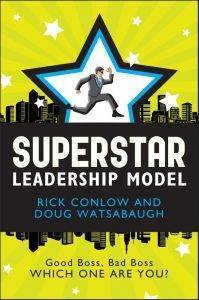
Finally, do you want to accelerate your leadership success? Go here for Rick���s Superstar Leadership eBook.
The post 12 Timeless and Stimulating Time Management Quotes appeared first on Rick Conlow.

July 20, 2022
Servant Leadership Principles: How to Make them Work
In the video post you will learn five Servant Leadership principles that will change your management career. With the Great Resignation it is evident the current leadership thought is broken. In essence, all leaders at all levels must elevate their capabilities if they want to create high performing teams.
Servant Leadership Principles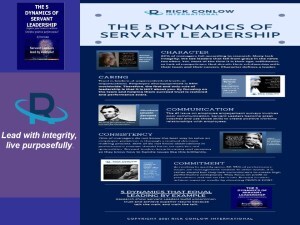 All Servant Leadership principles begin with this fact. The first and only rule of servant leadership is that it is not about you. It is about the team. This servant leadership training video describes the dynamics of the servant leadership principles. Above all, it shows you how to achieve breakthrough performance with your team and your career.
Too many “leaders” have this backwards. Unfortunately, they focus on profit or their personal success. That is why 82% of the world’s 400 million team leaders, supervisors, managers, and executives are failing. Likewise, globally, 85% employees are disengaged. It does not have to be that way for YOU! Let us help you elevate people. Learn these Servant Leadership principles. As you do, extraordinary things will happen with your team. Furthermore, you help make the world a better place. As a result, let us reach for reach for 100% employee engagement and accelerated high performance.
In conclusion, watch this leadership video training now and see how. THANKS FOR COMING! GIVE US A THUMBS UP AND SHARE IT WITH OTHERS.
Pulling It all Together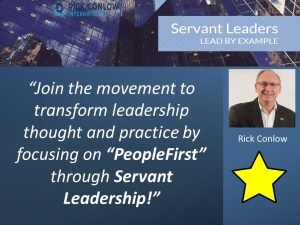 Also, engage Servant Leadership and the revolution taking place about the power of people. We are committed to publishing the best-in-class materials. This includes servant leadership principles, videos, pictures, quotes, and materials from great minds everywhere. Certainly, our purpose aims to encourage, coach, and inspire managers to elevate PEOPLE FIRST in organizations. Join us at: RickConlowInternationalonLinkedIn:ServantLeadership.
In addition, see Rick’s newest book. The 5 Dynamics of Servant Leadership: Inspire Your Team to Achieve Extraordinary Goals!
Finally, see our RealTime Learning & Training leadership and personal development website. It includes, over 250 resources. It is micro-learning and career advancement at your fingertips!
The post Servant Leadership Principles: How to Make them Work appeared first on Rick Conlow.
July 4, 2022
Warning: Pessimism is Hazardous to Your Health
Pessimism is hazardous to your health, according to a 25-year study at the world-renowned Mayo Clinic. The study wanted to identify optimism and pessimism tendencies in people. Therefore, the Mayo Clinic distributed a personality test to hundreds of participants. The results proved that, on average, pessimistic people die 19 percent earlier than optimistic individuals. In other words, optimistic people live 13-14 years longer, suffer less illness, and experience a better quality of life. I do not know about you but that matters to me. As a result, I checked out what else relates to this.
 Additional Research on Pessimists and Optimists
 Research also shows that optimists and pessimists clearly act differently when confronted by adversity. Pessimists lack confidence and envision the worst. This leads to hopelessness. It also creates added worry, fear, anxiety, stress, and depression. They often stop trying and are miserable. Unfortunately, this kind of world view destroys a person’s attitude, and decreases career opportunities. Subsequently, according to research it diminishes life expectancy.
Blind optimism can cause over confidence and carelessness. Yet under pressure optimists tend to continue to perform well. They say things like “Every day is a good day if you are above ground.” Furthermore, they cope better with life issues, make more money, and have a happier outlook on life.
Cognitive neuroscientist Dr. Caroline Leaf agrees with Mayo and says, “75-95% of illnesses are related to our thought life and diet.” Certainly, whether you are a realist, pessimist or optimist, the bottom line is that our thinking significantly impacts our physical and emotional well-being.
How to Gain Optimism over PessimismWhile we do not want to overlook the difficulties, we tend to face at times. An optimistic view looks for the opportunity in life. Recently we asked this question of top performing employees at a dozen of our clients: what do you want out of life? Their responses fit into these categories:
Health/WellnessSelf-SatisfactionTravelRecognitionPurposeSuccessHappinessGreat friendshipFamily TimeMaterial ThingsFinancial independenceFunDo You Favor Pessimism or Optimism?Where do your responses fit? These kinds of desires are the true motivators in life. Also, the above examples give us hope for positive living. You know as well as I do that there are tragic and insurmountable problems to solve in this world: human trafficking, climate change, poverty, hunger, war, disease, secular violence, and racism. The world desperately needs great ideas and people. Human progress accelerates when people break boundaries with an optimistic approach that declares the impossible possible. Most importantly, as William Clement Stone declared, “Whatever the mind of man can conceive and believe, it can achieve!”
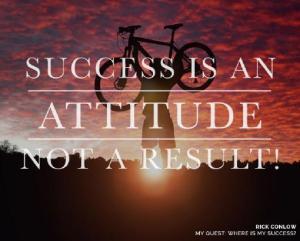 If this touches a chord with you, here are seventeen things you can do to cultivate more optimism over pessimism. If we as humans use only a small percentage of our potential, isn’t it worth the effort access more of it? For example, consider these ideas.
In conclusion, Dr. Martin Seligman, a pioneer in positive psychology, demonstrates that optimism is learned. Consequently, so is pessimism and helplessness. He teaches that there is a battle within everyone to overcome negative self-talk. He suggests coaches or counselors can help people work through it. In addition, Dr. Seligman states, “It’s no surprise that optimistic athletes, managers and teams do better. What is interesting is where they do better. It is in coming back from defeat and acting in the clutch.”
Also, do you want more success in life? See this complimentary guide and assessment on habits of optimistic and successful people not the pessimistic ones: Success Practices Assessment and Guidebook.
In addition, go here for our RealTime Learning & Training leadership and personal development website. Over 130 micro-learning and career advancement resources at your fingertips!
Finally, do you want to accelerate your leadership success? Go here for Rick’s Superstar Leadership eBook.
The post Warning: Pessimism is Hazardous to Your Health appeared first on Rick Conlow.
June 30, 2022
Ten Principles for an Employee Bill of Rights
Employees need a global bill of rights. Why? Companies worldwide have battered and taken advantage of them. Who is standing up for employees? What protection do employees really have? Yes, governments pass laws to help. European countries do a better job. Unions are on the decline. However, organizations always find the loopholes. Most companies have statements of ethics or teamwork in their employee handbooks.
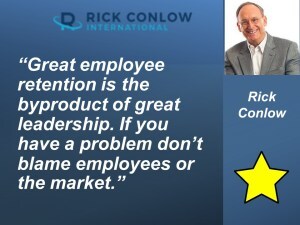
The truth is a boss can fire someone at will. If the boss does not like you, there are no promotions. If the boss lacks leadership skills–as too many do–employees are in a tough spot. Human resource leaders are more like cops looking for those breaking the rules rather than employee champions. With employee disengagement and disenchantment over 80% globally, we need profound change. The Great Resignation and Quit are symptoms of the problem. (See my post: The Foreshadowing and Manifestation of an Employee Apocalypse)
 7 Reasons that Define the Problem
Here are the seven fundamental reasons for CHANGE. These results below do not inspire employees. They increase poor morale, productivity, innovation, and customer service. Here is the problem: (it is far worse in underdeveloped countries)
As mentioned, poor employee engagement. Leadership distrust is rampant. And, 82% of managers fail.Declining employee benefits.Pay increases that do not keep pace with executives’ increases or inflation. Meanwhile, company profits have soared and they have record breaking levels of cash-in the US- on hand of approximately $6 trillion. Workplace bullying is an epidemic. Sexual harassment persists and still a huge problem.Fewer gains in the customer’s experience the last twenty years. This is a similar trend worldwide.The rise of corporate fraud.Why an Employee Bill of Rights?Quite frankly, too many companies do not respect employees as valued partners. Who in their right mind would say that corporations, with all the symptoms listed above, really care about their employees? How many friends or relatives have a story about a bad boss? All companies did not generously offer up equal opportunity, a harassment-free workplace or fairness to people with disabilities. As history proves protests and strikes led to the legislation and corporate change.
My brother-in-law worked for a company about two years. He did an outstanding job and received a promotion to lead supervisor. He did excellent quality work and brought up ideas for improvement. Therefore, his performance evaluations were excellent. When business slowed down, he and others were laid off. Since that time, this company has expanded and built an additional building. They really fired him because of his experience and therefore he had a higher hourly rate. In addition, he was too honest for them. He would hold up projects for inferior quality, and willing raised ideas to make things better. This treatment of an exemplary employee is not right. Without a union he had no recourse, except a lawsuit which he could not afford.
Certainly, there are excellent organizations. And executives who are enlightened, service focused, and truly embrace that concept of an exemplary employee experience and engagement. For example, see Fortunes Top 100 Companies. They are the role models. Sadly, most companies must improve.
10 Principles for an Employee Bill of Rights Years ago, I created a CEO Scorecard related to creating a humane workplace. It is published in the post: Redux: Why Many CEOs Should be Fired or Reprimanded. Not surprisingly some took offense. One executive took issue with the post and wrote “…where the labor is so primitive and replaceable that you cannot justify paying much above the minimum wage. No amount of team-building and conflict resolution will earn these employees’ hearts and minds.” An attitude like this is precisely why employees need more protection. This elitist view is more pervasive than we want to know.
Leadership is about people, not the paycheck. It is not about profit but possibilities. When employers view employees as “primitive and replaceable”, no wonder they are not spirited patriots or engaged. Eventually people rebel against abuse and tyranny.
 Employees in any organization deserve humane treatment:The right of be related to with respect, dignity, honesty, courtesy, and as a valued partner. (I know leaders who will not speak to an employee in the hallway or plant.)The right to work for a fair, equal, and living wage that keeps pace with executive pay increases.The right of an equal opportunity to succeed based on their performance not discriminated against because of politics, nationality, race, age, disability, or gender.The right of good working conditions where safety is paramount, teamwork is the norm, harassment of any kind s not tolerated, and employees have the appropriate tools and resources to do an excellent job.The right of regular and constructive communication from their boss and the company. In this way, they know the company’s performance, their boss’s expectations, and their own progress.The right of recognition and praise for a job well done.The right to comprehensive benefits, including health care and a retirement package, regardless of their status.The right to keep learning through on-going training and education so they can do an even better job or advance in their career.The right to work/life balance.The right to a fair impartial grievance process if there are problems or issues on the job.
Great leaders and companies do the above and more. Executives and managers can learn but they need the training and coaching to do that. However, it is often an issue of personal values.
Pulling It All Together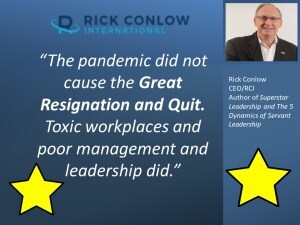 Former President Bill Clinton said, “This century will be remembered as a time when millions of working men and women fought for and won basic freedoms too long denied them—the right to safe workplaces; the freedom to organize; the ability to put an end to abusive child labor; the right to have health insurance and retirement benefits and to earn a decent wage for labor.”
We are far from realizing the thoughts of that quote. Unless companies adopt principles like those above, I believe we will have significant labor problems for both blue-and white-collar workers in the decades ahead. These labor conflicts will dwarf the challenges of the late 1800’s and early 1900’s. And the current Great Resignation and Quit.
Governments should collaborate aggressively to prepare employees for the economies of the future. Executives and managers who take initiative and lead in ways indicative of the above (Servant Leadership) will advance quickly. With disrupted economies and sectarian violence so widespread, labor trouble is brewing around the world. If companies treated employees as partners and not pawns, labor unrest is preventable. In summary, employees need protection and a Bill of Rights because it is the right thing to do–to lead with integrity and honor not selfishness and greed. Furthermore, treating people right leads to greater business results, a fact that so many poor leaders cannot seem to comprehend.
What do you think about an Employee Bill of Rights? Please share your thoughts… Also, do you want to help lead the change of leadership practice and thought to elevate “People First”? See our page ServantLeadership@RickConlowInternational.
In addition, do you want to accelerate your career or team’s performance? Check out my books: the Superstar Leadership Model or the 5 Dynamics of Servant Leadership for a boost!
If you are a manager or employee, subscribe to my Superstar Leadership Blog for over 400 complimentary resources for leadership and professional development.
If you liked this post, here are recent other posts you may find helpful. Thank you!7 Fairy Tales Companies Tell ManagersThe Top 11 Things Employees Want from a LeaderServant Leaders Achieve Extraordinary Results7 Miserable Mistakes Managers Make7 Keys to Unleash Employee Productivity, Motivation, and EngagementWhat Servant Leadership Looks Like: Ukrainian President ZelenskyThe Positive Impact of Performance Discussions5 Superstar Coaching Steps: How to Inspire Your Team31 Positive Life Changing Quotes You Will RememberLead by Example to Inspire Your TeamThe post Ten Principles for an Employee Bill of Rights appeared first on Rick Conlow.
June 14, 2022
The Top Eleven Things Employees Want From A Leader
What do employees want from their boss or in a job? Obviously, they are not receiving it with the elevated levels of employee discontent, disengagement, and distrust. Consequently, the current Great Resignation and Quit manifested into a nightmare for leaders and organizations.
You do not have to succumb to these negative results. If you pay attention to these eleven things employees want in a job, you will have a real opportunity to create an inspired and highly engaged team. And you will be able to retain them. That is good news for employees, companies, and for your career.
Top Six Things Employees WantRespect80% of employees say they do not get respect on the job. So, do not have secrets, or intentionally instill fear in people. Treat employees as adults not like children. Certainly, be as open and as honest as you can. Build up your team; do not beat them up. Above all, you earn respect by giving respect. Engage employees as partners not peons or expendable resources.
Trust Follow-through on your commitments. Further, be genuine and conduct business in an ethical manner. Pay fairly and give people a clear path on how they can earn more. Admit mistakes and move head with a plan to improve.
There are too many examples in the media of ineffective and fallen leaders. You do not have to be one of them. For example, Vishal Garg, the CEO and founder of Better.com, laid off 900 employees on a Zoom call. That is disgraceful, and it destroyed any trust between management and employees.
Clear Expectations and GoalsGive your employees a clear understanding of their roles, responsibilities, and objectives. Do this one on one and with the team. Always remember, this is not a one-time event. Do it periodically through the year: monthly to quarterly. Conducting performance reviews only once a year does not cut it today. Our clients learn to do monthly performance discussions. This has led 75-80% highly engaged employees! (Remember 85% of global employees are disengaged, in the US it is two out of three on average. Most performance problems come from a lack of clear expectations/goals, poor communication, and little recognition.
Recognition and PraiseThe better people feel about what they do, the more they want to do it well. Recognize them for progress, a job well done or for goals achieved. Do the same for your team. Be genuine and creative. When consulting with clients we always find ways to do individual and team recognition at meetings. Interestingly, most client managers seldom think of it on their own.
CommunicationAs simple as it sounds, keep people informed as a team and aware as individuals. This means that you need to communicate multiple formats. For example, use meetings, one on ones, virtual sessions, phone conferences, company portal, email, Zoom, and texts. Learn to do each of these appropriately. Therefore, it is not an excuse for poor communication if you are separated by distance from members of your team. In most employee engagement surveys; leadership communication often has the poorest ratings and the most negative feedback. Interestingly, surveyed CEO’s list communication as a key to their success. See the problem?
Workplace FlexibilityThe pandemic showed that remote work…works! Employees discover crucial benefits working from home. (no commute, more time with family, save money etc.) Working from home can improve results!
Ex-Google CEO Eric Schmidt said, “I do not know how you build great management virtually.” So, he wants people to be in the office. The thought of this angered Google employees. Think about it, with a little creativity could not this highly educated leader…learn. That is the problem with aloof leaders, they do not want to change. It is their way or the highway. Google did eventually institute a hybrid work environment. The future of work is flexibility.
 The Next Five Things Employees WantResponsibility
People want to be great and if they are not, managers are usually the obstacle. Listen to your team’s ideas and get them involved in fixing problems. Coach effectively and regularly. For example, meet one on one with each employee monthly. When they bring you a problem, hold on trying to solve it. Ask, what have you done so far? What do you think the next steps should be? Teach them to think through and solve their own problems.
Pride in the WorkMost people want to do an excellent job. This fuels self-motivation and pride. Create a positive working environment. Have fun while working hard. and leading by example. Subsequently, it will pay great dividends for your employees and you. In a manufacturing company, we helped them set up process improvement teams in all areas of the business. They eventually won the Malcolm Baldrige National Quality Award. You tap a power when you get people involved.
GrowthPeople become more motivated when they can develop their skills. Be sure to learn to delegate effectively. Find ways to give your team a chance to expand their capabilities in new areas. In addition, if an employee is interested and capable help a person advance in the company. In other words, know what your team’s career goals and dreams.
LearningIn addition, on-going training is necessary to maintain current job skills, but even more importantly to add to them. Fortune’s magazine’s annual list of the world’s best companies shows that the highest-ranking companies give employees sixty plus hours of training and education each year. How about your company? How about your team?
AchievementPeople want to win. Consequently, work hard to align people with the right role where they can succeed. Persevere to eliminate obstacles for your team and be an advocate for your employees’ success. Most importantly, avoid changing direction often or not dealing with inferior performance. Moreover, do not set unrealistic goals because these behaviors can lead to poor morale in your employees. One of our clients loved to compete. We helped them design training, incentives, and team competitions. As a result, they achieved increase sales to existing customers by 212% over two years. Also, they had fun with all of the activities.
 Pulling It All Together
Certainly, consider these eleven areas for motivating, engaging and retaining employees. Help your employees be successful, and you will be successful as a leader. Quite frankly, it is not hard if you value people. Plus, you see them as human beings and not human capital. This is called Servant Leadership. What is the payoff for following through on this?
Higher employee engagement and productivityLower employee turnoverBetter internal teamwork and communicationIncreased employee morale and commitmentImproved customer service, sales, and qualityCareer advancement and successIn conclusion, if you want your people to be better, you must become a better leader.
 Also, do you want to learn more about proven approaches to motivating and engaging employees? If so, I suggest you check out this complimentary eBook: How to Motivate-No-Inspire Employees: 10 Keys to Employee Engagement.
In addition, go here for our RealTime Learning & Training–a leadership and personal development website. Micro-learning and career advancement at your fingertips!
Finally, see Rick’s newest book. The Dynamics of Servant Leadership: Inspire Your Team to Achieve Extraordinary Goals!
The post The Top Eleven Things Employees Want From A Leader appeared first on Rick Conlow.
The Top Eleven Things Employees Want From Their Leader
What do employees want from their boss or in a job? Obviously, they are not receiving it with the elevated levels of employee discontent, disengagement, and distrust. Consequently, the current Great Resignation and Quit manifested into a nightmare for leaders and organizations.
You do not have to succumb to these negative results. If you pay attention to these eleven things employees want in a job, you will have a real opportunity to create an inspired and highly engaged team. And you will be able to retain them. That is good news for employees, companies, and for your career.
Top Six Things Employees WantRespect80% of employees say they do not get respect on the job. So, do not have secrets, or intentionally instill fear in people. Treat employees as adults not like children. Certainly, be as open and as honest as you can. Build up your team; do not beat them up. Above all, you earn respect by giving respect. Engage employees as partners not peons or expendable resources.
TrustFollow-through on your commitments. Further, be genuine and conduct business in an ethical manner. Admit mistakes. There are too many examples in the media of ineffective and fallen leaders. You do not have to be one of them. For example, Vishal Garg, the CEO and founder of Better.com, laid off 900 employees on a Zoom call. That is disgraceful, and it destroyed any trust between management and employees.
Give your employees a clear understanding of their roles, responsibilities, and objectives. Do this one on one and with the team. Always remember, this is not a one-time event. Do it periodically through the year: monthly to quarterly. Conducting performance reviews only once a year does not cut it today. Our clients learn to do monthly performance discussions. This has led 75-80% highly engaged employees! (Remember 85% of global employees are disengaged, in the US it is two out of three on average. Most performance problems come from a lack of clear expectations/goals, poor communication, and little recognition.
Recognition and PraiseThe better people feel about what they do, the more they want to do it well. Recognize them for progress, a job well done or for goals achieved. Do the same for your team. Be genuine and creative. When consulting with clients we always find ways to do individual and team recognition at meetings. Interestingly, most client managers seldom think of it on their own.
CommunicationAs simple as it sounds, keep people informed as a team and aware as individuals. This means that you need to communicate multiple formats. For example, use meetings, one on ones, virtual sessions, phone conferences, company portal, email, Zoom, and texts. Learn to do each of these appropriately. Therefore, it is not an excuse for poor communication if you are separated by distance from members of your team. In most employee engagement surveys; leadership communication often has the poorest ratings and the most negative feedback. Interestingly, surveyed CEO’s list communication as a key to their success. See the problem?
Workplace FlexibilityThe pandemic showed that remote work…works! Employees discover crucial benefits working from home. (no commute, more time with family, save money etc.) Working from home can improve results!
Ex-Google CEO Eric Schmidt said, “I do not know how you build great management virtually.” So, he wants people to be in the office. The thought of this angered Google employees. Think about it, with a little creativity could not this highly educated leader…learn. That is the problem with aloof leaders, they do not want to change. It is their way or the highway. Google did eventually institute a hybrid work environment. The future of work is flexibility.
The Next Five Things Employees WantResponsibilityPeople want to be great and if they are not, managers are usually the obstacle. Listen to your team’s ideas and get them involved in fixing problems. Coach effectively and regularly. For example, meet one on one with each employee monthly. When they bring you a problem, hold on trying to solve it. Ask, what have you done so far? What do you think the next steps should be? Teach them to think through and solve their own problems.
Pride in the WorkMost people want to do an excellent job. This fuels self-motivation and pride. Create a positive working environment. Have fun while working hard. and leading by example. Subsequently, it will pay great dividends for your employees and you. In a manufacturing company, we helped them set up process improvement teams in all areas of the business. They eventually won the Malcolm Baldrige National Quality Award. You tap a power when you get people involved.
GrowthPeople become more motivated when they can develop their skills. Be sure to learn to delegate effectively. Find ways to give your team a chance to expand their capabilities in new areas. In addition, if an employee is interested and capable help a person advance in the company. In other words, know what your team’s career goals and dreams.
LearningIn addition, on-going training is necessary to maintain current job skills, but even more importantly to add to them. Fortune’s magazine’s annual list of the world’s best companies shows that the highest-ranking companies give employees sixty plus hours of training and education each year. How about your company? How about your team?
AchievementPeople want to win. Consequently, work hard to align people with the right role where they can succeed. Persevere to eliminate obstacles for your team and be an advocate for your employees’ success. Most importantly, avoid changing direction often or not dealing with inferior performance. Moreover, do not set unrealistic goals because these behaviors can lead to poor morale in your employees. One of our clients loved to compete. We helped them design training, incentives, and team competitions. As a result, they achieved increase sales to existing customers by 212% over two years. Also, they had fun with all of the activities.
Pulling It All TogetherCertainly, consider these eleven areas for motivating, engaging and retaining employees. Help your employees be successful, and you will be successful as a leader. Quite frankly, it is not hard if you value people. Plus, you see them as human beings and not human capital. This is called Servant Leadership. What is the payoff for following through on this?
Higher employee engagement and productivityLower employee turnoverBetter internal teamwork and communicationIncreased employee morale and commitmentImproved customer service, sales, and qualityCareer advancement and successIn conclusion, if you want your people to be better, you must become a better leader.
Also, do you want to learn more about proven approaches to motivating and engaging employees? If so, I suggest you check out this complimentary eBook: How to Motivate-No-Inspire Employees: 10 Keys to Employee Engagement.
In addition, go here for our RealTime Learning & Training–a leadership and personal development website. Micro-learning and career advancement at your fingertips!
Finally, see Rick’s newest book. The Dynamics of Servant Leadership: Inspire Your Team to Achieve Extraordinary Goals!
The post The Top Eleven Things Employees Want From Their Leader appeared first on Rick Conlow.
May 27, 2022
5 Coaching Steps that Bring Out the Best in People
Unfortunately, few managers know the coaching steps to follow to become an outstanding coach. Fewer still coach well. Why? Because it is not a priority. Of course, you know that being an employee. Most people have experienced the lack of coaching. In contrast, Servant Leaders do an excellent coaching because they put people first. This leadership training video will review five key coaching steps to help you accomplish that while achieving outstanding results, too.
 Managers fail at coaching because either they do not know how to do it, or they do not care to learn. Those who do not care about their employees are bad bosses and should do something else. All managers that care must to learn to coach effectively if they want to succeed in their roles. If they do, they will learn how to tap the true potential of their teams. Coaching is for all employees and will raise the performance of anyone.
The biggest objection that managers have is-“I do not have time to coach.” I believe, if that is the case, the person does not have time to be a manager either. All Olympic athletes have coaches, and they are the elite in their sport.
Why don’t managers coach employees? First, the issue involves a value of believing that employees are partners and not “paid help.” Second, it is a matter of importance. And third, they have not been training in appropriate coaching steps. Traditional managers focus on profit. Servant Leaders focus on people. If the team wins the managers wins. When you help others succeed, you succeed. Most importantly, consider that Olympic athletes receive intense training and coaching win at the highest level. Coaching done well, improves performance: productivity, service, quality, innovation, and sales.
Learn 5 Superstar Coaching StepsTake notes, re-watch the video and click on the links in the article really learn the following material.
+5 Approaches of Coaching in the Marketplace
+2 Important Kinds of Coaching
+The Payoff to Coaching
+5 Key Coaching Steps
+The 5 Most Important Coaching Questions
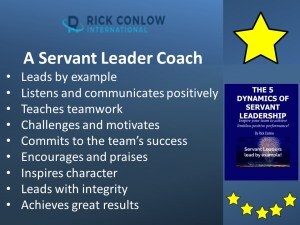 Coaching is not a one-time thing; it’s an all the time thing. In addition, all employees need coaching. As you keep learning and master coaching skills you will transform from manager to servant leader. Why? Because your team will perform better and better.
One company we worked with improved their sales 48%-72% across the US. This means in LA to Minneapolis, to Chicago to Baltimore. Another organization won Canada’s Consumer Choice Award for Service Excellence through enhanced leadership training that taught high performance coaching steps. Furthermore, a large retail company improved their sales and customer experience by intensely training their managers in coaching skills. This can be you, too! However, you must become studious and diligently apply the concepts.
Pulling It All TogetherIn conclusion, if you know something but never use it, do you really know it? You must take persistent action to learn and to achieve excellent results as described. Then, you begin to bring out the best in people. Finally, remember this quote by football coach Tom Landry, “A coach is someone who tells you what you don’t want to hear, who has you see what you don’t want to see, so you can be who you always knew you could be.”
 Also, are you committed to learning top notch coaching steps? If so, see this complimentary Coaching for Results eBook.
 In addition, go here for our RealTime Learning & Training leadership and personal development website. Micro-learning and career advancement at your fingertips!
Finally, do you want to accelerate your leadership success? Go here for Rick’s Superstar Leadership eBook.
The post 5 Coaching Steps that Bring Out the Best in People appeared first on Rick Conlow.
May 6, 2022
7 Miserable Mistakes Managers Make
Managers have many things in common – and some of those “things” happen to be the miserable mistakes they make. This list does not cover every mistake, but it tackles seven that will readily inhibit or derail a career. Above all, they sabotage employee performance, engagement, and retention.
4 Miserable MistakesRelying on the position to give you power
 A management promotion gives you the title to do a job, but that is just the beginning. Not all managers are leaders, and not all leaders are managers. You must earn the title to reach exceptional results with your team. So, listen to employee concerns or ideas. Work at building credibility and rapport. Seek feedback along the way, and develop yourself as a leader. This is called using personal power. Managers wield position power by dictating to and commanding others. This most often creates resentment and fear. Your team will have a hard time respecting you if you do not do a good job of helping your team buy-in to your approach. If they do not trust you, they will not go the extra mile for you. And they will leave you.
Acting on assumptions
Can you read minds? No. Can your team? No. Despite these two answers, you would be amazed at how often managers mistakenly think their teams know what they want. Plus, how often managers make assumptions regarding their teams’ true feelings about them or their plans. Here are three things managers must do to avoid mind-reading efforts:
Clearly communicate goals and expectations – do not assume your teams know these. In fact, include them in a planning process. (See this post: 3 Approaches to High Performance Team Planning )Directly request feedback from team members – you cannot expect your team to be candid with you if you do not invite them to share their insights.Start conducting effective team meetings on a weekly basis. Also, start engaging your team with one-on-one performance discussions monthly. Learn to do both well. (See this blog posts: How to Lead a Great Team Meeting: 5 Tips that Inspire , and The Positive Impact of Performance Discussions.Open communication causes employee engagement and retention to soar. Good communication is the language of effective leadership. Without it, life at work can quickly become miserable.
 Leading without an example
Most of the time, leaders have no problem telling others what to do and what to change. However, the miserable mistake they make is they may master “talking the talk”, but they fail to master “walking the walk.” Great managers lead by example; they do not ask or expect their teams to do anything they are not willing to do themselves. Furthermore, as Nelson Mandela declared, they “lead from the back.” Therefore, they uplift, recognize, and reward their teams for progress and success.
Ridding the workplace of fun
Sometimes managers get such tunnel vision that they forgo all fun in an effort to achieve results. This is a dangerous managing mentality driven by a huge misunderstanding. Having fun does not interfere with achieving success, unless it is not clear which effort is the priority. So once again, clarify your goals, but do not compromise fun in the process. Ensuring the workplace environment is enjoyable to your team members is worth your time because they will want to be there. So, bring lunch in, go out together for a meal or ballgame. Do a contest or decorate the workplace. Develop a sense of humor. When done genuinely, your team will perform better.
3 More Miserable MistakesGetting comfortable
For example, let us say you achieve your organizational goals, and make your customers happy this month or quarter – then what? Well, mediocre managers would leave it at that and call it a great day! Wow! What a miserable mistake. Great managers keep at it – their commitment to continual improvement overrides their opportunity to get complacent. As a result, do not stop with success; celebrate and praise and then press on. Peter Drucker said, “Leadership is lifting a person’s vision to high sights, the raising of a person’s performance to a higher standard, the building of a personality beyond its normal limitations.”
Forgetting the importance of the team
Many managers play office politics to look good or to get a promotion. While there is nothing wrong about wanting to get ahead, too many managers do it at the expense of their teams. However, selfish ambition alienates employees. Focus on helping your team win and you will win. A manager’s success depends on their team’s success. (See this training video: The First and Only Rule of Leadership)
 Sinking into a malaise
Why is this a miserable mistake? Managers that do not keep on learning and trying new things become boring, lazy, and mediocre. Instead, they do everything the same way month after month if not year after year. Look, in this fast-paced world and marketplace, anyone can be left behind quickly if they are not continuously learning. The best managers and companies give their employees sixty plus hours of training per year. In addition, they jump in as well.
Pulling It All TogetherIn summary, apply yourself to do better in these areas. It is a process of improvement, not a one-time event. Focus on helping your team win, and learning how to be the best leader you can be. An amazing thing will happen. You will overcome these miserable mistakes. Furthermore, progress, success, and achievement follows. This means you establish an enduring trust with your team.
Also, do you want to learn proven approaches for becoming a better leader and increasing employee engagement? If so, I suggest you check out this complimentary resource: How to Motivate-No-Inspire People eBook.
In addition, check out this dynamic online training: Superstar Leadership Training.
Finally, see my latest book, click here: The 5 Dynamics of Servant Leadership.
The post 7 Miserable Mistakes Managers Make appeared first on Rick Conlow.
April 22, 2022
The Great Resignation: Poor Management Impact on Employees
The great resignation and quit began well before the pandemic. With new communication technologies and needed remote work with covid-19, the result accelerated. Companies for decades have neglected their teams. Pay did not keep pace with inflation or CEO salaries. In addition, most managers are ill-trained, overworked, and unappreciated. Most Employees are “commodities” not valuable partners. Consequently, multiple company cultures morphed into toxic workplaces and employee attitudes took a nosedive. Surely, there are fine companies out there but not enough.
As a result of the above, employees are treated poorly and taken advantage of. Watch the video. Rick describes the negative impact of poor management behavior on employees.
Each subpar practices fuels greater employee discontent, disengagement, and an early exit. Furthermore, see the examples of below of management practices loses the trust of employees.
 Great Resignation Examples Due to Poor Management
During pandemic, millions of remote workers felt the sharp stick of poor managers and company cultures.
Healthcare workers are quitting in droves and one key reason is the long hours and crazy schedule. The pandemic amplified the problem.Better.com CEO fires nine hundred employees via Zoom.One employee working remote, described her manager requiring daily one/one check-ins to review every detail of work.Another employee described so many dreary Zoom type meetings during the day (most never keep a schedule) that they accomplish little work.Studies show that the negative aspects of video conferencing outweigh the good. First on the list is that only 37% of meeting have agendas. Managers tend to do poor meetings and use them for micromanaging.One employee described how she receive an exceptional performance rating, but no pay increase because budgets were tight. She looked around, found a new job, and gave her company a two-week notice. Her present employee then counter offered her 50% more money. She declined it and took the new job because of their lack of credibility.Finally, one executive defined his employee engagement plan for the Great Resignation. “I am all for employee input and inclusion as long as they come up with what I want.”Pulling It All TogetherMost employees experienced poor management behaviors. Countless examples abound. Managers must elevate their skills. The link between a manager’s effectiveness and retention speaks loudly. So, learning cannot be a one and done approach. Continuous learning drives improvement today, and long-term sustainable change and positive impact.
We encourage Servant Leadership training. It is the most effective approach with employees. Employees deserve it. When they receive excellent management, they become highly engaged, tons of research shows they will respond and perform admirably. Isn’t that what leaders want?
Also, check out this NEW learning packet: 7 Ways to Unleash Employee Motivation, Productivity and Engagement.
In addition, go here for our RealTime Learning & Training leadership and personal development website. Micro-learning and career advancement at your fingertips!
Finally, see Rick’s newest book. The Dynamics of Servant Leadership: Inspire Your Team to Achieve Extraordinary Goals!
The post The Great Resignation: Poor Management Impact on Employees appeared first on Rick Conlow.
April 11, 2022
7 Fairy Tales Companies Tell Employees
Fairy tales live and breathe in corporations. Here is one. In employee engagement surveys, one of the top areas of complaints is communication. The number one skill most CEOs say helped them get to the top is their ability to communicate. That is quite a gap in perception! Here are seven other common ‘fairy tales’, where companies say one thing and often do another, that are detrimental to employee retention and engagement.
The Top 4 Fairy TalesEmployees are our most valuable assetsWorldwide only 15% of employees are engaged. How can employees be the company’s greatest assets when most do not really like what they are doing or where they are doing it? Most companies treat employees as a small cog in a large wheel. Enough said.
Customers are our #1 priorityI travel frequently and see the best and worst of how companies treat their customers. The poor experiences overwhelm the best. For example, these companies below say they are customer oriented, but an ACSI survey proves they are not. Just like thousands of others that claim superior service, but pay only lip service to it.
United – Their slogan is Flyer-friendly.Wal-Mart – Their website says it has leadership through service.AOL – World class content and experience for consumers is the claim, and the CEO upsets employees over poorly handled health care cuts which aggravates their problems.Finally, research shows employee engagement drives customer engagement. With so many dissatisfied employees, everyday millions of customers worldwide get sub-par service as a result.
We believe in work-life balance Following an earlier phone call that I had with a client manager, he texted me at 7:30 pm and said he could not talk to me because he was on phone conferences all day and was on a new one now. Another manager I talked to was on the road ten of the last twelve weeks with no break in sight. The managers of another client work 12-14-hour days routinely. Here is the kicker: every one of these organizations say that they support work-life balance. However, if you as an employee try to maintain a sense of work life balance, it is reflected negatively in your performance review. Jack Welch, former GE CEO says, “There’s no such thing as Work- Life Balance . There are work- life choices, and you make them, and they have consequences.”
With the pandemic and Great Resignation pay increases are greater in many organizations. Companies are doing this out of necessity not kindness. According to Kiplinger data, top performers will receive about double the average pay hike. Inflation is at an all time high, and with health care costs rising for employees. Consequently, most employees are going backwards financially, regardless of their performance or pay adjustment. Contrast that with CEOs. Their pay is about 350 to 1 compared to employees, and increasing at 3-4 times the rate of employees. Peter Drucker recommended to corporations that their pay ratio to employees be 20 to 1 so that workers do not get disillusioned and disenchanted. No kidding!
3 More Fairy Tales that MatterWe pay a competitive salaryThis means average pay not great pay. Fifty percent of companies pay more than what you will get. What does this say about the company’s commitment to excellence? Performance packages are an afterthought, not a priority of the company. If you perform well and if the company has a performance-based system, your pay increase or bonus will be mediocre. Now re-read the ‘pay for performance’ paragraph. Do not buy into these fairy tales. The money is there you have to go for it. For example, a Social Media Manager received a great performance review. However, she received no pay increase because the company was tightening budgets. So, she looked for a new job and received a much better offer. She gave her present employer a two week notice. They miraculously found more money to offer her 50% more money to stay. Duh? She took the new job because she couldn’t trust the current employer anymore.
We are a family hereDo the leaders know your name? Do you get exceptional health care coverage? How about taking care of your kids’ college tuition? Families do not kick people out (layoff) when the budget is tight. How often do the leaders engage in a meaningful conversation with you, besides work? As one so-called “family oriented” president always says to his employees when first greeting them, “What did you sell for me today?”
We are team orientedA book by Amy Edmondson suggests that current models of static teamwork do not fit the knowledge economy. Research shows two-thirds of teams fail. She says teams need to be more dynamic, fluid, and resourceful. Also, Research by the late J. Richard Hackman, Professor and Team Expert at Harvard University, gives evidence that teams usually do less well—not better—than the sum of their members’ individual contributions. Teamwork… it sounds good, but it is not happening, at least not effectively.
SummaryWhat does this mean to YOU? While there are exceptional organizations, as a rule you cannot count on your employer to be concerned about your dreams or career. The fairy tales are not true. With the new focus on home offices, remote work, and virtual businesses you need think differently before you are outsourced. Too often employees and any resources connected to them are expendable “when necessary.” Become an entrepreneur or intrapreneur or both. Entrepreneurs take risks and start businesses. Intrapreneurs do the same thing inside organizations. Most importantly, in either case, it is time to “Inc. Yourself”, says author Judith McQuown.
Also, do you want more success in life? See this complimentary guide and assessment-no fairy tales here-on habits of successful people: Success Practices Assessment and Guidebook.
In addition, go here for our RealTime Learning & Training leadership and personal development website. Micro-learning and career advancement at your fingertips!
Finally, do you want to accelerate your leadership success? Go here for Rick’s Superstar Leadership eBook.
The post 7 Fairy Tales Companies Tell Employees appeared first on Rick Conlow.