
Discover new books on Goodreads
Meet your next favorite book
Arbak
https://www.goodreads.com/arbak


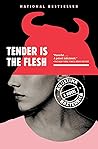


“There is some confusion as to what magic actually is. I think this can be cleared up if you just look at the very earliest descriptions of magic. Magic in its earliest form is often referred to as “the art”. I believe this is completely literal. I believe that magic is art and that art, whether it be writing, music, sculpture, or any other form is literally magic. Art is, like magic, the science of manipulating symbols, words, or images, to achieve changes in consciousness. The very language about magic seems to be talking as much about writing or art as it is about supernatural events. A grimmoir for example, the book of spells is simply a fancy way of saying grammar. Indeed, to cast a spell, is simply to spell, to manipulate words, to change people's consciousness. And I believe that this is why an artist or writer is the closest thing in the contemporary world that you are likely to see to a Shaman.
I believe that all culture must have arisen from cult. Originally, all of the facets of our culture, whether they be in the arts or sciences were the province of the Shaman. The fact that in present times, this magical power has degenerated to the level of cheap entertainment and manipulation, is, I think a tragedy. At the moment the people who are using Shamanism and magic to shape our culture are advertisers. Rather than try to wake people up, their Shamanism is used as an opiate to tranquilize people, to make people more manipulable. Their magic box of television, and by their magic words, their jingles can cause everyone in the country to be thinking the same words and have the same banal thoughts all at exactly the same moment.
In all of magic there is an incredibly large linguistic component. The Bardic tradition of magic would place a bard as being much higher and more fearsome than a magician. A magician might curse you. That might make your hands lay funny or you might have a child born with a club foot. If a Bard were to place not a curse upon you, but a satire, then that could destroy you. If it was a clever satire, it might not just destroy you in the eyes of your associates; it would destroy you in the eyes of your family. It would destroy you in your own eyes. And if it was a finely worded and clever satire that might survive and be remembered for decades, even centuries. Then years after you were dead people still might be reading it and laughing at you and your wretchedness and your absurdity. Writers and people who had command of words were respected and feared as people who manipulated magic. In latter times I think that artists and writers have allowed themselves to be sold down the river. They have accepted the prevailing belief that art and writing are merely forms of entertainment. They’re not seen as transformative forces that can change a human being; that can change a society. They are seen as simple entertainment; things with which we can fill 20 minutes, half an hour, while we’re waiting to die. It’s not the job of the artist to give the audience what the audience wants. If the audience knew what they needed, then they wouldn’t be the audience. They would be the artists. It is the job of artists to give the audience what they need.”
―
I believe that all culture must have arisen from cult. Originally, all of the facets of our culture, whether they be in the arts or sciences were the province of the Shaman. The fact that in present times, this magical power has degenerated to the level of cheap entertainment and manipulation, is, I think a tragedy. At the moment the people who are using Shamanism and magic to shape our culture are advertisers. Rather than try to wake people up, their Shamanism is used as an opiate to tranquilize people, to make people more manipulable. Their magic box of television, and by their magic words, their jingles can cause everyone in the country to be thinking the same words and have the same banal thoughts all at exactly the same moment.
In all of magic there is an incredibly large linguistic component. The Bardic tradition of magic would place a bard as being much higher and more fearsome than a magician. A magician might curse you. That might make your hands lay funny or you might have a child born with a club foot. If a Bard were to place not a curse upon you, but a satire, then that could destroy you. If it was a clever satire, it might not just destroy you in the eyes of your associates; it would destroy you in the eyes of your family. It would destroy you in your own eyes. And if it was a finely worded and clever satire that might survive and be remembered for decades, even centuries. Then years after you were dead people still might be reading it and laughing at you and your wretchedness and your absurdity. Writers and people who had command of words were respected and feared as people who manipulated magic. In latter times I think that artists and writers have allowed themselves to be sold down the river. They have accepted the prevailing belief that art and writing are merely forms of entertainment. They’re not seen as transformative forces that can change a human being; that can change a society. They are seen as simple entertainment; things with which we can fill 20 minutes, half an hour, while we’re waiting to die. It’s not the job of the artist to give the audience what the audience wants. If the audience knew what they needed, then they wouldn’t be the audience. They would be the artists. It is the job of artists to give the audience what they need.”
―
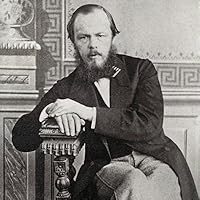
“Do you know I've been sitting here thinking to myself: that if I didn't believe in life, if I lost faith in the woman I love, lost faith in the order of things, were convinced in fact that everything is a disorderly, damnable, and perhaps devil-ridden chaos, if I were struck by every horror of man's disillusionment -- still I should want to live. Having once tasted of the cup, I would not turn away from it till I had drained it! At thirty though, I shall be sure to leave the cup even if I've not emptied it, and turn away -- where I don't know. But till I am thirty I know that my youth will triumph over everything -- every disillusionment, every disgust with life. I've asked myself many times whether there is in the world any despair that could overcome this frantic thirst for life. And I've come to the conclusion that there isn't, that is until I am thirty.”
― The Brothers Karamazov
― The Brothers Karamazov

“In the moment all is dear to me, dear that in this logic there is no redemption, the city itself being the highest form of madness and each and every part, organic or inorganic, an expression of this same madness. I feel absurdly and humbly great, not as megalomaniac, but as human spore, as the dead sponge of life swollen to saturation. I no longer look into the eyes of the woman I hold in my arms but I swim through, head and arms and legs, and I see that behind the sockets of the eyes there is a region unexplored, the world of futurity, and here there is no logic whatever, just the still germination of events unbroken by night and day, by yesterday and tomorrow. The eye, accustomed to concentration on points in space, now concentrates on points in time; the eye sees forward and backward at will. The eye which was the I of the self no longer exists; this selfless eye neither reveals nor illuminates. It travels along the line of the horizon, a ceaseless, uninformed voyager. Trying to retain the lost body I grew in logic as the city, a point digit in the anatomy of perfection. I grew beyond my own death, spiritually bright and hard. I was divided into endless yesterdays, endless tomorrows, resting only on the cusp of the event, a wall with many windows, but the house gone. I must shatter the walls and windows, the last shell of the lost body, if I am to rejoin the present. That is why I no longer look into the eyes or through the eyes, but by the legerdemain of will swim through the eyes, head and arms and legs to explore the curve of vision. I see around myself as the mother who bore me once saw round the comers of time. I have broken the wall created by birth and the line of voyage is round and unbroken, even as the navel. No form, no image, no architecture, only concentric flights of sheer madness. I am the arrow of the dream's substantiality. I verify by flight. I nullify by dropping to earth.”
― Tropic of Capricorn
― Tropic of Capricorn

“When spring came, even the false spring, there were no problems except where to be happiest. The only thing that could spoil a day was people and if you could keep from making engagements, each day had no limits. People were always the limiters of happiness except for the very few that were as good as spring itself.”
― A Moveable Feast
― A Moveable Feast

“I like smooth shiny girls, hardboiled and loaded with sin.”
― Farewell, My Lovely
― Farewell, My Lovely
 ՅԱՎՐՈՒՀՐԱՏ eBooks
— 739 members
— last activity Jun 28, 2020 03:19PM
ՅԱՎՐՈՒՀՐԱՏ eBooks
— 739 members
— last activity Jun 28, 2020 03:19PM
ՅԱՎՐՈՒՀՐԱՏ-ը մասնագիտանում է հայերեն էլեկտրոնային գրքերի հրատարակության ոլորտում։ Հիմնվել է 2012-ին։ Հրատարակչության էլեկտրոնային գրքերը նայեք ԱՅՍ ԿԱՏ ...more
 Newmag Book Club
— 196 members
— last activity Nov 25, 2023 06:23AM
Newmag Book Club
— 196 members
— last activity Nov 25, 2023 06:23AM
Այս ակումբում կքննարկենք Newmag հրատարակչատան գրքերը։ Հատուկ ակումբի անդամների համար յուրաքանչյուր նոր գրքի լույս ընծայման ժամանակ կգործի պրոմո-կոդ, ո ...more
 գիտա֊ֆանտաստիկ գրական ակումբ (sci-fi book club)
— 43 members
— last activity Apr 07, 2025 04:18AM
գիտա֊ֆանտաստիկ գրական ակումբ (sci-fi book club)
— 43 members
— last activity Apr 07, 2025 04:18AM
հիմա քննարկում ենք՝ Walter Tevis - The Man Who Fell to Earth օգոստոս ֊ սեպտեմբեր գրքի առաջարկները հիմա բաց է ողջու՜յն։ գիտա֊ֆանտաստիկ գրականության խ ...more
 Armenian readers (Հայ ընթերցողներ)
— 741 members
— last activity May 03, 2026 09:27AM
Armenian readers (Հայ ընթերցողներ)
— 741 members
— last activity May 03, 2026 09:27AM
Խմբում հավաքվում ենք հայ ժողովրդով ու միասին կարդում, կարդացածներս էլ քննարկում: Որպեսզի խմբում կարգուկանոն մտցվի, ամեն ամիս քվեարկությամբ կորոշվի մի ...more

Arbak’s 2025 Year in Books
Take a look at Arbak’s Year in Books, including some fun facts about their reading.

286 books
|
67 friends

659 books
|
103 friends

704 books
|
429 friends

395 books
|
15 friends

711 books
|
1,144 friends

1,814 books
|
221 friends

526 books
|
731 friends

539 books
|
411 friends
More friends…


Polls voted on by Arbak
Lists liked by Arbak