Cognitive Behavioral Therapy


Mind Over Mood: Change How You Feel By Changing the Way You Think
Feeling Good: The New Mood Therapy
Cognitive Behavioral Therapy: 7 Ways to Freedom from Anxiety, Depression, and Intrusive Thoughts
The CBT Workbook for Perfectionism: Evidence-Based Skills to Help You Let Go of Self-Criticism, Build Self-Esteem, and Find Balance
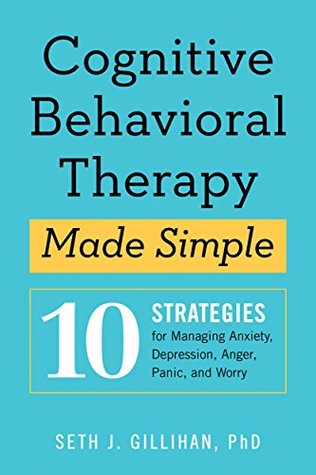
Cognitive Behavioral Therapy Made Simple: 10 Strategies for Managing Anxiety, Depression, Anger, Panic, and Worry
Retrain Your Brain: Cognitive Behavioral Therapy in 7 Weeks: A Workbook for Managing Depression and Anxiety
Cognitive Therapy: Basics and Beyond
Don't Believe Everything You Feel: A CBT Workbook to Identify Your Emotional Schemas and Find Freedom from Anxiety and Depression
Overcoming Unwanted Intrusive Thoughts: A CBT-Based Guide to Getting Over Frightening, Obsessive, or Disturbing Thoughts
Overcoming Depression: A self-help guide using cognitive behavioural techniques
Overcoming Social Anxiety and Shyness (Overcoming)
Overcoming Low Self-Esteem (Overcoming)
The Feeling Good Handbook
Cognitive Behavioural Therapy for Dummies
The CBT Toolbox: A Workbook for Clients and Clinicians
Man's Search for Meaning by Viktor E. FranklOn Becoming a Person by Carl R. RogersMotivational Interviewing by William R. MillerMemories, Dreams, Reflections by C.G. JungDBT Skills Training by Marsha M. Linehan
Therapist's reading list
75 books — 31 voters

David D. Burns
In my practice I find that the great majority of the depressed patients referred to me improve substantially if they try to help themselves. Sometimes it hardly seems to matter what you do as long as you do something with the attitude of self-help.
David D. Burns, Feeling Good: The New Mood Therapy

This is not an argument with psychiatry. Mental and physical illness are equally real and horrible. As with any long-term illness, some people with ME/CFS will develop comorbid depression and other mental health problems – where CBT can be of help alongside good quality general management. The argument here is with a flawed model of causation assuming efficacy for CBT and GET while taking no significant account of varying clinical presentations and disease pathways.
Charles Shepherd

More quotes...