Janine Robinson's Blog, page 11
January 28, 2016
Sample College Application Essays: From the Writing Survival Kit

Sarah Mandi
Voorhess, New Jersey
Georgetown University, Washington, D.C.
Donut Domination
It was only my second day on the job. Decked out in my generic khakis and white polo shirt, oversized apron, visor, and bulky headset, I leaned out the window of the drive-through.
“Thank you. Have a nice day,” I said for probably the hundredth time that day; it was only 7 a.m.
The line at the Dunkin’ Donuts in Atco, New Jersey, continued endlessly out the door; and the drive-through line, even longer. The aroma of sugary donuts and hearty breakfast sandwiches engulfed me as I navigated through the obstacle course of employees, display cases, coffee machines, and ovens. The never-ending line of hungry, impatient customers was starting to fluster me, and I could feel a growing sense of irritation at my poor cash register skills.
Suddenly, in walked my biggest nightmare: a middle-aged man; tall and brooding, his shirt drenched with coffee.
“My coffee lid broke!” shrieked the man, angrily. “You gave me a broken cup! Look what you did!”
I managed to stutter, “I’m sorry,” a few times, but I knew that would not cut it. I grabbed a wad of napkins as well as a new cup of coffee, apologizing profusely. A moment later, another customer started to voice her irritation for getting a Boston Creme Donut instead of a Bavarian Creme Donut.
If anyone should know the difference between those two donuts, it should be me. Looking back, donuts have dominated my life for as long as I can remember. But I had no idea that this business was so complicated—and about more than just people indulging in these fried doughballs.
My dad worked his way through engineering school at Dunkin Donuts, eventually switching careers to invest in the Dunkin Donuts’ franchise. I cannot even begin to count the number of times I have brought in donuts to school for my birthday instead of bringing cake, like everybody else. What other family has discussions about the new seasonal, “Brownie Batter” donut, or “Arnold Palmer” Coolata? By the time I was in ninth grade, it was already decided where my first real job would be.
As days went by, I worked tirelessly to get the hang of the job. I could not help but think what was wrong with me; taking simple coffee and donut orders could not be this hard. But eventually, it became routine. I would greet the regulars as they walked through the door asking about their weeks while preparing the order I had memorized.
“Good morning Mr. Edwards, how’s your summer going? Medium Coffee, cream and sugar today?”
I grew accustomed to the fast-paced environment. I started to recognize instances where throwing in a few extra munchkins to make the customer happy was appropriate. I began to hear the snarky comment from customers, “Oh, you must be new,” less and less. The satisfaction from finally being able to complete seemingly trivial tasks was just as great as any sense of accomplishment I had felt before.
I came to the realization that angry customers were not a sign of poor job performance but a part of human nature that I would have to accept and manage. There would always be a mother who got mad when her daughter’s donut was missing sprinkles; but such things would always be out of my control. I learned not to be ashamed of making mistakes. Even though I still confused the Bavarian Creme and Boston Creme Donut, I continued to work the counter until I got it right.
I finally understood why my dad had poured his heart and soul into this business. It wasn’t just about providing the best food or making the largest profits; it was about providing an experience, taking part in a community, and putting yourself out there. I may never work at a Dunkin Donuts again, but I now understand how it makes people happy—and why that matters.
END
BACKGROUND ABOUT THIS
SAMPLE COLLEGE APPLICATION ESSAY
Last year, I wrote my fourth guide on writing college application essays, called The Writing Survival Kit.
This guide is a little different from my most popular essay-writing guide, Escape Essay Hell, which walks students through 10 steps toward writing their essays using a narrative (story-telling) style.

The Writing Survival Kit also guides them through this process, but it teaches students through a series of creative writing tips and techniques. (It’s great for students who are serious about improving their writing chops.)
It also include some excellent sample college application essays at the end.
In my next few posts, I’m sharing some of these sample essays, and believe they will help you understand the type of narrative-style essay that you need to write to engage your readers, and showcase who you are, how you learn and what you care most about.
Here’s an excerpt from The Writing Survival Kit from the last chapter on Sample Essays, which introduces the sample essays (including the one above about donuts) that follow:
Chapter Eleven
SAMPLE ESSAYS

Here are sample narrative-style college application essays from some of my former tutoring students. Most were written in response to one of The Common Application essay prompts. All are personal statements written in a narrative style.
I believe reading what others have written is one of the best ways to understand the style of narrative essays, as well as to find topic ideas.
See if you can see when the writer uses an “anecdote” or real-life story from his or her own experience. Notice what writing techniques they used to craft their anecdote, to engage your interest and get you to care about what they had to say.
Do they set the scene with a few simple phrases that help you see where it took place? Are there any “sensory details” that shape the scene they are describing: What you would see, hear, smell, taste or feel? Check out how they used a little dialogue to bring the moment to life.
Also, go through these essays and try to spot when the writer is showing with an anecdote, concrete details, specific examples, and when they are telling with analysis, reflection or explanation.
Pay attention to those moments in reading these college application essays when you start to feel something, either a flash of recognition or a moment you really get what they are trying to say. Re-read those parts and try to figure out what exactly caused your reaction.
Did they share something unexpected or something vulnerable about themselves? Did one short sentence help move you through the piece? Was there a kicker at the end that left you satisfied with the essay?
Copy those techniques in your own college application essay!
If you can tell when the writer is using a certain writing technique, you will be that much closer to learning how to use it yourself.
END OF EXCERPT
In upcoming days, I will be sharing
other sample college application essays
in future posts.
Stay tuned!
If you are ready to start you own essay, check out my Jumpstart Guide.
The post Sample College Application Essays: From the Writing Survival Kit appeared first on Essay Hell.


January 26, 2016
How to Write Scholarship Essays For Big Bucks!

Show Why You Deserve Help in Your Scholarship Essays
If you want to go to college, but can’t afford it, your best hope is scoring a scholarship. And to win them, you usually need to write powerful scholarship essays.
It’s a lot like getting into college and universities: real people use student essays to determine who deserves the prize (admission or scholarship money).
So writing an engaging, effective and meaningful essay is critical.
A strong college admissions essay can often make a great scholarship essay.
But there are differences. The main one is that a college application essay needs to give schools a sense of who you are, what makes you tick and what you value. A scholarship essay should do this as well.
Scholarship essays, however, usually need to go one step further. Applicants need to also show and explain why they deserve to win them.

Start By Finding Your Problems
The best way to show your readers why you deserve scholarship funds is to help them see what obstacles/problems you have faced in your life so far, and how you handled them, and what you learned in the process.
Here’s a Quick Sample Outline for Writing Your Scholarship Essays:
Describe a real-life example in the form of one moment or incident that shows your main problem (These are called anecdotes).
Explain how that made you feel, and the steps you took to deal with that obstacle, and others that relate to it
Share how you thought about that problem, and what you learned by handling it
This blog has many posts filled with ideas on how to write about a problem, and turn that into a compelling and meaningful essay.
Start here by reading my Jumpstart Guide or When Your Problem is a Good Thing or How to Show Your Grit.
If you have faced problems in your life, chances are you can qualify for scholarship money.
Is your family considered “low income,” or would you be the first in your family to attend college, or are you somehow “underprivileged” or “at-risk” or a minority?
If you have managed to rise above difficulties in your life despite any of these obstacles (problems), many colleges are looking for you, and want to find ways to help you attend their school.

Types of “Problems” to Write About in your Scholarship Essays
You have had to take on an unusual amount of responsibility in your home (care for brothers or sisters; grandparent, ill parent, etc.)
You have had to work part-time during high school to help support yourself and family
You have a large family and live with people other than your family
English is your second language
You have been homeless or in foster care
One or both of your parents have been absent in your life for whatever reason (illness, abandonment, alcoholism, death, divorce, etc.)
You have had to commute a long way to attend a special school
Of course, many scholarships have different type of prompts they want you to write about. But typically, they will ask about these type of issues.
The trick is to pick one of the main problems you have had to deal with, instead of trying to list all of them or showcasing only your good qualities or accomplishments.
Share problems first; then what a good job you did at dealing with them!
HIT TIP: Look for your personal, real-life stories of moments or times that would illustrate a larger problem you faced.
Example: The time you had to eat tortillas and beans for two weeks in a row–because your dad left and your mom was working two jobs.
Don’t Hold Back on Your Scholarship Essays!
These schools need to hear exactly how hard it has been for you. Including how you felt at your lowest point.
That is the only way they can appreciate what you have gone through, and then learned and grown through the experience.
If you only talk about how strong, independent or determined you are, it won’t have the same impact. They have to understand WHY you had to be that way. And to do that, you need to share your problems.
Don’t worry. No one will think you are whining or complaining or weak because you write about how you had to care for three younger sisters because your mom was addicted to drugs, or how you struggled to learn English because you moved from Mexico during the middle of high school, or how you sometimes didn’t know where your next meal was coming from because your dad left when you were young and your mom struggled cleaning houses just to pay rent.

Invest in Your Future: Research Scholarship Opportunities
It is worth spending time learning how to tell your story. There are literally millions of dollars out there just waiting to help you.
Also, start collecting scholarships you could apply to.
Here are just a few of the scholarships that are out there:
You can also continue searching by Googling “college scholarships,” and ask your teachers or counselors for ideas. Help is out there! You just need to ask.
The post How to Write Scholarship Essays For Big Bucks! appeared first on Essay Hell.
January 9, 2016
ApplyTexas: Help for Essay Topic C

Photo Via Texas Lutheran University
How to Link Your Life Goals to Current and Future Activities
In the previous post, I wrote about ideas on how to answer Topics A and B in the ApplyTexas college application.
Students who want to apply to most public colleges and universities and some private colleges in Texas must use the ApplyTexas application.
Depending on the school(s) in Texas that you are applying to, there’s a good chance you will need to answer any combination of Topics A, B or C.

Topic C: The Most Important!
“Considering your lifetime goals, discuss how your current and future academic and extra-curricular activities might help you achieve your goals.”
This prompt is more straightforward than A or B.
It’s asking you to explain how you are preparing to achieve your goals in life.
Many college admissions experts believe this is the most important of the three essays, and that if possible, students should mention their intended major, and build a strong case for why they would be successful at it in college and beyond.
If you want to go into one of the more competitive majors, such as business or engineering, you need to “prove” why you deserve a spot in the college or university’s program.
Even if you aren’t sure what you want to study or do–and most students don’t–try your best to show that you actually do know and are certain.
Here’s some ideas on how to do that:
Brainstorm Ideas First for ApplyTexas Topic C
For many students, the hardest part is figuring out what those goals are at this point in their lives.
Before you start writing, brainstorm and take notes about your goals. Then, start listing what has prepared you for them, and how you expect your future school will help continue to prepare you for them.
If you can find a major that lines up with those goals, mention it in your essay, and why you are already poised to succeed at it.
What Are Your Life Goals?
To write this essay, you need to be able to state your goal or goals in a sentence or two. This can be hard if you aren’t sure of them.
My advice is just be honest.
If you are the type of student who has set specific goals for yourself, good for you. This part can be easier. You want to be a doctor. You want to be a lawyer. You want to be an artist. (Find the major that would prepare you for that field. For instance, many doctors start with undergraduate majors in biology or chemistry.)
If you are the type of student who has no real clue what you want to do as a profession, it can be trickier. But not impossible. You might need to explain your goals on a more abstract or personal level.
You want to find a way to serve disadvantaged youth. You want to discover new sources of renewable energy. You want to learn about finance and business and possible start your own company some day.
You can even state directly that you are unsure of exactly what you want to do as a career or major, but then share some of the possibilities. “At this point, I don’t have a specific career in mind, but my interest in math and passion for computer science could lead to a career in programming…”
Write down these goals in a few sentences. Even if you truly have no idea about your future, you need to have something in mind to write a decent essay.
Use your best guess. Then state it as fact.
Remember, no one is going to come back at you in a couple years and call you out for not following whatever goals you write about now.
Identify a Personal Quality and Skills
A great way to focus this essay is to determine what personal quality or qualities you have developed that will make you effective at reaching your goal(s), and then collect some of the experiences or activities in school and out where this has happened.
Say you want to be a nurse. What personal quality have you developed that will make you not only a nurse, but an awesome one? Did you learn empathy while volunteering with seniors at a nursing home? Or patience?
Then, think of experiences and activities in school and out where you learned specific skills that could help you meet your goals.
If you want to be a nurse, did you have a grandmother or relative who was sick who you helped care for? Did you take a first-aid course at summer camp? Did you find your anatomy class of special interest? Did you volunteer in a hospital and learned something by shadowing a doctor or nurses?
Future Activities
After sharing what you did in high school that helped prepare you for you goal(s), now investigate what your target colleges offer to continue to prepare you.
This part can be harder to come up with.
Check out the web sites of your target schools. See what specific majors, programs, courses, internships, etc. they offer that could help prepare you for your area of interest and life goals.
Once you have collected notes on your life goal(s), and a list of what has prepared you so far to meet them, and what you anticipate will further prepare you in college, it’s time to write.
Go back to the sample outline I shared at the beginning of this post, and start to craft your ideas into “chunks” or paragraphs in an order that makes sense. Usually, starting from the earliest activities and describing them from there in chronological order works the best.
Red Flag!
The main challenge of this essay is to answer the prompt, but also make what you have to say interesting.
What you don’t want is to start with:
“My life goal is to be a nurse. To prepare for that, I volunteered at a hospital…..”
Instead, start by sharing some simple real-life moment from your past where you first realized you enjoyed helping people (or got your first taste of it), especially those who were ill or somehow impaired.
“The first day I spent in the hospital, I was nervous to go inside the rooms. Many of the patients in the intensive care were old, and some were moaning or crying. The doctor I was supposed to be helping almost ignored me. But then one day, I sat by an old man while the doctor changed his dressings. He asked me to hold his hand. From that moment, I knew I had found my calling.”
Then go into how you want to be a nurse, and why, and go into the various activities that have prepared you so far.
SAMPLE OUTLINE
1. Start by describing a moment or incident that inspired your interest in that major, or life goal
(This will make your essay interesting at the start, and make it personal and meaningful.)
2. State what your goal(s) is, and when you embraced it and consciously started to pursue it.
3. Explain what has prepared you (mainly in high school) so far for meeting this goal.
Include both qualities and skills that you developed throughexperiences and activities in school and other places, such as clubs, hobbies, sports, volunteering, travel, etc.
4. Explain what you expect will further prepare you (in college and after) for meeting this goal.
Include both qualities and skills that you intend to continue to develop in college and after through academic experiences (specific course, majors, internships, study abroad, speciality programs, notable professors, etc.) in college, and other activities (clubs, hobbies, travel, etc.)
5. Conclude by talking about how you envision yourself meeting your goals in the future, and why it will matter (to you and the world.)
Good luck with Apply Texas!
The post ApplyTexas: Help for Essay Topic C appeared first on Essay Hell.
More Help for ApplyTexas: Essay Topic C
Photo Via Texas Lutheran University
How to Link Your Life Goals to Current and Future Activities
In the previous post, I wrote about ideas on how to answer Topics A and B in the ApplyTexas college application.
Students who want to apply to most public colleges and universities and some private colleges in Texas must use the ApplyTexas application.
Depending on the school(s) in Texas that you are applying to, there’s a good chance you will need to answer any combination of Topics A, B or C.
Topic C
So here’s my advice on how to think about writing on Topic C:
“Considering your lifetime goals, discuss how your current and future academic and extra-curricular activities might help you achieve your goals.”
This prompt is more straightforward than A or B.
It’s asking you to explain how you are preparing to achieve your goals in life.
SAMPLE OUTLINE
1. Start by describing a moment or incident that inspired your life goal or goals
(This will make your essay interesting at the start, and make it personal and meaningful.)
2. State what your goal(s) is, and when you embraced it and consciously started to pursue it.
3. Explain what has prepared you (mainly in high school) so far for meeting this goal.
Include both qualities and skills that you developed through experiences and activities in school and other places, such as clubs, hobbies, sports, volunteering, travel, etc.
4. Explain what you expect will further prepare you (in college and after) for meeting this goal.
Include both qualities and skills that you intend to continue to develop in college and after through academic experiences (specific course, majors, internships, study abroad, speciality programs, notable professors, etc.) in college, and other activities (clubs, hobbies, travel, etc.)
5. Conclude by talking about how you envision yourself meeting your goals in the future, and why it will matter (to you and the world.)
Brainstorm Ideas First
For many students, the hardest part is figuring out what those goals are at this point in their lives.
Before you start writing, brainstorm and take notes about your goals. Then, start listing what has prepared you for them, and how you expect your future school will help continue to prepare you for them.
What Are Your Life Goals?
To write this essay, you need to be able to state your goal or goals in a sentence or two. This can be hard if you aren’t sure of them.
My advice is just be honest.
If you are the type of student who has set specific goals for yourself, good for you. This part can be easier. You want to be a doctor. You want to be a lawyer. You want to be an artist.
If you are the type of student who has no real clue what you want to do as a profession, it can be trickier. But not impossible. You might need to explain your goals on a more abstract or personal level.
You want to find a way to serve disadvantaged youth. You want to discover new sources of renewable energy. You want to learn about finance and business and possible start your own company some day.
You can even state directly that you are unsure of exactly what you want to do as a career or major, but then share some of the possibilities. “At this point, I don’t have a specific career in mind, but my interest in math and passion for computer science could lead to a career in programming…”
Write down these goals in a few sentences. Even if you truly have no idea about your future, you need to have something in mind to write a decent essay.
Use your best guess. Remember, no one is going to come back at you in a couple years and call you out for not following whatever goals you write about now.
Identify a Personal Quality and Skills
A great way to focus this essay is to determine what personal quality or qualities you have developed that will make you effective at reaching your goal(s), and then collect some of the experiences or activities in school and out where this has happened.
Say you want to be a nurse. What personal quality have you developed that will make you not only a nurse, but an awesome one? Did you learn empathy while volunteering with seniors at a nursing home? Or patience?
Then, think of experiences and activities in school and out where you learned specific skills that could help you meet your goals.
If you want to be a nurse, did you have a grandmother or relative who was sick who you helped care for? Did you take a first-aid course at summer camp? Did you find your anatomy class of special interest? Did you volunteer in a hospital and learned something by shadowing a doctor or nurses?
Future Activities
After sharing what you did in high school that helped prepare you for you goal(s), now investigate what your target colleges offer to continue to prepare you.
This part can be harder to come up with.
Check out the web sites of your target schools. See what specific programs, courses, internships, etc. they offer that could help prepare you for your area of interest and life goals.
Once you have collected notes on your life goal(s), and a list of what has prepared you so far to meet them, and what you anticipate will further prepare you in college, it’s time to write.
Go back to the sample outline I shared at the beginning of this post, and start to craft your ideas into “chunks” or paragraphs in an order that makes sense. Usually, starting from the earliest activities and describing them from there in chronological order works the best.
Red Flag!
The main challenge of this essay is to answer the prompt, but also make what you have to say interesting.
What you don’t want is to start with:
“My life goal is to be a nurse. To prepare for that, I volunteered at a hospital…..”
Instead, start by sharing some simple real-life moment from your past where you first realized you enjoyed helping people (or got your first taste of it), especially those who were ill or somehow impaired.
“The first day I spent in the hospital, I was nervous to go inside the rooms. Many of the patients in the intensive care were old, and some were moaning or crying. The doctor I was supposed to be helping almost ignored me. But then one day, I sat by an old man while the doctor changed his dressings. He asked me to hold his hand. From that moment, I knew I had found my calling.”
Then go into how you want to be a nurse, and why, and go into the various activities that have prepared you so far.
And you are on your way to writing a killer essay!
December 28, 2015
ApplyTexas: Essay Help for Topics A and B
 All public universities, and some private and 2-year colleges, in Texas do not use the Common Application. Instead, they have their own consolidated system called ApplyTexas.
If you are applying to any of the schools that use ApplyTexas, you need to figure out what essays they require (if any), and then which specific prompts.
I find it all very confusing. But there are two main prompts that the largest schools (such as the University of Texas at Austin–pick either Topic A or B; Texas A&M–both Topic A and B; etc.) require applicants to address in their essays.
Here’s some advice on how to think about these prompts, called Topic A and Topic B. (Find help for Topic C.) They don’t list a word count, but I believe the common length is around 300-500 each.

Topic A of Apply Texas
“Describe a setting in which you have collaborated or interacted with people whose experiences and/or beliefs differ from yours. Address your initial feelings, and how those feelings were or were not changed by this experience.”
What are they getting at with this prompt? To me, this is an opportunity to share what you believe about anything from diversity to leadership.
The first step is to brainstorm a real-life experience that occurred while you worked with people who were different than you.
The group could be big or small.
They could be a different age (seniors, toddlers); culture (from any that you are not, whether it’s Jewish, Asian, Native American–as long as it’s new to you on some level); religion (again, anything that’s different); overall personal philosophy (conservative, liberal, strict, casual, sloppy, OCD, ambitious, laid back–as long as the other people were distinctly different from you).
Other potential “different” groups that you could consider: education level, age, appearance, health, physical/mental ability, etc.
Now that you have a group in mind that you have been involved with somehow, the trick is to write an essay that shows how you were affected by them in some way–and that what you first felt about them (your opinion) was somehow changed (or not). And then why that mattered.
RED FLAG!
What you don’t want to do with this essay is write a general explanation of some group you worked with and how they made you feel on a general level and how this changed you in some general way. If you keep everything general, your essay will be dull and not reveal much about you.
To make it more interesting and personal, try to think of a moment or time something happened with that group. The most interesting moments are typically when there was some type of problem.
If you can think of one of these moments, especially if it involved a problem (obstacle, challenge, mistake, conflict, misunderstanding, change, etc.), you can start your essay sharing that specific, real-life incident.
Then go onto explain how you and the group dealt with it, and share how you felt and thought, and then talk about what you learned about yourself and the group in the process.
Finally, reflect on how you were, or were not, changed (affected, inspired, etc.) in some way by this experience.
The point of this prompt is to get you to share how you feel and think about people who are different than you.
How To Structure Your Essay
Here’s a suggested outline:
1. Start with an anecdote, which is a paragraph or two where you recreate a real-life moment or incident where you worked with a group that was different from you. (Read more on how to craft an anecdote in these posts.)
2. Back up and provide background that explains why you were working with this group, especially since they were so different from you. Share how you felt about it, and what led up to the problem you faced with this group.
3. Explain the steps you took with this group to handle the problem.
4. Share what you learned from working on this problem with this group.
*Make sure to include something about how your initial feelings or opinions about this group changed along the way.
5. Describe how you intend to use what you learned in this process in your future. It’s ideal if you can link that somehow to what you plan to study or your life goals.
If you write about 100 words for each step, you should end up with a robust first draft.
Topic B of Apply Texas
“Describe a circumstance, obstacle or conflict in your life and the skills and resources you used to resolve it. Did it change you? If so, how?”
This prompt is more direct, and should be easier to write about.
It is more of a straight personal statement type of essay, in that they are looking to understand what you are made of, what core qualities, characteristics or values you have that make you effective in your life.
The key is to think of a time or moment when you dealt with some type of problem (“obstacle or conflict”).
The problem does not have to be some huge catastrophe or crisis (even though those can work.) Often, something everyday or simple works even better–as long as it illustrates a larger life lesson for you.
Then make sure to explain how you solved, handled or dealt with it—and make sure to include the specific “skills and resources” you used in the process.
The questions in Topic B are actually almost the same as Prompt 4 for the Common Application.
Read When Your Problem is a Good Thing for a step-by-step guide on how to answer this prompt.
***If you can tell, there’s a good chance you could recycle your Common App essay for this prompt.
Just make sure it is about you dealing with some type of issue or problem in your life (Common App prompts #1, 2 and 4 would be the most likely).
Topic C
“Considering your lifetime goals, discuss how your current and future academic and extra-curricular activities might help you achieve your goals.”
Here’s my post on How to Answer Topic C for ApplyTexas.
Many college admissions experts believe Topic C is the most important of the three essays!
The post ApplyTexas: Essay Help for Topics A and B appeared first on Essay Hell.
Want to Go to College in Texas? Advice for ApplyTexas Essays
All public universities, and some private and 2-year colleges, in Texas do not use the Common Application. Instead, they have their own consolidated system called ApplyTexas.
If you are applying to any of the schools that use ApplyTexas, you need to figure out what essays they require (if any), and then which specific prompts.
I find it all very confusing. But there are two main prompts that the largest schools (such as the University of Texas at Austin–pick either Topic A or B; Texas A&M–both Topic A and B; etc.) require applicants to address in their essays.
Here’s some advice on how to think about these prompts, called Topic A and Topic B. (Find help for Topic C.) They don’t list a word count, but I believe the common length is around 300-500 each.
Topic A
“Describe a setting in which you have collaborated or interacted with people whose experiences and/or beliefs differ from yours. Address your initial feelings, and how those feelings were or were not changed by this experience.”
What are they getting at with this prompt? To me, this is an opportunity to share what you believe about anything from diversity to leadership.
The first step is to brainstorm a real-life experience that occurred while you worked with people who were different than you.
The group could be big or small.
They could be a different age (seniors, toddlers); culture (from any that you are not, whether it’s Jewish, Asian, Native American–as long as it’s new to you on some level); religion (again, anything that’s different); overall personal philosophy (conservative, liberal, strict, casual, sloppy, OCD, ambitious, laid back–as long as the other people were distinctly different from you).
Other potential “different” groups that you could consider: education level, age, appearance, health, physical/mental ability, etc.
Now that you have a group in mind that you have been involved with somehow, the trick is to write an essay that shows how you were affected by them in some way–and that what you first felt about them (your opinion) was somehow changed (or not). And then why that mattered.
RED FLAG!
What you don’t want to do with this essay is write a general explanation of some group you worked with and how they made you feel on a general level and how this changed you in some general way. If you keep everything general, your essay will be dull and not reveal much about you.
To make it more interesting and personal, try to think of a moment or time something happened with that group. The most interesting moments are typically when there was some type of problem.
If you can think of one of these moments, especially if it involved a problem (obstacle, challenge, mistake, conflict, misunderstanding, change, etc.), you can start your essay sharing that specific, real-life incident.
Then go onto explain how you and the group dealt with it, and share how you felt and thought, and then talk about what you learned about yourself and the group in the process.
Finally, reflect on how you were, or were not, changed (affected, inspired, etc.) in some way by this experience.
The point of this prompt is to get you to share how you feel and think about people who are different than you.
How To Structure Your Essay
Here’s a suggested outline:
1. Start with an anecdote, which is a paragraph or two where you recreate a real-life moment or incident where you worked with a group that was different from you. (Read more on how to craft an anecdote in these posts.)
2. Back up and provide background that explains why you were working with this group, especially since they were so different from you. Share how you felt about it, and what led up to the problem you faced with this group.
3. Explain the steps you took with this group to handle the problem.
4. Share what you learned from working on this problem with this group.
*Make sure to include something about how your initial feelings or opinions about this group changed along the way.
5. Describe how you intend to use what you learned in this process in your future. It’s ideal if you can link that somehow to what you plan to study or your life goals.
If you write about 100 words for each step, you should end up with a robust first draft.
Topic B
“Describe a circumstance, obstacle or conflict in your life and the skills and resources you used to resolve it. Did it change you? If so, how?”
This prompt is more direct, and should be easier to write about.
It is more of a straight personal statement type of essay, in that they are looking to understand what you are made of, what core qualities, characteristics or values you have that make you effective in your life.
The key is to think of a time or moment when you dealt with some type of problem (“obstacle or conflict”).
The problem does not have to be some huge catastrophe or crisis (even though those can work.) Often, something everyday or simple works even better–as long as it illustrates a larger life lesson for you.
Then make sure to explain how you solved, handled or dealt with it—and make sure to include the specific “skills and resources” you used in the process.
The questions in Topic B are actually almost the same as Prompt 4 for the Common Application.
Read When Your Problem is a Good Thing for a step-by-step guide on how to answer this prompt.
If you can tell, there’s a good chance you could recycle your Common App essay for this prompt.
Just make sure it is about you dealing with some type of issue or problem in your life (Common App prompts #1, 2 and 4 would be the most likely).
Topic C
“Considering your lifetime goals, discuss how your current and future academic and extra-curricular activities might help you achieve your goals.”
Here’s my post on How to Answer Topic C.
Want to Go to College in Texas? Here’s Advice for ApplyTexas Essays
All public universities, and some private and 2-year colleges, in Texas do not use the Common Application. Instead, they have their own consolidated system called ApplyTexas.
If you are applying to any of the schools that use ApplyTexas, you need to figure out what essays they require (if any), and then which specific prompts.
I find it all very confusing. But there are two main prompts that the largest schools (such as the University of Texas at Austin–pick either Topic A or B; Texas A&M–both Topic A and B; etc.) require applicants to address in their essays.
Here’s some advice on how to think about these prompts, called Topic A and Topic B. They don’t list a word count, but I believe the common length is around 500 each.
Topic A
“Describe a setting in which you have collaborated or interacted with people whose experiences and/or beliefs differ from yours. Address your initial feelings, and how those feelings were or were not changed by this experience.”
What are they getting at with this prompt? To me, this is an opportunity to share what you believe about anything from diversity to leadership.
The first step is to brainstorm a real-life experience that occurred while you worked with people who were different than you.
The group could be big or small (It says “people,” which is plural, so I would guess at least two or more. But even if you worked with only one other person, it might be fine. To be safe, I would think of a time you worked with at least a couple other people.).
They could be a different age (seniors, toddlers); culture (from any that you are not, whether it’s Jewish, Asian, Native American–as long as it’s new to you on some level); religion (again, anything that’s different); overall personal philosophy (conservative, liberal, strict, casual, sloppy, OCD, ambitious, laid back–as long as the other people were distinctly different from you).
Other potential “different” groups that you could consider: education level, age, appearance, health, physical/mental ability, etc.
Now that you have a group in mind that you have been involved with somehow, the trick is to write an essay that shows how you were affected by them in some way–and that what you first felt about them (your opinion) was somehow changed (or not). And then why that mattered.
RED FLAG!
What you don’t want to do with this essay is write a general explanation of some group you worked with and how they made you feel on a general level and how this changed you in some general way. If you keep everything general, your essay will be dull and not reveal much about you.
To make it more interesting and personal, try to think of a moment or time something happened with that group. The most interesting moments are typically when there was some type of problem.
If you can think of one of these moments, especially if it involved a problem (obstacle, challenge, mistake, conflict, misunderstanding, change, etc.), you can start your essay sharing that specific, real-life incident.
Then go onto explain how you and the group dealt with it, and share how you felt and thought, and then talk about what you learned about yourself and the group in the process.
Finally, reflect on how you were, or were not changed (affected) in some way by this experience.
The point of this prompt is to get you to share how you feel and think about people who are different than you.
How To Structure Your Essay
Here’s a suggested outline:
1. Start with an anecdote, which is a paragraph or two where you recreate the real-life moment where you worked with a group that was different from you. (Read more on how to craft an anecdote in these posts.)
2. Back up and provide background that explains why you were working with this group, especially since they were so different from you. Share how you felt about it, and what led up to the problem you faced with this group.
3. Explain the steps you took with this group to handle the problem.
4. Share what you learned from working on this problem with this group. *Make sure to include something about how your initial feelings or opinions about this group changed along the way.
5. Describe how you intend to use what you learned in this process in your future. It’s ideal if you can link that somehow to what you plan to study or your life goals.
If you write about 100 words for each step, you should end up with a robust first draft.
Topic B
“Describe a circumstance, obstacle or conflict in your life and the skills and resources you used to resolve it. Did it change you? If so, how?”
This prompt is more direct, and should be easier to write about.
It is more of a personal statement type of essay, in that they are looking to understand what you are made of, what personal qualities or characteristics you have that make you effective in your life.
The key is to think of a time or moment when you dealt with some type of problem (“obstacle or conflict”).
Then make sure to explain how you solved, handled or dealt with it—and make sure to include the specific “skills and resources” you used in the process.
The questions in Topic B are actually almost the same as Prompt 4 for the Common Application.
Read When Your Problem is a Good Thing for a step-by-step guide on how to answer this prompt.
If you can tell, there’s a good chance you could recycle your Common App essay for this prompt.
Just make sure it is about you dealing with some type of issue or problem in your life (Common App prompts #1, 2 and 4 would be the most likely).
Good luck!
November 24, 2015
Last Minute Help for UC College App Essay Writers!

It’s Not Too Late to Write Your College App Essays
Before the Nov. 30 Deadline
Yes, you have waited until the last minute. But don’t despair!
There’s still time to pound out two awesome essays!
If you’re working on your two college application essays for the University of California freshman application, I’ve put together a short list of my most helpful posts.
Read through them, watch the videos, and get crankin!!
Prompt 1: Describe the world you come from — for example, your family, community or school — and tell us how your world has shaped your dreams and aspirations.
How to Describe the World You Come From
Sample College App Essay for UC Prompt 1
Brainstorm the World You Come From
A Peek into the Many World You Come From
How to SHOW the World You Come From
What World Do You Come From? (Tumbler)
Don’t Let the UC Essay Deadline Ruin Your Turkey Day

Prompt 2: “Tell us about a personal quality, talent, accomplishment, contribution or experience that is important to you. What about this quality or accomplishment makes you proud and how does it relate to the person you are?”
Personal quality, talent, accomplishment, …
The Personal Statement (video from UCLA admissions)
Jumpstart Guide for Writing Personal Statement Essay

Here are some other helpful posts I think will help you brainstorm topic ideas and learn how to write strong essays for these prompts:
The Secret to a Killer College App Essay
Crash Course in How to Write an Anecdote
VIDEO: How to Write an Anecdote: Part One:
VIDEO: How to Write an Anecdote: Part Two:
There’s lots more where those came from on this blog! Check the indexed listing of posts on the right sidebar. Keep reading and learning! GOOD LUCK!!
November 9, 2015
What Do You Believe?

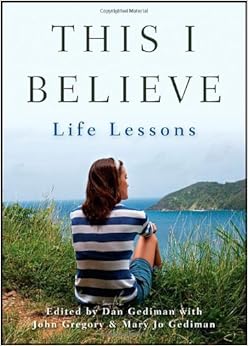
Students looking for ideas and inspiration on their college application essays should check out the “This I Believe” web site.
It’s an international organization set up in 2004 to help students and adults identify and express through writing personal essays the core values that guide their lives.
Thousands have been collected and published on their site and in books.
Most of these essays could easily double as college application essays, such as for the Common Application or others that ask for personal statements.
In both, you use real-life stories to share your personal philosophy.
In my blog and writing guides, I show students how to start with one of their defining qualities or characteristics, and craft anecdotes (mini stories) from real-life moments that illustrate them to power their essays.
Defining qualities and characteristics shape or reflect our core values or personal philosophies. So you can see how we are talking about the same ideas—there are just different angles to find and share them.
Another Way to Find Your Perfect Topic!
If you are still scouring your life for a great topic for your college admissions essay, see if the “This I Believe” approach might spark some great ideas.
On their web site, they have a page outlining “essay writing guidelines,” which are almost identical to the approach I advise in my blog and books. Start with a story from your own life. Write in words and phrases that are comfortable for you to speak. Be personal.
These essays almost always share something the writer has learned about his or her self. Often called a “life lesson.”
These are some of the best tips for brainstorming and writing a killer personal essay. Check out their essay writing guidelines.
They include THE BEST storytelling advice:
“Tell a story about you: Be specific. Take your belief out of the ether and ground it in the events that have shaped your core values. Consider moments when belief was formed or tested or changed. Think of your own experience, work, and family, and tell of the things you know that no one else does. Your story need not be heart-warming or gut-wrenching—it can even be funny—but it should be real. Make sure your story ties to the essence of your daily life philosophy and the shaping of your beliefs.”
Did you catch that golden nugget of advice? “Consider moments when belief was formed or tested of changed.”
In your essay, you do not need to tell a story from start to finish. Instead, find a “moment” that illustrates your quality or value or personal philosophy and share that as an anecdote (mini story). A moment when it was formed. A moment it was tested. A moment when it changed.
Start with an anecdote about that significant moment, and go from there to explain what it meant to you, why it mattered and what you learned about yourself from it. BOOM. Awesome college application essay.
Treasure Trove of Sample Personal Essays!
The I Believe folks also share thousands of terrific sample personal essays.
I say over and over again how much you can learn from reading other people’s essays. Look for the I Believe essays written by students your age.
You can see the familiar, casual style of these essays as well as check out the wide range of stories and topics that make great essays.

Edward R. Murrow
Background About “This I Believe” from their Web Site
“This I Believe, Inc., was founded in 2004 as an independent, not-for-profit organization that engages youth and adults from all walks of life in writing, sharing, and discussing brief essays about the core values that guide their daily lives.
This I Believe is based on a 1950s radio program of the same name, hosted by acclaimed journalist Edward R. Murrow. Each day, Americans gathered by their radios to hear compelling essays from the likes of Eleanor Roosevelt, Jackie Robinson, Helen Keller, and Harry Truman as well as corporate leaders, cab drivers, scientists, and secretaries—anyone able to distill into a few minutes the guiding principles by which they lived. These essayists’ words brought comfort and inspiration to a country worried about the Cold War, McCarthyism, and racial division.
In reviving This I Believe, executive producer Dan Gediman said, ‘The goal is not to persuade Americans to agree on the same beliefs. Rather, the hope is to encourage people to begin the much more difficult task of developing respect for beliefs different from their own.’ ”
Attention English Teachers!
“Teachers around the country—and around the world—have embraced This I Believe as a powerful educational tool. They have downloaded our educational curricula, posters, and brochures for using This I Believe in middle and high school classrooms and in college courses. These curricula help teachers guide students through exploring their beliefs and then composing personal essays about them. The students learn about themselves and their peers, and experience the delight of realizing their views and voices have value.”
So if you already use this as an educational tool in your classroom, you could easily apply it to helping students write their college application essays!
October 17, 2015
6 College Application Essay Tips for First-Gen Students

Advice for Students Who Are Underrepresented
for Whatever Reason:
Tell Your Personal Story
In my previous post, I shared my experience working with teachers and students from the Rio Grande Valley in south Texas, where I’m giving a series of workshops on how to write college application essays.
It was my first time working with a large number of students who were mainly from underrepresented backgrounds. Most of the students were Hispanic and would be the first to attend college in their families.
I wanted to share some insights, tips and advice on what I learned, in case this helps other similar students struggling with their essays.
Here are 6 Essay Writing Tips for Students
from Underprivileged or Underrepresented Backgrounds
ONE: Students who come from underprivileged backgrounds can be more reluctant to open up and reveal their tribulations, pain and vulnerability. Many believe they need to show only their strengths and victories. They are rightfully proud and don’t want to appear weak, deficient or complaining.
However, colleges are eager to hear about the obstacles students have faced, and their real-life stories of hardship, and these essays are the perfect place to share them. The best college application essays are almost always highly personal.
TWO: Like many students—especially those who have grown up with some hardship in their immediate background or family—the best topics can be so close to them that they don’t recognize how powerful they are.
Example: I worked with one student at this workshop who was convinced she had nothing worthwhile to write about herself.
But after talking a bit, she told me her parents ran a small motel in the middle of nowhere and she helped them by cleaning the rooms.
It took a while to convince her that writing about her life with that motel, or some small piece of it, could make a powerful essay.
THREE: Many students who struggle to help their families often don’t recognize the admirable qualities they have developed, which they should showcase in their essays, such as determination, self-sacrifice, enduring, resilience, etc.
They need to step back and look at the role they have played in their families and look for a story that shows their reader what they have done and learned.
Example: One student I worked with to find a topic told me he had just started a job at a drug store. It took a while to draw out that a customer had come in drunk, and got angry at the student when he wouldn’t sell him cigarettes, and left threatening him and shattering the store’s glass door.
I asked the student if he returned to work the next day after that terrifying experience. I asked why, and he said he needed to support his family. I told him that sharing that experience would literally show colleges much about what he was about and valued.
A perfect topic.
FOUR: Students who grow up in a community that has it’s own distinct culture, such as the predominantly Hispanic Rio Grande Valley, often don’t realize that the traditions, lifestyle, history and culture can make great topics, or at least a rich backdrop for their stories that make them interesting and meaningful to colleges.
Like any typical teenagers, to them, it’s just what they grew up with and believed wouldn’t interest anyone. But those details can make their essays sing!
FIVE: Since some of these students only recently learned English or it was a second language, their mechanical writing skills were not strong. The most important goal for these students, I believe, was to first and foremost make sure their application essay did not keep them out of a college because it was poorly written and had errors and mistakes.
These students needed to reach out to English teachers, counselors or others who could help them review and proofread their essays so they were error-free. If they also told a great story, all the better.
SIX: Since many first-gen and underrepresented students learned English as their second language, their writing skills and confidence sometimes can be relatively weak. Because of this, they are convinced they cannot write well.
It’s important to understand that good writing is not only about the mechanics (grammar, spelling, syntax, etc.). Those are mainly the means to deliver your ideas clearly and communicate effectively.
The most important part of strong writing is what you have to say.
Students who stick to telling their real-life stories using simple, basic language and words will find their essays are interesting and powerful.
If they share how they feel and what they have learned, they will also be personal and memorable.
This is good writing!
If you will be the first to go to college in your family, or have a background as a minority (cultural, racial, sexual, etc.) and have endured any type of related hardships (poverty, discrimination, abuse or family struggles), you need to trust that you have stories to tell.
Share one of those stories in your essay, and then tell how the experience shaped who you are today. Read this Jumpstart Guide to get going.
And there’s no better place than with your college application essay! So spill it! : )