
Rick Warren's Blog, page 190
October 27, 2022
Cada Temporada de la Vida tiene un Propósito

“Dios lo hizo todo hermoso para el momento apropiado”. Eclesiastés 3:11 (NTV)
La vida está llena de contrastes. Atravesamos montañas, y atravesamos valles. Atravesamos éxitos y atravesamos fracasos. Ganamos y perdemos.
El tiempo tiene cuatro temporadas. Pero en tu vida, hay decenas de temporadas diferentes. Y cada temporada de la vida incluye lo bueno y lo malo.
Eclesiastés 3:1-8 nos da una representación de diferentes experiencias de la vida. “Hay una temporada para todo, un tiempo para cada actividad bajo el cielo. Un tiempo para nacer y un tiempo para morir. Un tiempo para sembrar y un tiempo para cosechar.
Un tiempo para matar y un tiempo para sanar. Un tiempo para derribar y un tiempo para construir. Un tiempo para llorar y un tiempo para reír. Un tiempo para entristecerse y un tiempo para bailar. Un tiempo para esparcir piedras y un tiempo para juntar piedras. Un tiempo para abrazarse y un tiempo para apartarse. Un tiempo para buscar y un tiempo para dejar de buscar. Un tiempo para guardar y un tiempo para botar.
Un tiempo para rasgar y un tiempo para remendar. Un tiempo para callar y un tiempo para hablar. Un tiempo para amar y un tiempo para odiar. Un tiempo para la guerra y un tiempo para la paz” (NTV).
La vida es una combinación de temporadas y contrastes. Todo sol y nada de lluvia forman un desierto. Si estás siguiendo la voluntad de Dios, buscando vivir tu vida de acuerdo con la forma que Dios quiere que vivas, eventualmente verás que estas experiencias pueden tener un propósito y un valor en tu vida.
Tal vez pienses que el único momento que estás en la voluntad de Dios es cuando estás en la iglesia o haciendo tu devocional. Puedes estar en la voluntad de Dios limpiando tu armario. Puedes estar en la voluntad de Dios mientras cortas el césped. Puedes estar en la voluntad de Dios mientras te mudas a otra localidad o te quedas justo donde estás. Hay un tiempo y una temporada para cada cosa.
Ray Stevens canta una canción llamada “Todo es hermoso a su manera”. No es exactamente cierto. No todo es hermoso. El cáncer no es hermoso. El abuso infantil no es hermoso. La guerra no es hermosa.
La Biblia lo dice de manera diferente en Eclesiastés 3:11: “Dios lo hizo todo hermoso para el momento apropiado” (NTV). Esto es diferente a “Todo es hermoso a su manera”. Porque la Biblia está diciendo que Dios puede tomar aún las cosas malas, y transformarlas y usarlas para bien de la forma que Él quiere.
Tal vez estés en este momento atravesando una temporada que no es hermosa. Tus finanzas están mal. Tu salud está mal. Tu matrimonio o una amistad está mal. Tu futuro se ve mal.
Pero Dios puede hacer algo bueno de esto si le confías a Él las piezas.
Reflexiona sobre esto :
¿Qué situación difícil necesitas confiarle hoy a Dios?¿Cómo podría explicar el mundo, el propósito de una temporada difícil en la vida?¿Cuáles son algunas maneras en las que puedes saber si estás en la voluntad de Dios?Recibe un versículo de inspiración cada día por WhatsApp
Síguenos en Instagram & Facebook
Si todavía no has confiado en Jesús y no te has comprometido a seguirlo, ¿por qué esperar más? Si estás listo para cruzar esa línea y tomar la decisión de creer en Jesucristo y seguirlo; haz esta oración .
The post Cada Temporada de la Vida tiene un Propósito appeared first on Pastor Rick's Daily Hope.


What It Means to Be Free

“If the Son sets you free, you will be free indeed.”
John 8:36 (NIV)
When people think about freedom, they often think about political or religious freedoms. But there is a freedom that goes far deeper: your spiritual freedom.
Most people aren’t living spiritually free lives. They’re all bound up inside. They’ve got stress, worry, fatigue, boredom, bitterness, guilt, regret, fear, and anxiety. They may live in a free country, but they’re not spiritually free.
Jesus said in John 8:36, “If the Son sets you free, you will be free indeed” (NIV). Jesus is talking about himself here. He’s saying, “If I set you free, you’re going to be really, really free.”
This is what I call radical freedom. And over the next few days, we’re going to look at four great freedoms Jesus gives you when you put your trust in him as Savior.
The first great freedom of the Christian life is a clear conscience. It’s what happens when God forgives all your sins and wipes away all your guilt. He takes a giant eraser to everything you’ve ever done wrong or will do wrong.
I once saw a sign on a gas station that read, “A clean engine gives more power.” That’s true with a conscience too. Guilt is one of the most destructive emotions. It will burden you and weigh you down. The reason so many people are worn out is because they’re carrying a garbage bag of guilt over their shoulders.
But the Bible tells you, “[God] purchased our freedom and forgave our sins” (Colossians 1:14 NLT). Jesus has purchased your freedom with his own life. His death wasn’t meant to make you religious but to set you free.
Should a believer in Christ ever feel guilty? Yes—but for a nanosecond. In other words, the moment you do something wrong, confess it, and then don’t feel guilty about it.
When you hold on to guilt, it’s actually an insult to Jesus. It’s like saying, “Jesus, what you did on the cross wasn’t enough. I need to punish myself too.”
But imagine waking up each day and saying, “I don’t have to worry about that anymore. It’s all over. It’s paid for.” Jesus made doing that possible!
God’s will for your life is for you to no longer to carry a load of guilt. He wants you to be free.
Radical freedom is a clear conscience. It doesn’t mean you’re perfect. But it does mean you’re forgiven. And that’s good news!
PLAY today’s audio teaching from Pastor Rick >>Talk It Over
Why is spiritual freedom the deepest kind of freedom?
How is hanging on to guilt the same as telling Jesus that what he did on the cross wasn’t enough?
With these truths in mind, how will you move forward today, toward freedom and away from guilt?
The post What It Means to Be Free appeared first on Pastor Rick's Daily Hope.
October 26, 2022
Cuatro Pasos para Perdonar a Otros

“Abandonen toda amargura, ira y enojo, gritos y calumnias, y toda forma de malicia. Más bien, sean bondadosos y compasivos unos con otros, y perdónense mutuamente, así como Dios los perdonó a ustedes en Cristo”. Efesios 4:31-32 (NVI)
Muchos de nosotros no entendemos realmente lo que es el perdón. Luchamos con toda clase de conceptos equivocados sobre lo que significa perdonar a otros. Mencioné un poco de estos conceptos específicos en el devocional de ayer. Estoy convencido que si más personas supieran como el perdón realmente luce, estarían mucho más dispuestos a perdonar en vez de mantener las heridas del pasado a un nivel poco saludable.
La Biblia claramente nos llama a perdonar a otros. Gálatas 6:1 dice, “Hermanos, si alguien es sorprendido en pecado, ustedes que son espirituales deben restaurarlo con una actitud humilde. Pero cuídese cada uno, porque también puede ser tentado” (NVI).
Entonces si Dios espera que perdonemos a los demás, ¿Cómo es el perdón bíblico saludable? Aquí está un proceso de cuatro partes que debemos recorrer cuando estamos luchando con un dolor causado por otros.
Reconoce que nadie es perfecto. Cuando odiamos a alguien, tendemos a perder nuestra perspectiva sobre esa persona. Cuando estamos llenos con resentimiento y amargura y dolor, tendemos a deshumanizar al ofensor. Lo tratamos como a un animal.Pero todos fallamos por igual. La Biblia dice, “No hay una sola persona en la tierra que siempre sea buena y nunca peque” Eclesiastés 7:20 (NTV). Todos somos imperfectos.Renuncia a tu derecho de desquitarte. Este es el corazón del perdón. La Biblia dice, “No busquen la venganza, sino dejen que Dios se encargue de castigar a los malvados. Pues en la Biblia Dios dice: ‘A mí me toca vengarme. Yo le daré a cada cual su merecido’” Romanos 12:19 (TLA). Mereces tomar represalias, pero debes comprometerte a no hacerlo. No es justo, pero es saludable. No es una decisión de un solo día en la vida, sino que tomas a diario, incluso, puede ser una decisión que conlleve otras decisiones momento tras momento.Responde al mal con el bien. Así es como sabes que has disculpado totalmente a alguien del mal que se ha cometido contra ti. Humanamente hablando, es casi imposible poder responder al mal con el bien. Necesitarás la ayuda de Dios. Necesitarás el amor de Jesús para que te llene. ¿Por qué? Porque el amor de Dios no lleva un registro de las ofensas recibidas (ver 1 Corintios 13).Reenfócate en el plan de Dios para tu vida. Detente y deja de enfocarte en la herida y en la persona que te lastimó. En cambio, enfócate en el propósito de Dios para tu vida, el cual es más grande que cualquier problema o dolor que pudieras estar enfrentando.
Entre más continúes enfocándote en la persona que te lastimó, esa persona te controla. De hecho, puedes ir más lejos. Si no liberas a tu ofensor, empezarás a parecerte a tu ofensor.
Entonces no te quedes otro día en tu resentimiento. Si has estado aferrado a un dolor causado por alguien más, camina a través de estos cuatro pasos y ¡avanza el resto de tu vida hacia la vida para la cual fuiste creado para vivir!
Reflexiona sobre esto:
¿Puedes pensar en un momento cuándo respondiste al mal con bien? ¿Cómo cambió esa situación?¿Cuál de los cuatro elementos para un perdón bíblico saludable mencionado anteriormente es usualmente el más difícil para tu manejar?¿Por qué piensas que tanta gente prefiere mantener su dolor en vez de liberarlo? ¿Cómo la amargura afecta a alguien emocionalmente y físicamente?Síguenos en Instagram & Facebook
Si todavía no has confiado en Jesús y no te has comprometido a seguirlo, ¿por qué esperar más? Si estás listo para cruzar esa línea y tomar la decisión de creer en Jesucristo y seguirlo; haz esta oración .
The post Cuatro Pasos para Perdonar a Otros appeared first on Pastor Rick's Daily Hope.
God Blesses You So You Can Bless Others

“All the believers were together and had everything in common. They sold property and possessions to give to anyone who had need.”
Acts 2:44-45 (NIV)
No one sacrificed like the early church. The Bible says in Acts 2:44-45, “All the believers were together and had everything in common. They sold property and possessions to give to anyone who had need” (NIV). These early Christians didn’t give just their money. They were generous with everything they had. They were radically generous.
God doesn’t just give you resources for your own enjoyment but to make a difference in the world around you. God never blesses you just so you can sit on what you have. He blesses you so you can bless others.
Here are four things you need to remember as you use your blessings as God intended.
Your blessings should flow to others.
“Forget yourselves long enough to lend a helping hand” (Philippians 2:4 The Message). This is the first law of blessing: It must flow outwardly.
How do you bless others? By meeting a need, whether it is for physical or emotional support, financial help, or practical advice.
When you bless others, God takes care of your needs.
Luke 18:29-30 says, “I can guarantee this truth: Anyone who gave up his home, wife, brothers, parents, or children because of God’s kingdom will certainly receive many times as much in this life and will receive eternal life in the world to come” (GW).
When you focus on helping other people, God assumes responsibility for your problems. And that’s a real blessing, because he’s much better at handling your difficulties than you are.
Your blessings to others will come back to you.
The more you bless and help others, the more God blesses your life. Luke 6:38 says, “Give away your life; you’ll find life given back, but not merely given back—given back with bonus and blessing” (The Message).
You cannot out-give God. I sometimes imagine God saying: “We’ll play a little game here. Let’s see who can give the most. But I’m always going to win! Because the more you bless others, the more I’m going to bless you in return.”
The more you’re blessed by God, the more he expects you to help others.
Jesus said it this way in Luke 12:48: “Much is required from the person to whom much is given; much more is required from the person to whom much more is given” (GNT).
You are blessed to be a blessing. That’s a hopeful, encouraging truth to remember. In a world that urges you to just look out for yourself, find ways to be radically generous to the people God has placed in your life.
PLAY today’s audio teaching from Pastor Rick >>Talk It Over
How would your life change if you were radically generous? What would that look like?
How have you seen God provide for your needs as you’ve given generously to others?
Now that you know that God blesses you so you can bless others, what is one step you can take today toward radical generosity?
The post God Blesses You So You Can Bless Others appeared first on Pastor Rick's Daily Hope.
October 25, 2022
Perdona a los Demás porque tú también Necesitas Perdón

“Porque si perdonan a otros sus ofensas, también los perdonará a ustedes su Padre celestial. Pero si no perdonan a otros sus ofensas, tampoco su Padre les perdonará a ustedes las suyas”. Mateo 6:14-15 (NVI)
El perdón es una calle de doble vía. No puedes esperar que otros te perdonen, si no estás dispuesto a perdonar.
Jesús dice algo como esto: “Porque si perdonan a otros sus ofensas, también los perdonará a ustedes su Padre celestial. Pero si no perdonan a otros sus ofensas, tampoco su Padre les perdonará a ustedes las suyas” Mateo 6:14-15 (NVI).
Es una verdad bíblica básica. Cosechas lo que siembras.
Una vez, un hombre vino a John Wesley y le dijo: “Yo nunca podría perdonar a esa persona”. Wesley le dijo: “entonces espero que nunca cometas pecado. Cuando no perdonas, estás quemando el puente que necesitas para pasar al otro lado”. Cuando no perdonas a otros, te condenas a ti mismo a no ser perdonado. Porque Dios dice que vas a necesitar el perdón en el futuro.
Cuando escucho a alguien decir que no puede perdonar a otro, me doy cuenta que esa persona no entiende el perdón. Si entendieras el perdón, probablemente serías más capaz de hacerlo. Muchos mitos se interponen en el camino de nuestra preparación para perdonar. Por ejemplo, aquí están tres de los principales conceptos equivocados sobre el perdón.
El perdón NO es:
Minimizar la seriedad de la ofensa. El perdón es un gran reto. Perdonar a alguien no significa que la ofensa recibida no hiera.Restauración instantánea de la confianza. La confianza debe ser reconstruida durante un periodo de tiempo. Si las personas te lastiman una y otra vez, la Biblia dice que estás obligado a perdonarlos, pero no estás obligado a confiar instantáneamente en ellos.Reanudar la relación sin ningún cambio. El perdón no es lo mismo que un reencuentro de una relación. El perdón consiste en lo que haces si fuiste ofendido. Si la relación va a ser restaurada, el ofensor tiene que hacer tres cosas: arrepentirse, ofrecer restauración donde sea posible, y reconstruir la confianza en un periodo de tiempo.Es hora de perdonar a quienes te lastimaron. Necesitarás el perdón de otros más adelante. No retengas aquello de lo que pronto vas a depender.
Reflexiona sobre esto:
El Pastor Rick dice que hay tres cosas que el perdón no es. ¿Cuál de éstas te cuesta creer?¿Cómo entendiendo que necesitarás ser perdonado en otro tiempo, hace más fácil perdonar a otros?¿A quién necesitas expresar tu perdón hoy?Síguenos en Instagram & Facebook
Si todavía no has confiado en Jesús y no te has comprometido a seguirlo, ¿por qué esperar más? Si estás listo para cruzar esa línea y tomar la decisión de creer en Jesucristo y seguirlo; haz esta oración .
The post Perdona a los Demás porque tú también Necesitas Perdón appeared first on Pastor Rick's Daily Hope.
When You Look Most Like Jesus

“Therefore be imitators of God, as beloved children. And walk in love, as Christ loved us and gave himself up for us, a fragrant offering and sacrifice to God.”
Ephesians 5:1-2 (ESV)
An amazing transformation takes place when you live generously in every area of your life. The grip of materialism starts to break, and your heart grows bigger.
But something even greater happens: You become like Jesus.
What is Jesus like? One of his characteristics is his outrageous, lavish, and radical generosity. Everything you have—the air and water, your brain and heartbeat—is a total gift of God’s generosity. In fact, without God’s generosity, you’d have nothing.
Jesus is the master example of generosity. The Bible says, “You are familiar with the generosity of our Master, Jesus Christ. Rich as he was, he gave it all away for us—in one stroke he became poor and we became rich” (2 Corinthians 8:9 The Message).
What does that verse mean? Jesus Christ is God. He had all the splendor of heaven, but he gave it up and came to Earth to be born in a barn. That’s about as low as a person could go. Why did he do it? He certainly didn’t do it for himself.
Jesus did it for you.
It was the ultimate act of generosity: “God so loved the world, that he gave his only Son” (John 3:16 ESV).
So why does God want you to live generously? Because he wants you to be like him, and that means he wants you to be generous!
The Bible says, “Therefore be imitators of God, as beloved children. And walk in love, as Christ loved us and gave himself up for us, a fragrant offering and sacrifice to God” (Ephesians 5:1-2 ESV).
God didn’t put you on Earth to live for yourself. Instead, he put you here to learn how to be unselfish and focused on others. He made you to reflect him.
How are you imitating the generosity of Jesus today? Each time you’re generous with your time, money, influence, or love, you begin to look more and more like him.
PLAY today’s audio teaching from Pastor Rick >>Talk It Over
When have you experienced yourself becoming less materialistic as a result of your generosity?
How does your life currently reflect the generosity of Jesus?
What is one new way you can model the generosity of Jesus this week?
The post When You Look Most Like Jesus appeared first on Pastor Rick's Daily Hope.
October 24, 2022
El Resentimiento te Lastima más que Cualquier Persona
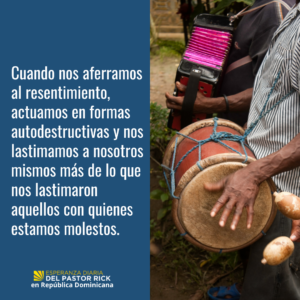
“Te aseguro que el resentimiento destruye al necio”. Job 5:2 (NTV)
Si te aferras al resentimiento, eso te lastima más que cualquier persona. El resentimiento es autodestructivo y contraproducente.
El resentimiento no tiene sentido.
Si alguien tuvo razón para resentirse alguna vez, ese fue Job. Era un hombre piadoso que tenía todo lo que podía desear: riqueza, fama y una gran familia. Un día lo perdió todo. Naciones enemigas mataron todo su ganado. Mataron a todos sus hijos. El contrajo una enfermedad terrible. Literalmente, perdió todo lo que poseía. Lo único que le quedó fue una mujer quejona. Después sus amigos vinieron a decirle: “Job, es tu culpa”.
Aunque Job tenía toda la razón para estar resentido, él nos dice en el libro que lleva su nombre, que el resentimiento es una mala idea: “Te aseguro que el resentimiento destruye al necio” Job 5:2 (NTV).
Job era un hombre sabio. Sabía que no tenía tiempo para perderlo en resentimientos. Sabía que era necio, sin sentido e ilógico. Si tratas de recordar tus propias experiencias del pasado, sé que estarás de acuerdo con esto. Podemos hacer cosas muy infantiles cuando nos enganchamos con el resentimiento. Decimos cosas como: “¡Me vengaré!” Después, hacemos el ridículo para conseguirlo. Cuando nos aferramos al resentimiento, actuamos en formas autodestructivas y nos lastimamos a nosotros mismos más de lo que nos lastimaron aquellos con quienes estamos molestos.
Por ejemplo, recuerdo una vez que veía la vieja comedia de “Los Tres Chiflados”. Mo golpeaba a Curly en el pecho y este se decía, “me vengaré ¡Lo detendré!”, así que tomó una candela de dinamita y se la ató en el pecho, decía: “la próxima vez que me golpee ¡Le explotaré la mano!”.
Eso ocurre con el resentimiento. En verdad hacemos cosas muy tontas intentando vengarnos de la gente. Peor aún, el resentimiento no ayuda, nos hace miserables en el proceso. Nunca termina porque nunca alcanzamos lo que queremos.
Así que ¿por qué hacerlo? No te aferres al resentimiento. Déjalo ir. Perdona.
Reflexiona sobre esto:
¿Por qué nos es tan importante decir la última palabra?¿Cuáles son algunas formas que has visto de como el resentimiento te ha herido y a las personas a tu alrededor?¿Qué herida del pasado necesitas perdonar para así deshacerte del resentimiento?Síguenos en Instagram & Facebook
Si todavía no has confiado en Jesús y no te has comprometido a seguirlo, ¿por qué esperar más? Si estás listo para cruzar esa línea y tomar la decisión de creer en Jesucristo y seguirlo; haz esta oración .
The post El Resentimiento te Lastima más que Cualquier Persona appeared first on Pastor Rick's Daily Hope.
Joy Comes From Generosity
“There is more happiness in giving than in receiving.”
Acts 20:35 (GNT)
When it comes to generosity, one of the best ways to learn is from the examples of others.
I learned how to be generous from my parents. I grew up watching them give away so many things in life. They gave away hospitality, income, and food. They gave away time, energy, and effort. They held out their gifts and resources with an open hand, and they were some of the most joyful people I ever knew.
The Bible offers another great model of generosity: the church in Macedonia. Here’s what the apostle Paul said about them: “We want you to know what God’s grace has accomplished in the churches in Macedonia. They have been severely tested by the troubles they went through; but their joy was so great that they were extremely generous in their giving, even though they are very poor” (2 Corinthians 8:1-2 GNT).
Notice how the church in Macedonia had their own problems to deal with. They were “severely tested” because they lived during the Roman Empire, when Nero was emperor. It was a time when being a Christian could lead to a death sentence. The Macedonians were not only being persecuted for their faith, but they were also extremely poor and maybe in need of financial assistance themselves.
But because “their joy was so great,” their difficult circumstances didn’t stop them from being “extremely generous in their giving.” They didn’t give out of duty or obligation. They gave out of joy.
The Bible says, “There is more happiness in giving than in receiving” (Acts 20:35 GNT).
When I was a kid, I didn’t believe that verse. I was immature and thought it was more fun to get than to give. And Christmas was always about me: “What am I going to get?”
But as my parents taught me the value of generosity, I began to experience the joy that comes from giving. I slowly began to mature and understand there really is more joy in giving than receiving.
Maybe you find yourself giving out of pressure or compulsion—and you’re miserable. Try this instead: Give out of joy, knowing that God is always generous in providing for your needs. After all, he’s already given you the greatest gift of all, the gift of salvation through his Son, Jesus Christ.
PLAY today’s audio teaching from Pastor Rick >>Talk It Over
Who has modeled generosity for you? How has their influence affected your desire to be generous to others?
The happiest people in the world are givers. The unhappiest people in the world are takers. Give an example of each type of person.
What can you give out of joy this week?
The post Joy Comes From Generosity appeared first on Pastor Rick's Daily Hope.
October 23, 2022
Perdona porque Dios te Perdonó

“Sean bondadosos y compasivos unos con otros, y perdónense mutuamente, así como Dios los perdonó a ustedes en Cristo”. Efesios 4:32 (NVI)
En esta vida todos seremos lastimados. Muchas veces seremos lastimados intencionalmente por lo que la gente diga de nosotros o por lo que nos haga. En realidad, cada vez que leemos la palabra “perdón”, de inmediato vienen a nuestra mente cierto dolor, heridas y problemas de nuestro pasado. Los recuerdos son frescos porque nos hirieron profundamente.
Debido a lo mucho que hemos sido lastimados, es difícil considerar el perdón para quienes lo provocaron. Pero la Biblia nos da una razón muy importante por la cual necesitamos perdonar.
Perdonamos a otros porque Dios nos perdonó.
La Biblia dice, en Efesios 4:32, “Sean bondadosos y compasivos unos con otros, y perdónense mutuamente, así como Dios los perdonó a ustedes en Cristo” (NVI). Considera cuanto te ha perdonado Dios y eso causará que perdones a quienes te han herido.
Lo contrario también es cierto, si no te sientes perdonado(a), te será muy difícil perdonar a otros.
Si usualmente te cuesta perdonar, es posible que tú mismo no hayas experimentado el perdón.
Considera esto: Dios ha lavado completamente tu pecado por la obra de Cristo en la cruz. Todas las cosas por las que debías pagar fueron completamente borradas porque Dios te ha perdonado. Considera frecuentemente ese estado de cuenta y te será muy difícil retener el perdón a alguna persona.
Recuerda esto: sin importar lo que alguien te haga, nunca tendrás que perdonar a una persona más de lo que Dios te ha perdonado a ti.
Reflexiona sobre esto:
Cuando piensas acerca del perdón ¿Quién viene a tu mente? Si necesitas perdonar a alguien ¿Qué harás ahora?¿Qué acción tangible puedes tomar para demostrar perdón a alguien que te ha herido en el pasado?¿Cómo puedes expresar hoy tu agradecimiento a Dios por su perdón?Síguenos en Instagram & Facebook
Si todavía no has confiado en Jesús y no te has comprometido a seguirlo, ¿por qué esperar más? Si estás listo para cruzar esa línea y tomar la decisión de creer en Jesucristo y seguirlo; haz esta oración .
The post Perdona porque Dios te Perdonó appeared first on Pastor Rick's Daily Hope.
Generosity Is an Attitude, Not an Amount

“If you are really eager to give, then it isn’t important how much you have to give. God wants you to give what you have, not what you haven’t.”
2 Corinthians 8:12 (TLB)
Generosity is about far more than giving money. It’s about living generously in every area of your life.
The Bible says this about generosity: “You will be enriched in every way so that you can be generous on every occasion” (2 Corinthians 9:11 NIV).
What does it look like to “be generous on every occasion”? It means being generous with your time, praise, sympathy, forgiveness, love, compliments, and kindness. It means being generous with your listening so that you can seek to understand others. And it means being generous with your attention so that you can be aware of the needs of people.
But God isn’t interested in how much you give in life. He cares about why you give and how you give. He cares about your motivation—your heart. That’s the difference between normal generosity and radical generosity.
Radical generosity is an attitude, not an amount.
The Bible says it this way: “If you are really eager to give, then it isn’t important how much you have to give. God wants you to give what you have, not what you haven’t” (2 Corinthians 8:12 TLB).
God doesn’t need your money, talent, or time. In truth, he really doesn’t need anything from you. But what he wants from you is your heart. What he wants is your love. The Bible says, “Where your treasure is, there your heart will be also” (Matthew 6:21 NIV). When you give your life to Christ, your heart will be with him.
No matter what you do or what you give, it’s important to check your motivation. Why? Because God wants you to “do it all in the name of the Lord Jesus” (Colossians 3:17 NIV). He wants you to be radically generous.
Over the next few days, we’re going to look at the impact radical generosity can have on your life. It will change you and the people around you!
PLAY today’s audio teaching from Pastor Rick >>Talk It Over
How has today’s Daily Hope devotional expanded your idea of what it means to be generous?
There are lots of ways to be generous—with your time, your money, your talents, and more. In what ways do you enjoy being generous? In what areas do you find it difficult to be generous?
Other than giving money, what are some specific ways you can be generous this week?
The post Generosity Is an Attitude, Not an Amount appeared first on Pastor Rick's Daily Hope.
Rick Warren's Blog

- Rick Warren's profile
- 2007 followers

