
Man Martin's Blog, page 204
March 21, 2012
March 21, Presidential Losers: Walter Mondale
Walter Mondale, 1984
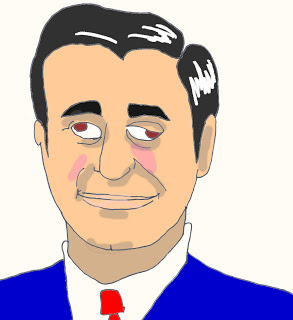 In his famous novel, George Orwell predicted 1984 would see a land ruled by ruthless inhuman interests serving only an elite power structure having succeeded in brainwashing the masses. Instead we got Ronald Reagan. Carter had been a banana to the Reagan steamroller in 1980, and Mondale was Carter's second banana. You could predict the outcome. Mondale briefly energized his campaign by selecting Geraldine Ferraro as his running mate, the first woman ever to appear on a major party's presidential ticket. Unfortunately, Ferraro's husband had some itty-bitty ethics problems, involving some minor bank fraud and bribery. Mondale and Ferraro stood for bizarre, unpalatable ideas: equal rights for women, reproductive rights, that sort of nonsense, and in the charisma department, compared to Walter Mondull, as his friends called him, a man so colorless, even color photographs of him come out black and white, Reagan was like a movie star. (Come to think of it, Reagan was a movie star.) At 73, Reagan became the oldest candidate ever elected president, but he refused to let age be an issue in the election, saying in a debate, "I am not going to exploit, for political purposes, my opponent's youth and inexperience." Mondale himself laughed, but later said he was crying on the inside (we really dodged a bullet not having him as president). He told his wife, that "that was the end of the campaign. It was over." Mondale, however, was mistaken. The campaign was over on July 16 when he received the Democratic nomination.
Result
Ronald Reagan: 525Walter Mondale: 13
 In his famous novel, George Orwell predicted 1984 would see a land ruled by ruthless inhuman interests serving only an elite power structure having succeeded in brainwashing the masses. Instead we got Ronald Reagan. Carter had been a banana to the Reagan steamroller in 1980, and Mondale was Carter's second banana. You could predict the outcome. Mondale briefly energized his campaign by selecting Geraldine Ferraro as his running mate, the first woman ever to appear on a major party's presidential ticket. Unfortunately, Ferraro's husband had some itty-bitty ethics problems, involving some minor bank fraud and bribery. Mondale and Ferraro stood for bizarre, unpalatable ideas: equal rights for women, reproductive rights, that sort of nonsense, and in the charisma department, compared to Walter Mondull, as his friends called him, a man so colorless, even color photographs of him come out black and white, Reagan was like a movie star. (Come to think of it, Reagan was a movie star.) At 73, Reagan became the oldest candidate ever elected president, but he refused to let age be an issue in the election, saying in a debate, "I am not going to exploit, for political purposes, my opponent's youth and inexperience." Mondale himself laughed, but later said he was crying on the inside (we really dodged a bullet not having him as president). He told his wife, that "that was the end of the campaign. It was over." Mondale, however, was mistaken. The campaign was over on July 16 when he received the Democratic nomination.
Result
Ronald Reagan: 525Walter Mondale: 13


March 20, 2012
March 20, Presidential Losers: Jimmy Carter and John Anderson
Jimmy Carter and John Anderson, 1980
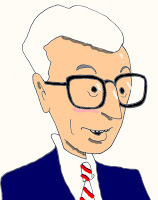 John Anderson
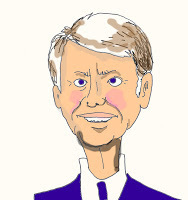 Jimmy CarterUsually a president will be strong in foreign policy and weak on economic policy, or else weak in fiscal policy and strong in international affairs. Jimmy Carter was the rare president who proved equally effective in both. In a tiny insignificant country called Iran, students had taken Americans hostage. Carter's response was a failed rescue attempt dubbed Eagle Claw which accomplished little more than the deaths of eight servicemen. At home, energy prices were spiraling, making filling up the car and heating the house into major expenses, but with the interest rate topping out around 18%, Americans could console themselves that they probably couldn't afford a home or car anyway. Carter's response was a televised "fireside chat" in which he addressed the American people in a sweater. The implied message seemed to be: If you want to stay warm, better get a sweater and build a fire. Somehow this failed to reassure the voters. Carter also put in solar panels, which President Reagan subsequently removed.1The other candidate was a moderate Republican, John Anderson. Like Carter, Anderson was a man of principle who was not afraid of championing unpopular causes. As with Carter this spelled inevitable defeat. Anderson was not afraid of bipartisanism, going so far as to tell an audience he supported Carter's grain embargo to the Soviet Union. Unfortunately, he was speaking in Iowa, where the only thing folks hated worse than the Ruskies was the chance not to sell their grain. Anderson got a measely 6.6% of the popular vote. Carter fared better, but not enough better, and Reagan won the biggest landslide by a nonincumbent candidate.
Result
Ronald Reagan: 489Jimmy Carter: 49John Anderson: 0
1. When Nixon was in the White House, he kept the air conditioner going so he could have a fire in the fireplace. Now that was presidential!

 John Anderson
  Jimmy CarterUsually a president will be strong in foreign policy and weak on economic policy, or else weak in fiscal policy and strong in international affairs. Jimmy Carter was the rare president who proved equally effective in both. In a tiny insignificant country called Iran, students had taken Americans hostage. Carter's response was a failed rescue attempt dubbed Eagle Claw which accomplished little more than the deaths of eight servicemen. At home, energy prices were spiraling, making filling up the car and heating the house into major expenses, but with the interest rate topping out around 18%, Americans could console themselves that they probably couldn't afford a home or car anyway. Carter's response was a televised "fireside chat" in which he addressed the American people in a sweater. The implied message seemed to be: If you want to stay warm, better get a sweater and build a fire. Somehow this failed to reassure the voters. Carter also put in solar panels, which President Reagan subsequently removed.1The other candidate was a moderate Republican, John Anderson. Like Carter, Anderson was a man of principle who was not afraid of championing unpopular causes. As with Carter this spelled inevitable defeat. Anderson was not afraid of bipartisanism, going so far as to tell an audience he supported Carter's grain embargo to the Soviet Union. Unfortunately, he was speaking in Iowa, where the only thing folks hated worse than the Ruskies was the chance not to sell their grain. Anderson got a measely 6.6% of the popular vote. Carter fared better, but not enough better, and Reagan won the biggest landslide by a nonincumbent candidate.
Result
Ronald Reagan: 489Jimmy Carter: 49John Anderson: 0
1. When Nixon was in the White House, he kept the air conditioner going so he could have a fire in the fireplace. Now that was presidential!
March 19, 2012
March 19, Presidential Losers: Gerald Ford
Gerald Ford, 1976
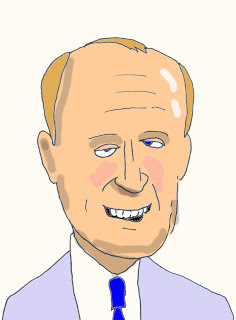 The election of 1876 centered on the biggest presidential scandal up to that time - the engineered election of Rutherford "Rutherfraud" B Hayes. For the Bicentennial, we out-did ourselves. As he was proud of saying about himself, Nixon was no quitter. This is what he said the day he quit. His vice-president Spiro Agnew, having earlier resigned in disgrace, the administration had selected Gerald Ford as the new VP. He'd been second banana less than ten months before Nixon's resignation and his ascension to the top spot. In his speech accepting the presidency, Ford said, "Let us restore the golden rule to our political process, and let brotherly love purge our hearts of suspicion and hate." Less than a month later, in a touching display of brotherly love and golden-rulism, Ford pardonned Nixon of any crimes "he may have committed against the United States." Lyndon Johnson once opined that Ford had spent too much time playing football without a helmet, but this underestimated a canny and resourceful statesman. Battling a sagging economy and rising prices, in a nationally-televised speech Ford introduced the "WIN" button, urging Americans to wear the red-and-white button standing for "Whip Inflation Now." It is unclear how many Americans actually wore the button, but no economist has ever been able to calculate the effect wearing these buttons had on the nation's economy. Against Ford was a relative unknown from Georgia, Jimmy Carter; but following years of political scandal that seemed to touch virtually every politician in DC, the last thing Americans wanted was a known. Given this, it's surprising Carter didn't have a bigger victory, winning by the popular vote by a margin of only 2 percent, but a win is a win is a button.
Result
Jimmy Carter: 297
Gerald Ford: 240
 The election of 1876 centered on the biggest presidential scandal up to that time - the engineered election of Rutherford "Rutherfraud" B Hayes. For the Bicentennial, we out-did ourselves. As he was proud of saying about himself, Nixon was no quitter. This is what he said the day he quit. His vice-president Spiro Agnew, having earlier resigned in disgrace, the administration had selected Gerald Ford as the new VP. He'd been second banana less than ten months before Nixon's resignation and his ascension to the top spot. In his speech accepting the presidency, Ford said, "Let us restore the golden rule to our political process, and let brotherly love purge our hearts of suspicion and hate." Less than a month later, in a touching display of brotherly love and golden-rulism, Ford pardonned Nixon of any crimes "he may have committed against the United States." Lyndon Johnson once opined that Ford had spent too much time playing football without a helmet, but this underestimated a canny and resourceful statesman. Battling a sagging economy and rising prices, in a nationally-televised speech Ford introduced the "WIN" button, urging Americans to wear the red-and-white button standing for "Whip Inflation Now." It is unclear how many Americans actually wore the button, but no economist has ever been able to calculate the effect wearing these buttons had on the nation's economy. Against Ford was a relative unknown from Georgia, Jimmy Carter; but following years of political scandal that seemed to touch virtually every politician in DC, the last thing Americans wanted was a known. Given this, it's surprising Carter didn't have a bigger victory, winning by the popular vote by a margin of only 2 percent, but a win is a win is a button.
Result
Jimmy Carter: 297
Gerald Ford: 240
March 18, 2012
March 18, Presidential Losers: George McGovern
George McGovern, 1972
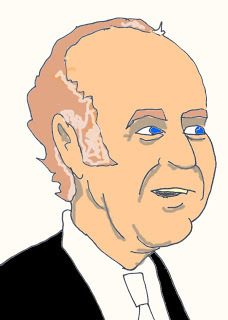 Energized by pressing issues of the Vietnam War, Civil Rights, and the Economy voters stayed home in droves. The '72 election had the lowest voter turnout in 20 years. Only 55% of the voters turned up, but those 55% went solidly for Richard Nixon, thanks largely the efforts of a committed group of idealists called the Committee to Re-Elect the President or CREEP. 1 The folks at CREEP had a number of cool ideas, possibly the coolest of all came after the attempted assassination of former presidential loser, George Wallace; Nixon said if they could get to the scene before the FBI and scatter some Democratic campaign literature, it would look like the liberals were behind the attempted murder of America's most beloved segregationist. This plan never panned out, but enough ideas came to fruition that the Democrats were pretty much sabotaged coming and going. To wit, breaking into a psychiatrist's office uncovered the juicy tid-bit that the vice-presidential candidate, Eagleton, had received electroshock therapy for depression. Americans were rightly outraged at Eagleton's lack of gumption, if you're depressed, by golly, then just cheer up!2 Eagleton was dumped and replaced with Sargent Shriver, whom many Americans thought was an album by the Beatles and others a famous canine movie hero similar to Rin-Tin-Tin. The highpoint of CREEP's antics was a bungled break-in of Democratic Headquarters in the Watergate Hotel. (The burglars found nothing of use, by the way.) All of this came to light during the Watergate Hearings, during which, a crucial piece of evidence were tape-recordings that Nixon himself had authorized. This really calls into question whether Nixon or Eagleton was more in need of psychiatric counseling. Being a criminal may not neccessitate a genius IQ, but at least it calls for a minimum amount of non-dumb-ass-ness. By God, if you're going to subvert the Constitution, then for heaven's sake, don't freaking tape-record your conversations. Not since presidential loser James Blaine was brought low by an incriminating letter ending with the instructions "burn this letter," has any political felon shown such wild disregard for common sense.
All of that came out later; in the meantime, it was a landslide with McGovern under it. McGovern didn't even win his own state of South Dakota.
Result
Richard Nixon: 520George McGovern: 17
1. Nixon's campaign staff had many abilities, but coming up with good acronyms wasn't one of them. 2. It was put about that Eagleton told an interviewer that McGovern was in favor of "amnesty, abortion, and acid." This is untrue. Eagleton distinctly said "pot" not "acid."

 Energized by pressing issues of the Vietnam War, Civil Rights, and the Economy voters stayed home in droves. The '72 election had the lowest voter turnout in 20 years. Only 55% of the voters turned up, but those 55% went solidly for Richard Nixon, thanks largely the efforts of a committed group of idealists called the Committee to Re-Elect the President or CREEP. 1 The folks at CREEP had a number of cool ideas, possibly the coolest of all came after the attempted assassination of former presidential loser, George Wallace; Nixon said if they could get to the scene before the FBI and scatter some Democratic campaign literature, it would look like the liberals were behind the attempted murder of America's most beloved segregationist. This plan never panned out, but enough ideas came to fruition that the Democrats were pretty much sabotaged coming and going. To wit, breaking into a psychiatrist's office uncovered the juicy tid-bit that the vice-presidential candidate, Eagleton, had received electroshock therapy for depression. Americans were rightly outraged at Eagleton's lack of gumption, if you're depressed, by golly, then just cheer up!2 Eagleton was dumped and replaced with Sargent Shriver, whom many Americans thought was an album by the Beatles and others a famous canine movie hero similar to Rin-Tin-Tin. The highpoint of CREEP's antics was a bungled break-in of Democratic Headquarters in the Watergate Hotel. (The burglars found nothing of use, by the way.) All of this came to light during the Watergate Hearings, during which, a crucial piece of evidence were tape-recordings that Nixon himself had authorized. This really calls into question whether Nixon or Eagleton was more in need of psychiatric counseling. Being a criminal may not neccessitate a genius IQ, but at least it calls for a minimum amount of non-dumb-ass-ness. By God, if you're going to subvert the Constitution, then for heaven's sake, don't freaking tape-record your conversations. Not since presidential loser James Blaine was brought low by an incriminating letter ending with the instructions "burn this letter," has any political felon shown such wild disregard for common sense.
All of that came out later; in the meantime, it was a landslide with McGovern under it. McGovern didn't even win his own state of South Dakota.
Result
Richard Nixon: 520George McGovern: 17
1. Nixon's campaign staff had many abilities, but coming up with good acronyms wasn't one of them. 2. It was put about that Eagleton told an interviewer that McGovern was in favor of "amnesty, abortion, and acid." This is untrue. Eagleton distinctly said "pot" not "acid."
March 17, 2012
March 17 Presidential Losers: Hubert Humphrey, George Wallace
Hubert Humphrey and George Wallace, 1968
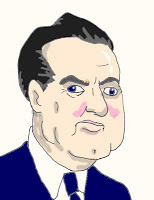 George Wallace Wallace, the pro-segregationist governor of Alabama, split from the Democratic party and ran as an independent, appealing to any voters who still missed the good ol' days of racial segregation. There turned out to be about ten million of them.
 Hubert HumphreyHumphrey had a hard time running as LBJ's former veep, because the nation had turned on Johnson like milk left out on a radiator overnight. The Great Society wasn't working out so great, in spite of being modeled on the New Deal, which had been hugely popular. And the Vietnam War, although it had been Eisenhower and Kennedy who'd gotten the wheels rolling on that one, was an enormous liability for Johnson, which is why he decided not to run. Protestors around the nation would march, stage sit-ins, and smoke dope, chanting "Hey, hey, LBJ, how many kids did you kill today?" Which is kind of stupid because if the protestors wanted to know, they could just watch it on tv like anybody else. Nixon ran on a "law and order" candidacy (which meant he wasn't going to put up with these damn protestors) appealing to the "silent majority" (which meant all the people willing to sit down and shut up). Democrats said "law and order" was just a code word for racism, but that's not fair. The racism candidate was clearly George Wallace. Nixon proposed ending the draft, which he figured would quell the protests, since he thought it was mostly rich kids in the demonstrations. Poor kids, he figured, wouldn't protest; being poor is a full-time job, and doesn't leave time for sit-ins.
Humphrey began denouncing the Vietnam War, and on Halloween got a much-needed boost in the polls when Johnson announced an end to the bombing and even a possible peace deal the weekend before the election. The deal fell through, needless to say, and Johnson himself believed that Nixon had worked to sabotage the Paris peace talks by telling the South Vietnam they'd get sweeter terms under a Republican administration. This, however, is just raw paranoia and sour grapes on Johnson's part; to believe that, you might as well think Nixon would have used the IRS to harrass political enemies or spend campaign funds digging up dirt to discredit opponents. In the end, Nixon rolled over Humphrey like a steamroller on a grape.
Result
Richard Nixon: 301
Hubert Humphrey: 191George Wallace: 46
 George Wallace Wallace, the pro-segregationist governor of Alabama, split from the Democratic party and ran as an independent, appealing to any voters who still missed the good ol' days of racial segregation. There turned out to be about ten million of them.
 Hubert HumphreyHumphrey had a hard time running as LBJ's former veep, because the nation had turned on Johnson like milk left out on a radiator overnight. The Great Society wasn't working out so great, in spite of being modeled on the New Deal, which had been hugely popular. And the Vietnam War, although it had been Eisenhower and Kennedy who'd gotten the wheels rolling on that one, was an enormous liability for Johnson, which is why he decided not to run. Protestors around the nation would march, stage sit-ins, and smoke dope, chanting "Hey, hey, LBJ, how many kids did you kill today?" Which is kind of stupid because if the protestors wanted to know, they could just watch it on tv like anybody else. Nixon ran on a "law and order" candidacy (which meant he wasn't going to put up with these damn protestors) appealing to the "silent majority" (which meant all the people willing to sit down and shut up). Democrats said "law and order" was just a code word for racism, but that's not fair. The racism candidate was clearly George Wallace. Nixon proposed ending the draft, which he figured would quell the protests, since he thought it was mostly rich kids in the demonstrations. Poor kids, he figured, wouldn't protest; being poor is a full-time job, and doesn't leave time for sit-ins.
Humphrey began denouncing the Vietnam War, and on Halloween got a much-needed boost in the polls when Johnson announced an end to the bombing and even a possible peace deal the weekend before the election. The deal fell through, needless to say, and Johnson himself believed that Nixon had worked to sabotage the Paris peace talks by telling the South Vietnam they'd get sweeter terms under a Republican administration. This, however, is just raw paranoia and sour grapes on Johnson's part; to believe that, you might as well think Nixon would have used the IRS to harrass political enemies or spend campaign funds digging up dirt to discredit opponents. In the end, Nixon rolled over Humphrey like a steamroller on a grape.
Result
Richard Nixon: 301
Hubert Humphrey: 191George Wallace: 46
March 16, 2012
March 16 Presidential Losers: Barry Goldwater
Barry Goldwater, 1964
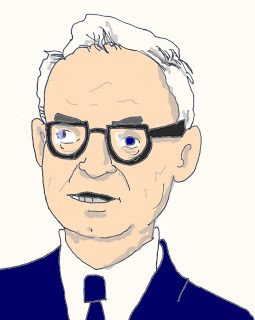 Barry Goldwater was a serious thinker who profoundly altered American politics. Ridiculing such a man would be a cheap shot. We're going for the cheap shot.
Goldwater started the race about four laps behind. The assassination of JFK meant incumbent Johnson's candidacy had a powerful emotional impetus behind it. On top of this, Kennedy had lowered taxes, stimulating the economy and lifting us from a recession - and on the Civil Rights front, he'd (somewhat reluctantly) faced down Governor Wallace in Alabama over integration of the University of Alabama. On foreign affairs, he'd been less than stellar: a google search reveals that "fiasco" is the word that most commonly follows Bay of Pigs. He had successfully gotten the Soviets to pull their nuclear missiles from Cuba, but the war in Southeast Asia was heating up, and America's involvement had escalated. Kennedy had said, "We don't have a prayer of staying in Vietnam. Those people hate us," and insiders saying he was strongly considering pulling out of Vietnam.
Back to Goldwater.
His most famous quotation is "Extremism in defense of liberty is no vice, and moderation is no virtue," a paraphrase of Cicero. Another great quotation was, ""Sometimes I think this country would be better off if we could just saw off the Eastern Seaboard and let it float out to sea." (Goldwater was from Arizona.) Nor was Goldwater shy about the possibility of using nuclear weapons, once saying, "Let's lob one into the men's room at the Kremlin as an example." Democrats paraphrased his campaign slogan, "In your heart, you know he's right," to "In your guts, you know he's nuts." One of the most famous political ads of all time exploited Goldwater's reputation, showing a little girl plucking petals off a daisy followed by a montage of mushroom clouds. Not until "Bambi Meets Godzilla" was there another such juxtaposition of innocence and destruction.
After his defeat, Goldwater returned to the Senate and pursued his interests in collecting Hopi "Kachina" dolls - he ended up with over 430 - and UFO's. Goldwater was convinced that the Air Force was covering up knowledge of extraterrestrial visitors, later telling Larry King "They may not look like us, but I have very strong feelings that they have advanced beyond our mental capabilities."
Hearing chilling speculation of smarter-than-Goldwater outer space aliens, Larry cut to a commercial.
Result
Lyndon Johnson: 486Barry Goldwater: 52
 Barry Goldwater was a serious thinker who profoundly altered American politics. Ridiculing such a man would be a cheap shot. We're going for the cheap shot.
 Goldwater started the race about four laps behind. The assassination of JFK meant incumbent Johnson's candidacy had a powerful emotional impetus behind it. On top of this, Kennedy had lowered taxes, stimulating the economy and lifting us from a recession - and on the Civil Rights front, he'd (somewhat reluctantly) faced down Governor Wallace in Alabama over integration of the University of Alabama. On foreign affairs, he'd been less than stellar: a google search reveals that "fiasco" is the word that most commonly follows Bay of Pigs. He had successfully gotten the Soviets to pull their nuclear missiles from Cuba, but the war in Southeast Asia was heating up, and America's involvement had escalated. Kennedy had said, "We don't have a prayer of staying in Vietnam. Those people hate us," and insiders saying he was strongly considering pulling out of Vietnam.
Back to Goldwater.
His most famous quotation is "Extremism in defense of liberty is no vice, and moderation is no virtue," a paraphrase of Cicero. Another great quotation was, ""Sometimes I think this country would be better off if we could just saw off the Eastern Seaboard and let it float out to sea." (Goldwater was from Arizona.) Nor was Goldwater shy about the possibility of using nuclear weapons, once saying, "Let's lob one into the men's room at the Kremlin as an example." Democrats paraphrased his campaign slogan, "In your heart, you know he's right," to "In your guts, you know he's nuts." One of the most famous political ads of all time exploited Goldwater's reputation, showing a little girl plucking petals off a daisy followed by a montage of mushroom clouds. Not until "Bambi Meets Godzilla" was there another such juxtaposition of innocence and destruction.
After his defeat, Goldwater returned to the Senate and pursued his interests in collecting Hopi "Kachina" dolls - he ended up with over 430 - and UFO's. Goldwater was convinced that the Air Force was covering up knowledge of extraterrestrial visitors, later telling Larry King "They may not look like us, but I have very strong feelings that they have advanced beyond our mental capabilities."
Hearing chilling speculation of smarter-than-Goldwater outer space aliens, Larry cut to a commercial.
Result
Lyndon Johnson: 486Barry Goldwater: 52
March 15, 2012
March 15, Presidential Losers: Richard Nixon
Richard Nixon, 1960
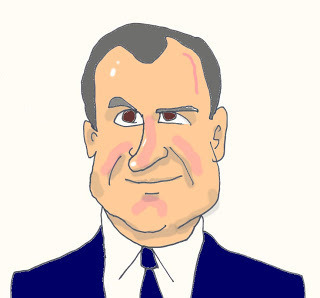 For a lot of people 1960 was the beginning of an era in a way that 1940, 1950, and 1970 weren't. A lot of that had to do with the defeat of Nixon by Kennedy. Nixon had a better resume, but he just couldn't seem to catch a break. For starters, the country happened to be in a recession, and then Eisenhower offered only lukewarm support. Actually, lukewarm is too strong a word. Eisenhower would have needed to heat it up to get to lukewarm. When asked what ideas Nixon had contributed to the president, Eisenhower said, "If you give me a week, I might think of one." The supposed "turning point" were the televised debates when a stubbly-faced, pale Nixon went up against John F Kennedy. 1
But the real turning point was election night itself. In spite of the lopsided electoral vote, Kennedy won the popular vote by less than one tenth of one percent. Republicans cried foul, saying Kennedy had benefited from widespread fraud in Chicago and Texas. (Had Nixon won these two, he would have carried the electoral college.) The patriots in little Fanin County in Texas, with only 4,895 registered voters, cast over 6,000 votes. Chicago Mayor Daley, whose political machine routinely delivered whopping victories to Democrats held back a lot of the Chicago vote until the morning of November 9th. When the votes were "counted" (a lot of the ballots seem to have disappeared) Kennedy won Chicago with a ten-percent margin, overcoming Nixon's victory in the rest of the state. Although things smelled fishy, subsequent reports say it didn't smell of an entire tuna, which would have been enough to say the election was actually stolen. In a recount, the only state that went to Nixon from Kennedy was Hawaii.
Result
John Kennedy: 303Richard Nixon: 219
1. The F stood for "Freaking Beefcake."
 For a lot of people 1960 was the beginning of an era in a way that 1940, 1950, and 1970 weren't. A lot of that had to do with the defeat of Nixon by Kennedy. Nixon had a better resume, but he just couldn't seem to catch a break. For starters, the country happened to be in a recession, and then Eisenhower offered only lukewarm support. Actually, lukewarm is too strong a word. Eisenhower would have needed to heat it up to get to lukewarm. When asked what ideas Nixon had contributed to the president, Eisenhower said, "If you give me a week, I might think of one." The supposed "turning point" were the televised debates when a stubbly-faced, pale Nixon went up against John F Kennedy. 1
But the real turning point was election night itself. In spite of the lopsided electoral vote, Kennedy won the popular vote by less than one tenth of one percent. Republicans cried foul, saying Kennedy had benefited from widespread fraud in Chicago and Texas. (Had Nixon won these two, he would have carried the electoral college.) The patriots in little Fanin County in Texas, with only 4,895 registered voters, cast over 6,000 votes. Chicago Mayor Daley, whose political machine routinely delivered whopping victories to Democrats held back a lot of the Chicago vote until the morning of November 9th. When the votes were "counted" (a lot of the ballots seem to have disappeared) Kennedy won Chicago with a ten-percent margin, overcoming Nixon's victory in the rest of the state. Although things smelled fishy, subsequent reports say it didn't smell of an entire tuna, which would have been enough to say the election was actually stolen. In a recount, the only state that went to Nixon from Kennedy was Hawaii.
Result
John Kennedy: 303Richard Nixon: 219
1. The F stood for "Freaking Beefcake."
March 14, 2012
March 14, Presidential Losers: Adlai Stevenson
Adlai Stevenson, 1956
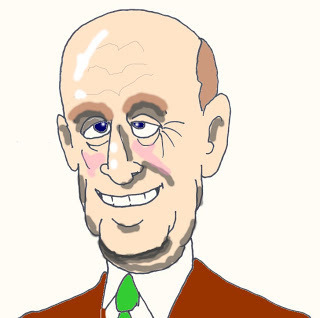 Yep, in spite of having his butt whipped by Eisenhower the first go-round, Stevenson came back for another butt-whipping four years later. For such a smart guy, Stevenson wasn't very bright. Eisenhower had gotten us (mostly) out of the mess of the Korean war, declaring it a tie. He sent 900 military advisors to help out some little country no one had ever heard of called South Vietnam where the French army had mucked things up as per usual. But the North Vietnamese, or whatever they called themselves, were a dipsquat insurgency, and we could be sure we'd never have any serious trouble out of them. So all in all, the Eisenhower presidency suited everyone just fine, and Stevenson had as much chance as Frosty the Snowman on vacation in Havana. The most interesting side-show of the election revolved around Ike's VP and future presidential loser, Richard Nixon. Nixon had been accused of mishandling campaign funds and pressure was mounting in the Republican party to drop him from the ticket. His political survival on the line, Nixon gave a televised address which deserves to go down in history alongside Antony's funeral oration for Caesar as one of the most brilliant and effective examples of rhetoric ever written. With a masterful blend of class envy, self-pity, and counter-attack, Nixon completely turned the tables on his political opponents. At the end of his speech, he confessed to having received a campaign gift he would never return - a black-and-white dog named "Checkers," which his daughter loved. By this point, tears were rolling down the cameraman's cheeks. And Eisenhower, watching from the White House, knew he could never dump Nixon from the ticket.
Result
Dwight Eisenhower: 457Adlai Stevenson: 73

 Yep, in spite of having his butt whipped by Eisenhower the first go-round, Stevenson came back for another butt-whipping four years later. For such a smart guy, Stevenson wasn't very bright. Eisenhower had gotten us (mostly) out of the mess of the Korean war, declaring it a tie. He sent 900 military advisors to help out some little country no one had ever heard of called South Vietnam where the French army had mucked things up as per usual. But the North Vietnamese, or whatever they called themselves, were a dipsquat insurgency, and we could be sure we'd never have any serious trouble out of them. So all in all, the Eisenhower presidency suited everyone just fine, and Stevenson had as much chance as Frosty the Snowman on vacation in Havana. The most interesting side-show of the election revolved around Ike's VP and future presidential loser, Richard Nixon. Nixon had been accused of mishandling campaign funds and pressure was mounting in the Republican party to drop him from the ticket. His political survival on the line, Nixon gave a televised address which deserves to go down in history alongside Antony's funeral oration for Caesar as one of the most brilliant and effective examples of rhetoric ever written. With a masterful blend of class envy, self-pity, and counter-attack, Nixon completely turned the tables on his political opponents. At the end of his speech, he confessed to having received a campaign gift he would never return - a black-and-white dog named "Checkers," which his daughter loved. By this point, tears were rolling down the cameraman's cheeks. And Eisenhower, watching from the White House, knew he could never dump Nixon from the ticket.
Result
Dwight Eisenhower: 457Adlai Stevenson: 73
March 13, 2012
March 13 Presidential Losers: Adlai Stevenson
Adlai Stevenson, 1952
Everyone agrees that Adlai Stevenson was intelligent, articulate, and witty. Clearly a man like this would never be president. A voter once said to him, "Every thinking person in America will vote for you," to which Stevenson replied, "That won't be enough, ma'am, I need a majority." Harry Truman, whose approval ratings had sunk so low, you'd need a shovel and a flashlight to find them, urged Stevenson to seek the Democratic nomination. Stevenson spent the night in the Lincoln bedroom, awed at the historic furnishings surrounding him. He spent the night on the couch, unaware that the room had recently been refurnished, and he was sleeping on the only genuine antique in the room. 1
Up against Stevenson was Dwight Eisenhower; this was like a race for class president between the first-string quarterback of the football team and the president of the chess club. Eisenhower was a five-star general who'd driven Nazis out of Europe in World War II. In '32 he'd also helped fight off some pesky World War I veterans who'd come to Washington to demand their pay bonuses.2
On top of all this, Eisenhower routinely shot in the low '80's in golf.
By comparison, Stevenson was a brain. OK, so his grandfather had been vice president. Very big whoop. Instead of a sexy nickname like "Ike," Stevenson was called "Egghead." (Get it? His brain was really big, and he was bald, so his head looked like an egg! Ha-ha-ha-ha! Republicans are sooo funny!) Think about it; with the Cold War heating up, and Commies infiltrating Hollywood and the State Department like termites in cheese,3 who would you want running the White House - a five-star general and a scratch golfer, or a straight-A student who talks about social justice and stuff?
Case closed.
Result
Dwight Eisenhower: 457Adlai Stevenson: 73
1. Mrs. Stevenson was back home in Illinois.
2. The attack on the "Bonus Army" was really a very peaceful operation and involved some of the brightest stars from World War II - General Patton, General MacArthur, and Dwight Eisenhower, at the time an aid to MacArthur. There were only 55 injuries, and one woman who miscarried. One protestor did die later, but doctors said it was enteritis, although the "tear gas didn't do it any good." In a later biography, Eisenhower recollecting saying he told "that dumb son-of-a-bitch [MacArthur] not to go down there. I told him it was no place for the Chief of Staff." In spite of this, Eisenhower wrote the official report endorsing MacArthur's actions.
3. I'm running out of similes. Sorry.

Everyone agrees that Adlai Stevenson was intelligent, articulate, and witty. Clearly a man like this would never be president. A voter once said to him, "Every thinking person in America will vote for you," to which Stevenson replied, "That won't be enough, ma'am, I need a majority." Harry Truman, whose approval ratings had sunk so low, you'd need a shovel and a flashlight to find them, urged Stevenson to seek the Democratic nomination. Stevenson spent the night in the Lincoln bedroom, awed at the historic furnishings surrounding him. He spent the night on the couch, unaware that the room had recently been refurnished, and he was sleeping on the only genuine antique in the room. 1Up against Stevenson was Dwight Eisenhower; this was like a race for class president between the first-string quarterback of the football team and the president of the chess club. Eisenhower was a five-star general who'd driven Nazis out of Europe in World War II. In '32 he'd also helped fight off some pesky World War I veterans who'd come to Washington to demand their pay bonuses.2
On top of all this, Eisenhower routinely shot in the low '80's in golf.
By comparison, Stevenson was a brain. OK, so his grandfather had been vice president. Very big whoop. Instead of a sexy nickname like "Ike," Stevenson was called "Egghead." (Get it? His brain was really big, and he was bald, so his head looked like an egg! Ha-ha-ha-ha! Republicans are sooo funny!) Think about it; with the Cold War heating up, and Commies infiltrating Hollywood and the State Department like termites in cheese,3 who would you want running the White House - a five-star general and a scratch golfer, or a straight-A student who talks about social justice and stuff?
Case closed.
Result
Dwight Eisenhower: 457Adlai Stevenson: 73
1. Mrs. Stevenson was back home in Illinois.
2. The attack on the "Bonus Army" was really a very peaceful operation and involved some of the brightest stars from World War II - General Patton, General MacArthur, and Dwight Eisenhower, at the time an aid to MacArthur. There were only 55 injuries, and one woman who miscarried. One protestor did die later, but doctors said it was enteritis, although the "tear gas didn't do it any good." In a later biography, Eisenhower recollecting saying he told "that dumb son-of-a-bitch [MacArthur] not to go down there. I told him it was no place for the Chief of Staff." In spite of this, Eisenhower wrote the official report endorsing MacArthur's actions.
3. I'm running out of similes. Sorry.
March 12, 2012
March 12 Presidential Losers: Thomas Dewey and Strom Thurmond
Thomas Dewey and Strom Thurmond, 1948
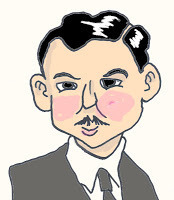 Thomas Dewey
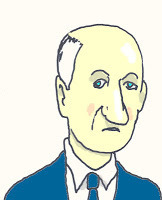 Strom Thurmond After being elected for an unprecedented four terms, winning each time by a landslide, Roosevelt died in office, and his VP, Harry Truman had taken the reins. Virtually every analyst, pundit, and pollster predicted Dewey would win, perhaps by the same logic of people who bet "red" on roulette when black has come up four times in a row. (The Republicans just have to win sooner or later.) Truman's chances were dimmed by a three-way split in the Democratic party: a progressive splinter group formed calling themselves the Progressives. (They were very liberal, but not so good at coming up with catchy names.) They nominated FDR's former VP, Henry Wallace. Meanwhile, conservative southern Democrats, calling themselves the States Rights Party or Dixiecrats - now, those are cool names, why can't liberals come up with names like that? - nominated Strom Thurmond. The States Rights Party championed conservative fiscal policies; specifically they felt allowing blacks into public schools and voting booths would damage the free enterprise system.
On the campaign trail, Dewey raised provocative, thought-provoking issues. The Lousiville Courier-Journal summed up the Dewey campaign message thus: "Agriculture is important. Our rivers are full of fish. You cannot have freedom without liberty. Our future lies ahead." The Republican platform, daring and right-wing, called for an expansion of Social Security, more funding for public housing, and help from the federal government for health and education.1
On November 2, Dewey, his family, and staff stayed up all night in a New York Hotel listening to election returns. It was like waiting for Santa when Santa doesn't come. Although Truman had only 49% of the popular vote, he won by an electoral landslide, bringing the US its fifth consecutive Democratic administration.2
Result
Harry S Truman:3 303 Thomas Dewey: 189Strom Thurmond: 39
1. Republicans had been out of office for a long time and were very confused.
2. They were in the Roosevelt Hotel, which should have been a bad sign.
3. Harry Truman had no middle name. The "S" just stands for "S."

 Thomas Dewey
  Strom Thurmond After being elected for an unprecedented four terms, winning each time by a landslide, Roosevelt died in office, and his VP, Harry Truman had taken the reins. Virtually every analyst, pundit, and pollster predicted Dewey would win, perhaps by the same logic of people who bet "red" on roulette when black has come up four times in a row. (The Republicans just have to win sooner or later.) Truman's chances were dimmed by a three-way split in the Democratic party: a progressive splinter group formed calling themselves the Progressives. (They were very liberal, but not so good at coming up with catchy names.) They nominated FDR's former VP, Henry Wallace. Meanwhile, conservative southern Democrats, calling themselves the States Rights Party or Dixiecrats - now, those are cool names, why can't liberals come up with names like that? - nominated Strom Thurmond. The States Rights Party championed conservative fiscal policies; specifically they felt allowing blacks into public schools and voting booths would damage the free enterprise system.
On the campaign trail, Dewey raised provocative, thought-provoking issues. The Lousiville Courier-Journal summed up the Dewey campaign message thus: "Agriculture is important. Our rivers are full of fish. You cannot have freedom without liberty. Our future lies ahead." The Republican platform, daring and right-wing, called for an expansion of Social Security, more funding for public housing, and help from the federal government for health and education.1
On November 2, Dewey, his family, and staff stayed up all night in a New York Hotel listening to election returns. It was like waiting for Santa when Santa doesn't come. Although Truman had only 49% of the popular vote, he won by an electoral landslide, bringing the US its fifth consecutive Democratic administration.2
Result
Harry S Truman:3 303 Thomas Dewey: 189Strom Thurmond: 39
1. Republicans had been out of office for a long time and were very confused.
2. They were in the Roosevelt Hotel, which should have been a bad sign.
3. Harry Truman had no middle name. The "S" just stands for "S."


