Melissa Wiley's Blog, page 62
March 12, 2014
Stuff I read today (and last night)
Stayed awake last night long enough to read the first chapter of the Personal Memoirs of Ulysses S. Grant, a book I’ve had on my TBR list (and my Kindle) ever since Ta-Nehisi Coates blogged his way through it in an excellent and moving series of posts in 2010. This passage about Grant’s mother made me laugh out loud:
“She still lives in Clermont County at this writing, October 5th, 1884, and is over ninety ears of age. Until her memory failed her, a few years ago, she thought the country ruined beyond recovery when the Democratic party lost control in 1860.”
Until her memory failed her a few years ago. Meaning up through and including her son’s two terms as President. Gee, Ma, thanks for the support.
***
This morning, during Rilla’s piano lesson, I returned to and finished Sir Arthur Quiller-Couch’s first lecture from On the Art of Writing, which I began on the heels of last month’s Helene Hanff kick. This is the book Helene took eleven years to rabbit-trail her way through, stopping to read up on the many books and thinkers “Q” references, and after Wikipediaing my own way through this one lecture, I can see (a month later) why it took her over a decade. I’m also enthralled by the snapshot of a pregnant moment in time: there’s Q in 1912, recently appointed to the brand-new Professorship of English Literature at Cambridge—let that sink in for a moment; there wasn’t one before 1911—addressing his students to explain his purpose and point of view in the position. He begins with a somewhat lofty exploration (in company with Plato) of the question of “What to do with the poets?” and then lays out his aims and principles. He won’t go so far as to say you can teach literature; he approves of the wording of his job description, which specifies “to promote the study of Literature.”
But that the study of English Literature can be promoted in young minds by an elder one, that their zeal may be encouraged, their tastes directed, their vision cleared, quickened, enlarged—this, I take it, no man of experience will deny.
And then, in a move that fills me with gratitude, he spells out exactly where he stands as a reader and a critic:
For the first principle of all I put to you that in studying any work of genius we should begin by taking it absolutely; that is to say, with minds intent on discovering just what the author’s mind intended…
Authorial intent. Got it. It’s refreshingly uncomplicated (and maybe somewhat quixotic), that school of thought, especially for someone like me whose undergraduate experience in the late 80s was a muddle of competing theories, most of which I didn’t know were theories, nor in competition. There was the Freudian professor, but we were too green to know he was a Freudian; I only figured it out (and that it was a thing at all, an approach to literary analysis and not just a unit in Psych 101) after I got a work-study in the English department and was assigned the mind-numbing task of entering his copious footnotes into the MS-DOS file of his very, very, very lengthy Freudian interpretation of Ulysses. Suddenly I had context for his insistence that every single story written by every single student in his Creative Writing class contained hidden Oedipal longings, no matter how earnestly we proclaimed that no, that wasn’t what we’d meant at all. The context didn’t really help; he went on doing Freudian readings of our work no matter how much we protested—actually, the protests made him all the more gleeful—but at least I knew on what grounds to ignore him. I felt conned, actually, resenting that the course description had not been more forthright about professorial hobby-horses. I mean, if you took Linguistics at that college, you knew you were getting a fervently feminist take on the subject, and I really appreciated that transparency (and enjoyed the course). Only later did I begin to wonder what critical theory informed my other professors’ pedagogy. The more I learned about theory, the greater my retrospective indignation. If we’re looking through a particular lens, I’d like to know I’m what glasses I’m wearing. If I’m signing up for your cooking class, I’d like to know up front whether you’re a vegan or a molecular gastronomist.
And so I find Q’s transparency terribly endearing. And it’s fascinating, too, to see him poised there in 1912, at the advent of Modernism, just before all these new ideas about interpreting literature (and writing it) were to sweep across the field. This article by a Cambridge professor captures it quite poignantly:
“He was also acutely aware that he was teaching at a moment when the direction of Literature was taking a radical turn, the turn to modernism. He believed profoundly that the literature of the present day should be taught and that students should be taught (as I believe, too) how to read modern literature. Yet he knew that, temperamentally, his own love of literature and his own ear for language were steeped in the literature of the past, and that he had great difficulty in appreciating the TS Eliots and the Ezra Pounds who were beginning to steal his thunder…”
Before long would come the New Criticism that focused on close readings of the text alone, rather than authorial intent and biographical background—which would, in turn, be swept past by Structuralism, and Post-Structuralism, and all sorts of other schools of literary theory about which I’m much fuzzier than I should be. I really don’t know where things stand at present. The lit profs whose blogs I read (and the ModPo crew I’m so fond of) seem to take the kind of historical, biographical approach that I myself most enjoy, looking closely at the cultural/historical context of a work of literature and the author’s life circumstances in addition to unpacking the text —and then I’d say, as well, there’s a lot of looking at various works through specific, clearly defined lenses. Of course it’s possible I read the blogs I do because they take an approach that appeals to me. For all I know, my old professor is out there happily blogging away about the Freudian underpinnings of Mad Men.
***
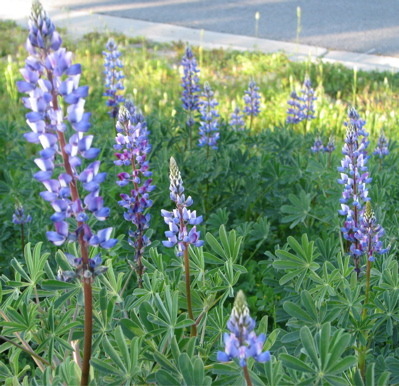
On an entirely different note, today is the day Rilla met Mary Lennox. She wasn’t ready, last year when I suggested reading the book. Today, after a sunny (in all respects) hour in the garden, the time felt right. It was. Very very happy sigh from this lifelong Secret Garden devotee. And—we saw our first wild lupines of the year on the roadside today! Which means, of course, it’s time for Miss Rumphius.








March 11, 2014
What have you in bloom?
As soon as spring is in the air Mr. Krippendorf and I begin an antiphonal chorus, like two frogs in neighboring ponds: What have you in bloom, I ask, and he answers from Ohio that there are hellebores in the woods, and crocuses and snowdrops and winter aconite. Then I tell him that in North Carolina the early daffodils are out but that the aconites are gone and the crocuses past their best..”
—Elizabeth Lawrence, The Little Bulbs
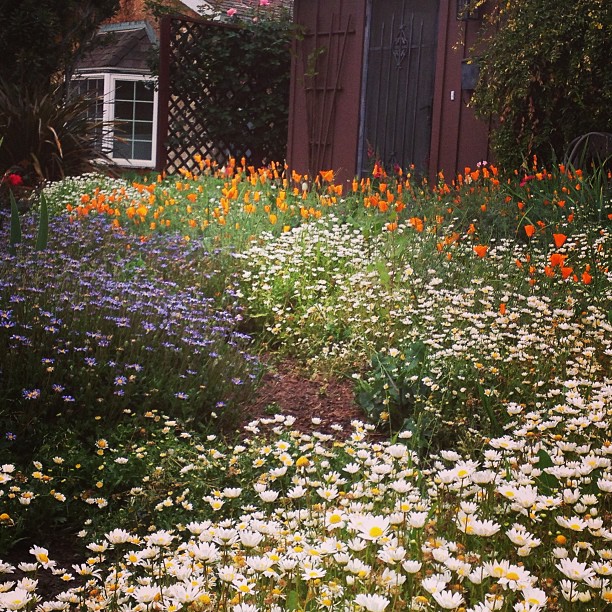
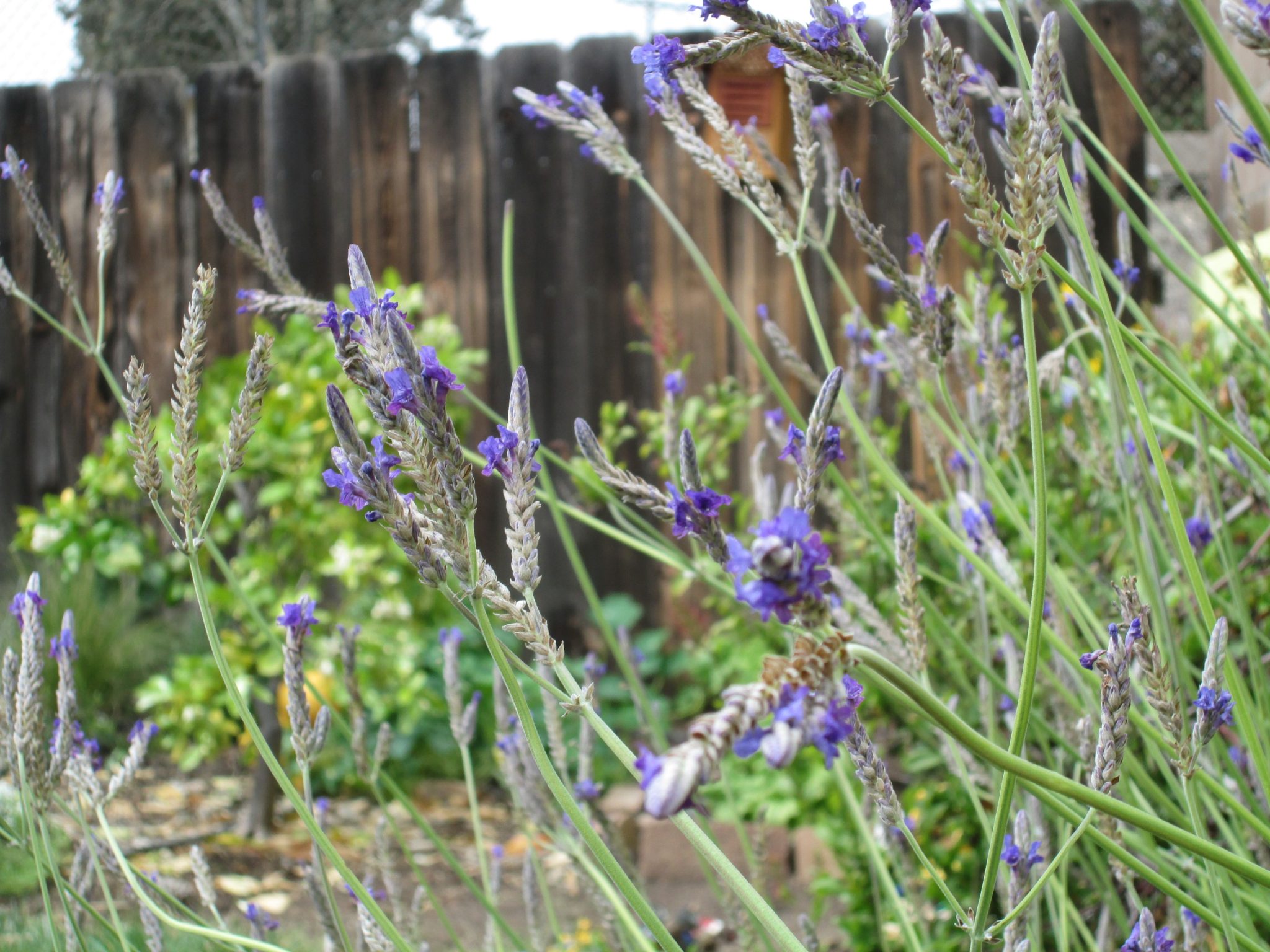
The photo is not of my garden; this lovely sight of a neighbor’s front yard left me breathless last April. I haven’t been down that street lately to see what may be in bloom, but the daisies and poppies are coming up in other yards around town. My own poppies are all leaf, not quite ready to set buds yet. But soon. And some of these small daisies have popped up quite unexpectedly in a large planter by my front steps, along with some adorable johnny-jumpups. Either they jumped up indeed, right into the pot, or it’s possible Rilla planted some seeds…she’s always finding an old half-full packet in a drawer somewhere (why do I only ever plant half the seeds in a packet?) and taking it upon herself to do a bit of Mary Lennoxing. Today it was freesia seeds, inherited from a friend, and some sweet peas and sweet william. I grow freesia from bulbs, not seed, so I’m eager to see if these come up. It’s turning wonderland out there, already…the lavender has gone supersized this year, the bees are quite drunk.
It’s the season when I have no choice, I must read gardening books. The Little Bulbs is mandatory at this time of year, when the freesia are tumbling everywhere. I could live on the scent of freesia. This bit to Miss Lawrence from her horticultural pen-pal, Mr. Krippendorf, one February day, made me laugh:
“I was surprised to hear of the paucity of bloom in your garden, as I once read a book by an Elizabeth Lawrence who listed quantities of plants that bloomed in February or even January in her garden (which she alleged was in Raleigh, North Carolina). We have quite a few snowdrops now, and some eranthis, in spite of the fact that the pool on the terrace freezes every night.” And later: “I have your letter dated Fourth Sunday in Lent but not mailed until Tuesday. You say you might as well have lived in Ohio this winter—that sounds almost scornful. Yesterday was a wonderful day, not too warm, and sunshine off and on. I have tens of thousands of winter aconites in the woods—bold groups repeating themselves into the distance, also the spring snowflakes, and Adonis amurensis.”
All this sudden color is the result of the few days of rain we had the other week, after a crispy, crackling, waterless winter. And I know so many of you in other parts of the U.S. have had a really dreadful time of it these past few months. I wouldn’t dare to ask Miss Lawrence’s question, above, but I’m starting to see hints on Facebook and Twitter of a crocus here, a narcissus there, and Mr. Krippendorf’s tens of thousands of winter aconites gave me courage.
***
Read today:
Henry Hikes to Fitchburg (ahhh, deep delight)
Grace for President
Here Comes Destructosaurus (coming out soon, quite funny, wonderful Jeremy Tankard art)
Finished Where Angels Fear to Tread. Forster is tearing me up, lately. I had to read Howards End because of the Susan Hill book, and it wrung me inside out, and Angels hung me out to dry. In a good way, you understand.



March 10, 2014
Monday reading notes: only all the poems
Overslept this morning, thanks to Daylight Savings Time (which I nonetheless adore) and to having stayed up past midnight, too wired from sending off a manuscript (yippee!) to sleep—or to read, for that matter. Fumbled at a crossword puzzle on my phone instead. Well, after talking at my poor exhausted husband for an hour.
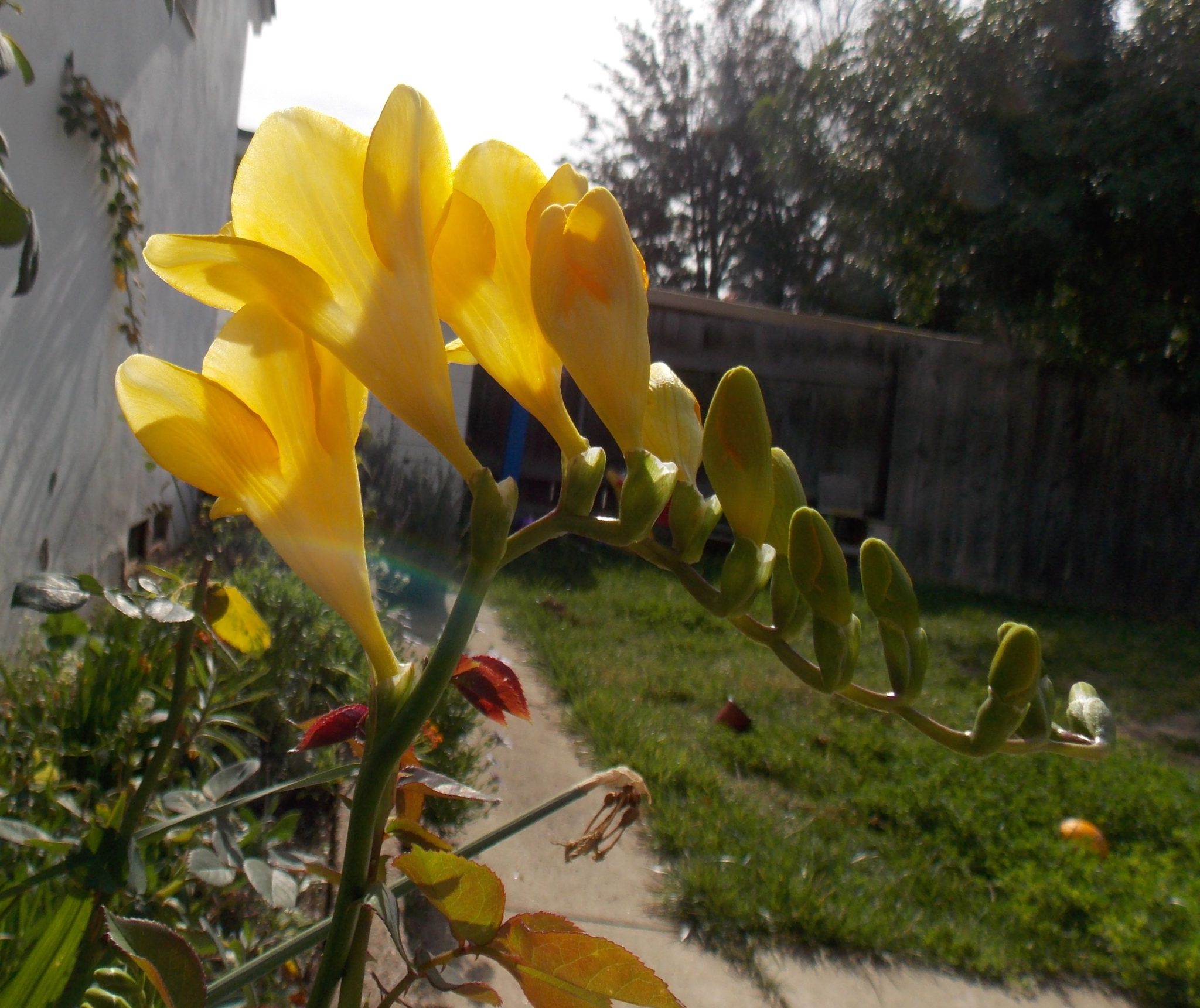
So no early-morning reading for me today. And a whirl of a morning, catching up on the housework and garden work I’ve neglected these past weeks. It’s spring out there! Who knew! Loads and loads of freesia sweetening the air—almost knocked me over, the scent was so lovely and so unexpected. And the pink jasmine is blooming, and the lime tree and grapefruit (not as exciting as it sounds, those two—they don’t seem inclined to produce fruit, ever). Nasturtiums and sweet alyssum and loads and loads of lavender. I might have to live outside for a while. “I think your garden needs you, Mom,” said Rose only a little reproachfully. She’s right; the clover is overrunning everything, and let’s not even speak of the bermuda grass.
But inside, there was Spenser. We’re reading it in excerpts, with plot summary between the passages—Marshall’s English Literature for Boys and Girls is wonderful for this—if you, a 21st-century teenager, can forgive the condescending name. Today was great fun, as the girls kept spotting parallels to Narnia (Una happening upon the dancing fauns and satyrs, not to mention her devoted lion)—Rose or Beanie, which?, said “I think Lucy is supposed to be an Una, Mom.” And the description of St. George going forth unto the dragon’s darksome hole:
“And lookéd in: his glistering armour made
A little glooming light, much like a shade,
By which he saw the ugly monster plain…
Most loathsome, filthy, foul, and full of vile disdain.”
I thought of Bilbo and Smaug, but Beanie thought of Eustace. They know a lot about Tolkien’s literary credentials and influences from our Beowulf studies, and now they know about Lewis’s too. You can’t help but see it, reading Spenser.
Oh, and we returned to our Poetry 180 journey, poem #8, “Numbers” by Mary Cornish.
Now, during all this poetry-reading, Rilla was perched in her usual spot at the kitchen table, drawing, and suddenly she flitted across to the shelves behind my rocking chair and started piling up books—mostly volumes from our Poetry for Young People collection, plus Child’s Garden of Verses. Later, I found this pile on my bed. She informed me gravely that she has decided to be a poet as well as an artist, “and I’m going to need to study everything about poetry. All the poems, and the poets’ lives, and everything.”
All the poems. Well, then. No time to lose. We began with Sandburg, at her request—his “Between Two Hills” is her favorite. And then a bit of Poe (we are incapable of saying his name without belting “Poe, Edgar Allen, American poet, born in eighteen hundred and nine…“). She liked the Raven but deemed it “too long” (I can’t disagree) and said she prefers poets like Emily Dickinson who “tell a whole story in a short little poem.” I can’t argue with that, either.



Last week’s reading, and assorted other things
Things I read last week:
—finished Howards End
—the “Keeps House” chapter of Milly-Molly-Mandy (a favorite because of Billy Blunt pretending to be a Mr. Snooks)
—Queen of England: The Story of Elizabeth by Helene Hanff
—essay, “In Search of Our Mothers’ Gardens,” Alice Walker
—began Where Angels Fear to Tread
***
I spent the past week (month) (several months) in panic/crunch mode on a manuscript and missed commemorating a rather significant milestone here: Scott and I celebrated the 25th anniversary of our first date. Our 20th wedding anniversary is coming up in May, but in many ways this week’s date is the more significant, the more earthshaking, life-altering. We met at callbacks for a college play (Black Comedy) in February 1989. I was head over heels for him immediately. He seemed keen on me too. On March 3rd I invited him to my roommate’s birthday party. He took some coaxing—not a partygoer, is he—and somehow we wound up at a different party, either before or after my roomie’s (college, man), and we fell into a discussion of our mutual favorite books, The Lord of the Rings (remember, this was long before the films and you were part of a relatively small geeky subset if you were a Tolkien nut) and, well, we’ve been pretty much inseparable ever since. (Even my two years in grad school in North Carolina, when he was working in NYC, we talked every single night on the phone. And that brutal three-month stretch in 2006 just after Rilla was born when he came out here to San Diego to start the new job and I was back in Virginia trying to sell the house, we had an IM window open round the clock and often spent our evenings working together, each on our respective assignments. Ping, ping, ping.) I am still as ridiculously crazy about him as I was that very first day.
Anyway. I put some pictures on Facebook. Later in the week I was clicking around on the ‘related links’ below my posts, wandering back through funny kid stories I would have forgotten if I hadn’t blogged them, and I got swept with a tidal wave of gratitude for the chronicle this blog has become, this diary of our lives. His blog, too—even more so than mine, in so many ways—practically nothing is sweeter to me than glimpsing our children through his eyes, from his inimitable perspective. So, because I know I’ll be glad later that I did, I’m posting the photos here too.
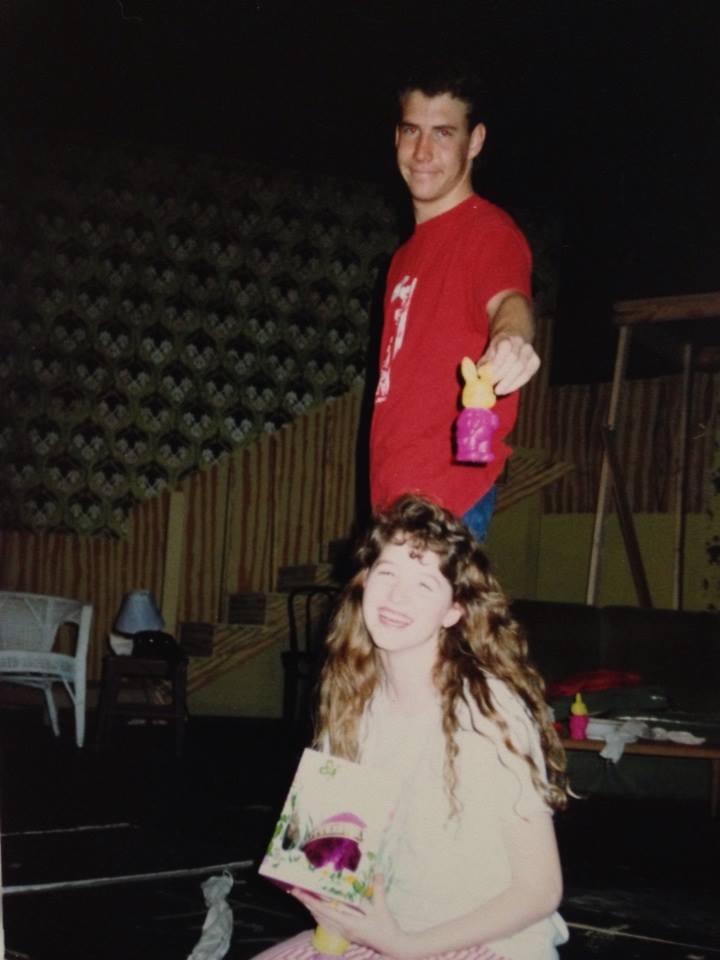
Pretty sure this was the first picture ever taken of us. Would have been late March, 1989. Rehearsals for Black Comedy. In that show, if you haven’t seen it, there’s a blackout five minutes into the play, and the characters spend the entire rest of the show in the dark. When the show opens, the stage is pitch black, but for the characters there is light, and they are walking and talking as if all is normal. Then boom, blackout: the stage lights come up, and the actors stumble around as if plunged into utter darkness. We had to stick around campus during Spring Break and rehearse, and at one point there was a blindfolded egg hunt on the stage. You can tell our respective feelings about children’s Easter chocolate. I cannot say I have matured in that regard in the slightest.
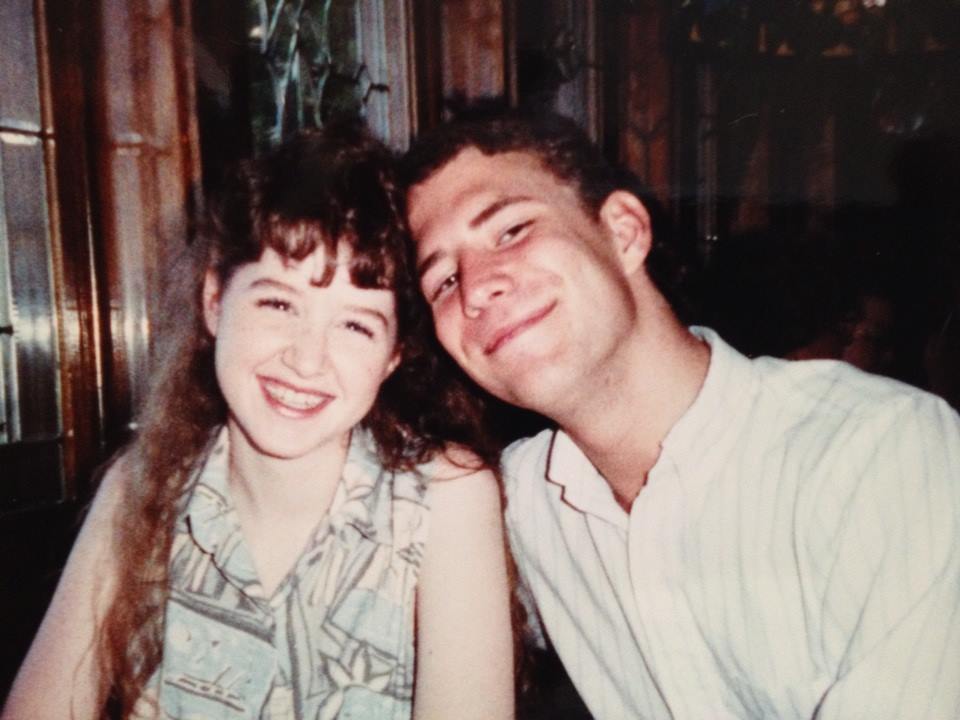
Some months later but still ’89. I can tell because of the lipstick. It wouldn’t have been long after that that I bumped into Scott on my way (late) to an 8am class and he was all, wow, you look great, and I was all, but I don’t even have any makeup on…Ohhh. I just may marry this boy.

Recently. Still goofy. Still head over heels.



March 9, 2014
Okay, yeah, I’ve been there.
Rilla on why she didn’t put away her playdough: “Well, I expected myself to go back and do it, but I didn’t.”



Which
There’s never any knowing—(how am I to put it?)—which of our actions, which of our idlenesses won’t have things hanging on it for ever.
—E.M. Forster, Where Angels Fear to Tread



High Style
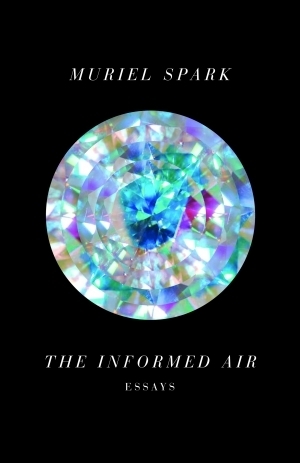
“I’ve never met a really good writer who lives in high style. I think a stylish life is unsuitable to the writer, and very often in the house where there’s a mild disorder one finds the writer with the best powers of organising his work. Order where order is due.”
Muriel Spark— “The Poet’s House”
Read this and many other wonderful essays by Muriel Spark in The Informed Air, which will be released by newdirectionspublishing on April 29th.
(Source: kevinelliottchi, via maudnewton)
(I’m counting the days until this book comes out!)



March 7, 2014
Rhymes with ‘how’
Huck: “I know what ‘bow’ means. It means ‘hello’ in dog language.”



March 4, 2014
Pressing Questions
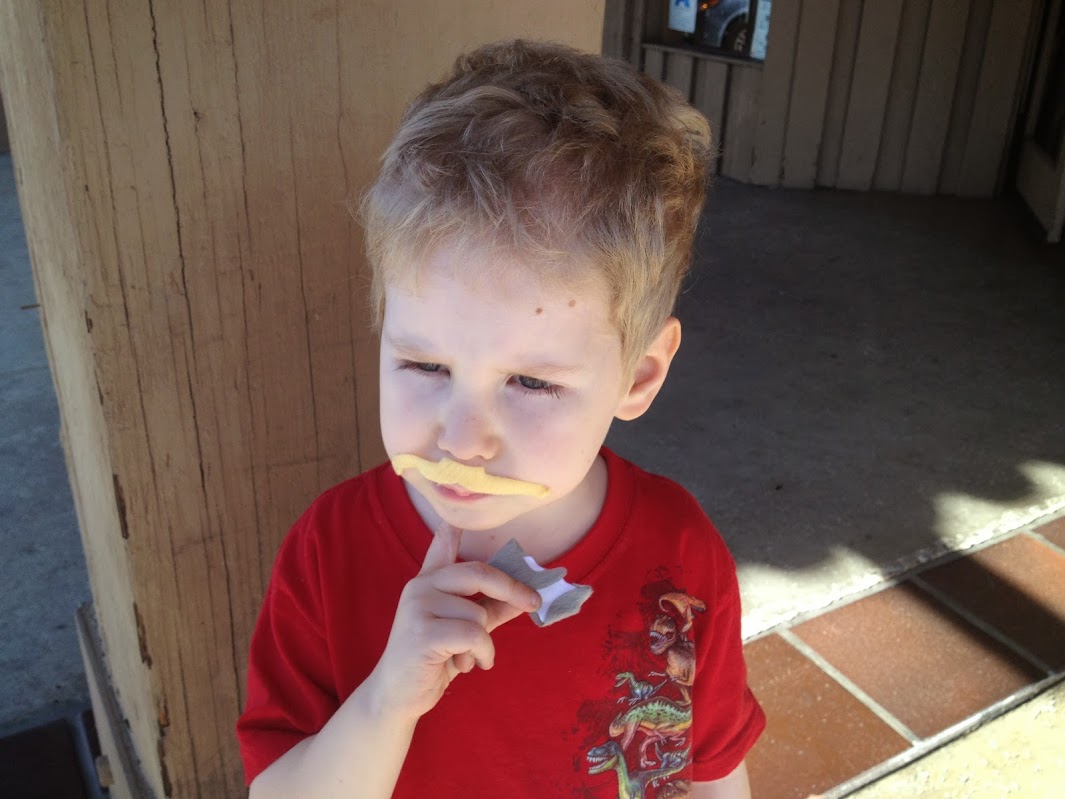
Huck, apropos of nothing and in a voice of great urgency: “How old do I have to be?”
Me: “For what?”
Huck: “To get the remote and to cross the street by myself.”
Ah yes, the important stuff.



March 3, 2014
“A minnow! A minnow! I’ve got him by the nose!”
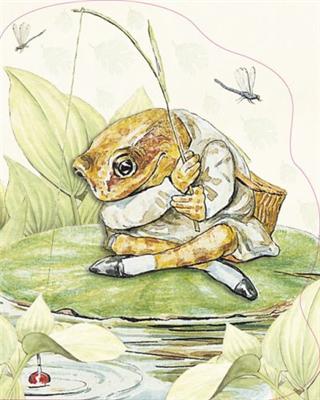
Our favorite line from The Tale of Mr. Jeremy Fisher. And Sir Isaac Newton (the newt) cracks Rilla up every time.
And in the you-had-me-at-hello department, how’s this for an opening?
When I walk into a bookstore, any bookstore, first thing in the morning, I’m flooded with a sense of hushed excitement. I shouldn’t feel this way. I’ve spent most of my adult life working in bookstores, either as a bookseller or a publisher’s sales rep, and even though I no longer work in the business, as an incurable reader I find myself in a bookstore at least five times a week. Shouldn’t I be blasé about it all by now? In the quiet of such a morning, however, the store’s displays stacked squarely and its shelves tidy and promising, I know that this is no mere shop. When a bookstore opens its doors, the rest of the world enters, too, the day’s weather and the day’s news, the streams of customers, and of course the boxes of books and the many other worlds they contain—books of facts and truths, books newly written and those first read centuries before, books of great relevance and of absolute banality. Standing in the middle of this confluence, I can’t help but feel the possibility of the universe unfolding a little, once upon a time.
—from The Yellow-Lighted Bookshop by Lewis Buzbee, one of your memoir suggestions from the other week, and also mentioned by jep in the comments here.
And a bit of Howards End this morning. I didn’t read much this weekend. How about you?