Stephanie Morrill's Blog, page 19
July 14, 2017
What skillset is undervalued in the author’s life?
Doughnut day again! Fridays are the best! Shannon here.
Before I forget, NEXT WEEK Go Teen Writers is hosting a Word War. We're hoping it will give a boost to those of you doing Camp NaNo and will encourage all of us to write our way through the summer. I'm excited and I hope you are too. The war begins on Monday!
Now back to our . . .
Today's question is a good one. Stephanie, Jill and I will give you our answers and I hope you'll chime in with yours in the comments section. Here goes:
What skillset is undervalued in the author's life?
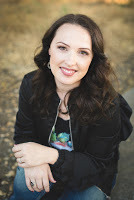 Discipline. There’s this archaic idea that authors are all drunks who stumble around waiting for inspiration. And while that may happen in some circles, that has not been my experience with authors. Every author I know who consistently pumps out stories, is very disciplined about their writing. They work hard at their craft and they want to produce something of great quality. Inspiration is talked about a lot, and it’s so important. But that discipline thing? It’s undervalued.
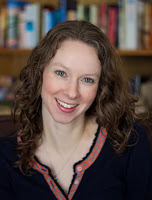 I would have said “discipline” if Shan hadn’t already. So I’ll say business savviness. All writers (or almost all writers) get into writing because they love it, not because they’re trying to start a small business. Yet that’s what it means to be a published author. You are now a small business with a product that needs to be sold and marketed, taxes that need to be done, and various other businessy tasks. The ability to embrace being a creative and being a business owner is huge in determining a writer’s success.
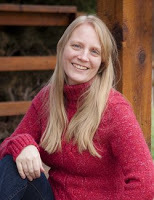 I want to say “respecting your dream,” but I’m pretty sure that’s another way of saying discipline. Still, I’ll explain what I mean. When I first started writing, I thought I knew everything. I thought my half-written story was going to sell for a million dollars. I had made a lot of assumptions about what it took to write a book, so when I pitched to an agent for the first time and he rejected me, I was flabbergasted. After a good cry and several hours of honest reflection, I came to realize that I had not respected my dream of being a writer. To compare, I had respected my dream of becoming a fashion designer. I had been designing and sewing my own clothes since I was in junior high. I had studied fashion history and the lives of famous designers by reading books on their lives and watching documentaries. I had learned to draw and sew more complex things and create patterns. I went to college for fashion and graduated with a degree from the Fashion Institute of Technology in New York City. I worked in the industry, earning several promotions and raises. I started my own wedding gown business in which I designed and sewed a line of better wedding gowns, took my line to the Chicago Bridal Market, and had pictures of them in Bride’s Magazine. When it came to fashion, I knew my stuff.
Not so with writing. I’d written half a book and daydreamed that I was a natural and would be paid millions of dollars for a few months’ effort. Pretty sad, huh? But this is a common tale. So many people think writing a book is easy. It’s not. If you want to be a writer, respect that. Put in the time to learn about the industry and the craft of writing. Practice by writing a million words. Only then should you start worrying about selling those words.
How about you all? What skillset do you believe is undervalued in the author's (or writer's) life?
Before I forget, NEXT WEEK Go Teen Writers is hosting a Word War. We're hoping it will give a boost to those of you doing Camp NaNo and will encourage all of us to write our way through the summer. I'm excited and I hope you are too. The war begins on Monday!
Now back to our . . .
Today's question is a good one. Stephanie, Jill and I will give you our answers and I hope you'll chime in with yours in the comments section. Here goes:
What skillset is undervalued in the author's life?
 Discipline. There’s this archaic idea that authors are all drunks who stumble around waiting for inspiration. And while that may happen in some circles, that has not been my experience with authors. Every author I know who consistently pumps out stories, is very disciplined about their writing. They work hard at their craft and they want to produce something of great quality. Inspiration is talked about a lot, and it’s so important. But that discipline thing? It’s undervalued.
 I would have said “discipline” if Shan hadn’t already. So I’ll say business savviness. All writers (or almost all writers) get into writing because they love it, not because they’re trying to start a small business. Yet that’s what it means to be a published author. You are now a small business with a product that needs to be sold and marketed, taxes that need to be done, and various other businessy tasks. The ability to embrace being a creative and being a business owner is huge in determining a writer’s success.
 I want to say “respecting your dream,” but I’m pretty sure that’s another way of saying discipline. Still, I’ll explain what I mean. When I first started writing, I thought I knew everything. I thought my half-written story was going to sell for a million dollars. I had made a lot of assumptions about what it took to write a book, so when I pitched to an agent for the first time and he rejected me, I was flabbergasted. After a good cry and several hours of honest reflection, I came to realize that I had not respected my dream of being a writer. To compare, I had respected my dream of becoming a fashion designer. I had been designing and sewing my own clothes since I was in junior high. I had studied fashion history and the lives of famous designers by reading books on their lives and watching documentaries. I had learned to draw and sew more complex things and create patterns. I went to college for fashion and graduated with a degree from the Fashion Institute of Technology in New York City. I worked in the industry, earning several promotions and raises. I started my own wedding gown business in which I designed and sewed a line of better wedding gowns, took my line to the Chicago Bridal Market, and had pictures of them in Bride’s Magazine. When it came to fashion, I knew my stuff.
Not so with writing. I’d written half a book and daydreamed that I was a natural and would be paid millions of dollars for a few months’ effort. Pretty sad, huh? But this is a common tale. So many people think writing a book is easy. It’s not. If you want to be a writer, respect that. Put in the time to learn about the industry and the craft of writing. Practice by writing a million words. Only then should you start worrying about selling those words.
How about you all? What skillset do you believe is undervalued in the author's (or writer's) life?


July 12, 2017
Do you consider yourself a confident or anxious writer? What makes you that way? . . . AND A COVER REVEAL!
Jill here. We are smack dab in the middle of summer and the summer writing panels. We hope you are enjoying them. In case you missed it, we're doing Q & A panels each day during the months of June, July, and August. We post one question, each of us will answer it, and then we want you to answer in the comments. This is a great way to get to know each other and learn too.
BUT FIRST!I have a new book cover to share with you all.Ta da!Isn't it beautimus?
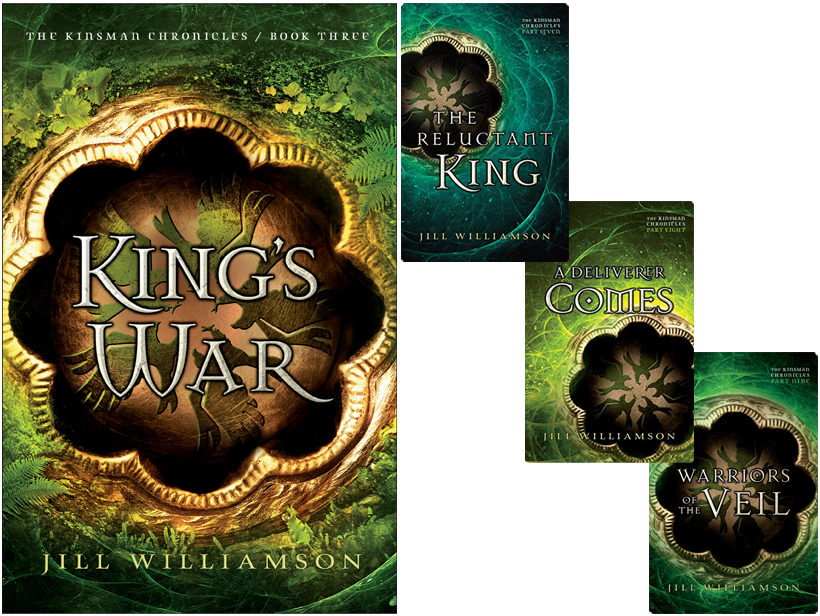
I'm so excited about this cover for King's War (book three in The Kinsman Chronicles ). The big one is for the paperback version, which will include the three ebook parts: The Reluctant King, A Deliverer Comes, and Warriors of the Veil.
Aren't they beautiful? *sigh* Green is one of my favorite colors. I keep staring at them and imagining I'm being chased through the Nahar Forest by giants . . .
The ebook version of The Reluctant King comes out this September, but the release date on the full paperback is a bit sketchy because I'm still editing.
There is much to edit. :-o
And now, on with the panels!

Do you consider yourself a confident or anxious writer? What makes you that way?
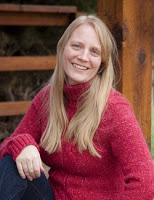 Jill WilliamsonI’m anxious. Oh, I start out confident. I get an idea and I run with it. It’s all the big daydream that’s going to be the best book ever. And I start to fall in love with my characters and I think they’re amazing. And I get lost in my storyworld and have a grand time. But slowly, like mold, doubt creeps in. A little worry that I’ve again chosen a book that’s too weird to please my readers. A little fear that I’m ruining my idea. A little doubt that tells me I can't pull this off.
 I have to ignore these things, of course, or I’d never get done. But the closer I get to a finished project, I’m pretty much a basket case. I know that this book is THE book to end my career. It won't sell. No one will publish me after this catastrophe. I tell myself, "You really did it this time, Jill. Gosh." *shakes head* *rolls eyes*
But then the book comes out. And people read it. And while there are always some who don’t like it, there are always plenty that do. All that to say, it’s my personality quirks and bad habits that suck me into this dark place of doubt and despair. To use a writing tool, it’s the lie I believe about myself that makes me crazy. I’m working on that lie. And one of these days, the lie is going to die, and then I’ll be a confident writer. But I’m not there yet.
 Shannon DittemoreSure. Yes. Both. I vacillate between being incredibly confident and ready to share all I know, to trembling whenever I send out a work for critical review. This is not an industry that will wrap you in comfort. You will have fantastic moments filled with words and hot cups of tea and readers as far as the eye can see. And then you will have the quiet, dread-filled moments that you’re almost embarrassed to share. If you know that, you’re better prepared than I was.
 Stephanie MorrillI have my moments of confidence, but I’m mostly anxious. During release week, I’m a nervous wreck. Every time I get a text from my agent or editor asking to talk, my thoughts jump to, “What bad thing has happened?” And I’m getting better about it, but I have a hard time talking about my stories or being an author in my everyday life.
 How about you? Do you consider yourself a confident or anxious writer? What makes it so?
July 10, 2017
What is something you've learned recently about writing?
Happy Monday, writers!
We have more panel questions this week, but starting next Monday (the 17th) we'll be hosting another word war!
We know a lot of you are participating in Camp NaNo, or want to take advantage of extra free time of summer to get some writing done. I'm excited that this time I'll get to play along too! I'm writing the third act of my WWII era novel, so I'm motivated to get some words on the page.
What is something you've learned recently about writing?
I’ve learned that not every character needs a fully formed character arc in which they change for the better. Some characters don’t change. They might face situations that test them and cause them to question what they believe to be truth, but in the end, by staying true to who they are, they overcome. They realize that they were right all along and need to trust their instincts. And some characters change for the worse. Like other characters, they will confront the lies, but rather than finding the truth, the lie is either reinforced or misinterpreted. This causes the character to destroy themselves or others. Kind of sad, really, and I wouldn’t want to write too many stories where my main character ended poorly, but in an epic tale with multiple characters, varying my character arcs is important.
That writing makes you better at writing. The more I write, the more this truth is pounded into my heart. There are so many fabulous resources outside ourselves, but it’s the time in the chair that refines what we write and how we do it.
That storytelling and writing are two different things. K.M. Weiland puts it like this, “Storytelling and writing are actually two entirely different skill sets. Too often, when we try to do them both at once in the first draft, they end up getting in each other’s way.” I’ve been mulling over that, along with her article about nearly perfect first drafts. I sense my process is about to shift!How about you guys? What is something you've learned recently about writing?
July 7, 2017
Are there moments, experiences, or hobbies, that helped prepare you for the writer’s life?
Friday again, my friends! Shannon here. I'm trusting you all had a fun and safe holiday week. I've been very busy over here, writing and traveling and taking care of sick kids. I thought summer was supposed to be for vacationing!!!
I finally got my new website up and running. My husband has always been my IT guy, but he's been super busy this summer so I had to figure it all out myself. Take a look and tell me what you think. While you're there, hop over to the NEWS tab and sign up for my newsletter. I'll be sending out my first one in ages next week and there will be a fun, bookish giveaway included.
And now back to our summer panels! I hope you're enjoying them and learning a little something along the way.

When you look back on your childhood, are there moments, experiences, or hobbies, that helped prepare you for the writer’s life?
Yes, certainly. I was always a creative soul. I performed in theater productions and puppet competitions (don’t knock it, I have gold medals). I’ve always enjoyed adventuring and looking at the world through the lens of a storyteller. All of those things greatly contributed to my writing. There can be a fair amount of public speaking that comes with this gig as well and I think I was well prepared for that because I spent time in both cheer and student government during my high school career. I think if you're a good collector, every experience can be tucked away for later use. Your past adventures are fantastic tools.
You have gold medals from puppet competitions, Shan? You are a constant surprise to me.What pops to mind for me is actually a negative memory that I’ve shared on the blog before. In high school, a friend of mine told me she didn’t think I was talented enough to be a published writer. We were at an unhealthy place in our friendship, so this statement was intended to inflict pain, and it certainly did. I vowed that I would never show anyone my writing ever again, and that my friend would feel really stupid when I was a huge success. (How I thought I would become a huge success without showing people my writing is a bit of a head scratcher, but I wasn’t thinking my clearest.)
Two great things came out of this. The first is that by shutting out others from seeing my writing, I was free from what they might think. I wrote without fear for several years, and from those fertile years, my author voice bloomed.
The second is that I learned a hard but good lesson on criticism. There’s no escaping it in life-- whether you’re an artist or an accountant--and I feel like going through that pain and the years it took to heal have been good for me as an artist and a person.
I should also mention that after several years of not speaking to each other, my friend reached out and apologized (and I apologized for wrongs I’d committed as well) and we enjoy getting together when she’s in town.
My entire childhood prepared me to be a writer. I grew up in Alaska with no electricity or running water. I read a lot. And I played outdoors a lot. Most of all, I daydreamed all the time. Somewhat similar to Anne of Green Gables, I lived in a fantasy world. This has developed into somewhat of a problem for living in the real world as a grown up. I can’t daydream my way out of problems. But it is a wonderful talent for a novelist to possess.How about you guys? Are there moments, experiences, or hobbies that you are involved in now that you can see preparing you for the writer's life?
July 5, 2017
For what in your life do you feel most grateful?
I hope you all had a nice July 4th. I got to hang out with family and friends, eat tons of food, and watch some fireworks, which, let's face it, is what makes a Fourth of July the Fourth of July.
We are still doing panels here on Go Teen Writers. Today we have a thoughtful question that's not so much about writing, but about life. Holidays tend to make me ponder, so this feels appropriate.
For what in your life do you feel most grateful?
Shannon DittemoreMy relationship with God. It has been my constant. Through childhood and into adulthood, through marriage and starting a family. Through dreams and goals and careers and hobbies that maybe could be all of the above--He has been faithful. And though I’ve chosen a craft that can feel very isolating, I’ve never been alone. Not once.
Stephanie MorrillMy head went to a totally different place when I heard the question, but then I saw Shan’s answer and realized my initial thoughts about how to respond were embarrassingly shallow.I’ve had the joy of going to two American Library Association conferences this year. Being invited by my publisher to sign books at ALA was a bucket list career item for me, and I felt honored to go.
But events like that can be hard on a creative’s heart. These things are full of literary celebrities, and comparison creeps in easily. Whose signing line is longer? Who got invited to sit on what panel? Who got the most applause during said panel discussion?
Not only that, but you get an upclose look at how many books are on the market competing with yours. You see all the dollars being poured into elevating certain titles. It is easy to find yourself slipping down a yucky spiral of thoughts: I’m not enough. Who do I think I am? Why does my publisher believe in that book more than they believe in mine? Why does he get an audio book, and I don’t?
On and on.
The moment I notice my brain tipping in that direction, I’m grateful for the hard journey God sent me on several years ago. It was a journey that taught me that I am not my books. I am not defined by their success or failure. That I am enough, exactly as I am.
Beautiful answers, girls. I'm with you on both of those. Right now, I feel grateful for the journey. I’ve always been a person who relives the past and strives for the future but never learned how to live in the present. I’m learning that now, and it’s really hard! I've lived my life so far in a hurry to get to point B. But as a struggling-to-quit ponderer and striver, I’m finally learning that in living like that, I miss out on a lot of good stuff. The journey is where it’s at. This is life! Right now, seconds are ticking by. And we each only get one life here on earth. So even when it’s hard, it’s good, because I have God and my people (family and friends) and I’m not alone. I’m always growing and changing and developing wisdom, and that’s what truly gets me to point B. Not the daydreaming or the striving. It's the living. I’m grateful to finally be learning how to embrace life and enjoy every moment.
What about you? What are you grateful for?
July 3, 2017
If you could give your new-writer-self one piece of advice, what would you say?
It's JULY. Wow! How many of you are doing Camp NaNo? With my kids home from school, summer is a terrible time for me to get much writing done, but I know it's ideal for those of you who are in school.
Today's panel question is:

If you could give your new-writer-self one piece of advice, what would you say?
Jill WilliamsonGive yourself permission to write terrible first drafts and stop trying to be perfect all the time. You waste so much time rewriting those first couple chapters, but until you get to the end of the book, you don’t really know how the book should start. And you’re never going to get to the end if you keep rewriting chapter one! So take off all the pressure, adopt the NaNoWriMo process of writing fast drafts, and have fun.
Shannon DittemoreThere’s never that one final hurdle and then you arrive. For most writers, it’s cyclical. You have a book, you push, you have success (or not), and you start again. This is not an industry for those who cannot handle being uncomfortable. Authors are almost always off-kilter, fighting to keep writing through the ups and downs of life. This is a job for those who simply must tell stories.
Stephanie MorrillYou have to decide what success as a writer looks like to you, because if you let the industry tell you what it is, you’ll never feel content. There’s always another rung you can reach for, another author who is “ahead” of you, or another step you can take to further your career. While your goals will change and evolve over the years, it’s important that you know what kind of writer you want to be (how much you want to work, what you want to write, etc.) because looking to others to set those boundaries for you leads to unhappiness.What about you, writers? What piece of advice do you wish you could give yourself as a brand new writer?
June 30, 2017
Which aspect of the craft do you work hardest at?
Shannon here! And I am in disbelief! June is almost over. Can you believe it?
You've been living it up, right? Letting yourself DO SUMMER? You're remembering that you only get a handful of summers as a teen and you're taking full advantage?
GOOD! I knew you could do it.
On Wednesday, Jill gushed about our time at Southern California Christian Writers' Conference, but I'll feel left out if I don't get to tell you how much I enjoyed being around so many writerly souls and ALL THOSE TEEN WRITERS! It really was fantastic and I learned a lot. I wish we could take you all with us when we do these things.
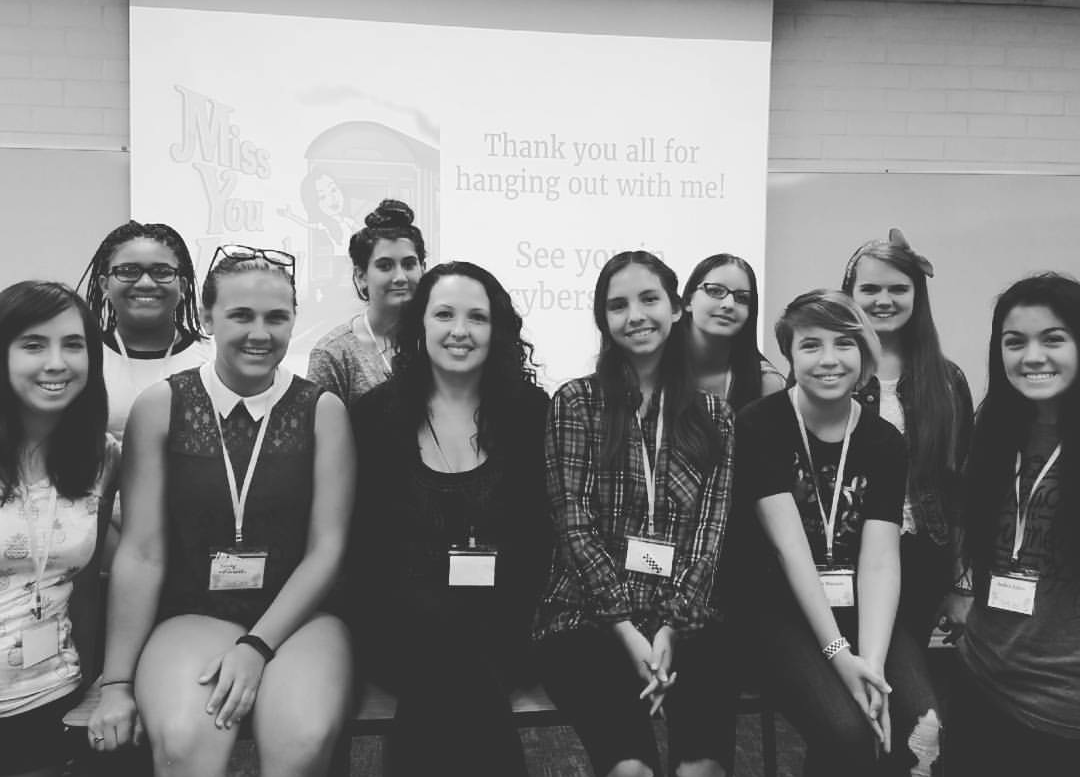
Today, we're continuing our summer panel series. Each of us are answering a single writing question, just as if we're sitting on a panel at a writing conference and we would LOVE for you to join us and share your answer as well.
 Which aspect of the craft do you work hardest at?
Stephanie MorrillDescribing things in interesting ways. I tend to have pet words or pet descriptions that I fall back on way too much, and I have to work hard in my edits to make that piece of my manuscript more original.
Jill WilliamsonI struggle with pacing. I get really caught up in conversations my characters are having with each other. I’ll write huge scenes that don’t advance the plot, but I have fun writing them, so I have to cut them later, which makes me grouchy because I liked those conversations. I think part of that is discovering my characters. I’ll piggyback on this what Stephanie said about pet words or pet descriptions. I’ve noticed that a lot lately too. I usually catch these when I’m reading my story out loud. And if I catch the same word, more than three times on one page, I’ll search the whole novel so I can change a lot of them out.
Which aspect of the craft do you work hardest at?
Stephanie MorrillDescribing things in interesting ways. I tend to have pet words or pet descriptions that I fall back on way too much, and I have to work hard in my edits to make that piece of my manuscript more original.
Jill WilliamsonI struggle with pacing. I get really caught up in conversations my characters are having with each other. I’ll write huge scenes that don’t advance the plot, but I have fun writing them, so I have to cut them later, which makes me grouchy because I liked those conversations. I think part of that is discovering my characters. I’ll piggyback on this what Stephanie said about pet words or pet descriptions. I’ve noticed that a lot lately too. I usually catch these when I’m reading my story out loud. And if I catch the same word, more than three times on one page, I’ll search the whole novel so I can change a lot of them out.  Shannon DittemoreI adore well-written dialogue, so I work on that a lot. I pay attention to conversations and I scratch out ideas I have that come to me while I’m out and about. I email myself witty bits and anything that I might find deeply profound. I let myself replay awkward real-life conversations so I can choose my words more carefully. I replay conversations in different tones of voice, different contexts. Basically, I talk to myself a lot! I am never not working on dialogue.
 How about you all? Is there an aspect of the writing craft that you feel you work harder at than others?
June 28, 2017
How do you deal with failure?
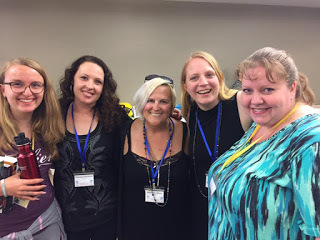
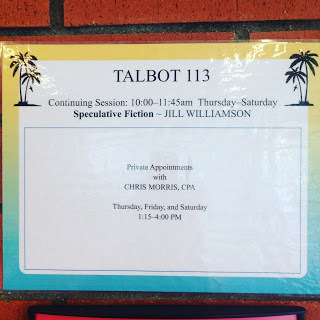
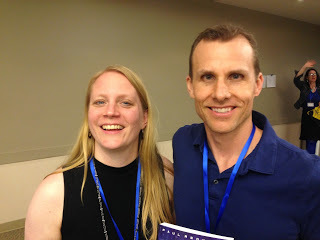
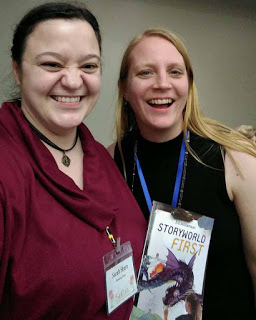
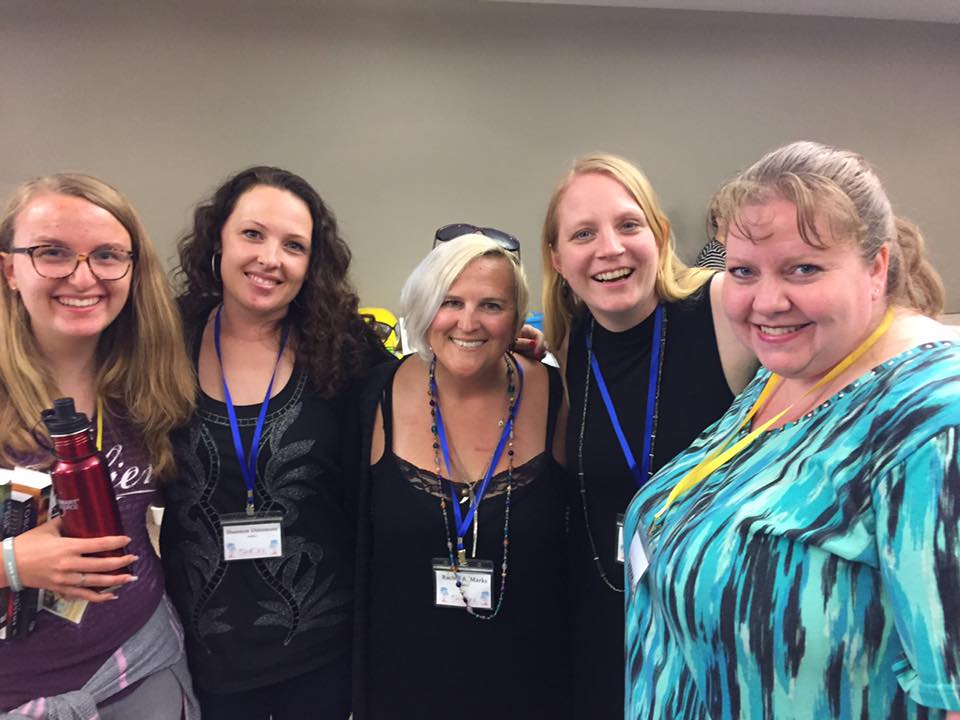
I'm baaack! Shannon and I had so much fun in sunny southern California at the SoCal Christian Writers Conference. It was a fabulous conference, and I highly recommend it. I taught a major track on spec fiction and Shannon taught the teen track. We connected with many old friends and made lots of new friends, too. If you have yet to find your way to a writer's conference, I hope you all get a chance someday. They are SO much fun.

And now, back to . . .

We are doing panels this summer, which means that each day we post one question and everyone answers it: Stephanie, Shannon, me, and all of you too!
How do you deal with failure?
 Jill WilliamsonI deal with failure in phases. My first reaction is often quite negative. My feelings are hurt. But once I get over that, I rise up with determination and get back to it. That's me in a nutshell.
Once I understood how rejections worked, I got it into my head that I'd likely receive dozens of rejections before ever getting an acceptance letter. So I decided that I'd probably be rejected at least fifty times before I ever sold anything. So when those rejections started rolling in, I celebrated them.
It worked quite well.
I think, for me, it's all about planning. I don't like surprises, so when I convinced myself to expect rejections, I wasn't as surprised by them as I might have been had I spent the weeks of waiting daydreaming about acceptance letters and contracts and my book in stores. But when I am surprised by a rejection or what I perceive as failure, that can really shock me.
It's hard to put your work out there. You created something and to share it is to make yourself vulnerable. That's part of the job. We all have to do it, whether we chase after traditional publishing or self-publish. We will receive rejections. People will say no to publishing our stories. And readers will give us one-star reviews and crush our hearts. It takes practice to grow thick skin so all of that doesn't hurt so badly.
Having hurt feelings and being frustrated . . . those were the negative sides of how I dealt with failure. But I am a tenacious person. I don't give up. So every single rejection made me all the more determined to succeed. When you feel like you're failing, don't quit. Stick with it. Try not to take it personally. Also, know that every writer deals with this. You are not alone.
 Shannon DittemoreI give myself permission to be disappointed and then I try something else. We’re afraid of failure. Our culture teaches us to be afraid of it. We publicly shame mistakes. We laugh at people who fall and we splash it all over social media. But the truth is, failure means you tried. Failure means you took a risk. Failure means you pushed yourself out of the status quo and poured effort into a task that had no guarantee of succeeding. Like every hero you’ve ever read about. We need to be brave, you guys. We need to punch fear in the face and realize that failure is nothing to be afraid of. In fact, if we failed more often, I bet we’d succeed more often. Think about it.
 Stephanie MorrillCan I just say “ditto” to Shan’s words?
I try to recognize failure and put a name on it and what I’m feeling. “I’m feeling sad because I thought this would go well and it failed. I’m angry about this.” That sort of thing. And then usually I allow myself a day—maybe two, if it’s a really big one—to wallow and feel hurt. Then it’s time to get back to writing.
What about you guys? How do you deal with failure?


And now, back to . . .
We are doing panels this summer, which means that each day we post one question and everyone answers it: Stephanie, Shannon, me, and all of you too!
How do you deal with failure?
Jill WilliamsonI deal with failure in phases. My first reaction is often quite negative. My feelings are hurt. But once I get over that, I rise up with determination and get back to it. That's me in a nutshell.Once I understood how rejections worked, I got it into my head that I'd likely receive dozens of rejections before ever getting an acceptance letter. So I decided that I'd probably be rejected at least fifty times before I ever sold anything. So when those rejections started rolling in, I celebrated them.
It worked quite well.
I think, for me, it's all about planning. I don't like surprises, so when I convinced myself to expect rejections, I wasn't as surprised by them as I might have been had I spent the weeks of waiting daydreaming about acceptance letters and contracts and my book in stores. But when I am surprised by a rejection or what I perceive as failure, that can really shock me.
It's hard to put your work out there. You created something and to share it is to make yourself vulnerable. That's part of the job. We all have to do it, whether we chase after traditional publishing or self-publish. We will receive rejections. People will say no to publishing our stories. And readers will give us one-star reviews and crush our hearts. It takes practice to grow thick skin so all of that doesn't hurt so badly.
Having hurt feelings and being frustrated . . . those were the negative sides of how I dealt with failure. But I am a tenacious person. I don't give up. So every single rejection made me all the more determined to succeed. When you feel like you're failing, don't quit. Stick with it. Try not to take it personally. Also, know that every writer deals with this. You are not alone.
Shannon DittemoreI give myself permission to be disappointed and then I try something else. We’re afraid of failure. Our culture teaches us to be afraid of it. We publicly shame mistakes. We laugh at people who fall and we splash it all over social media. But the truth is, failure means you tried. Failure means you took a risk. Failure means you pushed yourself out of the status quo and poured effort into a task that had no guarantee of succeeding. Like every hero you’ve ever read about. We need to be brave, you guys. We need to punch fear in the face and realize that failure is nothing to be afraid of. In fact, if we failed more often, I bet we’d succeed more often. Think about it.
Stephanie MorrillCan I just say “ditto” to Shan’s words?I try to recognize failure and put a name on it and what I’m feeling. “I’m feeling sad because I thought this would go well and it failed. I’m angry about this.” That sort of thing. And then usually I allow myself a day—maybe two, if it’s a really big one—to wallow and feel hurt. Then it’s time to get back to writing.
What about you guys? How do you deal with failure?
June 26, 2017
What's inspiring you?

Stephanie here! I had a great weekend up in Chicago for the American Library Association conference. Traveling alone kinda stresses me out, so I was actually surprised by how relaxed I felt most of the time. I had no stress headaches. No times when I was hungry, but too nervous to eat. Just a lot of fun conversations with friendly librarians, editors, authors, and other lovely industry people.
For me, a lot of the fun was being in CHICAGO. I've been dying to go back ever since I started writing The Lost Girl of Astor Street. My first night in town, I was invited along on a dinner cruise to celebrate the upcoming release of Solo by Kwame Alexander and Mary Rand Hess:

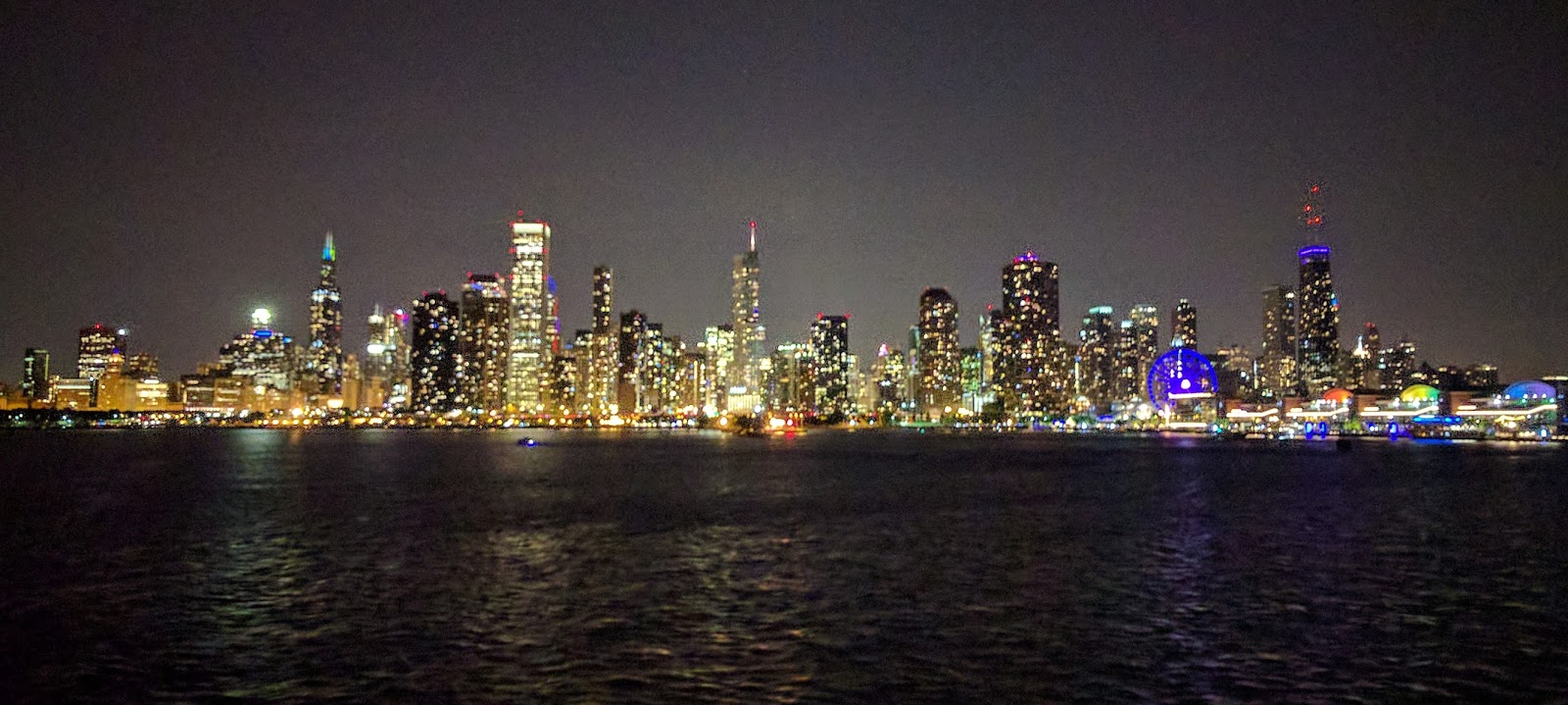
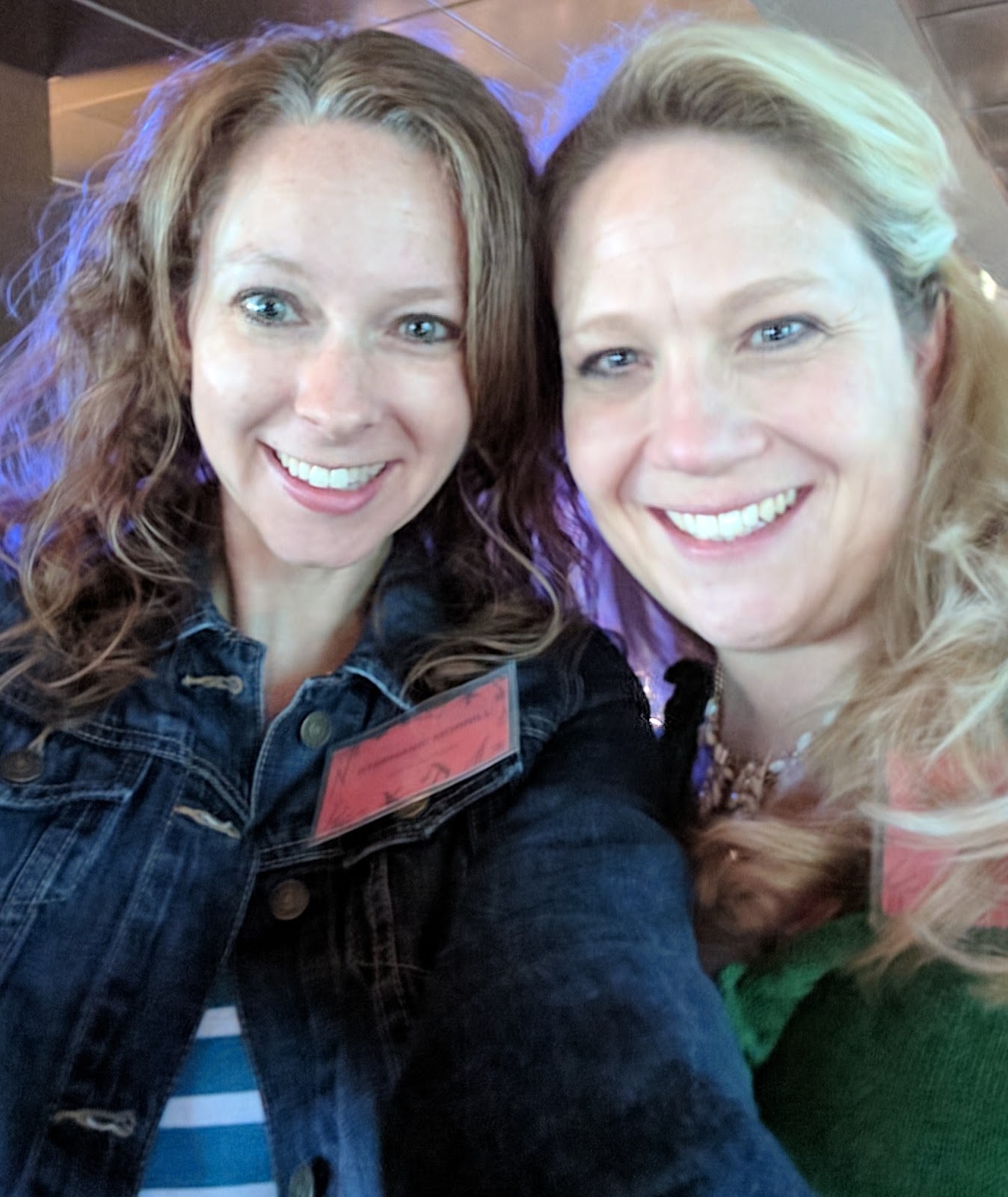 Me and fellow Blink author Heather Maclean. I was so relieved to see someone I knew!On Saturday, I spent some time signing copies of The Lost Girl of Astor Street in the HarperCollins booth. (My line wasn't exactly as long as Veronica Roth's...) I had a meeting with the marketing team, and some great hang out time with other authors.
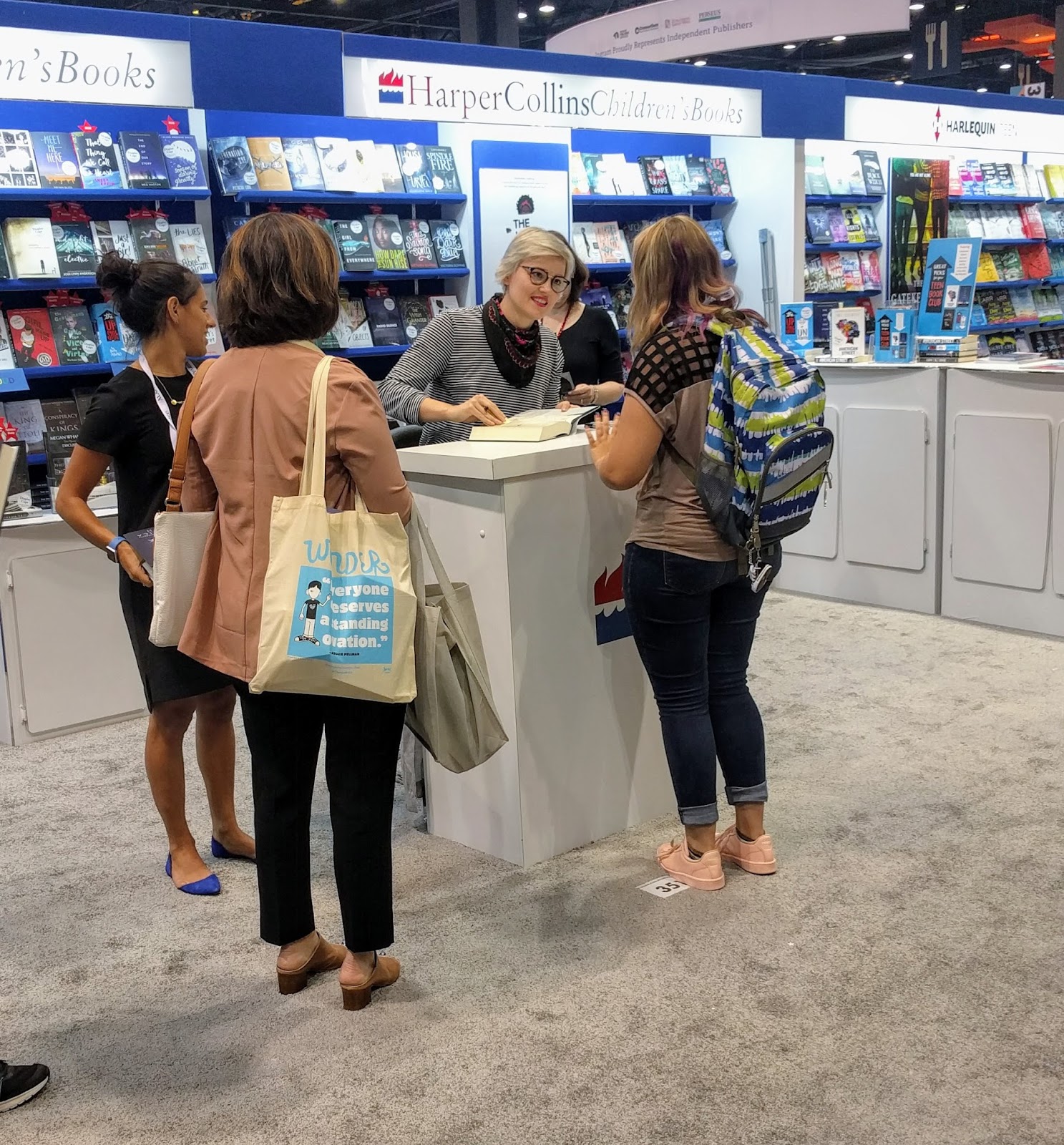 VERONICA ROTH!! The line was ridiculous, but she was being super nice and taking time with everyone she signed for.
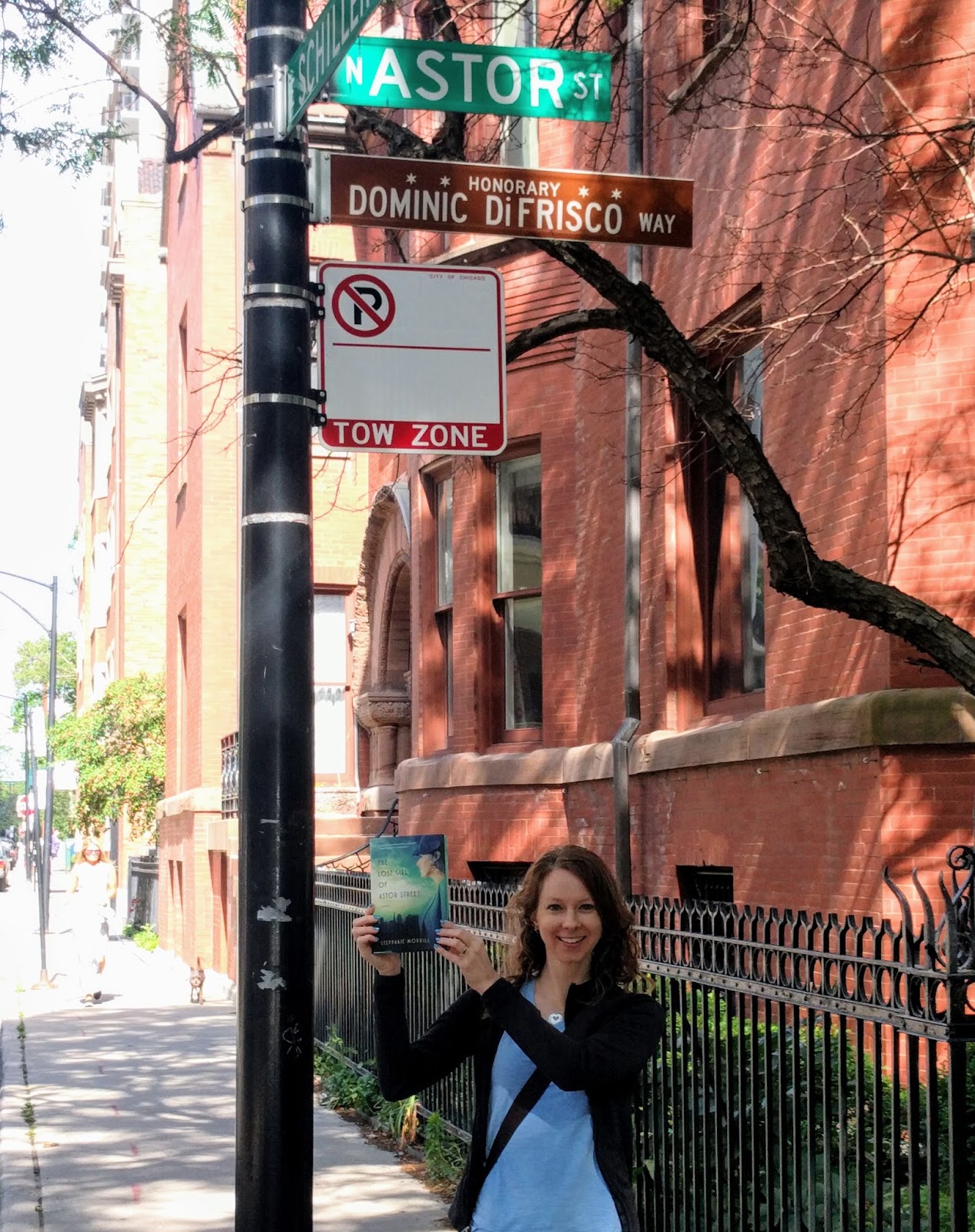
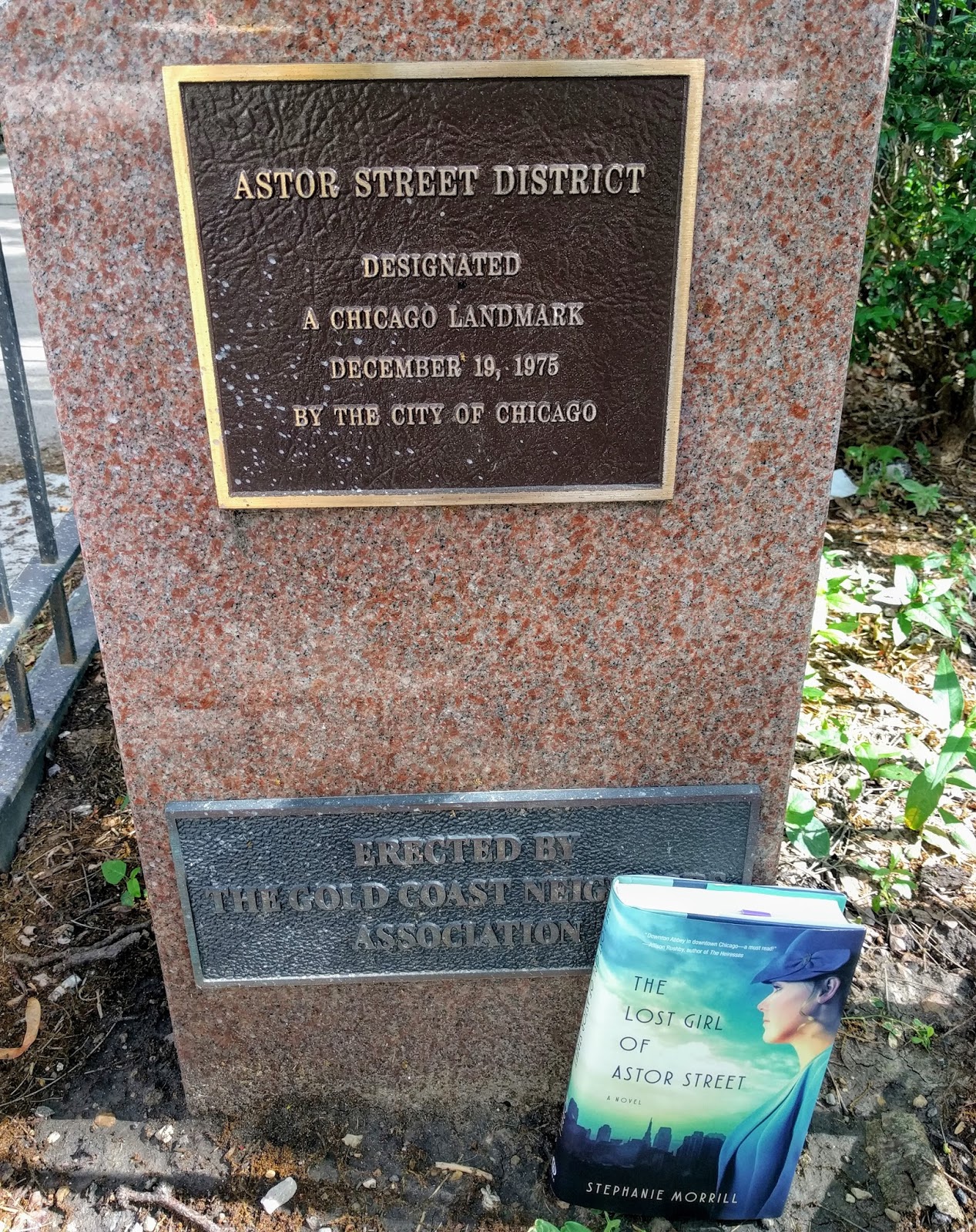
I also got brave, hailed a taxi, and went up to Astor Street! I was a complete dork and took tons of pictures. Some nice ladies who were there for an architectural walking tour helped me out my taking a photo of me so I didn't have to do the selfie thing:
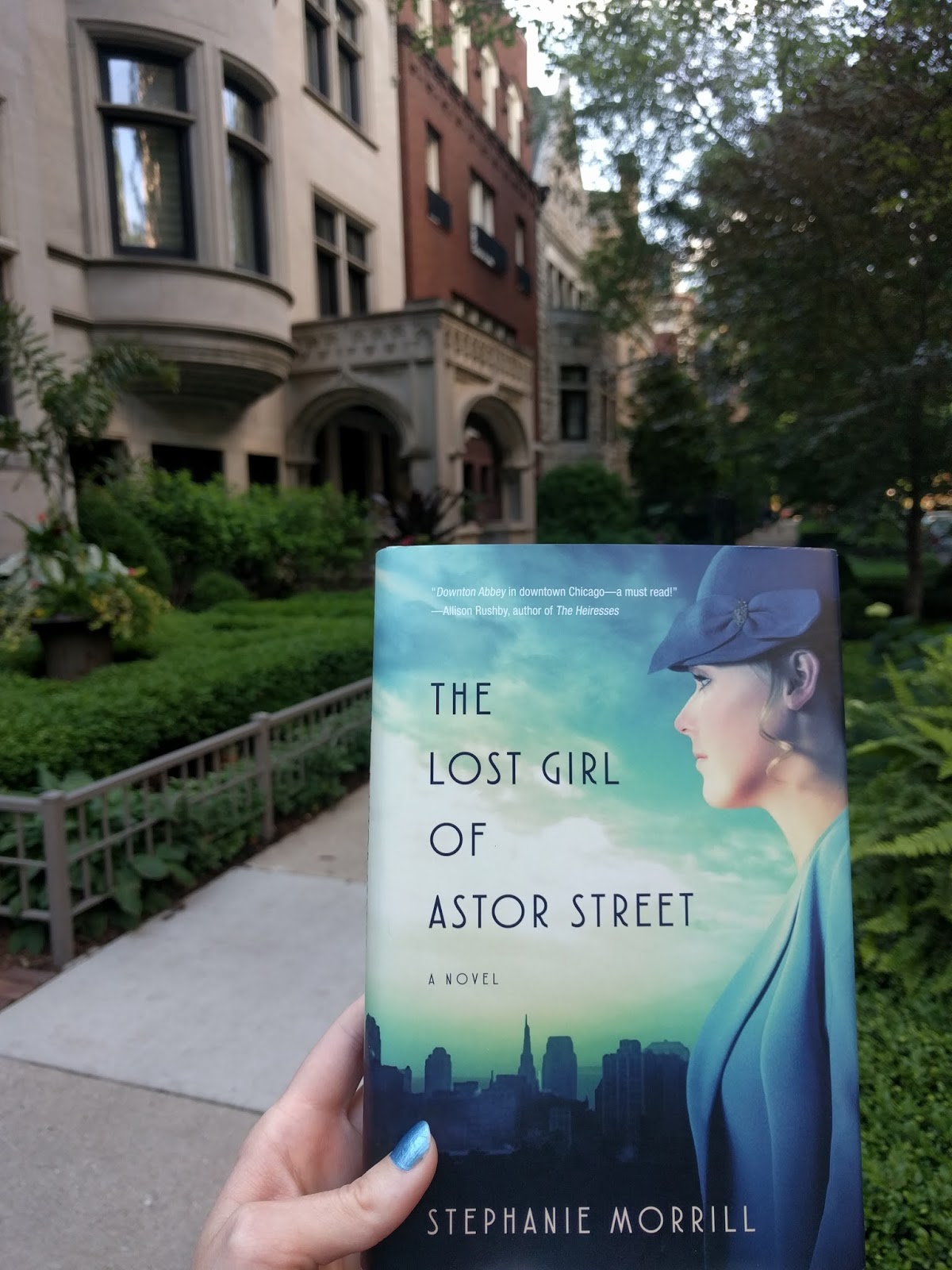
For an introverted homebody, it was a very full weekend. I'm happy to be home!
Today we're continuing our summer panel series where Jill, Shan, and I answer writing-related questions--just as if we're sitting on a panel at a writing conference--and we hope you'll take the time to answer the question as well so we can all learn from each other.

What's something that has inspired you recently?
Jill WilliamsonI’ve been intrigued lately by self-publishing. I’d really like to self-publish a whole series as an experiment. Don’t get me wrong, I love working with publishing houses, but I’ve found that after three or four years, when my book falls onto the backlist, publishers no longer focus on trying to sell it. So the book gets stuck without any focused sales and marketing attention. If I owned a series of books, I’d be able to play around with sales and marketing continually. That’s no guarantee that books would sell better. And it’s no secret that marketing and publicity is not my favorite activity. So I might discover that I hate that side of self-publishing. But I’m still enthralled by the possibilities, and I think I will be until I give it a try.
Shannon DittemoreOther authors. Reading about the journeys of writers I know and those I simply admire from afar is incredibly inspiring. No one has it easy, friends. This is a rough industry with a lot of negativity, but those who can cut through it and keep writing motivate me to do the same.
Stephanie MorrillStory Genius by Lisa Cron. This is a craft book I learned about on a podcast about 6 months ago. I checked it out from my library, and about halfway through it--when I was wishing I could underline ALL THE THINGS--I ordered a copy for myself. This book broke down the story building process in a different way than I had seen before. It made me think differently about character backstories, and how to build effective story lines, and it gave me a process for doing that.
I don't use every single tool suggested in the book, but her process really helped me with brainstorming my current novel.
What about you? What's something that has inspired you recently?
June 23, 2017
How do you transition in and out of your writing cave?
It's Friday again, friends! I'm just so glad we get one of these babies every week.
Today, while you're responding to this panel question, I'll be teaching a teen writing track at a conference in southern California and I can't help but feel like I'm taking you all with me. I learn so much from you guys and I hope you know how grateful I am for that.
We're continuing our summer panel series this morning and if you're just popping in, here's how it works. Jill, Steph and I are answering writing-related questions--just as if we're sitting on a panel at a writing conference--and we hope you'll take the time to answer the question as well.
How do you transition in and out of your writing cave?
Shannon DittemoreNot well. This is a challenge for me. When I’m writing, I want to be writing and doing nothing else (except drinking coffee!). And when I’m with my family, I want to give them my undivided attention. The hardest part is not my physical presence, it’s my mental presence. Sometimes my brain is all story and I’m supposed to be at a football game for my son. Sometimes my brain is all football (a lot of the time, actually) and I’m supposed to be writing a book. Sticking to a schedule and protecting it fiercely is the best way for me to manage daily transitions.
Jill WilliamsonIt’s not easy for me, either. Though, once upon a time, I did write like Stephanie—when my kids were all napping at once. So, I think you learn to cope with the schedule life hands you. I’ve been working on establishing a writing routine, so that when I do have time to write, going through the motions will help me get into the groove faster. I wrote a Go Teen Writers post on this subject. Click here to read it.
Stephanie MorrillFor me, a lot of it is just habit. For years I’ve been in the habit of having designated writing time. Which means that when Eli goes down for a nap, or when grandparents come over to play with the kids, I automatically head to my office to write. And because I know that writing time is over when Eli wakes up or grandparents needs to leave, I’m able to focus really well. I think that’s a perk of having very limited time in which do your work.How about you guys? How do you transition in and out of YOUR writing cave?