Stephanie Morrill's Blog, page 2
August 15, 2018
How often do you read other people's books? Which genres do you read? (With J.C. Cervantes!)
Hello friends! Shannon here.
We are lucky enough to have J.C. Cervantes with us once again, and today, I get to tell you all about her upcoming middle grade novel, The Storm Runner . Brace yourself for all the amazing:
A contemporary adventure based on Maya mythology from Rick Riordan Presents!
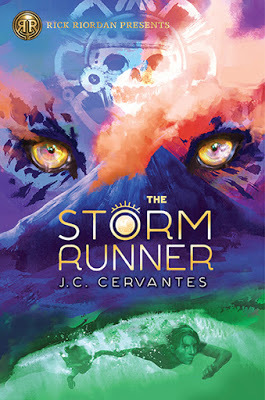 Zane Obispo spends every day exploring the sleeping volcano in his backyard. "The Beast," as he calls it, is the one place where he can escape other kids, who make fun of him because he has a limp and walks with a cane.
After a twin-engine plane crashes into The Beast, a mysterious girl named Brooks shows up at Zane's doorstep, insisting that they meet at the volcano, where she will reveal a terrible secret. Zane agrees, mostly because beautiful girls like her don't usually talk to him. Brooks tells him that the volcano is actually a centuries-old prison for the Maya god of death, whose destiny is directly tied to Zane's. No way, Zane thinks. He's just a thirteen-year old nobody, and destiny or no destiny, he wants nothing to do with any of it, especially some god of death.
But Brooks opens his eyes to the truth: magic, monsters, and gods are real, and Zane is at the center of an ancient prophecy that could mean the destruction of the world.
Suddenly finding himself entangled in a web of dangerous secrets, Zane embarks on a quest that will take him far from home and test him to the very core.
Feisty heroes, tricky gods, murderous demons, and spirited giants are just some of the pleasures that await in this fresh and funny take on Maya mythology, as rich and delicious as a mug of authentic hot chocolate.
Doesn't that sound fantastic? I'm so here for this! But while we wait for this baby to hit shelves (9/18/18), let's tackle today's panel question, shall we?
 Jen: ALL the time! I read all genres from contemporary to fantasy across all age ranges. Although, I try to avoid reading middle grade for example, if I’m working on an MG book which has been the last year and a half! So, I actively look for pockets of non-writing time to read whatever I want.
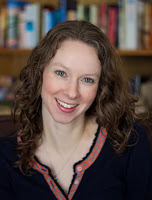 Steph: I almost always have a book I’m reading, and usually I have a novel and a nonfiction book going. Sometimes I have an audiobook going too. Young adult is always my go-to, but I love historical fiction and mysteries too.
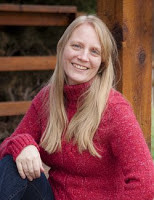 Jill: I read all the time, and I will read most anything for entertainment purposes. When I’m working on a first draft of a new story, I try to read books that are in that genre or are a research topic--books that will inspire me or at least, keep my author voice in the right cadence. For example, right now I’m writing a Regency-esque fantasy novel, so I’m reading lots of Regency novels to keep the formal dialogue, types of dress and architecture, and manners of the era in mind.
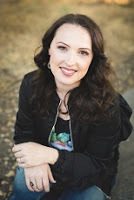 Shan: I'm a lot like Jen. I read all the time, but I do avoid books too similar to my current work in progress while I'm actually writing. That means I go through seasons where I have to set aside YA fantasy. During those times, I read a ton of detective stories and historicals. Those are my two guilty pleasures these days. I'm a huge WWII-era reader and I'll devour anything that has me seeking to solve a mystery. I'm also a fan of rereading. I reread more books in a year than new books, I bet.
And what about you, writer friends? How often do you read other people's books? Which genres are your favorites?
We are lucky enough to have J.C. Cervantes with us once again, and today, I get to tell you all about her upcoming middle grade novel, The Storm Runner . Brace yourself for all the amazing:
A contemporary adventure based on Maya mythology from Rick Riordan Presents!
 Zane Obispo spends every day exploring the sleeping volcano in his backyard. "The Beast," as he calls it, is the one place where he can escape other kids, who make fun of him because he has a limp and walks with a cane.
After a twin-engine plane crashes into The Beast, a mysterious girl named Brooks shows up at Zane's doorstep, insisting that they meet at the volcano, where she will reveal a terrible secret. Zane agrees, mostly because beautiful girls like her don't usually talk to him. Brooks tells him that the volcano is actually a centuries-old prison for the Maya god of death, whose destiny is directly tied to Zane's. No way, Zane thinks. He's just a thirteen-year old nobody, and destiny or no destiny, he wants nothing to do with any of it, especially some god of death.
But Brooks opens his eyes to the truth: magic, monsters, and gods are real, and Zane is at the center of an ancient prophecy that could mean the destruction of the world.
Suddenly finding himself entangled in a web of dangerous secrets, Zane embarks on a quest that will take him far from home and test him to the very core.
Feisty heroes, tricky gods, murderous demons, and spirited giants are just some of the pleasures that await in this fresh and funny take on Maya mythology, as rich and delicious as a mug of authentic hot chocolate.
Doesn't that sound fantastic? I'm so here for this! But while we wait for this baby to hit shelves (9/18/18), let's tackle today's panel question, shall we?

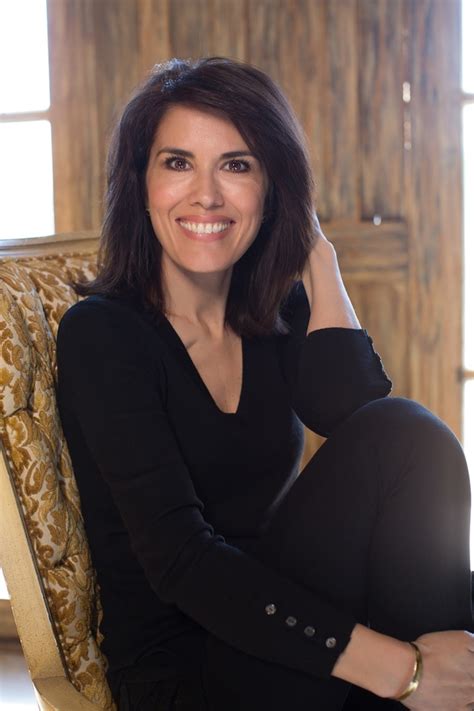 Jen: ALL the time! I read all genres from contemporary to fantasy across all age ranges. Although, I try to avoid reading middle grade for example, if I’m working on an MG book which has been the last year and a half! So, I actively look for pockets of non-writing time to read whatever I want.
 Steph: I almost always have a book I’m reading, and usually I have a novel and a nonfiction book going. Sometimes I have an audiobook going too. Young adult is always my go-to, but I love historical fiction and mysteries too.
 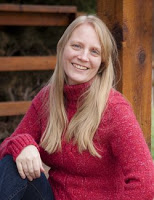 Jill: I read all the time, and I will read most anything for entertainment purposes. When I’m working on a first draft of a new story, I try to read books that are in that genre or are a research topic--books that will inspire me or at least, keep my author voice in the right cadence. For example, right now I’m writing a Regency-esque fantasy novel, so I’m reading lots of Regency novels to keep the formal dialogue, types of dress and architecture, and manners of the era in mind.
 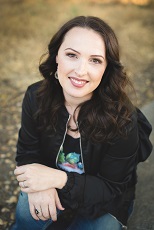 Shan: I'm a lot like Jen. I read all the time, but I do avoid books too similar to my current work in progress while I'm actually writing. That means I go through seasons where I have to set aside YA fantasy. During those times, I read a ton of detective stories and historicals. Those are my two guilty pleasures these days. I'm a huge WWII-era reader and I'll devour anything that has me seeking to solve a mystery. I'm also a fan of rereading. I reread more books in a year than new books, I bet.
And what about you, writer friends? How often do you read other people's books? Which genres are your favorites?


August 13, 2018
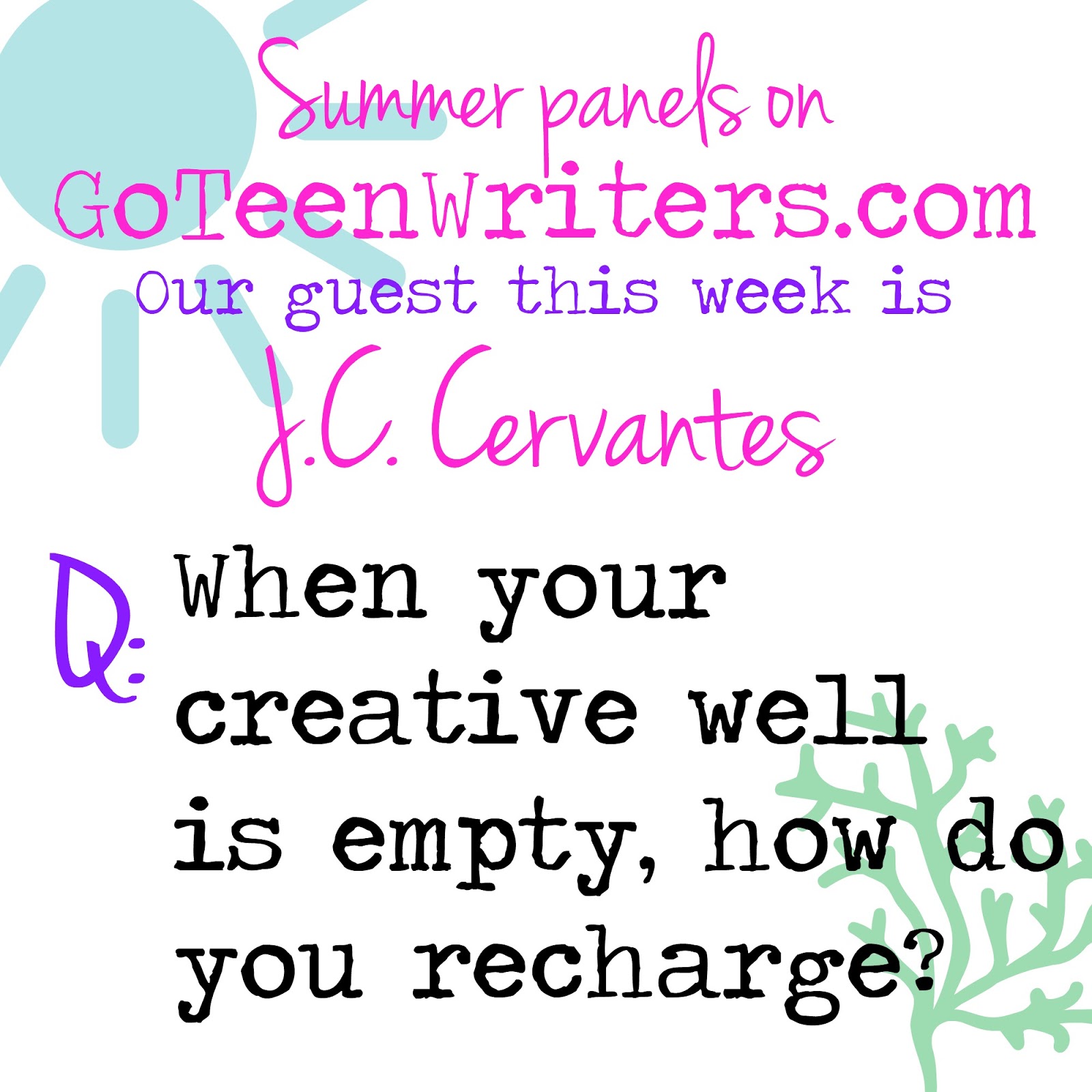
When your creative well is empty, how do you recharge? (With J.C. Cervantes!)
It's a new week, my friends, which means I get to introduce you to a new author.
Please welcome J.C. Cervantes to the blog! Out in cyberspace, you can find her as Jennifer or Jen, but on the cover of her upcoming novel with Rick Riordan presents (gasp!), it says J.C. Cervantes, and I so want you to find that novel.
I've only ever met Jen online, but we share an agent and I adore her online presence and her heart for people. I can't wait to read her upcoming novel, The Storm Runner . But more about that Wednesday.
Today, let's learn a little about the author herself:
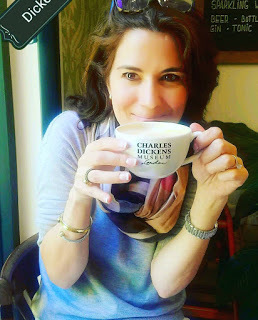 Jen (J.C) is an award-winning children’s author; her most recent book, THE STORM RUNNER is scheduled for release in September 2018 with its sequel THE FIRE KEEPER, coming in 2019. As an author, she has earned multiple awards and recognitions, including the New Mexico Book Award, Zia Book Award, and was named a New Voices Pick by the American Booksellers Association for her first book Tortilla Sun.
Jen's a champion of the underdog, an advocate for more POC in children's fiction, and a believer in magic. But only if you’re willing to listen to the whispers of the universe.
Isn't she fantastic? So, let's get to it! Today's panel question is:
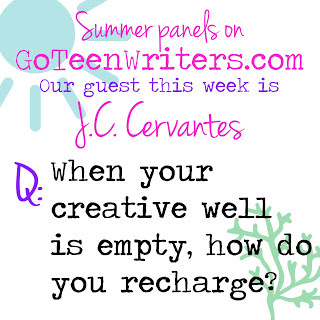 Jen: Oh boy, so many ways. Sometimes, I binge watch some of my favorite TV shows (like Game of Thrones or the Originals, or my new fave, The Goblin). I also focus on my health when I can by doing Pilates, hanging with family or just taking a walk in nature. And if I have time, I love a good facial! For me, recharging is remembering peace and finding a world (even if temporary) with no worry. Not an easy place to get to, but it’s totally possible.
 Steph: That happened to me after I finished writing
Within These Lines
. It was such a heavy book with intense research requirements, plus we were dealing with hard family stuff. By the time I turned it in, I was exhausted. For me, it’s giving myself permission to not write. I might still choose to write if it sounds fun, but I’ll typically turn my focus to taking online classes or catching up on podcasts or reading something I haven’t had time for. Making space for intentional learning really recharges me.
Steph: That happened to me after I finished writing
Within These Lines
. It was such a heavy book with intense research requirements, plus we were dealing with hard family stuff. By the time I turned it in, I was exhausted. For me, it’s giving myself permission to not write. I might still choose to write if it sounds fun, but I’ll typically turn my focus to taking online classes or catching up on podcasts or reading something I haven’t had time for. Making space for intentional learning really recharges me.
Jill: I read. I brainstorm new ideas, but don’t really write anything much. I do creative things, like paint a map or make my own Jill Pop. I record an audiobook or a YouTube video. Take bookish pictures for Instagram. I might work on a nonfiction project. Go on walks or long drives. Play my guitar. I need to keep busy and let my brain work, but it needs to work on different things.
 Shan: I like to be outdoors. It feels less like work than anything else I do. So, I roadtrip or I hike or I sit in my hammock. I binge TV shows like Jen, and I snap bookish pics for Instagram like Jill. I catch up on sports news--football is my favorite but California has so many fantastic sports teams it's easy to lose myself reading up. If I can, I hit the theater. There's nothing like a live show to remind me why I love storytelling. Every time I go, I leave inspired and ready to write again.
How about you guys? How do you recharge your tired soul?
Please welcome J.C. Cervantes to the blog! Out in cyberspace, you can find her as Jennifer or Jen, but on the cover of her upcoming novel with Rick Riordan presents (gasp!), it says J.C. Cervantes, and I so want you to find that novel.
I've only ever met Jen online, but we share an agent and I adore her online presence and her heart for people. I can't wait to read her upcoming novel, The Storm Runner . But more about that Wednesday.
Today, let's learn a little about the author herself:
 Jen (J.C) is an award-winning children’s author; her most recent book, THE STORM RUNNER is scheduled for release in September 2018 with its sequel THE FIRE KEEPER, coming in 2019. As an author, she has earned multiple awards and recognitions, including the New Mexico Book Award, Zia Book Award, and was named a New Voices Pick by the American Booksellers Association for her first book Tortilla Sun.
Jen's a champion of the underdog, an advocate for more POC in children's fiction, and a believer in magic. But only if you’re willing to listen to the whispers of the universe.
Isn't she fantastic? So, let's get to it! Today's panel question is:
 Jen: Oh boy, so many ways. Sometimes, I binge watch some of my favorite TV shows (like Game of Thrones or the Originals, or my new fave, The Goblin). I also focus on my health when I can by doing Pilates, hanging with family or just taking a walk in nature. And if I have time, I love a good facial! For me, recharging is remembering peace and finding a world (even if temporary) with no worry. Not an easy place to get to, but it’s totally possible.
Steph: That happened to me after I finished writing
Within These Lines
. It was such a heavy book with intense research requirements, plus we were dealing with hard family stuff. By the time I turned it in, I was exhausted. For me, it’s giving myself permission to not write. I might still choose to write if it sounds fun, but I’ll typically turn my focus to taking online classes or catching up on podcasts or reading something I haven’t had time for. Making space for intentional learning really recharges me.
Jill: I read. I brainstorm new ideas, but don’t really write anything much. I do creative things, like paint a map or make my own Jill Pop. I record an audiobook or a YouTube video. Take bookish pictures for Instagram. I might work on a nonfiction project. Go on walks or long drives. Play my guitar. I need to keep busy and let my brain work, but it needs to work on different things.
Jen: Oh boy, so many ways. Sometimes, I binge watch some of my favorite TV shows (like Game of Thrones or the Originals, or my new fave, The Goblin). I also focus on my health when I can by doing Pilates, hanging with family or just taking a walk in nature. And if I have time, I love a good facial! For me, recharging is remembering peace and finding a world (even if temporary) with no worry. Not an easy place to get to, but it’s totally possible.
Steph: That happened to me after I finished writing
Within These Lines
. It was such a heavy book with intense research requirements, plus we were dealing with hard family stuff. By the time I turned it in, I was exhausted. For me, it’s giving myself permission to not write. I might still choose to write if it sounds fun, but I’ll typically turn my focus to taking online classes or catching up on podcasts or reading something I haven’t had time for. Making space for intentional learning really recharges me.
Jill: I read. I brainstorm new ideas, but don’t really write anything much. I do creative things, like paint a map or make my own Jill Pop. I record an audiobook or a YouTube video. Take bookish pictures for Instagram. I might work on a nonfiction project. Go on walks or long drives. Play my guitar. I need to keep busy and let my brain work, but it needs to work on different things. 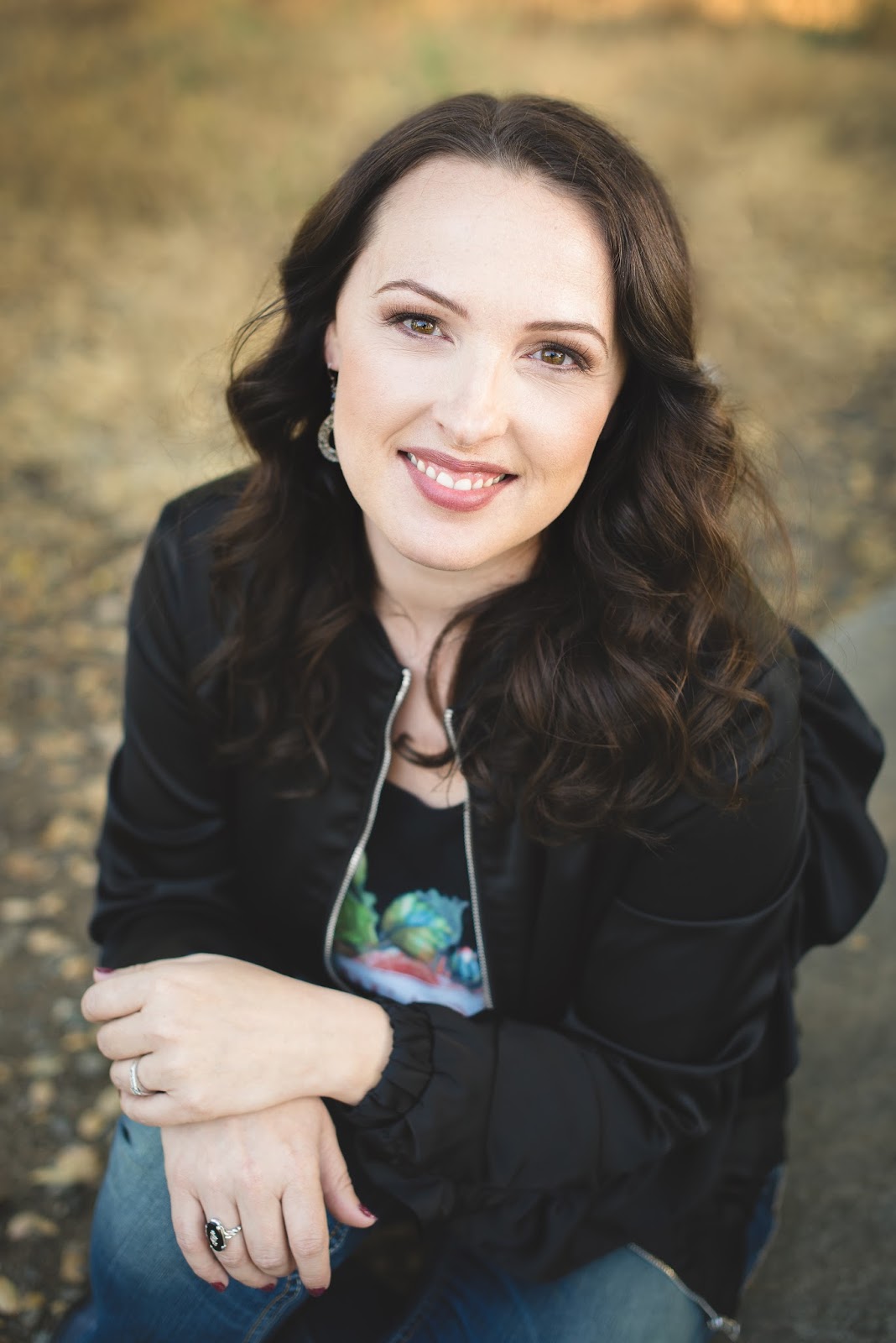 Shan: I like to be outdoors. It feels less like work than anything else I do. So, I roadtrip or I hike or I sit in my hammock. I binge TV shows like Jen, and I snap bookish pics for Instagram like Jill. I catch up on sports news--football is my favorite but California has so many fantastic sports teams it's easy to lose myself reading up. If I can, I hit the theater. There's nothing like a live show to remind me why I love storytelling. Every time I go, I leave inspired and ready to write again.
How about you guys? How do you recharge your tired soul?
August 10, 2018
Have you always wanted to write books? (With Adrienne Young!)
Alas! We've reached Friday and our final panel question with the lovely and talented Adrienne Young. If you're on social media, be sure to give her a follow and a THANK YOU for sharing her wisdom and book love with us all. Here's where you can find her:
Facebook | Twitter | Instagram | Pinterest | Website

And here's the beautiful book trailer for Adrienne's debut novel, Sky in the Deep .
And now! Before you're run away with all the Viking drama, let's finish this week off right with one last question for Adrienne and crew:
 Adrienne: I realized I loved to write in elementary school after a teacher told me repeatedly that I was good at it. The first time I ever dreamed of writing a book was in fourth grade. I was looking at a book in the library and imagined my name on the front. But I don't think I ever truly believed it would happen and I never really told anyone about that dream. It wasn't until I was around 25 years old that I decided to try to actually write a full-length novel and once I did, I was completely hooked. I knew I wanted to make a career out of it but I had a lot to learn. It took about seven years, four books, and many many rejections before I got published.
Steph: Ever since first grade when we had free writing time in class. I loved everything about it and started saying then that I wanted to write stories when I grew up. And it was always novels that I wanted to write, even though I wasn’t reading them yet. Even though I sometimes went through phases where I wanted to be a writer and a teacher or a writer and a lawyer, writing always stuck.
Jill: When I was in high school, I wanted to be a fashion designer. That’s what I went to college for, and I got jobs in the fashion industry right out of college. I ended up not liking it at all. It was far too competitive and cutthroat for me, so when I was home with my first child (around age 26), I started writing books. It was so fun for me, I never looked back.
Shan: I’ve ALWAYS loved storytelling but it wasn’t always my career of choice. When I was younger I had flashier aspirations. Astronaut or actor. And then in college, I assumed I’d go into missionary work. After my daughter was born, I found myself missing theater and the stage so badly it made me sick. When I realized I could tell stories from home, it transformed the way I viewed the role of author and I started brainstorming my first novel that night. My daughter will turn ten this summer, so I’ve been at this thing for almost a decade.
Adrienne: I realized I loved to write in elementary school after a teacher told me repeatedly that I was good at it. The first time I ever dreamed of writing a book was in fourth grade. I was looking at a book in the library and imagined my name on the front. But I don't think I ever truly believed it would happen and I never really told anyone about that dream. It wasn't until I was around 25 years old that I decided to try to actually write a full-length novel and once I did, I was completely hooked. I knew I wanted to make a career out of it but I had a lot to learn. It took about seven years, four books, and many many rejections before I got published.
Steph: Ever since first grade when we had free writing time in class. I loved everything about it and started saying then that I wanted to write stories when I grew up. And it was always novels that I wanted to write, even though I wasn’t reading them yet. Even though I sometimes went through phases where I wanted to be a writer and a teacher or a writer and a lawyer, writing always stuck.
Jill: When I was in high school, I wanted to be a fashion designer. That’s what I went to college for, and I got jobs in the fashion industry right out of college. I ended up not liking it at all. It was far too competitive and cutthroat for me, so when I was home with my first child (around age 26), I started writing books. It was so fun for me, I never looked back.
Shan: I’ve ALWAYS loved storytelling but it wasn’t always my career of choice. When I was younger I had flashier aspirations. Astronaut or actor. And then in college, I assumed I’d go into missionary work. After my daughter was born, I found myself missing theater and the stage so badly it made me sick. When I realized I could tell stories from home, it transformed the way I viewed the role of author and I started brainstorming my first novel that night. My daughter will turn ten this summer, so I’ve been at this thing for almost a decade. Now you guys tell us. Have YOU always wanted to write books? Do you plan to make it your career?
August 8, 2018
Do you have a favorite fandom? (With Adrienne Young!)
Good morning, friends! Shannon here.
YA author, Adrienne Young, is back with us today and we're so grateful she's taken the time to hang out with us and give us a peek into her reading and writing life.
Earlier this week, I had the opportunity to introduce you to the author. Now let me share a little bit about her debut novel, Sky in the Deep.
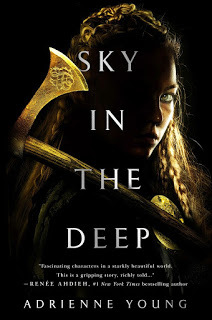 Seventeen-year-old Eelyn’s world is war. Raised to fight alongside her Aska clansmen in a generations-old blood feud against the Riki, her life is brutal but simple: fight and survive. Until the day she sees the impossible on the battlefield—her brother, fighting with the enemy—the brother she watched die five years ago.
Faced with her brother’s betrayal, she must survive the winter in the mountains with the Riki if she wants to make it back to the fjord after the thaw. But when she begins to see herself in the people she’s been taught to hate, the world Eelyn once knew begins to crumble. And after the village is raided by a ruthless clan many believe to be a myth, Eelyn is given no choice but to trust Fiske, her brother’s friend who has tried more than once to kill her. Together, they must end the blood feud between their clans or watch their people be slaughtered.
A lush, Viking-age inspired fantasy about loyalty, forgiveness, and the definition of family.
Readers of fantasy and fans of Viking lore will enjoy this read. You can find out more about the story and the inspiration behind it over on Adrienne's website.
And now! Today's panel question:
 Adrienne: Harry Potter! I know that's the cliche answer but I just love it so much - how it transcends age groups and people groups and everyone just belongs. I haven't really tried to create anything, but with Sky in the Deep, I have been really surprised how many people are into the world already. I love seeing people cosplay Eelyn and getting their Viking on.
Note from Shan: Definitely check out Adrienne's IG. She often shares Eelyn cosplay and the Viking costumes readers come up with are glorious.
Steph: Well, I’ll be cliche too and say Harry Potter for the same reasons that Adrienne said. I love that I can enjoy the early books with my first grader, and the later books with my ten-year-old.
I’ve had some girls show up dressed in roaring 20s garb for book signings, and that was super fun!
Jill: I love Harry Potter, Doctor Who, Lord of the Rings, Star Wars, Captain America, and Wonder Woman. A far as swag goes, I made two sets of velvet flags to match six cities in my Blood of Kings storyworld. I kept one set and divided the others among the readers who created and acted in the two book trailers for
To Darkness Fled
. I was just so impressed with how much hard work they did, I needed to do something special to thank them. The flags were so time-consuming to make, however, I never did make any more.
Shan: Yeah. It’s hard to beat the Harry Potter fandom. I’m sort of surrounded by it these days. My nine year old and I are reading the illustrated version of Harry Potter and the Sorcerer’s Stone together right now and my thirteen year old is halfway through a reread of the entire series. But like Adrienne said, I’ve been really impressed with the readers who’ve shown up for Eelyn. So much cosplay for such a new book. I think everyone wants to be a Viking, honestly, and Adrienne just gave us all a great excuse. And also, Wonder Woman. I just . . . ahhhh. I love all the Wonder Woman out there right now. Makes my heart happy.
I haven’t done a whole lot of swag stuff, but I’m always so grateful when readers send me fan art. I really appreciate the opportunity to see what others envision when they read my stories. It’s a compliment that someone would invest their time and skill in a character created by someone else.
Now, you tell us. Do YOU have a favorite fandom? What about plans for swag or reader experiences in regards to your stories?
YA author, Adrienne Young, is back with us today and we're so grateful she's taken the time to hang out with us and give us a peek into her reading and writing life.
Earlier this week, I had the opportunity to introduce you to the author. Now let me share a little bit about her debut novel, Sky in the Deep.
 Seventeen-year-old Eelyn’s world is war. Raised to fight alongside her Aska clansmen in a generations-old blood feud against the Riki, her life is brutal but simple: fight and survive. Until the day she sees the impossible on the battlefield—her brother, fighting with the enemy—the brother she watched die five years ago.
Faced with her brother’s betrayal, she must survive the winter in the mountains with the Riki if she wants to make it back to the fjord after the thaw. But when she begins to see herself in the people she’s been taught to hate, the world Eelyn once knew begins to crumble. And after the village is raided by a ruthless clan many believe to be a myth, Eelyn is given no choice but to trust Fiske, her brother’s friend who has tried more than once to kill her. Together, they must end the blood feud between their clans or watch their people be slaughtered.
A lush, Viking-age inspired fantasy about loyalty, forgiveness, and the definition of family.
Readers of fantasy and fans of Viking lore will enjoy this read. You can find out more about the story and the inspiration behind it over on Adrienne's website.
And now! Today's panel question:
 Adrienne: Harry Potter! I know that's the cliche answer but I just love it so much - how it transcends age groups and people groups and everyone just belongs. I haven't really tried to create anything, but with Sky in the Deep, I have been really surprised how many people are into the world already. I love seeing people cosplay Eelyn and getting their Viking on.
Note from Shan: Definitely check out Adrienne's IG. She often shares Eelyn cosplay and the Viking costumes readers come up with are glorious.
Steph: Well, I’ll be cliche too and say Harry Potter for the same reasons that Adrienne said. I love that I can enjoy the early books with my first grader, and the later books with my ten-year-old.I’ve had some girls show up dressed in roaring 20s garb for book signings, and that was super fun!
Jill: I love Harry Potter, Doctor Who, Lord of the Rings, Star Wars, Captain America, and Wonder Woman. A far as swag goes, I made two sets of velvet flags to match six cities in my Blood of Kings storyworld. I kept one set and divided the others among the readers who created and acted in the two book trailers for
To Darkness Fled
. I was just so impressed with how much hard work they did, I needed to do something special to thank them. The flags were so time-consuming to make, however, I never did make any more.
Shan: Yeah. It’s hard to beat the Harry Potter fandom. I’m sort of surrounded by it these days. My nine year old and I are reading the illustrated version of Harry Potter and the Sorcerer’s Stone together right now and my thirteen year old is halfway through a reread of the entire series. But like Adrienne said, I’ve been really impressed with the readers who’ve shown up for Eelyn. So much cosplay for such a new book. I think everyone wants to be a Viking, honestly, and Adrienne just gave us all a great excuse. And also, Wonder Woman. I just . . . ahhhh. I love all the Wonder Woman out there right now. Makes my heart happy. I haven’t done a whole lot of swag stuff, but I’m always so grateful when readers send me fan art. I really appreciate the opportunity to see what others envision when they read my stories. It’s a compliment that someone would invest their time and skill in a character created by someone else.
Now, you tell us. Do YOU have a favorite fandom? What about plans for swag or reader experiences in regards to your stories?
August 6, 2018
Do you have a daily or weekly word quota that you strive for? (with Adrienne Young!)
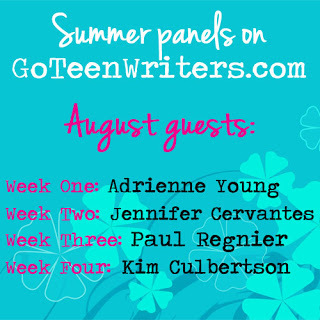
Hey all! Shannon here, checking in for my rotation on summer panels. We've had a ton of fun with our June and July panelists and I'm so excited to hear from our August crew. Here's who we'll be chatting with throughout the month:
And since it's week one, I get to introduce you all to my friend, and YA author, Adrienne Young. I met Adrienne through a mutual friend and she's part of my local writing troupe. We meet up for dinner and book launches and general encouragement any chance we get--which, to be fair, isn't nearly as often these days because of all the writing and such. But I'm so pleased Adrienne's agreed to share with us.
If you've been paying attention, you'll have noticed that her debut novel hit shelves (and the NYT Bestseller List!) this past spring. Sky In the Deep is a beautiful YA fantasy and one of my favorite reads this past year. But more on that Wednesday. Here's a bit about Adrienne:
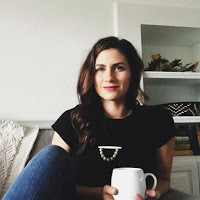 Adrienne Young is the New York Times Bestselling author of Sky in the Deep. A born and bred Texan turned California girl, she is a foodie with a deep love of history and travel and a shameless addiction to coffee. When she’s not writing, you can find her on her yoga mat, scouring antique fairs for old books, sipping wine over long dinners, or disappearing into her favorite art museums. She lives with her documentary filmmaker husband and their four little wildlings beneath the West Coast sun.
And now! For today's panel question:
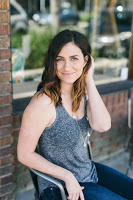 Adrienne: Not really. When I'm drafting, I'm pretty obsessive about it so I usually wind up writing a ton of words every day until I reach the end. If I start putting numbers on it, I think I kind of psyche myself out and wind up stressing. Instead, I try to just ride the inspiration before it runs out.
Steph: I have more of a time quota. Most days I split my work time in half. I’ll write the first half, and then the rest of my time is for blogging, social media, or whatever else needs to be done.
Jill: Only when I’m on a deadline. Then I know how many words I need to write per day to meet my quota. When I’m not on a deadline, I am much more lax about daily word counts. However, that also means I don’t get the story written as quickly.
Shan: Sometimes. Not so much lately. Mostly, I’m shooting for completing a scene or telling the next part of the story--whatever that happens to equate to at the time. Sometimes it’s as small a thing as transitioning the mood or setting, so that when I sit down for my next writing session I’m ready to tackle a big moment. Sometimes it’s working on a scene until I’m happy with the character or the takeaway. It really just depends on where I’m at within the process.
What about you all?Do you set weekly or daily word count goals?
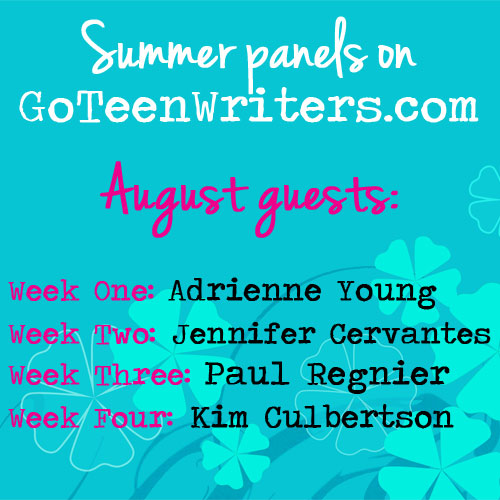
And since it's week one, I get to introduce you all to my friend, and YA author, Adrienne Young. I met Adrienne through a mutual friend and she's part of my local writing troupe. We meet up for dinner and book launches and general encouragement any chance we get--which, to be fair, isn't nearly as often these days because of all the writing and such. But I'm so pleased Adrienne's agreed to share with us.
If you've been paying attention, you'll have noticed that her debut novel hit shelves (and the NYT Bestseller List!) this past spring. Sky In the Deep is a beautiful YA fantasy and one of my favorite reads this past year. But more on that Wednesday. Here's a bit about Adrienne:
 Adrienne Young is the New York Times Bestselling author of Sky in the Deep. A born and bred Texan turned California girl, she is a foodie with a deep love of history and travel and a shameless addiction to coffee. When she’s not writing, you can find her on her yoga mat, scouring antique fairs for old books, sipping wine over long dinners, or disappearing into her favorite art museums. She lives with her documentary filmmaker husband and their four little wildlings beneath the West Coast sun.
And now! For today's panel question:

 Adrienne: Not really. When I'm drafting, I'm pretty obsessive about it so I usually wind up writing a ton of words every day until I reach the end. If I start putting numbers on it, I think I kind of psyche myself out and wind up stressing. Instead, I try to just ride the inspiration before it runs out.
Steph: I have more of a time quota. Most days I split my work time in half. I’ll write the first half, and then the rest of my time is for blogging, social media, or whatever else needs to be done.
Jill: Only when I’m on a deadline. Then I know how many words I need to write per day to meet my quota. When I’m not on a deadline, I am much more lax about daily word counts. However, that also means I don’t get the story written as quickly.
Shan: Sometimes. Not so much lately. Mostly, I’m shooting for completing a scene or telling the next part of the story--whatever that happens to equate to at the time. Sometimes it’s as small a thing as transitioning the mood or setting, so that when I sit down for my next writing session I’m ready to tackle a big moment. Sometimes it’s working on a scene until I’m happy with the character or the takeaway. It really just depends on where I’m at within the process.
Adrienne: Not really. When I'm drafting, I'm pretty obsessive about it so I usually wind up writing a ton of words every day until I reach the end. If I start putting numbers on it, I think I kind of psyche myself out and wind up stressing. Instead, I try to just ride the inspiration before it runs out.
Steph: I have more of a time quota. Most days I split my work time in half. I’ll write the first half, and then the rest of my time is for blogging, social media, or whatever else needs to be done.
Jill: Only when I’m on a deadline. Then I know how many words I need to write per day to meet my quota. When I’m not on a deadline, I am much more lax about daily word counts. However, that also means I don’t get the story written as quickly.
Shan: Sometimes. Not so much lately. Mostly, I’m shooting for completing a scene or telling the next part of the story--whatever that happens to equate to at the time. Sometimes it’s as small a thing as transitioning the mood or setting, so that when I sit down for my next writing session I’m ready to tackle a big moment. Sometimes it’s working on a scene until I’m happy with the character or the takeaway. It really just depends on where I’m at within the process. What about you all?Do you set weekly or daily word count goals?
August 3, 2018
What lie do you believe in your professional life? (With Sara Ella!)
This is my (Jill's) last hosting post. Shannon will he here next week to officially kick off the month of August. Our last month of panels!
We have really enjoyed having Sara Ella with us this week. We hope you have too. You can learn more about Sara on her website at www.saraella.com. You can also follow her on Twitter, Facebook, Instagram, and YouTube. She's quite the YouTube star, too, if you didn't know. She often does videos for writers. You should check out her channel and subscribe.
Thanks for doing panels with us, Sara. Here is our question of the day:
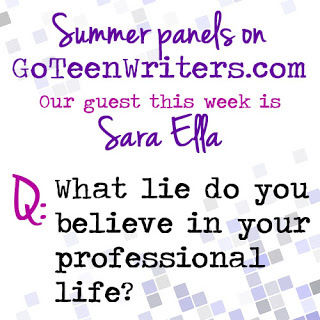
As authors, we’re always trying to figure out which lies our characters believe. In your professional life, have you been able to identify a lie you have believed?
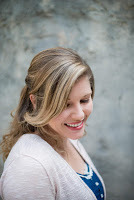 Sara: Wow. And I thought the last question was deep. I think I used to believe you have to make The New York Times bestseller list to be a successful author. I found a lot of validation in industry reviews and awards. The more praise my work received, the more I felt as if I had somehow "made it." But the truth is, I have found so much more value in personal letters and notes from my readers. They are the ones I write for, after all. I think if you base your success on superficial things, you'll never be satisfied. I know I wasn't. Now I have so much more joy and peace because I know the value of my work isn't based on what some magazine or newspaper says. It's when someone tells me my book made them cry or that it touched them in some way -- that's the real reward.
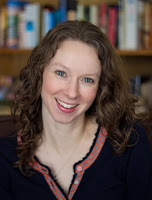 Stephanie: “You can get it all done if you just try a little harder.” The truth is that it doesn’t matter how well I organize my time, strive with all my strength, and batch my tasks, I am never going to be able to get done all the writing, marketing, and mothering that I want in a 24 hour period. I’m just not. It’s taken me a long time to learn how to take time for rest even when not everything is done (it never is) and to let myself off the hook sometimes.
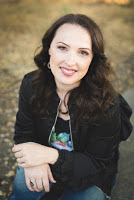 Shan: So many, I’m sure. When you discover that a belief you’ve held is flawed, there’s always an element of surprise and it takes some time to adjust to the reality of the truth. Most recently I’ve been coming to grips with the reality that one publishing deal does not guarantee another one. For reasons often out of your control, you may feel like you’re starting over several times before you find your stride. That doesn’t negate one bit of your success but it does reset your expectations.
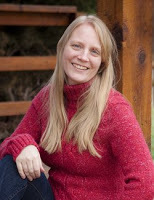
Jill: I shared my big lie during the question we had about defining success and failure. The lie that "I don't matter" unless I'm proving it somehow. A lifetime of believing that lie has turned me into an overachiever who is always striving. So over the past year (believe it or not), I've been working hard to not be a militant slave driver about the deadlines and goals I give myself. Because I have to take care of myself. I need rest. I need to be with my family. And I need to take time for me, whether that means going on a walk, reading a book for fun, or crafting. Because, like Stephanie said, no one can do it all. No one should. We're not meant to be slaves on this planet. We're meant to enjoy life. And life isn't about how much we can get done. It's about how we love ourselves and each other. That's what matters.
What about you, writers? Is there a lie you have believed?
We have really enjoyed having Sara Ella with us this week. We hope you have too. You can learn more about Sara on her website at www.saraella.com. You can also follow her on Twitter, Facebook, Instagram, and YouTube. She's quite the YouTube star, too, if you didn't know. She often does videos for writers. You should check out her channel and subscribe.
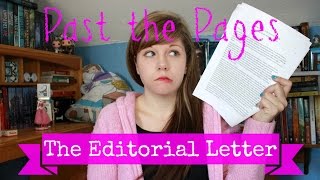
Thanks for doing panels with us, Sara. Here is our question of the day:
As authors, we’re always trying to figure out which lies our characters believe. In your professional life, have you been able to identify a lie you have believed?

 Sara: Wow. And I thought the last question was deep. I think I used to believe you have to make The New York Times bestseller list to be a successful author. I found a lot of validation in industry reviews and awards. The more praise my work received, the more I felt as if I had somehow "made it." But the truth is, I have found so much more value in personal letters and notes from my readers. They are the ones I write for, after all. I think if you base your success on superficial things, you'll never be satisfied. I know I wasn't. Now I have so much more joy and peace because I know the value of my work isn't based on what some magazine or newspaper says. It's when someone tells me my book made them cry or that it touched them in some way -- that's the real reward.
  Stephanie: “You can get it all done if you just try a little harder.” The truth is that it doesn’t matter how well I organize my time, strive with all my strength, and batch my tasks, I am never going to be able to get done all the writing, marketing, and mothering that I want in a 24 hour period. I’m just not. It’s taken me a long time to learn how to take time for rest even when not everything is done (it never is) and to let myself off the hook sometimes.
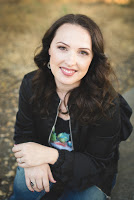 Shan: So many, I’m sure. When you discover that a belief you’ve held is flawed, there’s always an element of surprise and it takes some time to adjust to the reality of the truth. Most recently I’ve been coming to grips with the reality that one publishing deal does not guarantee another one. For reasons often out of your control, you may feel like you’re starting over several times before you find your stride. That doesn’t negate one bit of your success but it does reset your expectations.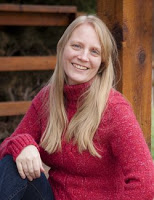
Jill: I shared my big lie during the question we had about defining success and failure. The lie that "I don't matter" unless I'm proving it somehow. A lifetime of believing that lie has turned me into an overachiever who is always striving. So over the past year (believe it or not), I've been working hard to not be a militant slave driver about the deadlines and goals I give myself. Because I have to take care of myself. I need rest. I need to be with my family. And I need to take time for me, whether that means going on a walk, reading a book for fun, or crafting. Because, like Stephanie said, no one can do it all. No one should. We're not meant to be slaves on this planet. We're meant to enjoy life. And life isn't about how much we can get done. It's about how we love ourselves and each other. That's what matters.
What about you, writers? Is there a lie you have believed?
August 1, 2018
What are some of your individual writing quirks? (With Sara Ella!)
We are hanging out with Sara Ella this week in our Summer Panels. I mentioned that Sara has published the Unblemished Trilogy and that it's great (and the covers are gorgeous!), but I didn't tell you anything about the story. So here is the description for book one, Unblemished:
Eliyana can’t bear to look at her own reflection. But what if that were only one Reflection—one world? What if another world exists where her blemish could become her strength?
Eliyana is used to the shadows. With a birthmark covering half her face, she just hopes to graduate high school unscathed. That is, until Joshua hops a fence and changes her perspective. No one, aside from her mother, has ever treated her like he does: normal. Maybe even beautiful. Because of Joshua, Eliyana finally begins to believe she could be loved.But one night her mother doesn’t come home, and that’s when everything gets weird. Now Joshua is her new, and rather reluctant, legal Guardian. Add a hooded stalker and a Central Park battle to the mix and you’ve gone from weird to otherworldly.
Eliyana soon finds herself in a world much larger and more complicated than she’s ever known. A world enslaved by a powerful and vile man. And Eliyana holds the answer to defeating him. How can an ordinary girl, a blemished girl, become a savior when she can’t even save herself?
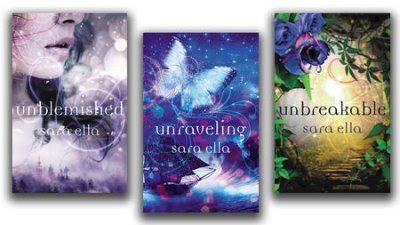
Doesn't that story sound great? Well, it is great. So, if you haven't read these yet, put them on your To Read list and take care of that!
And now, on with the panels. Here is today's question:
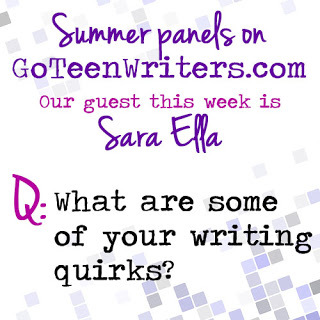
What are some of your individual writing quirks--things you catch yourself doing again and again, like repeating a word or phrase, making the same typo over and over, always writing heroes with dark hair and blue eyes, or even a habit like not being able to write without jelly beans nearby?
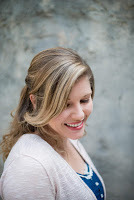 Sara: Oh, man, what a question! I try so hard to not repeat the same words or phrases or tropes, sometimes I just end up staring blankly at a screen, void of inspiration. My comfort zone lies with introverted female heroines. Maybe because I relate to them most? I also tend to write characters that have lost a parent (like I have) or who are protective of a sibling. I never want to repeat the same story, but I also know that part of who I am as a writer is based on my own experiences. The trick is to find a balance between doing the same thing over and over again, and finding a fresh new way to explore these relationships.
Also, I need cold coffee. That is a must!
Stephanie: Iced coffee is my jam!
It seems like each book has its own pet phrase that I overuse. For Within These Lines, emotions kept flitting over characters faces. And my book was full of Italians and Japanese, so everyone had dark hair and dark eyes.
This is one of the reasons that I try to read a variety of books. There are so many clever ways of saying things, and I always need to refresh my inspiration!
Shan: Sara’s right! This is a tough question! I have a tendency to include alcoholic characters in my stories. I had alcoholic uncles when I was a kid and watching my mom navigate those situations definitely stuck with me. On the technical side of writing, I’ve noticed that when I’m editing, I often have to adjust the order of my sentences. On first go 'round I seem to pen the effect of an action before the cause. I wonder if other people do that?
Jill: As I was starting to plot my book Captives, I realized that all the other stories I'd published so far (Blood of Kings, Replication, and The Mission League) had starred a very similar type of guy. He was troublesome but a hero at heart. He was brave--not afraid to speak his mind and put himself in danger to help others. He was all about the "Save the Cat" moment. And I was like ... oopsy. So it was nice that the Safe Lands series had three point of view guys. It forced me to get into the heads of a different type of character.
Writing-wise, I tend to add way too many metaphors and similes. Another habit is to use lots of triplet sentences like: He walked down the hall, got a drink from the fountain, and went outside. Triplet sentences are something I have to watch for and tweak to create a better rhythm. I also tend to start a lot of sentences with "And."
What about you, writers?
What are some of your individual writing quirks?
Eliyana can’t bear to look at her own reflection. But what if that were only one Reflection—one world? What if another world exists where her blemish could become her strength?
Eliyana is used to the shadows. With a birthmark covering half her face, she just hopes to graduate high school unscathed. That is, until Joshua hops a fence and changes her perspective. No one, aside from her mother, has ever treated her like he does: normal. Maybe even beautiful. Because of Joshua, Eliyana finally begins to believe she could be loved.But one night her mother doesn’t come home, and that’s when everything gets weird. Now Joshua is her new, and rather reluctant, legal Guardian. Add a hooded stalker and a Central Park battle to the mix and you’ve gone from weird to otherworldly.
Eliyana soon finds herself in a world much larger and more complicated than she’s ever known. A world enslaved by a powerful and vile man. And Eliyana holds the answer to defeating him. How can an ordinary girl, a blemished girl, become a savior when she can’t even save herself?
Doesn't that story sound great? Well, it is great. So, if you haven't read these yet, put them on your To Read list and take care of that!
And now, on with the panels. Here is today's question:
What are some of your individual writing quirks--things you catch yourself doing again and again, like repeating a word or phrase, making the same typo over and over, always writing heroes with dark hair and blue eyes, or even a habit like not being able to write without jelly beans nearby?
 Sara: Oh, man, what a question! I try so hard to not repeat the same words or phrases or tropes, sometimes I just end up staring blankly at a screen, void of inspiration. My comfort zone lies with introverted female heroines. Maybe because I relate to them most? I also tend to write characters that have lost a parent (like I have) or who are protective of a sibling. I never want to repeat the same story, but I also know that part of who I am as a writer is based on my own experiences. The trick is to find a balance between doing the same thing over and over again, and finding a fresh new way to explore these relationships.
Also, I need cold coffee. That is a must!
Stephanie: Iced coffee is my jam!It seems like each book has its own pet phrase that I overuse. For Within These Lines, emotions kept flitting over characters faces. And my book was full of Italians and Japanese, so everyone had dark hair and dark eyes.
This is one of the reasons that I try to read a variety of books. There are so many clever ways of saying things, and I always need to refresh my inspiration!
Shan: Sara’s right! This is a tough question! I have a tendency to include alcoholic characters in my stories. I had alcoholic uncles when I was a kid and watching my mom navigate those situations definitely stuck with me. On the technical side of writing, I’ve noticed that when I’m editing, I often have to adjust the order of my sentences. On first go 'round I seem to pen the effect of an action before the cause. I wonder if other people do that?
Jill: As I was starting to plot my book Captives, I realized that all the other stories I'd published so far (Blood of Kings, Replication, and The Mission League) had starred a very similar type of guy. He was troublesome but a hero at heart. He was brave--not afraid to speak his mind and put himself in danger to help others. He was all about the "Save the Cat" moment. And I was like ... oopsy. So it was nice that the Safe Lands series had three point of view guys. It forced me to get into the heads of a different type of character.
Writing-wise, I tend to add way too many metaphors and similes. Another habit is to use lots of triplet sentences like: He walked down the hall, got a drink from the fountain, and went outside. Triplet sentences are something I have to watch for and tweak to create a better rhythm. I also tend to start a lot of sentences with "And."
What about you, writers?
What are some of your individual writing quirks?
July 30, 2018
What is your daily writing routine like? (With Sara Ella!)
Sara Ella is with us this week! (Hooray!) She is the author of the amazing Umblemished Trilogy. If you haven't read it yet, you must! She created this fabulous multi-universe kind of storyworld that takes place in Manhattan, and the maps, you guys. The maps are amazing. So much to love in this series. But more on that on Wednesday. For now, let me introduce you to Sara:
Not so long ago, Sara Ella dreamed she would marry a prince (just call her Mrs. Charming) and live in a castle (aka The Plaza Hotel). Though her fairy tale didn’t quite turn out as planned, she did work for Disney—that was an enchanted moment of its own. Now she spends her days throwing living room dance parties for her two princesses and conquering realms of her own imaginings. She believes “Happily Ever After is Never Far Away” for those who put their faith in the King of kings. Visit Sara Ella at www.saraella.com.
We are so pleased to have Sara with us. Here is today's panel question:
What is your daily writing routine like?
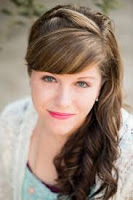 Sara: Do writers have a daily routine? I feel like I'm going to be a bad influence by answering this, but basically my routine is to write when I can. Maybe that's at 5 in the morning before everyone wakes up, or maybe it's at 2 in the afternoon after grocery shopping. I find I am generally most productive in the afternoon hours. By the time dinner rolls around I'm pretty wiped, but there are days my writing hours fall between 8 p.m. and midnight.
Honestly, I think it's not so much about when I write, but more that I write. If I can make myself write something every day, then I'm more productive and consistent. If I skip a day, I find myself making excuses. I'm too tired. I'll write tomorrow. Soon one missed day turns into an entire week. I have to write every day or I end up becoming overwhelmed. As long as I have my iced coffee, a yummy scented candle, an inspiring playlist, and my laptop, I'm good to go. I find I get more done if I leave the house and go to a coffee shop, only because my house can get distracting. Who wants to write when there's a pile of laundry on the floor?
Stephanie: First, coffee and getting the kids settled. Whether that’s getting McKenna and Connor off to school and Eli with grandparents, or getting Eli down for a nap and the older two set up to play Minecraft.
Next, I tend to spend 15-30 minutes going through email and responding to social media. I know lots of writers don’t like to look at that stuff before writing, but somehow that helps me settle in.
Then I work on whatever my primary project is, whether it’s drafting or editing or promoting. I do that for half my work time, and then the second half of my work time is for blogging, email correspondence, and marketing.
Shan: During the school year, I’m usually very structured because my kids are occupied for six hours of the day. Monday is house cleaning day. Tuesdays, Wednesdays, and Thursdays are writing days. And Fridays are reserved for teaching my mentoring classes. Sometimes I write on Saturdays and most of my writing sessions last anywhere from three to six hours long. Unless I’m on a deadline, I don’t usually write for longer than that. During the summer, all bets are off and I write when I can. I am going to try to capitalize on my kids’ maturity this year and demand a four hour chunk of quiet every morning. Fingers crossed, yes?
Jill: I used to write Monday through Friday from the moment everyone left for school/work until lunchtime. It was a beautiful thing, and I was very productive. But this year my husband's hours changed, and he's now off on Tuesday and Wednesday, which made it SO HARD to get any work done on those days. And now that it's summer too, I'm really struggling. I'm finding that things demand my time, like emails or scheduling blog posts or book releases, edits, etc, and I do all that first, and then the next thing I know, the day is over and I didn't get to write at all. Since I don't have any contracts at the moment, I'm able to let my writing time slide, but I shouldn't. I should strive to get even one hour a day, if I can. It's just been really difficult lately. I'm thinking about writing some on my phone each morning before I get out of bed. Every little bit helps, right? lol
Ideally, when school starts again in the fall, I will do my writing first thing. I'll try to write or edit one chapter, depending on whether I'm drafting or editing. And if I can get on a roll and write more, I will. If not, I'll move on to record an audio book chapter or a YouTube video, or I'll edit an audio book chapter or a YouTube video. Or I'll work on marketing or answering emails. It's a lot to juggle, but it's the nature of the job. And my life!
What about you, writers?
What is your daily writing routine like?
Not so long ago, Sara Ella dreamed she would marry a prince (just call her Mrs. Charming) and live in a castle (aka The Plaza Hotel). Though her fairy tale didn’t quite turn out as planned, she did work for Disney—that was an enchanted moment of its own. Now she spends her days throwing living room dance parties for her two princesses and conquering realms of her own imaginings. She believes “Happily Ever After is Never Far Away” for those who put their faith in the King of kings. Visit Sara Ella at www.saraella.com.
We are so pleased to have Sara with us. Here is today's panel question:
What is your daily writing routine like?
 Sara: Do writers have a daily routine? I feel like I'm going to be a bad influence by answering this, but basically my routine is to write when I can. Maybe that's at 5 in the morning before everyone wakes up, or maybe it's at 2 in the afternoon after grocery shopping. I find I am generally most productive in the afternoon hours. By the time dinner rolls around I'm pretty wiped, but there are days my writing hours fall between 8 p.m. and midnight.
 Honestly, I think it's not so much about when I write, but more that I write. If I can make myself write something every day, then I'm more productive and consistent. If I skip a day, I find myself making excuses. I'm too tired. I'll write tomorrow. Soon one missed day turns into an entire week. I have to write every day or I end up becoming overwhelmed. As long as I have my iced coffee, a yummy scented candle, an inspiring playlist, and my laptop, I'm good to go. I find I get more done if I leave the house and go to a coffee shop, only because my house can get distracting. Who wants to write when there's a pile of laundry on the floor?
Stephanie: First, coffee and getting the kids settled. Whether that’s getting McKenna and Connor off to school and Eli with grandparents, or getting Eli down for a nap and the older two set up to play Minecraft.Next, I tend to spend 15-30 minutes going through email and responding to social media. I know lots of writers don’t like to look at that stuff before writing, but somehow that helps me settle in.
Then I work on whatever my primary project is, whether it’s drafting or editing or promoting. I do that for half my work time, and then the second half of my work time is for blogging, email correspondence, and marketing.
Shan: During the school year, I’m usually very structured because my kids are occupied for six hours of the day. Monday is house cleaning day. Tuesdays, Wednesdays, and Thursdays are writing days. And Fridays are reserved for teaching my mentoring classes. Sometimes I write on Saturdays and most of my writing sessions last anywhere from three to six hours long. Unless I’m on a deadline, I don’t usually write for longer than that. During the summer, all bets are off and I write when I can. I am going to try to capitalize on my kids’ maturity this year and demand a four hour chunk of quiet every morning. Fingers crossed, yes?
Jill: I used to write Monday through Friday from the moment everyone left for school/work until lunchtime. It was a beautiful thing, and I was very productive. But this year my husband's hours changed, and he's now off on Tuesday and Wednesday, which made it SO HARD to get any work done on those days. And now that it's summer too, I'm really struggling. I'm finding that things demand my time, like emails or scheduling blog posts or book releases, edits, etc, and I do all that first, and then the next thing I know, the day is over and I didn't get to write at all. Since I don't have any contracts at the moment, I'm able to let my writing time slide, but I shouldn't. I should strive to get even one hour a day, if I can. It's just been really difficult lately. I'm thinking about writing some on my phone each morning before I get out of bed. Every little bit helps, right? lolIdeally, when school starts again in the fall, I will do my writing first thing. I'll try to write or edit one chapter, depending on whether I'm drafting or editing. And if I can get on a roll and write more, I will. If not, I'll move on to record an audio book chapter or a YouTube video, or I'll edit an audio book chapter or a YouTube video. Or I'll work on marketing or answering emails. It's a lot to juggle, but it's the nature of the job. And my life!
What about you, writers?
What is your daily writing routine like?
July 27, 2018
What are your thoughts on failure? What does that look like to you? How about success? (With Nadine Brandes!)
It's been a delight to have Nadine Brandes with us this week. I hope you've all learned lots from her. And if you haven't read her books, be sure to put A Time to Die and Fawkes on your TBR lists.
You can learn more about Nadine on website at www.nadinebrandes.com. You can also follow her on Twitter, Facebook, YouTube, and Instagram. In case you weren't aware of her Instagram following, it's pretty massive. She has a good time over there. You should check it out.
And now for our final question with Nadine:
What are your thoughts on failure? What does that look like to you? How about success?
 Nadine: Honestly, I believe failure is what you allow it to be. My idea of failure is not doing my best. We often confuse the idea of “my best” with “the best that can be done”. We think that because we didn’t do the best that’s ever been done that we failed. But really, all I can do is my best. And sometimes that doesn’t have really exciting results, but that is where I can find peace about “success”. My success is in writing the best book I can write in the time I’ve been given. And it’s in my heart behind writing it. Since I can’t control sales or anything beyond my own process, I can’t let those things control my feelings of success and failure.
Sounds easy when I say it like that, right? I still have moments where I feel like I’ve failed—like when a book just seems to come out terribly in its first draft, or when I miss a deadline, or when I organize my time poorly, or when I get negative reviews. But I can always come back to the assurance that I am doing my best and I will always do my best, and that is enough.
Stephanie: I’m really not a fan of failure. I don’t like how it makes me feel, and I would never choose it. BUT I also think it’s a very efficient and effective teacher, if you allow it to be. So I try to lean into it as best I can.
Success is a tricky beast because there’s such a temptation to compare. And comparison never really leads to happy, content places. As I’ve advanced in my writing journey, I have gotten better about identifying, “Here is what success looks like to me,” rather than waiting for others to tell me, “You did it! You’re successful now!”
Shan: Oooo! Not long ago I wrote an entire post on Why Failure is Necessary. It’s probably the best post I’ve ever written and you should go read it. BUT! If you’d like me to sum up, it’s simple: I think failure is necessary. It’s painful but it’s also universal. We all fail. Unfortunately most of us do not fail well. We don’t learn from our failures. We begrudge them but the irony is that, as writers, we understand the usefulness of failure in a story. We must learn to apply that thinking to the failure in our own lives. You will fail. So will I. Let’s not be surprised when it happens.
Jill: I'm a productive person. A hard worker. Those aren't bad things, but not too long ago I learned that I grew up with some bad habits that formed due to some mistaken beliefs, one of which is that I don't matter unless I'm proving it with my works. I hustle for my worth. I work hard to matter. So, for a very long time, if I wasn't succeeding by the world's standards, that meant I was a failure, which also meant I had no worth. I didn't matter. And writing wise, that meant if my book was rejected, lost an award, or had poor sales, that meant I was a failure. And that's just not true.
If you relate to that, it's a lie. Isn't that wonderful?
The truth is, I matter because of who I am, not what I do or achieve. If I never publish another book, I still matter. I still have worth and value.
That said, I'm an author. (Not the best career for someone who struggles with self-worth issues.) So I've had to learn to define success in my own terms, then remind myself continually what those terms are. So I make goals (goals I have control over), I set aside time to work on those goals, and I try my best. And my best has to be success enough. Because there is only one Jill, and who knows what life will bring? Plus, Jill can't do all the the things she comes up with because she comes up with a lot. ;-)
But if I "fail" to achieve my goal, that will be okay. Because I will still matter. I will still have worth and value as a human being. Not finishing a books won't be the end of the world. There are other stories to write. And if I can't write, there will be places to go. Things to see. People to spend time with. Writing is one part of who I am, but it doesn't define me.
What about you, writers? What are your thoughts on failure and success?
You can learn more about Nadine on website at www.nadinebrandes.com. You can also follow her on Twitter, Facebook, YouTube, and Instagram. In case you weren't aware of her Instagram following, it's pretty massive. She has a good time over there. You should check it out.
And now for our final question with Nadine:
What are your thoughts on failure? What does that look like to you? How about success?
 Nadine: Honestly, I believe failure is what you allow it to be. My idea of failure is not doing my best. We often confuse the idea of “my best” with “the best that can be done”. We think that because we didn’t do the best that’s ever been done that we failed. But really, all I can do is my best. And sometimes that doesn’t have really exciting results, but that is where I can find peace about “success”. My success is in writing the best book I can write in the time I’ve been given. And it’s in my heart behind writing it. Since I can’t control sales or anything beyond my own process, I can’t let those things control my feelings of success and failure.
Sounds easy when I say it like that, right? I still have moments where I feel like I’ve failed—like when a book just seems to come out terribly in its first draft, or when I miss a deadline, or when I organize my time poorly, or when I get negative reviews. But I can always come back to the assurance that I am doing my best and I will always do my best, and that is enough.
Stephanie: I’m really not a fan of failure. I don’t like how it makes me feel, and I would never choose it. BUT I also think it’s a very efficient and effective teacher, if you allow it to be. So I try to lean into it as best I can.Success is a tricky beast because there’s such a temptation to compare. And comparison never really leads to happy, content places. As I’ve advanced in my writing journey, I have gotten better about identifying, “Here is what success looks like to me,” rather than waiting for others to tell me, “You did it! You’re successful now!”
Shan: Oooo! Not long ago I wrote an entire post on Why Failure is Necessary. It’s probably the best post I’ve ever written and you should go read it. BUT! If you’d like me to sum up, it’s simple: I think failure is necessary. It’s painful but it’s also universal. We all fail. Unfortunately most of us do not fail well. We don’t learn from our failures. We begrudge them but the irony is that, as writers, we understand the usefulness of failure in a story. We must learn to apply that thinking to the failure in our own lives. You will fail. So will I. Let’s not be surprised when it happens.
Jill: I'm a productive person. A hard worker. Those aren't bad things, but not too long ago I learned that I grew up with some bad habits that formed due to some mistaken beliefs, one of which is that I don't matter unless I'm proving it with my works. I hustle for my worth. I work hard to matter. So, for a very long time, if I wasn't succeeding by the world's standards, that meant I was a failure, which also meant I had no worth. I didn't matter. And writing wise, that meant if my book was rejected, lost an award, or had poor sales, that meant I was a failure. And that's just not true.If you relate to that, it's a lie. Isn't that wonderful?
The truth is, I matter because of who I am, not what I do or achieve. If I never publish another book, I still matter. I still have worth and value.
That said, I'm an author. (Not the best career for someone who struggles with self-worth issues.) So I've had to learn to define success in my own terms, then remind myself continually what those terms are. So I make goals (goals I have control over), I set aside time to work on those goals, and I try my best. And my best has to be success enough. Because there is only one Jill, and who knows what life will bring? Plus, Jill can't do all the the things she comes up with because she comes up with a lot. ;-)
But if I "fail" to achieve my goal, that will be okay. Because I will still matter. I will still have worth and value as a human being. Not finishing a books won't be the end of the world. There are other stories to write. And if I can't write, there will be places to go. Things to see. People to spend time with. Writing is one part of who I am, but it doesn't define me.
What about you, writers? What are your thoughts on failure and success?
July 25, 2018
What do you do when you get stuck? (With Nadine Brandes!)
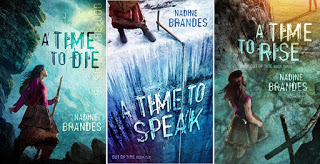
We are back today with Nadine Brandes. As much as I've crowed about Fawkes, did you know that Nadine has a dystopian trilogy she wrote that came before Fawkes. It's called the Out of Time trilogy, and it's amazing. Here is a description of book one,
A Time to Die
:
How would you live if you knew the day you'd die?
Parvin Blackwater believes she has wasted her life. At only seventeen, she has one year left according to the Clock by her bedside. In a last-ditch effort to make a difference, she tries to rescue Radicals from the government's crooked justice system.
But when the authorities find out about her illegal activity, they cast her through the Wall -- her people's death sentence. What she finds on the other side about the world, about eternity, and about herself changes Parvin forever and might just save her people. But her clock is running out.
Now, on to today's question:
What do you do when you get stuck? When either the plot has fizzled or the last scene you wrote took you to a dead end?
Nadine: I start outlining using bullet points. I don’t outline or really plot out my novels beforehand—I keep them organized in my head. But when I get stuck and I start trying to plot out the next scene, I usually get hit with inspiration. Or I’ll ask myself, “What needs to happen that hasn’t happened yet?” Do I need to kill off a character? Do we need to have a failed plan? Do we need a victory? Do we need a slow time or a romantic interaction? I try to think of what’s lacking from the story and then that’ll bump me into the next section of writing.
Shan: I sulk. For just a bit and then I allow myself the privilege of hacking troublesome scenes to pieces. I also walk, a lot. I live in a court and I pace relentlessly when I’m dealing with a knot or a plot hole. The neighbors think I’m crazy, but there are studies that say moving forward with your feet actually helps your brain problem solve, so I embrace the exercise wholeheartedly.
Stephanie: Shan’s answer cracked me up. I sulk a bit too, honestly. And my pride used to keep me from asking for help. I’ve now learned that if I can’t figure something out in regards to my story, it usually just takes five minutes of brainstorming with a writer friend to untangle it. Other writers (who know you and know your story) don’t have the burden of having to do the writing and untangling, so they have an amazing way of being able to point at what’s wrong and suggest how to fix it.
Jill: First, I fight with the thing, trying to beat it into submission. And when I finally stop living in denial and admit to myself, "I'm stuck!" then what usually helps best is to either do some mundane chore, like the dishes, to take a shower, to go on a walk, or to go on a drive. I need to get away from the computer and the keyboard and think, think, think. There have been times when I'll take the disaster to friends for brainstorming, and that often helps, but usually I can figure it out myself if I step away from the computer.
If it's a major plot knot or hole, then I might need to spread out my storyboard cards again and see if I can rearrange some times, ad or take away. No matter how the problem gets solved, I usually fix my storyboard cards so that they read the right thing. Because I'll very likely get stuck again, and if my cards aren't updated, I won't be able to see the book clearly.
What about you?
What do you do when you get stuck?
How would you live if you knew the day you'd die?
Parvin Blackwater believes she has wasted her life. At only seventeen, she has one year left according to the Clock by her bedside. In a last-ditch effort to make a difference, she tries to rescue Radicals from the government's crooked justice system.
But when the authorities find out about her illegal activity, they cast her through the Wall -- her people's death sentence. What she finds on the other side about the world, about eternity, and about herself changes Parvin forever and might just save her people. But her clock is running out.
Now, on to today's question:
What do you do when you get stuck? When either the plot has fizzled or the last scene you wrote took you to a dead end?
 Nadine: I start outlining using bullet points. I don’t outline or really plot out my novels beforehand—I keep them organized in my head. But when I get stuck and I start trying to plot out the next scene, I usually get hit with inspiration. Or I’ll ask myself, “What needs to happen that hasn’t happened yet?” Do I need to kill off a character? Do we need to have a failed plan? Do we need a victory? Do we need a slow time or a romantic interaction? I try to think of what’s lacking from the story and then that’ll bump me into the next section of writing.
Shan: I sulk. For just a bit and then I allow myself the privilege of hacking troublesome scenes to pieces. I also walk, a lot. I live in a court and I pace relentlessly when I’m dealing with a knot or a plot hole. The neighbors think I’m crazy, but there are studies that say moving forward with your feet actually helps your brain problem solve, so I embrace the exercise wholeheartedly.
Stephanie: Shan’s answer cracked me up. I sulk a bit too, honestly. And my pride used to keep me from asking for help. I’ve now learned that if I can’t figure something out in regards to my story, it usually just takes five minutes of brainstorming with a writer friend to untangle it. Other writers (who know you and know your story) don’t have the burden of having to do the writing and untangling, so they have an amazing way of being able to point at what’s wrong and suggest how to fix it.
Jill: First, I fight with the thing, trying to beat it into submission. And when I finally stop living in denial and admit to myself, "I'm stuck!" then what usually helps best is to either do some mundane chore, like the dishes, to take a shower, to go on a walk, or to go on a drive. I need to get away from the computer and the keyboard and think, think, think. There have been times when I'll take the disaster to friends for brainstorming, and that often helps, but usually I can figure it out myself if I step away from the computer.
Nadine: I start outlining using bullet points. I don’t outline or really plot out my novels beforehand—I keep them organized in my head. But when I get stuck and I start trying to plot out the next scene, I usually get hit with inspiration. Or I’ll ask myself, “What needs to happen that hasn’t happened yet?” Do I need to kill off a character? Do we need to have a failed plan? Do we need a victory? Do we need a slow time or a romantic interaction? I try to think of what’s lacking from the story and then that’ll bump me into the next section of writing.
Shan: I sulk. For just a bit and then I allow myself the privilege of hacking troublesome scenes to pieces. I also walk, a lot. I live in a court and I pace relentlessly when I’m dealing with a knot or a plot hole. The neighbors think I’m crazy, but there are studies that say moving forward with your feet actually helps your brain problem solve, so I embrace the exercise wholeheartedly.
Stephanie: Shan’s answer cracked me up. I sulk a bit too, honestly. And my pride used to keep me from asking for help. I’ve now learned that if I can’t figure something out in regards to my story, it usually just takes five minutes of brainstorming with a writer friend to untangle it. Other writers (who know you and know your story) don’t have the burden of having to do the writing and untangling, so they have an amazing way of being able to point at what’s wrong and suggest how to fix it.
Jill: First, I fight with the thing, trying to beat it into submission. And when I finally stop living in denial and admit to myself, "I'm stuck!" then what usually helps best is to either do some mundane chore, like the dishes, to take a shower, to go on a walk, or to go on a drive. I need to get away from the computer and the keyboard and think, think, think. There have been times when I'll take the disaster to friends for brainstorming, and that often helps, but usually I can figure it out myself if I step away from the computer.If it's a major plot knot or hole, then I might need to spread out my storyboard cards again and see if I can rearrange some times, ad or take away. No matter how the problem gets solved, I usually fix my storyboard cards so that they read the right thing. Because I'll very likely get stuck again, and if my cards aren't updated, I won't be able to see the book clearly.
What about you?
What do you do when you get stuck?