
Michael Deibert's Blog, page 6
March 27, 2020
BBC World Service interview about Delphin Kahimbi
My discussion with Esau Williams of BBC World Service about the mysterious death of former DR Congo intelligence chief Delphin Kahimbi can be heard here. My part starts around the 3:15 minute mark.


January 22, 2020
Can Solar Energy Solve Puerto Rico's Energy Crisis?
I spoke with Tanzina Vega of The Takeaway and Sergio Marxuach, policy director for the Center for a New Economy, about where solar development in Puerto Rico stands today, and whether it’s realistic for solar energy to solve some of Puerto Rico’s energy problems. The full interview can he heard here.
January 15, 2020
Puerto Rico earthquakes are just the latest in a string of shocks for US island
Puerto Rico earthquakes are just the latest in a string of shocks for US island
First there was Hurricane Maria. Then, government upset. Now, Puerto Rico is facing the effects of devastating earthquakes
Michael Deibert in Guánica
Sun 12 Jan 2020 11.00 GMT
(Read the original article here)
A colourful and boisterous place in normal times, Guánica today presents a ghostly and deserted air, the sea breeze whistling through the ruins of the collapsed buildings that dot its streets.
The signs of life are a few: stray cats and dogs and a handful of families furtively piling their belongings into vehicles as they evacuate their homes.
The town sits near the epicentre of the 6.4 earthquake that rocked Puerto Rico on Tuesday – the worst tremor to hit Puerto Rico in a century – which killed at least three people and left thousands homeless. Large-scale aftershocks, including one of 6.0 magnitude on Saturday morning, have rocked the island ever since.
“I’ve never experienced anything like this,” said Edith Muñiz, 55, a lifelong resident of the town.
“Many have fled their homes,” Muñiz said, standing in front of a Presbyterian church where emergency supplies were being collected. Across the street lay the ruins of a school whose three floors had pancaked flat on one another. (Luckily, the students were still off on winter break.) “We’re living here without water and without light.”
The quakes are the latest in a string of shocks for this island of 3.2 million people – a commonwealth of the United States whose residents are US citizens but cannot vote in US presidential elections and have no voting representation in the US Congress. The island is still reeling from the impact of 2017’s Hurricane Maria – which devastated the island and killed at least 3,000 people – and processing protests last summer which forced the then governor, Ricardo Rosselló, from office.
As after Maria, the response of the US government has appeared unfocused and disconnected. And – as after Maria – local officials have given varying and contradictory information about the island’s power grid. On Satuday, at least 20% of the island’s customers were still without power.
After this latest tragedy, many in Puerto Rico wonder if the powers that lord over them – local or federal – have learned anything from recent history.
“The root of the problem remains unchanged,” saids Manuel Natal Albelo, 33, a representative in the commonwealth’s House of Representatives who will be running for mayor of the capital San Juan this fall under the banner of the Movimiento Victoria Ciudadana (MVC), an insurgent political party formed shortly before this past summer’s protests.
“It is the corruption of a two-party system that responds exclusively to benefit particular financial interest groups,” Natal continued. “From the policies to the individuals in charge of their implementation, the old political establishment still sacrifices the vast majority of our people to protect the privileges of a few.”
Pierluisi was succeeded by Wanda Vázquez, the island’s justice secretary. She claimed no political aspirations herself, but quickly warmed to the role, announcing last month that she would run for a full term in office, in the primaries of the ruling Partido Nuevo Progresista (PNP), which favours Puerto Rico becoming a US state.
The PNP dominates the island’s bicameral legislature, while the opposition Partido Popular Democrático (PPD) – which favours a continuation of commonwealth status – maintains a slim majority of the mayor’s office. The parties have dominated Puerto Rico for decades.
Vázquez has enacted as series of populist measures, including streamlining the process for owning firearms (a questionable initiative in an island with a dire rate of gun crime and femicide) and signing a bill that affirmed the legality of cockfighting, in defiance of a US ban.
However, Vázquez has not substantially investigated alleged wrongdoing by some of the participants in the Rosselló chats, including a number of the ex-governor’s top aides. This month, Puerto Rico’s justice department called for a special prosecutor to investigate those involved in the chat.
Despite Vázquez’s populist touch – she spent a recent night among quake-affected residents of the battered Guánica and the island’s national guard has established “tent cities” in five different towns – some now accuse her of continuing the same practices as her predecessor.
“After the worst earthquake we have ever experienced in modern history, we were told that in 12 to 24 hours we would have our electricity back, only to be told later that it will take more than a year to fix,” said Mayra Vélez Serrano, a political science professor at the Universidad de Puerto Rico. “Vázquez inherited many of the same Rosselló cabinet members and secretaries of key agencies, all of whom showed themselves to be completely incapable of managing the aftermath of Hurricane Maria. There is very little trust in the government.”
A stream of aid from local non-governmental organizations and ordinary Puerto Ricans has flowed south since Tuesday’s initial tremor.
But, as the ground beneath the Puerto Ricans feet still shuddered, Donald Trump – who notoriously went golfing as Maria bore down on the island and then tossed paper towels at desperate islanders during a four-hour visit – has continued to withhold more than $18bn in federal funding earmarked by Congress. This was in defiance of a congressionally mandated September deadline to account for at least $8m of it. A controversial fiscal oversight board has controlled the island’s finances since 2016, as the bankrupt US commonwealth faces almost $18bn of general-obligation bonds and government-guaranteed debt.
But the machinations of any local and federal politicians are a distant drama for those dealing with this latest challenge.
As she and her family moved their belongings out of the Villa Del Caribe caserio (public housing project) in the southern city of Ponce, where frightening cracks crept up the buildings’ facades, Yetzabeth Vega López described the night the quake hit.
“People were screaming, crying, everyone ran because the buildings were moving so violently. It was horrible,” she said. “We’re trying to find another place to live as this place is now not habitable. In reality, we haven’t seen much help from the government, not federal or local. A lot of people here are sleeping in their cars. This is very hard.”
First there was Hurricane Maria. Then, government upset. Now, Puerto Rico is facing the effects of devastating earthquakes
Michael Deibert in Guánica
Sun 12 Jan 2020 11.00 GMT
(Read the original article here)
A colourful and boisterous place in normal times, Guánica today presents a ghostly and deserted air, the sea breeze whistling through the ruins of the collapsed buildings that dot its streets.
The signs of life are a few: stray cats and dogs and a handful of families furtively piling their belongings into vehicles as they evacuate their homes.
The town sits near the epicentre of the 6.4 earthquake that rocked Puerto Rico on Tuesday – the worst tremor to hit Puerto Rico in a century – which killed at least three people and left thousands homeless. Large-scale aftershocks, including one of 6.0 magnitude on Saturday morning, have rocked the island ever since.
“I’ve never experienced anything like this,” said Edith Muñiz, 55, a lifelong resident of the town.
“Many have fled their homes,” Muñiz said, standing in front of a Presbyterian church where emergency supplies were being collected. Across the street lay the ruins of a school whose three floors had pancaked flat on one another. (Luckily, the students were still off on winter break.) “We’re living here without water and without light.”
The quakes are the latest in a string of shocks for this island of 3.2 million people – a commonwealth of the United States whose residents are US citizens but cannot vote in US presidential elections and have no voting representation in the US Congress. The island is still reeling from the impact of 2017’s Hurricane Maria – which devastated the island and killed at least 3,000 people – and processing protests last summer which forced the then governor, Ricardo Rosselló, from office.
As after Maria, the response of the US government has appeared unfocused and disconnected. And – as after Maria – local officials have given varying and contradictory information about the island’s power grid. On Satuday, at least 20% of the island’s customers were still without power.
After this latest tragedy, many in Puerto Rico wonder if the powers that lord over them – local or federal – have learned anything from recent history.
“The root of the problem remains unchanged,” saids Manuel Natal Albelo, 33, a representative in the commonwealth’s House of Representatives who will be running for mayor of the capital San Juan this fall under the banner of the Movimiento Victoria Ciudadana (MVC), an insurgent political party formed shortly before this past summer’s protests.
“It is the corruption of a two-party system that responds exclusively to benefit particular financial interest groups,” Natal continued. “From the policies to the individuals in charge of their implementation, the old political establishment still sacrifices the vast majority of our people to protect the privileges of a few.”
Pierluisi was succeeded by Wanda Vázquez, the island’s justice secretary. She claimed no political aspirations herself, but quickly warmed to the role, announcing last month that she would run for a full term in office, in the primaries of the ruling Partido Nuevo Progresista (PNP), which favours Puerto Rico becoming a US state.
The PNP dominates the island’s bicameral legislature, while the opposition Partido Popular Democrático (PPD) – which favours a continuation of commonwealth status – maintains a slim majority of the mayor’s office. The parties have dominated Puerto Rico for decades.
Vázquez has enacted as series of populist measures, including streamlining the process for owning firearms (a questionable initiative in an island with a dire rate of gun crime and femicide) and signing a bill that affirmed the legality of cockfighting, in defiance of a US ban.
However, Vázquez has not substantially investigated alleged wrongdoing by some of the participants in the Rosselló chats, including a number of the ex-governor’s top aides. This month, Puerto Rico’s justice department called for a special prosecutor to investigate those involved in the chat.
Despite Vázquez’s populist touch – she spent a recent night among quake-affected residents of the battered Guánica and the island’s national guard has established “tent cities” in five different towns – some now accuse her of continuing the same practices as her predecessor.
“After the worst earthquake we have ever experienced in modern history, we were told that in 12 to 24 hours we would have our electricity back, only to be told later that it will take more than a year to fix,” said Mayra Vélez Serrano, a political science professor at the Universidad de Puerto Rico. “Vázquez inherited many of the same Rosselló cabinet members and secretaries of key agencies, all of whom showed themselves to be completely incapable of managing the aftermath of Hurricane Maria. There is very little trust in the government.”
A stream of aid from local non-governmental organizations and ordinary Puerto Ricans has flowed south since Tuesday’s initial tremor.
But, as the ground beneath the Puerto Ricans feet still shuddered, Donald Trump – who notoriously went golfing as Maria bore down on the island and then tossed paper towels at desperate islanders during a four-hour visit – has continued to withhold more than $18bn in federal funding earmarked by Congress. This was in defiance of a congressionally mandated September deadline to account for at least $8m of it. A controversial fiscal oversight board has controlled the island’s finances since 2016, as the bankrupt US commonwealth faces almost $18bn of general-obligation bonds and government-guaranteed debt.
But the machinations of any local and federal politicians are a distant drama for those dealing with this latest challenge.
As she and her family moved their belongings out of the Villa Del Caribe caserio (public housing project) in the southern city of Ponce, where frightening cracks crept up the buildings’ facades, Yetzabeth Vega López described the night the quake hit.
“People were screaming, crying, everyone ran because the buildings were moving so violently. It was horrible,” she said. “We’re trying to find another place to live as this place is now not habitable. In reality, we haven’t seen much help from the government, not federal or local. A lot of people here are sleeping in their cars. This is very hard.”
January 8, 2020
Magnitude 6.4 Earthquake Rocks Puerto Rico
I spoke with Tanzina Vega of The Takeaway about the earthquake that rocked Puerto Rico yesterday morning. I had been up since about 4:30 AM after being shaken out of bed so hopefully I made sense. The full interview can he heard here.
December 31, 2019
2019: A Reporter's Notebook of the Year Gone By
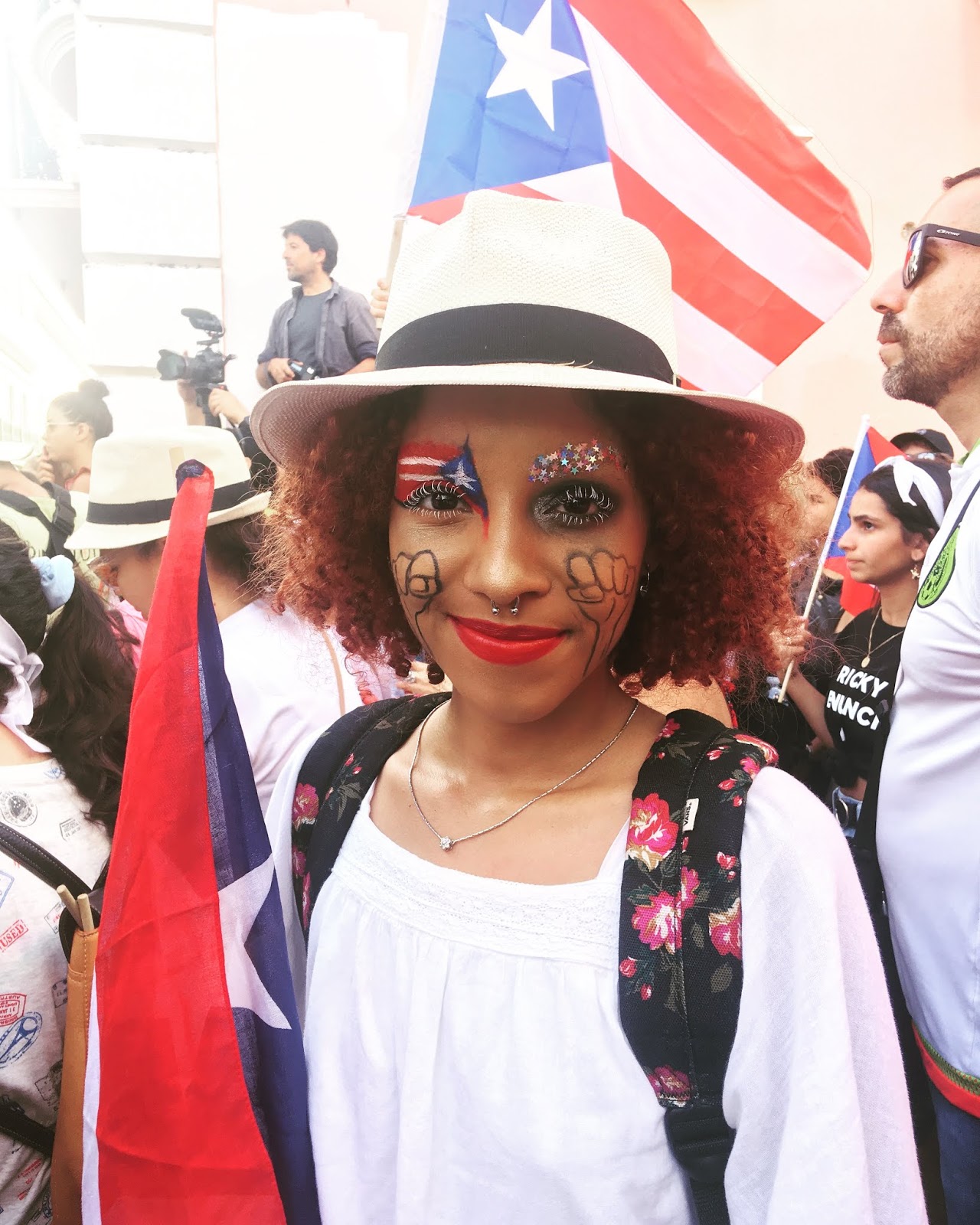 This past year was quite an eventful one, marked by the publication of my fifth book, a move to Puerto Rico and the honor of witnessing the verano boricua here in San Juan this past summer. Below are the articles that came out of this very fruitful time.Some exciting things are afoot for the new year. As always in my work, I will try to help bring the voices of those on the downside of advantage, too long ignored, to a wider audience and empower the forces of basic human decency & compassion against what kind seem like a grim world and the remorseless, pitiless machines of its malefactors.To all near and far who I have been lucky enough to cross paths with, I ask you to never, despite everything, lose your capacity to marvel at the beauty of the world and the belief that, in the words of Carlos Fuentes, there must be something beyond slaughter and barbarism to support the existence of mankind and we must all help search for it. xxx M Haiti’s President Vows to Defy Protests and Free ‘Captured’ State for Bloomberg (19 November 2019)
Puerto Rico Senator Among Eight Arrested in Raids by FBI
for Bloomberg (6 November 2019)
This past year was quite an eventful one, marked by the publication of my fifth book, a move to Puerto Rico and the honor of witnessing the verano boricua here in San Juan this past summer. Below are the articles that came out of this very fruitful time.Some exciting things are afoot for the new year. As always in my work, I will try to help bring the voices of those on the downside of advantage, too long ignored, to a wider audience and empower the forces of basic human decency & compassion against what kind seem like a grim world and the remorseless, pitiless machines of its malefactors.To all near and far who I have been lucky enough to cross paths with, I ask you to never, despite everything, lose your capacity to marvel at the beauty of the world and the belief that, in the words of Carlos Fuentes, there must be something beyond slaughter and barbarism to support the existence of mankind and we must all help search for it. xxx M Haiti’s President Vows to Defy Protests and Free ‘Captured’ State for Bloomberg (19 November 2019)
Puerto Rico Senator Among Eight Arrested in Raids by FBI
for Bloomberg (6 November 2019)San Juan Mayor Race Becomes Test of Puerto Rico’s New Politics for Bloomberg (6 November 2019)
Jacmel in all my dreams in Michael Deibert's Blog (28 October 2019)
Puerto Rico Official Says FBI Visited, Requested Information for Bloomberg (28 October 2019)
Puerto Rico Floats $20 Billion Overhaul for Battered Power Grid for Bloomberg (24 October 2019) Puerto Rico Senator Pushes Anticorruption Bill After Arrests for Bloomberg (16 October 2019)
Gun Battle in Puerto Rico Housing Project Leaves Six Dead for Bloomberg (15 October 2019)
Voter Anger Spreads in Dominican Republic’s Miracle Economy for Bloomberg (9 October 2019) Puerto Rico Board’s Proposed Pension Cuts Spark Anger for Bloomberg (7 October 2019)
Grijalva to Propose Changes to Puerto Rico Promesa Law for Bloomberg (15 September 2019)
FEMA Officials Charged With Puerto Rico Hurricane Aid Fraud for Bloomberg (10 September 2019)
Puerto Rico Had Three Governors in a Week. No. 4 Is on Deck for Bloomberg (4 August 2019) Third Puerto Rico Governor Since Friday Steps Up Reluctantly for Bloomberg (7 August 2019)
Battle for Power in Puerto Rico Heads to Island’s Supreme Court for Bloomberg (6 August 2019)
Puerto Rico’s Succession Drama Shifts to Island’s High Court for Bloomberg (5 August 2019)
Puerto Rico Governor’s Office is Occupied, Maybe by a Governor for Bloomberg (2 August 2019)
Puerto Rico Succession Crisis Escalates After Vote Delayed for Bloomberg (1 August 2019) Puerto Rican Succession Crisis Escalates as Governor Set to Exit for Bloomberg (29 July 2019) Wanda Vazquez Says She Doesn’t Want Puerto Rico Governor for Bloomberg (28 July 2019)
Puerto Rico Governor’s Resignation Shakes Bankrupt Island for Bloomberg (25 July 2019)
Puerto Rico Governor Set to Quit After Protests for Bloomberg (23 July 2019)
Rossello Clings to Office as Puerto Ricans Debate Impeachment for Bloomberg (23 July 2019)
Puerto Rico Governor Won’t Run Again, But Many Want Him Out for Bloomberg (22 July 2019)
Thousands Protest Against Puerto Rico Governor After Profane Chats Leaked for Bloomberg (15 July 2019)
Puerto Rico Governor Urged to Resign After Profanity-Laced Chats for Bloomberg (14 July 2019) Profanity-Laced Texts Ensnare Puerto Rico Governor in Furor for Bloomberg (11 July 2019)
Ex-Puerto Rico Officials Charged in Corruption Probe for Bloomberg (10 July 2019) Puerto Rico Fiscal Oversight Board Sues Fuel Suppliers for Bloomberg (30 June 2019)
Vitriol Flies in Puerto Rico as FBI Is Said to Probe Treasury for Bloomberg (25 June 2019)
Puerto Rico Governor Ousts Treasurer Amid Reported FBI Probe for Bloomberg (24 June 2019)
Armed Bandits Take Over Valley That Was Long Haiti's Breadbasket for Bloomberg (11 June 2019)
Puerto Rico May Shift Some Aid to Opportunity Zone Projects for Bloomberg (14 May 2019)
FDI resurgence helps Philadelphia to bounce back for fDi Magazine (13 June 2019)
Overseas investors help Évora's elevation for fDi Magazine (13 June 2019)
Mexico president orders IPA shutdown for fDi Magazine ( 24 April 2019)
How will border unrest affect a reborn Tijuana? for fDi Magazine (14 February 2019)
Articles about my work and interviews Cité Soleil : la paix à l’épreuve des jeux de pouvoir in Le Nouvelliste (2 December 2019)
“Es claro que tenemos a un presidente que ve de forma diferente a las personas que no son blancas," in El Nuevo Día (28 September 2019)
When the Sky Fell Gives Voice to Puerto Ricans Two Years After Hurricane Maria in the Miami New Times (24 September 2019)
When the Sky Fell: Hurricane Maria and the United States in Puerto Rico in Shelf Awareness (18 September 2019)
When the Sky Fell: Hurricane Maria and the United States in Puerto Rico in Library Journal (6 September 2019)
Michael Deibert, le régime de Michel Martelly et la voyoutocratie de Jovenel Moïse in Le Nation (13 August 2019)
A Leadership Crisis in Puerto Rico on The Takeaway (18 August 2019)
The Political Future of Puerto Rico on The Takeaway (5 August 2019)
How Puerto Rico's Colonial Roots is Influencing the Political Unrest on The Takeaway (22 July 2019) Political Scandals are Shaking Up Puerto Rico. What Exactly is Happening? on The Takeaway (15 July 2019)
When the Sky Fell: Hurricane Maria and the United States in Puerto Rico in Publishers Weekly (11 July 2019)
December 30, 2019
Books in 2019: A Personal Selection
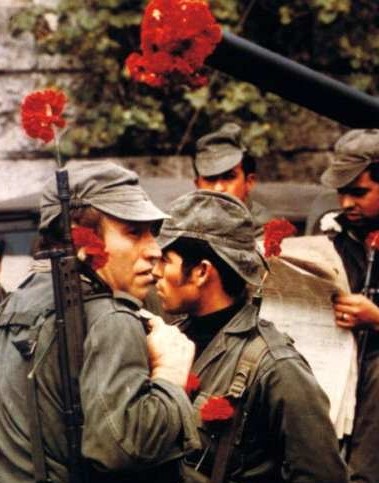
Defined by Puerto Rico's summer of revolution, this past year was one of intense work for me, and amidst all the writing I didn't get to read nearly as much as I usually do or what have liked to. That will need to be addressed in the coming year. However, I did get some reading done, and of the books I consumed, the following are the ones that made the biggest impression on me.
Obras Escogidas 1923-1936 Tomo I by Pedro Albizu Campos
An interesting compilation of articles, speeches, interviews and other literary products connected to the Puerto Rican independence leader, whose legacy remains complex to this day and who, in 1950, led an attempted uprising against the United States presence on the island from a building about 100 feet from where I type these lines.
Cahier d'un retour au pays natal by Aimé Césaire
This book-length poem by the great Martiniquais poet and politician Aimé Césaire, a very influential voice in the development of négritude, was first published in 1939, and remains an evocative work, reminiscent, in some ways, of the best of Walt Whitman though clearly carving out its own plangent voice.
The Rule of the Land: Walking Ireland's Border by Garrett Carr
A compelling travelogue of the border between Northern Ireland and the Republic of Ireland, marked by violence for so many years and which has, for now, largely fallen silent. Carr's writing takes in the rapturous natural beauty of his chosen patch of land but never loses sight of the fact that, as Conrad wrote about another country, darkness was here but yesterday.
Fado Alexandrino by António Lobo Antunes
A piercing, sometimes seemingly stream-of-conscioisness depiction of the events before, during and after Portugal’s Revolução dos Cravos by the nation’s greatest modern writer, this 1983 novel centers around a reunion of veterans of the country’s colonial war in Mozambique. Himself a veteran of Portugal’s war in Angola, Lobo Antunes writes with great sensitivity of the psychology of the military men at the book’s heart, and the daily small humiliations of living in an ossifying, waning dictatorship and the toll it takes on those forced to exist in such a system.
Tuntún de pasa y grifería by Luis Palés Matos
A magnificent book of poetry, first published in 1937, by the Guayama poet Luis Palés Matos.
Lenin by Dmitri Volkogonov
A readable and revelatory biography of the Communist fanatic and founder of the Soviet Union by a former Soviet general, this 1994 book conclusively demonstrates that it was Vladimir Lenin who created a template for remorseless state terror, a format that Joseph Stalin would expand on with grim efficiency after Lenin’s death. Arrogant, hypocritical, thin-skinned and cowardly, Lenin was always committed to a genocidal mindset that saw opponents as “harmful insects, swindler fleas [and] wealth bugs” even as he himself lived in relative luxury. At a time when an unhealthy revisionism exists in some quarters of the left regarding communist totalitarian horror, Volkogonov’s book is now more essential than ever.
December 3, 2019
Michael Deibert, le régime de Michel Martelly et la voyoutocratie de Jovenel Moïse
Michael Deibert, le régime de Michel Martelly et la voyoutocratie de Jovenel Moïse
Nelson Bellamy
Le Nation
(Read the original article here)
Au nom de la lutte contre la corruption duvaliériste, les lavalassiens ont fini corrompus. Au nom de la lutte contre la violence duvaliériste, les méthodes et pratiques de gouvernement ont fait dire à des observateurs avisés que le régime d’Aristide était le duvaliérisme sans Duvalier. Ou la période post-86 globalement. Avec les deux, notre pays a fait l’expérience du « fascisme du sous-développement » accompagné d’un « Himalaya de cadavres » et du populisme de la pauvreté extrême. Les revendications démocratiques si bien formulées dans la phraséologie et triptyque lavalassienne Justice-Transparence-Participation ont été transformées en une avalanche de déception pour les masses populaires et le pays en général. Entretemps, la souveraineté du pays s’est mise progressivement à effriter. Aujourd’hui, elle n’existe pas : les ambassades étrangères dictent la politique nationale.
Parallèlement, la succession sans fin de gouvernements, indices de l’instabilité structurelle du régime politique haïtien, a déjà bien montré - sauf pour ceux atteints de myopie populiste - que l’alternance politique en Haïti était une « alternance sans alternative ». Cette dramatique situation (l’espoir étant disparu d’Haïti) trouve son actualité dans la soumission tête baissée aux contraintes de la globalisation économique, mais notamment dans le fait que les gouvernants haïtiens ne sont là que pour défendre servilement des intérêts étrangers au détriment de ceux de notre propre pays.
La conséquence : à la méfiance du pouvoir de nature « totalitaire » viennent sédimenter les déceptions d’une démon-cratie de la pauvreté ; celle-ci se révèle désastreuse et houleuse, un monstre qui dévore le peuple. Le peuple - le petit peuple - perd confiance en lui-meme et dans son pays. Les dirigeants n’incarnent plus la force morale qui devrait servir de sève en temps de drame et de détresse. La société se décompose ; une crise morale - on ne s’entend sur aucune valeur - s’installe durablement et la démocratie a fini par perdre toute crédibilité.
Ces constats, évidemment, nous renvoient au rendez-vous manqué de l’Histoire du régime Lavalas. Le seul actif dont il dispose, et celui-là est peut-être le corollaire de tous les autres, est la « révolution culturelle négative » de la brutale loi du marché politique et de l’impérialisme du billet vert qu’il a instituée dans un espace resté à l’écart jusqu’à son avènement. La déflagration du mouvement populaire provoquera pendant longtemps encore des saignements niveau-hémorragie. L’arrosage des « bases » a fini par détruire le devoir et la liberté de conscience sur une très grande échelle dans notre pays. Et plus que jamais, dans cette configuration nouvelle, l’enrôlement des « bases » ou des chefs de gang constitue un topos à sensation pour nombres de nos « journalistes » Ils s’acharnent pour mettre à l’antenne ces dangereux criminels, voyous pauvres et armés, devenus ennemis de la société.
Ces conclusions sont en partie le fruit de pertinentes observations faites par Michael Deibert, un journaliste américain ayant vécu plus de vingt ans en Haïti. Après avoir laissé récemment le pays, définitivement il nous semble, il laisse pour la postérité un livre publié en anglais aux Etats-Unis. Ce livre, dont le titre est ‘’ Haïti will not perish’’ est écrit avec un souci méticuleux du détail : un vrai travail d’ethnographie socio-politique. Tout comme Robert Arnaud, le Suisse qui a ébranlé l’entre-soi des oligarques de couleur avec son texte ‘’Les Nantis d’Haïti’’, toutes les barrières ont été ouvertes pour lui. Son accès privilégié à la « haute société » (il faut encore rappeler qu’il est blanc et Américain - dans une société haïtienne éminemment raciste au sommet) nous permet d’aller à la rencontre de personnages froids, calculateurs et sans vergogne. Même si quelques éléments de conclusion de Deibert nous paraissent dépassés, mais tous les patriotes devraient lire ce livre pour saisir l’ampleur du mal haïtien et la nature profonde de la décomposition sociale actuelle.
Michel Martelly, Evinx Daniel et le trafic de drogue
L’historiographie haïtienne retiendra sûrement qu’à une catastrophe naturelle inédite s’est succédée une catastrophe politique sans précédent. Les années de 2010-2011, diront peut-être des Historiens haïtiens - constituaient des « dates charnières » dans l’histoire d’Haïti , non au sens qu’elles aient entrainé une rupture socio-politique significative mais du fait qu’elles ont balayé tous les ‘’équilibres instables qui maintenaient la société haïtienne traditionnelle’’ (Manigat, 1996) pour les faire dégénérer dans un métabolisme stato-criminel qui devient horizon de souveraineté et de…Communauté. Désormais, aucune forme de moralité publique n’a droit de cité et tout détenteur d’une parole de vérité, au sens où le philosophe l’entend, doit se morfondre dans un silence abêtissant - signe de l’abattement moral et du défaitisme de l’esprit .
Au regard de ces considérations et des conclusions précédentes,nous comprenons que la route était toute tracée pour l’irruption du ‘’bandi legal’’ et le contexte débarrassé de tout obstacle pour son étalement. Michel Martelly serait donc l’aboutissement logique d’un mouvement plus général : la « criminalisation du comportement des élites » à l’échelle nationale, instituée par François Duvalier, désintégré (mais également fascisant) par les militaires post-Duvalier et populair-isé par Jean Bertrand Aristide. La version actuelle (Martelly-Jovenel) est celle de la criminalisation décomplexée et amplifiée se vautrant dans un autoritarisme de l’insécurité et de la peur sournoise et diffuse. Version bandi legal. Ecoutons Michael Deibert :
Evinx Daniel, propriétaire de l’Hotel Dan’s Creek à Port Salut et supporter bien connu de Martelly qui a servi dans l’Armée américaine durant l’invasion de l’Irak en 90, a été arrêté sous les ordre du Commissaire Jean Marie Salomon, (actuellement premier secrétaire du Parlement le plus corrompu de l’histoire d’Haïti). Daniel était emprisonné suite à 23 sacs de drogue qu’il dit avoir trouvé flottants sur la mer. Le beau-frère de Martelly, Kiko Saint-Rémy, avait appelé les agents de la DEA après discussions avec Evinx Daniel pour les informer de la cargaison de drogue, mais le commissaire Salomon aurait cru que la version était une ruse pour couvrir un effort plus large de trafic de drogue. Etant en prison, Daniel aurait appelé le Ministre de la Justice Jean Rénel Sanon et a été relaxé le jour suivant. Salomon a été suspendu de son poste et laissé brièvement le pays. Rapidement après la relaxe d’Evinx Daniel, Martelly a discrètement rendu visite à son ami à son hôtel de Port Salut et trois mois plus tard Evinx Daniel a disparu. Une source haut-placée de la PNH, proche de l’enquête, me disait que la police a trouvé un corps calciné près de la ville d’Anse-Rouge qu’ils croyaient être celui d’Evinx Daniel, quoique la découverte n’a jamais été rendue publique.
Et Michael Deibert de poursuivre : « Martelly était fréquemment (durant sa présidence) chez le Président du Suriname, Dési Bouterse, un ancien dictateur militaire qui a été condamné par contumace en Hollande pour trafic de drogue ». L’Etat haïtien sous Martelly, y compris bien avant sous le régime Lavalas, s’est donc transformé en bouclier pour les narco-trafiquants et les élimine quand ils deviennent gênants.
La version décomplexée et amplifiée du banditisme légalisé doit être compris ici de deux manières. Primo, le bandit n’est pas seulement incarné ou représenté par le jeune gens des couches populaires. Sa sphère de représentation et d’action est à la fois objectivement et subjectivement élargie. Secundo, le bandit est désormais officiel de l’Etat (président, ministre, directeur général ou secrétaire d’Etat) : il porte une cravate, il a l’immunité politique ou diplomatique. Ces deux conditions en font donc un ‘’bandi legal’'. Mais comme il demeure - dans toutes ses caractéristiques - extérieur à l’ordre juridique qui devrait (subjectivement tout au moins) fonder le politique, il finit par préparer l’arène politique pour le déploiement de la violence ou….du silence. Ce dernier, dans le contexte actuel d’Haiti, ne peut pas s’imposer.
C’est donc en fonction de ces considérations qu’il faut comprendre « l’intervention » du ministre de la justice, Jean Rénel Sanon, pour libérer un contrevenant pris en flagrant avec de la Drogue. Par ailleurs, qu’est-ce que Kiko Saint-Rémy, frère de la femme de Michel Martelly et sans attribut ni qualité , avait à faire jusqu’aux Cayes après l’arrestation d’un trafiquant de drogue présumé pour recueillir des informations auprès de ce dernier tandis qu’il était derrière les barreaux ? Pourquoi Michel Martelly, certes président fabriqué, alors Président en fonction s’est-il rendu discrètement voir un homme (chez lui) pris la main dans le sac avec de la Drogue ? Les visites répétées de Michel Martelly durant son mandant chez un homme condamné (cette fois-ci) pour trafic de drogue étaient-elles de nature à rehausser l’éclat de la présidence haïtienne?
Nous l’avons compris, l’appareil d’Etat a été mobilisé au plus haut niveau via le chef d’un ministère régalien pour venir au secours d’un dealer de drogue. Mais toute la suite semble indiquer que c’était le début d’un macabre stratagème qui devait aboutir à la liquidation d’Evinx Daniel, un mec devenu un immense cailloux dans les chaussures du pouvoir d’alors. Michael Deibert rapporte plein de détails sur la part obscure et convulsive de l’histoire récente d’Haïti. Il est vrai que, globalement, le triomphe du ‘’bandi legal’' n’est pas sans antécédent. Jean Claude Duvalier a fini - en Haïti même - sans être inquiété après volé des millions pour le peuple. Le régime Lavalas n’a toujours pas rendu compte après l’argent du peuple des coopératives. A l’heure qu’il est, Jovenel Moïse fait la tête dure contre vents et marées, au mépris des droits du peuple et sous des cadavres qui augmentent chaque jour, à protéger la clique des criminels qui ont volé les quatre milliard et plus du programme Pétro-Caribe. Toutefois, au-delà de tout, Michael Deibert, avec ses précieuses informations, nous aide et nous met en bon droit de nous poser légitimement cette question : le régime de Michel Martelly a-t-il assassiné Evinx Daniel ?
Jovenel Moïse et l’institutionnalisation de la voyoutocratie
Il parait que Jovenel Moïse avait pour mission d’achever ce que Michel Martelly avait commencé. Son « élection », par une image comparative abusive, ressemble au triomphe du Messie des chrétiens qui venait non pour abolir mais ACCOMPLIR. Jovenel est en train de finaliser de façon irréversible la gangstérisation de l’Etat. Si Martelly a beau vilipender des femmes de mérite, humilier de respectables citoyens, dilapider les deniers du peuple et couvrir des délinquants comme Roro Nelson (il est vrai que les circonstances générales actuelles ont fini par le faire taire), le pantin actuel, quand il ne s’affiche pas avec des trafiquants notoires de drogue ou des bandits, les entretient. Et si on en croit la fraiche rumeur, il serait de connivence avec Garcia Delva et Arnel Joseph, le premier présumé impliqué à titre de complice ou de recel dans un cas de kidnapping ; le second chef de gang, assassin et ennemi de la société. Tout cela sous l’oeil bienveillant de la souveraine justice haïtienne, du très spectaculaire procureur de Port-au-Prince Paul Eronce Villard et de la déliquescence d’un parlement ouvertement cynique et corrompu.
Plus récemment, à la surprise de tous les honnêtes citoyens du pays, Jovenel Moïse est resté cloîtré dans un silence coupable et méprisant dans le dossier des sept (7) mercenaires dépêchés pour assassiner nos compatriotes. Ces derniers ont uniquement commis le péché de demander des comptes sur l’argent public volé par son prédécesseur-mentor et sa clique. Mais bien avant en novembre, dans ce que des rapports des Nations-Unies et du Réseau National des Droits Humains ont qualifié de crime d’Etat, le Palais National n’a même pas émis un communiqué pour le respect des victimes, de leur famille et du pays, effrayés par un massacre qui rappelait l’ancien régime.
L’affaire des sept(7) mercenaires a en effet mis à nu les plus hautes institutions du pays; leur complicité avec le crime organisé et le rôle du gouvernement dans sa volonté de déléguer la violence aux gangs armés pour mieux intimider la population et tous ceux qui réclament justice et transparence dans la gestion de la chose publique. Déjà, quelques faits d’actualité ont préfiguré l’institutionnalisation d’un pouvoir voyoutocrate dans la République de Port-au-prince. Michael Deibert, avec force de détails dans son livre, a montré du doigt l’implication du député Rodriguez Séjour dans l’assassinat du Policier Walky Calixte. Ce qui avait été confirmé par une ordonnance de la cour d’appel de Port-au-prince en date du 18 avril 2014, laquelle ordonnance a, en plus de Rodriguez Séjour, qualifié l’ex député Nzounaya Jean Baptiste Bellange d’auteurs intellectuels de cet assassinat. Ces deux malfrats, plus de 5 ans après les faits et trois ans après la fin de leur mandat comme députés, continuent de circuler sans être inquiétés en dépit du fait que l’ordonnance « ordonne qu’ils soient tous pris de corps et écroués en la prison civile de Port-au-Prince, s’ils ne s’y trouvent déjà » pour être jugés. La liste devrait être longue si on les citait tous !
Conclusion
La collusion des nos institutions avec le crime organisé est inquiétante. L’actualité est en train de nous montrer tous que les frontières entre le licite et l’illicite, entre le légal et l’illégal, entre la transparence et la corruption se sont estompées. Les voyous sont désormais au pouvoir et défont tout ce qui restait comme confiance dans la police, dans la justice et comme espérance pour les citoyens et la jeunesse de ce pays. Et si dans son livre ‘’Haïti will not perish’', Michael Deibert finit par croire que la relève sera assurée par les paysans, - ce que nous hésitons à admettre vu les transformations socio-économico-démographiques et politiques constatées dans l’histoire de ces cinquante dernières années : les luttes sociales deviennent urbaines contrairement au dix-neuvième siècle - il nous gratifie par contre de quantités d’informations d’un journaliste méthodique et professionnel. Son travail nous rappelle de notre torpeur et fouette notre mémoire collective trop encline à l’oubli. Mais au-dessus de tout, il peut nous aider à remonter dans l’histoire récente aux sources de l’effondrement des institutions et du triomphe du pouvoir des voyous. En cela, Michael Deibert mérite notre reconnaissance !
Nelson BELLAMYProfesseur d’anthropologie sociale et de sciences politiquesUniversité d ‘Etat d’Haïti (Campus Henry Christophe - Faculté d’Ethnologie)Port-au-prince, 03 aout 2019
Nelson Bellamy
Le Nation
(Read the original article here)
Au nom de la lutte contre la corruption duvaliériste, les lavalassiens ont fini corrompus. Au nom de la lutte contre la violence duvaliériste, les méthodes et pratiques de gouvernement ont fait dire à des observateurs avisés que le régime d’Aristide était le duvaliérisme sans Duvalier. Ou la période post-86 globalement. Avec les deux, notre pays a fait l’expérience du « fascisme du sous-développement » accompagné d’un « Himalaya de cadavres » et du populisme de la pauvreté extrême. Les revendications démocratiques si bien formulées dans la phraséologie et triptyque lavalassienne Justice-Transparence-Participation ont été transformées en une avalanche de déception pour les masses populaires et le pays en général. Entretemps, la souveraineté du pays s’est mise progressivement à effriter. Aujourd’hui, elle n’existe pas : les ambassades étrangères dictent la politique nationale.
Parallèlement, la succession sans fin de gouvernements, indices de l’instabilité structurelle du régime politique haïtien, a déjà bien montré - sauf pour ceux atteints de myopie populiste - que l’alternance politique en Haïti était une « alternance sans alternative ». Cette dramatique situation (l’espoir étant disparu d’Haïti) trouve son actualité dans la soumission tête baissée aux contraintes de la globalisation économique, mais notamment dans le fait que les gouvernants haïtiens ne sont là que pour défendre servilement des intérêts étrangers au détriment de ceux de notre propre pays.
La conséquence : à la méfiance du pouvoir de nature « totalitaire » viennent sédimenter les déceptions d’une démon-cratie de la pauvreté ; celle-ci se révèle désastreuse et houleuse, un monstre qui dévore le peuple. Le peuple - le petit peuple - perd confiance en lui-meme et dans son pays. Les dirigeants n’incarnent plus la force morale qui devrait servir de sève en temps de drame et de détresse. La société se décompose ; une crise morale - on ne s’entend sur aucune valeur - s’installe durablement et la démocratie a fini par perdre toute crédibilité.
Ces constats, évidemment, nous renvoient au rendez-vous manqué de l’Histoire du régime Lavalas. Le seul actif dont il dispose, et celui-là est peut-être le corollaire de tous les autres, est la « révolution culturelle négative » de la brutale loi du marché politique et de l’impérialisme du billet vert qu’il a instituée dans un espace resté à l’écart jusqu’à son avènement. La déflagration du mouvement populaire provoquera pendant longtemps encore des saignements niveau-hémorragie. L’arrosage des « bases » a fini par détruire le devoir et la liberté de conscience sur une très grande échelle dans notre pays. Et plus que jamais, dans cette configuration nouvelle, l’enrôlement des « bases » ou des chefs de gang constitue un topos à sensation pour nombres de nos « journalistes » Ils s’acharnent pour mettre à l’antenne ces dangereux criminels, voyous pauvres et armés, devenus ennemis de la société.
Ces conclusions sont en partie le fruit de pertinentes observations faites par Michael Deibert, un journaliste américain ayant vécu plus de vingt ans en Haïti. Après avoir laissé récemment le pays, définitivement il nous semble, il laisse pour la postérité un livre publié en anglais aux Etats-Unis. Ce livre, dont le titre est ‘’ Haïti will not perish’’ est écrit avec un souci méticuleux du détail : un vrai travail d’ethnographie socio-politique. Tout comme Robert Arnaud, le Suisse qui a ébranlé l’entre-soi des oligarques de couleur avec son texte ‘’Les Nantis d’Haïti’’, toutes les barrières ont été ouvertes pour lui. Son accès privilégié à la « haute société » (il faut encore rappeler qu’il est blanc et Américain - dans une société haïtienne éminemment raciste au sommet) nous permet d’aller à la rencontre de personnages froids, calculateurs et sans vergogne. Même si quelques éléments de conclusion de Deibert nous paraissent dépassés, mais tous les patriotes devraient lire ce livre pour saisir l’ampleur du mal haïtien et la nature profonde de la décomposition sociale actuelle.
Michel Martelly, Evinx Daniel et le trafic de drogue
L’historiographie haïtienne retiendra sûrement qu’à une catastrophe naturelle inédite s’est succédée une catastrophe politique sans précédent. Les années de 2010-2011, diront peut-être des Historiens haïtiens - constituaient des « dates charnières » dans l’histoire d’Haïti , non au sens qu’elles aient entrainé une rupture socio-politique significative mais du fait qu’elles ont balayé tous les ‘’équilibres instables qui maintenaient la société haïtienne traditionnelle’’ (Manigat, 1996) pour les faire dégénérer dans un métabolisme stato-criminel qui devient horizon de souveraineté et de…Communauté. Désormais, aucune forme de moralité publique n’a droit de cité et tout détenteur d’une parole de vérité, au sens où le philosophe l’entend, doit se morfondre dans un silence abêtissant - signe de l’abattement moral et du défaitisme de l’esprit .
Au regard de ces considérations et des conclusions précédentes,nous comprenons que la route était toute tracée pour l’irruption du ‘’bandi legal’’ et le contexte débarrassé de tout obstacle pour son étalement. Michel Martelly serait donc l’aboutissement logique d’un mouvement plus général : la « criminalisation du comportement des élites » à l’échelle nationale, instituée par François Duvalier, désintégré (mais également fascisant) par les militaires post-Duvalier et populair-isé par Jean Bertrand Aristide. La version actuelle (Martelly-Jovenel) est celle de la criminalisation décomplexée et amplifiée se vautrant dans un autoritarisme de l’insécurité et de la peur sournoise et diffuse. Version bandi legal. Ecoutons Michael Deibert :
Evinx Daniel, propriétaire de l’Hotel Dan’s Creek à Port Salut et supporter bien connu de Martelly qui a servi dans l’Armée américaine durant l’invasion de l’Irak en 90, a été arrêté sous les ordre du Commissaire Jean Marie Salomon, (actuellement premier secrétaire du Parlement le plus corrompu de l’histoire d’Haïti). Daniel était emprisonné suite à 23 sacs de drogue qu’il dit avoir trouvé flottants sur la mer. Le beau-frère de Martelly, Kiko Saint-Rémy, avait appelé les agents de la DEA après discussions avec Evinx Daniel pour les informer de la cargaison de drogue, mais le commissaire Salomon aurait cru que la version était une ruse pour couvrir un effort plus large de trafic de drogue. Etant en prison, Daniel aurait appelé le Ministre de la Justice Jean Rénel Sanon et a été relaxé le jour suivant. Salomon a été suspendu de son poste et laissé brièvement le pays. Rapidement après la relaxe d’Evinx Daniel, Martelly a discrètement rendu visite à son ami à son hôtel de Port Salut et trois mois plus tard Evinx Daniel a disparu. Une source haut-placée de la PNH, proche de l’enquête, me disait que la police a trouvé un corps calciné près de la ville d’Anse-Rouge qu’ils croyaient être celui d’Evinx Daniel, quoique la découverte n’a jamais été rendue publique.
Et Michael Deibert de poursuivre : « Martelly était fréquemment (durant sa présidence) chez le Président du Suriname, Dési Bouterse, un ancien dictateur militaire qui a été condamné par contumace en Hollande pour trafic de drogue ». L’Etat haïtien sous Martelly, y compris bien avant sous le régime Lavalas, s’est donc transformé en bouclier pour les narco-trafiquants et les élimine quand ils deviennent gênants.
La version décomplexée et amplifiée du banditisme légalisé doit être compris ici de deux manières. Primo, le bandit n’est pas seulement incarné ou représenté par le jeune gens des couches populaires. Sa sphère de représentation et d’action est à la fois objectivement et subjectivement élargie. Secundo, le bandit est désormais officiel de l’Etat (président, ministre, directeur général ou secrétaire d’Etat) : il porte une cravate, il a l’immunité politique ou diplomatique. Ces deux conditions en font donc un ‘’bandi legal’'. Mais comme il demeure - dans toutes ses caractéristiques - extérieur à l’ordre juridique qui devrait (subjectivement tout au moins) fonder le politique, il finit par préparer l’arène politique pour le déploiement de la violence ou….du silence. Ce dernier, dans le contexte actuel d’Haiti, ne peut pas s’imposer.
C’est donc en fonction de ces considérations qu’il faut comprendre « l’intervention » du ministre de la justice, Jean Rénel Sanon, pour libérer un contrevenant pris en flagrant avec de la Drogue. Par ailleurs, qu’est-ce que Kiko Saint-Rémy, frère de la femme de Michel Martelly et sans attribut ni qualité , avait à faire jusqu’aux Cayes après l’arrestation d’un trafiquant de drogue présumé pour recueillir des informations auprès de ce dernier tandis qu’il était derrière les barreaux ? Pourquoi Michel Martelly, certes président fabriqué, alors Président en fonction s’est-il rendu discrètement voir un homme (chez lui) pris la main dans le sac avec de la Drogue ? Les visites répétées de Michel Martelly durant son mandant chez un homme condamné (cette fois-ci) pour trafic de drogue étaient-elles de nature à rehausser l’éclat de la présidence haïtienne?
Nous l’avons compris, l’appareil d’Etat a été mobilisé au plus haut niveau via le chef d’un ministère régalien pour venir au secours d’un dealer de drogue. Mais toute la suite semble indiquer que c’était le début d’un macabre stratagème qui devait aboutir à la liquidation d’Evinx Daniel, un mec devenu un immense cailloux dans les chaussures du pouvoir d’alors. Michael Deibert rapporte plein de détails sur la part obscure et convulsive de l’histoire récente d’Haïti. Il est vrai que, globalement, le triomphe du ‘’bandi legal’' n’est pas sans antécédent. Jean Claude Duvalier a fini - en Haïti même - sans être inquiété après volé des millions pour le peuple. Le régime Lavalas n’a toujours pas rendu compte après l’argent du peuple des coopératives. A l’heure qu’il est, Jovenel Moïse fait la tête dure contre vents et marées, au mépris des droits du peuple et sous des cadavres qui augmentent chaque jour, à protéger la clique des criminels qui ont volé les quatre milliard et plus du programme Pétro-Caribe. Toutefois, au-delà de tout, Michael Deibert, avec ses précieuses informations, nous aide et nous met en bon droit de nous poser légitimement cette question : le régime de Michel Martelly a-t-il assassiné Evinx Daniel ?
Jovenel Moïse et l’institutionnalisation de la voyoutocratie
Il parait que Jovenel Moïse avait pour mission d’achever ce que Michel Martelly avait commencé. Son « élection », par une image comparative abusive, ressemble au triomphe du Messie des chrétiens qui venait non pour abolir mais ACCOMPLIR. Jovenel est en train de finaliser de façon irréversible la gangstérisation de l’Etat. Si Martelly a beau vilipender des femmes de mérite, humilier de respectables citoyens, dilapider les deniers du peuple et couvrir des délinquants comme Roro Nelson (il est vrai que les circonstances générales actuelles ont fini par le faire taire), le pantin actuel, quand il ne s’affiche pas avec des trafiquants notoires de drogue ou des bandits, les entretient. Et si on en croit la fraiche rumeur, il serait de connivence avec Garcia Delva et Arnel Joseph, le premier présumé impliqué à titre de complice ou de recel dans un cas de kidnapping ; le second chef de gang, assassin et ennemi de la société. Tout cela sous l’oeil bienveillant de la souveraine justice haïtienne, du très spectaculaire procureur de Port-au-Prince Paul Eronce Villard et de la déliquescence d’un parlement ouvertement cynique et corrompu.
Plus récemment, à la surprise de tous les honnêtes citoyens du pays, Jovenel Moïse est resté cloîtré dans un silence coupable et méprisant dans le dossier des sept (7) mercenaires dépêchés pour assassiner nos compatriotes. Ces derniers ont uniquement commis le péché de demander des comptes sur l’argent public volé par son prédécesseur-mentor et sa clique. Mais bien avant en novembre, dans ce que des rapports des Nations-Unies et du Réseau National des Droits Humains ont qualifié de crime d’Etat, le Palais National n’a même pas émis un communiqué pour le respect des victimes, de leur famille et du pays, effrayés par un massacre qui rappelait l’ancien régime.
L’affaire des sept(7) mercenaires a en effet mis à nu les plus hautes institutions du pays; leur complicité avec le crime organisé et le rôle du gouvernement dans sa volonté de déléguer la violence aux gangs armés pour mieux intimider la population et tous ceux qui réclament justice et transparence dans la gestion de la chose publique. Déjà, quelques faits d’actualité ont préfiguré l’institutionnalisation d’un pouvoir voyoutocrate dans la République de Port-au-prince. Michael Deibert, avec force de détails dans son livre, a montré du doigt l’implication du député Rodriguez Séjour dans l’assassinat du Policier Walky Calixte. Ce qui avait été confirmé par une ordonnance de la cour d’appel de Port-au-prince en date du 18 avril 2014, laquelle ordonnance a, en plus de Rodriguez Séjour, qualifié l’ex député Nzounaya Jean Baptiste Bellange d’auteurs intellectuels de cet assassinat. Ces deux malfrats, plus de 5 ans après les faits et trois ans après la fin de leur mandat comme députés, continuent de circuler sans être inquiétés en dépit du fait que l’ordonnance « ordonne qu’ils soient tous pris de corps et écroués en la prison civile de Port-au-Prince, s’ils ne s’y trouvent déjà » pour être jugés. La liste devrait être longue si on les citait tous !
Conclusion
La collusion des nos institutions avec le crime organisé est inquiétante. L’actualité est en train de nous montrer tous que les frontières entre le licite et l’illicite, entre le légal et l’illégal, entre la transparence et la corruption se sont estompées. Les voyous sont désormais au pouvoir et défont tout ce qui restait comme confiance dans la police, dans la justice et comme espérance pour les citoyens et la jeunesse de ce pays. Et si dans son livre ‘’Haïti will not perish’', Michael Deibert finit par croire que la relève sera assurée par les paysans, - ce que nous hésitons à admettre vu les transformations socio-économico-démographiques et politiques constatées dans l’histoire de ces cinquante dernières années : les luttes sociales deviennent urbaines contrairement au dix-neuvième siècle - il nous gratifie par contre de quantités d’informations d’un journaliste méthodique et professionnel. Son travail nous rappelle de notre torpeur et fouette notre mémoire collective trop encline à l’oubli. Mais au-dessus de tout, il peut nous aider à remonter dans l’histoire récente aux sources de l’effondrement des institutions et du triomphe du pouvoir des voyous. En cela, Michael Deibert mérite notre reconnaissance !
Nelson BELLAMYProfesseur d’anthropologie sociale et de sciences politiquesUniversité d ‘Etat d’Haïti (Campus Henry Christophe - Faculté d’Ethnologie)Port-au-prince, 03 aout 2019
October 28, 2019
Jacmel in all my dreams
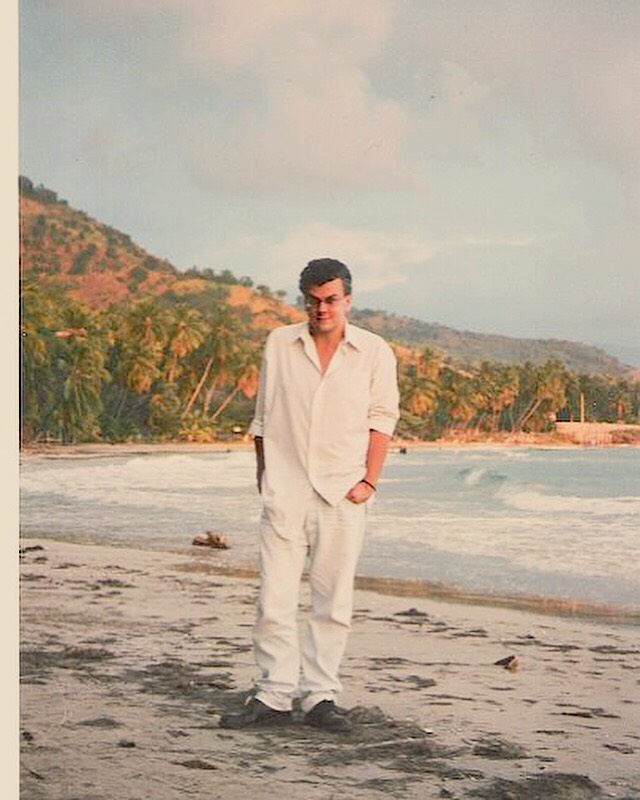
The author at Ti Mouillage outside of Jacmel, Haiti, November 2002.
Jacmel in all my dreams
By Michael Deibert
“At All Hallows Eve, the Guédé spirits of the dead overrun the countryside and towns,” wrote the Swiss anthropologist Alfred Métraux in his pioneering 1958 study Le Vaudou haïtien.“Clad in black and mauve, people possessed by them may be met not only in the sanctuaries but also in the markets, public places and on the roads.”
The name given to a family of vodou lwa (spirits) that embody the power of death and fertility (and the interlocking relationship between the two), the pantheon of Gede (as it is spelled in Haiti’s native Creole language) also give their name to Fèt Gede, the time on 2 November when, as Métraux noted, the power of the spirits and those “ridden” (possessed, if you will) by them burst forth from the peristyles (temples) of Haiti’s vodou faith and into its cemeteries, streets and squares.
In November 2002, I was living in Haiti and the country was, as is often the case, in the thrall of a political crisis that would see the ouster of a despotic president a year and a half later. Various political factions stood, daggers drawn, waiting for the final dénouement. As the political situation deteriorated and Fèt Gede approached, a friend from New York came to visit me, and we decided that we would spent part of the weekend outside the southern town of Jacmel, where I rented a cottage by the ocean.
Haiti’s history may have been a relentless drumbeat of tumult, but Jacmel, looking out to the sea and ringed by mysterious, looming mountains, its colonial architecture falling into deliquescent disrepair and wreathed in dripping greenery, had always seemed to maintain some semblance of equilibrium among the chaos.
After the decisive defeat of the French by Haiti’s revolutionary forces at the Battle of Vertières on 18 November 1803 and the declaration of Haiti’s independence on 1 January 1804 (the second nation in the Western Hemisphere after the United States to do so), Jean-Jacques Dessalines declared himself emperor before being slain in October 1806. After the death of Dessalines, Haiti’s black and mulatto tensions erupted anew, with Henri Christophe controlling the north and crowning himself King Henry I, building an extraordinary palace, Sans-Souci, modeled on Versailles, and a massive fort, Citadelle Laferrière, from which to survey the entirety of the northern plains. In the south, Alexandre Pétion ruled a mulatto-dominated government of a less imperial nature and gave refuge in Jacmel to South American revolutionary Simón Bolívar as the latter plotted his campaign to liberate his own region from Spanish colonial rule.
Jacmel remained one of Haiti’s most iconic towns, hosting its most colorful carnival and serving as the setting for, among other books, René Depestre’s 1988 novel Hadriana dans tous mes rêves, a magic realist and often intensely poignant tale of eroticism and vodou.
For me, at least, especially during my early years in Haiti, the city was always associated with an eccentric American named Selden Rodman.
A writer and critic born in New York City in 1909, Rodman had written a play, The Revolutionists, about Haiti’s slave uprising and along with De Witt Peters, had opened the Centre D’Art, Haiti’s first professional art school, in 1944. He had helped supervise the covering of the interior of Port-au-Prince’s Cathédrale Sainte Trinité with stunning murals by eminent Haitian painters like Wilson Bigaud and Philomé Obin depicting Biblical scenes such as a black John the Baptist and a near-nude Adam and Eve with an apple and a snake in between them. On my first visit to Haiti in 1997, I wandered around the steaming, fume-choked lanes of anba lavil, as Haitians call downtown, and strolled into the chapel, mesmerized by the art I found there. [The Cathédrale Sainte Trinité was destroyed in Haiti’s January 2010 earthquake].
After that first trip, I returned to New York, where I was living at the time, and eventually looked Rodman up and took the bus out to visit him at his home in Oakland, New Jersey. Elderly but still vigorous, he shared rum punch with me after he came into his ranch-style home from a game of tennis. The house, which he shared with his wife Carole, was adorned from floor to ceiling with Haitian canvases, exquisite examples of work by painters such as Stevenson Magloire, and Magloire’s mother, Louisiane Saint Fleurant, one of the members of the highly regarded Saint-Soleil art movement in Haiti. Still quite lucid, he regaled my with stories of his years in Haiti, and spoke fondly of the rambling colonial house he had maintained for years on Jacmel’s Rue du Commerce which, after he had stopped visiting regularly, had been turned into a guest house, the Hotel Florita. Speaking to him, I had the sensation of being in the presence of a living link to Haiti’s past. As I left him with his memories in the gathering dusk to head back to Brooklyn, I wondered how much of his soul the old man had left back in Haiti.
During my years living in Haiti, first as a correspondent for Reuters and then as a freelance journalist, I developed a deep affection for Jacmel, and frequently stayed at the Hotel Florita, which often appeared otherwise nearly unoccupied. Eventually, along with a French photographer friend, I began renting a small beach cottage in the town of Ti Mouillage just outside Jacmel, where I would go on weekends to seek respite from Haiti’s chaotic political climate, swimming in the Caribbean or reading in a hammock amid the incessant crashing of waves nearby.
So it was to Jacmel my friend and I decided to travel on Fèt Gede. After spending much of 1 November in the Grand Cimetière in Port-au-Prince - a sign at whose entrance helpfully reminded Souviens—Toi Que Tu Es Poussiere (Remember you are dust) - interacting with Gede adherents in various states of exultation, we drove south, through a light rain in the mountains that eventually cleared to reveal Jacmel, glittering like a jewel by the sea.
We spent much of that evening at a vodou ceremony in the countryside, returning to Ti Mouillage to fell asleep to the churning sea. Awakening the next morning, we drove into Jacmel. We parked our car and approached the Hotel Florita.
As we walked through the hotel, on this day eerily empty, all the doors and windows were open and white curtains fluttered in through the doors on the breeze from the Bay of Jacmel, as if airing out before its owner returned from a long absence. The moss and vines in the courtyard hung with melancholy, and my friend and I kept close to one another as we walked through the rooms and looked down from the balcony onto a deserted street. After returning to Port-au-Prince, and following a drive during which we both felt compelled to comment on the the melancholy, sapient aura that filled the house on Rue du Commerce, we found out that Selden Rodman had died the very afternoon we were walking through the Florita. Perhaps, we thought, the presence we had felt had been the ghost of Selden Rodman, after all, come back at long last to Haiti to be among the lwa on this of all days.
October 23, 2019
“Es claro que tenemos a un presidente que ve de forma diferente a las personas que no son blancas”
28 September 2019
“Es claro que tenemos a un presidente que ve de forma diferente a las personas que no son blancas”
Por José Javier Pérez
El Nuevo Día
(Read the original article here)
El periodista estadounidense residente en Puerto Rico, Michael Deibert, documentó las secuelas del huracán María en el libro "When the Sky Fell"
Winter Park, Florida.– Ver que tanta gente murió innecesariamente durante la secuela del huracán María detonó en la mente y corazón del periodista Michael Deibert la necesidad de plasmar lo ocurrido en Puerto Rico a partir de aquel 20 de septiembre de 2017.
Para este escritor norteamericano, de 46 años, documentar las secuelas de María era un asunto de honor. Se trataba de una historia que debía quedar plasmada en el eterno récord que permite el lenguaje escrito para dejar claro que, si bien ese huracán causó un desastre devastador, ya en la Isla coexistía un catálogo de problemas que el ciclón colocó en una vitrina internacional.
La relación colonial de Puerto Rico con Estados Unidos, que los boricuas son ciudadanos americanos de segunda clase, y la decepción nacional que los partidos políticos puertorriqueños tradicionales han sembrado en la Isla durante las últimas décadas son algunos de esos problemas que saltan en “When the Sky Fell”, cuya presentación ocurrió anoche sábado en el establecimiento Stardust Video & Coffee en la ciudad de Winter Park.
El tema isleño no es abstracto para Deibert. Conoce Puerto Rico por sus viajes frecuentes a la Isla, porque sus abuelos vivían en Mayagüez y porque desde mayo ubicó su residencia en el Viejo San Juan, en un lugar entre la Calle Sol y la Calle Cruz. Actualmente labora como reportero del Caribe para Bloomberg.
El “#RickyRenuncia” fue en realidad un proceso de catarsis colectiva a través de la cual los residentes exorcizaron los demonios que venían acumulando desde mucho tiempo atrás, dijo el escritor en una breve conversación con El Nuevo Día previo a la presentación de su libro.
Deibert fue claro en expresar que la devastación que dejó María se convirtió en una catástrofe mucho mayor cuando la ayuda que Puerto Rico esperaba del gobierno de Estados Unidos nunca llegó, y sugirió que esta escasa o nula respuesta estuvo motivada por la visión prejuiciada del presidente Donald Trump.
“Es claro que tenemos a un presidente que ve de forma diferente a las personas que no son blancas”, dijo. “La respuesta fue nula o escasa y hubo miles de personas que murieron y que no debieron haber muerto. Es algo que no se debe olvidar”, dijo.
Es claro también que, a dos años del paso de ese ciclón, la Isla aún atraviesa las secuelas tempestuosas de ese evento, especialmente en el tema político. Según dijo, hay un desencanto general con los partidos políticos tradicionales y esto es especialmente entre la gente joven”, comentó.
“Hay que ver qué pasará en Puerto Rico en las próximas elecciones. ¿Habrá la misma energía que se generó cuando se logró sacar el gobernador (Ricardo Rosselló)? ¿Se traducirá esa militancia en una fuerza política?”, se preguntó Deibert quien como periodista ha escrito sobre Puerto Rico, Haití y otros países latinoamericanos.
Entre sus publicaciones están "Notes From the Last Testament: The Struggle for Haiti"; “The Democratic Republic of Congo: Between Hope and Despair"; “In the Shadow of Saint Death: The Gulf Cartel and the Price of America’s Drug War in Mexico”; y “Haiti will not Perish: A Recent History”.
“Es claro que tenemos a un presidente que ve de forma diferente a las personas que no son blancas”
Por José Javier Pérez
El Nuevo Día
(Read the original article here)
El periodista estadounidense residente en Puerto Rico, Michael Deibert, documentó las secuelas del huracán María en el libro "When the Sky Fell"
Winter Park, Florida.– Ver que tanta gente murió innecesariamente durante la secuela del huracán María detonó en la mente y corazón del periodista Michael Deibert la necesidad de plasmar lo ocurrido en Puerto Rico a partir de aquel 20 de septiembre de 2017.
Para este escritor norteamericano, de 46 años, documentar las secuelas de María era un asunto de honor. Se trataba de una historia que debía quedar plasmada en el eterno récord que permite el lenguaje escrito para dejar claro que, si bien ese huracán causó un desastre devastador, ya en la Isla coexistía un catálogo de problemas que el ciclón colocó en una vitrina internacional.
La relación colonial de Puerto Rico con Estados Unidos, que los boricuas son ciudadanos americanos de segunda clase, y la decepción nacional que los partidos políticos puertorriqueños tradicionales han sembrado en la Isla durante las últimas décadas son algunos de esos problemas que saltan en “When the Sky Fell”, cuya presentación ocurrió anoche sábado en el establecimiento Stardust Video & Coffee en la ciudad de Winter Park.
El tema isleño no es abstracto para Deibert. Conoce Puerto Rico por sus viajes frecuentes a la Isla, porque sus abuelos vivían en Mayagüez y porque desde mayo ubicó su residencia en el Viejo San Juan, en un lugar entre la Calle Sol y la Calle Cruz. Actualmente labora como reportero del Caribe para Bloomberg.
El “#RickyRenuncia” fue en realidad un proceso de catarsis colectiva a través de la cual los residentes exorcizaron los demonios que venían acumulando desde mucho tiempo atrás, dijo el escritor en una breve conversación con El Nuevo Día previo a la presentación de su libro.
Deibert fue claro en expresar que la devastación que dejó María se convirtió en una catástrofe mucho mayor cuando la ayuda que Puerto Rico esperaba del gobierno de Estados Unidos nunca llegó, y sugirió que esta escasa o nula respuesta estuvo motivada por la visión prejuiciada del presidente Donald Trump.
“Es claro que tenemos a un presidente que ve de forma diferente a las personas que no son blancas”, dijo. “La respuesta fue nula o escasa y hubo miles de personas que murieron y que no debieron haber muerto. Es algo que no se debe olvidar”, dijo.
Es claro también que, a dos años del paso de ese ciclón, la Isla aún atraviesa las secuelas tempestuosas de ese evento, especialmente en el tema político. Según dijo, hay un desencanto general con los partidos políticos tradicionales y esto es especialmente entre la gente joven”, comentó.
“Hay que ver qué pasará en Puerto Rico en las próximas elecciones. ¿Habrá la misma energía que se generó cuando se logró sacar el gobernador (Ricardo Rosselló)? ¿Se traducirá esa militancia en una fuerza política?”, se preguntó Deibert quien como periodista ha escrito sobre Puerto Rico, Haití y otros países latinoamericanos.
Entre sus publicaciones están "Notes From the Last Testament: The Struggle for Haiti"; “The Democratic Republic of Congo: Between Hope and Despair"; “In the Shadow of Saint Death: The Gulf Cartel and the Price of America’s Drug War in Mexico”; y “Haiti will not Perish: A Recent History”.
October 14, 2019
When the Sky Fell Gives Voice to Puerto Ricans Two Years After Hurricane Maria
When the Sky Fell Gives Voice to Puerto Ricans Two Years After Hurricane Maria
ALEXANDRA MARTINEZ
SEPTEMBER 24, 2019
The Miami New Times
(Read original article here)
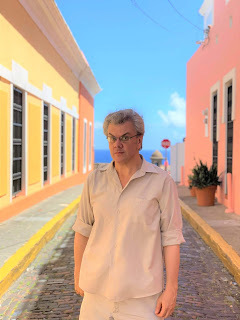
(Photo by Rachel Templeton)
Three weeks after catastrophic Category Five Hurricane Maria swept through Puerto Rico, investigative journalist Michael Deibert traveled to the island to survey the damage. He was planning on writing a series of articles on the recovery efforts — and the shocking lack thereof.
Deibert had grown up listening to his grandfather’s stories of the island, a Lutheran Minister who lived in Mayagüez for three years and ran tutoring programs for neighborhood children. He heard of the shaded coconut palms, the lime trees, and the apricot sunsets. In 2010, he visited for the first time as& the debt crisis began to spiral, and the class divide became even more pronounced. Like many before him, he was wowed by the variety of topography and how quickly you could go from Old San Juan to the middle of the lush mountains. But, this time in 2017, Deibert was greeted with the aftermath of nature’s wrath. Telephone poles sliced through homes and old school buses were left upside down by the wind “like a child’s toy.” It was a far cry from his grandfather’s idyllic memories.
Deibert recounts these experiences and decades of political and cultural dissent in his latest book, When the Sky Fell: Hurricane Maria and the United States in Puerto Rico, which made the New York Post's list of best books of the week, and will be the topic of conversation at Books & Books in Coral Gables Thursday, September 26. The book exposes the fraught relationship between Puerto Rico and the United States, tracing as far back as 1493 when Christopher Columbus set a precedent of colonialism and ending on the cusp of Governor Ricardo Rossello’s ousting which erupted this July and bled into August.
“You can see a lot of the buildup that led to people not being able to take it anymore with the release of the texts,” says Deibert of the political scandal that led to Governor Rossello's resignation. “If you’re 25 years old in Puerto Rico or younger, your entire life has been austerity, it has been a recession, and then the horror of Maria, and the aftermath. No wonder people were fed up.”
Protests erupted on the streets in July after sexist and homophobic text messages from the ex-governor surfaced, and after days of dissent, the embattled Governor Rossello resigned from the office his father, Pedro Rossello once held. But, the succession process was not any less beleaguered. Protestors marched to the governor’s residence, La Fortaleza, singing the national anthem.
“At one point there were three governors in a week,” says Deibert. “I think what happened this past summer was this intense collective catharsis. I think there is so much trauma that has been foisted on Puerto Rico over the past few years and people have to remember that before Maria, people were leaving en masse to move to the mainland. You’d drive around the island, and you’d have these towns that were being depopulated, full of shuttered stores and businesses. Whether or not [what happened this summer] can lead to the rearranging of the political order [on the mainland] I think is an open question — I think a lot of people hope that it does.”
Puerto Rico has been under the thumb of the United States since 1898 when it went from Spanish to US rule under the Treaty of Paris. Eventually, the Jones Act of 1917 granted Puerto Ricans U.S. citizenship. But, the political status of Puerto Ricans remains a contentious issue. It is a Commonwealth controlled by the United States, but its citizens do not have a vote in US elections, nor does their representative have a vote in the US Congress.
“No one ever asked the Puerto Ricans if they wanted to become US citizens," says Deibert. "The island was just treated as war booty by the Americans after the Spanish American War, and I think in order to understand a lot of the ongoing dysfunction of the island, one has to reach back to that point. You don’t have to be an apologist for the independence movement to be able to recognize that the fact that three-however million Puerto Ricans are ultimately ruled by a US president and a US Congress that they have absolutely no recourse to, that they can't elect or vote out of office, that is profoundly undemocratic.”
Back in San Juan in 2017, Nydia Melendez-Rivas, a photographer native to Maunabo, joined Deibert and they interviewed locals who were left devastated where the Hurricane made landfall. One Friday afternoon, they arrived in the town of Aibonito. People were still recovering, but much of the town’s urban core had been able to restore electricity. Neighbors from the surrounding towns gathered to drink, eat, and blow off steam after a day of grueling physical labor salvaging their homes and neighborhoods. Later, in a restaurant in a converted colonial building, Deibert watched a band play Marc Anthony’s “Preciosa.” The crowd sang along, recounting all the wonders of the island. Ending with a bittersweet, “Yo te quiero, Puerto Rico.”
“In that moment, you saw the never-say-die spirit of Puerto Rico,” says Deibert. “As we drove out of town the next morning, I saw a banner strung outside of a shuttered escuela de danza. ‘Y si el cielo cae, bailo bajo la tormenta’ it read. 'And if the sky falls, dance under the storm.'”
The vitality instilled in the banner’s message and the resilience of Aibonito's people inspired the book’s title. Deibert weaves incisive history with on-the-ground reportage to explain why the US territory was so badly ignored by the federal government during the aftermath of Maria.
“I think with most Americans you have to start at the level of telling them Puerto Ricans are citizens. You have to start that low and build from there, so I hope this will help educate people on why things are the way they are out here,” says Deibert, who is now the Bloomberg Caribbean correspondent stationed in San Juan, Puerto Rico.
Deep in Old San Juan on the corner of Calle del Sol and Calle de la Cruz, there is an unassuming three-story bar where locals drink into the wee hours of the morning. But, in 1950, Nationalist Party President and leader of the Puerto Rican independence movement, Pedro Albizu Campos, called this place his home. This is where he spent years orchestrating the failed uprising that incited Nationalist revolt all across the island, all for an independent and autonomous Puerto Rico. Today, the Nationalist Party headquarters and Campos’ home’s history is forgotten in the lull of music and mundane conversation over stiff drinks — except for a makeshift plaque dedicated to Campos. Deibert now lives across the street.
“I live across the street from the house [Campos] led [the uprising] in, what are the chances of that? It’s so strange,” says Deibert. “There’s a little plaque to him, but the building is not even a museum; it’s a bar. There’s a little plaque that says this is where Albizu Campos lived that looks like an individual put it up. It doesn’t look like an official mark. It's strange to me that it wouldn’t be a museum of the national patrimony. He played a pretty historical role whether you like him or not — he was a historical figure.”
As Deibert and Melendez-Rivas traversed the aftermath of Maria in Aibonito, they drove to a local gymnasium where a group of volunteers was working with the Puerto Rican National Guard to distribute food. Deibert writes that one guard was disappointed to learn he was not from FEMA.
“The thing I think that is really important: It wasn’t the storm that killed so many people here. It was the absolute lack of response on the part of the president, and it was the absolute lack of caring as people here were dying and dying and dying and he was sitting in his golf club in New Jersey and couldn’t care about it.”
ALEXANDRA MARTINEZ
SEPTEMBER 24, 2019
The Miami New Times
(Read original article here)
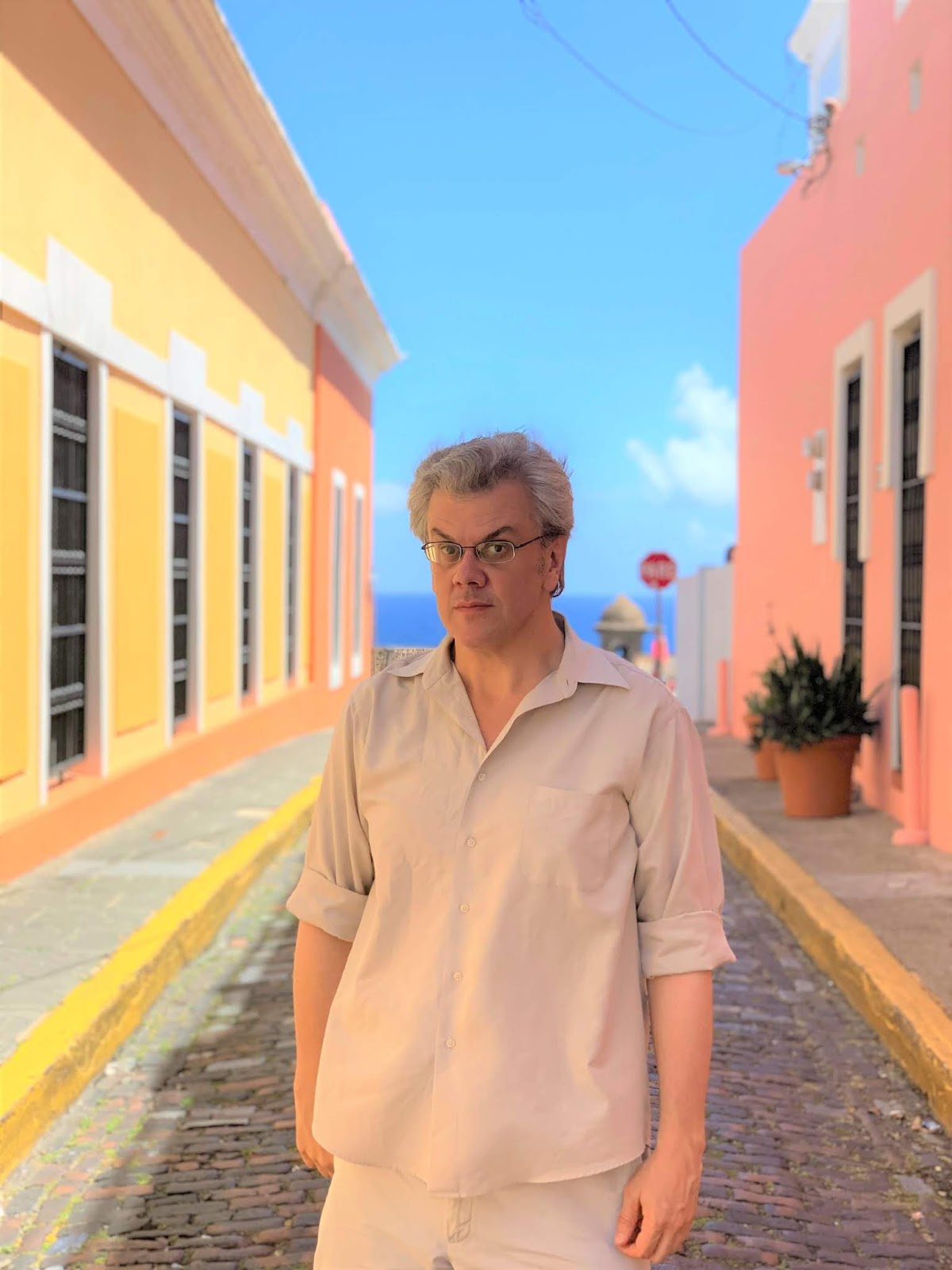
(Photo by Rachel Templeton)
Three weeks after catastrophic Category Five Hurricane Maria swept through Puerto Rico, investigative journalist Michael Deibert traveled to the island to survey the damage. He was planning on writing a series of articles on the recovery efforts — and the shocking lack thereof.
Deibert had grown up listening to his grandfather’s stories of the island, a Lutheran Minister who lived in Mayagüez for three years and ran tutoring programs for neighborhood children. He heard of the shaded coconut palms, the lime trees, and the apricot sunsets. In 2010, he visited for the first time as& the debt crisis began to spiral, and the class divide became even more pronounced. Like many before him, he was wowed by the variety of topography and how quickly you could go from Old San Juan to the middle of the lush mountains. But, this time in 2017, Deibert was greeted with the aftermath of nature’s wrath. Telephone poles sliced through homes and old school buses were left upside down by the wind “like a child’s toy.” It was a far cry from his grandfather’s idyllic memories.
Deibert recounts these experiences and decades of political and cultural dissent in his latest book, When the Sky Fell: Hurricane Maria and the United States in Puerto Rico, which made the New York Post's list of best books of the week, and will be the topic of conversation at Books & Books in Coral Gables Thursday, September 26. The book exposes the fraught relationship between Puerto Rico and the United States, tracing as far back as 1493 when Christopher Columbus set a precedent of colonialism and ending on the cusp of Governor Ricardo Rossello’s ousting which erupted this July and bled into August.
“You can see a lot of the buildup that led to people not being able to take it anymore with the release of the texts,” says Deibert of the political scandal that led to Governor Rossello's resignation. “If you’re 25 years old in Puerto Rico or younger, your entire life has been austerity, it has been a recession, and then the horror of Maria, and the aftermath. No wonder people were fed up.”
Protests erupted on the streets in July after sexist and homophobic text messages from the ex-governor surfaced, and after days of dissent, the embattled Governor Rossello resigned from the office his father, Pedro Rossello once held. But, the succession process was not any less beleaguered. Protestors marched to the governor’s residence, La Fortaleza, singing the national anthem.
“At one point there were three governors in a week,” says Deibert. “I think what happened this past summer was this intense collective catharsis. I think there is so much trauma that has been foisted on Puerto Rico over the past few years and people have to remember that before Maria, people were leaving en masse to move to the mainland. You’d drive around the island, and you’d have these towns that were being depopulated, full of shuttered stores and businesses. Whether or not [what happened this summer] can lead to the rearranging of the political order [on the mainland] I think is an open question — I think a lot of people hope that it does.”
Puerto Rico has been under the thumb of the United States since 1898 when it went from Spanish to US rule under the Treaty of Paris. Eventually, the Jones Act of 1917 granted Puerto Ricans U.S. citizenship. But, the political status of Puerto Ricans remains a contentious issue. It is a Commonwealth controlled by the United States, but its citizens do not have a vote in US elections, nor does their representative have a vote in the US Congress.
“No one ever asked the Puerto Ricans if they wanted to become US citizens," says Deibert. "The island was just treated as war booty by the Americans after the Spanish American War, and I think in order to understand a lot of the ongoing dysfunction of the island, one has to reach back to that point. You don’t have to be an apologist for the independence movement to be able to recognize that the fact that three-however million Puerto Ricans are ultimately ruled by a US president and a US Congress that they have absolutely no recourse to, that they can't elect or vote out of office, that is profoundly undemocratic.”
Back in San Juan in 2017, Nydia Melendez-Rivas, a photographer native to Maunabo, joined Deibert and they interviewed locals who were left devastated where the Hurricane made landfall. One Friday afternoon, they arrived in the town of Aibonito. People were still recovering, but much of the town’s urban core had been able to restore electricity. Neighbors from the surrounding towns gathered to drink, eat, and blow off steam after a day of grueling physical labor salvaging their homes and neighborhoods. Later, in a restaurant in a converted colonial building, Deibert watched a band play Marc Anthony’s “Preciosa.” The crowd sang along, recounting all the wonders of the island. Ending with a bittersweet, “Yo te quiero, Puerto Rico.”
“In that moment, you saw the never-say-die spirit of Puerto Rico,” says Deibert. “As we drove out of town the next morning, I saw a banner strung outside of a shuttered escuela de danza. ‘Y si el cielo cae, bailo bajo la tormenta’ it read. 'And if the sky falls, dance under the storm.'”
The vitality instilled in the banner’s message and the resilience of Aibonito's people inspired the book’s title. Deibert weaves incisive history with on-the-ground reportage to explain why the US territory was so badly ignored by the federal government during the aftermath of Maria.
“I think with most Americans you have to start at the level of telling them Puerto Ricans are citizens. You have to start that low and build from there, so I hope this will help educate people on why things are the way they are out here,” says Deibert, who is now the Bloomberg Caribbean correspondent stationed in San Juan, Puerto Rico.
Deep in Old San Juan on the corner of Calle del Sol and Calle de la Cruz, there is an unassuming three-story bar where locals drink into the wee hours of the morning. But, in 1950, Nationalist Party President and leader of the Puerto Rican independence movement, Pedro Albizu Campos, called this place his home. This is where he spent years orchestrating the failed uprising that incited Nationalist revolt all across the island, all for an independent and autonomous Puerto Rico. Today, the Nationalist Party headquarters and Campos’ home’s history is forgotten in the lull of music and mundane conversation over stiff drinks — except for a makeshift plaque dedicated to Campos. Deibert now lives across the street.
“I live across the street from the house [Campos] led [the uprising] in, what are the chances of that? It’s so strange,” says Deibert. “There’s a little plaque to him, but the building is not even a museum; it’s a bar. There’s a little plaque that says this is where Albizu Campos lived that looks like an individual put it up. It doesn’t look like an official mark. It's strange to me that it wouldn’t be a museum of the national patrimony. He played a pretty historical role whether you like him or not — he was a historical figure.”
As Deibert and Melendez-Rivas traversed the aftermath of Maria in Aibonito, they drove to a local gymnasium where a group of volunteers was working with the Puerto Rican National Guard to distribute food. Deibert writes that one guard was disappointed to learn he was not from FEMA.
“The thing I think that is really important: It wasn’t the storm that killed so many people here. It was the absolute lack of response on the part of the president, and it was the absolute lack of caring as people here were dying and dying and dying and he was sitting in his golf club in New Jersey and couldn’t care about it.”
Michael Deibert's Blog

- Michael Deibert's profile
- 8 followers
Michael Deibert isn't a Goodreads Author
(yet),
but they
do have a blog,
so here are some recent posts imported from
their feed.

