Anndy Lian's Blog, page 16
July 25, 2025
Markets on the move: Trade talks, housing slumps, and crypto whales stirring
Anndy Lian
Markets on the move: Trade talks, housing slumps, and crypto whales stirring

The European Union and the United States are inching closer to a trade deal that’s been keeping everyone on edge. The big headline is a proposed 15 per cent tariff on EU goods heading into the US. That’s a hefty number, but it’s not as brutal as the 30 per cent or even 50 per cent tariffs that were floating around earlier in Trump’s talks.
According to Reuters, diplomats say this deal might mirror one the US just struck with Japan, with some carve-outs for things like aircraft, alcoholic spirits, and medical devices. The EU’s been scrambling to make this palatable, offering to drop its own tariffs to zero on certain items. It’s a high-stakes chess game, and the final move depends on what Trump scribbles on his notepad next.
But the EU isn’t just sitting back waiting for the hammer to drop. They’ve got a counterpunch ready: €93 billion in tariffs on US goods, set for a vote this Thursday. Think poultry, cars, planes, and even tech services, all in the crosshairs. France is pushing hard for this, and there’s broad support to flex the EU’s anti-coercion tool if Trump cranks the tariffs up to 30 per cent. It’s a bold stance, showing the EU is not afraid to hit back. I think this brinkmanship could either force a better deal or spark a messy trade war, depending on how far each side’s willing to push.
Across the Pacific, Japan’s playing a different game. They’ve pledged a massive US$550 billion investment in the US, opening their markets to American goods as part of a new trade pact. That’s a huge win for the US, and it’s got a ripple effect, with a deal involving the Philippines in the mix too. Treasury Secretary Scott Bessent seems pretty chill about it all, saying there’s no rush to shake up the Federal Reserve leadership. It’s a sign the focus is squarely on trade and growth right now.
Closer to home, the US housing market’s throwing us a curveball. Existing-home sales dropped 2.7 per cent in June 2025, hitting an annual rate of 3.93 million units, the lowest since September 2024. Analysts were expecting 4.01 million, so this miss stung. Single-family homes took the brunt, falling three per cent, while condos and co-ops held steady at 360,000 units.
Here’s the kicker: despite fewer sales, the median home price soared to a record US$435,300. To me, that screams affordability issues. People want homes, but the prices are out of reach, and it’s a red flag for the broader economy if this keeps up.
Equities: Markets riding the trade waveNow, let’s talk stocks, because the markets are loving this trade optimism. In the US, it’s a mixed bag but mostly upbeat. On Wednesday, the Dow climbed 1.14 per cent, the S&P 500 gained 0.78 per cent, and the Nasdaq Composite rose 0.61 per cent, all fuelled by hopes of smoother trade relations and solid earnings from big players.
Thursday’s futures were a bit of a rollercoaster, though. Nasdaq 100 and S&P 500 futures ticked up 0.4 per cent and 0.1 per cent, thanks to Alphabet jumping two per cent. But Tesla’s 4.5 per cent tumble after weak auto revenue numbers and IBM’s five per cent slide from missing Q2 software targets dragged Dow futures down 0.3 per cent. It’s a tug-of-war, but the overall vibe is positive.
Over in Hong Kong, the Hang Seng’s on fire, surging 408 points, or 1.6 per cent, to 25,538 on Tuesday. That’s four straight gains and the highest close in nearly four years. Everything from tech to consumer goods is riding the wave, and traders are buzzing about upcoming US-China talks in Stockholm. Add in rising turnover in China’s markets and a four-month peak in margin financing, and you’ve got a recipe for bullishness.
Japan’s stealing the show, though. The Nikkei 225 rocketed 3.51 per cent to 41,171, and the Topix jumped 3.18 per cent to 2,926 on Wednesday, hitting one-year highs. Trump’s trade deal with Japan, tied to that US$550 billion investment and a 15 per cent tariff on their exports, lit the fuse.
Automakers went wild, Toyota up 14.3 per cent, Honda 11.2 per cent, and Nissan 8.3 per cent. Financials and industrials joined the party too. I see this as a classic case of markets betting big on trade unlocking growth, but it’s worth wondering if the hype might cool if deals stall.
FX, commodities and fixed incomeSwitching gears to currencies, the Australian dollar’s having a moment, climbing to 66 cents. That’s a nice little lift, and it’s all about the risk-on mood sweeping through markets. When trade talks look promising, investors get bold, and the Aussie dollar tends to catch that wind. It’s a small but telling sign of how interconnected these global shifts are.
In the commodities corner, US copper futures are flexing some serious muscle, hitting a record premium of nearly 30 per cent over London Metal Exchange prices. Why? Supply’s tight, demand’s up from infrastructure projects, and trade tensions are messing with the usual flow. Copper’s a bellwether for industrial activity, so this spike tells me the US economy’s got some juice, even if it’s wrestling with global disruptions.
For the bond crowd, the 10-year US Treasury yield’s making waves, climbing back above its 200-day average. That’s a shift worth noting. It suggests investors are feeling more confident about growth, shrugging off the housing slump for now. Higher yields can mean tougher borrowing costs ahead, but they also reflect a bet on a stronger economy. I’m curious how long this optimism holds if trade talks hit a snag.
Crypto: The Bitcoin whale stirsFinally, let’s dive into the wild world of crypto. A Bitcoin whale just made headlines, moving a US$469 million stash after sitting on it for 14 years. Back in 2011, this investor, or maybe a company, scooped up over 3,962.6 BTC, per Arkham Intelligence data. It barely budged until Thursday morning Eastern Time, when it shifted to a fresh wallet with no prior action. No exchange tags, no big clues, just a massive move that’s got everyone guessing. Is it a cash-out? A security shift? We don’t know yet.
Bitcoin’s been flirting with a breakout, but it’s stuck under a key ceiling on the long-term power law chart. This isn’t your typical indicator, it uses logarithmic scales on price and time to map BTC’s wild ride. Right now, US$122,000 is the line in the sand. Break that, and we could see a full-on bull run. I think this whale’s timing is no coincidence; it’s a signal that big players are watching the same levels we are. Crypto’s still a rollercoaster, but moments like this remind us how much potential and risk are baked in.
My take on all thisStepping back, I see a world economy that’s buzzing with possibility but teetering on some shaky ground. The trade deals with the EU, Japan, and beyond are pumping life into stocks and currencies, and that’s exciting. Copper’s premium and rising yields back up the growth story. But the housing data’s a buzzkill, affordability’s a real hurdle, and it could drag consumer spending down if it festers. Crypto’s a wildcard, that whale move could be a spark or just noise.
My gut says we’re in a sweet spot for now, but any misstep in trade talks could flip the script fast. What do you think, are we riding a wave or waiting for a wipeout? Either way, it’s a hell of a ride!
Source: https://e27.co/markets-on-the-move-trade-talks-housing-slumps-and-crypto-whales-stirring-20250725/

The post Markets on the move: Trade talks, housing slumps, and crypto whales stirring appeared first on Anndy Lian by Anndy Lian.


July 24, 2025
US-Japan deal, EU talks, and Japan’s Bitcoin bet: A new chapter for global finance
Anndy Lian
US-Japan deal, EU talks, and Japan’s Bitcoin bet: A new chapter for global finance

The global economy is buzzing with some pretty exciting developments. I will explore what’s happening with the US-Japan trade agreement, the whispers of a US-EU deal, the possibility of a Bank of Japan rate hike, and even a Japanese company’s bold leap into Bitcoin.
I’ll break it all down for you in a way that’s easy to follow, and throw in some of my thoughts.
The US-Japan trade deal: Easing tensions, boosting confidenceFirst up, let’s talk about the US-Japan trade deal that’s been making headlines. This agreement is a big deal, literally and figuratively. The US has agreed to slash its planned tariffs on Japanese goods from a steep 25 per cent down to a more reasonable 15 per cent, and that includes autos, which are a massive part of Japan’s export economy.
Imagine you’re a Japanese automaker – Toyota, Honda, Nissan, take your pick. This news is like a breath of fresh air. Lower tariffs mean your cars can roll into the US market more competitively, potentially boosting sales and giving your bottom line a nice lift.
For the US, this deal isn’t just about letting more Japanese cars in. It’s likely tied to some reciprocal benefits, like Japan agreeing to buy more American goods or invest in US projects. Think of it as a two-way street: Japan gets better market access, and the US might see more jobs or economic activity as a result. What I love about this is how it shows that diplomacy can still work in a world that’s often felt like a trade-war standoff. After years of tariff threats and uncertainty, this feels like a step toward stability.
Now, here’s where it gets really interesting. The easing of these trade tensions has markets buzzing about what the Bank of Japan might do next. For ages, Japan’s central bank has kept interest rates at rock bottom – we’re talking zero or near-zero levels – to jumpstart its economy.
But with trade pressures easing, there’s talk of a possible rate hike in 2025. That’s a huge shift! A rate hike would signal that Japan’s economy is finally finding its footing, which could strengthen the yen. On the flip side, it might make life trickier for Japanese exporters if their goods get pricier abroad. It’s a bold move if it happens, and I’m rooting for Japan to pull it off without rocking the boat too much.
US-EU tariff talks: Could this be round two?While the US-Japan deal is grabbing the spotlight, there’s another story brewing across the Atlantic. Reports are swirling that the US might be closing in on a similar 15 per cent tariff agreement with the European Union. Picture this as a sequel to the Japan deal – same vibe, different players.
If it goes through, it’d mean lower tariffs on European goods coming into the US, possibly paired with European investment flowing back the other way. The Euro Stoxx 50, a key European stock index, jumped 1.0 per cent on the news, indicating that investors are already getting excited about the possibilities.
If the US can strike deals with both Japan and the EU, it’s like hitting the trifecta of trade diplomacy. Less tension with major partners could mean smoother sailing for global trade, which has been choppy lately. I think this could be a game-changer, not just for the economies involved but for the whole world.
Fewer trade barriers often lead to more growth, and who doesn’t want that? The catch is, we’re still waiting to see if this deal sticks – the August 1 deadline for reciprocal tariffs is looming, so the clock’s ticking.
Markets are loving it: A global rally unfoldsOkay, let’s check in on how the markets are reacting, because they’re not sitting still. In the US, stocks surged after the trade news broke. The S&P 500 climbed 0.78 per cent to a record 6,309.62, the Dow Jones surged 1.14 per cent, and even the tech-heavy NASDAQ edged up 0.61 per cent to 20,892.69, despite a slight dip later. That’s a solid rally, showing investors are feeling good about where things are headed.
It’s not just a US party, though. Over in Asia, the MSCI Asia ex Japan index shot up 1.4 per cent, and the HSCEI, which tracks Chinese stocks in Hong Kong, hit its highest close since October 2021. That’s a big deal – it’s like the optimism is contagious, spreading across borders and lifting spirits everywhere. I see this as a sign that when big economies play nice, everyone benefits. Today’s early trading in Asia was a bit mixed, and US futures hint at a choppy open, but the overall vibe is… Pretty upbeat.
Then there’s the bond market. US Treasury yields ticked up, with the 10-year yield rising five basis points to 4.38 per cent and the two-year yield hitting 3.88 per cent. Higher yields typically indicate that investors expect stronger growth or perhaps a bit more inflation in the future.
To me, this ties back to the trade deals – less uncertainty could mean a healthier economy, and that’s pushing yields up as people ditch safe bets for riskier plays. The US Dollar Index dipped 0.18 per cent, and gold slid 1.3 per cent, which backs that up. When safe-haven demand softens, it’s a clue that folks are feeling bolder.
Crypto’s wild ride: Greed, gains, and a breatherNow, let’s switch gears to the crypto market, because it’s been a wild ride over there too. Bitcoin and altcoins, such as Ethereum and XRP, have been on a tear lately, racking up massive gains over the past few weeks. It’s the kind of run that gets crypto fans hyped – and honestly, I get it.
Something is thrilling about watching digital assets soar. But today, the charts are showing a sea of red candles for most of the top 100 coins by market cap. After testing some significant resistance levels, it appears that the bulls are taking a breather.
Don’t let that fool you into thinking the party’s over, though. The Fear & Greed Index, which measures crypto sentiment, is sitting at 70 – firmly in greed territory and the highest since July 12. That suggests to me that this pullback might simply be profit-taking after an explosive stretch, rather than a full-on reversal.
I’ve seen this before in crypto: big runs often hit a pause before the next leg up. So, while the traditional markets are riding trade-deal optimism, crypto’s doing its own thing – cooling off but still brimming with bullish energy.
Kitabo’s Bitcoin bet: A Japanese twistSpeaking of crypto, here’s a curveball from Japan that caught my eye. Kitabo Co., Ltd, a company that makes synthetic fiber spun yarns and trades on the Tokyo Stock Exchange, just announced it’s jumping into Bitcoin.
They’re planning to buy ¥800 million – that’s about US$5.4 million – worth of BTC using dollar-cost averaging, where you spread out purchases over time to smooth out price swings. This isn’t just a random punt; Kitabo’s been bleeding cash, losing ¥115.6 million (US$785,000) in fiscal 2024, and they’re hoping Bitcoin can help turn things around.
I find this fascinating. Kitabo’s joining a growing club of Asian companies using Bitcoin as a treasury asset – think of it as a hedge against a weakening yen or a way to diversify when traditional options aren’t cutting it. They’re even calling this their full-scale entry into crypto and real-world asset businesses, which sounds ambitious for a yarn maker!
My take is that it’s a smart, if gutsy, move. Dollar-cost averaging reduces the risk of buying at a peak, and if Bitcoin continues to climb, it could be a lifeline for a struggling firm. Additionally, it’s another indication that crypto’s going mainstream, even in unexpected areas.
What do you think? Excited for what’s next? I know I am!

The post US-Japan deal, EU talks, and Japan’s Bitcoin bet: A new chapter for global finance appeared first on Anndy Lian by Anndy Lian.
How Trump’s GENIUS Act Could Supercharge Tether’s USDT
Anndy Lian
How Trump’s GENIUS Act Could Supercharge Tether’s USDT

On July 18, 2025, President Donald Trump signed the Guiding and Establishing National Innovation for U.S. Stablecoins Act, commonly known as the GENIUS Act, into law. This landmark legislation represents the first major federal regulation specifically targeting stablecoins, a critical segment of the cryptocurrency ecosystem.
Given Tether’s USDT, with a market capitalization of approximately $162 billion and a 62% market share, is the leading stablecoin, this act has significant implications. I want to share my point of view on why the GENIUS Act is likely optimistic for USDT, its broader impact on the crypto market, and the influence of upcoming monetary policy decisions, such as the Federal Reserve’s meeting on July 29-30, 2025.
Background on Stablecoins and Tether’s USDTStablecoins are cryptocurrencies designed to maintain a stable value by being pegged to a reserve asset, typically a fiat currency like the U.S. dollar. They serve as a bridge between traditional finance and the crypto world, facilitating trading, remittances, and acting as a store of value during market volatility. Tether’s USDT, launched in 2014, is the most prominent stablecoin, with a market cap of $162 billion as of recent data, compared to Circle’s USDC at $64 billion, within a total stablecoin market of $262 billion. USDT’s dominance is driven by its high liquidity and widespread acceptance across exchanges and decentralized finance (DeFi) platforms, with monthly trading volumes exceeding $1 trillion, primarily from professional trading firms (93%+ turnover)
However, Tether has faced scrutiny over the years regarding the transparency and adequacy of its reserves. Past controversies, including fines for misleading claims about reserves and questions about audit transparency, have raised concerns among regulators and users. The GENIUS Act aims to address these issues by establishing clear regulatory standards, potentially enhancing trust in USDT.
The GENIUS Act: Key Provisions and SignificanceThe GENIUS Act establishes a comprehensive regulatory framework for stablecoins, with key provisions including:
– Permitted Issuers: Only specific entities, such as subsidiaries of insured depository institutions, federal-qualified nonbank payment stablecoin issuers, or state-qualified issuers with issuance under $10 billion, can issue stablecoins in the U.S. This ensures that only reputable and regulated entities operate in this space.– Reserve Requirements: Issuers must maintain reserves on a one-to-one basis with U.S. currency or other highly liquid assets, such as short-term Treasuries, ensuring each stablecoin is fully backed and redeemable at face value.
– Transparency and Audits: The act mandates monthly public disclosures of reserve composition and annual audited financial statements for issuers with over $50 billion in market capitalization, enhancing transparency and trust.
– Regulatory Oversight: Both federal and state regulators will oversee stablecoin issuers, with larger issuers under federal supervision, ensuring stringent oversight for major players like Tether.
These provisions aim to protect consumers, prevent fraud, and integrate stablecoins into the mainstream financial system, positioning them as critical U.S. infrastructure. The act’s passage, with bipartisan support (Senate 68-30, House 308-122), underscores its broad acceptance and the industry’s push for regulatory clarity.
Why the GENIUS Act is Bullish for Tether’s USDTResearch suggests the GENIUS Act is likely bullish for USDT due to several factors. Let me break this down into four key points.
1. Enhanced Credibility Through Transparency: Tether has faced criticism for its reserve transparency, with past reports indicating reserves included assets like Bitcoin and precious metals, potentially not fully compliant with the act’s requirements. The act’s mandate for regular audits and disclosures will compel Tether to provide clear evidence of its backing, potentially alleviating these concerns. For instance, Tether’s Q2 2025 attestation reported $127 billion in reserves, with 90% in cash and cash equivalents, but critics argue for independent audits, which the act now requires.
2. Regulatory Compliance and Legitimacy: By complying with the new regulations, Tether can operate with greater legal certainty in the U.S. market. As a nonbank entity, Tether would likely need to become a federal-qualified issuer, potentially expanding its user base and institutional adoption. Tether’s CEO, Paolo Ardoino, has announced plans to issue a new U.S.-focused USDT version for institutions, ensuring compliance, which could open doors to partnerships with traditional finance institutions.
3. Maintaining Market Dominance: With a 62% market share and higher trading volumes (often exceeding $60 billion daily) compared to USDC’s $11 billion, USDT is well-positioned to adapt. The act levels the playing field, but Tether’s established infrastructure and liquidity give it an edge over competitors. If Tether meets the standards, it can solidify its position as the leading stablecoin, particularly in trading and DeFi, where it is the preferred quote currency for pairs such as BTC/USDT.
4. Potential for Growth: The act’s regulatory clarity could unlock trillions in liquidity, as stablecoins are seen as infrastructure for payments, DeFi, and financial inclusion, particularly in emerging markets. Tether, with its global reach, is poised to capture significant growth, especially if compliance enhances trust among users and regulators.
Challenges exist. Tether’s current reserves may need adjustment to meet the 100% U.S. dollar or Treasury backing, with reports suggesting around 84.1% compliance in Q2 2025. The act provides a transition period (up to 36 months), allowing Tether time to align, but failure to comply could risk its U.S. market access. Given Tether’s $13 billion profit in 2024, it seems likely they can manage these adjustments, enhancing their competitive stance.
USDT vs. USDC: The Competitive landscapeCircle’s USDC, with a market cap of $64 billion, is a strong competitor, known for transparency and regulatory compliance, undergoing monthly audits. USDC is gaining traction in institutional and DeFi spaces, with growing adoption outside the U.S.
USDT’s higher liquidity and longer history (since 2014 vs. USDC’s 2018 launch) make it the go-to for traders globally. The GENIUS Act could intensify competition, with traditional banks and fintechs potentially entering the market, but Tether’s first-mover advantage and volume dominance (USDT often surpasses Bitcoin’s daily volume) suggest it will maintain leadership if compliant.
Global Implications of the GENIUS Act
The act’s impact extends globally, given stablecoins’ international use, especially in emerging markets for remittances and hedging. As the U.S. sets a precedent, other countries may follow, potentially harmonizing standards.
For Tether, compliance could enhance its reputation worldwide, making USDT more attractive in jurisdictions with regulatory uncertainty, reinforcing its role in cross-border payments.
The Crypto Market Structure Bill: CLARITY Act
The Digital Asset Market CLARITY Act, passed by the House on July 17, 2025, with a 294-134 vote, aims to clarify regulatory roles for the SEC and CFTC, defining digital assets as securities or commodities. For stablecoins, typically not investment vehicles, this ensures appropriate regulation, complementing the GENIUS Act.
This dual legislative effort fosters a stable environment, potentially boosting institutional confidence and market sentiment, indirectly benefiting USDT by enhancing the overall crypto ecosystem.
The Federal Reserve’s Upcoming Meeting: Implications for CryptoThe FOMC meeting on July 29-30, 2025, is critical, with markets anticipating a 50/50 chance of a rate cut, per the CME FedWatch Tool, based on June 2025 projections of two 25-basis-point cuts this year. A dovish stance could encourage investment in risk assets like crypto, given their sensitivity to interest rates.
A hawkish stance could temper market enthusiasm, while even subtle hints of a policy shift might significantly affect risk assets like crypto, which are highly sensitive to monetary changes. With recent economic data showing high inflation and tariff uncertainties, the Fed’s decision could influence crypto markets, with potential rate cuts viewed as bullish for USDT’s growth.
Conclusion
Here’s where I stand: the GENIUS Act is a net win for USDT, assuming Tether complies. It’s a chance to shed its baggage, cement its lead, and ride a wave of regulatory clarity into broader acceptance. The competitive heat and global uncertainties are real, but I think Tether’s too entrenched and too profitable to falter now. Pair that with the CLARITY Act’s stability and a potentially friendly Fed, and we’re looking at a transformative stretch for stablecoins.
Personally, I’m excited for what’s ahead. The crypto market’s maturing, and USDT could either soar as a trusted pillar or stumble if it missteps. My prediction? Tether adapts, thrives, and sets the pace for stablecoins in this new era. Investors, take note: The next few months could redraw the map of digital finance, and USDT’s at the heart of it.

The post How Trump’s GENIUS Act Could Supercharge Tether’s USDT appeared first on Anndy Lian by Anndy Lian.
July 23, 2025
Walking on eggshells: Why investors are cautious amid mixed market signals
Anndy Lian
Walking on eggshells: Why investors are cautious amid mixed market signals
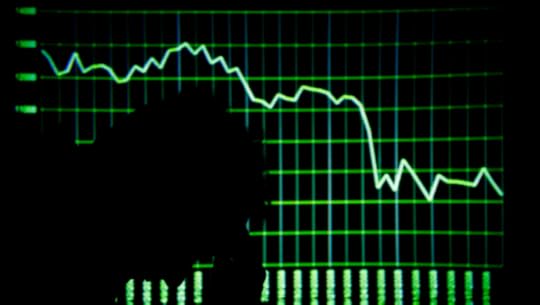
It’s a fascinating time in the markets, with investors acting a bit like they’re walking on eggshells, unsure of which way things might crack. The mood out there is what folks are calling muted, which basically means people aren’t jumping in with both feet or running for the exits either.
They’re digesting a bunch of mixed signals from recent events like the US second-quarter earnings, some big trade deal announcements, and even wild moves in the cryptocurrency world. Buckle up, because there’s a lot to unpack here!
What’s behind this muted risk sentiment?Picture this: you’re an investor trying to figure out where to put your money, and the news is a mixed bag. That’s where we’re at right now. The muted global risk sentiment means investors are feeling cautious, neither overly excited nor panicked, but rather waiting to see what happens next.
A big part of this comes from the US second-quarter earnings results. Some companies knocked it out of the park, beating expectations and boosting confidence, while others stumbled, missing the mark and raising eyebrows. It’s like receiving a report card with A’s and C’s, leaving you unsure whether the class is excelling or needs extra help.
On top of that, there’s been a quiet spell in big economic news. No blockbuster jobs reports or inflation numbers to shake things up lately, just a data-light week that’s keeping everyone in a holding pattern. Without a clear signpost, investors are hesitant to make bold bets, and that’s keeping the risk appetite dialed down. It’s not doom and gloom, but it’s not a party either, just a steady, cautious vibe.
Trade deals stirring the potNow, let’s talk about these trade deals that US President Donald Trump has been touting. He’s calling the one with Japan a massive deal, and it comes with reciprocal tariffs of 15 per cent on Japan’s exports to the US. Then there’s a freshly concluded deal with the Philippines, slapping a 19 per cent tariff on their goods coming into the States. These announcements sound big, right? But what do they really mean for the markets?
For Japan, a 15 per cent tariff could significantly impact industries such as cars and electronics, which are crucial to its economy. If it gets pricier to sell those goods in the US, Japanese companies might see profits shrink, and that could ripple out to global markets.
The Philippines deal, with its 19 per cent tariff, might make imports like electronics or clothing less competitive here, potentially nudging prices up for US consumers. On the flip side, these deals could give a leg up to some American industries by levelling the playing field a bit.
They might boost certain US sectors in the short term, but they’re also injecting uncertainty into global trade. Investors hate uncertainty, and the thought of supply chain hiccups or higher costs down the road is probably adding to that muted sentiment. We’re still early days on seeing how this plays out, but it’s definitely a piece of the puzzle.
US stocks: Playing defenceSwitching gears to the stock market, US equities had a mixed day on Tuesday. The S&P 500 crept up a tiny 0.06 per cent, the Dow Jones climbed a solid 0.40 per cent, but the NASDAQ slipped 0.39 per cent. What stands out here is the defensive vibe at the sector level. Healthcare and Utilities, the kinds of stocks you lean on when you’re worried about a storm, did better than the flashy tech or growth names.
This tells me investors are hedging their bets. When you see money flowing into defensive sectors, it’s like people are putting on a raincoat even if the forecast isn’t clear. The mixed performance across the big indices shows there’s no unified story yet, some optimism in the Dow, a bit of tech fatigue in the NASDAQ. It fits right into that cautious, muted mood we’re seeing everywhere else.
Treasuries and the safety netOver in the bond world, US Treasury yields are sliding, and that’s another clue about what’s on investors’ minds. Ahead of next week’s Federal Reserve meeting, the 10-year Treasury yield dropped over two basis points to 4.34 per cent, and the two-year yield eased more than 1 basis point to 3.83 per cent. Lower yields mean bond prices are going up, and that usually happens when folks are looking for a safe place to park their cash.
This flight to safety jives with the broader sentiment. When you’re not sure about stocks or the economy, Treasuries start looking pretty cozy. The Fed’s next move is a wildcard here. If they hint at rate cuts or sound dovish, yields could dip further, but a hawkish surprise might shake things up. For now, this yield drop is like a neon sign saying investors are playing it safe.
Dollars and commodities: More mixed signalsThe US Dollar Index took a 0.47 per cent dip, which isn’t huge but still notable in a quiet week. A weaker dollar often ties to less demand for it as a safe haven, maybe because folks aren’t as freaked out as they could be.
In commodities, gold slipped 0.3 per cent to US$3,385 an ounce, and Brent crude fell 0.9 per cent to US$69 a barrel. Gold dropping is a bit surprising since it’s the go-to when people are nervous, so maybe some are cashing in profits after its big run. Oil’s decline could point to worries about global demand slowing, especially with those trade deals in the mix.
These moves don’t scream panic, but they don’t shout confidence either. It’s like the markets are whispering, trying to figure out the next big thing.
Crypto chaos: Bitcoin and BNB take centre stageNow, let’s get into the wild world of cryptocurrencies, because there’s some serious action here. Trump Media and Technology just made waves by scooping up US$2 billion in Bitcoin and Bitcoin-related securities, plus setting aside US$300 million for Bitcoin options.
Their stock popped 7.2 per cent on Monday and is up nine per cent over the week, sitting near US$20. With two-thirds of their US$3 billion in liquid assets now in Bitcoin, they’re all in on this crypto bet. CEO Devin Nunes says it’s about financial freedom, and the market seems to like the boldness.
Bitcoin itself, though, is having a tougher time. It hit a new high of US$123,100 last week but has since pulled back to US$118,752. There’s this thing called Binance Net Taker Volume that’s gone negative, dropping below US$60 million, which means more people are selling than buying on that exchange.
In the US, the Coinbase Premium Index is flat, showing spot buyers aren’t rushing in, and in Korea, the Premium Index is negative, hinting at a discount and weak demand there too. Still, Bitcoin’s holding above US$115,000 with buyers stepping in strong at that level, so the bulls aren’t giving up.
Then there’s Binance Coin, or BNB, which is on fire. It jumped five per cent in a day to over US$800, pushing its market cap to US$111 billion and overtaking Solana as the fifth-biggest crypto. Over the past week, BNB’s up 16 per cent while Bitcoin’s only gained two per cent.
Companies like Nano Labs are diving in, boosting their BNB stash to 120,000 tokens, worth about US$90 million after grabbing 45,684 more through over-the-counter deals at an average of US$764 per token. They’re planning to keep piling into BNB and even invest in BNB-focused firms.
The crypto space is a rollercoaster right now. Trump’s Bitcoin play is a huge signal that big players see it as more than just a fad, maybe a hedge or a growth engine. But Bitcoin’s stumbles show retail folks are jittery, taking profits or waiting for a dip. BNB’s surge feels more solid, tied to real adoption in the Binance ecosystem. It’s like crypto’s splitting into two stories: Bitcoin as the big kahuna with growing pains, and altcoins like BNB flexing new muscle.
Tying it all togetherSo, where does this leave us? The global risk sentiment is muted because investors are juggling a lot of balls, mixed earnings, trade deal uncertainties, a defensive tilt in stocks, and a crypto scene that’s part boom, part bust. Treasuries are a safe harbour, the dollar and commodities are wobbling, and the Fed’s next meeting looms large.
My perspective is that we’re in a transition phase. The trade deals could spark growth or friction, equities are treading water, and crypto’s rise shows risk isn’t dead, just choosy.
The standout is how traditional markets and crypto are starting to dance together. Companies betting big on Bitcoin and BNB while Treasuries draw safety seekers, it’s a tale of two worlds colliding. The Fed could tip the scales, but until then, this cautious vibe makes sense.
Stay sharp and flexible, because this market’s got more twists coming!
Source: https://e27.co/walking-on-eggshells-why-investors-are-cautious-amid-mixed-market-signals-20250723/

The post Walking on eggshells: Why investors are cautious amid mixed market signals appeared first on Anndy Lian by Anndy Lian.
July 22, 2025
Hear Your Stories, Share Your Own- #BinanceTurns8 Series Episode 1
Anndy Lian
Hear Your Stories, Share Your Own- #BinanceTurns8 Series Episode 1
 Binance, the world’s leading cryptocurrency exchange, marked its 8th anniversary with a vibrant Twitter Spaces session titled Hear Your Stories, Share Your Own – #BinanceTurns8 Series Episode 1. Hosted by Binance Community Associates Diana and Mila, the event featured: Anndy Lian, a blockchain expert and best-selling author, and Sjuul Follings, founder of AltCryptoGems. The session offered a deep dive into Binance’s transformative impact, current market trends fueled by Bitcoin’s recent all-time highs, and practical advice for navigating the ever-evolving crypto landscape. With an engaging Q&A segment, the event also highlighted the voices of the Binance community, making it a fitting celebration of eight years of innovation and growth.Binance’s Monumental Contributions to Crypto
Over the past eight years, Binance has evolved from a fledgling startup into a global powerhouse, boasting over 280 million users. The discussion kicked off with reflections on its pivotal role in shaping the cryptocurrency ecosystem. Sjuul Follings emphasized Binance’s success in onboarding new users, crediting its intuitive platform and robust educational resources. “Binance has made crypto easier for newcomers,” he noted, highlighting how the exchange has lowered barriers to entry since its early days in 2017. He also praised initiatives like Binance Labs, which have incubated groundbreaking blockchain projects, fostering innovation across the industry.
Anndy Lian, drawing from his long-standing relationship with Binance since its inception in China, underscored its leadership in security and compliance. He pointed to Binance’s pioneering efforts in collaborating with authorities to combat crypto-related crimes, a move that has bolstered user trust. “They were one of the first exchanges to build a comprehensive compliance department,” Lian said, noting how this focus on safety has distinguished Binance in a competitive market, from its strategic relocations, China to Japan, then Singapore to the UAE. Binance has consistently adapted, solidifying its position as a trailblazer.Riding the Wave: Current Market TrendsWith Bitcoin soaring to new all-time highs, recently surpassing $120,000, the session naturally turned to the state of the crypto market. Sjuul Follings observed a shifting dynamic, where altcoins are beginning to reclaim attention after Bitcoin’s prolonged dominance. “It feels like altcoins are finally getting a piece of the pie,” he said, predicting a potential rotation from Bitcoin to high-cap altcoins like Ethereum, and eventually to mid- and low-cap projects. He attributed Bitcoin’s surge to a combination of macroeconomic factors, including Federal Reserve rate cuts, institutional investments via ETFs, and easing inflation, which created a snowball effect of adoption and media buzz.Anndy Lian, however, injected a note of caution. While celebrating the bullish momentum, he stressed that sustainable growth hinges on real-world development, not just speculation. “The price is running faster than the builders,” he warned, urging the community to support projects with tangible use cases. He cited examples like Bhutan’s collaboration with Binance Pay, the world’s first national crypto tourism payment system, as a model for practical adoption, enabling travelers to use cryptocurrency for flights, visas, and even coffee.Guidance for New InvestorsFor the wave of newcomers entering the space amid this bull run, both speakers emphasized education and caution. Sjuul Follings shared a personal anecdote from his early days, describing his first crypto experience as “painful” after losing money on memecoins. “Start small, lose a little, and learn from it,” he advised, stressing the importance of transparency about the risks. He encouraged creators to highlight both the opportunities and pitfalls, ensuring new investors aren’t deterred by early setbacks.Anndy Lian echoed this sentiment, advocating for due diligence over hype-chasing. “Find projects you trust and believe in,” he said, reflecting on his own journey from skepticism to conviction when he first used crypto to buy coffee. He also called for more builders to drive sustainable value, warning that without development, the current boom could falter. Both speakers agreed that Binance’s educational efforts—through content and user-friendly tools—play a critical role in equipping novices to thrive.Community Voices: Q&A HighlightsThe session’s open mic segment brought the Binance community into the spotlight, with listeners sharing stories and posing questions. One participant, Ahmed, asked about the speakers’ mining experiences. Sjuul admitted to dabbling in Dogecoin mining early on but losing access to the coins, while Anndy noted he’s invested in mining operations but avoids it personally due to high electricity costs.A question about their biggest mistakes elicited candid responses. Sjuul reflected on losses from the Luna crash and a recent scam, underscoring the need for skepticism: “If it’s too good to be true, it probably is.” Community member Ming, from the Captain BNB community, inquired how Binance could expand into Western markets like the U.S. Anndy suggested closer collaboration with Binance and a push into Asia to broaden their footprint, encouraging the team to leverage their mascot’s appeal.The philosophical query, “What moment made you believe in crypto?” drew heartfelt answers. For Sjuul, it was the 2021 bull run, when crypto’s mainstream visibility, from Formula 1 sponsorships to bus ads, convinced him of its staying power. Anndy pinpointed the moment he used crypto for everyday purchases, realizing its practical potential beyond finance.Looking Ahead: Binance’s Role and Community Wisdom
As Binance steps into its ninth year, the speakers offered strategic feedback. Anndy proposed enhancing services for high-net-worth clients with relationship managers and a premium “Binance Black Card,” alongside a stronger focus on Web3 and decentralized exchanges (DEX). “DEX is the future,” he asserted, urging Binance to lead in this space to onboard users globally, especially those unable to access centralized platforms due to KYC barriers. Sjuul, unable to use Binance in the Netherlands due to licensing, suggested prioritizing regional compliance to recapture markets and recommended more engaging, educational content to attract new users.
Their parting words encapsulated their philosophies. Sjuul advised, “No one ever went broke by taking profits,” encouraging prudent gains-taking. Anndy countered, “Trust is the new hype,” urging conviction over crowd-following. Mila, reflecting on Binance’s journey, highlighted adaptability as a key lesson, noting how listening to users and pivoting swiftly has kept the platform ahead.Summing UpThe #BinanceTurns8 Twitter Spaces session was a celebration of milestones and a forward-looking dialogue on crypto’s trajectory. From Binance’s role in onboarding millions and setting security standards to the market’s bullish surge and the need for sustainable growth, Anndy Lian and Sjuul Follings provided a roadmap for the future. As Bitcoin scales new heights and adoption accelerates—evidenced by innovations like Binance Pay in Bhutan, the insights shared here underscore the importance of education, caution, and community in building a resilient crypto ecosystem. With Binance at the helm, the following billion users may well find their gateway to this transformative space.Source: https://x.com/i/spaces/1MYxNwnPMdOKw/peek
The post Hear Your Stories, Share Your Own- #BinanceTurns8 Series Episode 1 appeared first on Anndy Lian by Anndy Lian.
Economic crosscurrents: Tariffs, politics, and the crypto conundrum
Anndy Lian
Economic crosscurrents: Tariffs, politics, and the crypto conundrum

Lately, the mood among investors worldwide has been pretty cautious. When we talk about global risk sentiment being subdued, it’s akin to saying people are tiptoeing around, unsure about where to invest their money.
They’re not exactly jumping into risky investments with both feet. Why? A significant portion of that hesitation stems from the drama surrounding trade tariffs.
The United States is flexing its muscles with new tariff threats, and the European Union is gearing up to push back. This tug-of-war is causing widespread anxiety, and it’s having a ripple effect on markets in some particularly interesting ways.
Stocks might look shaky if trade wars intensify, bonds could become appealing if people start playing it safe, and then there’s this wild card: cryptocurrencies, bucking the trend and shooting up. It’s a lot to unpack.
Trade tariffs: The US vs EU showdownAt the heart of this uncertainty is a bold move from the US. Treasury Secretary Scott Bessent dropped a bombshell, stating that as of August 1, the US plans to impose high tariff rates on imports from various countries. His logic? It’s a pressure tactic. He figures that by increasing the cost of doing business with the US, other nations will rush to the negotiating table with better trade deals. It’s a classic power play: turn up the heat and see who blinks first.
But the European Union isn’t sitting quietly. EU diplomats are hinting that they’re not thrilled with how things are going. The chances of striking a trade deal with the US that everyone can live with are slipping away. So, they’re devising countermeasures, such as retaliatory tariffs or other economic measures.
This isn’t just a little spat. It’s shaping up to be a full-on trade standoff, and the stakes are high. When two economic giants, such as the US and the EU, start squaring off, it rattles global markets. Companies that rely on smooth trade flows get jittery, supply chains could get snagged, and prices for all sorts of goods might climb. That’s the kind of uncertainty that keeps investors up at night.
Bessent’s strategy might work in the short term, but some countries could cave and offer sweeter deals. But it’s a gamble. If the EU digs in and fires back, we could see a spiral of tit-for-tat tariffs that drags down global growth. It’s bold, but it’s risky, and markets hate that kind of unpredictability.
How markets are reactingLet’s zoom in on what’s happening in the US markets, because they’re giving us some big clues about how investors are feeling. The equity markets wrapped up with a mixed bag. The S&P 500 nudged up by 0.14 per cent, and the NASDAQ climbed 0.38 per cent, thanks to heavy hitters in big tech holding strong.
Meanwhile, the Dow Jones slipped slightly, down 0.04 per cent. What’s that telling us? Tech stocks are still the darlings, shrugging off some of the trade noise, while other sectors, like industrials in the Dow, aren’t feeling as chipper.
Then there’s the bond market. The 10-year US Treasury yield dropped four basis points to 4.38 per cent, and the two-year yield eased 1 basis point to 3.86 per cent. Lower yields mean bond prices are up, and that’s a classic sign of a “flight to safety.” When people are worried, they pile into Treasuries, figuring they’re a safe bet compared to stocks or other riskier investments. It’s like putting your money under the mattress, but with a little interest.
The US Dollar Index also took a hit, falling 0.64 per cent. That’s partly because those sliding Treasury yields make the dollar less attractive. If you’re not earning as much on US bonds, why hold dollars? Gold, on the other hand, jumped 1.3 per cent. That’s no surprise, gold loves a good crisis. When the world feels shaky, people turn to it as a safe haven. Brent crude oil, though, stayed flat at US$69 a barrel. Oil’s holding steady, which suggests energy markets aren’t panicking just yet.
My view here is that we’re seeing a split personality in the markets. Tech stocks are hanging tough, but the rush to bonds and gold shows there’s real unease bubbling underneath. The dollar’s tumble might hint at doubts about the US tariff plan paying off. It’s a messy picture, but it’s fascinating to watch unfold.
Asia steps into the spotlightNow, let’s hop over to Asia, where Japan’s political scene is adding its flavour to this global stew. Prime Minister Shigeru Ishiba got a rough wake-up call when his Liberal Democratic Party and its coalition partner Komeito lost their majority in the Upper House election on July 20. That’s a big deal. Losing control like that shakes up the political landscape.
The USD/JPY exchange rate tanked 0.96 per cent, dropping from a high of 147.08. A weaker dollar against the yen often ties back to uncertainty, and Japan’s political wobbles are stirring the pot.
Ishiba’s sticking to his guns, saying he’ll keep leading despite the loss. But a fractured coalition could mean trouble pushing through policies, especially on the economic front. That uncertainty hit the yen hard, and it’s got traders watching closely. Still, Asian equity markets mostly rose, with Japanese stocks rebounding in a relief rally. It’s like investors are betting that the chaos might not be as bad as it looks, or at least, not yet.
I think Japan’s situation is a wildcard. Political instability could spook markets more if Ishiba can’t steady the ship. But that relief rally suggests some optimism that things won’t fall apart completely. It’s a delicate balance, and it’s worth keeping an eye on.
Bitcoin and crypto: The wild rideOkay, now let’s talk about the elephant in the room. Bitcoin and the crypto market. While traditional markets are fretting over tariffs and politics, Bitcoin’s on a tear, blasting past its old highs to hit US$118,000. That’s not just a number: it’s a statement.
This surge wiped out over US$1 billion in short positions, meaning many individuals betting against Bitcoin suffered significant losses. The US$100,000 mark was a mental hurdle, and once it broke through, the mood shifted. Profit-takers stepped aside, and buyers with big dreams stepped in, pushing the price higher.
What’s driving this? Part of it ties back to companies like Strategy, run by Michael Saylor. They’re doubling down on Bitcoin, raising US$500 million through preferred equity sales to scoop up more coins. They’re offering Series A Perpetual Stretch preferred stock, worth US$5 million, with a nine per cent dividend, priced at a discount between US$90 and US$95 per share.
It’s a creative move, and it’s paying off. Strategy’s common shares popped 0.4 per cent to $428 after hours, and their recent share increases have raked in US$119 billion, with US$71 billion of that fuelling Bitcoin buys. Saylor’s all-in on this, and it’s boosting confidence in the crypto space.
Other cryptocurrencies are also riding the wave. Ethereum cracked US$3,000, and coins like Solana, XRP, and Binance Coin are up. Even memecoins, which had been quiet, are perking up. Bitcoin’s dominance dipped from 66 per cent to 64.3 per cent, showing altcoins are stealing some of the spotlight. A trader named Bluntz thinks SPX6900 could hit its all-time high soon, which could spark more meme madness.
Bitcoin’s run feels like a rebellion against the gloom in traditional markets. While tariffs and politics spook stocks and bonds, crypto is carving its path. Saylor’s strategy is a big piece of that; his faith in Bitcoin is contagious. I reckon we could see US$250,000 if this momentum holds, similar to what Crypto Twitter’s Cobie predicted. The hard part was getting past US$100,000, and now it’s like the sky’s the limit.
Pulling it all togetherSo, where does this leave us? Global risk sentiment is downbeat, and it’s easy to see why. The US-EU trade spat is a slow-burning fuse, and Japan’s political hiccup isn’t helping. Markets are reacting in fits and starts; tech stocks are holding up, while bonds and gold serve as safe havens, and the dollar is wobbling. Then there’s Bitcoin, charging ahead like it doesn’t care about any of it.
If the tariff threats turn into a full-blown trade war, we could see more volatility, stocks might stumble, and safe assets could shine. But crypto’s surge suggests some investors are looking beyond that chaos, betting on a future where digital assets outshine the old guard. It’s a bold move, and I’m intrigued by how it’s playing out. Strategy’s Bitcoin grab feels like a vote of confidence, and it might just pay off big.
What do you think? Are you leaning toward the safety of bonds or the wild ride of crypto? Either way, it’s a heck of a time to be watching the markets.
Source: https://e27.co/economic-crosscurrents-tariffs-politics-and-the-crypto-conundrum-20250722/

The post Economic crosscurrents: Tariffs, politics, and the crypto conundrum appeared first on Anndy Lian by Anndy Lian.
July 21, 2025
What’s next for markets: Navigating trade threats, earnings, crypto and central bank signals
Anndy Lian
What’s next for markets: Navigating trade threats, earnings, crypto and central bank signals

Reports indicate that US President Donald Trump has intensified his demands on the EU, pushing for tariffs of at least 15 per cent to 20 per cent on imports from the bloc after weeks of negotiations aimed at securing a new trade deal. This bold move has subdued global risk sentiment, as investors grapple with the prospect of a potential trade war that could disrupt supply chains, elevate costs, and hinder economic growth worldwide.
I view this as a pivotal moment that could redefine international trade dynamics and impact a broad range of markets, from equities to cryptocurrencies.
The catalyst: Trump’s tariff demands and their broader implicationsTrump’s escalation of tariff demands marks a significant shift in US-EU trade relations. After weeks of talks, the insistence on a 15 per cent – 20 per cent tariff suggests a hardening stance, potentially unravelling years of efforts to maintain relatively open trade between these economic powerhouses. This move reflects a broader strategy of economic nationalism, prioritising domestic industries over global cooperation.
However, it’s a high-stakes gamble. The EU, a major trading partner for the US, may retaliate with its tariffs, sparking a tit-for-tat escalation that history shows rarely benefits anyone in the long run. The mere threat of such a trade war has already injected uncertainty into markets, as businesses and investors brace for higher costs and reduced profitability.
The global risk sentiment, already fragile due to geopolitical tensions and uneven post-pandemic recovery, has taken a noticeable hit. Investors are shifting toward a risk-off stance, prioritizing safety over chasing high returns. It isn’t surprising that trade wars tend to dampen economic growth by disrupting the flow of goods and increasing inflationary pressures.
My view is that while Trump’s demands may aim to protect American jobs, they risk alienating allies and destabilizing an interconnected global economy at a time when resilience is sorely needed. Let’s examine how this sentiment is unfolding across various markets.
Equity markets: A mixed bag of caution and resilienceThe major US equity indexes closed last Friday with a mixed performance, reflecting the uncertainty surrounding Trump’s tariff threats. The S&P 500 dipped slightly by 0.01 per cent, a negligible decline that hints at cautious optimism in some corners.
The Nasdaq, buoyed by tech-heavy stocks, edged up by 0.05 per cent, suggesting that investors still see resilience in technology sectors less immediately tied to trade flows. Meanwhile, the Dow Jones Industrial Average fell by 0.32 per cent, reflecting greater concern among traditional industries, like manufacturing, that could bear the brunt of tariff-related disruptions.
Looking beyond the US, Asian equity markets ended mostly higher last Friday but opened mixed in today’s early trading session. This inconsistency mirrors the global nature of the trade tensions, with some regions hopeful for a resolution and others wary of the fallout.
Interestingly, US equity index futures are pointing to a higher open today, which could indicate a short-term rebound or simply a pause in the pessimism. From my perspective, this mixed response suggests that while markets aren’t in full panic mode, there’s an undercurrent of unease.
Investors appear to be hedging their bets, waiting for clearer signals, perhaps from upcoming earnings or policy announcements, before committing fully to a bullish or bearish outlook.
Bond markets: A flight to safetyThe bond market offers a clearer picture of investor sentiment. Yields on US Treasuries ended lower last Friday, with the 10-year Treasury yield dropping four basis points to 4.42 per cent and the two-year yield falling by the same margin to 3.87 per cent. Since yields move inversely to bond prices, this decline signals a surge in demand for these safe-haven assets.
Two factors appear to be driving this shift: dovish remarks from Federal Reserve Governor Christopher Waller and lower-than-expected consumer inflation expectations from the University of Michigan sentiment survey.
Waller’s comments likely hinted at a more accommodative monetary policy, a soothing prospect amid trade uncertainties. The Michigan survey, showing tempered inflation outlooks, further eases pressure on the Fed to hike rates aggressively, making Treasuries even more attractive.
In my opinion, this flight to safety underscores a market bracing for turbulence. Investors are prioritising capital preservation over riskier bets, a classic response to geopolitical and economic headwinds. It’s a prudent move, but it also highlights the fragility of confidence right now.
Currency and commodities: Safe havens shineThe foreign exchange and commodities markets are equally telling. The US Dollar Index slipped by 0.27 per cent, a modest retreat that aligns with the dovish Fed signals and a broader risk-off mood. A weaker dollar often accompanies uncertainty, as investors diversify into other currencies or assets. Gold, the quintessential safe-haven, rose by 0.4 per cent to US$3,353 per ounce, a clear sign of heightened anxiety.
I see this uptick as a natural reaction, gold thrives when trust in fiat currencies or economic stability wavers, and Trump’s tariff demands certainly fit that bill.
Meanwhile, Brent crude oil edged down by 0.3 per cent, a subtle but significant move. Oil prices are sensitive to demand expectations, and this dip suggests markets are factoring in a potential economic slowdown if trade barriers escalate. These shifts, while small, are early warning signs. If trade tensions persist, we could see more pronounced movements in commodities, particularly if global growth forecasts sour.
Cryptocurrencies: A divergent pathTurning to cryptocurrencies, the picture is more nuanced. Bitcoin, after reaching a record high of US$123,218 last week, has entered a consolidation phase between US$116,000 and US$120,000. As of Monday, it’s trading around US$117,800.
Technical indicators paint a cautious outlook: the Relative Strength Index (RSI) on the daily chart has fallen from an overbought level of 70 to 64, signalling a fading of bullish momentum, while the Moving Average Convergence Divergence (MACD) nears a bearish crossover. If Bitcoin slips below US$116,000, it might retest its 50-day Exponential Moving Average at US$110,297. But a close above US$120,000 could spark a rally back toward its peak.
Ethereum, by contrast, is showing strength. It surged 26.40 per cent last week, closing above a key resistance at US$3,730 on Sunday, and hovers around US$3,739 as of Monday. With an RSI of 86, well into overbought territory and a bullish MACD crossover from early July still holding, Ethereum’s momentum is robust. If it holds above US$3,730, the US$4,000 mark is within reach. Ripple’s XRP, finding support at US$3.40, also hints at a potential rally continuation.
From my perspective, cryptocurrencies are carving out a distinct narrative. Unlike traditional markets, they’re less directly tied to trade policies, offering a hedge against uncertainty. Ethereum’s surge, in particular, suggests that investor appetite for digital assets remains strong, perhaps driven by innovation and decentralisation rather than macroeconomic fears. That said, Bitcoin’s sideways trading reflects indecision; traders are waiting for a catalyst, and Trump’s tariffs could indirectly sway sentiment if they tank broader markets.
A noteworthy development in this context is Block, co-founded by Jack Dorsey, joining the S&P 500 index this week. Formerly Square, Block is deeply entrenched in the crypto space through its Bitkey self-custody Bitcoin wallet and Proto Bitcoin mining products.
Since last summer, it has been reinvesting 10 per cent of its Bitcoin profits in BTC on a monthly basis and has open-sourced its treasury blueprint. This move not only elevates Block’s profile but also bridges the traditional finance and cryptocurrency sectors. It’s a sign of the growing legitimacy of digital assets. Block’s inclusion could bolster confidence in Bitcoin, especially if trade tensions prompt investors to seek alternative stores of value.
Looking aheadThe week ahead will be critical. The US earnings season expands to include the ‘Magnificent Seven’ tech giants: Apple, Microsoft, Amazon, Alphabet, Meta, Nvidia, and Tesla. Their performance could either offset trade-related gloom or amplify it if results disappoint.
The European Central Bank meets Thursday, with rates expected to hold steady, but its commentary will be dissected for clues on how it views the tariff threat. Economic data, from inflation to manufacturing, will also shape the narrative.
This is a time for vigilance. The interplay of earnings, central bank moves, and economic data will either stabilise markets or deepen the uncertainty. I’d lean toward a balanced approach of holding safe havens like gold and Treasuries while keeping an eye on crypto’s upside potential.
Non-financial advice as always.

The post What’s next for markets: Navigating trade threats, earnings, crypto and central bank signals appeared first on Anndy Lian by Anndy Lian.
July 20, 2025
Why Dubai’s Regulatory Hack Could Rewrite Crypto’s Rulebook
Anndy Lian
Why Dubai’s Regulatory Hack Could Rewrite Crypto’s Rulebook

The recent announcement by Dubai’s Virtual Assets Regulatory Authority (VARA), allowing licensed crypto companies to host other firms under their umbrella through “Sponsored Access,” represents a seismic shift in regulatory strategy. This policy, operationalized in 2024, dismantles traditional barriers to entry in the cryptocurrency sector while maintaining institutional-grade oversight. I argue that this model exemplifies “smart regulation”—a framework that balances innovation with accountability, scalability with safety, and local sovereignty with global ambition.
By analyzing its mechanics, implications for startups and institutional players, and alignment with broader trends in regulatory design, it becomes evident that Dubai has redefined what it means to lead in the digital economy.
Barriers, Not Gateways
Prior to this policy shift, launching a regulated cryptocurrency product in Dubai was a complicated process. Prospective virtual asset service providers (VASPs) faced a gauntlet of requirements: months-long licensing procedures, substantial capital investments in infrastructure, and exorbitant legal fees to navigate VARA’s stringent compliance standards. As of early 2024, the average time to secure a full license exceeded six months, with costs often surpassing $500,000—a prohibitive barrier for startups lacking institutional backing. While these measures aimed to safeguard financial integrity, they inadvertently stifled competition, centralized power among well-capitalized incumbents, and delayed the deployment of innovative products to market.
This approach mirrored global trends, where regulators—grappling with the volatility and novelty of crypto—defaulted to heavy-handed frameworks. For instance, the European Union’s Markets in Crypto-Assets (MiCA) regulation, finalized in 2023, imposed rigorous disclosure and transparency mandates, creating compliance burdens that smaller firms struggled to meet. Similarly, the U.S. Securities and Exchange Commission’s (SEC) enforcement-heavy stance against exchanges like Binance and Coinbase has fostered a climate of uncertainty, driving innovators to jurisdictions with clearer rule sets. Dubai, despite its reputation as a tech-forward hub, risked falling into the same trap—until now.
Compliance, Shared
VARA’s Sponsored Access model inverts this paradigm by leveraging existing license holders as “Regulatory Hosts.” Under this system, licensed VASPs—subject to VARA’s approval—can onboard unlicensed entities as “appointed representatives,” effectively extending their compliance infrastructure to these newcomers. The hosts assume full legal responsibility for their sponsored firms, including audits, reporting obligations, and capital adequacy requirements. Crucially, VARA retains overarching oversight, ensuring that decentralization of accountability does not equate to dilution of standards.
This layered approach draws parallels to the UK’s Financial Conduct Authority (FCA) “parent-subsidiary” licensing model, which allows established firms to vouch for affiliates. Dubai’s iteration is distinct in its operational scalability. By mandating that Sponsored VASPs be locally incorporated, VARA anchors accountability within its jurisdiction while enabling rapid onboarding. Early data reveals that over 40 startups have leveraged this to launch products within 30 days of application—a 90% reduction in time-to-market compared to traditional licensing. Costs, too, have plummeted, with sponsored firms reporting compliance expenses under $50,000—a threshold accessible to early-stage ventures.
Speed. Cost. Credibility.
The implications of this shift are profound. First, Sponsored Access democratizes entry into the UAE’s crypto ecosystem, enabling nimble startups to pilot products without diverting resources to redundant compliance structures. For instance, a decentralized finance (DeFi) protocol focused on cross-border remittances can now concentrate on algorithmic risk modeling rather than rebuilding know-your-customer (KYC) systems from scratch. Second, the policy aligns with investor appetites for regulated vehicles: institutional allocations to UAE-based crypto funds have surged, as it reduces counterparty risks.
Notably, this model circumvents the pitfalls of regulatory sandboxes—a tool widely criticized for creating artificial environments that are disconnected from real-world constraints. Sandboxes, such as Singapore’s MAS initiative, often impose arbitrary transaction limits and short-term licenses, forcing firms to reengineer operations post-graduation. Sponsored Access, by contrast, immerses startups in full regulatory compliance from day one, fostering muscle memory around anti-money laundering (AML) protocols and consumer protection. This distinction is vital: while sandboxes simulate safety, VARA’s framework embeds it.
Compliance That Scales
At its core, Sponsored Access embodies the philosophy of “smart regulation”—the idea that regulatory systems must evolve beyond one-size-fits-all mandates. By distributing accountability across hosts and sponsored entities, VARA mitigates its own bureaucratic load while preserving systemic resilience. Consider the analogy of cloud computing: just as AWS provides scalable infrastructure for startups to deploy applications without owning servers, Sponsored VASPs offer a compliance “cloud” where smaller players rent access to regulatory frameworks.
This model also addresses a persistent tension in crypto governance: balancing innovation with investor protection. Critics of decentralized finance (DeFi) often cite its “Wild West” reputation—characterized by rug pulls, exit scams, and opaque tokenomics that erode retail trust. Sponsored Access inoculates against such risks by tethering every participant to a vetted host, creating a chain of liability that deters malfeasance. For example, if a sponsored exchange facilitates illicit transactions, VARA can penalize both the exchange and its host, ensuring that accountability cascades upward.
No Free Passes in Compliance
Skeptics may question whether delegated oversight compromises rigor. But VARA’s design anticipates this concern. Sponsored VASPs must undergo annual third-party audits, publish transparency reports, and maintain minimum capital reserves tied to their risk profiles—a structure reminiscent of Basel III’s tiered capital requirements for banks.
Moreover, the policy incentivizes hosts to act as gatekeepers. Since their reputational and financial stakes are high, Sponsored VASPs conduct due diligence exceeding VARA’s baseline standards. I spoke with two licensed hosts who revealed that all required sponsored firms to implement real-time blockchain analytics tools—a measure beyond current regulatory mandates. This “compliance arms race” elevates industry standards organically.
Regulation That Attracts
The UAE’s strategic bet on Sponsored Access is already paying dividends. Dubai attracted 60% of the Middle East’s crypto venture capital, with firms like Amber Group and Bybit establishing regional headquarters. More critically, the policy has catalyzed niche innovation: startups specializing in sharia-compliant tokenization and halal blockchain gaming—sectors often overlooked in Western markets—are flourishing under this model.
This growth is not merely quantitative. Dubai’s model challenges the dominance of offshore crypto hubs like Seychelles and the British Virgin Islands, which thrived on lax oversight but now face increasing scrutiny from G20 regulators. By offering a middle path—neither a sandbox nor a free-for-all—the UAE positions itself as a Goldilocks jurisdiction: strict enough to earn G20 approval, flexible enough to outpace peers.
Risks, Replication, and What Comes Next
Despite its merits, Sponsored Access is not without risks. Over-reliance on a handful of hosts could create systemic vulnerabilities: if a major VASP collapses, its sponsored entities might face cascading suspensions. VARA must also guard against regulatory arbitrage, where firms exploit ambiguities in cross-border enforcement. To address this, the authority has initiated bilateral agreements with counterpart agencies in other countries, harmonizing audit standards and information-sharing protocols.
Globally, Dubai’s experiment could inspire copycats. The U.S. Commodity Futures Trading Commission (CFTC) has floated similar ideas for derivatives trading, while Brazil’s Securities and Exchange Commission (CVM) is exploring sponsored models for security tokens. If these jurisdictions adopt VARA’s principles, we may witness the emergence of a modular regulatory architecture—a “Lego-block” system where compliance frameworks interlock across borders.
Blueprint for the Digital Age
VARA’s Sponsored Access policy is more than a local reform—it is a blueprint for governing frontier technologies without sacrificing dynamism. By reimagining regulation as shared infrastructure rather than a bottleneck, Dubai has shown that innovation and oversight can coexist without being adversaries. Startups gain agility, hosts earn revenue from compliance-as-a-service, and regulators preserve systemic stability—all while cementing the UAE’s status as a vanguard of the digital age.
As the crypto industry matures, the lessons from Dubai will resonate far beyond the Persian Gulf. In an era where AI, quantum computing, and biohacking challenge existing governance models, the UAE’s gamble offers a template: distribute accountability, empower intermediaries, and build frameworks that scale with technology—not against it. The future belongs to regulators bold enough to take the lead.
Source: https://intpolicydigest.org/why-duba-s-regulatory-hack-could-rewrite-crypto-s-rulebook/

The post Why Dubai’s Regulatory Hack Could Rewrite Crypto’s Rulebook appeared first on Anndy Lian by Anndy Lian.
July 18, 2025
Trump’s Fed firing threat shakes markets: A deep dive into the economic fallout
Anndy Lian
Trump’s Fed firing threat shakes markets: A deep dive into the economic fallout

The most striking development in this saga is the report that President Trump drafted a letter to fire Federal Reserve Chair Jerome Powell and shared it with House Republicans during a private meeting.
This move, if true, signals a potential escalation in Trump’s long-standing frustration with Powell, whom he has criticised for not aligning Fed policies, particularly interest rate decisions, with his economic agenda. Sources indicate that Trump sought input from the lawmakers, many of whom reportedly supported the idea of ousting Powell.
However, Trump later walked back these reports, stating he’s “not planning on doing anything” and deeming it “highly unlikely” he would fire Powell unless there were extreme circumstances like fraud. He even denied drafting the letter, despite earlier accounts suggesting otherwise.
This episode is more than just political theatre. It raises serious questions about the independence of the Federal Reserve, a cornerstone of US economic stability. The Fed’s autonomy allows it to make monetary policy decisions based on data and long-term economic health, free from short-term political pressures.
If Trump were to follow through on such a threat, it could erode confidence in the Fed’s ability to act impartially, potentially destabilising financial markets and undermining the US dollar’s global standing.
Even the mere suggestion of such an action has already sparked volatility, as markets grapple with the uncertainty of a politically influenced central bank. Trump’s history of clashing with Powell, particularly over his desire for lower interest rates to stimulate growth, adds context to this tension; however, the draft letter, if it exists, marks a bold step toward direct intervention.
On the economic front, several key indicators provide additional layers to this story. US producer prices (PPI) in June 2025 remained flat, missing expectations of a 0.2 per cent increase after a revised 0.3 per cent rise in May. This stagnation was driven by a 0.1 per cent dip in service prices, highlighted by a sharp 4.1 per cent drop in traveler accommodation costs, offset by a 0.3 per cent rise in goods prices, the largest since February, fuelled by an 0.8 per cent jump in communication equipment.
Flat producer prices suggest that inflationary pressures may be cooling at the wholesale level, which could ease some of the Fed’s concerns about overheating. However, this comes on the heels of a hotter-than-expected consumer price index (CPI) reading earlier in the week, creating a mixed inflation picture that complicates the Fed’s next moves.
Across the Atlantic, UK inflation rose to 3.6 per cent in June 2025, the highest level since January 2024, up from 3.4 per cent in May and exceeding forecasts. This spike was primarily driven by a 1.7 per cent increase in transport costs, with motor fuel, airfares, rail fares, and vehicle maintenance all contributing. Rising UK inflation could pressure the Bank of England to tighten monetary policy, potentially strengthening the pound and influencing global capital flows.
Meanwhile, US industrial production rose 0.3 per cent in June, surpassing expectations of a 0.1 per cent gain after two flat months. Manufacturing edged up 0.1 per cent, while utilities surged 2.8 per cent, boosted by a 3.5 per cent rise in electricity generation. This resilience in industrial activity signals underlying economic strength, though trade tensions and tariffs could pose risks to sustained growth.
Equities: A relief rally in the US, struggles elsewhereThe equity markets have responded swiftly to the Trump-Powell saga. In the US, stocks closed higher on Wednesday after Trump quelled fears of removing Powell, offering a soothing balm to investors rattled by earlier reports. The S&P 500 climbed 0.3 per cent, the Dow Jones Industrial Average gained 231 points, and the Nasdaq 100 rose 0.1 per cent to a record close.
This uptick reflects a relief rally, as markets had dipped earlier on concerns that Powell’s ouster could disrupt monetary policy stability and exacerbate inflation and trade worries. The flat PPI data also helped calm nerves after Tuesday’s hotter CPI reading, suggesting that inflationary pressures might not be as intense as feared.
On the corporate side, results were mixed: Goldman Sachs rose one per cent after beating profit estimates, while Johnson & Johnson soared 6.2 per cent on strong earnings and an upgraded outlook. In contrast, Bank of America fell 0.3 per cent on weak revenue, and Morgan Stanley dropped 1.3 per cent despite solid earnings.
In Europe, however, the mood was less upbeat. Frankfurt’s DAX slipped 0.2 per cent to 24,048, marking its fifth consecutive loss amid trade uncertainty and disappointing earnings. Hopes for a softer tariff deal faded as Trump renewed threats to expand tariffs to pharmaceuticals and semiconductors by August 1 under his “reciprocal” tax plan.
The EU Trade Commissioner, Maros Sefcovic, is set to visit Washington to negotiate the US’s proposed 30 per cent tariff, underscoring the high stakes for European exporters. Automakers bore the brunt of the decline, with Volkswagen down 3.7 per cent, Porsche AG off three per cent, and Mercedes-Benz losing 1.9 per cent. Chemical distributor Brenntag also fell 2.6 per cent after a Deutsche Bank downgrade. These losses highlight how Trump’s trade policies are casting a long shadow over European markets.
In Hong Kong, the Hang Seng Index fell 0.3 per cent to 24,518, snapping a four-day winning streak after hitting a four-month high earlier in the session. Traders took profits as US futures weakened following June inflation data, which hinted that tariffs might be pushing prices higher and reducing expectations for Fed rate cuts.
Trump’s signals of potential tariffs on pharmaceuticals by the end of July, with semiconductors possibly next, added further pressure. Notable losers included Pop Mart International (-4.3 per cent), Zhejiang Leapmotor Tech (-3.0 per cent), KE Holdings (-2.7 per cent), and China Longyuan Power (-2.5 per cent). The pullback reflects broader concerns about how US trade policy could disrupt Asian markets, particularly those tied to global supply chains.
FX: Dollar volatility and global currency shiftsThe foreign exchange market has been a rollercoaster amid these developments. The US dollar (USD) initially dipped on reports that Trump might fire Powell, as investors worried about the implications for Fed independence and continuity of monetary policy. The dollar index (DXY) fell below 98.40, reflecting this unease.
However, the USD rebounded after Trump denied the claims, and the soft PPI data bolstered confidence that inflation might remain in check. This recovery underscores the dollar’s sensitivity to both political headlines and economic fundamentals.
The euro (EUR) capitalised on the dollar’s early weakness, briefly rising above US$1.17, but later pared its gains as Powell-related uncertainty lingered, settling around US$1.1630. The British pound (GBP) strengthened to above 1.34, buoyed by the softer dollar and a temporary lift from UK inflation data, which hinted at potential Bank of England action.
In Japan, the yen weakened against the dollar, with USDJPY climbing to 148.20, as exports fell 0.5 per cent year-over-year in June, missing expectations of a 0.5 per cent gain. This decline was driven by an 11.4 per cent drop in exports to the US and a 4.7 per cent fall to China, though exports to the EU rose 3.6 per cent. Imports, meanwhile, rose 0.2 per cent year-over-year, defying forecasts of a 1.1 per cent drop. These trade figures highlight the challenges facing export-driven economies amid global trade tensions.
Commodities mixed, yield curve steepensIn the commodities space, gold rose, snapping a two-day slide, as investors sought safety amid the uncertainty surrounding Powell. The metal surged as much as 1.6 per cent before trimming gains after Trump’s denial, reflecting its role as a haven asset. Oil edged higher after a three-day slide, with West Texas Intermediate (WTI) near US$67 and Brent below US$69, driven by mixed US inventory data. Crude stockpiles fell, but distillate inventories rose, amid ongoing trade war concerns.
In the bond market, the spread between 5-year and 30-year US Treasury yields widened to 108 basis points, the steepest since 2021. This steepening yield curve could signal expectations of stronger growth and higher inflation ahead, though it may also reflect uncertainty about the Fed’s future path under political scrutiny.
Cryptocurrencies: Bitcoin and Ethereum in focusBitcoin (BTC-USD) is consolidating below US$120,000 after hitting an all-time high of US$123,091 earlier in the week, closing flat at US$118,600. A bearish engulfing candle and declining volume, from US$180 billion on July 14 to below US$100 billion by July 15, suggest market indecision. Support sits at US$117,000, with a potential drop to US$114,400-US$112,000 if breached. Despite this, spot Bitcoin ETF inflows surged to US$799 million on Wednesday, signalling robust long-term demand.
Ethereum (ETH-USD) soared 15 per cent in three days after Peter Thiel disclosed a 9.1 per cent stake in BitMine, a crypto miner holding 164,000 Ether worth US$500 million. This news has electrified the crypto space, underscoring growing institutional interest.
My take: Implications and outlookRecent developments indicate that we are at a pivotal moment in the global economy. Trump’s suggestion of firing Powell raises concerns about the independence of the Federal Reserve, a move that could lead to long-term market instability if it were to occur.
The current mixed economic signals from flat US Producer Price Index (PPI) and rising inflation in the UK, to solid industrial production, suggest that the global economy is in a state of flux, with unpredictable trade policies adding to the uncertainty.
In the US, equities show resilience, while other markets exhibit vulnerabilities. The fluctuations in the dollar underscore its crucial role in global finance. Commodities and cryptocurrencies present both opportunities and risks, with gold and Ethereum standing out amid this uncertainty.
Looking ahead, the relationship between politics and economic policy will be vital. If Trump decides to back off, the markets may stabilise; however, any renewed pressure could lead to increased volatility.
Key economic data releases, such as US retail sales and the Eurozone Consumer Price Index (CPI), will further influence the situation. For now, the world is watching closely, and I will continue to analyse the data to provide a clear perspective on what lies ahead.

The post Trump’s Fed firing threat shakes markets: A deep dive into the economic fallout appeared first on Anndy Lian by Anndy Lian.
July 17, 2025
Crypto’s turning point: Legislation, data, and Bitcoin’s bull run
Anndy Lian
Crypto’s turning point: Legislation, data, and Bitcoin’s bull run

Global risk sentiment has been anything but stable lately, rocked by speculation that President Trump might move to replace Federal Reserve Chair Jerome Powell. This isn’t just political gossip. It’s a seismic event for markets. The Fed’s policies shape everything from interest rates to inflation expectations, and the mere hint of a leadership shakeup sends investors into a frenzy.
Are we facing a shift toward looser monetary policy, or could a new chair push for tighter controls? The uncertainty alone is enough to make markets jittery, and we’ve seen that play out in real time.
US equities, for instance, have been on a wild ride. The S&P 500 eked out a 0.3 per cent gain, the Dow Jones climbed 0.5 per cent, and the NASDAQ edged up 0.2 per cent, but these modest increases came after a day of whipsawing, sharp swings driven by conflicting headlines about Powell’s fate. It’s a classic case of markets trying to price in multiple scenarios at once, with no clear winner yet.
Meanwhile, US Treasury yields are telling a different story. The two-year yield dropped 4.8 basis points to 3.892 per cent, and the 10-year yield fell 2.6 basis points to 4.455 per cent after hitting a monthly peak. Lower yields often signal a flight to safety, investors piling into bonds when stocks feel too risky. That dovetails with gold’s 0.7 per cent rise to US$3,347 per ounce, a move fueLled by those same flight-to-quality bids.
The US Dollar Index adds another layer to this narrative. It took a steep 0.9 per cent dive before clawing back most of its losses to close at 98.39, down just 0.2 per cent. That resilience suggests underlying confidence in the dollar, even amidst the chaos.
In contrast, Brent crude slipped 0.3 per cent to US$69 per barrel, weighed down by government data showing weaker demand and growing inventories. Energy prices often reflect global growth expectations, and this dip hints at nagging concerns about a slowdown.
Across the Pacific, Asia’s markets are a mixed bag. Chinese tech stocks rallied briefly on news of resumed chip shipments to China, a lifeline in the ongoing US-China tech tussle, but the momentum fizzled out. Asian equity indices opened unevenly, and US equity futures suggest Wall Street might start the day in the red. It’s a fragmented picture, with no single trend dominating.
Economic data: A glimmer of relief?Amid this turbulence, the latest US Producer Price Index (PPI) data offers a sliver of good news. It came in softer than expected, signaling that manufacturers aren’t passing on the full brunt of US tariffs to consumers. This is significant. Tariffs, especially those tied to Trump-era policies, have been a wildcard, could they spark inflation by driving up costs?
The weak PPI suggests not, at least not yet. If inflationary pressures stay muted, the Fed might not feel compelled to hike rates aggressively, which is generally a boon for risk assets like stocks and cryptocurrencies. It’s not a game-changer on its own, but it’s a counterweight to the political noise.
Elsewhere, Bank Indonesia’s decision to cut its policy rate by 25 basis points to 5.25 per cent caught my eye. With a stable currency and lower inflation forecasts, they’re prioritising growth, a reminder that not every central bank is in tightening mode. This divergence in monetary policy could influence capital flows, potentially supporting riskier assets in emerging markets and, by extension, cryptocurrencies.
Crypto legislation: A turning point?Now, let’s pivot to the cryptocurrency space, where something monumental is brewing. This week, the US House of Representatives is considering three bills that could redefine the role of digital assets in the financial world.
First, the GENIUS Act, already greenlit by the Senate, would bring stablecoin issuers under federal oversight, mandating strict reserve, audit, and registration rules. Stablecoins like Tether and USDC are the backbone of crypto trading, and this move could shore up their credibility, making them more palatable to traditional finance.
Second, the Digital Asset Market Clarity Act aims to end the regulatory tug-of-war over whether cryptocurrencies are securities or commodities. By splitting oversight between the SEC and CFTC and setting clear guidelines for token issuers and trading platforms, it could resolve years of ambiguity. I’ve long argued that regulatory uncertainty has been a millstone around crypto’s neck; clarity here could unleash a wave of institutional money.
Finally, the Anti-CBDC Surveillance State Act would bar the Fed from issuing a central bank digital currency. This is a win for crypto purists who view CBDCs as a threat to decentralised finance, although it also acknowledges privacy concerns that resonate beyond the crypto community. If these bills pass, we’re looking at a seismic shift; crypto could move from the fringes to the mainstream, with rules that legitimise it without stifling innovation.
Bitcoin’s technical strengthAgainst this backdrop, Bitcoin is flexing its muscles. On the daily chart, it’s trading well above its key exponential moving averages: the 20-day at US$112,065, the 50-day at US$107,900, the 100-day at US$103,322, and the 200-day at US$96,920. That’s a textbook bullish setup. The recent breakout above the US$118,000–US$120,000 resistance zone, a level that had capped gains for weeks, is a big deal. Add in rising trading volume and a bullish MACD crossover, and the technicals are screaming upward momentum.
If Bitcoin holds above US$121,000, the next stop could be US$125,000. But markets aren’t one-way streets. If it stumbles, the 20-day EMA at US$112,065 provides immediate support, with stronger buying likely to occur near the 50-day EMA at US$107,900. This resilience is no fluke, it’s fueled by record-high institutional flows and ETF demand, a sign that big players are doubling down.
Mid-July 2025 predictionSo, where does Bitcoin land by mid-July 2025? I’m bullish, and here’s why. After hitting a new all-time high near US$122,000, the momentum feels sustainable. Institutional adoption is accelerating—look no further than Cantor Fitzgerald’s looming US$3.5 billion acquisition of 30,000 BTC, valued at US$117,321 each, through its SPAC vehicle.
This echoes MicroStrategy’s playbook of treating Bitcoin as a treasury asset, and it’s a powerful signal to other firms. With ETF demand soaring and the potential for regulatory clarity from those bills, I see Bitcoin climbing three per cent–five per cent from current levels, hitting US$125,000–US$128,000 by mid-to-late July.
That said, I’m not blind to risks. If the rally falters and Bitcoin dips below US$114,000, a pullback to US$110,000–US$112,000 could occur. That wouldn’t derail the trend; it’d be a healthy breather before the next push. As long as it stays above the 20-day EMA, the bias is up.
Zoom out, and the outlook gets even brighter. By Q4 2025, Bitcoin could reach US$130,000–US$150,000, propelled by institutional heavyweights, possible IMF endorsements, and macro tailwinds like a weaker dollar or persistent inflation fears. But that’s contingent on a stable global stage, no major wars, recessions, or black swan events. In a world this volatile, that’s a big “if.”
Stay sharp, things are about to get interesting.
Source: https://e27.co/cryptos-turning-point-legislation-data-and-bitcoins-bull-run-20250717/

The post Crypto’s turning point: Legislation, data, and Bitcoin’s bull run appeared first on Anndy Lian by Anndy Lian.