Brian Meert's Blog, page 36
September 28, 2023
Retail Titans: The Biggest Amazon Competitors
Who are Amazon competitors?
Amazon has established itself as a powerhouse in every market it has entered. But as expected, it has competitors trying to topple its dominance.
This blog post will explore Amazon’s competitors across various industries.
Online StoresAmazon is the biggest name in the online retail industry. However, it faces stiff competition in the online retail industry from several notable companies, including:
1. Alibaba. Source: Wikipedia
Alibaba Group Holding Ltd., widely known as Alibaba, is a conglomerate based in China. It specializes in e-commerce, retail, internet, and technology. The company was started by Jack Ma in 1999, and it has grown into one of the world’s largest technology companies since then.
Additionally, Alibaba operates various online marketplaces, including Taobao and Tmall. Both are popular in both domestic and international markets.
2. eBay. Source: Wikipedia
eBay, just like Amazon, offers a wide array of products and fosters healthy competition in the online marketplace. eBay Inc. is a multinational e-commerce platform known for its massive online marketplace. It was founded in 1995 by Pierre Omidyar. It is a platform known for its online auction and consumer-to-consumer sales.
While its business model differs entirely from Amazon’s, it competes in e-commerce and has over 100 million users. It is known for its online auction and consumer-to-consumer sales. eBay’s auction-style listings and unique finds attract a distinct customer base.eBay is more fixated on sellers.
3. Shopify Source: Wikipedia
Shopify is a Canadian multinational e-commerce company enabling businesses to create online stores and sell goods to customers. Founded by Tobi Lütke, Shopify has emerged as a strong e-commerce platform.
Many entrepreneurs and small businesses use Shopify to create customized e-commerce solutions. This gives them the tools to compete with Amazon’s third-party seller network.
Read more: How much does Amazon make a day?
Physical StoresWhile online sales are at an all-time high, physical stores are also gaining traction post-lockdown. Amazon has been expanding its physical retail presence through acquisitions and the launch of its stores. The following are Amazon’s competitors in the physical retail space:
1. Walmart Source: Wikipedia
Walmart Inc. is a multinational American retail corporation known for operating a chain of discount department stores, hypermarkets, and grocery stores. It was founded in 1962 by Sam Walton.
Additionally, Walmart spans a variety of stores, including discount stores and supercenters. It provides customers a wide range of products, including groceries, apparel, electronics, and household goods. This diverse product offerings make it a significant player in the retail industry.
2. Target Source: Wikipedia
Target Corporation is a retail corporation based in Minneapolis, Minnesota. It was founded in 1902 by George Dayton. With its hybrid business model, Target’s retail store blends the convenience of online shopping with the in-store experience.
Lately, it has been investing heavily in e-commerce, which includes improvements to its website and delivery services. Its successful integration of same-day delivery and in-store pickup options has helped it compete more effectively with Amazon in the United States.
Streaming ServiceAmazon’s biggest competitors are not just limited to traditional e-commerce brands. Prime Video is an extension of Amazon’s wide business model, providing high-quality content to its viewers globally. Here are some of its key competitors:
1. Netflix Source: Wikipedia
Netflix is an American subscription-based streaming service and production company. It is known for offering various films, TV series, and documentaries across various genres.
The company has made a name for itself by offering lots of original content over the years. It invests heavily in creating and licensing content to capture more audiences. Its exclusive content is an important factor in attracting and retaining subscribers.
2. Disney+ Source: Wikipedia
Disney+ is another subscription-based streaming service operated by The Walt Disney Company. It was launched in 2019 and has provided subscribers access to a vast library of shows since then. The package includes Disney, Pixar, Marvel, National Geographic, and Star TV shows. Its availability in multiple countries and languages allows it to compete globally.
Web ServicesAmazon Web Services (AWS) is a leading cloud service provider offering reliable and scalable infrastructure to support various computing needs. Here are some of its significant competitors:
1. Microsoft Azure Source: Wikipedia
Microsoft Azure is a cloud-computing platform known for its suite of cloud services. It builds, deploys, and manages applications and services through Microsoft-managed data centers.
Additionally, Microsoft Azure provides scalability options to help businesses scale their resources based on demand. It helps them ensure the cost-effectiveness and flexibility to handle varied workloads. Also, its strong AI and machine learning offerings help provide tools and services for training models, natural language processing, computer vision, and more.
2. Google Cloud Platform. Source: Wikipedia
Google Cloud Platform is another service company that provides varied cloud-based solutions for computing, storage, databases, and more. It offers cloud computing services, including computing power, storage, databases, networking, machine learning, and more.
Furthermore, it boasts a network of data centers located around the world. Google Cloud Platform provides a robust infrastructure to support businesses with reliable, low-latency cloud services globally.
Final ThoughtsWhile Amazon remains a formidable force in the e-commerce realm, it’s clear that its competitors are not lagging. From Walmart’s relentless pursuit of online dominance to the innovative approaches of startups, the landscape is evolving rapidly. As consumers, we can expect exciting developments and increased choices as these competitors continue to push the boundaries of online shopping.
The competition in the e-commerce space is fierce. If you want to beat your competitors in the online marketplace, get the best Amazon advertising agency now!
Frequently Asked QuestionsHow does Amazon ensure customer satisfaction and safety?Amazon ensures customer satisfaction through reviews, easy return policies, data safety, secure payment options, and great customer service.
How does Amazon contribute to innovation in the tech industry?Amazon contributes to innovation through investments in research and development. It is also known for its efforts on advancements in cloud computing through AWS.
What sets Amazon apart from other e-commerce brands?Amazon offers a wide range of products across different categories. Amazon’s extensive product selection caters to different consumer needs, from everyday essentials to niche items.
Related Articles

September 27, 2023
Snapchat vs. TikTok: Short-Form Video Showdown
 Source: Canva
Snapchat vs. TikTok: Which is better?
Social media platforms have changed how we connect and communicate with friends and family. Among the wide array of options, two apps stand out as prominent platforms– TikTok and Snapchat. Each has its unique features and quirks.
This article will discuss the key differences between Snapchat and TikTok and the pros and cons of each platform. We will help you discover which is the best fit for you.
What Is Snapchat?Snapchat is a social media app known for its ephemeral content, i.e., photos and videos disappear after a brief viewing. It also features Stories for 24-hour content sharing, creative filters, and augmented reality effects. Users can chat privately, and there’s a “Discover” section for news and entertainment. Initially popular among younger users, its user base has become more diverse in recent years.
What Is TikTok?TikTok is a fun and short video social media platform. It’s all about creating and sharing 15-second to 10-minute videos. People use it to showcase their creativity, dance, sing, and share humor. It’s popular among young users and has a personalized feed for easy discovery. TikTok offers cool editing tools, a vast music library, and a place to explore trends and challenges. It’s a place to have fun, be creative, and connect with a global audience.
What Is the Difference Between Snapchat and TikTok?Snapchat and TikTok are both popular social media platforms, but they have distinct differences:
Content type:Snapchat: Known for “Snaps,” which are images and videos that disappear after a set time. Also, it offers “Stories” for sharing content with a 24-hour lifespan.TikTok: Focuses on short-form video content, with a heavy emphasis on music and creativity.Audience:Snapchat was initially popular among younger users for its privacy features, but it now has a broad user base.TikTok: Particularly popular among Gen Z and younger millennials but attracting users of all ages.Content discovery:Snapchat: Content discovery primarily relies on Discover” and “Spotlight” to show users relevant content.TikTok: Employs a powerful algorithm that curates a personalized feed based on user interactions, making it easier to discover new content.Engagement:Snapchat: Focused on direct, one-to-one, or small group communication with features like private messaging, calls, and streaks.TikTok: Primarily revolves around public content creation, with comments and features like “Duets” and “Stitches” (collaborative videos) promoting interaction.Editing and effects:Snapchat: Known for its extensive filter and augmented reality (AR) effects.TikTok: Offers a wide range of video editing tools, effects, and a vast music library to enhance creativity.Monetization:Snapchat: Offers advertising options through Snap Ads and Sponsored Lenses.TikTok: Provides various advertising opportunities, including in-feed ads, branded challenges, and influencer collaborations.Privacy and Ephemeral Nature:Snapchat: Pioneered the concept of disappearing content, emphasizing privacy.TikTok: Content can be public or private. It focuses more on creative expression and less on privacy.Geolocation Features:Snapchat: Features location-based filters and stories tied to specific locations.TikTok: Also offers geolocation features but places more emphasis on content creation.Pros and Cons of Snapchat and TikTok Source: Canva
Let’s explore the pros and cons of both platforms to help you understand their strengths and weaknesses:
Pros of SnapchatEphemeral messaging: Snaps on Snapchat is known for its disappearing nature. It provides privacy and encourages users to communicate freely.Chat features: Snapchat’s chat functionality makes it easy to start conversations with friends. These chats can be done through text, voice, or video calls.Creative tools: Snapchat has a wide array of filters and stickers. Users can use these stickers to edit and enhance their photos and videos.Discover and Spotlight: These features allow users to explore content from celebrities and influencers.Cons of SnapchatUser base: Though Snapchat has a large user base, it is less vast than other platforms.Complex interface: For new users, Snapchat’s interface can be challenging. It may take time for newbies to get used to the platform.Discoverability. Finding new users can be challenging. The app relies heavily on usernames and QR codes to discover friends.Pros of TikTok Source: CanvaAlgorithmic feed: TikTok’s algorithm considers users’ preferences. It makes it easier for users to discover relevant content from other users, including those they don’t follow.Trend-driven content: TikTok’s trends and challenges encourage engagement among users. Users can easily follow trending challenges and participate in them.Creative tools: TikTok is very video-focused. Hence, the app offers a wide range of editing tools that allow users to put their creative minds at play.Viral potential: TikTok videos can go viral fast. Viral videos reach audiences of all ages, interests, and locations. This results in higher exposure and more followers.Broad reach: TikTok has over a billion users around the world. This makes it a great platform for businesses to market their products and services.Cons of TikTokLearning curve: Creating engaging content on TikTok can be more challenging due to the need for creative video editing, effects, and music integration.Privacy concerns: TikTok has faced criticism over data privacy issues and its handling of user information, which has led to concerns about potential data breaches.Audience Demographics: Snapchat vs. TikTok
Understanding the audience demographics of platforms like Snapchat and TikTok is crucial. It can help brands and marketers tailor their marketing efforts based on their users’ liking.
Snapchat’s user demographics.Appeal to younger audiences: Snapchat has been popular among younger users, especially teenagers and young adults. Its largest age group includes 18 to 24 years old, followed by ages 25-34 and ages 13-17.
Geographical distribution: As of April 2023, India had the most Snapchat users, with a staggering 182.35 million users. The U.S. follows it with 108.8 million users, and France with 25.9 million users.
TikTok’s user demographics.Diverse age groups: While TikTok initially attracted younger demographics, the user base has gradually expanded to include older users.
Global user base: TikTok has a massive global user base with a strong presence in various countries. As of July 2023, the U.S. had 122 million TikTokers, the highest globally. Next was Indonesia, 99.79 million, and Brazil, 83.33 million.
Why Marketers Use SnapchatBrands can use Snapchat as part of their marketing strategy to connect with the app’s users. Here are some reasons marketers choose Snapchat:
Less competition: Compared to other platforms like TikTok, Instagram, and Facebook, fewer brands use Snapchat to market their products and services. Hence, there is less competition.Promotions and exclusive offers: Brands can use Snapchat to share exclusive promotions, discounts, and sales. Promoting limited-time offers through Snapchat can drive immediate action from the audience.Build brand awareness: Brands can use Snapchat Stories to create a narrative around their products and services. Consistent posting allows brands to stay on top of users’ minds and showcase a more personal aspect of their business.Sponsored lenses and filters: Creating branded lenses and filters that users can apply to their snaps can make your brand a part of users’ content. This approach increases brand visibility and engagement.Connect with audiences deeply: The casual nature of Snapchat encourages authentic content creation. Brands and individuals often share unpolished, real-life moments on Snapchat, which can resonate more deeply with viewers seeking genuine connections.Why Marketers Use TikTokTikTok is a top choice for marketers. Here are some reasons why brands use TikTok for their marketing efforts:
Short-form video content: TikTok videos are short, so brands can create concise, attention-grabbing content that effectively communicates the message.Paid advertising: TikTok offers varied advertising options. These paid options can help amplify your brand’s reach.Influencer collaborations: Collaborating with TikTok influencers in your brand’s niche can introduce your products to a wider audience. Influencers can create content that authentically shows your brand.UGC: TikTok is also known for its effectiveness when drawing users to create user-generated content. UGC can demonstrate how real people are using your products. It provides social proof and helps customers visualize the products’ value.Music integration: Music is an integral part of TikTok. Brands can use popular songs or create their own jingles to make their TikTok content more engaging and memorable.Live streaming: Live streaming can also be used by brands to do live selling or interact with their users in real-time. Through live streaming, they can showcase the products they are selling and explain how they work.So Which Is Better?Determining which is better depends on your preferences, interests, and needs. Both Snapchat and TikTok have their unique features and advantages.
If you strongly emphasize message privacy, Snapchat is the way to go. Its ephemeral messaging allows you to create stories that vanish over time. Likewise, it makes users feel more comfortable sharing personal moments. Hence, it can be a perfect platform if you want to connect with your audience on a deeper level.
However, if your goal is to connect with a wider set of audiences, TikTok is the better choice. TikTok users create and discover millions of creative content daily. TikTok’s algorithm is also perfect for delivering content that matches users’ interests. This leads to a potentially more engaging content discovery experience.
Final Thoughts on “Snapchat vs. TikTok”In the Snapchat vs. TikTok showdown, both platforms offer unique experiences and opportunities. Snapchat excels in private messaging and ephemeral stories, fostering personal connections. On the other hand, TikTok’s focus on short videos and creativity opens doors to a broader, entertainment-driven audience. Your choice should align with your content goals and target audience.
Are you looking to take your social media advertising game to another level? Contact the best social media advertising agency today.
Frequently Asked QuestionsHow different are TikTok and Snapchat from traditional social media networks?TikTok and Snapchat differ from traditional social media networks by emphasizing short-form, creative content over text-based posts. They prioritize videos, images, and interactive features, catering to younger, visually-oriented users.
Which one is safer for users: Snapchat vs. TikTok?Both Snapchat and TikTok took measures to ensure the safety of their users. Snapchat features disappearing content, while TikTok’s algorithm has a content moderation feature that enforces its community guidelines.
Are the user demographics different on Snapchat and TikTok?Yes, user demographics differ between Snapchat and TikTok.
Related ArticlesSeptember 26, 2023
Personal Branding: How to Go from Zero to Hero in No Time
Personal branding has become more vital in today’s competitive business landscape. No matter who you are or what you do, having a strong personal brand is absolutely crucial for success.
With a strong brand,
An entrepreneur can successfully launch a startupA content creator can build an engaging audienceA professional can make career advancesThe opportunities personal branding offers are endless for anyone.
In this guide to personal branding, you’ll learn the fundamentals of crafting an influential personal brand from the ground up.
I’ll walk you through the key steps and strategies you need to go from having no brand at all to becoming recognized as an authority in your field.
By the end of this guide, you’ll understand:
Why personal branding matters so much nowadaysThe core elements that make up a memorable brandActionable tips for creating and growing your brandHow to improve your branding efforts over timeThe power of social media for brand-buildingLet’s get started on going from zero to hero with your personal brand!
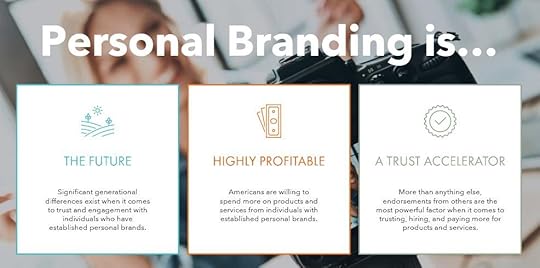
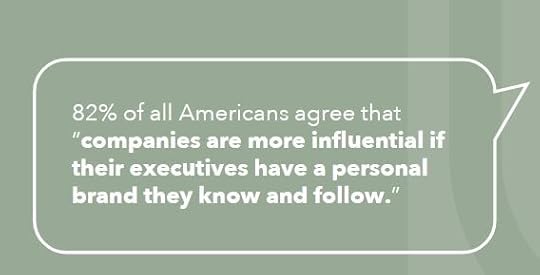
Why is Personal Branding Important?Your brand is your reputation. It’s what comes to mind when people hear your name. For entrepreneurs, creators, and professionals, having a strong brand equals higher credibility and trust. Today, having a strong personal brand has become more important than ever. According to this report, personal brands drive over 66% of all Americans to shell out more money.
Here are some of the key reasons you need to invest time and effort to create a personal brand:
Increases your visibility and reach. A solid brand helps you stand out from the crowd and gets you noticed by potential supporters, employers, partners, or investors. It makes you the obvious choice in your industry. This study indicates that personal branding can help professionals experience greater fulfillment in their careers.Helps build authority and trust. You establish yourself as a trusted expert and influencer. You do that by consistently providing value through your brand. People are more likely to buy from and refer those they know and trust.Differentiates you from competitors. Your distinctive brand helps separate you from others in your space so you’re not just another face in the marketplace. It’s your unique identity.Enables you to charge premium prices. A strong brand commands higher prices because customers value the expertise and results you consistently deliver through your brand.Grows your network. Your brand gives you a platform to engage with other leaders, brands, and potential collaborators who can help grow your business and opportunities.Without a personal brand, you have no reputation to stand on. Take control of how people perceive you and accelerate your growth with strategic branding.
The Basics of Personal BrandingBefore we dive into building your brand, let’s cover some branding basics.
Your personal brand is the unique identity you project to the world. It encompasses your values, expertise, personality, and how you communicate. It sets you apart from everyone else.
While a personal brand is different from a company or product brand, many of the same principles apply:
It should be authentic and reflect who you truly are.It needs to solve problems or provide value for a specific audience.It must be consistent across platforms and interactions.Your personal brand is built over time through your actions, conduct, content, and connections. It’s not something you can fake – it’s earned through ongoing demonstration of your abilities.
Here are some key components that make up a strong personal brand:
Personality: How you communicate and conduct yourself. Is your brand professional, casual, funny, inspirational, etc.?Values: What principles, causes, and beliefs form your brand’s foundation? What do you stand for?Expertise: What skills, knowledge, and experience do you have that bring value to others?Identity: How do you want to be known and remembered? What qualities do you want to be associated with your brand?Consistency: Does your brand show up reliably across all platforms and interactions?Audience: Who is your brand aiming to serve, help, or reach? Defining your niche is critical.Keep these elements in mind as you take steps to build your reputation. Your goal is crafting a cohesive, consistent brand identity that serves a specific audience.
Steps to Build a Successful Personal BrandBuilding a personal brand doesn’t have to cost you a lot. Just follow the right process. Now let’s get into the step-by-step process for building a stand-out personal brand from scratch:
Step 1: Define Your Goals and VisionIf you are looking to build a solid personal brand, start by getting crystal clear on your vision for your brand. Ask yourself:
What do I want to be known for?What do I want my reputation to be?Who do I want to reach and help with my brand?What change do I want my brand to create?Your brand needs a clear focus, just like your business or products do. Set strategic goals for where you want your brand to be in 1-3 years.
Step 2: Identify Your Strengths and SkillsPersonal branding revolves around your expertise, achievements, skills, and personality. Take inventory of them. What are your strengths and passions? What makes you unique?
Reflect on positive feedback you’ve gotten from others also. This helps surface your strengths.
Highlight the skills and abilities that make you valuable to others. Those will form the foundation for your brand.
Step 3: Choose Your Brand Identity and PersonalityNow, start shaping your brand identity. What image do you want to project consistently? Consider:
Descriptors you want to be associated with your brand (e.g., professional, approachable, quirky, innovative)Overall tone and personality of your brandValues and causes your brand aligns with and promotesThe problems your brand aims to solve or needs it fulfillsYour brand identity should be authentic and aligned with your goals. It’s how you want your audience to perceive you.
Step 4: Audit Existing Personal Assets and ContentConduct an audit of your existing online presence and materials. Review your website, social platforms, articles, presentations, videos, etc.
Identify what current assets align with your new brand identity and which need to be updated or removed. This will help reveal any inconsistencies to address.
Step 5: Create Core Brand Messaging and PositioningNow, begin crafting your core brand messaging. This includes:
Brand Hook: The unique value proposition you offer. Why you?
Tagline: A short, memorable summary of your brand identity. Think Nike’s “Just Do It.”
Bio: Short description of your brand. Include your value proposition.
Elevator Pitch: A 30-60 second overview of who you are, what you offer, and why you’re valuable.
Customer/Client Personas: Detail the core types of customers or clients you serve.
Nail your brand positioning – what makes you distinct in the marketplace? Refine messaging until it captures your new brand identity.
Step 6: Strengthen Your Online Presence
Bolster your brand reach by improving discoverability and consistency across your online properties.
Prioritize your website/portfolio. Make sure it aligns visually with your new brand. Create content that reflect your core messaging within your niche.
Optimize social platforms. Ensure your bio, photos, links, and posts on your social media profiles align with your new brand identity. Show up on the social media platforms consistently. Consistency is key!
Produce new branded content and assets. Create a content strategy. Develop materials like presentations, videos, whitepapers, and e-books that support your new brand. Distribute across platforms.
Be sure everything clearly communicates who you are, what you offer, and why you’re valuable. View your website and social accounts through the lens of those unfamiliar with you. Do they perceive your brand clearly?
Step 7: Spread the Word and Connect with Your NicheNow it’s time to promote your new and improved brand actively! A few ideas:
Send personalized emails to share your brand’s news with top clients or connections. Request referrals.Create lead magnets like guides or tip sheets with helpful content to attract new subscribers.Guest post and collaborate with reputable brands and people in your niche to expand your reach.Participate consistently on social media channels where your audience engages. Respond to mentions.Look for speaking opportunities at both virtual and in-person industry events. Pitch yourself.Make an impact by providing high-value content and resources for your specific audience. Form strategic partnerships to intertwine your brand with recognized players.
Step 8: Monitor, Measure, and Refine Your BrandBrand-building is never finished! Consistently analyze performance and progress:
Track brand mentions/tags on social media, press, and other channels. Use tools like Hootsuite, Google Alerts, or Talkwalker.Review audience engagement metrics across platforms. Which content and strategies produce the best results?Survey clients/customers on their awareness and perceptions of your brand periodically. Gather feedback.Audit messaging and content regularly to ensure you’re still on-brand as you scale.Assess inbound leads and sales to see if brand-building activities are driving business growth.Keep improving your personal brand based on what resonates best with your audience. Stay agile and responsive in your market.
Personal Branding ExamplesLet’s look at some stellar examples of successful personal branding. These influential brands create and influence public perception in their respective fields.
Seth Godin

The Brand: Seth Godin is a world-renowned marketing expert who teaches entrepreneurs how to transform their products and businesses. His brand focuses on being remarkable, telling inspiring stories, spreading influential ideas, and challenging the status quo of traditional marketing.
Why It Stands Out: Seth backs up his branded messaging by consistently producing high-value educational marketing content – primarily through his blog, books, podcasts, online courses, and speaking engagements. He positioned himself as a trusted thought leader.
Marie Forleo

The Brand: Marie’s brand centers around empowering people to have fun, make money doing work they love, and make an impact in the world. She teaches online marketing and business strategies for entrepreneurs through her courses and shows MarieTV.
Why It Stands Out: Marie is incredibly passionate and upbeat. She over-delivers value on her blog and show. Her brand excels at building a community and showcasing positivity & authenticity.
Michael S. Hyatt

The Brand: As a former publishing executive, Michael reinvented his personal brand to become a leading expert on productivity, leadership, and intentional living. He provides insights and strategies for achieving goals.
Why It Stands Out: Michael is skilled at crafting relatable, engaging content – via his blog, books, podcast interviews, online courses, etc. He built a powerful educational platform.
Tai Lopez

The Brand: Tai brands himself as a leading business investor and advisor who can teach almost anyone how to achieve wealth, success, and an optimal lifestyle. He shares advice and mindset shifts for success.
Why It Stands Out: Tai excels at aggressive self-promotion across all social platforms – garnering attention with edgy, controversial marketing tactics. He built a huge following online.
As you can see, each brand has carved out a unique positioning in the market that highlights its expertise and personality. What worked for them? Tapping into their natural abilities and consistently providing extreme value for a specific audience.
Model what these branding experts have successfully done as you build your brand identity.
Improving Your Personal BrandingMaybe you already have a personal brand but want to take it to the next level. Here are five proven strategies to improve or reinforce your personal brand:
Analyze your current brand identity.What’s working well that you should amplify? What’s not producing results to eliminate? Assess blog and social media engagement, website traffic, inbound inquiries, etc.
Request client or colleague testimonials.Positive endorsements from others who know your work can greatly enhance your brand’s credibility and reach.
Develop your brand’s origin story.Connect more deeply with your audience by sharing your background and challenges overcome, why you’re passionate about your work, and your vision for the future impact of your brand. Make it personal.
Commit to creating high-value content regularly.Consistently producing helpful blogs, videos, courses, etc., builds trust and authority. Share your best insights.
Continue learning and evolving your skills.Stay relevant by constantly expanding your knowledge and abilities related to your niche. Refresh your brand.
Reassess and realign your brand as you and the market change. Keep finding new ways to provide even more value to your audience.
Personal Branding StrategyDefining your strategy for growing and managing your brand over the long term is crucial. Here are the key components of a complete personal branding strategy:
Brand Foundations
Core brand identity and valuesYour origin story and purposeCustomer avatarsCompetitor analysisMessaging and Content Pillars
Key messaging documentsRecurring content themes and topicsGrowth Channels
Target media outlets and publicationsStrategic partnershipsSpeaking opportunitiesNetworking events and conferencesOnline Platforms
Website optimization planSocial media calendar and engagement tacticsSEO strategiesEmail list-buildingMeasurement and Tracking
Brand awareness and sentimentContent and engagement metricsLead generation and salesROI of branding activitiesRefinement
Improvement plan based on dataQuarterly or bi-annual brand auditsOngoing personal developmentHaving a documented strategy keeps your efforts focused and aligned. Regularly reassess the plan to keep your brand nimble and responsive in the marketplace.
Most importantly, your personal branding strategy must authentically reflect your values, passions, and purpose beyond just professional success. A fulfilling brand comes from the heart.
Using Social Media to Build a Personal Brand
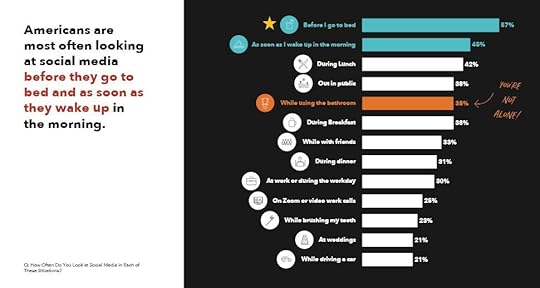
Social media is a powerful tool for building and broadcasting your brand. Let’s explore smart strategies for the top platforms:
LinkedInCraft a detailed LinkedIn profile summary that captures your brand identity and value proposition.Showcase achievements, skills, and experience prominently.Engage consistently by publishing new posts, articles, and content.Join relevant LinkedIn Groups to connect with your industry niche.Activate the Open Profile function so people can easily discover you.FacebookOptimize your Facebook bio with key branding messages and a link to your website.Curate content that educates and inspires your target audience on topics related to your brand.Go Live regularly with video updates to boost visibility and engagement.Create shortest-path branded URLs for easy promotion.InstagramBuild an authentic brand identity on Instagram with a cohesive visual theme, voice, and style.Utilize relevant hashtags in posts, so you appear in niche keyword searches.Post Stories daily or weekly to give followers a behind-the-scenes look at your brand in action.Partner with brands in your industry for cross-promotion opportunities.YouTubeCreate helpful tutorials and videos on YouTube demonstrating your knowledge and abilities related to your brand identity.Optimize video titles, descriptions, tags, and transcripts for maximum discoverability.Promote new videos across all your other social platforms.Analyze audience retention and satisfaction metrics to refine your content.The key is choosing 1-3 platforms where your audience already spends time, then engaging consistently. Don’t spread yourself too thin. Quality over quantity when it comes to social branding.
Key TakeawaysLet’s recap the core personal branding strategies covered to help you succeed:
Define your target audience and brand identity upfront. Get specific on who you help and what you want to be known for.Audit your current assets and identify gaps. Make improvements for consistency.Strengthen your online presence. Refresh content on your website, social platforms, presentations, etc. Optimize for discoverability.Create value-added content and resources. Position yourself as an industry thought leader.Promote your brand. Network, guest post, speak at events, partner strategically, and connect on social media.Track brand growth and engagement. Continuously gather feedback and refine your approach for maximum impact.Remain authentic. Build your reputation based on true skills, beliefs, and passions – not a fabricated persona.The more value you consistently provide, the quicker you’ll go from unknown to respected industry leader. Consistency is the secret to fast growth!
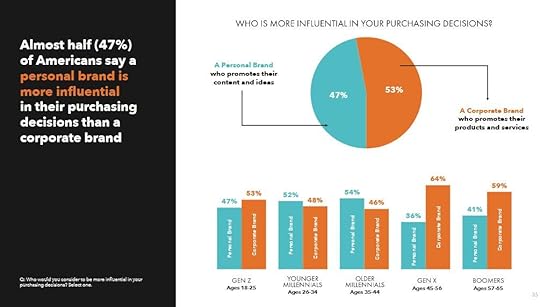
Image Source: Brand Builders Group
ConclusionI hope this guide has provided you with clarity and a roadmap for building your personal brand. A strong personal brand is mandatory for entrepreneurs, creators, professionals, and anyone who wants to grow quickly and achieve success.
It’s your foundation to influence broader change and greatly impact your world.
You can build an authoritative brand identity from the ground up by:
Telling your story powerfully
Building a solid personal brand takes effort and time. But you don’t have to do it all by yourself. Working with AdvertiseMint can help you accomplish the goal faster.
At AdvertiseMint, we are experts in social media paid ads. We run ads on sites like Facebook, Instagram, YouTube, and TikTok. Let our team help you run powerful ads to quickly reach your target audience and build your personal or business brand.
With AdvertiseMint, your brand story can become great ad content. Make more people aware of you and trust you by partnering with us.
The first step is to request a Facebook ads consultation with us. Let’s talk about your goals and make a tailored plan for you.
What is Integrated Marketing Communication (IMC)?

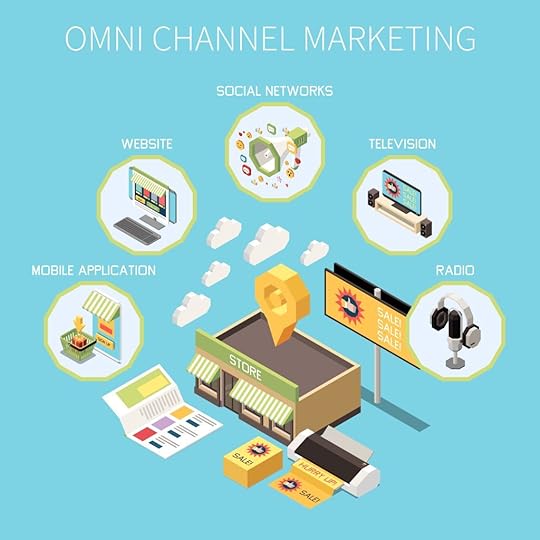
Marketing is tough today, and there’s so much noise out there. To break through, you need a marketing approach that makes the pieces work together.
Enter integrated marketing communications (IMC)!
IMC gives you a big-picture view. It gets all your marketing channels and tools singing one tune. Your website, ads, social posts, events, and more tell one story.
This makes your brand stronger. Customers see you everywhere consistently. You don’t have to waste money on disjointed efforts as a business owner or marketer.
With IMC, you reach people across different marketing channels and guide them on a journey with your brand.
When all your efforts join forces, your message comes through loud and clear. According to this study, integrated marketing communications have a significant beneficial impact on brand equity.
Want to make your marketing initiatives much more powerful?
Let’s explore how integrated marketing communications can work its magic on your business.
What is Integrated Marketing?Integrated marketing ties things together. It coordinates your strategies to give customers a unified experience.
In the past, marketing was fragmented. Departments worked separately, and campaigns didn’t connect quite well. With integrated marketing, everything aligns. Your brand has one face and consistent message across channels. This approach to marketing builds trust and brand loyalty.
Integrated marketing takes some effort. But making your brand’s message and identity consistent across multiple channels maximizes impact.
Understanding Integrated Marketing Communication (IMC)Let’s provide an answer to the question, ‘What is integrated marketing communication (IMC)?’
IMC is a framework that aligns your business messages and visuals. It makes all touchpoints about your product or service work together.

Image Source: Slideplayer
IMC differs from old-school marketing. It’s not just isolated campaigns. Instead, strategies reinforce each other.
With IMC, tactics like public relations, billboard ads, events, and more combine powers. Together, they communicate clearly and consistently.
IMC focuses on the customer and makes your website, social media marketing, offline materials, and more tell one story. This multi-channel harmony resonates with audiences.
Research indicates that campaign effectiveness tends to increase with the incorporation of additional diverse media channels into the marketing mix.
The Benefits of IMCAdopting IMC has big advantages. Let’s explore the key benefits:
Brand Consistency
IMC aligns touchpoints. This strengthens brand recognition because consumers see a consistent face and message.
Without IMC, brands seem fragmented. Customers get confused by the mixed messages from disjointed marketing and advertising activities. IMC brings cohesion.
Improved Customer Experience
An integrated marketing approach makes journeys seamless. Messages flow across channels and devices. The experience feels connected and personalized.
Siloed efforts frustrate customers. IMC guides them clearly at each touchpoint. This nurtures the relationship.
Maximized Marketing ROI
IMC improves return on investment. How? By coordinating spending across campaigns. No budget gets wasted on misaligned efforts.
Optimization also saves money. Content, visuals, and more get reused where appropriate. IMC improves marketing ROI.
Enhanced Brand-Consumer Connection
IMC builds trust and loyalty. With consistent engagement, consumers relate better to your products and services. It fosters emotional bonds.
United messaging appeals to your consumers, creating strong connections. Such connections drive sales and deliver a better consumer experience.
Planning Your Integrated Marketing CampaignCrafting an IMC plan takes work, but where do you start?
First, align internal teams. Get organization-wide buy-in. Then, craft a master plan that coordinates strategies.Keep the customer at the center. Map their journey and touchpoints. Use data to fine-tune spending.Review often and refine. Consistent measurement and adaptation will improve future campaigns.Creating an Integrated Marketing StrategyAn IMC strategy aligns your efforts. It prevents wasted or conflicting tactics. Follow these steps to create one:
Set Overall Goals
Be clear on what you want to achieve with your marketing activities. Do you aim to raise brand awareness? Increase sales? Enhance loyalty? Well-defined goals guide strategies.
Identify Target Audiences
Get specific on who you need to reach. Dig into demographics, lifestyles, locations, habits, and needs. Tailor tactics to what resonates.
Audit All Marketing Assets
Assess your website, social channels, content archives, partnerships, and more. These assets inform strategy and creative direction.
Map the Customer Journey
Chart how target audiences engage now. When and why do they interact? Identify gaps and opportunities to connect.
Coordinate Campaign Timing
Look at ongoing and upcoming promotions across units. Align efforts to reinforce rather than compete.
Optimize Spending
Allocate budget to amplify impact. Which platforms and tactics influence your targets most? Invest there.
Define Roles
Clarify who leads execution for each channel and strategy. Keep members of your marketing team aligned on overarching goals as they work.
Pick Integrated Metrics
Decide what data to track. These data may include sales, web traffic, social engagement, and brand awareness surveys.
General Communication and Message in IMCMessaging is critical in IMC. What you communicate should always align with your brand identity and goals. Here are some messaging tips:
Convey Core Identity
Let your brand vision and persona come through. What makes you unique? What values define you? The knowledge helps you deliver the right message.
Localize Content
Adapt messaging to channels and contexts. Fit the medium and audience. But retain brand voice and key themes.
Share Value
Communicate how you benefit customers. Stay positive and relevant. Helpful, entertaining content engages.
Unify Visuals
Use colors, logos, fonts, and imagery consistently. This visual identity cues your brand.
Collaborate Across Teams
Involve all content creators. Guide them to reinforce narratives across efforts and review regularly for alignment.
Evolve With the Market
Refresh messaging as needed but retain familiar visual cues. Balancing continuity and innovation keeps brands fresh.
How to Implement a Cohesive IMC StrategyImplementing your IMC strategy takes work. But following core principles will streamline execution:
Multi-Channel MarketingImplementing IMC requires having a multi-channel mindset. Strategies interplay across platforms. Channels include:
Paid Media – Ads, sponsorships, paid social media promotionOwned Media – Your website, blogs, social platforms, branded content and appsEarned Media – PR, reviews, user-generated content, word-of-mouth Email Marketing – Opt-in newsletters, promotions, and nurturing campaignsEvents – Conferences, pop-up stores, experiential activationsPackaging – Product design conveying brand identity and messagingPartnerships – Co-branding, content sharing and affiliate promotions Content Marketing – Optimizing for branded and non-branded searchDirect Mail – Targeted catalogs, postcards, and packagesSales Collateral – Leave-behinds, presentations, and talking pointsUsing multiple channels expands reach, but silos weaken the impact. You must align each element behind your comprehensive marketing strategy.
Crafting Cohesive Marketing StrategiesWith many moving parts, IMC requires collaboration that works together across all communication platforms to:
Reinforce Core Messaging – Distill and repeat key brand themes consistently.Repurpose Content – Adapt compelling assets for new contexts.Develop Shared Calendars – Plan synergistic timing of releases across units.Leverage Existing Channels – Tap owned platforms before paying for new ones.Avoid Mixed Messages – Keep all efforts aligned with strategy.Optimize Hashtags – Unify branded hashtags where helpful.Partner Creatively – Collaborate with affiliates to amplify reach.With ongoing teamwork, you can orchestrate harmonized strategies that captivate audiences.
Key Elements of an Integrated Marketing PlanEvery IMC plan will be unique. But all strong plans will include:
Situation Analysis – Assess internal strengths and external opportunities. Set goals accordingly.Target Definition – Profile who you need to reach and what motivates them.Core Strategy – Summarize the approach, including positioning. Guide decisions.Key Messages – Define consistent themes, tone, and delivery. Coordinate this.Creative Direction – Set visual identity and style guidelines. Maintain brand cohesion.Media Channels – Determine platforms and vehicles to engage audiences.Tactics – Detail each campaign, promo, content effort, and partnership.Budget Allocation – Appropriately fund elements proportional to impact.Measurement Plan – Track KPIs to monitor campaign effectiveness.Governance – Clarify approval workflows and reporting structures.Timeline – Schedule all efforts and assignments. Update and share often.With an effective roadmap in place, activating IMC becomes easier. Stay nimble and collaborative to adapt as needed.
The Role of Data and Analytics in IMCData should guide your IMC efforts. It shows what works and what does not. Here is how to use it:
Utilizing Data-Driven InsightsLean on data when you make marketing choices. Let it shape your strategy.
Look at sales numbers, site traffic, online buzz, and more. See what drives results. Then do more of that!
Surveys also provide insights. Ask customers for feedback and use it to create better experiences.
Measuring IMC EffectivenessGreat data shows if your IMC is effective. Track important metrics like:
Sales growthIncreased site visitorsMore social media followersHigher ad recallPositive brand sentimentMore email signups
See what improves. Find out where you are falling short. Metrics prevent wasted marketing money.
Adapting and OptimizingUse data to guide updates. See what messaging and content is hottest. Double down on that!
Try new platforms or tactics and see if they move the needle. Scrape what does not work.
Refresh and refine to keep improving. Let data steer your next moves and watch your IMC impact grow.
With data’s help, your marketing gets sharper. Numbers don’t lie – let them lead the way.
IMC Case StudiesSeeing IMC in action illustrates its power. Here are some real-world examples:
Netflix
Netflix aligns messaging across channels to reinforce its brand identity as an entertainment leader. Netflix Original branding is consistent in its:
TV and YouTube adsCustom visuals on InstagramEmail campaignsLanding pagesRetail displaysThis omnipresence immerses consumers in the Netflix experience. IMC makes Netflix a lifestyle brand.
Apple
From products to stores, Apple’s signature marketing strategies like silhouetted ads, minimalist design, and experiential retail all support its brand image as sleek and elite.
Apple’s integrated marketing innovations include:
Iconic visuals adapted seamlessly across platformsA matching in-store/online experienceToday at Apple sessionsGenius Bar provides personalized customer serviceStrategic PR and anticipation-building for product launchesThe customer journey feels designed end-to-end. Apple sets the standard for branded storytelling.
Dove
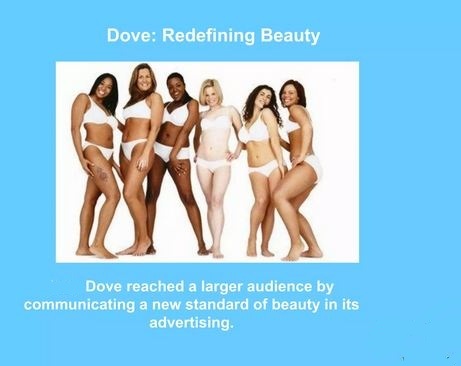
Image Source: Slideshare
Dove’s Real Beauty campaign delivered a coordinated message of body positivity across touchpoints:
Viral ads showing diverse womenSchool workshop programsExperiential events like pop-up art showsProduct packaging featuring real womenPledge encouraging body acceptanceThis integrated approach helped Dove become a champion of female empowerment. It fueled talkability and brand love.
Starbucks
With IMC, Starbucks goes beyond selling coffee to offering an experience. Tactics like:
Consistent branding from menus to cupsCustom in-app promotionsCurated playlists and retail aestheticsLoyalty program driving engagementContent spotlighting coffee regionsMedia partnerships and branded pop-up events…work together to make the brand alluring. Starbucks feels like a reliable friend anywhere you go.
Key TakeawaysHere are the core lessons on making IMC work:
Adopt an omnichannel mindset that follows the customer journey.Coordinate messaging strategies across campaigns and platforms.Create consistent and complementary visual branding.Involve all teams to align efforts behind strategy and identity.Map out an integrated plan that makes budget and tactics reinforce.Measure using shared metrics and enhance accordingly.Stay nimble and keep innovating while maintaining continuity.With IMC best practices, your marketing drives deeper engagement. Put integration at the core and watch effectiveness soar.
ConclusionToday’s market demands integrated marketing. IMC is the key to cutting through noise and running effective marketing campaigns.
Align your strategies, channels, and messages to help customers relate to your brand anywhere they engage.
IMC does require work. But it maximizes marketing ROI and builds lasting consumer connections.
Approach all marketing efforts with integration in mind from now on. Remember to focus on the customer. Make their journey intuitive and personalized through coordinated storytelling.
With the power of IMC, you can captivate audiences in new ways. At AdvertiseMint, our expertise in paid ads provides the power to orchestrate IMC easily.
We can help efficiently unify your strategies across digital marketing channels, reach more of your target audience, and maximize ROI.
Say goodbye to fragmented efforts that cause frustration. Partner with AdvertiseMint, and let’s harmonize your marketing melodies to deliver improved results.
Want to learn how our Facebook ads services can strengthen your marketing message and help to grow your business?
Click here to request a free Facebook ads consultation with us. It only takes a few seconds.
September 25, 2023
The Power of TikTok Marketing: Boosting Your Brands in Seconds
Would you like to learn how to create a successful TikTok marketing strategy?
TikTok is a powerhouse for businesses looking to connect with their audience in a fun and engaging way. Whether you’re a seasoned marketer or a beginner, understanding TikTok marketing can be a game-changer for your brand.
But how can you use TikTok effectively for your marketing campaign? Get all the answers in this blog post.
What Is TikTok Marketing?TikTok marketing is all about using TikTok to promote your brand or business. It involves creating fun videos, targeting specific viewers, using popular hashtags, and collaborating with influencers to connect with a broad audience.
Here is how TikTok marketing works:
1. Create fun video clips: TikTok marketing requires you to create short and entertaining video content, like funny videos about brands, products, or services.2. Reach a big crowd: There are over a billion TikTok users across the globe. That’s a massive audience waiting to discover what you offer.3. Show your style: Let your creativity shine through your videos. You can make your TikTok content stand out with music, special effects, and cool editing.4. Connect with your target audience: TikTok marketing is like building a friendly fan club. People who like your TikTok videos can follow you, and you can talk to them in comments and messages.Read more: How much do TikTok ads cost?
The Main Types of TikTok Marketing for BrandsLike the other top social media platforms, TikTok offers brands and businesses a dynamic space to shine. Below are the main types of marketing brands use on TikTok:
1. TikTok influencer marketing.TikTok influencer marketing requires brands to team up with popular TikTok influencers with a dedicated following. If you partner with influencers, they will create engaging videos featuring your brand’s products and services, effectively endorsing them to their audience.
In addition, TikTok influencers bring credibility and authenticity to brand promotions. Hence, your brand promotions will be more relatable for viewers.
2. Branded hashtag challenges.Brands that use branded hashtag challenges initiate creative challenges on TikTok, encouraging TikTok users to participate. Users create content following the challenge theme and using the brand’s hashtag. These trending hashtag challenges go viral, spreading brand awareness and user-generated content.
3. In-feed ads.In-feed ads are short video ads that appear in users’ TikTok feeds. Brands that use in-feed ads create catchy, brief ads that appear naturally in users’ feeds. These ads blend seamlessly with user content and grab attention quickly.
4. Branded effects.Brands that use branded effects design unique augmented reality (AR) effects for users to include in their videos. Users access these effects through the TikTok camera to create engaging and interactive content. Branded effects are effective because they foster user creativity and offer an immersive brand experience.
5. User-generated content (UGC) campaigns.Brands that use UGC campaigns to market their products encourage TikTok users to create content related to their products and services. When users voluntarily share these content ads, they demonstrate their love for the brand. UGC campaigns build a loyal community and showcase real-life product experiences.
5. TikTok Live.Brands go live on TikTok to engage with their audience in real time. Businesses that use live videos for TikTok marketing can host Q&A sessions, product launches, or behind-the-scenes content. Using live videos for TikTok marketing is effective because it fosters a direct connection with the audience and builds trust.
Read more: Discover how to fix TikTok Live not loading.
6. TikTok shoppable content.If you use this type of TikTok marketing, you can link your products directly to TikTok videos for easy shopping. TikTok users can click on your products in the videos you link them to view details and make purchases. Using TikTok shoppable content to market your product effectively streamlines the shopping process by converting interest to sales.
How To Create an Outstanding TikTok Marketing StrategyAfter choosing the types of marketing to use on TikTok, you need to create your own TikTok marketing strategy. Below are steps to follow to create a TikTok marketing strategy that stands out:
Step 1: Define your goals.You can start with a clear objective by deciding what you want to do with your TikTok marketing. Whether it’s increasing your brand’s awareness, driving website traffic, or boosting sales, your goals will drive your strategy.
Step 2: Know your audience.Understanding your audience is crucial. Know your ideal viewers: their interests, age, location, hobbies, etc. The more you know about them, the better you tailor your content to keep them engaged and build a strong TikTok presence.
Step 3: Competitor research.Check out what your competitors are doing on TikTok. It would be best to consider what’s working for them and what’s not. Learning from their success and mistakes will refine your strategy. One tool that can help you do this is TikTok Top Ads.
Step 4: Content planning.Brainstorm ideas for your TikTok content by being creative and thinking outside the box. TikTok is about unique and entertaining videos, so let your imagination run wild.
Step 5: Consistent branding.Maintain a consistent look and feel in your videos. Use your brand’s colors, logo, and messaging to make your content instantly recognizable to viewers.
Step 6: Engage with trends.Just like other social media platforms, TikTok loves trends. You should participate in popular challenges and use trending hashtags to increase your brand’s visibility.
Step 7: Collaborate with TikTok influencers.Partner with TikTok influencers in your brand’s niche. These individuals can help you reach a wider and more relevant audience.
Step 8: Hashtag matter.Using relevant hashtags in your videos will improve your brand’s discoverability. So, it would be best to research popular and niche hashtags that fit your content.
Step 9: Consistency is key.While practicing TikTok advertising, you should avoid being a one-hit wonder. Post videos regularly to keep your target audience engaged and returning for more.
Step 10: Interact with your audience.Respond to comments and messages to build a genuine connection with your viewers.
Step 11: Monitor and adjust.Please monitor your TikTok analytics by checking which videos perform best and adjusting your strategy accordingly.
Step 12: Promote your TikTok content.Share your TikTok video clips on other social media platforms to cross-promote your content and grow your TikTok following.
Step 13: Consider TikTok advertising.Depending on your budget, you should explore TikTok ads. Exploring TikTok ads can help you reach a broader audience and boost your brand’s exposure. You can also hire a TikTok ad agency to guarantee the best results.
How To Create a TikTok Business AccountConsider setting up a TikTok business account to advertise your business or products in the TikTok community. To have your TikTok business account up and running in no time, follow the simple steps below:
Step 1: Download the TikTok app.If you don’t already have the TikTok app on your device, download it from your app store.
Step 2: Sign up or log in.Open the TikTok application and either sign up for a new account or log into your existing TikTok account. Use an email and password that you can easily access.
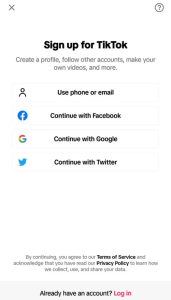
After logging into your TikTok account, follow the procedures below to switch to a business account:
Tap your profile’s icon at the bottom right corner of the screen to access your profile.

Click the three stack lines in the top right corner on the next screen.

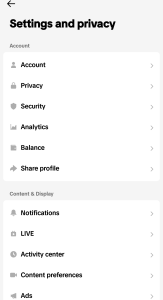
On the pop-up screen, tap “Settings and privacy.”
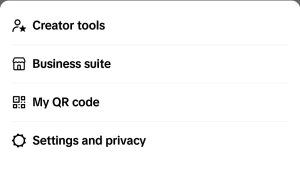
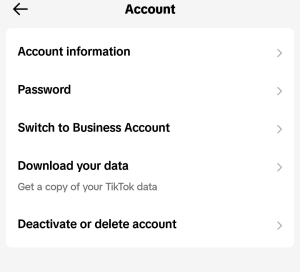
On the “Settings and Privacy” screen, click “Account.”
On the “Account” menu, click on “Switch to Business Account.”
Step 4: Access TikTok ads manager.
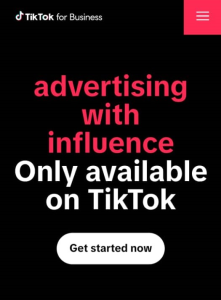
Go to ads.tiktok.com to access the TikTok ads manager and set up your business account. Follow the easy steps below to set up your TikTok marketing account:
On the landing page, click the “Get started now” option.
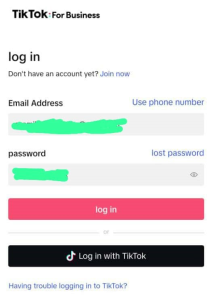
Log in with your TikTok login details.
Select your country region.Fill in your business details like business name, website, and industry.Verify your business by providing additional information or documentation if requested.Step 5: Add payment information.
You will need to add your payment information to run ads on TikTok. TikTok accepts various payment methods, including credit cards. Follow the prompts to securely add your payment details.
Step 6: Review and confirm.Double-check your information to ensure accuracy before finalizing your TikTok ad account setup. Once you’re satisfied, click the “Confirm” button.
Step 7: Begin creating ads.Congratulations! You now have a TikTok ads account. You can start creating ad campaigns, targeting your audience, and promoting your business or product on TikTok.
Final ThoughtsYou can leverage TikTok’s immense potential to boost your brand’s visibility and connect with a broader audience. However, creating a successful TikTok marketing strategy involves certain key factors. These factors include setting clear goals, understanding your audience, and consistently delivering engaging content.
Frequently Asked QuestionsWhat is TikTok’s marketing strategy, and why is it important?TikTok marketing strategy is a plan businesses use to promote themselves on the TikTok platform. It is essential because TikTok has a colossal and engaged user base, making it a prime place to connect with potential customers.
How can I find the right audience for my TikTok marketing strategy?Research your target audience’s interests, behaviors, and demographics to find the right audience. Use this information to create content that appeals to them. You can also partner with TikTok influencers who already have a relevant audience.
What types of content work best on TikTok for marketing purposes?Content that works best on TikTok are short-form videos that are engaging and authentic. Also, you can use trends, challenges, and storytelling to capture your audience’s attention.
Related BlogsSeptember 22, 2023
Understanding Merch by Amazon: A Complete Guide
Are you ready to dive into the exciting world of Merch by Amazon?
Selling merchandise on one of the world’s largest online marketplaces has never been easier. Whether you’re an aspiring entrepreneur or a creative looking to share your designs, Merch by Amazon offers a fantastic opportunity.
Merch by Amazon is a godsend for budding artists waiting for breakthroughs in the merchandise industry. This article will discuss Merch by Amazon, how to apply, and the tips you can follow to thrive on this platform.
What Is Merch by Amazon?Merch by Amazon is a service that allows individuals and businesses to design and sell custom merchandise on the Amazon marketplace. Sellers create designs for products like T-shirts, accessories, and more, while Amazon handles printing, packaging, and shipping. It allows creators, artists, and entrepreneurs to sell their unique designs to a broader audience without the hassle of handling inventory and shipping logistics.
How Does Merch by Amazon Work?Here’s how Merch by Amazon works:
Design: Sellers can create their own designs for various products like t-shirts, hoodies, and more. These designs can include graphics, artwork, slogans, or any creative element.Listing: Sellers upload their designs to the Merch by Amazon platform, where Amazon then creates product listings for them. These listings appear like any other product on Amazon’s website.Sales: When customers purchase products with your designs, Amazon takes care of the printing, packing, and shipping. You, as the seller, earn a royalty on each sale.Marketing: Sellers can also promote their merchandise through various marketing channels to boost sales and visibility.Earnings: Your earnings are based on the royalties you earn from each sale. Amazon handles payments and deposits your earnings into your account.How Do I Apply for Merch by Amazon?Merch by Amazon’s reputation as a leading print-on-demand service is well-founded. It offers a reliable and efficient platform for newcomers and experienced sellers. The following are the steps you can follow when applying:
1. Prepare the following documents:
Personal informationPayment and banking informationTax informationBusiness or brand informationWebsite or social media page links2. Go to the Merch by Amazon website and click “Request Invitation.” It is found on the right part of the screen.
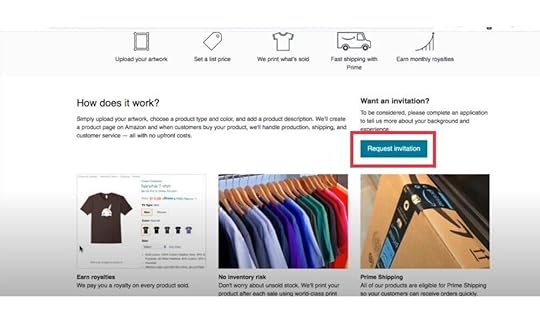
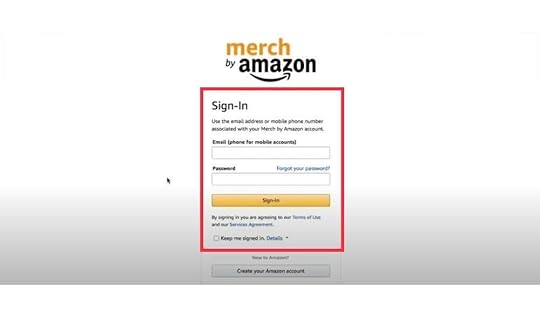
3. Sign in to your existing Amazon Account (or create a new one).
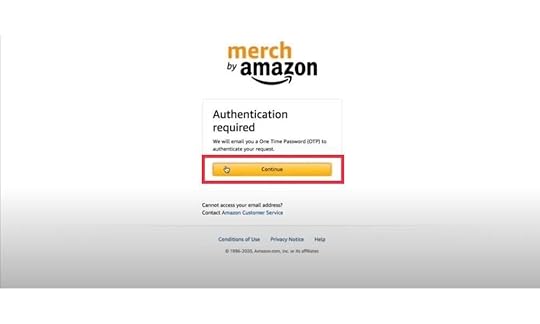
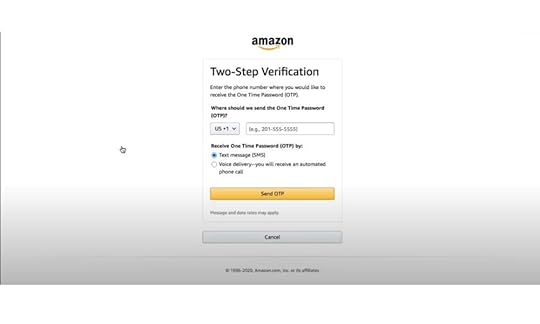
4. Provide the OTP.
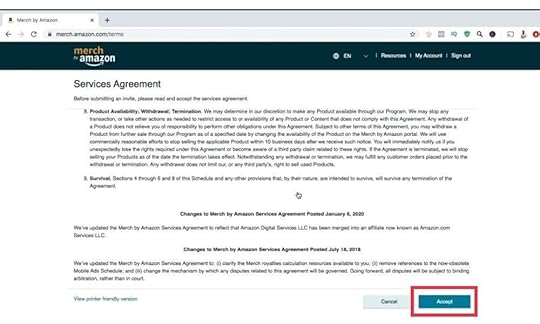
5. Accept Services Agreement.
6. Click “Begin application”.
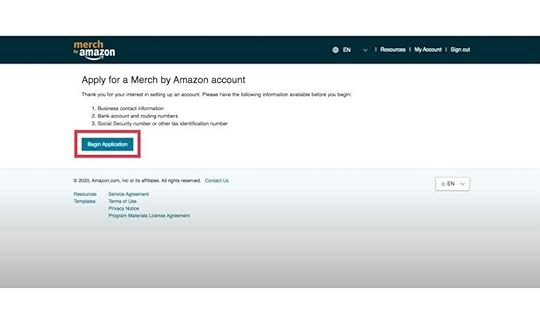
7. Finish the two-step verification process.
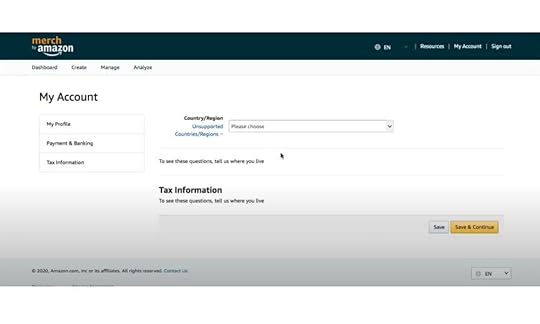
8. Fill out your account information.
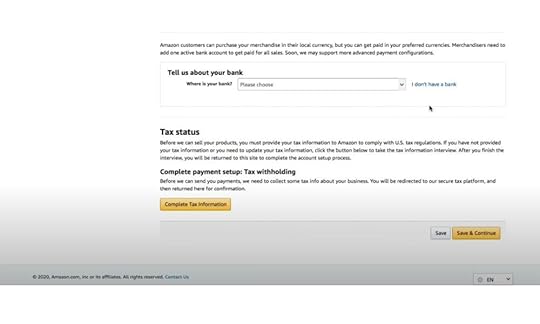
9. Provide bank and tax information
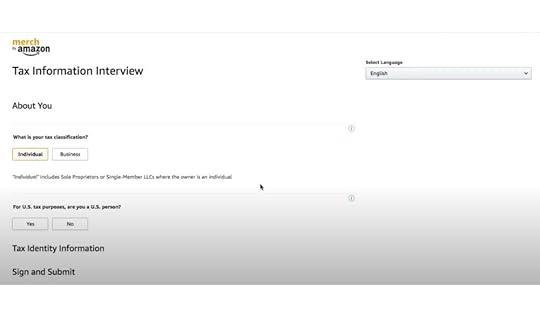
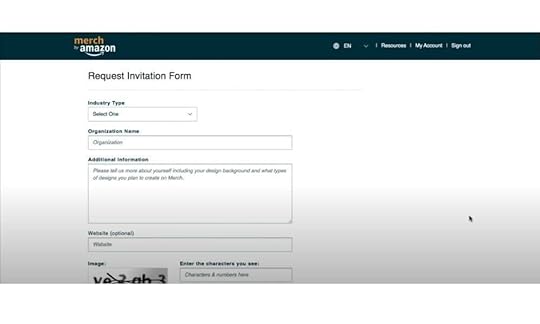
10. Fill out the Request Invitation Form.
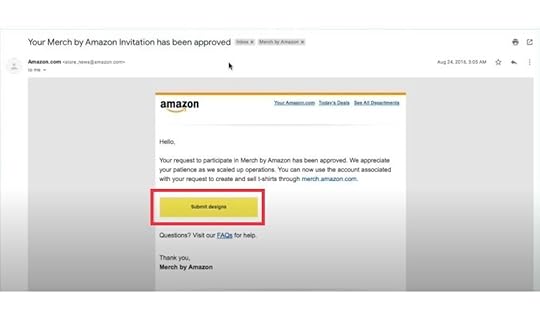
11. Once approved, you will be notified by email and can start submitting your designs.
The following are steps you can take when designing for Merch by Amazon:
Create original designs: Use graphic design software like Adobe Photoshop, Illustrator, and other design tools to improve your designs. While you can craft designs digitally, you must ensure that your designs are original and in line with copyright or trademark laws.Design guidelines: You must familiarize yourself with Merch by Amazon’s design guidelines. It will help ensure that your designs meet the required specifications for printing. You should also consider factors like image dimensions, file formats, color modes, and resolution.Optimize for merchandise types: Tailor your designs to suit various merchandise like shirts, hoodies, and mugs. You need to adjust your layout and dimensions to match the product.Test and iterate: Best your designs on varied products to see which works best. You should also gather feedback from possible customers or designers for improvement.Strategies for Selling on Merch by AmazonThe following are effective strategies to enhance your sales on this platform:
Niche research and targeting: It is crucial that you identify profitable niches. You can do this by conducting thorough market research. This will help you understand what is trending, know your target audience, and create designs your audience loves.Quality design and unique selling proposition (USP): You should focus on creating high-quality, original, unique designs that stand out. Likewise, you should develop a distinct style or theme that becomes your unique selling proposition and helps generate a following.Optimize listings for SEO: You should use relevant keywords, clear titles, and concise descriptions to optimize your product listings for search engines. It can help customers find your merch easily. The Amazon Merch dashboard allows you to create, manage, and optimize your listings for the best visibility.Promote your work: Promoting your designs on social media platforms can greatly increase your visibility. You can collaborate with influencers in your niche to show your products to more people. You can also get an Amazon ad agency to advertise your work on the platform.Engage with your audience: Actively engage with your audience through social media, email newsletters, and Q&A sessions. It will help them get to know you and your brand better. You can also use the platform to address their questions, ask feedback, and create a community around your brand.Participate in Amazon promotions: You should utilize Amazon’s promotional features, like discounts or limited offers, to reward purchases. These promos can drive more traffic and boost your sales.Monitor and analyze performance: Regularly review the sales you made, provide customer feedback, and check the analytics given by Amazon. Tools like Google Trends can help you determine popular trends for your merch strategy.Optimize pricing strategy: To balance profit margins and customer appeal, you should experiment with varied pricing strategies. You should also test different price points to see which is more catchy for your target audience.Focus on customer satisfaction: You should exert time and effort to provide top-notch customer service. Satisfied customers are more likely to give you positive reviews. Their feedback can boost your reputation and attract more customers.Challenges and SolutionsBy leveraging the power of Amazon’s massive customer base, you have the potential to reach hundreds of millions of customers with your custom merchandise. But while it is a powerful platform, it has its fair share of setbacks. The following are the common challenges that come with Merch by Amazon, as well as the tips to overcome them:
Design approval process. Getting your designs approved can be challenging because of Amazon’s strict content policies. Hence, it is important to familiarize yourself with Amazon’s guidelines and ensure that your designs follow the policies.Tier limitations: When starting this business venture, you get limited design uploads based on your tier. This can hinder your growth as a business. However, you can optimize your existing designs and delete underperforming ones to accommodate newer ones. You should focus on selling to move to higher tiers and access more design slots.Competition and saturation: The marketplace is highly saturated, making it harder to get visibility. Hence, targeting certain audiences and researching trendy designs is crucial to creating timely and appealing merchandise.Marketing and promotion: Since the market is vast, promoting your designs effectively can be overwhelming. Leveraging social media and collaborations is important to increase your design’s visibility.Copyright and intellectual property issues: One of the common problems when designing and selling merchandise are copyright violations and intellectual property issues.Product diversification: It can be challenging to diversify products because of the limited slots on certain designs.Handling customer feedback: Negative feedback can affect your sales and reputation as a business. So, you should address negative feedback promptly. You should also offer excellent customer service and strive to resolve issues properly. Furthermore, encourage your customers to leave positive reviews.Final ThoughtsAs a creative entrepreneur, you can join Merch by Amazon and showcase your designs to a global audience. You don’t necessarily need to be a graphic designer. You only need the skills to craft creative designs that customers will love. Upon approval, you gain access to the merch account, where you can create and sell merchandise like t-shirts, accessories, and more.
Frequently Asked QuestionsWhat is a Limited Liability Company (LLC)?A Limited Liability Company (LLC) is a business setup that mixes features of partnerships and corporations. It protects owners from personal responsibility for debts like a corporation does. Plus, it has tax advantages like partnerships or sole proprietorships.
How long does it take to get approved after applying to Merch by Amazon?Approval times may differ; it can last for weeks to months. Amazon reviews applications to ensure that everyone will comply with their policies.
How much are the upfront costs on Merch by Amazon?Merch by Amazon comes with no upfront costs.
Related ArticlesWhy Are My TikTok Ads Not Spending? 8 Reasons and Solutions
“Why are my TikTok ads not spending?”
This is a question on the minds of several advertisers. It can be frustrating to create an engaging TikTok ad campaign only to see it not deliver the results you expected.
If you are facing this issue, you need to understand its causes to optimize your campaigns and get the most out of your ad budget. This blog will discuss the common reasons your TikTok ads are not spending.
1. Insufficient BudgetA possible reason your active ads on TikTok are not spending is an insufficient ad budget. TikTok allows you to set a lifetime or daily budget for ad campaigns. If your ad budget is too low, your ad campaign won’t run effectively.
Solution.To solve this issue, consider increasing your daily budget. You need to meet TikTok’s minimum budget to ensure the continuity of your ads’ delivery.
For TikTok ad campaigns, the minimum budget for daily and total budgets is $50. But for ad groups, the minimum daily budget is $20. Also, lifetime budgets require a $20 minimum budget every scheduled day.

Source: Pixabay
2. Ad SchedulingSometimes, TikTok ads don’t spend because of your chosen scheduling settings. If you’ve set specific hours for running ads on TikTok, they will only spend during those times. You might miss out on valuable impressions if your audience is more active at different hours.
Solution.To overcome this issue, consider reviewing your ad schedule and adjusting it to align with your target audience’s peak activity times.
3. Ad Creatives and QualityThe quality of your TikTok ads plays a significant role in their performance. If your ad content isn’t engaging, relevant, or visually appealing, users are less likely to interact with it.
Solution.To fix this issue, create high-quality, attention-grabbing ad content that resonates with your target audience.
4. Targeting Issues

Effective ad targeting is crucial for success. If you’ve chosen the wrong audience or your targeting parameters are too narrow, your ads won’t spend.
Solution.To address this problem, you should review your audience settings. Ensure the settings align with your ad campaign objectives and audience demographics.
5. CompetitionTikTok is a competitive advertising platform. So, your competitors may be bidding aggressively for the same audience. If there’s fierce competition, it can be challenging for your TikTok ads to spend.
Solution.To combat this issue, consider adjusting your bidding strategies or exploring alternative audience segments with less competition.
6. Ad Approval DelaysTikTok has strict ad policies; the platform must approve your ads before they can run. If your TikTok ads have yet to be approved, they won’t spend.
Solution.Ensure that your ad content meets TikTok’s guidelines, and if you experience delays, contact TikTok support for help.
7. Ad Delivery IssuesOccasionally, TikTok’s ad delivery system may experience technical glitches or delays.
Solution.If you suspect this is the case, be patient and monitor your TikTok campaign. If the issue persists, contact TikTok’s support team for guidance.
8. Ad Formats and PlacementsThe type of ad format and placement you choose can affect spending. Some ad campaign formats or placements may be more popular and competitive than others.
Solution.Experiment with different formats and placements to find the best combination for your campaign.
Final Thoughts on “Why Are My TikTok Ads Not Spending?”If your TikTok ads aren’t spending as expected, there can be several reasons behind it. You can start resolving the issue by checking your campaign settings, budget, targeting, and ad quality. Making the necessary adjustments and staying patient can increase your chances of achieving your marketing goals.
Do you need expert help in your TikTok ad campaign? Contact the best TikTok ad agency.
Frequently Asked QuestionsWhy are my TikTok ads not spending, even though I set a budget?Your budget might need to be higher as TikTok ads need sufficient funds to run smoothly. Consider increasing your budget for better results.
I scheduled my TikTok ads, but they are not spending. What’s wrong?If your ad schedule doesn’t match your audience’s active hours, your TikTok ads won’t perform well. Therefore, you should adjust your schedule to align with peak times.
My TikTok ads look great, but they are not spending. What should I do?Ad quality matters, so if your ads are not interesting or are irrelevant to your audience, they won’t engage. Therefore, you should invest time in creating compelling and on-point content.
Related ArticlesWhat Is a Good CTR for TikTok Ads?
What is a good CTR for TikTok ads?
With its massive user base and engaging content, it’s no wonder that businesses are flocking to TikTok to run their ad campaigns. But how successful are TikTok ads? The crucial metric to consider is the click-through rate (CTR).
This article will discuss what CTR means for your TikTok ad campaign. We will also discuss what you can consider a good CTR for your TikTok advertising campaign objective and how to improve your CTR.
What is CTR for TikTok Ad Campaigns?CTR, or click-through rate, is a metric that tells you how effectively your TikTok ads encourage users to click on them. It’s calculated by dividing the number of clicks on your TikTok ad by the number of impressions and multiplying by 100. The formula for CTR is as follows:
CTR = (Number of Clicks / Number of Impressions) x 100.
For instance, if your TikTok ads received 1,000 impressions and were clicked 100 times, your CTR will be 10%.
Source: Pixabay
What Is a Good CTR for Your TikTok Ads?A good CTR for a TikTok ad campaign can vary depending on various factors. These factors include your industry, campaign objective, and target audience. However, generally speaking, a good CTR for TikTok video ads lies between 1% to 3%.
Here is a breakdown of what different TikTok video ad CTR ranges might indicate:
Below 1%.A CTR below 1% may indicate that your TikTok ad doesn’t resonate well with your target audience. You should consider rethinking your creative, targeting options, or call to action.
1% to 2%.The 1% to 2% range is considered an average CTR for TikTok video ads. It means your TikTok ads perform reasonably well and attract user engagement. However, you can still optimize your TikTok ad campaign for better results.
Above 2%.A CTR above 2% is a positive sign. It indicates that your TikTok video ads are highly engaging and successfully capture your target audience’s attention. It may also suggest that your TikTok advertising campaign is relevant and resonates with viewers.
Source: Pixabay
How To Improve Your TikTok Video Ads CTRHow do you ensure your TikTok ads grab attention and encourage users to click? The answer lies in the details below:
1. Create eye-catching thumbnails.Your TikTok ads video’s thumbnail is the first thing users see. Therefore, you should use vibrant colors, intriguing visuals, and clear text to entice viewers. A catchy thumbnail can make users curious and more likely to click.
2. Craft captivating captions.Your TikTok ads video caption is your chance to provide context and spark interest. Hence, you should write short and snappy captions that complement the content of your TikTok video ads. A good caption can pique curiosity and encourage users to click for more.
3. Use trending hashtags.TikTok is all about hashtags. So, you can research hashtags relevant to the content of your TikTok ads and incorporate them into your captions. Doing this can help your TikTok ads video appear in more searches and feeds, increasing its visibility and CTR.
4. Get expert help.If you are struggling to boost your TikTok ads CTR, you should consider hiring professionals. A TikTok ad agency has the necessary tools and tricks to get you a good CTR.
4. Engage quickly.Hook your viewers within the first few seconds. TikTok videos auto-play, so your opening needs to be attention-grabbing. Show the most exciting part of your content upfront to keep viewers watching and clicking.
5. Tell a story.People love stories, so you should craft the content of your TikTok ads like a short narrative. Take viewers on a journey or build anticipation. A compelling storyline can attract interest and make them want to learn more by clicking.
6. Include a clear call-to-action (CTA).Keep viewers from guessing about what to do next. Tell them what you want! Whether it’s “Click the link,” “Follow us,” or “Tag a friend,” a clear CTA guides users to take the desired action.
7. Optimize for mobile viewing.Remember that TikTok is primarily a mobile app. Ensure your TikTok ads video and landing page are mobile-friendly. A seamless mobile experience can reduce friction and increase brand awareness and CTR.
7. Experiment with ad formats.TikTok offers various ad formats, including in-feed ads, branded effects, and more. You can try different ad formats to see which resonates best with your audience.
8. Precise audience targeting.You can use TikTok’s audience targeting options to reach the right audience. The more your ad placement aligns with users’ interests and demographics, the more likely they are to click.
9. Analyze and adjust.Regularly review your ad’s performance. TikTok provides analytics that can help you understand what’s working and what’s not. Use this data to fine-tune your TikTok advertising strategy and improve your click-through rate.
Final Thoughts on “What Is a Good CTR for TikTok Ads?”In TikTok advertising, a good CTR is typically from 1% to 3%. But what you consider a good CTR can vary depending on your circumstances. By paying attention to your CTR and other relevant metrics, you can fine-tune your TikTok advertising strategy and maximize the campaign’s effectiveness. Keep experimenting, learning, and adapting to achieve the best results on TikTok.
Frequently Asked QuestionsWhat is CTR, and why is it important for TikTok ads?CTR stands for click-through rate. It is vital for TikTok ads because it measures how effectively your ads get TikTok users to click on them. A higher CTR usually indicates better ad performance.
What is considered a good CTR for TikTok ads?A good CTR for TikTok ads typically falls between 1% and 3%. This range suggests that your ad is engaging and resonating with your audience. However, what’s considered good can vary depending on your goals and industry.
Can a low CTR negatively impact my TikTok ads campaign objective?A consistently low CTR can negatively affect your campaign’s overall performance. It may indicate that your ads don’t resonate well with your audience, leading to wasted ad spend and reduced reach.
Related PostsBest Colors for Branding and Marketing: Are You Using the Right Colors?

Color is one of the most powerful tools in the marketing world. But what are the best colors for branding and marketing? And how do you get your brand colors right?
Great questions!
You’ll find answers and more on this page.
The colors you choose for your brand convey emotions and communicate your personality. They also shape how consumers perceive you. According to research, the impact of color on the perception of customers is worth up to $500 million worldwide.
Selecting the right colors for your brand can:
Boost recognitionInspire trustSpark creativityAnd most importantly, influence customer behaviorOn the flip side, the wrong colors can potentially derail your branding and marketing efforts.
That’s why it’s crucial to choose colors intentionally based on color psychology and meaning. This allows you to build an influential and recognizable visual brand identity.
In this comprehensive guide, We will cover everything you need to know about choosing the best colors for branding, marketing, and beyond.
You’ll learn:
The science behind color psychology and why it mattersHow to select a color palette that achieves your goalsCommon meanings and impressions associated with major colorsWhy colors are important in marketingTips for applying colors effectively across marketing materialsMistakes to avoid when incorporating color in brandingLet’s dive in and explore how color can give your business a competitive edge.
Understanding the Role of Color in Branding and MarketingColor plays a broader role in branding and marketing. Before we look at specific colors, let’s talk about why the color you use is a fundamental part of your overall brand identity.
Branding and ColorColors are important for branding. They are a significant way that brands differentiate themselves.
Your primary brand color is the main signature shade representing your brand visually. It should reflect your brand values, spark certain emotions, and attract your target audience.
The Importance of Primary Brand ColorEvery strong brand has a primary color that anchors their visual identity. This color appears prominently in the logo, website, packaging, and other branding elements.
For example:
Tiffany & Co. – Robin egg blueYouTube – RedLinkedIn – Royal blueA strategic primary color choice makes your brand instantly recognizable. It builds mental associations with your brand.
It helps shape your brand personality and customers’ perception of you.
When people see the color associated with your brand, they immediately think of you. That’s the power of a primary brand color.
Color Consistency Across Brand AssetsTo leverage the power of your primary color, use it consistently in marketing materials, packaging, environmental branding, etc.
Maintaining color consistency strengthens your visual brand identity. It makes everything clearly identifiable as your brand.
Own Your Color in Customers’ MindsMajor brands’ color is closely linked to their brand name in consumers’ minds. The color becomes almost synonymous with the brand.
Think UPS brown, Tiffany’s robin egg blue, or Coca-Cola red. The color is part of their brand identity.
Owning a color this way can provide your brand instant recognition and memorability. But it requires rigorously building those associations over time through color consistency across all brand touchpoints.
Color PsychologyBeyond branding, understanding the psychology of color allows you to use color strategically in marketing.
Different colors elicit different psychological reactions and emotions in people. Marketing materials that leverage these reactions can attract, engage, and influence customers better.
Colors Evoke EmotionsResearch shows colors directly impact moods and emotions. The feelings triggered cause physical changes – increased appetite when seeing red or elevated blood pressure when seeing orange.
Here are some examples of emotional reactions tied to colors:
Red – Energy, excitement, passionYellow – Happiness, optimism, cheerfulnessGreen – Peace, health, tranquilityBlue – Trust, professionalism, calmnessSkillfully incorporating colors allows you to steer customers toward desired mindsets and actions.
Colors Communicate Brand PersonalityColors also shape brand personality – serious, playful, elegant, cutting edge, etc.
For example, neon or bright colors make a fun, youthful brand personality. Dark or muted colors make a refined and formal personality.
Choose a color that aligns with the personality you want to convey. This simple act builds an emotional connection with your target audience.
Color Theory and SchemesUnderstanding basic color theory also helps in choosing your brand colors.
The Color WheelThe color wheel displays how colors relate to each other. It’s used to create color schemes.
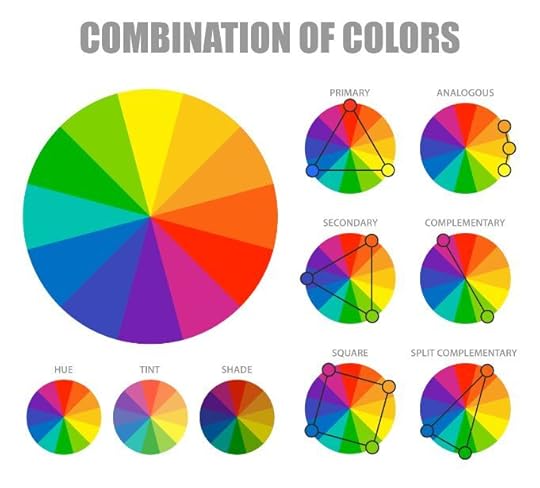
These are some key points about the color wheel:
Primary colors – Red, yellow, and blueSecondary colors – Green, orange, purpleComplementary colors – Colors opposite each other on the wheel (red/green, blue/orange)Warm colors – Red, orange, yellowCool colors – Green, blue, purpleTypes of Color SchemesUsing the color wheel, you can create color schemes to use in branding and marketing.
Here are some popular options:
Monochromatic – Shades of one colorAnalogous – Colors sitting by each other on the wheelComplementary – These colors are opposite on the wheelTriadic – Colors evenly spaced on the wheelDifferent schemes evoke different reactions. Monochromatic conveys uniformity, analogous harmony, and complementary contrast.
Choosing the Right Colors for Your Brand IdentityNow let’s explore how to strategically choose colors to strengthen your brand identity and boost marketing.
Importance of Color in MarketingColor isn’t just for logos and branding. It’s also crucial for marketing materials.
Increasing Brand RecognitionUsing your brand color consistently in marketing makes it easier for people to recognize your brand. They start associating that color with you.
Grabbing Customer AttentionColor incites reactions that grab attention amidst clutter. Contrasting colors, in particular, make your marketing content stand out.
Conveying Message and MeaningColor enhances meaning and shapes how viewers interpret marketing messages.
For example, red conveys urgency in CTAs, and black signals prestige in premium offerings.
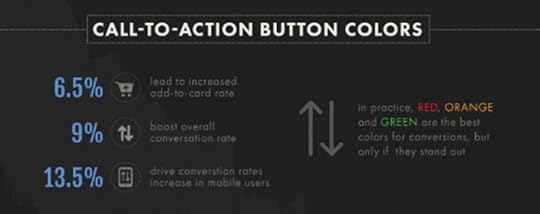
Strategic use of color can guide visitors along conversion funnels toward desired actions.
For instance, green can indicate “go” for desired behaviors. Red can highlight danger or losses in opt-out messaging.
When used intentionally, color becomes an influential tool in your marketing arsenal.
Building a Brand IdentityA core part of brand identity is the color palette. This includes primary, secondary, and accent colors.
Primary Brand ColorAs discussed earlier, this is the main color representing your brand visually. It should appear widely in your branding and marketing materials.
Secondary ColorsThese are complementary colors that play a supporting role. Usually, 2-3 secondary hues contrast well with your primary color.
Accent ColorsAccents are pops of color for highlights, calls to action, and interactive elements. They add flair when used sparingly.
Aim for a cohesive brand palette. Secondary and accent colors should complement your primary color, not compete with it.
The Psychology of Color in MarketingColors have symbolic associations, cultural meanings, and emotional undertones. Leveraging these can boost your marketing.
Here are some of the most impactful color meanings to consider:
RedPassion, excitement, intensityBoldness, speed, impulsivenessLove, heat, aggressionDanger, caution, stop
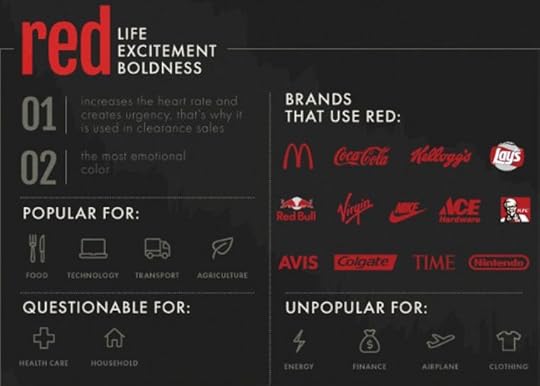
Red attracts attention and incites reactions. Use it to energize and excite.
OrangeFun, Ambition, playfulAffordable, whimsical, informalAttention-grabbing, Confidence, low cost
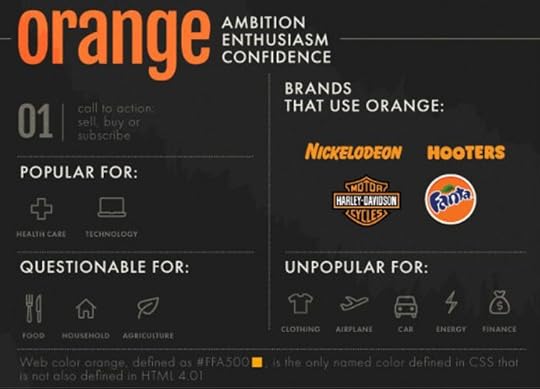
Orange is a color that conveys affordability and friendliness. Use it to appear casual, approachable, and youthful.
YellowJoy, warmth, optimismCaution, warning, slow downEnergy, freshness, lemons/sunshine
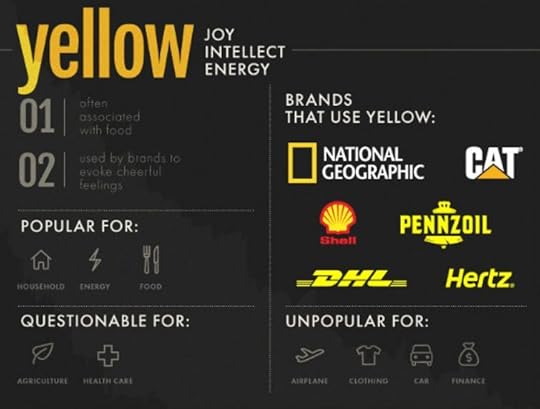
Cheerful yellow puts people in an upbeat mood. But it also signals caution. Use both associations cleverly in marketing.
GreenNature, health, renewalPeace, harmony, balanceMoney, wealth, GrowthGo, permission, safety
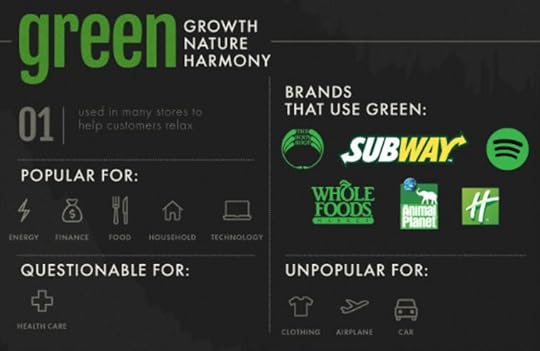
Green has many positive connotations, like nature, renewal, and giving permission. Leverage these in your messaging.
BlueStability, professionalism, productivityTrust, credibility, confidence, calmCleanliness, peace, order, coldness
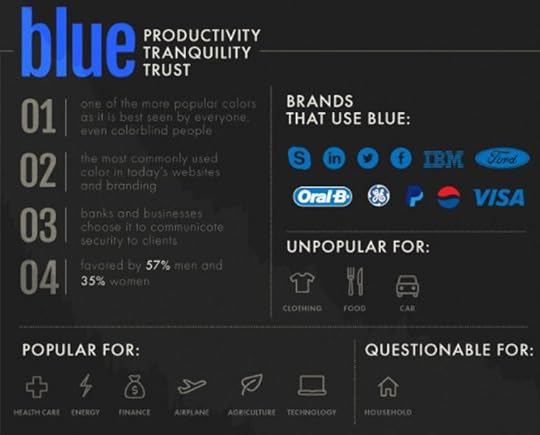
Blue signals credibility and stability. It instills confidence and trust. Use it to appear professional.
PurpleRoyalty, luxury, powerMystery, spirituality, imaginationNostalgia, sentimentality, romanticism
Purple is the color of luxury and royalty. It also stimulates the imagination. Leverage these associations in your messaging.
BlackPower, sophistication, eleganceEdginess, mystery, sexinessDeath, evil, heaviness
Leverage black’s association with sophistication. But beware of potential negative connotations like death and evil.
WhitePurity, clarity, cleanlinessSimplicity, peace, calmnessSterility, emptiness, isolation
White is a popular color for cleanliness and purity. But in excess, it also suggests emptiness. Use white space thoughtfully.
There are many more specific color meanings to consider when incorporating hues into your brand identity and marketing. But these cover some of the most prominent associations. The best colors to use should represent what you want people to think whenever they hear about your company.
How to Use Color in MarketingNow let’s get into practical tips and strategies for applying color effectively in your marketing.
Building a BrandHere are some smart ways to use color while building your brand.
Reflect Your Brand Values and PersonalityAs mentioned earlier, choose colors that reflect the personality you want your brand to project.
Cool blues and greens convey stability and nature. Warm reds and oranges express energy and casualness. Pick what fits you best.
Consider Competitor ColorsAnalyze competitors’ choices of color while selecting your palette. You want your color identity to stand apart in the marketplace.
Leverage Cultural Meanings and SymbolismUse colors to connect with cultural associations and meanings. Red and yellow in Mexican restaurants, green in Irish pubs, etc.
Be ConsistentStick firmly to your primary and secondary colors. Consistency builds recognition and ownership of those colors.
Allow for Future PivotsWhile consistent, small tweaks keep your palette fresh. Don’t box yourself in completely. Give room to evolve the color scheme along with your brand.
Adhering to those core principles will help you build a distinctive, recognizable brand with color.
Using Color in Marketing MaterialsHere are some tips for applying color specifically to marketing deliverables:
Logo DesignMake sure your logo pops by using your primary brand color prominently. Contrast it with white space or complementary colors.
Website DesignWebsite color schemes are a huge opportunity to reinforce your brand identity. Use colors consistently across pages.
Social MediaMaintain brand color consistency across social media platforms. Also, leverage colors to highlight key actions like your call-to-action buttons.
Print MaterialsUse brand colors in business cards, letterheads, brochures, flyers, and other print materials. This drives home recognition.
PackagingIncorporate your brand color scheme on all product packaging. Consistent colors make products identifiable on shelves.
AdvertisementsFor print, TV, online, and outdoor ads, rely heavily on brand colors for instant recognition amidst clutter.
Promotional ItemsPut your colors on t-shirts, pens, mugs, and other swag. Make your brand hue impossible to escape.
Using your colors widely cements them in customers’ minds and builds familiarity with your company.
Color in Marketing CampaignsHere are some powerful ways to use color in specific marketing campaigns:
Capture Attention with ContrastUse contrasting accent colors that pop against your main palette. Contrast grabs the viewer’s attention in busy environments.
Direct Focus with Color –Use color to guide the viewer’s eye toward key items like your call-to-action button.
Establish Visual HierarchyMake important elements like headlines darker/brighter so they stand out first. Use color to create a visual hierarchy.
Convey MeaningLeverage color associations your audience recognizes. Green for organic products, blue for professional services, etc.
Inspire Action Through Color PsychologyTrigger reactions with the color choice – red to convey urgency in CTAs, black for elegance in high-end offers.
Reinforce MessagingUse color to emphasize key messaging. Green in messaging about conservation values or blue for trustworthiness.
Purposefully incorporating color amplifies the power of your marketing campaigns.
Some Common Mistakes Businesses Make When Choosing Brand ColorsWhile powerful when used intentionally, color can also hurt your brand if not done thoughtfully. Here are mistakes to avoid:
Not Considering Color Meanings
Each color conveys different meanings. Be sure to consider the impression and emotions triggered by colors before incorporating them into your brand identity.
Avoiding Trends Without Purpose
Don’t choose trendy colors without reason. But don’t avoid them if they genuinely suit your brand personality and goals. Picking the right color combination is key.
Conflicting with Industry Norms
Be aware of typical color associations in your industry. Either align or intentionally contrast with them based on your positioning.
Choosing Too Many Colors
Restrict yourself to 2 – 4 colors max. Too many colors dilute brand recognition and seem chaotic.
Insufficient Contrast
Ensure colors contrast well, especially text and background. Insufficient contrast causes readability issues.
Forgetting Color Consistency
Using colors inconsistently across branding and marketing materials confuses your visual identity. Maintain consistency.
Copying Competitors
Don’t copy competitors’ color schemes. Having similar colors undermines differentiation.
With some vigilance, you can avoid mistakes and use color strategically.
Companies that Updated their Logo ColorsCreative Cloud: In 2020, Adobe changed the Creative Cloud logo from its signature red to a rainbow gradient. This transformation represents all the different Creative Cloud products under a single umbrella.
Burger King: In 2021, Burger King underwent its first rebrand in over 20 years. The new design included a modified adaptation of the 1969 and 1994 logos, featuring a bold red wordmark sandwiched between two bun halves. The blue color was completely dropped from the logo.
Google Ads: In 2018, Google Adwords changed its name to Google Ads and introduced a new logo that went with Google’s full suite of advertising solutions. The logo features a bold use of color to tell the audience that there are many solutions.
These color changes demonstrate that companies always want to refresh their image and stay current with design trends.
Key TakeawaysHere are some key points to remember:
Color is central to branding and recognition. Use a primary brand color widely for consistency.Different colors trigger psychological and emotional reactions. Leverage them.Build a complementary palette with secondary and accent colors.Use colors that reflect your brand personality and industry associations.Be consistent across branding and marketing materials.Avoid common color mistakes like lack of contrast or excessive variety.ConclusionColor is an extremely influential yet often overlooked factor in marketing and branding. It shapes recognition, associations, emotions, and ultimately behaviors.
This makes thoughtful use of color essential for companies wanting to build memorable brands. You can develop a strategic color palette. Considering color psychology, meanings, and industry norms is key.
Consistent application of your color scheme deepens your brand identity. So, be intentional with every color choice. Experiment to find what best fits your brand personality and goals.
Use this guide to unlock the full power of color in your branding and marketing.
Once you nail down your brand colors, paid ads are a great next step to take. AdvertiseMint can put your products or services in front of more of your target audience.
Let’s help you create high-converting ad campaigns. We know our stuff when it comes to driving results through strategic paid ads.
Want to learn how we can amplify your brand through targeted marketing?
Click here to request a free Google ads consultation with one of our ads experts.
September 21, 2023
TikTok Lives Not Loading: Common Issues and Solutions

Would you like some solutions for your TikTok lives not loading?
Like any social media platform, the TikTok app is not immune to technical glitches. One frustrating trouble TikTok users may encounter is TikTok live stream not loading properly. This can make going live on TikTok problematic if you need to create live content for your TikTok audience.
This blog will explore some common reasons behind your TikTok live feature not working properly and provide solutions.
1. Poor Internet ConnectionThe primary reason many users can’t go live on TikTok is their devices’ unstable or poor internet connection. TikTok live videos, like Instagram live and Facebook live streams, require a relatively stable internet connection to run smoothly.
Solution.Check your phone’s internet connection, Wi-Fi, or mobile data connection. Make sure you have a strong signal.Try switching to a different Wi-Fi network or cellular data.Consider closing other apps using your internet bandwidth if your connection is slow.2. App UpdatesAnother possible reason you can’t access TikTok Live is that the apps need an update. The TikTok app developers release updates to fix bugs and improve app performance from time to time.
Solution.Go to your device’s app store, which could be Apple Store for iOS or Google Play for Android.Search for “TikTok” and check for any available updates.If an update is available, you can install it to ensure you use the latest version.3. TikTok App Cache and Data Build-UpOver time, TikTok app cache and data can accumulate, causing performance issues, including problems with TikTok live videos.
Solution.Open the TikTok app and go to your profile.Tap the three dashes (menu) in the top right corner to access the settings. Go to “Settings and privacy” on the pop-up screen.
 Scroll down and click “Free up space.”
 Afterward, the platform will need you to confirm your action before clearing your accumulated data.
 Relaunch the TikTok app and try loading the live-stream video again.4. Account and Privacy Settings
Your TikTok account settings or privacy restrictions might be preventing you from viewing certain live streams.
Solution.Firstly, go to your TikTok profile.Tap the three dashes on the top right corner of your screen to access settings.Check your privacy settings and make sure they allow you to view TikTok live streams.Ensure you haven’t blocked or restricted the user whose livestream you are trying to access.5. TikTok App PermissionsThe TikTok app needs certain permissions to work perfectly. So, your live stream may not load due to missing permissions.
Solutions.Go to your device settings.Find “Apps” or “Application Manager.”Locate the TikTok app in the list.Ensure the app can access your camera, microphone, and storage.6. Server IssuesThe TikTok app occasionally experiences server problems that can affect live-stream videos. In such cases, the issue is beyond your control, and you should wait for TikTok’s technical team to resolve it.
Solution.Contact the TikTok support team through their official page for updates on ongoing server issues.If there is a widespread problem, be patient and try accessing TikTok Live later.7. Device CompatibilityDue to hardware limitations, older devices might be unable to load live TikTok videos.
Solution.If you’re using an older device, consider upgrading for a smoother TikTok experience.Also, you can close background apps and processes to free up device resources.8. Temporary GlitchSometimes, technology acts up for no apparent reason.
Solution.First, you can close the TikTok app and reopen it.If that doesn’t work, consider restarting your device.Then, try loading the live stream again.Final Thoughts on “TikTok Lives Not Working”TikTok Live not loading can be frustrating. But our list of common reasons and solutions should help you get back to broadcasting live-stream videos to your followers in no time. You can have TikTok live fun by addressing internet connection and other common issues. If the problem persists, you can contact the TikTok support team for further assistance.
Are you looking for professional help with your ad campaign on TikTok? Don’t look further than the top TikTok advertisement agency.
Frequently Asked QuestionsWhy is TikTok Live not loading on my phone?Your TikTok Live may fail to load due to a weak internet connection, an outdated TikTok app, or excessive cache. To solve these problems, ensure a stable internet connection, update your TikTok app, and clear data and cache.
What do I do if I have a slow internet connection?If your internet is slow, try connecting to a stronger Wi-Fi or switching to mobile data. Also, consider closing other apps using your internet connection to improve your TikTok live loading.
Why can’t I view some TikTok lives even though I follow the creators?Check your privacy settings to ensure they allow you to view live streams. Also, ensure you haven’t accidentally blocked or restricted the user whose livestream you want to watch.
Related Blogs