Meredith Colby's Blog, page 3
April 25, 2018
How to Become a Singer
Story of my life. I am infected by a Great Idea. Enthusiastically run toward it with my tail wagging. Slam into a wall and get knocked down. Sit on the ground for a while and consider just staying down there where it’s safe. Haul my ass up and start moving forward again.It happened with the Independent Voice Teachers Conference we were planning. I was so excited to have a conference for my kind, after 30 years of going it alone, that I let my enthusiasm get the better of me.After running into the wall, and while sitting on the ground, I called my opera-singing friend Sheri to tell her I was depressed. She said, “At least you tried. Most people never even try”.
 That got me thinking about students I’ve had who have taken voice lessons forever and never taken the leap to actually get on a stage. And that got me thinking about how I went to college to become a singer because I thought that, somewhere along the way, the college would tell me how to be a singer.It didn’t.But after college, armed with my vocal performance degree that, it turned out, absolutely nobody gave a rip about, I soldiered forward with the intention of becoming a professional singer. I made a lot of mistakes. A lot of mistakes. I worked in a soul-sucking accounting office so I could sing in a professional opera chorus, which I didn’t even want to do. I was abandoned by a band leader 1200 miles from home with $200 in my pocket. I trashed my voice and had to spend six months making it better. I tried to do the right thing, but often failed, which made people mad at me (not something you want in the freelance musician community). I made a lot of mistakes. Because that’s what happens when you try to do something that matters to you.So, with respect to the title of this piece, you become a singer by moving in the direction of becoming a singer. You cannot stay safe and also have new experiences. You cannot stay comfortable and still pursue your dreams. Nobody can tell you how to be a singer, because every singer has a different story.
 In the world of Day Jobs, you are given The Program: apply for job, interview for job, get job, or, do not get job and repeat. If you’re waiting for someone to give you The Program for singing before you begin, then you’ll never begin. Nobody has your Program, so nobody can supply you with it. People can give you suggestions, ideas, leads, contacts, opportunities, and advice, but in the end, you have to make your own way to the stage.Here is how to become a singer: take a risk. Try. Most people never even try.
 #sing #singer #howtobeasinger #takearisk #authentic #risk #meredithcolby
I am infected by a Great Idea. Enthusiastically run toward it with my tail wagging. Slam into a wall and get knocked down. Sit on the ground for a while and consider just staying down there where it’s safe. Haul my ass up and start moving forward again.It happened with the Independent Voice Teachers Conference we were planning. I was so excited to have a conference for my kind, after 30 years of going it alone, that I let my enthusiasm get the better of me.After running into the wall, and while sitting on the ground, I called my opera-singing friend Sheri to tell her I was depressed. She said, “At least you tried. Most people never even try”.That got me thinking about students I’ve had who have taken voice lessons forever and never taken the leap to actually get on a stage. And that got me thinking about how I went to college to become a singer because I thought that, somewhere along the way, the college would tell me how to be a singer.It didn’t.But after college, armed with my vocal performance degree that, it turned out, absolutely nobody gave a rip about, I soldiered forward with the intention of becoming a professional singer. I made a lot of mistakes. A lot of mistakes. I worked in a soul-sucking accounting office so I could sing in a professional opera chorus, which I didn’t even want to do. I was abandoned by a band leader 1200 miles from home with $200 in my pocket. I trashed my voice and had to spend six months making it better. I tried to do the right thing, but often failed, which made people mad at me (not something you want in the freelance musician community). I made a lot of mistakes. Because that’s what happens when you try to do something that matters to you.So, with respect to the title of this piece, you become a singer by moving in the direction of becoming a singer. You cannot stay safe and also have new experiences. You cannot stay comfortable and still pursue your dreams. Nobody can tell you how to be a singer, because every singer has a different story.In the world of Day Jobs, you are given The Program: apply for job, interview for job, get job, or, do not get job and repeat. If you’re waiting for someone to give you The Program for singing before you begin, then you’ll never begin. Nobody has your Program, so nobody can supply you with it. People can give you suggestions, ideas, leads, contacts, opportunities, and advice, but in the end, you have to make your own way to the stage.Here is how to become a singer: take a risk. Try. Most people never even try. #sing #singer #howtobeasinger #takearisk #authentic #risk #meredithcolby


March 29, 2018
How to Become a Singer
 Story of my life.I am infected by a Great Idea. Enthusiastically run toward it with my tail wagging. Slam into a wall and get knocked down. Sit on the ground for a while and consider just staying down there where it’s safe. Haul my ass up and start moving forward again.It happened with the Independent Voice Teachers Conference we were planning. I was so excited to have a conference for my kind, after 30 years of going it alone, that I let my enthusiasm get the better of me. (Current plan is to do it on line. If you're interested, sign up for the Money Notes newsletter!)After running into the wall, and while sitting on the ground, I called my opera-singing friend Sheri to tell her I was depressed. She said, “At least you tried. Most people never even try”.
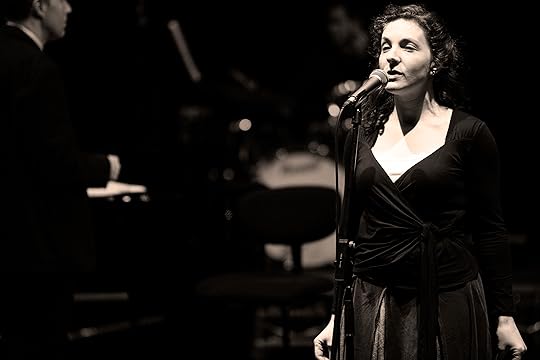 That got me thinking about students I’ve had who have taken voice lessons forever and never taken the leap to actually get on a stage. And that got me thinking about how I went to college to become a singer because I thought that, somewhere along the way, the college would tell me how to be a singer.It didn’t.But after college, armed with my vocal performance degree that, it turned out, absolutely nobody gave a rip about, I soldiered forward with the intention of becoming a professional singer. I made a lot of mistakes. A lot of mistakes. I worked in a soul-sucking accounting office so I could sing in a professional opera chorus, which I didn’t even want to do. I was abandoned by a band leader 1200 miles from home with $200 in my pocket. I trashed my voice and had to spend six months making it better. I tried to do the right thing, but often failed, which made people mad at me (not something you want in the freelance musician community). I made a lot of mistakes. Because that’s what happens when you try to do something that matters to you.
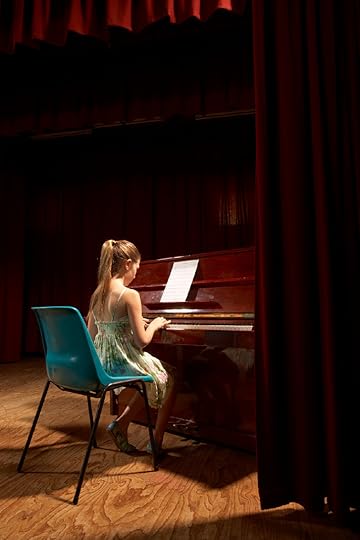 So, with respect to the title of this piece, you become a singer by moving in the direction of becoming a singer. You cannot stay safe and also have new experiences. You cannot stay comfortable and still pursue your dreams. Nobody can tell you how to be a singer, because every singer has a different story.In the world of Day Jobs, you are given The Program: apply for job, interview for job, get job, or, do not get job and repeat. If you’re waiting for someone to give you The Program for singing before you begin, then you’ll never begin. Nobody has your Program, so nobody can supply you with it. People can give you suggestions, ideas, leads, contacts, opportunities, and advice, but in the end, you have to make your own way to the stage.Here is how to become a singer: take a risk. Try. Most people never even try.#singing #singer #howtobecomeasinger #performing #performancegoals #kickingass #chasingdreams
March 5, 2018
You Call That Singing?
When Classical and CCM Mix & Mingle
Seeing it up close and personal, Meredith Colby talks about the causes, effects, and possible solutions for animosity between singers of different genres. Been there? Do you agree? Click here to read: MoneyNotes.online
January 27, 2018
A BLUEPRINT FOR FAME: How and Why to Fan the Flame
 Chris, a guy in his 20’s, looked at me like I had a screw loose when I asked him what he wanted to do with his singing. “I want to be famous. Like, win The Voice or get huge on YouTube, or get signed to a label and tour,” Chris said, as though it was the most obvious thing in the world.Duh.After a couple of voice lessons, it becomes clear to me that Chris wants to know the program. How does he get from where he is now to Famous? He’s sure that if he follows the instructions for Getting Famous, he’ll reach his goal. He’s hoping I have a copy of the program that I’ll share with him.
 Linda, a young musical theater singer, wants to pursue her dream of being a professional actor. She wants to study in New York and go to Broadway. In my estimation, Linda doesn’t have enough of anything - talent, tenacity, looks, chops, or smarts – to make it. (Not to say that she isn’t smart, talented, and pretty. She is. Just not at the super-duper level that Broadway demands.) But she figures if she goes to the right college and follows the program, she’ll make it.My guess is that Chris and Linda, like most singers, will discover somewhere along the way that being famous is not really what they want. Instead, it’s what they believe they should want; because anything “less” means failure. Or something.The reality is that there isn’t a cookie-cutter way to do anything, never mind something like achieving fame as a singer. The trick is that you have to want something, and that, in moving toward that thing you want, you learn all kinds of things; things about yourself, about your industry, and about the world. Everything you learn influences you, causing you to stick more doggedly to your existing path or to veer off a tad. Or even take a different path.
 Many of us, like Chris and Linda, have the idea that, by following an existing blueprint, we can achieve an end game. We hold to the idea that achieving that end game will bring us what we want.And it might.Chris might turn out to be the kind of guy who’s a bulldog, who never let’s go of an idea once he’s got his teeth in it, and who’ll work hard and take whatever risks are necessary to see his original dream to some kind of fruition. Linda might stick it out, get some lucky breaks, and find success on Broadway.But even if they “get famous,” they won’t have arrived. There will still be more life to live, more experiences to have and people to meet. Even if they each reach a point at which they can look at life and say, “Ok. This is what I said I wanted when I was 22. Now I have it”, they won’t then finish that sentence with, “so I’m done.” Because unless they think that thought the instant before the plane crashes, the book of their lives will have more chapters.Learning as you go is inevitable, and wonderful. Everything you learn today will influence your decisions tomorrow. And every new decision shapes your unique journey. Nobody else has a blueprint for your life.
 How does a voice teacher – or any teacher – help a student understand that life is full and complex, and that everything counts? How do we accept that about ourselves? How can a teacher who is not a famous singer tell a student who knows he will become a famous singer that it’s all good? How can we internalize, and share, that most artists discover different passions along the path to Fame?I don’t know, but I suspect there are a lot of answers to those questions. I suspect that, in most cases, the answer to how can I tell them should be, you shouldn’t.Every step of that person’s journey is important to them, even if it seems to you they they’re headed in the wrong direction. Your student, just like you, has a need to explore and express. All artists do.
 I think that for our students (and our children) we need to understand and value the roles that art plays in peoples’ lives. We should help people move a step or two forward from where they are. We should create a safe space where they can try things, and help them process their experiences.If we can do that for our students, we can learn to do that for ourselves. If those are the choices we make, we can help bring all kinds of rare and beautiful things into expression.
January 2, 2018
4 WAYS TO KEEP PRIVATE STUDENTS (Or Keep Them Away)
[image error]Scott is 24 and has more ink than Office Max. He could strain pasta with all the holes he’s pierced into his body. He also wears make-up, and black clothes with chains attached.To see him, you might not imagine that Scott is as sweet as the day is long. Or that he’s also generous, responsible, and respectful. Or that everyone who knows him, likes him.Right now, Scott is young and determined to be a musician. He may be successful. I hope he is, because he’s passionate and has cultivated the perfect image for that job. But he may find, sooner or later, that he needs another way to generate some income. And that may be a problem. If you didn’t know Scott, you might not get into his Lyft car, or let him inspect your chimney, or hire him at your office.The fact that you wouldn’t trust Scott based on his looks alone makes perfect sense to you. It makes sense to me, too, and to most people. It does not make sense to Scott. He assumes that what really matters is the man he is. He assumes that, being as nice as he is, people will talk with him and want to get to know him. After all, that’s been his experience in the music scene, where he spends all his time.What Scott hasn’t wrapped his brain around is the reality that people respond to other people, and to their environments, instantly and viscerally. Right this second, from the gut. Most people perceive men who are tattooed, pierced, and wearing black to be threatening, and even dangerous. (Read about perception biases here.) So, were Scott to try to function normally in the non-musical world, that’s what he’d have to deal with.Now I’m gonna bring it on home. Scott’s issue is your issue. Your students are affected by simple things. They may or may not know that they’re affected, but they are affected. The things that affect them will strongly influence both the way they treat you, and the way they treat their lessons. These things might not be noticeable to you, because, well…they’re just normal to you.That normal stuff might be costing you thousands of dollars a year. You have, within your grasp, five unlikely things that will help your studio prosper, and help keep you from having to deal with uncomfortable issues with your students.Those things are:Studio appearanceProfessional appearanceStudio trafficWritten communicationStudio AppearanceYou may be right at home with a bit of clutter, but you need to be aware: your clutter is communicating. If your studio is messy, cluttered, and disorganized, you are responsible for whatever that clutter means to your students.
 Same room, before and after.For example: If students perceive your space as disorganized, they may perceive you as disorganized. Why do you care? Because, if they don’t respect disorganized people, they won’t respect you. Lack of respect translates – whether intentional or not - to late cancellations, late payments, and quitting lessons.Crazy, right? A student’s opinion that your studio is too messy is unconsciously translating to blown off lessons, which translates to you losing money? It can sound far-fetched, but ask any mental health professional. They’ll tell you it’s true. We make decisions based on our beliefs, and our beliefs arise from our perceptions, which are intertwined with our personal biases. We can’t help it!Professional AppearanceThis is the personal version of the previous tip. Many of us feel that, because we’re self-employed (especially if we work at home) and because our students know and love us, we can dress any ol’ way. After all, they’re hiring us for our expertise, not our looks.
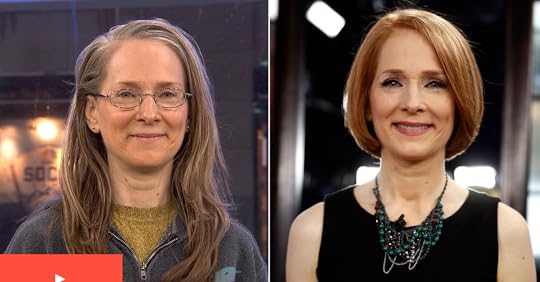 Sweatshirt + I-don't-care hair Vs. Cute cut + snappy jewelry But, like the way you might respond to my student Scott, your students will respond to you in a way that you might not intend, and certainly wouldn’t want. You communicate your professionalism by looking and acting professional.Obviously, you don’t need to wear a power suit and full make-up. But you do need to look as though you care. You want your students to respect you as a professional, because it costs you money and referrals if they don’t. You need to make yourself look like a professional.Studio TrafficIf you teach from your home, you have both challenges and freedoms that you wouldn’t have in a school or conservatory. This item applies to you.After all your years of training, you're probably not at all self-conscious in a voice lesson. Not so with your students. With few exceptions, they’re self-conscious and nervous. They feel vulnerable. They need to trust both you and their environment. Your studio should be a place where they feel safe.
  A teaching space that’s situated in a space that your teenager has to walk through to get to the kitchen is costing you students. A waiting area that affords a view into the teaching area is causing your students anxiety that they will not be willing to tolerate for long.But you have to live where you live, so what’s a teacher to do? You know your situation, and you can get creative. Generally, though, you should keep in mind 1) options, 2) sight lines, and 3) schedules.OptionsWhen my friend Sharon was teaching from her one-bedroom apartment, she made it work. She made the living room into her bedroom, the dining room into the all-purpose room (where students and parents could wait) and the adjacent bedroom into her studio. It wasn’t an obvious solution, but it was creative. And it gave Sharon and her students the privacy they needed.Sight linesThose “privacy” curtains that go around hospital beds do not keep your hospital roommate from hearing your conversations. The fence separating your yard from your neighbors doesn’t keep you from hearing their barking dog. Keeping someone from seeing the person who is listening to them can offer a sense of security and privacy. It’s not a sure thing, but it can help.SchedulesIf a private studio is impossible, you may have to bite the bullet and schedule for privacy. For example, give 45-minute lessons, but schedule students on the hour.Written CommunicationWe’ve all been the teacher who assumes her students will respect her policies, and then the student doesn’t. We’re left wrestling with how to get paid without damaging the relationship. That position feels really uncomfortable to many of us, and sometimes we’ll just eat that lesson rather than assert ourselves.
 If you hand your new student a sheet of paper which states your policies, or pull up your Policies (the fewer the better) web pageand go over those policies verbally with them, they’ll be more likely to remember those policies. If you do that, then the policies - or the student’s choices - become the bad guy. Not you.It’s the “I wish I could but I can’t” excuse. And never say you’re sorry.“Shoot! I wish you’d called me to reschedule earlier in the week! I might have been able to find you a make-up time. But I know we went over that policy together; when I have less than 24 hours’ notice, I have to charge you”.“It’s exciting that Emily got cast, and I’d be happy to hold her space for her. As you remember from my studio polices, I can hold her space for the month if I can charge you for 3 of the 4 lessons she’ll miss (attach web page link). If you’re unable to save her space, please feel free to call me next month to see if I still have anything available. If I can, I’ll try to accommodate you”.If these are new ideas to you, then you may be uncomfortable with them. And rationally defending yourself against any, or all, of these ideas is easy. Especially if you’re the warm, fuzzy person that we voice teachers tend to be. Being more professional may feel uncomfortable at first, but it will also protect you against those financial and interpersonal parts of teaching that you hate. That, along with making a few thousand more every year, might be worth a little change. And much easier than tattoo removal!
Your students are affected by simple things. They may or may not know that they’re affected, but they are affected. The things that affect them will strongly influence both the way they treat you, and the way they treat their lessons. These things might not be noticeable to you, because, well…they’re just normal to you.That normal stuff might be costing you thousands of dollars a year. You have, within your grasp, five unlikely things that will help your studio prosper, and help keep you from having to deal with uncomfortable issues with your students.Those things are:Studio appearanceProfessional appearanceStudio trafficWritten communicationStudio AppearanceYou may be right at home with a bit of clutter, but you need to be aware: your clutter is communicating. If your studio is messy, cluttered, and disorganized, you are responsible for whatever that clutter means to your students.Same room, before and after.For example: If students perceive your space as disorganized, they may perceive you as disorganized. Why do you care? Because, if they don’t respect disorganized people, they won’t respect you. Lack of respect translates – whether intentional or not - to late cancellations, late payments, and quitting lessons.Crazy, right? A student’s opinion that your studio is too messy is unconsciously translating to blown off lessons, which translates to you losing money? It can sound far-fetched, but ask any mental health professional. They’ll tell you it’s true. We make decisions based on our beliefs, and our beliefs arise from our perceptions, which are intertwined with our personal biases. We can’t help it!Professional AppearanceThis is the personal version of the previous tip. Many of us feel that, because we’re self-employed (especially if we work at home) and because our students know and love us, we can dress any ol’ way. After all, they’re hiring us for our expertise, not our looks.Sweatshirt + I-don't-care hair Vs. Cute cut + snappy jewelry But, like the way you might respond to my student Scott, your students will respond to you in a way that you might not intend, and certainly wouldn’t want. You communicate your professionalism by looking and acting professional.Obviously, you don’t need to wear a power suit and full make-up. But you do need to look as though you care. You want your students to respect you as a professional, because it costs you money and referrals if they don’t. You need to make yourself look like a professional.Studio TrafficIf you teach from your home, you have both challenges and freedoms that you wouldn’t have in a school or conservatory. This item applies to you.After all your years of training, you're probably not at all self-conscious in a voice lesson. Not so with your students. With few exceptions, they’re self-conscious and nervous. They feel vulnerable. They need to trust both you and their environment. Your studio should be a place where they feel safe. A teaching space that’s situated in a space that your teenager has to walk through to get to the kitchen is costing you students. A waiting area that affords a view into the teaching area is causing your students anxiety that they will not be willing to tolerate for long.But you have to live where you live, so what’s a teacher to do? You know your situation, and you can get creative. Generally, though, you should keep in mind 1) options, 2) sight lines, and 3) schedules.OptionsWhen my friend Sharon was teaching from her one-bedroom apartment, she made it work. She made the living room into her bedroom, the dining room into the all-purpose room (where students and parents could wait) and the adjacent bedroom into her studio. It wasn’t an obvious solution, but it was creative. And it gave Sharon and her students the privacy they needed.Sight linesThose “privacy” curtains that go around hospital beds do not keep your hospital roommate from hearing your conversations. The fence separating your yard from your neighbors doesn’t keep you from hearing their barking dog. Keeping someone from seeing the person who is listening to them can offer a sense of security and privacy. It’s not a sure thing, but it can help.SchedulesIf a private studio is impossible, you may have to bite the bullet and schedule for privacy. For example, give 45-minute lessons, but schedule students on the hour.Written CommunicationWe’ve all been the teacher who assumes her students will respect her policies, and then the student doesn’t. We’re left wrestling with how to get paid without damaging the relationship. That position feels really uncomfortable to many of us, and sometimes we’ll just eat that lesson rather than assert ourselves.If you hand your new student a sheet of paper which states your policies, or pull up your Policies (the fewer the better) web pageand go over those policies verbally with them, they’ll be more likely to remember those policies. If you do that, then the policies - or the student’s choices - become the bad guy. Not you.It’s the “I wish I could but I can’t” excuse. And never say you’re sorry.“Shoot! I wish you’d called me to reschedule earlier in the week! I might have been able to find you a make-up time. But I know we went over that policy together; when I have less than 24 hours’ notice, I have to charge you”.“It’s exciting that Emily got cast, and I’d be happy to hold her space for her. As you remember from my studio polices, I can hold her space for the month if I can charge you for 3 of the 4 lessons she’ll miss (attach web page link). If you’re unable to save her space, please feel free to call me next month to see if I still have anything available. If I can, I’ll try to accommodate you”.If these are new ideas to you, then you may be uncomfortable with them. And rationally defending yourself against any, or all, of these ideas is easy. Especially if you’re the warm, fuzzy person that we voice teachers tend to be. Being more professional may feel uncomfortable at first, but it will also protect you against those financial and interpersonal parts of teaching that you hate. That, along with making a few thousand more every year, might be worth a little change. And much easier than tattoo removal!
November 15, 2017
1st World Voice Teacher's Expo
As of today, I’ve been home, in Chicago, for a month.In October I visited Poland to attend the 1st World Voice Teacher’s Expo, a professional conference for voice teachers. It was billed as an event for “all modern vocal techniques.”“Why would you go all the way to Poland for a professional conference, Meredith”? asked Everyone.I know. It seems a little bit nuts.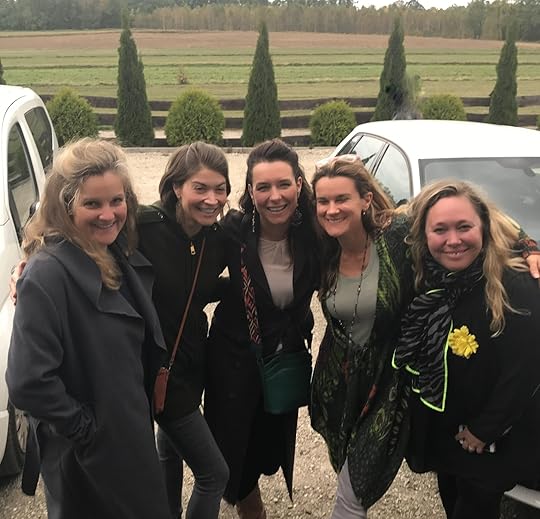 What’s even more nuts, though, was that it was the first professional conference I’ve been to in my 30 years of teaching. I just never wanted to attend professional conferences for voice teachers. It's always seem to me that those events weren't for me and my kind.I am an earnest and curious teacher of CCM (contemporary commercial music). I have always been. I do not profess to be able to teach classical voice. I love classical singing, but I don’t do it, so I don’t teach it. I’ve logged my 10,000 as a professional singer, and so I’m very aware of the real world of the working singer. As a teacher, I’ve always worked backward from the endgame – what do great singers do and how do they do it - rather than forward from the way things should be, according to generally accepted standards and practices of voice education.
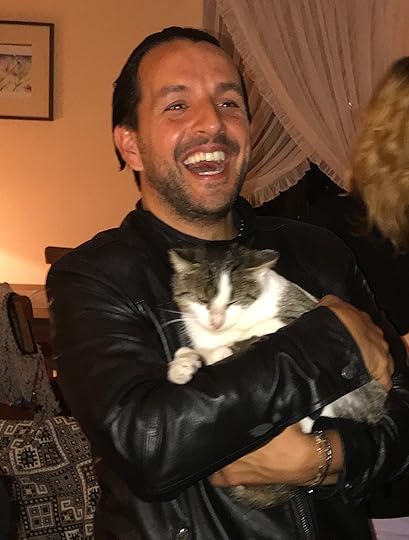 When I got the information about the 1st World Voice Teacher’s Expo, I was excited to learn more. Hosted by Warsaw power couple Andres Martorell and Magda Navarrete, the 4-day event attracted voice teachers from more than ten countries. Andres told me they had gone out on a limb in deciding to run the conference, and he was pleased with the outcome.So was I. Vocal method teachers were representing Estill, Complete Vocal Institute, the Institute for Vocal Advancement, MDH Breathing Coordination, and Common Sense Singing. There were sessions on teaching style, teaching without burnout, and teaching professional speakers, among others. I was in Voice Nerd Heaven. But beyond just the ideas being presented, and the talented teachers I was being exposed to, I loved the whole notion of the conference.Andres loves fusion. He sings tangos and Irish music. In the same concert. He also believes that there are other singers who enjoy exploring how disparate ideas, with common threads, can come together to create something richer than what had existed before. I couldn’t agree more.Since I’ve been home, I’ve been thinking about how to do something like the World Voice Teacher’s Expo in the U.S. Usually, when I obsess about something for this long, I have to take action on it. I’ll keep you posted.
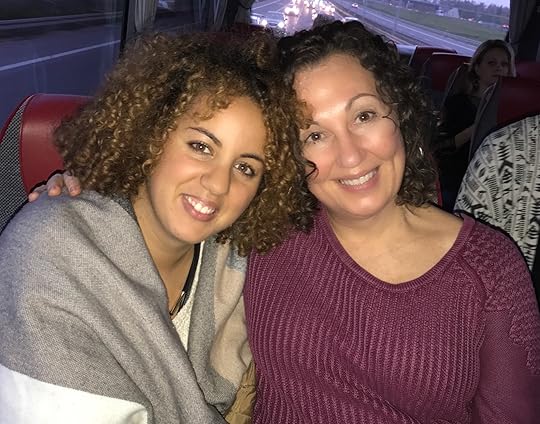 I’m grateful to Andres and Magda for their vision, determination, and integrity. Attending their event inspired and elevated me as teacher. Hanging out with committed, crazy voice teachers for four days fed my soul.After 30 years, I think it was time…
What’s even more nuts, though, was that it was the first professional conference I’ve been to in my 30 years of teaching. I just never wanted to attend professional conferences for voice teachers. It's always seem to me that those events weren't for me and my kind.I am an earnest and curious teacher of CCM (contemporary commercial music). I have always been. I do not profess to be able to teach classical voice. I love classical singing, but I don’t do it, so I don’t teach it. I’ve logged my 10,000 as a professional singer, and so I’m very aware of the real world of the working singer. As a teacher, I’ve always worked backward from the endgame – what do great singers do and how do they do it - rather than forward from the way things should be, according to generally accepted standards and practices of voice education.When I got the information about the 1st World Voice Teacher’s Expo, I was excited to learn more. Hosted by Warsaw power couple Andres Martorell and Magda Navarrete, the 4-day event attracted voice teachers from more than ten countries. Andres told me they had gone out on a limb in deciding to run the conference, and he was pleased with the outcome.So was I. Vocal method teachers were representing Estill, Complete Vocal Institute, the Institute for Vocal Advancement, MDH Breathing Coordination, and Common Sense Singing. There were sessions on teaching style, teaching without burnout, and teaching professional speakers, among others. I was in Voice Nerd Heaven. But beyond just the ideas being presented, and the talented teachers I was being exposed to, I loved the whole notion of the conference.Andres loves fusion. He sings tangos and Irish music. In the same concert. He also believes that there are other singers who enjoy exploring how disparate ideas, with common threads, can come together to create something richer than what had existed before. I couldn’t agree more.Since I’ve been home, I’ve been thinking about how to do something like the World Voice Teacher’s Expo in the U.S. Usually, when I obsess about something for this long, I have to take action on it. I’ll keep you posted.I’m grateful to Andres and Magda for their vision, determination, and integrity. Attending their event inspired and elevated me as teacher. Hanging out with committed, crazy voice teachers for four days fed my soul.After 30 years, I think it was time…
October 29, 2017
GETTING PAID: It's Every Freelancer's Bane...What To Do?
 When I first jumped the day job ship to be a full-time musician, teaching during the week and gigging on the weekends, I was living hand-to-mouth. Sometimes I had a good weekend of two or three gigs, but other weekends I was sitting home watching movies. I had a few students, but I wasn’t charging much and they didn’t always come. I remember banking on my teaching income for this week so I could pay my rent on Friday. Invariably, I’d have cancellations galore that desperate week. Financially, it was a stressful time. Luckily, it only lasted about six years.I wouldn't wish that kind of financial stress on anyone. Back then, we didn’t have the internet and its global community of helpful people. There was no publication for freelance music teachers, and there was no book about how to set up your freelance music studio. Anyone who decided to take the plunge into those waters was on their own. Sink or swim. Learn-as-you-go.It was awful.Being any sort of a freelance service provider has its pros and cons. One pro is that you can set your professional rate. One con (or pro, I guess) is you have to learn to deal with money in a professional way.Each relationship with every student is extremely valuable. It represents time, energy, choices, and money. As a teacher, you want to preserve all the good in that relationship so that your student feels safe to take the risks necessary for learning. As a freelancer, you need to be mindful of anything that might get in the way of that relationship and, perhaps, cost you a client.In my experience, the number one reason for bad feelings between Voice Student and Freelance Teacher is money. Getting paid, from your perspective. The reasons for those bad feelings are predictably easy to categorize.MiscommunicationAlways give your student the benefit of the doubt. Stuff happens. You may have asked them to email you cancellations, and they forgot and left it on your voicemail, which you never check.If you do find yourself feeling annoyed, do not – I repeat, do not – communicate in any way with the student until you get it together. Most times you’ll find that the student was not being intentionally lame or disrespectful, and the damage done if your student senses that you’re angry or disappointed may never be undone.Failure to set clear policiesIn order to keep you free from resenting your students, and your students free from feeling guilty about cancelling, you need to have studio policies. If your policies are few and concise, they are more likely to be remembered. Really. The fewer the better.Your first policy must be about how and when you expect to be paid. What forms of payment do you accept, and when do you expect to be paid (by the month? by the lesson? when they get a bill from you?).Your second policy should be about how you deal with cancellations. Here’s mine as an example:I have a 24-hour cancellation policy. If you cancel more than 24 hours ahead, you don’t owe me any explanation. We can try to reschedule your lesson, or you can simply cancel. If you cancel less than 24 hours ahead, and are not in the emergency room, you must pay for your lesson. There’s no need to tell me why you’re cancelling short notice or blowing me off, because I don’t want to be in the position of deciding what’s a good excuse and what isn’t. You will owe me for the lesson.You need to go through your policies verbally the very first time you meet a potential student. Your policies may only be about payment, or you may have another item or two that is important to you. If you have your policies in writing (on your wall or on a physical piece of paper that you hand to them) it’s easier for the new student to see that your policies are about you, not about them.Failure to enforce policiesThis is a slippery slope that will, inevitably, lead down to the quicksand of resentment.In letting a student slide on one of your policies, you think you’re doing them a kindness that they will appreciate, respect, and not take advantage of. (You know… because of how nice you are.) They, however, now believe that they are special in your eyes and heart (because of how nice you are) and that none of your policies apply to them anymore. Ever.
 Fear of rejectionThis is HUGE.Voice teachers are nice people. We develop intimate relationships with our students. We genuinely care about our students. Voice teachers are also singers; performing artists who are sensitive to rejection. For all these reasons, we’re often afraid to risk asserting ourselves, set boundaries, or enforce our policies; we’re afraid of our students. We’re afraid we’ll “make them mad”, or “make them quit”. We put (what we imagine is) the student’s agenda before our own.I urge you to confront this in yourself and get over it as soon as you can. You are a professional. You need to keep your professional boundaries. You can neither predict nor control your student’s emotional reaction to you defending your professionalism. The reality is that your students expect you to be professional. You’re the only one who expects that you’ll put nice-ness ahead of professionalism.I think it’s fair to say that, overall, freelance voice teachers don’t have a hard time getting paid. Most of our students pay us. It’s probably also fair to say, though, that getting paid, and in a timely way, as well as finding students are the primary sources of anxiety for most freelance voice teachers.Remember that your students, even the most devoted, will come and go. You are the constant in your voice studio, so make it work for you.
September 27, 2017
Freelancer Burnout: How Making Money Could Cost You Everything
 I teach out of my house in a Chicago suburb.I don’t get as many glamour clients as I would downtown, but I love both the commute and the rent. For a long time, though, I taught from a shared studio on Michigan Ave. in Chicago’s Loop. While I did, I was acutely aware of both the commute and the rent, and arranged my schedule to maximize my income. I would routinely schedule 30 students in three days. (I know...right?) Thanks to the 80/20 law I never actually saw that many students in that time, but I did see a lot. Typically, eight or nine a day.You read the title. You know what I’m going to tell you. And you’re right; I did burn out. Both on a daily basis, and overall.
 We use the term “burnout” in a pretty cavalier way these days, but it’s a real thing. It’s ICD-10 description is “vital exhaustion,” which I think is interesting, because it means that even the government (the Center for Disease Control publishes the ICD) recognizes that you’re sick when you run out of juice, or “vitality”.Some of the symptoms of a private voice teacher or coach experiencing burnout would be:Dreading your client daysFeeling angry at all your clients when one of them has a payment or scheduling issueFeeling relieved when clients cancelSpending too much time chatting with your clients, not much time teachingLetting your client “lead” the lessonHaving little to no interest in continued professional learningAllowing boundaries to blur; making friends with your clientsForgetting, or failing to journal, ongoing clients’ weekly sessionsThose are some long-term symptoms. But burnout can happen in a single day, as well. You may have felt that way. It’s something you just can’t explain to anyone who is not a fellow voice teacher/coach (or a therapist). It’s the reality that every client takes a little piece of you when they walk out your door. Your energy merges with theirs. You give them your knowledge and experience; you’re psychologically and emotionally invested in their success, often wanting more for them than they want for themselves. And then they leave your studio with the chi…the energy…the mojo that you gave them. They didn’t do anything bad. That’s just the deal. But it leaves you feeling depleted.If you’ve only seen one or two clients, you can take a little break, have a
  cup of tea, and get back to normal. But if you’ve seen a number of clients in a day, you’re spent. I remember leaving my Michigan Ave. studio feeling as though my legs were made of lead, and my head filled with jell-o. I could barely construct a sentence, and often couldn’t remember if I’d driven or taken the train to work. Sometimes my boyfriend would pick me up and wonder why I was so tired. All I’d done was sit on my keister playing scales all day…how hard was that?The truth is that burnout is real, and over time can actually alter neural circuits and lead to neurological dysfunction.Researchers at the Karolinska Institute in Sweden recruited a group of 40 subjects with formally diagnosed burnout symptoms, and 70 healthy volunteers with no history of chronic stress. The researchers focused on activity in brain areas involved in processing and regulating emotions. They found that the burnout group had enlarged amygdalae – two sets of neurons that are part of the limbic system and that play a key role in processing emotions – and weaker connections between it and brain areas linked both to emotional distress and to executive functioning.What that means for you is that, in burnout mode, you have a hard time controlling your negative emotions and behaviors. It also means that your ability to reason is impaired. And the longer this neurological situation goes on, the harder it is to reverse.You’re probably not great about taking care of yourself. Most of us aren’t. But for the sake of your long-term health, as well as your relationships and livelihood, it’s time to start instituting some behaviors that will allow you to replenish your life vitality.Schedule breaks, both in your day and in your yearYou can spend those short breaks in your day doing more, or other, work. That’s fine, but you might also want to consider taking time to read, or listen to music, or enjoy a podcast. All of those things are important to your overall knowledge and well-being.When you go on vacation, whether for two days or two weeks, unplug. Set up your email with the automatic vacation response. Put your phone on silent and only use the camera function. You’re not a heart surgeon. There’s no problem your students have that they can’t solve themselves if they have to.Raise your prices, stash some nutsCould you take two fewer clients each week if you raised your prices? A healthy You is in everyone’s best interest. I promise that you’ll be surprised by how chill everyone is about your fee increase.You shouldn’t work “whenever you can.” Put away some money every week so that you can take time off without panicking.Do something elseYou probably think that you’re busy enough with just your teaching and performing schedule. And you are. But you can find a couple of hours every month to feed a part of yourself that isn’t the teacher or performer. Volunteer, or turn an interest into a hobby.Join a groupJoin a group you don’t have to audition for. A professional teachers group, a volunteer group, or an arts board would be fun, expansive, and great networking.Find or create a niche or specialtyFocusing on being a coach or teacher for a particular group of people will, over time, create a stronger client base that is willing to pay more. You will also start to get opportunities to provide services to your niche in new and different ways.Take voice lessons or get therapySeriously. Let someone pay attention to you for a change!
 Your clients love you. Your friends and family love you. Everyone will support your decisions to take care of yourself. I know it’s not easy, but give it a try.##############Excerpted from the upcoming book The Freelance Voice Teacher: A Handbook for Starting and Prospering as an Independent Voice Professional.
July 28, 2017
The Secret to Finding Practice Time
 Practicing.The thing that makes most singers feel guilty, because most of us don’t do it enough. Or at all.The RuleI have, for much of my teaching career, applied the Bruce Dopke Rule to my voice students regarding practice. Bruce was my student back when I used to preach the gospel of regular practice. Bruce had a family, served on two boards, sang in and soloed for his church choir, and worked more than full time as an attorney. After a couple of months of putting up with my reminders to practice, Bruce pointed out that for him to find time even to make it to his lesson every week was an inch shy of a miracle. Practicing was not going to happen.After that, I made sure my students knew The Rule: if you’re ok with slow progress, I’m ok with you not practicing.If you want fast progress, or some other goal, you have to think differently. You have to make time to practice. It can be challenging, but you can do it. Here’s the secret:
 Pay Attention to Your TransitionsAny number of times in a day you transition from one activity or environment to another. You go from showering to dressing, from walking the dog to checking your email, from putting away the groceries to doing the dishes. The space between these activities is where you make your choices. Look to those spaces to make the choice to practice.A Couple More Tips:
 1. Lower the barPeople say they can’t find the time to practice. Totally understandable if you’re attached to the idea that practicing takes a Long Time.Find a measure of time that doesn’t make you anxious. How about 15 minutes? It might seem pointless to you to practice for only 15 minutes. But if you manage to do that four times a week you’re practicing an hour a week more than you were before. Lower the bar as much as you need to. You want to eliminate resistance to the time commitment.
 2. Remember it has to happen today.You have stuff you do every day. Take your vitamins, brush your teeth, or feed your cat. Somehow you remember. Either the behavior is a habit, or you just remember because it’s something that’s important to you. Or your cat.Every day, find a time of transition between two things, and choose to practice for 15 minutes. Then do that other thing that you were going to do.Unless you make that choice at a really inopportune time - which you wouldn’t - that 15 minutes wont’ make any difference in your day. You won’t make anyone mad, you won’t be late for anything, nobody will starve to death. It really won’t make any difference in your, or anyone else’s, day.It will make a difference in your singing, though; maybe not this week, but certainly over time.And... you and I both know that if your voice is healthy and strong, and you’re singing well, you’ll feel more confident in everything you do.
July 21, 2017
How To Win at Everything
 Jennifer is not the easiest student. She’s not someone who seeks change, so change is hard. Even change she’s working for. But she’s a music-theater girl who wants to sing like Idina Menzel, and she’s dedicated. This week she got past her B-flat break and didn’t even know it. It was very exciting. Well…exciting to me, anyway. Jennifer just gave me a tepid smile as I enthusiastically wagged my tail.Often one of my voice students will have a breakthrough. Their dedication will pay off and they’ll achieve a significant level of freedom with their voice. They’ll master a skill, or just find that next step. It can unfold over a few weeks or appear over a few minutes. Like all voice teachers, I get very excited when this happens. My students almost never do. In fact, if they acknowledge their accomplishment at all, they often try to give me the credit.The more powerful you feel, the more victories you will claim. It’s a cycle that's especially important for those in the performing arts.A voice student will work for and invest in her own improvement and accomplishment, and then when she crosses the threshold that signifies that accomplishment is hers, she won’t claim the thing she’s earned.Reflected in their experience, I see that I do the same thing, and always have. I don’t know when or why I learned not to claim my accomplishments, but I know I’m in good company. You probably do it, too.Until recently, I’ve lived with the assumption that at some point I would Arrive and Be A Success. Because this is an assumption, it has controlled me without lending itself to being questioned or examined. It’s kept me in a place of discounting all the little milestones that have made up my life. I like to think that there are people who don’t have this problem; people who can experience the small accomplishments in the broad scope of their life. But I know there are an awful lot of people, like my students and me, who need to give up the idea that the daily successes don’t count.
  We need to count the fact that we finished the program, our singing has improved,we handled an issue at work diplomatically, we know our audition went well, we’ve stayed committed to someone who’s ill,we finished making the quilt or painting the room,we started guitar lessons, we’ve mastered pronouncing the “th” sound, or took one step toward our goal. We also need to join the celebration of those successes that are right out there for everyone to see. The promotion, getting cast in the show, the diploma, adopting the rescue, being in the showcase. We need to stop saying, “it was nothing,” and instead say, “thank you”. We need to receive the gift of recognition. Then we need to give that gift to ourselves.These successes are the stuff of life. To discount them is to discount your own journey. Counting them is feeling your own life and your own power. The more powerful you feel, the more victories you will claim. It’s a cycle that's especially important for those in the performing arts. When people say "Great job"! practice saying, "Thanks"!