Jamie Parsley's Blog, page 67
November 15, 2015
25 Pentecost
 Stewardship Sunday
November 15, 2015
Mark 13:1-8
+ Today is, of course, Stewardship Sunday, as you have heard many times already. In these past few weeks you have heard our Senior Warden, Leo Wilking, speak and last week, you heard our treasurer, Sandy Holbrook, speak about how important this time is for us as a congregation.
Yes, it is a time for us to give. It is time to give money. It is time to give of our time and talent and selves. Now, I will say this about Stewardship time: what I’ve come to enjoy about Stewardship is the fact that it is a time to celebrate St. Stephen’s.
One of my many duties as Priest-in-Charge of St. Stephen’s is to be a kind of cheerleader for the congregation. And I love doing just that. And we do have much to celebrate here.
I don’t think any of us—myself included—can fully appreciate what is happening here at St. Stephen’s. We are currently experiencing a time of now only of growth but also of transition. We have seen several families leave this past year—the Ranneys, the Kurkis—due to jobs taking them away from Fargo, but we’ve also had many people came into our church this past year. We have a lot of deaths of long-time members this year. But we have also had strong and committed people who have joined us and stepped up to the plate.
For me, as your priest, my job has definitely increased considerably. I remember when I first came here, I was told by our previous priest as well as others: it’s just a nice, laid-back job. Nothing really happens during the week. Not so anymore. Literally, every day, from morning to late at night, there is something going on. I almost never have a full day off. There are crises and joys and sorrows and broken relationships and celebrations happening all the time. And with social media, it is happening right now, all the time. And it’s wonderful. And exhausting. And mind-boggling. All at once.
And now, just when we thought maybe things can settle into place, we face a crossroads in our congregation. This past Thursday, Leo and I met with the Bishop to discuss Designated Episcopal Pastoral Oversight or the DEPO process for our congregation. We discussed the option of how we may implement a new Bishop to look out over our congregation, while still remaining an active and vital congregation within the Diocese.
This is a very important step for us. I don’t think I can stress that enough. It is a very, very important step for us. Our deciding whether or not to accept Bishop Smith’s offer of DEPO is a huge move on our part and a very loud statement. And many of support it And some of us do not.
This is where we are on this Stewardship Sunday in 2015. It is an incredibly important time in our history. And we are facing it not with fear and trepidation. We are facing it not with bitterness and anger and pettiness. But we are facing it in celebration. We are celebrating our growth. We are celebrating an incredibly bright future. We are celebrating who we are as a fully-inclusive, fully-welcoming church. And we are celebrating what God is doing through us.
When anyone asks me what the “secret” of our success at St. Stephen’s is, I always say, two things. First, the Holy Spirit. We do need to give credit where credit is due. Without God’s Spirit at work here among us, we would not be where we are and doing what we’re doing.
And second, it is because we welcome and accept radically and we love radically. Now, people—people in the CHURCH—are shocked by that. And, to be honest, I am shocked that people in the Church are shocked by that.
This is not rocket science. This is not quantum physics. This is basic Christianity that we are doing here at St. Stephen’s. Basic Christianity, as we live it out here at St. Stephen’s, is nothing more than following Jesus in his commandment to love God and love one another as we love ourselves. It’s just that.
The night before our meeting with the Bishop many of us here gathered for our regular Wednesday night Eucharist. During that liturgy, we prayed for a man none of us knew. We prayed for a man about whom we knew nothing, except his name.
Adolf Scott.
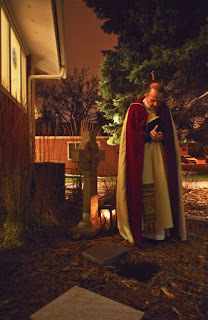
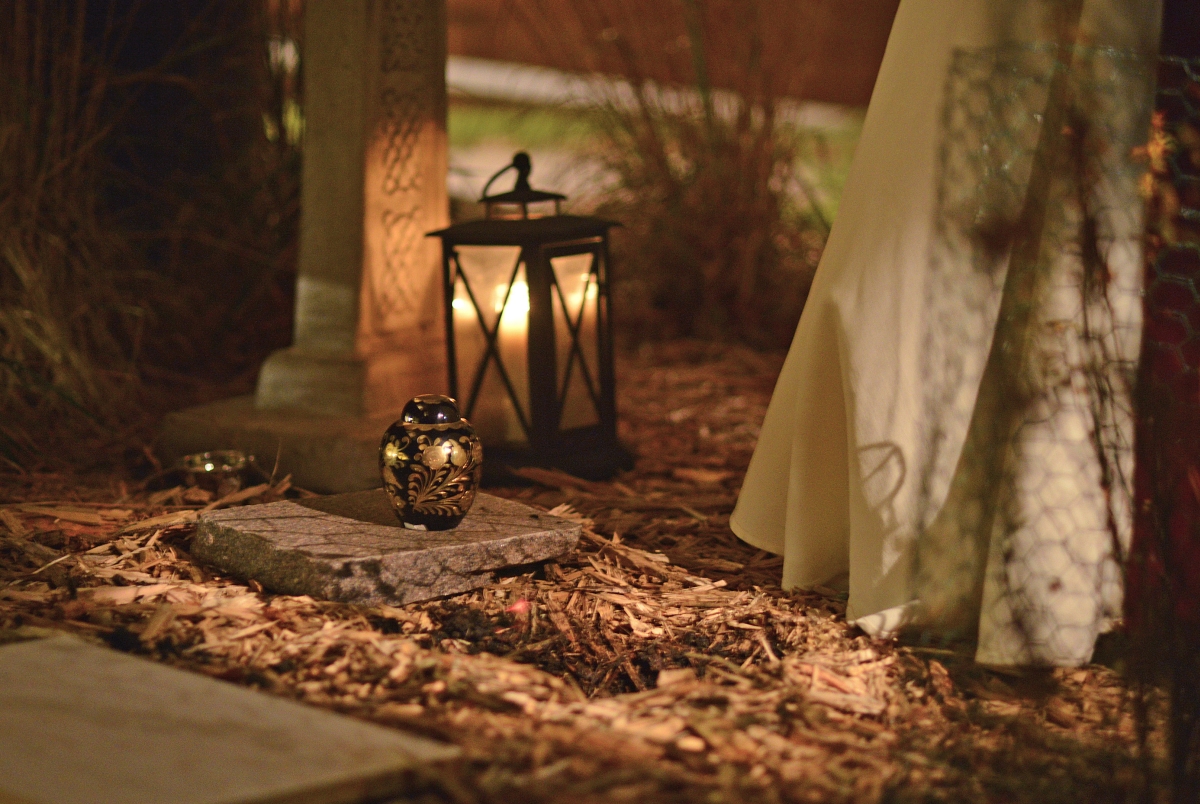
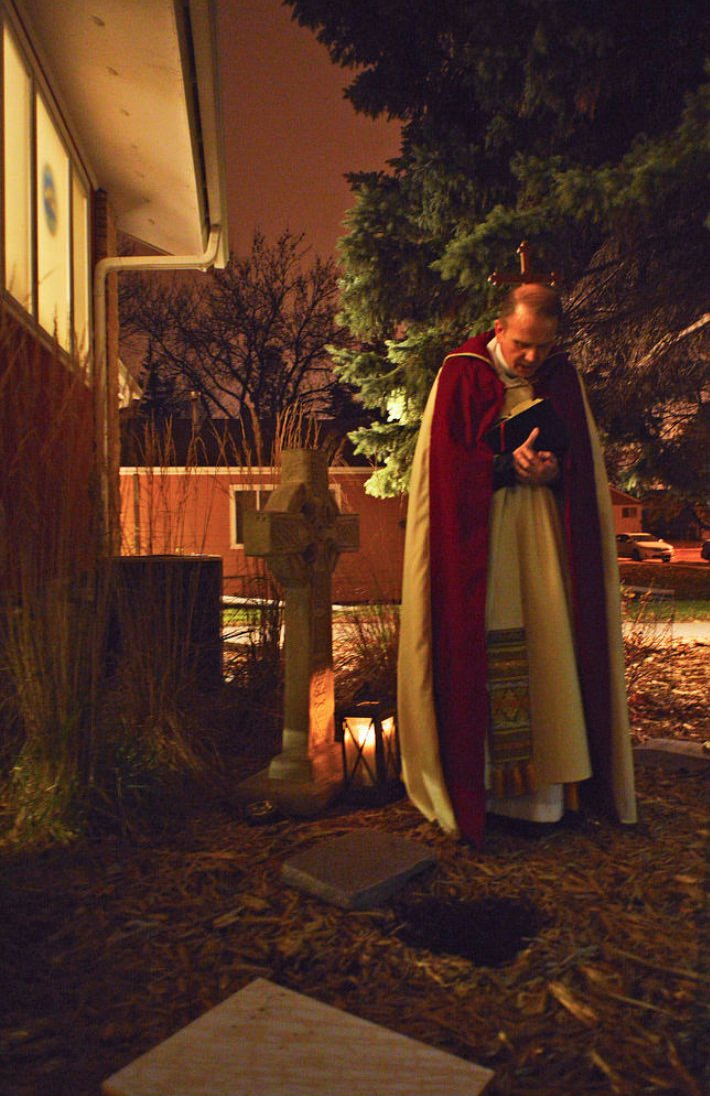
But on Wednesday, we gave Adolf Scott a Requiem Mass, as we would anyone else who needed a burial service. Afterward, we processed out into the cold and dark, and we buried his urn in our memorial garden. And there his ashes are, this morning. In our midst. Buried like any of us. With respect. And dignity. The same respect and dignity God felt for him. The same respect and dignity, somewhere along the way, he did not received receive elsewhere.
Of course, that simple act—that act that is no different than any other acts we do as a congregation here—attracted some notice shall we say. And the feedback on what we did on Wednesday night was loud and clear.
“This is what the church SHOULD doing.”
“You are all an example of Christ in the flesh.”
“This one of the kindest things I’ve seen in a long time.”
Those were from people who never stepped foot inside this church.
This is what happens when we do what we do as a congregation. We did not bury Adolf Scott because of the press. We did not do this to get a pat on the back by others—or even by people within our own midst (because no matter what we do sometimes, that pat won’t come)
In my sermon that night, I said, “We do these acts not because we think they’ll get us in the good graces of God, or provide us with an easy ticket to heaven. We do them, because doing them brings about good in this world. And when good comes into this world, we believe God is present.”In many ways, Adolf Scott represents all of those people who have come through those doors, seeking shelter, seeking refuge, seeking solace.
And we have done just that, at St. Stephen’s. We continue to do just that. The whole reason we are considering the DEPO process is because we have lived that out as a congregation. This DEPO process is not an issue of the Bishop and me not getting along with each other. Actually do get along on a personal level. This is not a personal argument between us and authority. This not about us being rebels. And this is not just a matter of sexuality either.
It is a matter of equality and justice. It is matter of us doing what we are called to do.
Make no mistake about it: this process is about us as a congregation putting our money our mouths are. It is about us being the open and welcoming congregation we have always been, without impediment. It is a matter of us being able to say that we truly respect the worth and dignity of all people, no matter who they are. It is a matter of living out our Baptismal Covenant. It is a matter of saying that all people deserve the rites of this Church fully and completely.
It is a matter of love. To love—fully and completely. To love—radically and inclusively.
Here, at St. Stephen’s it is not a matter of politics (we don’t care what political party you belong to—we really don’t), or how you dress (the only one who is expected to dress up here is me—and that’s my own expectation more than anything), or the way you talk (or don’t talk), or what your sexual orientation is, or whatever.
It’s just a matter of coming here. Of being here. And of being with us here. And being here as one of us. I personally don’t see that as all that radical. I see that being as fairly basic.
In today’s Gospel, we hear Jesus saying ominously, “you will hear of wars and rumors of wars.”
These words of Jesus are especially poignant for us on this particular Sunday, in these days after the terrorist attack on Paris, especially. There truly are wars and rumors of wars in this world this morning. Jesus uses a very interesting description of these fears and pains—images of war and their rumors. He calls them “birth pangs.”
And I think “pang” is the right word to be using here, for us at this moment. Yes, it may be painful to be going through what we may be going through as a congregation in the near future. It may be frightening. The future may seem at times bleak. But it is not war. And it is not death throes. It is merely the birth pangs of our continued growth.
Those of us who are here—who have experienced pain inflicted on us by the Church, who have been on the receiving end of those church people who believe we don’t belong—we know this feeling. Jesus uses the right image here to describe what we are going through now and in the future. Yes, there will be wars and rumors of wars. Yes, there will be moments when church leaders and church attendees will say and do hurtful, war-like things or by their silence perpetuate hurtful, war-like things.
But the words we cling to—that we hold on to and find our strength in to bear those pangs—is in the words “do not be alarmed.”
Do not be alarmed.
There is a calmness to his words. This is all part of our birth into new life, he is explaining to us. As you have heard me say many, many times from this pulpit: The Church is changing. Some say the Church is dying. I can tell you, it most definitely is not. This Church is just going through major birth pangs.
But that is not something over which to despair. Rather, be assured. Take comfort. Yes, we are going through the pangs, but once we have weathered these pains, once we have gone through them, we will have something precious in our midst. We will be a Church more along the lines of what Jesus intended the Church to be—a place in which everyone, no matter who they are or what they are is not only welcomed, but loved. Loved, fully and completely. Accepted fully and completely. And treated equally. And this is why we do not have to be alarmed.
If we allow these fears to reign in our lives, if we allow the pain and bitterness to triumph, then we all lose. If we live with our pangs and do not outlive them, then the words of Jesus to us—those words of “do not be alarmed”—are in vain. Why? Because in the end, God will always triumph. If we place our trust—our confidence—in God, we will be all right.
Yes, we will suffer birth pangs, but look what comes after them. It is a loving and gracious God who calms our fears amidst calamity and rumors of calamity. Our job is simply to live as fully as we can. Our job is to simply do what we’ve always been doing here at St. Stephen’s. To welcome, to accept, to love. To not judge.
We have this moment. This holy moment was given to us by our loving and gracious God. We must live it without fear or malice. We must live it fully and completely. And we must be a part of it.
This Stewardship Sunday is about us doing our part as a congregation that does the things St. Stephen’s does. Yes, it means giving money to this congregation—the tithe that Sandy talked about last week. Striving to give our 10%. It also means giving of our time and energy. I preached a few Sundays ago about how there seem to be two types of Christians—those who believe the Church is here to serve them, and those who believe the Church is a place in which they can serve.
On Stewardship Sunday, we are being asked to serve as well. To serve in love. To serve fully as Jesus calls us to serve and love.
So, let us do just that. Let us live this moment fully. Let us LOVE boldly. And let us serve.
In the near future, we are probably going to hear people say: There’s St. Stephen’s again. There they are, that rebellious church that keeps pushing the boundaries.
So be it. We ARE pushing the boundaries. We are pushing the boundaries of love and acceptance. We are pushing the boundaries of justice and equality. We are pushing those boundaries so that the Kingdom of God can exist among us in some way. We are pushing the boundaries of what the Church should be and could be. And we are all doing it together—not just here in church on Sundays or Wednesdays, but in the very lives we are living in the world throughout the rest of our week, in how we are standing up and speaking out for justice and equality for all people.
So, let us, on this Stewardship Sunday, continue to do what we’ve been doing. Let us welcome radically and love radically. To give of ourselves fully, so that we can serve fully. Let us, in our following of Jesus, continue to strive to be a powerful and visible conduit of the Kingdom of God in our midst.
It’s already happening. Right now. Right here. In our midst. There’s nothing to be alarmed about. Rather, it is truly a time in which to be grateful and joyous.
Let us prayLord Christ, surround us with your love. Be present in this congregation of St. Stephen’s as you have been since our beginning. Let us know your presence among us—in the sacrament, in your Word and in those who have gathered here in your name. Let your Spirit be present with us and in all we do. Open our hearts and our minds to the goodness you are doing here through us. And let us respond appropriately. Bless St. Stephen’s with abundance and with the resources needed to do the ministries we do here. Let us, in turn, do good. Let peace reign here with us, even as wars and rumors of wars rage about us. And let your words of assurance to us to not be alarmed calm our hearts and souls so that we can do what you have called us to do. In your name, we pray in confidence.


November 12, 2015
Fargo Forum article about Adolf Scott's committal
‘Ashes to ashes’: Fargo church buries unknown urn

By Grace Lyden and Tu-Uyen Tran / Published in The Forum on Nov 12, 2015 at 6:00 a.m.
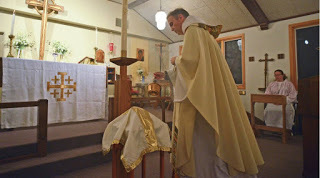
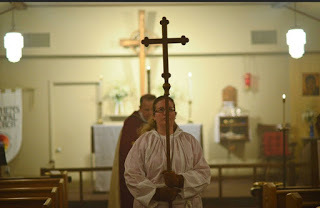
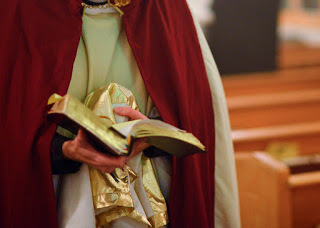
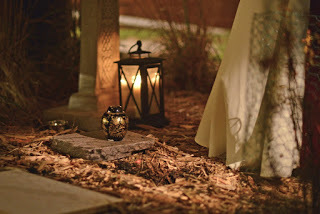
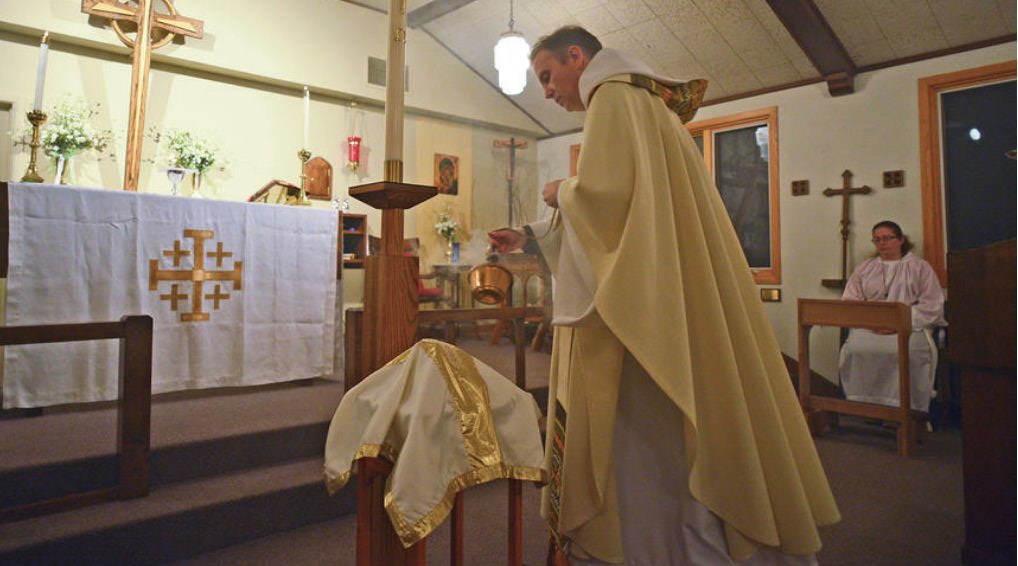
FARGO – The air was thick with the sweet scent of incenseat St. Stephen's Episcopal Church as the parishioners gathered to bury a brother they know only by name."Adolf Scott" is what it says on the label at the bottom of an ornate black urn that someone found in July at a north-end apartment building not far from the church.No one has come to claim the ashes, and the coroner has been unable to locate his next of kin."We don't know where he was born, where he died, what kind of life he lived; we do not know if he was a good person or a terrible person," the Rev. Jamie Parsley told the congregation. "Ultimately, tonight, none of that matters. What matters, tonight, is that we are welcoming him here into our midst. We're providing him with some dignity in his death."Parishioners prayed and called him "Brother Adolf" as the burial rites instructed. Parsley, the priest-in-charge at the church, then led them out into the churchyard to bury him in the memorial garden.A strange findScott might have died recently, or he might have died a century ago."In an urn, (ashes) last forever," said Cass County Coroner John Baird.And a portion of the ashes appear to be missing, but it's also possible that Scott died as a baby, or that his ashes were shared among family members, Baird said.When Parsley heard about the urn, he offered to bury it in the church's new memorial garden."One of the things we envisioned from day one was we would also be able to provide burial for the ashes of others," he said. "It's just a privilege for us to give him a place."Parsley is willing to return the ashes if an owner claims them, but this could mark the end of a saga that began four months ago at Edgewood Court Apartments, 3301 Broadway.On July 22, resident manager Paula Schmidt heard from several tenants that an urn was on top of the mailboxes, and she brought it inside. Typically, her residents know to visit the office when they've lost something, but no one came.She called Fargo police five days later and gave them the urn, then put up signs in the building's entrances. Again, no response, which surprised Schmidt."If it was my loved one, their ashes, I definitely would be looking around if I lost it," she said Wednesday. "If you did leave something like that, wouldn't you want to pick it up?"Maybe it was dropped off by a person driving by, she suggested, but the incident still puzzles her."That's probably the strangest thing that's happened to me since I've managed," said Schmidt, who's been managing apartments for 25 years.Mystery manPolice handed the urn off to the Cass County Coroner's Office, which attempted to find records of the deceased Adolf Scott or his family. No luck.Deputy Coroner Kriste Ross determined there were 147 Adolf Scotts, living and dead, in the United States. But when she called the departments of vital statistics, which track births and deaths, in North Dakota, Minnesota, South Dakota, Wisconsin, Michigan and Winnipeg, "none had Adolf Scotts who were deceased," she said.She checked the Cass County registries dating back to 1935, but discovered no Adolf Scott has lived here in the past 80 years. She also called all of the local funeral homes, "and nobody had handled those remains," she said.It was a tedious process that took weeks, but what frustrates Ross most is "that (the ashes) are abandoned, for one, and then not being able to find the person or people who they belong to."'Dust to dust'In the dark churchyard, Parsley knelt on the ground as he carefully placed the urn in a hole next to a stone cross."Earth to earth, ashes to ashes, dust to dust," he said and tossed a handful of dirt over the urn.The parishioners followed as they helped bury Scott near the ashes of other parishioners.Schmidt expressed relief that the church agreed to the burial."When somebody has died, you need to hold it in honor and respect," she said. "And I was kind of wondering what they were going to end up doing with it, but I'm so thankful that somebody agreed to do that."

By Grace Lyden and Tu-Uyen Tran / Published in The Forum on Nov 12, 2015 at 6:00 a.m.
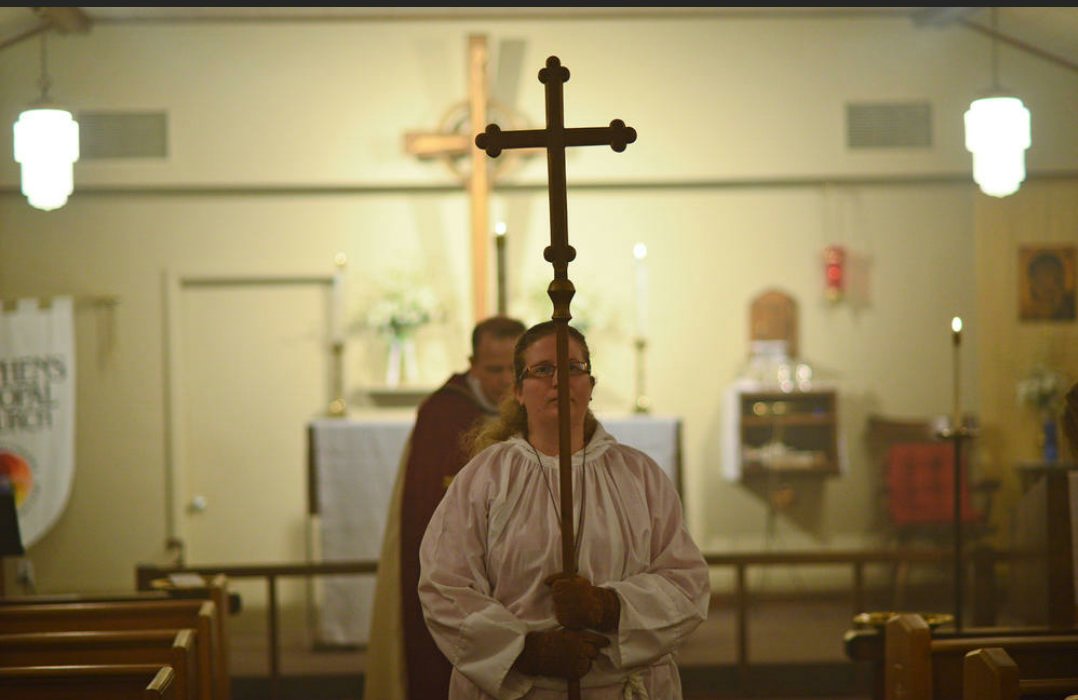
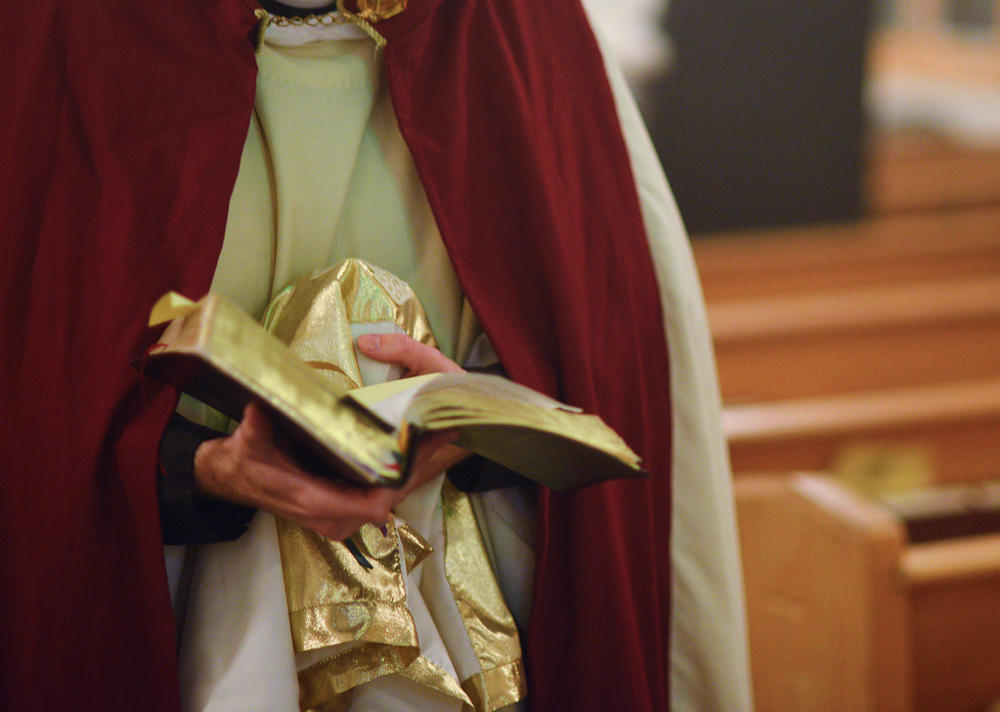
FARGO – The air was thick with the sweet scent of incenseat St. Stephen's Episcopal Church as the parishioners gathered to bury a brother they know only by name."Adolf Scott" is what it says on the label at the bottom of an ornate black urn that someone found in July at a north-end apartment building not far from the church.No one has come to claim the ashes, and the coroner has been unable to locate his next of kin."We don't know where he was born, where he died, what kind of life he lived; we do not know if he was a good person or a terrible person," the Rev. Jamie Parsley told the congregation. "Ultimately, tonight, none of that matters. What matters, tonight, is that we are welcoming him here into our midst. We're providing him with some dignity in his death."Parishioners prayed and called him "Brother Adolf" as the burial rites instructed. Parsley, the priest-in-charge at the church, then led them out into the churchyard to bury him in the memorial garden.A strange findScott might have died recently, or he might have died a century ago."In an urn, (ashes) last forever," said Cass County Coroner John Baird.And a portion of the ashes appear to be missing, but it's also possible that Scott died as a baby, or that his ashes were shared among family members, Baird said.When Parsley heard about the urn, he offered to bury it in the church's new memorial garden."One of the things we envisioned from day one was we would also be able to provide burial for the ashes of others," he said. "It's just a privilege for us to give him a place."Parsley is willing to return the ashes if an owner claims them, but this could mark the end of a saga that began four months ago at Edgewood Court Apartments, 3301 Broadway.On July 22, resident manager Paula Schmidt heard from several tenants that an urn was on top of the mailboxes, and she brought it inside. Typically, her residents know to visit the office when they've lost something, but no one came.She called Fargo police five days later and gave them the urn, then put up signs in the building's entrances. Again, no response, which surprised Schmidt."If it was my loved one, their ashes, I definitely would be looking around if I lost it," she said Wednesday. "If you did leave something like that, wouldn't you want to pick it up?"Maybe it was dropped off by a person driving by, she suggested, but the incident still puzzles her."That's probably the strangest thing that's happened to me since I've managed," said Schmidt, who's been managing apartments for 25 years.Mystery manPolice handed the urn off to the Cass County Coroner's Office, which attempted to find records of the deceased Adolf Scott or his family. No luck.Deputy Coroner Kriste Ross determined there were 147 Adolf Scotts, living and dead, in the United States. But when she called the departments of vital statistics, which track births and deaths, in North Dakota, Minnesota, South Dakota, Wisconsin, Michigan and Winnipeg, "none had Adolf Scotts who were deceased," she said.She checked the Cass County registries dating back to 1935, but discovered no Adolf Scott has lived here in the past 80 years. She also called all of the local funeral homes, "and nobody had handled those remains," she said.It was a tedious process that took weeks, but what frustrates Ross most is "that (the ashes) are abandoned, for one, and then not being able to find the person or people who they belong to."'Dust to dust'In the dark churchyard, Parsley knelt on the ground as he carefully placed the urn in a hole next to a stone cross."Earth to earth, ashes to ashes, dust to dust," he said and tossed a handful of dirt over the urn.The parishioners followed as they helped bury Scott near the ashes of other parishioners.Schmidt expressed relief that the church agreed to the burial."When somebody has died, you need to hold it in honor and respect," she said. "And I was kind of wondering what they were going to end up doing with it, but I'm so thankful that somebody agreed to do that."
November 11, 2015
Sermon for the Requiem Mass for Adolf Scott
 St. Stephen’s Episcopal Church
November 11, 2015
Tobit 1.16-22
+ This evening we are doing something that is not unusual for us to do here at St. Stephen’s. We are welcoming someone into our midst that we did not previously know and will probably never know, at least on this side of the veil, so to speak.
Tonight, we are praying for and commending to God this person, Adolf Scott. And after we are done here at this altar, after we have commended him to a God of love and mercy, we will process out and we will bury his ashes in our midst.
We know nothing about Adolf. We don’t know when we he was born, when he died, what kind of life he lived. We do not know he if he was a good person, or a terrible person. Ultimately, none of that matters. What matters tonight is that we are welcoming him here in our midst and we are providing him with some dignity in his death.One would think that is not such a hard thing to do. But, surprisingly, simple acts of kindness and mercy are sometimes so few and so far between in this world, for the dead and for the living.
In the Church, we have a long tradition of actually doing something regarding mercy. Anyone of us raised in the Roman Catholic tradition will remember something traditionally called the corporal acts of mercy. They are...
+ To feed the hungry;
+ To give drink to the thirsty;
+ To clothe the naked;
+ To harbor the harborless;
+ To visit the sick;
+ To ransom the captive;
+ To bury the dead.
We, as a congregation of St. Stephen’s, as followers of Jesus, have tried to do every single one of these corporate acts of mercy in our collective ministry here. Throughout our almost 60 years, we have worked hard to do these seemingly basic acts.
And when we first envisioned our new memorial garden a few years ago, we made clear then that the memorial garden would be a place not only for the burial of only St. Stephen’s members. We also saw it as a place for the interment of for all those who needed a respectful and dignified burial. Because, like visiting the sick, and giving drink to the thirsty, and feeding the hungry and clothing the naked, burying the dead is a very basic act. It is something that is needed. Every person deserves a proper burial.
We do these acts not because we want or need a pat on the back. We do them not because we think they’ll get us in the good graces of God, or provide us with an easy ticket to heaven. We do them, because doing them brings about good in this world. And when good comes into this world, we believe God is present.
God is present with us this evening. We are seeing God present in this act of mercy, and even in this person of Adolf Scott.
Earlier this month we celebrated the feast of All Saints. On that feast, and as we do often on Wednesday nights here at St. Stephen’s, we talked about the saints being “witnesses” to the Gospel of Jesus. There is a long tradition, going all the way back the beginning of the church, of naming those people who were witnesses of perseverance in God’s ways. We look to them as examples of how to live our lives as Christians.
Sometimes, however, when the bones of these early saints were found in the catacombs, there was no way to identify them. In those cases, a saint’s bones were often label “incognito.”
Now, some people cringe at such things. How, they wonder, can someone “witness” to us incognito? However, if we look back honestly over the history of the church, it is filled with these incognito saints, people who have come and gone almost unnoticed among us, and they yet by their quiet presence have embodied faith in a real and profound way.
Well, Adolf Scott is sort of our own saint incognito. We don’t know if he believe in God, or was a Christian, or anything. To be honest, none of that matters right now. What matters is that God is, even now, able to work in this situation.
God is here, in the act of mercy we are doing, in the fact that Adolf’s ashes came to us, in the witness of his presence with us this evening and in the years to come. Some of the greatest and loudest statements of God’s mercy come not in sermons or evangelizing on the streets. Sometimes the loudest statements of God’s mercy and our own mercy to others comes in the starkness and quietness of an abandoned urn of ashes.
In the face of that witness, there is not much more I can say.
Sometimes, the only response is with poetry. I very rarely inflict poems on you. But I think, tonight, it’s about all we can do.
This is entitledIncognito
Who knewwhat passionthese bones knew?
what struggle brought themto this ignoble end?
what longed-for gloryremained in the end
elusive?what fireburned within
this long-gone fleshas it flaredand glowed
and died?What lies before us now
speaks. It singsto us
in wordsonly those reduced to the
barest elements can produce. They say,let these bones
you have crushed revive. Let themrejoice
one dayas they rise upfrom where
they were laid. And on that day--
that glorious
and wonderful day--
let them sing
with a joythat can not ever--
in any way--
end.
The committal of the ashes of Adolf Scott
St. Stephen’s Episcopal ChurchNovember 11, 2015
Tobit 1.16-22
+ This evening we are doing something that is not unusual for us to do here at St. Stephen’s. We are welcoming someone into our midst that we did not previously know and will probably never know, at least on this side of the veil, so to speak.
Tonight, we are praying for and commending to God this person, Adolf Scott. And after we are done here at this altar, after we have commended him to a God of love and mercy, we will process out and we will bury his ashes in our midst.
We know nothing about Adolf. We don’t know when we he was born, when he died, what kind of life he lived. We do not know he if he was a good person, or a terrible person. Ultimately, none of that matters. What matters tonight is that we are welcoming him here in our midst and we are providing him with some dignity in his death.One would think that is not such a hard thing to do. But, surprisingly, simple acts of kindness and mercy are sometimes so few and so far between in this world, for the dead and for the living.
In the Church, we have a long tradition of actually doing something regarding mercy. Anyone of us raised in the Roman Catholic tradition will remember something traditionally called the corporal acts of mercy. They are...
+ To feed the hungry;
+ To give drink to the thirsty;
+ To clothe the naked;
+ To harbor the harborless;
+ To visit the sick;
+ To ransom the captive;
+ To bury the dead.
We, as a congregation of St. Stephen’s, as followers of Jesus, have tried to do every single one of these corporate acts of mercy in our collective ministry here. Throughout our almost 60 years, we have worked hard to do these seemingly basic acts.
And when we first envisioned our new memorial garden a few years ago, we made clear then that the memorial garden would be a place not only for the burial of only St. Stephen’s members. We also saw it as a place for the interment of for all those who needed a respectful and dignified burial. Because, like visiting the sick, and giving drink to the thirsty, and feeding the hungry and clothing the naked, burying the dead is a very basic act. It is something that is needed. Every person deserves a proper burial.
We do these acts not because we want or need a pat on the back. We do them not because we think they’ll get us in the good graces of God, or provide us with an easy ticket to heaven. We do them, because doing them brings about good in this world. And when good comes into this world, we believe God is present.
God is present with us this evening. We are seeing God present in this act of mercy, and even in this person of Adolf Scott.
Earlier this month we celebrated the feast of All Saints. On that feast, and as we do often on Wednesday nights here at St. Stephen’s, we talked about the saints being “witnesses” to the Gospel of Jesus. There is a long tradition, going all the way back the beginning of the church, of naming those people who were witnesses of perseverance in God’s ways. We look to them as examples of how to live our lives as Christians.
Sometimes, however, when the bones of these early saints were found in the catacombs, there was no way to identify them. In those cases, a saint’s bones were often label “incognito.”
Now, some people cringe at such things. How, they wonder, can someone “witness” to us incognito? However, if we look back honestly over the history of the church, it is filled with these incognito saints, people who have come and gone almost unnoticed among us, and they yet by their quiet presence have embodied faith in a real and profound way.
Well, Adolf Scott is sort of our own saint incognito. We don’t know if he believe in God, or was a Christian, or anything. To be honest, none of that matters right now. What matters is that God is, even now, able to work in this situation.
God is here, in the act of mercy we are doing, in the fact that Adolf’s ashes came to us, in the witness of his presence with us this evening and in the years to come. Some of the greatest and loudest statements of God’s mercy come not in sermons or evangelizing on the streets. Sometimes the loudest statements of God’s mercy and our own mercy to others comes in the starkness and quietness of an abandoned urn of ashes.
In the face of that witness, there is not much more I can say.
Sometimes, the only response is with poetry. I very rarely inflict poems on you. But I think, tonight, it’s about all we can do.
This is entitledIncognito
Who knewwhat passionthese bones knew?
what struggle brought themto this ignoble end?
what longed-for gloryremained in the end
elusive?what fireburned within
this long-gone fleshas it flaredand glowed
and died?What lies before us now
speaks. It singsto us
in wordsonly those reduced to the
barest elements can produce. They say,let these bones
you have crushed revive. Let themrejoice
one dayas they rise upfrom where
they were laid. And on that day--
that glorious
and wonderful day--
let them sing
with a joythat can not ever--
in any way--
end.
November 6, 2015
Poster for the (delayed) book launch
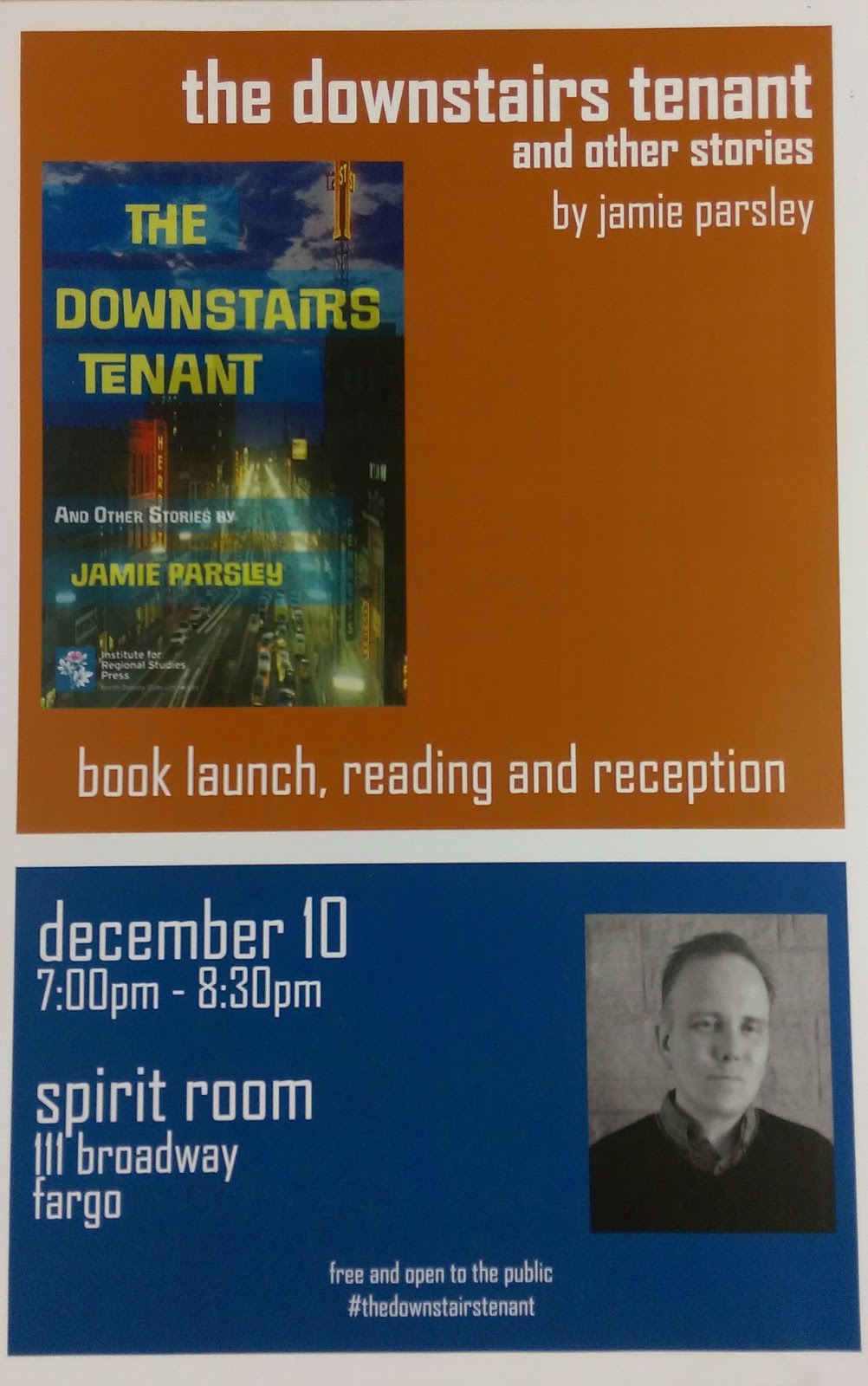 Here's the poster for the staged reading of my one-act play, "The Bishop Comes for a Visit," being presented at the Spirit Room in Fargo on Dec. 10
November 4, 2015
What do you mean by Anglo-Catholic?
A very well-written article which sums up much of what many of us believe as Anglo-Catholics:
https://thecuratescorner.wordpress.co...
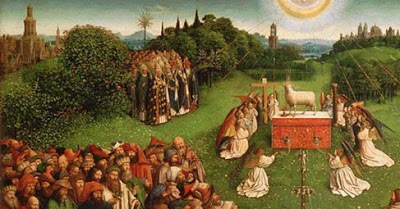 From the Curates Corner blog: One of the parishioners at my parish came into my office a week or so ago and asked me this question. IN the process of working on moving tables in our parish hall, I mentioned to him that I considered myself an Anglo-Catholic. Coming from a Presbyterian background, he had never heard this term and I bumbled through a quick history lesson, but came to these points, which are so much more eloquently put than I did in that moment:
What is Anglo-Catholicism?
A Response in Six Partsby the Revd John D. Alexander, SSCRector of S Stephen’s Church, Providence, Rhode Island
From the Curates Corner blog: One of the parishioners at my parish came into my office a week or so ago and asked me this question. IN the process of working on moving tables in our parish hall, I mentioned to him that I considered myself an Anglo-Catholic. Coming from a Presbyterian background, he had never heard this term and I bumbled through a quick history lesson, but came to these points, which are so much more eloquently put than I did in that moment:
What is Anglo-Catholicism?
A Response in Six Partsby the Revd John D. Alexander, SSCRector of S Stephen’s Church, Providence, Rhode Island
formerly of the Church of the Ascension, Staten Island, New York1. A High View of God. Anglo-Catholic worship at its best cultivates a sense of reverence, awe, and mystery in the presence of the Holy One before whom even the angels in heaven veil their faces.2. A High View of Creation. At the same time, we delight in the beauty of God’s creation. The Anglo-Catholic view of the world is highly sacramental,seeing signs of God’s presence and goodness everywhere in the things that he has made. In worship, we gather up the best of creation—as reflected in art, craftsmanship, music, song, flowers, incense, etc.—and offer it all back up to God.3. A High View of the Incarnation. Our salvation began when Christ took flesh in the womb of the Virgin Mary. God became man in order to transform human existence through participation in his divine life. The Collect for the Second Sunday after Christmas expresses the Anglo-Catholic vision perfectly:
https://thecuratescorner.wordpress.co...
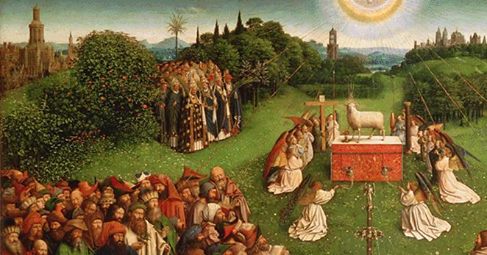 From the Curates Corner blog: One of the parishioners at my parish came into my office a week or so ago and asked me this question. IN the process of working on moving tables in our parish hall, I mentioned to him that I considered myself an Anglo-Catholic. Coming from a Presbyterian background, he had never heard this term and I bumbled through a quick history lesson, but came to these points, which are so much more eloquently put than I did in that moment:
What is Anglo-Catholicism?
A Response in Six Partsby the Revd John D. Alexander, SSCRector of S Stephen’s Church, Providence, Rhode Island
From the Curates Corner blog: One of the parishioners at my parish came into my office a week or so ago and asked me this question. IN the process of working on moving tables in our parish hall, I mentioned to him that I considered myself an Anglo-Catholic. Coming from a Presbyterian background, he had never heard this term and I bumbled through a quick history lesson, but came to these points, which are so much more eloquently put than I did in that moment:
What is Anglo-Catholicism?
A Response in Six Partsby the Revd John D. Alexander, SSCRector of S Stephen’s Church, Providence, Rhode Islandformerly of the Church of the Ascension, Staten Island, New York1. A High View of God. Anglo-Catholic worship at its best cultivates a sense of reverence, awe, and mystery in the presence of the Holy One before whom even the angels in heaven veil their faces.2. A High View of Creation. At the same time, we delight in the beauty of God’s creation. The Anglo-Catholic view of the world is highly sacramental,seeing signs of God’s presence and goodness everywhere in the things that he has made. In worship, we gather up the best of creation—as reflected in art, craftsmanship, music, song, flowers, incense, etc.—and offer it all back up to God.3. A High View of the Incarnation. Our salvation began when Christ took flesh in the womb of the Virgin Mary. God became man in order to transform human existence through participation in his divine life. The Collect for the Second Sunday after Christmas expresses the Anglo-Catholic vision perfectly:
4. A High View of the Atonement. An authentic Anglo-Catholicism looks not only to Christ’s Incarnation but also to his Sacrifice. The image of Jesus on the cross reminds us of the depth and horror of human sin, and of the price that God has paid for our redemption. Anglo-Catholic spirituality entails a lifelong process of turning from sin and towards God. Many Anglo-Catholics find the Sacrament of Penance an indispensable aid in this process.5. A High View of the Church. We come to share in the divine life of the risen and ascended Christ by being incorporated through Baptism into his Body, the Church. Thus, we regard the universal Church neither as an institution of merely human origin, nor as a voluntary association of individual believers, but as a wonderful mystery, a divine society, a supernatural organism, whose life flows to its members from its head, Jesus Christ, in the power of the Holy Spirit.6. A High View of the Communion of Saints. The Church, moreover, consists not only of all Christians now alive on earth (the Church Militant), but also of the Faithful Departed, who continue to grow in the knowledge and love of God (the Church Expectant), and of the Saints in Heaven, who have reached their journey’s end (the Church Triumphant). We have fellowship with all who live in Christ. Anglo-Catholicism thus affirms the legitimacy of praying for the dead, and of asking the Saints in Heaven for their prayers.7. A High View of the Sacraments. We believe that Jesus Christ really and truly communicates his life, presence, and grace to us in the Seven Sacraments, thus enabling us to give our lives to God and our neighbor in faith, hope, and love. Holy Baptism establishes our identity once for all as children of God and heirs of the Kingdom of Heaven (although we can by our own free choice repudiate this inheritance). And in the Holy Eucharist, Christ becomes objectively present in the Blessed Sacrament of His Body and Blood. Eucharistic adoration is thus an integral component of Anglo-Catholic spirituality and devotion.8. A High View of Holy Orders. Since the days of the Oxford Movement, Anglo-Catholicism has borne witness that the threefold ministry of Bishops, Priests, and Deacons in Apostolic Succession is God-given. The validity of our sacraments, and the fullness of our participation in the life of the One, Holy, Catholic, and Apostolic Church, depend upon our faithful stewardship of this divine gift. For this reason, innovations threatening the authenticity of our apostolic orders must be resisted at all costs.9. A High View of Anglicanism. We affirm that the Anglican Churches are truly part of Christ’s Holy Catholic Church. The prophetic vocation of Anglo-Catholicism has been to bear witness to the catholicity of Anglicanism. Yet it can be an uncomfortable vocation that requires us to take unpopular stands against developments that threaten this catholicity. Since the days of the Oxford Movement, our standard has been the faith and practice of the ancient, undivided Church. Our vocation as Anglo-Catholics remains one of holding ourselves, and our Anglican institutions, accountable to the higher authority of the universal Church.“O God, who wonderfully created, and yet more wonderfully restored, the dignity of human nature: grant that we may share the divine life of him who humbled himself to share our humanity, your Son Jesus Christ…”
November 1, 2015
All Saints
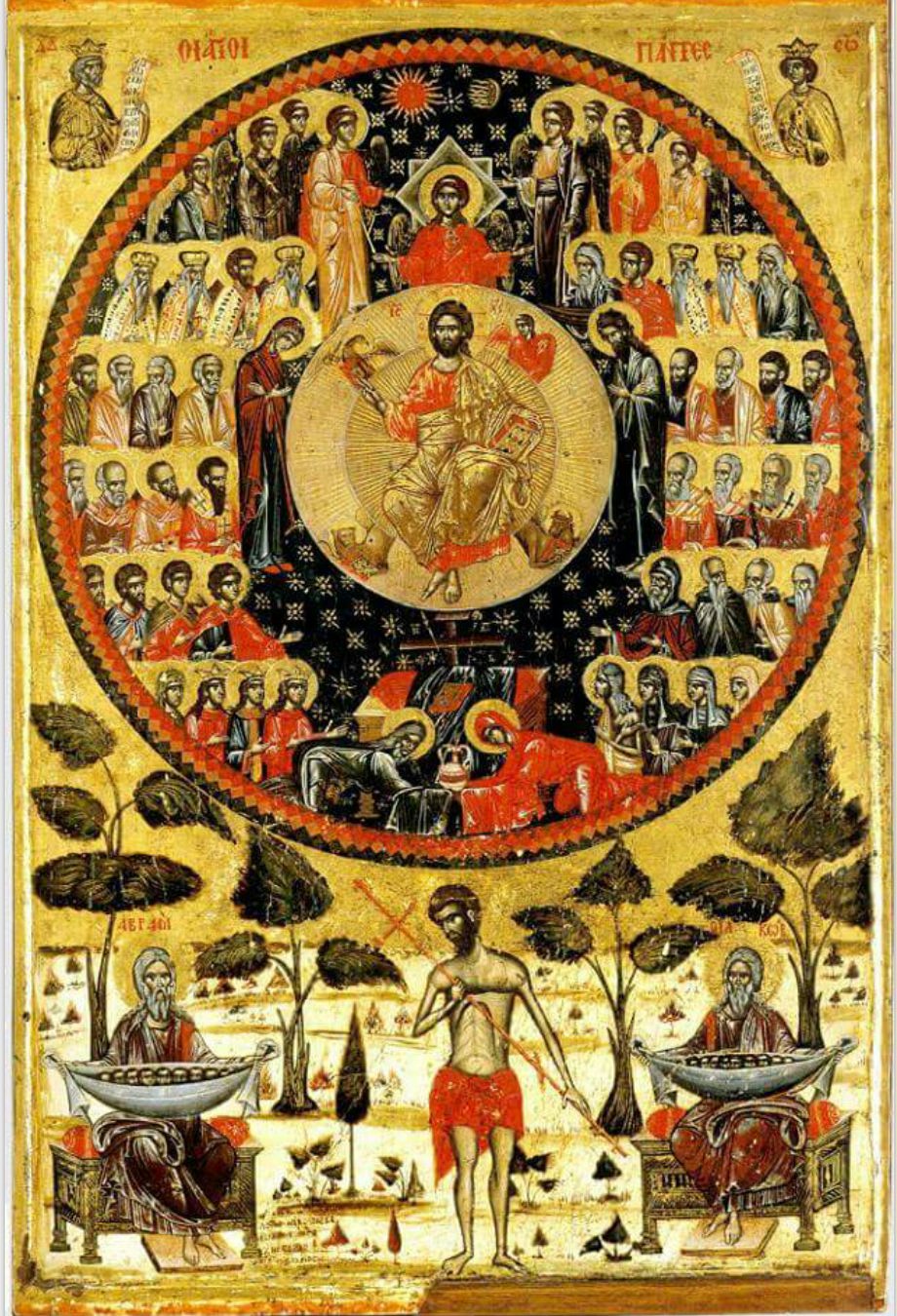 November 1, 2012
Revelation 21.1-6a
+ As most of you know by now, Bishop Michael Smith published a letter this past week for the diocesan newspaper, The Sheaf. Since most of you have seen it I won’t re-read it. If you would like to read it, you can read it on the congregational blog. But the gist of his message was that his pastoral provision in this diocese for those congregations who want to provide all people with the rites of the Church to all people equally will be offered a bishop other than himself, if we so decide as a congregation.
I know that it was a difficult decision for him to make and that he came to that decision after much personal searching.
Of course, personal searching is something we know well, as a congregation here at St. Stephen’s. We too have been on a similar, though entirely different, path than Bishop Smith. We also have been weighing these same issues. We also have been struggling with how our congregation is going to respond and proceed. This letter has now placed before us a juncture in our journey that we cannot now avoid. We have been heading toward this juncture for a very long time. It has been a hard journey at times.
What lies before us now is a decision we all must make. Shall we continue on one path as we have, or shall we venture down another? Whichever direction we take, there will be consequences to our actions.
Each action, as we all know, will have its own set of consequences. And, as Christians, as educated, dedicated, rational people, we know that we must weigh those consequences carefully and in a spirit of prayer and discernment. And then we must proceed accordingly.
None of this easy. Sometimes in our pursuit of what we feel is right, relationships are broken. Our convictions often force us to choose a path that is not the easy, well-lit path. But we must choose the path that is right for us.
My father was fond of a saying that I have tried to live out in my own life:
“Do the right thing—even when no one is looking.”
For us, on this All Saints Sunday, we, as saints of God, are being called to do that as well. We must do the right thing—even if no one else is looking (which it sort of feels like sometimes). Sometimes, we do feel alone in this journey. Sometimes we feel as though we are the only ones struggling the way we are with these issues.
But, to remember what we are celebrating today is important. A saint, we must remember, is viewed as a “witness” to Jesus and his Gospel. And, today, on All Saints Sunday, let me tell you: we are being called to be witnesses to that Gospel of Jesus, as we understand it.
But even more than that, like the saints who have gone before us, we are also sometimes called to suffer for the sake of that right thing, of being witnesses. That also is what makes up saints. As we proceed in our discernment of how we are going to respond to Bishop Smith’s offer of another Bishop to serve our needs here at St. Stephen’s, we do so knowing it will not be an easy decision on our part.
There are pros and there are cons to this decision. And no matter what we choose, it will no doubt be painful.
We have had a long relationship with Bishop Smith. Many of us, including yours truly, genuinely like him on a personal level. I count him as a friend. He ordained me to the priesthood. I worked for him for several years, first as his communications officer and later as his executive assistant. For me, even the idea of having someone else as our bishop is painful and difficult. Others may have an entirely different personal view of Bishop Smith.
But, as the Bishop himself would no doubt tell us, our convictions and our conscience override our personal relationships sometimes. That is the sacrifice we must be willing to make in the cause of Christ. The saints themselves who have gone before us would tell us that as well. They would make clear to us that, to be followers of Jesus, means sometimes having to refine our relationships so that we can serve Christ more fully.
We are at that juncture in our collective life here at St. Stephen’s. We are being called to make sacrifices for the sake of our calling to follow Christ and the people Christ has called us to serve. We are being called to make the sacrifices the saints of God sometimes need to make so they can live out their vocation as Christians.
Bishop Smith made clear in his letter that this is no longer a matter of loyalty—loyalty to him personally or to the diocese. What we are faced with now is not a matter of loyalty to him or to the Diocese. What we are faced with now is a matter of conscience. It is a matter of our convictions—as Christians, as followers of Jesus, as people committed to living out Christ’s command to love and love fully and completely, as we see it for ourselves. Our commitment at St. Stephen’s is to that love and that radical acceptance of all people that we have been living out here for many years.
Many of us here this morning because the churches we belonged to before no longer accepted us for who we were. Many of us are here this morning are here because we were no longer able to be in congregations or denominations that shunned us or hurt us or made us or others feel as though we were not fully loved children of God.
Our commitment at St. Stephen’s has always been to welcome all people—no matter who or what they were—as fully loved children of God. We have done so without limit. We have done so when it was not “popular.” We have done so when doing so meant we too might be viewed as “odd,” or different, or rebellious, or upstarts. And by doing so, we too have been shunned and treated as difficult or different.
We will continue to do what we have always done, no matter what may come, no matter what juncture we may take as a congregation. If those convictions compel us to walk a different path than Bishop Smith, then that is what we will have to struggle with, and pray about, and ponder for ourselves.
But what we cannot do at this point in our lives is compromise. We cannot turn away from the paths that lies before, or refuse to move forward. There is no easy way forward. Whichever way we chose to go will involve sacrifice. It will involve struggle. It will involve difficulties. We may lose people we considered friends along the way. We may be shunned. We may feel rejected. But, that too is all a part of our Christian journey. The saints knew this in their lives. And we know it too in ours.
Yet as difficult as the decisions are the lie ahead for us, there is no reason for despair. This is not the time to let fear or anger reign. In all we do, we must do so with love and respect for our fellow Christians. And we must do so with a humble spirit. By letting our fears get the best of us, we are already losing ground on the journey.
This path, as frightening as it may seem, can also be the opportunity for much good. Our decision in this matter can be a true opportunity to do good, to serve God and one another, and to bring about goodness. It can be an opportunity to work toward holiness in our lives and to participate in the mystery of God.
In today’s collect, we prayed to God to
“give us grace to follow your blessed saints in all virtuous and godly living, that we may come to those ineffable joys that you have prepared for those who truly love you…”
In the original version of this collect the word “unspeakable” was used instead of ineffable. “May we come to those unspeakable joys” That, I think, in many ways is the key to what we are longing for in our lives as followers of Jesus.
We have no clear picture of where we are going as we follow him. But the Holy Spirit, speaking to our conscience, always helps guide us on the right path.
Bishop Smith, in his letter, shared an interesting paragraph that I also quoted in the pastoral letter I issued on Thursday,
Each of us one day will be called upon to give an account before God for what we have done or not done during this life, as we stand before the “great judgment seat of Christ.”
In today’s reading from Revelation we find a similar image to this. In it we find some gorgeous images of heaven—of this powerful and beautiful voice booming from that throne—that same throne Bishop Smith speaks of in his letter. It’s a beautiful image and one we can cherish and hold close when we think about heaven.
One day we, as the saints of God, will stand before that throne, as Bishop Smith said. We too will be asked what we have done and not done. It will, no doubt, be probably the most difficult moment in our spiritual lives. But we must be prepared, as Bishop Smith says, to make answer before that throne. And that answer will be an important one.
I have no fear of appearing before that throne of Christ the Lamb. As I said in my pastoral letter:
I, for one, am not willing to stand before “the great judgement seat of Christ” and say that I stood by quietly while people continued to be excluded and marginalized from the Church or given second (or third)-class treatment.
After all, as we hear today in the book of Revelation,
“See, the home of God is among mortals.[God] will dwell with them as their God;they will be [God’s] peoples,and God….will be with them;[God] will wipe every tear from their eyes.Death will be no more;mourning and crying and pain will be no more,for the first things have passed away."
And then we hear this:
“And the one who was seated on the throne said, ‘See, I am making all things new.’”
“I am making all things new.”
That is our rallying cry on this Sunday. With those words we can go forward. We have no idea of the hardships that lie ahead for us around the next corner. But we do know that beyond those unseen hardships, lie joys beyond words for us. And though the path may be hard at times, one thing we know beyond all others: we know that we are taken care of.
Through it all, God is here with us, taking care of us. This journey we are on is a journey, following Jesus, wherever he may lead us. Each person, with their own convictions, are called to take their own paths. Bishop Smith, as he knows, is discerning that path as well in his own life, which may be in a different direction than the one we are being called to travel. For us, we can only discern our own path, not others’ paths.
For us, this is our heritage. By our baptism, we have been told that this heritage of saints is our heritage as well. This is what it means to be a saint—to be washed in those waters of a life that will not end and to do the right thing, even when no one may be looking.
The One who is seated on that throne will understand fully what we are doing and why we are doing it. And will renew us for doing what we are called to do. Our conviction of service to those who need to be served and accepted and loved was established already by Jesus and was carried out by the saints. Like those saints, we might not know where this immediate path will take us, but we do know what the ultimate end of the story will be.
We know how the story is going to end. We know that the ending will be glorious and beautiful. It’s what we do now, here in the middle of the story, that is making all the difference.
We are the saints among us. We are following the path of the saints. Today—All Saints Sunday—is a celebration of ourselves just as much as it is a celebration of those who have gone on before us.
So, at this time in which we are struggling, in which we are weighing our convictions and examining our consciences, let us also celebrate our inheritance. Let us celebrate those saints who have paved the way for us on our own, sometimes difficult, path. And let us ask our God to be with us, to strengthen us, to bless us and to compel us to continue on this path to which God has called us.
“See, I am making all things new,” our God is saying to us today. Let us rejoice in that renewal.
Let us pray:
Holy, loving and compassionate God, be with us and guide us as we discern your will in our lives. Let your Spirit be present with us, to open our minds and open our hearts to your will. Instill in us a spirit of love, respect for others and compassion. We pray this morning for Bishop Smith and the Diocese of North Dakota and all those who we call sisters and brothers in Christ. We pray for those in our congregation who are feeling pain and sorrow and anger over these events that divide us. Bring healing to us all. Enlighten us to see clearly the path we should take in our following of Jesus so that we may continue to do what you call us to do. And never leave us to feel alone on this journey. Surround us with your consolation and love. But, most of all, give us strength. Instill in us the strength to stand up and be who you have called us to be and do what you have called us to do. Let us not waver. All this, we ask in name of Jesus you Son, whom we follow, guided by your Holy Spirit. Amen.
October 31, 2015
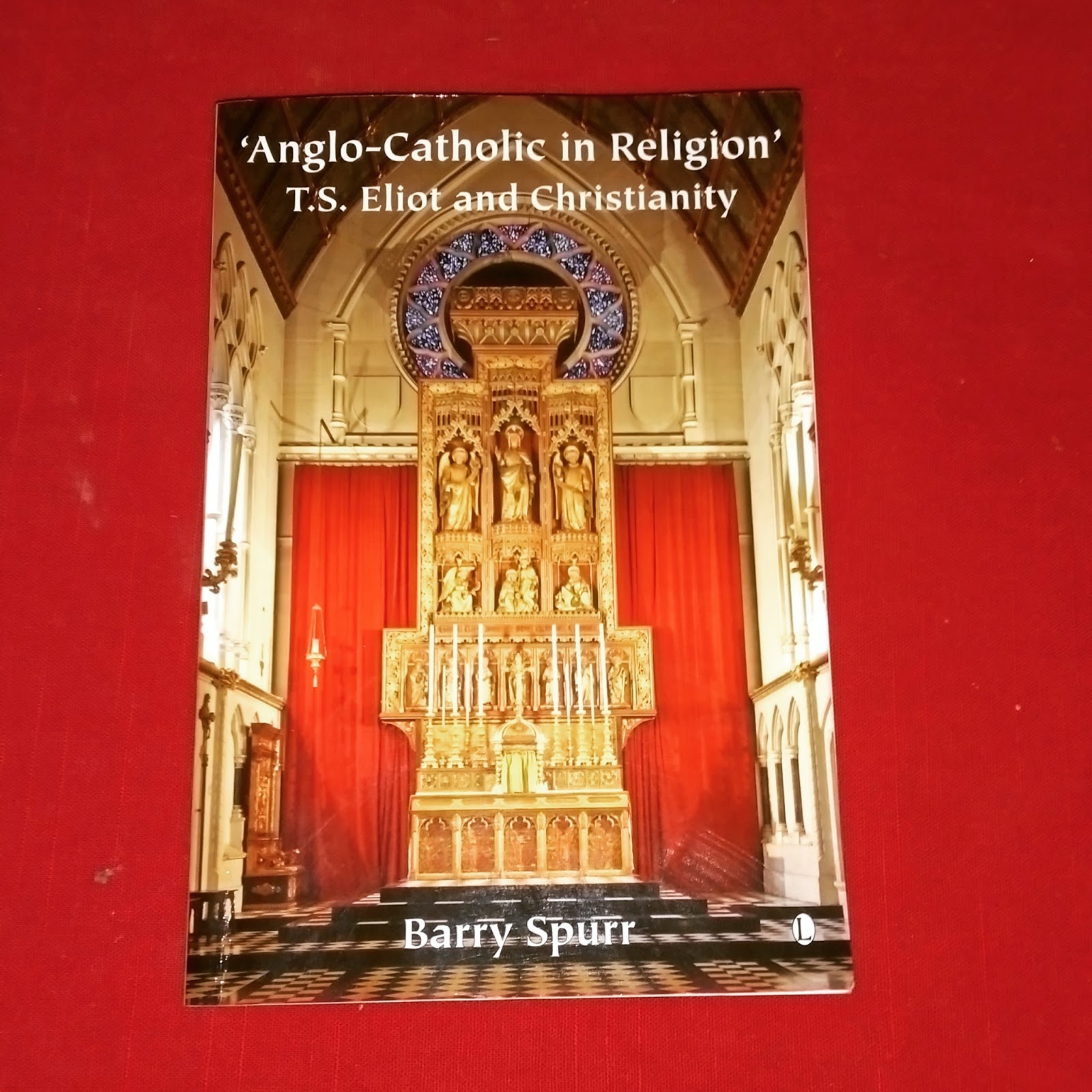
One of the most fascinating books I've read in some time:...
One of the most fascinating books I've read in some time:
Anglo-Catholic in Religion: T.S. Eliot and Christianity by Barry Spurr
Going teetotaler
So, 6 months ago tomorrow (Nov. 1), I stopped drinking alcohol. As noble as it might sound, it wasn't. For almost four years I had been having my fair share of stomach issues--ulcers, severely upset stomach, a kind of "broken glass" feeling in the pit of my stomach. The "broken glass" feeling, over time, got worse and worse. Finally 6 months ago, I ended up sick for three days. It was only then that I fully realized that I was getting sick due to alcohol. My doctor and others said that it is entirely possible that some people can develop (or simply ignore the fact that they have) an allergy of some sort to alcohol. My doctor then said to me: "Listen, you don't need it. If it's causing you to feel this way, just give it up." It made absolute sense. What surprised me most was how easy it was to actually give up. Certainly, it has not caused me to sacrifice any aspect my social life: I still love going out to my favorite places. I still love my vintage bar wear. I still love hosting parties and being with my friends at bars. But by far the most important part of it all is that, with my vegan lifestyle, I have never, ever felt better. I honestly don't think I even felt this good even in my 20s.
October 28, 2015
My pastoral letter regarding Bishop Smith's Letter in The Sheaf
“This is my commandment, that you love one anotheras I have loved you.”John 15.12
October 29, 2015The feast of Bl. James Hannington and Companions
Dear Members and Friends of St. Stephen’s,
As you might know, Bishop Michael Smith, in the November issue of The Sheaf, issued a letter regarding the topic of same-sex marriage rites in the Episcopal Diocese of North Dakota. His letter in full follows this letter. I invite you to prayerfully and respectfully read his letter.
The reactions of the members of St. Stephen’s to his letter may no doubt vary. Some may feel anger or frustration. Others may agree with Bishop Smith’s opinion.
In the recent past, I have purposely not responded to this issue because I, like many of you, have been waiting patiently for Bishop Smith to make a comprehensive statement regarding his making provision for same-sex marriage rites in the Diocese. On at least one occasion I attempted a conversation with Bishop Smith regarding this issue; no doubt, he already assumed where I stood on this matter.
As the priest of St. Stephen’s, it is not my duty to tell the people of our congregation what they should or should not do. I can only encourage. I can only walk beside you. And I, of course, will support any decision you make as a congregation. I can also share my own insights with you.
Bishop Smith’s letter was not a surprise to me, although I will admit that I was disappointed that Delegated Episcopal Pastoral Oversight (DEPO) was the only option offered to the Diocese.
His letter does now draw a very clear and distinctive line in the sand. He makes clear (and rightfully so) that this matter is no longer an issue of polity, nor is it an issue of loyalty—either to the Diocese or to the Bishop . It is now a very clear issue of conscience . Bishop Smith’s final statement makes this clear:
Each of us one day will be called upon to give an account before God for what we have done or not done during this life, as we stand before the “great judgment seat of Christ.” At this time in our history, I am keenly aware of the scriptural warning of the letter of James: “Not many of you should become teachers … for you know that we who teach will be judged with greater strictness” (James 3:1)
I agree entirely with this statement. Each one of us WILL one day be called to give an account before God for what we have done or not done during this life. I, for one, am not willing to stand before “the great judgement seat of Christ” and say that I stood by quietly while people continued to be excluded and marginalized from the Church or given second (or third)-class treatment. For me, my goal as a follower of Jesus has always been to live out his command:
“You shall love the Lord your God with all your heart, and with all your soul, and with all your strength, and with all your mind; and your neighbor as yourself.” (Luke 10.27).
As an Episcopalian, I take very seriously those vows we make from the Baptismal Covenant in the Book of Common Prayer (p. 305):
“Will you seek and serve Christ in all persons, loving your neighbor as yourself?”
And
“Will you strive for justice and peace among all people, and respect the dignity of every human being?”
In my opinion, the issue of full and equal acceptance of all people in this Church and to its rites is an issue of justice. This is an issue of respecting the dignity of every human being. This is an issue of living out Christ’s command to love one another as God loves us.
St. Stephen’s has, from its very beginning in 1956, been a congregation that has worked hard to be a place of radical hospitality and acceptance. That mission of all-accepting love has been vital in the lives of countless people who have found with us a place of solace and sanctuary. We have consistently welcomed the alienated, the shunned, the marginalized and the discarded. For us, this is what it means to be Christians in this day and age. For us, this is what it means to make the Kingdom of God a reality in this world. And we will continue to do this in the most radical ways. To do less would be to be untrue to our calling as followers of Jesus.
The ball is now in our court. How we proceed will be of the utmost importance. My hope is that we will do so intentionally and prayerfully, allowing God’s Holy Spirit to be with us and guide us
Whatever our decision may be as a congregation, these next weeks and months will be a time for discernment and introspection. I ask that we proceed in a spirit of grace and humility. I pray that we will allow the Holy Spirit to continue to work in our midst, and that we allow God’s all-powerful love to reign.
With that in mind, I caution us from any temptation to demonize Bishop Smith or anyone else who shares a similar position. Our ministry of love and full-acceptance extends to our relationship with them as well. They are not our enemies; rather they are our sisters and brothers in Christ, and we must continue to see them as such. The command from Christ to love all as God loves us extends, of course, to them as well.
With all that in mind, we must now accept the fact that the line, as I previously said, has now been clearly drawn. We have been given an opportunity to weigh our options and to proceed in our following of Christ.
So, how do we proceed? First, I ask you to read Bishop Smith’s letter with an open mind and heart.
Next, I ask you to share your opinions with me, or with our Senior Warden, Leo Wilking, Junior Warden, Catherine McMullen or with any of our vestry members. Your opinion is vital in how we proceed as a congregation.
Most of all, I ask for your prayers. Pray for the grace and wisdom to move forward. Pray for those individuals in our congregation who are most directly affected by these issues and who are, in this moment, feeling pain and discouragement as a result of this division. Pray that we can, in all integrity, make wise decisions, avoiding all malice and ill-will as we do so.
I ask that you pray for Bishop Smith and for all our sisters and brothers in Christ in the Diocese of North Dakota at this time. Please pray also for Bishop Michael Curry, who will be consecrated as the new Presiding Bishop of the Episcopal Church on November 1. Pray for the leadership of our Church.
But especially pray for our congregation of St. Stephen’s. We ask that the Holy Spirit will be present with each of us as we discern our future together, as we strive to continue to do the ministry we have been called to do, and as we follow Jesus where he leads. Please pray for our Senior and Junior Wardens, as well as our Vestry as they weigh the option placed before them and proceed accordingly.
And please do pray for me. Know each of you remain, as always, in my prayers as well. It is a true joy for me to be your priest.
-peace, Jamie+
------------------------------------------------------------------------------
Bishop Michael Smith’s Letter from the November issue of The Sheaf:
Dear Friends in Christ:
My letter in the July-August issue of The Sheaf included the reasons why I cannot in good conscience authorize the trial rite of Same Sex Marriage for the Diocese.
Although the enabling resolution for the rite gave authority to the Diocesan Bishop to make such a decision, it also included the directive that the Diocesan Bishop “will make provision for all couples asking to be married in this Church to have access to these liturgies.”
I have concluded a process of consultation seeking the advice of those clergy who are responsible for solemnizing marriages about what course of action I should take. As one might imagine, our clergy are quite a diverse lot in terms of their views on same sex marriage: some are conscience-bound to uphold the traditional teaching of the church on marriage between a man and a woman; others hope to solemnize same sex marriages; still others do not believe the new rites are biblical marriage, but think a blessing of some kind is in order. (This last option is no longer possible, according to General Convention, for those who live in civil jurisdictions where same sex marriage is legal.) It is good for us to remember that theological diversity is honored in the Episcopal Church and “no bishop, priest, deacon or lay person should be coerced or penalized in any manner, nor suffer any canonical disabilities, as a result of his or her theological objection to or support for [same sex marriage.]”
After consulting widely with the diocesan priests-in-charge, I have decided to offer Delegated Episcopal Pastoral Oversight (DEPO)4 to those congregations requesting it. According to the provisions of DEPO, if the priest-in-charge and two-thirds of the members of a vestry ask me, I will appoint another bishop to provide oversight for the three-yea rperiod between General Conventions.
Contrary to what some have understood, DEPO has nothing to do with a congregation’s relationship with the other congregations of the diocese. Rather, it has to do with the congregation’s relationship with the bishop. A congregation receiving delegated episcopal pastoral oversight would still remain active in the life of the diocese. My office would pay for an annual visit by the DEPO bishop.
In the course of these months of consultation, I have been reminded by some that the traditional view of marriage I hold is a “minority” one in the Episcopal Church. This may be true, as it is for other declining churches of Western secular cultures, but the fact remains that the traditional view of marriage between one man and one woman for life remains the teaching of our own Book of Common Prayer, as well as the teaching of thevast majority of the Anglican Communion, and global Christianity in general. Just weeks ago, the primates of the Global South, representing the majority of Anglicans wrote:
We grieved one more time at the unilateral decisions taken by the last General Convention of the Episcopal Church (TEC) in the USA to redefine marriage and to accept same-sex marriages (Resolutions A036 and A054). We see these latest resolutions as a clear departure from not only the accepted traditional teaching of the Anglican Communion, but also from that of the one Holy, Universal, and ApostolicChurch, which upholds the scriptural view of marriage between one man and one woman. (Lambeth Resolution 1:10, 1998.)6
Each of us one day will be called upon to give an account before God for what we have done or not done during this life, as we stand before the “great judgment seat of Christ.” At this time in our history, I am keenly aware of the scriptural warning of the letter of James: “Not many of you should become teachers … for you know that we who teach will be judged with greater strictness” (James 3:1). May the Lord have mercy on all of us whose responsibility it is to teach the Christian faith.
Sincerely,+ Michael Smith
October 29, 2015The feast of Bl. James Hannington and Companions
Dear Members and Friends of St. Stephen’s,
As you might know, Bishop Michael Smith, in the November issue of The Sheaf, issued a letter regarding the topic of same-sex marriage rites in the Episcopal Diocese of North Dakota. His letter in full follows this letter. I invite you to prayerfully and respectfully read his letter.
The reactions of the members of St. Stephen’s to his letter may no doubt vary. Some may feel anger or frustration. Others may agree with Bishop Smith’s opinion.
In the recent past, I have purposely not responded to this issue because I, like many of you, have been waiting patiently for Bishop Smith to make a comprehensive statement regarding his making provision for same-sex marriage rites in the Diocese. On at least one occasion I attempted a conversation with Bishop Smith regarding this issue; no doubt, he already assumed where I stood on this matter.
As the priest of St. Stephen’s, it is not my duty to tell the people of our congregation what they should or should not do. I can only encourage. I can only walk beside you. And I, of course, will support any decision you make as a congregation. I can also share my own insights with you.
Bishop Smith’s letter was not a surprise to me, although I will admit that I was disappointed that Delegated Episcopal Pastoral Oversight (DEPO) was the only option offered to the Diocese.
His letter does now draw a very clear and distinctive line in the sand. He makes clear (and rightfully so) that this matter is no longer an issue of polity, nor is it an issue of loyalty—either to the Diocese or to the Bishop . It is now a very clear issue of conscience . Bishop Smith’s final statement makes this clear:
Each of us one day will be called upon to give an account before God for what we have done or not done during this life, as we stand before the “great judgment seat of Christ.” At this time in our history, I am keenly aware of the scriptural warning of the letter of James: “Not many of you should become teachers … for you know that we who teach will be judged with greater strictness” (James 3:1)
I agree entirely with this statement. Each one of us WILL one day be called to give an account before God for what we have done or not done during this life. I, for one, am not willing to stand before “the great judgement seat of Christ” and say that I stood by quietly while people continued to be excluded and marginalized from the Church or given second (or third)-class treatment. For me, my goal as a follower of Jesus has always been to live out his command:
“You shall love the Lord your God with all your heart, and with all your soul, and with all your strength, and with all your mind; and your neighbor as yourself.” (Luke 10.27).
As an Episcopalian, I take very seriously those vows we make from the Baptismal Covenant in the Book of Common Prayer (p. 305):
“Will you seek and serve Christ in all persons, loving your neighbor as yourself?”
And
“Will you strive for justice and peace among all people, and respect the dignity of every human being?”
In my opinion, the issue of full and equal acceptance of all people in this Church and to its rites is an issue of justice. This is an issue of respecting the dignity of every human being. This is an issue of living out Christ’s command to love one another as God loves us.
St. Stephen’s has, from its very beginning in 1956, been a congregation that has worked hard to be a place of radical hospitality and acceptance. That mission of all-accepting love has been vital in the lives of countless people who have found with us a place of solace and sanctuary. We have consistently welcomed the alienated, the shunned, the marginalized and the discarded. For us, this is what it means to be Christians in this day and age. For us, this is what it means to make the Kingdom of God a reality in this world. And we will continue to do this in the most radical ways. To do less would be to be untrue to our calling as followers of Jesus.
The ball is now in our court. How we proceed will be of the utmost importance. My hope is that we will do so intentionally and prayerfully, allowing God’s Holy Spirit to be with us and guide us
Whatever our decision may be as a congregation, these next weeks and months will be a time for discernment and introspection. I ask that we proceed in a spirit of grace and humility. I pray that we will allow the Holy Spirit to continue to work in our midst, and that we allow God’s all-powerful love to reign.
With that in mind, I caution us from any temptation to demonize Bishop Smith or anyone else who shares a similar position. Our ministry of love and full-acceptance extends to our relationship with them as well. They are not our enemies; rather they are our sisters and brothers in Christ, and we must continue to see them as such. The command from Christ to love all as God loves us extends, of course, to them as well.
With all that in mind, we must now accept the fact that the line, as I previously said, has now been clearly drawn. We have been given an opportunity to weigh our options and to proceed in our following of Christ.
So, how do we proceed? First, I ask you to read Bishop Smith’s letter with an open mind and heart.
Next, I ask you to share your opinions with me, or with our Senior Warden, Leo Wilking, Junior Warden, Catherine McMullen or with any of our vestry members. Your opinion is vital in how we proceed as a congregation.
Most of all, I ask for your prayers. Pray for the grace and wisdom to move forward. Pray for those individuals in our congregation who are most directly affected by these issues and who are, in this moment, feeling pain and discouragement as a result of this division. Pray that we can, in all integrity, make wise decisions, avoiding all malice and ill-will as we do so.
I ask that you pray for Bishop Smith and for all our sisters and brothers in Christ in the Diocese of North Dakota at this time. Please pray also for Bishop Michael Curry, who will be consecrated as the new Presiding Bishop of the Episcopal Church on November 1. Pray for the leadership of our Church.
But especially pray for our congregation of St. Stephen’s. We ask that the Holy Spirit will be present with each of us as we discern our future together, as we strive to continue to do the ministry we have been called to do, and as we follow Jesus where he leads. Please pray for our Senior and Junior Wardens, as well as our Vestry as they weigh the option placed before them and proceed accordingly.
And please do pray for me. Know each of you remain, as always, in my prayers as well. It is a true joy for me to be your priest.
-peace, Jamie+
------------------------------------------------------------------------------
Bishop Michael Smith’s Letter from the November issue of The Sheaf:
Dear Friends in Christ:
My letter in the July-August issue of The Sheaf included the reasons why I cannot in good conscience authorize the trial rite of Same Sex Marriage for the Diocese.
Although the enabling resolution for the rite gave authority to the Diocesan Bishop to make such a decision, it also included the directive that the Diocesan Bishop “will make provision for all couples asking to be married in this Church to have access to these liturgies.”
I have concluded a process of consultation seeking the advice of those clergy who are responsible for solemnizing marriages about what course of action I should take. As one might imagine, our clergy are quite a diverse lot in terms of their views on same sex marriage: some are conscience-bound to uphold the traditional teaching of the church on marriage between a man and a woman; others hope to solemnize same sex marriages; still others do not believe the new rites are biblical marriage, but think a blessing of some kind is in order. (This last option is no longer possible, according to General Convention, for those who live in civil jurisdictions where same sex marriage is legal.) It is good for us to remember that theological diversity is honored in the Episcopal Church and “no bishop, priest, deacon or lay person should be coerced or penalized in any manner, nor suffer any canonical disabilities, as a result of his or her theological objection to or support for [same sex marriage.]”
After consulting widely with the diocesan priests-in-charge, I have decided to offer Delegated Episcopal Pastoral Oversight (DEPO)4 to those congregations requesting it. According to the provisions of DEPO, if the priest-in-charge and two-thirds of the members of a vestry ask me, I will appoint another bishop to provide oversight for the three-yea rperiod between General Conventions.
Contrary to what some have understood, DEPO has nothing to do with a congregation’s relationship with the other congregations of the diocese. Rather, it has to do with the congregation’s relationship with the bishop. A congregation receiving delegated episcopal pastoral oversight would still remain active in the life of the diocese. My office would pay for an annual visit by the DEPO bishop.
In the course of these months of consultation, I have been reminded by some that the traditional view of marriage I hold is a “minority” one in the Episcopal Church. This may be true, as it is for other declining churches of Western secular cultures, but the fact remains that the traditional view of marriage between one man and one woman for life remains the teaching of our own Book of Common Prayer, as well as the teaching of thevast majority of the Anglican Communion, and global Christianity in general. Just weeks ago, the primates of the Global South, representing the majority of Anglicans wrote:
We grieved one more time at the unilateral decisions taken by the last General Convention of the Episcopal Church (TEC) in the USA to redefine marriage and to accept same-sex marriages (Resolutions A036 and A054). We see these latest resolutions as a clear departure from not only the accepted traditional teaching of the Anglican Communion, but also from that of the one Holy, Universal, and ApostolicChurch, which upholds the scriptural view of marriage between one man and one woman. (Lambeth Resolution 1:10, 1998.)6
Each of us one day will be called upon to give an account before God for what we have done or not done during this life, as we stand before the “great judgment seat of Christ.” At this time in our history, I am keenly aware of the scriptural warning of the letter of James: “Not many of you should become teachers … for you know that we who teach will be judged with greater strictness” (James 3:1). May the Lord have mercy on all of us whose responsibility it is to teach the Christian faith.
Sincerely,+ Michael Smith