
Find & Share Quotes with Friends
Developing Countries Quotes
Quotes tagged as "developing-countries"
Showing 1-20 of 20

“আমার নিজের একটা অসুবিধা হয়েছিলো। আমার অভ্যাস, নিজে দাড়ি কাটি। নাপিত ভাইদের বোধহয় দাড়ি কাটতে কোনোদিন পয়সা দেই নাই। ব্লেড আমার কাছে যা ছিলো শেষ হয়ে গেছে। ব্লেড কিনতে গেলে শুনলাম, ব্লেড পাওয়া যায়না। বিদেশ থেকে ব্লেড আনার অনুমতি নাই। পিকিংয়েও চেষ্টা করেছিলাম পাই নাই। ভাবলাম,তিয়েন শিং-এ নিশ্চয়ই পাওয়া যাবে। এত বড় শিল্প এলাকা ও সামুদ্রিক বন্দর! এক দোকানে বহু পুরানা কয়েকখানা ব্লেড পেলাম, কিন্তু তাতে আর দাড়ি কাটা যাবেনা। আর এগুলো কেউ কিনেও না। চীন দেশে যে জিনিস তৈরি হয়না, তা লোকে ব্যবহার করবে না।”
― অসমাপ্ত আত্মজীবনী
― অসমাপ্ত আত্মজীবনী
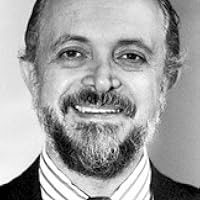
“..the planet is just too small for these developing countries to repeat the economic growth in the same way that the rich countries have done it in the past. We don't have enough natural resources, we don't have enough atmosphere. Clearly, something has to change.”
―
―

“After his initial homecoming week, after he'd been taken to a bunch of sights by his cousins, after he'd gotten somewhat used to the scorching weather and the surprise of waking up to the roosters and being called Huascar by everybody (that was his Dominican name, something else he'd forgotten), after he refused to succumb to that whisper that all long-term immigrants carry inside themselves, the whisper that says You do not belong, after he'd gone to about fifty clubs and because he couldn't dance salsa, merengue, or bachata had sat and drunk Presidentes while Lola and his cousins burned holes in the floor, after he'd explained to people a hundred times that he'd been separated from his sister at birth, after he spent a couple of quiet mornings on his own, writing, after he'd given out all his taxi money to beggars and had to call his cousin Pedro Pablo to pick him up, after he'd watched shirtless shoeless seven-year-olds fighting each other for the scraps he'd left on his plate at an outdoor cafe, after his mother took them all to dinner in the Zona Colonial and the waiters kept looking at their party askance (Watch out, Mom, Lola said, they probably think you're Haitian - La unica haitiana aqui eres tu, mi amor, she retorted), after a skeletal vieja grabbed both his hands and begged him for a penny, after his sister had said, You think that's bad, you should see the bateys, after he'd spent a day in Bani (the camp where La Inca had been raised) and he'd taken a dump in a latrine and wiped his ass with a corn cob - now that's entertainment, he wrote in his journal - after he'd gotten somewhat used to the surreal whirligig that was life in La Capital - the guaguas, the cops, the mind-boggling poverty, the Dunkin' Donuts, the beggars, the Haitians selling roasted peanuts at the intersections, the mind-boggling poverty, the asshole tourists hogging up all the beaches, the Xica de Silva novelas where homegirl got naked every five seconds that Lola and his female cousins were cracked on, the afternoon walks on the Conde, the mind-boggling poverty, the snarl of streets and rusting zinc shacks that were the barrios populares, the masses of niggers he waded through every day who ran him over if he stood still, the skinny watchmen standing in front of stores with their brokedown shotguns, the music, the raunchy jokes heard on the streets, the mind-boggling poverty, being piledrived into the corner of a concho by the combined weight of four other customers, the music, the new tunnels driving down into the bauxite earth [...]”
― The Brief Wondrous Life of Oscar Wao
― The Brief Wondrous Life of Oscar Wao
“After his initial homecoming week, after he'd been taken to a bunch of sights by his cousins, after he'd gotten somewhat used to the scorching weather and the surprise of waking up to the roosters and being called Huascar by everybody (that was his Dominican name, something else he'd forgotten), after he refused to succumb to that whisper that all long-term immigrants carry inside themselves, the whisper that says You do not belong, after he'd gone to about fifty clubs and because he couldn't dance salsa, merengue, or bachata had sat and drunk Presidentes while Lola and his cousins burned holes in the floor, after he'd explained to people a hundred times that he'd been separated from his sister at birth, after he spent a couple of quiet mornings on his own, writing, after he'd given out all his taxi money to beggars and had to call his cousin Pedro Pablo to pick him up, after he'd watched shirtless shoeless seven-year-olds fighting each other for the scraps he'd left on his plate at an outdoor cafe, after his mother took them all to dinner in the Zona Colonial and the waiters kept looking at their party askance (Watch out, Mom, Lola said, they probably think you're Haitian - La unica haitiana aqui eres tu, mi amor, she retorted), after a skeletal vieja grabbed both his hands and begged him for a penny, after his sister had said, You think that's bad, you should see the bateys, after he'd spent a day in Bani (the camp where La Inca had been raised) and he'd taken a dump in a latrine and wiped his ass with a corn cob - now that's entertainment, he wrote in his journal - after he'd gotten somewhat used to the surreal whirligig that was life in La Capital - the guaguas, the cops, the mind-boggling poverty, the Dunkin' Donuts, the beggars, the Haitians selling roasted peanuts at the intersections, the mind-boggling poverty, the asshole tourists hogging up all the beaches, the Xica de Silva novelas where homegirl got naked every five seconds that Lola and his female cousins were cracked on, the afternoon walks on the Conde, the mind-boggling poverty, the snarl of streets and rusting zinc shacks that were the barrios populares, the masses of niggers he waded through every day who ran him over if he stood still, the skinny watchmen standing in front of stores with their brokedown shotguns, the music, the raunchy jokes heard on the streets, the mind-boggling poverty, being piledrived into the corner of a concho by the combined weight of four other customers, the music, the new tunnels driving down into the bauxite earth,”
― The Brief Wondrous Life of Oscar Wao
― The Brief Wondrous Life of Oscar Wao

“Knowing that an economy is in decline is not enough. We must know why the economy is failing to achieve economic growth if we are to take steps to establish or reestablish it.”
― The End of Poverty: Economic Possibilities for Our Time
― The End of Poverty: Economic Possibilities for Our Time

“Deep down, we are more scared of love than violence, we are more against romance than rapes.”
―
―
“sweatshops are the first rung on the ladder out of extreme poverty”
― The End of Poverty: Economic Possibilities for Our Time
― The End of Poverty: Economic Possibilities for Our Time
“Perhaps more surprising, even the rich in developing countries also lag. For example, in Indonesia, the richest quintile has scores around 450--less than the 500 for the poorest quintile in Korea or the same as the poorest quintile in UK. So in poor countries, the richest are still getting a mediocre education, and the poor cannot be said to be getting any education at all.”
― The Rebirth of Education: Schooling Ain't Learning
― The Rebirth of Education: Schooling Ain't Learning
“They did not understand that by liberalizing imports, the government was also promoting exports.”
―
―

“Even a great philosophical idea when mixed with mysticism, turns into a dangerous weapon that becomes an impediment in the path of progress of developing communities.”
― I Am The Thread: My Mission
― I Am The Thread: My Mission


“Growing up in India we faced so many issues such as food waste, malnutrition, pollution, crazy traffic, which could have been better improved using technology. After moving to the UK and with access to more resources in terms of technology I realized that there is so much I could do to improve lives with the use of such technology.”
―
―
“Genius By The Dozen (A Sonnet)
Given the resources, I can build any technology,
Unlike some people, I do not need to hire genius.
Yet I gave up my obsession of electronics, because,
Building rockets is easy, building society not so much.
Not everybody is born with a silver spoon in mouth,
Rest of us have to choose among bread, dreams and tears.
But don't assume that I am whining about a misfortune,
Because, a reformer is worth a hundred entrepreneurs.
Rocket science is child's play for even a fisherman's son,
Cognitive Science is common sense for a laborer's child.
Yet you boast about a bunch of counterfeit geniuses whose,
Greatest power is that they are born with a golden hide.
If you seek true genius, lend a hand to developing nations.
And they'll give you Gates, Musks and Byrons by the dozens.”
― Amantes Assemble: 100 Sonnets of Servant Sultans
Given the resources, I can build any technology,
Unlike some people, I do not need to hire genius.
Yet I gave up my obsession of electronics, because,
Building rockets is easy, building society not so much.
Not everybody is born with a silver spoon in mouth,
Rest of us have to choose among bread, dreams and tears.
But don't assume that I am whining about a misfortune,
Because, a reformer is worth a hundred entrepreneurs.
Rocket science is child's play for even a fisherman's son,
Cognitive Science is common sense for a laborer's child.
Yet you boast about a bunch of counterfeit geniuses whose,
Greatest power is that they are born with a golden hide.
If you seek true genius, lend a hand to developing nations.
And they'll give you Gates, Musks and Byrons by the dozens.”
― Amantes Assemble: 100 Sonnets of Servant Sultans
“...misunderstanding how sovereign currency works prevents many nations from living up to their resource capacity by adopting an unnecessarily restrictive fiscal stance while they leave domestic resources unemployed.”
―
―
“While MMT holds that sovereign governments are not financially constrained, whether developed or developing, this does not mean that they should not constrain spending. Whether or not they need to do so and to what extent depends on their internal and external resource space”
―
―
“For less developed countries, a currency-issuing government faces different issues to that of an advanced nation, especially where essentials like food and energy must be imported. In the case of less developed countries, specific problems cannot be easily overcome by just increasing fiscal deficits.”
― Modern Monetary Theory: Key Insights, Leading Thinkers
― Modern Monetary Theory: Key Insights, Leading Thinkers
“The multilateral institutions that were introduced in the Post World War II period to coordinate international aid – the IMF and the World Bank – have failed in their respective missions. They became agents for the ‘free market’ ideology and through their structural adjustment packages and related policies have made it harder for a nation to develop.”
― Modern Monetary Theory: Key Insights, Leading Thinkers
― Modern Monetary Theory: Key Insights, Leading Thinkers
All Quotes
|
My Quotes
|
Add A Quote
Browse By Tag
- Love Quotes 102.5k
- Life Quotes 81k
- Inspirational Quotes 77.5k
- Humor Quotes 45.5k
- Philosophy Quotes 32k
- Inspirational Quotes Quotes 28.5k
- God Quotes 27k
- Wisdom Quotes 25k
- Romance Quotes 25k
- Truth Quotes 25k
- Poetry Quotes 24.5k
- Life Lessons Quotes 23k
- Quotes Quotes 21.5k
- Death Quotes 21k
- Happiness Quotes 19k
- Hope Quotes 19k
- Faith Quotes 18.5k
- Inspiration Quotes 18k
- Relationships Quotes 16k
- Spirituality Quotes 16k
- Motivational Quotes 16k
- Religion Quotes 15.5k
- Life Quotes Quotes 15.5k
- Writing Quotes 15k
- Love Quotes Quotes 15k
- Success Quotes 14.5k
- Motivation Quotes 14k
- Time Quotes 13k
- Science Quotes 12.5k
- Motivational Quotes Quotes 12k