
Michele Rosenthal's Blog, page 3
September 22, 2015
5 Ways To Create Affordable Daily PTSD Recovery Practices
 When I first entered recovery for symptoms of PTSD I had the naive expectation that my therapist would do most of the work. After all, I was the one who was sleep deprived, anxious, depressed and wanting–more than anything–to get as far away from the past as possible. It just seemed logical that in my distressed state my therapist, who had more energy, focus and concentration, would be the one to lay the groundwork, create the process and guide me through it with a minimum of my own engagement.
Ok, so I know that sounds ridiculous! But back in the late 90s I didn’t know anything about how to heal PTSD or the recovery process. I just knew I was in pain and wanted that pain to go away. It actually took me several years to realize that the reason I wasn’t healing as well or as quickly as I had hoped was because I wasn’t fully dedicated to the process. I showed up every week and did the requisite talking during my therapy sessions…. and then spent the rest of the week just coping with symptoms. It never occurred to me to work my recovery daily.
Because I was initially so disengaged in my recovery I’m always impressed by the survivors I meet and hear from who know that the real action of healing results from the healthy practices we engage in every day. While recovery expenses add up there are many ways to engage in recovery that don’t cost a dime. Heal My PTSD offers free podcasts, videos and webinars. Plus, check out any of these free resources to help you create healing-oriented actions every day:
DoYogaWithMe.com — This fantastic site is loaded with free yoga classes of varying lengths in a variety of yoga styles. With options including yoga therapy, gentle yoga and restorative yoga the options for committing to a daily stress reduction practice are huge.
Pandora.com: Learning to destress is a hard task; music can make it easier. Sign up for a free account and create a station for “deep relaxation” and enjoy calm, soothing music for hours. [I like to pair this with my DoYogaWithMe classes to create a fuller sensory experience.]
Emotional Freedom Technique (EFT): You probably have heard of tapping, which can be extremely effective in reducing stress, promoting calm and shifting you into a state of lowered anxiety. Learn how to do the step-by-step process from EFT founder, Gary Craig:
Autonomous sensory meridian response(ASMR) videos: These soft-spoken, sensory-driven videos are designed to produce “pleasurable tingling sensations in the head, scalp, back, or peripheral regions of the body in response to visual, auditory, tactile, olfactory, or cognitive stimuli.” (Wikipedia). There are literally thousands to choose from on YouTube. [Read a full explanation of ASMRs here.] Here’s an example from one of the most popular ASMR producers, Ilse:
Breathwork: In under two minutes you can change your physiology just by practicing breathwork specifically designed to reduce stress. I’ve interviewed an expert about this who shares a simple method; you can listen to my conversation with Dr. Patricia Gerbarg here. Or, use this video to start your practice:


September 18, 2015
Veteran Medic Searches For A Cannabis PTSD Cure
When we tell our stories we give meaning to our experiences, organize order from the chaos and create connections between ourselves and others. As we do this we not only engage in healing actions that help support our own evolution in life after trauma but also help offer others ideas, suggestions, dreams, hope and belief for how we can reduce and even eliminate symptoms of PTSD.
This week’s guest post is contributed a PTSD memoir excerpt by R. “Doc” Gage Amsler, a veteran medic whose new book, The Strains of War, chronicles his personal exploration of cannabis as a cure for PTSD.
THE STRAINS OF WAR – a true story, and still growing
Chapter 2
 Since I had returned from the Iraq War three years earlier, medical cannabis had become a personal research mission of mine. As someone who had always been desperate to help others, I happened on the miracles of cannabis for PTSD quite incidentally.So what if it was my time, I thought to myself. I could accept that. I could meet this challenge. Would you have done the same?
After too many days of swallowing mortar rounds in combat- ruined places like Basra and seeing grown men shredded through the grinder of tactical warfare, my PTSD reared when I returned home. Seeing grown men torn apart by bullets and bombs sets your brain on record. You capture snippets of these images, and they play in your mind on a loop.
The memory pulls you back into the moment, and soon your whole body is back in that place. Each time you close your eyes, it sets your life on fire as you become an unwilling casualty of the trauma. The trauma cycles through you like a sowing machine, stitching the worst memories of your time in combat together, a seamless collection of death that stabs at you with every thrust of the needle.
I got home that year, my mental state a smoldering heap of panic, survivor guilt, and memories that had been stitched onto the back of my eyelids. I needed help to function, and so I was put on many medications that my doctors said would help me. The medicine seemed to help in the beginning, but then it turned on me.
The more I studied, the more it blew my mind that cannabis was such an effective PTSD cure, yet so many soldiers were struggling with medications that made them worse off than before. As a paramedic, I regularly came across people who had medicine bags full of the junk that was supposed to be helping them.
I realized there was a lot more to weed than anyone really understood. There were different strains, as varied as different off the shelf medications—some could trigger panic, while others would heal it! It depended mostly on the THC–CBD balance, which are synergistic to each other; when one goes up, the other goes down. This explained why common street weed would sometimes cause people problems.
Over several decades, it was bred for a high THC content, the psychoactive property in weed, instead of a high CBD content, which helps promote internal healing. My passion for medical cannabis research grew, along with several plants I was tending to in my basement. I went from a man who was imploding to a man with a mission.
In my humble opinion, medical cannabis has the potential to save thousands of soldiers’ lives. It can help to heal their PTSD symptoms, and it will not shorten their lifespans or cause disease to start up in other places in the body. In almost every way, this little plant became the answer to a question I had been asking since first returning from war. When will the chaos stop? “Right now,” said that cannabis treatment. It was around this time I became aware of a myth that was deeply entrenched in the cannabis community. I learned that somewhere in the world, no one knew where, but quite possibly high up in the Hindu Kush, was a primeval strain of bud.
It is a strain so powerful that it can cure diseases more effectively than anything the world has ever seen. This story is told often among cannabis entrepreneurs, who explore remote parts of the world searching for new natural strains for medicinal benefits. And there, in the back seat of my land cruiser, was possibly the Holy Grail.
Chapter 4
My whole life I had been made to suffer with manic, bi- polar, schizophrenic tendencies from the colorful diaspora of men my mother paraded through my fragile childhood. Of course I was not normal; I had never seen what it looked like. War only aggravated my anger. After the tours in Iraq, I was not fit to shovel shit for a few cents an hour.
The world had closed in on me, and I was trapped inside a mind of broken thoughts. The harmony I had been careful to nurture to maintain my sanity in life would pop in and out of focus, like a cruel jack-in-the-box showing me all the regrets of my past. Every now and then I would be faced with a mirror, and could not stand to see the man looking back at me.
PTSD is strange like that. Days go by and things add up, a little reminder here, a flash there.
Eventually it feels like a balloon has inflated inside of your head. All of that pain has to escape somewhere. No one can face the reality of death like that without feeling the annihilating fear that goes with it.
Your nerves are always prickling like thorns pressed against your skin. If something hurts too much, you have to channel the pain somewhere. Sadly, it is usually on the people you love best. Every night is a pantomime of violence that rips your mind apart, and every day the confused logic of that fact is paraded around for everyone to see.
I believe it comes from our most primitive side, when man would destroy man simply because of no law and simply because they just could because of anger or resentment. With the introduction of laws and law enforcement, man is forced to dampen those primitive urges to obey the laws. There are some that simply cannot dampen those primitive urges. Which is illogical, not illegal—following the laws or following your primitive urges?
Chapter 12
You see the turning points in your life, the moments when decisions brought you to where you are now. We had been looking to find the best spot for a new base and had wound up in the throes of an ambush. Only, this time, we had no back up, and all that stood between us was the unforgiving landscape against native-born killers.
I clung to the hope that finding that strain was divine providence and that I would not die on my own in the desert that day. I was full of purpose now that the fates had shown me my future. I would take the strain back to America, grow it, and test it. I would be instrumental in curing PTSD for every person that had ever stood in the fire. For every dragon.
This thought kept me pinned to that rock, hugging it for dear life. When the Quick Reaction Force finally came and laid down some heavy fire, it was an hour later than it should have been, something about a delay at the base. Jack sped up to us afterwards, and we piled into the MRAP, frazzled from the emotional experience of being caught in the open under gunfire.
The trip back to the base was sobering. Instead of dwelling on the past, I could focus on the future. Mike, Matt, and I all knew that we had cheated death on this mission. However, any security we felt was only momentary, and nowhere within these borders was truly safe for any of us. We were there to work, to shoot, to save, and to kill. We were contractors, and we were soldiers.
All of the risk I have taken I have done for a reason very close to my heart. I have gone through a lot since coming home. I have lost my marriage and nearly everything I own, and I have been forced to move away from my daughter, who I came home to be with. I even quit a professional job that I excelled at to focus on this passion. I believe that this strain holds the key for combat veterans. I was young once and full of dreams about life. I saw war as a means to an end. But war has no end for the people that get caught up in it. That is why so many good people can never return to the lives they had before. Once you allow that kind of pain into your life, it never goes away.
And then the cycle begins. Doctors. Lawyers. Diagnosis. Bipolar disorder, PTSD, anxiety, attention deficit, explosive moments, and more. They put you on medication that switches off your body and dilutes your brain. You fight. You tear your life apart. All the while, the war inside you rages on. No amount of alcohol exists that can dull the pain of it. You are forced inside that place whenever your eyes flutter closed.
War is unlikely to change. But I do not believe that good men and women have to carry it with them anymore. There is a need for the development of this strain into an adequate cure for PTSD. Imagine a world where our fighters come back home and the fight stops. Mothers can be mothers again. Husbands and wives can return to loving families. Someone’s father is able to hold down a job and even excel at it. These are the dreams that consume me now, since the day I stood on top of that mountain. I believe that this Kush is the answer to it all, a replacement for the medications that make it impossible for them to function.
I have been taking beatings since I was a kid. The worst beatings I ever took were the ones I inflicted on myself because of PTSD. It is a sweeping and brutal disorder for every veteran that I have ever met. These people have suffered enough. They do not deserve to return home to ruin, abandonment, and poverty. But that is what they get.
I am home now, and my combat days are over. I will never stop being a soldier, and I will never stop being a medic. The brotherhood never dies. And to this end, I want to dedicate my future. I am here to shout it across the world. There is hope for PTSD, and there is hope for veterans like me! Medical marijuana can give you your life back. It gave me mine.
About the book and the Author:
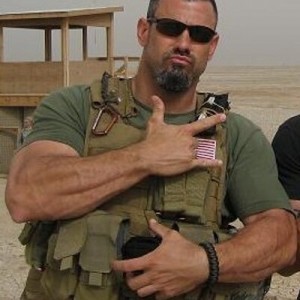 Could Cannabis Be the Cure to Combat PTSD? The Strains of War Is the Provoking New TRUE STORY Release by a Veteran Struggling to Cultivate a Cure and Recover from Post-Traumatic Stress Disorder.
A solider going to war knows to expect the unexpected, and R.’Doc’ Gage Amsler encountered a lot of expected and unexpected trauma during his time in Kuwait, Iraq and Afghanistan working in/in support of the United States military forces. But he also stumbled upon a legendary cure hidden in the mountains along the border between Pakistan and Afghanistan – the Hindu Kush. He’d heard plenty about this mystical strain of cannabis working as a long time medic… but how much of it was true? Could this particular strain really be the salvation to PTSD? Could he cultivate it? Could he even get it home safely?
Doc Gage had no doubt of the need for an effective treatment for PTSD for Vets. It’s no secret that too many of those who have served their country suffer for it for the rest of their lives with flashbacks, nightmares, anxiety, a sense of detachment from loved ones, and difficulty functioning in day to day life. He knows how devastating PTSD can be because his own experiences in the military serving in combat areas have left him with PTSD.
Across the US, military veterans with PTSD just aren’t getting the help they need. Left to fend for themselves thorough the struggle to re-join civilian society after experiencing the horrors of war, too many find themselves marginalized, isolated and unable to hold down a job due to their PTSD symptoms. Could Gage Amsler have the cure? Could the strain of cannabis he brought back from the Hindu Kush help his fellow vets recover and return to full and rewarding lives?
Powerful Plant and Personal Pain The Strains of War is about much more than a plant that can help those suffering from PTSD. This is one man’s remarkable story before and after his amazing find in the mountainous border territory between Pakistan and Afghanistan.
R. Gage Amsler had a troubled life before he became a medic. In fact, he joined the military to change his life because his other option seemed to be dying on the street. His roller coaster like career path also includes stints in the fire department, as a defense contractor and in the automotive-industry. His personal life has been even more chaotic. Along the way, he gained and lost many friends and divorced twice. He missed seven years of his daughter’s life to the chaos. But through it all, he has been on a quest for inner peace. Follow his adventures and misadventures on the quest to develop this cannabis cure in The Strains of War.

September 15, 2015
New PTSD Study for Sleep Medication Seeks Participants
People are always asking me about my stance on medication in PTSD recovery. Here’s the official answer:
I believe medications are useful and beneficial when administered and taken in appropriate doses specifically for the purpose of creating and promoting a method of regulated coping so that healing work can be approached, engaged in and consistently endured.
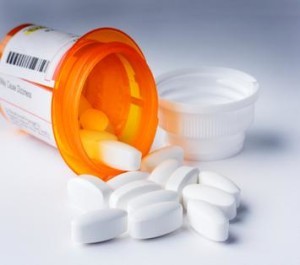 My disclaimer: I did not use medications in my own recovery. This was a very personal choice and one importantly driven by the nature of my trauma, which was medical in nature and specifically related to medication. To say I was afraid of pills was an understatement!
I did, however, beg my doctor for a prescription to help me sleep. For over a decade I slept an average of 2 hours a night. As anyone with insomnia will tell you, operating on too little sleep both exacerbates PTSD symptoms and also seriously minimizes your ability to handle them. While I begged my doctor for a sleep aid prescription, once I had the bottle in my cabinet I often was too afraid to take it: In addition to my medicine phobia I was afraid to get hooked.
Now, however, PTSD survivors struggling with insomnia may (in a few years) have a new choice — one that’s not habit-forming and that may possibly “have the potential to improve disturbed sleep and provide relief to the symptoms experienced by people with PTSD,” as Tonix Pharmaceuticals explains on their web site.
I don’t usually write about medication. Here’s why I’m making an exception: While TNX-102 SL is not yet available the ongoing study may bring research results that lead to significant, non-habit-forming relief for PTSD survivors. At this time, the study is looking for participants. That’s why I’m sharing the news with you. In case any of you can benefit from this opportunity and get some much-needed sleep I wanted to let you know how you can get involved.
Sleep Study Seeking Participants
 The AtEase study is open to (you can read more about it here) male and female participants ages 18-65 who have suffered from some sort of traumatic event as a result of military service (active or not), military contract, Department of Homeland Security or law enforcement, who have some kind of lingering effect (sleeplessness, pain, anxiety, insomnia, nightmares). Ethnicity is not a factor in this trial. Subjects also need to be willing and able to withdraw and refrain from certain medications by doctor’s orders. Doctors will also help determine eligibility for the trial by determining whether participants meet certain measurement scales, including a clinical diagnosis of PTSD according to the Clinician-Administered PTSD Scale for DSM-5.
You are not eligible for the trial if you have, among other situations, significant traumatic brain injury, severe depression or bipolar or psychotic disorders, suicidal tendencies, cardiac or infection problems, or laboratory abnormalities (e.g., Hepatitis), history of drug or alcohol abuse, violent behavior not related to their service over the last two years, a BMI higher than 40 or you are pregnant. The study protocol can be found at clinicaltrials.gov for the complete list. If you need help interpreting the factors share this information with your doctor who will know the exact terminology and be able to determine if you’re a good fit for the trial.
The AtEase study is taking place in the following cities: Tuscaloosa, AL; Phoenix, AZ, Imperial, National Cirty, Oceanside, Orange, Riverside, Torrance, CA; Colorado Springs, CO; Lake City, Leesburg, Orlando, FL; Atlanta, GA; Chicago, IL; New Bedford, MA; Lincoln, NE; Las Vegas, NV; Cedarhurst, NY; Cincinnati, Cleveland, OH; Oklahoma City, OK; San Antonio, TX; Bellvue, WA.
At the moment, the trial is still enrolling patients, so there’s no deadline, but it is always better to talk to your doctor in one of those cities and get started right away rather than wait. The ateasestudy.com website also has a questionnaire that will help you to determine if you might be a good fit for the study.

September 8, 2015
3 Steps to Increase Confidence in PTSD Recovery
How to increase confidence in the PTSD recovery process is one of the most difficult and most important aspects of healing. Naturally, coping with symptoms of PTSD lowers self-esteem, which plummets belief in yourself, which can just about kill all hope — which can become an event that permanently stalls healing or even prevents its success. With such a clear domino effect the hard facts become crystal clear:
Boosting confidence in how you heal symptoms of posttraumatic stress disorder is imperative if you want to feel better.
How to Increase Self-Confidence in Healing PTSD
 Like all PTSD recovery processes how to increase your confidence in PTSD recovery happens gradually over time and through a consistent focus on working the steps of change. Rather than dive into this transformation with the attitude of a sprinter think of yourself as a long-distance runner: You’re going to practice in increasing increments until you can endure the full run.
You can get started learning how to increase self-confidence by exploring three foundational components specifically applicable to healing PTSD:
Emphasize your strengths: What comes easily in life is what you’re naturally good at. The same holds true for PTSD recovery. What you find easy to do (i.e. write out your trauma story, recall facts, share feelings — whatever the strengths are for you) are places to center your attention in the healing process. The more you allow yourself to heal in ways that feel natural (even if that just means less bad) the more you will develop confidence, control and a sense of direction.
Downplay your weaknesses: Being forced into a recovery process that makes you feel bad about yourself is a recipe for disaster. The more you engage in things that make you feel bad about yourself (i.e. retelling the story over and over, forcing yourself to recall details, engaging in modalities that consistently deplete your energy) the less you will heal. PTSD is all about feeling powerless and weak. Creating a recovery strategy (through modalities, unsupportive professionals or other means) that mirrors and exacerbates those feelings is the worst possible thing you can do.
Focus on what you can do today: Every day in PTSD recovery is different. You’re more tired or awake; anxious or calm; willing or unwilling, etc. Fighting against yourself in any day only brings on more feelings of failure. In each day check in with yourself. Notice where you feel strong and weak, where you feel you can concentrate and not (even if that’s just the tiniest amount), and then engage in a recovery process aligned with who and where you are in that moment.
Creating Success in PTSD Recovery
Each of the components listed above is based on one salient PTSD recovery fact: Progress happens when you 1) make choices, and 2) take actions. Without these two elements happening consistently healing can’t happen at all. so developing an ability to do this is critical.
Of course, knowing how to cobble together a consistent choose/act strategy, can seem like just another wall to climb over. With insomnia, nightmares, flashbacks, anxiety, panic, mood swings, hypervigilance and other symptoms of PTSD it’s hard to think, plan, engage, follow through and concentrate.
In those moments, I think of healing PTSD the way I think of yoga: I know all the moves and poses, but I don’t always feel focused enough to create a good class for myself. Instead, I like to go to a yoga class and have an instructor do the thinking, planning and strategizing for me. With my only job being to follow the prompts I can focus on doing the work I need to do on the mat.
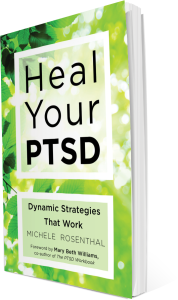 It’s based on that idea — of small prompts and tightly focused work — that I wrote my new book, Heal Your PTSD: Dynamic Strategies that Work. Chunked down recovery choices and actions laid out in small portions create a personalized healing strategy uniquely attuned to what feels good to you–and also what doesn’t. With zero stories, over 200 strategies, plus easy-to-understand language the choose-your-own adventure style of the book allows you to dip into it according to what you need in any given day. Covering five essential areas, including how to access resilience, create change and bust through blocks, Heal Your PTSD offers the opportunity to do something small and manageable at any moment so that you feel more confident in your PTSD recovery approach and have more success in achieving it.
The main goal in healing PTSD is making the shift from powerless to powerful. You can transform from helpless to hopeful and beyond by increasing your confidence in small ways that lead to small successes that add up to big healing gains. You have to start somewhere, but once you do, you gain gain momentum more fluidly than ever seemed possible.
Today is the official release of Heal Your PTSD
Advance praise has been terrific!
“This is a cheerleading, you-can-do-it kind of book, with step-by-step lifestyle modifications.” —Nancy Szokan, The Washington Post
“This is an ideal work-book for the trauma survivor to use in their journey to emotional health.” —Robert Scaer, MD, author of The Trauma Spectrum
“Recovery from PTSD is finally possible. Heal Your PTSD is not just a book to help you get past your trauma, it will also help you fully heal from it and get over it.” —Mark Goulston, MD, author of Post Traumatic Stress Disorder for Dummiesand Just Listen
For more information about the book/audiobook, or to read a sample and see the reviews of Heal Your PTSD, click here.

September 2, 2015
Can Symptoms of PTSD Be Healed?
 Years ago when I started working as a post-trauma coast my first client was a suicidal man who’d had PTSD since childhood; almost fifty years. Butch (not his real name) had been under the care of a psychiatrist and psychologist for the previous ten years, and they had him on a cocktail of three medications. Every time Butch explained that his PTSD symptoms continued to rage out of control the psychiatrist and psychologist had the same answer, “You can’t heal PTSD; you just have to learn how to live with it. We’ll increase your medication until you can better cope with symptoms.”
So, they upped and upped his dosages and kept making appointments to talk about his traumas until, completely dysfunctional, unemployed, crazy with insomnia, terrified of nightmares, and over-medicated to the point of suicidal ideation he reached out to me.
Now, I’m no miracle-worker and I can’t predict who will experience what gains in how to heal PTSD, but I do have this going for me: I believe everyone has healing potential; the goal is learning to access it.
So, armed with my professional training and buoyed by my personal belief I set about helping Butch discover how to access his resilience and personal recovery process. Through coaching, hypnosis and neuro-linguistic programming — plus the dedication of working every week for two years — Butch reached an incredible place: Off all meds, sleeping through the night, free of PTSD symptoms and back engaged in living and creating a meaningful life of family, friends and work. That was several years ago. Today, it tickles and delights me every time I receive update emails from him telling me about some vacation he’s taken, or meaningful family event he’s participated in. Always he writes, “I never thought I could be this happy or feel this good!”
I know what he means. For a long time I didn’t think I could ever be happy or feel good either. But that’s the exciting thing about PTSD: You never know how or when or in what way you will make recovery gains. And when you do, the surprise is deep and meaningful and invigorating. All of which is why we have to keep slogging through the muck day after day; you just don’t know which day will be the one that starts to crack the code to your recovery.
The points:
Healing can happen.
Persistence is key.
An openness to the process is imperative.
Working with professionals who believe you can feel better is essential.
You are unique; your recovery will be too.
Butch’s example is just one of many stories of survivors (including my own story of PTSD recovery) I know and/or have worked with that shows we can come out of the darkness to truly live in the light. This is a process that happens slowly — and through much despair, uncertainty and doubt. Those things are normal given the fact that there is no direct route to feeling better.
Healing PTSD is scary; that’s a fact.  Still, the opportunity to reduce and even eliminate symptoms of posttraumatic stress disorder exists. It’s in our DNA, the wiring of our brain, the desire of our soul, the longing of our heart and the incredible system of our resilient body. There is no “one way” to heal. In fact, there are many ways, which is one of the reasons I wrote my new book, Heal Your PTSD: Dynamic Strategies that Work. I wanted to write about the many ways we can, on a daily basis, create an attitude, a culture, a program, a process and a healing rampage for ourselves.
Built on the foundations of science and trauma theory coupled with a strategy that uniquely customizes your own personal approach to healing, the book chunks down recovery into manageable pieces. I mean that literally: The book is full of small, easy-to-digest entries that offer one idea and one action so that you can work at healing in a way that feels comfortable and achievable.
In celebration of the book’s official release next Tuesday (it’s already available online and in bookstores everywhere — the audio version too!) I made a short vid with two powerful answers to the question, “Can PTSD be healed?”
Here’s to you, my friend, my fellow survivor, my companion on the PTSD recovery path we all walk — at various stages and various distances — together. I believe in you….

August 26, 2015
How to Reduce Fear in Healing Anxiety and PTSD Symptoms
 How to reduce fear in healing anxiety and PTSD symptoms is a big issue for every survivor. After all, fear is the reason we experience anxiety. And PTSD symptoms are driven by fear in the extreme so…. how can we reduce it, and can it be beneficial in healing?
Actually, yes, fear can support recovery in ways that are so significant they can bust blocks, increase momentum and even lead you to straight into discovering how to heal symptoms of posttraumatic stress disorder. In a weird twist, learning to use fear in healing PTSD actually helps to reduce its effects.
For a long time during my battle with PTSD I fought fear in three really successful (I’m joking) ways:
Suppression — I shoved fear down and pressed on. Of course, it popped back up at all the worst moments, but I got good at quickly pushing it down again.
Denial — I got super proficient at pretending I didn’t notice fear. (“Fear? What fear?”) Later, when I healed and the fear vanished, I was shocked by how “normal” fear had felt.
Appeasement — I gave in to it, letting it flow over me, destroy the moment I was in and pretty much put me out of commission for hours if not days.
All of these fear management tactices slowed my PTSD recovery process enormously. In addition to sapping me of energy I really could have used for healing suppression, denial and appeasement left me feeling powerless, hopeless, distracted.
Using Fear to Heal Anxiety and PTSD Symptoms
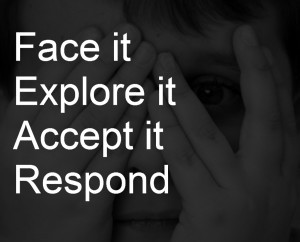
If you’ve read about how I healed PTSD, then you know that the major turning point of my recovery happened when I stopped running from or managing fear and instead started engaging with it. In the end, the more I deliberately worked with my fear(s) — and there were many — the more quickly I healed.
When I began working with my fear rather than against it I discovered something I didn’t expect: The fear was guiding me. All those years I ran away from it, but it was trying to send me a message designed to help me. At the time I thought that was unique to my recovery, but over the past several years I’ve seen this same process happen for so many survivors around the world: We all try to escape fear only to discover we heal more quickly when we stop doing that.
The more we engage with fear and collaborate with it the more we heal.
 There are many reasons why this is true. Some of my top favorites are…
Standing still (instead of running) in the face of fear starts to shift you out of a sensation of being powerless and into a sensation of being powerful. This is a process that takes time but is the essential shift of healing.
Fear contains powerful messages, facts and information useful to healing. The more you connect with, identify and act on these messages the more direct, focused and efficient recovery becomes.
Healing is about more than creating a sensation of safety and control; it’s about directly addressing what we’ve been so afraid of and finding ways to become bigger, more powerful and more strong than the origin of the fear itself.
Healing Anxiety and PTSD Symptoms is Frightening
There are many reason to be tempted to dismiss fear as the enemy; this is a mistake. Fear is a mirror. It reflects back to you where you feel weak, powerless, unsure, uncertain and overwhelmed. But that’s not all.
In fear’s reflection are many positive elements, too. Fear lets you know who you are, what matters to you, where you need to grow and in what way you and/or your circumstances need to change so that you learn how to reduce symptoms of anxiety and PTSD. Fear has much to teach and it doesn’t all need to be learned at once. Engaging with fear can begin simply with conscious awareness, and by replacing resistance with acceptance.
When I started the process of engaging with fear I literally spent a day admitting it, saying to myself, “For such a long time I’ve been living in so much fear!” (Amazingly, this was a big revelation to me.) I also had sympathy and compassion for myself for feeling fear. Then, I wrote out a list of what I was afraid of. I still have the list. It completely covered both front and back of an 11 x 17 sheet of paper. From there I systematically started to address each item on the list.
As a catalyst, directly confronting fear can embolden recovery, remove resistance to the healing process (especially if that’s one of the things on your fear list) and give you a more clear strategy for the work that needs to be done. In a healing process that lacks a road map the street signs of fear can be tremendously useful in helping you chart a successful recovery route.

August 19, 2015
Symptoms of Acute PTSD: Anxiety and Insanity
Symptoms of acute PTSD made me think I was insane, literally. For over twenty years I struggled with the anguish of anxiety, fear and terror, plus the despair of sleep-deprivation, insomnia, nightmares, intrusive thoughts, hypervigilance, mood alterations and emotional swings that were impossible to predict. I raged at the drop of the dime or within seconds was wailing in a tearful deluge that could not be comforted. I was powerless inside my own mind. This can’t be normal, I used to think. I must be crazy.
 Beneath all the symptoms of acute PTSD ran an oppressive depression-driven darkness so heavy I thought it would eventually kill me. How do you live when you feel life isn’t worth living for? What’s the point of going through the motions of life when death is all you think about, and often desire?
During so many mad days and nights when I felt out of step with the world, unloved, unlovable, unpredictable and unsalvageable I soothed myself with this sentence,
Some people are meant to be crazy; I’m one of them.
For a long time I believed that sentence. I treated myself as if it was incontrovertible truth. I gave in to self-destructive “crazy” behaviors, allowed people to use and abuse me, made poor choices about relationships, work environments and lifestyle and all the while explained these things to myself as doing my best to live as a crazy person. If I’m crazy then I’ll do crazy as well as anyone!
During all those crazy symptoms of acute PTSD, however, there was a small voice echoing somewhere in the depths of my mind. It was a soft voice but it was persistent. It kept saying, I don’t want to be crazy. And, I don’t think we have to live like this.
What the heck could that small voice know? I was sure I better understood the bigger crazy picture. I continued on my crazy path and ignored that other voice for many years. Then, when crazy took me to the brink and I was facing not only thoughts of suicide but real physical danger that voice suddenly got stronger. It was like a suicide lifeline throwing me a rope to a different way of thinking.
I don’t think we have to live like this.
At first, I didn’t know what to do with the idea that crazy wasn’t who I was meant to be. I had no idea how to stop the symptoms of acute PTSD since I didn’t yet even know I had posttraumatic stress disorder. But that little voice spurred me on to look for answers and what I found surprised me:
Feeling crazy is normal in PTSD.
The more I researched how I felt and the symptoms I experienced the closer I got to understanding what had happened. Finally, all that research led me to a trauma therapist and, ultimately, my PTSD diagnosis. That’s when I started to feel a little more sane. As a matter of fact I wasn’t crazy! There was a name for what was wrong with me, plus a path to healing. More than that the feelings I had and the behaviors I experienced were normal responses to trauma and posttramatic stress.
I look back now at my former self and feel such compassion for her. She was doing the best she could in a world after trauma she did not understand and was not equipped to manage. She was doing the best she could to cope with and heal how trauma affects the brain and a body that was acting independently of her mind’s own choices. Later, she did the best she could to heal, and she was successful. I feel gratitude for that self every day. Without her — and her hope — I wouldn’t be where I am today. She is the reason I discovered how to heal from PTSD.
Learning to be sane began with learning that crazy was okay. I was not to blame nor was I flawed or irrevocably damaged. More than that, my behavior and symptoms of acute PTSD were to be expected given what I had survived.
The more we normalize our PTSD experience (to ourselves and those around us) the more we start to heal and reclaim a life based on calm, confidence and control. The more kind we our to ourselves in our PTSD madness the more energy, creativity and flexibility we have in discovering our own unique brand of recovery, which can lead us to being very sane, very productive and very happy in life.

August 15, 2015
Hypnotherapy: Dealing With PTSD and Trauma
If you’ve read about how I kicked 25+ years of PTSD then you know that hypnosis played a key role in my healing rampage. This week’s post is contributed by Amy Smeaton, a hypnotherapist giving us the inside scoop on how hypnosis can be used to heal symptoms of PTSD.
 It’s often the case when clients come to me for hypnotherapy that there are further issues that they wish to address and that the initial appointment is my ‘test’ to see if I am the right person for their needs.
I welcome this with clients because it means that they have acknowledge that they need the right person for them if they are going to choose hypnotherapy. During my initial consultation with clients my aim is to make them feel relaxed and able to share their thoughts with me. I have a strict no judgement policy which gives clients the ability and confidence to tell me anything they need.
I find that after the initial treatment that clients are more empowered to open up to me and help me deal with the underlying issues. More and more often clients are coming to me with details of trauma and PTSD which I recognise but has been undiagnosed as they may not ‘fit’ the PTSD criteria.
Every client is different in the way that trauma such as sexual abuse- either as a victim, observer or perpetrator (I said no judgement), domestic abuse, violent crime, trauma in the line of duty, childhood illness. Has affected them and no one can say how deeply something should or does affect someone.
When using hypnotherapy to treat trauma there are several recognised methods which can be used. During the initial conversation with a new client I will discuss the reasons that they have chosen hypnotherapy and what they want to get from the session. We agree a treatment plan and also whether the client may want to discuss further issues.
I am treating victims of sexual and violent crime and domestic abuse alongside emergency service professionals, armed forces personnel and clients who went through a traumatic divorce experience or bullying as a child. Many of these clients don’t see themselves as having gone through a ‘trauma’ because of the way we use the word in society but in terms of the impact that divorce, bullying, childhood illness and even the death of a relative when you’re a child can have I find that the results are the same.
Hypnotherapy works quickly and effectively because it directly accesses the subconscious mind which is where the memory of the trauma is imprinted. I have had client who have consciously dealt with their trauma via counselling or other therapy but who find themselves repeating negative behaviour patterns time and time again. This is where hypnotherapy can help, by accessing the subconscious we change the pattern of behaviour on a different level which means that often if you want to behave in a certain way consciously for example comfort eat when stressed or sad. The subconscious will override that choice and you may find yourself turning to celery rather than chocolate. Each hypnotherapy session is different and clients can move as quickly as they like to the final trauma therapy where I take them back through the trauma in order to change the subconscious way they view it.
It’s perfectly safe and results are very quick, some clients choose to tell me their experiences beforehand but in hypnotherapy there is no need for them to do so which is why so many people choose to deal with it via this method. I personally am seeing more and more patients who are coming to me with the symptoms of PTSD who have not been through a ‘trauma’ in the traditional sense.
For more information about Hypnotherapy treatments please contact me to see how I can help you.
About Amy Smeaton:
I am a business owner, consultant and mentor. I studied Hypnotherapy as a career after being significantly helped by in a number or years ago. I am a clinical Hypnotherapist, life coach, NLP and EFT practitioner. I have significant experience and interest in working with those suffering from the effects of Trauma and PTSD. I work with victims of crime, sexual assault, domestic violence as well as those in the emergency services and armed forces.
More recently I have been working with clients who have suffered trauma as a result of childhood illness, this is of special interest for me due to the fact that I have suffered the same trauma as a result of being born with a Congenital Heart Defect.

August 12, 2015
Healing PTSD Symptoms Hurts: How To Lessen The Pain
 Back in 2004 an unfortunate accident with my Wheaten Terrier (that’s Baylee in the pic — he looks harmless but when he chases a squirrel, watch out!) broke the last two fingers on my dominant left hand. Reset by the orthopedist for the NY Jets (don’t ask how that came to be) the fingers healed but in a crooked way that sort of fused them together. By the time the bandages were removed the fingers were tense, tight and unable to bend. Clearly, I had my work cut out for me in physical therapy.
I went to a physical therapist in downtown Manhattan near where I worked. I walked in, sat down, was told to soak my hand in paraffin to soften things up and then…. I was given a handful of what looked like Play-Doh and told to form a fist. I tried to curl the fingers — no go. They were stiff and stuck in their frozen position. The therapist insisted I start bending the fingers despite the pain. I resisted; she insisted and gently cupped my hand in hers and started to force the bend. I just about jumped out of my seat from the pain.
I stuck it out for a few more sessions before deciding that the pain of healing my fingers wasn’t worth it. Surely they would loosen up on their own over time, right? Wasn’t it reasonable to expect that they would learn to curl and bend with regular use? I decided to wait and see what would happen. After a month I discovered why that was a bad idea: The fingers remained curled in a hook and stuck together. They would require consistent albeit painful intervention to retrain to their normal state. I went back to the physical therapist, gnashed my teeth through the pain and gripped that Play-Doh for all it was worth until I could write, type and hold a fork again with terrific skill.
Healing those fingers — getting them out of their frozen, stuck state — could only happen through a process that created pain. Healing PTSD is like this, too. We become bent and distorted from our traumatic experience, and then frozen in that disfigured way through the repetitive process of PTSD’s neurophsysiological and psychological changes and symptoms. Healing will hurt. Learning to thaw and become flexible again will crack the ice of our numbness and splinter it until we break through to a place where the pulse of life, once again, beings to flow.
Healing PTSD symptoms hurts because healing anything hurts: The process of learning to use something that has been immobilized must engender pain as the muscles, ligaments, tendons — heart, mind, spirit, soul — start to stretch, bend and flex in unfamiliar and/or long-forgotten ways. The pain is like a red neon light flashing: “Recovery in process.” The pain of the thaw lets us know healing posttraumatic stress disorder symptoms is happening.
How to Heal PTSD With Less Pain
During any time of painful process one way to make the pain more manageable is to focus your mind in a mode of self-creation. The past created you; now you have the choice to create the future.
When healing PTSD symptoms hurts much of that pain comes from fear. Reducing fear during recovery can greatly ease the entire process. One way to do this is to focus on reclaiming a positive sense of self. Symptoms of PTSD always reduce self-esteem, self-worth and self-confidence — all things that you can really benefit from in the PTSD recovery process. (In fact, studies have shown a link between self-esteem and resilience, which is a necessary growth factor in how to heal trauma.)
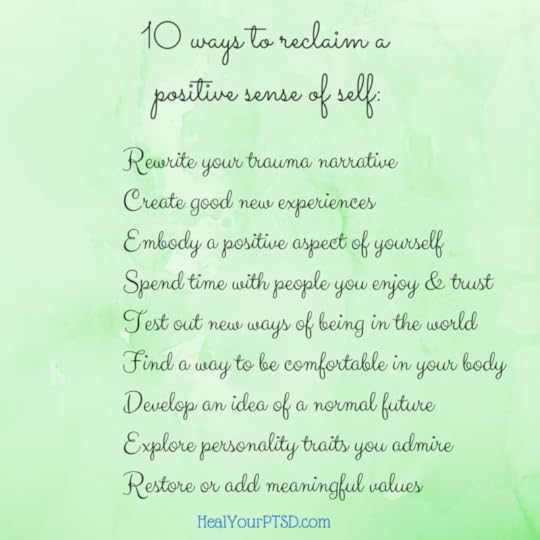
The ideas below, lifted from the “Strengthen Your Recovery Process” section of my new book, Heal Your PTSD: Dynamic Strategies that Work, offer ten ways to start flexing your healing muscle; speeding up the thaw so that you can more easily learn to live again.

August 5, 2015
How To Control Feelings That Create PTSD Symptoms
You know those sensations — the ones that come out of nowhere — those feelings that create PTSD symptoms you just can’t control. We’ve all been there. During my PTSD years this happened often in medical situations when I’d suddenly find myself shaking so much my teeth would chatter.
How do feelings create PTSD symptoms?
The simplified answer is that it happens like this:
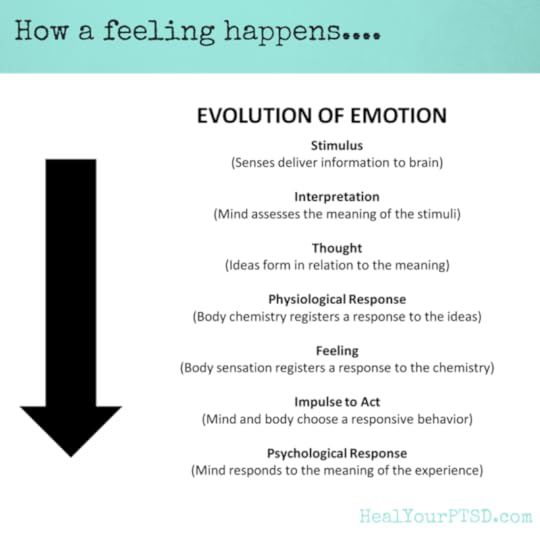
Your senses deliver stimuli information to your brain. Your mind assesses the info and develops an interpretation of the data. (This is where the whole process hinges: Your (negative, positive or neutral) interpretation affects the rest of the chain reaction.)
In response to the interpretation your mind forms a thought which releases chemicals in your brain that create a sensation in your body that compels you toward an action (fight, flight or freeze). At the end of all that your mind registers a response to the meaning of the experience.
Whew, with a process so complex it’s no wonder that how feelings create PTSD symptoms is exhausting! To break it down and make it easier to see I’ve created this infographic:
The crux of learning how to interrupt the full-blown process of how a feeling creates PTSD symptoms means learning to intervene in the interpretation phase. One way to do this is to immediately start asking yourself,
“What’s another way to look at this?”
or…
“What’s another explanation for what’s happening in this moment?”
True, the feeling creation process happens quickly and at first you may not be adept at slowing it down enough to fully explore other interpretations. However, you can ask yourself to imagine other interpretations at any point in the process and start to benefit immediately when you do so.
Developing a feeling interruption habit a valuable skill in healing PTSD. To make it easier to build this skill, start the habit today by asking yourself the questions listed above in moments when there’s the least amount of outside stress.
Whenever you begin to introduce alternative ideas (at the beginning, middle or end of the feeling creation cycle) you will be changing your dominant thought, which will change the sensation in your body, which will change the expression (and your experience) of PTSD symptoms. Like everything in the process of how to heal PTSD, this takes time but is sooo worth the effort.

Michele Rosenthal's Blog

- Michele Rosenthal's profile
- 8 followers

