Jim Baumer's Blog, page 25
September 20, 2017
Is It Possible to Slow Down?
You probably know my story—but if you don’t, click here, here, and here.
Last night, I was supposed to be meeting my musical comrade in arms. The two of us have a history that dates back to Lisbon High School and him patrolling the outfield behind me during our championship baseball season in 1979, when I was flinging the baseball real fast towards home plate. We also experienced two basketball seasons where we posted identical 1-17 seasons back-to-back.
Of all my friends from this era, Dave has remained as fixated (if not more so) about music (mainly rock) as I am. He listens to it, stays current, and since February, he’s been getting me out to shows more frequently.
Speaking of back-to-back, we saw The War on Drugs at Portland’s State Theater Monday night and last night, it was X. Dave almost didn’t make it, however.
Driving home from work in South Portland, he was rear-ended in Falmouth, along what’s become a notoriously dangerous stretch of I-295. The state has even lowered speed limits there as a way to prevent accidents.
The affected vehicle, a 1997 Saab convertible he calls Bambi II, was a nod to Dave’s penchant and vehicle preference. He had another similar vintage that he was planning to use as a parts car. However, last night’s crash means Bambi II is headed to the scrapyard.
Dave’s okay. He could have been killed. In fact, there was a fatality not long after an SUV plowed into the back of him, sending car and driver into the median and up against the guardrail on the opposite, southbound side.
I received his message just as I was parking in downtown Portland. He said he was fine and would be “riding in with Leo, meeting up at Port City in time for the show.
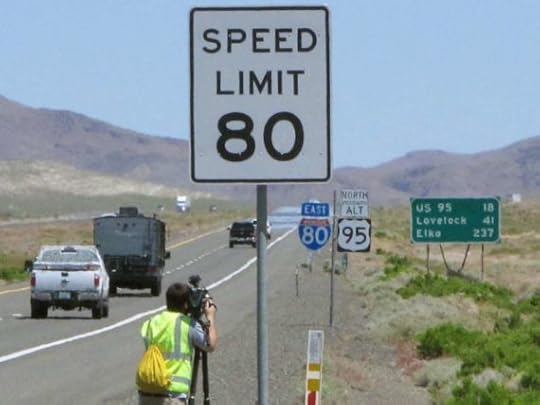
We know that ever-increasing speeds lead to accidents. Yet, some states are promoting driving faster.
Speed limits on roadways are determined by a careful process. There’s a history to setting them dating back 200 years. From The Methods and Practices of Setting Speed Limits: An Informational Report, rendered by the Federal Highway Safety Administration:
Speeding, commonly defined as exceeding the posted speed limit or driving too fast for conditions, is a primary crash causation factor across the globe. Based on a survey of road safety performance, speeding is the number one road safety problem in many countries, often contributing to as many as one-third of fatal crashes and serving as an aggravating factor in most crashes.2 According to the National Highway Traffic Safety Administration (NHTSA), speeding-related crashes account for over 13,000 fatalities per year in the United States, making speeding one of the most often-cited contributing factors for fatal crashes.3
One of the most frequently used methods of managing travel speeds is the posted speed limit. The setting of speed limits predates the automobile by some 200 years, when Newport, Rhode Island, prohibited the horses galloping on major thoroughfares to prevent pedestrian deaths. Similarly, Boston, Massachusetts, limited horse-drawn carriages to “foot pace” on Sundays to protect church-goers.
The English Parliament is credited with setting the world’s first speed limit for mechanically-propelled vehicles in 1861.* At that time, the Locomotive Act (automobiles were considered “light locomotives”) limited the speed of all “locomotives” on public highways to 10 mph (16 km/h)-5 mph (8 km/h) through any City, town, or village.4 The Act was later amended to set speed limits of 4 mph (6 km/h) outside of towns and 2 mph (3 km/h) within them. These new operating speeds also required three operators for each vehicle—two traveling in the vehicle and one walking ahead and carrying a red flag to warn pedestrians and equestrians.5
Selecting an appropriate speed limit for a facility can be a polarizing issue for a community. Residents and vulnerable road users generally seek lower speeds to promote quality of life for the community and increased security for pedestrians and cyclists; motorists seek higher speeds that minimize travel time. Despite the controversy surrounding maximum speed limits, it is clear that the overall goal of setting the speed limit is almost always to increase safety within the context of retaining reasonable mobility.
The principal exception to the safety objective of speed limits was the oil crisis in the early 1970s, when speed limits were lowered as a means of conserving fuel. This rationale for lower speed limits was revived in Spain in early 2011, where the government lowered the maximum speed limit of 75 mph (120 km/h) to 70 mph (110 km/h) in an attempt to curb fuel consumption in the face of rising oil prices.6 However, the measure lasted only four months before the top speed limit was returned to the former 75 mph (120 km/h).
Maximum speed limits are laws; therefore, speed limits are set for the protection of the public and the regulation of unreasonable behavior on the part of individuals.
* This still predates the gasoline-powered automobile and was enacted for steam-powered vehicles.
Did you catch that? Speed limits exist for our protection. When you exceed them, you potentially put others and yourself in grave danger.
But everyone speeds, right? Not necessarily. It’s not even necessary to, but we’ve made driving beyond posted limits socially acceptable and fashionable.
Have you noticed car commercials? I can’t help it—most of them magnify the advertised vehicle’s capacity for speed and power, knowing that’s a lure for cultivating sales. In these days of climate change, why wouldn’t more people value cars that emphasize other aspects. Driving slower also conserves fuel.
Speeding is okay until you are directly affected by it. Sometimes, merely paying an excessive find is enough to slow you down (if you get caught). But more likely, nothing changes. Plus, every time you take to the roads—whether driving, or god forbid, walking or bicycling—you are forced to co-exist with the tens of thousands of scofflaws who routinely flaunt the rules of the road.
When someone you love is killed by the actions of a driver who violates the laws of the road, you are forever affected by it.
Since January 21, when Mark was killed, I’ve had a hard time co-existing with my fellow drivers. The further south you go, the worse it gets. Anecdotally, it seems like drivers from New Hampshire, and especially Massachusetts are notorious for driving well-beyond the posted limits. In Massachusetts and Rhode Island where we’ve traveled frequently since the first of the year (Mark lived in Providence and owned a home there), it’s not uncommon to have vehicles come up on you and swerve around you at speeds that I’m sure are approaching 90 miles an hour. Sometimes I think I want to hurt them. So far, I haven’t given into that urge.
Once I’m past the initial surge of adrenaline and anger, I check my own speed. I’m consistently driving under posted limits partly because the used car I bought a month ago incentivizes me to drive for fuel efficiency. I now know I couldn’t live with inflicting the kind of pain on another family like both my wife and I have had to bear since the driver in Florida left her lane and hit Mark, walking legally along the paved shoulder.
If you can’t slow down for yourself, could you stop being such a narcissistic asshole and do it for others? Maybe you won’t end up killing or maiming someone in the future. That would really suck (I think) to have to live with that.
Dave’s okay. I’m thankful for that. Having lost a son and recently, a mother-in-law, I wasn’t ready to have to deal with losing one of my best friends.


September 18, 2017
Could You Be The One?
Back when life was simpler and a lot less sad, I went out to see bands because I thought music might save my life. Music as a life saver? Please do tell.
Lot’s been written about Mark by me and others. In death, there is a tendency to enlarge one’s life, or attribute qualities to people in the dead person’s life that may or may not have been present. In Mark’s case, he was the real deal. I did my best as a dad and things turned out pretty well until last January.
In 1986, I was simply a father and husband with a three-year-old son. We were living on a dead-end street in Chesterton, Indiana.
Mark had a tricycle and was making a few friends in the neighborhood. I worked at a prison and Mary had just started working breakfast at Wendy’s prior to me heading off to the med room at Westville Correctional Facility.
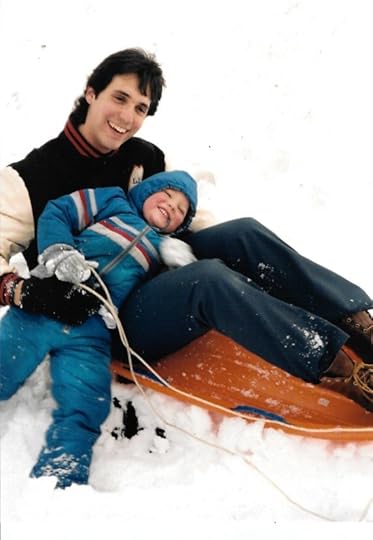
Mark and dad playing in the snow [1986]
Things were looking up for our little family, trying to scrape together enough money to return to Maine. I also had aspirations of being something more than an hourly wage slave. It would take me another 15 years to recognize that the writing muse was calling. Unable to recognize its beckoning however, caused considerable frustration and angst in my mid-20s.Besides one co-worker a few years younger than me, I didn’t know anyone that I’d call a friend save for a student I met at Purdue University’s satellite campus just a few miles from where I worked. I enrolled in a business management course, along with a philosophy class. That’s where I met Leo.
I’d just scored a cheap Japanese knock-off of the classic Gibson Les Paul and he taught me a few chords. I really sucked as a guitar player, but plugging it into the boom box (that was my first amp) and coaxing a few properly-fingered G and D chords made me feel like life might get better.
Don’t get me wrong—I absolutely adored both my young and beautiful wife (that I’ve now been married to for 35 years in July) and the increasingly-active son that was the apple of his dad’s eye—it’s just that I was contending with lots of mixed messages that many mid-20s young men struggle with in a world knocked off-kilter. Rock and roll offered an outlet of sorts and periodically, I’d head off to Chicago (sometimes with Leo and sometimes all alone), attending shows at clubs like Caberet Metro and Park West.
The former was geared towards punk and alternative rock. I once saw a show that featured SoCal punks The Descendants, DC3 (fronted by ex-Black Flag member, Dez Cadena), and Canadian punk gods DOA (from Vancouver, BC). Park West is where I caught Hüsker Dü (from Minneapolis). Never in my life have I ever seen a power trio create a wall of sound the likes emanating from the stage and members Bob Mould, Greg Norton, and the late Grant Hart.
I was sad when I heard that Hart died last week from complications associated with liver cancer. He was just a year older than me. That means that when I saw him, he was likely struggling with many of the same issues I was tilting at. His choice was music (and drug usage), yet he and his mates offered catharsis for me.
Music is powerful and those of us that believe “rock and roll can never die” remember those days, while fewer of us still go out and catch live music. I’ll be out tonight in Portland, seeing The War on Drugs at The State Theater with my friend, Dave.
While running down sources for an article I’m on deadline for, and also experiencing additional grief with yet another death in our family, I read a few tributes to Hart this morning.
I especially enjoyed this one via Twitter from Bill Janovitz, who fronted Buffalo Tom, a Boston band that I was really into not long after falling for Hüsker Dü. Janovitz mentions the Hüskers’ influence on his own band, which was apparent to me in the early-1990s when we’d returned to Maine and I was hosting a weekly post-punk radio show on Bowdoin’s WBOR. I played a shit ton of Buffalo Tom back then as did most of the DJs into this genre of rock.
My thoughts flow back to buying Warehouse Songs and Stories on cassette at a Michigan City bookstore/record shop and playing it for two weeks straight. This was the band’s major label breakout and anyone who knows rock knows this is now considered a classic. At the time, all I knew is that I couldn’t get enough of it, and that Rolling Stone was also digging it. The bands I was into usually didn’t get 5-star reviews in rock music’s review bible.
Not sure how to tie all of this together other than to say that in sadness and grief, I’m glad that music still offers up relief from the pain and hurt that’s a constant these days.
I’ll close with a video of Hart and Co. playing the inspiration for today’s blog title on Joan Rivers’ late-night program. Mr. Hart is the very young drummer.
September 10, 2017
Cycle of Life
Last November we sold our house in Durham where we’d lived for 26 years. This felt like the start of a new chapter. It was, but the narrative soon turned dark.
Landing in Brunswick on a beautiful tidal cove was exciting at the time. Being new to town, I envisioned capturing elements of our new home with a series of post based on weekend forays about the place. Then tragedy intervened. Life along the cove became framed by abundant morning light that simply permitted holding on.
A mile and a half from our house there is an older cemetery. I knew nothing about it until passing while running one morning in December. My new route took me westward from our new place, out Coombs Road. I immediately knew the road to be an ideal alternative providing a side loop away from busy Route 24, where I could enjoy my surroundings and not worry about dodging cars and trucks roaring along at highway speeds.
Purington Road, which abuts the cemetery, also dead ends at a gate on the east side of the former Brunswick Naval Air Station. The road, like much of this area, is bordered by chain link fence and warning signs left behind when the town answered the military’s every beck and call.
From RootsWeb, I found this description of the cemetery, known as New Meadows Cemetery:
New Meadows Cemetery is located on Purinton Road and borders the Naval Air Station. This part of Brunswick was farming country known as New Meadows before the Naval Air Station occupied the area. Old records describe it as located on the North side of the road to Great Island, about three miles from Brunswick village. This road is now part of the Naval Air Station.
Doing a minimal amount of digging revealed that the area around Purington and Coombs Roads was once a thousand-acre town commons that was once the New Meadows neighborhood. There are historical records that show there were four homesteads dating back to 1739. What locals know about the area if they know anything is that it’s framed by the recent past following the Navy’s encroachment (and significant contamination) of 90 percent of this section of the community that formerly consisted of farms, grist mills, and brick and carriage makers.
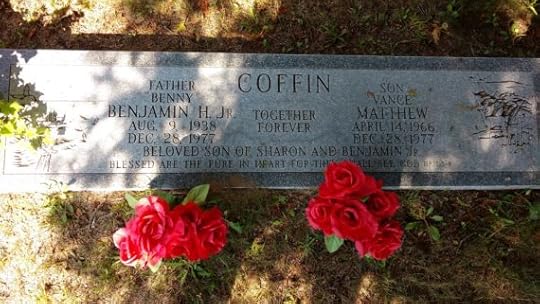
Father and son, forever.
The area near the cemetery and next to the eastern gate of the former base doesn’t get much traffic. Any cars on Coombs Road are likely driven by people living there, or someone like me looking for a quiet alternative for biking, running, and even walking.
Mark had a bike in Providence. The bike, a Jamis Beatnik, is a stripped-down, single-speed model. It appears to be a functional and affordable pedal-powered option for city commuting. This is the bike that you’ll see Mark riding in some of his videos he filmed in Providence. He must have racked it in his room prior to leaving on his walk. That’s where it was when we went to the house in February after he was killed.
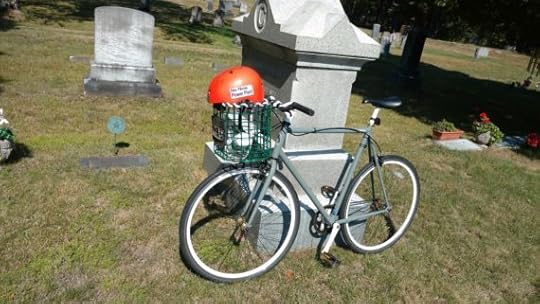
Biking to the graveyard.
I’ve only ridden it a few times since bringing it home. I like strapping on his orange commuter helmet with his anti-power plant stickers, too. On these rides, I’ve pedaled out Coombs Road, which immediately forces you to go up a gradual, but challenging incline. On Mark’s Beatnik, I’m reminded of his powerful legs that carried him across the country in 81 days in 2010. Riding his bike, I imagine him cranking it up the hill towards the Brown campus.
Mary bought him a bike basket made from a recycled lobster trap. Mark was all about sustainability and re-using. He was excited to receive this gift from his mom and attached it to the handlebars. It’s definitely a Mark kind of bike.
Saturday morning, I got up and did some work around the house including mowing our small lawn. Instead of taking off on my usual summer-length ride on my road bike though, I decided to pump up the tires and pedal the Beatnik out to New Meadows cemetery. I’d seen a headstone for a father and son the last time I was there. I wanted to go back and take a picture. I also spent some time walking around and looking at other headstones, some from people who died within my lifetime, and many more during the 19th century. There were many stones marked Woodward, likely members of the family tree of our cove’s namesake.
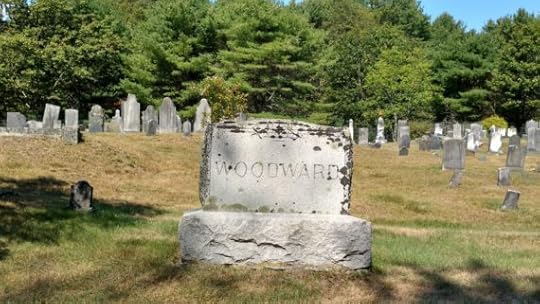
A prominent New Meadows family.
On my return, I got to bomb down the hill on Coombs towards Gurnet Road (Route 24). From there, I pedaled about a ½ mile on the main road to Princes Point Road and the boat landing and the bridge over the narrows there. The setting is beautiful, affording views of Buttermilk Cove, as well as a host of seabirds like osprey, peregrine falcons, and egrets, to name the few I recognize.
My Saturday excursion on Mark’s bike offered up what’s normal for me these days: a mix of sorrow, some joy being out in nature and knowing how much our son cared about Earth, while always being aware that life will never be the same as it once was prior to his death.
September 4, 2017
The Unbearable Whiteness of Lasagna
Becoming a plant-based vegan offered another connection point between Mark and his dad. We had baseball and sports (for much of our relationship), books and writing, and then, just prior to his leaving on his walk, I decided I’d see if I could go two weeks without consuming dairy or animal-based food products (namely meat). During his trip, we kept a dialogue going about plant-based eating and associated food-related topics.
This re-ordering of diet and food might seem drastic. It really wasn’t. I just stopped eating some foods–eggs, cheese, yogurt, and meat. I replaced them with mainly plants—fruits and vegetable that I already liked and was eating. A new attentiveness ensued, searching for meals and recipes that fit with that.
In August when the three of us were together in Omaha, Yelp directed us across the city to a nondescript eatery in a converted gas station. I found out later that the chef was none other than vegan cook and cookbook goddess, Isa Chandra Moskowitz. The food on the menu was amazing. “So this is veganism,” I thought at the time. Afterwards, it made sense to seek out her books.
Veganomicon: The Ultimate Vegan Cookbook is a book written with Terry Hope Romero for people like me (and Mary); those coming to veganism who want to learn to cook vegan, and not rely on others to cook for them. The authors bring their unique, DIY-informed approach to food, billing it as “the essential guide to mastering the art of vegan cooking.”
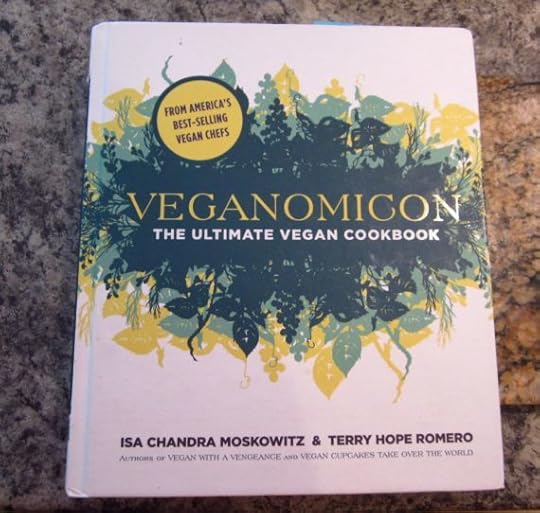
Vegan cooking 101
The cookbook is a good one and we both cooked from it in the early weeks and months of plant-based eating and living. Some of the recipes delivered beautifully-crafted dishes. Continuing, we had a few meals that were “meh.” Mary said she found the recipes “incomplete”—they left things up to the cook, meaning “guessing” what to do. The book is still a valuable one and we consider it a vegan-cooking resource.
We have been fans of the series of Moosewood cookbooks drawing on vegetarian recipes inspired by the Moosewood Restaurant in Ithaca, New York. Mary bought her first one 20 years ago. We’ve cooked all kinds of meals relying on this book and subsequent books that have come along, like Moosewood Restaurant Low-fat Favorites. That one has an entire section in the back that lists vegan options, breaking them into various categories such as appetizers, desserts, beans, pastas, salads, including other main dishes. Nothing earth-shattering, but all of them, solid. Both the Moosewood book, along with Veganomicon got us through October into November. I’d share some of our discoveries with Mark, eating from cans and gathering fruit and veggies when he could. I told I was going to cook for him when he got off the road. That never happened.
Just prior to Thanksgiving, Mary came across best-selling Thug Kitchen books published by Rodale Press while browsing at Print in Portland. She’d found something significant.
Thug Kitchen: eat like you give a f*ck and Thug Kitchen 101: Fast as F*ck were clearly uncommon books about cooking. They demystified the process (precisely, vegan cooking), and the entire premise of the two anonymous authors is that anyone can cook healthy, plant-based fare, and it’s “easy as fuck” to do it.
The first book offers up more than 100 recipes and the second one provides others that are perfect for throwing down in the kitchen on nights after work, when you want a meal on the table in 20 or 30 minutes without too much fuss.
Their commentary about the recipes and prep notes regularly elicit chuckles from us. It’s funny following the recipes of two obviously experienced cooks, dropping the f-bomb while writing about cooking in such an irreverent manner. It’s especially pleasing to me, someone who thinks that the entire foodie bubble in places like Portland, Maine is overly-pretentious and over-hyped. The underlying message of the authors is that food and cooking aren’t things to be feared, or beyond the realm of understanding for anyone with functional gray matter. Like this from their introduction:
Welcome to Thug Kitchen, bitches. We’re here to help. We started our website to inspire motherfuckers to eat some goddamn vegetables and adopt a healthier lifestyle. Our motto is simple: EAT LIKE YOU GIVE A FUCK
What’s whacked is this bit of backstory that I just found out about. While we were cooking meals from these books, enjoying both the flavors and new foods we were being introduced to, and eating most of our meals at home (rather than out in the limited vegan restaurants that even Portland has), we were oblivious to the dust-up that these two white people from LA (oh, no!!) had initiated by daring to use words like “thug” and “motherfucker” in close proximity to one another. This got them labeled as “racists” and accused of “cultural appropriation,” which seems quite likely to happen to anyone in these days, well-intentioned, or not.
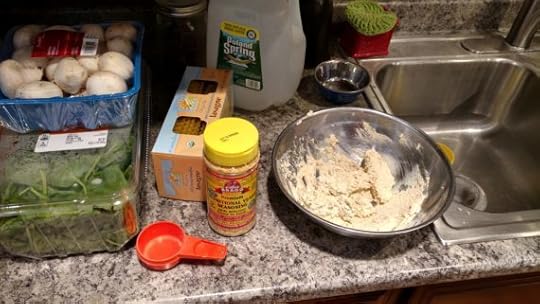
Making vegan tofu ricotta.
I’m not a fan of is sweeping generalizations of the type that got the two cookbook writers labeled. It’s certainly true that to some people race is an incredibly difficult issue to discuss. But identity politics’ tendency to preach to the choir won’t lead to changing minds and educating people that might benefit from a broader concept of race. Also, I’d rather be doing these days, not sitting around (in restaurants) and theorizing. But, enough about that!
Lasagna has always been a favorite dish of mine. Often, when I knew Mark was coming home for a long weekend, or if I wanted to make a meal for Mary and allow her a break from weekend meal prep (in our house, Mary tends to cook more on weekends, and I’ll log my time in the kitchen during the work week), I’d bang out a pan of lasagna.
Back in our meat-eating days, this might be a sausage lasagna. Even then, I’d made tofu-based lasagna before. However, vegetarian lasagna, filled with ricotta cheese and topped with mozzarella is an entirely different product than a lasagna sans dairy.
Not to worry. The Thugs had a “Mixed Mushroom and Spinach Lasagna” on page 159 of Thug Kitchen: eat like you give a f*ck.
This one called for making a Basil Pesto, in addition to the Mushroom Spinach Filling. Oh, and there was a house marinara and Tofu Ricotta to whip up, also. This meant that I was tackling a meal that ended up totaling just over two hours to throw together. My attitude was, “who the fuck cares!” I was going to spend some post-tennis time on Saturday in the kitchen, making a pan of vegan lasagna.
This was a winner! Both of us loved the texture and the flavor.
I followed the recipe directions to the t. That’s what we both appreciate about the Thug recipes. They lead you through the details and don’t leave you stranded.
Maybe you have to be a white person (which I am and always will be) to appreciate cooking from this book. Do I have to check my white privilege now whenever I make a pan of lasagna? I hope not.
I’m just ‘gonna keep working to broaden my vegan culinary capabilities. And if you are like me (and Mary), then the Thug cookbooks and solid-as-fuck recipes will help take you there.

Mixed Mushroom and Spinach Lasagna from Thug Kitchen: eat like you give a f*ck.
August 30, 2017
When Disaster Strikes
When loss hits you, your world is turned upside down. Whether the loss involves death, or in places hit by hurricanes and other kinds of disasters where people are displaced from their homes, stress and the subsequent emotional and physical effects target the victims.
A key element in ensuring health and harboring the hope for longevity requires learning to manage and mitigate stress. That’s easier said when you are observing stress from a distance. When you are in the midst of swirling waters either literally or figuratively, remaining detached and free from roiling emotions and a knot (or pain) in your gut is nearly impossible.
Disasters bring out the best and worst in humans. While now personally acquainted with the personal variety, natural (and national) ones are often magnified by the media. They serve an important function for programmers—ready-made stories that fill hours of air time, with advertisers happy to fork out marketing capital to capture fixated eyeballs.
Speaking of capitalizing on disaster, our sitting president is someone who has done well capitalizing and exploiting the misfortunes of others. I’ve mentioned Sarah Kendzior before. She nails it in this article by Nancy LeTourneau on our Exploiter in Chief being our “ultimate disaster capitalist,” a master at reveling (and profiting, handsomely) when others are in the midst of chaos and suffering. Make sure you click on the links provided in the quoted snippet, too. This isn’t false (or “fake”) propaganda, but a telling measure of the man we elected as our 45th president. He’ll surely find a way to profit from the fates of those in Houston like he has throughout his business career. That’s the Trump MO.
Trump spent his business career eagerly anticipating both social and economic disasters. “I sort of hope that happens because then people like me would go in and buy,” Trump said of the housing crash in 2006. Before that, Trump spent decades exploiting the damaged economies of towns like Gary, Indiana and Atlantic City, leaving them as bad or worse off than when he arrived.
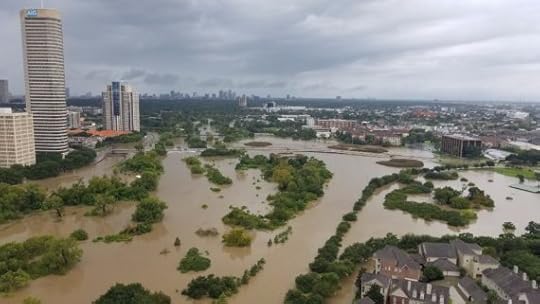
America’s 4th largest city, underwater. [Aaron Cohan photo]
Save for Democracy Now! most days at lunch, and my morning routine of tuning into local news affiliate, WCSH-6, I’ve tried to limit my disaster porn intake. It’s a matter of coping and survival, rather than a lack of concern for people suffering in flood-ravaged Houston.Every week, I’ve made sure to incorporate a minimum of four intensive activities consisting of things like biking, swimming, and recently, playing tennis to offset my stress and lessen its effects. While not foolproof, being active and upping my endorphin level helps, I think.
The onslaught of tasks relative to Mark’s death has lessened some, while never completely going away. There are a still a number of major issues we continue deaing with, one of them coming to a head at the end of September/beginning of October. On top of this, a member of our extended family is facing serious health issues that have compounded the challenges we face as a couple, moving ahead.
But, as I’ve said time and time again, Mary and I continue moving forward and are “up to the task” and remain standing.
August 22, 2017
Moving On
I was deeply affected by the events in Charlottesville. Many of the emotions I experienced in a visceral way, were flashbacks to Janaury, when Mark was killed. Another young person, with passion and concern for others, was senselessly killed by someone selfish and self-centered.
While there were a host of stories about Heather Heyer, an activist described in one as “a passionate advocate for the disenfranchised,” there was a sameness and quality to these that all made them read similarly after awhile. Her story deserved more. Too often, Heyer became an afterthought, as once again, media made it about “All Donald, all the time.”
Foolishly, I thought I could add a different context, one that was unique and personal, based upon our own journey over the past seven months since Mark’s death.
My Op Ed, written in about 20 minutes while waiting for Mary to come home from run group Monday night, prior to dinner. received this reply from the editor at a well-known daily that’s not the New York Times.
Dear Jim
Many thanks for reaching out. I am sorry about your loss.
I’m afraid that we’ve maxxed out on Charlottesville for now, but I hope you find the right home for it.
Maybe writing it was therapeutic, an exercise in craft, in essence.
I wish we could “max out” on our pain associated with losing the love our lives, and simply “move on” to the next story.
Death’s Sting Never Goes Away
A week ago Saturday, I was scrolling through my Twitter feed. I began seeing reports from Charlottesville that a car had plowed into a crowd of activists. I mumbled an “oh no.”
Initial reports were that there were injuries. Then, confirmation that a young woman, only 32-years-old, Heather Heyer, had been killed. I got physically sick.
I’m sure I would have been affected by this under any other circumstances. But what happened seven months before guaranteed that I’d take a direct hit, viscerally. On rewind, it was like yesterday when my wife and I both came face-to=face with what young Heather’s parents were about to go through.
In January, our son, Mark Baumer, an activist (as well as an award-winning poet) was on a cross-country walk with a goal of ratcheting up awareness about climate change, while raising funds for an activist group he was a member of.
I’m sure that many of those marching in Charlottesville knew about Mark and his cause. If Mark had completed his walk—and I’m confident he would have since he’d crossed the country on foot once before in 81 days in 2010—and not been run down on the side of Highway 90 in Florida’s Panhandle region, he might have been in Charlottesville. He was a committed young man, just like Heather, a young millennial full of passion and concern for others.
The day before Mark was killed, we’d spoken by phone about President-elect Trump’s swearing in. In fact, Mark’s final video that he produced on his walk (he recorded 100 videos, one for each day of his journey) was one of the few times I’d seen Mark angry on camera, ticking off a litany of descriptors about our incoming president and I quote him here: “We now officially have a president,” said Mark, “that does not believe in climate change. He wants the world to burn so he can profit. We have a president who hates women, who discriminates against women, who physically abuses women. We have a president who hates minorities, who wants to make minorities suffer. we have a president who hates disabled people, who doesn’t want to help people when they are in need. All he wants to do is profit. If you support this man, you do not support human life on this planet, plain and simple. You do not support the future of earth as a planet…”
Prescient, for sure.
On Friday, we spoke for about 20 minutes about the future, what a Trump presidency might mean. More important to me, I got to tell Mark I was proud of him and that I loved him. He told me that he loved me and encouraged me to “keep doing what you’re doing, Dad.” I hope Heather’s parents, Susan Bro, and Mark Heyer got to have a final conversation similar to mine. My wife, Mary, spoke with him later in the day, and mentioned she was going to be taking part in the Women’s March the following day.
It doesn’t lessen death’s punch to the plexus, but leaving things left unsaid would have added complications that parents of an adult child don’t need on top of losing the love of their lives.
I’m a fan of Amy Goodman and Democracy Now! I listen nearly every day at noon on our local community radio station, WMPG in Portland. Amy ran segments of the memorial service and Heather’s mother, Susan Bro’s powerful address.
She clearly had a beautiful relationship with Heather, like my wife and I did with Mark.
Apparently they talked about politics and the state of the world, too. Heather knew the world wasn’t fair. When Bro said, “you never think you’re going to bury your child,” all I could do is nod in agreement.
We had nearly two weeks to “prepare” for Mark’s celebration of life. Heather’s memorial wasn’t even one week removed from her untimely death. We marveled at the strength of her mom.
Perhaps she was simply running on adrenaline like we did for weeks after Mark’s death. You go and then you go some more, and then, when you think you can’t go any further, there is still some reserve coming from somewhere. And then you crash at some point.
I know very little about the family and Heather’s background, save for a couple of general articles. It’s not that I don’t want to know more, it’s just that I don’t have the capacity to take on any more grief and pain associated with loss. We’ve had our fill and then some.
When you lose an adult child like Heather’s mother (and father) have (and we did), your lives are forever altered. No matter how hard you try to soldier on and put on a brave face, the pain and hurt never goes away. We’ll carry this with us for the rest of our lives. I know Susan and Mark will, too. My heart aches for them, because both Mary and I have a pretty good idea what they’re going through and will continue experiencing in the months ahead.
In the days and weeks after the death of someone who is a public figure, there is an outpouring of emotion, notes, promises of support. It helps get you through that initial tough patch.
But there comes a time when even those with the most noble intentions get back to their own lives. Parents are left alone, often sitting home at night, wondering “why” and trying their best to find a way forward, finding something to keep the memories and the causes that the beloved cared about, front and center.
It shouldn’t be, but grief and loss is all-too-often a private hell.
Jim Baumer is a Maine-based writer of regional nonfiction. He also loved being Mark Baumer’s dad.
August 16, 2017
Pain in the Gut
For weeks after Mark died, my stomach hurt. Searing pain, centered in my gut.
Then, winter turned to spring. We made a pilgrimage of sorts to California. Upon returning, I was thrust into the school umpiring season and then, it was summer and more baseball games to arbitrate.
Mary decided to embark on training to get ready for the Tri for a Cure. She returned to work. I got dumped from one of my jobs. Life continued, without Mark.
How does one normalize that which isn’t normal? Life missing a portion of your heart, a family unit in mourning, and now, it’s tourist season and everyone’s life is filled with the seasonal things we all know and love. Except it’s hard to find joy when your life is turned upside-down and you continue reeling.
Our gut is part of the nervous system, known as the “brain-gut axis.” According to an older issue of the Harvard Mental Health Letter detailing the effects of stress and abdominal pain,
“our brain interacts with the rest of the body through the nervous system, which has several major components. One of them is the enteric nervous system, which helps regulate digestion. In life-or-death situations, the brain triggers the ‘fight or flight’ response. It slows digestion, or even stops it completely, so the body can focus all of its internal energy to facing the threat. But less severe types of stress, such as an argument, public speaking, or driving in traffic, also can slow or disrupt the digestive process, causing abdominal pain and other gastrointestinal symptoms.”
Stress causes disruption of the digestive process. Since Mary and I have been on stress overload continuing to deal with the details of a life sans its guiding force here during summer’s height, I guess I know why my stomach is hurting again.

Stress can cause pain in the gut.
One thing we both have attempted to do is manage our stress to some degree. We don’t always succeed, but our goal is to take care of ourselves as well as possible given the shitty hand we’ve been dealt.
Last week, during a stretch characterized by a lack of sleep, I gave up any guise of productivity on Thursday and headed out on my bike. I set an achievable goal of cranking the pedals like my life depended on it. Riding across beautiful back roads nearby, I remembered a ride that Mark and I took together years ago, when he came home for one of his visits when we were still living in Durham.
Mark had been running and was in good shape, but at that time, hadn’t done much cycling. He borrowed Mary’s bike, which was probably a bit small for him. No problem for Mark. I had to ride like a madman just to keep him in my sights. He kept urging me to ride faster. Mark was always encouraging me onward, beyond my self-imposed limits. During last week’s ride, I imagined I was chasing Mark. When I made it back home after about 90 minutes of riding, my stomach no longer hurt. I’d pushed stressful thoughts out of my head, or maybe Mark had.
Having some true-blue, tried-and-true friends has been a gift that keeps on giving for us. One of those friends met me after work Monday night. We hit tennis balls back and forth before retiring for a few beers downtown. It’s hard to hold onto the cares of the world when you’re trying to get across the court to a ball skittering down the baseline.
Later, sitting with Mary before heading off to bed and my usual habit of reading ‘til I can’t keep my eyes open, we counted ourselves lucky for those time-tested friends. We also reminded one another that we don’t owe anyone anything. We’ve given enough and still; we continue being asked to give more, taking care of the ongoing administrative details of Mark’s life, nearly seven months later.
Current events taking place in Charlottesville over the weekend were hard to hear about, especially learning about a young woman—a hopeful, committed millennial who makes me think of Mark—run down by a driver, using his car as a lethal weapon. Remember two weeks ago when I referenced the Treehugger article indicating that “cars are like guns”? Maybe better, tools of terrorism.
Do you still have doubts?
August 6, 2017
Summer Newsletter/The Mark Baumer Sustainability Fund (August, 2017)
Summer Without Mark
I think most of us who live in a four-season setting treasure the summer months. Perhaps summer’s special place hearkens back to our formative years when the season meant no school. It’s certainly a time for outdoor activities and enjoying the natural world, all things that make us think about (and miss) Mark. Knowing we won’t be celebrating summer this year (and every year, hereafter) without him makes the summer of 2017 an especially difficult one as parents of Mark.
In a perfect world framed by the best intentions, updating donors and friends would be a priority. A newsletter, or a pithy email full of exciting projects supported by those generous and kind people who have contributed to the fund we began in honor of Mark and the things he cared about is something I intended to have done by now.
Of course, we haven’t been living in anything close to a perfect world since January 21 when he was killed.
As we enter August and what are known as “the dog days of August” in our northern reaches of New England, I’ve been stressing out about finally getting something newsworthy out to everyone. The writing or reporting out isn’t the issue, and there are certainly some really cool things that we’ve been able to jump into fairly quickly, while engaging with organizations and projects that are doing work that mattered to Mark. No, the issue is finding a format that doesn’t require a background in layout and design, a skill I often leveraged through Mark—he was very talented when it came to coming up with ideas, a logo, or even helping me develop and put together a book I was working on. Just another aspect of Mark’s talent and skill set that I’m learning to live without, along with all the other Mark things that are no longer available to us.
I won’t belabor the point other than to say that I’m a writer and I got stuck trying to find a newsletter format and a design template that allowed me to use my writing skills rather than fumbling, trying to find the perfect design and style. I think TinyLetter is what I was looking for. We’ll try it out for a bit and see how it feels.
For those of you who mainly want to know what we’ve been up to in terms of Mark’s fund, let’s jump right in. For others that know us and continue to be interested in how we’re coping with life without Mark, I’ve been writing regularly on my blog about the process of grief and things about Mark that I think might interest others. Like our trip to California this spring, journeying westward in Mark’s memory, finding some needed space and trying to bring some closure to a few things, including commemorating his first cross-country walk.
Recycle-A-Bike
We finally met Ally Trull the director for Recycle-A-Bike back in April. A friend of Mark’s told us a bit about them. Their mission of “educating, empowering, and building community by connecting people and bicycles” seemed like a great fit for what we’re looking to do with the Mark Baumer Sustainability Fund, which includes playing a role in smart/sustainable transportation policy. Finding a way to connect people with bikes is a key component of that.
Meeting Ally, experiencing her enthusiasm, while observing high school students busy at work in their shop in Providence’s Olneyville Square was a highlight of that particular daylong trip down to the city and back to Maine. We’ve actually made many of these since January.
In speaking with Ally, we were excited to find out about their Pedal Power youth programs that were being planned in July. Pedal Power brings bikes and pedal-powered adventures to groups of young people ages 8-18, teaching them about smart cycling techniques and getting them hooked on the joy of cycling as recreation, transportation, and a means of sustainability.
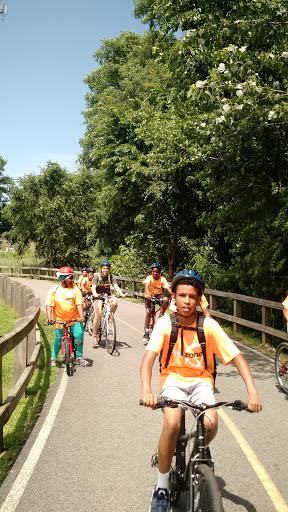
Recycle-A-Bike provides pedal power in Providence.
The Mark Baumer Sustainability Fund helped support Recycle-A-Bike’s 7-week Pedal Power program, partnering with the Boys & Girls Club of Providence, providing free bike helmets to 13 program participants as they took part in this once-a-week intensive safe cycling program that helps graduates know how to bike and ride safely. Additionally, the fund helped 44 total students in both summer programs get new bike helmets contingent upon completing their program.
Ally wrote,
“Many thanks to the Mark Baumer Sustainability Fund for honoring the beautiful life of Mark Baumer and supporting Recycle-A-Bike in its work to empower, educate and build community by connecting people and bikes.”
We were happy to help!!
Planting Trees
Mark’s friend Richard Hodges launched RetreeUS as a way to engage youth and provide local schools with educational opportunities that empower students and their families to grow their own orchards and gardens.
Richard is a local farmer, and Mark actually bought a farm share from Richard for his parents back in 2015 that we thoroughly enjoyed. It was also great reconnecting with Richard at the time.
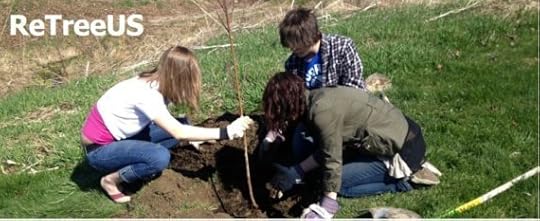
Local youth, local schools, planting trees.
After Mark’s death, we decided to reach out to Richard and see about planting a few trees in Maine in Mark’s memory.
Back in May, Richard visited Pownal Elementary School, just down the road from where we used to live in Durham. He worked with students in planting four pear trees and three apple trees in honor of Mark.
Local food and supporting the farmers that grow that food were priorities to Mark. His support of the farmers’ market in Pawtucket where he visited nearly every Saturday (and we got to go with him several times) is something that we’ll always remember about him.
Summer Camp, Activist Style
Mark was a renaissance man for sure—award-winning poet, prolific content creator—he even had an earlier career as a talented baseball player. But I think first and foremost, he’d grown into an effective activist, with a commitment to Earth and the natural world framing how he lived his life.
He was attempting a cross-country walk (his second trek across the country) focused on raising awareness of climate change, while also raising funds for The FANG Collective, an activist group he was a member of. He was acting in that role of an activist, when he was hit and killed by a driver operating an SUV, on Day 101 of his walk. This occurred in Crestview, Florida, along Highway 90. His all-too-short life ended, at the age of 33.
Mark was deeply concerned about the effects of climate change and where the planet was headed if we didn’t find a way to change how we are living. Additionally, he was working towards creating a more just society. His protests involved the opposition to the power plant in Burrillville and he participated in the March to Burrillville with FANG, as well as protesting the manufacture of cluster bombs by Textron, Inc., a protest where he was arrested. He even managed to get himself banned from RISD’s property for daring to shout out to the governor of Rhode Island, Gina Raimondo, asking about her decision on the power plant.
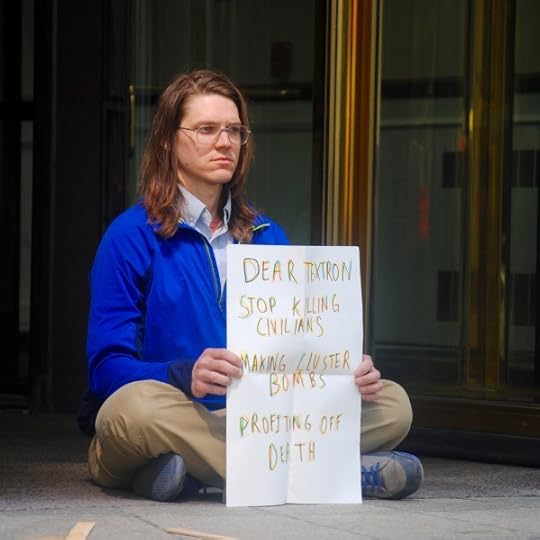
Mark walked his talk when it came to activism. (protesting at Textron World Headquarters, in Providence)
When we learned about a week-long summer camp in Worcester, focused on direct action work and the tangible skills required to do that work effectively, we thought it might be a nice way to honor Mark’s own commitment to activism by creating three $100 scholarship in his name and memory for their August session.
It is my opinion that we are living during a time when simply complaining about issues, or sitting on the sidelines while the country we were born into is systematically dismantled and scrapped by those in power is no longer enough (if remaining compliant ever was). The Institute for Advance Troublemaking is a partner with FANG in direct action work, and there are members of FANG participating in the camp. That’s why we decided to contribute funds to allow others to attend and receive hands-on training, like Mark received, allowing him to be effective during past efforts.
The Mark Baumer Sustainability Fund was created as a way of keeping Mark’s memory, work, and spirit alive. It will be focused on supporting causes and organizations that cultivate traits that were part of Mark’s philosophy of life—love, kindness, and working towards building a better and more equitable world for all people.
If you haven’t made a donation, please consider doing so. Your contributions help keep Mark’s memory alive in the world, and his work front and center.
If you have questions or concerns about the fund, suggestions about grassroots organizations and groups focused on sustainability, or would simply like to reach out to us, please drop me a note via email, at jim.baumer@gmail.com.
If you’d like to receive an update in your inbox three or four times a year, then please drop your email into the sign-up slot and we’ll add you to our subscriber base.
Enter your email address
August 4, 2017
Faking the News
I was born into a Catholic family. The Catholicism of my formative years was a totally different brand than the Catholic Worker-style practice of one’s faith (and life lived in accordance with the gospels) advocated by co-founder, Dorothy Day.
When I tried to capture (in an essay in my last book) some of the oddness of growing up Catholic in the house where I was born, it was met with considerable familial disapproval. I obviously failed in my attempt at being a poor man’s David Sedaris and mining family matters for writing material.
Today’s purpose isn’t revisiting family dysfunction, however.
Two Des Moines-based Catholic Workers, Jessica Reznicek and Ruby Montoya were arrested last week, having admitted to sabotaging the Dakota Access Pipeline section crossing the middle of the country and Iowa. Reznicek has a history of this type of activism, modeled after the Plowshares anti-nuclear activists of the 1980s. Both also are carrying on in the spirit of the organization co-founded by Day and Peter Maurin.
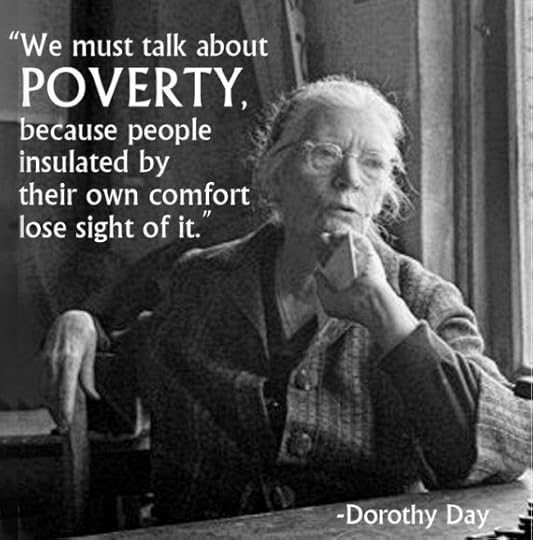
Dorothy Day, one of the 20th century’s activist giants.
It’s my opinion (and doesn’t represent this blog’s advertisers) that this kind of direct action activism might be the only kind that has any hope of stopping the current juggernaut of greed and avarice, fueled by filthy lucre and technology. This ultimately threatens to do us all in.
While recently seeking out news stories about Reznicek and Montoya (I’d heard Amy Goodman’s DN coverage about the two), I ran across a masterful piece of fakery masquerading as journalism.
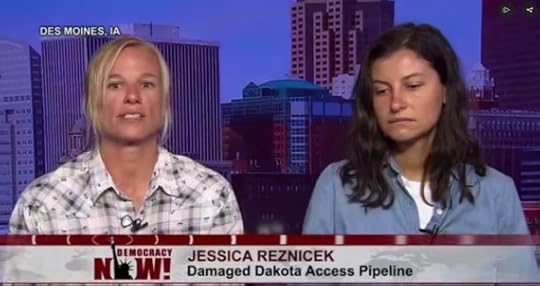
Catholic Workers Jessica Reznicek and Ruby Montoya, aabotage Dakota Access Pipeline.
Nowhere in this Washington Examiner story written by someone named Tom Rogan did it mention that the guy who signs his checks (and owns the Examiner) is a man named Philip Anschutz, dripping with capital excess that of course includes oil money. Funny how that works. Equally interesting, this piece of propaganda showed up at the top of my Google News search.
There are lots of interesting informational tidbits about Mr. Anshutz, including that he is the money man behind the one of California’s major music festivals held in the desert every year, in Coachella. Mary and I drove through the Coachella Valley during our travels to California in May.
According the LA Observer, Anschutz owns “live entertainment megalith Anschutz Entertainment Group, or AEG, and [has a] history spending money supporting anti-LGBTQ [as well as] climate-change-denying organizations.”
So our blog lesson for Friday dear readers? Not all news is created equal. Remain vigilant when using Google (or any other search tool) in seeking out your news so you won’t end up duped and led astray by the likes of Anshutz and his toadies.
July 28, 2017
Hope in the Dark
It’s easy to grow discouraged in this life. Adversity—whether it’s an illness or failing health, economic stress, loneliness or isolation—or in Mary and my case, losing Mark suddenly and tragically: elements like these can grind even the strongest person down, and make them want to give up.
The case can also be made forcefully that the charge that many of us were given when we were young that life in America would be better for us than previous generations is no longer a reality for most. We’ve just elected a president who is at best, a boorish and self-centered man unlike anyone who has sat in the oval office prior. Some believe however, that our current president is an authoritarian with designs on dismantling what remains of our nation’s functionality and crumbling civic and physical infrastructure.
Peggy Noonan, someone with legitimate Republican bona fides calls Mr. Trump, “Woody Allen without the humor” in an op-ed written for and published in the Wall Street Journal. She paints him as a pathetic and weak little man. She’s probably right, although don’t understimate the damage possible by “weak little men.” It’s also far too easy to locate our reasons for despair in one man or a devastating life event.
In the midst of walking a personal path buffeted by discouragement and sadness, I’ve noted how many others are dealing with their own dark journey. In my own grief, I’ve recognized this collective sense of loss all around. So fellow travelers, why so sad?
Rebecca Solnit is an American writer and activist. She’s been engaged in environmental and human rights campaigns since the 1980s. Her writing is informed by a life lived with boots firmly planted in real life and direct action work, not academic posturing. Maybe that’s why her book, Hope in the Dark: Untold Histories, Wild Possibilities, has made such a strong impression on me over the past two weeks as I made my way through it.
Hope in the Dark isn’t a new book. Solnit wrote it in 2004, while she was dealing with her own discouragement living through the reality of four more years of a George Bush presidency and war looming in Iraq. The edition I am reading was updated in 2015, with a new foreword, taking us into the second term of President Obama.
Let me assure the most cynical of you out there that Solnit isn’t positing some Pollyanna-ish pap or pushing pseudo-spiritual babble. She also recognizes that our “opponents would love you to believe that it’s hopeless, that you have no power, that there’s no reason to act, that you can’t win.” If there’s anything that the Trump administration is good at, it’s communications subterfuge. I believe that much of the “smoke and mirrors” activity swirling around the president and his tweets that most of the mainstream media is fixated on is designed to get the rest of us to look away from where he’s really going. Keep in mind, he is first and foremost an authoritarian. Do some research on prior authoritarian leaders. You might have to visit a library, although you can sit at home in your darkened bedroom and Google “authoritarian leaders” if you must. But back to hope.
Mark was committed to environmental causes. His final walk was first and foremost about raising awareness about the dire consequences relative to climate change and how one of our defining issues will affect us all. Others have been sounding alarms about it, also.
Recently, David Wallace-Wells wrote one of the most dispiriting pieces about climate change I’ve ever read. Actually, I never made it through the entire article. One thing I’m learning in my current state is that I can only handle a finite amount of negativity. Wallace-Wells intentions might be noble, but man, his article was a major buzzkill.
I’ve spent more hours than I care to count wallowing in a worldview that tends towards the dystopian. There are plenty of corners of the interwebs where you can seek out doomers and those trumpeting “the end of the world as we know it” narratives. Have at them if you like.
Simply processing grief and loss and figuring out how to piece together a life forever altered consumes the lion’s share of my energy. Mary and I have both commented how physically (and mentally) we’ve been affected by grief’s various stages over the past six months.
The problem I have with articles like the one I mention is that they leave readers fatigued and so discouraged that most people will simply wring their hands and think, “what’s the use?”
One of the primary reasons I decided to give plant-based veganism a try was Mark’s reminder that not eating meat was the single, most effective thing any one individual can do to limit their impact on the planet. I’m glad I decided to go down that road. Not only did Mark get to share this epiphany with his dad, we got to discuss plant-based eating over his time out walking, prior to his death. He would answer my questions and I treasured our conversations via email or on the phone. I’m sad that we never got to have him home so we could prepare a feast worthy of a vegan superhero like Mark.
This week, a high school classmate posted photos and updates on Facebook from a protest she attended in Lewiston. She was out raising concerns about the repeal of the Affordable Care Act (or Obamacare), and the fallout for upwards of 30 million Americans who would likely lose access to affordable healthcare.
My classmate isn’t a hardened activist or someone who I think about when conjuring up visions of “taking it to the streets.” However, she was out there, sign in hand—even being hassled by a local jerk (I mean business owner), for “making too much noise” outside his call center on Lisbon Street. I’m proud of you, Sue. Your tangible efforts dovetail nicely with my own attempt to hold onto hope, the kind of hope that Solnit writes about and the stories and examples she lays out for all of us to emulate.
Back in 2004, I was sitting in a cubicle, working for a disability insurer that I’ve referred to as Moscow Mutual. They are a leader in their field. My job required sitting in a cubicle for eight hours a day, five days a week. It was a soul-killing endeavor. I eventually left to pursue writing, full-time.
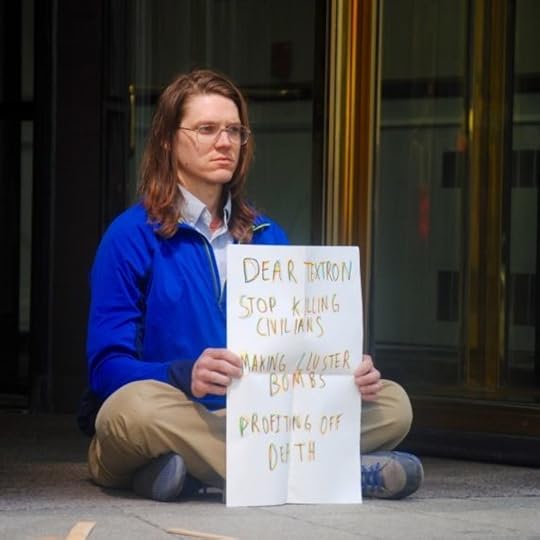
Mark Baumer protesting cluster bomb manufacturing, Textron World Headquarters/Providence, RI (Steve Ahlquist photo)
During this period of despair, I joined up with a group of local activists in Portland, many of them with anarchist tendencies. Don’t be scared by that word—it literally means no government—not in the faux populist/Tea Partying manner that right-wing propagandists talk about, but in the best sense of the word: a society free of authoritarian and state oppression. I learned firsthand about direct action work. Maybe that’s why I could identify with Mark’s own political activity, including his protest and arrest in front of Textron’s global headquarters. I was never arrested, but I could have been several times.
My point is that in 2004, I turned to action and activity to quell my discouragement and sense that things were hopeless. While my activism then didn’t change the world, it did help me to recognize the importance of getting off my ass and putting my feet literally on the ground, rather than simply bitching about the issues at-hand. I’m guessing that my classmate, Sue, feels more hopeful today knowing that she is working to be part of the solution through active engagement. Thank you for your example and reminding me of this.
There is this thing that goes on in America where we reduce everything down to a black and white, binary construct. Issues become an us vs. them exercise and we reduce our opponents down to what they believe. Sometimes this becomes a source of pride–I’m better and smarter than you, cynics add fuel to the fire of despair, causing people to simply give up.
We all have the power to make small changes. These initial “baby steps” lead to subtle changes. Maybe the most profound changes start with us. Over time, these steps begin to gain traction and changes lead to something larger and more significant.
Mark was a hopeful person. He’d rarely allow me to sink too low without offering something to consider, or simply acknowledge how I felt and then suggest an activity designed to restore some hopefulness. I’m drawing on his legacy today.
Much of my recent blogging has been an homage to Mark’s admonition to me to simply write more often, even if it was some observation or daily activity that I decided to comment on. I will try to follow his lead on that.
Let me encourage you to look for something small but hopeful today, and be about it. Then, try to get up tomorrow and do it again. If you can’t muster the energy or courage tomorrow, maybe the day after. At some point, if you keep taking small steps, you’ll gain some momentum.
Our enemies don’t want that. In fact, they’re doing everything in their power to keep you on the sidelines. Because they know that if the American people ever mobilized en masse, they’d be done for.
Oh, and can I encourage you today (or this weekend) to go down to your local, independently-owned bookstore and seek out Solnit’s book? The book I’ve been reading is a library book. I want her book on my bookshelf. I know it’s the kind of book I’ll continually come back to. I’ll be going over to Gulf of Maine Books in Brunswick to pick up my own personal copy. If your bookstore doesn’t have it, have them order it through it. Stay away from Amazon on this one, please.