
George Hodgman's Blog, page 13
January 30, 2015
Update: BETTYVILLE is available for pre-order! Order from any of the following l...
Update: BETTYVILLE is available for pre-order! Order from any of the following locations, or your favorite independent bookstore:
Left Bank Books: http://bit.ly/1Lcbjww
Barnes & Noble: http://bit.ly/1Enyhz0
Books-A-Million: http://bit.ly/1CZtqjt
Amazon: http://amzn.to/1BgiDz8
iTunes: http://bit.ly/1uTou0L
Indiebound: http://bit.ly/1xZPJT3
ABOUT BETTYVILLE, A MEMOIR TO BE PUBLISHED MARCH 10, 2015:
In the Northeast part of Missouri, where the big rivers run, angels are prayed for, and Wal-Martians battle for bargains, there is a little town called Paris where you can find George and Betty—lifelong allies, conspirators, sharers of jokes and grudges, occasional warriors, mother and son.
Beneath the comic banter they share lies undying love, loyalty, and occasionally, the desire to throttle each other. They have been through it all. Now they are facing…a little more--the juncture that every son or daughter understands, that reversal of roles that rarely goes smoothly as parent grows older and child struggles, heart in hand, to hold on to what once was.
George—“fiftysomething-ish,” bruised from big-time Manhattan where he has lost his job—has returned to Missouri for Betty’s ninety-first birthday at the height of the hottest summer in years. The roses in the yard are in danger. As is Betty. The mother George remembers as the beautiful blonde flooring the accelerator of the family’s battered Impala has lost her driver’s license. Suddenly this ever -independent woman—killer bee at the bridge table, perfectionist at the piano—actually needs the help she would rather die than ask for.
Despite his doubts (“I am a care inflictor…I am the Joan Crawford of eldercare”) and near-lethal cooking skills, George tries to take over, stirring up and burning tuna casseroles with potato chips, mounting epic expeditions for comfortable but stylish shoes, coming to understand the battle his determined mother is waging against a world determined to overlook the no longer young. The question underlying everything? Will George lure Betty into assisted living? When hell freezes over. “Okay,” he concedes, “I’ll go.” He can’t bear to force her from the home they both treasure where the trees his father planted shelter Betty on her shaky trips around the yard.
But, along with camaraderie and these hard new concerns, this time they share triggers memories and sometimes old regrets. Despite their closeness, there is so much that this mother and son have never spoken of and now this seems to matter, maybe more than ever. Betty, who speaks her mind but cannot always reveal her heart, has never really accepted the fact that her son is gay. George has never outgrown the feeling that he has disappointed her. For so long, these two people—united but still silent about too many things—have struggled with words. They will never not be people who lead different kinds of lives. But they try their best to make things right. Betty sees her son’s sadness and tries to reach out. George is inspired by his mother’s unfailing bravery. As they redefine the home they find themselves sharing once more, a new chapter of their story is written. As they pass through George and Betty’s bittersweet hours and days, readers will find themselves moved by two imperfect but extraordinary people and what is finally the most human of stories, a tale of caring and kindness sparked by humor and touched by grace.
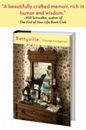
Left Bank Books: http://bit.ly/1Lcbjww
Barnes & Noble: http://bit.ly/1Enyhz0
Books-A-Million: http://bit.ly/1CZtqjt
Amazon: http://amzn.to/1BgiDz8
iTunes: http://bit.ly/1uTou0L
Indiebound: http://bit.ly/1xZPJT3
ABOUT BETTYVILLE, A MEMOIR TO BE PUBLISHED MARCH 10, 2015:
In the Northeast part of Missouri, where the big rivers run, angels are prayed for, and Wal-Martians battle for bargains, there is a little town called Paris where you can find George and Betty—lifelong allies, conspirators, sharers of jokes and grudges, occasional warriors, mother and son.
Beneath the comic banter they share lies undying love, loyalty, and occasionally, the desire to throttle each other. They have been through it all. Now they are facing…a little more--the juncture that every son or daughter understands, that reversal of roles that rarely goes smoothly as parent grows older and child struggles, heart in hand, to hold on to what once was.
George—“fiftysomething-ish,” bruised from big-time Manhattan where he has lost his job—has returned to Missouri for Betty’s ninety-first birthday at the height of the hottest summer in years. The roses in the yard are in danger. As is Betty. The mother George remembers as the beautiful blonde flooring the accelerator of the family’s battered Impala has lost her driver’s license. Suddenly this ever -independent woman—killer bee at the bridge table, perfectionist at the piano—actually needs the help she would rather die than ask for.
Despite his doubts (“I am a care inflictor…I am the Joan Crawford of eldercare”) and near-lethal cooking skills, George tries to take over, stirring up and burning tuna casseroles with potato chips, mounting epic expeditions for comfortable but stylish shoes, coming to understand the battle his determined mother is waging against a world determined to overlook the no longer young. The question underlying everything? Will George lure Betty into assisted living? When hell freezes over. “Okay,” he concedes, “I’ll go.” He can’t bear to force her from the home they both treasure where the trees his father planted shelter Betty on her shaky trips around the yard.
But, along with camaraderie and these hard new concerns, this time they share triggers memories and sometimes old regrets. Despite their closeness, there is so much that this mother and son have never spoken of and now this seems to matter, maybe more than ever. Betty, who speaks her mind but cannot always reveal her heart, has never really accepted the fact that her son is gay. George has never outgrown the feeling that he has disappointed her. For so long, these two people—united but still silent about too many things—have struggled with words. They will never not be people who lead different kinds of lives. But they try their best to make things right. Betty sees her son’s sadness and tries to reach out. George is inspired by his mother’s unfailing bravery. As they redefine the home they find themselves sharing once more, a new chapter of their story is written. As they pass through George and Betty’s bittersweet hours and days, readers will find themselves moved by two imperfect but extraordinary people and what is finally the most human of stories, a tale of caring and kindness sparked by humor and touched by grace.


January 29, 2015
You read what people say about your work and sometimes you want to cry, or screa...
You read what people say about your work and sometimes you want to cry, or scream, or you think, even if they like it, they are talking about someone else's book. Thank you Richard Kramer for this review. It means so much coming from you. I love it. A great birthday present.
It goes like this, again and again, in endless towns. There’s a boy, somewhere, a somewhere that’s never New York. He doesn’t know he is not unusual, because there’s no one to tell him; he won’t find that out, and may never come to fully believe it, until he’s left one of those endless towns and come to New York, where he will ask the city to erase who he was and replace it with a portrait of who he would like to be. He’ll master subways, and menus, attain the knowingness he yearned for as a gay boy back wherever it was he came from, where he never wants to return. And that can be enough.
It wasn’t for George Hodgman. He went back to somewhere, in this case Paris, Missouri, as a man who’d accomplished a lot, lost a lot, who’s run out of excuses. He went back to care for his mother, Betty, aged, angry, alone, her arms wrapped tight around a self that was shattering, slowly. He put down the story of their time together, and the result is BETTYVILE, his hilarious, heartbreaking book, which I hesitate to describe as a memoir. It’s more than that; it’s a book for anyone whom, for whatever reason, feels that they can never tell their true story, that as much as they want it they can never be fully known. “I think people who have always felt okay in the world will never understand those of us who haven’t,” Hodgman writes. They will if they read this book. Its pages became mirrors for me. I saw myself in them, saw my own mother, heard all the words I’d never been able to say; BETTYVILLE sent me to Claireville.
Many times, while reading this, I put the book down (in a way you can’t put a Kindle down), grabbed a pad, and wrote out Hodgman’s sentences, which is a thing I do when I love a book. How do you become the kind of writer who can not only see things like that, but tell people about them, in that particular way? Here’s just one passage that got me out of my seat …
“I love the citizens of the city night. For Many years I was one of them … My life has been an odd hotel with strangers drifting through and friends sometimes growing concerned … In a city of arrogant wristwatches, I have rarely been able to keep a Timex running right …”
An odd hotel. Arrogant wristwatches. No one else writes like that. No one else can have lived this story. And no one else can have given it to us with the generosity Mr. Hodgman demonstrates in BETTYVILLE.
It goes like this, again and again, in endless towns. There’s a boy, somewhere, a somewhere that’s never New York. He doesn’t know he is not unusual, because there’s no one to tell him; he won’t find that out, and may never come to fully believe it, until he’s left one of those endless towns and come to New York, where he will ask the city to erase who he was and replace it with a portrait of who he would like to be. He’ll master subways, and menus, attain the knowingness he yearned for as a gay boy back wherever it was he came from, where he never wants to return. And that can be enough.
It wasn’t for George Hodgman. He went back to somewhere, in this case Paris, Missouri, as a man who’d accomplished a lot, lost a lot, who’s run out of excuses. He went back to care for his mother, Betty, aged, angry, alone, her arms wrapped tight around a self that was shattering, slowly. He put down the story of their time together, and the result is BETTYVILE, his hilarious, heartbreaking book, which I hesitate to describe as a memoir. It’s more than that; it’s a book for anyone whom, for whatever reason, feels that they can never tell their true story, that as much as they want it they can never be fully known. “I think people who have always felt okay in the world will never understand those of us who haven’t,” Hodgman writes. They will if they read this book. Its pages became mirrors for me. I saw myself in them, saw my own mother, heard all the words I’d never been able to say; BETTYVILLE sent me to Claireville.
Many times, while reading this, I put the book down (in a way you can’t put a Kindle down), grabbed a pad, and wrote out Hodgman’s sentences, which is a thing I do when I love a book. How do you become the kind of writer who can not only see things like that, but tell people about them, in that particular way? Here’s just one passage that got me out of my seat …
“I love the citizens of the city night. For Many years I was one of them … My life has been an odd hotel with strangers drifting through and friends sometimes growing concerned … In a city of arrogant wristwatches, I have rarely been able to keep a Timex running right …”
An odd hotel. Arrogant wristwatches. No one else writes like that. No one else can have lived this story. And no one else can have given it to us with the generosity Mr. Hodgman demonstrates in BETTYVILLE.
Thank you for your support, interest, kind words, purchases, friendship, love an...
Thank you for your support, interest, kind words, purchases, friendship, love and understanding. Thank you. Already this experience has given me much to be grateful for.
January 28, 2015
From Bettyville, coming March 10 from Viking. Available for pre-order now:
Bett...
From Bettyville, coming March 10 from Viking. Available for pre-order now:
Betty goes to the refrigerator to take out a bowl of pineapple that she drops on the floor and breaks. She yells out as if there has been a gunshot. I clean the sticky juice off the linoleum and wipe the front of her gown as she fidgets, then looks away.
Finally, I settle her, distracting her with a pile of postcards from Europe from the end table.
“Where are these from?” she asks. “Who wrote these?” I tell her that she wrote them, note her handwriting, as it was, so familiar. She wrinkles her brow, as if trying to remember. “I never could write a pretty hand like that,” she says. “Not now.” It’s true. Her letters look like shaky forgeries. Her words are those of a girl learning cursive.
The cards were written on parents’ trip to Europe; it was a grand occasion, the only time they ever went there together. I was in New York by then; they came every Christmas to go to Radio City while I worked. When they came to visit, I always took breaks from them. Partially because I had to; there were always deadlines. Partially because I could not bear to let our talk stray too far from what I was comfortable saying.
When I let my mind wander back that far, what I see is how hard we tried to be our best for each other. I hear the same conversations over and over. Now, when someone repeats themselves, I lose patience.
In Europe, my parents took some cruise on a river that streamed through many countries, the Danube or the Rhine, and for months in advance they spoke of this trip as if they were teenagers. Europe: across the big wavy sea where luxury liners crossed, carrying queens with hats and heroes with medals. Europe: where the wars had been: Europe: where the mountains and landscapes were beautiful, and the food was rich and unforgettable and available, on the barge on which they traveled, twenty-four hours daily, in unlimited quantities.
“I’ll just bet it’s going to be very nice,” my mother said before they left. She was so eager. “June loves to go on a barge. I hope your father won’t get drunk and sing. ”
“We flew into somewhere in Germany,” Betty says holding a card the sun streaks through, but she doesn’t remember much else. “What is a beautiful city in Czechoslavakia?” she asks.
“Prague,” I suggest.
“Yes that’s it.”
And then, “What is a beautiful city in Germany?”
I suggest, “Berlin, maybe. I don’t know how pretty it is, really.”
She says, “No, no.”
I suggest, “Munich.” She says, “No, no. That’s where they blew up the Olympics.
“That nearly killed your father. They blew up the Jews!”
I say: “Hamburg.” She looks a little excited, but even more, relieved. “Yes, that’s it. That’s where we flew in. I used my passport and your father kept looking up everything about the war…I didn’t care about the war. I didn’t care if they blew up the Olympics, to tell you the truth.” She looks at me.
“They go on forever.
“I wanted to buy a new sweater or a dress and see some of the countryside. It rained a lot…. I’m trying to think of another city, another place in Germany. Oh yes, it was Berlin. That’s what it was. But his knee was hurting him and we didn’t get to do much. The time changed, you know, and I never could sleep much. The time changed on us. The time changed. I think just once. It could have been more than that.”
She looks good today; the new moisturizer from Saks is doing wonders for her face. Her cheeks are pinkish, their skin softer, and it seems that the wrinkled places under her eyes have almost been smoothed almost away. Sometimes she even smiles back. She wants to give me a pleasant afternoon, but knows she has little to offer, so she hands me the cards, one after the other and looks hopeful. She wants us to have fun, to share the experience, but she can’t remember it. “The cities,” she says. “They were nice and green.”
Before the trip, my father took their passports to Kinko’s and had the pages with the photos Xeroxed and enlarged. He taped them--not with Scotch tape, but with something used to hold heavier things together-- to the inside of the suitcase top. There they were, George and Betty in black and white, ready to meet the world, ready to splurge a little, after working, like everyone they knew, hard all their lives and doing their best to be good and do good. They were older now, but they still had innocent faces, faces that somehow suggested their times and America, their home.
“I remember a river,” Betty says, “but there wasn’t enough water. It was very dry. It looked a little bit like here.”
“Do you remember the name of the river?”
“No I don’t.”
“Was it the Rhine?”
“It might have been. What I remember is that it rained and I thought the water was finally going to fill up the riverbeds and when the next people got here it would probably be prettier.” She goes quiet, then asks, “Can I help you anymore, George?” as if we were studying for a test and she was drilling me, like she used to, like she did when it was so essential that I learn long division.
“Can I help you, George?”
“No,” I want to say. “It is not you. It is everything that has happened. It is this sense that I have missed my chance and here I am.
“To tell you the truth,” my mother confides. “I liked those Christmas shows in New York better than anything on that barge. I think your father did, too.
“We always wanted you to come along.”
I carried that suitcase with my parents’ pictures for twenty years or more it everywhere I went: to college, home and back so many times, to Barbados, London, Paris, Miami, San Francisco, Los Angeles, to Morocco, where I stayed a house in the old city where every night we were awakened by the Call to Prayer and I searched for a gift for Betty in the souk.
People said I should buy something new, something bigger with wheels, something in leather. But I kept carrying that suitcase until the strap broke and one of the pictures got torn off. I carried them with me everywhere. I still have it. I keep special things there, stuff I want to save as long as long as I live. One day I imagine these postcards that are preoccupying my mother will find their way there, the postcards from their trip to Europe.
“What are you, doing, George? What are you doing to your arm?”
“I’m scratching it mother.”
“Why are you doing that?”
“I guess because I itch?”
“I don’t like it when you do that,” she says. It looks like it hurts to do that.” And to her, it does. It would be enough to almost make her cry, if she did that, ever.
“Is there anything I can do for you, George,” she asks again.
“You could try to remember the name of that river.”
“I’ve tried,” she says. “I can’t remember and why does it matter? I told you it rained and I couldn’t sleep and I had to lay awake and listen to your father snore and I thought, here I came all the way to Europe to float down a river and listen to an old man snore.”
“What can I do for you?” she asks again.
“What can I do for you?”
Neither one of us knows.
In the end my parents were just George and Betty, who always tried their best. That was enough. They weren’t New York. They didn’t have to be all the world or on television. I was different: Just me was never enough. Just me was something less than okay. So I tried to make up something a little better, too clever by half, I guess. I think I tried too hard.
“Is there anything I can do for you, George,” Betty asks one more time , because perhaps she knows that the time when she can do anything for anyone is growing short.
“See me,” I start to say. I don’t know where the words have come from and I stop before I utter them because I know it is too late anyway, too late for her to know all of me. I didn’t discuss my sexuality with her until I was forty. She didn’t ask. My father hadn’t asked. We were all afraid. None of us knew how not to hurt each other. I made us all feel imperfect. I felt I was wrong. They felt they had caused it. No one said anything.

Betty goes to the refrigerator to take out a bowl of pineapple that she drops on the floor and breaks. She yells out as if there has been a gunshot. I clean the sticky juice off the linoleum and wipe the front of her gown as she fidgets, then looks away.
Finally, I settle her, distracting her with a pile of postcards from Europe from the end table.
“Where are these from?” she asks. “Who wrote these?” I tell her that she wrote them, note her handwriting, as it was, so familiar. She wrinkles her brow, as if trying to remember. “I never could write a pretty hand like that,” she says. “Not now.” It’s true. Her letters look like shaky forgeries. Her words are those of a girl learning cursive.
The cards were written on parents’ trip to Europe; it was a grand occasion, the only time they ever went there together. I was in New York by then; they came every Christmas to go to Radio City while I worked. When they came to visit, I always took breaks from them. Partially because I had to; there were always deadlines. Partially because I could not bear to let our talk stray too far from what I was comfortable saying.
When I let my mind wander back that far, what I see is how hard we tried to be our best for each other. I hear the same conversations over and over. Now, when someone repeats themselves, I lose patience.
In Europe, my parents took some cruise on a river that streamed through many countries, the Danube or the Rhine, and for months in advance they spoke of this trip as if they were teenagers. Europe: across the big wavy sea where luxury liners crossed, carrying queens with hats and heroes with medals. Europe: where the wars had been: Europe: where the mountains and landscapes were beautiful, and the food was rich and unforgettable and available, on the barge on which they traveled, twenty-four hours daily, in unlimited quantities.
“I’ll just bet it’s going to be very nice,” my mother said before they left. She was so eager. “June loves to go on a barge. I hope your father won’t get drunk and sing. ”
“We flew into somewhere in Germany,” Betty says holding a card the sun streaks through, but she doesn’t remember much else. “What is a beautiful city in Czechoslavakia?” she asks.
“Prague,” I suggest.
“Yes that’s it.”
And then, “What is a beautiful city in Germany?”
I suggest, “Berlin, maybe. I don’t know how pretty it is, really.”
She says, “No, no.”
I suggest, “Munich.” She says, “No, no. That’s where they blew up the Olympics.
“That nearly killed your father. They blew up the Jews!”
I say: “Hamburg.” She looks a little excited, but even more, relieved. “Yes, that’s it. That’s where we flew in. I used my passport and your father kept looking up everything about the war…I didn’t care about the war. I didn’t care if they blew up the Olympics, to tell you the truth.” She looks at me.
“They go on forever.
“I wanted to buy a new sweater or a dress and see some of the countryside. It rained a lot…. I’m trying to think of another city, another place in Germany. Oh yes, it was Berlin. That’s what it was. But his knee was hurting him and we didn’t get to do much. The time changed, you know, and I never could sleep much. The time changed on us. The time changed. I think just once. It could have been more than that.”
She looks good today; the new moisturizer from Saks is doing wonders for her face. Her cheeks are pinkish, their skin softer, and it seems that the wrinkled places under her eyes have almost been smoothed almost away. Sometimes she even smiles back. She wants to give me a pleasant afternoon, but knows she has little to offer, so she hands me the cards, one after the other and looks hopeful. She wants us to have fun, to share the experience, but she can’t remember it. “The cities,” she says. “They were nice and green.”
Before the trip, my father took their passports to Kinko’s and had the pages with the photos Xeroxed and enlarged. He taped them--not with Scotch tape, but with something used to hold heavier things together-- to the inside of the suitcase top. There they were, George and Betty in black and white, ready to meet the world, ready to splurge a little, after working, like everyone they knew, hard all their lives and doing their best to be good and do good. They were older now, but they still had innocent faces, faces that somehow suggested their times and America, their home.
“I remember a river,” Betty says, “but there wasn’t enough water. It was very dry. It looked a little bit like here.”
“Do you remember the name of the river?”
“No I don’t.”
“Was it the Rhine?”
“It might have been. What I remember is that it rained and I thought the water was finally going to fill up the riverbeds and when the next people got here it would probably be prettier.” She goes quiet, then asks, “Can I help you anymore, George?” as if we were studying for a test and she was drilling me, like she used to, like she did when it was so essential that I learn long division.
“Can I help you, George?”
“No,” I want to say. “It is not you. It is everything that has happened. It is this sense that I have missed my chance and here I am.
“To tell you the truth,” my mother confides. “I liked those Christmas shows in New York better than anything on that barge. I think your father did, too.
“We always wanted you to come along.”
I carried that suitcase with my parents’ pictures for twenty years or more it everywhere I went: to college, home and back so many times, to Barbados, London, Paris, Miami, San Francisco, Los Angeles, to Morocco, where I stayed a house in the old city where every night we were awakened by the Call to Prayer and I searched for a gift for Betty in the souk.
People said I should buy something new, something bigger with wheels, something in leather. But I kept carrying that suitcase until the strap broke and one of the pictures got torn off. I carried them with me everywhere. I still have it. I keep special things there, stuff I want to save as long as long as I live. One day I imagine these postcards that are preoccupying my mother will find their way there, the postcards from their trip to Europe.
“What are you, doing, George? What are you doing to your arm?”
“I’m scratching it mother.”
“Why are you doing that?”
“I guess because I itch?”
“I don’t like it when you do that,” she says. It looks like it hurts to do that.” And to her, it does. It would be enough to almost make her cry, if she did that, ever.
“Is there anything I can do for you, George,” she asks again.
“You could try to remember the name of that river.”
“I’ve tried,” she says. “I can’t remember and why does it matter? I told you it rained and I couldn’t sleep and I had to lay awake and listen to your father snore and I thought, here I came all the way to Europe to float down a river and listen to an old man snore.”
“What can I do for you?” she asks again.
“What can I do for you?”
Neither one of us knows.
In the end my parents were just George and Betty, who always tried their best. That was enough. They weren’t New York. They didn’t have to be all the world or on television. I was different: Just me was never enough. Just me was something less than okay. So I tried to make up something a little better, too clever by half, I guess. I think I tried too hard.
“Is there anything I can do for you, George,” Betty asks one more time , because perhaps she knows that the time when she can do anything for anyone is growing short.
“See me,” I start to say. I don’t know where the words have come from and I stop before I utter them because I know it is too late anyway, too late for her to know all of me. I didn’t discuss my sexuality with her until I was forty. She didn’t ask. My father hadn’t asked. We were all afraid. None of us knew how not to hurt each other. I made us all feel imperfect. I felt I was wrong. They felt they had caused it. No one said anything.
January 25, 2015
From Bettyville:
At a wedding of a daughter of one of Betty’s friends ten or fi...
From Bettyville:
At a wedding of a daughter of one of Betty’s friends ten or fifteen years or so ago, Betty was maybe 75 or a bit older, but looked 60. Big George was gone by then and my mother, who no longer drove at night, refused to go “in a carload of old widows,” so I came home to be her escort. I was having a good streak, making lots of money at a publishing house where my books were hitting big.
So I got on a plane, though I don’t much like weddings, which make me feel out of place, especially single.
I told Betty that she looked better, more beautiful, than she ever had, but she could not accept this, could not take it in. She looked so young for her age and climbed in and out of the car by herself with ease. At the entrance to the cool, candlelit church, she reached out to touch the fresh flowers, in awe at the perfection of the preparations. “Hazel has outdone herself,” she said, “spared no expense.”
My friend Lauren, who thinks she is Margaret Mead, says that weddings and funerals stir all kinds of things up in us because they are tribal occasions. I am not sure I have a tribe, though I think I have always longed for one.
That night at the wedding, my beautiful mother wore a suit the color of Key Lime pie, her favorite. She actually seemed to want to have a good time. At the reception, after a few glasses of champagne, she took off her shoes and wandered through the crowd in her stocking feet, greeting old friends. She was swaying, but just barely, when no one was looking, almost dancing to the music. She touched my elbow once to steady her self. “Have you had some champagne?” I asked. “Mind your own business,” she said.
“You are my business,” I said, as she had always said to me, all my life, in similar exchanges. I wanted her to feel as I did when I heard those words: protected, aligned with someone, connected.
I want her to feel this way now.
All around that night at the wedding were people I had grown up with--friends of my parents, our lawyer, and accountant, a judge or two, the bridge club ladies, people we had always known from church, those who used to run things around here. All my childhood was gathered around me. This was not just a collection of the elders of Paris, Missouri; it was more to me. It was Bettyville, my mother’s home, her place, and most of its surviving souls who had known her as a girl and who had been kind to me and watched me grow. They were older suddenly, much older, my people—men in white shoes fit for a bandbox, suits from other decades; women in outfits that looked to have been stored away and worn only occasionally-- and all I wanted, all of a sudden was to stay with them forever, and I went from table to table to hug them as the younger guests spilled out of the banquet room into the summer night to dance on the patio. I thought of asking my mother to dance, but did not. My father would definitely have been dancing. But probably not with her. He had given up on things like that many years before. Betty was not a dancing girl.
That night at the wedding where Betty was young again, the bride and groom headed out into the world. Hazel cried, big tears falling on her big, bountiful corsage. “She’ll have a hard time letting that one go,” remarked June.
“That’s the way it is,” Betty said. “We’re old ladies now.”
Betty sat beside me, a row of silver bracelets on her wrist, surveying the scene, holding court as people came to greet her. She let some kiss her on the cheek as, behind their backs she rolled her eyes at me and wrinkled her nose.

At a wedding of a daughter of one of Betty’s friends ten or fifteen years or so ago, Betty was maybe 75 or a bit older, but looked 60. Big George was gone by then and my mother, who no longer drove at night, refused to go “in a carload of old widows,” so I came home to be her escort. I was having a good streak, making lots of money at a publishing house where my books were hitting big.
So I got on a plane, though I don’t much like weddings, which make me feel out of place, especially single.
I told Betty that she looked better, more beautiful, than she ever had, but she could not accept this, could not take it in. She looked so young for her age and climbed in and out of the car by herself with ease. At the entrance to the cool, candlelit church, she reached out to touch the fresh flowers, in awe at the perfection of the preparations. “Hazel has outdone herself,” she said, “spared no expense.”
My friend Lauren, who thinks she is Margaret Mead, says that weddings and funerals stir all kinds of things up in us because they are tribal occasions. I am not sure I have a tribe, though I think I have always longed for one.
That night at the wedding, my beautiful mother wore a suit the color of Key Lime pie, her favorite. She actually seemed to want to have a good time. At the reception, after a few glasses of champagne, she took off her shoes and wandered through the crowd in her stocking feet, greeting old friends. She was swaying, but just barely, when no one was looking, almost dancing to the music. She touched my elbow once to steady her self. “Have you had some champagne?” I asked. “Mind your own business,” she said.
“You are my business,” I said, as she had always said to me, all my life, in similar exchanges. I wanted her to feel as I did when I heard those words: protected, aligned with someone, connected.
I want her to feel this way now.
All around that night at the wedding were people I had grown up with--friends of my parents, our lawyer, and accountant, a judge or two, the bridge club ladies, people we had always known from church, those who used to run things around here. All my childhood was gathered around me. This was not just a collection of the elders of Paris, Missouri; it was more to me. It was Bettyville, my mother’s home, her place, and most of its surviving souls who had known her as a girl and who had been kind to me and watched me grow. They were older suddenly, much older, my people—men in white shoes fit for a bandbox, suits from other decades; women in outfits that looked to have been stored away and worn only occasionally-- and all I wanted, all of a sudden was to stay with them forever, and I went from table to table to hug them as the younger guests spilled out of the banquet room into the summer night to dance on the patio. I thought of asking my mother to dance, but did not. My father would definitely have been dancing. But probably not with her. He had given up on things like that many years before. Betty was not a dancing girl.
That night at the wedding where Betty was young again, the bride and groom headed out into the world. Hazel cried, big tears falling on her big, bountiful corsage. “She’ll have a hard time letting that one go,” remarked June.
“That’s the way it is,” Betty said. “We’re old ladies now.”
Betty sat beside me, a row of silver bracelets on her wrist, surveying the scene, holding court as people came to greet her. She let some kiss her on the cheek as, behind their backs she rolled her eyes at me and wrinkled her nose.
January 20, 2015
Today we go back to Missouri Cancer Associates. We don't want to go but the thin...
Today we go back to Missouri Cancer Associates. We don't want to go but the thing that makes it possible is thinking about all the other people who have done the same thing. It all takes me back to last March.
From Bettyville:
On the first Wednesday of March, Betty awakened, complaining of pain in her side, worried about her heart. When the pain spread to her side, I took her to Columbia to the emergency room. She sat in the examining room in
in her pink Mizzou t-shirt, saying nothing; but when the doctor pressed her abdomen, Betty screamed out and I knew. She was very ill.
Betty demanded to go home so loudly that I could barely hear the doctor describe, after the CAT scan, the blockage in the tube leading from my mother’s kidney, probably a tumor. There was also a mass in her spleen, but the kidney was the immediate concern. She would probably lose it and was admitted to the hospital and given painkillers and an IV.
She admitted to the doctor that she had been experiencing pain for a while.
“What?” I asked.
“It wasn’t that bad,” she said.
“It’s cancer,” I asked to the ER doctor. “Isn’t it?”
“It’s a very odd thing,” says the doctor, “family members always have a premonition. They’re usually right.”
I sat by her bedside for a few hours, feeding her orange sherbet from the pantry.
“People can live without both kidneys, “ I told her.
“Veda Berry had just one kidney,” she said. “She drank water all the time. I thought she was going to burst.”
“Your hands are so cold,” I told her.
“Cold hands, dirty feet, no sweetheart,” she said, laughing a bit.
It wasn’t until she finally lost consciousness that I looked out the window, noticed it was dark, and realized the day was gone. I hated to leave her, but our new puppy, Raj, was waiting in the car. He needed food, water, attention. I hadn’t left him in his crate because I thought we might not get back that night.
I thought she might not get back at all.
I thought I would return to an empty house where her old sandals by the bed would make me sadder than I had ever been.
When I opened the car door, Raj jumped into my arms and I sat holding him because I did not want to return to the hospital and because he is scared of strange places. He looked woebegone, but I plied him with treats. “My mother is very sick,” I said. “Don’t be a dick.”
I was scared. I was suddenly a little kid again.
Betty once threw a shoe at a tramp who dared intrude when she was alone in the sanctuary of the church in Madison practicing the organ. I think she went there to get away from me and my dad. Not long after this, on the way home from school on an extraordinary day, I caught her in a rare mood, relaxed and sitting on the front steps of the church with her sheet music, eating some sherbet from a plastic cup.
“Missouri in the springtime is pretty hard to beat, little boy,” she told me as she reached to take my hand.
When we began radiation they put stickers with black arrows on both sides of her chest and stomach.
I decided that the good thing about cancer is that wherever patients gather there are snacks. Unfortunately, they are often healthy. On the first day, however, I almost stole a bag of Dorritos from a bald woman. I wasn’t going to eat them. It was only to save her.
At the place where my mother goes to get radiation, there is a huge, unfinished jigsaw puzzle on the table in the room where people wait to go in. Every day, there is the same old farmer man, bent over the puzzle that has, like nine hundred million pieces. He goes in for his treatment after my mom. His wife is dead. He walks on a plain, cheap cane, but he has driven himself to Columbia from High Hill every day for 37 days for his treatments.
I asked him about the radiation. “It don't hurt more'n a sunburn I'd get out on the tractor," he told me. He goes to Country Kitchen for biscuits and gravy every night before he heads home. “You get a good plate full,” he said. "How much longer do you have to come?" I asked him yesterday. "Long enough to finish this damn puzzle," he told me.

From Bettyville:
On the first Wednesday of March, Betty awakened, complaining of pain in her side, worried about her heart. When the pain spread to her side, I took her to Columbia to the emergency room. She sat in the examining room in
in her pink Mizzou t-shirt, saying nothing; but when the doctor pressed her abdomen, Betty screamed out and I knew. She was very ill.
Betty demanded to go home so loudly that I could barely hear the doctor describe, after the CAT scan, the blockage in the tube leading from my mother’s kidney, probably a tumor. There was also a mass in her spleen, but the kidney was the immediate concern. She would probably lose it and was admitted to the hospital and given painkillers and an IV.
She admitted to the doctor that she had been experiencing pain for a while.
“What?” I asked.
“It wasn’t that bad,” she said.
“It’s cancer,” I asked to the ER doctor. “Isn’t it?”
“It’s a very odd thing,” says the doctor, “family members always have a premonition. They’re usually right.”
I sat by her bedside for a few hours, feeding her orange sherbet from the pantry.
“People can live without both kidneys, “ I told her.
“Veda Berry had just one kidney,” she said. “She drank water all the time. I thought she was going to burst.”
“Your hands are so cold,” I told her.
“Cold hands, dirty feet, no sweetheart,” she said, laughing a bit.
It wasn’t until she finally lost consciousness that I looked out the window, noticed it was dark, and realized the day was gone. I hated to leave her, but our new puppy, Raj, was waiting in the car. He needed food, water, attention. I hadn’t left him in his crate because I thought we might not get back that night.
I thought she might not get back at all.
I thought I would return to an empty house where her old sandals by the bed would make me sadder than I had ever been.
When I opened the car door, Raj jumped into my arms and I sat holding him because I did not want to return to the hospital and because he is scared of strange places. He looked woebegone, but I plied him with treats. “My mother is very sick,” I said. “Don’t be a dick.”
I was scared. I was suddenly a little kid again.
Betty once threw a shoe at a tramp who dared intrude when she was alone in the sanctuary of the church in Madison practicing the organ. I think she went there to get away from me and my dad. Not long after this, on the way home from school on an extraordinary day, I caught her in a rare mood, relaxed and sitting on the front steps of the church with her sheet music, eating some sherbet from a plastic cup.
“Missouri in the springtime is pretty hard to beat, little boy,” she told me as she reached to take my hand.
When we began radiation they put stickers with black arrows on both sides of her chest and stomach.
I decided that the good thing about cancer is that wherever patients gather there are snacks. Unfortunately, they are often healthy. On the first day, however, I almost stole a bag of Dorritos from a bald woman. I wasn’t going to eat them. It was only to save her.
At the place where my mother goes to get radiation, there is a huge, unfinished jigsaw puzzle on the table in the room where people wait to go in. Every day, there is the same old farmer man, bent over the puzzle that has, like nine hundred million pieces. He goes in for his treatment after my mom. His wife is dead. He walks on a plain, cheap cane, but he has driven himself to Columbia from High Hill every day for 37 days for his treatments.
I asked him about the radiation. “It don't hurt more'n a sunburn I'd get out on the tractor," he told me. He goes to Country Kitchen for biscuits and gravy every night before he heads home. “You get a good plate full,” he said. "How much longer do you have to come?" I asked him yesterday. "Long enough to finish this damn puzzle," he told me.
January 19, 2015
Some advance reviews drive you crazy. I had to go to bed for an afternoon after...
Some advance reviews drive you crazy. I had to go to bed for an afternoon after some woman from Amazon accused me of torturing my mother because I dug the toffee out of our ice cream. But this lovely person from Goodreads who posted this piece on my wall this a.m. caught the intended spirit of the book. Now I guess I'll just go dig out some more toffee. Actually, I dug it out because I wanted to eat it. Oh well.
Bettyville by George Hodgman. Published by Viking
NOVEMBER 7, 2014 | CAYOCOSTA72
Hodgman leaves his home and career in New York to return to his childhood home in Missouri to care for his elderly mother. Berry is a force to be reckoned with. She doesn’t want to leave her home for assisted living and her son doesn’t have the heart to make her. Instead, he does his best to care for his mother at home, surrounded by the things she loves. He cooks and cleans for her, makes sure she’s warm, helps her remember things she’s forgotten and reminds her that she’s loved. Hodgman interweaves the story of his childhood and his difficulty fitting in because he was different – gay in a time when it was not considered okay – and his mother’s relentless pursuit of perfection, not just in her son, but in herself. She never seemed to feel she measured up, that she was good enough, but she was determined her son would be. Now, as they face the end of her life together, both mother and son are sad, afraid and trying their best to hide it from each other. This is easily the best, most beautiful, most loving tribute to a parent I have ever read. I see in the author’s family all I saw before my dad died and now see in my mom as she approaches 90. George Hodgman, you are a most amazing man. You made me laugh and cry at the same time. Your mother did one hell of a job
Bettyville by George Hodgman. Published by Viking
NOVEMBER 7, 2014 | CAYOCOSTA72
Hodgman leaves his home and career in New York to return to his childhood home in Missouri to care for his elderly mother. Berry is a force to be reckoned with. She doesn’t want to leave her home for assisted living and her son doesn’t have the heart to make her. Instead, he does his best to care for his mother at home, surrounded by the things she loves. He cooks and cleans for her, makes sure she’s warm, helps her remember things she’s forgotten and reminds her that she’s loved. Hodgman interweaves the story of his childhood and his difficulty fitting in because he was different – gay in a time when it was not considered okay – and his mother’s relentless pursuit of perfection, not just in her son, but in herself. She never seemed to feel she measured up, that she was good enough, but she was determined her son would be. Now, as they face the end of her life together, both mother and son are sad, afraid and trying their best to hide it from each other. This is easily the best, most beautiful, most loving tribute to a parent I have ever read. I see in the author’s family all I saw before my dad died and now see in my mom as she approaches 90. George Hodgman, you are a most amazing man. You made me laugh and cry at the same time. Your mother did one hell of a job
January 13, 2015
"Bettyville is instantly engaging as the author has a wry sense of humor…but it...
"Bettyville is instantly engaging as the author has a wry sense of humor…but it is also devastatingly touching….a tender and resolute look at a place, literal and figurative where baby boomers may find themselves…" BOOKLIST
January 11, 2015
I am the only person who would be excited to find himself number 83,000 on Amazo...
I am the only person who would be excited to find himself number 83,000 on Amazon. It was kind of sad down there in the billions.
January 10, 2015
It is so lovely to encounter names I don't know (friends to be) when I see who i...
It is so lovely to encounter names I don't know (friends to be) when I see who is liking this page. Thanks for your support.
The great people at Viking have come up with a website devoted to Bettyville. http://georgehodgman.com/ The following is a little excerpt from the author interview that appears there.
The great people at Viking have come up with a website devoted to Bettyville. http://georgehodgman.com/ The following is a little excerpt from the author interview that appears there.
George Hodgman's Blog

- George Hodgman's profile
- 100 followers
George Hodgman isn't a Goodreads Author
(yet),
but they
do have a blog,
so here are some recent posts imported from
their feed.

