
George Hodgman's Blog, page 12
February 16, 2015
Thanks Library Journal for this starred review: "This is a superior memoir, writ...
Thanks Library Journal for this starred review: "This is a superior memoir, written in a witty and episodic style, yet at times it’s heartbreaking. It’s also, though just under 300 pages, an especially dense one, filled with a lifetime’s worth of reflection and story after fascinating story. Starting out rather conventionally as the tale of a son’s return home to rural Paris, MO, to take care of his ailing mother (the “Betty” of the title), the narrative slowly begins to delve into Hodgman’s difficulties accepting himself for who he is, particularly as a gay man. While his relationship with his mother is a close one, it quickly becomes clear that his sexual orientation is just the most significant of many things that he and his family do not discuss. Hodgman is also very good at detailing how much rural America has changed, almost never for the better, in the last 30 years. VERDICT Readers from many backgrounds will be able to identify with the author because his book is really a plea for us to accept everybody for who they are, no matter what their story may be, or what kinds of lives they may lead." [See Prepub Alert, 9/21/14.]


UPCOMING EVENTS
MAR
10
New York, NY
Reading, Conversation with Heller McAlpin,...
UPCOMING EVENTS
MAR
10
New York, NY
Reading, Conversation with Heller McAlpin, and Signing
Time: 7:00 pm Website: Link
MAR
11
Brooklyn, NY
Talk, Q&A, and Signing
Time: 7:00 pm Website: Link
MAR
12
Washington, DC
Talk, Q&A, and Signing
Time: 7:00 pm Website: Link
MAR
13
Coral Gables, FL
Talk, Q&A, and Signing
Time: 8:00 pm Website: Link
MAR
14
Vero Beach, FL
Talk, Q&A, and Signing
Time: 3:00 pm
MAR
16
Corte Madera, CA
Talk, Q&A, and Signing
Time: 7:00 pm Website: Link
MAR
17
San Francisco, CA
Talk, Q&A, and Signing
Time: 7:30 pm Website: Link
MAR
18
Los Angeles, CA
Talk, Q&A, and Signing
Time: 7:00 pm Website: Link
MAR
19
St. Louis, MO
Maryville Talks Book Series, hosted by Left Bank Books
Time: 7:00 pm Website: Link
MAR
28
Columbia, MO
Talk, Q&A, and Signing
MAR
10
New York, NY
Reading, Conversation with Heller McAlpin, and Signing
Time: 7:00 pm Website: Link
MAR
11
Brooklyn, NY
Talk, Q&A, and Signing
Time: 7:00 pm Website: Link
MAR
12
Washington, DC
Talk, Q&A, and Signing
Time: 7:00 pm Website: Link
MAR
13
Coral Gables, FL
Talk, Q&A, and Signing
Time: 8:00 pm Website: Link
MAR
14
Vero Beach, FL
Talk, Q&A, and Signing
Time: 3:00 pm
MAR
16
Corte Madera, CA
Talk, Q&A, and Signing
Time: 7:00 pm Website: Link
MAR
17
San Francisco, CA
Talk, Q&A, and Signing
Time: 7:30 pm Website: Link
MAR
18
Los Angeles, CA
Talk, Q&A, and Signing
Time: 7:00 pm Website: Link
MAR
19
St. Louis, MO
Maryville Talks Book Series, hosted by Left Bank Books
Time: 7:00 pm Website: Link
MAR
28
Columbia, MO
Talk, Q&A, and Signing
February 13, 2015
Just when you think the day is just terrible and you might as well eat an entire...
Just when you think the day is just terrible and you might as well eat an entire box of Little Debbie Oatmeal Cremes, a ray of light arrives:
BETTYVILLE
By George Hodgman Viking
$27.95, 288 pages ISBN 9780525427209 eBook available
MEMOIR
George Hodgman had defined himself by his work as an editor in New York City. Newly out of a job, he returns home to small-town Paris, Missouri, and discovers that his mother, Betty, is in need of
full-time care. Their affection and shared humor dance around the unspoken; Hodgman is gay, a fact his parents never acknowledged. In Bettyville, Hodgman writes with wit and empathy about all the loss he’s confronted with. Betty’s poor health is mirrored by the failure of towns like Paris, whose farms and lumberyards are now Walmarts and meth labs. Coming out in the age of AIDS, he lost the people he was close to when he had nowhere else to turn. His commitment to “see someone through. All the way home,” is medicine for his own soul as much as his mother’s.
That doesn’t mean Bettyville is without humor—far from it. Paris eccentrics (one woman shampoos her hair in the soda fountain) compete with Hodgman’s colleagues in the office of Vanity Fair. The stresses of eldercare take their toll as well: “Monitored by graph, my emotions would resemble a chart of a frenetic third world economy.”
This is a portrait of a woman in decline, but still very much alive and committed to getting the lion’s share of mini-Snickers at every opportunity. When things are left un- said between parents and children, it leaves a hurt that can never be completely repaired, but love and dedication can make those scarred places into works of art. Bettyville
is one such masterpiece.
— H E A T H E R S E G G E L, BOOKPAGE
I am so sending this to everyone who ever rejected me.
BETTYVILLE
By George Hodgman Viking
$27.95, 288 pages ISBN 9780525427209 eBook available
MEMOIR
George Hodgman had defined himself by his work as an editor in New York City. Newly out of a job, he returns home to small-town Paris, Missouri, and discovers that his mother, Betty, is in need of
full-time care. Their affection and shared humor dance around the unspoken; Hodgman is gay, a fact his parents never acknowledged. In Bettyville, Hodgman writes with wit and empathy about all the loss he’s confronted with. Betty’s poor health is mirrored by the failure of towns like Paris, whose farms and lumberyards are now Walmarts and meth labs. Coming out in the age of AIDS, he lost the people he was close to when he had nowhere else to turn. His commitment to “see someone through. All the way home,” is medicine for his own soul as much as his mother’s.
That doesn’t mean Bettyville is without humor—far from it. Paris eccentrics (one woman shampoos her hair in the soda fountain) compete with Hodgman’s colleagues in the office of Vanity Fair. The stresses of eldercare take their toll as well: “Monitored by graph, my emotions would resemble a chart of a frenetic third world economy.”
This is a portrait of a woman in decline, but still very much alive and committed to getting the lion’s share of mini-Snickers at every opportunity. When things are left un- said between parents and children, it leaves a hurt that can never be completely repaired, but love and dedication can make those scarred places into works of art. Bettyville
is one such masterpiece.
— H E A T H E R S E G G E L, BOOKPAGE
I am so sending this to everyone who ever rejected me.
From Bettyville:
1977: "A few years before I arrived at the University of Misso...
From Bettyville:
1977: "A few years before I arrived at the University of Missouri, the gay organization, which met at the Ecumenical Center, sued the University for the right to meet within the official borders of the campus. The case went all the way to the Supreme Court, which--in the autumn of my freshman year-- ultimately ruled in favor of the gays.
On the night that the group made its march to the Student Union, I was standing on the sidelines, not ready to march through the streets in front of my friends. I could not quite take in what I am seeing: Dozens of frat boys were throwing rocks, rotten food, and water balloons at the marchers. I watched in disbelief. Where were the police? A woman with a guitar lead the procession, which was far outnumbered by the crowd who had gathered to disrespect and disparage them.
The marchers were not the type of gay people I had glimpsed in photographs from Greenwich Village or the Castro. They were, with a few exceptions, neither beautiful, nor well dressed, nor those who might have easily blended into the world of their persecutors. It seemed that, at this time, in this place, it was only the loneliest, the most alienated, who craved acceptance or affirmation desperately enough to risk a public stoning.
Mary Maune, head of the Association of Women’s Students, had a tape recorder. A journalism student, she was covering the event for radio station KBIA. She looked astonished when she—a student leader, a well- groomed, achievement-oriented sorority member—was hit and bloodied with something sharp by a beefy frat boy in chinos from Mr. Guy.
A man in a wheelchair, moving the most slowly of the marchers, was an especially vulnerable target. His jaunty black beret--the little bit of fashion he was able to attain-- sat atop his disbelieving, shattered face. It did not fare well. I noticed egg yolks dripping from his hat, from the wheels of his chair. The boys on the sidelines were screaming something like, “Faggots die. Faggots die. Off this campus. Off this campus.”
I was shaking, but I had to help him. Together with one of the other onlookers, we carried the man in the wheelchair up the stairs and into the union. I was afraid I would drop my wheel. He recognized me, put his hand on my arm, but I ran, ran and ran back to my dorm, where I slammed my door, and laid on my bed, trying my best to stop shaking."
1977: "A few years before I arrived at the University of Missouri, the gay organization, which met at the Ecumenical Center, sued the University for the right to meet within the official borders of the campus. The case went all the way to the Supreme Court, which--in the autumn of my freshman year-- ultimately ruled in favor of the gays.
On the night that the group made its march to the Student Union, I was standing on the sidelines, not ready to march through the streets in front of my friends. I could not quite take in what I am seeing: Dozens of frat boys were throwing rocks, rotten food, and water balloons at the marchers. I watched in disbelief. Where were the police? A woman with a guitar lead the procession, which was far outnumbered by the crowd who had gathered to disrespect and disparage them.
The marchers were not the type of gay people I had glimpsed in photographs from Greenwich Village or the Castro. They were, with a few exceptions, neither beautiful, nor well dressed, nor those who might have easily blended into the world of their persecutors. It seemed that, at this time, in this place, it was only the loneliest, the most alienated, who craved acceptance or affirmation desperately enough to risk a public stoning.
Mary Maune, head of the Association of Women’s Students, had a tape recorder. A journalism student, she was covering the event for radio station KBIA. She looked astonished when she—a student leader, a well- groomed, achievement-oriented sorority member—was hit and bloodied with something sharp by a beefy frat boy in chinos from Mr. Guy.
A man in a wheelchair, moving the most slowly of the marchers, was an especially vulnerable target. His jaunty black beret--the little bit of fashion he was able to attain-- sat atop his disbelieving, shattered face. It did not fare well. I noticed egg yolks dripping from his hat, from the wheels of his chair. The boys on the sidelines were screaming something like, “Faggots die. Faggots die. Off this campus. Off this campus.”
I was shaking, but I had to help him. Together with one of the other onlookers, we carried the man in the wheelchair up the stairs and into the union. I was afraid I would drop my wheel. He recognized me, put his hand on my arm, but I ran, ran and ran back to my dorm, where I slammed my door, and laid on my bed, trying my best to stop shaking."
So many amazing books. So grateful for Terry Finley's generosity and support. I...
So many amazing books. So grateful for Terry Finley's generosity and support. I join my friend and publication buddy, Kevin Sessums, on this list. Thanks for the beautiful words, Mr. Finley.
Books-A-Million’s CEO and President, Terrance G. Finley, has added Erik Larson’s “Dead Wake: The Last Crossing of the Lusitania” and George Hodgman’s “Bettyville” to his President’s Picks collection.
Books-A-Million’s President’s Picks are a collection of new literature that has been personally chosen by Finley. Previous picks include New York Times Bestseller, “All the Light You Cannot See” by Anthony Doerr. The two additions to Finley’s President’s Picks can be preordered at Books-A-Million.com.
Larson’s new book recounts the final voyage of the British ocean liner Lusitania, which was torpedoed and sunk by a German U-Boat in May of 1915. He has authored four New York Times Bestsellers, including “Devil in the White City” and “In the Garden with Beasts.” “Dead Wake” is scheduled to be published on March 10 to coincide with the 100 year anniversary of the Lusitania’s sinking.
“As he has shown in his previous bestsellers, Erik Larson presents an incredibly compelling narrative brimming with strong characters, rich historical detail and emotional punch,” said Finley. “We may think we know the story of the Lusitania, but Larson captivates us with a world of suspense, intrigue and drama that is guaranteed to delight readers.”
“Bettyville: A Memoir” is Hodgman’s first book and tells the story of him leaving his Manhattan home to care for his aging mother in Paris, Missouri.
“I read George Hodgman’s extraordinary memoir in one seamless, glorious sitting. You will want to take your time and savor the experience with this amazing family, this moving story and its timeless lessons,” said Finley. “The story is full of love, grace and tenderness. Unforgettable and engaging in its humor and in its heart."
Hodgman is an experienced book and magazine editor who has been published in Harper’s Bazaar, Entertainment Weekly, and Interview among others. “Bettyville” will be published on March 10.
With the addition of these two books to his President’s Pick collection, Finley reiterates his and Books-A-Million’s commitment to bring their customers the best the literary world has to offer.
Books-A-Million’s CEO and President, Terrance G. Finley, has added Erik Larson’s “Dead Wake: The Last Crossing of the Lusitania” and George Hodgman’s “Bettyville” to his President’s Picks collection.
Books-A-Million’s President’s Picks are a collection of new literature that has been personally chosen by Finley. Previous picks include New York Times Bestseller, “All the Light You Cannot See” by Anthony Doerr. The two additions to Finley’s President’s Picks can be preordered at Books-A-Million.com.
Larson’s new book recounts the final voyage of the British ocean liner Lusitania, which was torpedoed and sunk by a German U-Boat in May of 1915. He has authored four New York Times Bestsellers, including “Devil in the White City” and “In the Garden with Beasts.” “Dead Wake” is scheduled to be published on March 10 to coincide with the 100 year anniversary of the Lusitania’s sinking.
“As he has shown in his previous bestsellers, Erik Larson presents an incredibly compelling narrative brimming with strong characters, rich historical detail and emotional punch,” said Finley. “We may think we know the story of the Lusitania, but Larson captivates us with a world of suspense, intrigue and drama that is guaranteed to delight readers.”
“Bettyville: A Memoir” is Hodgman’s first book and tells the story of him leaving his Manhattan home to care for his aging mother in Paris, Missouri.
“I read George Hodgman’s extraordinary memoir in one seamless, glorious sitting. You will want to take your time and savor the experience with this amazing family, this moving story and its timeless lessons,” said Finley. “The story is full of love, grace and tenderness. Unforgettable and engaging in its humor and in its heart."
Hodgman is an experienced book and magazine editor who has been published in Harper’s Bazaar, Entertainment Weekly, and Interview among others. “Bettyville” will be published on March 10.
With the addition of these two books to his President’s Pick collection, Finley reiterates his and Books-A-Million’s commitment to bring their customers the best the literary world has to offer.
February 11, 2015
From Bettyville:
“This is what my mother does now, night after night: Walking pa...
From Bettyville:
“This is what my mother does now, night after night: Walking past the living room on her way to bed, she says, “I have to stop in here a minute” and pauses at the piano, picks up the hymnal, and studies the pages for awhile. After brushing her teeth or putting in her curlers, she returns to the hymnal, turning more pages.
Sometimes after she is in bed, after I have turned off the light, she will get up—once, twice, sometimes, three times—and go back to the living room, then return to her room to jot things down on the back of the envelope she keeps by her bedside.
Time and time again, I ask, “What are you doing?” Time and time again, she will not say. Finally she concedes: “I am trying to remember the names of the hymns. I cannot remember the names of the hymns.”
Under her bedside table a conglomeration of things—empty eye drop bottles, used Kleenexes, coupons, and tiny notes she has scrawled on index cards—are piled in a crazy heap. “That is my spot. You are not supposed to look there,” she tells me if I refer to it. “Sometimes you make me feel so embarrassed.”
She doesn’t want me to see the papers that fall from the end table by her bed, the lists she keeps of words that will no longer come which she is trying hard to keep track of.
On one I found she has written “egg nog, egg nog, egg nog, egg nog.”
Sometimes I turn to the hymns whose numbers she writes down; I read the lyrics, wonder if they are clues to what is on her mind, but they don’t reveal anything to me. Sitting at the piano bench, I take in the paintings she commissioned from an artist in Moberly for our new living room when we moved to Paris. They are little oil renderings of pink roses like the ones outside. Maybe she will find herself on some future morning, running her finger along the glass of a painting in a hall she does not recognize, recalling, in some corner of her mind, the fat buds of her mother’s roses growing in her old front yard.
On Facebook, a lady wrote that the days she gets to be with those she loves are “gold-star days.” I often tell Betty that these are our gold-star days. I have tried to make them special so she can carry pieces of these times in her memory. I am trying to pack her bag with things that might draw her back to herself some day.
I wonder if she will remember the cinnamon toast I make on Friday mornings. I wonder if she will remember back in the days when she was a girl her mother washing her hair in rainwater from an old tin pan.”
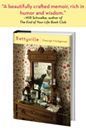
“This is what my mother does now, night after night: Walking past the living room on her way to bed, she says, “I have to stop in here a minute” and pauses at the piano, picks up the hymnal, and studies the pages for awhile. After brushing her teeth or putting in her curlers, she returns to the hymnal, turning more pages.
Sometimes after she is in bed, after I have turned off the light, she will get up—once, twice, sometimes, three times—and go back to the living room, then return to her room to jot things down on the back of the envelope she keeps by her bedside.
Time and time again, I ask, “What are you doing?” Time and time again, she will not say. Finally she concedes: “I am trying to remember the names of the hymns. I cannot remember the names of the hymns.”
Under her bedside table a conglomeration of things—empty eye drop bottles, used Kleenexes, coupons, and tiny notes she has scrawled on index cards—are piled in a crazy heap. “That is my spot. You are not supposed to look there,” she tells me if I refer to it. “Sometimes you make me feel so embarrassed.”
She doesn’t want me to see the papers that fall from the end table by her bed, the lists she keeps of words that will no longer come which she is trying hard to keep track of.
On one I found she has written “egg nog, egg nog, egg nog, egg nog.”
Sometimes I turn to the hymns whose numbers she writes down; I read the lyrics, wonder if they are clues to what is on her mind, but they don’t reveal anything to me. Sitting at the piano bench, I take in the paintings she commissioned from an artist in Moberly for our new living room when we moved to Paris. They are little oil renderings of pink roses like the ones outside. Maybe she will find herself on some future morning, running her finger along the glass of a painting in a hall she does not recognize, recalling, in some corner of her mind, the fat buds of her mother’s roses growing in her old front yard.
On Facebook, a lady wrote that the days she gets to be with those she loves are “gold-star days.” I often tell Betty that these are our gold-star days. I have tried to make them special so she can carry pieces of these times in her memory. I am trying to pack her bag with things that might draw her back to herself some day.
I wonder if she will remember the cinnamon toast I make on Friday mornings. I wonder if she will remember back in the days when she was a girl her mother washing her hair in rainwater from an old tin pan.”
February 9, 2015
Update: BETTYVILLE is available for pre-order! Order from any of the following l...
Update: BETTYVILLE is available for pre-order! Order from any of the following locations, or your favorite independent bookstore:
Left Bank Books: http://bit.ly/1Lcbjww
Barnes & Noble: http://bit.ly/1Enyhz0
Books-A-Million: http://bit.ly/1CZtqjt
Amazon: http://amzn.to/1BgiDz8
iTunes: http://bit.ly/1uTou0L
Indiebound: http://bit.ly/1xZPJT3
ABOUT BETTYVILLE, A MEMOIR TO BE PUBLISHED MARCH 10, 2015:
In the Northeast part of Missouri, where the big rivers run, angels are prayed for, and Wal-Martians battle for bargains, there is a little town called Paris where you can find George and Betty—lifelong allies, conspirators, sharers of jokes and grudges, occasional warriors, mother and son.
Beneath the comic banter they share lies undying love, loyalty, and occasionally, the desire to throttle each other. They have been through it all. Now they are facing…a little more--the juncture that every son or daughter understands, that reversal of roles that rarely goes smoothly as parent grows older and child struggles, heart in hand, to hold on to what once was.
George—“fiftysomething-ish,” bruised from big-time Manhattan where he has lost his job—has returned to Missouri for Betty’s ninety-first birthday at the height of the hottest summer in years. The roses in the yard are in danger. As is Betty. The mother George remembers as the beautiful blonde flooring the accelerator of the family’s battered Impala has lost her driver’s license. Suddenly this ever -independent woman—killer bee at the bridge table, perfectionist at the piano—actually needs the help she would rather die than ask for.
Despite his doubts (“I am a care inflictor…I am the Joan Crawford of eldercare”) and near-lethal cooking skills, George tries to take over, stirring up and burning tuna casseroles with potato chips, mounting epic expeditions for comfortable but stylish shoes, coming to understand the battle his determined mother is waging against a world determined to overlook the no longer young. The question underlying everything? Will George lure Betty into assisted living? When hell freezes over. “Okay,” he concedes, “I’ll go.” He can’t bear to force her from the home they both treasure where the trees his father planted shelter Betty on her shaky trips around the yard.
But, along with camaraderie and these hard new concerns, this time they share triggers memories and sometimes old regrets. Despite their closeness, there is so much that this mother and son have never spoken of and now this seems to matter, maybe more than ever. Betty, who speaks her mind but cannot always reveal her heart, has never really accepted the fact that her son is gay. George has never outgrown the feeling that he has disappointed her. For so long, these two people—united but still silent about too many things—have struggled with words. They will never not be people who lead different kinds of lives. But they try their best to make things right. Betty sees her son’s sadness and tries to reach out. George is inspired by his mother’s unfailing bravery. As they redefine the home they find themselves sharing once more, a new chapter of their story is written. As they pass through George and Betty’s bittersweet hours and days, readers will find themselves moved by two imperfect but extraordinary people and what is finally the most human of stories, a tale of caring and kindness sparked by humor and touched by grace.
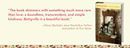
Left Bank Books: http://bit.ly/1Lcbjww
Barnes & Noble: http://bit.ly/1Enyhz0
Books-A-Million: http://bit.ly/1CZtqjt
Amazon: http://amzn.to/1BgiDz8
iTunes: http://bit.ly/1uTou0L
Indiebound: http://bit.ly/1xZPJT3
ABOUT BETTYVILLE, A MEMOIR TO BE PUBLISHED MARCH 10, 2015:
In the Northeast part of Missouri, where the big rivers run, angels are prayed for, and Wal-Martians battle for bargains, there is a little town called Paris where you can find George and Betty—lifelong allies, conspirators, sharers of jokes and grudges, occasional warriors, mother and son.
Beneath the comic banter they share lies undying love, loyalty, and occasionally, the desire to throttle each other. They have been through it all. Now they are facing…a little more--the juncture that every son or daughter understands, that reversal of roles that rarely goes smoothly as parent grows older and child struggles, heart in hand, to hold on to what once was.
George—“fiftysomething-ish,” bruised from big-time Manhattan where he has lost his job—has returned to Missouri for Betty’s ninety-first birthday at the height of the hottest summer in years. The roses in the yard are in danger. As is Betty. The mother George remembers as the beautiful blonde flooring the accelerator of the family’s battered Impala has lost her driver’s license. Suddenly this ever -independent woman—killer bee at the bridge table, perfectionist at the piano—actually needs the help she would rather die than ask for.
Despite his doubts (“I am a care inflictor…I am the Joan Crawford of eldercare”) and near-lethal cooking skills, George tries to take over, stirring up and burning tuna casseroles with potato chips, mounting epic expeditions for comfortable but stylish shoes, coming to understand the battle his determined mother is waging against a world determined to overlook the no longer young. The question underlying everything? Will George lure Betty into assisted living? When hell freezes over. “Okay,” he concedes, “I’ll go.” He can’t bear to force her from the home they both treasure where the trees his father planted shelter Betty on her shaky trips around the yard.
But, along with camaraderie and these hard new concerns, this time they share triggers memories and sometimes old regrets. Despite their closeness, there is so much that this mother and son have never spoken of and now this seems to matter, maybe more than ever. Betty, who speaks her mind but cannot always reveal her heart, has never really accepted the fact that her son is gay. George has never outgrown the feeling that he has disappointed her. For so long, these two people—united but still silent about too many things—have struggled with words. They will never not be people who lead different kinds of lives. But they try their best to make things right. Betty sees her son’s sadness and tries to reach out. George is inspired by his mother’s unfailing bravery. As they redefine the home they find themselves sharing once more, a new chapter of their story is written. As they pass through George and Betty’s bittersweet hours and days, readers will find themselves moved by two imperfect but extraordinary people and what is finally the most human of stories, a tale of caring and kindness sparked by humor and touched by grace.
February 7, 2015
From Bettyville:
It was the beginning of AIDS, wartime. The newspapers were fill...
From Bettyville:
It was the beginning of AIDS, wartime. The newspapers were filled with photos of men with lesions. By the time I heard the fourth or fifth person my age say they did not expect to be alive in a year, I stopped going out.
It was a fast shot to this new place; it was such a fast shot from being young and hopeful to young and thinking about dying. I was twenty-three years old.
The disease was all we talked about and all we didn’t talk about. I didn’t know if I was sick, but all I could think of was George and Betty finding out that I was dying. It would kill them. Someone told me that back in Missouri, in Columbia, where I had gone to the university, a woman had circulated a petition to drive some gay men from her neighborhood. In the newspapers, there were stories of parents who sent their sick sons away and religious groups who screamed of God’s wrath. I knew that if I got sick my parents would care for me until I died, but every day, every minute, looking at their faces would be worse than dying alone. I decided not to tell them if I got sick. I would write them a letter for them to find later, a message saying I did not mean to hurt them, that I loved them.
Again and again, I tried to start this letter, just in case. It would be easier to write beforehand than from a hospital bed. When it was finally finished, I left the envelope on my bureau, glanced at it some mornings as I thought of my mother at home, sitting at the breakfast table reading the bridge hands in the Globe-Democrat, adjourning to the bathroom for a secret cigarette.
All over the city of New York, mothers and fathers were crying.
My friend Ned, who was older than I, seemed to know only dying men. Visiting a friend of his, Kevin Hayne, in the hospital, I held Kevin’s hand while the nurse tried and tried to find a usable vein for his IV. The needle hurt every time she jabbed him and he cried out. His thin white arm was a long history of sharp, hasty stabbings.
Things were going so fast, there was no way to take in what was going to happen. Kevin was down. Tim went down. Bill went down. Jim went down. Richard went down. He was the nicest man I ever knew.
There was nothing to be done. We just watched them disappear. I had heard of the Catholic tradition of lighting candles for the sick and to bless the dying. After work every few weeks or so I went to Saint Patrick’s, paid a dollar for each of the flat round pieces of wax, and lit the candles in the dim light of the huge church.
In articles now about AIDS, there are always the photos of the crowds, the men in combat boots and T-shirts that say silence equals death. I believed it. I believed in every act of protest, taking action, every instance of someone standing up, speaking out, and venting rage. Yet for me those years were not about the silence of repression or cowardice, but other silences: the stillness of the room where I found myself, hiding, hearing bits of conversation filter through the walls; the quiet of neighborhoods in the Village; the faces of men in the windows of clubs that were often empty; the rooms of apartments hurriedly cleared out, their contents left on the street because no one could quite bear to sort through them.
When the AIDS tests came out, a friend and I went to take our place in line. Contemplating the signing of a living will, I moved slowly through the three-week wait time after they drew my blood, but registered negative when we got the results. My friend was negative too, but because the test’s effectiveness was uncertain, he was not relieved. He had been with a lot of men and could not shake the belief that he had AIDS, whatever the test showed. For years, he dissolved with the discovery of every mark or pimple. It turned out that he had also written his parents a letter, and when he found out I had too, he gave me his to hold on to, just in case. It already had a stamp and I wondered why I had not thought of that.
It was a city of letters waiting.

It was the beginning of AIDS, wartime. The newspapers were filled with photos of men with lesions. By the time I heard the fourth or fifth person my age say they did not expect to be alive in a year, I stopped going out.
It was a fast shot to this new place; it was such a fast shot from being young and hopeful to young and thinking about dying. I was twenty-three years old.
The disease was all we talked about and all we didn’t talk about. I didn’t know if I was sick, but all I could think of was George and Betty finding out that I was dying. It would kill them. Someone told me that back in Missouri, in Columbia, where I had gone to the university, a woman had circulated a petition to drive some gay men from her neighborhood. In the newspapers, there were stories of parents who sent their sick sons away and religious groups who screamed of God’s wrath. I knew that if I got sick my parents would care for me until I died, but every day, every minute, looking at their faces would be worse than dying alone. I decided not to tell them if I got sick. I would write them a letter for them to find later, a message saying I did not mean to hurt them, that I loved them.
Again and again, I tried to start this letter, just in case. It would be easier to write beforehand than from a hospital bed. When it was finally finished, I left the envelope on my bureau, glanced at it some mornings as I thought of my mother at home, sitting at the breakfast table reading the bridge hands in the Globe-Democrat, adjourning to the bathroom for a secret cigarette.
All over the city of New York, mothers and fathers were crying.
My friend Ned, who was older than I, seemed to know only dying men. Visiting a friend of his, Kevin Hayne, in the hospital, I held Kevin’s hand while the nurse tried and tried to find a usable vein for his IV. The needle hurt every time she jabbed him and he cried out. His thin white arm was a long history of sharp, hasty stabbings.
Things were going so fast, there was no way to take in what was going to happen. Kevin was down. Tim went down. Bill went down. Jim went down. Richard went down. He was the nicest man I ever knew.
There was nothing to be done. We just watched them disappear. I had heard of the Catholic tradition of lighting candles for the sick and to bless the dying. After work every few weeks or so I went to Saint Patrick’s, paid a dollar for each of the flat round pieces of wax, and lit the candles in the dim light of the huge church.
In articles now about AIDS, there are always the photos of the crowds, the men in combat boots and T-shirts that say silence equals death. I believed it. I believed in every act of protest, taking action, every instance of someone standing up, speaking out, and venting rage. Yet for me those years were not about the silence of repression or cowardice, but other silences: the stillness of the room where I found myself, hiding, hearing bits of conversation filter through the walls; the quiet of neighborhoods in the Village; the faces of men in the windows of clubs that were often empty; the rooms of apartments hurriedly cleared out, their contents left on the street because no one could quite bear to sort through them.
When the AIDS tests came out, a friend and I went to take our place in line. Contemplating the signing of a living will, I moved slowly through the three-week wait time after they drew my blood, but registered negative when we got the results. My friend was negative too, but because the test’s effectiveness was uncertain, he was not relieved. He had been with a lot of men and could not shake the belief that he had AIDS, whatever the test showed. For years, he dissolved with the discovery of every mark or pimple. It turned out that he had also written his parents a letter, and when he found out I had too, he gave me his to hold on to, just in case. It already had a stamp and I wondered why I had not thought of that.
It was a city of letters waiting.
February 2, 2015
“My mother is standing with her purse open, clutching one strap, staring at a wa...
“My mother is standing with her purse open, clutching one strap, staring at a watercolor of a field of flowers as if it were her window. But this is not her window. This is just a picture in a frame; the flowers are not her roses, and this is not home. This place for old people is giving up. This is the stop where everything is left behind and she won’t go quietly. She sits down quietly, still clutching that purse, as if someone were trying to take it from her. She stares down at her old sandals, slowly pulls her feet back under the chair. She stares at me, her eyes large and moist, making a request that only I can hear: Please. For me, it drowns out all the racket in this place full of old people and the voices of those who take care of them, pretending everyone is having fun. But I think my mother would die here. She will not let go of home. It is her most sentimental quality, one we share, the longing to feel part of somewhere.”
----From Bettyville, coming March 10 from Viking.

----From Bettyville, coming March 10 from Viking.
February 1, 2015
An IMPORTANT request. Various people in my hometown of Paris, MO have gotten Adv...
An IMPORTANT request. Various people in my hometown of Paris, MO have gotten Advanced Uncorrected Proof copies of my book off someplace on the Internet, someplace that is selling what is not intended to be sold. I beg you, although this copy looks like a paperback, do not buy it or read it. It has errors throughout that have not been corrected and material that has been changed at the request of those it depicts. These advance copies are for booksellers to have before publication and for some people in the press. Goodreads also uses them for publicity, I guess, though I would have had them wait if I had that power. I hate less- than -final versions of anything going out. Those copies aren't for consumers. No one who has the book could have known this; there are no bad intentions involved. I know this. But there are errors that could hurt people and I must ask you as a big favor to me, to please not buy this version of the book. I would like the people I write about to know that I have made my best effort to tell their truths and a lot of facts and other stuff changes until the last minutes of publication. Thanks and love--.
George Hodgman's Blog

- George Hodgman's profile
- 100 followers
George Hodgman isn't a Goodreads Author
(yet),
but they
do have a blog,
so here are some recent posts imported from
their feed.

