Jennifer Lee's Blog, page 5
March 5, 2014
Tattoos not necessarily the safest option for pet identification
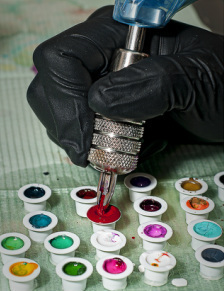 Many pet owners use tattoos or microchips to permanently identify their animals. If the animal ever becomes lost the identification improves the chance that they would be reunited with their families. To register pedigreed animals, kennel club’s require breeders to permanently identify their animals.
If you are up to date on pet health issues you know that there are reports of troubling side effects caused by implanting microchips under a pet’s skin. Faced with these reports, many health conscious pet owners are opting to tattoo their animals instead.
But don't assume tattooing carries no risk. There is a small chance of infection or allergic reaction, but what no one seems to be talking about are the actual ingredients of the ink that is injected into the body.
Would you be surprised to learn that there are no regulations controlling or even monitoring the ingredients of tattoo ink? The FDA currently does not regulate tattoo inks.
Most if not all of the pigments used in tattoo inks are manufactured for industrial use such as in printer ink and paint. Pigment manufacturers base their safety information on the assumption that the pigments are used for industrial purposes, not for tattoos.
A 2009 study analyzed 13 inks from a single supplier and found the heavy metals cadmium, cobalt, chromium and nickel in all of them. Most of the inks also contained mercury.
A 2010 analysis of black inks based on carbon found that most of them contained polycyclic aromatic hydrocarbons (PAHs) which are known to be carcinogenic.
Black inks are most commonly used for animal tattoos.
Pigments that have been banned from use in cosmetics are still being used in tattoo ink. Substances that have been deemed unsafe to come into contact with the skin are being injected in the skin and no one seems to care?
Heavy metals, endocrine disruptor's and carcinogens…that’s what’s in the ink…
One of the chemicals found in black tattoo ink - benzo(a)pyrene - is a potent carcinogen that causes skin cancer in animals tests. The EPA has identified this substance as “among the most potent and well documented skin carcinogens”. So potent in fact that it is used in animal testing to purposely grow tumors on animals.
Ink can also be contaminated with dangerous bacteria, mold and fungi. There are no safety regulations to prevent this from occurring.
Where does the ink go when it fades from the skin? Previous studies on humans have shown that inks move into lymph nodes.
Permanent identification helps us keep care and control of our animals but the methods have consequences whether we like it or not. If you continue to use tattooing as the method to identify your animals try to learn as much about the ingredients by contacting the manufacturer. Never tattoo a pregnant animal. Consult with an animal naturopath to learn how to detox your animal from toxins and heavy metals caused by tattoos.
Share this post


February 26, 2014
New Book just released! Enter to win a free copy
Visit our new fan page on Facebook and keep track of future giveaway's! This book is all about feeding carnivore cats and dogs a species appropriate diet to promote health, longevity and quality of life.
.goodreadsGiveawayWidget { color: #555; font-family: georgia, serif; font-weight: normal; text-align: left; font-size: 14px; font-style: normal; background: white; } .goodreadsGiveawayWidget img { padding: 0 !important; margin: 0 !important; } .goodreadsGiveawayWidget a { padding: 0 !important; margin: 0; color: #660; text-decoration: none; } .goodreadsGiveawayWidget a:visted { color: #660; text-decoration: none; } .goodreadsGiveawayWidget a:hover { color: #660; text-decoration: underline !important; } .goodreadsGiveawayWidget p { margin: 0 0 .5em !important; padding: 0; } .goodreadsGiveawayWidgetEnterLink { display: block; width: 150px; margin: 10px auto 0 !important; padding: 0px 5px !important; text-align: center; line-height: 1.8em; color: #222; font-size: 14px; font-weight: bold; border: 1px solid #6A6454; border-radius: 5px; font-family:arial,verdana,helvetica,sans-serif; background-image:url(https://www.goodreads.com/images/layo... background-repeat: repeat-x; background-color:#BBB596; outline: 0; white-space: nowrap; } .goodreadsGiveawayWidgetEnterLink:hover { background-image:url(https://www.goodreads.com/images/layo... color: black; text-decoration: none; cursor: pointer; } Goodreads Book Giveaway The Inner Carnivore by Jennifer Lee
.goodreadsGiveawayWidget { color: #555; font-family: georgia, serif; font-weight: normal; text-align: left; font-size: 14px; font-style: normal; background: white; } .goodreadsGiveawayWidget img { padding: 0 !important; margin: 0 !important; } .goodreadsGiveawayWidget a { padding: 0 !important; margin: 0; color: #660; text-decoration: none; } .goodreadsGiveawayWidget a:visted { color: #660; text-decoration: none; } .goodreadsGiveawayWidget a:hover { color: #660; text-decoration: underline !important; } .goodreadsGiveawayWidget p { margin: 0 0 .5em !important; padding: 0; } .goodreadsGiveawayWidgetEnterLink { display: block; width: 150px; margin: 10px auto 0 !important; padding: 0px 5px !important; text-align: center; line-height: 1.8em; color: #222; font-size: 14px; font-weight: bold; border: 1px solid #6A6454; border-radius: 5px; font-family:arial,verdana,helvetica,sans-serif; background-image:url(https://www.goodreads.com/images/layo... background-repeat: repeat-x; background-color:#BBB596; outline: 0; white-space: nowrap; } .goodreadsGiveawayWidgetEnterLink:hover { background-image:url(https://www.goodreads.com/images/layo... color: black; text-decoration: none; cursor: pointer; } Goodreads Book Giveaway
The Inner Carnivore by Jennifer Lee Giveaway ends March 15, 2014.
See the giveaway details at Goodreads.
Enter to winFebruary 15, 2014
When "Experts" Lead Us Astray
Come on over the American Council of Animal Naturopathy and check out my guest blog there titled
When "Experts" Lead Us Astray
When "Experts" Lead Us Astray
August 8, 2013
Antibiotics: Miracle drugs or poison pills?
 Why are so many antibiotics prescribed?
Conventional doctors and veterinarians prescribe antibiotics because that is how they were trained to respond to an infection in a patient. Their medical training does not provide them with any other options to deal with infections. Medical training teaches future healthcare professionals that bacteria must be attacked and killed in order to stop infection.
Are there side effects to antibiotic use?
The gastro-intestinal tract is a mini-eco system of bacteria. It is well documented that antibiotics disturb the natural balance of flora in the gut as they kill off all types of bacteria, good and bad. When the gut flora becomes damaged and out of balance this causes disruptions in the function of the immune system. Opportunistic flora is then able to flourish which causes a further decline in health.
"All disease begins in the gut"Antibiotics broadly damage and destroy bacteria in the gut as well as within other organs. They have the ability to change bacteria, viruses and fungi from benign to pathogenic. Certain types of antibiotics disrupt mitochondrial function, causing damage directly to the animals DNA. The digestive tract is coated with a layer of beneficial bacteria which provides a natural barrier against pathogens, undigested food, toxins and parasites. These beneficial bacteria are able to produce antibiotic like, anti-fungal and anti-viral substances. A healthy gut offers a great defense to toxins, bacteria, heavy metals, fungus, bacteria, allergens, pathogens and poisons.
~Hippocrates
How the gut becomes colonized with bacteria, or not…
With mammals, colonization of the gut begins when the animal is in still in its mother’s womb. Small amounts of amniotic fluid containing microbes is swallowed in utero. During natural birthing the newborn animal becomes exposed to a large amount of bacteria from its mother, promoting further colonization in the newborn. Any imbalances in the mother’s flora will be passed along to her offspring. In humans it has been found that babies born by cesarean section have disturbed gut flora for up to six months. Seeing how the gut flora and immune system are so closely interdependent on each other, we can see how an unnatural birth contributes to a weakened immune system. Breastfeeding in humans has been found to have many protective health benefits largely in part to its effects on the gut flora. It is reasonable to think that the same benefits are present in all mammals. The process of colonization continues through interaction between the newborn and its environment.
Human infants given antibiotics closely after birth are shown to have a disruption of their gut flora that can last for months up to several years and have an impact on their long term health. Again, it is likely that the same impact after taking antibiotics can be seen in all mammals.
Antibiotic resistance – the bigger picture
Antibiotic resistance evolves naturally through mutation, allowing the pathogen to survive and reproduce despite antibiotic use. Factors that contribute towards this resistance include overuse, improper use and the practice of feeding antibiotics to livestock to promote growth and combat poor conditions. The pharmaceutical industry is continually coming out with more and more powerful antibiotics, yet they are unable to stay ahead of the mutations causing drug resistances.
Staph aureus or Staph infection developed a resistance to penicillin in 1947, only four years after the drug had started being mass-produced. MRSA was first reported in 1961 and is now the most frequently identified drug resistant pathogen in US hospitals. More and more cases of MRSA are being diagnosed in pets as well. Since 2007 more people in the US die each year from MRSA than AIDS. Unless the over abundant use of antibiotics is curtailed dramatically, resistant bacteria strains will continue to be a threat to human and animal health.
Antibiotics in our food and water
Even if your animal has never taken a course of antibiotics, they have most likely consumed them nonetheless. Seventy percent of all antibiotics sold in the US are given to (healthy) livestock. That is nearly 30 million pounds of antibiotics each year. This high volume is used to thwart the effects of overcrowding, poor sanitation and to promote faster growth. These livestock are food animals, destined to be consumed by humans and other animals. A study at Stanford University concluded that consumers eating meat raised without antibiotics are 33% less likely to contract antibiotic resistant infections that those eating conventionally raised products. Interesting…
All these antibiotics also make their way into the water supply eventually. Most water treatments do not remove all drug residues and very few states even test for drug residue in drinking water.
Do antibiotics actually help the patient?
Most times antibiotics will appear to give temporary success, yet the problem often recurs if there are no changes of lifestyle to address why the infection was able to take hold in the first place. Disease cannot thrive in a healthy environment. Germs do not need to be feared. Germs do not cause disease. Poor living habits create disease.
Changing our thinking
As a society we turn to antibiotics for every minor ailment, many of which are not even bacterial in nature. We demand the drugs from our doctors and veterinarians. This practice needs to stop! We need to focus on encouraging healthy habits and allow the body to recover from minor infections naturally. Let the immune system do it's job! As for the amount of antibiotics currently in our food and water supply, changes will only come about when more consumers support locally produced, naturally raised food. As the demand for healthier food increases producers will change their practices. I believe that as more people gain a better understanding about the health threats associated with today's out of control antibiotic usage they will make better choices.
June 5, 2013
Conception prevention for pets!
 If you own a pet you will at some point be faced with the decision whether to spay or neuter. One facet of being a responsible pet owner is to prevent unwanted pregnancies. The message to pet owners in North America has been to get their pet spayed or neutered. With the rise of the humane animal movement in the 1950’s it gradually became commonplace to have pets surgically sterilized. Beginning in the 1960’s animal rescue groups began instituting policies that all pets would be spayed or neutered prior to adoption. In the 1970’s juvenile kittens and puppies started regularly being spayed/neutered. The driving force behind spay/neuter campaigns has been to reduce the number of animals in shelters by preventing unwanted or unplanned pregnancies. Our intentions were well meaning, but unfortunately our actions have played a role in the development of health conditions in our pets. It’s time to take a look at the facts of this issue and explore all the options for preventing unwanted pregnancies while promoting health in our pets.
The AVMA recommends with regards to spaying/neutering “pets should be considered individually, with the understanding that for these pets, population control is a less important concern than is health of each animal.” However, it has been my experience that few veterinarians are evaluating animals as individuals when considering a spay/neuter surgery.
Ovariohysterectomy is a surgical procedure where the uterus and ovaries are removed from the body and orchietomy consists of surgically removing the testes. The sexual organs have functions that impact the whole of the animal, not just the capability to reproduce. In reviewing a multitude of studies on the subject it becomes obvious that there are numerous negative consequences observed in spayed/neutered companion animals.
 Any type of surgery carries risk. Some of the more serious complications from a neuter surgery would be anesthetic complications, suture failure, wound rupture, swelling, and infection. The spay procedure carries more risk including the additions of hemorrhage and accidental damage to other internal tissues. In dogs, the incidence of surgical complications is reported at 6.1 – 27% and 2.6 – 33% in cats. Serious complications were reported at a 1 – 4% frequency.
We know that the sex hormones play a role in promoting closure of the growth plates at puberty and are critical for achieving peak bone density. It is well documented that when spaying/neutering is performed before puberty dogs growth plates will be delayed in closing resulting in longer limbs, lighter bone structure, and narrow chests and skulls. The resulting abnormal growth and body proportions have been implicated in an increased incidence of cruciate ligament tears and hip dysplasia. The prevalence of cruciate ligament rupture was 3.48% in a review of 3218 dogs’ records at one veterinary clinic from a 2-year period. Spayed/neutered dogs had a significantly higher prevalence than intact dogs. One study showed that dogs that were neutered at 6 months were 1.5 times as likely to develop chronic hip dysplasia, compared with intact dogs. Spayed/neutered dogs were found to have a 3.1 fold higher risk of patellar luxation than intact dogs.
Cancer is currently the number one disease related killer of dogs. Studies have shown a higher rate of some types of cancer in spayed/neutered dogs. Spayed females have a 5 times greater risk of developing hemangiosarcoma (one of the three most common types of cancers in dogs) and neutered males have a 2.4 times greater risk than their intact counterparts. Dogs of both genders had a doubled risk of developing bone cancer if they were spayed/neutered before one year of age. A study done on Rottweiller’s reported that dog’s spayed/neutered before one year of age had a 25% chance to develop bone cancer in their life. Both hemangiosarcoma and osteosarcoma (bone cancer) have a very poor prognosis. Spayed/neutered dogs have double the risk to develop urinary tract cancers. The likelihood of a female dog or cat developing mammary cancer is common with a reported incidence of 3.4% and 2.5%. In dogs that are spayed before the first estrus, the statistics show a 0.50% risk, if spayed after 1 estrus cycle the risk rises to 8% and is reported to be 26% in intact females. Approximately 50% of mammary tumors are malignant in dogs. However, when caught early the prognosis is quite good. Intact dogs and cats have a seven times greater risk of mammary cancer their spayed counterparts. Nearly 90% of mammary tumors in cats are malignant.
It is commonly believed that neutering a male dog will prevent prostate cancer. A study on this subject at the College of Veterinary Medicine at Michigan State University concluded that “castration at any age showed no sparing effect on the risk of development of prostate cancer in the dog”. Two other studies, one from America and another from Europe found that neutered dogs have a four times higher risk of prostate cancer that intact dogs. Neutering does however eliminate the risk of testicular cancer completely, which occurs at a rate of about 7% in dogs and even less in cats. Testicular cancer has a low rate of metastasis and is an uncommon cause of death in both intact cats and dogs.
Ovarian hormones are critical for maintaining genital tissue structure and contractility. As such, spayed female dogs are at much higher risk of developing urinary incontinence. This is such a common occurrence that there is now a term for this condition: spay incontinence. It occurs in as many as 20% of spayed dogs. Intact females have a reported 0.3% chance of development. Neutered males have an increased chance of developing urethral sphincter incontinence. Females are also at an increased risk of recessed vulva, vaginal dermatitis and vaginitis, especially when spayed before puberty. Recurring urinary tract infections are 3-4 times more likely in spayed females. Although urinary incontinence does not appear to have any long-term effects on health it is not an insignificant problem. Uncontrolled elimination is likely to get a dog banished to the outdoors or contribute to the decision to relinquish the animal to a shelter. A study of 4,111 cats concluded that spaying/neutering was a risk for the development of feline urological syndrome.
Pyometra is a disorder of the uterus in intact female dogs and cats. Incidence in intact dogs is high at approximately 24% by 10 years of age. It is relatively uncommon in cats.
A study with Golden Retrievers found that the development of hypothyroidism occurred at three times higher rates in spayed/neutered dogs and another study noted spaying/neutering to be the most significant risk factor for the development of this disease.
The high prevalence of aberrant adrenocortical disease and hyperadrenocorticism in pet ferrets in the North America is associated with the practice of spaying and neutering at an early age. Early spay/neuter is known to be associated with increased luteinizing hormone (LH) and follicle stimulating hormone (FSH) in ferrets and other species. LH and FSH concentrations in spayed and neutered dogs are 10-fold above those of intact animals. Early spay/neuter plays a part in the adrenal glands ramping up their production of hormones. This additional production of hormones from the adrenal glands is a likely contributor to the development of atypical cushings disease in dogs.
When animals are spayed/neutered before puberty the endocrine, glandular and hormonal systems are not yet fully developed. The adrenal glands are the only other source for production of the sex hormones progesterone, estrogen and testosterone. Estrogen is needed to promote closure of the growth plates. Dogs that are spayed/neutered at early ages have delays in the closure of their growth plates. A study done on 32 mixed breed dogs showed that those neutered at both 7 weeks of age and seven months of age growth plate closure was delayed compared with intact dogs.
Both genders are at increased risk for obesity once spayed/neutered. The risk factor is tripled in males and doubled in females. An animal’s metabolic rate will drop after sterilization surgery. In other words they will need to consume less calories to maintain their weight. If they are free fed and are sedentary it only stands to reason that weight gain will occur. Whereas if food intake is regulated and exercise is provided weight gain will not occur. Cats also have an increased risk in developing diabetes after spaying/neutering.
The Canine Health Foundation reported a higher incidence of adverse vaccine reactions in neutered dogs. A large-scale study by the AVMA reported a 27 – 38% greater risk of adverse vaccine reactions in spayed/neutered dogs versus intact dogs. A cohort study of shelter dogs concluded that infectious diseases were more common in dogs that were sterilized at less than 24 weeks of age. This indicates that spaying/neutering has an effect on the immune system.
Within all the findings of studies on the prevalence of these health conditions it is worth mentioning that different breeds can show a higher or lower predisposition to certain conditions.
Physical health is not the only aspect that is affected by the removal of the reproductive organs. Studies have shown that there are also behavior differences. The most common problem reported in spayed female dogs was fearful behavior and in neutered males the most common problem was aggression, with the exception of inter male aggression, which was reduced. Early age spay/neuter results in increased incidence of noise phobias and mounting behavior in dogs. Neutered male dogs show an increased risk for progressive geriatric cognitive impairment. In male cats neutered at an early age there was an increase in hiding behavior and shyness around strangers.
There are few health benefits to surgically removing the reproductive organs, especially at young ages. Most obviously the testes, uterus and ovaries cannot become cancerous, if they have been removed. However, there is a very low incidence of these types of cancers in dogs.
So what is the pet owner to do? How can pregnancies be prevented without creating a negative impact on our animal’s health and behavior?
The first and most obvious choice is to leave our pets with all the body parts they were born with. If you have a female pet then keeping her away from any intact males for several weeks is quite manageable. It does become more complicated if you have both male and female intact pets of the same species in your home. Keeping animals securely separated during estrus is essential to prevent unwanted pregnancies. You may consider having a friend look after either the male or female during this time. Animals may become somewhat difficult to deal with as their instinct to mate can cause their usual good behavior to suddenly disappear!
Our pets are born with reproductive organs and they are also meant to mate and propagate their species. Leaving animals intact yet preventing them from breeding has its own issues. The drive to mate can cause mental stress when the animal is prevented from mating. In dogs, the prostate functions best when it is regularly activated from mating. Intact male dogs that are not allowed to breed have an increased likelihood to develop prostate problems. Female ferrets remain in estrus until they are bred. If they are not bred they can die from aplastic anemia. I suspect that there are additional negative health consequences in intact animals that are prevented from breeding. In human women there are increased risks for ovarian cancer and breast cancer for women who have never had children. The same risks could be present in different animal species.
 If you do choose to spay/neuter your animal timing is everything. Because the hormones produced by the reproductive organs affect many other parts of the animal’s body it is recommended to wait until the animal has reached physical maturity before having the surgery performed.
 For females consider a laparoscopic spay as it is less invasive and has a faster recovery time. In this procedure the organs are removed through a very small incision. This results in less trauma and pain for the patient, and fewer complications. However the pet owner will pay more for this procedure compared to a traditional spay.
Besides the traditional spay/neuter procedure animals can reap many benefits from organ sparing procedures commonly done on humans known as a vasectomy (males) and a tubal ligation (females). These procedures have the same goal of preventing pregnancy in both humans and animals while leaving the reproductive organs in the body. Unfortunately these procedures have not yet become mainstream and pet owners may have some difficulty locating a vet who is willing to do the procedure. However, don’t hesitate to discuss this option with your vet. Only when there is an obvious demand for this procedure will more vets start offering it.
Vasectomies and tubal ligations would be excellent options for animal shelters to use on young animals prior to adoption. Although this procedure will remove the ability to conceive it does not halt estrus or diminish the instinct to mate. The organs are still present to deliver the hormones to other parts of the body to promote good health. A traditional spay/neuter procedure can always be performed after the animal has reached maturity.
With domestication comes a compromise between the animal’s natural lifestyle and a lifestyle adapted to living in human society. If we continue to keep animals we are going to have to reconcile to the fact that our choices have very real effects on their health and well being. In my opinion a responsible and ethical pet owner needs to be aware of the consequences of their choices and place the animal’s health ahead of their own convenience.
It is wise to keep in mind that any scientific studies with animals are likely using animals that are not living a health promoting lifestyle in the first place. So the prevalence of cancer and other diseases could generally be minimized by a healthier lifestyle and optimal nutrition no matter what decision we make about our pets reproductive organs.
November 30, 2012
The Nutritious Egg
 Eggs are nature’s perfect food! They contain everything needed to create a new life and are considered to be a complete food source. Eggs are a wonderful addition to a carnivore’s diet.
 In order to build and repair body tissue, protein is needed. Protein is made up of twenty different amino acids. There are certain essential amino acids that that cannot be produced internally and these must be supplied through food. Within a single egg all twenty amino acids are present.
The bio-availability of the protein found in eggs is rated at 100%. No other food source can compete with this level of bio-availability. Fish meal is rated at 92%, beef at 78% and corn at 54%.
In addition to being a great source of protein, eggs also provide many other nutrients. They are a good source of vitamin A, riboflavin, folate, vitamin B12, iron, selenium, magnesium, niacin, manganese, zinc, sulpher and fatty acids. The yolk is a source of choline, which is needed for normal brain development and memory. The yolk gets its color from the carotenoids lutein and zeaxanthin. These two carotenoids have been shown to reduce the risks of cataracts and age related macular degeneration. Egg yolks are also one of the few foods that naturally contain vitamin D.
Eggshells provide calcium and can be a useful food for animals that have difficulty eating bones. The shell can be ground up and added to the pet’s food. If you are feeding the shell it is best to use organic eggs to avoid any chemicals or wax typically found on commercial eggshells. Pasture raised free range hens tend to produce eggs that contain higher amounts of omega 3 fatty acids.
On the inside the shell there are two membranes that surround the egg. These membranes are the richest known source of natural glucosamine, hyaluronic acid, chondroitin sulfate and collagen. These nutrients are needed to build and repair cartilage and connective tissue. If you are not feeding the shell, you can simply scrape out these membranes so your pets can reap the nutritional benefits of consuming them.
Contained within the egg white is a substance called avadin, which is a biotin inhibitor. Biotin is a B vitamin important for cellular growth and for maintenance of healthy skin and coat. The egg yolk is rich in biotin. As long as you feed the egg white and yolk together and feed once to twice a week, there is no risk of your pet developing a deficiency of biotin.
The most advantageous way to feed eggs is raw. Cooking the egg will change the chemical composition and is often a source of allergy symptoms. Raw eggs are exceptionally easy to digest and are nutritionally balanced.
A study done by the U.S. Department of Agriculture in 2002 indicated that one in every 30,000 commercially produced eggs was contaminated with salmonella. The rate of contamination is very low. In addition to that, our carnivore pets are very well equipped to deal with any such bacteria. They have enzymes in their saliva and gastrointestinal system that are efficient at destroying pathogens in the food they consume. Fresh eggs can be stored in the refrigerator for up to 4 weeks. If the eggs smell off when the shell is opened, discard.
Eggs are easy to obtain, packed full of excellent nutrition, simple to store and inexpensive. Get those eggs cracking for your carnivore pets!
Eggs are good for people as well. Here is an Egg Nog recipe for the humans to try out during the holiday season:
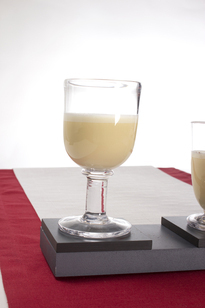 Egg Nog (makes 3 servings)
2 eggs, beaten
3 tablespoons sugar
2 1/3 cups of whole milk
1 teaspoon vanilla extract
1 dash ground nutmeg
Blend ingredients together and serve chilled.
EGG FACT: It takes a hen about 24-26 hours to produce an egg. After the egg is laid, the hen starts all over again about 30 minutes later.
October 10, 2012
Pudgy Pets
Today is National Pet Obesity Awareness Day. Unfortunately, pet obesity is a quickly growing epidemic. The Association for Pet Obesity Prevention estimates that over 54% of cats and dogs in the United States are overweight or obese.
According to a large study conducted in 2011 by Banfield Pet Hospital, the rates of obesity have increased over the last five years, 37% in dogs and 90% in cats. These are staggering figures! Yet a whopping 76% of dog owners and 69% of cat owners believe that their pet is at an ideal weight!
Carrying extra weight increases the risk for a whole host of health problems. In 2009, VPI Pet Insurance policyholders filed more than $17 million in claims for conditions and diseases that can be caused by excess weight.
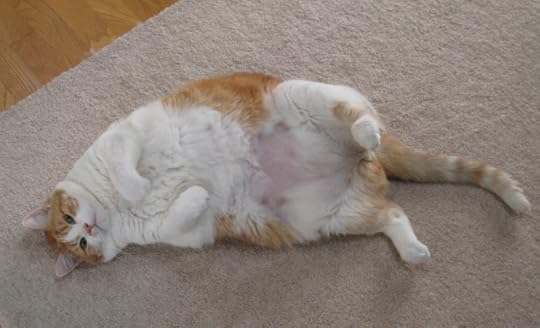 Health issues that are caused and or exacerbated by excess weight:
Heart disease Osteoarthritis Cruciate ligament tears Diabetes Intervertebral disc disease Respiratory disease Heat intolerance Liver disease Decreased life expectancy
You should be able to feel your pet’s ribs without exerting much pressure. You should see a noticeable “waist” on your pet, between the back of the ribs and the hips, when viewing your pet from above.
If your pet is overweight making an effort to increase their daily exercise while reducing their volume of food will help them to shed some pounds. Maintaining an ideal weight will go a long way to keeping your pet healthy.
According to a large study conducted in 2011 by Banfield Pet Hospital, the rates of obesity have increased over the last five years, 37% in dogs and 90% in cats. These are staggering figures! Yet a whopping 76% of dog owners and 69% of cat owners believe that their pet is at an ideal weight!
Carrying extra weight increases the risk for a whole host of health problems. In 2009, VPI Pet Insurance policyholders filed more than $17 million in claims for conditions and diseases that can be caused by excess weight.
Health issues that are caused and or exacerbated by excess weight:Heart disease Osteoarthritis Cruciate ligament tears Diabetes Intervertebral disc disease Respiratory disease Heat intolerance Liver disease Decreased life expectancy
You should be able to feel your pet’s ribs without exerting much pressure. You should see a noticeable “waist” on your pet, between the back of the ribs and the hips, when viewing your pet from above.
If your pet is overweight making an effort to increase their daily exercise while reducing their volume of food will help them to shed some pounds. Maintaining an ideal weight will go a long way to keeping your pet healthy.
October 3, 2012
Proud of your pet's poop?
Anyone who has gone onto a raw feeding forum or read articles on the subject will undoubtedly have come across the topic of poop. Raw feeders do love to talk poop! You might think it's kind of gross to be discussing your pet's feces. But what is really gross is dealing with large volumes of stinky soft kibble poop!
Let's face it, it's not fun trying to get that out of your lawn. Scooping and scraping as quick as you can because you have to hold your breath the entire time due to the stench. Your entire yard stinks, the neighbors make comments about the odor (they must think you never scoop the poop) and it attracts flies making your yard a no go zone. Oh, and there's always the experience of stepping on one of those landmines, and of course it will be at the most inopportune time possible. If your pet is a cat you know the fun of dealing with the smell of a litter box in the house. Do you have anxiety about your pet pooping in a public place and it causing people to hold their noses and look in disgust?
Dealing with our pet's feces does not have to be a traumatic experience!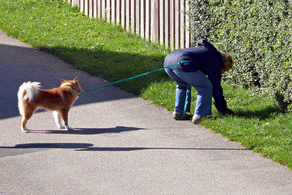 Time and time again, the most frequent comment I hear from pet owners after they have made the switch to a raw diet is the change in their animals stool. So many owners are quite astounded at the difference. They can't believe the lack of smell, and the reliably of having well formed stools. I often hear that if this was the only benefit to feeding raw it would be more than reason enough to change the diet and if they had known this before they would have switched a long time ago!
Fortunately the quality of the stool is only one of the many, many benefits to feeding your pet a raw diet. If you want to get back the use and enjoyment of your yard, eliminate litter box odor, and not worry about what kind of a disaster will come out of your dogs rear end at your next adventure at the dog park, think about switching to a raw diet.
A smelly, poorly formed stool is not normal or healthy. It is a sign of illness and needs to be addressed. When we feed inappropriate packaged foods the effects will be seen in the health of our animals. The stool is a direct reflection of the health of the gastrointestinal system and tells us a lot about our pet's state of health/illness.
If you need some guidance getting your pet started on a raw diet please check out my nutritional services.
Let's face it, it's not fun trying to get that out of your lawn. Scooping and scraping as quick as you can because you have to hold your breath the entire time due to the stench. Your entire yard stinks, the neighbors make comments about the odor (they must think you never scoop the poop) and it attracts flies making your yard a no go zone. Oh, and there's always the experience of stepping on one of those landmines, and of course it will be at the most inopportune time possible. If your pet is a cat you know the fun of dealing with the smell of a litter box in the house. Do you have anxiety about your pet pooping in a public place and it causing people to hold their noses and look in disgust?
Dealing with our pet's feces does not have to be a traumatic experience!
Time and time again, the most frequent comment I hear from pet owners after they have made the switch to a raw diet is the change in their animals stool. So many owners are quite astounded at the difference. They can't believe the lack of smell, and the reliably of having well formed stools. I often hear that if this was the only benefit to feeding raw it would be more than reason enough to change the diet and if they had known this before they would have switched a long time ago!Fortunately the quality of the stool is only one of the many, many benefits to feeding your pet a raw diet. If you want to get back the use and enjoyment of your yard, eliminate litter box odor, and not worry about what kind of a disaster will come out of your dogs rear end at your next adventure at the dog park, think about switching to a raw diet.
A smelly, poorly formed stool is not normal or healthy. It is a sign of illness and needs to be addressed. When we feed inappropriate packaged foods the effects will be seen in the health of our animals. The stool is a direct reflection of the health of the gastrointestinal system and tells us a lot about our pet's state of health/illness.
If you need some guidance getting your pet started on a raw diet please check out my nutritional services.
September 25, 2012
Occasional Fasting Will Benefit Your Dogs Health
 Canine species in the wild fast often. Even when food is readily available wild canines will abstain from eating if they are ill. Our first reaction might be "shouldn't they eat to keep their strength up?" No, quite the opposite actually. The process of digesting food uses up a lot of energy from the body. When illness or injury strikes, fasting is a way to allow the body to concentrate on the healing process rather than on digestion.
Fasting can be employed to improve health in the following ways:
Breaks down and gets rid of wastes that have accumulated in the organs and fatty tissuesClears infectionsDecreases inflammatory molecules in many different cell types (inflammation underlies many degenerative diseases).
Repairs overworked cells, glands and organs
Your dog will not withhold their love for you if you withhold their food occasionally! It is not a cruel punishment, but a very health promoting practice. In most cases dogs can safely be fasted one day a week. Be sure to have plenty of fresh clean water available to help with the clearing of waste from the body.
Puppies should not be fasted, and if your dog is ill please consult with a professional before fasting them. Cats should never be fasted.
September 18, 2012
Grain Free Kibble: A Good Choice For Our Pets?
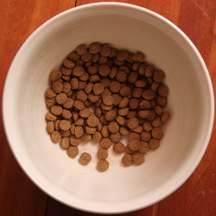 No inappropriate grains, more meat, and still convenient. Sound good?
Let’s take a closer look. Grain free kibble came about once consumers realized that the high amounts of corn, wheat and soy in pet foods weren’t really appropriate for their pets and were being used as cheap fillers. Pet owners began purchasing kibble or other foods that contained fewer grains. Trying to keep hold of their market share, many pet food companies came out with grain free products. This type of kibble is often marketed as a biologically appropriate and a comparable alternative to a raw diet. But is that the truth or just marketing hype?
Instead of corn, wheat, barley, oats and rice now we have the option of “grain free” kibble with potato, peas, and tapioca but these are all still carbohydrates, they just aren’t derived from grains. When processing kibble, carbohydrates are needed in order to get the ingredients to stick together into a pellet. Carbohydrates in one form or another is here to stay in kibble foods.
So what about those other carbohydrates? Dogs and cats have no requirement for carbohydrates in their diets. None, zero, zip! We humans can use carbohydrates for energy, but cats and dogs get ALL their energy from fats.
Bacteria and yeast feed on carbohydrates. Especially in the case of a carnivore that is not designed to break down carbs in it’s digestive tract. Potato and tapioca are high on the glycemic index, meaning they turn to sugar in the body, contributing to obesity and diabetes. Neither dogs nor cats can even properly digest carbohydrates. This puts an immense strain on the pancreas of the animal as it works overtime to try and produce additional enzymes needed to digest these carbohydrates. The entire digestion system slows down and can become irritated and inflamed. Poor nutrient uptake and loose stools occur.
A commonly used variety of the tapioca plant is cassava. Improper preparation of cassava can leave enough residual cyanide to cause acute cyanide intoxication, goiters and cause ataxia, partial paralysis and death. There have been numerous human deaths from eating this plant. The Japanese Ministry of Health prohibits the use of cassava for human consumption. This sounds like a perfect setting for another huge recall of contaminated kibble making pets ill.
All kibble foods are lacking in moisture. Cats and dogs are designed to eat foods that are high in moisture (whole animal prey) and they often won’t drink enough water to compensate for a deficiency. For cats and dogs, lapping water from a bowl is a very inadequate method to keep well hydrated. When our pets are chronically dehydrated this strains the kidneys, contributes to the formation of stones in the urinary tract, and infections in the urinary tract and bladder, causes digestion problems, lowers the ability of the lymph system to filter wastes and can cause fatigue and general malaise. Moisture is our pet’s most basic and most necessary requirement as their bodies are made up of over 60% water. When the body does not have the liquids it needs to perform its functions properly it will seriously affect health.
There are no teeth cleaning benefits to be found when eating any type of kibble.
Grain free kibble still goes through processing and is cooked. Heat damages amino acids and enzymes, rendering the kibble devoid of the natural benefits found in raw foods. Every single cell in the body is dependent on enzymes to fulfill the function of unlocking nutrients in foods so that the body can absorb and utilize them. A diet deficient in enzymes affects digestion efficiency and the immune system.
Grain free kibble is marginally better due to higher protein content, but cannot be considered comparable in any sense to a natural raw food diet that provides cats and dogs what they need to thrive. Ignore the marketing hype about grain free kibble and invest in your pet’s health by feeding them a raw food diet.