Jennifer Lee's Blog, page 2
May 24, 2018
The Healing Power of Nature
The belief in the healing power of nature is one of the core principles of Naturopathy.
This healing power is an inherent, self-organizing, ordered healing process of ALL living systems which establishes, maintains and restores health. There are natural laws surrounding life, health and disease. These laws involve living in harmony with nature and recognizing the wisdom of the body to heal itself.
The role of naturopathic practitioners is to support, facilitate and augment this process by identifying and removing obstacles to health and recovery, and by supporting the creation of both a healthy internal and external environment. In the western medical system, the doctor’s knowledge is intended to supersede the disease process whereas naturopathy does not do battle with disease.
Symptoms are the manifestation of the body's attempt to defend and heal itself.
For example vomiting and diarrhea can be the body’s attempt to recover from ingestion of a poison. When the root cause of symptoms and the obstacles preventing or disrupting healing are identified and addressed the body initiates the healing process without any outside help.
The domestic dog as we know it today, has evolved with nature over the course of hundreds of thousands of years. Dogs have not evolved in veterinary clinics or using pharmaceuticals. Instead, they evolved to survive through the grace and abundance of natural resources that made up their living environment, just as man and all other animals have.
Abide by the Laws of Health, provide the natural resources, environment and living conditions that each species needs and their health will thrive!
This healing power is an inherent, self-organizing, ordered healing process of ALL living systems which establishes, maintains and restores health. There are natural laws surrounding life, health and disease. These laws involve living in harmony with nature and recognizing the wisdom of the body to heal itself.
The role of naturopathic practitioners is to support, facilitate and augment this process by identifying and removing obstacles to health and recovery, and by supporting the creation of both a healthy internal and external environment.
In the western medical system, the doctor’s knowledge is intended to supersede the disease process whereas naturopathy does not do battle with disease.Symptoms are the manifestation of the body's attempt to defend and heal itself.
For example vomiting and diarrhea can be the body’s attempt to recover from ingestion of a poison. When the root cause of symptoms and the obstacles preventing or disrupting healing are identified and addressed the body initiates the healing process without any outside help.
The domestic dog as we know it today, has evolved with nature over the course of hundreds of thousands of years. Dogs have not evolved in veterinary clinics or using pharmaceuticals. Instead, they evolved to survive through the grace and abundance of natural resources that made up their living environment, just as man and all other animals have.
Abide by the Laws of Health, provide the natural resources, environment and living conditions that each species needs and their health will thrive!


May 15, 2018
Watch Out! Feeding Your Dog Pork Will Make Them Crave Human Flesh
Does pork have a similar flavor and consistency to human flesh? (I don't know the answer to that!)
If you feed your dog pork are they going to see you as "the meal" instead of the server of their meal? Perhaps feeding pork is the real cause of human dog bites and attacks?
This is literally what I read on a Facebook group this week! As a serious precaution!
I mean where do people get these ideas anyway?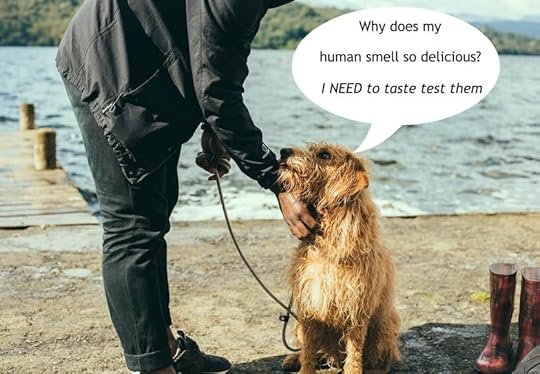 Once you finally stop laughing read on...
Most cats and dogs love pork and do very well having it included in their diet.
Besides the incredibly misguided warning that it can cause your dog to want to eat you! you may have heard that pork is too high in fat and can cause pancreatitis, and that pork contains a parasite that can be deadly to dogs.
While it's true certain cuts of pork have a quite a lot of fat, not all do. We have been led to believe that fat is the enemy with our own diet and this idea has flowed down to our pet's diets as well. A moderate level of fat is actually really good for your dog, supplying them with their energy needs. In it's raw form it is easily digested and does not cause pancreatitis.
Trichinosis used to be a big problem in raw pork. But today with the widespread adoption of better feeding practices and hygiene it has virtually been eliminated. According to the CDC there were 84 human cases of trichinosis reported from 2008 to 2012 for the entire United States and 43 of those cases were from eating wild game (bear). Only 6 of the 84 cases were linked to eating wild pigs. Wild bear meat is the one you want to avoid due to a high rate of trichinosis infection.
Pork is a powerhouse of essential vitamins and minerals, a good source of taurine, thiamine, niacin, selenium, vitamin B12, vitamin D, zinc, and it's rich in vitamin B6, iron, magnesium and potassium.
As a raw feeder, owners should strive to diversify their dog or cat's protein sources. Don't believe the hype, there is no good reason to avoid feeding raw pork. It’s an affordable, healthy option that can give your pet the nutrients they need!
Looking for more raw feeding tips and perhaps some comedy thrown in?!!! Join our private Facebook group.
If you feed your dog pork are they going to see you as "the meal" instead of the server of their meal? Perhaps feeding pork is the real cause of human dog bites and attacks?
This is literally what I read on a Facebook group this week! As a serious precaution!
I mean where do people get these ideas anyway?
Once you finally stop laughing read on...Most cats and dogs love pork and do very well having it included in their diet.
Besides the incredibly misguided warning that it can cause your dog to want to eat you! you may have heard that pork is too high in fat and can cause pancreatitis, and that pork contains a parasite that can be deadly to dogs.
While it's true certain cuts of pork have a quite a lot of fat, not all do. We have been led to believe that fat is the enemy with our own diet and this idea has flowed down to our pet's diets as well. A moderate level of fat is actually really good for your dog, supplying them with their energy needs. In it's raw form it is easily digested and does not cause pancreatitis.
Trichinosis used to be a big problem in raw pork. But today with the widespread adoption of better feeding practices and hygiene it has virtually been eliminated. According to the CDC there were 84 human cases of trichinosis reported from 2008 to 2012 for the entire United States and 43 of those cases were from eating wild game (bear). Only 6 of the 84 cases were linked to eating wild pigs. Wild bear meat is the one you want to avoid due to a high rate of trichinosis infection.
Pork is a powerhouse of essential vitamins and minerals, a good source of taurine, thiamine, niacin, selenium, vitamin B12, vitamin D, zinc, and it's rich in vitamin B6, iron, magnesium and potassium.
As a raw feeder, owners should strive to diversify their dog or cat's protein sources. Don't believe the hype, there is no good reason to avoid feeding raw pork. It’s an affordable, healthy option that can give your pet the nutrients they need!
Looking for more raw feeding tips and perhaps some comedy thrown in?!!! Join our private Facebook group.
May 10, 2018
Why Even the Very Best Kibble is Still BAD
 There is not a single kibble on the market today that is"healthy" to feed your dog or cat.
 No, I haven't evaluated every single kibble out there. But such a task is completely unnecessary in order to state that none of them offer optimal nutrition. It's the way in which kibble is made that is the big problem. Even if you start with the most nutritious ingredients - the kibble that you end up with is not providing the nourishment needed for your pet to thrive.
The first problem is that kibble cannot be made without including a high amount of starch. It won't form into pellets without starch. Of course "grain free" pet foods have become very popular because pet owners realize that their dogs and cats A do not require carbs and B they are being used as cheap fillers so the pet food companies can make more profits. Dogs and cats gain no benefits by eating carbs, quite the contrary actually.
Pet food manufacturers do not have to include the amount of carbohydrates on their labels and they don't. Ask yourself why they would list the percentage of protein, fat, fibre and moisture but not the carbs? Do they have something to hide? If they are making a nutritious pet food shouldn't they be proud of their product and be including that information on the label?
To check how many carbs are in any kibble add up the percentages of protein, fat, fibre, moisture and ash (approx 8% ash if it's not included on the label) and subtract that total from 100. The number you get is the percentage of carbs in the food. Grain free foods still contain high levels of starch, they just come from non-grain sources like peas, tapioca, sweet potato, chickpeas, squash, and lentils. Dogs and cats are simply not biologically equipped to be digesting large volumes of carbs...grains or otherwise.
Neither dogs nor cats readily produce the enzyme amalyse which is needed to break down and digest carbs. They are only able to produce it from the pancreas, not the stomach, intestines and mouth like herbivores and omnivores do. This puts a lot of unnecessary stress on their pancreas.
Carbs essentially break down into sugars which cause inflammation in the body. An animal eating kibble regularly will have some level of chronic inflammation which in turn leads to many different disease processes including cancer.
The next big problem with kibble is that it's heated. Dogs and cats naturally don't eat cooked food. In fact humans are the only species that cook their food. Does your dog look at you like you're crazy if you hand him a raw bone? No way! Most dogs will take it without a second of hesitation. Even weeks old baby puppies know exactly what to do with a raw bone if given the opportunity. This is their nature.
The heating during processing of kibble kills off naturally occurring enzymes which aid digestion. Two essential amino acids (tryptophan and lysine) are destroyed by heating to 110 degrees Fahrenheit. Even heating to just slightly higher temperatures for only minutes creates a whole host of other issues: carcinogens are created, more amino acids are damaged and up to 50% of the vitamins and minerals are destroyed.
Dogs and cats are also not adapted to eating a food that contains so little moisture. Cats especially have a big problem with this. Naturally they would get the majority of their moisture needs from their food of caught prey not from lapping water.
As if this was not enough to worry about you also have to consider that there may be some harmful ingredients in any kibble food. Such as GMO ingredients, toxic additives, dyes, preservatives, heavy metals, mycotoxins and glyphosate.
It's no surprise to me that there is so much disease in companion animals when this is what most of them are eating. The development of cancer, pancreatitis, skin issues, joint problems, digestive problems, obesity, urinary tract infections, cystitis and kidney disease and so many others can all be directly associated with kibble diets.
PLEASE do your pets a huge kindness and feed them a fresh species appropriate diet!
Need help? book a consultation!
May 1, 2018
Are Your Pet's Toys Poisoning Them?
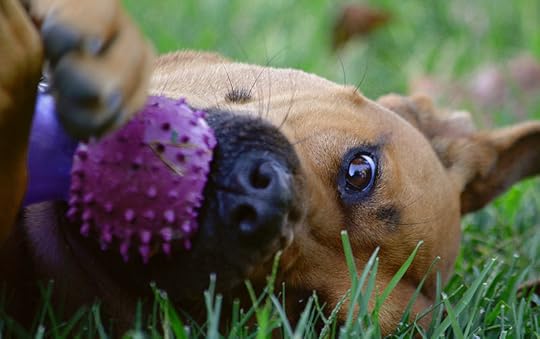 Cat's and dogs may love their toys, but many are made using cheap materials that can be quite harmful to our pets health. Sadly there aren't any standards to keep toxins out of pet toys.
It's up to the consumer to investigate the safety of a toy before giving it to their animal to play with.
Think about how your pet might carry their toys around in their mouth, lick them, lay on them, chew them and even sometimes swallow them - or pieces they have chewed off. If that toy contained a toxic substance then they are certainly getting exposed to it.
What kind of toxins might you find in a pet toy?
Plastic and vinyl toys commonly contain BPA and phthalates. BPA disrupts hormones, affects the brain and behaviour, increases cancer risk, and other health issues. Phthalates can damage the liver and kidneys but are mostly known to cause various reproductive problems. There are correlations between phthalate exposure and undescended testicles as well as hormone imbalances, Repeated mechanical pressure (chewing) and the presence of saliva speed up the release of phthalates.
Tennis balls for dogs have tested positive for high levels of lead. Leather toys can have high levels of arsenic as it is often used in the tanning process. Plush toys may contain DDT, flame retardants and toxic dye's. None of these substances are good for our pets and the longer they are exposed to these toxins the more damaging the health effects can be for them.
I feel pet owners need to take this information info account when choosing toys for their pets.
Some companies offering non-toxic pet toys are:
Planet Dog, West Paw Design, Simply Fido and Purrfect Play.
Since children's toys DO have standards for levels of toxic substances you can always pick up some used plush children's toys and sew in a squeaker yourself. Watch for any removable pieces like eyes on plush toys that your pet could swallow. I like to remove these or simply stick to plush toys that don't have them.
Of course don't forget about mother's natures toys - sticks and piles of leaves, and mud puddles!
Have you tried any non-toxic toys that you would recommend? Let us know!
April 21, 2018
Uh-oh...Did You Break the Law???
Our world operates on laws. I'm not talking about laws that humans have created. I'm referring to natural laws. Laws of of physics, laws of chemistry, laws of mathematics, etc. These laws have an impact on us whether we know about them or not. It does not matter if they are unknown to us or if we attempt to disregard them. They are are always present and always affecting us.
Take, for example, the Law of Gravity. The law of gravity affects everyone on earth. A baby puppy, when he takes his first steps on all 4 legs quickly learns about the law of gravity because when he falls, he falls DOWN and not UP! The puppy does not know the name of the law of gravity, but he understands the consequences of it nonetheless.
If a human chooses to disregard the law of gravity by jumping from a high building, he still is going down, and he may seriously injure, or even kill, himself. It is clear that the law of gravity is working on everyone whether we like it or not.
When we all learn to live within this law – and the other natural, scientific laws that govern our world - we can avoid serious consequences, even death, that could result if we are disobedient to these natural laws.
 Health is also governed by natural laws whether we know about them or not; whether we like them or not.
These laws are immutable
No one is exempt from them
If we or our animals are ignorant of these health laws, or if we deliberately defy them, there is an overwhelming likelihood of developing a serious, life-threatening disease and having a poor quality of life.
However, if we understand these natural health laws and learn to live within them, the chances are great that we and our pets will live a long, healthy, pain-free, enjoyable, full, active lives without disease. Longevity and excellent quality of life is what we should all be striving for.
1. Nutrition - All species must eat foods that are appropriate for their species, in a manner that is appropriate for their species. Without the nutrients that fuel our bodies, health will never be achieved.
2. Exercise - Consider the type and amount of exercise that is appropriate. We are all designed to be active.
3. Water - Fresh, clear, pure water is essential for physical health.
4. Sunlight - Offers many health benefits. If supplies warmth, energy and affects hormones and mood.
5. Temperance - Use moderation with practices that are good and abstain from all that is harmful. No matter how health promoting a certain food or practice is - more is not always better. Moderation and balance need to be kept in mind.
6. Air - Fresh air is a key element as a steady supply is required by all cells. Being outside in nature is a great way to get both sunlight and fresh air. Open the windows whenever possible!
7. Rest - Needed to replenish and heal as well as to grow.
8. Trust - Have faith in the principles of Naturopathy and the Laws of Health. Our own attitudes towards health and healing absolutely affect the outcome.
The only way for your animals to become and remain healthy is through following these Laws of Health. Any other way to attempt to regain - or retain health is nothing but a fleeting “quick fix”, a treatment of symptoms rather than addressing the root cause of the problem. This may make your pet feel better temporarily but their health will continue to deteriorate.
In order to truly be healthy, the root cause of the problem must be addressed. This can only be done by following the Natural Laws of Health.
Don't be a law breaker!
Take, for example, the Law of Gravity. The law of gravity affects everyone on earth. A baby puppy, when he takes his first steps on all 4 legs quickly learns about the law of gravity because when he falls, he falls DOWN and not UP! The puppy does not know the name of the law of gravity, but he understands the consequences of it nonetheless.
If a human chooses to disregard the law of gravity by jumping from a high building, he still is going down, and he may seriously injure, or even kill, himself. It is clear that the law of gravity is working on everyone whether we like it or not.
When we all learn to live within this law – and the other natural, scientific laws that govern our world - we can avoid serious consequences, even death, that could result if we are disobedient to these natural laws.
Health is also governed by natural laws whether we know about them or not; whether we like them or not.These laws are immutable
No one is exempt from them
If we or our animals are ignorant of these health laws, or if we deliberately defy them, there is an overwhelming likelihood of developing a serious, life-threatening disease and having a poor quality of life.
However, if we understand these natural health laws and learn to live within them, the chances are great that we and our pets will live a long, healthy, pain-free, enjoyable, full, active lives without disease. Longevity and excellent quality of life is what we should all be striving for.
1. Nutrition - All species must eat foods that are appropriate for their species, in a manner that is appropriate for their species. Without the nutrients that fuel our bodies, health will never be achieved.
2. Exercise - Consider the type and amount of exercise that is appropriate. We are all designed to be active.
3. Water - Fresh, clear, pure water is essential for physical health.
4. Sunlight - Offers many health benefits. If supplies warmth, energy and affects hormones and mood.
5. Temperance - Use moderation with practices that are good and abstain from all that is harmful. No matter how health promoting a certain food or practice is - more is not always better. Moderation and balance need to be kept in mind.
6. Air - Fresh air is a key element as a steady supply is required by all cells. Being outside in nature is a great way to get both sunlight and fresh air. Open the windows whenever possible!
7. Rest - Needed to replenish and heal as well as to grow.
8. Trust - Have faith in the principles of Naturopathy and the Laws of Health. Our own attitudes towards health and healing absolutely affect the outcome.
The only way for your animals to become and remain healthy is through following these Laws of Health. Any other way to attempt to regain - or retain health is nothing but a fleeting “quick fix”, a treatment of symptoms rather than addressing the root cause of the problem. This may make your pet feel better temporarily but their health will continue to deteriorate.
In order to truly be healthy, the root cause of the problem must be addressed. This can only be done by following the Natural Laws of Health.
Don't be a law breaker!
April 11, 2018
Three Dogs in One!
Did you know that when a female dog is pregnant, the care she receives will directly impact three different generations? The mother dog, her puppies and the developing eggs inside of any female puppies she is carrying.
If the fetus in the diagram below goes on to have her own puppies, consider that any resulting female puppies she has would have been an egg inside their mother when she was in the womb herself. When you understand that things like stress, environmental toxins and nutrition can alter how gene's are expressed you can see how the care of the mother dog can affect not only her and her offspring but also the third generation (the eggs already inside the fetus).
When female puppies are born they have already formed the eggs that can be fertilized once they reach reproductive maturity.
The environment and lifestyle of an animal has the power to affect its genome by way of epigenetic changes. The actual DNA sequence of the animal remains unchanged but epigenetic modifications alter how a gene is expressed, including completely “turning on” or “turning off” a gene.
Epigenetic changes can then also be inherited from parent to offspring, through multiple generations.
Disease does not just happen by chance or bad luck.
There is always a reason; always a cause.
In my opinion, there is immeasurable value in a line of dogs (or any animal for that matter) that has been reared in a way that not only avoids causing further epigenetic damage, but also works towards clearing damage accumulated from previous generations.
Your best chance of getting a healthy, happy and long lived canine companion is from a natural rearing breeder. Through their practices much of the damage inherited through past generations will have already been eliminated. Leaving you with an animal that has an excellent start to a healthy life.
To find a naturally rearing breeder or get listed yourself visit The Natural Rearing Dog Breeders Association.
If the fetus in the diagram below goes on to have her own puppies, consider that any resulting female puppies she has would have been an egg inside their mother when she was in the womb herself.
When you understand that things like stress, environmental toxins and nutrition can alter how gene's are expressed you can see how the care of the mother dog can affect not only her and her offspring but also the third generation (the eggs already inside the fetus). When female puppies are born they have already formed the eggs that can be fertilized once they reach reproductive maturity.
The environment and lifestyle of an animal has the power to affect its genome by way of epigenetic changes. The actual DNA sequence of the animal remains unchanged but epigenetic modifications alter how a gene is expressed, including completely “turning on” or “turning off” a gene.
Epigenetic changes can then also be inherited from parent to offspring, through multiple generations.
Disease does not just happen by chance or bad luck.
There is always a reason; always a cause.
In my opinion, there is immeasurable value in a line of dogs (or any animal for that matter) that has been reared in a way that not only avoids causing further epigenetic damage, but also works towards clearing damage accumulated from previous generations.
Your best chance of getting a healthy, happy and long lived canine companion is from a natural rearing breeder. Through their practices much of the damage inherited through past generations will have already been eliminated. Leaving you with an animal that has an excellent start to a healthy life.
To find a naturally rearing breeder or get listed yourself visit The Natural Rearing Dog Breeders Association.
April 7, 2018
Naturopathy or Allopathy?
As medical systems, allopathy and naturopathy have opposing principles and use very different approaches. Just like you can’t be both a liberal and a conservative due to the conflicting standpoints, you similarly cannot subscribe to the principles of both allopathy and naturopathy. The core of your beliefs will place you in one camp or the other.
Conventional or allopathic medicine is the dominant medical model that most of us will be familiar with both in human and animal care. Conventional medicine primarily relies on pharmacological drugs and surgery to suppress symptoms that manifest from disease processes.
 The basic principle of allopathy is to oppose the symptom or disease. "The term 'allopathy' was invented by German physician Samuel Hahnemann, he joined the words allos 'opposite' and pathos 'suffering' as a reference to harsh medical practices of his era which included bleeding, purging, vomiting and the administration of highly toxic drugs. The treatment of opposites simply means finding the symptom, for example incessant itching, then drugs are used to disrupt the disease process that is resulting in the itching. The original cause of the itching has not been addressed, but the symptom has been suppressed, offering symptomatic relief to the animal.
Reductionism is at the heart of conventional medicine. Only the part of the body that is expressing symptoms will receive attention and treatment. This is why we have a medical system full of “specialists.” It is the viewpoint of allopathy that a malfunctioning brain, for example, will best be treated by a Neurologist. No other aspects of the body, mind or spirit are considered as having any connection to the local symptoms.
The allopathic reductionist philosophy can also be seen in the approach to research. With powerful microscopes and sophisticated tests, scientists explore increasingly smaller parts of the organism; the cell, cell membrane, nucleus, mitochondria, DNA etc. The presumption is that if you know how the physical parts work, you'll be able to manipulate them.
In naturopathy, the patient is assessed as a whole, with all the separate parts and aspects viewed as being intimately interconnected. In this model, life is directed by harmonious energy and disease is viewed as an imbalance of this energy. Since disease is a disturbance of energy, you are not going to find it by looking through a microscope or doing a blood test. What you will find are the effects of disease, the symptoms and signs. Epilepsy, cancer, or cardiomyopathy are a reflection and a result of dis-ease.
Naturopathy assumes that the organism has a vital force and inherent intelligence, allowing it to actively heal itself when conditions are conducive to healing. Therefore the focus is not on any type of remedy (which can’t actually make the person or animal get well) rather, the methods focus on tools that evoke a healing response. The goal is to nurture the innate healing functions that are present in the patient.
Allopathic medicine treats disease at the physical, chemical level. When viewing the body as a machine, as a collection of parts, healing (according to allopathy) must be accomplished from outside the body. You have to make the body get better. This leads to aggressive treatments with powerful and toxic drugs and surgery in an effort to force the body to change its expressions. It is also concluded that the body cannot fully defend itself against viruses, that it needs assistance by way of vaccination for example to prevent contacting a virus.
When faced with infection, the outcome is determined by the interaction of a persons or animals immune system with the infecting organism. A naturopathic practitioner tends to use methods designed to enhance the immune system, enabling it to deal with the infection. While the allopathic doctor chooses to use treatments designed to attack and kill the infecting organism.
The focus for a naturopath is to look at addressing the cause and remove any interference's to the body’s ability to get back in balance. In contrast, the allopath is focused on suppressing, removing or altering the symptoms through the use of drugs and surgery.
I absolutely identify with the model of Naturopathy.
I believe that the cause of any symptoms must always be addressed if health is to be restored. As I see it, an animal that has to be on an anti-itch drug so it doesn’t scratch itself raw is not healthy. It has an imbalance that is not being considered or corrected. Also, the side effects of drugs are very damaging to health and in long long with further impact health negatively.
If I cut myself I don’t need anything outside of me to heal that cut. My body heals the cut, as long as it has optimal conditions, my innate healing functions can automatically go to work.
So which model do your beliefs take you towards?
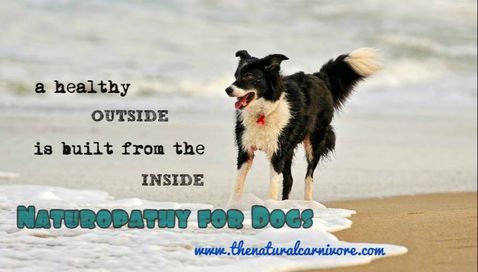
Want to learn more about Animal Naturopathy? Check out the new Group 'Naturopathy for Dogs' on Facebook.
Conventional or allopathic medicine is the dominant medical model that most of us will be familiar with both in human and animal care. Conventional medicine primarily relies on pharmacological drugs and surgery to suppress symptoms that manifest from disease processes.
The basic principle of allopathy is to oppose the symptom or disease. "The term 'allopathy' was invented by German physician Samuel Hahnemann, he joined the words allos 'opposite' and pathos 'suffering' as a reference to harsh medical practices of his era which included bleeding, purging, vomiting and the administration of highly toxic drugs. The treatment of opposites simply means finding the symptom, for example incessant itching, then drugs are used to disrupt the disease process that is resulting in the itching. The original cause of the itching has not been addressed, but the symptom has been suppressed, offering symptomatic relief to the animal.Reductionism is at the heart of conventional medicine. Only the part of the body that is expressing symptoms will receive attention and treatment. This is why we have a medical system full of “specialists.” It is the viewpoint of allopathy that a malfunctioning brain, for example, will best be treated by a Neurologist. No other aspects of the body, mind or spirit are considered as having any connection to the local symptoms.
The allopathic reductionist philosophy can also be seen in the approach to research. With powerful microscopes and sophisticated tests, scientists explore increasingly smaller parts of the organism; the cell, cell membrane, nucleus, mitochondria, DNA etc. The presumption is that if you know how the physical parts work, you'll be able to manipulate them.
In naturopathy, the patient is assessed as a whole, with all the separate parts and aspects viewed as being intimately interconnected. In this model, life is directed by harmonious energy and disease is viewed as an imbalance of this energy. Since disease is a disturbance of energy, you are not going to find it by looking through a microscope or doing a blood test. What you will find are the effects of disease, the symptoms and signs. Epilepsy, cancer, or cardiomyopathy are a reflection and a result of dis-ease.
Naturopathy assumes that the organism has a vital force and inherent intelligence, allowing it to actively heal itself when conditions are conducive to healing. Therefore the focus is not on any type of remedy (which can’t actually make the person or animal get well) rather, the methods focus on tools that evoke a healing response. The goal is to nurture the innate healing functions that are present in the patient.
Allopathic medicine treats disease at the physical, chemical level. When viewing the body as a machine, as a collection of parts, healing (according to allopathy) must be accomplished from outside the body. You have to make the body get better. This leads to aggressive treatments with powerful and toxic drugs and surgery in an effort to force the body to change its expressions. It is also concluded that the body cannot fully defend itself against viruses, that it needs assistance by way of vaccination for example to prevent contacting a virus.
When faced with infection, the outcome is determined by the interaction of a persons or animals immune system with the infecting organism. A naturopathic practitioner tends to use methods designed to enhance the immune system, enabling it to deal with the infection. While the allopathic doctor chooses to use treatments designed to attack and kill the infecting organism.
The focus for a naturopath is to look at addressing the cause and remove any interference's to the body’s ability to get back in balance. In contrast, the allopath is focused on suppressing, removing or altering the symptoms through the use of drugs and surgery.
I absolutely identify with the model of Naturopathy.
I believe that the cause of any symptoms must always be addressed if health is to be restored. As I see it, an animal that has to be on an anti-itch drug so it doesn’t scratch itself raw is not healthy. It has an imbalance that is not being considered or corrected. Also, the side effects of drugs are very damaging to health and in long long with further impact health negatively.
If I cut myself I don’t need anything outside of me to heal that cut. My body heals the cut, as long as it has optimal conditions, my innate healing functions can automatically go to work.
So which model do your beliefs take you towards?
Want to learn more about Animal Naturopathy? Check out the new Group 'Naturopathy for Dogs' on Facebook.
March 29, 2018
What in the World is Animal Naturopathy?
You might be familiar with the practice of Naturopathy as it applies to human care. Perhaps you have even sought out this type of service for yourself at some point. Naturopaths teach their patients how to live in a healthful manner and do not employ the use of surgery or prescription drugs.
Whether for people or animals, I would describe Naturopathy as a philosophy and system to prevent illness and promote health through the adherence to the laws of health and the use of natural agents to support inherent healing functions.o get a clearer picture of Naturopathy let’s take a look at the six fundamental principles which are the foundation of this modality:
The inherent healing power of nature – organisms have an inherent ability to heal themselves. Homeostasis or balance is always the state that any organism is trying to achieve and maintain, from a single cell to the body as a whole.
Identify the cause - look beyond symptoms for the cause of the health challenge. Addressing the underlying cause is the only way to truly restore health.
First do no harm – Use methods that are in alignment with nature which will not harm.
Doctor as Teacher – Educate on how to achieve health. The original meaning of the word “doctor” is teacher.
Treat the whole – All aspects (physical, emotions & spiritual) are considered.
Prevention – Proactively minimize risk factors and build health to prevent illness.
An Animal Naturopath believes in a holistic approach to health and considers the interconnectedness of each animal’s unique mind, body, and spirit and how their individual dynamic situation reflects their current state of health. Naturopathy is a philosophy for a lifestyle that invests in building health by honoring each species specific requirements so they can thrive.
Education of the client is a primary function of an Animal Naturopath. Through education of the laws of health in regards to their pet, the client is presented with the opportunity to facilitate the process of health promotion and restoration for their animal. In this way, the pet caretaker is empowered to claim their true position as decision maker and advocate for their animals. The task of the Animal Naturopath is to guide the client how they can actively create conditions that are conducive to health for the animal; provide an environment that allows the animal’s inherent healing functions to flourish so they achieve a state of balance and harmony.
In Naturopathy symptoms are not so much viewed as something to directly manage or fix. When the body is manifesting signs of illness what we are witnessing is the attempt by the body to correct an imbalance that lies within, to heal itself. A Naturopath instead sees observable symptoms as the map that will to lead them to the cause of the illness which must be addressed in order for health to be restored. Since symptoms are viewed as the body’s internal attempt to clean house and restore health, Naturopaths do not employ methods to suppress symptoms as this is actually quite detrimental to health. Instead, an Animal Naturopath will assess any areas of the animal’s life that may not be in alignment with their species specific needs, such as diet, exercise, stress, rest as well as natural habits and environments. Non-invasive modalities such as chiropractic, acupuncture, homeopathy, essential oils, massage, herbs, hydrotherapy and energy work may also be used.
Naturopathy is a method of healing that employs various natural means to achieve the highest possible level of health. Although the term “naturopathic medicine” was not used until the late nineteenth century, its philosophical roots go back thousands of years. Naturopathy draws on the healing wisdom of many countries, including India (Ayurveda), China (Taoism), and Greece (Hippocrates).
Animal Naturopathy is most successful when it is adopted as a way of life, from the start of life. When used as a last ditch effort after conventional methods have failed to produce results, the animal may be irreparably damaged and lack the vital force necessary to make a full recovery.
August 8, 2017
DIY Healing Salve
Making your own remedies to support your pets and your own health is an empowering experience.
Why would you want to take the time to make a healing salve? I can't say why YOU would want to you, but I can sure share with you why I choose to!
I can customize exactly the type of results I am seeking by the ingredients I include in the salve. I have control of the ingredients and therefore know there is nothing harmful included without my knowledge. I prefer using naturally occurring plants and substances as opposed to pharmaceuticals synthesized in a lab. It is empowering and satisfying to make your own "medicine".
Why not give it a try?
 I have made herbal tinctures before, but this was my first time making a salve. I was excited to give a go!
I have been getting to know the common plants that grow wild around where I live. A few are quite well know for their healing properties such as dandelion, nettle and plantain - all of which grow in my area.
I wanted to create a salve that was good for healing skin, including cuts, rashes, bug bites and reducing inflammation.
I looked closely at many wild growing plants to see if they had the properties I was after. Like anti-bacterial, anti-fungal, anti inflammatory and for an affinity with the skin.
Once I had decided what plants I wanted to include in my salve I went and harvested wild growing plants. If you choose to do this be sure you are confident with your plant identification. Always harvest in an area that is away from roadsides and free of pesticides. To ensure the plant continues to thrive, don't over-harvest from any one plant. Harvesting plants in this manner is known wildcrafting.
Then the plants must be dried. There are a couple of different options from air-drying to drying in an oven at low temperature. I decided to let mine air dry. Once dry - you make an oil infusion with the plants that will be used as the main ingredient in your salve.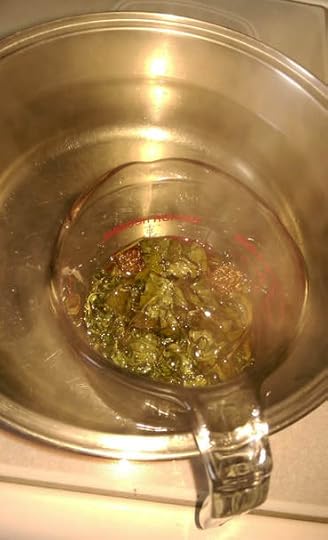 I used olive oil to make my oil infusion. I added my dried plants to a 2 cup glass measuring cup and poured in about one cup of olive oil. I placed the measuring cup in a larger pot filled with water and heated for around 3 hours. Do not boil the water. Another option is to let the oil infusion sit in a mason jar in the sun for a time. I am going to try this method next time.
Once the oil has been infused with the plants/herbs use cheesecloth to strain out the herbs from the oil.
The plants I used in this infusion were: Chickweed, Comfrey (I cultivate this in my garden), Common Mallow, Nettle, Plantain, Red Clover and Yarrow.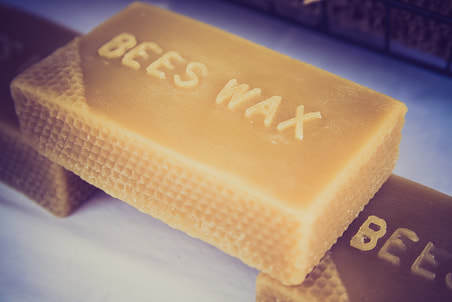 Now add some beeswax to the infusion to thicken it. I used about 1 oz of beeswax. Place this mixture back in the double boiler until the beeswax melts completely.
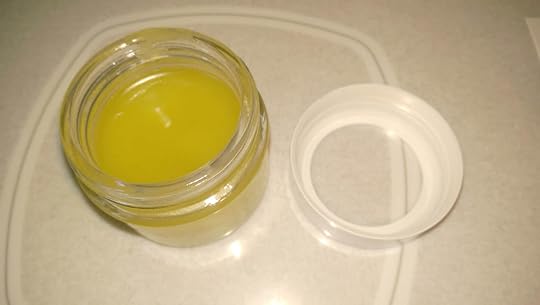
I also added in some therapeutic grade essential oils. I let it cool slightly before adding the oils. I mixed the final concoction and poured into jars. I set the jars in the fridge to cool and checked the consistency of the salve. It was perfect!
I made medicine!
I will label and store in the fridge. The salve should be good for up to one year.
I've already used it on a nasty scratch I got from my raspberry bushes when I was picking berries. It worked very well, I was super impressed with how quick it the scratch healed up. Now I have this salve to use for general skin healing for myself and my animals.
Why would you want to take the time to make a healing salve? I can't say why YOU would want to you, but I can sure share with you why I choose to!
I can customize exactly the type of results I am seeking by the ingredients I include in the salve. I have control of the ingredients and therefore know there is nothing harmful included without my knowledge. I prefer using naturally occurring plants and substances as opposed to pharmaceuticals synthesized in a lab. It is empowering and satisfying to make your own "medicine".
Why not give it a try?
I have made herbal tinctures before, but this was my first time making a salve. I was excited to give a go!I have been getting to know the common plants that grow wild around where I live. A few are quite well know for their healing properties such as dandelion, nettle and plantain - all of which grow in my area.
I wanted to create a salve that was good for healing skin, including cuts, rashes, bug bites and reducing inflammation.
I looked closely at many wild growing plants to see if they had the properties I was after. Like anti-bacterial, anti-fungal, anti inflammatory and for an affinity with the skin.
Once I had decided what plants I wanted to include in my salve I went and harvested wild growing plants. If you choose to do this be sure you are confident with your plant identification. Always harvest in an area that is away from roadsides and free of pesticides. To ensure the plant continues to thrive, don't over-harvest from any one plant. Harvesting plants in this manner is known wildcrafting.
Then the plants must be dried. There are a couple of different options from air-drying to drying in an oven at low temperature. I decided to let mine air dry. Once dry - you make an oil infusion with the plants that will be used as the main ingredient in your salve.
I used olive oil to make my oil infusion. I added my dried plants to a 2 cup glass measuring cup and poured in about one cup of olive oil. I placed the measuring cup in a larger pot filled with water and heated for around 3 hours. Do not boil the water. Another option is to let the oil infusion sit in a mason jar in the sun for a time. I am going to try this method next time.Once the oil has been infused with the plants/herbs use cheesecloth to strain out the herbs from the oil.
The plants I used in this infusion were: Chickweed, Comfrey (I cultivate this in my garden), Common Mallow, Nettle, Plantain, Red Clover and Yarrow.
Now add some beeswax to the infusion to thicken it. I used about 1 oz of beeswax. Place this mixture back in the double boiler until the beeswax melts completely.I also added in some therapeutic grade essential oils. I let it cool slightly before adding the oils. I mixed the final concoction and poured into jars. I set the jars in the fridge to cool and checked the consistency of the salve. It was perfect!
I made medicine!
I will label and store in the fridge. The salve should be good for up to one year.
I've already used it on a nasty scratch I got from my raspberry bushes when I was picking berries. It worked very well, I was super impressed with how quick it the scratch healed up. Now I have this salve to use for general skin healing for myself and my animals.
March 24, 2017
Ditch the Toxic Household Products: Part 3 - Personal Care
This is part 3 in my series of blog posts about toxic household products. You can catch up on post 1 here about laundry products and post 2 here about household cleaning products.
This third post in the series is about personal care products.
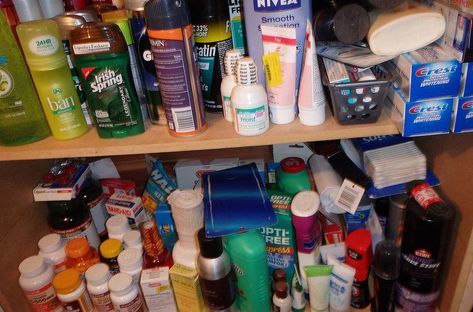
We tend to use a lot of different products on our bodies during our daily routines. We shower and use soap, shampoo and conditioner. We apply lotions, make-up, lip care, various hair products and scents to our bodies.
Most of the commonly used products used in our personal care routines have hazardous toxins lurking within them. You would think that these products would be checked for safety. But only the worst of the worst and the most clearly documented harmful ingredients are banned. Many very harmful substances are allowed in personal care products at certain levels. Even though they are known carcinogens or hormone disruptors. I guess a “little bit” of the toxin will only cause a “little bit” of cancer or fertility problems….right.
With most large companies profits clearly trump safety. It is up to the consumer to choose products that are safe for use.
The products which we spray onto ourselves are inadvertently dispersed through the air, so everyone in the household will be exposed on some level. All of the soaps, lotions and other products we use on our skin are transferred in small amounts to our pets when we pet or cuddle them. This may not seem like much of a concern, but over time it can be a problem. Like children who are much smaller, toxins affect our pets much more quickly. It takes less time for harmful levels to build up in their bodies. Things can get even more complicated when we consider the interactions that all these different chemicals have upon each other and how that can affect us and our pets.
In both humans and canines sperm quality has been sharply declining over the last 50 years. Phthalates and PSB’s have been found in canine semen, both are known to cause fertility issues and birth defects.
A 26 year long study with canines showed a 2.5 percent decline per year between 1988 and 1998 and a 1.2 percent annual downfall between 2002 and 2014. Human statistics are very similar. A study of more than 26,000 French men, for example, found that sperm concentrations have dropped by nearly 2 percent each year from 1996 to 2005. That’s almost a 20% drop in less than 10 years!
When selecting products, look for ones that only use natural ingredients. Can you read the ingredient list and identify what each item is? Or are they long chemical names that are hard to pronounce? The one ingredient to be especially wary of is “fragrance”. It may sound harmless enough but the ingredient can contain nearly anything as it is completely unregulated. Skip any products that contain “fragrance”.
I will be hosting a free class coming up in April on this very topic. Please subscribe to our mailing list (in the right hand column on this blog) to be sure you don't miss the notification of when this free class will be.