Mary L. Erlain's Blog, page 27
June 18, 2024
Transparency and Authenticity in Communication with GenZ Part I
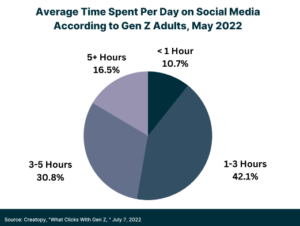
What values and preferences does Gen Z have when communicating with businesses and brands?
Gen Z, the generation born between the mid-1990s and early 2010s, has several fundamental values and preferences when it comes to communication with businesses and brands:
Transparency and Authenticity: Gen Z values open, honest, and genuine brands in their communication. They are more likely to engage with content that embodies these principles and quickly recognize insincere or deceptive marketing messaging.Causes that Matter: Gen Z is a socially conscious generation more likely to engage with businesses that share their values. They want companies to proactively communicate their stance on social issues, such as environmental sustainability.
Power of Storytelling: Brands that share stories about their products, services, or company culture are more likely to connect with Gen Z. Companies often highlight their sustainability efforts and behind-the-scenes stories about product development to engage this demographic.
Inclusive and Diverse Messaging: Gen Z strongly supports diversity and inclusivity, so they prefer brands that reflect these values in their communication channels. This can help companies connect with the values of many Gen Z consumers.
The post Transparency and Authenticity in Communication with GenZ Part I appeared first on Peak Development Strategies.


June 17, 2024
Tech Savvy and Innovative with GenZ

Gen Z, as the largest generation entering the workforce, brings unique attributes shaped by their digital nativity, creativity, self-reliance, Career Development, Strong Mentoring, Senior Leadership, Value Relationships, and adaptability. Here’s how leaders can leverage their talents:
Digital Natives: Gen Z’s comfort with multiple devices and short attention spans result in extensive online usage. Goldman Sachs reports that nearly half of them spend ten hours online daily. Organizations must prioritize career development opportunities over promotions and create on-the-job learning experiences to engage this generation effectively. Communicate that growth comes from new learning and not just promotions.Creative and Entrepreneurial: 55% of Gen Z’s globally aspire to start their own companies. Leaders should foster an environment that encourages innovation and entrepreneurship within their organizations. Develop a solid mentoring program, including reverse and peer-to-peer mentoring, to promote employee creativity and idea sharing.Self-Reliant and Resourceful: Gen Z’s reliance on the web for information makes them self-reliant and pragmatic. They don’t feel the need to take a back seat to more experienced individuals. To attract and retain this generation, leaders should invest in training managers to be effective coaches instead of just supervisors. This will help build trusting relationships between employees and managers.Adaptable and Agile: Gen Z has grown up in complex times, adapting well by taking initiative, thriving in agile environments, and questioning the status quo. Collaborative learning is second nature to them, making social media an essential tool for building personal and professional relationships. Career development opportunities that align with their values will help attract this generation to your organization.Career Development is Key: When looking for a first job, 36% of Gen Z’s are more interested in job growth opportunities than salary. Organizations must reconsider how career development works by creating on-the-job learning opportunities instead of focusing solely on promotions. Communicate that development comes from new learning experiences rather than just promotions to ensure meaningful work for employees. Allow your workforce to be intrapreneurs by providing them with the resources they need to innovate within your organization.Strong Mentoring Programs: Develop a solid mentoring program tailored to Gen Z’s needs by offering reverse mentoring (where older employees learn from younger ones) and peer-to-peer mentoring (where employees learn from each other). Mentoring programs promote creativity, innovation, idea sharing, and relationship building within your organization while fostering personal growth for individual employees. Consider partnering with external organizations or industry experts for additional resources if needed.The post Tech Savvy and Innovative with GenZ appeared first on Peak Development Strategies.
June 14, 2024
Feedback and Recognition with Gen Z
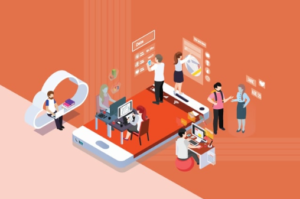
In the modern workplace, feedback and recognition play a crucial role in engaging and motivating Generation Z employees. Gen Z, also known as Zoomers, value continuous feedback, personal communication, and recognition for their work. They have grown up in a technologically advanced world and are accustomed to instant gratification and digital-first environments. Feedback is essential to Gen Z in the workplace for several reasons:
Importance of Feedback: Gen Z employees exhibit a strong need for frequent feedback, with over 65% preferring to receive it at least once a week. Feedback demonstrates a vested interest in their well-being and career development from management, provides direction for their work, and helps combat disengagement.Thriving on Feedback: Studies have shown that many Gen Z professionals handle feedback well, with 63% preferring timely and constructive feedback. They view failure as a learning opportunity, indicating a positive mindset towards improvement.Tools for Giving Feedback: Employers can leverage technology to provide regular feedback to Gen Z employees efficiently. Tools like employee check-ins offer customizable questionnaires, recognition features for highlighting accomplishments, and immediate feedback mechanisms.Remote Work Impact: The rise of remote work has reinvigorated the feedback conversation, making it essential to maintain communication channels and recognition programs for isolated Gen Z employees.Motivators for Gen Z: Understanding what motivates Gen Z is crucial for effective feedback and recognition strategies. This generation values constant opportunities for growth, tech-savvy operations in rewards programs, candid communication platforms like social media-esque tools, contemporary reward programs with personalization, and progressive feedback.In summary, creating a feedback-rich environment with personalized recognition programs tailored to the preferences of Generation Z can enhance engagement, motivation, and overall performance in the workplace.
The post Feedback and Recognition with Gen Z appeared first on Peak Development Strategies.
June 12, 2024
Sitcoms and Generational Diversity

In a recent keynote presentation, I facilitated a group exercise. One diverse group of attendees highlighted sitcoms as a way to differentiate the generations. I thought this was an amazing way to show the evolution of our generations. Think about your own influences from TV shows.
From the 1950s to the 2010s, sitcoms evolved significantly in response to changing tastes and cultural shifts. The 1950s, with shows like I Love Lucy and Leave It to Beaver, emphasized traditional family values and wholesome humor. The 1960s introduced more fantastical elements and social commentary with Bewitched and The Andy Griffith Show.
The 1970s, marked by All in the Family and MASH*, began to tackle more controversial social issues such as racism, sexism, and the Vietnam War, reflecting a society in upheaval.
The 1980s brought a mix of family-centered shows like The Cosby Show and workplace comedies like Cheers, focusing on both domestic and social spheres.
The 1990s, led by Seinfeld and Friends, shifted towards more character-driven, ensemble casts and often explored urban life and relationships with a sharper, more cynical humor. The 2000s saw a rise in single-camera formats and more diverse storytelling with shows like Scrubs and How I Met Your Mother, blending comedy with drama. By the 2010s, sitcoms like Modern Family and Parks and Recreation embraced a mockumentary style and more inclusive, diverse perspectives, reflecting a more interconnected, socially aware audience. This evolution highlights a broader societal shift towards
The post Sitcoms and Generational Diversity appeared first on Peak Development Strategies.
Desire for Meaningful Work with Genz

Their upbringing drives Gen Z’s desire for meaningful work in a time marked by sociopolitical unrest, environmental challenges, and rapid digital transformation. They seek employment that aligns with their values and contributes to the greater good. Organizations can meet these expectations by aligning company values with those of Gen Z, providing opportunities for meaningful work, fostering mentorship programs, leveraging technology, and demonstrating genuine commitment to social and environmental responsibility. By doing so, organizations can attract and retain the top talent of Generation Z, leading to increased employee engagement, motivation, satisfaction, and loyalty. Meeting Gen Z’s expectations for purposeful work benefits the individuals and enhances organizational reputation, brand loyalty, innovation, and long-term prosperity.
The sources provided valuable insights into Generation Z’s expectations for meaningful work and how organizations can adapt to meet these expectations effectively.
Harvard Business Review: Harvard Business Review is a well-known publication that offers authoritative articles on business management practices, leadership strategies, and organizational behavior. It provides in-depth analysis and research-based insights into various aspects of the modern workforce.Forbes: Forbes is a reputable source of business news and financial information that covers a wide range of topics related to entrepreneurship, leadership, and workplace trends. It often features articles on generational differences in the workplace and strategies for attracting and retaining top talent.Deloitte Insights: Deloitte Insights is a respected source of research and analysis on business trends, economic issues, and industry insights. It offers reports and studies on workforce dynamics, including the preferences and expectations of different generations in the workplace.These sources contributed to the comprehensive understanding of Generation Z’s desire for meaningful work and provided valuable recommendations for organizations seeking to adapt to meet these expectations effectively.
The post Desire for Meaningful Work with Genz appeared first on Peak Development Strategies.
June 11, 2024
Entrepreneurial Spirit

Entrepreneurial spirit can be defined as a combination of inherent personality traits and developed skills that drive individuals to be self-motivated, continuously seek self-improvement, and actively pursue opportunities for growth and innovation within their professional endeavors. Those with an entrepreneurial spirit are often visionaries who strive to create a better future by identifying potential opportunities that others may overlook. They are innovative thinkers who are not afraid to take risks, resilient in the face of challenges, self-motivated to push their ideas forward, persistent in pursuing their goals, adaptable to changing circumstances, resourceful in finding solutions, and action-oriented in driving themselves and their teams towards success.
How to Know If You Have an Entrepreneurial Spirit
Whether you possess an entrepreneurial spirit involves reflecting on your personal characteristics and behaviors. Suppose you exhibit qualities such as being visionary, innovative, a risk-taker, resilient, self-motivated, persistent, adaptable, resourceful, and action-oriented in your approach to work and challenges. In that case, you likely have an entrepreneurial spirit. Additionally, you constantly seek opportunities for improvement and growth while maintaining a positive mindset despite setbacks or failures. In that case, you may align with the traits associated with entrepreneurial spirit.
What Are the 5 P’s of Entrepreneurship?
The 5 P’s of entrepreneurship are key pillars contributing to entrepreneurial success. These include:
Passion is a deep-seated enthusiasm and commitment towards a business idea or venture.Purpose: Having a clear sense of purpose and mission behind the entrepreneurial endeavor.Persistence: The ability to persevere through challenges and setbacks without losing sight of long-term goals.People Skills: Effective communication and relationship-building abilities are essential for networking and team collaboration.Profitability: Ensuring that the business model is sustainable and profitable in the long run.Fostering the Entrepreneurial Spirit
Fostering an entrepreneurial spirit within oneself or an organization requires creating an environment that encourages creativity, risk-taking, collaboration, and continuous improvement. By promoting a culture that values innovation, resilience, adaptability, resourcefulness, and action-oriented approaches to problem-solving, individuals can cultivate their entrepreneurial spirit and drive success in their ventures.
The post Entrepreneurial Spirit appeared first on Peak Development Strategies.
June 10, 2024
Flexibility and Work-Life Balance

Workplace flexibility plays a crucial role in improving work-life balance for employees. By offering flexible work arrangements, organizations can create an environment where employees can effectively manage their personal lives while maintaining high levels of performance at work. This balance is essential for reducing stress levels, enhancing overall well-being, and fostering a positive work culture.
Benefits of Workplace Flexibility:
Enhanced Productivity: Flexibility in the workplace allows employees to better manage their time and responsibilities, leading to increased productivity and efficiency. When employees have the freedom to work in a way that suits their needs, they are more likely to deliver quality results.
Improved Employee Engagement: Offering workplace flexibility shows that employers value their employees’ well-being and trust them to manage their work effectively. This trust and support contribute to higher levels of employee engagement, motivation, and job satisfaction.
Better Recruitment and Retention: In today’s competitive job market, workplace flexibility has become a significant factor for job seekers when evaluating potential employers. Companies that offer flexible work arrangements are more attractive to top talent and have higher chances of retaining skilled employees.
The post Flexibility and Work-Life Balance appeared first on Peak Development Strategies.
June 6, 2024
Cultural influence with Genz
Cultural Influence refers to the impact that culture has on the behaviors and perceptions of individuals. This impact can be seen in various aspects of life, including language usage, work ethic, dining practices, wedding traditions, education systems, clothing styles, religious practices, holiday celebrations, death rituals, music styles, artistic trends, gender roles, personal space norms, greeting styles, culinary preferences, parenting styles, sports practices, social hierarchies, environmental stewardship, body language, health perception, time management, legal systems, business practices, recreation practices, technological integration, hospitality customs, child-rearing practices, conversation etiquette, attitudes towards age, respect for authority, and social manners. For instance:
Language Usage: Cultural norms shape the way individuals communicate within their communities. Due to cultural influences, formal and informal language usage is common in France and Australia.Work Ethic: Japan and South Korea emphasize an intense work ethic, in contrast to Sweden, which emphasizes work-life balance.
Dining Practices: Communal dining in Ethiopia and individual plates in the U.S. reflect different cultural influences on eating habits.
Wedding Traditions: Mehndi ceremonies in India and exchanging vows in the U.S. represent distinct cultural influences on marriage rituals.
Education System: Finland’s emphasis on equal opportunities contrasts with China’s rigorous academic structure for university placement.
Clothing Styles: Traditional Indian outfits differ from Western casual wear due to cultural influences on attire choices. 7-35 (Repeat examples 7 through 35 from the context provided)

The post Cultural influence with Genz appeared first on Peak Development Strategies.
Financial Insecurity

The Northwestern Mutual 2024 Planning & Progress Study reveals that Americans’ financial insecurity has reached an all-time high, with 33% of adults expressing a lack of financial security. This increase is despite a more optimistic outlook on the economy, as fewer people expect a recession this year compared to last. Inflation and stagnant income are significant contributors to this financial anxiety. Financial discipline has also declined significantly since the pandemic, with only 45% of Americans considering themselves financially disciplined compared to 65% in 2020.
Individuals can take steps to combat these financial concerns and go on the offensive with their money. These steps include:
Tracking and prioritizing spending: Individuals can feel more in control of their finances by creating a budget and focusing on essential expenses.Preparing for life’s unexpected events: Building an emergency fund and securing adequate insurance coverage can provide peace of mind during uncertain times.Saving for future goals: Setting aside funds for retirement and other long-term goals can help individuals feel more financially secure and prepared for the future.
Getting a financial plan: Working with a trusted financial advisor to create a personalized financial plan can help individuals make the most of their money and feel confident about their financial future.
The post Financial Insecurity appeared first on Peak Development Strategies.
May 30, 2024
Adapting to Three Key Generation Z Traits in Today’s Classroom
Adapting to Three Key Generation Z Traits in Today’s Classroom
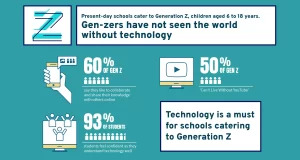
As educators, understanding these traits can help create an effective learning environment. Here are three essential Generation Z traits and ways teachers can adapt:
Digital Natives: Gen Z students are true digital natives who expect constant connectivity and access to information. They crave autonomy in their education and want immediate feedback on assignments. To cater to this trait, teachers can:Use educational software: Leverage technology tools like learning management systems, interactive presentations, educational games, and multimedia resources to engage students and make your job more efficient.Begin a dialogue: Instead of long lectures, try a variety of teaching methods to keep the class moving. Encourage student participation and active learning.Use visuals: Break up large blocks of text with charts, graphics, or multimedia content to make the material more memorable and engaging for students.Hold online office hours: Offer virtual office hours for students who prefer instant communication or for parents of younger children who find it more convenient than scheduling formal appointments.Provide rationale: Explain why each lesson is important and how it applies to the real world to help students understand its relevance and value.Diversity: Generation Z is the most diverse generation yet, with nearly half being racial or ethnic minorities. Teachers should make an effort to understand different cultures and interact with individuals from various backgrounds to foster cross-cultural understanding in the classroom. Some ways include:Explore your own culture: Understand your personal biases and recognize the value of cultural backgrounds.Make an effort to understand other cultures: Go beyond surface-level interactions by examining how diversity affects students’ self-perception and their view of the world around them.Think carefully about language: Be aware of how words are used in different contexts and adapt your communication style accordingly to better connect with students from diverse backgrounds.Use diverse books and materials: Incorporate multicultural literature into your curriculum to help students identify with the material and promote cross-cultural understanding.Depression and Anxiety: Gen Z students experience high rates of depression (59% increase from 2007 to 2017) due to academic pressure, perfectionism, lack of adequate sleep, or other factors that contribute to mental health issues. Teachers can support these students by adopting techniques such as:Work with students one-on-one: Engage Gen Z students through sensitive communication that acknowledges their emotions may impact their learning experience.Use positivity techniques: Focus on empowering students by rewarding engagement with verbal praise or recognizing growth milestones regularly.Make accommodations: Offer assignment extensions, break tasks into smaller pieces, or create study plans tailored to individual needs while encouraging collaboration among peers for additional support when needed.Set the stage for success: Recognise student achievements frequently by celebrating milestones within your curriculum that align with state standards while fostering a safe space for open discussions about mental health concerns if desired by the student community.Authoritative References Used: Pew Research Center; Imagine Learning; Common Sense Media; Gallup; Walton Foundationhttp://peakds.com https://a.co/d/5kSEaLP
The post Adapting to Three Key Generation Z Traits in Today’s Classroom appeared first on Peak Development Strategies.