Amanda Meredith's Blog: Writer's Ramblings, page 4
March 27, 2015
Thursdays with the Author - Comparing To Other Writers... Why You Should Be Doing Just That
Comparing To Other Writers - Why You Should Be Doing Just That
[image error]
I was recently reading submission guidelines for a publisher and came across something I hadn't seen very many publishers ask for. One of the requirements for the query letter was this:
" Please provide titles for up to three comparative books published in the past five years. These should be books that have a similar audience to your book and that you feel will compare with your book in the marketplace. Explain how your manuscript is different from these books. "
I must say, I was a bit thrown off by this at first. My book is supposed to be different and unique! Why would I want to compare it to other books?
But this publisher has the right idea. As a writer, you have to know what your competition is. You have to be BETTER than your competition. More original, more memorable. If you don't know what your competition is with the book you are writing then you are definitely NOT ready to publish. How are you going to know how your book stacks up to the hot new releases and best seller lists if you aren't even paying attention to other writers?
Part of how we grow and learn as writers is by reading. It's one of the MOST important things we can do to improve our craft. Especially when it comes to the genre you write for. Are you writing a romance but only read mystery? Are you writing children's but never read any books for kids? Are you writing a YA/NA and have only read adult romance? You're bound to get something wrong. You're sure to have the wrong tone and inflection. You're nearly guaranteed to get the language wrong.
Even the cover can make or break your book. Go to your local bookstore or grocery store and find the section of books for the genre you're writing for. Take a picture of all the different covers. Take a picture of the blurbs on the back cover. Take a picture of the whole shelf. (Or write notes if you're worried about looking crazy for taking pictures at your local grocer.) Does your book stand out? Does it fit in at all? Is the blurb memorable compared to all the others there? Because if it stands out like a sore thumb, a reader might wonder if your book was maybe put in the wrong section. But at the same time, if your book looks and sounds like every other one on that shelf, they why is the reader going to buy YOUR book?
If you are writing romance, you need to be reading the top-sellers in that genre. Of course, there's a million sub-genres in romance, so you'll need to zero in on that as well. Contemporary romance? Nora Roberts, Danielle Steel, Robyn Carr, Nicholas Sparks. Historical Romance? Johanna Lindsey, Mary Jo Putney, Mary Balogh. Romantic Suspense? J.D. Robb, Jayne Ann Krentz, Carla Neggers. Western? Diana Palmer, Dorthy Garlock.
Same with any other genre! Young Adult? Veronica Roth, Rick Riordan, Stephanie Meyer, Suzanne Collins. Science Fiction or Fantasy? Anne McCaffrey, George R.R. Martin, Anne Rice, J.R.R. Tolkien. Mystery/Suspense? John Grisham, Carol Higgins Clark, Catherine Coulter. Military? Tom Clancy, Tim O'Brien, Clive Cussler.
How about children's? Picture books? Dr. Seuss, James Dean, Mo Willems, Anna Dewdney. Early Chapter Books? Herman Parish, Mary Pope Osborne, Megan McDonald, Barbara Park. Chapter books to Middle Grade? Dav Pilkey, Jeff Kinney, Rick Riordan.
Look at the reviews for some of these author's books. Were the readers content/happy with what they read. Did they think it was missing something or had too much of something else? Reader opinion is highly valuable (though in some cases {like trolls} it should be taken with a grain of salt. But if a majority of reviewers are saying the same thing, then there's something wrong. Take what they are trying to say to the other authors and apply it to your own writing.
Read the books, surround yourself in the genre, look at the covers, read the reviews. Learning from other writers is the key to becoming a better writer yourself. And with some publishes, the key to getting your book out of the slush pile.
[image error]
I was recently reading submission guidelines for a publisher and came across something I hadn't seen very many publishers ask for. One of the requirements for the query letter was this:
" Please provide titles for up to three comparative books published in the past five years. These should be books that have a similar audience to your book and that you feel will compare with your book in the marketplace. Explain how your manuscript is different from these books. "
I must say, I was a bit thrown off by this at first. My book is supposed to be different and unique! Why would I want to compare it to other books?
But this publisher has the right idea. As a writer, you have to know what your competition is. You have to be BETTER than your competition. More original, more memorable. If you don't know what your competition is with the book you are writing then you are definitely NOT ready to publish. How are you going to know how your book stacks up to the hot new releases and best seller lists if you aren't even paying attention to other writers?
Part of how we grow and learn as writers is by reading. It's one of the MOST important things we can do to improve our craft. Especially when it comes to the genre you write for. Are you writing a romance but only read mystery? Are you writing children's but never read any books for kids? Are you writing a YA/NA and have only read adult romance? You're bound to get something wrong. You're sure to have the wrong tone and inflection. You're nearly guaranteed to get the language wrong.
Even the cover can make or break your book. Go to your local bookstore or grocery store and find the section of books for the genre you're writing for. Take a picture of all the different covers. Take a picture of the blurbs on the back cover. Take a picture of the whole shelf. (Or write notes if you're worried about looking crazy for taking pictures at your local grocer.) Does your book stand out? Does it fit in at all? Is the blurb memorable compared to all the others there? Because if it stands out like a sore thumb, a reader might wonder if your book was maybe put in the wrong section. But at the same time, if your book looks and sounds like every other one on that shelf, they why is the reader going to buy YOUR book?
If you are writing romance, you need to be reading the top-sellers in that genre. Of course, there's a million sub-genres in romance, so you'll need to zero in on that as well. Contemporary romance? Nora Roberts, Danielle Steel, Robyn Carr, Nicholas Sparks. Historical Romance? Johanna Lindsey, Mary Jo Putney, Mary Balogh. Romantic Suspense? J.D. Robb, Jayne Ann Krentz, Carla Neggers. Western? Diana Palmer, Dorthy Garlock.
Same with any other genre! Young Adult? Veronica Roth, Rick Riordan, Stephanie Meyer, Suzanne Collins. Science Fiction or Fantasy? Anne McCaffrey, George R.R. Martin, Anne Rice, J.R.R. Tolkien. Mystery/Suspense? John Grisham, Carol Higgins Clark, Catherine Coulter. Military? Tom Clancy, Tim O'Brien, Clive Cussler.
How about children's? Picture books? Dr. Seuss, James Dean, Mo Willems, Anna Dewdney. Early Chapter Books? Herman Parish, Mary Pope Osborne, Megan McDonald, Barbara Park. Chapter books to Middle Grade? Dav Pilkey, Jeff Kinney, Rick Riordan.
Look at the reviews for some of these author's books. Were the readers content/happy with what they read. Did they think it was missing something or had too much of something else? Reader opinion is highly valuable (though in some cases {like trolls} it should be taken with a grain of salt. But if a majority of reviewers are saying the same thing, then there's something wrong. Take what they are trying to say to the other authors and apply it to your own writing.
Read the books, surround yourself in the genre, look at the covers, read the reviews. Learning from other writers is the key to becoming a better writer yourself. And with some publishes, the key to getting your book out of the slush pile.


Comparing To Other Writers - Why You Should Be Doing Just That -Thursdays with the Author - Thursday, March 20, 2014
Comparing To Other Writers - Why You Should Be Doing Just That
[image error]
I was recently reading submission guidelines for a publisher and came across something I hadn't seen very many publishers ask for. One of the requirements for the query letter was this:
" Please provide titles for up to three comparative books published in the past five years. These should be books that have a similar audience to your book and that you feel will compare with your book in the marketplace. Explain how your manuscript is different from these books. "
I must say, I was a bit thrown off by this at first. My book is supposed to be different and unique! Why would I want to compare it to other books?
But this publisher has the right idea. As a writer, you have to know what your competition is. You have to be BETTER than your competition. More original, more memorable. If you don't know what your competition is with the book you are writing then you are definitely NOT ready to publish. How are you going to know how your book stacks up to the hot new releases and best seller lists if you aren't even paying attention to other writers?
Part of how we grow and learn as writers is by reading. It's one of the MOST important things we can do to improve our craft. Especially when it comes to the genre you write for. Are you writing a romance but only read mystery? Are you writing children's but never read any books for kids? Are you writing a YA/NA and have only read adult romance? You're bound to get something wrong. You're sure to have the wrong tone and inflection. You're nearly guaranteed to get the language wrong.
Even the cover can make or break your book. Go to your local bookstore or grocery store and find the section of books for the genre you're writing for. Take a picture of all the different covers. Take a picture of the blurbs on the back cover. Take a picture of the whole shelf. (Or write notes if you're worried about looking crazy for taking pictures at your local grocer.) Does your book stand out? Does it fit in at all? Is the blurb memorable compared to all the others there? Because if it stands out like a sore thumb, a reader might wonder if your book was maybe put in the wrong section. But at the same time, if your book looks and sounds like every other one on that shelf, they why is the reader going to buy YOUR book?
If you are writing romance, you need to be reading the top-sellers in that genre. Of course, there's a million sub-genres in romance, so you'll need to zero in on that as well. Contemporary romance? Nora Roberts, Danielle Steel, Robyn Carr, Nicholas Sparks. Historical Romance? Johanna Lindsey, Mary Jo Putney, Mary Balogh. Romantic Suspense? J.D. Robb, Jayne Ann Krentz, Carla Neggers. Western? Diana Palmer, Dorthy Garlock.
Same with any other genre! Young Adult? Veronica Roth, Rick Riordan, Stephanie Meyer, Suzanne Collins. Science Fiction or Fantasy? Anne McCaffrey, George R.R. Martin, Anne Rice, J.R.R. Tolkien. Mystery/Suspense? John Grisham, Carol Higgins Clark, Catherine Coulter. Military? Tom Clancy, Tim O'Brien, Clive Cussler.
How about children's? Picture books? Dr. Seuss, James Dean, Mo Willems, Anna Dewdney. Early Chapter Books? Herman Parish, Mary Pope Osborne, Megan McDonald, Barbara Park. Chapter books to Middle Grade? Dav Pilkey, Jeff Kinney, Rick Riordan.
Look at the reviews for some of these author's books. Were the readers content/happy with what they read. Did they think it was missing something or had too much of something else? Reader opinion is highly valuable (though in some cases {like trolls} it should be taken with a grain of salt. But if a majority of reviewers are saying the same thing, then there's something wrong. Take what they are trying to say to the other authors and apply it to your own writing.
Read the books, surround yourself in the genre, look at the covers, read the reviews. Learning from other writers is the key to becoming a better writer yourself. And with some publishes, the key to getting your book out of the slush pile.
[image error]
I was recently reading submission guidelines for a publisher and came across something I hadn't seen very many publishers ask for. One of the requirements for the query letter was this:
" Please provide titles for up to three comparative books published in the past five years. These should be books that have a similar audience to your book and that you feel will compare with your book in the marketplace. Explain how your manuscript is different from these books. "
I must say, I was a bit thrown off by this at first. My book is supposed to be different and unique! Why would I want to compare it to other books?
But this publisher has the right idea. As a writer, you have to know what your competition is. You have to be BETTER than your competition. More original, more memorable. If you don't know what your competition is with the book you are writing then you are definitely NOT ready to publish. How are you going to know how your book stacks up to the hot new releases and best seller lists if you aren't even paying attention to other writers?
Part of how we grow and learn as writers is by reading. It's one of the MOST important things we can do to improve our craft. Especially when it comes to the genre you write for. Are you writing a romance but only read mystery? Are you writing children's but never read any books for kids? Are you writing a YA/NA and have only read adult romance? You're bound to get something wrong. You're sure to have the wrong tone and inflection. You're nearly guaranteed to get the language wrong.
Even the cover can make or break your book. Go to your local bookstore or grocery store and find the section of books for the genre you're writing for. Take a picture of all the different covers. Take a picture of the blurbs on the back cover. Take a picture of the whole shelf. (Or write notes if you're worried about looking crazy for taking pictures at your local grocer.) Does your book stand out? Does it fit in at all? Is the blurb memorable compared to all the others there? Because if it stands out like a sore thumb, a reader might wonder if your book was maybe put in the wrong section. But at the same time, if your book looks and sounds like every other one on that shelf, they why is the reader going to buy YOUR book?
If you are writing romance, you need to be reading the top-sellers in that genre. Of course, there's a million sub-genres in romance, so you'll need to zero in on that as well. Contemporary romance? Nora Roberts, Danielle Steel, Robyn Carr, Nicholas Sparks. Historical Romance? Johanna Lindsey, Mary Jo Putney, Mary Balogh. Romantic Suspense? J.D. Robb, Jayne Ann Krentz, Carla Neggers. Western? Diana Palmer, Dorthy Garlock.
Same with any other genre! Young Adult? Veronica Roth, Rick Riordan, Stephanie Meyer, Suzanne Collins. Science Fiction or Fantasy? Anne McCaffrey, George R.R. Martin, Anne Rice, J.R.R. Tolkien. Mystery/Suspense? John Grisham, Carol Higgins Clark, Catherine Coulter. Military? Tom Clancy, Tim O'Brien, Clive Cussler.
How about children's? Picture books? Dr. Seuss, James Dean, Mo Willems, Anna Dewdney. Early Chapter Books? Herman Parish, Mary Pope Osborne, Megan McDonald, Barbara Park. Chapter books to Middle Grade? Dav Pilkey, Jeff Kinney, Rick Riordan.
Look at the reviews for some of these author's books. Were the readers content/happy with what they read. Did they think it was missing something or had too much of something else? Reader opinion is highly valuable (though in some cases {like trolls} it should be taken with a grain of salt. But if a majority of reviewers are saying the same thing, then there's something wrong. Take what they are trying to say to the other authors and apply it to your own writing.
Read the books, surround yourself in the genre, look at the covers, read the reviews. Learning from other writers is the key to becoming a better writer yourself. And with some publishes, the key to getting your book out of the slush pile.
March 14, 2015
Weekend Review - Elizabeth Loraine - Katrina: The Beginning - RoyalBlood Chronicles - Book 1
Today's Weekend Review is featuring Elizabeth Loraine and her first Royal Blood Chronicles book, Katrina: The Beginning.
First, a little about Elizabeth:
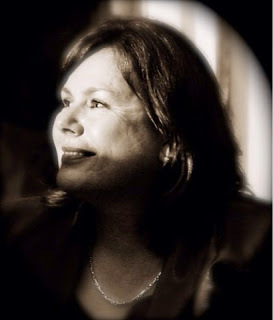 I grew up in a small, Northern Minnesotan town, married my high school sweetheart, had two beautiful children, and as soon as we could we moved to a warmer climate. I have worked with my husband building and decorating custom homes for years.
After loving every kind of vampire book, movie and series since I was a child, I decided that I wanted to know more. I can write a book I thought, how hard can that be? Well....it wasn't as easy as I thought, but I stuck to it, and finished my first book Royal Blood Chronicles Book One in August 2009. I now have ten books in the series and am about to release book three of my new series Phantom Lives.
I want to reach all audiences, and let my stories be told. I love to give you characters you can relate to and multi-leveled plots, but also a simple, sweet, romance you can relax into. When not world building, I love to cook and work in my garden. Gardening and cooking always lead to new book ideas. I guess it’s because both are so relaxing to me.
A little more with Elizabeth:What inspired you to write your first book?
I really just could not find something I wanted to read. Everything in the YA aisle was a copy of things already out there, same theme, kids with powers in high school. I wanted to know more. Where had they been, what had they seen and been involved with throughout history? If I couldn’t find it, I was determined to write it, and Royal Blood Chronicles was born. Now ten in the series.
What do you think is more important: Characters or Plot?
Oh I love a good plot, but a great plot is nothing if the reader doesn’t care what happens to the characters and can’t relate to them.
What book do you wish you had written?
I wish Lord of the Rings was mine. I love those epic fantasy stories.
If you could cast your main character(s) in a Hollywood adaption of your book, who would land the rolls?
I think I’d like someone new to play the lead roles.
Do you write an outline before you write a book?
No, I never outline. I start with a simple idea and the lead character and start to write.
What do you like to do when you aren't writing?
I love to cook, garden, and travel. Spending time with family is always top of my list.
What is a talent you have that no one knows?
Few know that I play the flute.
What is one tip you'd give to up & coming authors?
Write, everyday. Even if it’s just a few lines. Ask questions, other writers welcome them, at least I do. This isn’t easy and when I started I didn’t have anyone to ask. Now there are plenty of groups to join and authors to ask about writing, publishing and everything else.
If you could spend the day with one person, alive or dead, who would it be and why?
My dad. I miss him so much.
What's next for you?
Always writing. New stories, new genres. It’s not what I do, it’s who I am. I have to tell my stories.
Available books:
The Royal Blood Chronicles:Katrina: The BeginningThe ProtectorsThe Dark PrinceCain the QuestBloodlineLegacyRedemptionDestiny and SabineQuinn, a Watchers StoryMarcella – Vampire MageJulius – the Coven Phantom LivesCollierPower
Shifter Chronicle Green River
Adult Romance NovelsCorporate TiesWestern Escape
Pathogen SeriesPathogenMutationsFactions.
Here's some ways you can find out more about Elizabeth and her books!
Elizabeth LoraineAuthor centralRoyal Blood Chronicles on FacebookGoodreadsTwitter
And now, my review for Katrina: The Beginning
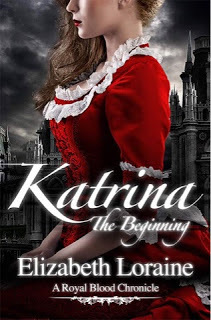 I will start off by saying that this book has a great premise and theme. The potential for The Royal Blood Chronicles to be the next great YA series is all there. The cover is absolutely gorgeous. Great use of color and contrast. I know we aren't supposed to judge a book by its cover but the cover made me want to read what was behind it. But unfortunately that's where the positives start to end. For a YA novel, there are a few too many sexual references, insinuations, content. This may just be me, but when I see YA, I see ages 12-18 unless otherwise noted by the author. If there's mature content, I want to see that in the description or have it classified as New Adult. My 11-year-old likes to read YA so if it's classified that way, I expect it to be 'clean'. If it has more mature content, I want to see in the blurb or description that it's recommended for 16+. But that could only be my over protective 'mommy senses' kicking in. The dialogue both internal and verbal caters strictly to teenagers. For being historically based, the continuity is all over the place. It was impossible to gauge what time period this book takes place when there are references as far back as the 1400's and as modern as the 2000's. The language, social norms, world events, speech, etc were simply all over the place. The author did a great job giving vampire genre lovers a new take on the legend, but fails to explain further than just notifying the reader of how it is before very quickly moving on. I noticed quite a few issues with eBook formatting, grammar, punctuation, dialogue, and strange POV switches, and this book is a second edition. The pacing dragged so slow in places that I was tempted to give up reading all together, and so fast in others that I had to turn back a few pages to be sure I didn't miss anything. That's a lot of problems for a second edition, first-out-a large-series, book. There is SO much potential here and I feel like the author has a great idea going, but either hurried through writing it and the subsequent novels in the series, or lacked any professional editing or proof reading before publishing. I give Katrina: The Beginning 2.5 out of 5 stars. With corrections, it has the potential to be a 5 star book. I received this book in exchange for an honest review.
First, a little about Elizabeth:
 I grew up in a small, Northern Minnesotan town, married my high school sweetheart, had two beautiful children, and as soon as we could we moved to a warmer climate. I have worked with my husband building and decorating custom homes for years.
 After loving every kind of vampire book, movie and series since I was a child, I decided that I wanted to know more. I can write a book I thought, how hard can that be? Well....it wasn't as easy as I thought, but I stuck to it, and finished my first book Royal Blood Chronicles Book One in August 2009. I now have ten books in the series and am about to release book three of my new series Phantom Lives.
I want to reach all audiences, and let my stories be told. I love to give you characters you can relate to and multi-leveled plots, but also a simple, sweet, romance you can relax into. When not world building, I love to cook and work in my garden. Gardening and cooking always lead to new book ideas. I guess it’s because both are so relaxing to me.
A little more with Elizabeth:What inspired you to write your first book?
I really just could not find something I wanted to read. Everything in the YA aisle was a copy of things already out there, same theme, kids with powers in high school. I wanted to know more. Where had they been, what had they seen and been involved with throughout history? If I couldn’t find it, I was determined to write it, and Royal Blood Chronicles was born. Now ten in the series.
What do you think is more important: Characters or Plot?
Oh I love a good plot, but a great plot is nothing if the reader doesn’t care what happens to the characters and can’t relate to them.
What book do you wish you had written?
I wish Lord of the Rings was mine. I love those epic fantasy stories.
If you could cast your main character(s) in a Hollywood adaption of your book, who would land the rolls?
I think I’d like someone new to play the lead roles.
Do you write an outline before you write a book?
No, I never outline. I start with a simple idea and the lead character and start to write.
What do you like to do when you aren't writing?
I love to cook, garden, and travel. Spending time with family is always top of my list.
What is a talent you have that no one knows?
Few know that I play the flute.
What is one tip you'd give to up & coming authors?
Write, everyday. Even if it’s just a few lines. Ask questions, other writers welcome them, at least I do. This isn’t easy and when I started I didn’t have anyone to ask. Now there are plenty of groups to join and authors to ask about writing, publishing and everything else.
If you could spend the day with one person, alive or dead, who would it be and why?
My dad. I miss him so much.
What's next for you?
Always writing. New stories, new genres. It’s not what I do, it’s who I am. I have to tell my stories.
Available books:
The Royal Blood Chronicles:Katrina: The BeginningThe ProtectorsThe Dark PrinceCain the QuestBloodlineLegacyRedemptionDestiny and SabineQuinn, a Watchers StoryMarcella – Vampire MageJulius – the Coven Phantom LivesCollierPower
Shifter Chronicle Green River
Adult Romance NovelsCorporate TiesWestern Escape
Pathogen SeriesPathogenMutationsFactions.
Here's some ways you can find out more about Elizabeth and her books!
Elizabeth LoraineAuthor centralRoyal Blood Chronicles on FacebookGoodreadsTwitter
And now, my review for Katrina: The Beginning
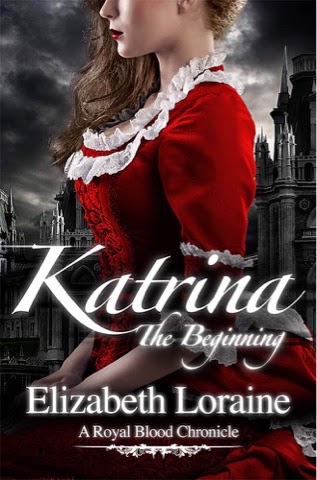 I will start off by saying that this book has a great premise and theme. The potential for The Royal Blood Chronicles to be the next great YA series is all there. The cover is absolutely gorgeous. Great use of color and contrast. I know we aren't supposed to judge a book by its cover but the cover made me want to read what was behind it. But unfortunately that's where the positives start to end. For a YA novel, there are a few too many sexual references, insinuations, content. This may just be me, but when I see YA, I see ages 12-18 unless otherwise noted by the author. If there's mature content, I want to see that in the description or have it classified as New Adult. My 11-year-old likes to read YA so if it's classified that way, I expect it to be 'clean'. If it has more mature content, I want to see in the blurb or description that it's recommended for 16+. But that could only be my over protective 'mommy senses' kicking in. The dialogue both internal and verbal caters strictly to teenagers. For being historically based, the continuity is all over the place. It was impossible to gauge what time period this book takes place when there are references as far back as the 1400's and as modern as the 2000's. The language, social norms, world events, speech, etc were simply all over the place. The author did a great job giving vampire genre lovers a new take on the legend, but fails to explain further than just notifying the reader of how it is before very quickly moving on. I noticed quite a few issues with eBook formatting, grammar, punctuation, dialogue, and strange POV switches, and this book is a second edition. The pacing dragged so slow in places that I was tempted to give up reading all together, and so fast in others that I had to turn back a few pages to be sure I didn't miss anything. That's a lot of problems for a second edition, first-out-a large-series, book. There is SO much potential here and I feel like the author has a great idea going, but either hurried through writing it and the subsequent novels in the series, or lacked any professional editing or proof reading before publishing. I give Katrina: The Beginning 2.5 out of 5 stars. With corrections, it has the potential to be a 5 star book. I received this book in exchange for an honest review.
March 12, 2015
The Problems With Continuity and Fact Checking - Thursdays with the Author
The Problems With Continuity and Fact Checking
Ok, so really this could be split into two separate posts, but in an effort to not be as long-winded as I usually am, I'll keep it in one.
Thanks to the plethora of books I am now reading for my Weekend Review post, I'm now seeing A LOT more self-published and small-press published works than I've previously read. This has brought up a lot of thoughts, like 'HOW do some people get traditionally published with the crap they write?' type thoughts, but at risk of sounding like a bitter know-it-all, I won't go into that. ;)
One problem I've seen that crops up might seem small to the author but is HUGE to the reader. Hence the title of this post. So here's a definition to start us off...
Continuity: the unbroken and consistent existence or operation of something over a period of time

This word is commonly used in describing a series of books or movies when speaking of how each novel/movie ties in with the one before. Each book or movie could, in theory, stand on its' own legs but since it's part of a series, it has to fit in with the stories before AND after it.
For example: Alice, in the Twilight Saga movies, cannot see the futures of the werewolves or the hybrids because she never was one. So anything that happens with Jacob or Renesmee, she's completely blind to. But in the last movie, Breaking Dawn Part 2, she has a vision of Renesmee all grown up and living happily-ever-after with Jacob, and Bella and Edward are there, la-dee-dah. But that is a HUGE continuity error. Alice SHOULD have only been able to see Edward and Bella. She's supposed to be blind to Jacob and Renesmee's future. The movie creators simply added this to more easily show the 'happily ever after' even though it wasn't needed and had major continuity issues.
I feel that continuity also goes hand-in-hand with Fact Checking. Especially with anything written in what is considered historical fiction and/or fantasy.
To me, fantasy is whole new worlds, new cultures, new possibilities. Like Alegesia in The Inheritance Cycle.
But there's another part of fantasy that seems to be hugely popular.
The alternate-Earth type fantasy. These books take place on Earth, with real places, people, and events, but twists the reality of it to fit the story-line for the author. I've done this myself in my Irish Treasures Saga. It takes place on Earth, in Ireland to be exact, but guess what? Magic, mythology, shape-shifters, evil monsters? They're actually real. Stephanie Meyer did this in the Twilight Saga. Takes place on Earth, in Forks, Washington, but vampires, especially ones with special abilities, are completely real.
I want to focus on this type of fantasy. The alternate-Earth.
[image error]
If you're using a real-earth scenario with a reality shift, you HAVE to fact check. Your reader LIVES on Earth, so if you screw up places, culture, time-periods of the REAL Earth aspect of your work, they are GOING TO NOTICE.
Here's some examples:
If your novel takes place in the 1800's, you have A TON of research to do.
You've picked the WHEN, now you need to pick WHERE your novel is taking place IN that time.
Then you research.
Because each country had its own culture, dress, language, mannerisms, etc. Clothing, addressing aristocracy (my lord, baron, your grace, etc), courtship practices (this was NOT called dating ANYWHERE until after the 1900's), language and slang of the time (the term boyfriend was not used until after the 1940's), medicine (penicillin wasn't invented until the early 1900's), certain countries had different names in different periods, some countries weren't even named, made, or discovered yet, depending on the time-period you've set your novel in, some places were at WAR with the other. There's SO many things you can get WRONG by writing in any other time than the present. Even if your alternate reality moves things around a bit, you need to make that VERY CLEAR to your reader. That the normal world doesn't do such and such but WE do, etc. For example: the real-world people are informant to the alternate-world characters so do not see or know the differences.
You should DEFINITELY NOT HAVE MULTIPLE PERIODS OF TIME WRITTEN IN THE SAME WORLD. And by that I don't mean the story progressing along a period of time as it's written. THAT is fine. I mean using multiple time periods and all that entails, but writing it like it's all happening in the same time. BIG NO NO. Even if your story is great, the reader will not be able to get past such glaring mistakes.
Continuity can also be a problem with point of view switches. I've pointed out the nuances of the different POVs in my post Point Of View - Get It Right - The Way YOU Want It. I have no problem with POV switches, I've used them myself. But the switches have to be VERY CLEAR and at least somewhat consistent. Giving a few paragraphs here and there from a different POV only confuses your reader. Think Game of Thrones. Each chapter is a new POV from a different character's perspective. That is VERY consistent throughout the entire series.
My Irish Treasures Saga takes place on real-Earth with real circumstances. The reality-shifts are that Celtic mythology is actually real, magic is real, shape shifting is real, etc. But I didn't bend the actual reality of Earth. Any time there's a flashback to a different time period, I researched that period to get languages, clothing, etc. right. I'm not from Ireland and haven't had the chance to visit yet so I had to do endless research on the Irish culture, language, slang, etc to get it right in my novels. The fourth novel in that series spreads the location to Russia. More research for language, historical events, etc. When the story-line shifted with my alternate-reality characters, I explained how they did this without the 'real' world noticing. Here's some examples from the books:
Irish Strength - Book 1 - Chapter 3
"What was all that, Aunt Clare?"
"Magic," Clare answered softly.
"That's ridiculous. There's no such thing." She let the sentence drop, unable to explain what she had actually seen. Clare just smiled knowingly. "Why didn't anyone else see it?"
"People see what they want to," Clare answered with a snort. "Most people are blind to anything that can't be explained with science and reason."
"But I saw it," Morgan answered.
"Aye, child. You did."
Irish Heart - Book 2 - Chapter 10
"I'll get that," Morgan told him, placing a hand on his shoulder.
"No, I've..." Putting up a finger to silence him, Morgan held out her other hand, palm down, over the floor. The slivers of porcelain began to quiver, tinkling against the boards. Dermot gasped as they lifted into the air, circling like a minature cyclone. Morgan turned her palm toward the ceiling as the shards circled around her hand. The pieces began to come together, forming the shape of the cup. The porcelain began to glow as the shards knit together in her palm. The light faded and Dermot stared, mouth open, at the now undamaged cut resting in Morgan's hand.
"You should sit down," she told him as his face paled.
"Aye," he whispered as he lowered himself weakly into the chair. "How did you do that?" His voice came out in a shaky whisper as he struggled to control his breathing.
"The same way that you laced your ax with fire that day at Brigid's," she answered with a shrug. "Magic."
"Bollocks."
"Then how do you explain it, Dermot?" she asked, sweetly.
"I was hallucinating," he answered, making Morgan snort.
"Brigid saw it, as did Maggie when she looked at Brigid's memory."
"Impossible," Dermot shook his head, denial and excuses swimming through his mind, blurring his vision.
Irish Sight - Book 3 - Chapter 16
"What is this place?" she asked as he parked. "It's called Dún Aonghasa," he answered. "It's said this is the remnants of a fort built in the Iron Age." Maggie paused as they walked toward the structure, her eyes going blank for a second. "Its not," she whispered. "At least, that's not all it is. Have you ever been here?""Loads of times," he answered, eyeing her with curiosity. "Have you not felt it?" she whispered, her face palming. "Felt what?" He grabbed her hand, feeling that it was ice cold. "What's the matter, Red?""This was Findias." Her voice shook as she spoke. "The Golden City?" Breandán looked at the ruins around him and scoffed. "You'd think it would be a wee bit nicer if it was the famed Tuathan City of Light."
So those are only minor examples of an alternate reality on a real-Earth but you get the idea. Continuity, making sure your facts line up with the time period and location you've chosen. All of these are VERY important.
Now I'll briefly touch on the straight-up fantasy worlds. The great thing about these is you are free to make up ANYTHING you want. But continuity is still important. It's a good idea when writing pure fantasy, to have a map, even a crude one, of the location or world. Have a list of creatures in your world, powers, hierarchies, bloodlines, etc. All the things you have to fact-check in your real-Earth scenarios need to be made up in a fantasy. And you need to be able to look them up when needed to make sure your story-line is lining up with the facts you have made for your world.
So with those things in mind: Happy Writing! :)
Thursdays with the Author - The Problems With Continuity and Fact Checking
The Problems With Continuity and Fact Checking
Ok, so really this could be split into two separate posts, but in an effort to not be as long-winded as I usually am, I'll keep it in one.
Thanks to the plethora of books I am now reading for my Weekend Review post, I'm now seeing A LOT more self-published and small-press published works than I've previously read. This has brought up a lot of thoughts, like 'HOW do some people get traditionally published with the crap they write?' type thoughts, but at risk of sounding like a bitter know-it-all, I won't go into that. ;)
One problem I've seen that crops up might seem small to the author but is HUGE to the reader. Hence the title of this post. So here's a definition to start us off...
Continuity: the unbroken and consistent existence or operation of something over a period of time
This word is commonly used in describing a series of books or movies when speaking of how each novel/movie ties in with the one before. Each book or movie could, in theory, stand on its' own legs but since it's part of a series, it has to fit in with the stories before AND after it.
For example: Alice, in the Twilight Saga movies, cannot see the futures of the werewolves or the hybrids because she never was one. So anything that happens with Jacob or Renesmee, she's completely blind to. But in the last movie, Breaking Dawn Part 2, she has a vision of Renesmee all grown up and living happily-ever-after with Jacob, and Bella and Edward are there, la-dee-dah. But that is a HUGE continuity error. Alice SHOULD have only been able to see Edward and Bella. She's supposed to be blind to Jacob and Renesmee's future. The movie creators simply added this to more easily show the 'happily ever after' even though it wasn't needed and had major continuity issues.
I feel that continuity also goes hand-in-hand with Fact Checking. Especially with anything written in what is considered historical fiction and/or fantasy.
To me, fantasy is whole new worlds, new cultures, new possibilities. Like Alegesia in The Inheritance Cycle.
But there's another part of fantasy that seems to be hugely popular.
The alternate-Earth type fantasy. These books take place on Earth, with real places, people, and events, but twists the reality of it to fit the story-line for the author. I've done this myself in my Irish Treasures Saga. It takes place on Earth, in Ireland to be exact, but guess what? Magic, mythology, shape-shifters, evil monsters? They're actually real. Stephanie Meyer did this in the Twilight Saga. Takes place on Earth, in Forks, Washington, but vampires, especially ones with special abilities, are completely real.
I want to focus on this type of fantasy. The alternate-Earth.
[image error]
If you're using a real-earth scenario with a reality shift, you HAVE to fact check. Your reader LIVES on Earth, so if you screw up places, culture, time-periods of the REAL Earth aspect of your work, they are GOING TO NOTICE.
Here's some examples:
If your novel takes place in the 1800's, you have A TON of research to do.
You've picked the WHEN, now you need to pick WHERE your novel is taking place IN that time.
Then you research.
Because each country had its own culture, dress, language, mannerisms, etc. Clothing, addressing aristocracy (my lord, baron, your grace, etc), courtship practices (this was NOT called dating ANYWHERE until after the 1900's), language and slang of the time (the term boyfriend was not used until after the 1940's), medicine (penicillin wasn't invented until the early 1900's), certain countries had different names in different periods, some countries weren't even named, made, or discovered yet, depending on the time-period you've set your novel in, some places were at WAR with the other. There's SO many things you can get WRONG by writing in any other time than the present. Even if your alternate reality moves things around a bit, you need to make that VERY CLEAR to your reader. That the normal world doesn't do such and such but WE do, etc. For example: the real-world people are informant to the alternate-world characters so do not see or know the differences.
You should DEFINITELY NOT HAVE MULTIPLE PERIODS OF TIME WRITTEN IN THE SAME WORLD. And by that I don't mean the story progressing along a period of time as it's written. THAT is fine. I mean using multiple time periods and all that entails, but writing it like it's all happening in the same time. BIG NO NO. Even if your story is great, the reader will not be able to get past such glaring mistakes.
Continuity can also be a problem with point of view switches. I've pointed out the nuances of the different POVs in my post Point Of View - Get It Right - The Way YOU Want It. I have no problem with POV switches, I've used them myself. But the switches have to be VERY CLEAR and at least somewhat consistent. Giving a few paragraphs here and there from a different POV only confuses your reader. Think Game of Thrones. Each chapter is a new POV from a different character's perspective. That is VERY consistent throughout the entire series.
My Irish Treasures Saga takes place on real-Earth with real circumstances. The reality-shifts are that Celtic mythology is actually real, magic is real, shape shifting is real, etc. But I didn't bend the actual reality of Earth. Any time there's a flashback to a different time period, I researched that period to get languages, clothing, etc. right. I'm not from Ireland and haven't had the chance to visit yet so I had to do endless research on the Irish culture, language, slang, etc to get it right in my novels. The fourth novel in that series spreads the location to Russia. More research for language, historical events, etc. When the story-line shifted with my alternate-reality characters, I explained how they did this without the 'real' world noticing. Here's some examples from the books:
Irish Strength - Book 1 - Chapter 3
"What was all that, Aunt Clare?"
"Magic," Clare answered softly.
"That's ridiculous. There's no such thing." She let the sentence drop, unable to explain what she had actually seen. Clare just smiled knowingly. "Why didn't anyone else see it?"
"People see what they want to," Clare answered with a snort. "Most people are blind to anything that can't be explained with science and reason."
"But I saw it," Morgan answered.
"Aye, child. You did."
Irish Heart - Book 2 - Chapter 10
"I'll get that," Morgan told him, placing a hand on his shoulder.
"No, I've..." Putting up a finger to silence him, Morgan held out her other hand, palm down, over the floor. The slivers of porcelain began to quiver, tinkling against the boards. Dermot gasped as they lifted into the air, circling like a minature cyclone. Morgan turned her palm toward the ceiling as the shards circled around her hand. The pieces began to come together, forming the shape of the cup. The porcelain began to glow as the shards knit together in her palm. The light faded and Dermot stared, mouth open, at the now undamaged cut resting in Morgan's hand.
"You should sit down," she told him as his face paled.
"Aye," he whispered as he lowered himself weakly into the chair. "How did you do that?" His voice came out in a shaky whisper as he struggled to control his breathing.
"The same way that you laced your ax with fire that day at Brigid's," she answered with a shrug. "Magic."
"Bollocks."
"Then how do you explain it, Dermot?" she asked, sweetly.
"I was hallucinating," he answered, making Morgan snort.
"Brigid saw it, as did Maggie when she looked at Brigid's memory."
"Impossible," Dermot shook his head, denial and excuses swimming through his mind, blurring his vision.
Irish Sight - Book 3 - Chapter 16
"What is this place?" she asked as he parked. "It's called Dún Aonghasa," he answered. "It's said this is the remnants of a fort built in the Iron Age." Maggie paused as they walked toward the structure, her eyes going blank for a second. "Its not," she whispered. "At least, that's not all it is. Have you ever been here?""Loads of times," he answered, eyeing her with curiosity. "Have you not felt it?" she whispered, her face palming. "Felt what?" He grabbed her hand, feeling that it was ice cold. "What's the matter, Red?""This was Findias." Her voice shook as she spoke. "The Golden City?" Breandán looked at the ruins around him and scoffed. "You'd think it would be a wee bit nicer if it was the famed Tuathan City of Light."
So those are only minor examples of an alternate reality on a real-Earth but you get the idea. Continuity, making sure your facts line up with the time period and location you've chosen. All of these are VERY important.
Now I'll briefly touch on the straight-up fantasy worlds. The great thing about these is you are free to make up ANYTHING you want. But continuity is still important. It's a good idea when writing pure fantasy, to have a map, even a crude one, of the location or world. Have a list of creatures in your world, powers, hierarchies, bloodlines, etc. All the things you have to fact-check in your real-Earth scenarios need to be made up in a fantasy. And you need to be able to look them up when needed to make sure your story-line is lining up with the facts you have made for your world.
So with those things in mind: Happy Writing! :)
The Problems With Continuity and Fact Checking - Thursdays with theAuthor - March 12, 2015
The Problems With Continuity and Fact Checking
Ok, so really this could be split into two separate posts, but in an effort to not be as long-winded as I usually am, I'll keep it in one.
Thanks to the plethora of books I am now reading for my Weekend Review post, I'm now seeing A LOT more self-published and small-press published works than I've previously read. This has brought up a lot of thoughts, like 'HOW do some people get traditionally published with the crap they write?' type thoughts, but at risk of sounding like a bitter know-it-all, I won't go into that. ;)
One problem I've seen that crops up might seem small to the author but is HUGE to the reader. Hence the title of this post. So here's a definition to start us off...
Continuity: the unbroken and consistent existence or operation of something over a period of time
This word is commonly used in describing a series of books or movies when speaking of how each novel/movie ties in with the one before. Each book or movie could, in theory, stand on its' own legs but since it's part of a series, it has to fit in with the stories before AND after it.
For example: Alice, in the Twilight Saga movies, cannot see the futures of the werewolves or the hybrids because she never was one. So anything that happens with Jacob or Renesmee, she's completely blind to. But in the last movie, Breaking Dawn Part 2, she has a vision of Renesmee all grown up and living happily-ever-after with Jacob, and Bella and Edward are there, la-dee-dah. But that is a HUGE continuity error. Alice SHOULD have only been able to see Edward and Bella. She's supposed to be blind to Jacob and Renesmee's future. The movie creators simply added this to more easily show the 'happily ever after' even though it wasn't needed and had major continuity issues.
I feel that continuity also goes hand-in-hand with Fact Checking. Especially with anything written in what is considered historical fiction and/or fantasy.
To me, fantasy is whole new worlds, new cultures, new possibilities. Like Alegesia in The Inheritance Cycle.
But there's another part of fantasy that seems to be hugely popular.
The alternate-Earth type fantasy. These books take place on Earth, with real places, people, and events, but twists the reality of it to fit the story-line for the author. I've done this myself in my Irish Treasures Saga. It takes place on Earth, in Ireland to be exact, but guess what? Magic, mythology, shape-shifters, evil monsters? They're actually real. Stephanie Meyer did this in the Twilight Saga. Takes place on Earth, in Forks, Washington, but vampires, especially ones with special abilities, are completely real.
I want to focus on this type of fantasy. The alternate-Earth.
[image error]
If you're using a real-earth scenario with a reality shift, you HAVE to fact check. Your reader LIVES on Earth, so if you screw up places, culture, time-periods of the REAL Earth aspect of your work, they are GOING TO NOTICE.
Here's some examples:
If your novel takes place in the 1800's, you have A TON of research to do.
You've picked the WHEN, now you need to pick WHERE your novel is taking place IN that time.
Then you research.
Because each country had its own culture, dress, language, mannerisms, etc. Clothing, addressing aristocracy (my lord, baron, your grace, etc), courtship practices (this was NOT called dating ANYWHERE until after the 1900's), language and slang of the time (the term boyfriend was not used until after the 1940's), medicine (penicillin wasn't invented until the early 1900's), certain countries had different names in different periods, some countries weren't even named, made, or discovered yet, depending on the time-period you've set your novel in, some places were at WAR with the other. There's SO many things you can get WRONG by writing in any other time than the present. Even if your alternate reality moves things around a bit, you need to make that VERY CLEAR to your reader. That the normal world doesn't do such and such but WE do, etc. For example: the real-world people are informant to the alternate-world characters so do not see or know the differences.
You should DEFINITELY NOT HAVE MULTIPLE PERIODS OF TIME WRITTEN IN THE SAME WORLD. And by that I don't mean the story progressing along a period of time as it's written. THAT is fine. I mean using multiple time periods and all that entails, but writing it like it's all happening in the same time. BIG NO NO. Even if your story is great, the reader will not be able to get past such glaring mistakes.
Continuity can also be a problem with point of view switches. I've pointed out the nuances of the different POVs in my post Point Of View - Get It Right - The Way YOU Want It. I have no problem with POV switches, I've used them myself. But the switches have to be VERY CLEAR and at least somewhat consistent. Giving a few paragraphs here and there from a different POV only confuses your reader. Think Game of Thrones. Each chapter is a new POV from a different character's perspective. That is VERY consistent throughout the entire series.
My Irish Treasures Saga takes place on real-Earth with real circumstances. The reality-shifts are that Celtic mythology is actually real, magic is real, shape shifting is real, etc. But I didn't bend the actual reality of Earth. Any time there's a flashback to a different time period, I researched that period to get languages, clothing, etc. right. I'm not from Ireland and haven't had the chance to visit yet so I had to do endless research on the Irish culture, language, slang, etc to get it right in my novels. The fourth novel in that series spreads the location to Russia. More research for language, historical events, etc. When the story-line shifted with my alternate-reality characters, I explained how they did this without the 'real' world noticing. Here's some examples from the books:
Irish Strength - Book 1 - Chapter 3
"What was all that, Aunt Clare?"
"Magic," Clare answered softly.
"That's ridiculous. There's no such thing." She let the sentence drop, unable to explain what she had actually seen. Clare just smiled knowingly. "Why didn't anyone else see it?"
"People see what they want to," Clare answered with a snort. "Most people are blind to anything that can't be explained with science and reason."
"But I saw it," Morgan answered.
"Aye, child. You did."
Irish Heart - Book 2 - Chapter 10
"I'll get that," Morgan told him, placing a hand on his shoulder.
"No, I've..." Putting up a finger to silence him, Morgan held out her other hand, palm down, over the floor. The slivers of porcelain began to quiver, tinkling against the boards. Dermot gasped as they lifted into the air, circling like a minature cyclone. Morgan turned her palm toward the ceiling as the shards circled around her hand. The pieces began to come together, forming the shape of the cup. The porcelain began to glow as the shards knit together in her palm. The light faded and Dermot stared, mouth open, at the now undamaged cut resting in Morgan's hand.
"You should sit down," she told him as his face paled.
"Aye," he whispered as he lowered himself weakly into the chair. "How did you do that?" His voice came out in a shaky whisper as he struggled to control his breathing.
"The same way that you laced your ax with fire that day at Brigid's," she answered with a shrug. "Magic."
"Bollocks."
"Then how do you explain it, Dermot?" she asked, sweetly.
"I was hallucinating," he answered, making Morgan snort.
"Brigid saw it, as did Maggie when she looked at Brigid's memory."
"Impossible," Dermot shook his head, denial and excuses swimming through his mind, blurring his vision.
Irish Sight - Book 3 - Chapter 16
"What is this place?" she asked as he parked. "It's called Dún Aonghasa," he answered. "It's said this is the remnants of a fort built in the Iron Age." Maggie paused as they walked toward the structure, her eyes going blank for a second. "Its not," she whispered. "At least, that's not all it is. Have you ever been here?""Loads of times," he answered, eyeing her with curiosity. "Have you not felt it?" she whispered, her face palming. "Felt what?" He grabbed her hand, feeling that it was ice cold. "What's the matter, Red?""This was Findias." Her voice shook as she spoke. "The Golden City?" Breandán looked at the ruins around him and scoffed. "You'd think it would be a wee bit nicer if it was the famed Tuathan City of Light."
So those are only minor examples of an alternate reality on a real-Earth but you get the idea. Continuity, making sure your facts line up with the time period and location you've chosen. All of these are VERY important.
Now I'll briefly touch on the straight-up fantasy worlds. The great thing about these is you are free to make up ANYTHING you want. But continuity is still important. It's a good idea when writing pure fantasy, to have a map, even a crude one, of the location or world. Have a list of creatures in your world, powers, hierarchies, bloodlines, etc. All the things you have to fact-check in your real-Earth scenarios need to be made up in a fantasy. And you need to be able to look them up when needed to make sure your story-line is lining up with the facts you have made for your world.
So with those things in mind: Happy Writing! :)
March 7, 2015
Weekend Review - The Place We Went To Yesterday - Lisa Mauro
Weekend Review is a brand new series of posts that I am starting up. Each weekend, I will post a new review of a book I've just read, with some Q&A with the author.
I have sporadically reviewed for my fellow authors before but wanting to do more (partially in hopes that someone would return the favor), I decided to post on Facebook that I was looking to do some reviews to post on my blog. I had over 50 responses in about an hour, before I started informing people that I could no longer take requests. 50 books is A LOT of reading!
The thing about my post is that I didn't make it specific on genre, style, length, etc. I wanted to read everything, even those that were out of my 'comfort zone'. I didn't interview any of the authors for spots on my list, it was a first come, first serve basis. Some of them are brand new authors, some are seasoned veterans, some are self-published, some traditionally, some have representation, editors, marketers, cover designers, some are doing everything all by themselves.
I have no idea if what I am about to read is even going to be good. For the most part, I haven't read the blurbs and/or reviews on any of the books. I just open them up and start reading, with as open of a mind as I can muster. I tend to review as I read. A private one for the author, with more details. Things I think they could have fixed/done differently, mistakes I found, formatting issues, things I loved etc. Then when I've finished the book, I write the 'public review' which you will see below. That review gets posted to Amazon, Goodreads, Shelfari, Facebook, Twitter, Pinterest, etc.
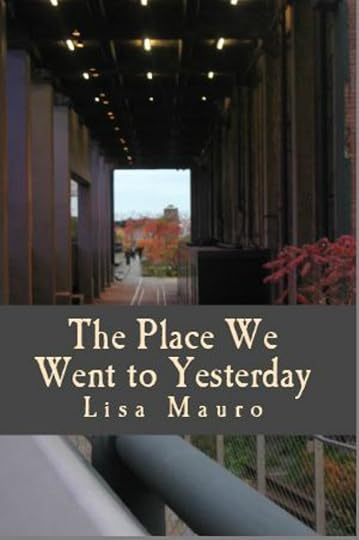
For this debut series post, I will be sharing my review of The Place We Went To Yesterday, the debut novel of author Lisa Mauro.
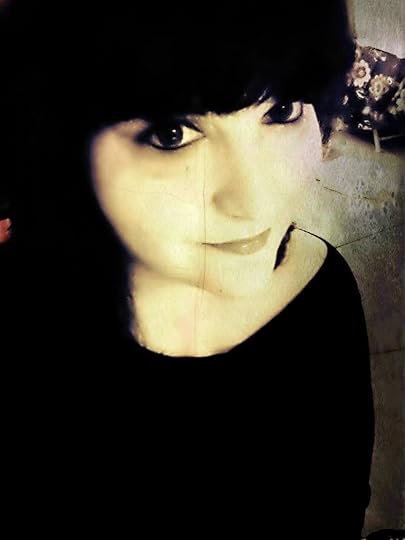
First off, a little about Lisa:
Lisa Mauro is a novelist, blogger, and pharmaceutical consultant. She is the Secretary of the Board of The Women Fiction Writers Association. The Place We Went to Yesterday is her first novel, published by Heartless Press. She lives in Boston, MA with her better half, Brian, and an obnoxiously cute kitten, Harper.
And here's my review of The Place We Went To Yesterday:
4 out of 5 stars
The Place We Went To Yesterday is a powerful story that brings the traumatic affects of abuse, neglect, low self-esteem, and poverty to the spotlight.
As seen through the eyes of young Ella, the reader begins a journey that starts in the Baruch Houses of New York City and follows get through the foster care system, life in a group home, and the struggle to pull herself from the cycle if poverty.
The Place We Went To Yesterday is a great read, appropriate for teens and adults. The perseverance and survival of the main character when all odds are literally stacked against her, makes a great inspirational read. It is also a great illustration that you can be better than the situation you were born into. I would recommend this title for ages 16 & up due to the small amount of mature language and situations.
I give this debut novel from Lisa Mauro a solid 4 out of 5 stars. She is definitely an author to watch out for , and I expect to see more great books from her. I do not know this author personally, and was gifted a copy in exchange for an honest review.
And now, to get to know Lisa a little better:
What books have most influenced your life?
I’m a big fan of Sylvia Plath, Joyce Carol Oates and Margaret Atwood. I take a lot of inspiration from their strong, female-driven stories. I think Plath’s voice, in particular, is exceptional. I also get inspiration from memoirs and non-fiction. Writers like Jeannette Walls (The Glass Castle), Azadeh Moaveni (Lipstick Jihad) and Nancy Venable Raine (After Silence: Rape & My Journey Back) have been influential in my life in both a general way but also as I’ve developed my own writing style.
What do you think is more important: Characters or Plot?
Characters. Definitely characters. If you can create deep characters, it really doesn’t matter what the story line is. Your readers will connect and will lose themselves in whatever the plot is. I’ve seen authors that put so much effort into the plot but completely forget to develop the characters and it’s always noticeable.
What book do you wish you had written?
Susanna Kaysen’s Girl, Interrupted. Not only was it a wonderful read with relatable characters, the movie was well-cast.
If you could cast your main character(s) in a Hollywood adaption of your book, who would land the roles?
I think America Ferrera would make an amazing Ella, although she’d probably turn it down for being typecast. But when I think of strong Latina women, she always makes my short list. And since we are dreaming, I think Selena Gomez would make a great Lara. It would be strange to see, though, because she’s such an A-lister. I think seeing her in a small, but powerful role, would be interesting.
What is your least favorite part of the writing/publishing/marketing process?
I am absolutely terrible at self-promotion. I’m naturally a very extroverted person and I’m supremely proud of my work, but ask me to talk about it and I suddenly clam up. I realize that it’s necessary, though, so I force myself to do it.
What do you like to do when you aren't writing?
When I’m not writing, I’m either reading or practicing vocals for the band Love Songs for Arsonists. I have a lengthy read/review list chock-full of indie authors. If I’m not doing either of those two things, I’m probably watching 30 Rock on repeat or, when the weather is more cooperative than it has been lately, out shooting photographs.
Is there a message in your novel that you want the reader to grasp?
If I had to summarize it in one sentence, it would be: Education is the key to breaking the poverty cycle. Of course it’s no guarantee of future success, but I do honestly believe that education provides a broader world-view and can spark the kind of change people need to turn their lives around.
What is one tip you'd give to up & coming authors?
Hire an editor. Seriously. Spend the money. I can’t tell you how many novels I read that have such potential and are completely ruined by a lack of editing. You can have a wonderful plot and well-developed characters, but it means nothing if a reader has to stumble over poor grammar.
If you could spend the day with one person, alive or dead, who would it be and why?
My mother. She passed away a few years ago from breast cancer and I miss her every single day. Despite having spent much of my teenage years being angry and rebellious, we managed to fix our relationship before she passed away and I’m so grateful for that. But, I’d love to have a chance to sit down with her and talk about my work and how far I’ve come. I like to think that she would be proud. Writing has always been something I was passionate about, but it took me a long time to produce something I felt was worth sharing.
What's next for you?
I’m working on the sequel to The Place We Went to Yesterday. I wrote it as a stand-alone book, but when it was done, I realized that it had so much more potential. And the fan base I’ve built is really insistent on knowing what happens to her. I’m also working on an as-yet-unnamed novel that is very different. It’s women’s fiction and deals with some sensitive issues around assault and the unraveling of a marriage. And somewhere in there, I’m working with Love Songs for Arsonists on re-recording and releasing our album as an acoustic version.
Here are some great ways to connect with Lisa:
Facebook
Lisa Mauro Website
Twitter
Goodreads
The Place We Went To Yesterday Facebook
Get The Place We Went To Yesterday HERE
Stay tuned next weekend for the next installment of Weekend Review!
I have sporadically reviewed for my fellow authors before but wanting to do more (partially in hopes that someone would return the favor), I decided to post on Facebook that I was looking to do some reviews to post on my blog. I had over 50 responses in about an hour, before I started informing people that I could no longer take requests. 50 books is A LOT of reading!
The thing about my post is that I didn't make it specific on genre, style, length, etc. I wanted to read everything, even those that were out of my 'comfort zone'. I didn't interview any of the authors for spots on my list, it was a first come, first serve basis. Some of them are brand new authors, some are seasoned veterans, some are self-published, some traditionally, some have representation, editors, marketers, cover designers, some are doing everything all by themselves.
I have no idea if what I am about to read is even going to be good. For the most part, I haven't read the blurbs and/or reviews on any of the books. I just open them up and start reading, with as open of a mind as I can muster. I tend to review as I read. A private one for the author, with more details. Things I think they could have fixed/done differently, mistakes I found, formatting issues, things I loved etc. Then when I've finished the book, I write the 'public review' which you will see below. That review gets posted to Amazon, Goodreads, Shelfari, Facebook, Twitter, Pinterest, etc.
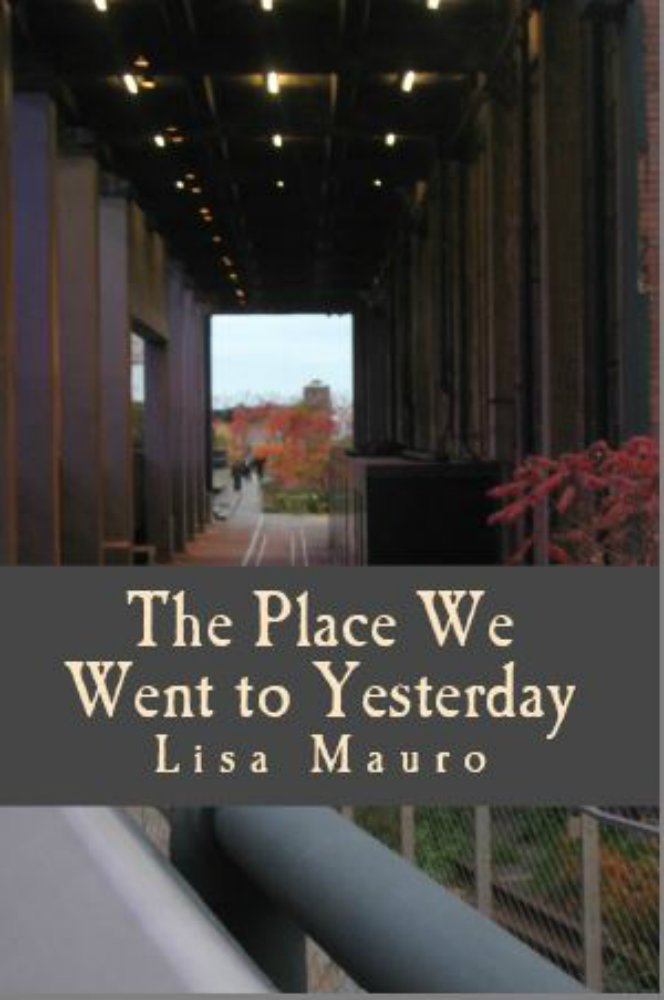
For this debut series post, I will be sharing my review of The Place We Went To Yesterday, the debut novel of author Lisa Mauro.

First off, a little about Lisa:
Lisa Mauro is a novelist, blogger, and pharmaceutical consultant. She is the Secretary of the Board of The Women Fiction Writers Association. The Place We Went to Yesterday is her first novel, published by Heartless Press. She lives in Boston, MA with her better half, Brian, and an obnoxiously cute kitten, Harper.
And here's my review of The Place We Went To Yesterday:
4 out of 5 stars
The Place We Went To Yesterday is a powerful story that brings the traumatic affects of abuse, neglect, low self-esteem, and poverty to the spotlight.
As seen through the eyes of young Ella, the reader begins a journey that starts in the Baruch Houses of New York City and follows get through the foster care system, life in a group home, and the struggle to pull herself from the cycle if poverty.
The Place We Went To Yesterday is a great read, appropriate for teens and adults. The perseverance and survival of the main character when all odds are literally stacked against her, makes a great inspirational read. It is also a great illustration that you can be better than the situation you were born into. I would recommend this title for ages 16 & up due to the small amount of mature language and situations.
I give this debut novel from Lisa Mauro a solid 4 out of 5 stars. She is definitely an author to watch out for , and I expect to see more great books from her. I do not know this author personally, and was gifted a copy in exchange for an honest review.
And now, to get to know Lisa a little better:
What books have most influenced your life?
I’m a big fan of Sylvia Plath, Joyce Carol Oates and Margaret Atwood. I take a lot of inspiration from their strong, female-driven stories. I think Plath’s voice, in particular, is exceptional. I also get inspiration from memoirs and non-fiction. Writers like Jeannette Walls (The Glass Castle), Azadeh Moaveni (Lipstick Jihad) and Nancy Venable Raine (After Silence: Rape & My Journey Back) have been influential in my life in both a general way but also as I’ve developed my own writing style.
What do you think is more important: Characters or Plot?
Characters. Definitely characters. If you can create deep characters, it really doesn’t matter what the story line is. Your readers will connect and will lose themselves in whatever the plot is. I’ve seen authors that put so much effort into the plot but completely forget to develop the characters and it’s always noticeable.
What book do you wish you had written?
Susanna Kaysen’s Girl, Interrupted. Not only was it a wonderful read with relatable characters, the movie was well-cast.
If you could cast your main character(s) in a Hollywood adaption of your book, who would land the roles?
I think America Ferrera would make an amazing Ella, although she’d probably turn it down for being typecast. But when I think of strong Latina women, she always makes my short list. And since we are dreaming, I think Selena Gomez would make a great Lara. It would be strange to see, though, because she’s such an A-lister. I think seeing her in a small, but powerful role, would be interesting.
What is your least favorite part of the writing/publishing/marketing process?
I am absolutely terrible at self-promotion. I’m naturally a very extroverted person and I’m supremely proud of my work, but ask me to talk about it and I suddenly clam up. I realize that it’s necessary, though, so I force myself to do it.
What do you like to do when you aren't writing?
When I’m not writing, I’m either reading or practicing vocals for the band Love Songs for Arsonists. I have a lengthy read/review list chock-full of indie authors. If I’m not doing either of those two things, I’m probably watching 30 Rock on repeat or, when the weather is more cooperative than it has been lately, out shooting photographs.
Is there a message in your novel that you want the reader to grasp?
If I had to summarize it in one sentence, it would be: Education is the key to breaking the poverty cycle. Of course it’s no guarantee of future success, but I do honestly believe that education provides a broader world-view and can spark the kind of change people need to turn their lives around.
What is one tip you'd give to up & coming authors?
Hire an editor. Seriously. Spend the money. I can’t tell you how many novels I read that have such potential and are completely ruined by a lack of editing. You can have a wonderful plot and well-developed characters, but it means nothing if a reader has to stumble over poor grammar.
If you could spend the day with one person, alive or dead, who would it be and why?
My mother. She passed away a few years ago from breast cancer and I miss her every single day. Despite having spent much of my teenage years being angry and rebellious, we managed to fix our relationship before she passed away and I’m so grateful for that. But, I’d love to have a chance to sit down with her and talk about my work and how far I’ve come. I like to think that she would be proud. Writing has always been something I was passionate about, but it took me a long time to produce something I felt was worth sharing.
What's next for you?
I’m working on the sequel to The Place We Went to Yesterday. I wrote it as a stand-alone book, but when it was done, I realized that it had so much more potential. And the fan base I’ve built is really insistent on knowing what happens to her. I’m also working on an as-yet-unnamed novel that is very different. It’s women’s fiction and deals with some sensitive issues around assault and the unraveling of a marriage. And somewhere in there, I’m working with Love Songs for Arsonists on re-recording and releasing our album as an acoustic version.
Here are some great ways to connect with Lisa:
Lisa Mauro Website
Goodreads
The Place We Went To Yesterday Facebook
Get The Place We Went To Yesterday HERE
Stay tuned next weekend for the next installment of Weekend Review!
March 4, 2015
Thursdays with the Author - A Little Perspective From An Author's Point Of View
I had someone recently complain (after seeing a post about an upcoming free promotion) that my books weren't free NOW. Which kind of made me want to put things in perspective.
I love free books, who doesn't? Especially when it's a newer author. Why spend money on something that's a gamble?
But you have to look at the other side of the coin as well.
Most authors run free promotion for marketing purposes. NOT because we we've made so much, we'd now like to gift it to the masses. NOT because we can't sell any copies and giving it away is our only option. Authors run free promotions to generate a larger audience. Our books move up on the 'lists', you know, when you type in a genre or key word, the books that show up on the first few pages of results? Those are the lists. If we get a ton of downloads, our book moves up. Now more people will see our book when they type in those keywords/genres.
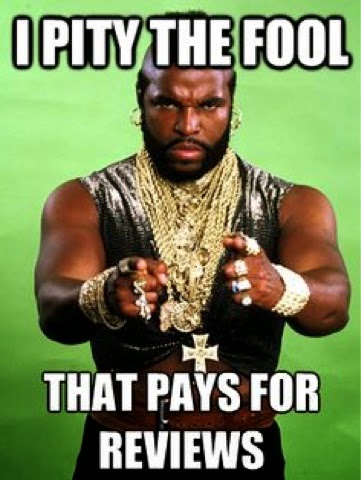
We also run free promotions for reviews. Reviews seem almost impossible to get unless you're paying for them. Seriously.
And we tend not to count family and friends because, let's be honest, we have no idea if they're only giving it a good review because they feel obligated.

No, we want the reviews from total strangers, avid readers, fellow writers. Those will tell us if our book is good.
So we hope that when we give it away for free, maybe a few people will review it. You know what the estimated odds are for getting reviews during free promotions?
ONE, that's right, ONE review per ONE THOUSAND downloads. Seriously.

Reviews MAKE our books. They make sales. They tell people what to expect. They get the reader to click 'buy' when they were skeptical. Reviews, even negative ones, help an author sell more books.
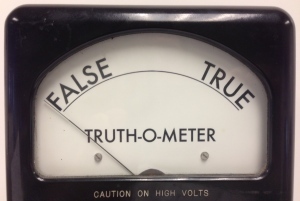
Yes even negative ones. If they were all 5 star reviews, I as a reader, would be suspicious. I'd look like Mr. T in the picture above. Like I've said in MANY of my posts, you can't please everyone. Someone will dislike your book. So if every single one of your reviews was all sunshine and rainbows, I'd doubt the authenticity of them.But that's a blog post for another day.
The lack of reviews can of BREAK a book. They are the lifeblood to making sales. And we only get one, maybe two reviews out of a thousand books that we are GIVING away. Kind of depressing.
As for reviews, yes, some people actually pay a company for 'honest' reviews. Most of us offer a free copy of our book in exchange for an honest review. And I will tell you, some of them will be brutally honest. Some of them will hate it. AND post that they hate it on Amazon. Just because they got your book for free doesn't mean they'll have anything nice to say about it. Which is a real downer. Some of us authors, myself included, do not make much, if anything, selling our books. So giving out free copies, whether print or digital, costs us money. All in the hopes that some total strangers may like it and tell the world so via the world-wide web.
What's more depressing is, that a lot of times, our fellow authors, who know EXACTLY what if feels like to not get reviews, won't even review other books. They would probably jump on the chance for someone else that's offering to review, but never offer such a helpful service themselves. They KNOW how hard it is to make it as an author, yet they won't help other authors. So the cycle just keeps going. No reviews, no sales, no help.

Most of us write to provide for ourselves and our family. It's our career. Some of us, well, we'd LIKE it to be our career. But that's hard to do for any of us when the only people interested in our books are the ones that don't want to pay for it.

Let me clue you in on how much an author might make from a book sale. I'll even give you an example from my own sales. For a self-published using CreateSpace for print copies and Kindle Direct Publishing for eBooks.
My newest book is $10.99 print and $4.99 eBook.
If you order the print directly from CreateSpace (that NEVER happens for me), I get $4.70. If only people would buy books from the publisher, I might actually be able to consider quitting my day job. But since I first published in 2013, not ONE PERSON has ordered any of my books this way. They usually order from Amazon. I get $2.50 for that. Out of $10.99, that's all I get. Now here's the real punch in the gut. If someone orders my book through Barnes and Noble or a library/school orders my book, I get an astounding .30 cents!!!! Yep. That's me 'making it big' with my books people.
Now for the eBook version, every time my book is ordered from Amazon, I get $3.45. Which is a much higher royalty than the print version. That's because there is no cost for production. Amazon takes their piece out for distribution and services and I get the rest. I won't even mention what I get for books that are borrowed from Kindle Unlimited/Amazon Prime users. Because I hardly ever actually see any profit from them. You see, if my book is borrowed, I'm supposed to get a percentage of the 'global fund' made by the fees those users pay to be able to get books/borrow books for free. I only see a royalty from those books if the reader actually reads 10% of the novel first. And that doesn't happen often. Most people that get books that way have a huge stockpile of books and mine is way down on their list.
I sell more eBooks than print. By a huge margin. Which is why I make my eBook price half, or less, of the cost of the print book. If it's affordable, more people will purchase it, and since I get a higher royalty back, I prefer to sell more that way. I see NY Times best-selling authors selling hundreds and thousands of copies of their eBooks for $9.99 without people complaining that they aren't giving it away more often. That must be what's so great about being traditionally published.
Now some might say: It doesn't cost anything to write a book, why are you charging so much?
Well aside from the above mentioned costs that the middle man (IE amazon, publishers, etc)takes from our sales, it DOES cost us. Even if we only use pen and paper, we have to buy the pens and paper. We have to have a decent computer. An up-to-date writing program. The internet/phone for research and interviews. We might have to pay for the art or photo for our covers. We might be paying hundreds or thousands for an editor. Someone to format. A cover designer. A marketer. An agent. The list goes on, and on, and on. For some lucky few, it won't cost much, but for most of us, it can cost thousands to get our book into your hands.
So do you see why it's somewhat depressing when readers get upset that I'm not constantly giving away my books for free? Because that seems to be what I end up doing anyway. Perspective people.
Of course, my version of things may not be what everyone else deals with, but it's my bet that it's pretty close.
So whether you're a reader or an author, here's some points to remember:
1) Free books are great, but getting a book for under $5 is ALSO great
2) Every time you purchase a book, you are helping support an author
3) Every time you review a book, you are helping support an author.
4) If you download a book for free, please leave a review

A Little Perspective From An Author's Point Of View - Thursdays with the Author - March 5, 2015
I had someone recently complain (after seeing a post about an upcoming free promotion) that my books weren't free NOW. Which kind of made me want to put things in perspective.
I love free books, who doesn't? Especially when it's a newer author. Why spend money on something that's a gamble?
But you have to look at the other side of the coin as well.
Most authors run free promotion for marketing purposes. NOT because we we've made so much, we'd now like to gift it to the masses. NOT because we can't sell any copies and giving it away is our only option. Authors run free promotions to generate a larger audience. Our books move up on the 'lists', you know, when you type in a genre or key word, the books that show up on the first few pages of results? Those are the lists. If we get a ton of downloads, our book moves up. Now more people will see our book when they type in those keywords/genres.
We also run free promotions for reviews. Reviews seem almost impossible to get unless you're paying for them. Seriously.
And we tend not to count family and friends because, let's be honest, we have no idea if they're only giving it a good review because they feel obligated.
No, we want the reviews from total strangers, avid readers, fellow writers. Those will tell us if our book is good.
So we hope that when we give it away for free, maybe a few people will review it. You know what the estimated odds are for getting reviews during free promotions?
ONE, that's right, ONE review per ONE THOUSAND downloads. Seriously.
Reviews MAKE our books. They make sales. They tell people what to expect. They get the reader to click 'buy' when they were skeptical. Reviews, even negative ones, help an author sell more books.
Yes even negative ones. If they were all 5 star reviews, I as a reader, would be suspicious. I'd look like Mr. T in the picture above. Like I've said in MANY of my posts, you can't please everyone. Someone will dislike your book. So if every single one of your reviews was all sunshine and rainbows, I'd doubt the authenticity of them.But that's a blog post for another day.
The lack of reviews can of BREAK a book. They are the lifeblood to making sales. And we only get one, maybe two reviews out of a thousand books that we are GIVING away. Kind of depressing.
As for reviews, yes, some people actually pay a company for 'honest' reviews. Most of us offer a free copy of our book in exchange for an honest review. And I will tell you, some of them will be brutally honest. Some of them will hate it. AND post that they hate it on Amazon. Just because they got your book for free doesn't mean they'll have anything nice to say about it. Which is a real downer. Some of us authors, myself included, do not make much, if anything, selling our books. So giving out free copies, whether print or digital, costs us money. All in the hopes that some total strangers may like it and tell the world so via the world-wide web.
What's more depressing is, that a lot of times, our fellow authors, who know EXACTLY what if feels like to not get reviews, won't even review other books. They would probably jump on the chance for someone else that's offering to review, but never offer such a helpful service themselves. They KNOW how hard it is to make it as an author, yet they won't help other authors. So the cycle just keeps going. No reviews, no sales, no help.
Most of us write to provide for ourselves and our family. It's our career. Some of us, well, we'd LIKE it to be our career. But that's hard to do for any of us when the only people interested in our books are the ones that don't want to pay for it.
Let me clue you in on how much an author might make from a book sale. I'll even give you an example from my own sales. For a self-published using CreateSpace for print copies and Kindle Direct Publishing for eBooks.
My newest book is $10.99 print and $4.99 eBook.
If you order the print directly from CreateSpace (that NEVER happens for me), I get $4.70. If only people would buy books from the publisher, I might actually be able to consider quitting my day job. But since I first published in 2013, not ONE PERSON has ordered any of my books this way. They usually order from Amazon. I get $2.50 for that. Out of $10.99, that's all I get. Now here's the real punch in the gut. If someone orders my book through Barnes and Noble or a library/school orders my book, I get an astounding .30 cents!!!! Yep. That's me 'making it big' with my books people.
Now for the eBook version, every time my book is ordered from Amazon, I get $3.45. Which is a much higher royalty than the print version. That's because there is no cost for production. Amazon takes their piece out for distribution and services and I get the rest. I won't even mention what I get for books that are borrowed from Kindle Unlimited/Amazon Prime users. Because I hardly ever actually see any profit from them. You see, if my book is borrowed, I'm supposed to get a percentage of the 'global fund' made by the fees those users pay to be able to get books/borrow books for free. I only see a royalty from those books if the reader actually reads 10% of the novel first. And that doesn't happen often. Most people that get books that way have a huge stockpile of books and mine is way down on their list.
I sell more eBooks than print. By a huge margin. Which is why I make my eBook price half or less of the cost of the print book. If it's affordable, more people will purchase it and since I get a higher royalty back, I prefer to sell more that way. I see NY Times best-selling authors selling hundreds and thousands of copies of their eBooks for $9.99 without people complaining that they aren't giving it away more often. That must be what's so great about being traditionally published.
Now some might say: It doesn't cost anything to write a book, why are you charging so much? Well aside from the above mentioned costs that the middle man (IE amazon, publishers, etc), it DOES cost us. Even if we only use pen and paper, we have to buy the pens and paper. We have to have a decent computer. An up-to-date writing program. The internet/phone for research and interviews. We might have to pay for the art or photo for our covers. We might be paying hundreds or thousands for an editor. Someone to format. A cover designer. A marketer. An agent. The list goes on, and on, and on. For some lucky few, it won't cost much, but for most of us, it can cost thousands to get our book into your hands.
So do you see why it's somewhat depressing when readers get upset that I'm not constantly giving away my books for free? Because that seems to be what I end up doing anyway. Perspective people.
Of course, my version of things may not be what everyone else deals with, but it's my bet that it's pretty close.
So whether you're a reader or an author, here's some points to remember:
1) Free books are great, but getting a book for under $5 is ALSO great
2) Every time you purchase a book, you are helping support an author
3) Every time you review a book, you are helping support an author.
4) If you download a book for free, please leave a review
A Little Perspective From An Author's Point Of View
I had someone recently complain (after seeing a post about an upcoming free promotion) that my books weren't free NOW. Which kind of made me want to put things in perspective.
I love free books, who doesn't? Especially when it's a newer author. Why spend money on something that's a gamble?
But you have to look at the other side of the coin as well.
Most authors run free promotion for marketing purposes. NOT because we we've made so much, we'd now like to gift it to the masses. NOT because we can't sell any copies and giving it away is our only option. Authors run free promotions to generate a larger audience. Our books move up on the 'lists', you know, when you type in a genre or key word, the books that show up on the first few pages of results? Those are the lists. If we get a ton of downloads, our book moves up. Now more people will see our book when they type in those keywords/genres.
We also run free promotions for reviews. Reviews seem almost impossible to get unless you're paying for them. Seriously. And we tend not to count family and friends because, let's be honest, we have no idea if they're only giving it a good review because they feel obligated.
No, we want the reviews from total strangers, avid readers, fellow writers. Those will tell us if our book is good.
So we hope that when we give it away for free, maybe a few people will review it. You know what the estimated odds are for getting reviews during free promotions?
ONE, that's right, ONE review per ONE THOUSAND downloads.
Seriously. Reviews MAKE our books. Lack of them BREAKS it. They are the lifeblood to making sales. And we only get one, maybe two reviews out of a thousand books that we are GIVING away. Kind of depressing.
What's more depressing is, that a lot of times, our fellow authors, who know EXACTLY what if feels like to not get reviews, won't even review other books. They would probably jump on the chance for someone else that's offering to review, but never offer such a helpful service themselves. They KNOW how hard it is to make it as an author, yet they won't help other authors. So the cycle just keeps going. No reviews, no sales, no help.
Most of us write to provide for ourselves and our family. It's our career. Some of us, well, we'd LIKE it to be our career. But that's hard to do for any of us when the only people interested in our books are the ones that don't want to pay for it.
Let me clue you in on how much an author might make from a book sale. I'll even give you an example from my own sales. For a self-published using CreateSpace for print copies and Kindle Direct Publishing for eBooks.
My newest book is $10.99 print and $4.99 eBook.
If you order the print directly from CreateSpace (that NEVER happens for me), I get $4.70. If only people would buy books from the publisher, I might actually be able to consider quitting my day job. But since I first published in 2013, not ONE PERSON has ordered any of my books this way. They usually order from Amazon. I get $2.50 for that. Out of $10.99, that's all I get. Now here's the real punch in the gut. If someone orders my book through Barnes and Noble or a library/school orders my book, I get an astounding .30 cents!!!! Yep. That's me 'making it big' with my books people.
Now for the eBook version, every time my book is ordered from Amazon, I get $3.45. Which is a much higher royalty than the print version. That's because there is no cost for production. Amazon takes their piece out for distribution and services and I get the rest. I won't even mention what I get for books that are borrowed from Kindle Unlimited/Amazon Prime users. Because I hardly ever actually see any profit from them. You see, if my book is borrowed, I'm supposed to get a percentage of the 'global fund' made by the fees those users pay to be able to get books/borrow books for free. I only see a royalty from those books if the reader actually reads 10% of the novel first. And that doesn't happen often. Most people that get books that way have a huge stockpile of books and mine is way down on their list.
I sell more eBooks than print. By a huge margin. Which is why I make my eBook price half or less of the cost of the print book. If it's affordable, more people will purchase it and since I get a higher royalty back, I prefer to sell more that way. I see NY Times best-selling authors selling hundreds and thousands of copies of their eBooks for $9.99 without people complaining that they aren't giving it away more often. That must be what's so great about being traditionally published.
So do you see why it's somewhat depressing when readers get upset that I'm not constantly giving away my books for free? Because that seems to be what I end up doing anyway. Perspective people. Of course, my version of things may not be what everyone else deals with, but it's my bet that it's pretty close.
So whether you're a reader or an author, here's some points to remember:
1) Free books are great, but getting a book for under $5 is ALSO great
2) Every time you purchase a book, you are helping support an author
3) Every time you review a book, you are helping an author.
4) If you download a book for free, please consider leaving a review
So next time you see an eBook for under $5, don't wish that author was running a free promotion, take a peek, spend a few dollars. You may just find your next favorite thing. And you may just be helping an author pay their bills.
Writer's Ramblings
Author News, Advice, Tips, and Resources for Writers and Sharing of General Awesomeness!
- Amanda Meredith's profile
- 15 followers