
Ellie Baker's Blog, page 4
June 19, 2016
Migrant groups. Good or bad?
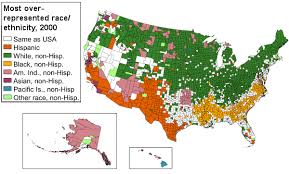
 Whether a pair of migrants befriend each other or a neighbourhood has a density of a particular ethnicity, such as in Chinatown, migrants are drawn to each other. As humans, we like to find people similar to ourselves. Migrants, in an environment surrounded by the unfamiliar, are often drawn to the familiar. Migrant groups, or migrant cluster groups, can provide this familiarity.
Large migrant groups such as in Chinatown are common in major cities. Labelled as such, we know in that area we expect a wide variety of Chinese food and shops, and a concentration of Chinese migrants. Other nationalities gather with a similar density in particular suburbs or neighbourhoods in cities. Why do migrant cluster groups happen and what are they good/bad for?
 GOODFamiliarity and a sense of connection for the migrant. 1. Language. I admire those who speak a second language. The familiarity of your native language may be a comfort to speak with others while in your adopted country. It can also be an effort. An AuPpair said that it was strange to switch from English to Finnish when her boyfriend visited her in New Zealand. "I had to think hard to adjust to the different sounds again."2. Accent. My name Ellie is heard as Allie in New Zealand. My name is regularly spelt wrongly even though I try hard to emphasise the 'e' sound in a New Zealand way. Horray when they get it right (which is often when the listener is an immigrant).3. Humour. Countries have their own sense of humour. When interviewing for my book, the English interviewers made me laugh as they related their sad tales with sarcasm and humour.4. History. References to your country of origin may be based on the moments of history big enough to be celebrated on certain days. Memorial day/ Independence day/labour day and what these days represent.5. Food. The love of a good cup of tea, hamburgers in the States, curries in India.6. Culture/the social norms. The way you meet and greet people, subjects that are acceptable to discuss, etc.
 EmpathyMissing family and friends. A fellow migrant can empathise with the challenges of being an immigrant, both emotional and practical. These can include:1. The feeling of isolation, disconnection and homesickness. If the members of a cluster group are not just migrants, but come from a similar area or background, they can reminisce together about their lives and alleviate homesickness.2. The members can share and analyse the differences in the people and systems (employment, education, health, politics, law enforcement) between the host country and their adopted country, and find efficient ways to operate within these systems.
RelaxationIf members of the migrant cluster speak the same language they can have a rest from making sure they are understood in their pronunciation or vocabulary. This is discussed more in my book , The Emotional Challenges of Immigration.
BAD For native-bornNative-born may want the economic and cultural benefits a migrant influx can bring, and enjoy the diversity, but not want the negative effects. NIMBY (Not in my backyard.)Native-born of the host country may perceive immigrant cluster groups as threatening a lifestyle they were brought up in, want to maintain, and pass on to their children.The immigrant cluster groups may be claimed to be the cause of the present past and future challenges of the host country.When looking at immigrants as a group, it is easier to be negative about them and take action on the group (racial tension, holocaust, ethnic cleansing.) It is harder to hate an individual or your neighbour. For the migrants1. "Little India". By having people around who speak the same language, the migrants may make less effort to learn the host country language and customs.2. The empathy may evolve into a negative outlook, focusing on what is wrong with their host country rather than what is right.3. This negative outlook may cause them a sense of isolation, lack of appreciation of what the country has to offer, and less connection with it.4. There may be a feeling of what am I doing here? I have left India and now I am living in a “little India.”
 ConclusionMigrants will gather together and seek familiarity. Most of them are adventurous and motivated to have a good lifestyle in the country in which they are living. The more they are welcomed as individuals, the less they will need the support of migrant groups.
Link David Livermore: Why do all the Chinese students sit together?


May 14, 2016
Families of immigrants left behind - what do they think?
“I feel frustrated she is not around. The time difference is annoying. I can’t call her up like I used to.”
“You are leaving us? Well I hope where you are going is worth giving us up.”When a friend or family member leaves for another country or area, they leave behind loved ones. As an immigrant, it is worth considering the point of view of the people you have left behind. Put yourself in their shoes. You have denied them:
Access to you when they need or want help or want to help you. There will be times when you can't help as much as you would like. You can't physically be there to hold or comfort them. Similarly, your loved ones would love to help you, but they can’t. They have to stand back and hope you will be able to get through the latest challenge.
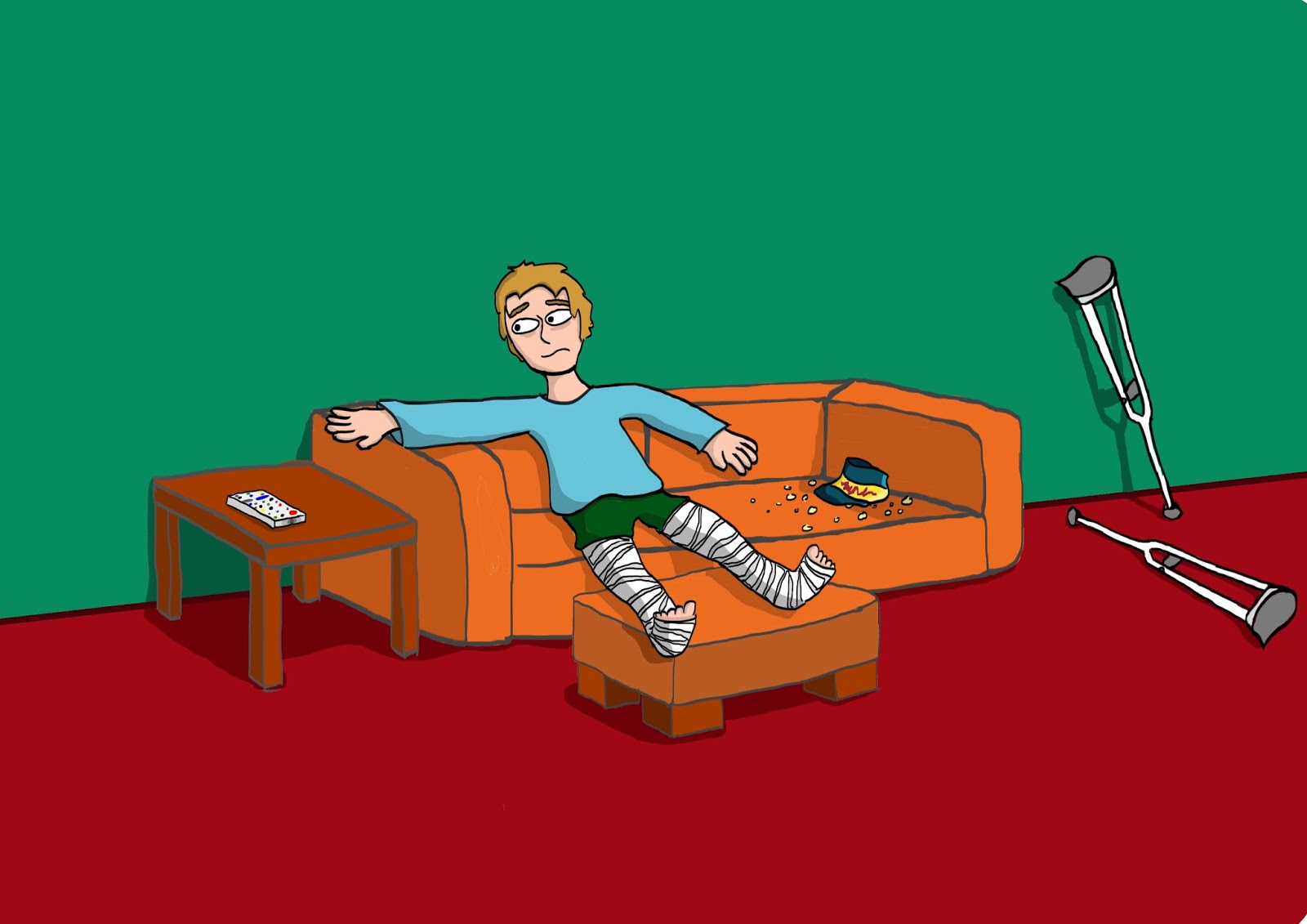
Shared joy at life’s milestones and events from birthdays to sports days or everyday achievements. There is nothing like being there at the time. You can share each other's joys, but hearing about it is not as good as being there.
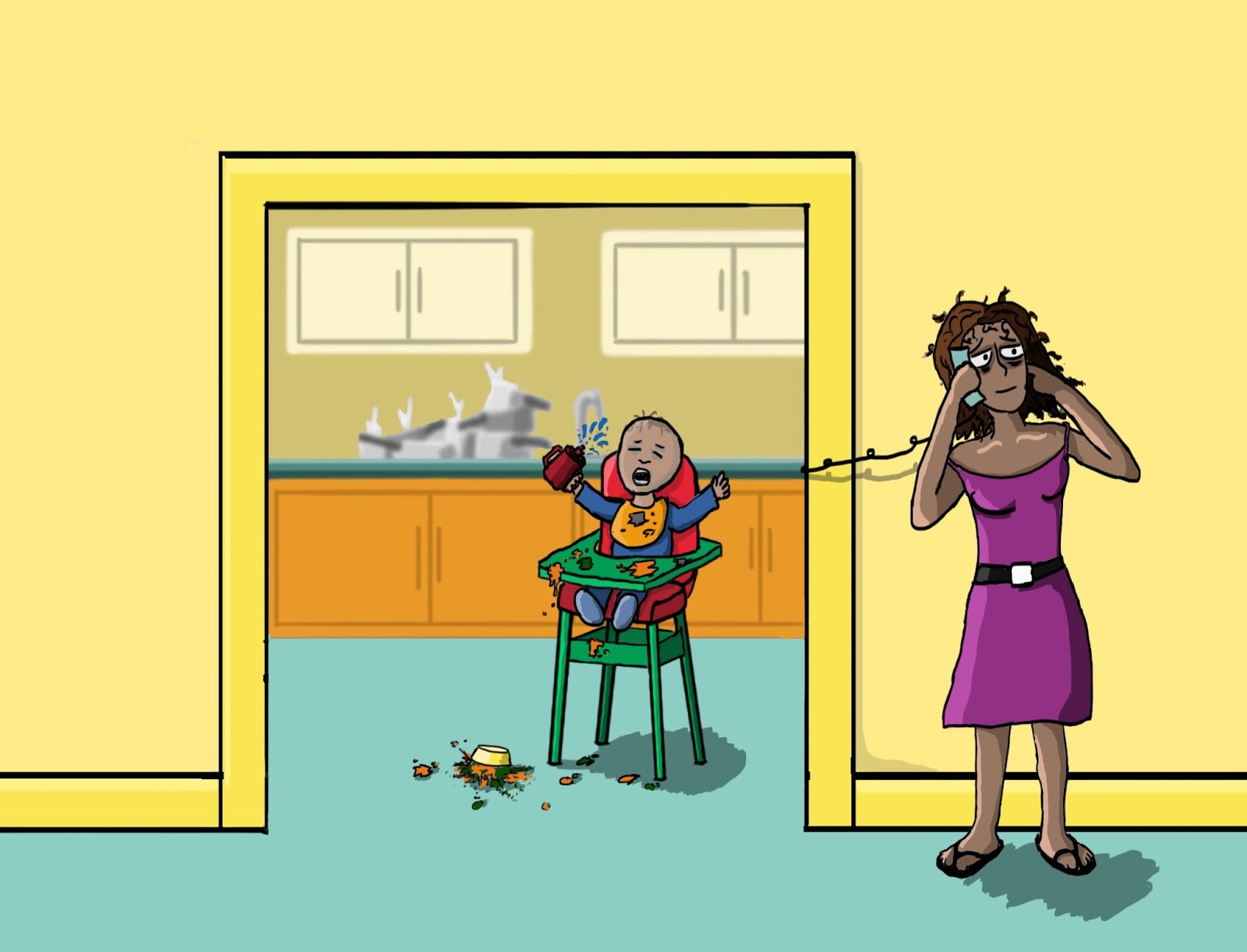 Parental care. As your parents age, their care mentally and physically increases. How can you make a contribution? Are you sensitive and appreciative enough of those who are caring for your parents. Have you asked, 'What can I do to help?'
Shared sadness at times of death or bad news. Comfort can be received and shared by being together. It is often not the words that help, but the being together.
Shared living. The day to day events or times when you need encouragement, support, a familiar voice that says, "I know" or "that's tough," or "that's great." The event may not be big enough to warrant a transnational phone call, but it is a time when you would like to hear the person that used to help you.
All of the above connections with you are denied to loved ones left behind. Those connections are also denied to you as an immigrant, but you are the one who moved. As you have left them, there may be an element of them feeling you don’t care enough about them.
Rather than brood on guilt, or jump on a plane back to your homeland, you could:Spend time thinking about how they feel. Ask them how they feel.Adapt your efforts to communicate with your loved ones so that it suits them. There is more on this in my book. Here is chapter 5, Keep in touch - or else! Be prepared to make an extra effort to keep in touch.Listen to them, listen well, use reflective listening so you know they are being heard. Read more in chapter 6, an excerpt here. AbandonmentIndulge in the feeling that you are missed. It feels good to be loved on two sides of the world.Keep sharing your high times and low times as best you can. Social media is great for instant news and events. Loved ones may not be there, but at least they hear about it quickly.

On a global scale, there is concern about the families that are left behind and those who are no longer there to take care of them. Here are some links that could be of interest if you wish to read more. http://www.globalmigrationgroup.org/theme/womenchildrenfamilies-left-behind
A quote from The Impact of Migration on Family Left Behind by Francisca M Antman
"Policymakers should pay close attention as the system of social insurance may need to adapt considerably given that migration may place traditional support structures in jeopardy. Given the vulnerability of elderly populations in developing countries, these results suggest that governments and institutions in sending communities should be more concerned about the potentially detrimental consequences of migration for their own elderly populations."
I would love to hear your comments, anecdotes or experiences on loved ones left behind, especially if you are one of them.
April 6, 2016
Technology trials away from home 101.
I bought myself a Surface Pro a week before my flight to visit my family in UK. I had visions of hours learning the ins and outs of the Pro while travelling from New Zealand. The learning didn't happen. Why?These were the things I didn't take into account:The default setting of the Pro seems to be to have a million apps open so if not in flight mode, power is used quickly.I didn't know how to get rid of those apps.I was tired and jet laggedThe movies on the back of seats were accessible and far more entertaining than the thought of learning a new gadget.When you are travelling, comfort, ease and familiarity are a premium. I felt none of these when I tried to operate the battery-sucking Pro.
 Ye olde PC. Dell 1990Even after a few days in UK, I was still struggling. I had not conquered the Pro and my dinosaur phone would only roam intermittently. I felt defeated by technology. I am a women who could operate DOS forty years ago. I was one of the first to use spreadsheets and taught basic computing to all ages when PC's were just becoming a household item.
Still struggling with my Pro, my mother became weaker. Emails and texts between nine siblings were nearly hourly. I needed access to e-communication. Fortunately, my brother lent me one of his spare phones so I could at least keep in touch. Not being able to remain connected in a techno way added to the feelings of disconnection that happen with any return to your homeland. [More information on feelings of disconnection during visits are on this free download Visiting Home Chapter 9, from my book, The Emotional Challenges of Immigration.]
My advice is to:Know your technology before you leave for a trip. Only take gadgets that are familiar and you know the battery time. Being unsure of power and entertainment possibilities, I ridiculously over-packed. My hand luggage included: Surface pro with case, charger and overseas adaptors, temp charger, Kindle, phone, glasses, a hard drive in case the movies weren't working, a book in case all failed and there were no movies.
 When there was only one screen.Manage without technology. Take a book. When I first started crossing the planet, my only concern was which book to take to read. Large or small? One or two? Shakespeare or Mills and Boon? Book reading was a must. You may have been able to watch a movie or two but it was on the big screen and shown at times decided by the flight crew.Have plenty of capacity on your phone for all those pictures you take. This was warning from Iphone daughter, who at sixteen years old loved discovering London on her own. I did have capacity, with my Pro and portable hard drive. It did take my twenty something daughter a long time to download the few photos I took. Be prepared to buy a new Sim card or buy or borrow a phone. Don't rely on roaming phones. Neither my Samsung dinosaur or my daughter's Iphone5s roamed as promised. I could text and call only sometimes. I later found out that although I had paid for the roaming in NZ, it was dependent on the servers in the country I was in, so there were no guarantees of service. My daughter bought a UK number/sim and my borrowed phone was UK based. Both worked well in UK, but were limited in contacting NZ. Travel with a teenager or young adult. Technology upgrades and updates put me out of date painfully quickly. Use the precious time to engage with those in the real world. Do you travel to connect with your loved ones or connect with a screen? If you do decide duty free or being on holiday is the time to buy and/or learn about your new gadget, reconsider. Learning a new gadget takes time. A lot of time. While away I was repeatedly thinking, note to self - do not attempt to learn new technology when you are:Jet laggedAt the beginning of your travelling where you are unused to where you packed everything.In an environment where the systems are differentIn a stressful timesMy final recommendation:Don't be too ambitious with technology when travelling. Know your gadgets before you go, because you don't know how long it will take to get it all working.
February 29, 2016
When your mother dies
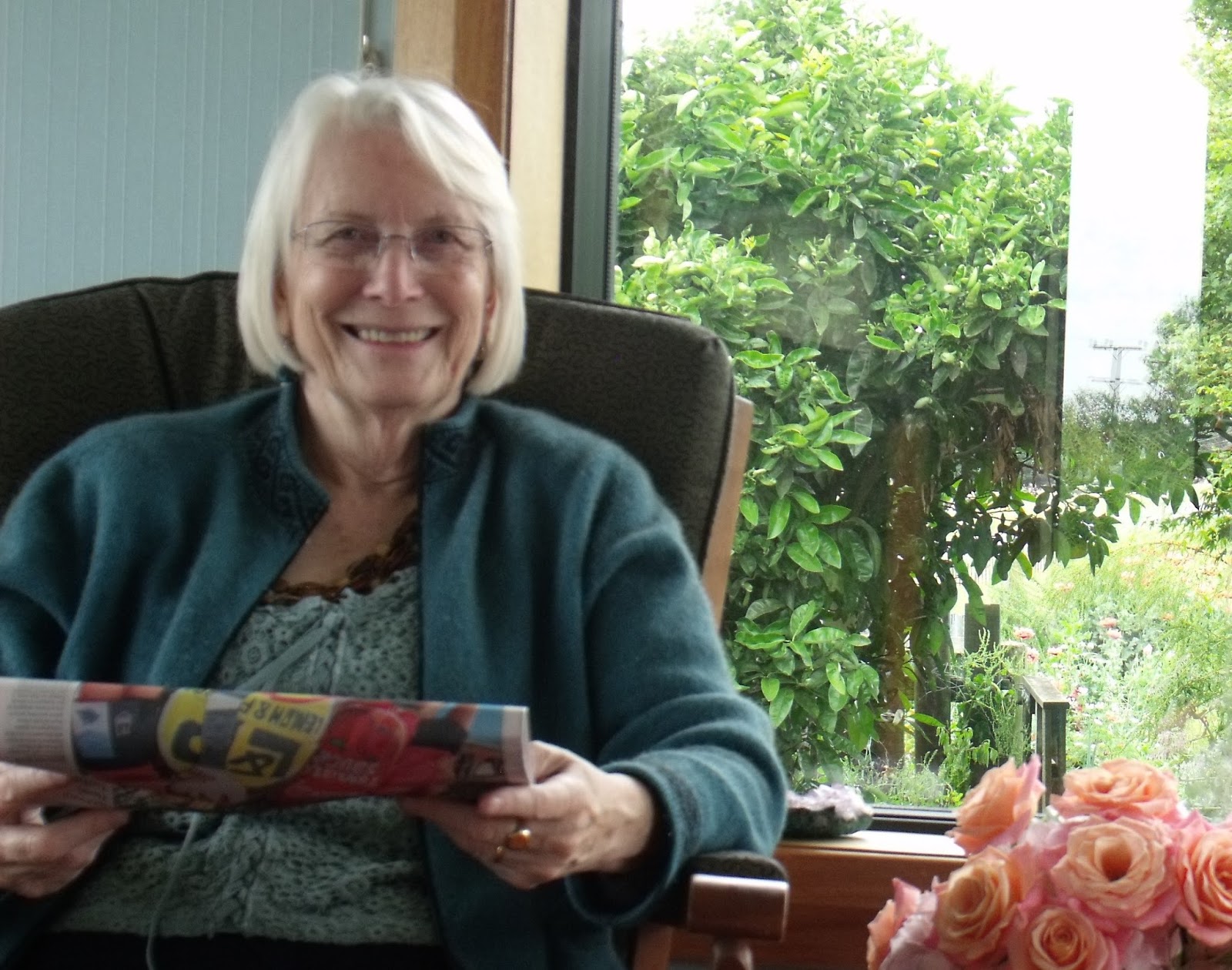 Margaret Baker 7 Jan 1934- 26th Jan 2016Apologies for my blog absence. I went to England to visit my mother. Her decline in health over four weeks was rapid. She died a week before I was due to come back to NZ. Helping to care for her before she died and living a ‘life after death’ has been consuming.
 I have now been back in New Zealand for ten days. The jet lag is abating, The grump (chapter 11) is being overtaken by life’s routines and I am feeling a sense of normality is knocking on the door. I can let it in if I want.
Blogs and newsletters have been due. Mental drafts have made it to paper, but not to the web. I like to think my writing is a help to migrants going through similar situations. I couldn’t come up with ways to help myself let alone readers. As well as my mother dying there were other deaths and dying of people close to me. When death is all around you, it is difficult to see a way forward or objective observations. What I can offer is a few snippets of thoughts:
 For migrants:
When you are away from a home and are grieving, you lack your day to day touchstones. Your sofa, your clothes, the routines that you choose to keep or ignore at challenging times.
In some ways you can operate entirely focused on the task at hand, in my case caring for my dying mother. However, when that task is over, you don’t even know how big the void is because you have no perspective on how your routines, your 'normal' life has been altered. You are in limbo until you return to your place of everyday living.
For anyone grieving:

Grief is a hard blow. Even when you have had grief before, it creeps up and surprises you. It disables you.
Goodbyes are usually hard. Goodbyes coupled with grief are really hard.
We have complicated and uncomplicated times in our lives. Mine feels complicated and uncomplicated. Uncomplicated because it is only the things that matter, matter. Complicated because for two month I have been without routine and normality I don’t know what it the next step. I am only making small steps.
At this grieving time:Be patient, be tender, be kind to yourself and others.
December 5, 2015
11+ ways to improve the grandparent grandchild relationship Part 2
 Add captionContinuing on. Part 1 covered items 1-5. This blog will cover the remainder. I'd love to hear your comments and experiences What are some of the challenges? 1.Keeping in contact enough.2.Remembering that communication is a two-way act.3.Language.4.Virtual grandparents.5.Accents can hinder the ease of communication. 6.New cultural and behavioural norms.7.Reluctance.8.Environmental differences.9.Visits there or here.10.Quantity v quality.11.Talking it up
How can the challenges be overcome?6.New cultural and behavioural norms. Grandparents are two generations away from their grandchildren. The behaviour of the adopted country can be different to the country of origin. The grandparent may feel they don’t understand the different values of the place their grandchildren are being brought up in.
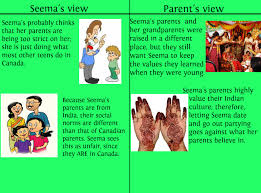 Solution: Be patient with your parents. Explain the reasoning behind the different cultural practices. Identify the parts of your upbringing that you want to include in your children’s life that was similar to your own upbringing.
7.Reluctance. There may be resentment that you, as an immigrant, have taken their grandchildren away. You have to appreciate that your parent may feel robbed, especially as many of your parents' peers will be telling their grandchildren 'brag' stories. Solution: Patience helps.. Put yourself in their shoes. How would you feel if your children became less accessible?Ask your parents how you can make it easier for them to keep in touch with their grandchildren.
8.Environmental differences. Being in a different time zone or season or climate are all disconnecting factors. You cannot share and empathise with what is going on in each other’s lives.
Solution: Be informed about what is happening in their world. Figure out a time of day that is going to work for them. Be understanding if mistakes are made.
9.Visits there or here. There will be a bit of breaking the ice between grandparent and grandchild. They are seeing each other 24/7 so it is impossible for either party to be on their best behaviour all the time. Solution: Give the grandparent and grandchild time to warm to each other. When the grandparents and children are together for limited, if precious time, try and engineer time for them alone so they build on their relationship. The dynamics are different without the generation in the middle. Have confidence that your children will charm your parents in some way. If the children don't, the grandparents are usually wise enough to see past any slow-to-warm behaviour. While the grandparents are visiting - see how to make the most of house guests.
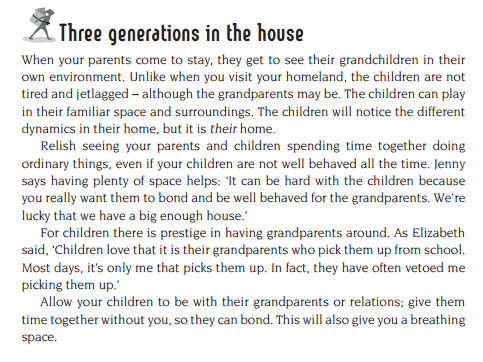
Clip from my book, Chapter 10 Family and friends come to visit.
10.Quantity v quality. Obligations or desire to keep in contact may be different. A daily photo of a grandchild over a phone may be appropriate and easy for a parent, but not so for the grandparent. Every child's first event is a wonder and to be cherished. The grandparent has less 'firsts' of thier life to return a post or photo.Solution: Be attentive to quality contact. The more you put in, the more you will get out of it. Strong relationships involve effort. A daily flick of the phone photo is not enough. Use a variety of methods to enhance the relationship.11.Talking it up. A parent influences their children. They can be a barrier or a bridge to the relationship with their parents and parents-in-law.
 Solution: Be a bridge at all times. It is likely that the grandparent/ grandchild relationship will be different to your parent-child relationships. When talking about your children's grandparents, do so in a way that will give the grandparent-grandchild relationship the chance to be as good as it can be. Tell positive stories about your own childhood, and pass on the stories of your parents' childhood. If you talk about your parents with respect and love, your children will pick up that their grandparents are worth finding out more about. You may have differences with your parents and/or in-laws, but put those aside and let your children work out their relationship with their grandparents.
Other links you may find usefulConnecting with a daily Skype. Here
Benefits of a bilingual brain. Here
More ideas with new technology and old. Here
Phone calls and tapes. Here
Help others with their relationships. Share your wisdom, experiences and learnings in the comments.
November 15, 2015
11+ ways to improve the grandparent grandchild relationship part 1
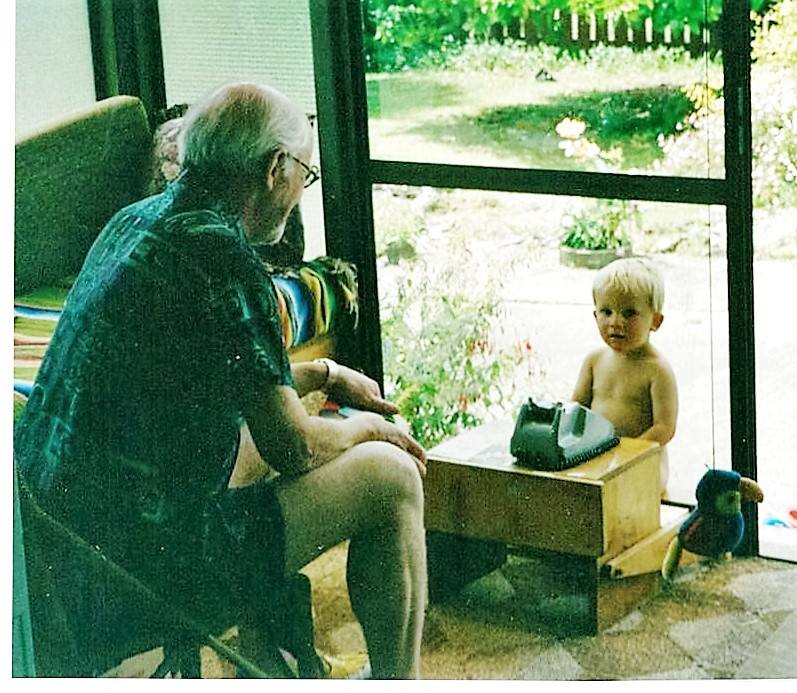
“I must have been crazy. I’ve taken my parents away from my children!” Jessica
“I was really close to my grandparents when I was growing up, it is such a different sort of relationship to [the one you have with] your parents. I am sad my children aren’t going to have that.” RebeccaQuotes from my book, The Emotional Challenges of Immigration, Strategies and stories of those who stayed.
Grandparents and grandchildren have a unique relationship, however when you are a migrant, this unique relationship is challenged by distance.
What are some of the challenges?
1.Keeping in contact enough.
2.Remembering that communication is a two-way act.
3.Language.
4.Virtual grandparents.
5.Accents can hinder the ease of communication. 6.New cultural and behavioural norms.7.Reluctance.8.Environmental differences.9.Visits there or here.10.Quantity v quality.11.Talking it up
How can the challenges be overcome?
1.Keeping in contact enough. Children change so quickly, it is hard for the grandparent to keep up with what they are doing. It is an effort to keep in contact, especially if there are numerous grandchildren or grandparents.
 Solution: Internet offers instant contact through Instagram, Viber, Skype, email. Then there are the slower, but effective, letters, presents and visits. More information on keeping in contact in my book.2.Remembering that communication is a two-way act. Technology is evolving so quickly that it is difficult to keep up with every form of communication, let alone know how to use it. While you as a parent may be savvy with the latest technology, your parent may not be or may be uncomfortable using it. For example, when emails were the hip new form of communication a traveler in London wanted to keep her grandmother up to date with email.
 The grandmother preferred letters. Who gets to choose which way to communicate? My mother has avoided using Skype as she feels she has to make herself presentable for the screen. Perhaps this is where respect for elders comes in. Be understanding. You may be just as challenged when you get to their stage of life. Your right way to communicate may not be right for them. Your elders may not see the need for Instagram or Skype. Allow them the privilege of sticking with what they know. Solution: Agree on a form of communication which makes it easy for your parent and realistic for you. Vary your forms of communication. My adult children write letters to my mother. My mother is a proficient emailer, but the letters are a special form of contact.
 3.Language. If you and your children live in a country that speaks a different language to the one you were brought up with, you have to choose whether your children become bilingual or not. If you chose for and your children not to be bilingual, your children may not be able to speak easily to your parents. As an immigrant from Russia to an English speaking country said,
“You come here. You learn English. You let English be your main language at home so that your children will get the best out of school. Then when your parents come over, your children can’t communicate with their grandparents because they don’t have the same first language."
Even when you are living with your grandparents, if the language is different, there is limited communication. As Yowie Shaw found out, Help! I can't communicate with my Mandarin-speaking grandpa. Another second generation immigrant on speaking two languages, a post reply from Carolina Sanchez on the blog Why do some immigrant children that are raised in America refuse to speak their mother tongue.
“I was born in the US, but my first languages are Spanish and English. My parents taught me Spanish before English, and I was speaking both by the time I was 3. I always spoke Spanish at home, and English at school. But then when I started getting older, like pre-teen/teen years I was sometimes ashamed to be heard speaking Spanish in public because I wanted to 'fit in' and I didn't want people to think I was different. But then, a few years later, I realized that was silly and I am so thankful today to my parents for instilling the Spanish language and culture in me and always speaking to me in Spanish, reading to me in Spanish since I was little, etc. It opened my mind to other languages and cultures, and I discovered my passion for languages. I went on to learn 3 more languages (Italian, Portuguese, and Russian), and now I am a professional translator and share my knowledge with others. So many of my friends tell me they wish they spoke another language, and that when they have kids they're going to raise them bilingual. It really opens so many doors.”
Solution: Keep your children bilingual. If they learn the language before they are five, they will be able to communicate with their grandparents when they are young. If your children want to dismiss the second language at adolescence, having learnt it once they are likely to be able to understand their grandparents, and maybe the grown children will relearn the language.
4.Virtual grandparents. There are limitations to the two-dimensional contact. As one parent said, “You can’t snuggle up and read a book together on Skype.” And you can’t smell the smell of a newborn.
 Solution. When you can, make face-to-face visits happen. As one new grandparent said, “My granddaughter was surprised to see us not full-screen size. She was used to seeing us on screen. It suddenly became a three-dimensional relationship.”
5.Accents can hinder the ease of communication. A quote from my book illustrates an example,
“Grandparents may find the difference in accents a challenge. The accents not only remind them that their grandchildren are different, but that they are distant, too. Monica's parents struggled with her being away from them: 'My parents say they don't understand the children. It's not that difficult. Perhaps they don't try very hard.' From Monica's parents' point of view, they may feel it should not be an effort to listen to their grandchildren. The grandparents were not the ones that moved.”
Solution: Give your parents time and allow them to misunderstand the children. They will tune in after a while if the children continue to make contact with them. When you visit each other, make sure the grandparents and children spend some time together without you. They will probably find their ways to communicate. Alternatively or additionally, use snail mail, voice recordings (the grandparents can replay the tapes many times to decipher what is being said.)
The second part of my blog on improving the grandparent-grandchild relationship will be online in December. If you would like to read it earlier, sign up for the free newsletter here. As well as the remainder of this article, you will receive for free, Ten Tips to Become a More Settled Immigrant.If you have any wisdom or experiences to share, comment below. I would love to hear from you.
October 15, 2015
Why Immigrants Need Empathy not Sympathy.
 I had just returned from a homeland visit. An acquaintance approached me and I readied myself for the, “I bet you are glad to be back.” Instead the person said,
“It must have been so hard leaving.” I took a step back and fumbled for the handkerchief I knew I would be needing. Amongst my muddle of thoughts there was a cry of 'Eureka someone understands!' I hugged my acquaintance-now-more-of-a-friend. She welcomed the hug because we both knew she had touched me emotionally, and the hug would hide my tears.

Empathy. The understanding of emotions. Sympathy. Feeling sorry for the person. I would rather have empathy any day.
The empathy I was shown:
Acknowledged my sadness and made the sadness feel reasonableDidn’t make me feel weak or patheticGave me a sense of relief at someone understanding what I was going through.
There is a fine line between empathy and sympathy, and sometimes the terms are misused.
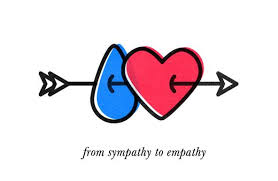 Sympathy makes me feel weak. I don’t want people feeling sorry for me, because:
It makes me feel like I have made a wrong decision to be an immigrantI have burdened them with my sadness.They may be thinking, if it is bad enough to make me sad, I should return to my homeland.I would rather that people understand I am glad about my choices, but there are times when it is difficult or sad.
In my book, The Emotional Challenges of Immigration, Jessica, had two conversations within a short space of time.
"The first was with someone from her adopted country. ‘She suggested that I, being from America, must notice the difference [in living]. I was relieved that somebody finally understood that I was living a different world. But before I had time to reply, she said, “It is so much better here. That smog there is terrible. You must be pleased to be here.” It was a huge lesson for me. From her perspective, she didn’t really want to know what was different and she didn’t really want me to say whether it was better or worse. That was a real turning point for me. Even though I had only been here a few months, I knew I had to get on with it.’
Jessica’s second conversation was with someone from her homeland, which helped her move on. ‘A short while later I talked with a fellow American who said, “Don’t you just hate it?” I almost felt like bursting into tears. At last I was able to think, “Yes I do hate it” Since then I have been able to find things I can appreciate here.’"
Excerpt from The Emotional Challenges of Immigration,Chapter 7 The Settling Process
In the second conversation, the fellow American was able to show empathy. The first conversation shows that for many, it is hard to empathise.
Why is it hard to empathise?
It is easier to empathise with people like yourself. “Bloom points out and as history shows us, our empathetic response is usually aroused by the cute and the familiar.” Read more Empathy takes a stretch of the imagination if you are dissimilar. From the feedback from people who have read my book, one said, “I didn't realise I had put my wife [an immigrant to his homeland] through so much. The other, on realising that by often correcting immigrants pronunciation, she noted that she had never thought of how it would feel to be frequently corrected. She vowed to be more sensitive.It takes active listening. Some people are better than others.There may be a barrier to wanting to feel empathy, for example, the first conversation Jessica had, the native-born woman wanted to affirm that her homeland was the best place to be.
How can you help people empathise?
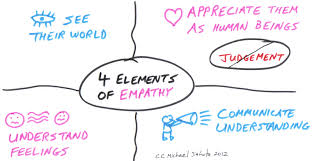
Practice active listening yourself so that you can let others listen to you. Own your decisions to be where you are. Explain about your situation in a way that can be understood. When they see you going home to a visit, as a holiday, explain that as much as it is good soul food, it is rarely a holiday time. Describe your trips in a matter of fact way.Remind yourself of your reaction to immigrants in your homeland before you emigrated. Put yourself in their shoes.Have confidence that this sadness shall pass, but it is okay to be sad.Listen to other immigrants' stories and hardships.Accept that some people don’t want to feel empathy or sympathy for you or your situation. Perhaps they have their own issues they are struggling to deal with.Offer them my book to read.Acknowledge that we all have to work at empathy.
I feel empathy for migrants who are emotionally challenged. I feel I understand what it is like to not have easy access to your family and friends. I appreciate that going back home to visit can be only be holiday like in so far as a change is as good as a rest. However, I admit that for refugees, immigrants who speak another language, my empathy does not come so easily. I have to use my imagination to put myself in their shoes, and remember that there is not one size fits all. I hope I can give them the empathy they need.
The Mediterranean refugee situation has been emotive. The news coverage has stirred sympathy, empathy, disgust, intolerance and compassion. It wasn’t until the three-year-old was shown washed up on the beach that many took a step back and treated the migrants as individuals. Pain is inevitable, suffering is optional. With empathy at an individual level, we can help lessen the suffering.
September 24, 2015
Do you have cultural intelligence?
 How well do you communicate with other cultures? Do you make blunders? Have a look at the Newsletter 13 to find out more and see great examples of some of the mistakes you might be making.
 Season confusion? Why? Suggestions in the Newsletter 13
August 15, 2015
Getting through unsettling times
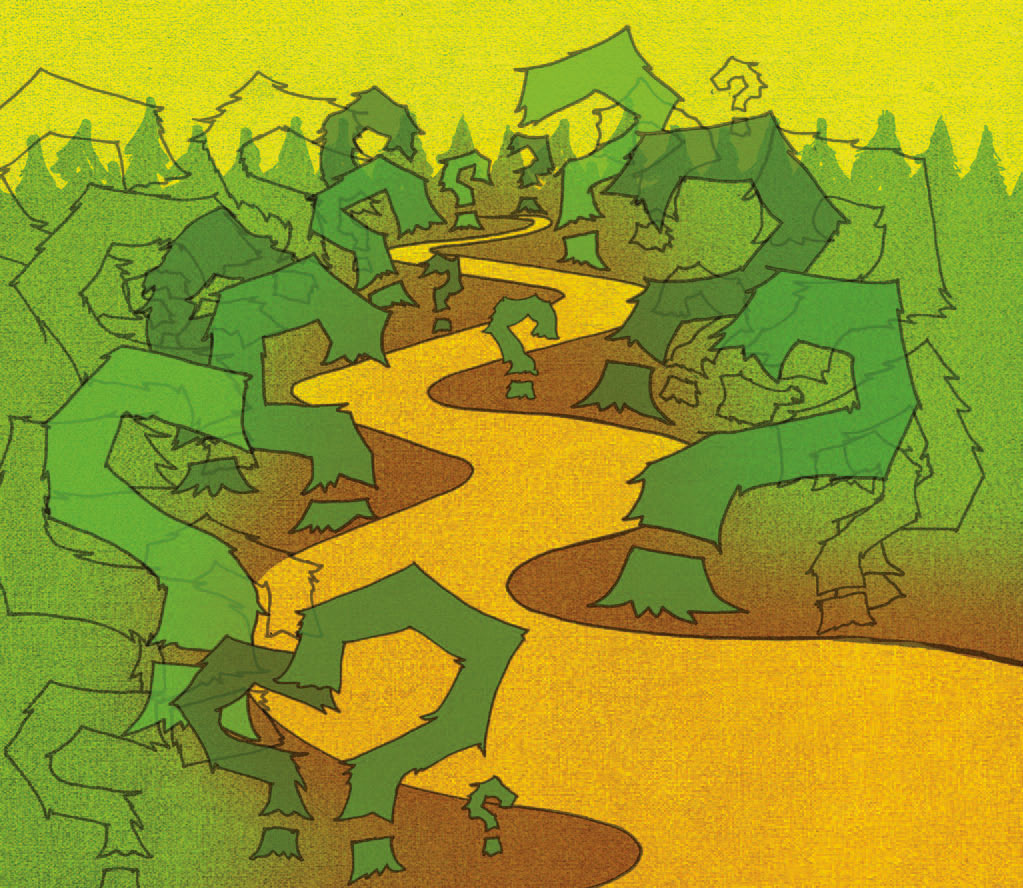 Are you feeling unsettled? It may be that you are unsettled as an immigrant or are going through an unsettled stage of life. This blog will look at ways to help with those feelings of being unsettled, whether they are because you are a migrant or because you are unsettled in life.
 As a migrant feeling unsettled, you could consider:What motivated you to emigrate in the first place? Are those reasons still valid? If they are, then by reminding yourself you are in the right place, you can allow yourself to feel more settled.Perhaps your reason for migrating has been fulfilled, for example, you wanted better opportunities for your children and it is the next challenge you are facing that is making you feel unsettled as an immigrant. This could be that as you see your children pick up the host countries’ mannerisms, language, accents, and attitudes, you wonder how you can introduce some of your culture to them. Perhaps through your homeland’s food, festivals, and visits to your homeland.Try to identify, what it is exactly that is unsettling you?
Are you looking at your homeland with rose coloured spectacles? Comparison can be the killer of joy. Perhaps you need to give your life more attention.Water your side of the fence. I like the quote that the grass isn’t greener on the other side of the fence, it is your grass needs more watering. Rather than comparing homeland life and adopted country life, put energy into the life you have in your adopted country.Do a SWOT analysis of your situation. Look at the Strengths Weaknesses Opportunities and Threats of your life at the moment.
 My book discusses The Settling Process in Chapter 7, offering immigrants’ experiences and strategies to get through the challenge of settling in a new home.
Perhaps you are feeling unsettled because you are going through an unsettled stage of life. Kim Vazquez suggests unsettled is the new normal in her blog, “There is a reason you are feeling unsettled right now.” . To help deal with this unsettled feeling, she passes on the suggests you,“Picture your feet on two independently moving pieces of solid ground, I was told. (The visual was two tectonic plates moving side by side during the ground shift that causes an earthquake.) Rather than lock your knees in place, bend your knees, allowing each piece of ground to move freely, rocking back and forth, or side to side gently, as necessary to be in flow.(I can still see the visual and it looks like I’m ground surfing. Smile.)”Perhaps with changing technology and exposure to a global world, ground surfing is the new norm, however there are times when it is less comfortable than others, this could be the unsettled feelings, times when ground surfing along the lava of life becomes bumpy. What else can we do to make our ride easier?The suggestions above can apply to ‘unsettled in life’ feelings, especially SWOT analysis, over-comparing, considering what motivated us to be where we are and trying to pin point the biggest unsettling factor. However, as I knew all of these and through recent deaths of people close enough to me to stir up my life and emotions I would like to offer a few quotes and websites that I have found helpful.
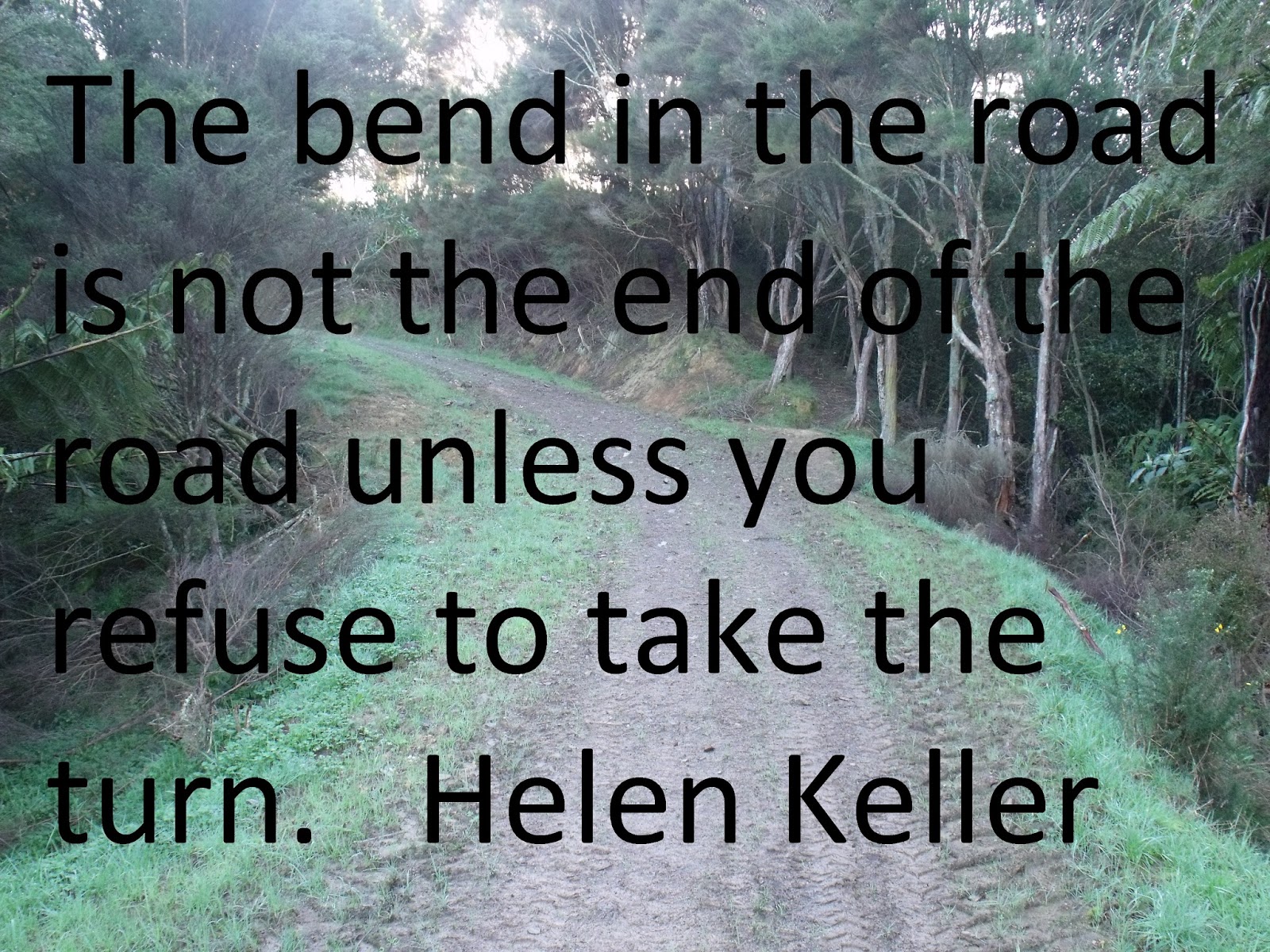
To change your life you have to change yourself. To change yourself you have to change your mindset. Wilson Kanadi
And the websites:http://www.life-with-confidence.com/feeling-bad.html
http://www.life-with-confidence.com/develop-inner-awareness.html
July 18, 2015
Ten tips for making a great impression.
 First impressions of people and places are given and received. What was your first impression of the place you have chosen to live? Learn of others' frist impressions and how you can increase your chances as an immigrant of having the best first impressions.
Read more in the Newsletter 12.
Let us know your experiences by commenting below.


