Dave Walsh's Blog, page 7
January 28, 2021
Babylon 5: Serving the Present by Sacrificing the Future
 Babylon 5 Season 3 Episode 2
It’s been a year and a half since I wrote about Babylon 5. In part, it’s because Babylon 5, which was available on Amazon Prime, eventually left, although I’m not sure the timeline works out there. Simply put, I took a break and when I went back to find it, didn’t feel like buying the series. Things have changed, though. HBO Max has released a “remastered” version of Babylon 5 in actual 1080p and it’s also available for purchase, so it felt like as good of a time as ever to return to Babylon 5 analysis.
I left off at the end of season two, which means right into the action with season three. But, you know I’m Wikipedia famous for my Babylon 5 analysis, so I can’t stop now.
“Matters of Honor”As most season openers go, this one helped to introduce new characters and concepts for the season. That meant the introduction of the cheeky and somewhat hunky Marcus, the Rangers and the new hybrid starship for Captain Sheridan to command with a Minbari crew.
Everything within this episode was relatively self-contained. There’s an implausible action set-up to introduce Marcus to Delenn and Lennier where some down-belowers get the jump on the trio and somehow don’t recognize one of the most recognizable people not just on the station, but in the galaxy in Delenn. Perhaps there’s an argument to be made about how out-of-touch the elite of B5 are with the average street tough, but it’s never really revisited, so let’s not read into things that don’t exist.
Mr. Morden, the agent of the Shadows, makes an appearance to remind Londo of their agreement, carving up the galaxy between the two factions on an astral map and mentioning Lord Reefa to really get Londo heated.
All of this happens while an investigator from Earth is there to look into the pilot who went missing hunting the Shadow vessel and, perhaps, look deeper into what’s been happening on the station. It’s here where we get perhaps the most worthwhile part of the episode where he speaks with G’kar. That tends to be how the show goes, huh? When asked why they’d wait 1,000 years, G’kar responded with “to all things there is a time… Perhaps this is theirs.”
The good guys destroy a Shadow vessel, Sheridan is excited about the future and forms a war council. The investigator reports back and gasp-shock! Mr. Morden comes in right after to discuss nefarious stuff.
There ain’t much by the way of meat on the bones here, and that’s fine.
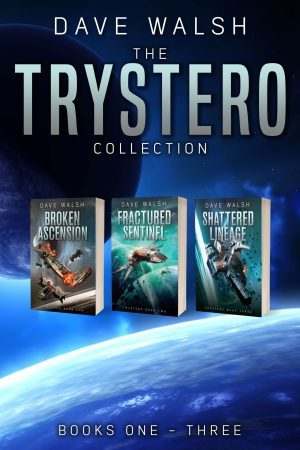 The Trystero Collection: Books 1 – 3 (eBook) Sale Product on sale $12.99 $7.99 Add to cart
 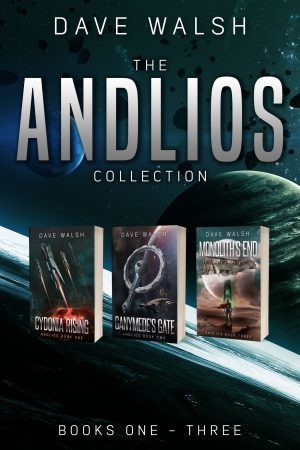 The Andlios Collection: Books 1 – 3 Sale Product on sale $9.99 $7.99 Add to cart
  Cydonia Rising (Andlios Book One) eBook Sale Product on sale $2.99 $0.00 Add to cart
 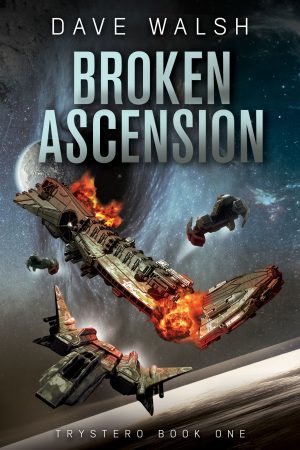 Broken Ascension (Trystero Book One) eBook Sale Product on sale $2.99 $0.00 Add to cart “Convictions”
Here we go, right?
What Babylon 5 does best is take their richly developed characters and force them into conflict with each other, or force them into a position where they must reflect together. There are times in this episode where it feels heavy-handed. Londo and G’kar stuck in an elevator together is some classic stuff that’s been done to death, but the forced interactions between them serves as a fantastic contrast to Londo’s interactions with Lennier.
A mad bomber is loose on Babylon 5 and nobody can figure out who he’s after or what his purpose is. Is it a Narn? Is it Centauri? Londo and G’kar both believe the other party is responsible, which of course straddles one of those “both sides” arguments that both are blinded by their hatred of the other party. My issue with this is the Centauri have always been not just the aggressors, but oppressors. That’s why the Londo character works and why G’kar serves as an effective counterbalance. There’re times when this show feels dated and sloppy and while sloppy, that sort of thought isn’t dated. Look at how the news portrays protests and counter protests in America. Even the “liberal” media likes to paint a picture of both sides being extremists, which does little to actually analyze the situation and leaves nobody satisfied and nothing gained.
When unopposed on January 6th, rioters in Washington DC quite literally stormed the Capitol building. Some planted bombs, others had restraints, others stole government documents and computers. People died. There was no “both sides” narrative there, of course, but it highlights that this sort of thinking without critical analysis leads to confusion, anger and tragedy.
When caught in a blast, Lennier gets Londo to safety at the risk of his own health, stuck in the hospital in a coma while Londo broods about how it made no sense that Lennier, someone he’d always considered a friend until the recent Narn invasion and was upset with him, would still risk his life for someone he was in conflict with. It forces Londo to reflect even further on his own view of the galaxy and life itself. This person, who he’d lost the respect of and was possibly on the verge of needing to stand in defiance to Londo’s people, potentially got himself killed to save Londo. He tells jokes and as usual, Peter Jurasik’s performances are multifaceted.
Later, when calling an elevator, Londo finds himself face-to-face with G’kar, a moment of silence between the two before Londo backs down and claims he’ll wait. Only, well, fate has something else in store by way of an explosion from the mad bomber, leading Londo to leap into the elevator and seal it behind him. Now both men are stuck there, waiting for their oxygen supply to run out. Their interactions are tense and interesting, even if the setup is a heavy-handed stuck-in-an-elevator trope. Londo tells G’kar to just kill him now if he wants him dead, only for G’kar to explain he can’t, because of the surrender agreement that said for every Centauri killed by a Narn, five hundred Narn, including the murderer and their family, would be put to death.
The mad bomber is a stark contrast from the acting powerhouses that are Peter Jurasik and Andreas Katsulas. No offense but oof. Sheridan needs to do the old comm-in-the-pants trick. The bomber gives a speech about his wife leaving him, losing his job and taking revenge on everyone because the world is unfair. Economic Anxiety! Just like what was attributed to the election of Donald Trump! Gee whiz.
They find the bomb, Sheridan sits on his comm, fist fights the guy and the bomb blows up outside of B5 with nobody hurt. Delenn and the good Doc are by Lennier’s side and the Doc goes to tell a joke Londo said before, only for Lennier to finish it off for him and wake up. Talk about low stakes, right? While there are always parts of these stories that stretch on and show a lot of depth, some stakes for these self-contained episodes feel a bit too ho-hum.
What we get from Lennier is a fascinating take on Londo when he’s presented with the fact that Londo and the Centauri will want to reward him. Lennier is deeply uncomfortable with this, not just because he’s uncomfortable around people and being the center of attention (he is), but because he felt like he perhaps made a mistake in saving Londo’s life considering the harm Londo has done to others.
Here’s what I love about Babylon 5.
“I did what I did because all life is sacred. But when the object of your actions doesn’t share that belief… hah, I fear I’ve served the present by sacrificing the future.”
Because that’s the thing. Even those people that oppose you, try to hurt you and ruin you, they aren’t a caricature of evil. There’s no black-or-white in life most of the time. George W. Bush sits around painting sad pictures. Charles Manson had some interesting folk/surf rock. Woody Allen made a lot of great films and so on. We like to talk about redemption stories a lot, that tends to be what we as a culture want to see, but the truth is, nobody needs to be redeemed. You don’t need to forgive someone and absolve them for their wrongdoings.
You can actively be a better person than you were before and those people that you wronged? Not forgiving you isn’t a moral failing. Science fiction riffs on themes that are pertinent to their time. Season three of Babylon 5 debuted in 1995, where the United States was living in the wake of Ronald Reagan and George HW Bush. Bill Clinton was in office and still years away from his big scandal, and a lot of the problems in the world seemed far away to Americans. The balance of power was shifting at that moment and many of the folks living through it couldn’t know how we, with twenty-six years of hindsight, would see the foolishness of the 90s.
Babylon 5’s existence in the middle of this keeps an icy indifference. Humans get roped into the conflicts instead of being central to it. The Human/Minbari War ended before we meet these characters and instead they’re trying to rebuild when outside threats come into play. This season does a lot with this idea, stuff I’m excited to dig back into in future episodes. But where it stands in this episode, humanity is a mediator unknowingly being roped into more conflict, and folks like the mad bomber here won’t just go away. Arresting the bad guys is a temporary fix.
The 90s was serving the present to sacrifice the future. Funny how things turned out.
On a more somber note, RIP to Mira Furlan, who passed away recently and was an absolute cornerstone of this show.
The post Babylon 5: Serving the Present by Sacrificing the Future appeared first on Dave Walsh.


January 17, 2021
Johnny Lawrence and Cobra Kai’s Cycle of Abuse
 Cobra Kai/Netflix
To say I was not interested in the originally YouTube Red show, now Netflix show Cobra Kai would be an understatement. The height of internet banality, before “is a hot dog a sandwich,” was “Daniel cheated, Johnny was the real hero” narrative. There’s actually a YouTube video that has been cited ad nauseam explaining why Johnny was the hero and, well, an entire nostalgia-drenched series based on this premise wasn’t interesting to me. I liked Karate Kid alright, but it was never a movie I felt passionate about in any way.
So why would I watch Cobra Kai?
Like most kids my age, I did some strip mall karate growing up, which had its difficulties. It was mostly good and helped me to establish that I wasn’t some athletic dud and helped pave my way for a future interest in other martial arts. After a few friends whose opinions I trust kept talking about the show in a positive light, I gave it a shot. The result was not really what I was expecting. Yes, there’s a lot of ridiculous, out-of-place karate for a modern show. I feel like the idea of multiple rival karate dojos sprouting up in the modern world where MMA exists is a tough sell. Kids are drawn to BJJ and muay thai, not strip mall karate.
But it had to happen to make this universe pan out, so I get it.
There’s a ton about Cobra Kai to unpack beyond just the school-wide brawls and over-attended karate tournaments, though. Making Johnny Lawrence the protagonist while remaining frustrating and broken wasn’t a straightforward task, the same with making Daniel Larusso a reflection of him, only in the opposite direction of Johnny (Johnny went from rich to poor, Daniel went from poor to rich). Both men’s rivalry and obsession with the past plays a huge role in the show, where they internalize their trauma and pass it on to the next generation, including their own children, over reasons that everyone considers to be silly or baffling.
As frustrating as Johnny is, there’s always a reason for his behavior, which is accentuated by his relationship with both his step-father and his former sensei, John Kreese.
Spoilers ahoy, so if that bothers you, stop reading here.
The return of John Kreese in the second season helps to flesh out Johnny’s problems and gives them a new framework beyond what we already knew. We already knew that Kreese was an unstable maniac who pushed his students too hard and instilled suspect morals in them, but seeing how they interacted as adults was not what I was expecting from this show. By the time Kreese returns, we’ve seen Johnny grow as a person thanks to his student, Miguel, and others. He’s understanding how many of his problems are because of his anger and inability to turn away from his troubled past. Instead of there being pushback to every one of his beliefs, there’s a realism involved where the good parts of Johnny are absorbed by Miguel and others, while the bad are rejected.
Johnny’s love for 80s music rubs off on Miguel, who does his own research into the era and enjoys some of the same bands as his new mentor does, which helps build a bridge between the two characters and their respective eras. It allows Johnny to see there isn’t uniform rejection of his vision of the world, just his antiquated values. The Cobra Kai name, the logo, the uniforms and the martial arts themselves are, indeed, badass and cross the generational gaps seamlessly. Johnny’s insistence on insulting and demeaning other people for outward appearances, race, gender or sexual preference remains cringe-worthy and most of his students push back against it.
His change happens naturally, where he realizes how toxic these things are and how those values were instilled in him at a young age from his abusive stepfather and then his abusive sensei, John Kreese. Values he previously wasn’t able to separate himself from gain a new perspective and there’s a realization that insulting people he cares about with hurtful labels or unrealistic expectations isn’t healthy for them, it’s just going to create another generation of broken, fearful and stunted children like he was.
The Trystero Collection: Books 1 – 3 (eBook) Sale Product on sale $12.99 $7.99 Add to cart 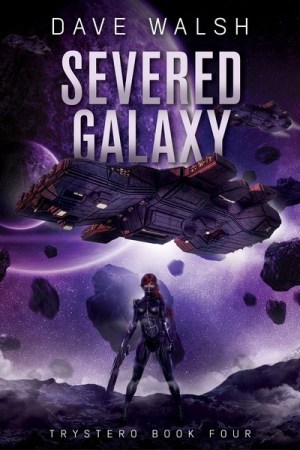 Severed Galaxy (Trystero Book Four) eBook $4.99 Add to cart Broken Ascension (Trystero Book One) eBook Sale Product on sale $2.99 $0.00 Add to cart
 John Kreese was an almost comical caricature of the 80s strip mall sensei. A white man stealing Asian iconography and culture, making it more “badass” and building up an entire system to churn out super soldier kids to make up for something he was lacking in. When he returns in the series, Johnny immediately rejects him, the two fighting until exhaustion where they can finally have a conversation. Johnny realizes Kreese hasn’t changed enough to belong in his life, but still feels guilty for not letting him back in. Kreese presents himself as sympathetic to Johnny, proud of him for bringing back their shared legacy and willing to help him.
Rightfully, Johnny doesn’t believe Kreese’s story, trailing him to what he thought was the hotel he was staying in, but was instead a homeless shelter where he saw how John Kreese was “really” living (or this was an elaborate show). The once-proud masculine figure he built his entire life around had seemingly been humbled by life, and his outreach to Johnny was appearing like one of need. Kreese manipulates Johnny to get back into his life and back into training students, where it becomes painfully clear that Kreese’s talk of respect and humility were a lie, a further act of manipulation to get what he wanted. Johnny is somewhat cognizant of this, telling Kreese he knew Johnny’s weaknesses and how to take advantage of them and he’s absolutely correct.
If you’ve ever had a parent or mentor figure in your life like John Kreese, most of what you’re seeing here is shockingly, if not brutally, honest. It’s textbook, really. The lengths he’s willing to go to for his own gain are endless. As long as there’s an opening he can take, he does, and it’s effective. Johnny doesn’t want his students to have Kreese in their lives, but cannot face his own past with Kreese to protect them. He’s still under the man’s spell, no matter how hard he tries. Kreese can play at Johnny’s weaknesses, wedge himself into the business Johnny created and push him out, then finding a new generation that is entirely his to mold in his own image.
He’s given another chance at passing on his own legacy.
For Johnny, the legacy he was trying to create for himself wasn’t his after all, because it was still linked to John Kreese and the power he holds over him. While Daniel and Johnny are linked together through their shared past and that plays a pivotal role in the show, John Kreese remains the looming figure over them they cannot shake. Kreese snuck his way back into Johnny’s life by playing on his empathy and feigning he was in need, knowing Johnny would take him back. Then he gave him a false sense of control by telling him he’d do things the way Johnny saw fit. On the outside, he’s taking an interest in Johnny’s work and just trying to help while he’s himself in a rut. But, much like the nagging voice in the back of Johnny’s head was telling him, it was just a trick, a part of a lifetime of mind games Kreese has played to get what he wants.
As much as season three looks to humanize Kreese with his flashbacks, they still don’t show him as anything but a manipulator. The show isn’t sanitizing their villain, they’re giving him context. The mind games with Johnny culminate in him getting through to Robby in a way that a torn Johnny never did, and Daniel failed to continue on with. Kreese offered him acceptance and understanding, all a part of his mind games, but for someone as hurt and scared as Robby, it comes across as the only person he can trust. He knows Kreese is dangerous and that his goals are perhaps dubious, which allows him to trust Kreese from a safe distance. Unlike Daniel, who presented himself as an undying force for good, or Johnny, who continued to offer up his help and love, only to find himself divided because of his bond with Miguel, Kreese was transparent. Kreese wants to create an unstoppable team that will hurt anyone that gets in his way while strengthening himself, no matter the cost.
It’s so real.
Kreese is an abuser. He’s a manipulator. He’s willing to do whatever it takes to get himself into the dominant position. If it means hurting others, so be it. If it means playing people against each other, it’s fine. He’s been hurt in his life and experienced grief, but instead of exploring those emotions and healing himself, he’s found what makes him comfortable is hurting others to make himself feel better.
For a show like Cobra Kai about rival karate dojos to tackle this subject and nail it as well as they do, it means something. It means the show’s appeal is beyond just people interested in martial arts or nostalgia. What they do with Kreese moving forward is anyone’s guess. There have been times in the show where it dragged or felt like it was being artificially padded out to create more drama, but it always ends up in a place that feels organic, showcasing the characters and how they’ve learned and grown along the way.
Is there redemption for a Kreese, or is he beyond that now? For Johnny and Daniel there’s another generation that they can still help by no longer recreating and reliving their past traumas, but learning and growing from them. For Kreese, a generation older, it feels like there’s little hope. The hope is for the younger generation in Cobra Kai, though.
The post Johnny Lawrence and Cobra Kai’s Cycle of Abuse appeared first on Dave Walsh.
December 2, 2020
Yakuza: Like a Dragon; or, the Necessity of the Inherent Goodness of Ichiban Kasuga

Note: This contains very obvious spoilers for Yakuza: Like a Dragon. You’ve been warned.
There’s still goodness in the world.
Sometimes it’s difficult to remember that, and it’s not the core message I expected being pushed so hard in a Yakuza game. That’s not to say that the Yakuza games push darkness exclusively. Kiryu’s story, followed from Yakuza 0 through Yakuza 6, was one of a stoic badass who grew tender with age and time, making the end of his story tough to swallow for fans of the series. Introducing a newer character was always going to be a tough sell, and I’ll admit, early in Yakuza: Like a Dragon, I was less-than-excited about playing a Yakuza game as this goofy, emotionally unstable Ichiban Kasuga.
What transpired over the next 50-plus hours was watching this character evolve and impact the world around him without giving up on his core values. Ichiban changed little, which isn’t to say his character is static, because he isn’t, instead he helped change his world for the better. When a new challenge presented itself to him, Ichiban met it with the same vigor and compassion that he wanted from others, even when met with crushing disappointment by those same people that physically assaulted him or even shot and left in a ditch in critical condition. The eager kid who practically begged to do time in prison to protect his crime family and prove himself, who only had an extended sentence because someone insulted his boss and got a reply of an epic beating, gave up the prime of his life for a concept and refused to give up on those people that seemingly wanted nothing to do with him.
Because he believed in them.
Living in the US has been an interesting array of ups and downs throughout my lifetime, although it would be difficult to say if things have ever seemed as bleak as they do now. Throughout my entire life power has shifted in the direction of the wealthy, ruling class, often with unwavering support from a public willing to buy any promise for a better future that deep down inside know the better future being sold to them will never come, but losing hope would mean embracing drastic change and their lives, which are already challenging, could get harder to make this change happen. And it’s not their fault for buying a fiction like this, because at one time these promises were mostly put into action, albeit for limited classes of people. Even so, there was a time when there was at least an illusion of elected officials working for the people to improve lives instead of whatever this is now.
Unless you’re wealthy beyond your imagination, you’ve felt this and lived it.

Which is why Yakuza: Like a Dragon hit hard in 2020. The story centers on a contrast between Ichiban Kasuga, a man born in a brothel and raised by their staff after his mother fled, and Ryo Aoki, a wealthy bureaucrat who was handed the world and merely craved more power. Kasuga has ever reason to be angry with the world and the people that failed him when he wakes up after serving an 18 year jail time for his crime family only to get snubbed by the boss who claimed Kasuga was like a son to him, then shot by him and left for dead in a homeless camp in the neighboring Iljincho. There he was, being nursed back to health by a camp of homeless men living a communal life, with a hole in his chest, both literally and figuratively. We’re treated to a rather humanizing view of the homeless people, how they help each other, how no matter Kasuga’s best efforts to just “get jobs” and fix their problems, there’s more complexity than that to the situation.
Where most would find despair and hopelessness, Kasuga refuses to give up on not just himself, but the people who hurt him. He learns early on, though, that he can’t do everything alone, instead forging strong bonds with several unlikely allies, from a disgraced detective trying to make sense of the corruption that led to his dismissal, to a homeless nurse with a nihilistic view of the world and more. The friends Kasuga made would be classified as losers by most with money and power. The dregs of society that were failures for one reason or another, sometimes because of corrupt, broken systems, sometimes their own personal failings, or most of the time a combination of both. It depicts no one as being without fault, including Kasuga. He was a yakuza after all, right? The overwhelming emotional responses Kasuga displayed in the early parts of the story never went away, instead he found healthy ways to channel that energy into helping the people around him. His own ascent from a mostly cold body in a homeless camp to challenging the Governor of Tokyo and chair of the Citizen’s Liberal Party (a riff on Japan’s Liberal Democrat Party, a right-wing party with lots of power in Japan) only made sense because of the relationships he forged with other people, each who had their own problems that he was more-than-willing to help them with.

This ranged from owners of small restaurants, brothels and even the leader of the homeless camp until it expanded out and the legend of Ichiban Kasuga, a crusader for good, a hero (I mean, the whole thing is wrapped up in a veneer of his delusion of being a Dragon Quest hero) spread throughout the city. There were times, in typical Yakuza fashion, where the commentary felt ridiculous and over-the-top, like the very idea of “Bleach Japan,” a conservative group on the side of “light” looking to expose the “gray areas” where people took advantage of lack of regulation or oversight. Stuff like brothels or how the three rival gangs controlled the heart of the city because of rampant corruption. I mean, their name is literally abbreviated as “BJ” and they were very much against sex workers. Right? Right? When you fight them, the average member’s power is to lob unsubstantiated accusations at a character to cast the “silence” malady on them. But the further in you get, the more nuance arises.
These aren’t one-dimensional caricatures of zealots who just go out to do and say ridiculous things. They’re political pawns being used by the powerful to further an agenda and consolidate power. Ryo Aoki was one of the founders of the organization and used its nationalist, populist message to give people a feeling of empowerment. Bleach Japan created “others” to blame for their problems, deflecting the people with true power’s refusal to help and make things better for the average person. If this is sounding familiar, it should. America’s problems are not uniquely American, they’re universal, they’re things that have happened multiple times throughout history with a clear blueprint for how these things go. Yuta Kume, the passionate foot soldier for Bleach Japan turns into Ryo Aoki’s hand-selected political candidate in his district, not because of any of the traits Kume displays, but his undying loyalty to the cause and willingness to surrender to Aoki’s political agenda. Replace the “BJ” signs with MAGA hats and Kume is a veritable Laura Loomer, who got a few RTs from Trump and launched her own political career off of it, parroting his talking points and bringing nothing of value to anything she was doing.

This game came out in January 2020 in Japan, by the way. None of the things that happen in this game have to be prophetic because they’re based on how these types of powerful, corrupt figures rise to power by using people and pitting the average person against their neighbor. Kasuga gets roped into politics to be a political rival to Kume, not because he wants to, but because the people within his community trust him, believe in him and know even if he fails, he spoke for them against an oppressive power and someone being handed power who only looked to make their lives worse.
Through all of this, though… Kasuga never gave in to the despair. When the Geomijul revealed the truth behind Namba’s quest, that he was searching for his missing journalist brother that was investigating them and using Kasuga to get to him, it was a shocking betrayal. If only because Kasuga would have embraced this and fought side-by-side with Namba to help find and free his brother, no matter the cost. Namba’s betrayal leads to him being a temporary adversary, and it crushes Kasuga, only for Kasuga to immediately offer his hand to Namba when the smoke cleared to continue helping him and accept him as a friend, even with the betrayal. Not because Kasuga is weak or has no self-worth, but because there’s good in people, even when they do bad things. People aren’t lost forever just for making selfish decisions and mistakes.
To Kasuga anyone can be redeemed as long as they’re willing to put in the work.
No, not everyone will be redeemed and not all misdeeds should be immediately forgiven, that’s never the message he sends. Instead, it’s one of compassion and understanding.
Let me repeat that here: the central message of Yakuza: Like a Dragon is for compassion and understanding.
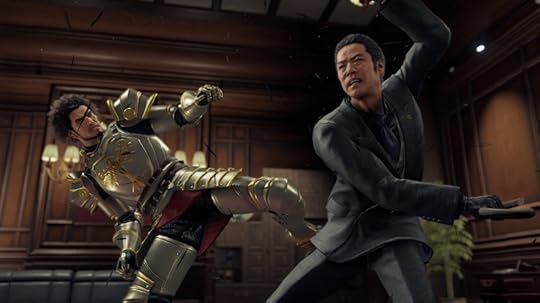
I’m not kidding here. That’s the message of this game with this character. Arakawa, his adopted father, literally shot him through the heart (well, he missed, probably intentionally, right?) and all Kasuga wanted to do was help him. Namba betrayed him and sold him out for information on his missing brother, and all Kasuga wanted to do was see Namba reunited with his brother because he loves him. Vicious adversaries like Joon gi-han and Tianyou Zhao don’t just go from bitter rivals to allies, they go from rivals to party members and dear friends. The Iljincho Three, the rival gang leaders, all try to kill Kasuga to keep their tenuous balance of power in check and when given a chance of revenge on any and all of them, Kasuga instead listens to them to understand where they’re coming from and why they do what they do. When he realizes they’ve all been working together from the start to create a barrier for their people from the outside world that looked to displace and harm them, he’s angry, and justifiably so as he’s been trying to help people that were being harmed by their underlings, but he finds the reasons and the logic. He finds the good and helps them to be better.
The parity between Aoki and Kasuga is not just apparent, it’s blatant. Their backgrounds were virtually identical, right down to both of them being in adjacent storage lockers. The sons of Sawashiro and Arakawa, both abandoned in storage lockers at a train station and only one ended up with the lottery of a powerful, loving father. Even with that, it was never enough for Kasuga’s rival, who traveled abroad to get expensive medical treatment, study at the best schools and return a literal different person with nothing on his mind but overcoming his personal shames by seizing power and making the people who made him feel small pay for their cruelty.
Kasuga, on the other hand, was on the short end of the storage locker roll of the dice. He grew up with nothing, from a family to an identity to any sense of security. To gain the attention of his actual (well, probably) father, he waited outside in the cold every day just for this man’s glance and acknowledgement. When told to go to prison for a murder Sawashiro claimed to commit, but was actually Masato’s… he did it, not just out of duty and honor, but out of loyalty and love for these people. Masato took that time to become a new person and seize power to harm people.
Even through all of this, and all the times Aoki attempted to have Kasuga smeared, murdered and left for dead… even after having their shared father murdered to further consolidate power… Kasuga wanted nothing more than for his “brother” to be a better person and live a happy, honest life. He saw the selfish, angry man bent on revenge on the world for never giving him a fair shake, even though he had just about everything he could ever need, and just wanted him to be a better person for himself and the surrounding people. Kasuga lived the life of building a better world that Aoki claimed to be doing and he did it by helping the downtrodden with respect and dignity, instead of sneering and turning his nose up at them, then pandering to the people that wanted to hurt them.
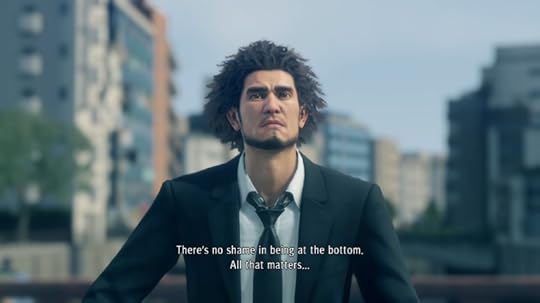
It’s not because Kasuga is weak. It’s because Kasuga is strong enough to understand the power of goodness that exists within all of us.

In an age where games are looking to tell “dark,” “gritty” and “cinematic” stories, Yakuza does all of this without falling into the trap of nihilism. Instead, Yakuza gives a message of hope and a clear blueprint of how to make the world around each of us better through helping each other, forgiveness, compassion and understanding. So while people heap praise on Naughty Dog games sowing nihilism and “people are shit, huh?” games like Yakuza bring gorgeous and brilliant direction (I took over 350 screenshots throughout this because of how brilliantly the cut scenes were framed and lit) and show that there’s more to the world’s darkness than falling into despair, there’s hope. There’s goodness, we just need to work for it.
The Trystero Collection: Books 1 – 3 (eBook)
Sale
Product on sale
$12.99 $7.99
Add to cart
The Andlios Collection: Books 1 – 3
Sale
Product on sale
$9.99 $7.99
Add to cart
Cydonia Rising (Andlios Book One) eBook
Sale
Product on sale
$2.99 $0.00
Add to cart
The post Yakuza: Like a Dragon; or, the Necessity of the Inherent Goodness of Ichiban Kasuga appeared first on Dave Walsh.
November 30, 2020
Holiday Sale: Get 20% Off All eBooks Throughout December

After a long, arduous year, we find ourselves at the tail end of 2020 and the holiday season. That means a lot of things are going on, from being stuck inside to holiday sales and general uncertainty. I’m not the biggest advocate of stuff like Black Friday, Cyber Monday and the like, but now is as good of a time than ever to help folks out.
So, if you’ve been holding off on buying any my books in ebook format, I’m having a massive sale on my entire catalog. Now until December 31st you can get 20% off if you buy books direct from my store, just use the code “DEC20” at checkout.
Happy holidays!
Check through the books below or head over to the shop page directly.
 Terminus Cycle (Andlios Legends) eBook
$3.99
Add to cart
Sale!
The Andlios Collection: Books 1 – 3$9.99 $7.99
Add to cart
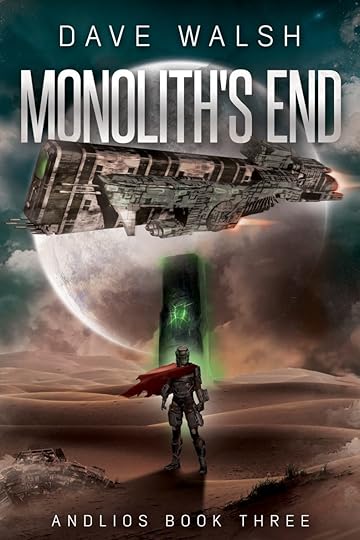
 Monolith’s End (Andlios Book Three) eBook
$4.99
Add to cart
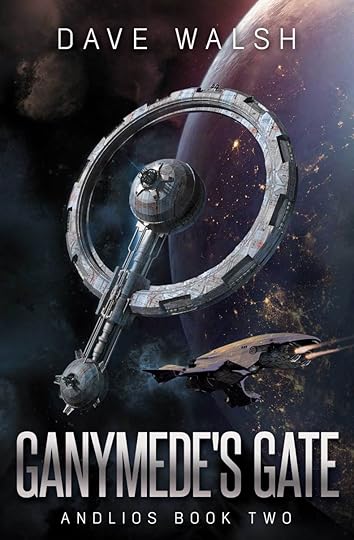
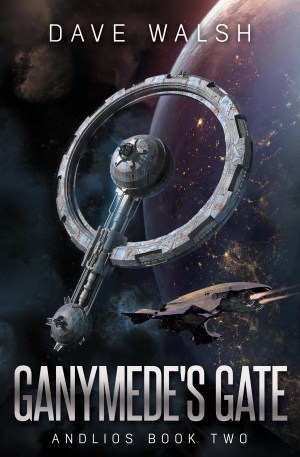 Ganymede’s Gate (Andlios Book Two) eBook
$4.99
Add to cart
Sale!
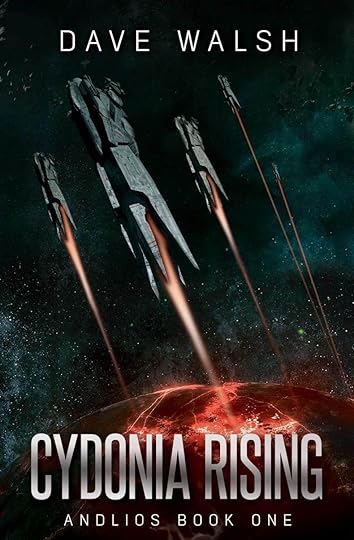
Cydonia Rising (Andlios Book One) eBook$2.99 $0.00
Add to cart
Sale!
The Trystero Collection: Books 1 – 3 (eBook)$12.99 $7.99
Add to cart
Severed Galaxy (Trystero Book Four) eBook$4.99
Add to cart
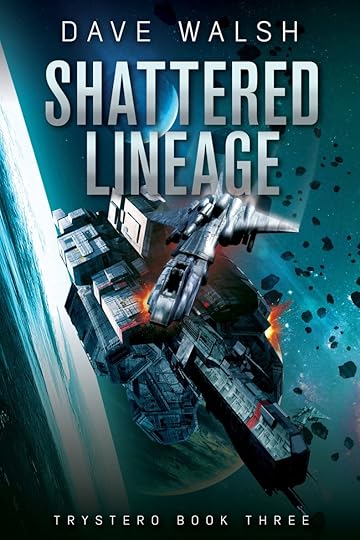
 Shattered Lineage (Trystero Book Three) eBook
$4.99
Add to cart
 Fractured Sentinel (Trystero Book Two) eBook
$4.99
Add to cart
Broken Ascension (Trystero Book One) eBook$2.99
Add to cart
Share on facebook
Share on twitter
Share on email
Share on reddit
Share on pinterest
Share on whatsapp
The post Holiday Sale: Get 20% Off All eBooks Throughout December appeared first on Dave Walsh.
November 27, 2020
The Mandalorian Chapter 13; or, Ahsoka Needs Her Own Show Already
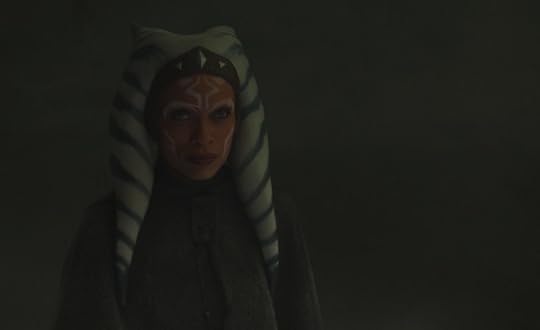 Rosario Dawson as Ahsoka Tano
I didn’t even bother writing about last week’s episode of The Mandalorian. Not that it was a bad episode, because it was fine, but that’s just it. The episode was fine. Carl Weathers proved himself adept at handling an all-action episode from the director’s chair while the problematic Gina Carano returned in her role as Cara Dune. I have… well, some strange connections with Carano and the fight industry and to say that I was happy when she landed the role and seemingly fit it well was an understatement. Her boyfriend, international muay thai star Kevin Ross, started showing cracks in his beliefs early in the pandemic, to where someone I was cordial with for years and had enjoyed some pleasant conversations with ended up blocked and forgotten. Such is 2020, right? I kept holding out hope for Carano to not show herself as having even a shred of the same beliefs as her boyfriend and, for a while, it looked like she’d steer clear of the madness.
Long story short, she didn’t.
Whenever I wrote about last week’s episode I found myself talking about my connection with these people, the interview I did with both of them after they got back together, the strange history of Carano in the world of fighting and entertainment and gave up. Weathers did an admirable job and proved that whatever script Favreau throws together can be saved by someone who engages with the material and is comfortable enough with it.
Whatever.
Here we are in the fabled Chapter 13: “The Jedi.” This is the episode fans of Star Wars have been waiting for. Not only written by Dave Filoni of Clone Wars and Rebels fame, but directed by him as well in what is his third time behind the camera with live actors. Why? Because it was the Ahsoka episode. That’s something special.
Bringing Ahsoka to life in live action for the first time was a big deal. Her existing without Ashley Eckstein portraying her was indeed weird, considering the entire tenure of the character’s existence has been with Eckstein voicing her, but Dawson did an outstanding job of being a more mature Ahsoka, to where it would feel like a shame for this to be the only time that happened. If you haven’t watched it yet and are prone to being upset by spoilers, you’re already knee deep into this, but this is another warning. The episode ends with a goodbye between Ahsoka and Din, which could mean Ahsoka was a fleeting guest role, or will be saved for later.
Rumors about spin-off series have been around since they announced The Mandalorian, with multiple projects planned, although all we know for sure is an Obi-Wan series with Ewan McGregor. The one fans have been clamoring for, though, would have to be Ahsoka and this episode packed a punch in at least hinting at a future for the character and some characters she shared a screen with prior. In fact, we had a name-drop of Grand Admiral Thrawn in this episode, where we learned Ahsoka is hunting him down. That isn’t the sort of detail that can be tossed out and just left hanging without making Star Wars fans upset, right?
At this point, Ahsoka has anchored two Star Wars animated series that were supposed to be about other characters. Perhaps there isn’t room for her in The Mandalorian, nor should there be long term, because this is Favreau’s show and anything involving Ahsoka would need Filoni at the helm. Fitting Ahsoka, the crew of the Ghost and Admiral Thrawn into this bare bones samurai show wouldn’t really fall into Favreau’s narrow view of what the show is or where it’s heading. And that’s OK.
Oh, and we uhh… learned Baby Yoda’s name, which is Grogu. That’s certainly… a name.
There was some good action, it was very blatantly another storyline from old samurai films where a corrupt local governor was torturing their subjects and a hero samurai (Ahsoka) was tormenting her, while an outsider came to help her and… yeah, it’s again a plotline that’s ripped straight from old samurai/western films and echoes a lot of past episodes of this own show.
While there’s definitely a future for Star Wars on Disney+ shown in this episode, I’m not sure where The Mandalorian fits into that. Ahsoka hunting down Thrawn? I’m in. Mando stuck in a snow globe rehashing old samurai scripts is growing tiresome, at best.
The post The Mandalorian Chapter 13; or, Ahsoka Needs Her Own Show Already appeared first on [ Dave Walsh ].
November 20, 2020
Trystero Book Four: Severed Galaxy Available Now
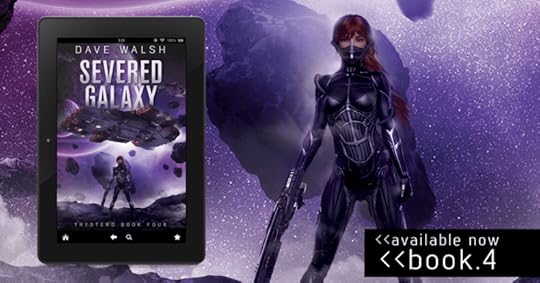
The bullet from a lone assassin unleashes a symphony of destruction in the galaxy.
Locked up in endless meetings, Valencia finds herself at the whim of the Terran government while they plot the best use for the amazing powers she can command… Or at least the powers she could command. With each passing day, her connection with the Sentinel slips from her grasp, leaving her desolate and depressed.
Across the galaxy, Drake grapples with the immensity of his own transformation. Shielded by Valencia from Terran officials, he’s raising the heir to the Gra’al throne in his own isolation while danger simmers inside of him that promises to tear him apart unless he can learn to control it.
Progress stops for no one, though, as a fringe extremist group invites chaos back into the galaxy, stoking the flames within Terran space to arise and destroy the carefully won peace with the Gra’al.
The crew of the Trystero ride again, the fate of the galaxy hanging in the balance.
[ Amazon | Barnes & Noble | Google Play | Kobo | Apple | Everywhere ]
The post Trystero Book Four: Severed Galaxy Available Now appeared first on [ Dave Walsh ].
November 14, 2020
The Mandalorian Episode 11: The Heiress, or, Finally, Something
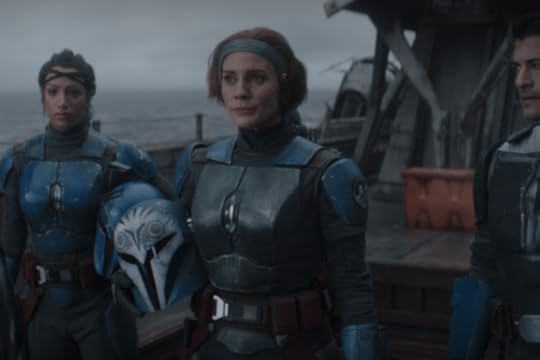 Katee Sackhoff as Bo Katan
While I attempt to remain somewhat objective when watching and critiquing something, it’s never entirely possible. Anything from the mood I’m in while consuming a piece of media to what’s happening in the world at the time can skew how anything is viewed. For something like The Mandalorian, it’s carrying with it the weight of my 37 years on this planet, most of them as some form of Star Wars fan. The most recent iteration of my relationship to Star Wars was watching through the Clone Wars animated series, which, while still flawed, remains one of the best pieces of Star Wars media, perhaps even beyond most of the films.
What I’m saying is, the inevitable introduction of Clone Wars and Rebels characters was always going to shift this season of The Mandalorian. And it has. The third episode of the second season was, by almost any metric, a better episode and the actual start of this season’s story arc. How? Let’s get into it in quick bullet points.
There’s actual movement in the story. While bits and pieces came up in the first two episodes, they were mostly asides. Yes, characters and parts of them will most likely come into play later, but that doesn’t excuse the poor pacing and jumbled plots.
There’s actual movement in the story. While bits and pieces came up in the first two episodes, they were mostly asides. Yes, characters and parts of them will most likely come into play later, but that doesn’t excuse the poor pacing and jumbled plots.
There’s actual movement in the story. While bits and pieces came up in the first two episodes, they were mostly asides. Yes, characters and parts of them will most likely come into play later, but that doesn’t excuse the poor pacing and jumbled plots.There’s actual movement in the story. While bits and pieces came up in the first two episodes, they were mostly asides. Yes, characters and parts of them will most likely come into play later, but that doesn’t excuse the poor pacing and jumbled plots.
There’s also something to be said about the right director being attached to the right episode. The writing is always going to be what it is as long as Favreau is running the show. Jon Favreau directed the first episode and, well… I know people like to point to Thor as the worst MCU movie, Iron Man 2 is a complete mess. The second episode was directed by Peyton Reed, who before taking on the Antman films has mostly rom-coms and comedies under his belt, which might make sense of the weird Baby Yoda eating eggs stuff as comedic relief that felt so… off. Bryce Dallas Howard handled this third episode in only her second television directorial role, but again, just like her first (last season’s clear Seven Samurai homage), it worked. A director with the right vision can take a sparse script and make it work. Period.
 [ Kobo | Amazon | B&N | Google Play | Apple ]
So we finally end up with the right pieces in place and are reintroduced to Bo Katan from Clone Wars. The best part? Katee Sackhoff, best known as Starbuck in BSG, was the original voice actress and continued the role in live action. Her and her cohorts (one of which is Sasha Banks, who most likely isn’t Sabine from Rebels) are castoffs from Mandalore that are more than happy to help Mando out and show him that “the way” he follows isn’t the only way. They take their helmets off! You know, just like literally every Mandalorian that wasn’t Boba Fett did! Even the Black Watch took their helmets off. We get some backstory about Din being from some cult spun off from the Black Watch and him not knowing more about his own culture and people beyond what Bo explains are “religious zealots.” At first he’s resistant to them, but later he goes with them on a quest that sees them snagging weapons from an Imperial ship being helmed by Titus Welliver of Bosch fame. There’s something hilarious about Bosch, a cop, being an Imperial, but maybe that’s just me.
Bo Katan is on a quest to retake Mandalore, a place that Din thought was “toxic” and essentially unlivable. A part of that quest? Finding the Darksaber, which we, the viewer and he, the Mando, knows is in the hands of Moff Gideon. We get a cool moment where there’s this overlap where we want Din to realize they can work together, and that he knows who has the Darksaber, but it doesn’t happen. Not yet. She points him to the location of Ahsoka Tano, a Jedi (cough), of which Din is looking to return Baby Yoda to.
This is where it’s difficult to separate the fan from the criticism. Bo Katan is cool enough. Sure, we already knew Ahsoka was happening, but knowing her appearance is just on the horizon is even better. I do have to wonder what kind of impact this episode and the tease of Ahsoka has on fans watching this show blind, though. Ahsoka’s representation outside of Clone Wars and Rebels is mostly stuff for uber fans, from comics to books and a disembodied voice in Return of Skywalker. The core parts of this episode work no matter what: there’s movement, connection and weight behind everything. This feels like it matters.
This is more what The Mandalorian should be.
Check out all my books on your favorite retailer (Apple, Nook, Amazon, Kobo, Google Play and more).
The post The Mandalorian Episode 11: The Heiress, or, Finally, Something appeared first on [ Dave Walsh ].
November 8, 2020
The Mandalorian Episode Ten; The Passenger, or, Too Many Toys
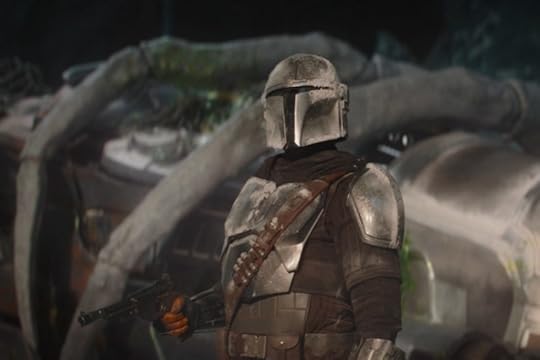
Jon Favreau has run out of ideas.
Hear me out.
When I was a kid, there was an instant appeal about playing with action figures. At times I’d set them up in elaborate scenes and have a battle ensue where the bad guys would fall one-by-one, but those stories got boring in a hurry. In part, because the idea of action figures fighting just lacked the character depth to keep me engaged as a kid. Set them up, knock them over. Rinse. Repeat.
Boring.
Having action figures meant a lot to me as a kid. I grew up with Return of the Jedi figures because I was born in 1983 and by the time I was old enough to have action figures the discount aisle at my local Toys R Us was overloaded with those figures. That meant that it was mostly the castoffs I ended up with. Gamorrean guards? Check. Lobot? You bet your ass I had one of those. The Rancor Keeper? Absolutely. That doesn’t mean I didn’t have a Luke or Leia, I just had very specific ones. Like the bounty hunter disguise Leia and the Endor Han Solo. My characters didn’t really get into battles that often, as much as they’d do normal stuff.
[ Kobo | Amazon | B&N | Google Play | Apple ]The built-in shelves of my bedroom turned into apartment complexes and futuristic cities. An old soda bottle with some string and staples turned into an elevator that ran along the side, and whatever stray cardboard would fill in the blanks I needed. They had beds, couches, sinks and normal lives outside of saving the galaxy, just as prone to argue over dinner as they were to hop into a ship and get into a firefight. My point here is that when given a lot of resources, it’s up to the mind to make do with what you’ve got.
If Jon Favreau has literally every toy in the Lucasfilm toy chest at his disposal, why can’t he come up with more than a few different stories? If he’s got every action figure and we know there’s gonna be as many guest spots as they can fit in like last season, why do these characters only come-and-go? Why doesn’t anyone have a conversation or develop as a character? Why in the Jon Favreau Star Wars universe is there only spaghetti western stories with a lot of references but always boils down to MAN vs. NATURE?
A pattern has emerged from these two episodes of The Mandalorian thus far: a beginning action sequence happens, our titular character then gets instructions, then goes off on a seemingly pointless side quest and things usually go wrong, but are ultimately fine in the end. The pattern reminds me a lot of a MMORPG game or one of those modern third person RPG games from Ubisoft where there’s a hub world for a character to pick up a quest, a quest area, but most of the quests are just filler to level your character up. In a narrative show like this, the problem is that leveling a character up isn’t rewarding or interesting, it’s dull.
We’re introduced to a frog-like character and her eggs, needing passage to find her husband where they can try to revive their nearly extinct race. A friend likened the frog to Jar Jar Binks, which is funny, but honestly, the character was so inconsequential that I have a hard time discerning if it’s a bad character or not. There was a language barrier between the characters that was solved by plugging Richard Ayoade’s character back in to translate between them, which was funny but short-lived. It was mostly for the exposition portion of the story, so we had any connection to the little frog creature and understood at least why it needed passage to another planet.
I don’t have an issue with unfocused, one-off narratives on television shows, really. Star Trek was always at its best when it took a few episodes to breathe during a big story arc, but something about The Mandalorian is lifeless during these episodes. While Star Trek took the time to focus on characters and help the audience forge stronger connections with them, this show gives you nothing but action sequences, new characters to interact with each episode, and then you move on. Sometimes they’re from a canonical comic or book, other times they’re conjured out of thin air to fit with a guest star available to the production crew. We’ve seen Amy Sedaris’s Peli Motto more than just about anyone else in this series, and she’s still… just a mechanic on Tatooine with droid pals.
When doing the “lone, quiet badass” character like Clint Eastwood’s Man with No Name or Mel Gibson’s Mad Max what makes those characters work is how they interact with the people around them. Their stoic silence and reticence to get involved only matters when the other characters care. Last season we saw that, like the episode where Mando meets Cara Dune and helps the farmers defend their land from raiders in a very clear Seven Samurai homage. That worked because there were emotional anchors from the village, including Cara Dune herself. This episode had no one outside of an uncommunicative frog to anchor it, and we found ourselves—again—with Mando needing to slaughter alien creatures just because. There are no lessons or moralizing, really, it’s just a display of how cool things can be.
What’s worse is that Baby Yoda is the show’s big attraction, and this episode focused on Baby Yoda being awful. Yes, cute little Baby Yoda is awful. You can talk about “dark side tendencies” or whatever, compare him committing little acts of genocide as a call back to him choking Cara Dune, but that’s not what they’re going for here. They’re trying to say something about his innocence but it comes off… bad! Baby Yoda spends most of this episode reaching into the egg jar and eating this poor woman’s unborn children, which happens to be the last of their species. The big, climatic battle with the snow spiders was because Baby Yoda ate baby spiders in their eggs as well. Yes, the spiders were a callback to original artwork for Empire Strikes Back and made an appearance in REBELS, which, okay, but there was something… tedious about those action sequences especially after we’ve already had multiple episodes of Mando dealing with mindless, bloodthirsty alien creatures needing to be put down now.
Baby Yoda learns no lessons and continues eating the eggs. It’s not presented with ominous music or any sort of dark tone, it’s presented for laughs with “hyuck hyuck, you critter you!”
With all the resources at his disposal, this is the best Jon Favreau and his crew could come up with. Two X-wings shoot at Mando, Mando hides, gets into trouble, the X-wing pilots (including Filoni again) return to shoot the spiders and tell Mando he’s wanted but clearly a swell guy and to not get into trouble again and leave him to his own devices. Again, the action sequences are downright tedious in this for some reason, so it’s not even like you can wash away how disinteresting or frustrating the plot is with some cool stuff happening.
How this happens with all the awesome technology, the incredible actors, directors, the crew and all the combined experience thrown into this show is baffling to me. Jon Favreau has been given a key to the kingdom with an insane budget, and this is the best they can come up with? C’mon. We’ve all seen last season and know that’s not the case.
Mando doesn’t even have an antagonist to work with.
Check out all my books on your favorite retailer (Apple, Nook, Amazon, Kobo, Google Play and more).
The post The Mandalorian Episode Ten; The Passenger, or, Too Many Toys appeared first on [ Dave Walsh ].
November 1, 2020
The Mandalorian Episode 9: The Marshal, or, Nothing Ever Changes, Just Consume
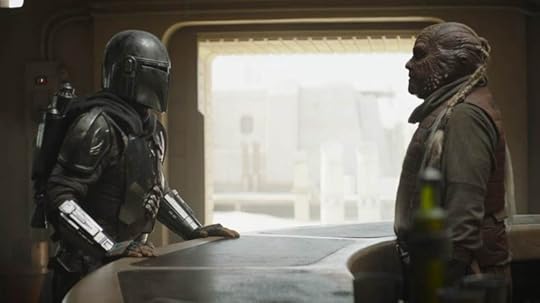 Mandalorian S2E1
I’m not sure if this is just my 2020 nihilism getting to me or what, but that wasn’t great, right?
We’re back.
… And apparently nothing has changed. Nothing at all.
While the Mandalorian’s first season was a lot of fun with some so-so filler episodes, there was enough about it that was unique and fun to float the parts that didn’t work forward. It also didn’t hurt that what Star Wars had become on film was impossible to enjoy, right? A lot of my viewing time over the last year has been catching up on Clone Wars, especially considering the last season was released this year and capped off the story in a satisfying fashion. Needless to say, I was ready to return to the Star Wars universe.
When I fired up Mandalorian episode 9, I’m not sure what I was expecting, really. If you haven’t watched it yet and want to avoid spoilers, I advise you to stop reading, but otherwise… I had already seen that Timothy Olyphant shows up and was in some what looked like Mandalorian armor. The opening was pretty cool, our titular hero showing up in an underground fighting arena looking for answers, John Leguizamo decked out like a sleazeball alien gets in his way and a really tightly choreographed fight scene unfolds. Cool.
What we learn is that it’s time to return to the most-traveled planet in the Star Wars universe, Tatooine. Remember the boots from the last episode on there? There’s a Mandalorian on Tatooine, and it’s somehow the next clue for Mando in trying to return Baby Yoda to his people. No, it sorta doesn’t make all-that-much sense, but, hey! We get to see Amy Sedaris again, who explains that the place he’s looking for doesn’t exist anymore. Well, actually it does! It’s just an old mining town that nobody goes to because Tatooine is very dangerous. Mando borrows a speeder and heads to the town, which is quite literally a one-street town from an old western just with a Star Wars motif.
It’s at this point that the show is abundantly clear: they aren’t done with the wink wink, nudge nudge “hey it’s a western.” Timothy Olyphant, you know, the guy from Justified and Deadwood? He’s the Marshal! And he’s got Boba Fett’s armor! Glimpses of tension between the two men, a demand for the armor, followed by exposition about how he got the armor from the Jawas and used the armor to save the town, is interrupted by a giant sandworm attacking the town.
A deal is struck: the armor for this stranger to help the poor townsfolk out by slaying the beast, and everyone can move on. If this sounds like a mishmash of two episodes from last season, you’re right, it is. There are a lot of westerns to sample from, and they sampled from themselves. The catch is the Sand people, enemies of the town, are needed to catch and kill the giant worm. If it feels like we’re jamming a lot of tropes into one episode, we are, because it’s longer than the other episodes at about 52 minutes.
What happens is almost inconsequential. People that you don’t know, are given no reason to care about, and don’t seem to appear on camera after dying (even if we get a shot in the same location) get covered in sandworm acid, Mando and the Marshal work together only for Mando to make a big, heroic gesture that he might not come back from. He does. The beast is dead, and the plot has not really gone forward at all. Oh! Except for the final shot of the actor that played Jango Fett in the prequel movies, watching Mando from a hillside. Mando has Boba Fett’s helmet, chest piece and rocket pack now, so where’s the rest of the armor, right? Because that’s probably Boba Fett.
Here we are. While fun and I know better than to expect Star Wars to do a lot, this was still disappointing. I fully understand that people love this episode and just want more of the same, but this is really more of the same for the sake of being more of the same. This is a good way to create a few more action figures or Lego sets and it makes me wonder how many episodes of this season will move the plot forward or if any of the one-off episodes can do more than retread not just on territory established in Star Wars, but in this very show. There are a lot of stories they could have told with a similar setup outside of man vs. wild without really saying anything, just like they could have given Olyphant’s character more depth and intrigue than his weirdly overacted exposition sequence and the one face-off they had in the bar before becoming good pals and having almost no friction with each other again.
Check out my books, available now on Amazon, Nook, Apple Books, Google Play Books, Kobo and more!
The post The Mandalorian Episode 9: The Marshal, or, Nothing Ever Changes, Just Consume appeared first on [ Dave Walsh ].
September 5, 2020
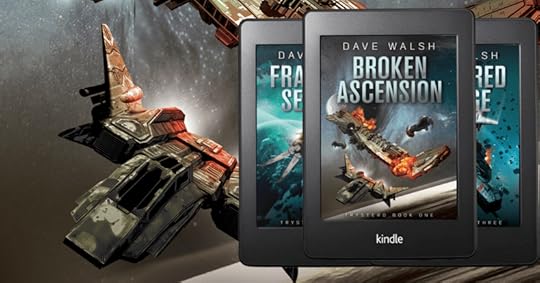
I’ve Expanded. Get Your Free Copy of Cydonia Rising Now
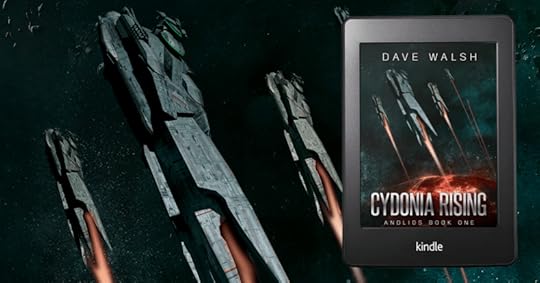
Last month I talked about changing up my strategy a bit and today I’m here to say that yep, I’ve gone and done it. So here’s why and here’s what I’m giving to you for sticking around.
I want people to enjoy my books and take something away from them. If it makes them mad, that’s okay, if it makes them happy or hopeful, that’s great. If it makes them stop and reflect on something, that’s even better. If it can brighten up someone’s day like the books I read as a kid did, that’s even better.
So that’s what I’m doing here. I’m taking my books to a different audience because it’s worth seeing where that path leads. If it doesn’t work, well, I’ll reevaluate and go from there.
If you’re bummed my books aren’t enrolled in KindleUnlimited anymore, I do have good news for you. You can check my books out via OverDrive and your public library. There’s also Scribd, which has a subscription service and my books are available there as well.
That was… a long explanation, I’m sorry.
All of that is leading to the good thing, though: in honor of this big, huge, momentous change, I’m giving away one of my absolute favorite novels for free. Yes, I’m giving away Cydonia Rising right now.
Zero catch. That link leads to any of the storefronts it’s currently available on, or you can pick it up from my site directly.
In addition, if you’re one of the fine folks that had been asking me about purchasing my books outside of Amazon and you waited very patiently, you can now do exactly that.
If you do pick up a copy of any of my books and enjoy them, please consider leaving a review. Reviews help me out a ton and help signal to other readers if my books are right for them. It doesn’t have to be much, just a line or two. Especially with my books launching to new stores this is immensely helpful.
Of course, outside of the stores there is always Goodreads and BookBub.
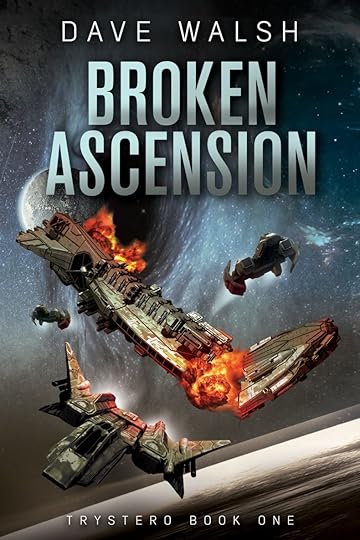
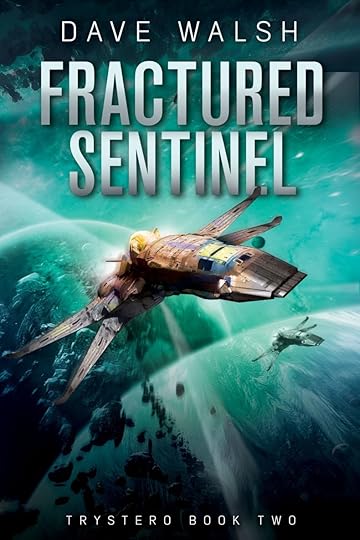
The post I’ve Expanded. Get Your Free Copy of Cydonia Rising Now appeared first on [ Dave Walsh ].