
Simon Mustoe's Blog: Wildlife in the Balance, page 18
April 4, 2023
Should we kill pests or plant trees? It’s simple really
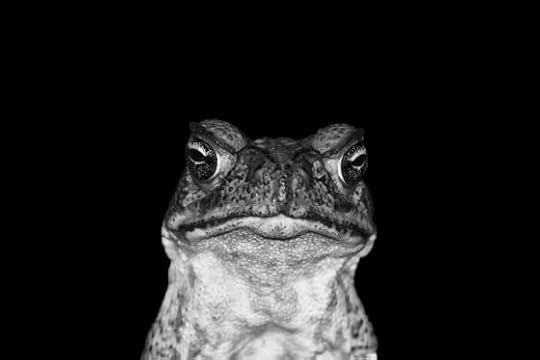
Conversations about my book often come around to the question of: ‘What to do about introduced species?’ (especially in Australia). Or, about the benefits (or otherwise) of tree-planting. Here are my responses to two recent questions from readers. So, should we kill pests or plant trees? It’s simple really … ask: are we helping restore wildlife diversity by doing either?
Cane toads are much-maligned in Australia. They are poisonous and kill loads of native predators, contributing to huge ecosyst...


March 30, 2023
New climate paper asks for a change in mindset regarding animals
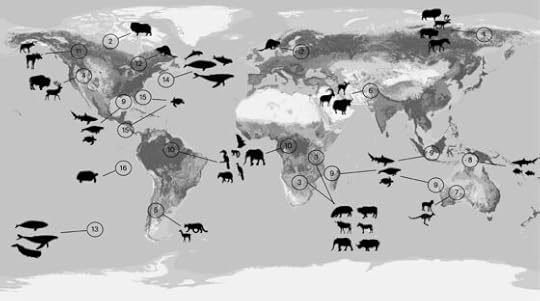
In the last few days, three people have separately sent me this new climate paper Schmitz et al. (2023), just published in the journal Nature [1]. Like the study I referred to the other day on marine animals, the authors identify a suite of mechanisms by which animals function in ecosystems.
This latest paper is, in this case, only looking at the role of wildlife in tackling carbon uptake. Remember, carbon is the basis for all life on Earth.
March 26, 2023
The value of sharks: ghosts of the past, present and future
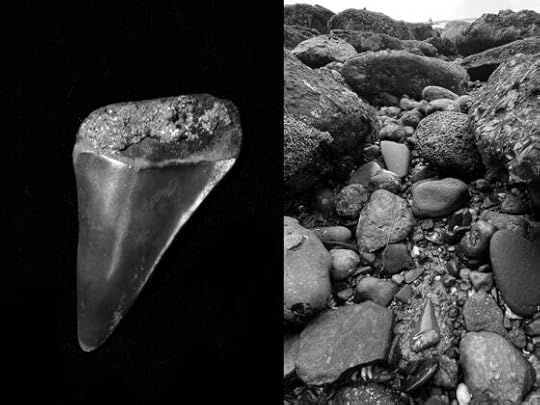
The fossil tooth fairy was smiling upon me today. After a snorkel we headed to bayside Melbourne to search for fossils. Soon after, I turned a rock, and found the tooth of a 5-6 million year old Carchardon hastias, or ‘giant great white shark.’ A first for me, and very exciting. It was also a timely find. I’ve been reviewing the role and history of sharks in bayside Melbourne as well as looking at the role of aquatic predators in ecosystems.
March 19, 2023
Are ecosystems regulated top down or bottom up?
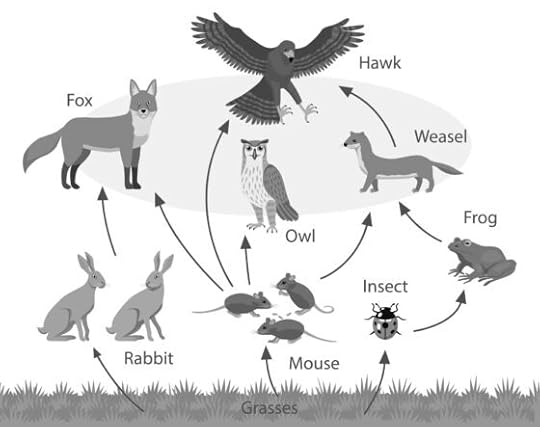
It’s common that I’m asked, ‘Are ecosystems regulated top down or bottom up?’ But it’s not that simple. We have a terrible habit of looking for single causal mechanisms for complex systems. This leads to disagreement and makes the science seem confused when it’s simpler. A cursory online search will reveal many papers that argue for one or the other, but this is polemic. In reality, systems are structural [8, 9] and have both components.
Continue reading Are ecosystems regulated top down or bott...
March 12, 2023
March 4, 2023
Photosynthesising sea slug steals plant organs to survive
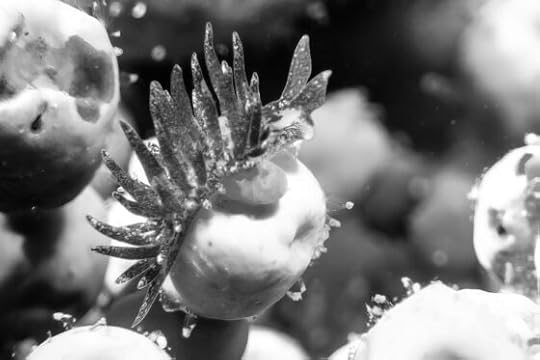
Billions of years ago two bacteria formed a partnership. One lived on inside the other and became a mitochondria. Mitochondria harness energy. They are the battery that fuel animal cells. These first cells eventually multiplied and diversified, creating all the animals you see on Earth now. So today, every cell in your body shares the same DNA blueprint of those first bacteria, also identical to every cell in every other animal on the planet. A similar thing happened when plants were born.
February 25, 2023
How important are soil invertebrates for our future?
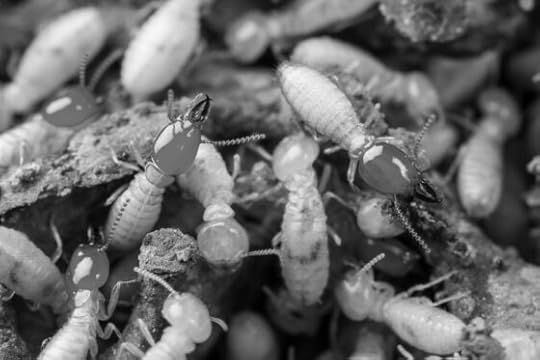
How important are soil invertebrates? A new paper in Science Advances may have the answer. Researchers have estimated the abundance of all land arthropods (animals like insects, crabs, spiders and millipedes). It turns out that two-thirds to three-quarters of all these lifeforms live in our soils.
Termites make up 40% of soil arthropods globally. Source: smuay Stock photo ID:471740577
Soil is the by-product of animal life on Earth. It’s the deposition of millions of years of waste from plants a...
February 18, 2023
Why nature makes patterns and its extraordinary complexity
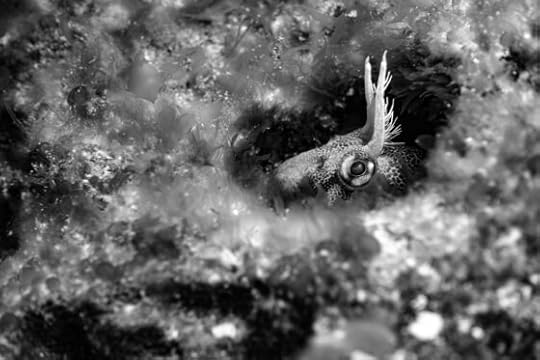
Last year there was one morning when Tasmanian Blennies seemed to be everywhere on the mussel beds in Melbourne’s Port Phillip Bay. They were swimming over rocks in abundance. The next morning, there were almost none. Once you understand why this happens, you realise why nature makes patterns and its extraordinary complexity. It just takes a few variables (like tides, wind and weather) to influence a species’ entire behaviour. Think about how many times a year people gather in large numbers on a...
February 14, 2023
What is the normal number of animals? A visit to the Rothwell Sanctuary
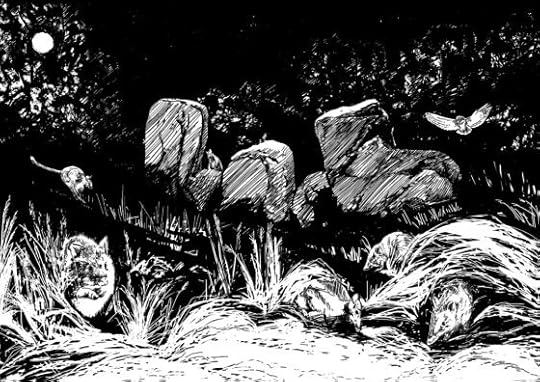
We recently visited the Mount Rothwell Sanctuary in Melbourne’s west. Originally created by John Wamsley, this 420 hectare predator-proofed sanctuary was bought in 2004 and is currently operated by the Odonata Foundation. When I first visited in 2009 it was the only place left where the original mainland stock of Eastern Barred Bandicoots occurred. This privately-owned and operated reserve has done what no government-funded initiative ever managed. It secured the species’ future. Today, 9 out of...
February 9, 2023
Whale Shark Expedition with Simon Mustoe, 26 June – 7 July, 2023
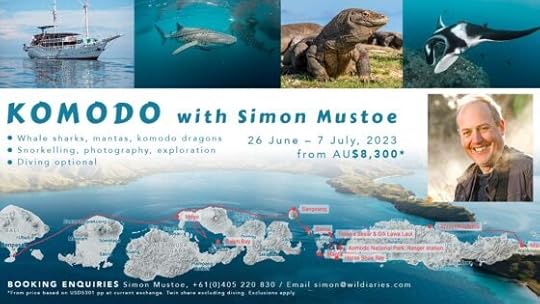
This June I’m leading a whale shark expedition from Maumere to Bali. One of the focuses is to spend a day or two with whale sharks. I have two cabins left if you’d like to come. I’ve detailed the costs at the end of this post, as I realise this trip is a bit out of the ordinary and the price may not suit everyone. We already have a wonderful group of people coming and it would be nice to have you along, if you can make it.
Continue reading Whale Shark Expedition with Simon Mustoe, 26 June – 7 Ju...
Wildlife in the Balance

- Simon Mustoe's profile
- 3 followers

