
Simon Mustoe's Blog: Wildlife in the Balance, page 17
September 11, 2023
How do we know whale sharks are important? Ask the Sama-Bajau
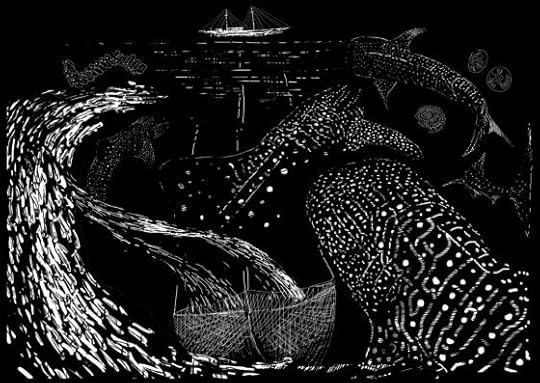
Whale sharks are massive energy-crunching behemoths that, ironically, spend their lives in the most nutrient-poor oceans. Why? Here’s the first paradox of ecology that stumps most people. The richest, most diverse and abundant ecosystems have very little surplus energy. For instance, warm tropical Pacific water enters the coral triangle of eastern Indonesia long after it’s been stripped bare of nutrients. Yet this region has always been an incubator for global ocean biodiversity. It also has a g...


September 8, 2023
Animals are not the Icing on the Cake, presentation
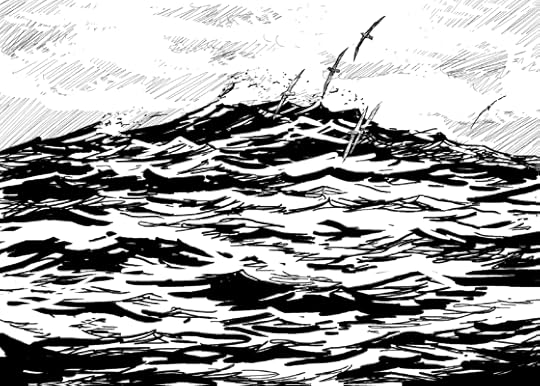
On November 5th I will be presenting a short talk at the Love your Wildlife Festival in Cygnet, Tasmania on the subject ‘Animals are not the Icing on the Cake.’ Here’s a quick synopsis.
Love your Wildlife Festival
Where: Supper Room, Cygnet Town Hall TASWhen: Sunday November 5th, 10:00AMIf you happen to be a southern Tasmanian, I hope to see you there.
Continue reading Animals are not the Icing on the Cake, presentation at Wildlife in the Balance.
September 3, 2023
Why Passenger Pigeons were important
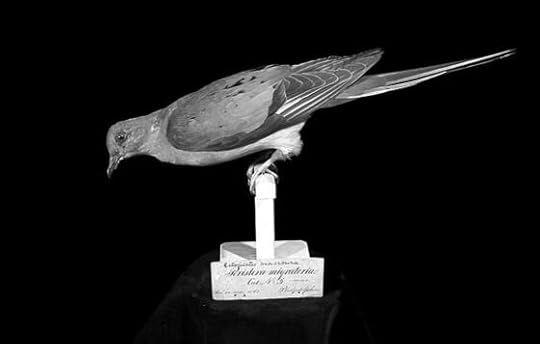
It was the ultimate migrant. A bird of such abundance it created entire forest ecosystems. This is why Passenger Pigeons were important. This month marks the anniversary of the death of the last Passenger Pigeon over a hundred years ago and it’s a timely reminder of what we still have to lose. But more importantly, what we have to gain, from conservation of the migratory birds we have left.
Celebrating bird migration
Perhaps fittingly, this week the UN Biodiversity also celebrated the start of ...
July 20, 2023
Is sea turtle civilisation the oldest in Europe?
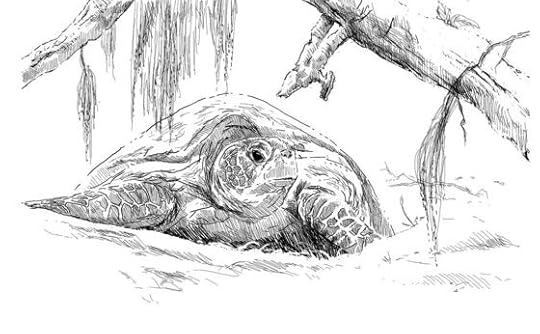
This week, a paper appeared in the Proceedings of the National Academy of Sciences journal (de Kock et al 2023) [1]. The researchers found that generations of turtles had been using the same seagrass beds for thousands of years. It’s one of the few times scientists have referenced the long-term, ecosystem-linked behaviour of any animals. It’s gratifying to read the summary’s opening line. It says that: ‘the persistence of most species and their key habitats is intimately tied together.’ It’s bec...
July 14, 2023
Swimming with Whale Sharks in Indonesia: a Photo Story
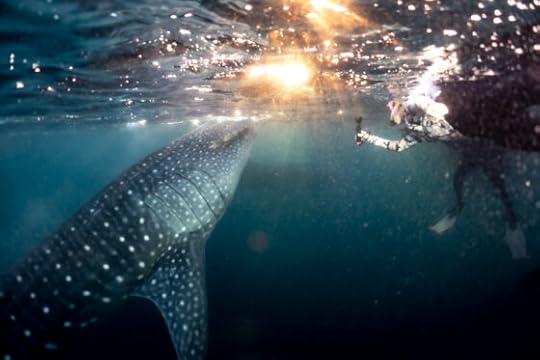
I’d only ever seen whale sharks at the surface before. Swimming with whale sharks in Indonesia was something unexpectedly rewarding. This article is one of a few I’ll be writing about the experience, and about the region’s whale sharks in general. It adds to an understanding of the incredible power and significance of wildlife in eastern Indonesia. To be among this was a genuine privilege.
Remember to sign up for updates.
Continue reading Swimming with Whale Sharks in Indonesia: a Photo Story...
May 20, 2023
Why are cuckoos important?
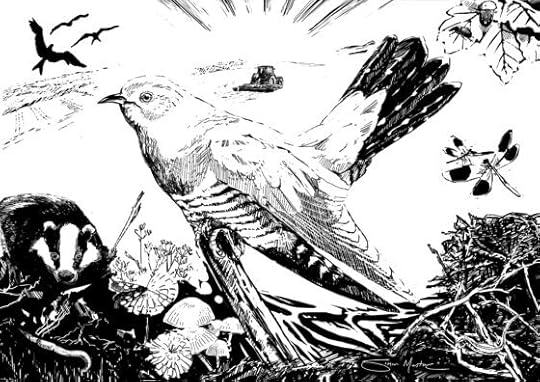
Common Cuckoos are an intercontinental migrant that join a throng of other European birds making their biannual journey to and from Africa. Hearing the first spring cuckoo call is always emotional. It signals renewed optimism for the oncoming warmth of summer, the release of winter’s grip and a new season of plenty. It’s no surprise that hearing songbirds is good for our health. It harks back to our ancestral dependence on what they do for us.
April 19, 2023
Melbourne’s coral reefs. The best are under threat
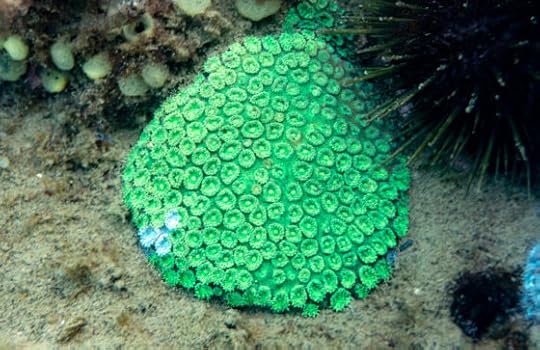
Where are Melbourne’s coral reefs?
Did you know that a marine sanctuary in northern Port Phillip Bay is home to some of the best examples of our region’s coral reefs? Melbourne’s coral reefs are at Ricketts Point Marine Sanctuary but despite their importance, this biotope hasn’t yet been recognised as significant. In actual fact, the existence of these reefs is barely recognised.
Our reefs are already threatened by rise in sea temperatures and nutrient input into the bay.
April 18, 2023
The Power of Trees by Wohlleben: Ancient brains and animal impact
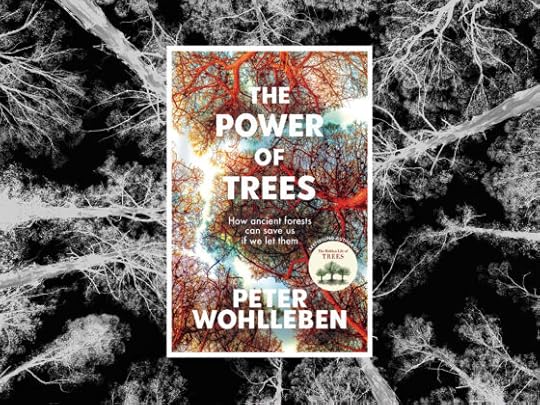
What was thrilling about reading Wohlleben’s The Power of Trees was to expand on a notion I covered in a recent blog. That unlike animals, the ‘brain’ of trees – and their intelligence – exists outside of themselves. That simple difference has distinguished plants and animals for billions of years. Far longer, in fact, than animals have walked the Earth. But back then Earth would have been uninhabitable for humans. The rise of wildlife led to what we conceive healthy ecosystems to look like toda...
The Power of Trees by Wollehben: Ancient brains and animal impact
The power of trees relies on animal impact
What was thrilling about reading Wohlleben’s The Power of Trees was to expand on a notion I covered in a recent blog. That unlike animals, the ‘brain’ of trees – and their intelligence – exists outside of themselves. That simple difference has distinguished plants and animals for billions of years. Far longer, in fact, than animals have walked the Earth. But back then Earth would have been uninhabitable for humans.
April 14, 2023
How to see Melbourne’s sea spiders and glowing scorpions
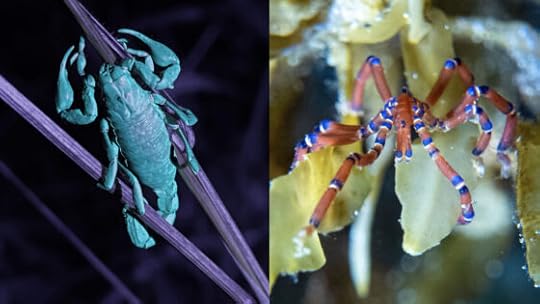
Over Easter we took a break and headed down to the Bass Coast southeast of Melbourne, Australia. The weather was less than glorious over the weekend. But it cleared up allowing us to snorkel between Cape Paterson and Inverloch. Our hopes of clear water were a bit dashed due to huge tides (we only swum on the low) but this gave us another opportunity. On the last day, we relocated to the Mornington Peninsula back-beaches.
Continue reading How to see Melbourne’s sea spiders and glowing scorpions a...
Wildlife in the Balance

- Simon Mustoe's profile
- 3 followers

