
Simon Mustoe's Blog: Wildlife in the Balance, page 19
January 31, 2023
Why saving sun bears is important
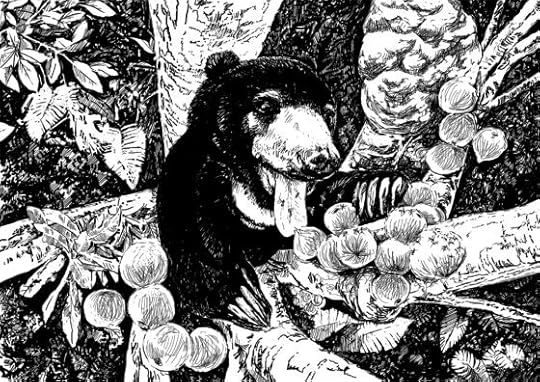
There are a million stories behind every animal. Too many to comprehend in fact. This is why, trying to fully understand how an animal exists, is a feat of impossibility. Their livelihoods remain invisible to us, their behaviour alien and the reason why they exist, rests largely in our subconscious. So, let’s look at why saving sun bears is important. How do we know they are important and what stories do we need to tell?
Continue reading Why saving sun bears is important at Wildlife in the Balan...


January 26, 2023
Prize announcement, epic swim with whale sharks, sun bear conservation
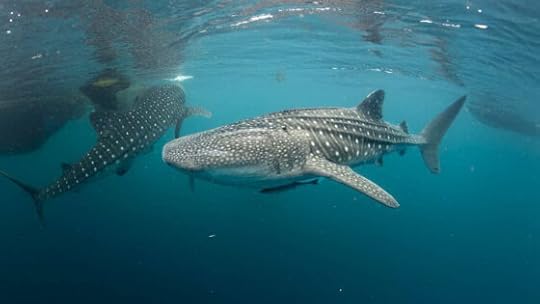
Happy new year. I trust you had a great break over the festive season and are looking forward to an exciting 2023. I’d like to invite you to join me at 2PM Brisbane time (3PM AEST) on 10 February for the World of Wildlife event. You will meet Sarah Pye and Dr Wong Siew Te of the Bornean Sun Bear Conservation Centre. We will be finding out about their latest work and I’ll be talking about the role of animals.
Continue reading Prize announcement, epic swim with whale sharks, sun bear conservation ...
January 21, 2023
How fragile is life on Earth? Wildlife in the balance
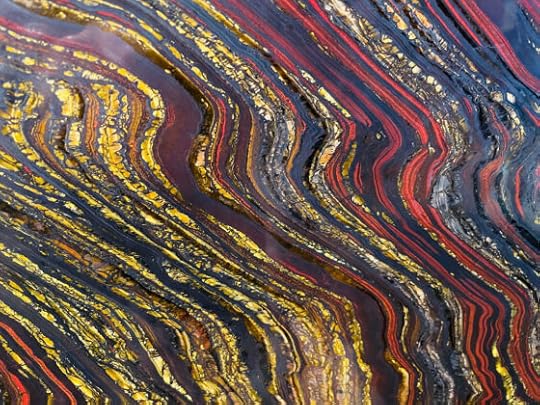
How fragile is life on Earth? A rock from an iron ore mine housed in Museum Victoria gives us a clue. It’s a visual reminder of the instability that happens when we remove wildlife. In the long-distant past Earth couldn’t have supported humans. It’s only the rich abundance of animals today that stops wild fluctuations in our climate and planetary life support systems. Life on Mars, for instance, never made it through this stage.
Australia Layers of iron and silica laid down 2.5 billion years ...
January 13, 2023
December 27, 2022
ABC Radio with Simon Mustoe on Wildlife in the Balance
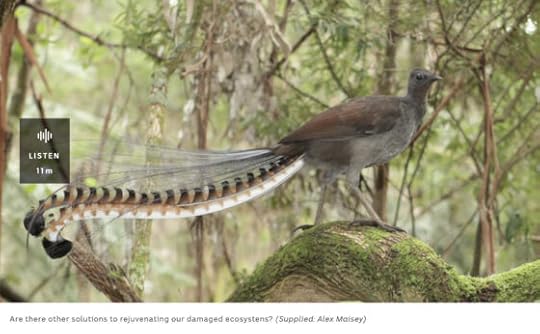
ABC Radio with Simon Mustoe on Wildlife in the Balance.Is ‘rewilding’ our best hope of undoing damage to the Earth’s ecosystems?
A new book by ecologist and conservationist Simon Mustoe argues that sometimes doing less, is more.
In Wildlife in the Balance, Why Animals are Humanity’s Best Hope he explores the delicate ecosystems on our planet. Mustoe suggests a new focus for countering the impact humans have on Earth – animals.
Continue reading ABC Radio with Simon Mustoe on Wildlife in the Balan...
December 21, 2022
Top 10 most read wildlife articles in the last year
Merry Christmas everyone. Thank you for all your support. This year has been extraordinary for me, as it culminated inthe the release of ‘Wildlife in the Balance’ in October. I could not have done this without you. So I thought it might be fun to take a look back at the top 10 read wildlife articles since Christmas last year.
It’s been great to write these for you. I’m also looking forward to what we can achieve in future.
Continue reading Top 10 most read wildlife articles in the last year a...
December 19, 2022
Will the COP15 30 x 30 plan work?
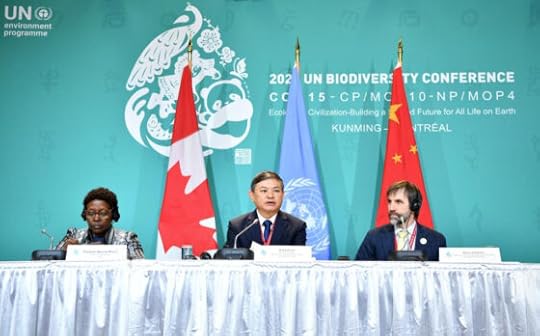
You might have heard about COP15. It means the 15th meeting of the Conference of the Parties (COP) to the UN Convention on Biological Diversity. The meeting brought together governments from 196 countries between December 7-19, 2022 in order to approve parts of the post-2020 Global Biodiversity Framework. You can read the first draft here. COP15 has been rightly described as a ‘historic moment’. One of the most substantial agreements is to protect 30% of the world’s land and sea by 2030 (the ’30...
December 12, 2022
How predatory arachnids absorb carbon in grassland
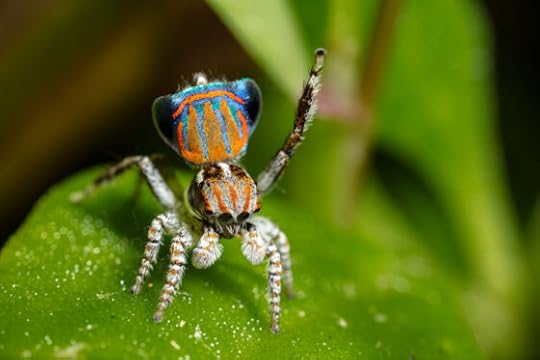
The environmental newspaper Mongabay published a piece titled ‘Animating the Carbon Cycle: Earth’s animals vital allies in CO2 storage.’ It’s long been known animals are essential for ecosystem vitality. But Professor Oswald Schmitz at the Yale School of the Environment tells me that: ‘I have been trying to get the scientific community to pay attention for a decade or more.’ In his work Schmitz describes how predatory arachnids absorb carbon in grassland.
Maratus tasmanicus … a type of peacock ...
December 9, 2022
Five reasons plants don’t have brains
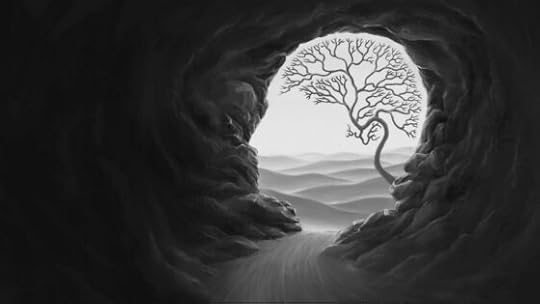
I saw a question on social media today. A parent said their six year old had asked: ‘Why don’t plants have brains?’ What an excellent question. As always, it’s the simple ones that get us thinking and I thought it would make a good topic for a blog post. Especially as it’s more easily answered in the context of how ecosystems work and Earth’s energy systems. It is also one of those topics that places animals right at the centre of humanity’s future – it explains why we can’t do without them.
December 5, 2022
Is your cat making you more conservative? Strange case of toxoplasmosis
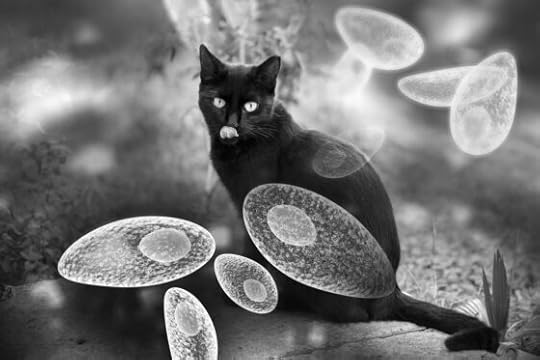
One in five or more of you reading this article are likely to be infected with toxoplasmosis. You probably caught it from a cat but it doesn’t make you feel obviously ill. It does, however, make you behave differently. Two papers published this year support the idea that this common brain parasite can even make us vote differently. Infection makes you less cooperative and a bit more aggressive, which in wolves makes them more likely to become a leader.
Wildlife in the Balance

- Simon Mustoe's profile
- 3 followers

