Brandon C. Jones's Blog, page 12
June 26, 2014
In Defense of Organized Religion
There are hundreds of organized religions, including popular ones such as Judaism, Islam, Buddhism, Hinduism, and Confucianism. There are also a lot of other organized religions that have few members, some of which are even a joke, like Pastafarianism (go ahead an look it up for a good laugh).
In addition to all the people who consider themselves part of an organized religion, there are countless others who are religious but in an unorganized way. These are people whose opinions on the origin of the universe, the meaning of human life, and the grounding of ethics, all involve a higher power of some sort, but they do not teach much more than that. Some of them may even say they are not too sure that a higher power exists or whether their opinions are even correct.
Most people I have met who are religious, but not organized about it, grew up hearing the story of Christianity and have modified parts of it to suit themselves as adults. They believe in God or some god. They believe in human afterlife. Most of them believe that the afterlife will be good for them and any other people who are not too evil. For example, Adolf Hitler won’t make the grade. They may even be open to thinking Jesus was God and say with their lips that he is Lord, but their behavior reveals otherwise. They despise churches. They do not get along well with Christians. They either do not think God has spoken through Jesus or the Bible, or do not pay much attention to what God has said. In response, I think of Jesus’ words in the Gospel of Luke, “Why do you call me, ‘Lord, Lord,’ and do not do what I say?” (Luke 6:46).
I also know some people who are not a part of any religion at all, organized or otherwise. They are not just agnostic about life’s ultimate questions but have come to the further conclusion that the universe simply is and we humans are a part of it while we are alive. According to them, once we die we all just go to the ground and decompose there. That is it. There is no higher power, spiritual realm, or human afterlife. There is only what can be experienced and observed physically.
People who are not a part of any religion often think organized religions are misguided. Unfortunately, us religious people can often help them confirm their claims, whether it is a cult drinking poisoned kool-aid before aliens arrive or a religious leader abusing people under his “care.” There is no shortage of bad examples, so even some people who follow Christ try to distance themselves from organized religion or even religion in general. These people may say things like, “Christianity is not a religion, but a relationship.” Or “I reject organized religion.” Although I think I understand what people mean by these claims, the words do not make any sense coming from someone who believes Jesus is Lord. If you believe that, then you are necessarily part of organized religion. Most people would label your organized religion Christianity, and there is no shame in being a part of it.
Christianity teaches a brilliant story of creation, fall, redemption, and new creation. At its heart is the good news that God has saved us from our sins through Christ and has adopted us into his family, sharing his own life with us, and including us in his coming kingdom. Christianity is broad and includes many different understandings of the gospel, and we do well to explain what we mean by it. But no matter how we explain it, the gospel of Jesus Christ is most definitely an organized religion. We Christians like to think God himself organized it from the foundation of the world.
If you are a Christian, disciple, Christ-follower, believer, or whatever you prefer to call yourself please go ahead and say the gospel is about a relationship with God. Go ahead and admit that some religious beliefs sound crazy and that there is no excuse for abuse among religious leaders. You can say all of that and still be part of organized religion because there is nothing inherently wrong with the concept of organized religion itself, especially if you believe that Jesus is the way, the truth, and the life and that no one can come to the Father but through him (John 14:6).
In addition to all the people who consider themselves part of an organized religion, there are countless others who are religious but in an unorganized way. These are people whose opinions on the origin of the universe, the meaning of human life, and the grounding of ethics, all involve a higher power of some sort, but they do not teach much more than that. Some of them may even say they are not too sure that a higher power exists or whether their opinions are even correct.
Most people I have met who are religious, but not organized about it, grew up hearing the story of Christianity and have modified parts of it to suit themselves as adults. They believe in God or some god. They believe in human afterlife. Most of them believe that the afterlife will be good for them and any other people who are not too evil. For example, Adolf Hitler won’t make the grade. They may even be open to thinking Jesus was God and say with their lips that he is Lord, but their behavior reveals otherwise. They despise churches. They do not get along well with Christians. They either do not think God has spoken through Jesus or the Bible, or do not pay much attention to what God has said. In response, I think of Jesus’ words in the Gospel of Luke, “Why do you call me, ‘Lord, Lord,’ and do not do what I say?” (Luke 6:46).
I also know some people who are not a part of any religion at all, organized or otherwise. They are not just agnostic about life’s ultimate questions but have come to the further conclusion that the universe simply is and we humans are a part of it while we are alive. According to them, once we die we all just go to the ground and decompose there. That is it. There is no higher power, spiritual realm, or human afterlife. There is only what can be experienced and observed physically.
People who are not a part of any religion often think organized religions are misguided. Unfortunately, us religious people can often help them confirm their claims, whether it is a cult drinking poisoned kool-aid before aliens arrive or a religious leader abusing people under his “care.” There is no shortage of bad examples, so even some people who follow Christ try to distance themselves from organized religion or even religion in general. These people may say things like, “Christianity is not a religion, but a relationship.” Or “I reject organized religion.” Although I think I understand what people mean by these claims, the words do not make any sense coming from someone who believes Jesus is Lord. If you believe that, then you are necessarily part of organized religion. Most people would label your organized religion Christianity, and there is no shame in being a part of it.
Christianity teaches a brilliant story of creation, fall, redemption, and new creation. At its heart is the good news that God has saved us from our sins through Christ and has adopted us into his family, sharing his own life with us, and including us in his coming kingdom. Christianity is broad and includes many different understandings of the gospel, and we do well to explain what we mean by it. But no matter how we explain it, the gospel of Jesus Christ is most definitely an organized religion. We Christians like to think God himself organized it from the foundation of the world.
If you are a Christian, disciple, Christ-follower, believer, or whatever you prefer to call yourself please go ahead and say the gospel is about a relationship with God. Go ahead and admit that some religious beliefs sound crazy and that there is no excuse for abuse among religious leaders. You can say all of that and still be part of organized religion because there is nothing inherently wrong with the concept of organized religion itself, especially if you believe that Jesus is the way, the truth, and the life and that no one can come to the Father but through him (John 14:6).


May 29, 2014
Suicide and Forgiveness: Is There Any Hope for the Hopeless?
In 2010 someone in America committed suicide every 14 minutes. For every woman who commits suicide almost four men will do the same. People living in the Mountain time zone are more likely to commit suicide than those who live anywhere else in America. In most years suicide is a top-ten leading cause of death. These figures confirm something I have felt to be true in my experience: all of us know of someone who has committed suicide.
Statistics only tell part of the story, because we are not dealing with dollars or widgets, but with precious people made in God’s image. Each of them had parents. Many of them had siblings. A lot of them had children and even grandchildren. Many, if not most, of them were also sick. Not just physically sick, but mentally or emotionally sick. Suicide offers itself as a permanent solution to what is usually a temporary problem. I speak in terms of solutions and problems not because I crassly think people’s issues should have been easy to overcome, but rather because suicide is a tragedy. It’s not the way it’s supposed to be. The good news of Jesus Christ offers an array of freedom, peace, love, joy, and hope in this lifetime and the life to come, but people can still be sick and commit suicide even while being one of God’s children.
Suicides in the Bible
The Bible includes seven men who committed suicide, six of which do so within a narrow era of Israel’s history recounted in the books of Judges, Samuel, and the Kings. Some men, like King Saul, committed suicide in an unplanned way as they were already dying on the battlefield and sought dignity in taking their own life rather than dying by wounds inflicted by another (1 Sam 31:4; cf. Abimelek Jud 9:54). Some men, like Samson, planned their suicide in such a way that they would kill others while also killing themselves (Jud 16:30; cf. Zimri in 1 Kgs 16:18). One man, Ahithophel, planned his suicide quietly and alone by getting his affairs in order after his boss made him feel like a failure at his job (2 Sam 17:23). The only New Testament figure to commit suicide is Judas Iscariot, who betrayed Jesus for some money and quickly gave the money back before hanging himself to death (Matt 27:5).
The Bible does not reveal all the reasons for these men’s actions. Some look to minimize pain. Others are in despair and lonely. Judas’s actions reveal someone with deep guilt and regret. Some of the Bible’s suicide accounts are worse than others, especially the instances when other people were physically harmed in the process. All of these suicides left behind a mess for others to try to clean up.
Suicides and God's Kingdom
Suicides are no different today. There is always a mess left behind. People who were close to the one who committed suicide try to recall if there was anything they could have noticed, said, or done differently to help prevent it. Some people, as is the case with most tragedies, speculate, rationalize, or try to justify the actions with unhelpful comments. There are even some Christian traditions that, depending on who you ask, might say suicide is a sin that cannot be forgiven since the person has no recourse for forgiveness upon death. But Scripture only describes suicides, it does not prescribe against them specifically as some unpardonable sin. Rather, suicide is often a tragedy in the Bible too, just as it is in our lives today.
To be sure, Scripture says in many places that life and death are to be in God’s hands and not ours, so we do not have permission to seek suicide as a righteous solution for any of our problems. Instead, God offers forgiveness, hope, intercession, peace and his Spirit to help us cope with whatever may come our way in this fallen world. But sometimes people are sick and take their lives anyway, despite God’s presence within them. If they were God’s children they came to him by grace through their faith in Christ and not by any works of their own. Likewise, no works of their own, even suicide, could undo what God has secured for them in Christ. I have every hope to see them again in God’s kingdom. And, just like the rest of us, they won’t be sick anymore. May God’s kingdom come quickly!
Statistics only tell part of the story, because we are not dealing with dollars or widgets, but with precious people made in God’s image. Each of them had parents. Many of them had siblings. A lot of them had children and even grandchildren. Many, if not most, of them were also sick. Not just physically sick, but mentally or emotionally sick. Suicide offers itself as a permanent solution to what is usually a temporary problem. I speak in terms of solutions and problems not because I crassly think people’s issues should have been easy to overcome, but rather because suicide is a tragedy. It’s not the way it’s supposed to be. The good news of Jesus Christ offers an array of freedom, peace, love, joy, and hope in this lifetime and the life to come, but people can still be sick and commit suicide even while being one of God’s children.
Suicides in the Bible
The Bible includes seven men who committed suicide, six of which do so within a narrow era of Israel’s history recounted in the books of Judges, Samuel, and the Kings. Some men, like King Saul, committed suicide in an unplanned way as they were already dying on the battlefield and sought dignity in taking their own life rather than dying by wounds inflicted by another (1 Sam 31:4; cf. Abimelek Jud 9:54). Some men, like Samson, planned their suicide in such a way that they would kill others while also killing themselves (Jud 16:30; cf. Zimri in 1 Kgs 16:18). One man, Ahithophel, planned his suicide quietly and alone by getting his affairs in order after his boss made him feel like a failure at his job (2 Sam 17:23). The only New Testament figure to commit suicide is Judas Iscariot, who betrayed Jesus for some money and quickly gave the money back before hanging himself to death (Matt 27:5).
The Bible does not reveal all the reasons for these men’s actions. Some look to minimize pain. Others are in despair and lonely. Judas’s actions reveal someone with deep guilt and regret. Some of the Bible’s suicide accounts are worse than others, especially the instances when other people were physically harmed in the process. All of these suicides left behind a mess for others to try to clean up.
Suicides and God's Kingdom
Suicides are no different today. There is always a mess left behind. People who were close to the one who committed suicide try to recall if there was anything they could have noticed, said, or done differently to help prevent it. Some people, as is the case with most tragedies, speculate, rationalize, or try to justify the actions with unhelpful comments. There are even some Christian traditions that, depending on who you ask, might say suicide is a sin that cannot be forgiven since the person has no recourse for forgiveness upon death. But Scripture only describes suicides, it does not prescribe against them specifically as some unpardonable sin. Rather, suicide is often a tragedy in the Bible too, just as it is in our lives today.
To be sure, Scripture says in many places that life and death are to be in God’s hands and not ours, so we do not have permission to seek suicide as a righteous solution for any of our problems. Instead, God offers forgiveness, hope, intercession, peace and his Spirit to help us cope with whatever may come our way in this fallen world. But sometimes people are sick and take their lives anyway, despite God’s presence within them. If they were God’s children they came to him by grace through their faith in Christ and not by any works of their own. Likewise, no works of their own, even suicide, could undo what God has secured for them in Christ. I have every hope to see them again in God’s kingdom. And, just like the rest of us, they won’t be sick anymore. May God’s kingdom come quickly!
May 22, 2014
Called to Be Human: Why Jesus still has a body and we will have a new one at his return
It is easy to equate being human with being mortal. All we have known is embodied living that is prone to dying. As we get older we find our “true selves” wishing our bodies would cooperate more, but they don’t. Sooner or later our bodies will give out and die. And that seems normal. That’s what human bodies are supposed to do in our fallen world. But what about us? What happens to us when we die?
The Human Condition
There are different ways people have answered that question. For some, humans are no more and no less than the collection of physical cells that makeup their bodies. Until science delivers on some mechanism that can defeat physical death people will just die out when their bodies die.
Other people say that human identity is tied to an immaterial soul that lives on after the physical body dies. Versions of this idea in the past considered the entire material world to be a cheap copy of the true reality of things in the spiritual realm. These people likened the human physical body to a prison cell and the human soul to its prisoner. Death was not necessarily a bad thing, because it allowed a sweet release from a diminished form of life. For they thought embodied human living was a deficient form of human living.
In between these two extremes are several other positions, including many understandings within the Christian faith. The reason there is no single Christian version of what it means to be human is because the heart of the Christian faith is a story about humanity’s fall and God’s redemption of it. Because of humanity’s fall every human is affected by sin’s penalty, death. Death comes in many forms, including disease, deformity, violence, rape, and so on. When all we know and see is fallen humanity, it feels like an oxymoron to say “fallen human” and just say “human” instead. To be “human,” in this sense, is to be mortal, sinful, and in need of salvation.
The Human Savior
When we see God’s plan for redeeming fallen humanity, though, we quickly have to change our mind about what it means to be human. For God himself in the person of the Son took on our human nature in order to redeem it. He defeated sin, death, and the Devil by himself dying and being raised again to new life. And make no mistake; he was raised to a new kind of human life, embodied and all. To be sure, his embodied life after his resurrection is different than the embodied life he lived before his death. Sometimes he was not recognized, while other times he was (Luke 24:16 and 36). Even though he could still eat and drink, he was able to appear in locked rooms without opening the door (Luke 24:42-43 and John 20:19). His appearance after he ascended also seems to have changed some, when he appears to Stephen and Paul in Acts and later to John in Revelation (Acts 7:56; 22:6-9; Rev 5). He is forever living as our high priest (Heb 7:23-28). His resurrection is still the firstfruit of our future resurrections, which means that our resurrections will correspond to his (1 Cor 15:23). As Paul says in the present tense after Jesus rose again, “For there is one God and one mediator between God and mankind, the man Christ Jesus” (1 Tim 2:5). He is all this and more because he is still human, an embodied human, and being an embodied human is a glorious thing. When Paul describes what God has done in Christ he concludes with glorified humans (Rom 8:30).
The Human Hope
Paul’s comment makes more sense when it is placed within the context of God’s greater story of creation, fall, redemption, and new creation. When we focus on what precedes our fall and what will happen after our redemption, a rather clear picture of what it means to be human emerges. When God created humans each human being had a body. No human had an unembodied beginning; the Genesis accounts even have God forming bodies first before breathing life into his new creations (Gen 2:7, 21-22). Humanity, bodies and all, has the unique status of being made in God’s own image and likeness (Gen 1:26-27). Likewise, when Jesus reveals to John what God’s kingdom will look like in eternity it is described as a physical city with physical streets, gates, rivers, and trees (Rev 21:9-22:5). It will be like the Garden of Eden was, only better. Likewise the humans God has redeemed will be like Adam and Eve were in the garden, only better. Our future hope is an embodied future hope, for God’s good creation will not be destroyed, but rather it will be refined.
The Human Future
Until the future resurrection day comes, Scripture reveals that there is such a thing as a deficient state of humanity. Theologians call it an “intermediate state” between death today and resurrection in the future. In the intermediate state human souls live deficiently without bodies. These souls are conscious and even recognizable as ghostly figures or spirits (e.g. 1 Sam 28:11-19; Acts 12:15; Rev 20:4). There is life after death, and, as N. T. Wright likes to say, resurrection is “life after life after death.” And resurrection, not just the intermediate state, is our Christian hope.
I cannot say for sure what our future resurrection will be like. In 1 Corinthians 15 Paul calls Christ a life-giving Spirit. Paul then likens our earthly body to a seed planted and our resurrected body to a plant springing up. He refers to our life now as earthly and our resurrected life as heavenly. He says our bodies now are natural while our future bodies will be spiritual. He even says perishable flesh and blood cannot enter God’s kingdom, so the resurrection will be something imperishable. This language has led some to think that Paul believed in a non-physical resurrection, but throughout the New Testament Paul overwhelmingly uses the word “spiritual” to refer to God’s Holy Spirit. The embodied Jesus distributes the Spirit and our future bodies will be animated by God’s Spirit to the point at which there will no longer be an ugly difference between what we desire and what we worship.
Paul’s description of the resurrection may reasonably lead readers to think in terms of differences rather than continuity between our embodied life now and our future resurrection. However, Paul no where denies that Jesus rose from the dead bodily and that he remains embodied as the firstfruits of our bodily resurrection. Given Paul’s Jewish background, the firstfruits feast celebrated the first of the harvest in hopes of more abundance of that same harvest to follow. Had Paul thought our resurrection would be non-physical, it would make little sense for him to refer to Jesus’ bodily resurrection as the “firstfruit” for our own.
Jesus became fully human when he was conceived and remains fully human even today, and that is a glorious thing! Michael Jinkins says the Christian life is a call to be fully human, just like Jesus. Ancient Christians had a saying: what Jesus is by nature he shares with us by grace. We have much to lament in this fallen world, including how short we fall from our full potential as God’s image-bearers, but do not let that lament overshadow the good news of salvation, which ends with a new creation, including new bodies. It can be a little daunting to think of living forever, maybe even scary, but God promises it will be good. I know he’s right!
The Human Condition
There are different ways people have answered that question. For some, humans are no more and no less than the collection of physical cells that makeup their bodies. Until science delivers on some mechanism that can defeat physical death people will just die out when their bodies die.
Other people say that human identity is tied to an immaterial soul that lives on after the physical body dies. Versions of this idea in the past considered the entire material world to be a cheap copy of the true reality of things in the spiritual realm. These people likened the human physical body to a prison cell and the human soul to its prisoner. Death was not necessarily a bad thing, because it allowed a sweet release from a diminished form of life. For they thought embodied human living was a deficient form of human living.
In between these two extremes are several other positions, including many understandings within the Christian faith. The reason there is no single Christian version of what it means to be human is because the heart of the Christian faith is a story about humanity’s fall and God’s redemption of it. Because of humanity’s fall every human is affected by sin’s penalty, death. Death comes in many forms, including disease, deformity, violence, rape, and so on. When all we know and see is fallen humanity, it feels like an oxymoron to say “fallen human” and just say “human” instead. To be “human,” in this sense, is to be mortal, sinful, and in need of salvation.
The Human Savior
When we see God’s plan for redeeming fallen humanity, though, we quickly have to change our mind about what it means to be human. For God himself in the person of the Son took on our human nature in order to redeem it. He defeated sin, death, and the Devil by himself dying and being raised again to new life. And make no mistake; he was raised to a new kind of human life, embodied and all. To be sure, his embodied life after his resurrection is different than the embodied life he lived before his death. Sometimes he was not recognized, while other times he was (Luke 24:16 and 36). Even though he could still eat and drink, he was able to appear in locked rooms without opening the door (Luke 24:42-43 and John 20:19). His appearance after he ascended also seems to have changed some, when he appears to Stephen and Paul in Acts and later to John in Revelation (Acts 7:56; 22:6-9; Rev 5). He is forever living as our high priest (Heb 7:23-28). His resurrection is still the firstfruit of our future resurrections, which means that our resurrections will correspond to his (1 Cor 15:23). As Paul says in the present tense after Jesus rose again, “For there is one God and one mediator between God and mankind, the man Christ Jesus” (1 Tim 2:5). He is all this and more because he is still human, an embodied human, and being an embodied human is a glorious thing. When Paul describes what God has done in Christ he concludes with glorified humans (Rom 8:30).
The Human Hope
Paul’s comment makes more sense when it is placed within the context of God’s greater story of creation, fall, redemption, and new creation. When we focus on what precedes our fall and what will happen after our redemption, a rather clear picture of what it means to be human emerges. When God created humans each human being had a body. No human had an unembodied beginning; the Genesis accounts even have God forming bodies first before breathing life into his new creations (Gen 2:7, 21-22). Humanity, bodies and all, has the unique status of being made in God’s own image and likeness (Gen 1:26-27). Likewise, when Jesus reveals to John what God’s kingdom will look like in eternity it is described as a physical city with physical streets, gates, rivers, and trees (Rev 21:9-22:5). It will be like the Garden of Eden was, only better. Likewise the humans God has redeemed will be like Adam and Eve were in the garden, only better. Our future hope is an embodied future hope, for God’s good creation will not be destroyed, but rather it will be refined.
The Human Future
Until the future resurrection day comes, Scripture reveals that there is such a thing as a deficient state of humanity. Theologians call it an “intermediate state” between death today and resurrection in the future. In the intermediate state human souls live deficiently without bodies. These souls are conscious and even recognizable as ghostly figures or spirits (e.g. 1 Sam 28:11-19; Acts 12:15; Rev 20:4). There is life after death, and, as N. T. Wright likes to say, resurrection is “life after life after death.” And resurrection, not just the intermediate state, is our Christian hope.
I cannot say for sure what our future resurrection will be like. In 1 Corinthians 15 Paul calls Christ a life-giving Spirit. Paul then likens our earthly body to a seed planted and our resurrected body to a plant springing up. He refers to our life now as earthly and our resurrected life as heavenly. He says our bodies now are natural while our future bodies will be spiritual. He even says perishable flesh and blood cannot enter God’s kingdom, so the resurrection will be something imperishable. This language has led some to think that Paul believed in a non-physical resurrection, but throughout the New Testament Paul overwhelmingly uses the word “spiritual” to refer to God’s Holy Spirit. The embodied Jesus distributes the Spirit and our future bodies will be animated by God’s Spirit to the point at which there will no longer be an ugly difference between what we desire and what we worship.
Paul’s description of the resurrection may reasonably lead readers to think in terms of differences rather than continuity between our embodied life now and our future resurrection. However, Paul no where denies that Jesus rose from the dead bodily and that he remains embodied as the firstfruits of our bodily resurrection. Given Paul’s Jewish background, the firstfruits feast celebrated the first of the harvest in hopes of more abundance of that same harvest to follow. Had Paul thought our resurrection would be non-physical, it would make little sense for him to refer to Jesus’ bodily resurrection as the “firstfruit” for our own.
Jesus became fully human when he was conceived and remains fully human even today, and that is a glorious thing! Michael Jinkins says the Christian life is a call to be fully human, just like Jesus. Ancient Christians had a saying: what Jesus is by nature he shares with us by grace. We have much to lament in this fallen world, including how short we fall from our full potential as God’s image-bearers, but do not let that lament overshadow the good news of salvation, which ends with a new creation, including new bodies. It can be a little daunting to think of living forever, maybe even scary, but God promises it will be good. I know he’s right!
May 15, 2014
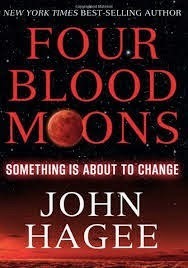
Four Blood Moons: Prophetic or Predictable?
Last month I was pleased to wake up my son and take him outside at 2:30 in the morning and stare at the lunar eclipse. Over the next eighteen months there will be three more of them, and I hope our skies will be clear for each of those nights as well. Likewise, one of my favorite high school memories was joining my classmates and teachers outside to see the effects of a solar eclipse. While I enjoy seeing eclipses of all kinds, I have not found anything significant about them for the Christian faith.
Lunar eclipses are so common that they are predictable. There are dozens of them each century. Sometimes they coincide with Jewish festivals, which is to be expected. Jewish festivals like the Passover, which sets the dates we celebrate Good Friday and Easter every year, go by a lunar calendar rather than a solar one. That is why Easter is on different calendar dates of the year. On years like 2014 and 2015 there will be lunar eclipses during both the Passover and Day of Atonement, which take place roughly six months apart from each other. This coincidental cycle of eclipses and festivals has happened before, including the years 1949 and 1950, and will happen again, including the years 2043 and 2044.
Solar eclipses also occur frequently and predictably. Unfortunately, what is also common with solar eclipses is that they only last for several minutes and are often unseen by most people in the world. Last month’s solar eclipse was best visible in Antarctica!
Great and small historical events have happened and will continue to happen during eclipses just as they do during any other time of the year. However, God has not revealed any basis for his people to expect certain things to happen during eclipses. To be sure, Jesus mentions signs in the sky that will mark his second coming to earth, but when his followers later ask him when exactly he will restore God’s kingdom, he answers, “It is not for you to know the times or dates the Father has set by his own authority. But you will receive power when the Holy Spirit comes on you; and you will be my witnesses in Jerusalem, and in all Judea and Samaria, and to the ends of the earth” (Acts 1:7-8, NIV).
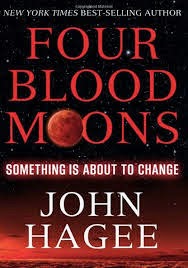
Thankfully, Jesus fulfilled his promise to them and empowered them to be witnesses of the good news of salvation in Jesus Christ that is available to all peoples. For two thousand years that empowered message has spread far beyond the gates of Jerusalem and even to the northern plains of the Dakotas. If you are interested in what God has done, is doing, and is planning to do in the future, invest your time reading the Bible along with God’s people, the church, rather than buying books and videos by John Hagee.
Lunar eclipses are so common that they are predictable. There are dozens of them each century. Sometimes they coincide with Jewish festivals, which is to be expected. Jewish festivals like the Passover, which sets the dates we celebrate Good Friday and Easter every year, go by a lunar calendar rather than a solar one. That is why Easter is on different calendar dates of the year. On years like 2014 and 2015 there will be lunar eclipses during both the Passover and Day of Atonement, which take place roughly six months apart from each other. This coincidental cycle of eclipses and festivals has happened before, including the years 1949 and 1950, and will happen again, including the years 2043 and 2044.
Solar eclipses also occur frequently and predictably. Unfortunately, what is also common with solar eclipses is that they only last for several minutes and are often unseen by most people in the world. Last month’s solar eclipse was best visible in Antarctica!
Great and small historical events have happened and will continue to happen during eclipses just as they do during any other time of the year. However, God has not revealed any basis for his people to expect certain things to happen during eclipses. To be sure, Jesus mentions signs in the sky that will mark his second coming to earth, but when his followers later ask him when exactly he will restore God’s kingdom, he answers, “It is not for you to know the times or dates the Father has set by his own authority. But you will receive power when the Holy Spirit comes on you; and you will be my witnesses in Jerusalem, and in all Judea and Samaria, and to the ends of the earth” (Acts 1:7-8, NIV).
Thankfully, Jesus fulfilled his promise to them and empowered them to be witnesses of the good news of salvation in Jesus Christ that is available to all peoples. For two thousand years that empowered message has spread far beyond the gates of Jerusalem and even to the northern plains of the Dakotas. If you are interested in what God has done, is doing, and is planning to do in the future, invest your time reading the Bible along with God’s people, the church, rather than buying books and videos by John Hagee.
May 8, 2014
Baptism as Commencement
Growing up I thought that commencement ceremonies described the end of something, even if the ceremonies themselves never seemed to end. My parents would take me to these things and, just like weddings, they seemed to come in clusters during the year. When I was a boy I would have found it arguable what one was worse. Commencements did have people wearing funny-looking clothes and hats, which was nice, but then there would always be a lineup of speakers, usually three more than I thought necessary, each of which talked about 10 minutes longer than expected, followed by a repetitive time of people calling out names one by one.
The only redeeming aspect of the ceremony from a boy’s point of view was being able to relate to the joyous thrill of school being completed. The final day of the school year was always one of my favorite days, so it seemed natural to me that people would celebrate completing school and not having to go back again. From a boy’s perspective I did not appreciate the subtle difference between completing something and ending something. For commencement ceremonies mark the completion of one’s degree toward a new beginning in life. That’s why we call them commencement ceremonies rather than termination ceremonies. Let the new chapter in life commence!
As a Baptist, this time of year is a fitting time to reflect on the meaning of believer baptism. Baptism marks the completion of a believer’s initiation into the Christian faith, which happens by grace through faith in Christ and begins a new life as a confirmed follower of Christ.
Baptism visibly portrays a believer’s death to self and to sin and resurrection into Christ’s new life as one is immersed into a watery grave only to be lifted out of it again. The waters of baptism signify burial and cleansing all at once. Satan and his ways are renounced as one turns away from an old life and toward a new life in Christ, or as Paul puts it, “for all of you who were baptized into Christ have clothed yourselves with Christ” (Gal 3:27).
Baptism marks the beginning of life in a new family, Christ’s church. The waters of baptism confirm your adoption into God’s family as they welcome you as one of their own based on your pledge to identify yourself as one of them too.
Unlike commencement ceremonies across America this month, there are few speeches given in baptismal services and no funny-looking hats. Rather, there is an opportunity for someone to proclaim what they believe by God’s grace before being baptized in the name of the Father, and of the Son, and of the Holy Spirit. There is much power in that name. There is much hope in that name. And there is a bright new beginning in that name.
I have met some people who talk as if their baptism was the final goal, and thus the end, of a time in their life when they studied, pursued, and cared about their Christian faith. But that is not the meaning God has given to baptism, and that should not be the way any of his children approach it. Baptism brings nothing to an end. Rather, it marks out a new beginning!
The only redeeming aspect of the ceremony from a boy’s point of view was being able to relate to the joyous thrill of school being completed. The final day of the school year was always one of my favorite days, so it seemed natural to me that people would celebrate completing school and not having to go back again. From a boy’s perspective I did not appreciate the subtle difference between completing something and ending something. For commencement ceremonies mark the completion of one’s degree toward a new beginning in life. That’s why we call them commencement ceremonies rather than termination ceremonies. Let the new chapter in life commence!
As a Baptist, this time of year is a fitting time to reflect on the meaning of believer baptism. Baptism marks the completion of a believer’s initiation into the Christian faith, which happens by grace through faith in Christ and begins a new life as a confirmed follower of Christ.
Baptism visibly portrays a believer’s death to self and to sin and resurrection into Christ’s new life as one is immersed into a watery grave only to be lifted out of it again. The waters of baptism signify burial and cleansing all at once. Satan and his ways are renounced as one turns away from an old life and toward a new life in Christ, or as Paul puts it, “for all of you who were baptized into Christ have clothed yourselves with Christ” (Gal 3:27).
Baptism marks the beginning of life in a new family, Christ’s church. The waters of baptism confirm your adoption into God’s family as they welcome you as one of their own based on your pledge to identify yourself as one of them too.
Unlike commencement ceremonies across America this month, there are few speeches given in baptismal services and no funny-looking hats. Rather, there is an opportunity for someone to proclaim what they believe by God’s grace before being baptized in the name of the Father, and of the Son, and of the Holy Spirit. There is much power in that name. There is much hope in that name. And there is a bright new beginning in that name.
I have met some people who talk as if their baptism was the final goal, and thus the end, of a time in their life when they studied, pursued, and cared about their Christian faith. But that is not the meaning God has given to baptism, and that should not be the way any of his children approach it. Baptism brings nothing to an end. Rather, it marks out a new beginning!
May 1, 2014
All men were created equal, but what about their sins?
The word sin, at least in English, comes from the concept of guilt. A sinner is someone who is guilty. Usually, people avoid using the word sin in any straightforward manner, reserving it for occasions of sarcasm, belittling, justification, or outright mockery. None of which excuses anyone from guilt. If sin leads to a penalty, then we do well to pay close attention to it. One question I get a lot is whether all sins are equal. The answer is both yes and no.
Everyone sins and everyone dies
God has much to say about sin. Genesis, the first book of the Bible, describes sinful acts before anyone says the word sin. The root of the first sin was mistrust. Although God created the first humans, Adam and Eve, and placed them in a wonderful garden with only one rule, a serpent questioned God’s motives. This serpent got the first humans to wonder if God was holding back from them by keeping them from becoming like God. The serpent questioned God and got the humans thinking that maybe the result of breaking the command would be something good not bad, so they broke the one rule God gave them and committed the first human sin. The serpent, though, was wrong. As a result of the sin, God pronounced penalties for humans, the serpent, and the whole earth. Instead of elevating Adam and Eve to godlike status, sin led to debasement, tension, pain, envy, toil, and death (Gen 3:14-19). Biblical authors use that last consequence, death, as a shorthand way of describing sin’s penalty. Our death in this life points to a second death in the afterlife that the Bible describes in great detail as an eternal separation from light, beauty, goodness, and truth.
Adam and Eve’s firstborn son, Cain, was the first human to hear the word sin in the Bible. God speaks of it when Cain gets angry with him. God tells him, “If you do what is right, will you not be accepted? But if you do not do what is right, sin is crouching at your door; it desires to have you, but you must rule over it” (Gen 4:7). Instead of doing anything right, Cain murdered his innocent brother out of anger. Sin ruled over Cain, and before Adam and Eve died, one of their sons paid the first ultimate penalty for sin by being slaughtered.
Eventually Adam and Eve died too, and so has everyone else who has shared their human nature. When it comes to whether all sins are equal, the penalty of death is the same for us all. Everyone dies because everyone sins (Rom 5:12).
Not everyone commits the same sins, but when it comes to sin’s penalty of death that does not matter. All that matters is being a sinner, and it only takes one sin to do that. A woman cannot say she is kind of pregnant, a little pregnant, or sort of pregnant. She either is or she isn’t. Likewise, a human cannot say he is kind of a sinner, a little sinner, or sort of a sinner. He either is or he isn’t. If he is, then he will sooner or later face the same penalty due all sinners: death. God reveals that all kinds of people are sinners, no matter their race, gender, upbringing, wealth, or list of good and poor behavior. “For all have sinned and fall short of the glory of God” (Rom 3:23).
Some sins hurt worse than others
While the English word sin stems from guilt, sin’s result, the biblical languages link their words for sin to error, like the error of missing a target or in Paul’s words “falling short” of that target. One could miss the target on purpose while another could be ignorant of the target altogether, but either way all attempts fall short. Just because all humans are sinners equally and face the same judgment of death, that does not mean all humans fall short of God’s glory to the same degree. Some sins miss the target worse than others do. Some sins hurt more people than others do. And some sins hurt people more deeply than others do. When I throw a pebble in a pond there will be a small ripple for a second or two, but when a boulder falls down a cliff and into that same pond there will be mighty waves and wake long after its impact.
Not all sins are equally destructive. Even in Jesus’ day the people of Sodom, who lived during the lifetime of Abraham had a longstanding bad reputation for detestable sins, but Jesus says that some of the people who lived in towns near his homeland in his day will end up having it worse on the day of judgment than anyone from Sodom will (Matt 11:20-24). Not only will sins be treated unequally on the future day of judgment, but also here and now some sins have worse ripple effects than others. Some sins kill people. Some leave small children without a parent. Some violate and break a victim. And so on.
Christ defeated sin and death
And in Christ there is forgiveness of sins. Christ is the one human who never sinned, but he still paid the penalty of our sins in his death, and through his death he broke “the power of him who holds the power of death—that is, the devil—and free those who all their lives were held in slavery by their fear of death” (Heb 2:14b-15). The good news of Christ is that just as death came through the first human, Adam, eternal life comes through the “second Adam,” Christ (Rom 5:12-21). His death paid the penalty due any and every human. His forgiveness extends to the chief of sinners, declaring anyone who trusts in him as righteous. Just as sins are in one sense equal and in another sense unequal, so is our response to Jesus’ forgiveness of them. Jesus reminded the self-righteous of his day that “whoever has been forgiven little loves little” (Luke 7:47b). Make no mistake, people forgiven of great sins love their savior much, whether they killed Christians as Paul did, owned slaves as John Newton did, helped a president obstruct justice as Charles Colson did, and so on. Yet all of us, no matter how righteous we saw ourselves before trusting in Christ, owe much love to our savior, because we are all sinners in need of a savior. As Paul said, by God’s grace we are what we are, and thanks be to him that he has saved us from sin. For sin is no laughing matter.
Everyone sins and everyone dies
God has much to say about sin. Genesis, the first book of the Bible, describes sinful acts before anyone says the word sin. The root of the first sin was mistrust. Although God created the first humans, Adam and Eve, and placed them in a wonderful garden with only one rule, a serpent questioned God’s motives. This serpent got the first humans to wonder if God was holding back from them by keeping them from becoming like God. The serpent questioned God and got the humans thinking that maybe the result of breaking the command would be something good not bad, so they broke the one rule God gave them and committed the first human sin. The serpent, though, was wrong. As a result of the sin, God pronounced penalties for humans, the serpent, and the whole earth. Instead of elevating Adam and Eve to godlike status, sin led to debasement, tension, pain, envy, toil, and death (Gen 3:14-19). Biblical authors use that last consequence, death, as a shorthand way of describing sin’s penalty. Our death in this life points to a second death in the afterlife that the Bible describes in great detail as an eternal separation from light, beauty, goodness, and truth.
Adam and Eve’s firstborn son, Cain, was the first human to hear the word sin in the Bible. God speaks of it when Cain gets angry with him. God tells him, “If you do what is right, will you not be accepted? But if you do not do what is right, sin is crouching at your door; it desires to have you, but you must rule over it” (Gen 4:7). Instead of doing anything right, Cain murdered his innocent brother out of anger. Sin ruled over Cain, and before Adam and Eve died, one of their sons paid the first ultimate penalty for sin by being slaughtered.
Eventually Adam and Eve died too, and so has everyone else who has shared their human nature. When it comes to whether all sins are equal, the penalty of death is the same for us all. Everyone dies because everyone sins (Rom 5:12).
Not everyone commits the same sins, but when it comes to sin’s penalty of death that does not matter. All that matters is being a sinner, and it only takes one sin to do that. A woman cannot say she is kind of pregnant, a little pregnant, or sort of pregnant. She either is or she isn’t. Likewise, a human cannot say he is kind of a sinner, a little sinner, or sort of a sinner. He either is or he isn’t. If he is, then he will sooner or later face the same penalty due all sinners: death. God reveals that all kinds of people are sinners, no matter their race, gender, upbringing, wealth, or list of good and poor behavior. “For all have sinned and fall short of the glory of God” (Rom 3:23).
Some sins hurt worse than others
While the English word sin stems from guilt, sin’s result, the biblical languages link their words for sin to error, like the error of missing a target or in Paul’s words “falling short” of that target. One could miss the target on purpose while another could be ignorant of the target altogether, but either way all attempts fall short. Just because all humans are sinners equally and face the same judgment of death, that does not mean all humans fall short of God’s glory to the same degree. Some sins miss the target worse than others do. Some sins hurt more people than others do. And some sins hurt people more deeply than others do. When I throw a pebble in a pond there will be a small ripple for a second or two, but when a boulder falls down a cliff and into that same pond there will be mighty waves and wake long after its impact.
Not all sins are equally destructive. Even in Jesus’ day the people of Sodom, who lived during the lifetime of Abraham had a longstanding bad reputation for detestable sins, but Jesus says that some of the people who lived in towns near his homeland in his day will end up having it worse on the day of judgment than anyone from Sodom will (Matt 11:20-24). Not only will sins be treated unequally on the future day of judgment, but also here and now some sins have worse ripple effects than others. Some sins kill people. Some leave small children without a parent. Some violate and break a victim. And so on.
Christ defeated sin and death
And in Christ there is forgiveness of sins. Christ is the one human who never sinned, but he still paid the penalty of our sins in his death, and through his death he broke “the power of him who holds the power of death—that is, the devil—and free those who all their lives were held in slavery by their fear of death” (Heb 2:14b-15). The good news of Christ is that just as death came through the first human, Adam, eternal life comes through the “second Adam,” Christ (Rom 5:12-21). His death paid the penalty due any and every human. His forgiveness extends to the chief of sinners, declaring anyone who trusts in him as righteous. Just as sins are in one sense equal and in another sense unequal, so is our response to Jesus’ forgiveness of them. Jesus reminded the self-righteous of his day that “whoever has been forgiven little loves little” (Luke 7:47b). Make no mistake, people forgiven of great sins love their savior much, whether they killed Christians as Paul did, owned slaves as John Newton did, helped a president obstruct justice as Charles Colson did, and so on. Yet all of us, no matter how righteous we saw ourselves before trusting in Christ, owe much love to our savior, because we are all sinners in need of a savior. As Paul said, by God’s grace we are what we are, and thanks be to him that he has saved us from sin. For sin is no laughing matter.
April 24, 2014
What Easter Changes
Around here the day after Easter is a holiday of sorts. Some businesses were closed as well as the local school. As with many holidays I am not sure how long people took to savor the meaning of Easter, I enjoyed the afternoon with my family in warm weather and thought, at least for a few minutes, about the promise of God’s kingdom.
We live in an age when we must be reminded that heaven is for real, even drawing from the dreams of toddlers. I suppose the default position for our forgetfulness, even among Christians, is that we secretly have our doubts about the whole heaven thing. I once spoke with someone who adamantly repeated that when she dies, she dies, and whatever happens, happens. Another lady once joked with me that when she dies she will head to the same place everybody else does. As she paused I looked up to see her pointing to the cemetery down the road from her house. When I hear comments like those, after smiling and nodding, I can’t help but also jump on the chance to remind those ladies and myself of what God has revealed to us about death, life after death, and even life after life after death—or resurrection. Most definitely something will happen, and it is something wonderful for those who trust in Christ. We will wait in heaven with others for Jesus to return to the earth to set up his kingdom in full. At that time the dead in him will rise and whoever happens to be living and trusting in him will also be changed to the same kind of human life that Jesus has now. An embodied life without death. An embodied life without disease. An embodied life without the corrosive decay of sin. An embodied life that will spend forever right here on a renewed earth.
The Bible calls this life “eternal life.” But the way Christians ignore it or treat it as ho-hum you’d think it was a boring proposition for everyone involved. But that is far from the truth. God will renew this earth, and his kingdom will be a feast for all our bodily senses. The economy of humans will be just. Worship and pleasure will meet. Whatever sublime experience you have had on this earth, multiply it exponentially, and then you will start to get an idea of what eternal life will be like.
Easter is a timely reminder of such truths because it emphasizes the meaning behind our weekly gatherings for worship every Sunday morning alongside the community of the redeemed in Christ. His resurrection guarantees our resurrections. His new life is the basis for our new lives. His mission has become our mission and his peace, our peace.
In other words, Easter changes everything, but even in communities that recognize such a thing as Easter Monday it appears that Easter does not change much at all. Maybe we still doubt. Maybe we still need to be convinced it is for real. Or maybe we just have not taken the time to think about it enough. If it is the latter, let worship whet your appetite. Sing like the local high school basketball team just won state. Read and hear God’s Word with the same gusto a newborn infant finds satisfaction at her mother’s breast. Eat and drink as if God is offering you a sampling at the feast waiting for us in his kingdom, full of the finest delicacies from around the world, including your favorite hot dish (or if you grew up where I did your favorite barbecue joint). Do not let your appetite end at worship. Rather, let worship open your eyes for the joys of everyday life both with your physical senses, the beauty of nature, and the love shared with others.
To be sure, sin has so marred this world and us in it that there is much that is not right today. But Easter tells us that God has already started to set things aright, and he will finish the job soon enough in his own time. Until then, let us be people who live as if Easter has changed everything, because it has.
We live in an age when we must be reminded that heaven is for real, even drawing from the dreams of toddlers. I suppose the default position for our forgetfulness, even among Christians, is that we secretly have our doubts about the whole heaven thing. I once spoke with someone who adamantly repeated that when she dies, she dies, and whatever happens, happens. Another lady once joked with me that when she dies she will head to the same place everybody else does. As she paused I looked up to see her pointing to the cemetery down the road from her house. When I hear comments like those, after smiling and nodding, I can’t help but also jump on the chance to remind those ladies and myself of what God has revealed to us about death, life after death, and even life after life after death—or resurrection. Most definitely something will happen, and it is something wonderful for those who trust in Christ. We will wait in heaven with others for Jesus to return to the earth to set up his kingdom in full. At that time the dead in him will rise and whoever happens to be living and trusting in him will also be changed to the same kind of human life that Jesus has now. An embodied life without death. An embodied life without disease. An embodied life without the corrosive decay of sin. An embodied life that will spend forever right here on a renewed earth.
The Bible calls this life “eternal life.” But the way Christians ignore it or treat it as ho-hum you’d think it was a boring proposition for everyone involved. But that is far from the truth. God will renew this earth, and his kingdom will be a feast for all our bodily senses. The economy of humans will be just. Worship and pleasure will meet. Whatever sublime experience you have had on this earth, multiply it exponentially, and then you will start to get an idea of what eternal life will be like.
Easter is a timely reminder of such truths because it emphasizes the meaning behind our weekly gatherings for worship every Sunday morning alongside the community of the redeemed in Christ. His resurrection guarantees our resurrections. His new life is the basis for our new lives. His mission has become our mission and his peace, our peace.
In other words, Easter changes everything, but even in communities that recognize such a thing as Easter Monday it appears that Easter does not change much at all. Maybe we still doubt. Maybe we still need to be convinced it is for real. Or maybe we just have not taken the time to think about it enough. If it is the latter, let worship whet your appetite. Sing like the local high school basketball team just won state. Read and hear God’s Word with the same gusto a newborn infant finds satisfaction at her mother’s breast. Eat and drink as if God is offering you a sampling at the feast waiting for us in his kingdom, full of the finest delicacies from around the world, including your favorite hot dish (or if you grew up where I did your favorite barbecue joint). Do not let your appetite end at worship. Rather, let worship open your eyes for the joys of everyday life both with your physical senses, the beauty of nature, and the love shared with others.
To be sure, sin has so marred this world and us in it that there is much that is not right today. But Easter tells us that God has already started to set things aright, and he will finish the job soon enough in his own time. Until then, let us be people who live as if Easter has changed everything, because it has.
April 17, 2014
One more thing pastors will not admit publicly (until now): It is not the hardest job in the world
The perennial hardest job in the world is being a stay-at-home parent. One publication creates a news story each year that unveils the supposed cost in wages a stay-at-home parent would earn in the open market, and each year the figure given far exceeds my salary. No one wants to belittle stay-at-home parents, except for jerky comedians like Bill Bur, who say what a lot of other people may think, namely that it is hard to imagine parenting to be the hardest job in the world when you can do it in your pajamas.
That is not to say parenting is easy. It is one of the hardest things I’ve ever tried, and I am only ten years into it. But parenting is not the hardest job in the world, and it is arguable that it counts as a job anyways. My list of hardest jobs would include specialized military personnel, first-responders, deep-sea fishers, and countless other hazardous occupations. What would not be on my list, despite what a lot of posts on the Internet recently claim, is being a pastor. Personally, I had much more difficulty operating printing press machinery without yelling at it and kicking it than I have had serving as a pastor. I also have worked in places with no windows, places that required hard hats and earplugs, and places that smelled like ammonia all the time. Even so, I am glad I have never worked at an airport or a shopping mall, and working in a food court within said shopping mall or airport would be doubly worse for me. Instead I am quite happy to split my time between my home study, church building, and various other locations for visits as a pastor.
Please do not take offense if you love your job at the airport; chances are you might be frightened at public speaking, uneasy at funerals, and prefer running away from conflict. In other words, you might find being a pastor quite difficult. Thankfully, God gifts us differently and uses all of us together in this great thing we call society, which is why it might be helpful for us to stop comparing our vocations to one another to the point where we have to shout on the Internet about how hard it is to do what we do. Even after getting their own cable television show with the word “deadliest” in its title, I do not see too many deep sea fishers coming out with online reflections on how hard their job is. That could be because I am not friends with any of them as I am friends with many pastors. It could also be that writing is probably not a job qualification for fishing as it usually is for being a pastor. It could be that fishers have no time on the clock to write and are too tired off the clock to do it. Or it could be that truly difficult jobs are self-evident (or have television shows that make it evident).
No one pretends that being a deep-sea fisher is easy or that it only requires one day of work a week, but many people will joke that pastors work only one day a week and, as with all jokes, there is that unfortunate hint of truth behind what is said. The truth in the case of pastors is not that pastors do not work very hard, but rather that there are plenty of people who think that way. Although it is tempting to set the record straight publicly, before we pastors do so, it might help to ask ourselves why. Why do we need to set the record straight, especially if it could be hurtful to do so? We only have to prove ourselves to Jesus and the people he has entrusted in our churches who hold us accountable. Jesus knows the truth about our hearts, work ethic, time management, thoughts, and actions. We do not need to whine about how hard it is to be a pastor for him to notice us.
Being a pastor requires a unique mixture of qualifications and functions that are hard to balance well, and when we serve humbly no one may ever pat us on the back about our set of skills. I once heard that offering pastoral care is like being a clown at the circus; it is quite difficult and skillful, but all the other acts will garner more respect. I cannot speak for clowns, but being a pastor requires having a thick skin, since there is no shortage of people who seem to be especially good at making us feel inadequate, whether they aim to make us feel that way or not. Instead of defending ourselves to them, just let it go. Other people in life have it rough too, and as pastors we have the privilege of caring for them. Do not make anyone feel bad that we have to care for them by talking about how hard it is to do that or how difficult they are to care for.
Being a pastor means caring for others constantly, which could become part of our need to complain once we realize no one seems to be caring for us. While that probably is not true in reality because God always cares for us in various ways, we could start changing our perception of our lack of care by caring for ourselves. Take a weekly guilt-free day off from work. Let the phone ring and go to voicemail. Turn off the computer, tablet, and smartphone. Find something relaxing and do it regularly. Learn to be available to your family by saying no to other things. Learn to embrace your gifts and how God uses them instead of beating yourself up for not being good enough. Learn to let God fill up your cup routinely through nature, friendship, fun, reading, music, art, or whatever else God uses to minister to you. That way whenever your parishioners need your care you will have something to offer them.
We serve as pastors because God called us to it and God’s people confirmed his call on us by recognizing our giftedness for the task. We also serve as pastors because we know it is a privilege to proclaim God’s Word, study it deeply, teach it, display it, pray for and with people, enter the space they share with us in times of crisis, and equip them to grow in their own faith and make other disciples, not to mention all the other things we get to do each day.
Other jobs in my past were more difficult to me than being a pastor because my heart was never in them to begin with. I was just paying the bills by working them. But my heart has always been in being a pastor. I love what I do, and I know other pastors do too, so let us cut down on our posts that aim to convince other people about how hard it is. Jesus knows it is hard, more than we ever will, and he promises to be with us always. Do not worry about how hard other people think it is. We do not have to be held accountable to the distorted ideas of comedians or acquaintances, but rather to Christ and his church.
That is not to say parenting is easy. It is one of the hardest things I’ve ever tried, and I am only ten years into it. But parenting is not the hardest job in the world, and it is arguable that it counts as a job anyways. My list of hardest jobs would include specialized military personnel, first-responders, deep-sea fishers, and countless other hazardous occupations. What would not be on my list, despite what a lot of posts on the Internet recently claim, is being a pastor. Personally, I had much more difficulty operating printing press machinery without yelling at it and kicking it than I have had serving as a pastor. I also have worked in places with no windows, places that required hard hats and earplugs, and places that smelled like ammonia all the time. Even so, I am glad I have never worked at an airport or a shopping mall, and working in a food court within said shopping mall or airport would be doubly worse for me. Instead I am quite happy to split my time between my home study, church building, and various other locations for visits as a pastor.
Please do not take offense if you love your job at the airport; chances are you might be frightened at public speaking, uneasy at funerals, and prefer running away from conflict. In other words, you might find being a pastor quite difficult. Thankfully, God gifts us differently and uses all of us together in this great thing we call society, which is why it might be helpful for us to stop comparing our vocations to one another to the point where we have to shout on the Internet about how hard it is to do what we do. Even after getting their own cable television show with the word “deadliest” in its title, I do not see too many deep sea fishers coming out with online reflections on how hard their job is. That could be because I am not friends with any of them as I am friends with many pastors. It could also be that writing is probably not a job qualification for fishing as it usually is for being a pastor. It could be that fishers have no time on the clock to write and are too tired off the clock to do it. Or it could be that truly difficult jobs are self-evident (or have television shows that make it evident).
No one pretends that being a deep-sea fisher is easy or that it only requires one day of work a week, but many people will joke that pastors work only one day a week and, as with all jokes, there is that unfortunate hint of truth behind what is said. The truth in the case of pastors is not that pastors do not work very hard, but rather that there are plenty of people who think that way. Although it is tempting to set the record straight publicly, before we pastors do so, it might help to ask ourselves why. Why do we need to set the record straight, especially if it could be hurtful to do so? We only have to prove ourselves to Jesus and the people he has entrusted in our churches who hold us accountable. Jesus knows the truth about our hearts, work ethic, time management, thoughts, and actions. We do not need to whine about how hard it is to be a pastor for him to notice us.
Being a pastor requires a unique mixture of qualifications and functions that are hard to balance well, and when we serve humbly no one may ever pat us on the back about our set of skills. I once heard that offering pastoral care is like being a clown at the circus; it is quite difficult and skillful, but all the other acts will garner more respect. I cannot speak for clowns, but being a pastor requires having a thick skin, since there is no shortage of people who seem to be especially good at making us feel inadequate, whether they aim to make us feel that way or not. Instead of defending ourselves to them, just let it go. Other people in life have it rough too, and as pastors we have the privilege of caring for them. Do not make anyone feel bad that we have to care for them by talking about how hard it is to do that or how difficult they are to care for.
Being a pastor means caring for others constantly, which could become part of our need to complain once we realize no one seems to be caring for us. While that probably is not true in reality because God always cares for us in various ways, we could start changing our perception of our lack of care by caring for ourselves. Take a weekly guilt-free day off from work. Let the phone ring and go to voicemail. Turn off the computer, tablet, and smartphone. Find something relaxing and do it regularly. Learn to be available to your family by saying no to other things. Learn to embrace your gifts and how God uses them instead of beating yourself up for not being good enough. Learn to let God fill up your cup routinely through nature, friendship, fun, reading, music, art, or whatever else God uses to minister to you. That way whenever your parishioners need your care you will have something to offer them.
We serve as pastors because God called us to it and God’s people confirmed his call on us by recognizing our giftedness for the task. We also serve as pastors because we know it is a privilege to proclaim God’s Word, study it deeply, teach it, display it, pray for and with people, enter the space they share with us in times of crisis, and equip them to grow in their own faith and make other disciples, not to mention all the other things we get to do each day.
Other jobs in my past were more difficult to me than being a pastor because my heart was never in them to begin with. I was just paying the bills by working them. But my heart has always been in being a pastor. I love what I do, and I know other pastors do too, so let us cut down on our posts that aim to convince other people about how hard it is. Jesus knows it is hard, more than we ever will, and he promises to be with us always. Do not worry about how hard other people think it is. We do not have to be held accountable to the distorted ideas of comedians or acquaintances, but rather to Christ and his church.
April 10, 2014
Guess who's not coming to dinner: A story about family bonds
Most families have a tradition of some sort and for the Kirks it was always their family dinners each Sunday. No one is sure how it started or why it continued for as long as it did. Some families get together once or twice a year, but not the Kirks. Every seven days like clockwork they were sure to show up at the same place at the same time and with the same goods in hand. The sights, sounds, and aromas were a delight for all who came, even on days when poor behavior would threaten to sour the festivities with hurt feelings.
As years went by the Kirks had to adjust like every family must do. Grandma died first, then grandpa a few years later. Someone else would now have to host, clean, and cook, and there was much dispute as to whom. A few family members took on extra responsibilities, and over time there was much tension about that, but they could overcome it. It is hard to despise your own flesh and blood when you see them each week, care for them, and share a meal together. Family members who stepped up thought that some things are worth extra time and effort, especially when everyone depends on everyone else week in and week out. After all, being a Kirk meant joining the family each Sunday. No one is perfect, and everyone's in this family together.
Attitudes can change, though. One of the sons could not resist a job opportunity on the coast, so he moved with his family and only returned home for a funeral every now and then. He always said he would come by more often, like on a family vacation some summer, but he never did. A daughter who stayed in town decided it would make her life easier if she could schedule some other things on Sunday during dinnertime, so she did. At first she really missed coming to dinner, but after a little while it became easy for her as she reinvested her time with other good and important things. Before long on most Sundays, even with nothing else scheduled, she preferred to stay home. Other siblings tried to say they understood what she was doing, but inside they felt rejected by her. They never quite knew how to talk to her about it either, so they just kept quiet when they saw her the rest of the week.
Not too long after that another sibling who used to insist on taking his entire family to dinner each week started to do something rather strange. He stopped taking his children with him to dinner and instead sent them to dinner by dropping them off and driving away. He said it was important to him that his kids get to know his family while growing up, but he already knows his family well enough. There wasn’t anything more to know about them, so he figured he could spend his time in more efficient ways each week. As much as the rest of the Kirks loved being with the kids, they felt used, but didn’t know what to say. The kids didn’t mind this new setup at first, but eventually they caught on that this weekly family ritual was unimportant to their parents, so they asked if they could please stay home too. What else could their parents do than grant their request?
Over time more siblings withdrew from going to the weekly Kirk family dinners. Some of them came every now and then whenever there wasn’t more important things to attend to, while others came not at all. A few family members insisted on keeping the tradition alive at all costs, but the challenges of putting it on eventually became too much to bear. After all, they said, “family dinners have become a thing of the past for everyone else in town. It’s just the culture nowadays.” While they said that with their lips, they kept secret the truth that they all knew in their hearts: the problem wasn’t with the changes in town, it was with the Kirks. Being a Kirk used to mean something. No one’s sure what it’s supposed to mean now.
As years went by the Kirks had to adjust like every family must do. Grandma died first, then grandpa a few years later. Someone else would now have to host, clean, and cook, and there was much dispute as to whom. A few family members took on extra responsibilities, and over time there was much tension about that, but they could overcome it. It is hard to despise your own flesh and blood when you see them each week, care for them, and share a meal together. Family members who stepped up thought that some things are worth extra time and effort, especially when everyone depends on everyone else week in and week out. After all, being a Kirk meant joining the family each Sunday. No one is perfect, and everyone's in this family together.
Attitudes can change, though. One of the sons could not resist a job opportunity on the coast, so he moved with his family and only returned home for a funeral every now and then. He always said he would come by more often, like on a family vacation some summer, but he never did. A daughter who stayed in town decided it would make her life easier if she could schedule some other things on Sunday during dinnertime, so she did. At first she really missed coming to dinner, but after a little while it became easy for her as she reinvested her time with other good and important things. Before long on most Sundays, even with nothing else scheduled, she preferred to stay home. Other siblings tried to say they understood what she was doing, but inside they felt rejected by her. They never quite knew how to talk to her about it either, so they just kept quiet when they saw her the rest of the week.
Not too long after that another sibling who used to insist on taking his entire family to dinner each week started to do something rather strange. He stopped taking his children with him to dinner and instead sent them to dinner by dropping them off and driving away. He said it was important to him that his kids get to know his family while growing up, but he already knows his family well enough. There wasn’t anything more to know about them, so he figured he could spend his time in more efficient ways each week. As much as the rest of the Kirks loved being with the kids, they felt used, but didn’t know what to say. The kids didn’t mind this new setup at first, but eventually they caught on that this weekly family ritual was unimportant to their parents, so they asked if they could please stay home too. What else could their parents do than grant their request?
Over time more siblings withdrew from going to the weekly Kirk family dinners. Some of them came every now and then whenever there wasn’t more important things to attend to, while others came not at all. A few family members insisted on keeping the tradition alive at all costs, but the challenges of putting it on eventually became too much to bear. After all, they said, “family dinners have become a thing of the past for everyone else in town. It’s just the culture nowadays.” While they said that with their lips, they kept secret the truth that they all knew in their hearts: the problem wasn’t with the changes in town, it was with the Kirks. Being a Kirk used to mean something. No one’s sure what it’s supposed to mean now.
April 3, 2014
What are you scared of?
The most frequently repeated command in all of Scripture is not found in the Ten Commandments. In the Old Testament there are no specific blessings for those who follow this command and no judicial regulations about what to do when people break it. Nonetheless, God says it to plenty of people. Jesus says it too, especially to his followers. On numerous occasions angels say it, and many times it is the first thing to come out of their mouths. This command shows up more often in the Bible than instructions about love, holiness, or repentance. Even more confusing are the times in Scripture when God tells people to do the exact opposite of this command, at least when it comes to revering him. “Well, what is it?” You ask. The command is: “Do not be afraid.”
Why we fear
Fear is powerful and comes from various angles of insecurity. The dark is fearful because we cannot see well in it. The future can be fearful because we do not know what it may hold. Our pasts can be full of fears that over time morph into regret, bitterness, or just plain grief over what was lost. Anything disruptive or unexpected, even the most minor of changes to our daily lives, can be cause for fear. We are creatures of habit who never think to fear our status quo, so we end up fearing everything else. News reports stoke our fears by twisting data and capitalizing on unlikely events, since fearless news sells few papers, gets little ratings, and drives scant Web traffic.
The Gospel and fear
Given that the gospel of Jesus Christ is by definition good news, is it any wonder that God must explain to us time and again not to be afraid? The gospel must disrupt our status quo. The gospel must reframe our past and redirect our future. The gospel must help us see past the alienation between people that each news cycle feeds upon. The gospel stems from God’s love and John says, “There is no fear in love. But perfect love drives out fear” (1 John 4:18a).
John links fear to punishment, namely the price of death for our sins, so John also links God’s perfect love in Jesus to our confidence that we can be fearless in light of death. The author of Hebrews explains how Jesus took on human nature and tasted death so that by it “he might break the power of death—that is, the devil—and free those who all their lives were held in slavery by their fear of death” (Heb 2:14b-15). In other words, our fear is a big reason why the gospel of Jesus Christ is good news for us sinners, so it should not surprise us how often God must tell us not to be afraid.
Jesus’ followers had much to fear and much to be insecure about, so Jesus reminded them often to seek God’s kingdom first, knowing that it will bring the security we all long for. One time Jesus goes on to say, “Do not be afraid, little flock, for your Father has been pleased to give you the kingdom” (Luke 12:32).
While we may outgrow our fear of the dark and come to terms with both our pasts and our futures, perhaps we are still holding onto insecure fears: Fear of what people think of us; fear of taking risks for our faith; fear of opening up ourselves by loving others vulnerably; fear of finally living out our faith at home for our family and friends to see. Brothers and sisters, I do not know what fears have stuck around since you were seized by the power of God’s love in Jesus Christ, but let go of them today. Do not be afraid!
Why we fear
Fear is powerful and comes from various angles of insecurity. The dark is fearful because we cannot see well in it. The future can be fearful because we do not know what it may hold. Our pasts can be full of fears that over time morph into regret, bitterness, or just plain grief over what was lost. Anything disruptive or unexpected, even the most minor of changes to our daily lives, can be cause for fear. We are creatures of habit who never think to fear our status quo, so we end up fearing everything else. News reports stoke our fears by twisting data and capitalizing on unlikely events, since fearless news sells few papers, gets little ratings, and drives scant Web traffic.
The Gospel and fear
Given that the gospel of Jesus Christ is by definition good news, is it any wonder that God must explain to us time and again not to be afraid? The gospel must disrupt our status quo. The gospel must reframe our past and redirect our future. The gospel must help us see past the alienation between people that each news cycle feeds upon. The gospel stems from God’s love and John says, “There is no fear in love. But perfect love drives out fear” (1 John 4:18a).
John links fear to punishment, namely the price of death for our sins, so John also links God’s perfect love in Jesus to our confidence that we can be fearless in light of death. The author of Hebrews explains how Jesus took on human nature and tasted death so that by it “he might break the power of death—that is, the devil—and free those who all their lives were held in slavery by their fear of death” (Heb 2:14b-15). In other words, our fear is a big reason why the gospel of Jesus Christ is good news for us sinners, so it should not surprise us how often God must tell us not to be afraid.
Jesus’ followers had much to fear and much to be insecure about, so Jesus reminded them often to seek God’s kingdom first, knowing that it will bring the security we all long for. One time Jesus goes on to say, “Do not be afraid, little flock, for your Father has been pleased to give you the kingdom” (Luke 12:32).
While we may outgrow our fear of the dark and come to terms with both our pasts and our futures, perhaps we are still holding onto insecure fears: Fear of what people think of us; fear of taking risks for our faith; fear of opening up ourselves by loving others vulnerably; fear of finally living out our faith at home for our family and friends to see. Brothers and sisters, I do not know what fears have stuck around since you were seized by the power of God’s love in Jesus Christ, but let go of them today. Do not be afraid!