Brandon C. Jones's Blog, page 2
March 28, 2017
A Gethsemane Moment: Or how fundraising to be a missionary has changed me for the worse, and for the better
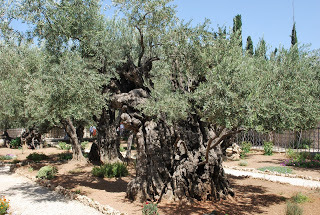
Jesus’ Gethsemane Moment
On the night Jesus was betrayed he went with his closest followers to a garden just out of town. It was late and his followers couldn’t stay awake. Pleasing themselves, they rested, while nearby their Messiah prayed these words: “My Father, if it is possible, may this cup be taken from me. Yet not as I will, but as you will.”
After his prayer Jesus tried to wake up his followers, annoyed that they had been sleeping. He told them to watch and pray so that they will not fall into temptation. He went back alone to pray a second time only to return and find his followers sleeping soundly once more. He didn’t even try to wake them up. He prayed once more, and after that Judas came to the garden along with armed men. You know the rest of the story.
People who’ve never listened to God speak assume that he must always please himself. They figure God too seeks pleasure and avoids pain, so he should be able to do it at all the time without fail. Yet God in Christ had his Gethsemane moment. Jesus didn’t please himself, especially that night. He invited others to share in his struggle to serve.
What he hoped for ultimately, to bring many human brothers and sisters to God’s glory, called for what he didn’t want at that moment, to drink the grotesque cup of betrayal, arrest, scorn, torture, and even death. He bore our sins’ penalty, heavier than the weight of all the universe.
 Paul’s Gethsemane Moment
Paul’s letter to the Romans was written for one purpose: to explain to a church that never met him why he hopes to partner with them in preaching the gospel to all people, whether they are Jewish or not. He hopes that one day voices will unite from all over the world to praise God, so he plans to go west to Spain to preach to a people who have never heard the gospel before. The church in Rome would be a key partner on the way.
God’s hope was Paul’s hope. Paul didn’t live to please himself, but to serve Christ and struggle under God’s will. Paul had been hindered from coming to Rome many times, but he still hoped he could. He wanted to write Rome before going to Jerusalem, worried he might get arrested there, or even worse, put to death. The Book of Acts tells us that the former happened, but not the latter.
Nonetheless, Paul prayed that God would allow for what he hoped – to preach in Spain, to partner with Rome, to see more and more people unite in giving praise to God, despite all their differences. But God’s will would decide it all, and Paul knew better than to hope against God’s hope. Instead, he hoped with it, including the struggle and service it entailed.
For Paul, God’s hope was worth everything: Paul’s livelihood, his safety, his time, his energy, his money—even his death. Paul had his Gethsemane moment on the way to Damascus.
Our Gethsemane Moment
When I was younger I was convinced God would call me to be a missionary someday, but I never wanted to undergo the service and struggle it would take just to get to the field. Now, here I am an appointed missionary for only a few months, and all the sudden a man who never once cared about money is obsessing over receiving thousands of dollars a month from family, friends, and churches. I call. I write. I beg. I get annoyed at silence, dismayed by the number of funds still left to raise. I became disappointed in people when I shouldn’t. I grew unsure of myself and God’s call.
Reading Romans 15 this week brought me back to Gethsemane. Throughout its verses Paul refers to God’s hope, the Spirit’s power, and the Savior’s service. I thought of my own hopes to be a missionary. Where Paul focused on God, I focused on money. Where Paul talked of God’s hope of a glorious kingdom, I thought of my hope that I’d be in Brazil next summer. When Paul laid out his plans and asked people he never met to pray for him as he struggled, I kept my struggles to myself. I never wanted to give up control, so I silently clung onto my hope that becoming a missionary would be relatively easy.
But my hope wasn’t God’s hope, for God sacrificed himself to fulfil his hope of bringing people from every tribe, tongue, and nation to life from death. Before his sacrifice Christ was already a servant who didn’t please himself. As he said to God in the garden, “may your will be done.” Paul said that too and lived it. Me? I cried. I repented. And I prayed to God, “may your will be done.” I’ll likely say it again before I make my next fundraising call, and again and again.
It’s easy to feel alone when you’ve come to your Gethsemane moment. Here you are crying out to God, while everyone around you seems to be sleeping soundly. But you are not alone. God heard Jesus’ fervent cries and saw his salty tears. Hebrews says, “Son though he was, he learned obedience from what he suffered, and, once made perfect, became the source of eternal salvation for all who obey him.” Unlike Jesus that night, not everyone around you is asleep; they just might not know about your struggles because you’ve kept them to yourself. Jesus opened up about his struggles, so did Paul. We are not stronger.
You can’t learn obedience by always pleasing yourself. You won’t be made perfect without suffering. And you will likely never have your hope align with God’s hope until you too have had your Gethsemane moment.
Only, will Jesus find you awake when it comes?
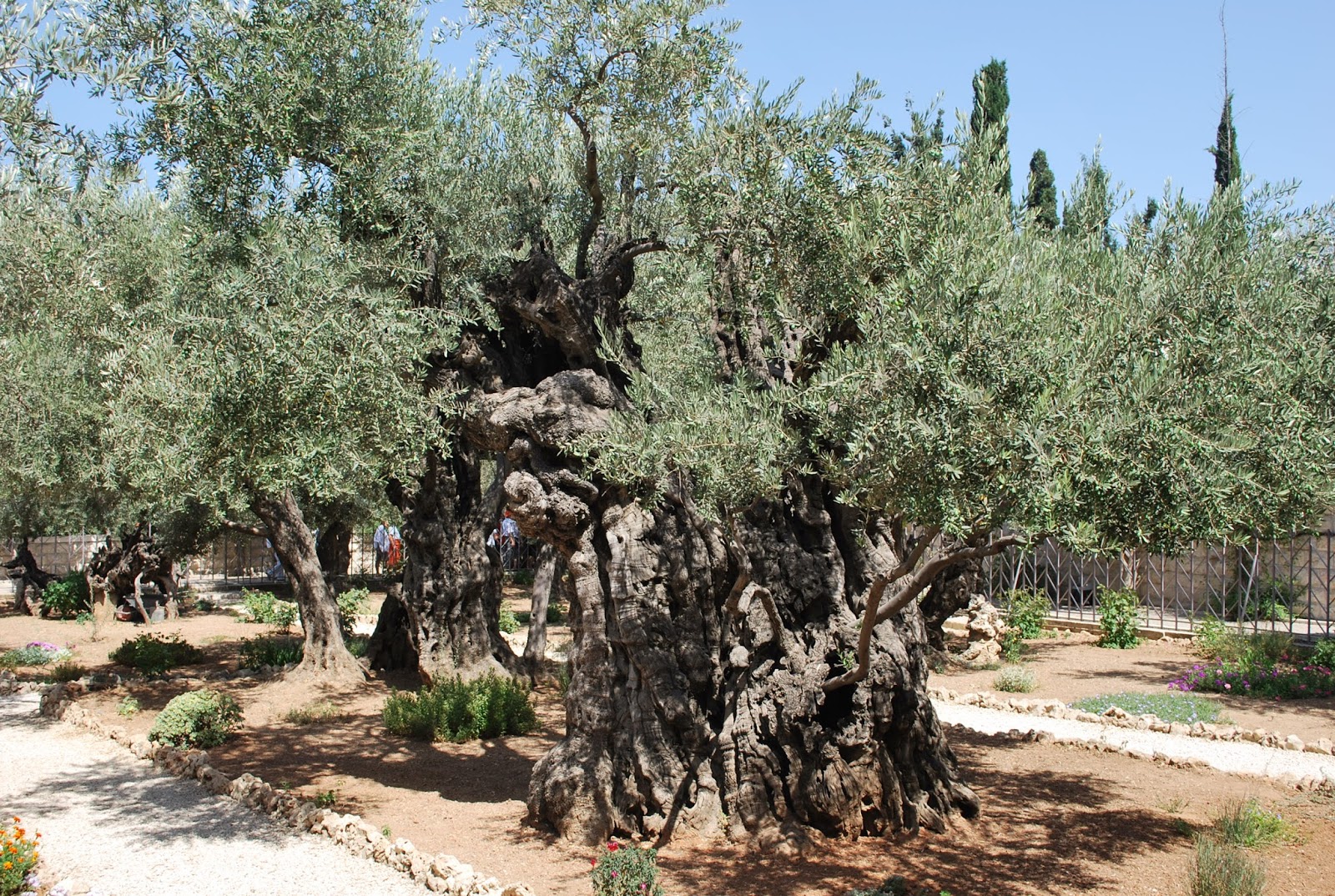
On the night Jesus was betrayed he went with his closest followers to a garden just out of town. It was late and his followers couldn’t stay awake. Pleasing themselves, they rested, while nearby their Messiah prayed these words: “My Father, if it is possible, may this cup be taken from me. Yet not as I will, but as you will.”
After his prayer Jesus tried to wake up his followers, annoyed that they had been sleeping. He told them to watch and pray so that they will not fall into temptation. He went back alone to pray a second time only to return and find his followers sleeping soundly once more. He didn’t even try to wake them up. He prayed once more, and after that Judas came to the garden along with armed men. You know the rest of the story.
People who’ve never listened to God speak assume that he must always please himself. They figure God too seeks pleasure and avoids pain, so he should be able to do it at all the time without fail. Yet God in Christ had his Gethsemane moment. Jesus didn’t please himself, especially that night. He invited others to share in his struggle to serve.
What he hoped for ultimately, to bring many human brothers and sisters to God’s glory, called for what he didn’t want at that moment, to drink the grotesque cup of betrayal, arrest, scorn, torture, and even death. He bore our sins’ penalty, heavier than the weight of all the universe.
 Paul’s Gethsemane Moment
Paul’s letter to the Romans was written for one purpose: to explain to a church that never met him why he hopes to partner with them in preaching the gospel to all people, whether they are Jewish or not. He hopes that one day voices will unite from all over the world to praise God, so he plans to go west to Spain to preach to a people who have never heard the gospel before. The church in Rome would be a key partner on the way.
God’s hope was Paul’s hope. Paul didn’t live to please himself, but to serve Christ and struggle under God’s will. Paul had been hindered from coming to Rome many times, but he still hoped he could. He wanted to write Rome before going to Jerusalem, worried he might get arrested there, or even worse, put to death. The Book of Acts tells us that the former happened, but not the latter.
Nonetheless, Paul prayed that God would allow for what he hoped – to preach in Spain, to partner with Rome, to see more and more people unite in giving praise to God, despite all their differences. But God’s will would decide it all, and Paul knew better than to hope against God’s hope. Instead, he hoped with it, including the struggle and service it entailed.
For Paul, God’s hope was worth everything: Paul’s livelihood, his safety, his time, his energy, his money—even his death. Paul had his Gethsemane moment on the way to Damascus.
Our Gethsemane Moment
When I was younger I was convinced God would call me to be a missionary someday, but I never wanted to undergo the service and struggle it would take just to get to the field. Now, here I am an appointed missionary for only a few months, and all the sudden a man who never once cared about money is obsessing over receiving thousands of dollars a month from family, friends, and churches. I call. I write. I beg. I get annoyed at silence, dismayed by the number of funds still left to raise. I became disappointed in people when I shouldn’t. I grew unsure of myself and God’s call.
Reading Romans 15 this week brought me back to Gethsemane. Throughout its verses Paul refers to God’s hope, the Spirit’s power, and the Savior’s service. I thought of my own hopes to be a missionary. Where Paul focused on God, I focused on money. Where Paul talked of God’s hope of a glorious kingdom, I thought of my hope that I’d be in Brazil next summer. When Paul laid out his plans and asked people he never met to pray for him as he struggled, I kept my struggles to myself. I never wanted to give up control, so I silently clung onto my hope that becoming a missionary would be relatively easy.
But my hope wasn’t God’s hope, for God sacrificed himself to fulfil his hope of bringing people from every tribe, tongue, and nation to life from death. Before his sacrifice Christ was already a servant who didn’t please himself. As he said to God in the garden, “may your will be done.” Paul said that too and lived it. Me? I cried. I repented. And I prayed to God, “may your will be done.” I’ll likely say it again before I make my next fundraising call, and again and again.
It’s easy to feel alone when you’ve come to your Gethsemane moment. Here you are crying out to God, while everyone around you seems to be sleeping soundly. But you are not alone. God heard Jesus’ fervent cries and saw his salty tears. Hebrews says, “Son though he was, he learned obedience from what he suffered, and, once made perfect, became the source of eternal salvation for all who obey him.” Unlike Jesus that night, not everyone around you is asleep; they just might not know about your struggles because you’ve kept them to yourself. Jesus opened up about his struggles, so did Paul. We are not stronger.
You can’t learn obedience by always pleasing yourself. You won’t be made perfect without suffering. And you will likely never have your hope align with God’s hope until you too have had your Gethsemane moment.
Only, will Jesus find you awake when it comes?


January 31, 2017
God's Call: On Being a Foster Family
You never want to be the one who answers the phone. If it goes to voicemail you can check it later. Maybe by the time you call the social worker back some other family has said yes to caring for these kids. You could say, “Oh, that’s great. We would’ve done it, but I’m glad you found someone.” And then go back to your regularly scheduled life.
But when you’re the one who answers the phone you have to give the voice on the other end some answer. It’s hard to say yes, especially if you’ve ever done it before. But it’s even harder to say no.
Last Wednesday my wife was the one who answered the phone. She called me within a few minutes and we agreed that getting two toddlers would be a challenge, but a manageable one. The next day they arrived.
I sometimes feel like a detective the first week of a foster placement. I never get to visit the crime scene, so to speak, but I imagine it. Eight kids living in one house without much adult interaction as the older siblings struggle to care for the younger ones. If you’re twelve years old, I imagine keeping toddlers breathing each day is about the best you can hope for.
The kids came without any structure. They grew accustomed to eating when they pleased and sleeping when they pleased, which isn’t much at all during the daytime. But we’re working on that.
The older one, almost three, doesn’t talk. He hears okay and can get plenty loud, but a lot of times he’s in his own little world. His younger sister knows how to get what she wants, but mostly she just wants to be held. They both act much younger than their ages, which is pretty normal for kids who’ve been neglected.
The first morning we found them sleeping in the same bed. “At least they have each other,” I told my wife.
There have been plenty of reasons to be glad this week. Peek-a-boo is still a lot of fun, but my kids don’t think so. They all go to school in the morning, so I play it with our newcomers to the family. Toddler snacks still taste pretty good. I got a five-gallon barrel of cheese balls the other day. Those haven’t been in the house for years. Even our cat remembers them fondly. The older boy thought he was in a roller coaster when I was driving, putting up his hands and cheering across turns and hills.
There has also been a fair amount of chaos. Foster kids are almost invariably sick when they first get placed. We’ve had emergency baths at 11PM one night, 8AM another morning, and I smelled something this week I’d never smelled come out of someone’s body before. I had to open the bedroom window and put a fan in it. In January. In South Dakota.
I’m not supposed to say this, but it’s easy to imagine life with just my own family during the first week of a foster placement. Or even life with just one of the two kids, like some foster version of Sophie’s Choice. I imagine which one I’d prefer to keep. I admit, I’m not so sure right now. They both have pros and cons when it comes to what would be easier for me.
Of course, easy doesn’t come into it. Foster parenting is never easy. We all know this. That’s why most of us never sign up to do it. That’s why I didn’t want to do it. I entered the foster world backwards. It was a matter of geography, mostly. We lived several hours away from any private adoption agency—who am I kidding? we’d never afford that five-figure-dollar route—so we thought we’d look into adopting through the state. A few years later we’ve not reached one step closer to adopting a child, but we are a proud foster family.
It’s our vocation, or calling.
Vocation includes the work we are paid to do and how God uses it for his good and our best, but it also extends to how we choose to invest all of our time. And, more importantly, who we choose to invest it in. Frederick Buechner says, “the place God calls you to is the place where your deep gladness and the world’s deep hunger meet.”
The news can become quite overwhelming as every single thing that is wrong with our hungry world splashes all over our screens. We become outraged. We let people know we are outraged too. But we let the problem go to our voicemails, hoping someone else will actually figure it out.
It’s easy to focus on some deep hunger that will never show up at your door one day. It’s simple to throw money at a problem, or—better yet—petition a politician to throw other people’s money at it. It’s therapeutic to boycott this or that and signal your virtue for your fellow tribespeople to see. And then you get to go back to your regularly scheduled life.
But when will you decide to answer the call God has for you?
The world’s deep hunger isn’t some abstract concept. It’s right under your nose, in your neighborhood, your family, your circle of friends, your workplace, your school.
Being a foster family isn’t everyone’s vocation. But your deep gladness can meet someone else’s deep hunger, even if it isn’t the hungry stomachs of a couple toddlers from across the river. It could be the hungry outcry of a lonely widow, the hungry despair of a workaholic parent, or the hungry outbursts of the angriest person on your news feed. I’ve heard the saying, “think globally, act locally.” But there’s rarely any action at all these days, just words.
The next time God calls, answer. Don’t let it go to voicemail, hoping someone else steps up.
Whoever said you get to schedule your life, anyways? It’s more fun to get on the roller coaster.
But when you’re the one who answers the phone you have to give the voice on the other end some answer. It’s hard to say yes, especially if you’ve ever done it before. But it’s even harder to say no.
Last Wednesday my wife was the one who answered the phone. She called me within a few minutes and we agreed that getting two toddlers would be a challenge, but a manageable one. The next day they arrived.
I sometimes feel like a detective the first week of a foster placement. I never get to visit the crime scene, so to speak, but I imagine it. Eight kids living in one house without much adult interaction as the older siblings struggle to care for the younger ones. If you’re twelve years old, I imagine keeping toddlers breathing each day is about the best you can hope for.
The kids came without any structure. They grew accustomed to eating when they pleased and sleeping when they pleased, which isn’t much at all during the daytime. But we’re working on that.
The older one, almost three, doesn’t talk. He hears okay and can get plenty loud, but a lot of times he’s in his own little world. His younger sister knows how to get what she wants, but mostly she just wants to be held. They both act much younger than their ages, which is pretty normal for kids who’ve been neglected.
The first morning we found them sleeping in the same bed. “At least they have each other,” I told my wife.
There have been plenty of reasons to be glad this week. Peek-a-boo is still a lot of fun, but my kids don’t think so. They all go to school in the morning, so I play it with our newcomers to the family. Toddler snacks still taste pretty good. I got a five-gallon barrel of cheese balls the other day. Those haven’t been in the house for years. Even our cat remembers them fondly. The older boy thought he was in a roller coaster when I was driving, putting up his hands and cheering across turns and hills.
There has also been a fair amount of chaos. Foster kids are almost invariably sick when they first get placed. We’ve had emergency baths at 11PM one night, 8AM another morning, and I smelled something this week I’d never smelled come out of someone’s body before. I had to open the bedroom window and put a fan in it. In January. In South Dakota.
I’m not supposed to say this, but it’s easy to imagine life with just my own family during the first week of a foster placement. Or even life with just one of the two kids, like some foster version of Sophie’s Choice. I imagine which one I’d prefer to keep. I admit, I’m not so sure right now. They both have pros and cons when it comes to what would be easier for me.
Of course, easy doesn’t come into it. Foster parenting is never easy. We all know this. That’s why most of us never sign up to do it. That’s why I didn’t want to do it. I entered the foster world backwards. It was a matter of geography, mostly. We lived several hours away from any private adoption agency—who am I kidding? we’d never afford that five-figure-dollar route—so we thought we’d look into adopting through the state. A few years later we’ve not reached one step closer to adopting a child, but we are a proud foster family.
It’s our vocation, or calling.
Vocation includes the work we are paid to do and how God uses it for his good and our best, but it also extends to how we choose to invest all of our time. And, more importantly, who we choose to invest it in. Frederick Buechner says, “the place God calls you to is the place where your deep gladness and the world’s deep hunger meet.”
The news can become quite overwhelming as every single thing that is wrong with our hungry world splashes all over our screens. We become outraged. We let people know we are outraged too. But we let the problem go to our voicemails, hoping someone else will actually figure it out.
It’s easy to focus on some deep hunger that will never show up at your door one day. It’s simple to throw money at a problem, or—better yet—petition a politician to throw other people’s money at it. It’s therapeutic to boycott this or that and signal your virtue for your fellow tribespeople to see. And then you get to go back to your regularly scheduled life.
But when will you decide to answer the call God has for you?
The world’s deep hunger isn’t some abstract concept. It’s right under your nose, in your neighborhood, your family, your circle of friends, your workplace, your school.
Being a foster family isn’t everyone’s vocation. But your deep gladness can meet someone else’s deep hunger, even if it isn’t the hungry stomachs of a couple toddlers from across the river. It could be the hungry outcry of a lonely widow, the hungry despair of a workaholic parent, or the hungry outbursts of the angriest person on your news feed. I’ve heard the saying, “think globally, act locally.” But there’s rarely any action at all these days, just words.
The next time God calls, answer. Don’t let it go to voicemail, hoping someone else steps up.
Whoever said you get to schedule your life, anyways? It’s more fun to get on the roller coaster.
December 22, 2016
To Us: Isaiah 9
The tour guide asked if we’d like to see absolute darkness. Sure, who wouldn’t? In my bedroom my eyes eventually adjust at night, and I can still walk around some. But the cave was quite different. There was no adjustment. Everything went pitch black. I could hear things, but not see them. I frantically waved my hand back and forth at a distance that felt inches away from my nose, but it remained completely invisible. Absolute darkness.
The greater the darkness, the greater the light. When the cave lights were turned back on they didn’t seem as dim as before. Everything was illuminated. After adjusting our eyes for a few seconds, we resumed our cave tour—an impossible task in the dark.
Our Christmas text is Isaiah 8:19-9:7. It starts out with a warning against consulting the dead for instruction. People in Isaiah’s day would pay good money to a huckster who claimed to be in touch with the dead. They sought out anyone’s advice except for God’s. Isaiah warns that their obsession with the dark realm of the dead will lead them to an utterly dark place from which they will curse God as they live in distress and fearful gloom.
But, Isaiah promises, there won’t be any more gloom for those who wait for God: “The people walking in darkness have seen a great light; on those living in the land of deep darkness a light has dawned” (9:2). Isaiah goes on to describe a group of formerly distressed people rejoicing like farmers reveling in a completed harvest and soldiers home from war with spoils from the enemy.
And what was the cause for this great rejoicing? What brought an end to war? What was the harvest? What was the light?
Isaiah tells us: “For to us a child is born, to us a son is given, and the government will be on his shoulders. And he will be called Wonderful Counselor, Mighty God, Everlasting Father, Prince of Peace. Of the greatness of his government and peace there will be no end. He will reign on David’s throne and over his kingdom, establishing and upholding it with justice and righteousness from that time on and forever. The zeal of the Lord Almighty will accomplish this” (9:6-7).
To us: two little words that make a world of difference. On Christmas we celebrate that light has come in a child who was born to us in Bethlehem long ago. The child born to us received gifts from Magi, recognizing him as a king. The child born to us grew in wisdom and stature in a small town. When he was fully grown he became a teacher to us, a healer to us, a prophet to us, and a priest to us.
And the man once born to us, died for us as our Savior. But he did not remain in the grave, the dark realm of the dead, for long. God raised him, and, as Paul says, the life Jesus now lives he lives to God.
But what about us? Just as God raised him, so will he raise all of us who believe in the gospel of Jesus Christ. That hope is the only way to have a Merry Christmas. It’s the only light that will drive out all our darkness. It’s the only gift that we can take with us to our grave.
The people walking in absolute darkness have seen absolute light!
The greater the darkness, the greater the light. When the cave lights were turned back on they didn’t seem as dim as before. Everything was illuminated. After adjusting our eyes for a few seconds, we resumed our cave tour—an impossible task in the dark.
Our Christmas text is Isaiah 8:19-9:7. It starts out with a warning against consulting the dead for instruction. People in Isaiah’s day would pay good money to a huckster who claimed to be in touch with the dead. They sought out anyone’s advice except for God’s. Isaiah warns that their obsession with the dark realm of the dead will lead them to an utterly dark place from which they will curse God as they live in distress and fearful gloom.
But, Isaiah promises, there won’t be any more gloom for those who wait for God: “The people walking in darkness have seen a great light; on those living in the land of deep darkness a light has dawned” (9:2). Isaiah goes on to describe a group of formerly distressed people rejoicing like farmers reveling in a completed harvest and soldiers home from war with spoils from the enemy.
And what was the cause for this great rejoicing? What brought an end to war? What was the harvest? What was the light?
Isaiah tells us: “For to us a child is born, to us a son is given, and the government will be on his shoulders. And he will be called Wonderful Counselor, Mighty God, Everlasting Father, Prince of Peace. Of the greatness of his government and peace there will be no end. He will reign on David’s throne and over his kingdom, establishing and upholding it with justice and righteousness from that time on and forever. The zeal of the Lord Almighty will accomplish this” (9:6-7).
To us: two little words that make a world of difference. On Christmas we celebrate that light has come in a child who was born to us in Bethlehem long ago. The child born to us received gifts from Magi, recognizing him as a king. The child born to us grew in wisdom and stature in a small town. When he was fully grown he became a teacher to us, a healer to us, a prophet to us, and a priest to us.
And the man once born to us, died for us as our Savior. But he did not remain in the grave, the dark realm of the dead, for long. God raised him, and, as Paul says, the life Jesus now lives he lives to God.
But what about us? Just as God raised him, so will he raise all of us who believe in the gospel of Jesus Christ. That hope is the only way to have a Merry Christmas. It’s the only light that will drive out all our darkness. It’s the only gift that we can take with us to our grave.
The people walking in absolute darkness have seen absolute light!
December 15, 2016
The Sign No One Asked For: Isaiah 7
We all hope for a sign to help us know what we’re supposed to do, whether that’s taking a chance on eating sushi in South Dakota, embarking on a road trip in severe weather, or switching jobs when an offer comes our way. Wouldn’t it be nice if God just told us what to do with some kind of sign? Our text for the fourth week of Advent, Isaiah 7:10-16, includes a sign from God to an unlikely recipient.
King Ahaz of Judah was in a tough political situation. Judah’s immediate neighbors to the north partnered with a large neighboring empire that was ready to wage war against a rival empire to Judah’s south. That left Judah, a tiny nation with an even tinier army, in the crosshairs of two global superpowers.
God spoke to Ahaz through the prophet Isaiah and assured Ahaz that God will spare Judah from all harm. The threat to the north will pass. God says to Ahaz, but “if you do not stand firm in your faith, you will not stand at all” (Isa 7:9).
Ahaz was not big on faith, so God graciously gave Ahaz a sign that would assure him that God will do what he promised to do.
But Ahaz refused even a sign. He said he wouldn’t presume putting God to the test, which sounds polite. But who is really in charge here: God or Ahaz? When God insists on giving you something, take it.
God gives Ahaz the sign anyway, which brings us to the most familiar part of our passage: “The Lord himself will give you a sign: The virgin shall conceive and give birth to a son, and will call him Immanuel, which means God with us” (Isa 7:14).
What kind of a sign is this? What would a baby have to do with averting bloody war between two empires? God must be joking.
The rest of the passage in Isaiah 7 explains the sign. God says that before the sign baby is old enough to know good from evil, the empires Ahaz feared today would both be laid to waste.
Centuries later the Evangelist Matthew writes that God fulfilled Isaiah’s sign when the young virgin Mary gave birth to a son. Her son is not named Immanuel, but he is Immanuel. Jesus Christ is God with us.
The theme of the fourth week of Advent is love, and there is no more fitting text than the sign God gave to his people to stand firm in their faith amid troubled times. We too can stand firm in our faith because God is with us.
God didn’t just say he’d be with us. He became one of us. Talk is cheap, but God has demonstrated his love for us, as Paul says, because Jesus Christ died for us. Jesus tasted death for every person, as the author of Hebrews writes. God is that kind of God.
Christmas is often a time of charity, which is good. But, as Arthur McGill notes, charity is not love. Charity is a giving of our excess: putting pocket change in a red kettle, donating excess blood, or spending an hour of our free time volunteering somewhere. Love is giving of ourselves to the point where we are needy once again, following God’s pattern of giving us himself and turning us back to receive from God again and again.
Ahaz, even in his distress, was too proud to receive from God, but God still gave him a sign.
God has given us an even better sign. He’s given himself. He’s with us. He’s for us. He’s one of us. And, when we trust in Christ, he’s in us.
God doesn’t stop there. When we rise above mere charity and obey Jesus’ commands to love God and love our neighbors as he has loved us, then God will also be through us.
Don’t settle for mere charity this season, love somebody.
Whom will you love? How will you love them? Stop waiting for some sign before you act. The sign has already come in Immanuel, God with us.
King Ahaz of Judah was in a tough political situation. Judah’s immediate neighbors to the north partnered with a large neighboring empire that was ready to wage war against a rival empire to Judah’s south. That left Judah, a tiny nation with an even tinier army, in the crosshairs of two global superpowers.
God spoke to Ahaz through the prophet Isaiah and assured Ahaz that God will spare Judah from all harm. The threat to the north will pass. God says to Ahaz, but “if you do not stand firm in your faith, you will not stand at all” (Isa 7:9).
Ahaz was not big on faith, so God graciously gave Ahaz a sign that would assure him that God will do what he promised to do.
But Ahaz refused even a sign. He said he wouldn’t presume putting God to the test, which sounds polite. But who is really in charge here: God or Ahaz? When God insists on giving you something, take it.
God gives Ahaz the sign anyway, which brings us to the most familiar part of our passage: “The Lord himself will give you a sign: The virgin shall conceive and give birth to a son, and will call him Immanuel, which means God with us” (Isa 7:14).
What kind of a sign is this? What would a baby have to do with averting bloody war between two empires? God must be joking.
The rest of the passage in Isaiah 7 explains the sign. God says that before the sign baby is old enough to know good from evil, the empires Ahaz feared today would both be laid to waste.
Centuries later the Evangelist Matthew writes that God fulfilled Isaiah’s sign when the young virgin Mary gave birth to a son. Her son is not named Immanuel, but he is Immanuel. Jesus Christ is God with us.
The theme of the fourth week of Advent is love, and there is no more fitting text than the sign God gave to his people to stand firm in their faith amid troubled times. We too can stand firm in our faith because God is with us.
God didn’t just say he’d be with us. He became one of us. Talk is cheap, but God has demonstrated his love for us, as Paul says, because Jesus Christ died for us. Jesus tasted death for every person, as the author of Hebrews writes. God is that kind of God.
Christmas is often a time of charity, which is good. But, as Arthur McGill notes, charity is not love. Charity is a giving of our excess: putting pocket change in a red kettle, donating excess blood, or spending an hour of our free time volunteering somewhere. Love is giving of ourselves to the point where we are needy once again, following God’s pattern of giving us himself and turning us back to receive from God again and again.
Ahaz, even in his distress, was too proud to receive from God, but God still gave him a sign.
God has given us an even better sign. He’s given himself. He’s with us. He’s for us. He’s one of us. And, when we trust in Christ, he’s in us.
God doesn’t stop there. When we rise above mere charity and obey Jesus’ commands to love God and love our neighbors as he has loved us, then God will also be through us.
Don’t settle for mere charity this season, love somebody.
Whom will you love? How will you love them? Stop waiting for some sign before you act. The sign has already come in Immanuel, God with us.
December 8, 2016
Wild Joy: Isaiah 35 in the Midst of a Blizzard
When the blizzard hit this week everything looked hopeless. The snow fell first, then the wind tossed it about like an excited toddler throwing out candy from a parade float. Fewer and fewer cars drove by as night fell.
Rattling, whirling, and humming continued throughout the night, and when morning broke even the sun couldn’t pierce through the snowy wind. The world seemed lifeless. Such days give us a taste of wilderness on the northern plains of the Dakotas.
Our text for the third week of Advent, which has the theme of joy, is Isaiah Chapter 35, in which the barren wilderness of Israel becomes a bustling highway of joyful people finally going home.
Wilderness in the Middle East is quite different than here. There are no blizzards, but there are rocky deserts. I once traveled to Death Valley, California and got a glimpse of biblical wilderness. The sand there was ashy, nothing like the shores of Lake Oahe. Plant life was sparse, with only a few brown shrubs popping up on the horizon. The wildlife was hidden during the day. I could see their tracks on the parched dirt at my feet, but no signs of life in front of me. They only come out at night.
In our text Isaiah describes the wilderness of his world, talking about burning sand, thirsty ground, and ravenous beasts waiting to prey on anything moving through. While all our snow will eventually melt as spring comes, biblical wilderness remains year-round.
That is, until God keeps his promises, “then,” says Isaiah, “will the eyes of the blind be opened and the ears of the deaf unstopped. Then will the lame leap like a deer and the mute tongue shout for joy. Water will gush forth in the wilderness and streams in the desert” (Isa 35:5-6).
Notice how God’s kingdom affects all of creation, from the ground and the wildlife to us humans. The blind woman knows the joy of seeing, the lame man of walking, and the mute child of talking. As Brennan Manning once said, the gospel of Jesus Christ is especially good news for the “bedraggled, beat-up, and burnt-out” among us.
December often defeats us. Grief rots precious memories into constant pain. Stresses and expenses pile around us like the snowbanks outside our windows, while shiny plastic people on our screens tell us to be joyful. But how?
Joy can never come from within or be manufactured by a mysterious cultural holiday each December that talks of Christmas spirit, whatever that is, and tells us all to be good little consumers. Isn’t there more to Christmas joy than buying stuff, even if it’s for someone else?
Joy can only come from faith that God will keep his promises. Here’s how Isaiah ends his thought: “Only the redeemed will walk there [on the Way of Holiness], and those the Lord has rescued will return. They will enter Zion with singing; everlasting joy will crown their heads. Gladness and joy will overtake them, and sorrow and sighing will flee away” (Isa 35:9b-10).
If you are in sorrow and sighing, put your trust in Christ. The wilderness won’t last forever. He will one day return and make all things new. Let that give you joy, because nothing else will.
Rattling, whirling, and humming continued throughout the night, and when morning broke even the sun couldn’t pierce through the snowy wind. The world seemed lifeless. Such days give us a taste of wilderness on the northern plains of the Dakotas.
Our text for the third week of Advent, which has the theme of joy, is Isaiah Chapter 35, in which the barren wilderness of Israel becomes a bustling highway of joyful people finally going home.
Wilderness in the Middle East is quite different than here. There are no blizzards, but there are rocky deserts. I once traveled to Death Valley, California and got a glimpse of biblical wilderness. The sand there was ashy, nothing like the shores of Lake Oahe. Plant life was sparse, with only a few brown shrubs popping up on the horizon. The wildlife was hidden during the day. I could see their tracks on the parched dirt at my feet, but no signs of life in front of me. They only come out at night.
In our text Isaiah describes the wilderness of his world, talking about burning sand, thirsty ground, and ravenous beasts waiting to prey on anything moving through. While all our snow will eventually melt as spring comes, biblical wilderness remains year-round.
That is, until God keeps his promises, “then,” says Isaiah, “will the eyes of the blind be opened and the ears of the deaf unstopped. Then will the lame leap like a deer and the mute tongue shout for joy. Water will gush forth in the wilderness and streams in the desert” (Isa 35:5-6).
Notice how God’s kingdom affects all of creation, from the ground and the wildlife to us humans. The blind woman knows the joy of seeing, the lame man of walking, and the mute child of talking. As Brennan Manning once said, the gospel of Jesus Christ is especially good news for the “bedraggled, beat-up, and burnt-out” among us.
December often defeats us. Grief rots precious memories into constant pain. Stresses and expenses pile around us like the snowbanks outside our windows, while shiny plastic people on our screens tell us to be joyful. But how?
Joy can never come from within or be manufactured by a mysterious cultural holiday each December that talks of Christmas spirit, whatever that is, and tells us all to be good little consumers. Isn’t there more to Christmas joy than buying stuff, even if it’s for someone else?
Joy can only come from faith that God will keep his promises. Here’s how Isaiah ends his thought: “Only the redeemed will walk there [on the Way of Holiness], and those the Lord has rescued will return. They will enter Zion with singing; everlasting joy will crown their heads. Gladness and joy will overtake them, and sorrow and sighing will flee away” (Isa 35:9b-10).
If you are in sorrow and sighing, put your trust in Christ. The wilderness won’t last forever. He will one day return and make all things new. Let that give you joy, because nothing else will.
December 1, 2016
After Wildfire, Peace
When visiting family in Idaho I came close to active wildfires. The haze permeated the air and smoke was visible on the horizon. Last summer fires in Canada affected our air quality in Herreid, and just days ago fires raged throughout eastern Tennessee, spreading rapidly by strong winds and dry conditions.
Wildfires destroy landscapes quickly, unlike any other thing. This is where our text for the second week of Advent, Isaiah 11:1-10, begins: “A shoot will come up from the stump of Jesse; from his roots a Branch will bear fruit.” From a land stripped dead by fire new life bursts forth.
This new life will be spiritual, bearing spiritual fruit. John writes about how Jesus received God’s Spirit in full measure, and Isaiah puts it like this: “The Spirit of the Lord will rest on him—the Spirit of wisdom and of understanding, the Spirit of counsel and of might, the Spirit of knowledge and fear of the Lord—and he will delight in the fear of the Lord” (Isa 11:2-3a).
Peace is the theme for the second week of Advent, and without God’s Spirit there is no peace. Famously, Jesus’ birth was announced to shepherds near Bethlehem. The angels told them that because of this baby they are about to go visit there will be peace on earth to those on whom God’s favor rests.
God’s favor, or grace, is often surprising in the Holy Scriptures. Those who are despised and rejected in this life are often favored by God, Jesus being no different. Isaiah will say later in his book that this same Branch will be despised and rejected among people, especially his own. But the rejection will not last forever. The Branch will be lifted up once more.
Isaiah goes on to write: “He [the Branch] will not judge by what he sees with his eyes, or decide by what he hears with his ears; but with righteousness he will judge the needy, with justice he will give decisions for the poor of the earth” (Isa 11:3b-4). It’s easy to judge by our eyes and ears. We see people living richly and envy what they have. We hear juicy stories about neighbors, not caring if they are true, and gleefully look down on them to feel better about ourselves.
But Jesus is different than us. He will judge by righteousness, he will look out for the needy and poor of the earth. The people who have no peace today will gain peace in God’s kingdom. That’s why Jesus calls blessed those who are poor in spirit. He also calls blessed those who hunger and thirst after righteousness, who don’t live by what they see and what they hear.
When Jesus comes his peace won’t just extend to the overlooked in this world, it will cover the earth. Isaiah goes on in Chapter 11 to write about lions laying down with lambs, because the lion will eat straw like a cow does. He describes infants playing near a snakes den without fear of being bitten. There will be no harming or destroying in God’s kingdom. There won’t be wildfires or blizzards either, but there will be peace at last.
This month we can hunger and thirst after needless presents, fattening food, intoxicating drink, and raucous parties. Other months we hunger and thirst after building wealth, stoking pride, or discovering life’s meaning deep within ourselves. But peace will never be found in any of those things. For they are much too small to contain it.
Rather, peace will be found in the abandoned places, the dry places, the seemingly desolate places, for that is where new life springs. That is where Christ is. The people who go there are the people he promises to bless: those who look out for the needy, who stand up for the poor, who don’t live by what they see and hear.
Those are the faithful. Those are the blessed.
May you be among them this Advent season and beyond!
Wildfires destroy landscapes quickly, unlike any other thing. This is where our text for the second week of Advent, Isaiah 11:1-10, begins: “A shoot will come up from the stump of Jesse; from his roots a Branch will bear fruit.” From a land stripped dead by fire new life bursts forth.
This new life will be spiritual, bearing spiritual fruit. John writes about how Jesus received God’s Spirit in full measure, and Isaiah puts it like this: “The Spirit of the Lord will rest on him—the Spirit of wisdom and of understanding, the Spirit of counsel and of might, the Spirit of knowledge and fear of the Lord—and he will delight in the fear of the Lord” (Isa 11:2-3a).
Peace is the theme for the second week of Advent, and without God’s Spirit there is no peace. Famously, Jesus’ birth was announced to shepherds near Bethlehem. The angels told them that because of this baby they are about to go visit there will be peace on earth to those on whom God’s favor rests.
God’s favor, or grace, is often surprising in the Holy Scriptures. Those who are despised and rejected in this life are often favored by God, Jesus being no different. Isaiah will say later in his book that this same Branch will be despised and rejected among people, especially his own. But the rejection will not last forever. The Branch will be lifted up once more.
Isaiah goes on to write: “He [the Branch] will not judge by what he sees with his eyes, or decide by what he hears with his ears; but with righteousness he will judge the needy, with justice he will give decisions for the poor of the earth” (Isa 11:3b-4). It’s easy to judge by our eyes and ears. We see people living richly and envy what they have. We hear juicy stories about neighbors, not caring if they are true, and gleefully look down on them to feel better about ourselves.
But Jesus is different than us. He will judge by righteousness, he will look out for the needy and poor of the earth. The people who have no peace today will gain peace in God’s kingdom. That’s why Jesus calls blessed those who are poor in spirit. He also calls blessed those who hunger and thirst after righteousness, who don’t live by what they see and what they hear.
When Jesus comes his peace won’t just extend to the overlooked in this world, it will cover the earth. Isaiah goes on in Chapter 11 to write about lions laying down with lambs, because the lion will eat straw like a cow does. He describes infants playing near a snakes den without fear of being bitten. There will be no harming or destroying in God’s kingdom. There won’t be wildfires or blizzards either, but there will be peace at last.
This month we can hunger and thirst after needless presents, fattening food, intoxicating drink, and raucous parties. Other months we hunger and thirst after building wealth, stoking pride, or discovering life’s meaning deep within ourselves. But peace will never be found in any of those things. For they are much too small to contain it.
Rather, peace will be found in the abandoned places, the dry places, the seemingly desolate places, for that is where new life springs. That is where Christ is. The people who go there are the people he promises to bless: those who look out for the needy, who stand up for the poor, who don’t live by what they see and hear.
Those are the faithful. Those are the blessed.
May you be among them this Advent season and beyond!
November 23, 2016
The Hope of Advent: Isaiah 2:1-5 for Today
What’s the most cash you’ve spent in one hour?
I’ve experienced a lump in my throat after handing over thousands of dollars for a used car, hoping I made a wise investment. “What if it’s a lemon and will leave me stranded along the highway?” I will say to myself while driving it home the first time.
What’s the longest you’ve ever trained for something?
I have worked some jobs that required weeks of training because I needed a license to adjust insurance claims or clear freight through U.S. customs. I invested so much time to learning the trades that I valued those jobs more than the others where I just showed up one day and started working rather mindlessly.
When it comes to spending a lot of money on hours upon hours of training, few things beat our nation’s military. Every hour taxpayers spend more than 57 million dollars on the Department of Defense. That adds up to about 1.4 billion dollars every day, and much of that goes to training and preparedness. For example, just one navy pilot will have spent some 800 hours of training on the ground and in the air before even beginning combat training. Repetition. Repetition. Repetition.
There’s a reason we invest so much time and money into our military. We are not the only ones. Other nations and groups spend a lot of money on war and defense too. They too have people investing hours upon hours of training to combat. Some are allies. Others are enemies. Spending money on weapons, machinery, and training for the next war are simply part of life in our fallen world.
And this is nothing new. When God called a people his own thousands of years ago in the Middle East he promised them a land that was a good land with plenty of soil for crops, lots of rain in its season, and temperate weather. Land like that is valuable, so Israel was always under the threat of war. Sometimes their leaders invested in and trained mighty armies. Other times they were too small to combat empires to their north and south. Neighboring nations were always warring, sucking Israel into disputes.
The stories we see today from Aleppo, Syria or Mosul, Iraq with civilians being targets of mass killings were often realities for God’s people, especially in the capital city of Jerusalem. They endured many days of darkness and war, often wondering what they could hope. And God was not silent. He continued to speak to them through his prophets, such as Isaiah, who writes:
“In the last days the mountain of the Lord’s temple will be established as the highest of the mountains; it will be exalted above the hills and all nations will stream to it. Many peoples will come and say, ‘Come, let us go up to the mountain of the Lord, to the temple of the God of Jacob. He will teach us his ways, so that we may walk in his paths.’ The law will go out from Zion, the word of the Lord from Jerusalem. He will judge between the nations and will settle the disputes for many peoples. They will beat their swords into plowshares and their spears into pruning hooks. Nation will not take up sword against nation, nor will they train for war anymore. Come, descendants of Jacob, let us walk in the light of the Lord” – Isaiah 5:2-5.
Around the world Christ’s churches read this hopeful passage during the first week of Advent, the season where we as God’s people eagerly await the coming of our Lord Jesus Christ, born on Christmas day. This hope is the theme for the first week of Advent. Not just any hope, but hope for those who are in darkness to see a great light.
Our times seem dark too. We take it as the norm to invest so much money and time in war, but God told his people the day will come when nations will no longer invest in training for war. They will take their instruments of war and turn them into instruments of farming. Swords will become shovels. Spears will become garden hoes. Tanks will become combines, whether they are green or red ones. God’s throne will be the center of the world as the nations will pour into Jerusalem to learn God’s ways and walk in his paths.
It almost sounds too good to be true. It’s unlike anything any of us have ever lived. But notice the call to action at the end of Isaiah’s words: “Come, let us walk in the light of the Lord.” That was a message for his own day, not the future. This invitation is extended to us to walk in the Lord’s light. We do not have to wait until the nations, including our own, all get on board by promoting peace, justice, and human flourishing. We as God’s people can walk in his light today.
Christ has come. Light has shined and driven out the darkness. Jesus said let your light so shine before others that they may see your good works and glorify your Father in heaven.
When we trust in him for our salvation we will also invest our money, time, and training to be his people of peace. And that starts right here at home. On these dark days come and walk in Christ’s light. When the world seems so hopeless, proclaim the good news of God’s kingdom. And live as if that kingdom is already here.
What hope can you offer your neighbors this week?
What money are you spending to promote peace?
What time are you investing to train in righteousness?
I’ve experienced a lump in my throat after handing over thousands of dollars for a used car, hoping I made a wise investment. “What if it’s a lemon and will leave me stranded along the highway?” I will say to myself while driving it home the first time.
What’s the longest you’ve ever trained for something?
I have worked some jobs that required weeks of training because I needed a license to adjust insurance claims or clear freight through U.S. customs. I invested so much time to learning the trades that I valued those jobs more than the others where I just showed up one day and started working rather mindlessly.
When it comes to spending a lot of money on hours upon hours of training, few things beat our nation’s military. Every hour taxpayers spend more than 57 million dollars on the Department of Defense. That adds up to about 1.4 billion dollars every day, and much of that goes to training and preparedness. For example, just one navy pilot will have spent some 800 hours of training on the ground and in the air before even beginning combat training. Repetition. Repetition. Repetition.
There’s a reason we invest so much time and money into our military. We are not the only ones. Other nations and groups spend a lot of money on war and defense too. They too have people investing hours upon hours of training to combat. Some are allies. Others are enemies. Spending money on weapons, machinery, and training for the next war are simply part of life in our fallen world.
And this is nothing new. When God called a people his own thousands of years ago in the Middle East he promised them a land that was a good land with plenty of soil for crops, lots of rain in its season, and temperate weather. Land like that is valuable, so Israel was always under the threat of war. Sometimes their leaders invested in and trained mighty armies. Other times they were too small to combat empires to their north and south. Neighboring nations were always warring, sucking Israel into disputes.
The stories we see today from Aleppo, Syria or Mosul, Iraq with civilians being targets of mass killings were often realities for God’s people, especially in the capital city of Jerusalem. They endured many days of darkness and war, often wondering what they could hope. And God was not silent. He continued to speak to them through his prophets, such as Isaiah, who writes:
“In the last days the mountain of the Lord’s temple will be established as the highest of the mountains; it will be exalted above the hills and all nations will stream to it. Many peoples will come and say, ‘Come, let us go up to the mountain of the Lord, to the temple of the God of Jacob. He will teach us his ways, so that we may walk in his paths.’ The law will go out from Zion, the word of the Lord from Jerusalem. He will judge between the nations and will settle the disputes for many peoples. They will beat their swords into plowshares and their spears into pruning hooks. Nation will not take up sword against nation, nor will they train for war anymore. Come, descendants of Jacob, let us walk in the light of the Lord” – Isaiah 5:2-5.
Around the world Christ’s churches read this hopeful passage during the first week of Advent, the season where we as God’s people eagerly await the coming of our Lord Jesus Christ, born on Christmas day. This hope is the theme for the first week of Advent. Not just any hope, but hope for those who are in darkness to see a great light.
Our times seem dark too. We take it as the norm to invest so much money and time in war, but God told his people the day will come when nations will no longer invest in training for war. They will take their instruments of war and turn them into instruments of farming. Swords will become shovels. Spears will become garden hoes. Tanks will become combines, whether they are green or red ones. God’s throne will be the center of the world as the nations will pour into Jerusalem to learn God’s ways and walk in his paths.
It almost sounds too good to be true. It’s unlike anything any of us have ever lived. But notice the call to action at the end of Isaiah’s words: “Come, let us walk in the light of the Lord.” That was a message for his own day, not the future. This invitation is extended to us to walk in the Lord’s light. We do not have to wait until the nations, including our own, all get on board by promoting peace, justice, and human flourishing. We as God’s people can walk in his light today.
Christ has come. Light has shined and driven out the darkness. Jesus said let your light so shine before others that they may see your good works and glorify your Father in heaven.
When we trust in him for our salvation we will also invest our money, time, and training to be his people of peace. And that starts right here at home. On these dark days come and walk in Christ’s light. When the world seems so hopeless, proclaim the good news of God’s kingdom. And live as if that kingdom is already here.
What hope can you offer your neighbors this week?
What money are you spending to promote peace?
What time are you investing to train in righteousness?
November 10, 2016
The Joneses Are Moving to Brazil: Well, not just yet—that's where you come in
I am pleased to announce that last month Marci and I accepted the call from the North American Baptist Conference to serve as continuing-term missionary appointees to the field of Brazil.
 Missions has been on my heart as long as I remember. I used to complete homework assignments in elementary school about what I'd like to be when I grew up, and I'd often be a missionary. I was blessed to be raised in a church that reached well beyond the suburbs of Kansas City by supporting and sending missionaries all over the world.
Two such missionaries are Marci's parents, Randy and Phyllis Stirewalt, who have served in Kenya since the late 1970s. Marci was born and raised in Kenya on the mission field, and she has always had a heart for missions.
Throughout our marriage we've discussed becoming missionaries, but the timing or opportunity never seemed right. That is, until last fall. The church that I pastor in Herreid, South Dakota has an annual missions emphasis Sunday each harvest season. Last year God prompted me to pray that he would send a cross-cultural missionary from our church.
By November of last year God directed Marci to a teaching opportunity in Porto Alegre, Brazil that looked like a good fit, because they needed someone with both an academic background and pastoral experience. This past summer we went to Porto Alegre to meet the people, see the city, and explore the opportunity God might have for us.
Each day in Brazil we were overwhelmed by the people's passion and drive to reach their neighbors for Christ. I felt privileged to be a part of that, even if it was for just two weeks. While there, we were asked several times when we were coming back for good. We always replied, "pray for us."
 After we returned from Porto Alegre this summer we spent several weeks in prayer with others, seeking God's confirmation that this is where he is leading our family to go. Marci and I believe now is the time to serve as missionaries and Porto Alegre is the place.
By now you might have some questions, so here we go:
When are you leaving?
We are at step one of a long journey to get to Brazil. We are seeking partners, whether that's churches, family members, or friends, who will be a part of our team. It will likely be 12-18 months before we step foot back in Brazil as missionaries.
 Where are you going?
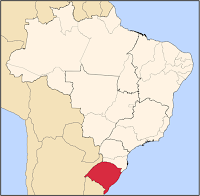
Porto Alegre is the capital city of the state of Rio Grande do Sul, the southernmost part of Brazil. Porto Alegre proper has about 1.5 million people, while the metro area has roughly 4.5 million. It is a dense city with lots of high rises, traffic, shops, and restaurants.
The climate is similar to Kansas City in that it gets hot and humid in the summer and chilly enough in the winter. There are a lot of German and Italian influences in the region, as well as Gaucho culture out in the country. Barbecue is a big thing there. If you've ever eaten at a Brazilian steakhouse in the United States, it is patterned after the ones in Rio Grande do Sul.
The people in the region have the reputation of being more reserved than other parts of Brazil, although they seemed rather outgoing by Midwestern American standards. Evangelical churches are sparse in the region, with only 2% of the people being part of such a church. There are many neighborhoods and villages where there isn't even a single evangelical church.
What will you be doing?
Brandon will be teaching at the Baptist seminary in Porto Alegre. It primarily trains church leaders for the entire region. Marci has several opportunities she is looking to explore, including offering English classes as an outreach ministry and partnering with an area orphanage.
Will you have to learn Portuguese?
Sim! Eu falo um pouco de portugues! (Yes! I speak a little bit of Portuguese). Our family is currently taking online Portuguese lessons, and we will all be in language training once we arrive on the field. Porto Alegre offers some schooling options for our kids that include classes in English and Portuguese with the goal of producing graduates who can go to college in North America.
Where will you live when you return to the United States?
Our conference has us on home assignment for one year after spending four years on the field. On home assignment we will be staying in Herreid, South Dakota. Our kids love it here, have friends at the school here, and our church here will be our sending church that partners with us.
How can I help?
Please pray for us. It is overwhelming at times to think about all the things that need to happen just to get to the field. Moreover, once we're there we'll have to adjust to a new culture, learn a new language, and still endure all the ups and downs of life.
We'd love to keep you informed about our progress getting to the field and our life on the field. If you'd like to partner with us by being informed through our newsletters, praying for us, and even supporting us financially, please email us at bnmjones@gmail.com and give us your:
Name
Mailing Address
Preferred Phone Number
Preferred Email Address
Your financial support would go directly to the North American Baptist Conference, which is a non-profit organization in both the United States and Canada. The conference's office will provide you receipts for tax purposes.
If you'd like to know more about the North American Baptist Conference's missions ministries, please checkout their website: http://nabonmission.org/
 Missions has been on my heart as long as I remember. I used to complete homework assignments in elementary school about what I'd like to be when I grew up, and I'd often be a missionary. I was blessed to be raised in a church that reached well beyond the suburbs of Kansas City by supporting and sending missionaries all over the world.
Two such missionaries are Marci's parents, Randy and Phyllis Stirewalt, who have served in Kenya since the late 1970s. Marci was born and raised in Kenya on the mission field, and she has always had a heart for missions.
Throughout our marriage we've discussed becoming missionaries, but the timing or opportunity never seemed right. That is, until last fall. The church that I pastor in Herreid, South Dakota has an annual missions emphasis Sunday each harvest season. Last year God prompted me to pray that he would send a cross-cultural missionary from our church.
By November of last year God directed Marci to a teaching opportunity in Porto Alegre, Brazil that looked like a good fit, because they needed someone with both an academic background and pastoral experience. This past summer we went to Porto Alegre to meet the people, see the city, and explore the opportunity God might have for us.
Each day in Brazil we were overwhelmed by the people's passion and drive to reach their neighbors for Christ. I felt privileged to be a part of that, even if it was for just two weeks. While there, we were asked several times when we were coming back for good. We always replied, "pray for us."
 After we returned from Porto Alegre this summer we spent several weeks in prayer with others, seeking God's confirmation that this is where he is leading our family to go. Marci and I believe now is the time to serve as missionaries and Porto Alegre is the place.
By now you might have some questions, so here we go:
When are you leaving?
We are at step one of a long journey to get to Brazil. We are seeking partners, whether that's churches, family members, or friends, who will be a part of our team. It will likely be 12-18 months before we step foot back in Brazil as missionaries.
 Where are you going?
Porto Alegre is the capital city of the state of Rio Grande do Sul, the southernmost part of Brazil. Porto Alegre proper has about 1.5 million people, while the metro area has roughly 4.5 million. It is a dense city with lots of high rises, traffic, shops, and restaurants.
The climate is similar to Kansas City in that it gets hot and humid in the summer and chilly enough in the winter. There are a lot of German and Italian influences in the region, as well as Gaucho culture out in the country. Barbecue is a big thing there. If you've ever eaten at a Brazilian steakhouse in the United States, it is patterned after the ones in Rio Grande do Sul.
The people in the region have the reputation of being more reserved than other parts of Brazil, although they seemed rather outgoing by Midwestern American standards. Evangelical churches are sparse in the region, with only 2% of the people being part of such a church. There are many neighborhoods and villages where there isn't even a single evangelical church.
What will you be doing?
Brandon will be teaching at the Baptist seminary in Porto Alegre. It primarily trains church leaders for the entire region. Marci has several opportunities she is looking to explore, including offering English classes as an outreach ministry and partnering with an area orphanage.
Will you have to learn Portuguese?
Sim! Eu falo um pouco de portugues! (Yes! I speak a little bit of Portuguese). Our family is currently taking online Portuguese lessons, and we will all be in language training once we arrive on the field. Porto Alegre offers some schooling options for our kids that include classes in English and Portuguese with the goal of producing graduates who can go to college in North America.
Where will you live when you return to the United States?
Our conference has us on home assignment for one year after spending four years on the field. On home assignment we will be staying in Herreid, South Dakota. Our kids love it here, have friends at the school here, and our church here will be our sending church that partners with us.
How can I help?
Please pray for us. It is overwhelming at times to think about all the things that need to happen just to get to the field. Moreover, once we're there we'll have to adjust to a new culture, learn a new language, and still endure all the ups and downs of life.
We'd love to keep you informed about our progress getting to the field and our life on the field. If you'd like to partner with us by being informed through our newsletters, praying for us, and even supporting us financially, please email us at bnmjones@gmail.com and give us your:
Name
Mailing Address
Preferred Phone Number
Preferred Email Address
Your financial support would go directly to the North American Baptist Conference, which is a non-profit organization in both the United States and Canada. The conference's office will provide you receipts for tax purposes.
If you'd like to know more about the North American Baptist Conference's missions ministries, please checkout their website: http://nabonmission.org/
October 20, 2016
The Accents of Life
We English speakers prefer our punctuation at the end of things. Most people know how to use a colon, but its semi sibling is often a mystery. Whenever I grade undergrad papers commas are often deployed randomly. And as someone whose surname ends with an s, you can be sure we don't use the apostrophe very well either.
 It's a good thing English doesn't ask us to add anymore accents to our writing. Over the years I've learned how to write in a few other languages, some with different alphabets than our own. These languages all have their peculiar punctuation and accents. I secretly hope they also had writers who were just as helpless as we are whenever they had to use a dagesh forte, umlaut, or conscripted dative iota.
This week a friend of mine from Brazil asked a question. I proudly wanted to type out my answer in Portuguese. Given I know less about the language than a typical Brazilian toddler, my few words quickly turned out to be daunting to type. Portuguese loves its accents. They pop up all over the place, and not just at the end of things.
I looked up how to type some of them, and it said to use a key on my keyboard that had a squiggly line on top and a backwardsy apostrophe on bottom. I laughed to myself, thinking I don't have one of those special keyboards that has such a button. I have an American keyboard. I've got volume and brightness controls, but no accent key.
But what if I was wrong? I looked down at my keyboard. I've had it since 2009. I typed a book with it. I've typed thousands of grading notes with it. I've typed hundreds of sermon manuscripts with it. Some keys are well-worn. The n key is all scratched off, and I'm not sure why. The m key is halfway there.
After looking back and forth through each row I finally found my accent key, the one with the squiggly line on top and backwardsy apostrophe on bottom. It was at my fingertips the whole time after all; right next to the 1 key. I never knew I had it. I'd never before looked for it. I'd never needed it until now, but there it was ready to add accents to my words.
The Dakotas are a land without accents. Sure, people say "beg" when they mean bag and "waygun" when they mean wagon, but the spice of life is often weak. People like their coffee brown, their newspapers plenteous, and their words few. The locals say that the weather keeps the riff raft out. And it probably does. It gets much hotter here than you could possibly imagine and ever as cold as you've always imagined. It's a place of stark extremes.
Like my keyboard, though, God's people have at their fingertips everything they need to give accent to life on the northern plains. When Paul describes the accents of the Christian life, he mentions both the peace of Christ and the songs of the Spirit: "Let the peace of Christ rule in your hearts, since as members of one body you were called to peace. And be thankful. Let the message of Christ dwell among you richly as you teach and admonish one another with all wisdom through psalms, hymns, and songs from the Spirit, singing to God with gratitude in your hearts. And whatever you do, whether in word or deed, do it all in the name of the Lord Jesus, giving thanks to God the Father through him" (Col 3:15-17).
Our church used to have a choir that sang often and practiced weekly. This upcoming Sunday we have a choir number to celebrate our annual Missions fest. I've had a lot of fun singing in the choir. We've worked hard on our harmonies, and the rehearsals have been full of joy.
Gratitude. Joy. Singing. Such is the spice of life.
Americans don't really sing anymore. We have our streaming services, our devices, and our headphones to let someone else sing for us.
As Christians, though, singing is a symptom that we've been infected with God's accent on life. It's available to us at all times, but a lot of people have forgotten where the key is.
This week our house has been filled with harmony, giving praise to God for the light he has shined all over the world. We've found the accent key, so to speak. I hope we don't forget where it is too soon.
 It's a good thing English doesn't ask us to add anymore accents to our writing. Over the years I've learned how to write in a few other languages, some with different alphabets than our own. These languages all have their peculiar punctuation and accents. I secretly hope they also had writers who were just as helpless as we are whenever they had to use a dagesh forte, umlaut, or conscripted dative iota.
This week a friend of mine from Brazil asked a question. I proudly wanted to type out my answer in Portuguese. Given I know less about the language than a typical Brazilian toddler, my few words quickly turned out to be daunting to type. Portuguese loves its accents. They pop up all over the place, and not just at the end of things.
I looked up how to type some of them, and it said to use a key on my keyboard that had a squiggly line on top and a backwardsy apostrophe on bottom. I laughed to myself, thinking I don't have one of those special keyboards that has such a button. I have an American keyboard. I've got volume and brightness controls, but no accent key.
But what if I was wrong? I looked down at my keyboard. I've had it since 2009. I typed a book with it. I've typed thousands of grading notes with it. I've typed hundreds of sermon manuscripts with it. Some keys are well-worn. The n key is all scratched off, and I'm not sure why. The m key is halfway there.
After looking back and forth through each row I finally found my accent key, the one with the squiggly line on top and backwardsy apostrophe on bottom. It was at my fingertips the whole time after all; right next to the 1 key. I never knew I had it. I'd never before looked for it. I'd never needed it until now, but there it was ready to add accents to my words.
The Dakotas are a land without accents. Sure, people say "beg" when they mean bag and "waygun" when they mean wagon, but the spice of life is often weak. People like their coffee brown, their newspapers plenteous, and their words few. The locals say that the weather keeps the riff raft out. And it probably does. It gets much hotter here than you could possibly imagine and ever as cold as you've always imagined. It's a place of stark extremes.
Like my keyboard, though, God's people have at their fingertips everything they need to give accent to life on the northern plains. When Paul describes the accents of the Christian life, he mentions both the peace of Christ and the songs of the Spirit: "Let the peace of Christ rule in your hearts, since as members of one body you were called to peace. And be thankful. Let the message of Christ dwell among you richly as you teach and admonish one another with all wisdom through psalms, hymns, and songs from the Spirit, singing to God with gratitude in your hearts. And whatever you do, whether in word or deed, do it all in the name of the Lord Jesus, giving thanks to God the Father through him" (Col 3:15-17).
Our church used to have a choir that sang often and practiced weekly. This upcoming Sunday we have a choir number to celebrate our annual Missions fest. I've had a lot of fun singing in the choir. We've worked hard on our harmonies, and the rehearsals have been full of joy.
Gratitude. Joy. Singing. Such is the spice of life.
Americans don't really sing anymore. We have our streaming services, our devices, and our headphones to let someone else sing for us.
As Christians, though, singing is a symptom that we've been infected with God's accent on life. It's available to us at all times, but a lot of people have forgotten where the key is.
This week our house has been filled with harmony, giving praise to God for the light he has shined all over the world. We've found the accent key, so to speak. I hope we don't forget where it is too soon.
October 13, 2016
The Room Where It Happens: Is Real Power Found in the Oval Office, Executive Boardroom, or Voting Booth?
 Hamilton and the Room Where It Happens
Over two hundred years ago the sitting Vice President, Aaron Burr, shot to death in a duel former Secretary of the Treasury, Alexander Hamilton. The two men had known each other personally, professionally, and politically for several years leading up to this episode.
Although the duel is a curious part of early American history and Hamilton’s face still graces our ten-dollar bills, most people forgot about this historic event shortly after history class in high school. That is, until a Broadway musical about Hamilton made this duel its climax.
In the musical Burr envies Hamilton at every turn. Whatever Burr sets out to do, Hamilton somehow does it first…and better. Even becoming Vice President wasn’t good enough for Burr. He concluded that Hamilton was the one thing keeping him away from what he wanted most: to be “in the room where it happens.”
In the musical Burr sings about the backroom deal struck between Hamilton, Jefferson, and Madison, placing the financial capital of America New York and its political capital in Washington. Burr was, as always, left on the outside looking in. He vows he will someday be in the room where it happens, no matter what it takes to get in there--even if it means drawing blood.
Burr’s plan failed. The duel, while taking Hamilton out of the picture, didn’t get Burr what he always wanted. He ended up retiring as a relatively obscure lawyer in New York.
Was his greed for power worth Hamilton’s blood? Certainly not, especially when you consider Burr had no idea where to look for the room where it really happens.
Politics and the Room Where It Happens
Every election year, a lot of my American neighbors reveal they don’t know where that room is either. But that doesn’t stop them from sacrificing much to gain a little influence. There won’t be blood this time, but there will be plenty of broken promises, false hopes, and shameful pandering spilling out from our nation’s veins.
As God’s people and followers of Jesus, we are citizens of another kingdom. Our allegiance is primarily to the King of Kings and Lord of Lords. Our political identity belongs to that which best promotes proclaiming the good news of God’s kingdom. Our values are kingdom values, which includes the sanctity of human life along with being generous to the least among us, especially foreigners, widows, and orphans.
While reasonable arguments can be made as to which individual policies and candidates best promote kingdom values, American partisan politics isn’t satisfied settling for second-best in anyone’s life. People on both the political left and right seem to stuff their Christian faith quite easily into one or the other major party platforms, seemingly without remainder. But shouldn't there be a remainder? Does either major party promote only kingdom values?
My fellow American Christians know that the answer to such questions is a resounding no. But I’ve heard countless times that if you want to gain access to the room where it happens you must:
Settle for the lesser of two evilsRealize no one is electing a pastor-in-chiefDiscover the sexual revolution really is pro-life once you look at it a certain convoluted way, apparently even Jesus would’ve agreed.In the name of gaining access to the room where it happens, Christians on the left succumb to the sexual revolution, keeping quiet about abortion and happily redefining marriage, as if such a thing were subject to human definitions in the first place. The foundational Christian doctrine of creation becomes rather flexible as long as bending it means the other tribe won’t gain access to the White House.
Christians on the right are no different. Hospitality to the foreigner might be a kingdom value, but national security better come first. The Old Testament prophets are quite clear that national security at the expense of caring for the poor and foreigner among us is no kingdom value in God's economy. Moreover, character in a political candidate now matters far less than their promises of certain Supreme Court nominees, so if getting behind a once-bankrupt playboy gains access to the room where it happens, then by all means promote him, because the alternative has to be worse—the other tribe winning.
Like Burr, we have no idea where to look for the room where it really happens. The irony is, it’s been right here with us all along, regardless of what tribe we support behind closed voting booths.
The Room Where It Really Happens
Long ago the Apostle John received a vision of what the room where it happens looks like: “At once I was in the Spirit, and there before me was a throne in heaven with someone sitting on it. And the one who sat there had the appearance of jasper and ruby. A rainbow that shone like an emerald encircled the throne” (Rev 4:2-3).
Centuries before John, the Israelite prophet Isaiah glimpsed the room where it happens: “I saw the Lord, high and exalted, seated on a throne; and the train of his robe filled the temple. Above him were seraphim [angels], each with six wings: With two wings they covered their faces, with two they covered their feet, and with two they were flying. And they were calling to one another: ‘Holy, holy, holy is the Lord Almighty; the whole earth is full of his glory.’ At the sound of their voices the doorposts and thresholds shook and the temple was filled with smoke” (Isa 6:1b-3).
A couple hundred years after Isaiah, Daniel had a vision of that very room: “As I looked, thrones were set in place, and the Ancient of Days took his seat. His clothing was as white as snow; the hair of his head was white like wool. His throne was flaming with fire, and its wheels were all ablaze. A river of fire was flowing, coming out from before him. Thousands upon thousands attended him; ten thousand times ten thousand stood before him” (Dan 7:9b-10a).
The culmination of John’s vision above was that the room where it happens in heaven eventually descends upon earth when God’s kingdom arrives in full. The wealth of the nations will pour into that room and from there God’s people will live the abundant lives Jesus promises them.
Until then, how do we gain access to this room? It’s not by envy, like Burr thought. It’s not by throwing away kingdom values to support the red or blue tribe either. It’s only by Christ. He came down from the room where it happens to take on our nature, pay the penalty for our sins, and join our life to God’s life. As Paul says in Philippians 2, Jesus emptied himself to become a servant on earth and die on a cross. As a result, God has lifted him up and seated him at his right hand in his throne room.
Jesus, our priest, has opened up access to the room where it really happens: “Therefore, since we have a great high priest who has ascended into heaven, Jesus the Son of God, let us hold firmly to the faith we profess. For we do not have a high priest who is unable to empathize with our weaknesses, but we have one who has been tempted in every way, just as we are—yet he did not sin. Let us then approach God’s throne of grace with confidence, so that we may receive mercy and find grace to help us in our time of need” (Heb 4:14-16).
The room where it happens might be frightening and astonishing to strangers, but because of Christ we can enter it confidently as God’s children. We have access to it through worship as a church, through the Holy Scriptures, through prayer, and through receiving baptism and the Lord’s Supper. They are means of God’s grace. They are means of getting access and in prayer even influence to the room where it really happens, but so many people forego these means of grace day after day and week after week, while living in hyped-up fear of what might happen if their blue or red tribe fails to garner earthly power. Maybe less tv and twitter and more prayer and Scripture would bring our heart rates down this fall.
Politics, But Not At Any Price
There are surely times and places to get involved in politics while on earth, because a lot of good and evil can be done through such means. All I ask is that before getting involved you become familiar with the platform of God's kingdom values. Read the Sermon on the Mount in Matthew 5-7. Thumb through the middle chapters of the Gospel of Luke. Read one of those obscure Old Testament prophets whose name isn't easy to pronounce; I'd recommend starting with Amos (granted, that one is an easy name). Too many people unknowingly set aside kingdom principles while getting caught up in all the tribalism of partisan politics. We can surely do better. At least take the time to discover how kingdom values either do or do not align with the candidates and policies you support. After that, feel free to support whichever candidates and whatever policies you like on election day as your conscience allows. Yes, that still includes either major party candidate this year. I'm not your conscience.
I can agree with Aaron Burr about one thing, though: I too have got to be in the room where it happens. Thanks be to God that I can enter it confidently because of Jesus Christ our Prophet, Priest, and King. Our Lamb has conquered, him let us follow!