Nancy S. Thompson's Blog, page 6
April 19, 2013
A to Z Challenge: Q is for Question Mark
Welcome to the 2013 A to Z Challenge!
This year, I’m focusing on two themes: Emotions and grammar,depending on which letter we’re on each day.
Today’s a grammar day!
__________
Q is for Question mark: the punctuation mark that replaces the full stop period of an interrogative sentence, often used in place of missing or unknown data. (?)
The question mark? Really? What could I possibly have to say about the question mark? Well, not much, actually. Come on, it’s Friday. I’ve had a long, tough week, and there’s not much that begins with the letter Q, so I’ll keep this brief.
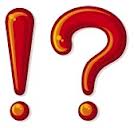
There is one thing I sometimes see as an editor which really bugs me. When writing dialogue, and the character is excitedly asking a question, do NOT use both a question mark AND an exclamation point. You think this would be obvious, but I see it more often that I ever thought I would.
“You do?!” she gasped.
Yes, I do.
Truth is, if your writing is strong, if you’re using the appropriate verbs and nouns—notice I didn’t say adjectives or adverbs—to convey whatever emotion your character is feeling, you don’t need an exclamation point, ever, but especially after a question mark. And honestly, that’s just poor grammar.
Use only ONE type of punctuation at the end of each sentence. Always. No exceptions. Ever.
But wouldn't it be nice if we had one of these?



April 18, 2013
A to Z Challenge: P is for Present Participle Phrase

Welcome to the 2013 A to Z Challenge!
This year, I’m focusing on two themes: Emotions and grammar,depending on which letter we’re on each day.
Today’s a grammar day!
__________
P is for Present Participle Phrase: in a sentence, a phrase using the –ing form of a verb as an adjective to modify a noun or noun phrase. (This is different from a gerund, or an –ingverb that acts as a subjective or objective noun.)
Though this might sound confusing, it’s really simple. When you write a phrase, using an –ing verb to describe a noun, (like I just did there,) that is a present participle phrase. Did you recognize the one I just used in that last sentence? I underlined it. We use them all the time when speaking, and we use them even more when writing. And that’s where the issue lies.
While there is nothing inherently wrong with this sentence structure, and I use it just like everyone else, the issue comes down to its frequency. As an editor, as well as an experienced critique partner, I read a lot of manuscripts, especially debuts, but also experienced and previously published authors, as well, and undoubtedly, the one thing I see more than just about anything else—sans the missing comma, of course—is the overuse of the present participle phrase.
Sometimes, writers will use them in fifty to seventy-five percent of their sentences. So what’s wrong with that, you ask? Well, first off, it shows an inability to be creative with your writing, and it reads very sing-song-ish, which is distracting. It also shows that the writer isn’t truly aware of his or her writing.
Sentences within a paragraph need to be varied, in length, in rhythm, and in structure. It’s boring and monotonous to read the same type of sentence structure over and over again. After a first draft is completed, the author needs to read and analyze each separate sentence, each separate word, revising it so it’s different from the ones right before and right after. While present participle phrases are fine every now and then, try to keep them down to three or less per page.
I used to be a big PPP offender. I never even noticed it until I critiqued with a college English professor. She pointed it out, and I’ve become very sensitive to it ever since. Even still, I tend to overuse it, and cringe when I read back over my work. Thank God for the editing process!
What about you? Do you find yourself overusing this particular type of sentence structure?
April 17, 2013
A to Z Challenge: O is for Overwhelmed - Plus a Cover Reveal!
Welcome to the 2013 A to Z Challenge!
This year, I’m focusing on two themes: Emotions and grammar,depending on which letter we’re on each day.
I’ll be sharing mostly what I’ve learned about writing emotion into a novel, but I’ll also be throwing in a few key grammar lessons, pet peeves I’ve picked up while working as an editor.
Today’s an emotion day!
__________
O is for Overwhelmed: to be excessively or completely overcome or overpowered in mind, feeling, body, or spirit.
This is a widely used emotion in fiction. After all, if a character is overwhelmed by his circumstances, he’s bound to experience tension and conflict, the key ingredients in every work of fiction. But people react to this emotion in various ways.
Some show no outward signs and keep their resulting emotions hidden, and that’s the key, really. Being overwhelmed is not so much the emotion itself, but rather that which incites what overtakes us, like fear and anxiety or love and tranquility.
While there are many actions to show how a character physically experiences being overwhelmed, many feel cliché and overused like shaking all over or the character's arms curling his body. I think, since the impact of this emotion is so internal and visceral, a more effective way to show it is to really get into the character’s head as they pace around, mumbling and contemplating the repercussions or circumstances that have overwhelmed them.
In my own novel, The Mistaken, the main character deliberates the serious ramifications of his violent actions. (Edited for length.)
I paced the floor around me, unable—perhaps unwilling—to process the reality of what I had just done...the severity of the mistake I had made, and the dire consequences that now faced me, my brother, and the wounded woman cowering in fear and humiliation in the corner. The reality was that through the hazy cloud of alcohol and pills, I believed delivering a degrading punishment would somehow empower me, fulfill my need for revenge, and expunge the hate, grief, and rage that filled me. I thought my mind might be rewarded with a sense of balance, my soul a thread of justice, and my heart a measure of peace. But I despised myself for the act...I could not have sunk any lower had I taken a human life with my bare hands...I was an abomination, a monster...Whoever said vengeance is sweet was wrong. It’s the thought of vengeance—filtered through memories that haunt and torment—that is sweet. Not the act itself. The act is vile and bitter, and I felt physically ill as it filled me, as I realized...the pain, fear, and humiliation I had caused.
So while there is a vast array of ways to tangibly express being overwhelmed—scrubbing a hand down the face, staring and pacing, collapsing to the floor and squeezing the eyes tight, or pressing shaky fingers to the mouth—and these should be used to show a character’s physical response, consider the impact to his psyche, how he internalizes his emotion, because that is essentially where he’s experiencing the brunt of his overwhelming circumstances.
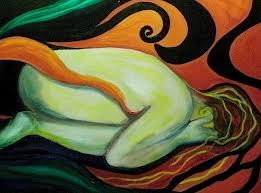
How do you react when you are overwhelmed?
__________
COVER REVEAL!
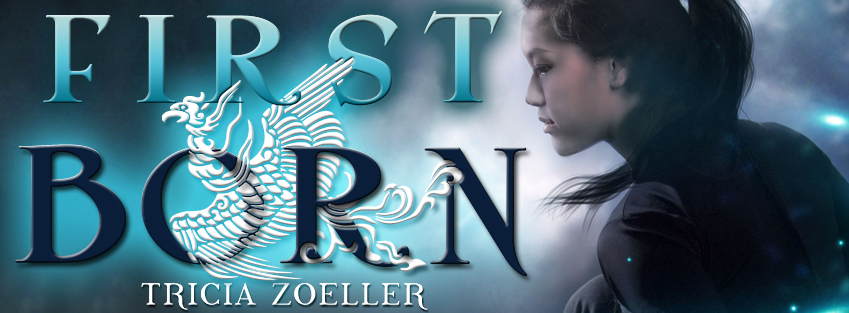
"First Born"by Tricia ZoellerReleases May 10, 2013
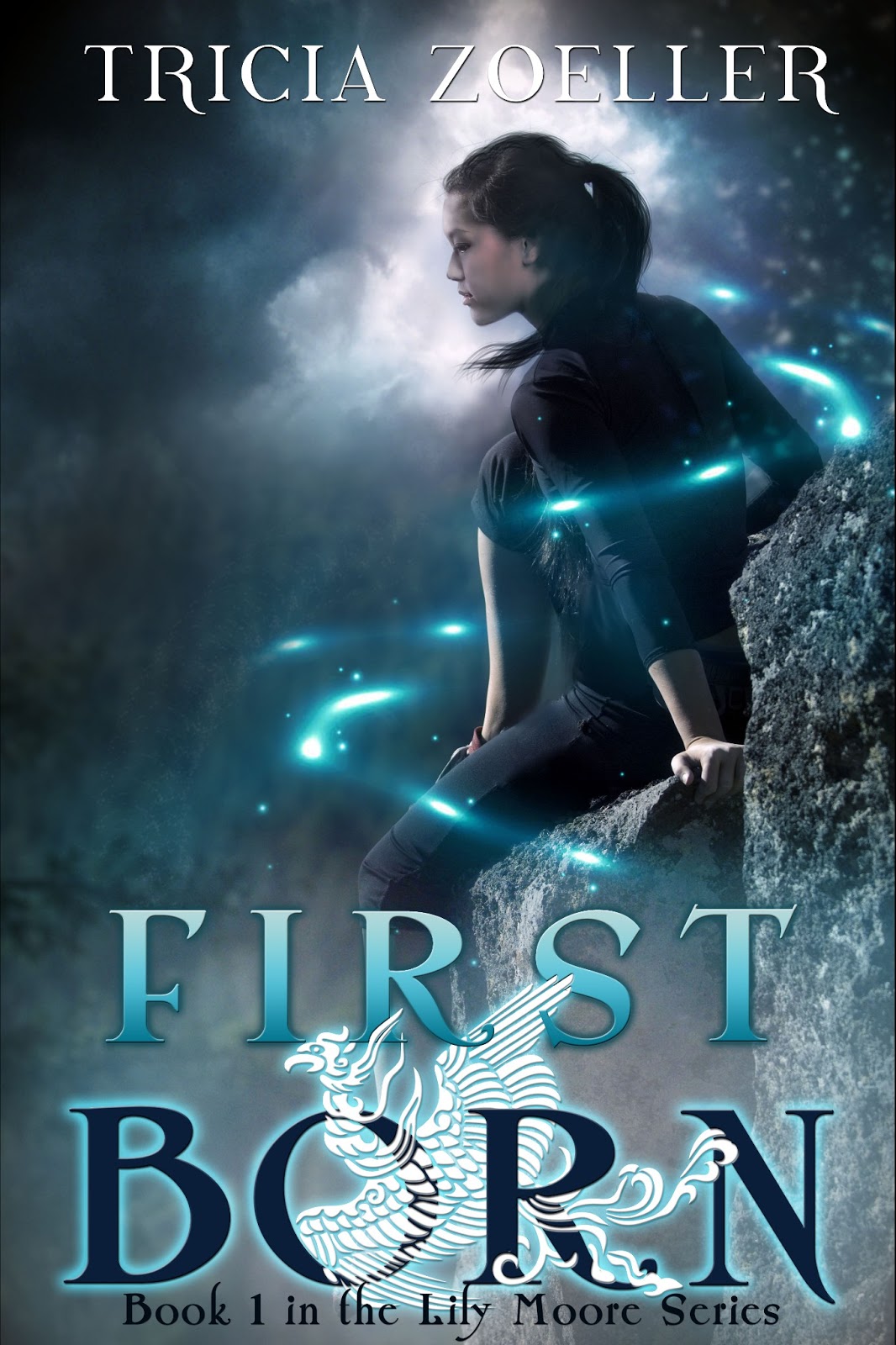 Cover art byClaudia at Phatpuppy &Ashley at Bookish Brunette Designs
Mini Blurb:"With the police and a killer hot on her trail, can shapeshifter Lily Moore solve the mystery of being First Born or will family secrets prove deadly?"
Find Tricia Zoeller here :Webpage Facebook Twitter Goodreads
Click here to add First Born on your Goodreads TBR
April 16, 2013
A to Z Challenge: N is for Nervous
Welcome to the 2013 A to Z Challenge!
This year, I’m focusing on two themes: Emotions and grammar,depending on which letter we’re on each day.
I’ll be sharing mostly what I’ve learned about writing emotion into a novel, but I’ll also be throwing in a few key grammar lessons, pet peeves I’ve picked up while working as an editor.
Today’s an emotion day!
__________
N is for Nervous: highly excitable, unnaturally or acutely uneasy or apprehensive; anxious; unsettled.
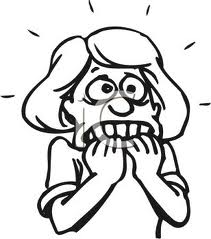
We’ve all been here, so we know how it feels. But we also each experience it in different ways, so, as writers, how do we showit? I had to tackle this one a few times in The Mistaken, and found, along with showing the physical signs, it worked better, felt more tangible, when I focused on the reason behind the character’s nervousness.
What did he fear? What was he risking? That’s what drives anxiety, right?—the repercussions of failure, of exposure, of our inadequacies, or perhaps just plain old fear, especially what is unknown. So, if all of a sudden, your character is thrust into a situation in which he has no or very little control, have him ponder the consequences should he fail.
Will he die or suffer physically, or will someone else he cares about? Will he lose something or someone he loves or values? Will another judge him harshly, or worse, reject him, possibly subjecting him to ridicule? Does he fear the world will find him lacking or someone he’s tried hard not to be?
If you exacerbate his anxiety with fallout should his fear be realized, the reader will moan and groan in protest or cringe in sympathy. Of course, in addition to spelling out this potential aftermath, you should show the reader what is going on inside his head, inside his body, as he ponders his fate. Think about how you act when you’re nervous.
Your heart twitters and speeds up and almost feels like it’s in your throat. You pace and move around, biting your nails, fidgeting with your fingers, or anything else you can get your hands on. You cover your eyes or pull at your hair, your breathing quickens, you shake and twitch, bounce and jerk all around, you sweat and flush and stutter, maybe laugh inappropriately, followed by speed-talking or an abrupt change in the subject. Your stomach tenses and burns and roils in nausea. And if it all becomes too much, too unbearable, you might become light-headed or even pass out, that is if you haven’t fled already.
How does your body react when you’re nervous?
April 15, 2013
A to Z Challenge: M is for Motivation
Welcome to the 2013 A to Z Challenge!
This year, I’m focusing on two themes: Emotions and grammar,depending on which letter we’re on each day.
I’ll be sharing mostly what I’ve learned about writing emotion into a novel, but I’ll also be throwing in a few key grammar lessons, pet peeves I’ve picked up while working as an editor.
Okay, so today’s less a grammar day and more a writing day. Sue me!
__________
M is for Motivation: the act or instance of causing or providing a reason for a person to perform in a certain way
When writing a novel, motivation is key to not only propelling the story forward, but to also drawing the reader into it. It gives reason to why the character makes certain choices, and it is these choices that get him into trouble, and why the reader comes to care for him.
For me, it was this choice, the character’s motivation, that drove me to write my book, The Mistaken. I wondered what could make a good man choose to commit a violent crime. The possibilities were endless, of course, but for me, it was personal. I needed direct answers to my own questions, to explain why certain things had happened to me.
Motivation defines the character and molds the plot. The author provides a situation that will stimulate the character’s response. He imagines what he would do when put in their position. If the motivation is realistic and fully fleshed out, it becomes understandable, and the character becomes believable and justified, no matter how poor his choices are.
There are so many motivations typically used in literature—a noble goal, the desire to return home, glory, greed, to live out a dream or experience an adventure, freedom, justice. In my novel, the motivation was two-fold—first revenge, then redemption.
I had to make the reader understand why the protagonist would be willing to commit such a vicious offense in the name of revenge. Then, after he’s crossed over to the dark side, I had to make the reader still care enough for him to see him through to his redemption. Not an easy task, because he does a VERY bad thing.
I think the writer needs to approach motivation like Method acting and essentially immerse themselves in the story and become the character. In the end, understanding the motivation behind my character's deeds help me understand then accept experiences in my own life.
April 13, 2013
A to Z Challenge: L is for Loneliness
Welcome to the 2013 A to Z Challenge!
This year, I’m focusing on two themes: Emotions and grammar,depending on which letter we’re on each day.
I’ll be sharing mostly what I’ve learned about writing emotion into a novel, but I’ll also be throwing in a few key grammar lessons, pet peeves I’ve picked up while working as an editor.
Today’s an emotion day.
__________
L is for Loneliness: affected with, characterized by, or causing a depressing feeling of being alone; destitute of sympathetic or friendly companionship; isolated.
I had to write about this emotion a great deal in my own novel, The Mistaken. The main character’s wife dies and he feels responsible. Immediately after, he isolates himself, even when there are many people around him, his friends, his family. No one can take the place of the one he loved most. A lot of the time, that’s how loneliness works. I wrote a short passage at the end that deals with this feeling:
“It was disconcerting to be among all that was so familiar yet feel that the heart that beat within my chest was not actually my own. I was lost, like a child separated from a parent in a large crowd. Not alone, yet quintessentially lonely.”
And in the middle of the book, when the sight of another woman makes him miss the one he’s lost:
“I spent more than a small amount of time propped up against the wall, watching her, studying her face, so beautiful, so peaceful in sleep. I knew I shouldn’t be watching her without her knowledge, but I missed having that kind of beauty near me. Having it so close, yet knowing it was not mine, was a bitter pill, but I felt as if I’d been pulled back through time, back to when Jillian was still alive. I was unbearably lonely, and, at that moment, Hannah filled me in ways Jillian once had. It was difficult to turn away from something as alluring as that.”
This shows how loneliness is not about solitude, but rather about isolation, feeling separate, emotionally divided from the whole. A character can be in a room full of his friends and family while they festively celebrate a momentous occasion, a birthday, a wedding, yet even among all these people, who likely love and care for him, as the very symbols of happiness swirl around him, he feels the most lonely.
This type of contrast in imagery and emotion can be very effective and relieve the writer from having to rely on clichéd and overused body language.
April 12, 2013
A to Z Challenge: K is for...Kidnapped
Welcome to the 2013 A to Z Challenge!
This year, I’m focusing on two themes: Emotions and grammar,depending on which letter we’re on each day.
I’ll be sharing mostly what I’ve learned about writing emotion into a novel, but I’ll also be throwing in a few key grammar lessons, pet peeves I’ve picked up while working as an editor.
Here’s the thing: I couldn’t figure out a topic for emotion orgrammar that began with K,so I thought I’d go a little off course. But if that’s not good enough, you could always go to my K post from last year. Either way, I appreciate your indulgence.
__________
K is for Kidnapped: to steal, carry off, or abduct by force or fraud, especially for use as a hostage or to extract ransom.
I’m sure you’re wondering why I picked kidnapped. Well, if you haven’t yet read my book, The Mistaken, then you might not know it’s a huge part of the story. Funny thing is, the hard part of pulling that off was making the reader sympathize with a protagonist who commits such a heinous act, not to mention quite a few others. But, I must have done a decent enough job because…
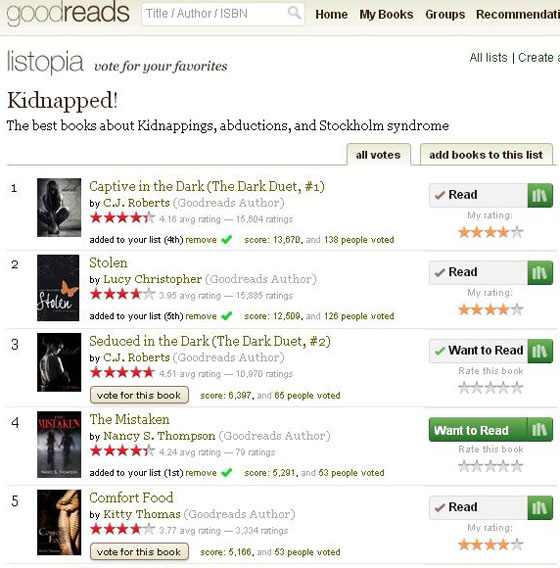
Not only is The Mistaken still loitering in Amazon’s Top Rated in Romantic Suspense, it’s also ranked fourth on Goodreads’ Kidnapped list, along with CJ Roberts’ Dark Duet Series and Lucy Christopher’s Stolen, all of which I enjoyed.
I’d love to have your support, too, so if you’re a Goodreads member, feel free to sign in and hit the "vote for this book" button.
Thank you! Thank you verra much!
April 11, 2013
A to Z Challenge: J is for Jealousy AND the Cover Reveal for Dana Mason's Precious Embrace
Welcome to the 2013 A to Z Challenge!
This year, I’m focusing on two themes: Emotions and grammar,depending on which letter we’re on each day.
I’ll be sharing mostly what I’ve learned about writing emotion into a novel, but I’ll also be throwing in a few key grammar lessons, pet peeves I’ve picked up while working as an editor.
Today’s an emotion day!
__________
J is for jealousy: a feeling of resentment against someone because of that person’s rivalry, success, or advantage, or against that success or advantage itself; mental uneasiness or fear of rivalry or unfaithfulness.
Jealousy is based in insecurity. We fear losing something, or not having something someone else has. Jealousy is unhealthy and all-consuming. It makes people irrational and ill-content. It’s different from envy, in that envy is all about coveting, whereas jealously is about fear and animosity.
When showing a character’s jealousy, it’s best to rely on concrete details, focusing not just on what she is jealous of, but why. So instead of simply telling the reader that Karen is jealous of her boyfriend’s old girlfriends, show why they threaten her, what exactly it is she fears, her own insecurities and confusion about herself, and how she believes the other women outweigh her in ways she might be lacking. It’s all about comparison.
Having said that, most people don’t want others to know when they’re jealous, so the character has to exhibit physical signs that show her hostility to the reader. Because jealousy is a defensive mechanism, use the character’s body language to express that, like crossing her arms over her chest, or scowling and sneering as she puckers her lips, swearing ugly insults or criticisms. But inside, her stomach is tied in knots or filled with anxious foreboding, so she vows to get even and somehow make her rival appear ugly or obscene.
No matter what the character is jealous of, it’s her fear that should be concentrated on and how that fear diminishes herself in her own eyes.
__________
COVER REVEAL!
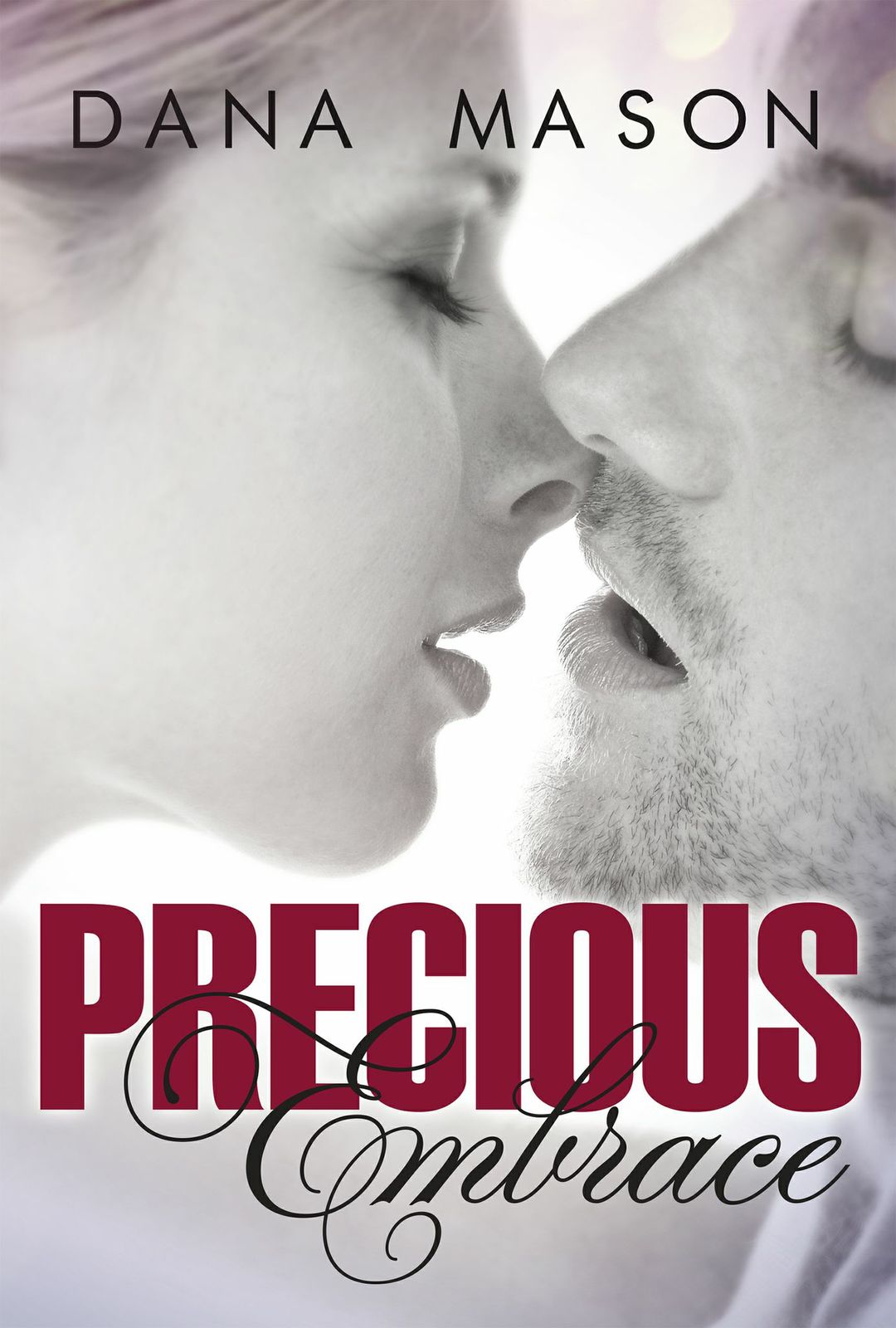 Cover design by Okay Creations
Book Two in the Embrace SeriesComing July 11, 2013
“A new love, a missing child, a family found.”
Blurb :
A second divorce and a new baby wasn’t the vision Alison Hayes had for her future. Now a single mother with two young boys, she wants to focus on her kids and what’s left of her stagnant career.
When Detective Johnny Rhay Bennett breezes into her life with his country-boy accent, she wants to run. She doesn’t need another man in her life, or another reason to make people talk. But when her worst nightmare becomes a reality, Johnny is the only person who can pull Ali out of her despair, forcing her to stay strong and not give up hope of finding her missing child.~~~Who falls in love after a one-night stand? Johnny Rhay doesn’t believe it’s possible until it happens to him. With Nashvillein his rear-view mirror, he’s determined to convince Alison she loves him, too, even if it means moving to the West Coast.
Ali’s not easy, and she’s living on just this side of bitter after her divorce, but Johnny doesn’t care. He’s up for the challenge. At least, he believes he’s up for it, until baby Micah is stolen right out from under his nose. Now Johnny has to keep it together and get that sweet little boy home safe before his dreams of having a family vanish, too.

Find Book One, Dangerous Embrace, on:Goodreads Amazon Amazon UK Barnes and Noble Kobo iBooks

My pub-sister, Dana Mason, started writing to prove to her computer geek husband and her math and science geek kids that she actually has a brain; it’s just a right functioning brain instead of a left. She’s lived all over the country and uses that experience in her writing and character studies.
Her debut novel, Dangerous Embrace is the first in a contemporary romance series about a group of friends from Northern California who learn just how short life can be when you don’t hold on to what’s important.
When not writing, Dana specializes in professional development and training. She’s also a board member on the local Art’s Council and does what she can to support the art community
Find Dana here:Website Facebook Twitter Amazon Publisher
April 10, 2013
A to Z Challenge: I is for Incidental Action
Welcome to the 2013 A to Z Challenge!
This year, I’m focusing on two themes: Emotions and grammar,depending on which letter we’re on each day.
I’ll be sharing mostly what I’ve learned about writing emotion into a novel, but I’ll also be throwing in a few key grammar lessons, pet peeves I’ve picked up while working as an editor.
Today’s a grammar day...well, sorta.
__________
I is for incidental action: in fiction, an action happening in connection with or resulting from something more important;
While every novel should be filled with action, what often makes the story come alive and feel real—like we’re watching a movie in our heads—is the incidental action. If there is no incidental action, the story feels flat and jerky as the narration moves from one big sequence to another.
Incidental action is the small movements typically shown between lines of dialogue. Take this short clip from a scene in my novel, The Mistaken, for example:
Tyler stared at him for a moment before raising his chin in understanding. He was instantly in Nick’s face, pointing his finger in warning.“You stay of it, Nick. I mean it. This is none of your business or your concern,”Nick pushed his brother’s hand away. “I’d be careful if I were you, brother. I’m no longer that weak boy who followed you around like a lost puppy.”Tyler reacted swiftly, surging forward and pushing Nick back against the wall. His lips were pressed together in an angry line and he spoke through clenched teeth.“You stay the hell out of my affairs, you hear me? And stay away from my wife! She doesn’t need your kind of help.”They stood facing each other, nose-to-nose. Ty’s face twisted in anger, but Nick looked unfazed, even amused, a smirk pulling up along one side of his mouth.
The staring, the pointing, the pushing, along with all the facial expressions, bring the scene to life. If all you had was the dialogue, it would feel rather bland and passive. The reader needs all the small movements to see the story progress physically in their mind.
If there were no incidental action, the progression within and between each scene would feel abrupt and jarring without any way to visualize what the characters are doing as they speak or how they move from place to place.
Incidental action also helps the reader keep track of who’s speaking without a boat load of dialogue tags to slow it all down. BUT—and this is big but—do NOT use incidental action as a dialogue tag. That is, each action must be a complete sentence with the first word capped and punctuation at the end—a period, exclamation point, or question mark. No exceptions. Dialogue tags are he said, she replied, they screamed, we moaned, etc., and are also meant to help the reader keep track of who’s speaking, but they are not incidental action.
April 9, 2013
A to Z Challenge: H is for Hatred
Welcome to the 2013 A to Z Challenge!
This year, I’m focusing on two themes: Emotions and grammar,depending on which letter we’re on each day.
I’ll be sharing mostly what I’ve learned about writing emotion into a novel, but I’ll also be throwing in a few key grammar lessons, pet peeves I’ve picked up while working as an editor.
Today’s an emotion day!
__________
H is for hatred: the feeling of disliking intensely or passionately; to feel extreme aversion for or hostility toward; to detest.
In order to experience hatred, we must first experience love. The two go hand in hand. Each are felt at the most visceral level possible. But, as we age, the intensity of each mellows as we come to understand the complexity of what drives these feelings. The two become less black and white and more varying shades of grey. Therefore, hatred expressed in a Young Adult novel will seem more extreme than in an adult genre.
But, no matter the degree to which we feel hatred, it is still consuming. It festers like a virus, growing, mutating, destroying the good that surrounds it. Considering how inherent hatred is, it seems like it should be an easy emotion to write, to show, but I’ve found many authors fall back on overused, flat descriptions, or by simply having their character spew the words, “I hate you!”
Thing is, people don’t like to be caught hating. It comes off as childish and undisciplined for an adult to shake their fist at someone, to spit while screaming, their nostrils flaring and their teeth snarling. I prefer a more subtle approach.
If the target of the character’s hatred is present, then, as his heart thrashes and his breathing quickens, only to be caught painfully in his chest, have him stare fiercely with hooded eyes, his jaw clenched, his shoulders rigid, and his neck knotted with tension. Maybe have him mumble an insult or clearly word something then stomp off without giving his enemy the opportunity to engage.
And in the background, as common sense wanes and senseless contempt grows, show the character’s fixation as he works passively against his enemy. Have him spread rumors, turn his friends against him, or sabotage him at work, school, or in a social situation, bringing humiliation, shame, and ridicule from all sides, all of which bring his enemy a sense of excitement, especially if he understands all that’s at stake.