Rain Trueax's Blog, page 16
December 27, 2014
finding place and being grounded
"And I forgot how good it feels to be rooted. And to be rooted is not the same thing at all as being tied down. To be rooted is to say, here am I nourished and here will I grow, for I have found a place where every sunrise shows me how to be more than I was yesterday, and I need not wander to feel the wonder of my blessing. And when you are rooted, defending that space ceases to be an obligation or a duty and becomes more of a desire." From Iron Druid Book 7, Shattered by Kevin Hearne.
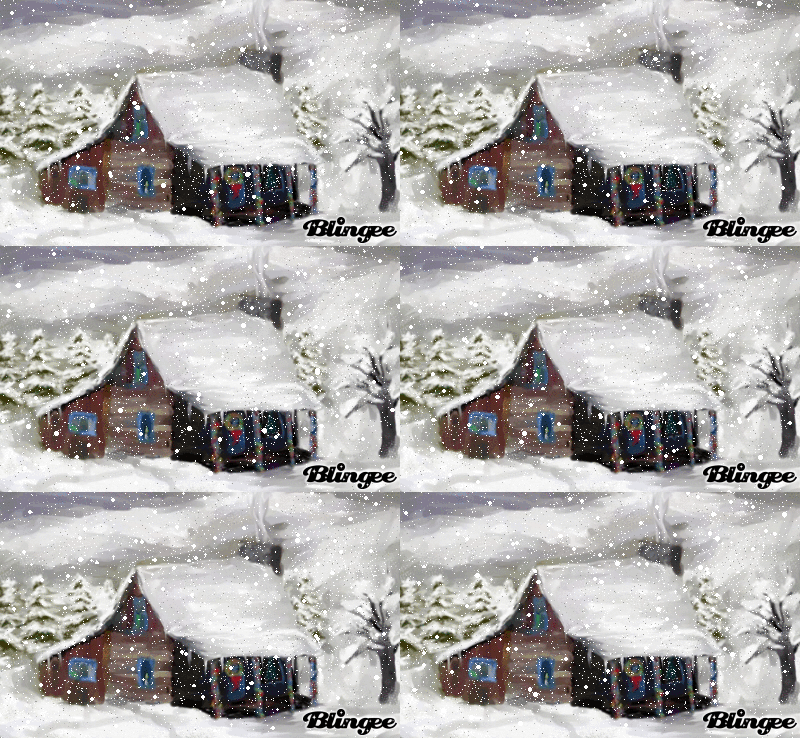
You might think I am grounded since I have two homes in places I love very much. Or maybe you'd say I am not since I do have those two homes that are both very important to me. But they aren't the only home I have. There is also my dream home. I am unlikely to ever live in my dream home, but maybe it's not bad to have real and dream homes.
 on Pinterest-- http://media-cache-ec0.pinimg.com/736...
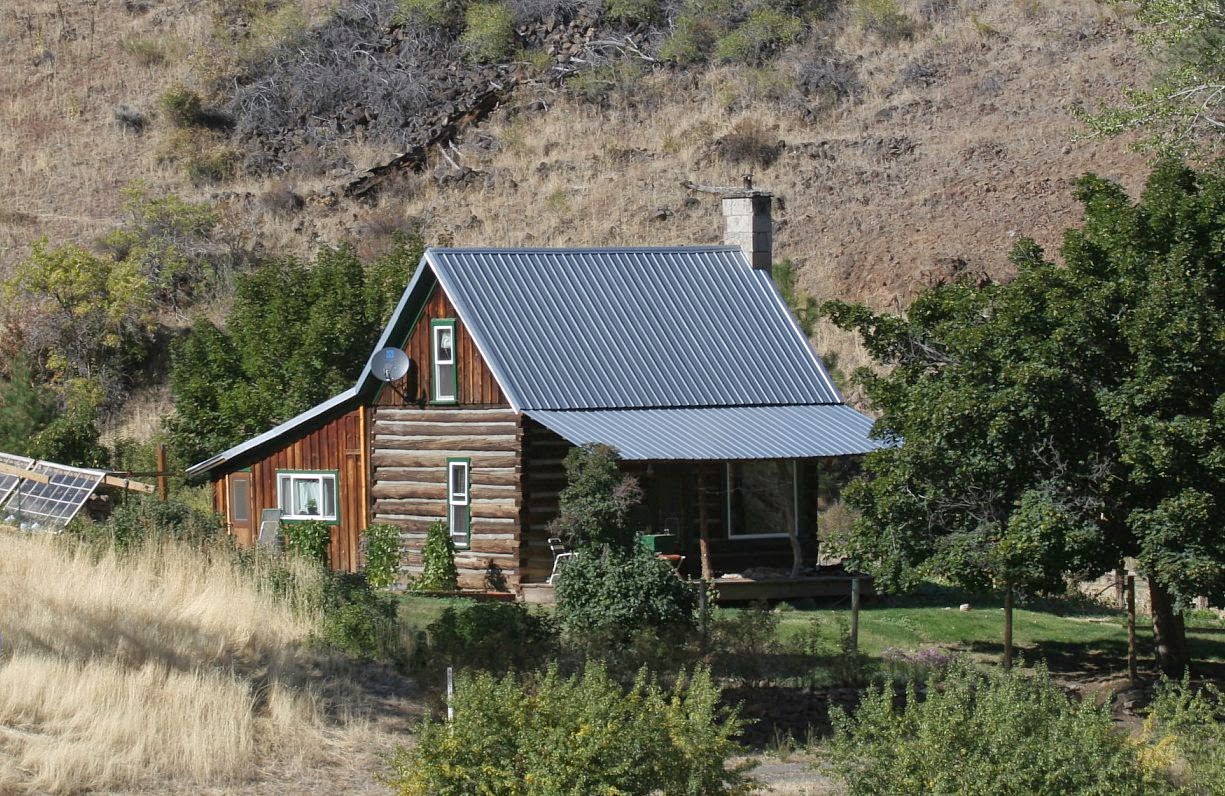
I have come across this dream home for real a few times but always for some reason it wasn't possible for me to live there. The photo below was up the South Fork of the John Day River. We had been driving around exploring and there it was-- my dream cabin. It wasn't feasible at the time for us and wasn't for sale.
Last time we were up that way, someone had bought the property, built a newer home in the woods behind it, and the cabin had no one living in it. It looked as though they were letting it deteriorate until it falls down. At one time it had a garden, fruit orchard and real people all right on the banks of the river with the mountains above. Now it's just a memory as are so many other places from my past.
At least I have the photos.
One good thing about writing is, for a little while, you can live wherever you want. It can be somewhere you actually have been or once lived. Maybe you only deeply researched it but you make yourself feel you are there. You imagine its smells and views, know what the soil is like, and then spend the time it takes to write your story as if not just your characters but that you also live there.
The energy of place is not about doing a book, painting or photograph. It's letting that place get under our skin. I have to think the happiest people manage to put together their dream home with their real one :). I've come very close.
For me nature and place are part of my life, which means part of anything I write. Place is an important character. Books that I adore also fit into that with strong sense of place and why it matters, how it impacts the characters. A quote I have claimed for my own is out of Ahab's Wife by Sena Jeter Naslund.
"Where we choose to be-- we have the power to determine our lives. We cannot reel time backward or forward, but we can take ourselves to the place that defines our being."And you never know, maybe that dream home is yet in my future.


December 25, 2014
Merry Christmas
Merry Christmas
I hope, wherever you are, you are all having a wonderful holiday with family, friends, or by yourself. It can be a joyous time but also sad for those who have experienced loss. It is a time of memories, nostalgia but also looking ahead. We are at the darkest season and the light is coming

I hope, wherever you are, you are all having a wonderful holiday with family, friends, or by yourself. It can be a joyous time but also sad for those who have experienced loss. It is a time of memories, nostalgia but also looking ahead. We are at the darkest season and the light is coming
December 23, 2014







December 21, 2014
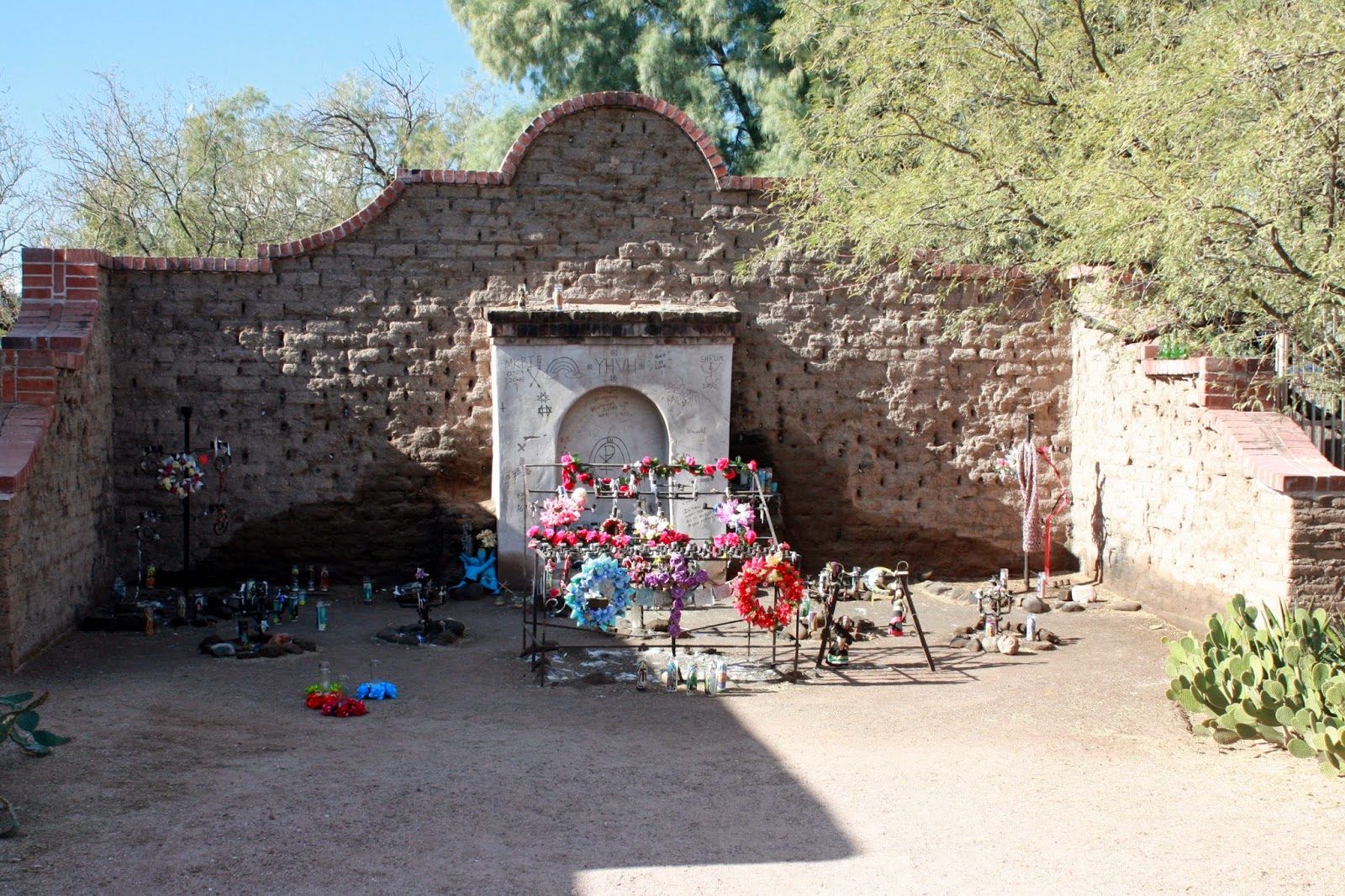
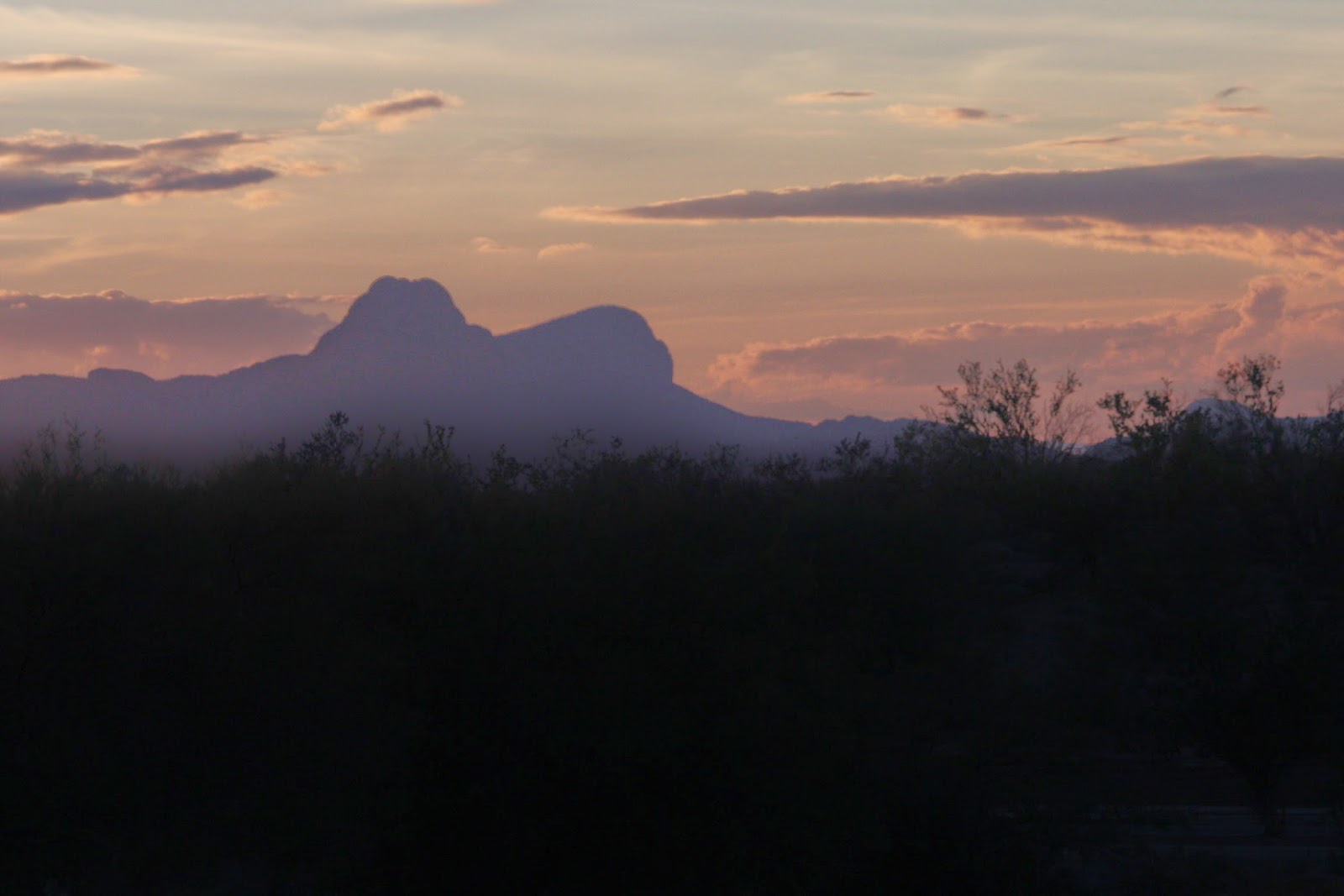
Arizona and some of why I love it...
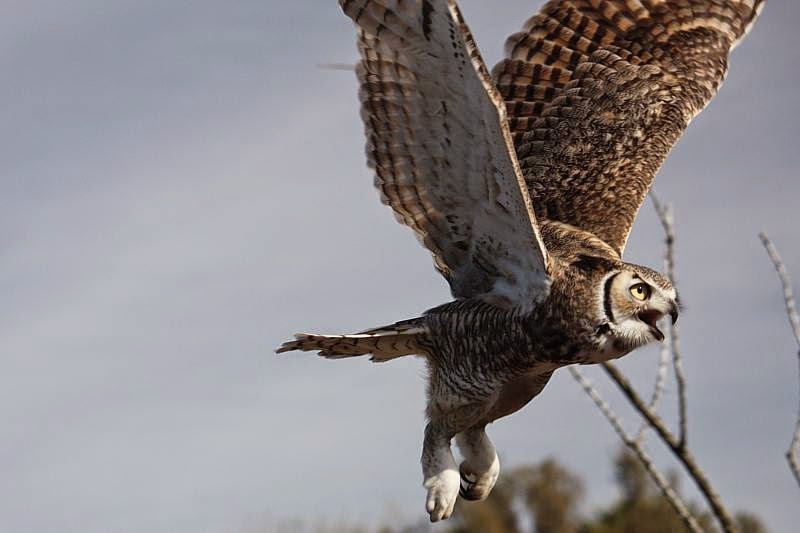
I've now set four books in Arizona with two more coming in 2015-- one a novella or short story (it's a work in progress) and the other a full length novel (which will be started in early January). It has to be obvious to any reader how much I love this part of Arizona.
The first time we came to Arizona, it was 1965 and my husband was going to graduate school at the UofA. We were here with friends and had some great times hiking around the desert. I got pregnant with what was to be our first born, who was born when we got back to Oregon.
It was several years later before we could introduce the desert to our children. 1972 and we came down with an old 15' trailer that had no air conditioning or inside bathroom. We bought one of those you dump them type potties and set it into the small closet. The kids slept on the bunk above us. The heat was often intense as we had to come close to the end of their school season and bring homework. Back in those days, teachers liked the kids having this sort of enriching life experience and sent lots of work along with us.
The years passed, lots of trips through all parts of Arizona and then the last one as a family when our kids were in college and heading off to build their own lives. We began to come back by ourselves.
It was 1998, when we had had Christmas in Georgia where our daughter then lived with her family which included a brand new granddaughter, that we flew back to Tucson with a serious intention of buying a second home here.
After looking at several possibilities, the realtor took us to this last one; it was love at first sight. It offered everything I had ever hoped to find in a Tucson home. By early 1999, we closed the deal, drove back down with a trailer full of furniture, and set up our desert home.
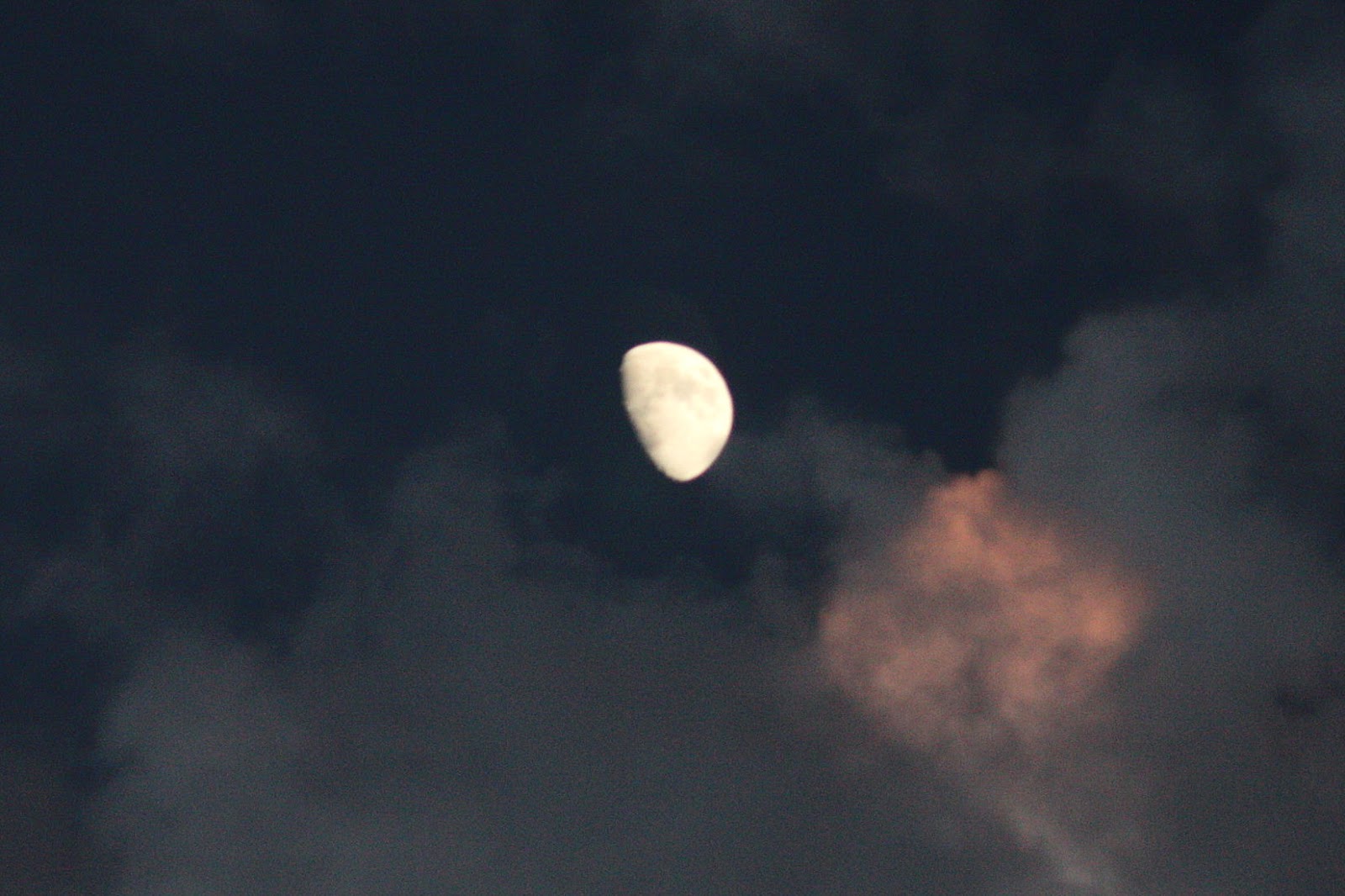
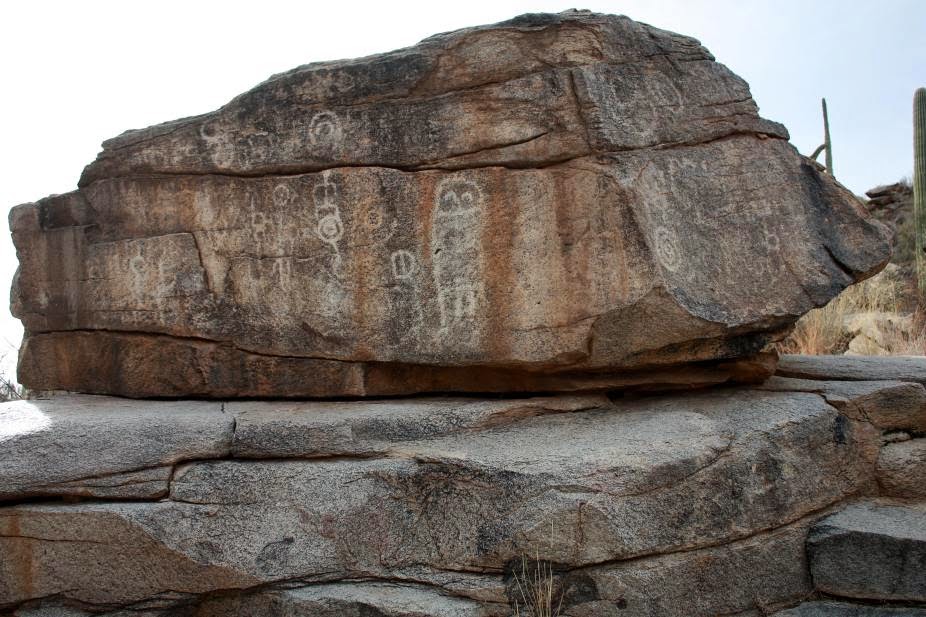
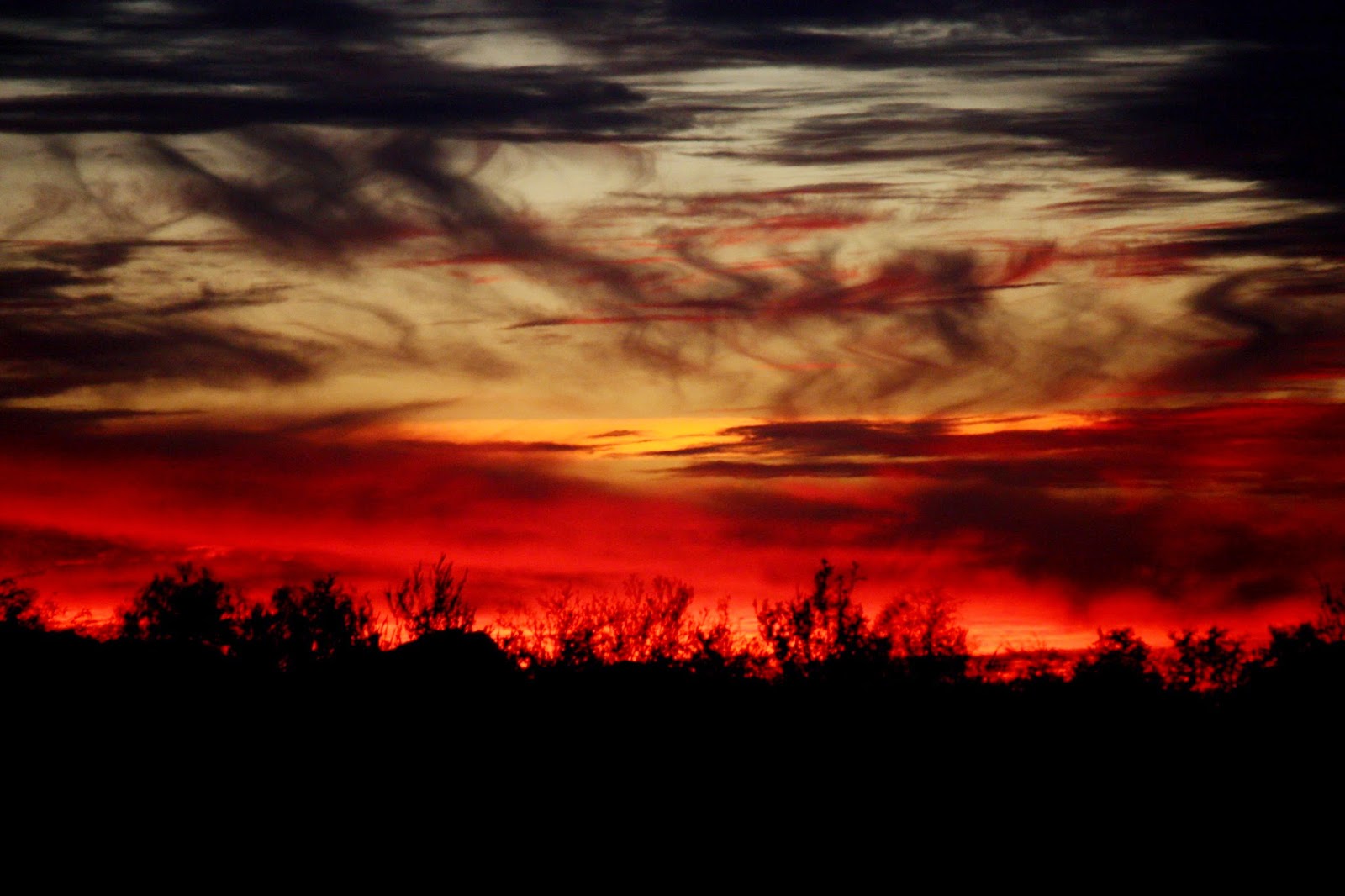
As well as I know Oregon, I know this part of Arizona, which means there are always new things to learn. I have had Christmases here as well as Thanksgivings and Easters. I've been here for the monsoons, seen it snow on the cactus and overall never had a reason not to continue to love it dearly. A few of the photos below give a few reasons why.
Arizona makes a very dynamic setting for stories whether historical or contemporary. Finding the right setting for a book is a big part of making it become real enough to write the story. Knowing it in all seasons, bringing it to life through scents and scenes, that's part of what makes it so much fun to write. Setting is one more character in the best books-- in my opinion :)

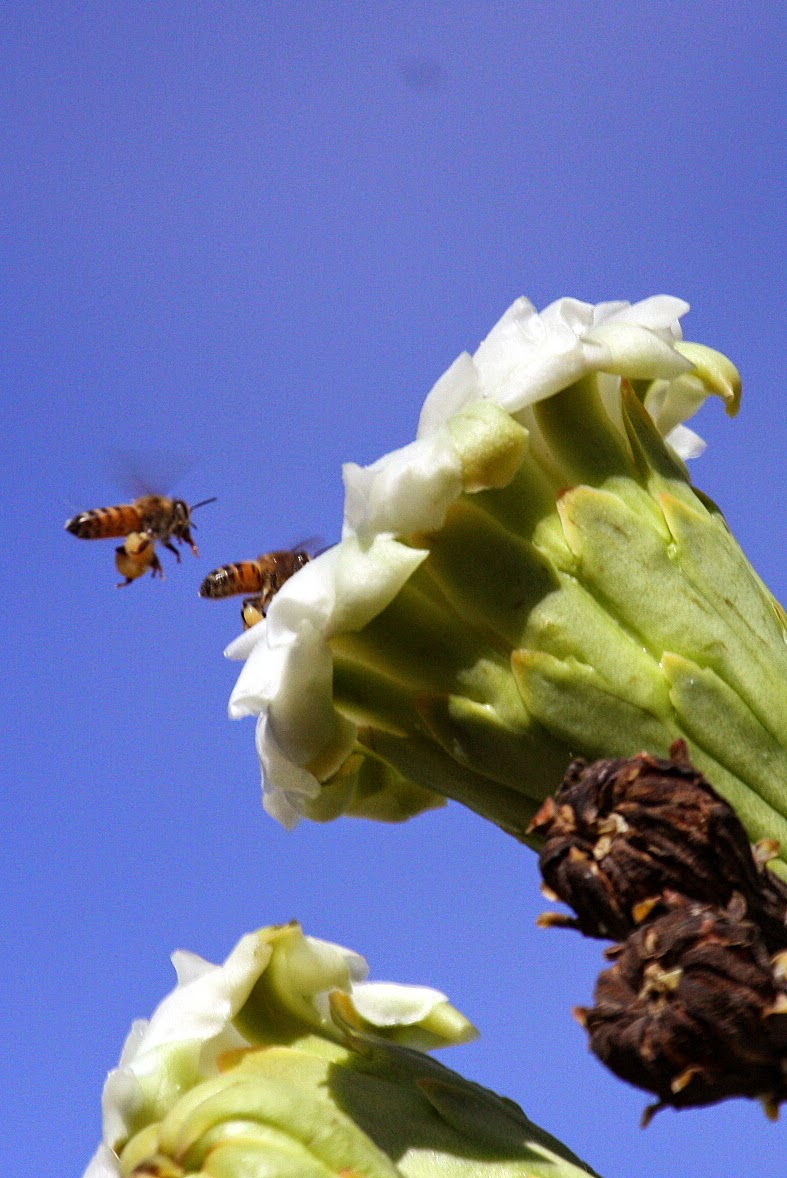


Uh oh, too many pictures for one blog. More Arizona next blog and more reasons why it's not only a great spot to visit, to live, but also to base a story.
December 17, 2014
A season fraught with contradictions
Scrooge alert warning: If you are one who loves Christmas, maybe it will be best to skip today's blog :)
The reason Christmas can be tricky to fit into a work of fiction involves its very essence. Talk about a contradictory holiday. To begin, it is set at a time of the year that Jesus was very unlikely to have been born. Shepherds kept watch in the spring, not the heart of winter.
The early church likely set it December 25th to compete with Saturnalia, Hanukkah, and Celtic festivals for Winter Solstice. So many of what we consider traditional Christmas practices come out of pagan traditions.
Today, there is a powerful irony in how Christmas is celebrated. It is about the birth of a man who preached giving to the poor, healing the sick, avoiding riches, and living a moral, simple, and non-judgmental life. Jesus talked of worshiping God in a meaningful way, and doing that by personally living a life that illustrated those core values. What in today's Christmas speaks to that?
Born in a manger, except it is unlikely to be anything like it is usually portrayed, then certified a godlike birth by three wisemen who were most likely Eastern mystics, sorcerers if you will-- who later Christians would have killed for following astrology. I know the argument that the star might've been a comet. That was to avoid it being a sign in the sky. Cannot have signs in the sky, now can we...
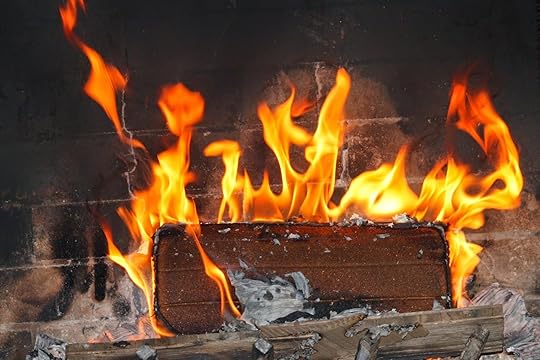
Christmas has been celebrated different ways through the ages. Even the notion of Santa Claus has changed especially due to popular fiction that added to the mythology.
For the most part, Christmas, at least in America, is a time of conspicuous consumption, some giving to the poor but usually as a side note, running around to parties, and spending more money than the people have-- leaving those without money feeling more deprived and depressed than they would the rest of the year.
Oddly enough, and against Christ's teaching, today the misery of the poor is added to by condemnation. Those, who have so much and can overdo for Christmas, claim it's the result of their righteous living and hence no responsibility to worry about the poor-- beyond a few tokens when the mood strikes.
The decorations and customs of Christmas come mostly out of paganism. A Christmas tree as a major part of the celebration makes as much sense as an Easter bunny-- [history of Christmas trees]. [Wreathes have a long history]. [Lights, we must have lights.] And, of course, we have the time of birth of the light-- [Winter Solstice]
[Santa Claus], who knows if you've been naughty or nice, becomes a potential trap for parents because if they tell their child there is one and they later on find out there is not, what about when they tell them about God or anything else? Santa is a representative of a real saint, or so we think, Saint Nicholas, who was generous and giving. A lot of the rest of what got added to him came out of...
Okay, let's be honest, Christmas has been totally commercialized, a time for the economy to boom and people to get part time jobs or lots of overtime. Not to mention all of this in the darkest time of the year in the Northern Hemisphere (where the US, Canada and most of Europe are), where humans should be hibernating (if they don't have livestock to feed...)
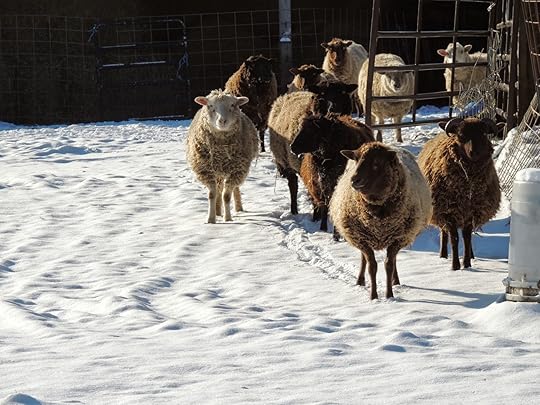
And can't forget Christmas cards which can depict a view of a particular religion, proselytizing as their witness or something cute, humorous or scenic. They go along with the infamous Christmas letters where the sender can do a little personal bragging about trips, promotions, kids' events but only rarely going into the negative experiences of the year-- especially not if they were of their own making. The ones receiving the letters can pretty well depend on not hearing from that person again until the next year rolls around. If they were writing regularly, there'd be no need for a Christmas letter, now would there!
Buying lots and lots of presents is a key now to a healthy economy. Stores even name the first Friday after Thanksgiving Black Friday because it's when they hope to go into the black and make their year profitable... stores hope.
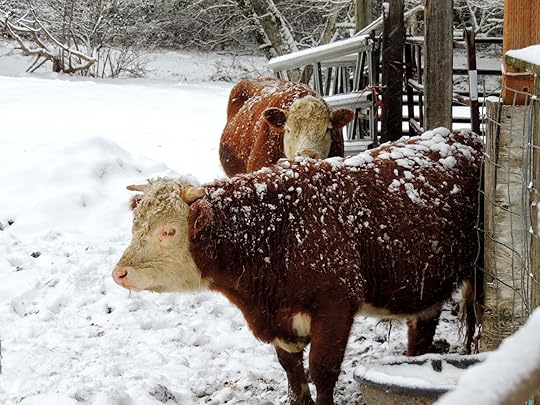
To add to this whole rigamarole, of a religious holiday set to compete with other religious holidays, let's add in what it actually ends up meaning to a lot of families i.e. increased credit card debt and many folks back at the stores the day after Christmas returning what didn't fit or they didn't like leading to another big spending day with sales... stores hope.
Broken families will never miss having all the benefits of a whole family as much as when it's Christmas and it's supposed to be about family together. If someone has had a bummer of a childhood (had that character as the hero of Moon Dust), they want to skip the whole holiday season and do something very unChristmasy-- like go to the beach or ski at a mountain. Sitting home and feeling sad about what didn't happen in their own life is no way to get over disappointment. They have to make a new way and it can be done-- if they leave out the imaginary part that isn't there for very many people.
That all isn't to say that Christmas can't be a warm and wonderful time in a story or for a people. I have many wonderful family memories of Christmas from childhood on.
Growing up on a farm, we had our family Christmas on Christmas Eve; so that Christmas Day we could drive to Portland to my father's brother's home. There it was filled with laughter, lots of talk, and play. There were cousins, aunts, uncles, and long tables laden with food coming from every family. For years, there was a white elephant gift that went around the room as people picked new gifts or took the one the last person got. Big families can have a lot of fun with Christmas.
Then with the birth of our daughter, we traded off as to where we'd have dinner and gift giving-- from grandparents, to a beloved aunt, and every third year, our own home. New traditions involved Christmas Mass and later a country church's Christmas program.
In my life, there were all the trimmings and no fights that I ever remember on any Christmas-- whether alcohol was part of it or not.
These days, other than being with my grandkids, to be part of their Christmas memories, I don't have a lot of sentimentality toward the season. A little nostalgia sometimes as I remember the early Christmases when my children were small and think of all the ones who were there at Christmas and now have gone on. It is a season for nostalgia and nothing wrong with that.
When Christmas and all its energy is used in a story, it can be a powerful dynamic where the writer has to decide whether these people celebrate it in a religious way, healing, time of loss, or a time to make new wonderful memories-- they hope.
The reason Christmas can be tricky to fit into a work of fiction involves its very essence. Talk about a contradictory holiday. To begin, it is set at a time of the year that Jesus was very unlikely to have been born. Shepherds kept watch in the spring, not the heart of winter.
The early church likely set it December 25th to compete with Saturnalia, Hanukkah, and Celtic festivals for Winter Solstice. So many of what we consider traditional Christmas practices come out of pagan traditions.
Today, there is a powerful irony in how Christmas is celebrated. It is about the birth of a man who preached giving to the poor, healing the sick, avoiding riches, and living a moral, simple, and non-judgmental life. Jesus talked of worshiping God in a meaningful way, and doing that by personally living a life that illustrated those core values. What in today's Christmas speaks to that?
Born in a manger, except it is unlikely to be anything like it is usually portrayed, then certified a godlike birth by three wisemen who were most likely Eastern mystics, sorcerers if you will-- who later Christians would have killed for following astrology. I know the argument that the star might've been a comet. That was to avoid it being a sign in the sky. Cannot have signs in the sky, now can we...
Christmas has been celebrated different ways through the ages. Even the notion of Santa Claus has changed especially due to popular fiction that added to the mythology.
For the most part, Christmas, at least in America, is a time of conspicuous consumption, some giving to the poor but usually as a side note, running around to parties, and spending more money than the people have-- leaving those without money feeling more deprived and depressed than they would the rest of the year.
Oddly enough, and against Christ's teaching, today the misery of the poor is added to by condemnation. Those, who have so much and can overdo for Christmas, claim it's the result of their righteous living and hence no responsibility to worry about the poor-- beyond a few tokens when the mood strikes.
The decorations and customs of Christmas come mostly out of paganism. A Christmas tree as a major part of the celebration makes as much sense as an Easter bunny-- [history of Christmas trees]. [Wreathes have a long history]. [Lights, we must have lights.] And, of course, we have the time of birth of the light-- [Winter Solstice]
[Santa Claus], who knows if you've been naughty or nice, becomes a potential trap for parents because if they tell their child there is one and they later on find out there is not, what about when they tell them about God or anything else? Santa is a representative of a real saint, or so we think, Saint Nicholas, who was generous and giving. A lot of the rest of what got added to him came out of...
Okay, let's be honest, Christmas has been totally commercialized, a time for the economy to boom and people to get part time jobs or lots of overtime. Not to mention all of this in the darkest time of the year in the Northern Hemisphere (where the US, Canada and most of Europe are), where humans should be hibernating (if they don't have livestock to feed...)

And can't forget Christmas cards which can depict a view of a particular religion, proselytizing as their witness or something cute, humorous or scenic. They go along with the infamous Christmas letters where the sender can do a little personal bragging about trips, promotions, kids' events but only rarely going into the negative experiences of the year-- especially not if they were of their own making. The ones receiving the letters can pretty well depend on not hearing from that person again until the next year rolls around. If they were writing regularly, there'd be no need for a Christmas letter, now would there!
Buying lots and lots of presents is a key now to a healthy economy. Stores even name the first Friday after Thanksgiving Black Friday because it's when they hope to go into the black and make their year profitable... stores hope.

To add to this whole rigamarole, of a religious holiday set to compete with other religious holidays, let's add in what it actually ends up meaning to a lot of families i.e. increased credit card debt and many folks back at the stores the day after Christmas returning what didn't fit or they didn't like leading to another big spending day with sales... stores hope.
Broken families will never miss having all the benefits of a whole family as much as when it's Christmas and it's supposed to be about family together. If someone has had a bummer of a childhood (had that character as the hero of Moon Dust), they want to skip the whole holiday season and do something very unChristmasy-- like go to the beach or ski at a mountain. Sitting home and feeling sad about what didn't happen in their own life is no way to get over disappointment. They have to make a new way and it can be done-- if they leave out the imaginary part that isn't there for very many people.
That all isn't to say that Christmas can't be a warm and wonderful time in a story or for a people. I have many wonderful family memories of Christmas from childhood on.
Growing up on a farm, we had our family Christmas on Christmas Eve; so that Christmas Day we could drive to Portland to my father's brother's home. There it was filled with laughter, lots of talk, and play. There were cousins, aunts, uncles, and long tables laden with food coming from every family. For years, there was a white elephant gift that went around the room as people picked new gifts or took the one the last person got. Big families can have a lot of fun with Christmas.
Then with the birth of our daughter, we traded off as to where we'd have dinner and gift giving-- from grandparents, to a beloved aunt, and every third year, our own home. New traditions involved Christmas Mass and later a country church's Christmas program.
In my life, there were all the trimmings and no fights that I ever remember on any Christmas-- whether alcohol was part of it or not.
These days, other than being with my grandkids, to be part of their Christmas memories, I don't have a lot of sentimentality toward the season. A little nostalgia sometimes as I remember the early Christmases when my children were small and think of all the ones who were there at Christmas and now have gone on. It is a season for nostalgia and nothing wrong with that.
When Christmas and all its energy is used in a story, it can be a powerful dynamic where the writer has to decide whether these people celebrate it in a religious way, healing, time of loss, or a time to make new wonderful memories-- they hope.
December 14, 2014
Christmas in the story

With the holiday season in full swing, it's a good time for writers to think about whether they have a holiday novella or short story to tell-- or whether to include this time of year in a longer book. It might be too late for this Christmas, but inspiration often strikes when the right energies are in place. Besides, people read Christmas stories year round.
There are reasons (religious and emotional at the top of the list) to not use Christmas as well as reasons it will provide a dynamic to reveal more about the characters.
My first novella was A Montana Christmas. Although set in Montana, I actually wrote it when in Arizona. It was on the drive down two years ago that I decided a Christmas story would be fun for the Montana ranch. I knew the characters pretty well and never had written an epilogue to their story, From Here to There.
The novella stands alone but probably is more fun for someone who read the earlier book-- just because it's nice to see how they are getting along.
A Montana Christmas-- what it's about and where it can be bought
A plus in writing a novella or short story is either can be slice of life which does not require the same form that a novel should have. A novella that follows a romance does not need the ups and downs of first love-- though it could have them. So the novella is plus plus in my mind-- faster write and it can be about an emotion or theme without the structure issues. The bad part would be if it was new characters, it isn't much time to thoroughly develop them.

I got sidetracked as this is really about Christmas in particular. And when it's about Christmas it carries with it a lot of weight emotionally. Most of at least the developed world has Christmas memories of some sort-- some positive and some negative. How it has been celebrated has varied quite a bit through the ages. So to write a Christmas story involves some research especially if it's historic, but either way, it takes some thinking as to what angle will be taken. Christmas is a two-edged sword with some having only wonderful memories and others finding it a time of loss and disappointment.
Actually I have included Christmas in several of my books. Sometimes as a kind of side note (as in what the characters experienced was off screen) and sometimes as a major element of the story. I incorporated it into Tucson Moon. Neither the hero, nor his estranged daughter, had experienced much in the way of a traditional Christmas. That story had the hero riding into the mountains above Tucson to cut down a tree. The characters experienced the traditional-- decorating it together with friends, but then a rather nontraditional experience (at least for those who don't live in Tucson) of attending a Yaqui Christmas where the Deer Dancer was part of the celebration of giving. Christmas in that book was a sweet interlude before life caught up with the characters and took them other directions.
A Montana Christmas involves one of the deeper meanings of Christmas where it's a bringing together of families, sometimes even broken families and the spirit of giving offers an opportunity to heal old wounds. This story is more about the lead up to Christmas Day with a Winter Solstice celebration. It also is a chance to show some of what this season is like for ranchers.

Currently I am writing another Christmas story but it probably won't make it out before Christmas. It is set in Arizona 1900. I also got the idea for it when in Arizona, which at least this time it is set in Arizona in the season I am currently enjoying here. I am not sure if it'll be a short story or novella but it's been a fun write.
I should add that Saturday I joined tsu (https://www.tsu.co/RainTrueax) which is another social media site that may replace Facebook for many of us who are both wanting to connect with others and show our work. If you are already there, I'd be happy if you friend me. If you join later, remember me :). There is some uncertainty as to how Facebook will be for writers after January 1. I know I can't pay a monthly fee anywhere and hope to sell enough books to cover it; so we'll see how this goes! I am never a fan of new techie things but sometimes ya just gotta do it!
December 10, 2014
photography as a side note
Although this blog is mostly about writing, what it takes, what makes it worthwhile to do, personally, I have many interests in the creative vein-- maybe too many. Photography has always been one of them. I both admire good photograph and how they came to be. I also love to take photographs. These days, with digital and photo-paint sites, making manipulation possible for anyone, it's far easier to get good photos. Great ones though-- not everyone can take those.
While down here this time, I acquired a desire for an Ansel Adams print-- of course, I don't mean real print as those would run many thousands of dollars. I'll be looking for a reproduction. It is described in the link below. Part of my yen comes from my thinking I had one in this house. I did not. I love moon shots but getting one just right with the sun going down and the moon rising, that is what separates the boys from the men... girls from the women... well anyway, you know what I mean.
Moonrise over Hernandez by Ansel Adams
I can so relate to how his photo was seen and captured. I can't count the times we have been driving somewhere and seen the perfect combination of land, sky and light, but were unable to get off the road to take it due to safety considerations. Once in a great while I can take it through the car window and get a good shot. Sometimes color is best; sometimes black and white. With digital tools, instantly I can have both to decide.
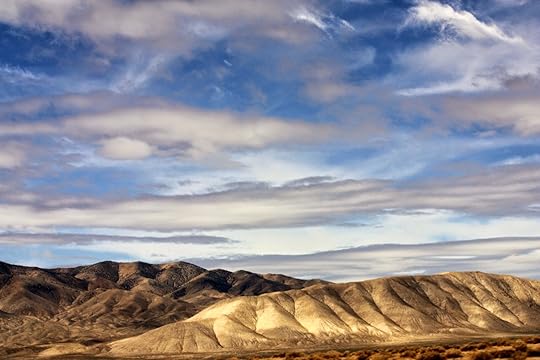
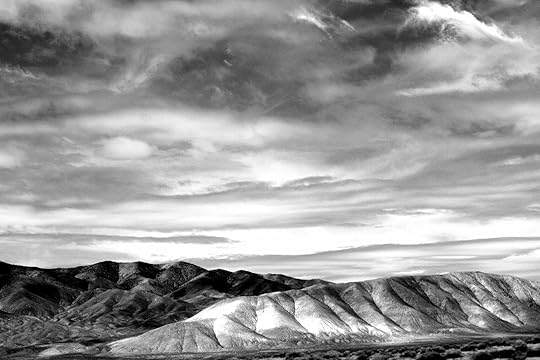
One thing a lot of people don't understand is the difference between a nice snapshot, which anyone can take, and a photograph-- the kind that captures a Zen moment because it says far more than its basic elements. The same thing shows up when I am looking at model images to use on book covers. Some are catalog shots-- a rare few go beyond to the emotions.
For those who think, for great photos, they don't need special lenses or cameras, it's fine, but they do need to understand what they are mostly getting-- snapshots. Nothing wrong with those to represent a special moment or as a reminder of a great vacation. They do not, however, equal art.
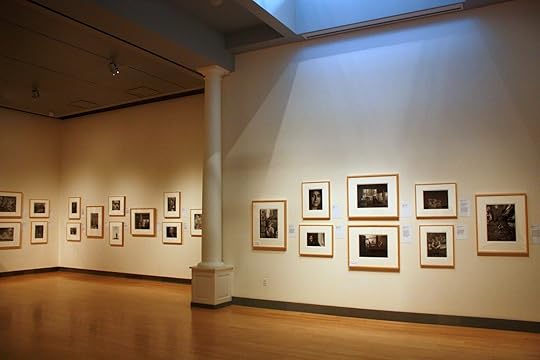
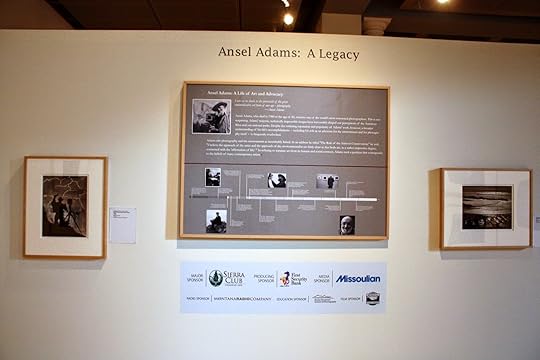
We got so lucky one year when we were in Missoula. When we arrived, we learned an Ansel Adams exhibit was opening in their art museum. Serendipity. When we arrived, we asked the man at the desk if we could take photographs in the exhibit if we didn't use a flash. We hadn't even brought the camera because the answer is usually no. He said no problem. Ranch Boss ran back for the digital camera.
So upstairs I was taking photos and a guard came up to tell me it was not permitted. I told him what we had been told and fortunately he didn't demand I delete all my photos. I totally understand why they don't allow photos although they often have brochures, which have all the photos. It's not like anyone, without a flash could take a photo good enough to make a duplicate-- but even if they did, try selling it and see how that goes for ya.
Anyway it was a rich experience to see all the actual prints. Ansel Adams' work and viewpoint has long fascinated me. I've watched videos that explore his life and how he did what he did. Seeing the work of great painters or photographers inspires me and not just about photographs. It's about a full, creative life that goes beyond a product to a lifestyle and way of seeing the world. It doesn't limit the artist. It enriches the other parts of their life.
Alfred Stieglitz's work is another that has me in awe and there is a great video about his work-- The Eloquent Eye . You cannot buy the video but you can see it on YouTube, at least for now. It is inspirational for any photographer-- or want to be.
Where it comes to creativity though, I can split myself too many directions. It's been a lifelong issue. For this period in my life I am focusing and even though I will occasionally share other things here, I am aiming myself to stay with writing as my passion and what I put my time into. Photography is still there for me-- but as a hobby.
Personally, I love all the arts. Where it comes to painting, I remind myself of my cat when she sees a bird outside the window or fence and makes that little meowing sound. I'd love to paint. I do love to paint. But you can't do everything if you want to reach excellence-- and in writing I am aiming for my personal best.
Of course, decorating our home... well that's living, right... and I do want that Moonrise over Hernandez on a poster we can mat and put on our wall. That's not the same thing at all... is it? *s*
While down here this time, I acquired a desire for an Ansel Adams print-- of course, I don't mean real print as those would run many thousands of dollars. I'll be looking for a reproduction. It is described in the link below. Part of my yen comes from my thinking I had one in this house. I did not. I love moon shots but getting one just right with the sun going down and the moon rising, that is what separates the boys from the men... girls from the women... well anyway, you know what I mean.
Moonrise over Hernandez by Ansel Adams
I can so relate to how his photo was seen and captured. I can't count the times we have been driving somewhere and seen the perfect combination of land, sky and light, but were unable to get off the road to take it due to safety considerations. Once in a great while I can take it through the car window and get a good shot. Sometimes color is best; sometimes black and white. With digital tools, instantly I can have both to decide.
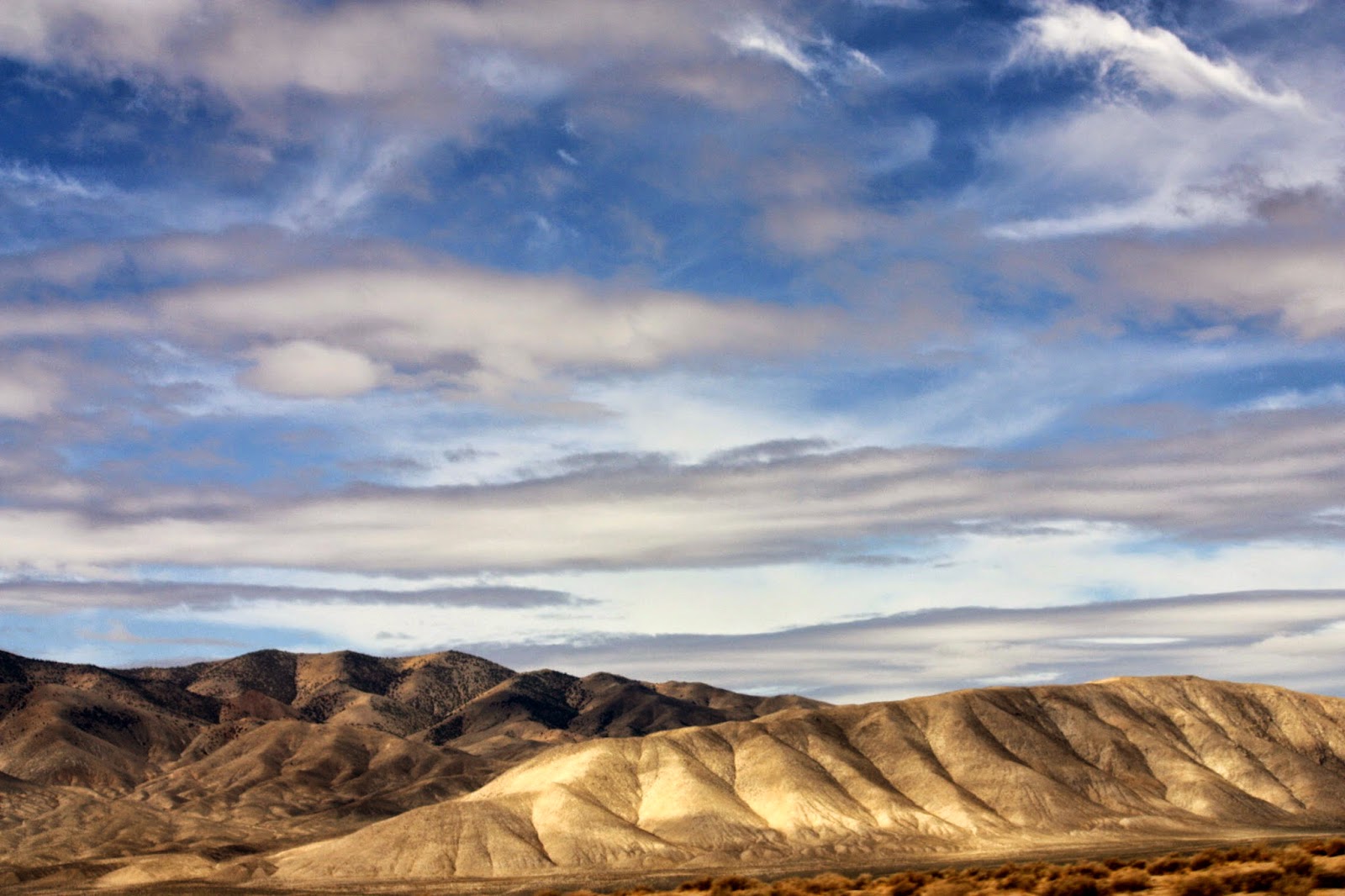
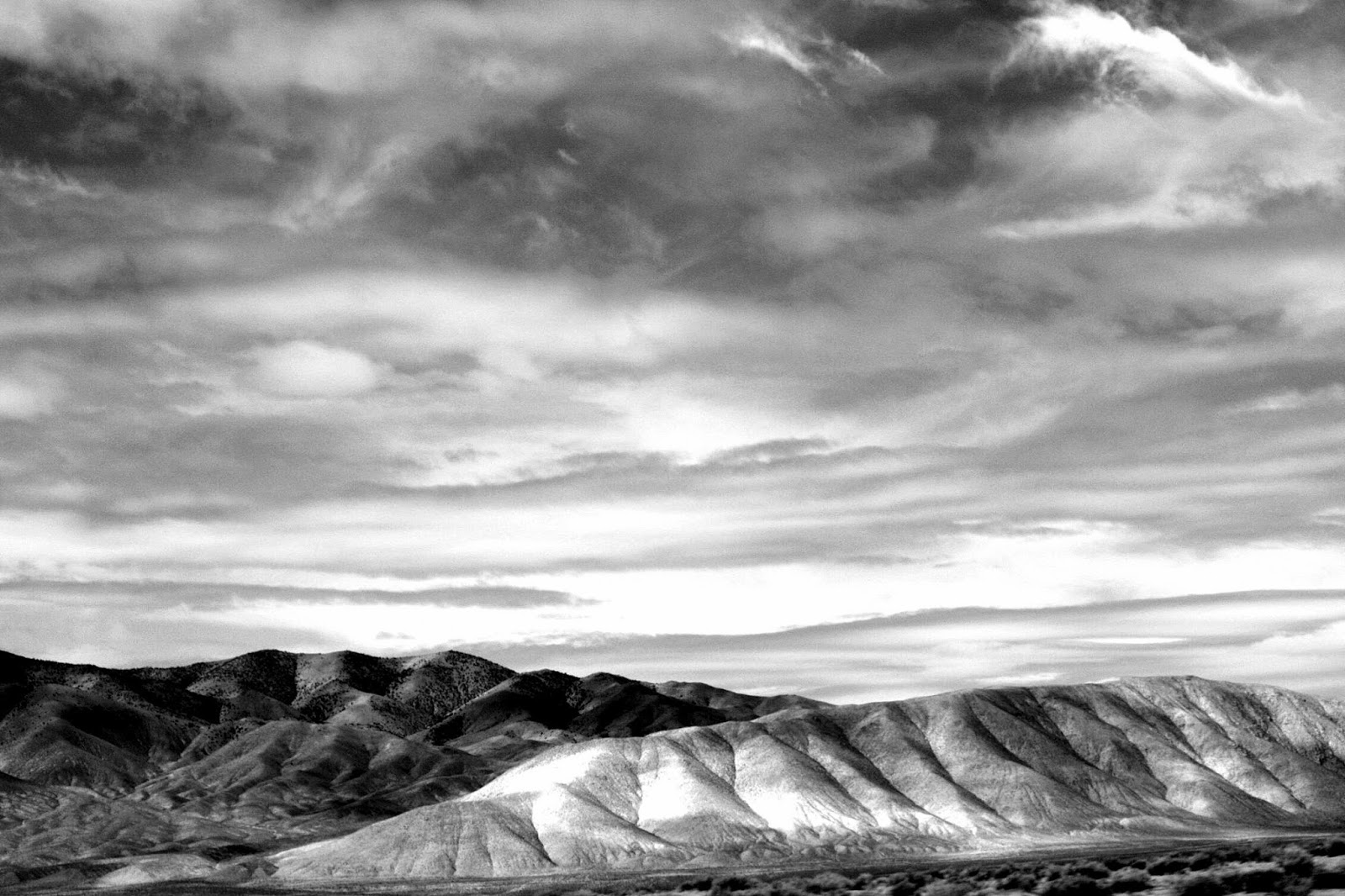
One thing a lot of people don't understand is the difference between a nice snapshot, which anyone can take, and a photograph-- the kind that captures a Zen moment because it says far more than its basic elements. The same thing shows up when I am looking at model images to use on book covers. Some are catalog shots-- a rare few go beyond to the emotions.
For those who think, for great photos, they don't need special lenses or cameras, it's fine, but they do need to understand what they are mostly getting-- snapshots. Nothing wrong with those to represent a special moment or as a reminder of a great vacation. They do not, however, equal art.
We got so lucky one year when we were in Missoula. When we arrived, we learned an Ansel Adams exhibit was opening in their art museum. Serendipity. When we arrived, we asked the man at the desk if we could take photographs in the exhibit if we didn't use a flash. We hadn't even brought the camera because the answer is usually no. He said no problem. Ranch Boss ran back for the digital camera.
So upstairs I was taking photos and a guard came up to tell me it was not permitted. I told him what we had been told and fortunately he didn't demand I delete all my photos. I totally understand why they don't allow photos although they often have brochures, which have all the photos. It's not like anyone, without a flash could take a photo good enough to make a duplicate-- but even if they did, try selling it and see how that goes for ya.
Anyway it was a rich experience to see all the actual prints. Ansel Adams' work and viewpoint has long fascinated me. I've watched videos that explore his life and how he did what he did. Seeing the work of great painters or photographers inspires me and not just about photographs. It's about a full, creative life that goes beyond a product to a lifestyle and way of seeing the world. It doesn't limit the artist. It enriches the other parts of their life.
Alfred Stieglitz's work is another that has me in awe and there is a great video about his work-- The Eloquent Eye . You cannot buy the video but you can see it on YouTube, at least for now. It is inspirational for any photographer-- or want to be.
Where it comes to creativity though, I can split myself too many directions. It's been a lifelong issue. For this period in my life I am focusing and even though I will occasionally share other things here, I am aiming myself to stay with writing as my passion and what I put my time into. Photography is still there for me-- but as a hobby.
Personally, I love all the arts. Where it comes to painting, I remind myself of my cat when she sees a bird outside the window or fence and makes that little meowing sound. I'd love to paint. I do love to paint. But you can't do everything if you want to reach excellence-- and in writing I am aiming for my personal best.
Of course, decorating our home... well that's living, right... and I do want that Moonrise over Hernandez on a poster we can mat and put on our wall. That's not the same thing at all... is it? *s*


December 7, 2014
Casa Espiritu

One of the fun things about having a second home, where you share it with occasional vacation renters, is trying to think what other people will enjoy, that we do also. Our Tucson house is called Casa Espiritu because it's about spirit, in particular the spirit of creativity. I have been in this house and written stories, painted paintings, and sculpted sculptures. The house is full of art, both mine and that we have purchased. It is aimed to be an environment of and for creativity.
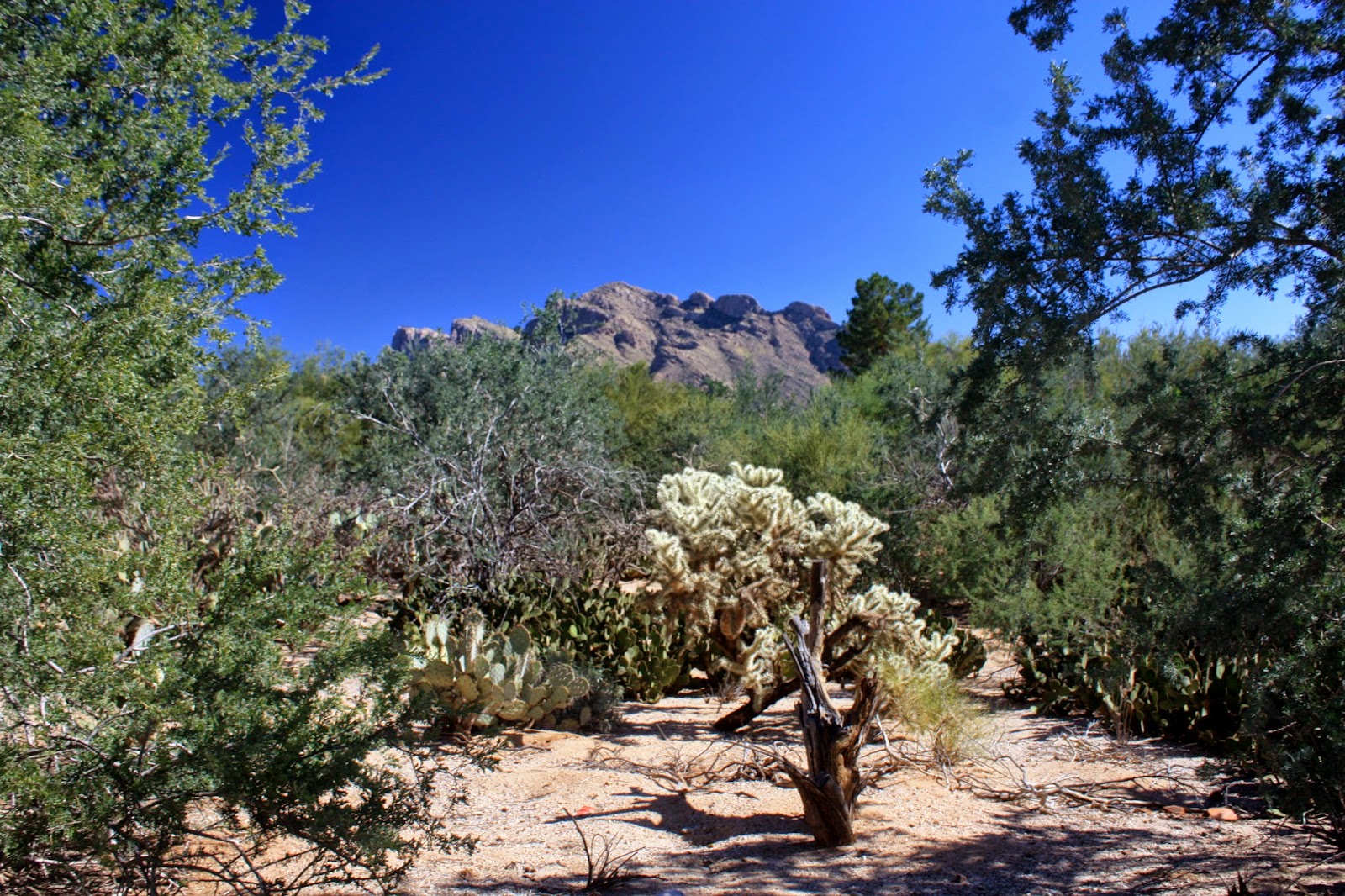
Now this is not to say that our Oregon property is not also creatively oriented. Both Ranch Boss and I need space for creative work. In our homes he has a room for his computer, desk, research, etc. I have discovered that I prefer to have my creative space in the main living area. When it was sculpture and painting, it was one end of the kitchen. Today my desk, books and computer are in a corner of the living room. I've tried having it in a separate room, but it didn't work for me. I like being out where I am close to the kitchen, the doors outside and especially with windows to look out.
For Tucson renters, we emphasize how the patio out back has an easel-- just bring your art supplies. Now, even better for a painter, it has a fence that protects paints, brushes and canvases if they are left out for a week or two. This year we used that space to change one of my earlier paintings into something that did a better job conveying the desired message. We got down here and I thought it just isn't doing it and realized why. It needed to be more impressionistic and it needed to speak to why it was here-- with pictographs on impressionistic rocks. With my recent bout with a stomach virus, Ranch Boss painted the petroglyphs with a far steadier hand. I am delighted with the result. We moved it into the dining area which makes it nice for kitchen or living room.


We decided this trip, after the big jobs were finished, that we were going to work on changing around the art. I especially wanted one new painting for the living room. After checking out the local artist co-ops, for work with a southwestern flavor, we went for a lithograph by an artist I have long admired but of his work, we could not remotely afford an original (we could barely afford the lithograph). The spot needed a Southwestern landscape, as so much of the art in Casa Espiritu is Native American inspired with a bit of impressionism. I wouldn't really buy a painting just to suit the colors of my home, but the colors of my home tend to be the colors I prefer in paintings.
I will hate leaving here when the time comes-- and it's only a week away. We will be in Oregon for Christmas. I love Tucson but winter at our little ranch is the time of heavy feeding and when Imbolc arrives, lambing. We also need to sell some stock.
So we let others enjoy a winter in the sun, and it adds to my enjoyment to know someone is here and this beloved house isn't setting alone. Most who come here either end up buying their own home in Tucson or coming back to ours. Win/win either way :)
December 3, 2014
motivations on the dark side
In life, there is a dark and light side. It is how it goes. In fiction, that is the case also. The dark side is sometimes shown by a villain but can even be the main character-- when it's not a romance anyway. Exploring what the dark side is can be part of research for a story.
Foxcatcher and the motivation of a murderer
I won't be seeing the current film, Foxcatcher even though it has an interesting cast. As I have mentioned many times, when a film is about negative characters with ugly results, it's not going to be one I rent or buy. But I thought the article was particularly interesting in how the film, which is based on a book, opted to portray the motivations of the character who is clearly its villain.
In my own writing, the question always comes down to this-- what makes a character a villain? To discover that, a writer has to try to understand what makes people do bad things to other people. If the villain is an actual character in the book, their motivations have to feel as real as those of the hero or heroine, who will stand against them.
For any want-to-be writer of fiction, romance or otherwise, the above article is worth reading for how issues of plot are worked out. It deals with something I have to work through in every book because most of my stories do have a villain to represent the dark side and to show the character of the hero/heroine as they must confront and come out on top both for how they did it and for the end result of a happily ever after-- obviously real life doesn't always have it work out that way.
Why have a villain? Well, whether in a book or in life, we show our character the most clearly when confronted with something which is threatening and bad. In fiction, the hero or heroine must finally stand up (sometimes very reluctantly) and overcome the thing that would threaten life or at the least what is most important to them.
It's not hard to create a stereotypical villain, black hat, twirling mustache, and evil actions, but it takes more effort to create one who seems believable and a real threat.
I recently read another article in New Yorker magazine about the father of the young man who killed all the school children in Sandy Hook. It involved how this boy's character went to the dark side as he was growing up. In that young man's situation, he had one diagnosable mental aberration but most likely another one, one that makes most villains into what they are-- psychosis.
Psychotics put their needs above everyone else's. A psychotic does not have to be insane. They can know very well what they are doing, know how to plot, and hide it-- as the Sandy Hook murderer did. If someone is emotionally damaged in one area, being a psychotic might be what tips them over the edge or hides their nature. The book below I heard about on an NPR program as the author discussed his experience in particular with one psychotic-- one who had committed no crimes but also had no conscience.
Without Conscience
I think there has to be some level or psychoses, whether clinically diagnosable or not, in all who brutally murder someone else with a plan in mind. We read about the man who didn't want ex- to break up with him and he goes to where she is and shoots her to death and then himself, is that normal or expected behavior? It's putting their own needs ahead of anybody else's. A lot of the men (and it's usually men) who do this have a history of abusing others and probably are psychotic. The interesting thing with this disorder is the person can seem normal in all other ways. It makes it hard to diagnose or recognize in time to avoid relationships with them.
Reading books about mental aberrations isn't the most pleasing thing to do, but it's how you take a dark character beyond shallow. If I wasn't writing romance, that character might be the main protagonist in a book; but in a romance, they never will. They might not even show up but it's the results of what they did. They represent the major challenge that a worthy hero or heroine must overcome.
Evil (a word some people hate) is not always obvious. I remember years ago when I first read People of the Lie and the author, who was a psychologist, brought out how often he would find in a family, with a member he was treating, the truly evil person was someone who had driven them there. I don't think that sounds like the case with the Sandy Hook killer, but he was enabled and not recognized for what he was in time. Psychoses helped him hide what he was inside even from psychiatrists-- although some did appear to recognize his risk.
There are reasons people do bad things to others but understanding why your villain did, that's what takes a lot of thought and sometimes requires research. For me, it's nothing I want to research in person-- although I think in my lifetime I actually have come across a few psychotics-- not all of the deadly sort. But, when I want a villain who really seems threatening, I call on what I know to be one side of human nature-- the dark side. It is not enjoyable to think that way, but it does satisfy the need of depth in stories.
If someone is writing say chick lit, it might be a parent who isn't physically dangerous but has constantly undermined the heroine. It will be something that the main character must overcome. It is the dark side, and it better be believable.
November 30, 2014
from where it comes

When looking for inspiration for a new book, beyond characters and place, there is another thing that can prove inspiring regarding the complexity of life-- newspaper articles. Where I avoid reading negative fiction or watching such films, I do read a lot of non-fiction in both books and articles regarding what is going on in our world. This article was one that attracted my interest.
The secret life of an ISIS warlord
When I wrote Her Dark Angel, the hero had been forced to go undercover to help breakup a crime syndicate. Only at the moment the sting is being set up does he find someone else may be calling the shots. From then on, he's dealing with an unseen enemy. My book was fiction. The story above is supposition. A lot of fiction comes out of what has happened somewhere sometime-- or could have.
When I am creating a story, I use dreams and basically pull up everything into my thinking. Everything I read has the potential to be used. What would work? What story in the museum might be expanded or changed and work with my plot? I play with various possibilities. The essence in writing is that everything in fiction is also part of real life-- just not all in the same place or possibly put together.
Fiction writing is fascinating due to the complexity of human personalities and interactions. If you read that article, you see a whole range of possible ways those dynamics could be used in a story without using any of the facts. Instead you take the energy. A romance will use those dynamics and take the reader through an emotional experience that will reward not depress (like non-fiction can so often do).